About Tanjung Jepun
Tanjung Jepun is a celebrated dive site located close to Padang Bai on Bali's eastern coast, easily accessible for day trips from Sanur. It stands out as an excellent location for observing a rich variety of macro marine life and offers suitable conditions for divers of all levels, including beginners. The site features an artificial reef and a small wreck resting at approximately 17 meters, which adds an interesting topographical element to explore. It's particularly lauded for its calm conditions and clear waters, making it a comfortable and rewarding dive experience. The underwater landscape is characterized by a mix of natural reef and artificial structures, providing varied habitats for numerous species. Divers typically explore depths ranging from 10 to 25 meters, where they can encounter abundant small critters and unique reef inhabitants. This site is also highly recommended for night diving, offering a different perspective on its nocturnal residents. Tanjung Jepun's appeal lies in its consistent diving conditions throughout the year, with minimal currents and excellent visibility, often exceeding 20 meters. This stability makes it an ideal spot for those focusing on underwater photography or simply enjoying a relaxed dive. Its proximity to Padang Bai makes it a convenient addition to any Bali diving itinerary, often combined with other local sites. The marine biodiversity here is remarkable, attracting enthusiasts of unusual and rare species. From colourful nudibranchs to elusive frogfish and even occasional sightings of blue-spotted stingrays, the site promises frequent encounters with fascinating creatures. The combination of easy access, gentle conditions, and prolific marine life solidifies Tanjung Jepun's reputation as a must-visit dive spot in Bali.
Highlights
Abundant macro marine lifeArtificial reef structuresAccessible small wreckCalm, clear conditionsExcellent for night divingBlue-spotted stingrays
Best Season
You can dive Tanjung Jepun effectively all year long. However, the dry season from April to November generally offers the calmest seas and best visibility, enhancing the overall experience.
Dive site facts: Tanjung Jepun
- Depth
- 10–25 m
- Current
- No current
- Visibility
- 20+ m
- Entry
- Shore
- Level
- Advanced Divers
- Dive type
- Macro, wreck, artificial reef, night
- Night dive
- Recommended
- Region / port
- Padang Bai, Bali
- Coordinates
- 8.5430° S, 115.5095° E
Conditions & Currents
Conditions at Tanjung Jepun are notably calm, with typically no significant current, making it an excellent site for less experienced divers or those seeking a relaxed underwater experience. The entry can be shore-based, contributing to its ease of access. Visibility at the site is consistently good, often exceeding 20 meters, which rarely drops due to any local runoff or plankton blooms. Water temperatures remain warm throughout the year, generally between 27°C and 29°C. These placid conditions ensure a comfortable dive, allowing ample time for macro observation and photography without concern for strong movements or challenging entries, meaning less gas consumption and more relaxed bottom time.
Marine life & sighting chances
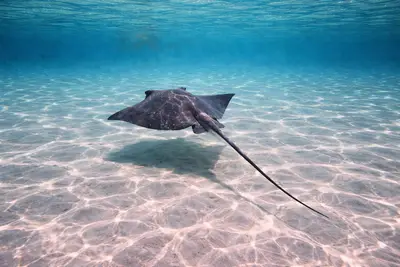
Blue-spotted stingray
common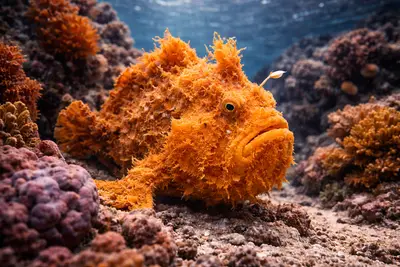
Frogfish
common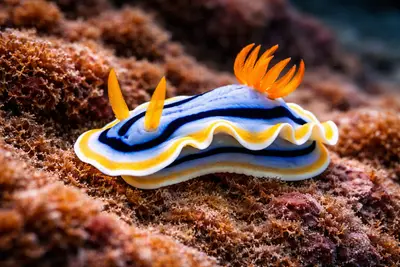
Nudibranch
common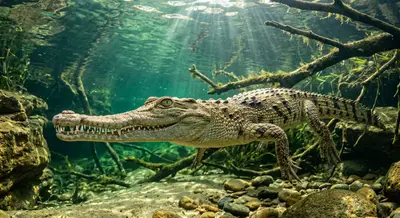
Crocodile fish
common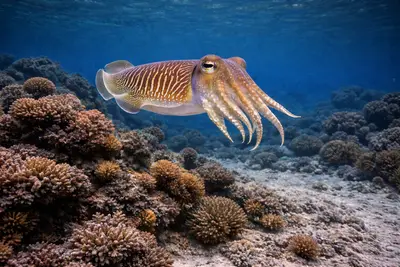
Cuttlefish
common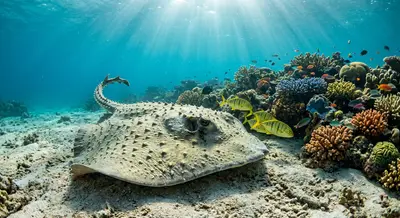
Porcupine fish
common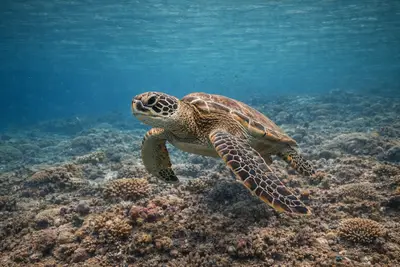
Turtle
occasional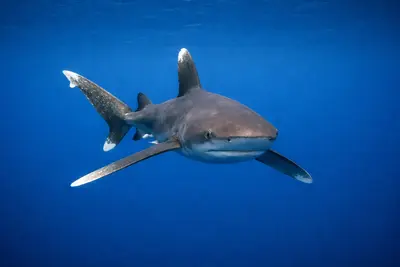
Whitetip shark
occasional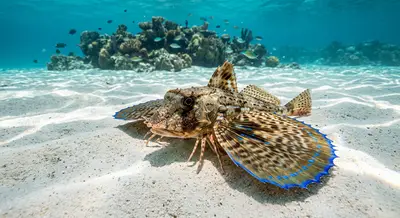
Helmut gurnard
commonLeafscorpion fish
common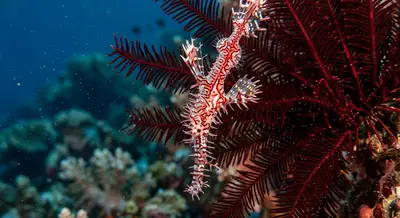
Ornate ghost pipefish
common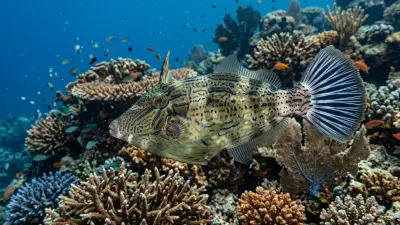
Scrawled filefish
common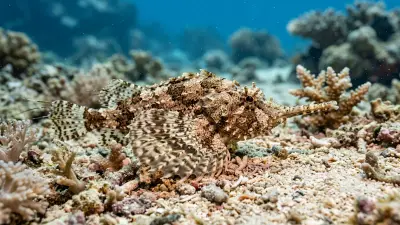
Sea moth
common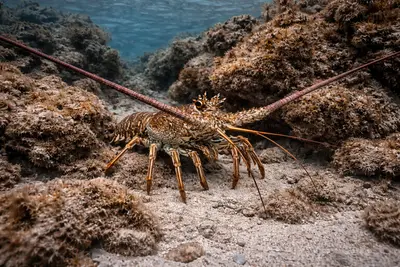
Slipper lobster
commonDive profile & how the dive runs
Your dive at Tanjung Jepun typically begins with an easy shore entry, transitioning into calm, shallow waters. You will then follow the gentle slope of the reef, which integrates an artificial reef structure and leads to a small wreck at around 17 meters deep. The initial section provides a vibrant coral garden, perfect for spotting smaller reef inhabitants. As you progress, you'll explore the wreck, often covered in growth and attracting various macro species. The dive continues along the reef, maintaining depths suitable for extended bottom time, usually between 10 and 25 meters, allowing thorough exploration for elusive creatures like frogfish and nudibranchs. The turn point is determined by air consumption or dive time, with the ascent conducted slowly along the reef slope. The safety stop is ideally performed in the sheltered, shallow areas of the bay, where the calm conditions and abundant marine life offer a pleasant conclusion to the dive.
Underwater photography
Tanjung Jepun is an outstanding location for underwater macro photography due to its prolific and diverse small marine life. A macro lens (60mm or 100mm/105mm) is highly recommended to capture the intricate details of nudibranchs, frogfish, ornate ghost pipefish, and sea moths. Dual strobes are essential to properly light your subjects and minimize backscatter in the clear water, enhancing color and contrast. Maintain excellent buoyancy control to avoid disturbing the sand or delicate marine life, especially when focusing on cryptic critters. Be patient and observe subjects like blue-spotted stingrays from a respectful distance. For night diving, a powerful focus light will be invaluable for locating nocturnal species like the coral cat shark, offering unique photographic opportunities.
Combine with nearby dive sites
- Blue Lagoon
The BLUE is an extraordinary dive site in Rangiroa, situated 300 meters (328 yards) away from the reef slope, venturing into the vast open…
- Jetty
Pemuteran Jetty, often simply called "Jetty," is a premier muck diving site located in North Bali, specifically within the Pemuteran area.
- Gili Mimpang
Gili Mimpang, often called Shark Point or Batu Tiga, is an exhilarating dive site located off the coast of Amuk Bay, near Candi Dasa and…
- Gili Tepekong
Gili Tepekong is one of three volcanic islets situated off the coast of Amuk Bay, near Padang Bai and Candidasa in East Bali.
- Boga Wreck
The Boga Wreck, also known as the Kubu Wreck, is an Indonesian ex-patrol vessel purposely sunk in 2012 to create an artificial reef and…
Getting there & logistics
Diving Tanjung Jepun typically involves day trips from major hubs like Sanur, which is about an hour's drive from Padang Bai. Many dive operators in Sanur offer packages that include hotel pickup and drop-off. Alternatively, you can stay in Padang Bai itself, a working ferry port that also serves as a departure point for Lombok and the Gili Islands. Most dive trips are conducted from local dive centers, often combining Tanjung Jepun with other nearby Padang Bai sites such as Blue Lagoon or the Jetty. No specific permits beyond standard dive certification are usually required for recreational diving here. A typical day trip would involve two dives, with lunch often served at a local warung between dives, allowing you to return to your accommodation in the late afternoon.
Safety & environment
While Tanjung Jepun is known for calm conditions, standard dive safety practices are paramount. The nearest recompression chamber is located in Denpasar, requiring transport which could take some time depending on traffic. It is crucial to have comprehensive dive insurance that covers emergency medical treatment and evacuation. Always dive with a reputable operator and ensure your equipment is well-maintained. Although currents are typically absent, always consult your dive guide on local conditions before entry. When exploring the wreck or artificial structures, exercise caution to avoid entanglement or sharp objects. Maintain good buoyancy to protect yourself and the marine environment, especially around fragile reef areas and when observing macro life.
Who it suits — and who it doesn't
Suited for
- Beginner divers seeking easy conditions
- Underwater macro photographers
- Night dive enthusiasts
- Divers interested in diverse small marine life
- Relaxed, multi-day dive trips
Less suited for
- Divers exclusively seeking large pelagic encounters
- Those looking for strong current drift dives
- Technical divers needing extreme depths
- Divers who prefer untouched, pristine natural reefs
- Very experienced divers seeking challenging conditions
FAQ
Tanjung Jepun FAQ
What kind of marine life can I expect to see at Tanjung Jepun?
Tanjung Jepun is renowned for its diverse macro marine life. You can frequently spot blue-spotted stingrays, various frogfish, numerous species of nudibranchs, crocodile fish, and cuttlefish. It's also a good site for finding less common creatures like ornate ghost pipefish and sea moths.
Is Tanjung Jepun suitable for beginner divers?
Yes, Tanjung Jepun is considered an excellent site for beginner divers. It offers very calm conditions with typically no strong currents and good visibility, making it a safe and comfortable environment for those new to diving or needing to refresh their skills.
Can I do a night dive at Tanjung Jepun?
Tanjung Jepun is highly recommended for night diving. The site transforms after dark, revealing different species like the coral cat shark and other nocturnal creatures, offering a unique and exciting underwater experience for those with appropriate certifications.
What are the typical diving depths and visibility at Tanjung Jepun?
The typical diving depths at Tanjung Jepun range from 10 to 25 meters, accommodating both recreational and advanced divers. Visibility is generally outstanding, often exceeding 20 meters, providing clear views of the reef, wreck, and marine life.
How do I get to Tanjung Jepun, and what are the logistics for diving there?
Tanjung Jepun is located near Padang Bai, which is easily accessible from Sanur by a one-hour car ride. Most dive centers in Sanur or Padang Bai offer day trips, including transportation, guide, and equipment. Dives are often conducted as part of a multi-site itinerary in the Padang Bai area.
Why dive Tanjung Jepun from a liveaboard?
Tanjung Jepun is one of Bali's signature dive sites. A liveaboard sleeps you on the water and puts you in the water for three to four guided dives per day, including dawn and night dives that day-boat operators rarely offer. You skip the daily commute back to port and reach quieter, less-crowded sites in the same region on a single trip.
Below are the liveaboards that include Tanjung Jepun on their Bali itineraries.
Liveaboards diving Tanjung Jepun
These liveaboards may visit Tanjung Jepun on selected itineraries — the exact dive sites depend on departure, weather and conditions.
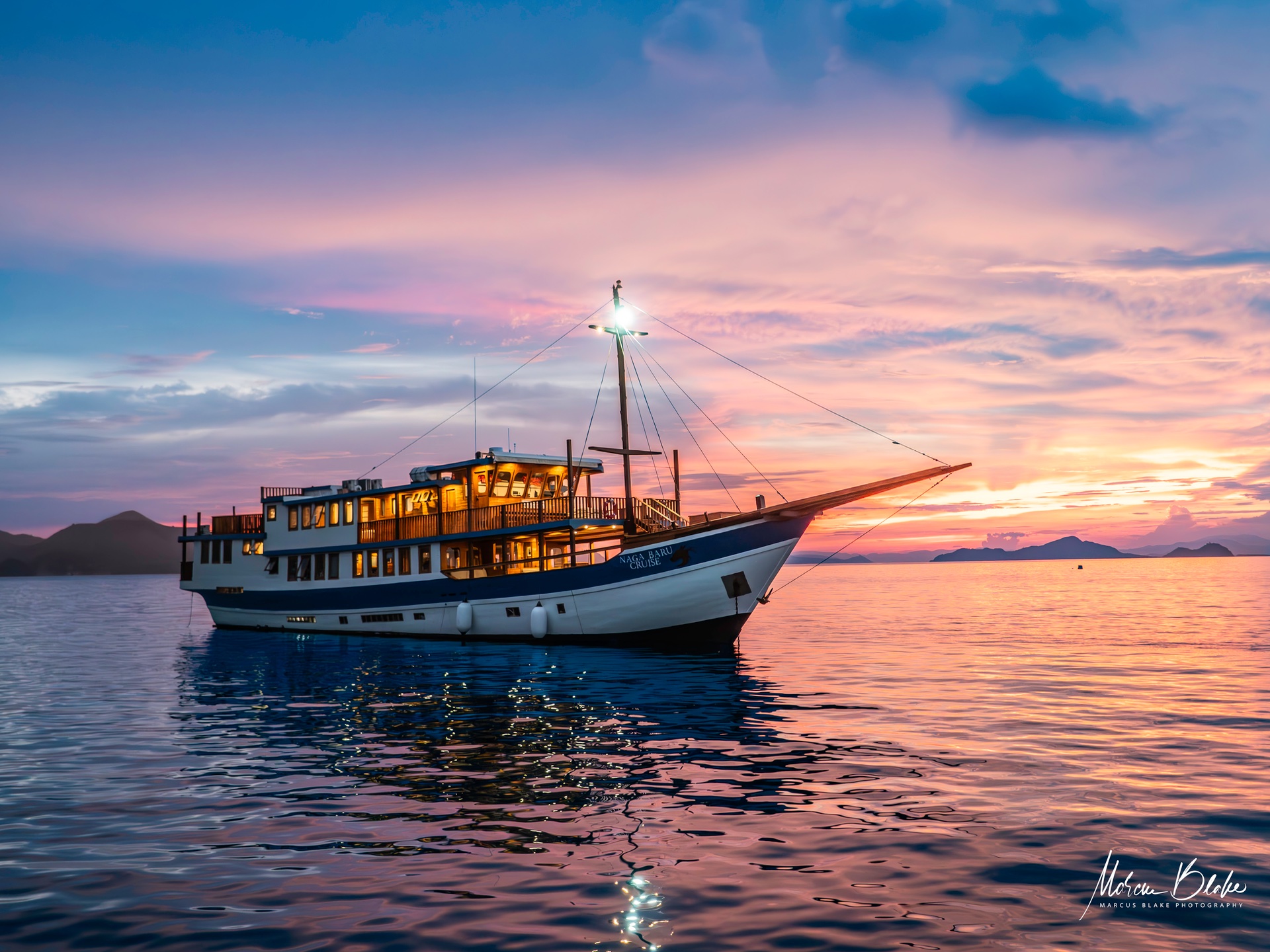
Naga Biru
Indonesia
12 guests40 m
$273/day
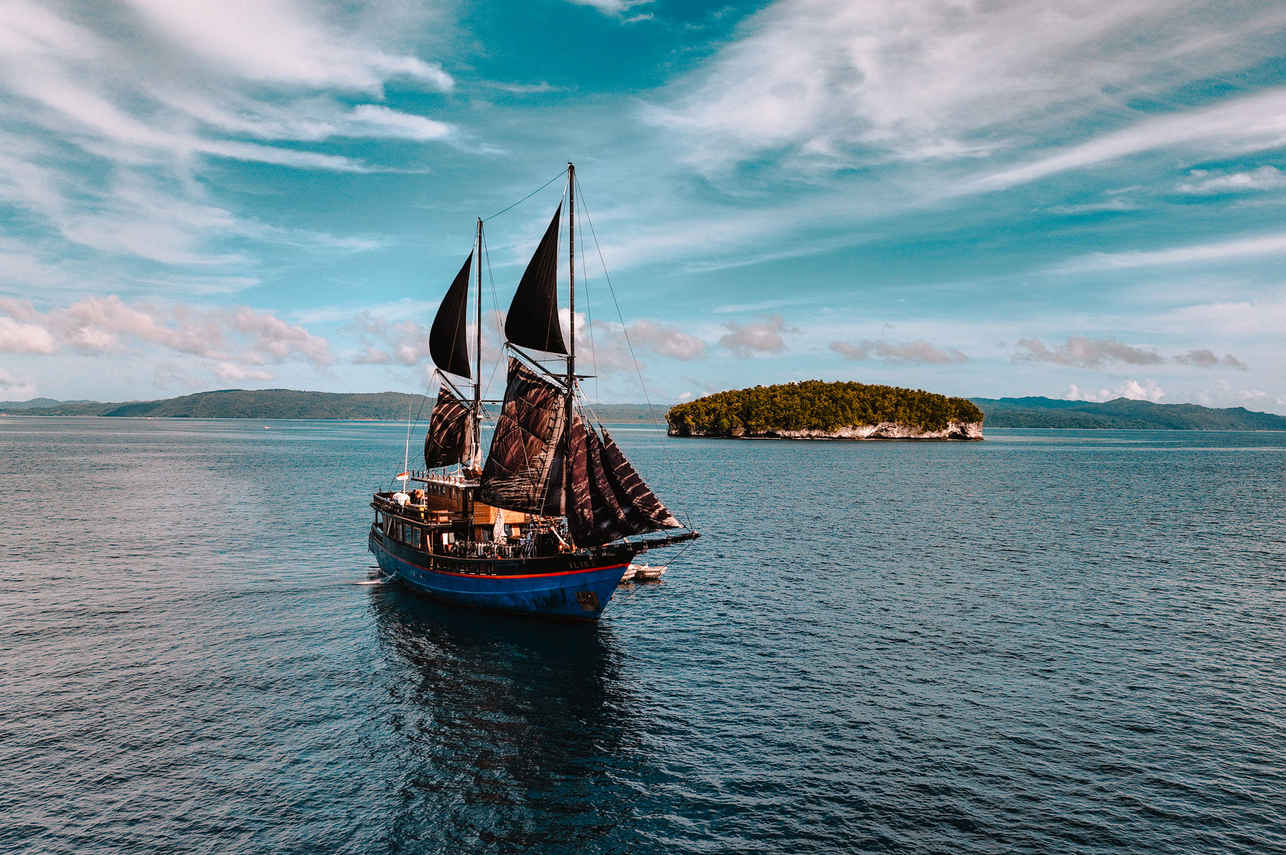
Ilike
Indonesia
16 guests40 m
$298/day
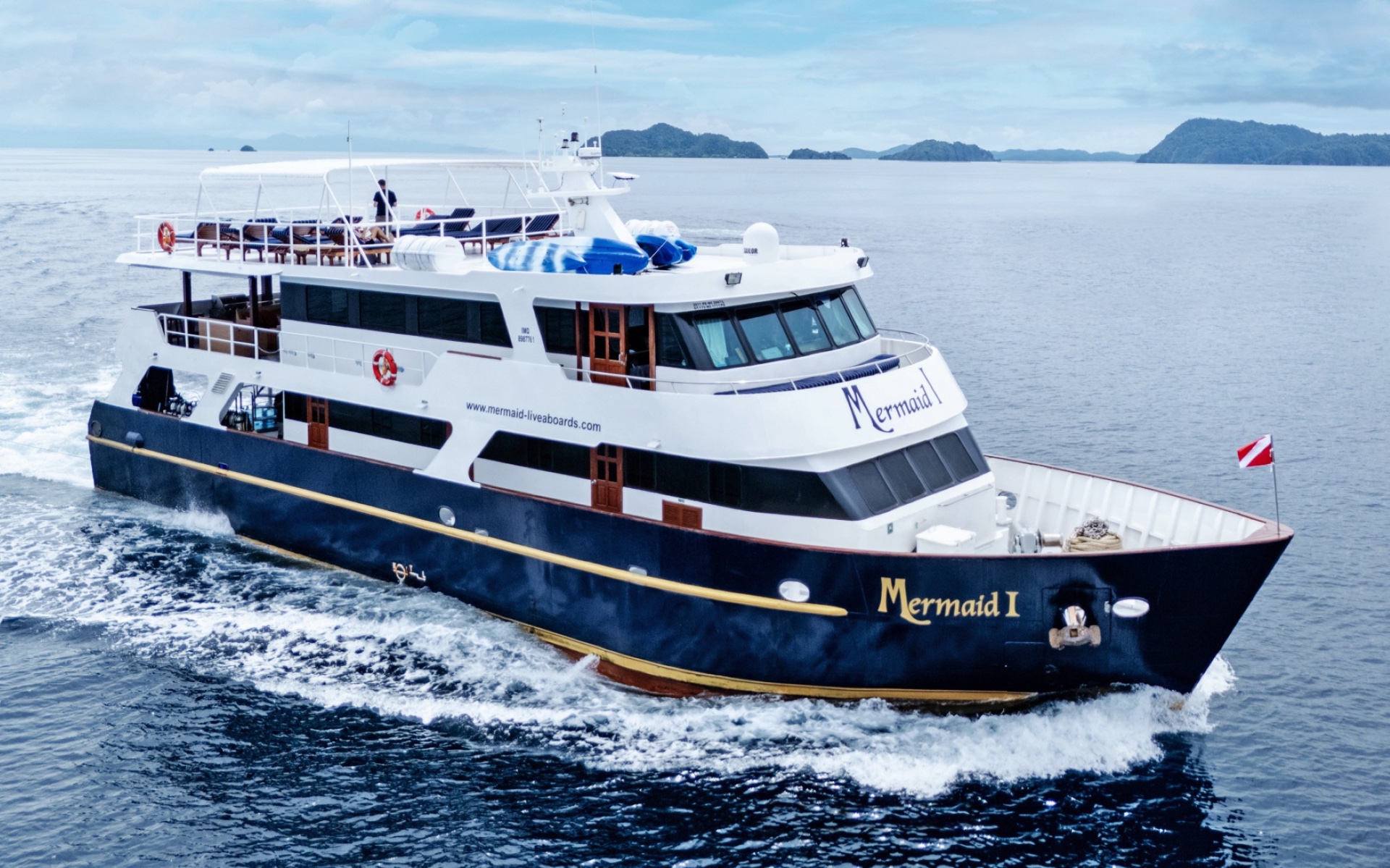
Mermaid I
Alor
15 guests28 m
$371/day
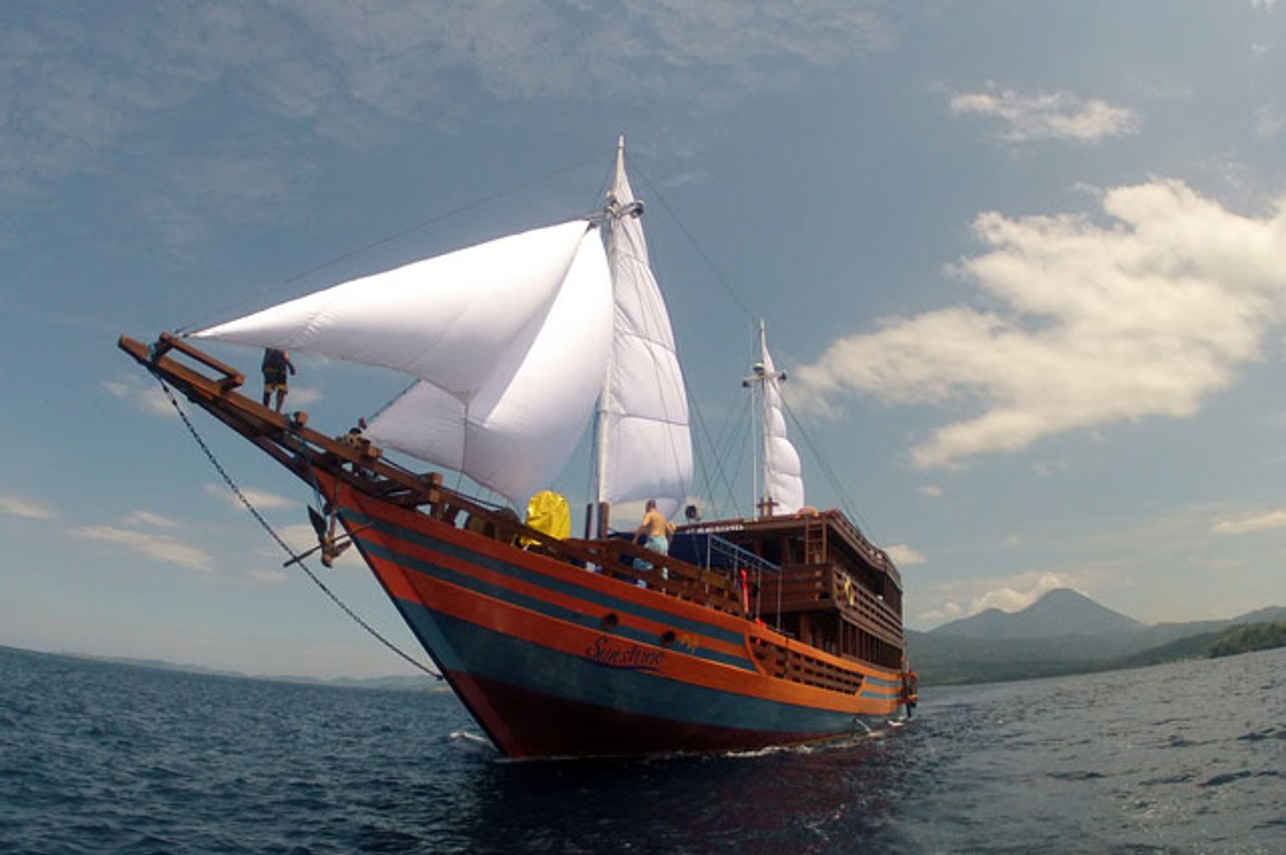
Sunshine Liveaboard
Indonesia
10 guests31 m
$191/day
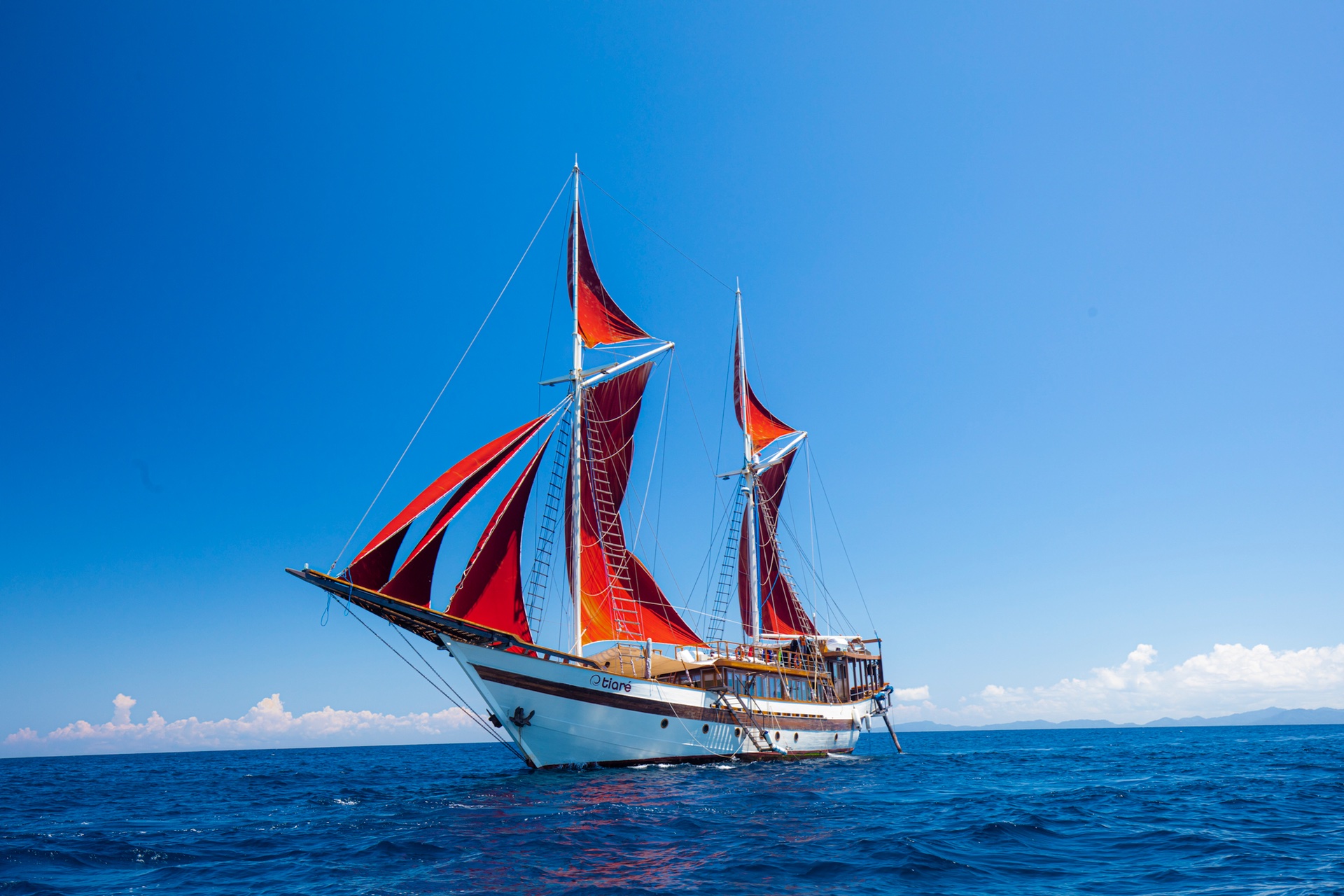
Tiare Cruise
Indonesia
12 guests36.5 m
$419/day
Dive sites similar to Tanjung Jepun
Same character, same waters — six more sites divers love for the exact same reasons.Compare seasons, access and liveaboard routes — then pick the site that fits your trip best.
Lipah Bay is situated on Bali's northeast coast within the Amed area, nestled against the dramatic backdrop of Gunung Agung.
- Suitable for
- Beginner
- Current
- Mild
- Access
- Liveaboard or dayboat
- Depth
- 5–30 m
- Theme
- Reef / Drift
© Esri — Maxar, Earthstar, GIS
Eel Garden
Bali
Eel Garden is a renowned dive site located on the north-western side of Menjangan Island, a protected marine area within West Bali National Park.
- Suitable for
- Intermediate
- Current
- Moderate
- Access
- Liveaboard or dayboat
- Depth
- 8–40 m
- Theme
- Drift / Reef
Puri Jati, often referred to as PJ, is located on Bali's north coast near Lovina, on the outskirts of Seririt village.
- Suitable for
- Intermediate
- Current
- No current
- Access
- Shore / dayboat
- Depth
- 6–12 m
- Theme
- Reef
© Esri — Maxar, Earthstar, GIS
Japanese Wreck
Bali
The Japanese Wreck is a compelling dive site located in Banyuning Bay, just off the beach in Amed, Bali.
- Suitable for
- Beginner
- Current
- Moderate
- Access
- Shore / dayboat
- Depth
- 6–12 m
- Theme
- Wreck / Reef
© Esri — Maxar, Earthstar, GIS
Dream Wall
Bali
Dream Wall is one of Menjangan Island's premier dive sites, located within the protected West Bali National Park marine area.
- Suitable for
- Beginner
- Current
- Mild
- Access
- Dayboat
- Depth
- 10–60 m
- Theme
- Wall / Reef