About Apo Reef
Apo Reef, situated between Mindoro and Coron, stands as the Philippines' most expansive contiguous coral reef system and a UNESCO World Heritage Site. This vast underwater wilderness features two isolated atolls, Apo Island (identifiable by its lighthouse) and Apo Menor, separated by a deep channel. The dive sites typically begin near Apo Island, presenting options suitable for all experience levels. The reef is characterized by breathtaking coral-studded walls that plummet to significant depths, creating a dramatic backdrop for an incredible diversity of marine life. Over 385 fish species and 400 coral types thrive here, making it a vibrant ecosystem. Divers frequently encounter schools of reef fish, pelagics, and various shark species. From October to May, conditions are generally optimal with excellent visibility and calm seas, though the area is diveable year-round. While currents can range from mild to strong, they often bring nutrient-rich waters that attract larger marine animals, making drift diving a common and rewarding experience. This remote location offers an off-the-beaten-path adventure, primarily accessible via liveaboard, catering to intermediate and advanced divers seeking thrilling encounters and pristine underwater landscapes.
Highlights
Philippines' largest contiguous reefUNESCO World Heritage SiteHealthy coral gardensHammerhead shark sightingsDramatic wall divesAbundant pelagic encountersDrift diving opportunities
Season calendar
Best months to dive here
Jan
Feb
Mar
Apr
May
Jun
Jul
Aug
Sep
Oct
Nov
Dec
Excellent
Good
Dive site facts: Apo Reef
- Depth
- 4–152 m (Apo 29), 6–40 m (Aladin), 6–18 m (Apo 5)
- Typical dive
- 12–25 m, 50–60 min
- Current
- Mild to strong
- Visibility
- 15–40 m
- Water temperature
- 27–30°C
- Entry
- Boat
- Level
- Advanced Open Water recommended
- Dive type
- Wall, drift, reef
- Night dive
- Possible
- Region / port
- Mindoro, Palawan
- Coordinates
- 12.517, 120.454
Conditions & Currents
Currents at Apo Reef can vary significantly, ranging from mild drifts to strong washing machine-like conditions, particularly at sites like Coconut Point. Dive operators will assess daily conditions, often recommending drift dives where currents sweep divers along the reef. Divers should be prepared for varying current strengths and ensure proficiency in drift diving techniques, including efficient air consumption and streamlined body positioning. Communication regarding entry, descent timing, and exit procedures is crucial for safety, as the boat will track and pick up divers at the surface. Visibility remains excellent, typically between 15 to 40 meters, even with stronger currents, but divers should always heed the guide's instructions and maintain situational awareness to fully enjoy the experience while staying safe.
Marine life & sighting chances

Manta ray
All year · occasional
Hammerhead shark
All year · occasional
Thresher shark
All year · occasional
Whitetip reef shark
All year · common
Blacktip reef shark
All year · common
Grey reef shark
All year · common
Green turtle
All year · common
Hawksbill turtle
All year · common
Reef fish
All year · common
Nudibranch
All year · common
Dolphin
All year · occasional
Grouper
All year · common
Tuna
All year · occasionalDive profile & how the dive runs
A typical dive at Apo Reef often starts near Apo Island, with descent alongside a mooring line to the drop-off where currents converge. At sites like Southeast Point, you will initially observe schooling surgeonfish, jacks, groupers, and tuna gathering in the rich currents, particularly in the morning. After this initial observation, the dive typically transitions into a relaxed drift along the wall, which begins at around 16 meters. During the drift, you can spot turtles, sweetlips, and various reef sharks. Some sites, like Coconut Point, are known for stronger, washing machine-like currents, so entry and descent must be carefully coordinated with the dive guide. Safety stops are generally performed as part of the drift, with the dive boat tracking and picking up divers at the surface.
Underwater photography
Apo Reef is excellent for both wide-angle and macro photography due to its diverse ecosystems. For dramatic wall dives and encounters with schooling fish, sharks, and manta rays, a wide-angle lens with external strobes is highly recommended to capture the expansive coral formations and pelagic action in the often-clear waters. During the dry season (March to June), conditions are ideal for these shots. For macro enthusiasts, particularly at sites with gentler currents, look for nudibranchs and other small reef critters that thrive in the vibrant coral gardens. Buoyancy control is paramount, especially during drift dives and near fragile corals, to avoid disturbing the ecosystem and ensure sharp images. Consider a powerful focus light for exploring crevices and bringing out the colors of smaller subjects.
Combine with nearby dive sites
- Tubbataha Reef
A UNESCO World Heritage Site accessible only by liveaboard during a specific season.
- Coron Bay — Skeleton Wreck
Known for its Japanese WWII wrecks, offering unique wreck diving experiences.
- Verde Island Passage
Recognized for its high marine biodiversity and various dive sites.
- Anilao — Secret Bay
Famous for macro photography and muck diving opportunities.
Getting there & logistics
Access to Apo Reef is primarily via liveaboard trips, typically departing from ports in Palawan, such as Puerto Princesa, or Mindoro. These liveaboard itineraries often combine Apo Reef with other remote sites like Tubbataha Reef during its limited season. Trip lengths vary but generally range from 3 to 7 nights, allowing for multiple dives across various sites within the park. Marine park fees are applicable and are usually included in liveaboard packages. International travelers typically fly into Manila (MNL) or Cebu (CEB) and then take a domestic flight to a departure city like Puerto Princesa (PPS). Booking well in advance is advisable, especially for peak season trips, as this destination is remote and popular.
Safety & environment
Diving at Apo Reef, due to its remote location and potentially strong currents, requires careful safety considerations. Divers should ensure they have comprehensive dive insurance that covers emergency medical treatment and evacuation, as the nearest recompression chamber is several hours away by boat and plane, likely in Manila or Cebu. Always dive within your certification limits and follow your dive guide's instructions, especially regarding drift dive procedures and current conditions. Maintain excellent buoyancy control to protect the pristine coral reefs. Be aware of boat traffic when surfacing and deploy a safety sausage or SMB. Due to the high chance of pelagic encounters, always keep a safe distance and never attempt to touch or feed marine life.
Who it suits — and who it doesn't
Suited for
- Advanced Open Water divers
- Experienced drift divers
- Underwater photographers
- Marine life enthusiasts (pelagics and macro)
- Liveaboard adventurers
Less suited for
- Beginner Open Water divers
- Divers uncomfortable with strong currents
- Divers seeking shore entry dives
- Those prone to seasickness
- Travelers on a tight schedule
FAQ
Apo Reef FAQ
Is Apo Reef suitable for beginner divers?
Apo Reef is primarily recommended for Advanced Open Water divers or those with significant experience, especially with drift diving. While some sites may offer milder conditions, many feature strong currents and deeper walls, making it challenging for beginners. Novice divers should consult with a reputable dive operator to assess specific site conditions and their suitability.
What kind of marine life can I expect to see at Apo Reef?
Apo Reef is teeming with diverse marine life. You can anticipate seeing numerous reef fish species, large schools of pelagics like jacks and surgeonfish, and various sharks, including whitetips, blacktips, grey reefs, and occasional hammerheads and thresher sharks. Manta rays, mobula rays, and turtles are also common sightings, alongside vibrant coral gardens and an array of macro critters like nudibranchs.
How do I get to Apo Reef?
Apo Reef is a remote destination best accessed via liveaboard trips, which typically depart from ports in Palawan or Mindoro. Most divers will fly into Manila or Cebu and then take a domestic flight to a departure city like Puerto Princesa. Liveaboard bookings should be made well in advance, particularly for the peak diving season.
Are there strong currents at Apo Reef?
Yes, currents at Apo Reef can range from mild to strong, and some sites are known for washing machine-like conditions. Drift diving is a common practice here, allowing divers to be carried along the reef. It is essential for divers to be comfortable with currents and to carefully follow the dive guide's briefing and instructions for safety.
What is the best time of year to dive Apo Reef?
The prime diving season for Apo Reef is from March to June, which offers the calmest seas and best visibility. However, the overall dry season from October to May is generally excellent, with warm water temperatures and minimal typhoon risk. While diving is possible year-round, conditions can be more variable during the wet season months.
Why dive Apo Reef from a liveaboard?
Apo Reef is one of Philippines's signature dive sites. A liveaboard sleeps you on the water and puts you in the water for three to four guided dives per day, including dawn and night dives that day-boat operators rarely offer. You skip the daily commute back to port and reach quieter, less-crowded sites in the same region on a single trip.
Below are the liveaboards that include Apo Reef on their Philippines itineraries.
Liveaboards diving Apo Reef
These liveaboards may visit Apo Reef on selected itineraries — the exact dive sites depend on departure, weather and conditions.
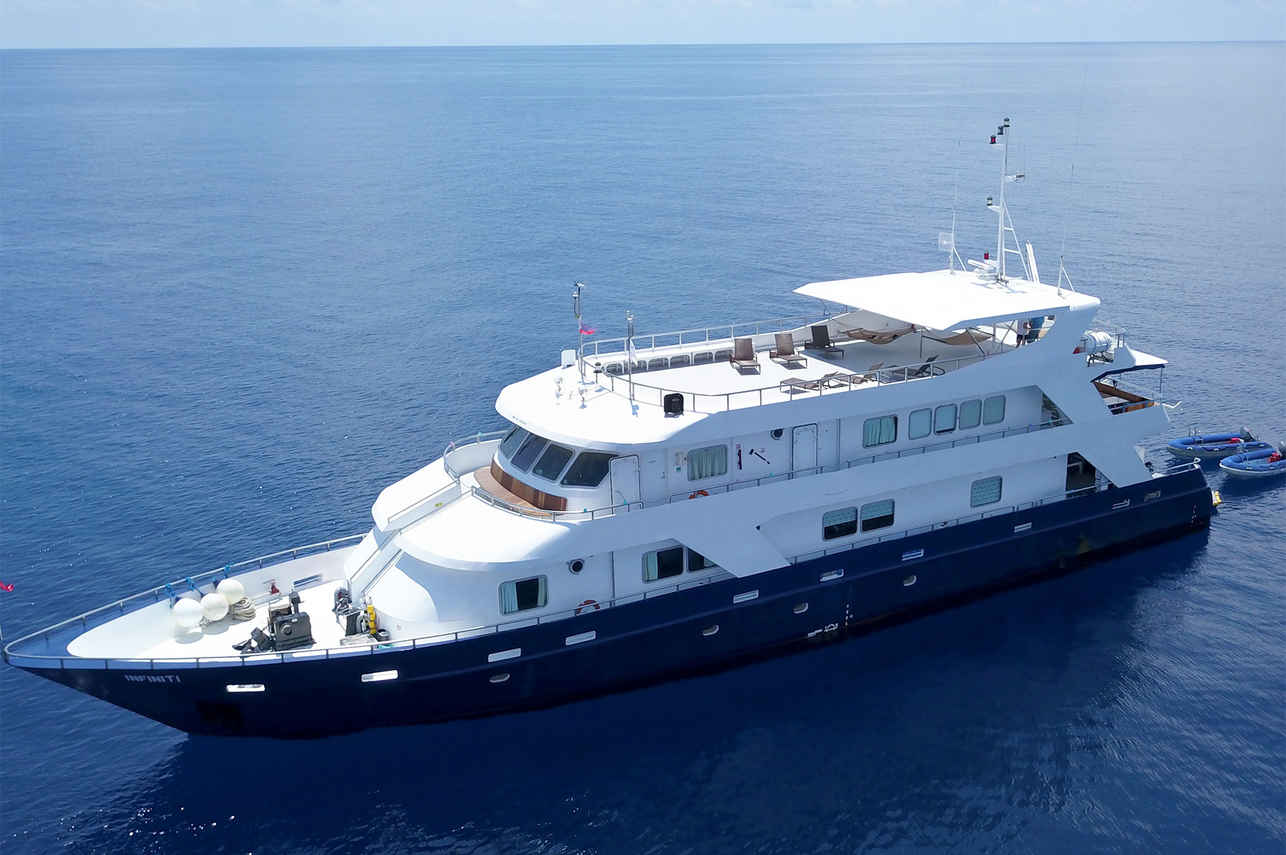
Infiniti
Philippines
25 guests39 m
$280/day
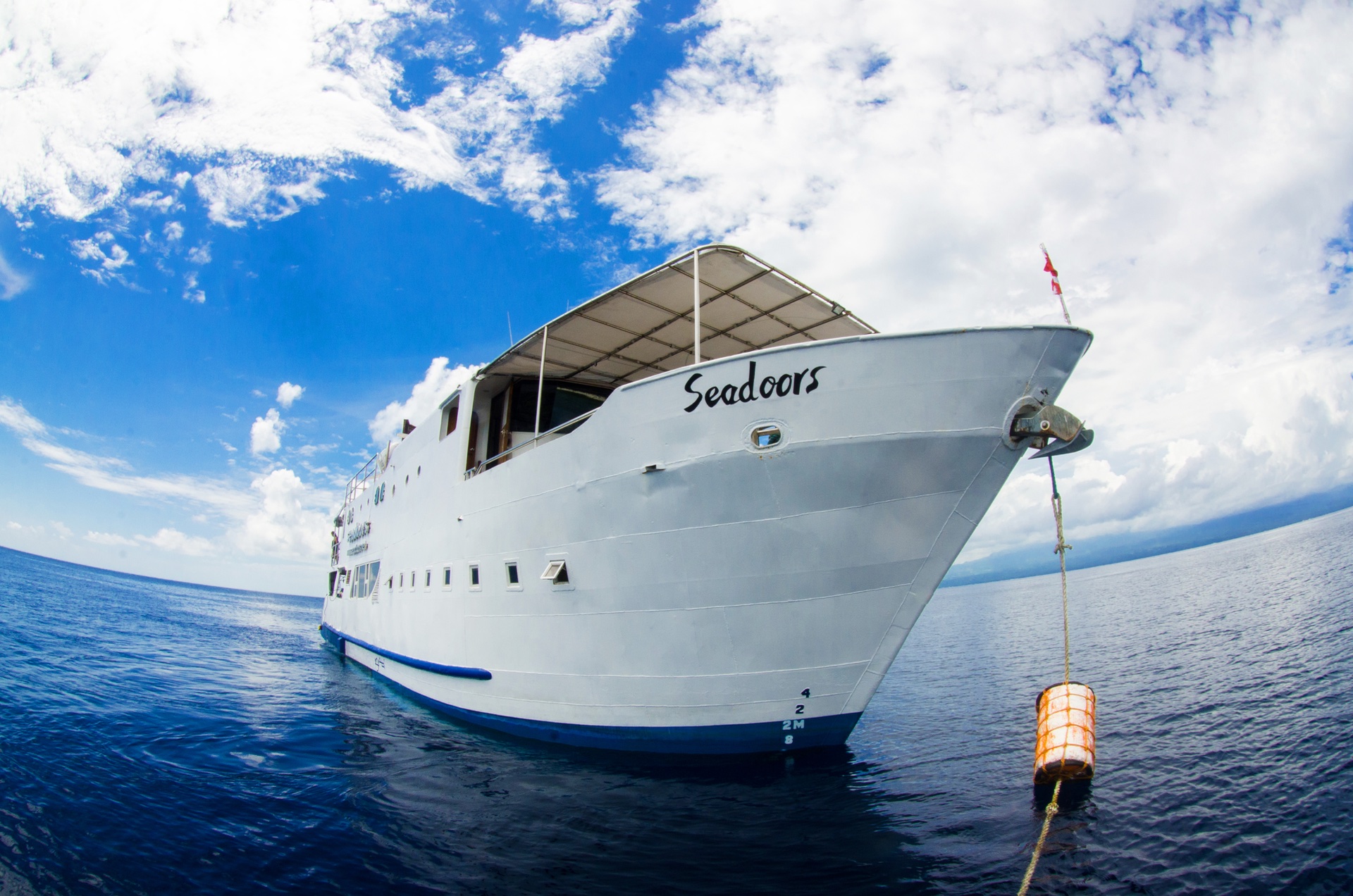
Seadoors
Philippines
16 guests25 m
$335/day
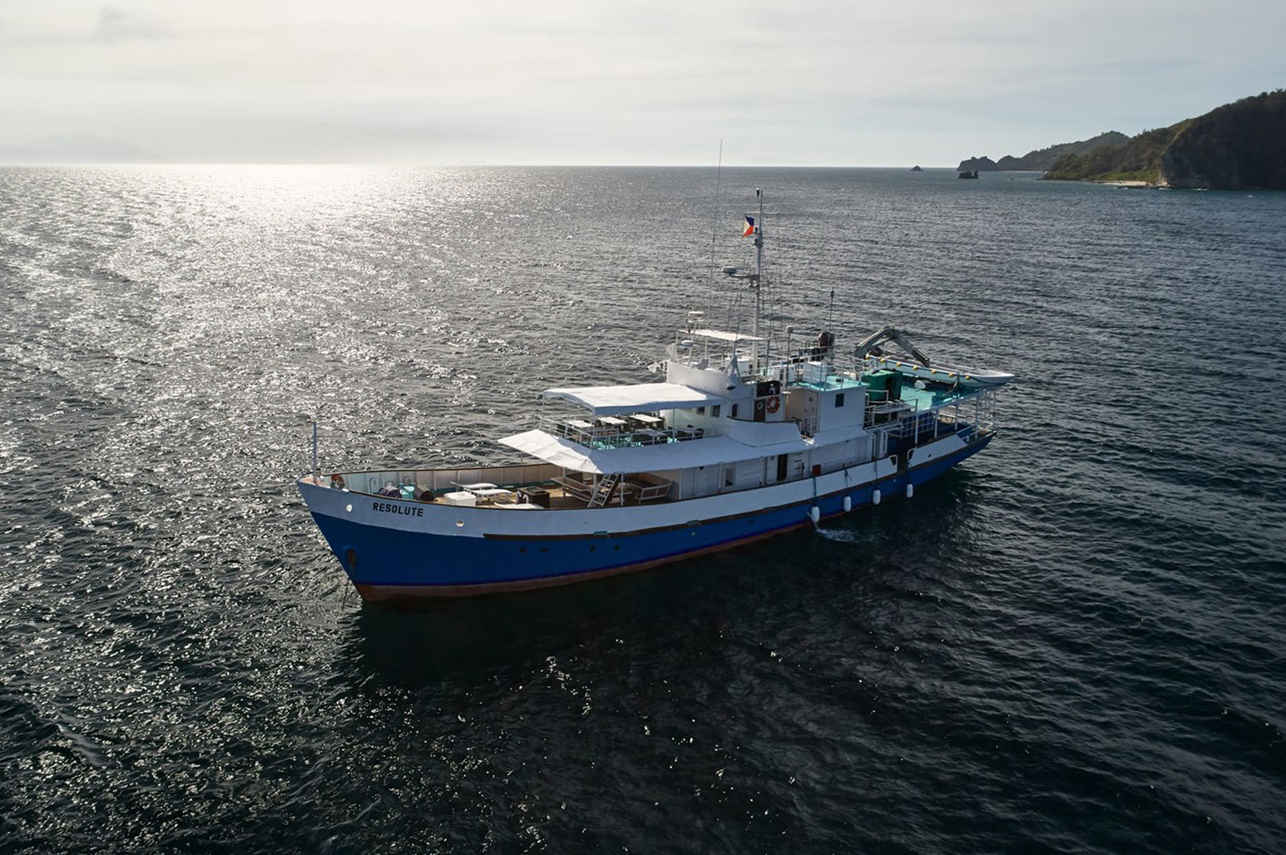
Resolute
Philippines
16 guests34.6 m
$314/day
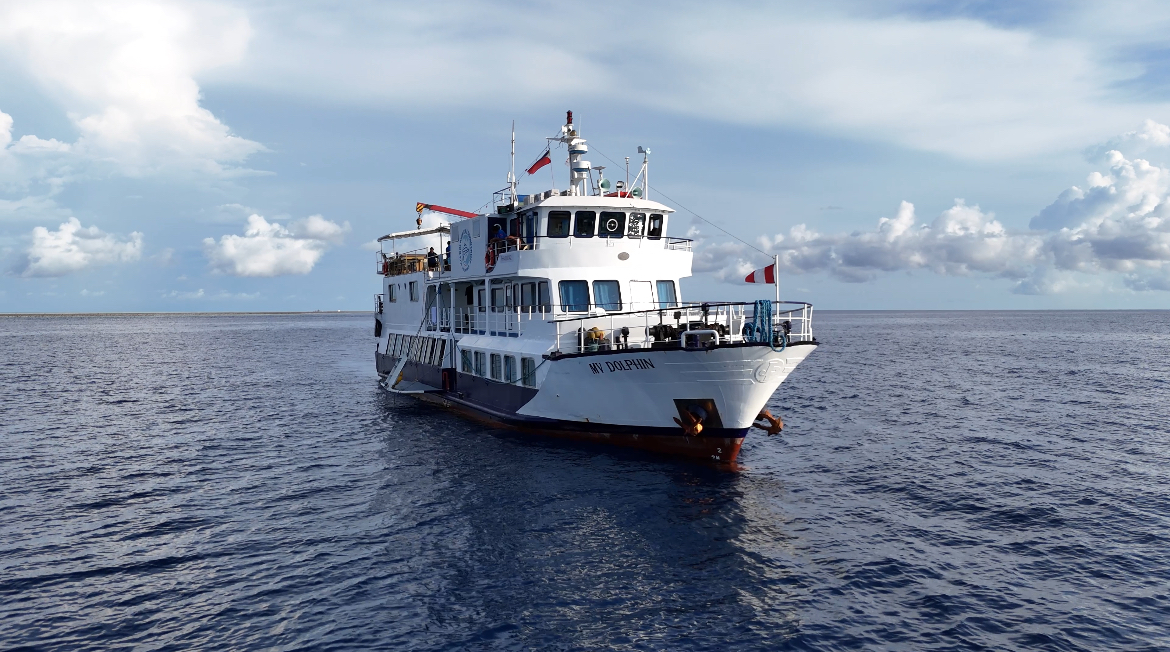
Dolphin
Philippines
18 guests31 m
$326/day
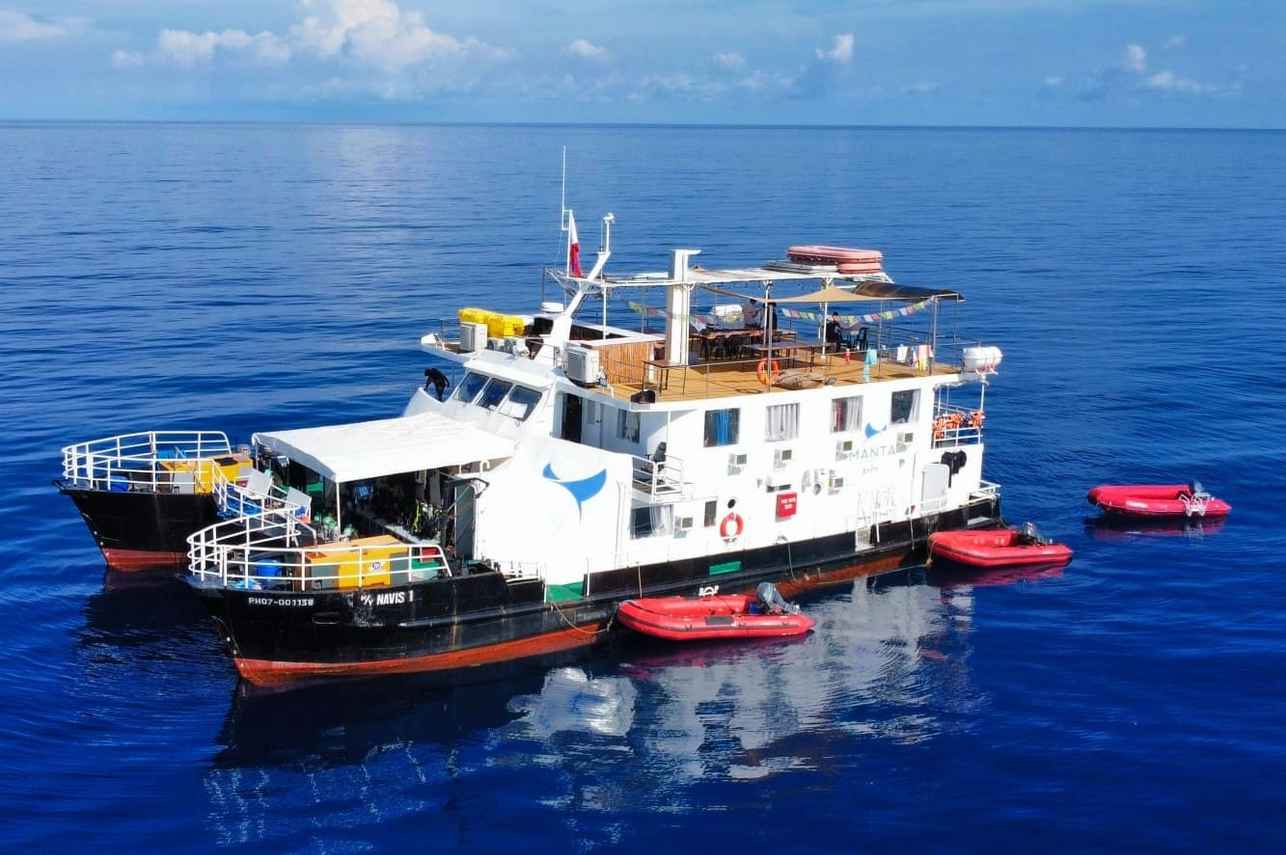
Navis 1
Philippines
22 guests23 m
$250/day
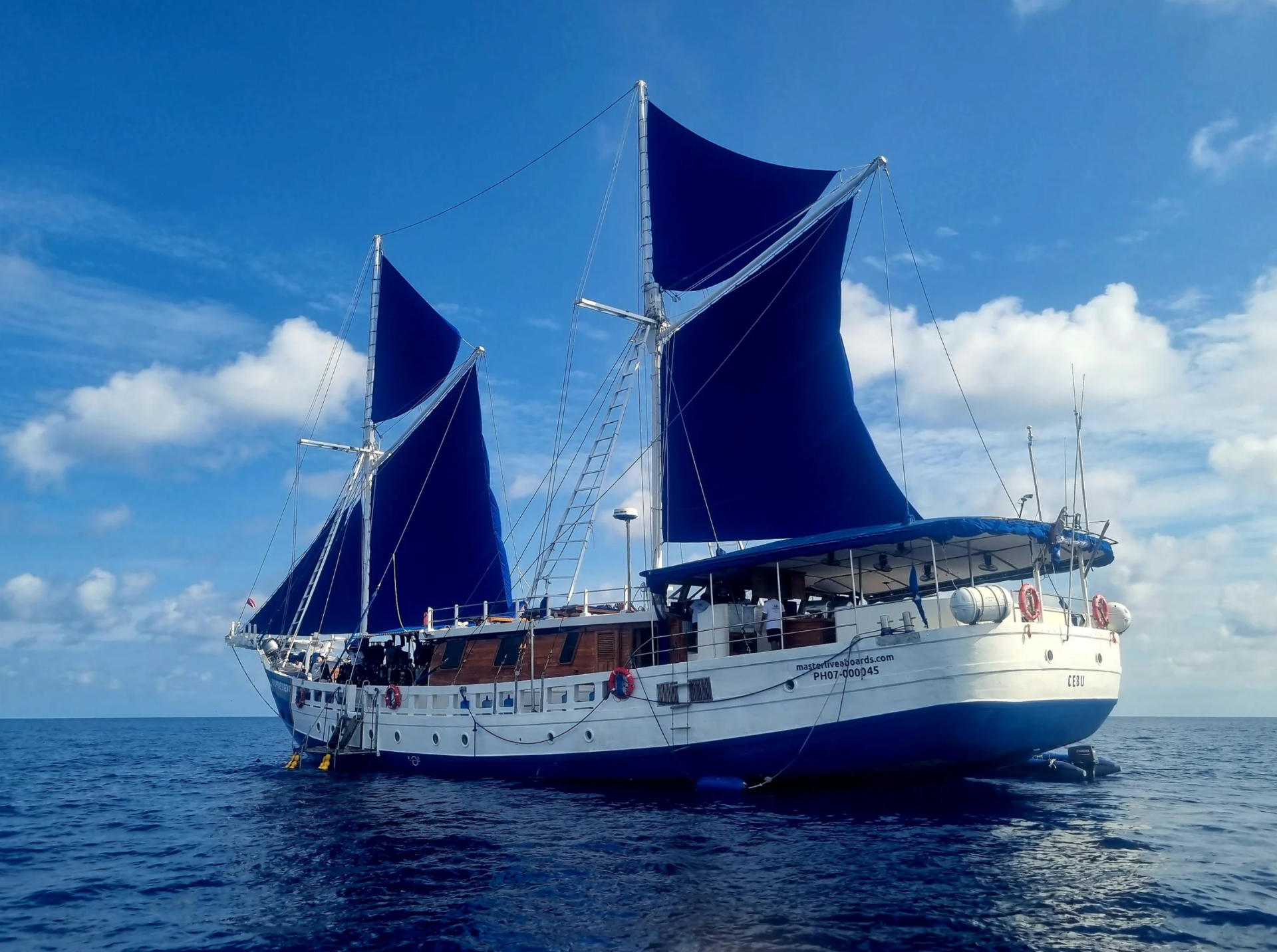
Philippine Siren
Philippines
16 guests
$309/day
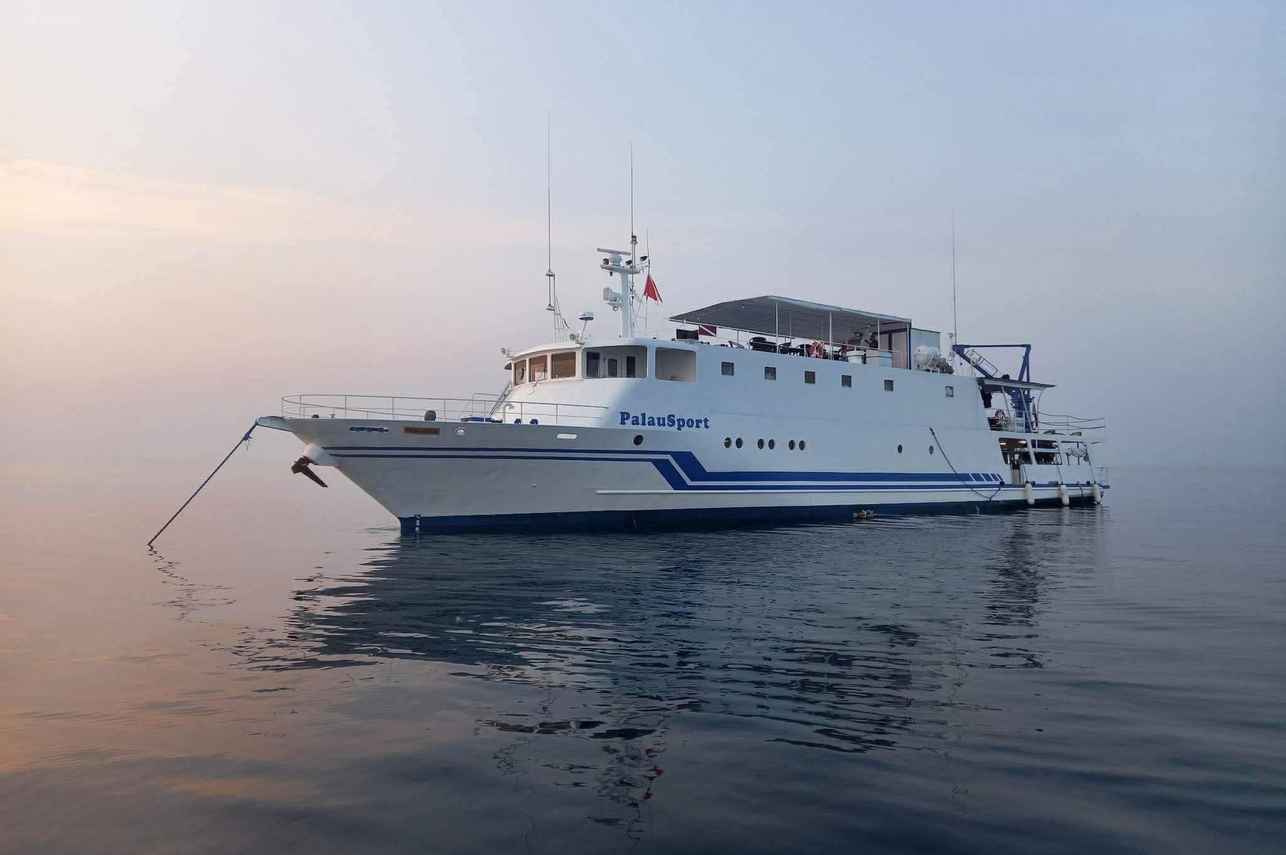
Palau Sport
Philippines
24 guests38.35 m
$215/day
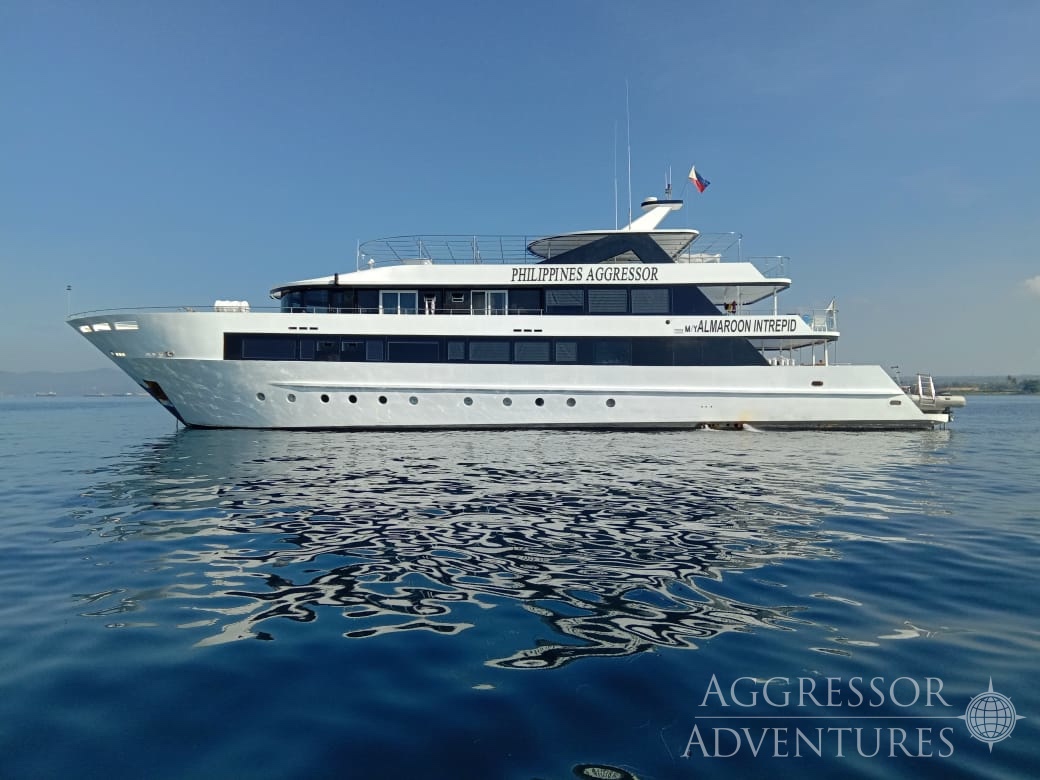
Philippines Aggressor
Philippines
26 guests42.7 m
$381/day
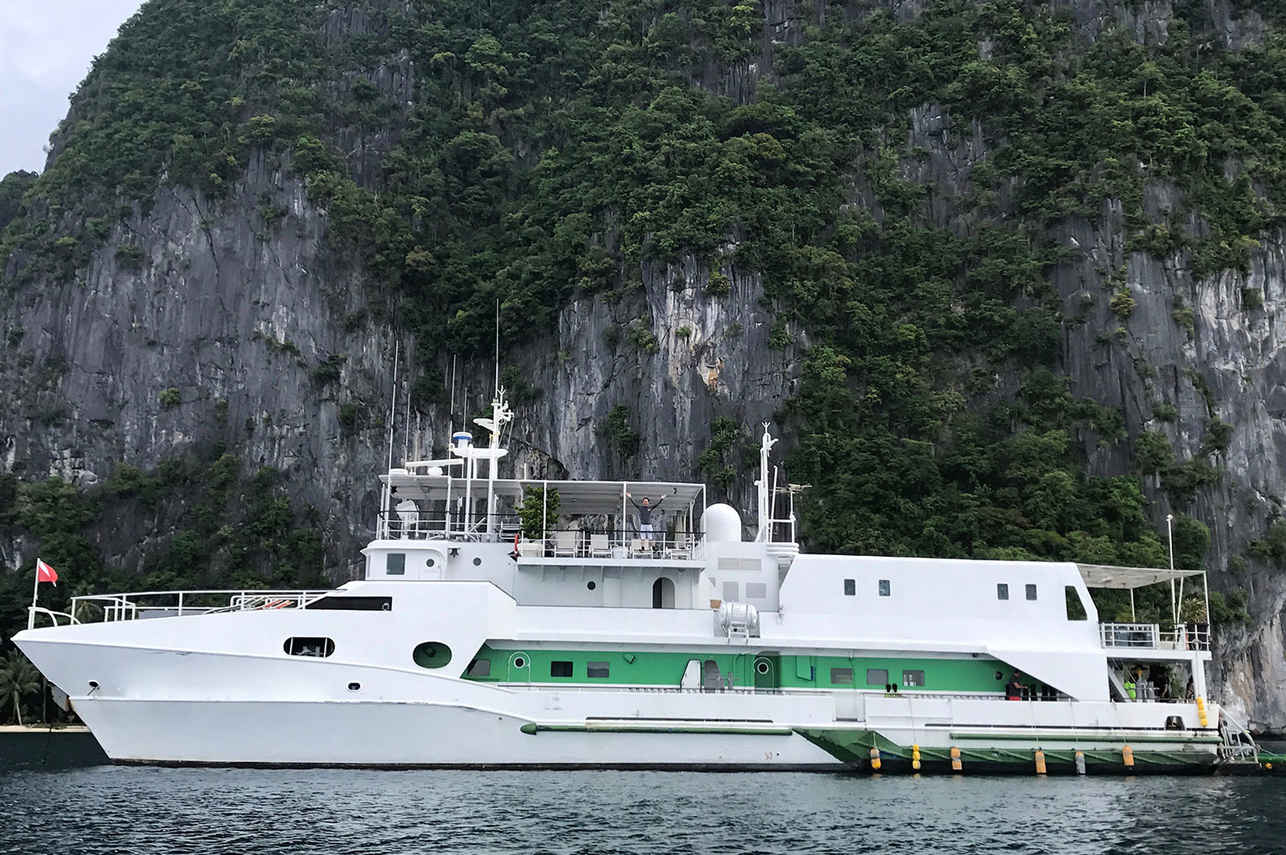
Stella Maris Explorer
Philippines
20 guests33 m
$398/day
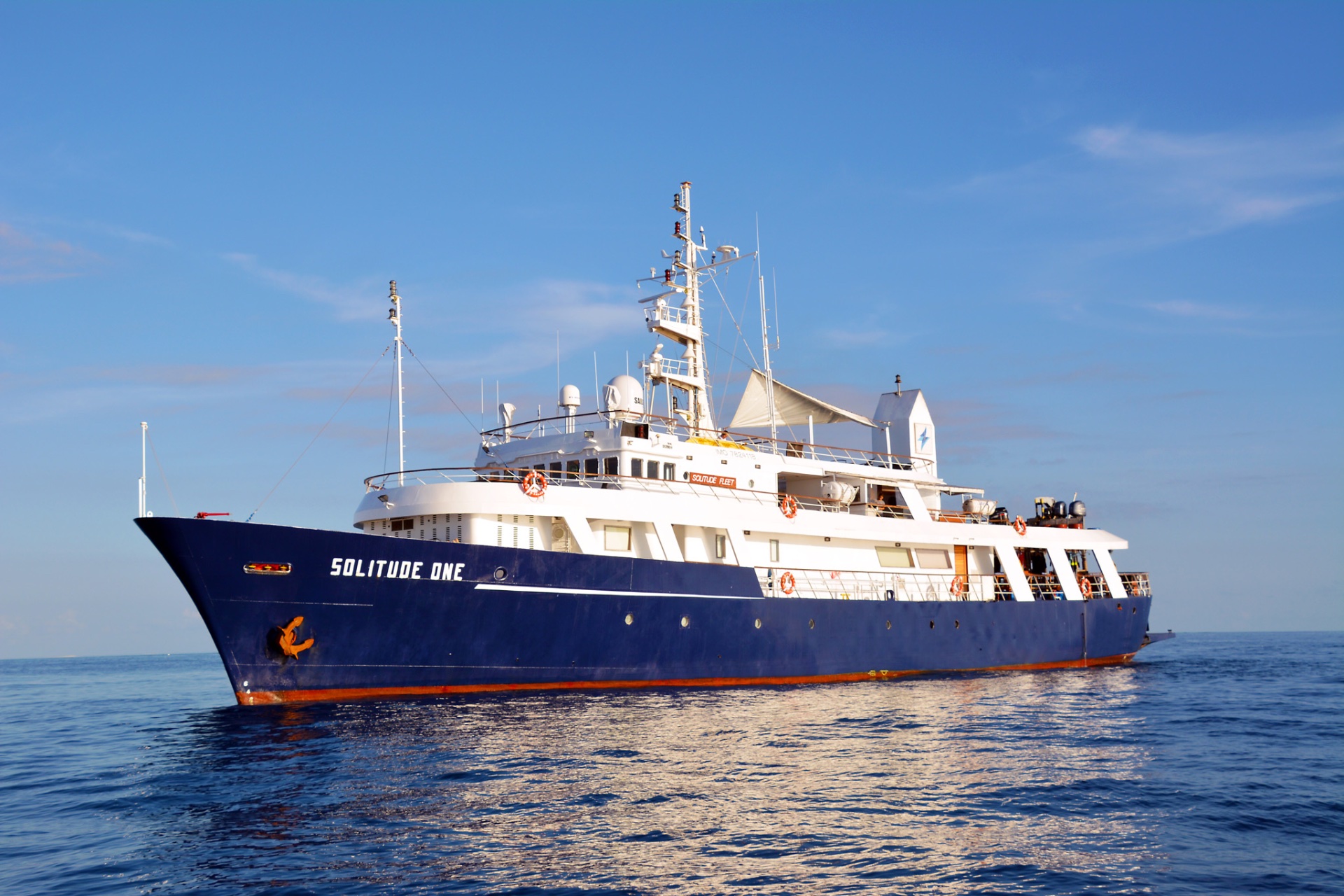
Solitude One
Philippines
24 guests52 m
$460/day
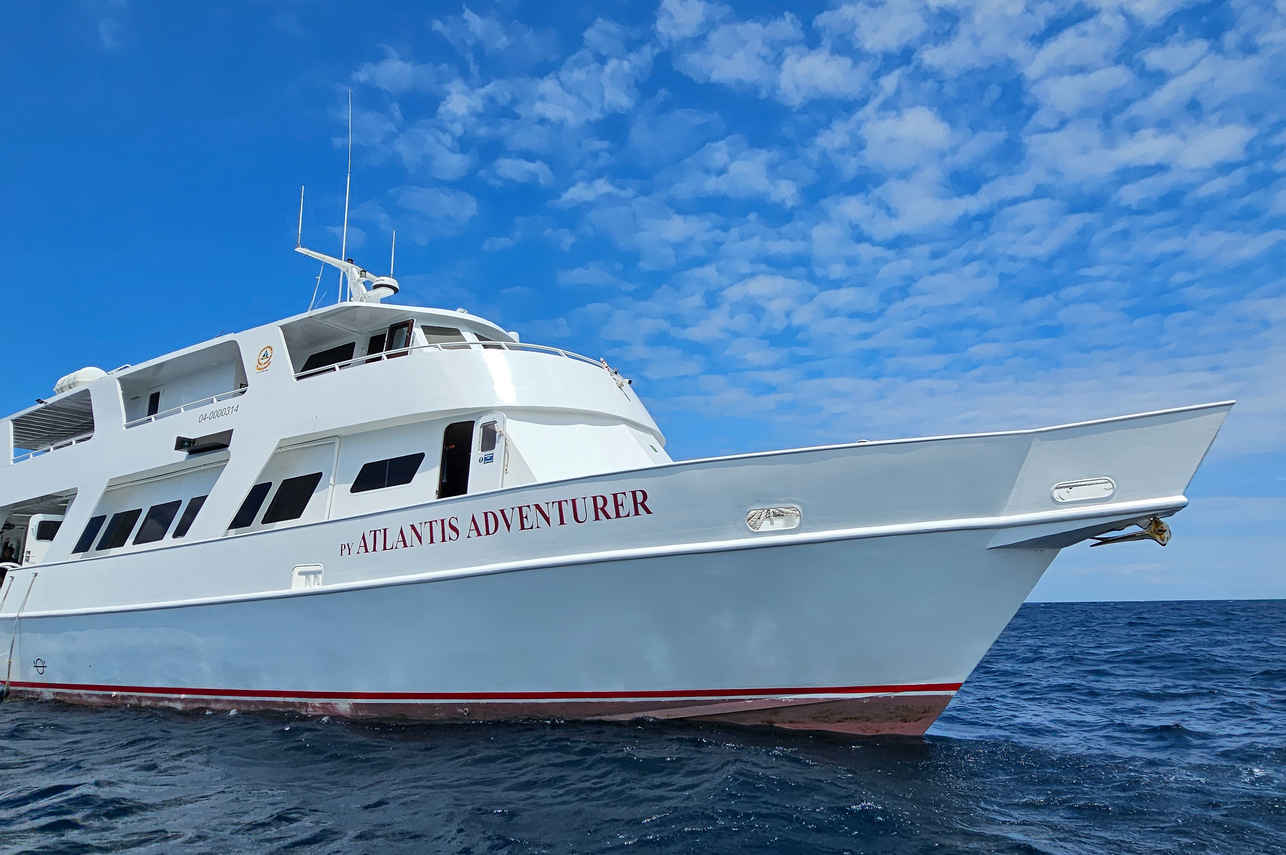
Atlantis Adventurer
Philippines
16 guests32.5 m
$421/day
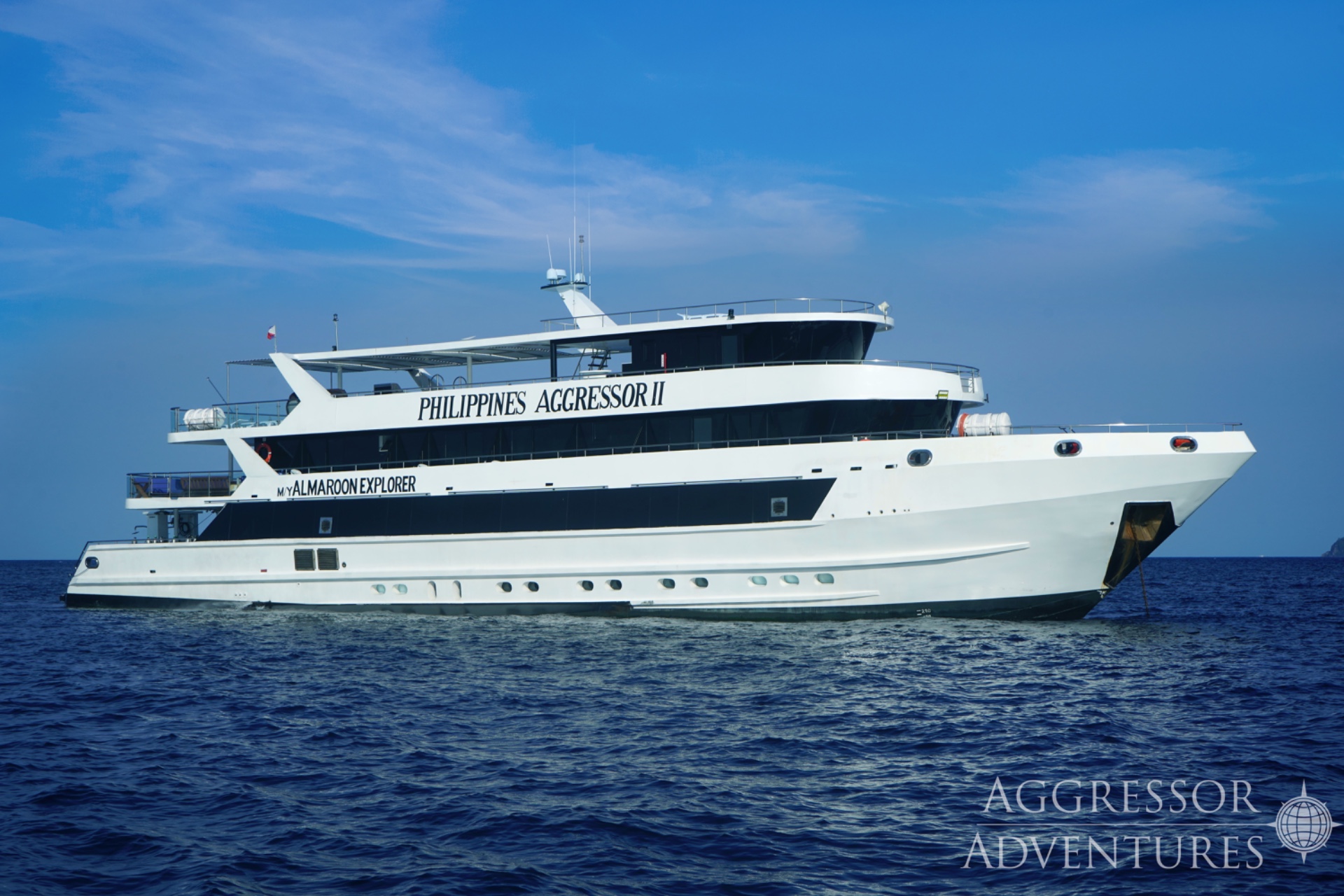
Philippines Aggressor II
Philippines
26 guests42.7 m
$247/day
Dive sites similar to Apo Reef
Same character, same waters — six more sites divers love for the exact same reasons.Compare seasons, access and liveaboard routes — then pick the site that fits your trip best.
© Esri — Maxar, Earthstar, GIS
Big La Laguna
Philippines
Big La Laguna is a beach community situated on the western edge of the Sabang Peninsula, a popular dive region on Mindoro Island, Philippines.
- Suitable for
- Intermediate
- Current
- Moderate
- Access
- Dayboat
- Depth
- 5–35 m
- Theme
- Reef / Wall
© Esri — Maxar, Earthstar, GIS
Black Forest
Philippines
Black Forest is a premier dive site located off Balicasag Island, renowned for its exceptional marine biodiversity and distinct topography.
- Suitable for
- Intermediate
- Current
- Strong
- Access
- Liveaboard or dayboat
- Depth
- 10–30 m
- Theme
- Drift / Reef
© Esri — Maxar, Earthstar, GIS
Panagsama Beach
Philippines
Panagsama Beach, situated on a peninsula near Moalboal town in Cebu, serves as a central hub for diving activities in the region, boasting over 20 dive sites along its shoreline.
- Suitable for
- Intermediate
- Current
- Moderate
- Access
- Liveaboard or dayboat
- Depth
- ≤ 30 m
- Theme
- Reef / Wall
© Esri — Maxar, Earthstar, GIS
Binangaan Drop Off
Philippines
Binangaan Drop Off is a premier dive site within Apo Reef National Park, located off Occidental Mindoro in the Philippines.
- Suitable for
- Advanced
- Current
- Strong
- Access
- Liveaboard only
- Depth
- 10–40 m
- Theme
- Wall / Drift
© Esri — Maxar, Earthstar, GIS
Olympia Maru
Philippines
The Olympia Maru is a prominent Japanese cargo ship wreck from World War II, located within Coron Bay, Philippines.
- Suitable for
- Intermediate
- Current
- Mild
- Access
- Dayboat
- Depth
- 17–24 m
- Theme
- Wreck / Reef
© Esri — Maxar, Earthstar, GIS
Manta Bowl
Philippines
Manta Bowl is a renowned submerged seamount located in the Ticao Pass, off the northern coast of Ticao Island in Masbate, Philippines.
- Suitable for
- Advanced
- Current
- Ripping
- Access
- Liveaboard or dayboat
- Depth
- 14–50 m
- Theme
- Drift