About Tubbataha Reef
Tubbataha Reefs Natural Park is a remote UNESCO World Heritage site situated in the heart of the Sulu Sea, approximately 150 kilometers southeast of Puerto Princesa, Palawan. This isolated location contributes to some of the healthiest reefs and highest fish biomass in the Coral Triangle, making it a premier big-reef, big-fish destination. The park comprises two main atolls, North Atoll and South Atoll, along with the smaller Jessie Beazley Reef. Divers experience dramatic sheer walls plunging into the deep blue, often covered in vibrant hard and soft corals, gorgonian sea fans, and barrel sponges. The shallow reef tops are equally stunning, boasting diverse coral gardens and frequent sightings of turtles and schooling fish. While the park is renowned for constant encounters with various shark species, huge schools of jacks and barracuda, and frequent turtles and rays, there's also a genuine chance of spotting hammerheads and whale sharks. Beyond the large pelagics, patient observers can discover fascinating macro life such as nudibranchs, pygmy seahorses, and leaf scorpionfish. Access to Tubbataha is exclusively via liveaboard during a limited season from mid-March to mid-June. This ensures the protection of its fragile ecosystem and offers divers a unique, uncrowded experience, with itineraries typically lasting 5 to 7 nights departing from Puerto Princesa.
Highlights
UNESCO World Heritage sitePristine coral wallsAbundant reef sharksLarge pelagic encountersSheer drop-offsVast schools of fishRemote, protected marine parkMacro life on wrecks
Season calendar
Best months to dive here
Jan
Feb
Mar
Apr
May
Jun
Jul
Aug
Sep
Oct
Nov
Dec
Good
Off-Season
Dive site facts: Tubbataha Reef
- Depth
- 5–40 m+
- Typical dive
- 12–25 m, 50–60 min
- Current
- Moderate to strong
- Visibility
- 10–35 m (32–114 ft)
- Water temperature
- 27–30°C (81–86°F)
- Entry
- Liveaboard tender / negative entry
- Level
- Intermediate to advanced
- Dive type
- Wall, drift, pelagic, macro
- Night dive
- Possible on liveaboard itineraries
- Region / port
- Sulu Sea, Palawan
- Coordinates
- 8.955, 119.91
Conditions & Currents
Tubbataha is known for dynamic and often strong currents, which contribute to the abundance of pelagic life. These currents can create exhilarating drift dives along the walls, but also necessitate careful depth management and awareness of potential down currents and 'washing machine' conditions, especially at sites like Amos Rock, Black Rock, and Washing Machine. While currents are a consistent feature, they vary by dive site and tidal state, requiring divers to be comfortable with current diving. Visibility generally remains excellent, ranging from 10 to 35 meters, often exceeding 20 meters, thanks to the remote, open-ocean location and lack of land-based runoff. Water temperatures are consistently warm, averaging 27–30°C. Divers should be prepared for varying current strengths and plan their dives accordingly, ensuring good buoyancy control and experience in drift diving.
Marine life & sighting chances

Grey Reef Shark
March-June · common
Whitetip Reef Shark
March-June · common
Blacktip Reef Shark
March-June · occasional
Green Sea Turtle
March-June · common
Hawksbill Sea Turtle
March-June · common
Manta Ray
March-June · occasional
Whale Shark
April-May · occasional
Hammerhead Shark
March-June · occasional
Barracuda (schooling)
March-June · common
Jackfish (schooling)
March-June · common
Pygmy Seahorse
March-June · occasional
Nudibranch
March-June · occasional
Harlequin Shrimp
March-June · rareDive profile & how the dive runs
Dives in Tubbataha typically begin with a tender drop close to the reef, often requiring a negative entry due to currents. Most dives are drift dives along sheer walls or sloping reefs, often starting deeper, around 20-30 meters, to observe pelagic activity in the blue, then gradually ascending to shallower depths. Divers will spend time exploring the vibrant hard and soft coral gardens, looking for reef sharks and schooling fish. Specific sites like Amos Rock, Black Rock, and Washing Machine are known for stronger currents and pelagic action. Turn points are usually dictated by air consumption or depth limits, maintaining a conservative profile. The safety stop is typically conducted in the shallower, often sun-soaked reef tops, which are rich in macro life and can be done as a relaxed drift. Liveaboards provide surface support and pick up divers down current.
Underwater photography
Tubbataha offers phenomenal opportunities for wide-angle photography, capturing the expansive coral walls, dramatic drop-offs, and frequent pelagic action. A fisheye or wide-angle lens is ideal for reefscapes and capturing silhouettes of sharks, mantas, and schooling fish against the clear blue water. Due to excellent visibility and often bright sunlight, natural light can be sufficient in shallower areas, but strobes are recommended for bringing out the true colors of the corals and marine life, especially at depth or on overcast days. For macro enthusiasts, while the site is primarily known for big animals, patient searching on the Malayan Wreck or in quieter reef sections can yield beautiful shots of nudibranchs, pygmy seahorses, and other small wonders. Good buoyancy control is crucial to avoid damaging delicate corals and to manage currents while composing shots.
Getting there & logistics
Access to Tubbataha Reef is exclusively via liveaboard, departing from Puerto Princesa (PPS) on Palawan. International travelers typically fly into Manila (MNL) and then take a domestic flight to Puerto Princesa. Liveaboard trips usually range from 5 to 7 nights, given the 12-15 hour overnight crossing from Puerto Princesa to the reef. Booking well in advance, ideally 9-12 months ahead, is essential due to the short diving season (mid-March to mid-June) and high demand. A Marine Park fee is mandatory and is usually included in the liveaboard package. It is compulsory to have diving insurance for entry into the marine park. Itineraries are confined to Tubbataha itself; day trips or land-based excursions are not possible.
Safety & environment
Diving in Tubbataha requires a high degree of self-sufficiency and awareness, as it is a remote location far from immediate medical facilities. The nearest recompression chamber and advanced medical care are in Puerto Princesa. Evacuation from the park, particularly in cases of severe injury, can be complex and time-consuming, relying on liveaboard tenders and potentially air evacuation, which is highly dependent on weather conditions. Comprehensive dive insurance, including coverage for medical emergencies and emergency evacuation, is compulsory and strongly recommended. Divers must adhere strictly to marine park rules, which aim to protect the pristine environment. Site-specific hazards include strong and unpredictable currents, including potential down currents, which necessitate excellent buoyancy control and comfort with drift diving. Briefings from liveaboard dive guides are crucial for understanding daily conditions and safety protocols.
Who it suits — and who it doesn't
Suited for
- Experienced divers comfortable with currents
- Photographers focused on wide-angle pelagics
- Divers seeking pristine, untouched reefs
- Liveaboard enthusiasts
- Those looking for diverse big-fish encounters
Less suited for
- Beginner divers or those uncomfortable with currents
- Divers prone to seasickness on open-ocean crossings
- Budget travelers (due to liveaboard-only access)
- Those who prefer land-based resorts for diving
- Divers seeking extensive macro-only opportunities
FAQ
Tubbataha Reef FAQ
When is the best time to dive Tubbataha Reef?
The diving season for Tubbataha Reef is very specific and short, running only from mid-March to mid-June each year. This period offers the calmest weather, best visibility, and warmest water temperatures, making the open-ocean crossing feasible for liveaboards. Outside of these months, the park is closed to diving due to rough seas from monsoon winds.
What kind of marine life can I expect to see?
Tubbataha is famous for its abundant pelagic life, including frequent sightings of grey reef sharks, whitetip reef sharks, and green and hawksbill turtles. Divers often encounter large schools of jackfish and barracuda. There's also a good chance of spotting manta rays, whale sharks, and various other shark species like hammerheads and even occasional tiger sharks.
Is Tubbataha Reef suitable for beginner divers?
Tubbataha Reef is generally recommended for intermediate to advanced divers. The diving often involves strong currents and exposed blue-water walls, which require good buoyancy control and comfort with drift diving. While confident newer divers may manage with excellent guidance, the challenging conditions might detract from the experience for those still building their skills.
How do I get to Tubbataha Reef?
Access to Tubbataha Reef is exclusively by liveaboard from Puerto Princesa, Palawan. You will need to fly into Puerto Princesa (PPS) from Manila (MNL) or another Philippine gateway. Liveaboard trips typically last 5 to 7 nights, including an overnight crossing to and from the reef, as no land-based accommodation is available in the park.
Why is Tubbataha Reef considered a UNESCO World Heritage site?
Tubbataha Reefs Natural Park earned its UNESCO World Heritage status due to its outstanding natural beauty and its critical role as a breeding and feeding ground for numerous marine species. Its remote location and strict protection have allowed it to maintain some of the highest levels of marine biodiversity and healthiest coral reef systems globally, making it a significant ecological site.
Are there any specific rules or fees for diving in Tubbataha?
Yes, as a strictly protected marine park, there are specific rules and fees. A Marine Park fee is required, typically included in your liveaboard package. It is also compulsory for all divers to have comprehensive dive insurance covering medical and evacuation needs. Divers must adhere to strict environmental guidelines to ensure the preservation of this pristine ecosystem.
Why dive Tubbataha Reef from a liveaboard?
Tubbataha Reef is one of Philippines's signature dive sites. A liveaboard sleeps you on the water and puts you in the water for three to four guided dives per day, including dawn and night dives that day-boat operators rarely offer. You skip the daily commute back to port and reach quieter, less-crowded sites in the same region on a single trip.
Below are the liveaboards that include Tubbataha Reef on their Philippines itineraries.
Liveaboards diving Tubbataha Reef
These liveaboards may visit Tubbataha Reef on selected itineraries — the exact dive sites depend on departure, weather and conditions.
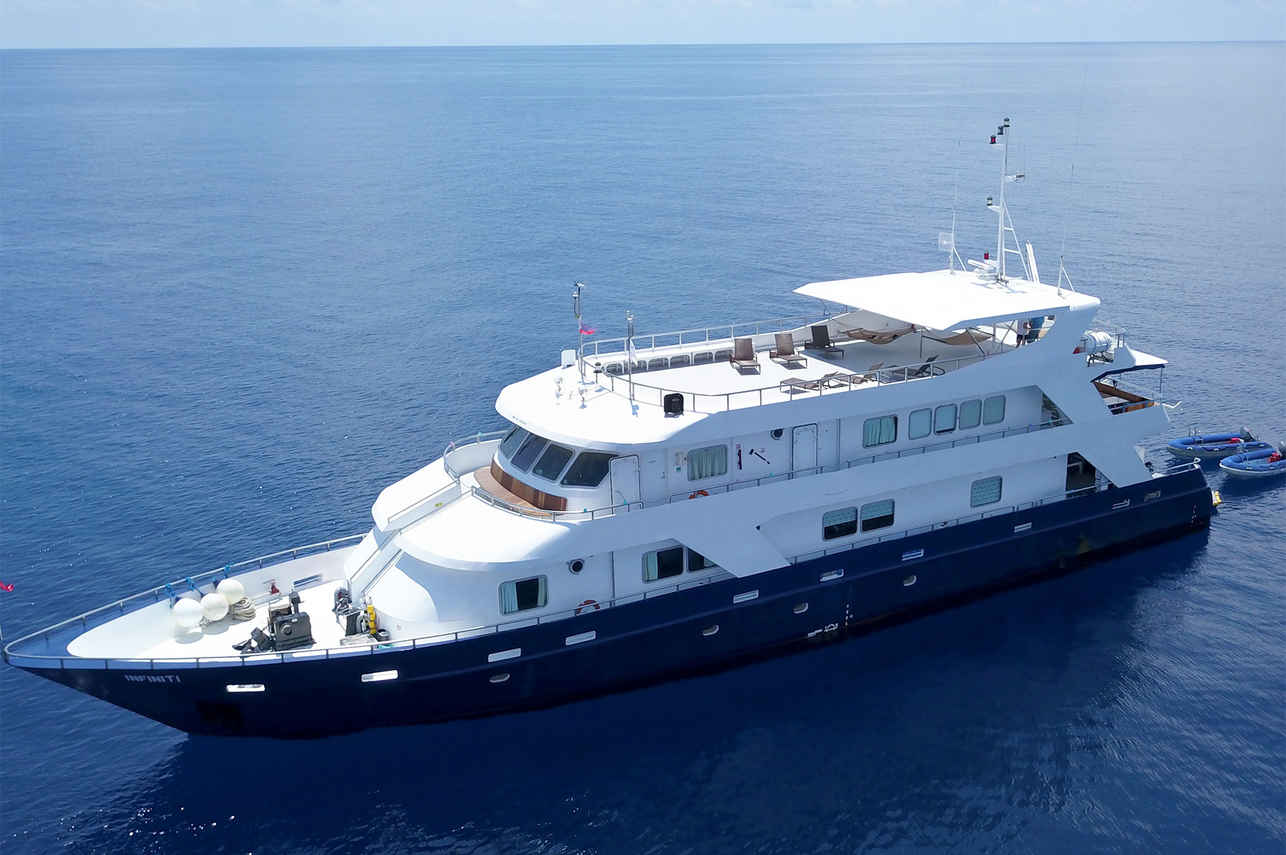
Infiniti
Philippines
25 guests39 m
$280/day
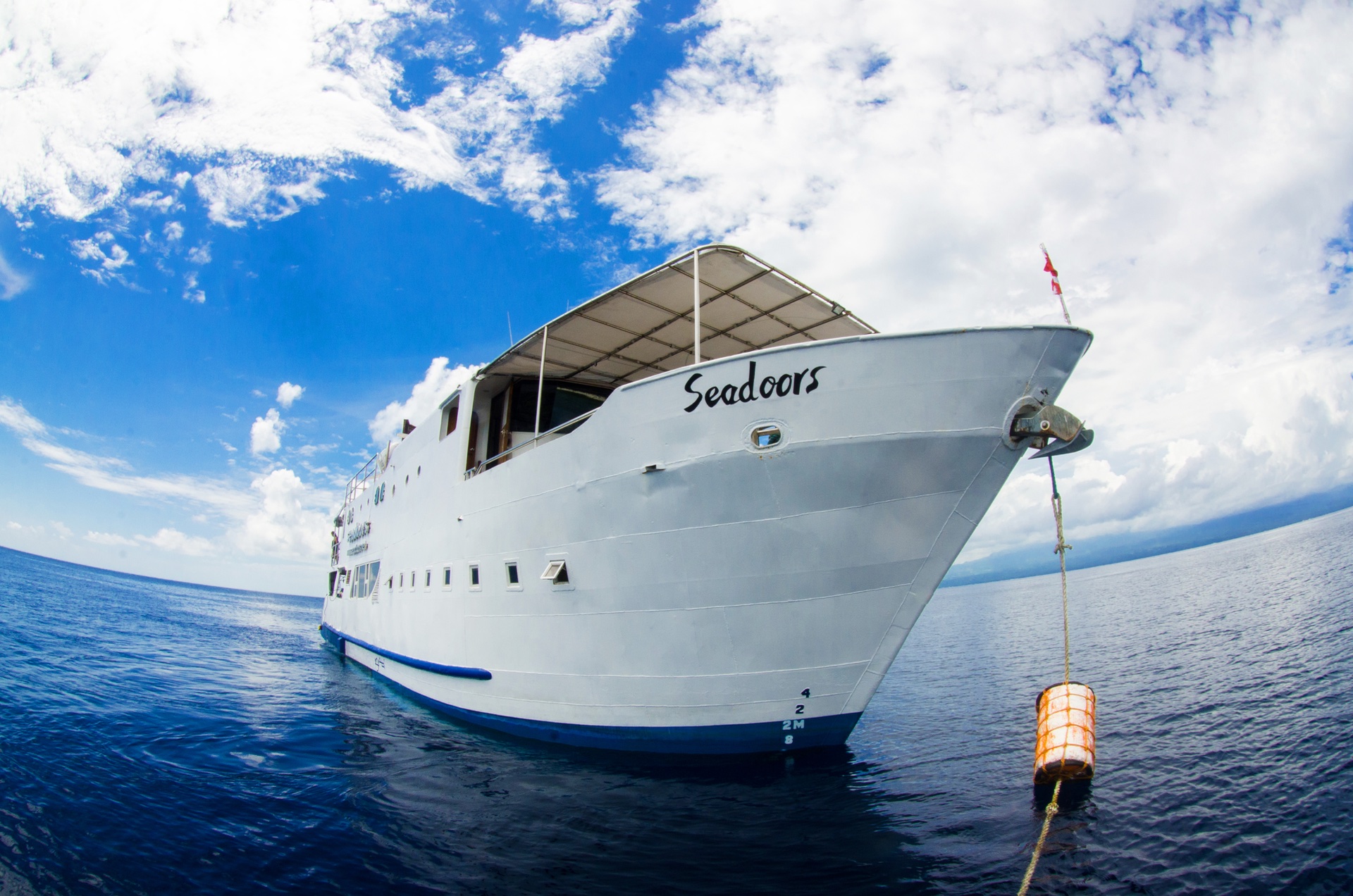
Seadoors
Philippines
16 guests25 m
$335/day
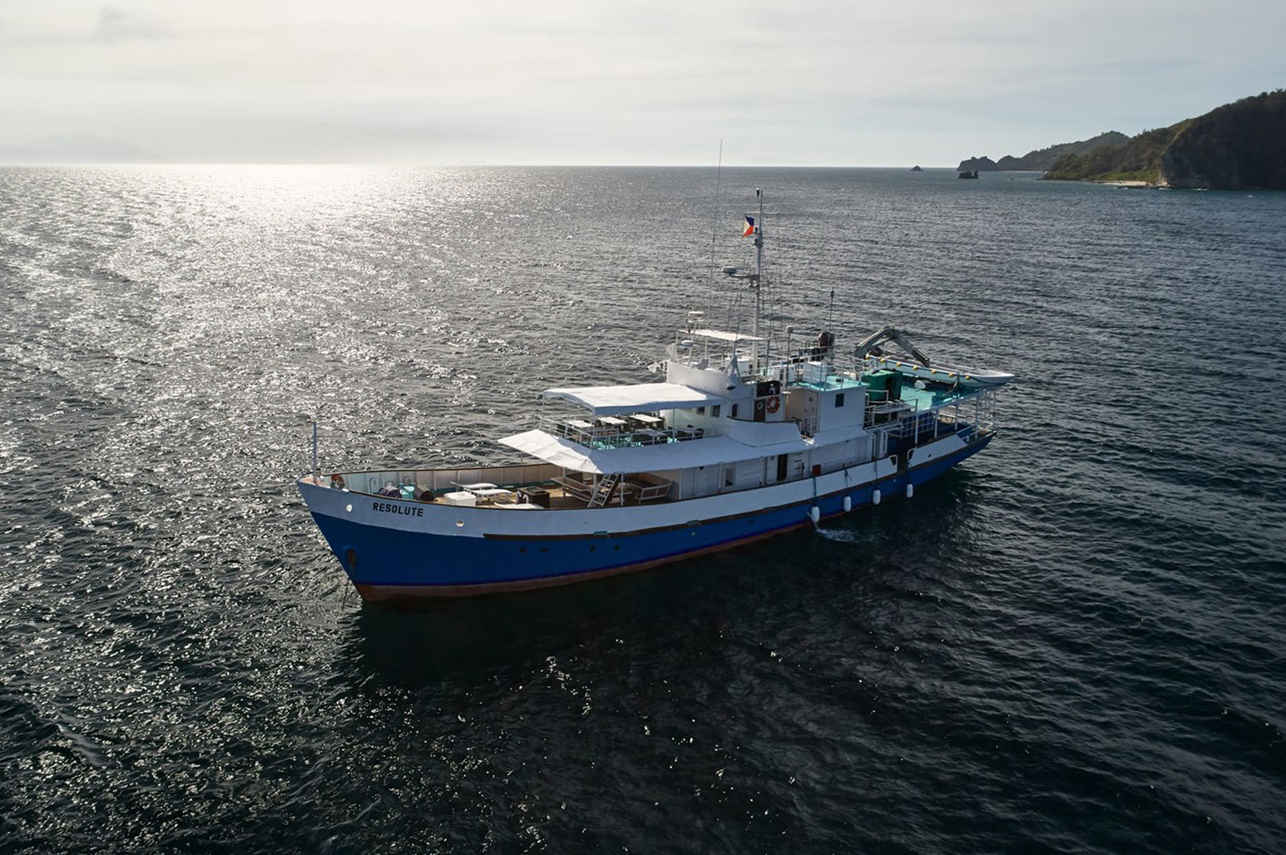
Resolute
Philippines
16 guests34.6 m
$314/day
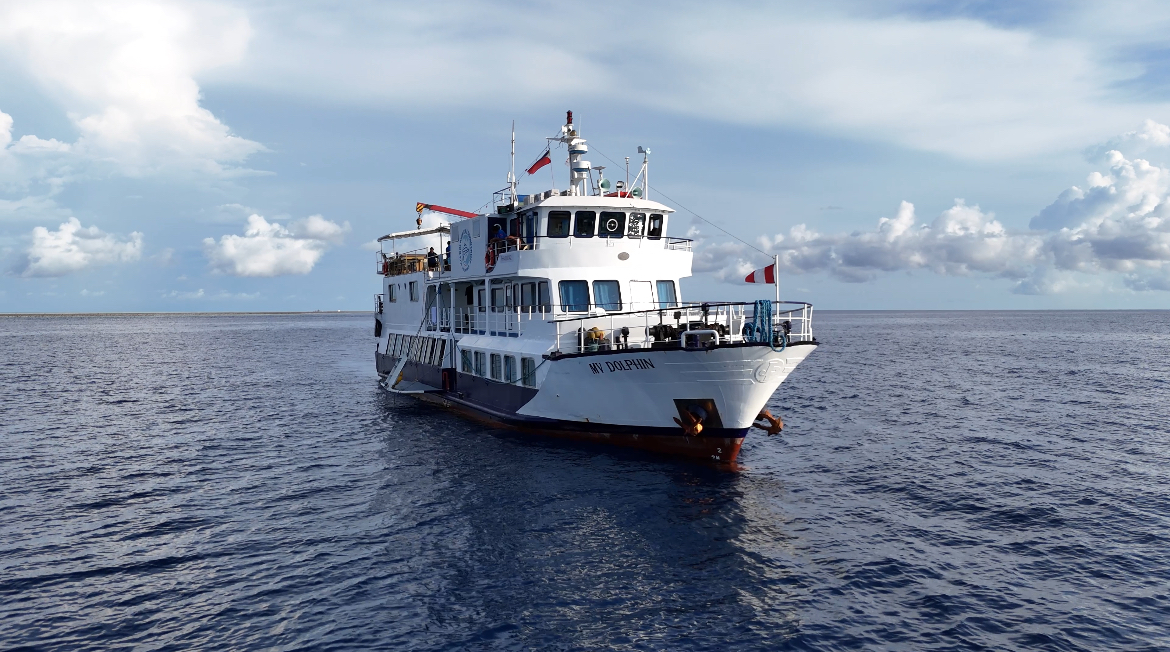
Dolphin
Philippines
18 guests31 m
$326/day
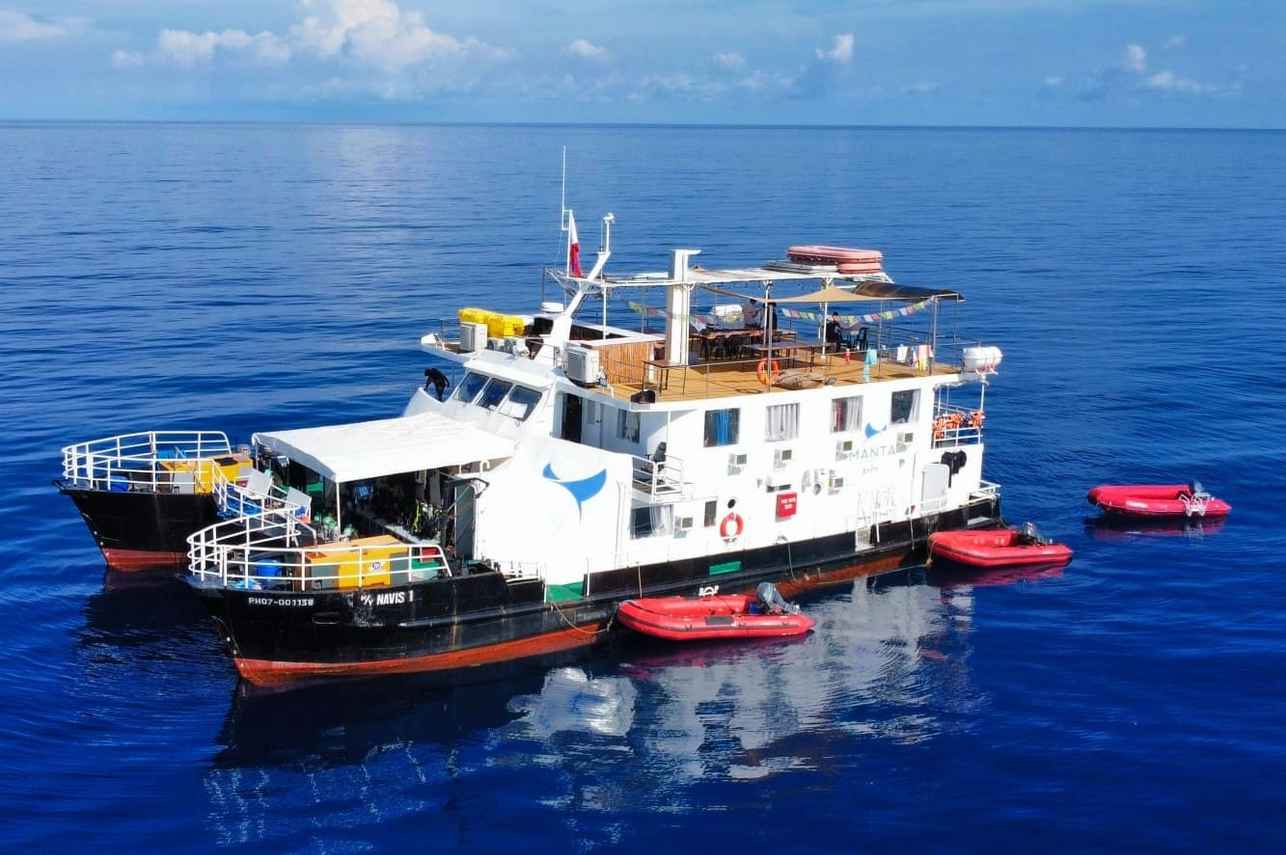
Navis 1
Philippines
22 guests23 m
$250/day
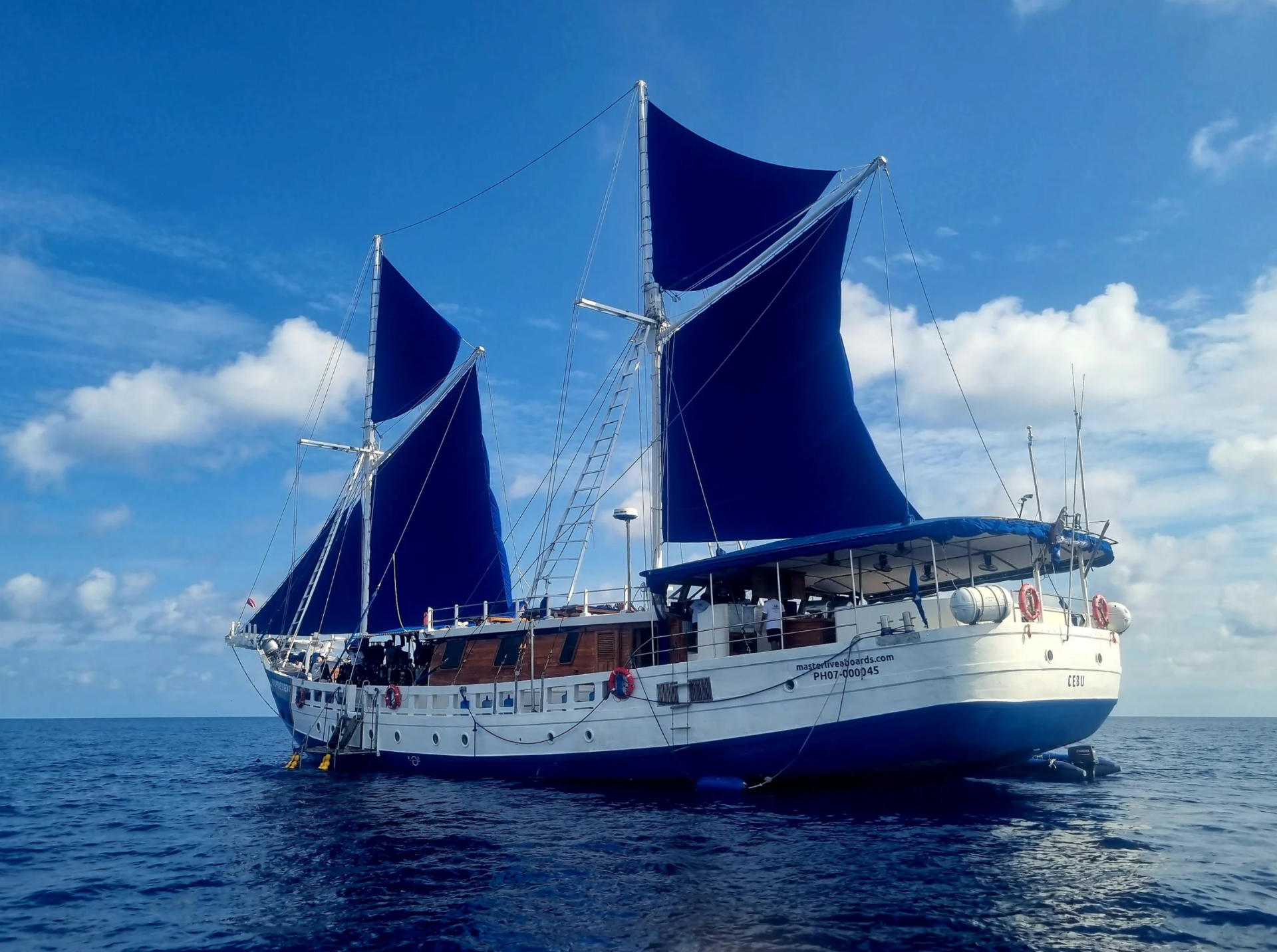
Philippine Siren
Philippines
16 guests
$309/day
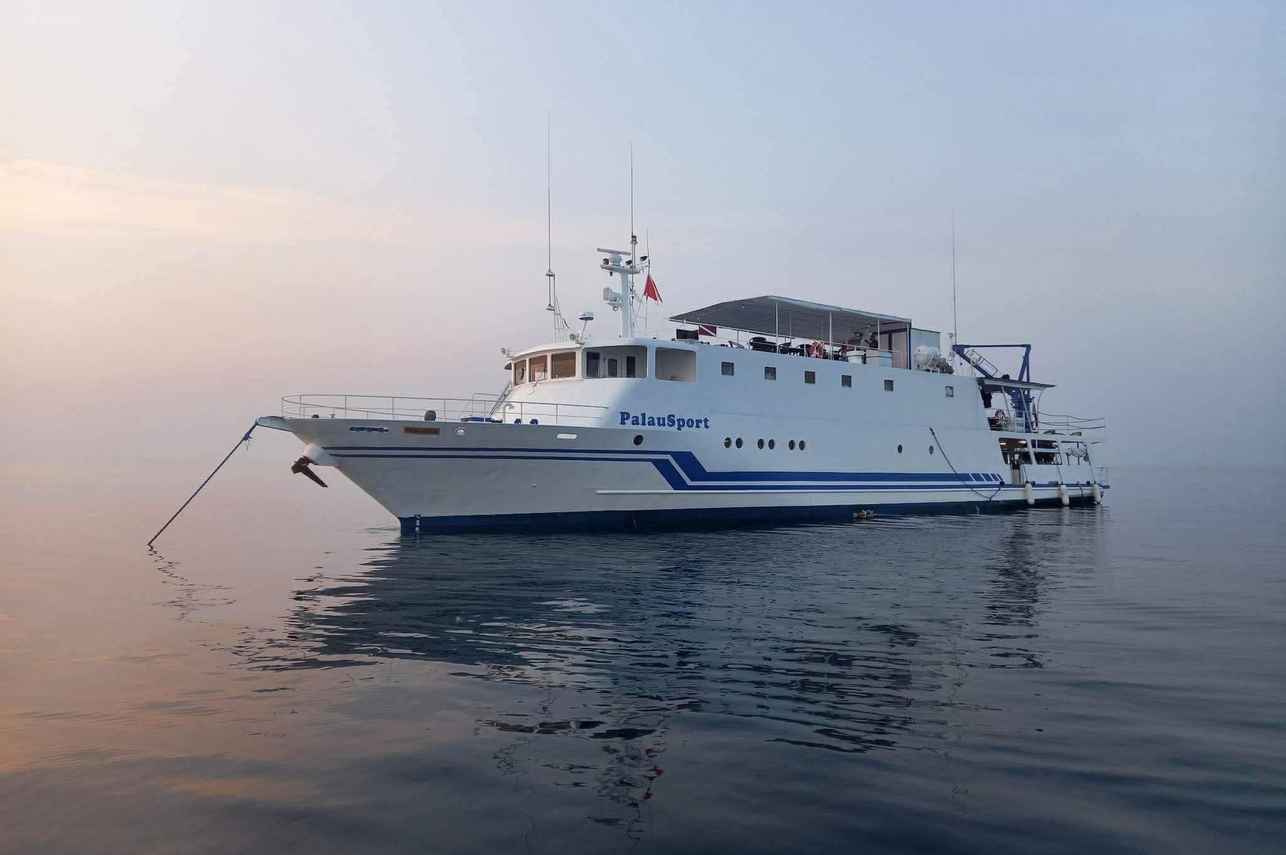
Palau Sport
Philippines
24 guests38.35 m
$215/day
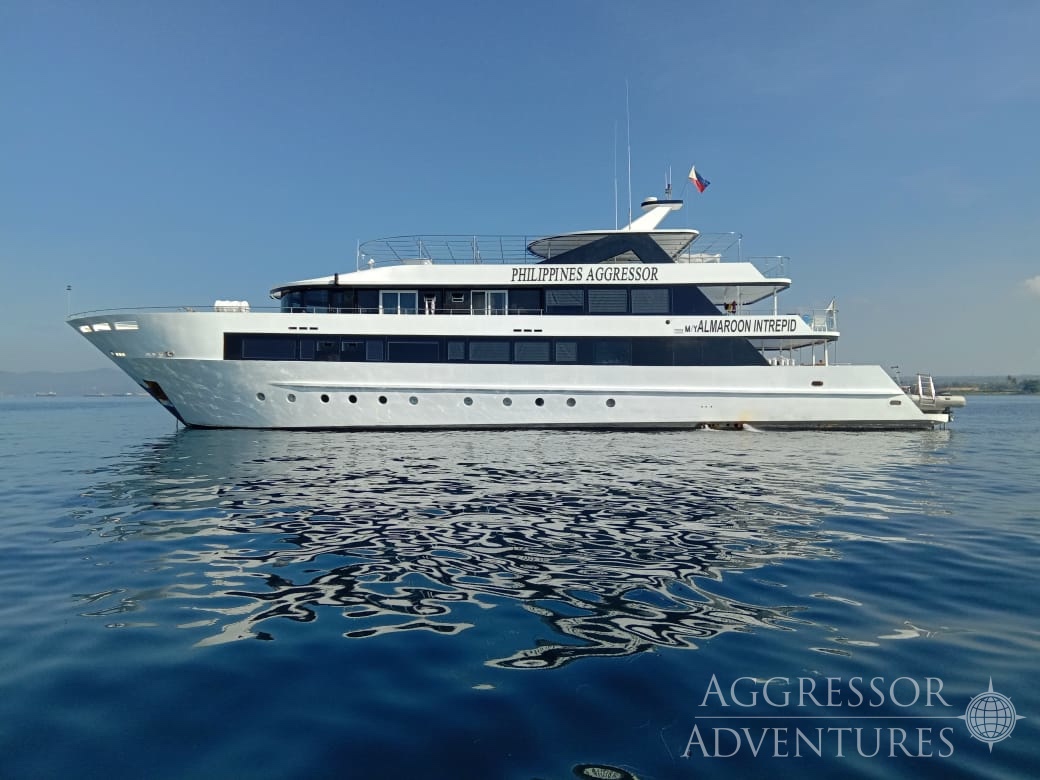
Philippines Aggressor
Philippines
26 guests42.7 m
$381/day
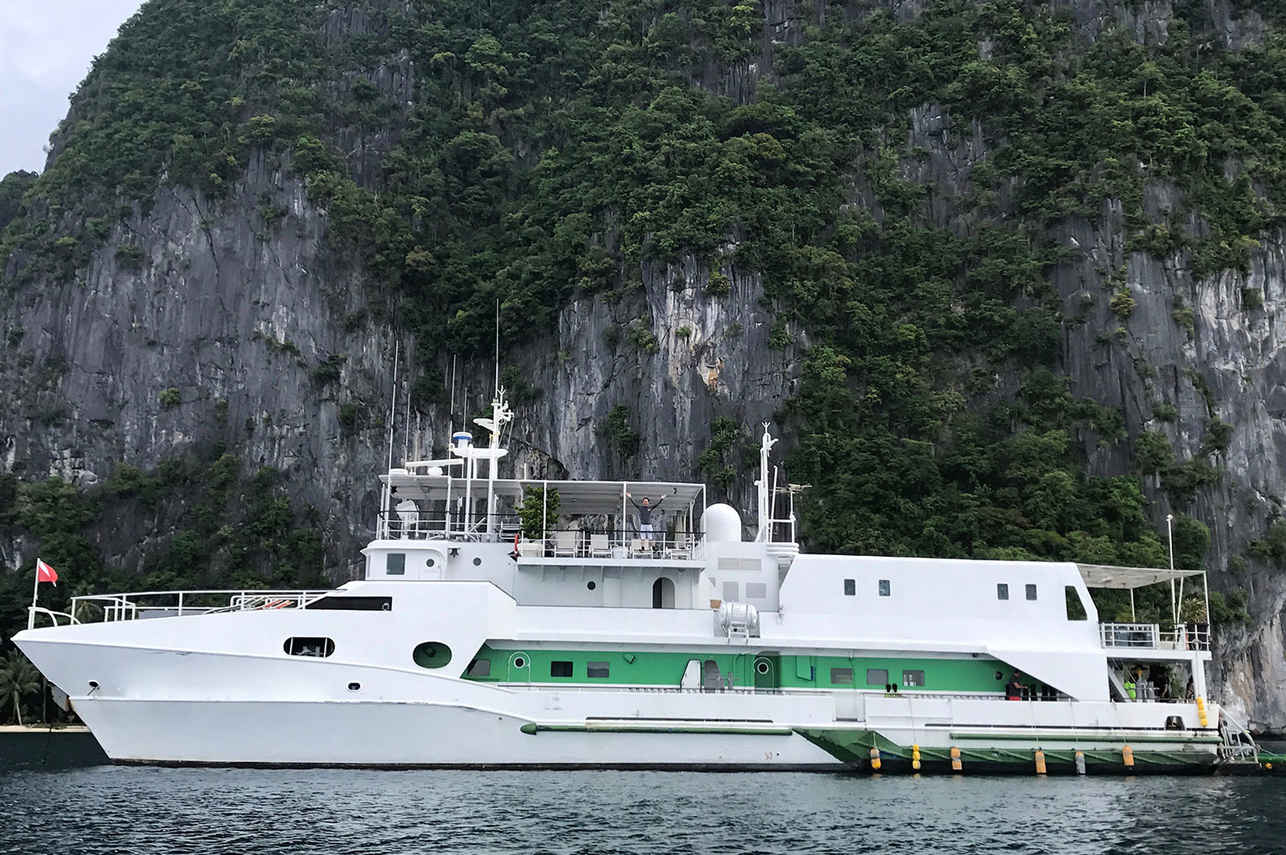
Stella Maris Explorer
Philippines
20 guests33 m
$398/day
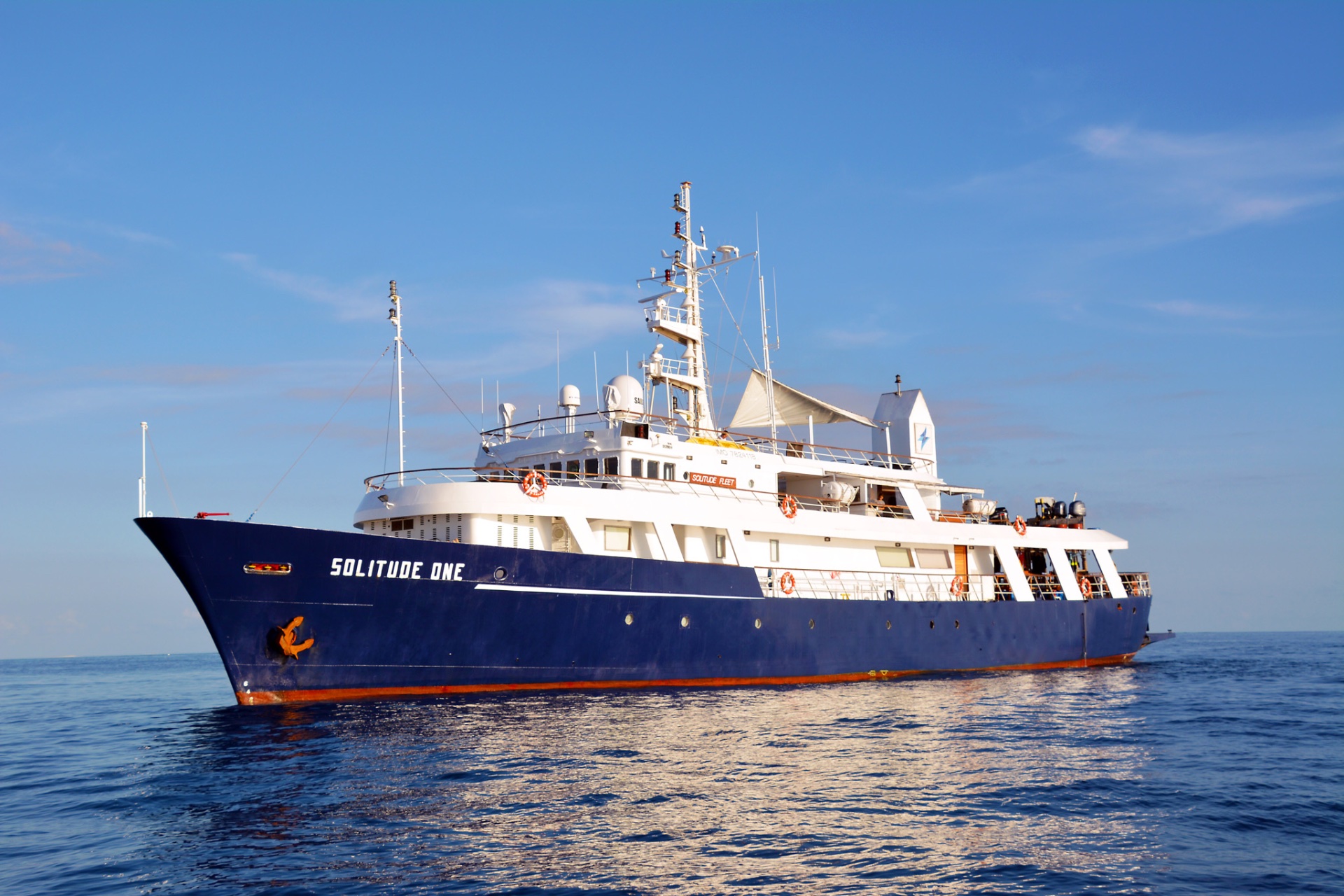
Solitude One
Philippines
24 guests52 m
$460/day
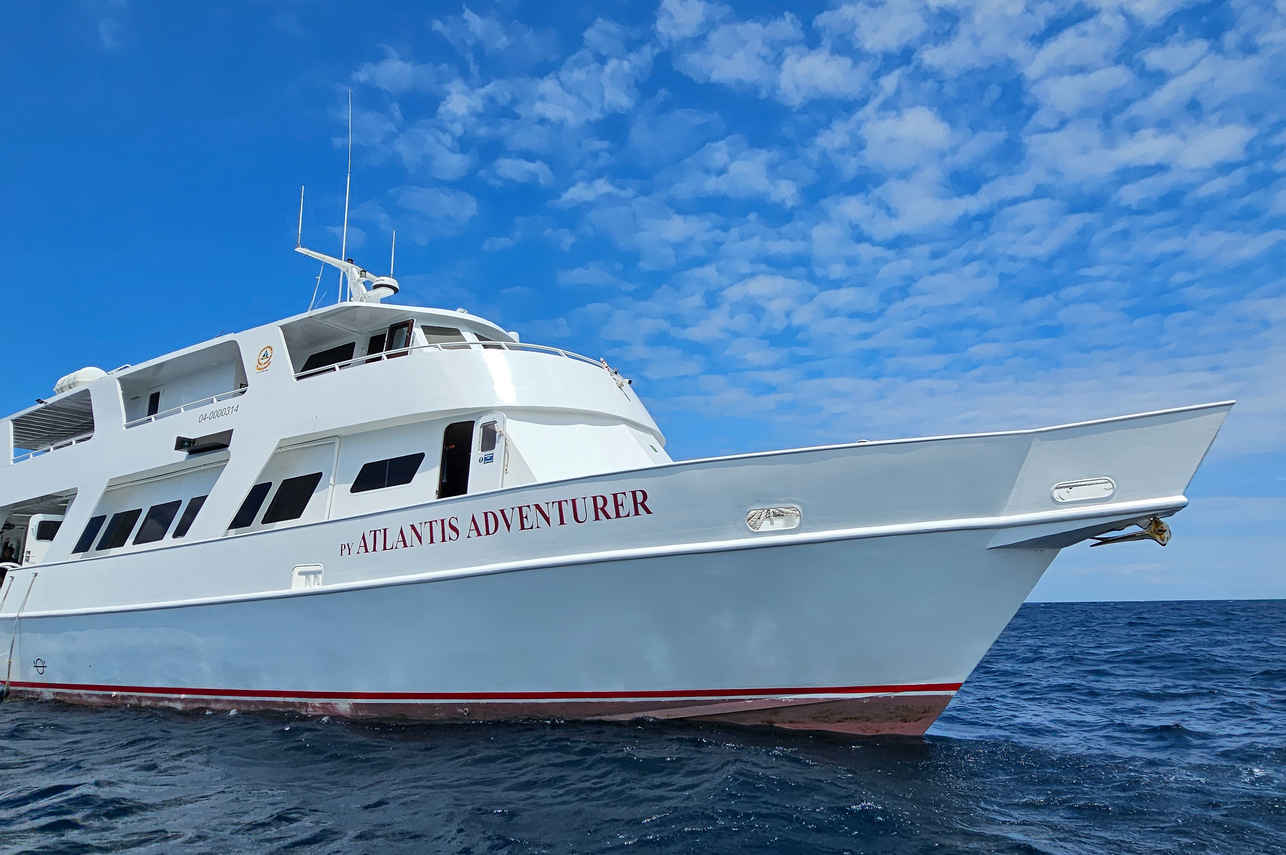
Atlantis Adventurer
Philippines
16 guests32.5 m
$421/day
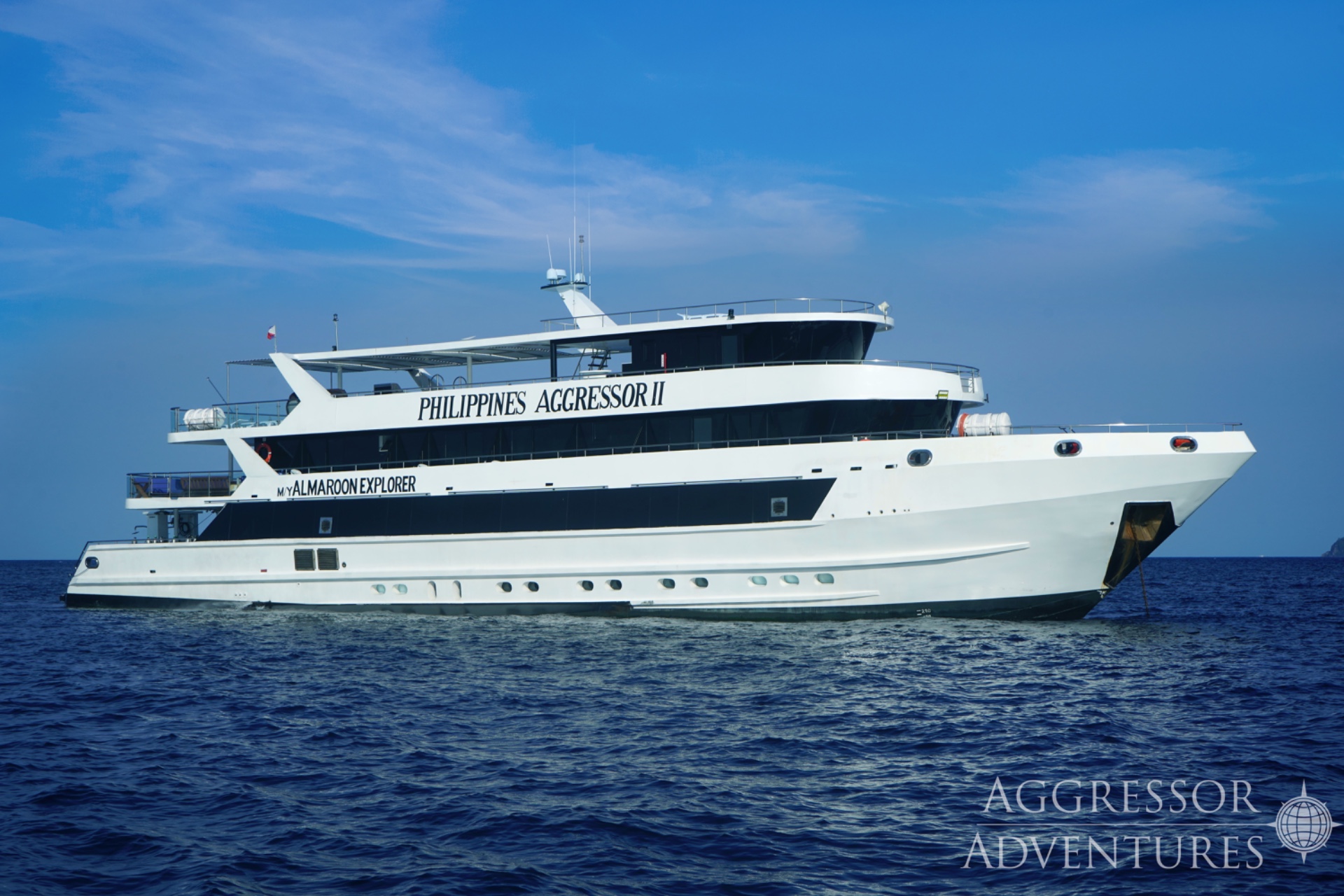
Philippines Aggressor II
Philippines
26 guests42.7 m
$247/day
Dive sites similar to Tubbataha Reef
Same character, same waters — six more sites divers love for the exact same reasons.Compare seasons, access and liveaboard routes — then pick the site that fits your trip best.
© Esri — Maxar, Earthstar, GIS
Big La Laguna
Philippines
Big La Laguna is a beach community situated on the western edge of the Sabang Peninsula, a popular dive region on Mindoro Island, Philippines.
- Suitable for
- Intermediate
- Current
- Moderate
- Access
- Dayboat
- Depth
- 5–35 m
- Theme
- Reef / Wall
© Esri — Maxar, Earthstar, GIS
Black Forest
Philippines
Black Forest is a premier dive site located off Balicasag Island, renowned for its exceptional marine biodiversity and distinct topography.
- Suitable for
- Intermediate
- Current
- Strong
- Access
- Liveaboard or dayboat
- Depth
- 10–30 m
- Theme
- Drift / Reef
© Esri — Maxar, Earthstar, GIS
Panagsama Beach
Philippines
Panagsama Beach, situated on a peninsula near Moalboal town in Cebu, serves as a central hub for diving activities in the region, boasting over 20 dive sites along its shoreline.
- Suitable for
- Intermediate
- Current
- Moderate
- Access
- Liveaboard or dayboat
- Depth
- ≤ 30 m
- Theme
- Reef / Wall
© Esri — Maxar, Earthstar, GIS
Binangaan Drop Off
Philippines
Binangaan Drop Off is a premier dive site within Apo Reef National Park, located off Occidental Mindoro in the Philippines.
- Suitable for
- Advanced
- Current
- Strong
- Access
- Liveaboard only
- Depth
- 10–40 m
- Theme
- Wall / Drift
© Esri — Maxar, Earthstar, GIS
Olympia Maru
Philippines
The Olympia Maru is a prominent Japanese cargo ship wreck from World War II, located within Coron Bay, Philippines.
- Suitable for
- Intermediate
- Current
- Mild
- Access
- Dayboat
- Depth
- 17–24 m
- Theme
- Wreck / Reef
© Esri — Maxar, Earthstar, GIS
Balinghai Wall
Philippines
Balinghai Wall is a notable dive site located on the northwest side of Boracay, known for its accessible wall and coral slope formations.
- Suitable for
- Intermediate
- Current
- Mild
- Access
- Dayboat
- Depth
- 8–24 m
- Theme
- Wall / Reef