MY Gypsy
Experience the Philippines' underwater wonders in intimate luxury.
- En-Suite bathrooms
- Aircon Cabins
- Warm Water Showers
5.0(33 reviews)
8 guestsfrom $337/day
 Free dive insuranceincluded with every booking
Experience the Philippines' underwater wonders in intimate luxury.
5.0(33 reviews)
Explore the Philippines' underwater wonders from a luxurious and dedicated dive yacht.
4.8(443 reviews)
Explore the Philippines' underwater wonders in comfort and style.
4.8(140 reviews)
A bespoke 131-foot diving platform merging high-end imaging facilities with teak craftsmanship, twin tenders, and sophisticated security.
4.8(128 reviews)
Explore the Philippines' vibrant underwater world.
4.8(27 reviews)
Tubbataha Reefs Natural Park sits in the middle of the Sulu Sea, about ten hours by liveaboard from Puerto Princesa. Its North and South Atolls and isolated Jessie Beazley Reef are protected, uninhabited and accessible only during calm-season expeditions.
Vertical walls, healthy coral, dense schools and frequent reef sharks make Tubbataha the Philippines' benchmark liveaboard route. The narrow mid-March to mid-June season concentrates demand, so the best cabins often sell far ahead.
The park protects almost 100,000 hectares and is managed as a no-settlement marine reserve. Boats must be accredited and carry permits, and guests pay conservation fees that support patrols and research. The ranger station on North Atoll is the only continuously staffed outpost in the park.
Dive plans follow walls, corners and shallow reef tops, with skiffs dropping groups according to current. A typical day combines early shark activity, bright coral plateaus and a final sunset or night dive; the long crossing means there is no substitute site if weather closes the Sulu Sea.
Choose the route that fits your experience and dream encounters — each region has its own season, character and story.
A short annual weather window unlocks the Philippines' remote UNESCO atolls and exceptional fish biomass.

Strict park management and isolation in the Sulu Sea protect a marine ecosystem far from coastal pressure. The remote location and active ranger presence limit fishing pressure and keep the experience focused on conservation. Park rules are strict: no fishing, no touching coral, and all waste is carried back to the mainland.
Tubbataha's isolation makes a liveaboard the only practical way to explore it.

An overnight crossing from Puerto Princesa means no day-boat traffic and several days immersed in the atolls. There is no resort, runway or public ferry in the park, so every diver sleeps and operates from an accredited vessel. That isolation means sunrise and night dives are possible every day, with no light pollution or engine noise from shore.
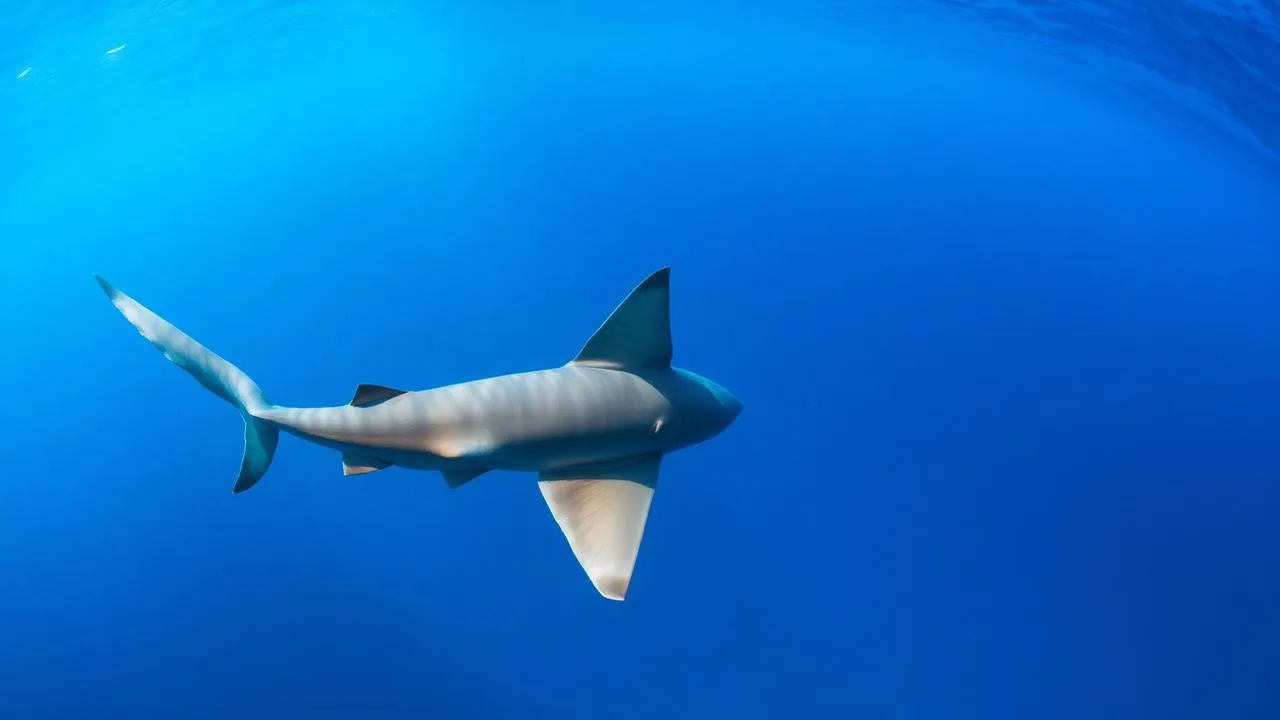
Current-washed walls support frequent grey reef and whitetip shark encounters.

Grey reef and whitetip sharks patrol steep drop-offs, with other pelagics possible in the blue. Grey reef and whitetip reef sharks are regular features, while other pelagics remain welcome bonuses rather than promises. Dawn dives at current points often produce the strongest shark action before the heat of the day builds.
Dense fish schools are a hallmark of this protected Sulu Sea ecosystem.

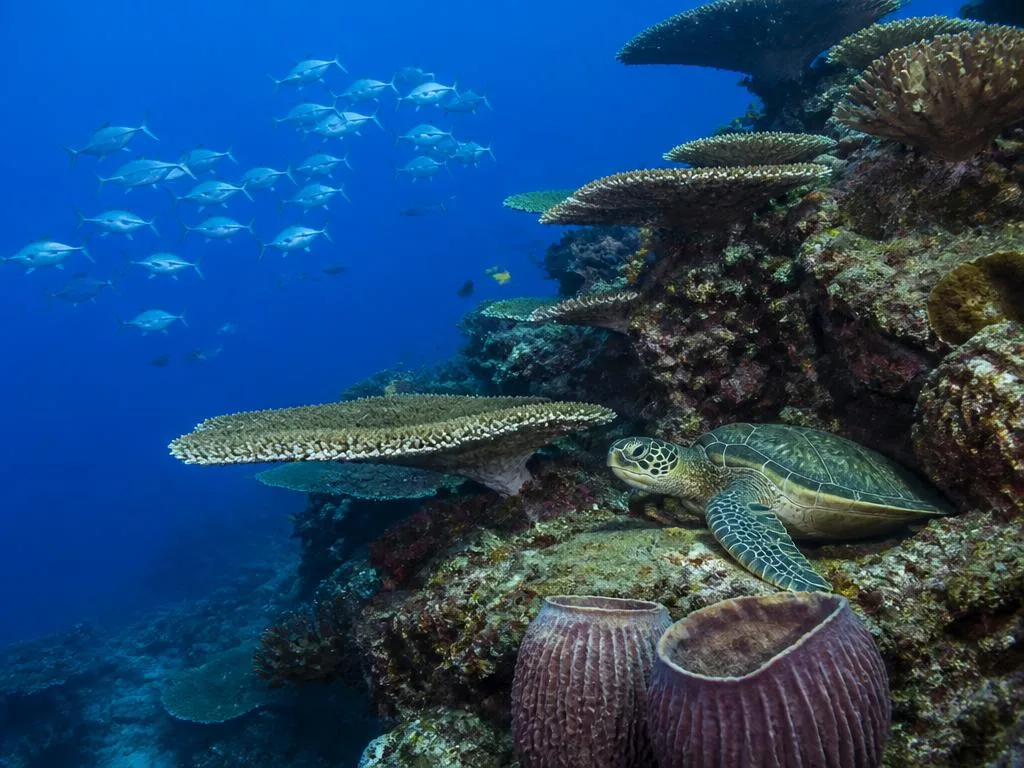
Healthy hard coral and large schools of jacks, barracuda and surgeonfish make the reefs feel visibly alive. Steep walls and current collect jacks, barracuda, surgeonfish and trevally in densities rarely matched near populated islands. Turtles, Napoleon wrasse and large groupers are common sights, showing what a protected reef can sustain.
Broad coral plateaus demonstrate the benefits of long-term protection.
Choose the Tubbataha Reef itinerary that matches your experience, season and wildlife priorities. Route names can look similar while covering different ports, sites and sea conditions, so compare the actual daily programme rather than the headline alone.
North and South Atoll walls, ranger station, shark points and shallow hard-coral plateaus
changing current, negative entries, wall dives and blue-water pickups
Mid-March–mid-June; access closes outside the calm Sulu Sea window
Both main atolls plus isolated Jessie Beazley Reef for extra walls, sharks and schooling fish
50 logged dives recommended for repetitive drifts and exposed corners
April–June; limited accredited departures book well ahead
Amos Rock, Shark Airport, ranger-station reefs and current-fed corners around North Atoll
current can reverse or accelerate around wall corners during a dive
Mid-March–mid-June; April and May are the core operating months
North Atoll, South Atoll and Jessie Beazley Reef within one permit-controlled offshore journey
negative entries, deep walls, current and no shore-based fallback
April–May for the strongest overlap of access and route choice
Operator rules vary, but the practical guidance below helps you choose a route you can enjoy safely.
| Route | Certification | Logged dives | Conditions | Gear |
|---|---|---|---|---|
| North & South Atolls | Advanced Open Water recommended | 30+ recommended | Steep walls from 5 m into the deep blue, 20–40 m visibility, changing and sometimes strong current | DSMB; nitrox recommended where available |
| Tubbataha plus Jessie Beazley | Advanced Open Water recommended | 50+ recommended | Exposed offshore reefs, 25–40 m visibility, current-fed corners and open-water pickups between dives | DSMB; nitrox recommended where available |
| North Atoll focus | Advanced Open Water recommended | 30+ recommended | Wall dives at 10–40 m with 20–35 m visibility; current can accelerate or reverse around corners mid-dive | DSMB; nitrox recommended where available |
| Complete park expedition | Advanced Open Water recommended | 30+ recommended | Long offshore itinerary, 20–40 m visibility, drifts along walls and negative entries when current runs | DSMB; nitrox recommended where available |
Tubbataha is a protected natural park, not a guaranteed wildlife show. Follow ranger and operator rules, keep off the reef and regard the published itinerary as conditional on current and weather. The operator's published minimum, check-dive assessment and safety rules always take precedence.
These are the sites that define a Tubbataha Reef liveaboard itinerary. Compare their topography, conditions and location against the daily programme rather than assuming every regional cruise visits the same places.
Tubbataha is not a year-round destination: accredited liveaboards use a short calm-water window from roughly mid-March to mid-June. Even within that season, wind, Sulu Sea swell and plankton can change crossing comfort and visibility.
Mid-Mar
27–29 °CThe first boats enter as northeast-monsoon winds ease. Fewer departures and clear walls can reward early bookings, but the overnight crossing may remain lively.
Apr
28–30 °CUsually the most settled all-round period, with warm water, strong visibility and full access to North Atoll, South Atoll and Jessie Beazley when conditions allow.
May
29–30 °CThe warmest core month combines calm crossings with dense schooling fish and regular reef-shark patrols. Plankton pulses can locally soften visibility while attracting pelagic life.
Early-Jun
29–30 °CFinal departures run before southwest-monsoon conditions close practical access. Rain and wind become less predictable, so captains may adjust site order or omit exposed Jessie Beazley.
Currents change around atoll corners and can require negative entries, fast descents and blue-water pickups. A thin full suit is normally enough for temperature, but repetitive diving favours extra thermal protection; the park authority and captain always determine whether an exposed site is safe to dive.
Plan a Tubbataha Reef liveaboard around the encounters that matter most to you. The bars show stronger historical windows, not promises, and the location line explains where each animal is normally sought.
Peak bars show historically stronger encounter windows; shoulder months can still produce excellent dives, while wild-animal encounters are never guaranteed.
Every standard Tubbataha expedition begins in Puerto Princesa on Palawan. Guests normally fly in from Manila or Cebu, then transfer to the city pier before an overnight crossing into the Sulu Sea.
Puerto Princesa Port
The embarkation point for accredited Tubbataha liveaboards. Boarding is normally followed by a 10–12-hour overnight passage to the first atoll.
Puerto Princesa Airport (PPS)
The local arrival airport, served mainly by domestic flights from Manila and Cebu. The city and waterfront are usually 15–30 minutes away by road.
Manila (MNL)
The main international connection for Palawan. Use a separate domestic sector to Puerto Princesa and avoid a same-day connection to the vessel.
Cebu (CEB)
An alternative international and domestic gateway with selected nonstop flights to Puerto Princesa. Schedules can change outside peak travel periods.
The park has no airport, hotel or sheltered passenger port, and vessels cannot return quickly for a late guest. Arrive in Puerto Princesa at least one day before embarkation, keep checked-baggage limits in mind and leave a buffer after the cruise because Sulu Sea weather can delay the return crossing.
Cross the Sulu Sea to pristine atolls where reef sharks patrol coral walls and immense schools fill the blue. This brief annual season is precious, so compare live departures while your preferred cabin is still available.
Tubbataha Reef liveaboards
A short season, park fees and long crossings make Tubbataha a premium Philippine route.
A cabin, meals, tanks, weights, guides and the scheduled dives are normally included; exact inclusions vary by boat.
Budget separately for flights, transfers, marine-park or port fees, nitrox, rental gear, gratuities and any required hotel nights.
Prices move with season, cabin type, trip length and remaining availability. Open a departure for the final operator breakdown.
The calendar below shows how liveaboard prices shift month by month, so you can see exactly when your money goes furthest. We want every diver to get the best possible value, which is why we highlight the seasons that balance great conditions with the fairest rates.
$215–$421
per day liveaboard
Prices reflect typical costs for mid-range to premium options. Budget alternatives may be available.
Compare Tubbataha Reef with its country overview and other strong liveaboard regions.
Explore our expedition vessels and find your perfect trip to Tubbataha Reef