About Jessie Beazley Reef
Jessie Beazley Reef, an integral component of the Tubbataha Reefs National Park, is a celebrated dive destination within the Philippines, renowned for its exceptional biodiversity. Declared a marine park in 1988 and later expanded in 2009 to include Jessie Beazley, this area is vital for maintaining the ecological balance of the broader Tubbataha system. Its isolation in the Sulu Sea contributes to its pristine condition, making it a true frontier diving experience. The reef's distinctive mushroom shape is a key topographical feature, with a plateau that is undercut before gradually sloping to approximately 12 meters, then plunging into depths beyond recreational limits. The shallow reef tops are adorned with thriving porites and Acropora corals, supporting a kaleidoscope of reef fish. Deeper sections reveal dramatic walls teeming with filter feeders like gorgonian sea fans and barrel sponges, constantly fed by strong tidal flows. Jessie Beazley is a hotspot for pelagic encounters, with frequent sightings of various shark species, including whitetips, blacktips, hammerheads, and even occasional whale sharks. Schools of barracuda, mackerel, and tuna are common, alongside manta and eagle rays. The reef's location within the Coral Triangle also ensures a rich macro life, with nudibranchs, frogfish, and other unique critters making it a paradise for observant divers. Visibility typically ranges from 20 to 45 meters, and water temperatures hover between 27°C and 30°C. Access to Jessie Beazley Reef is exclusively via liveaboard, departing from Puerto Princesa, Palawan. The dive season is restricted to a narrow window from mid-March to mid-June, coinciding with the calmest weather conditions. Dives at sites like North End, South End, White Sand Cays, and Reef Shark Point often feature strong and unpredictable currents, requiring experienced divers to follow strict guide instructions for safe and rewarding exploration.
Highlights
Mushroom-shaped reef structurePristine hard and soft coralsAbundant reef shark populationsPelagic encounters: manta rays, hammerheadsRich macro life diversitySheer walls and deep drop-offsVast schools of fish
Season calendar
Best months to dive here
Jan
Feb
Mar
Apr
May
Jun
Jul
Aug
Sep
Oct
Nov
Dec
Good
Dive site facts: Jessie Beazley Reef
- Depth
- 5–40 m+
- Typical dive
- 15–30 m, 60 min
- Current
- Medium to strong, unpredictable
- Visibility
- 20–45 m
- Water temperature
- 27–30°C
- Entry
- Liveaboard tender / backroll
- Level
- AOWD, minimum 30 logged dives, current experience required
- Dive type
- Wall, drift, pelagic, macro
- Night dive
- Possible (site-dependent)
- Region / port
- Sulu Sea / Palawan
- Coordinates
- 9.195, 119.92
Conditions & Currents
Jessie Beazley Reef is known for its dynamic and often challenging currents, which can reach up to two knots and change speed and direction without warning. This makes dives exhilarating, frequently featuring drift conditions, but also demands a high level of diver skill and situational awareness. Your dive guide's instructions are paramount for safe navigation and to maximize encounters with the abundant marine life that thrives in these nutrient-rich flows. Surface conditions can also be rough, especially outside the peak season, so good entry and exit techniques are essential. Visibility remains excellent, generally between 20 to 45 meters, even with strong currents, due to the reef's remote, open-ocean location and lack of land-based runoff. Thermoclines can occasionally be encountered, bringing cooler water. Divers should be prepared for varying conditions and consult their guide fo
Marine life & sighting chances
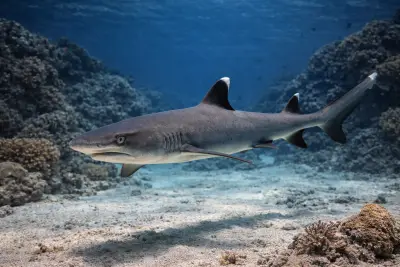
Whitetip reef shark
March–June · common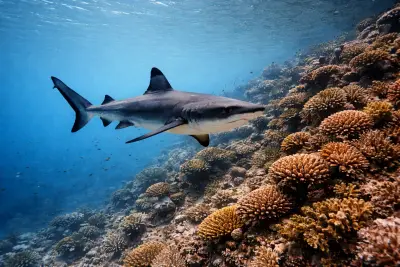
Blacktip reef shark
March–June · common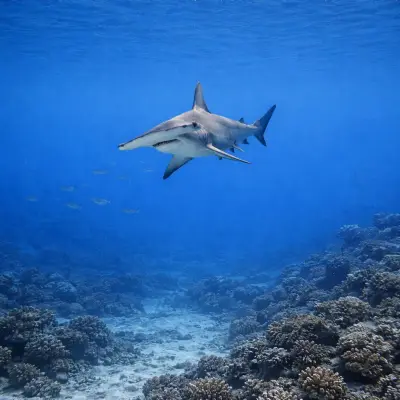
Hammerhead shark
March–June · occasional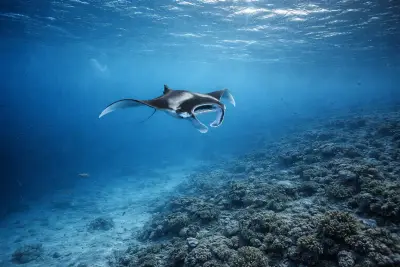
Manta ray
April–May · occasional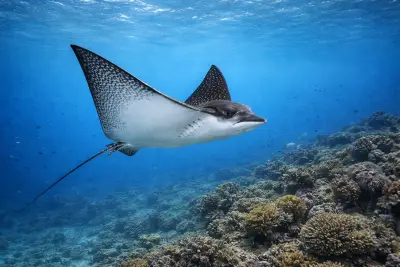
Eagle ray
March–June · occasional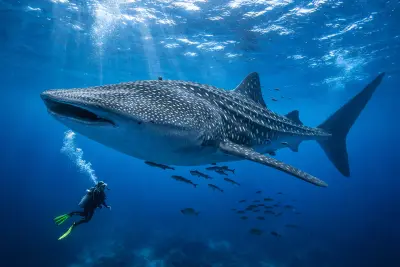
Whale shark
April–May · occasional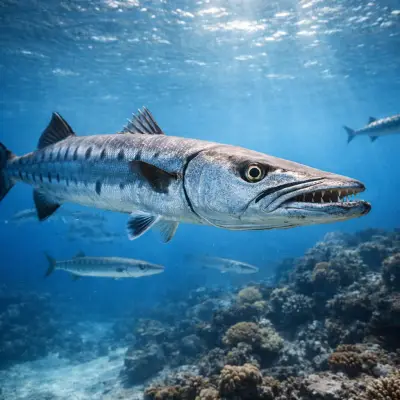
Barracuda
March–June · common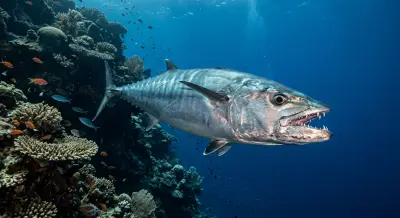
Tuna
March–June · common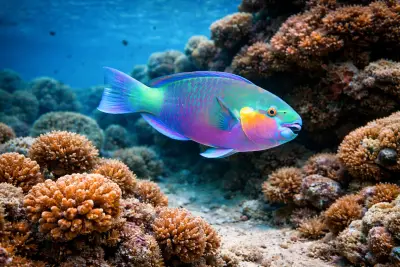
Parrotfish
March–June · common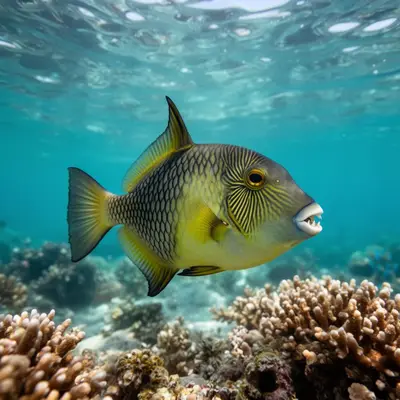
Triggerfish
March–June · common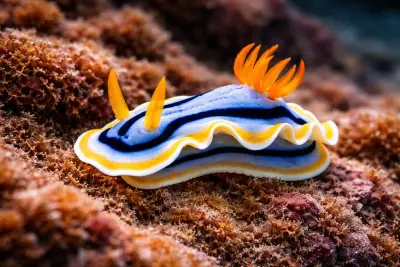
Nudibranch
March–June · common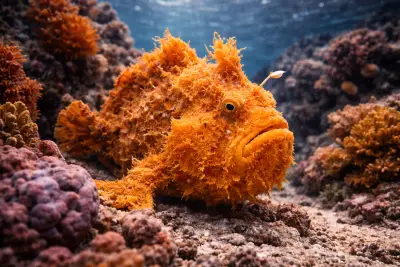
Frogfish
March–June · occasional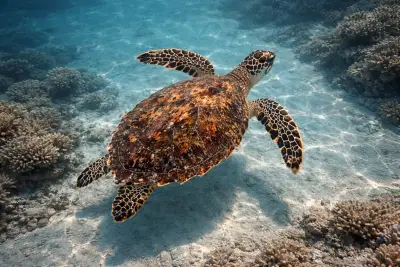
Hawksbill turtle
March–June · common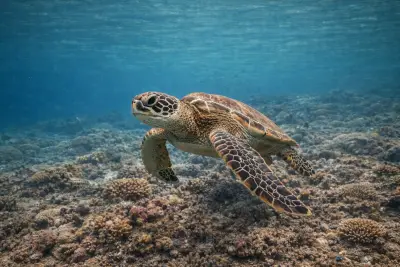
Green sea turtle
March–June · commonDive profile & how the dive runs
Dives at Jessie Beazley Reef typically begin with a tender drop-off close to the reef, often requiring a negative entry due to potentially strong surface currents. Common dive sites like North End or South End involve descending along sheer walls that plunge into deep water. The profile usually follows the reef's contour, starting near the shallower plateau at around 5-12 meters, where vibrant reef life congregates. Divers then drift along the wall, observing pelagic species in the blue and inspecting gorgonians and sponges for macro subjects. The current dictates the drift, making it a dynamic experience. The dive often concludes by ascending back towards the reef top for a safety stop, where more reef fish are observed, before surfacing for tender pickup.
Underwater photography
Jessie Beazley Reef offers outstanding opportunities for both wide-angle and macro photography. For wide-angle, the sheer walls and vast schools of fish against the deep blue backdrop demand a fisheye or wide-angle rectilinear lens. Early morning dives can provide dramatic lighting for reefscapes and silhouettes of passing sharks or turtles. Utilize natural light as much as possible given the excellent visibility, but strobes are crucial to bring out the true colors of corals and fish at depth. For macro photographers, patience is key. Explore the coral heads and cracks for nudibranchs, frogfish, and other unique critters. A dedicated macro setup or a wet close-up lens will be invaluable for capturing the rich diversity of small life. Buoyancy control is paramount to avoid disturbing the fragile corals, especially given the strong and unpredictable currents. Remember that gloves, reef hooks, tank bangers, and nudi pointers are forbidden within Tubbataha to protect the delicate ecosystem.
Combine with nearby dive sites
Getting there & logistics
Access to Jessie Beazley Reef is exclusively via liveaboard, with trips typically lasting 6, 7, or 11 nights. The primary departure point is Puerto Princesa, the capital city of Palawan. Divers usually fly into Manila or Cebu City from international destinations, then take a domestic flight to Puerto Princesa. Liveaboard crossings to the reef take between 12 to 15 hours. Booking well in advance, ideally 9-12 months ahead, is highly recommended due to the limited season (mid-March to mid-June) and high demand. A marine park fee, usually included in the liveaboard package, is mandatory. Itineraries typically include multiple dives per day at Jessie Beazley and the main Tubbataha atolls.
Safety & environment
Diving at Jessie Beazley Reef requires adherence to strict safety protocols due to its remote location and dynamic conditions. Divers must carry mandatory dive insurance and travel insurance. The nearest recompression chambers are located in Coron or Cebu, meaning any serious dive-related incident would require a significant evacuation time, potentially over 12 hours. Site-specific hazards include strong and unpredictable currents, which necessitate excellent buoyancy control and a proficient dive guide. Gloves are generally forbidden unless with a medical certificate, and the use of reef hooks, tank bangers, and nudi pointers is strictly prohibited to protect the marine environment. Divers must hold an Advanced Open Water certification or equivalent, with a minimum of 30 logged dives and experience in strong currents to ensure preparedness for these challenging yet rewarding conditions.
Who it suits — and who it doesn't
Suited for
- Advanced Open Water divers with current experience
- Photographers seeking diverse marine life
- Liveaboard enthusiasts
- Divers passionate about pelagic encounters
- Those seeking pristine, remote reef systems
Less suited for
- Beginner divers or those without current experience
- Divers prone to seasickness (due to long crossings)
- Those on a tight budget (due to liveaboard-only access)
- Travelers with limited vacation time (minimum 6-day trips)
- Divers who prefer sheltered, calm dive sites
FAQ
Jessie Beazley Reef FAQ
What is Jessie Beazley Reef known for?
Jessie Beazley Reef is renowned for its exceptional marine biodiversity, pristine coral formations, and frequent encounters with pelagic species like various sharks, manta rays, and barracuda. Its unique mushroom-shaped topography and clear waters also offer dramatic wall dives and rich macro photography opportunities, making it a highlight of the Tubbataha Reefs National Park.
When is the best time to dive Jessie Beazley Reef?
The diving season for Jessie Beazley Reef, along with the rest of Tubbataha, is limited to mid-March through mid-June. This narrow window coincides with the driest and calmest weather conditions, essential for safe liveaboard travel and optimal diving experiences in this remote location. April and May are generally considered the peak months for stability.
What level of diving experience is required for Jessie Beazley Reef?
Due to potentially strong and unpredictable currents, divers are typically required to have an Advanced Open Water certification or equivalent, with at least 30 logged dives. Experience with drift diving and managing challenging current conditions is highly recommended to safely enjoy the dynamic underwater environment.
How do I get to Jessie Beazley Reef?
Jessie Beazley Reef is only accessible via liveaboard departing from Puerto Princesa, Palawan. You will need to fly to Manila or Cebu internationally, then take a domestic flight to Puerto Princesa. The liveaboard journey to the reef itself takes between 12 to 15 hours across the open Sulu Sea.
Are there any specific regulations or rules for diving at Jessie Beazley Reef?
Yes, as part of a UNESCO World Heritage Site and Marine Protected Area, strict rules apply. These include mandatory dive and travel insurance, and prohibitions on using gloves (unless medically certified), reef hooks, tank bangers, and nudi pointers. These regulations are in place to protect the fragile marine ecosystem.
What kind of visibility and water temperature can I expect?
Divers can generally expect excellent visibility ranging from 20 to 45 meters at Jessie Beazley Reef. The water temperature is consistently warm, typically between 27°C and 30°C (81°F to 86°F), although occasional thermoclines can bring cooler pockets of water.
Why dive Jessie Beazley Reef from a liveaboard?
Jessie Beazley Reef is one of Philippines's signature dive sites. A liveaboard sleeps you on the water and puts you in the water for three to four guided dives per day, including dawn and night dives that day-boat operators rarely offer. You skip the daily commute back to port and reach quieter, less-crowded sites in the same region on a single trip.
Below are the liveaboards that include Jessie Beazley Reef on their Philippines itineraries.
Liveaboards diving Jessie Beazley Reef
These liveaboards may visit Jessie Beazley Reef on selected itineraries — the exact dive sites depend on departure, weather and conditions.
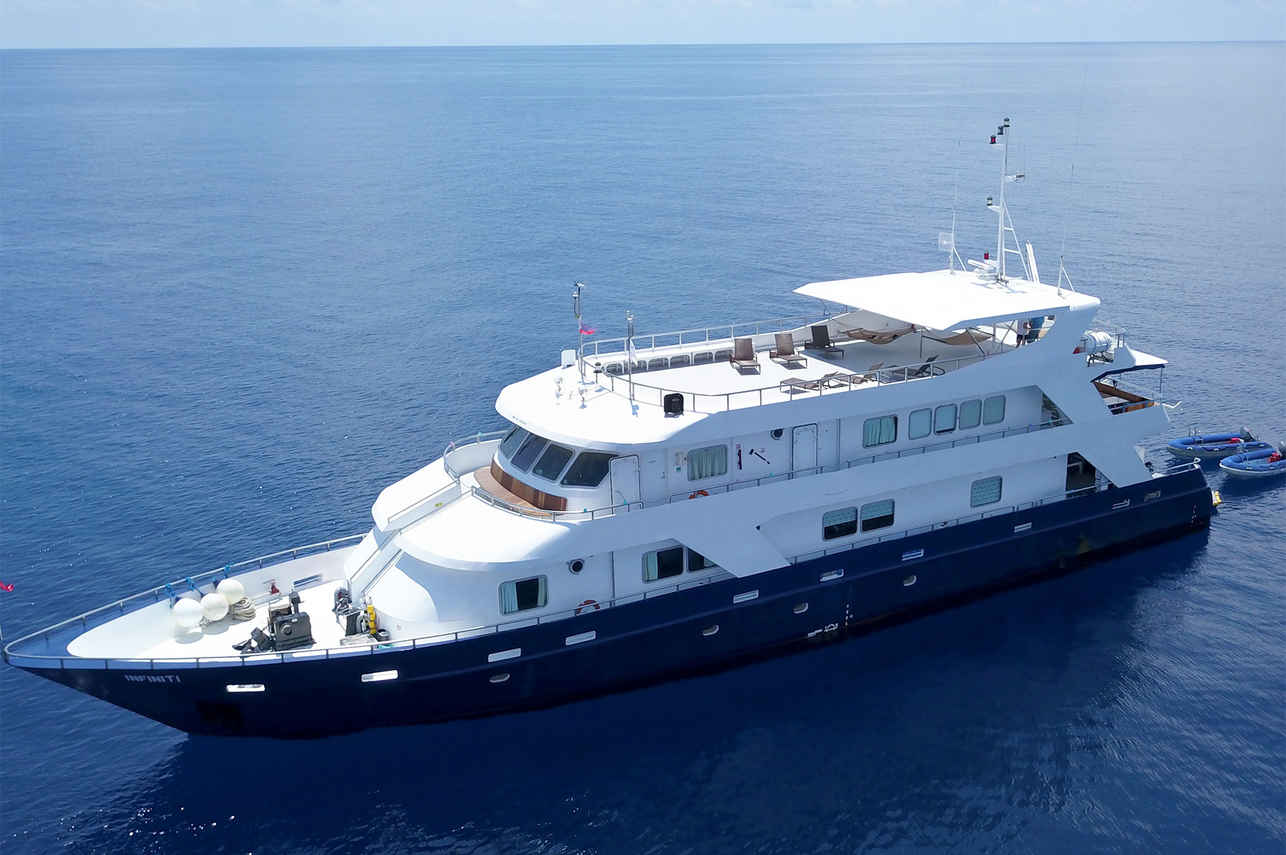
Infiniti
Philippines
25 guests39 m
$280/day
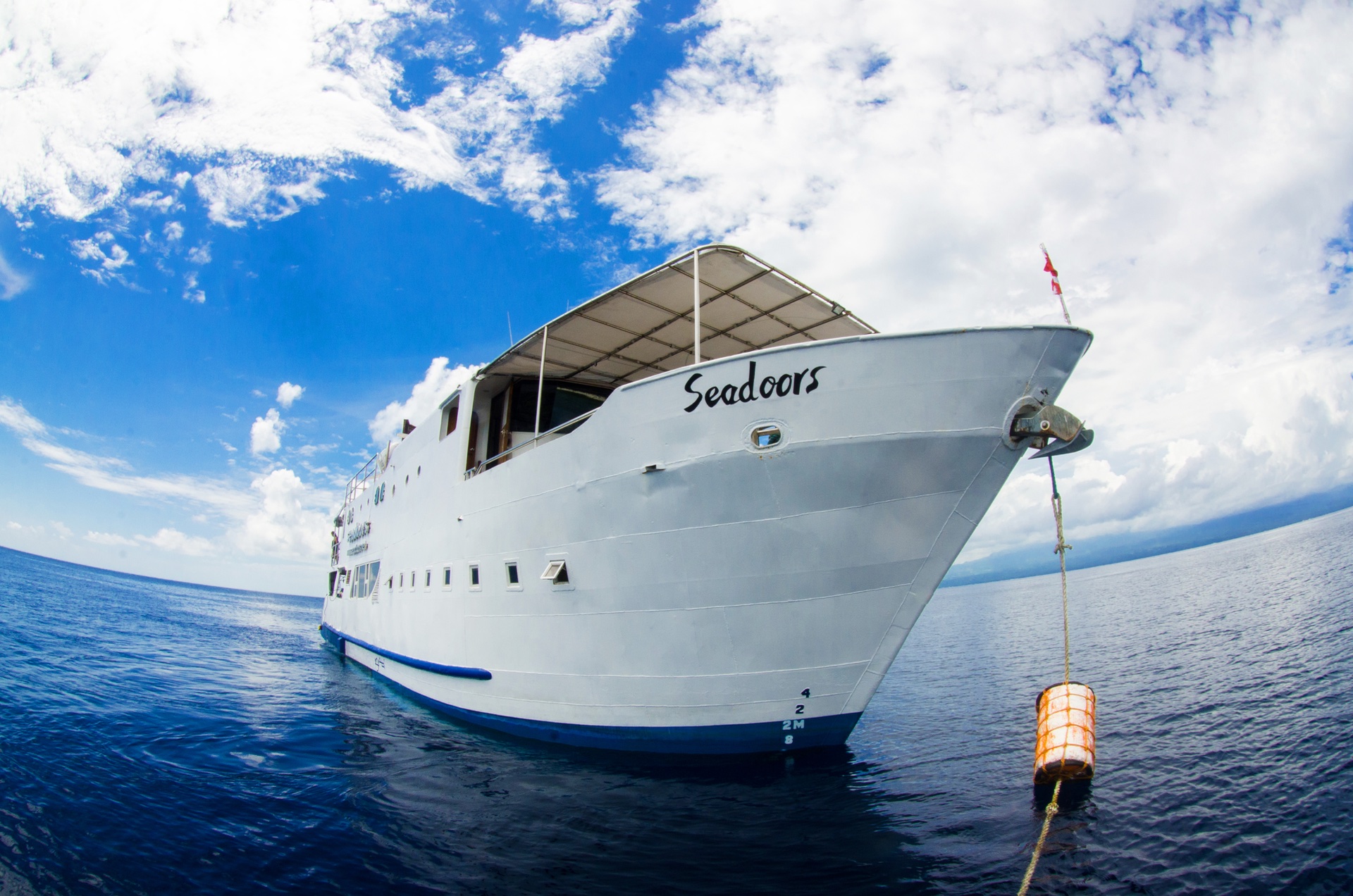
Seadoors
Philippines
16 guests25 m
$335/day
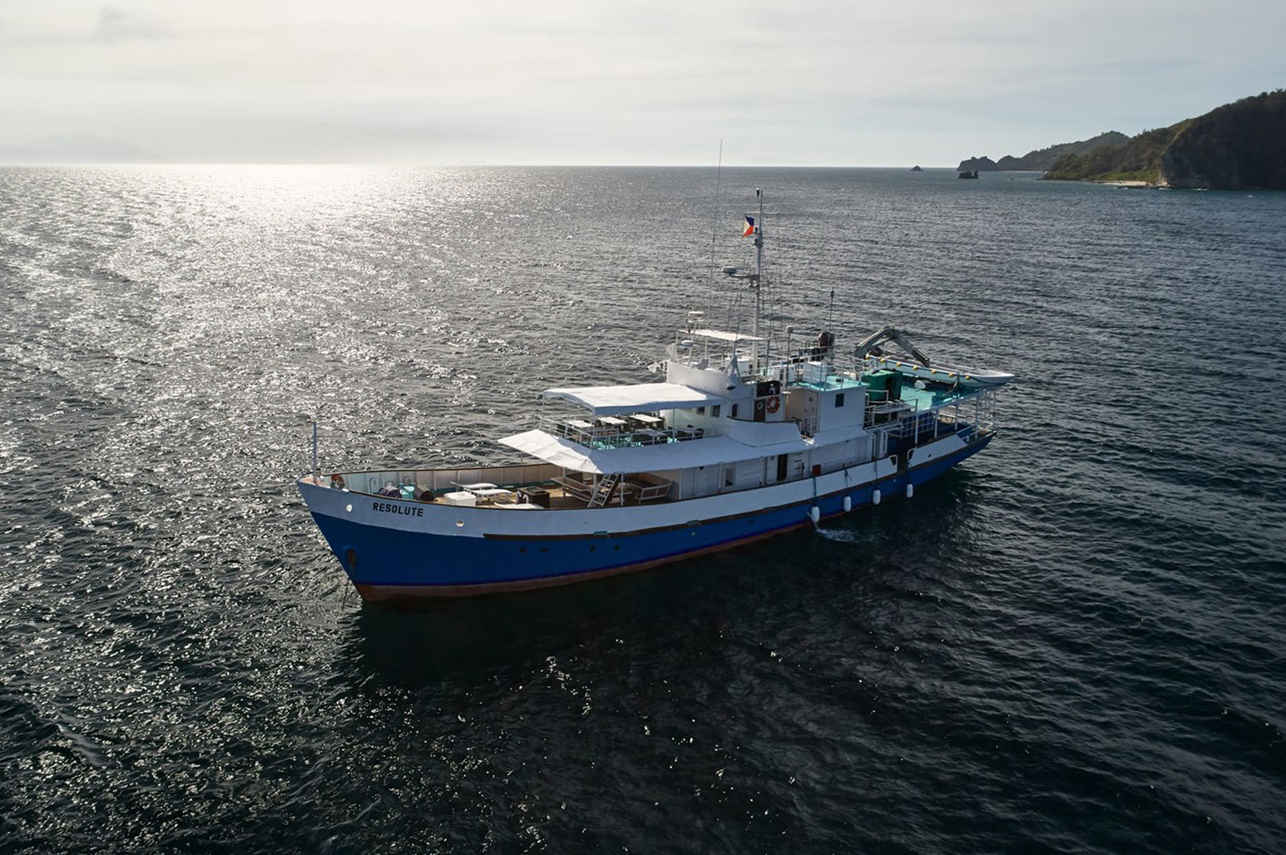
Resolute
Philippines
16 guests34.6 m
$314/day
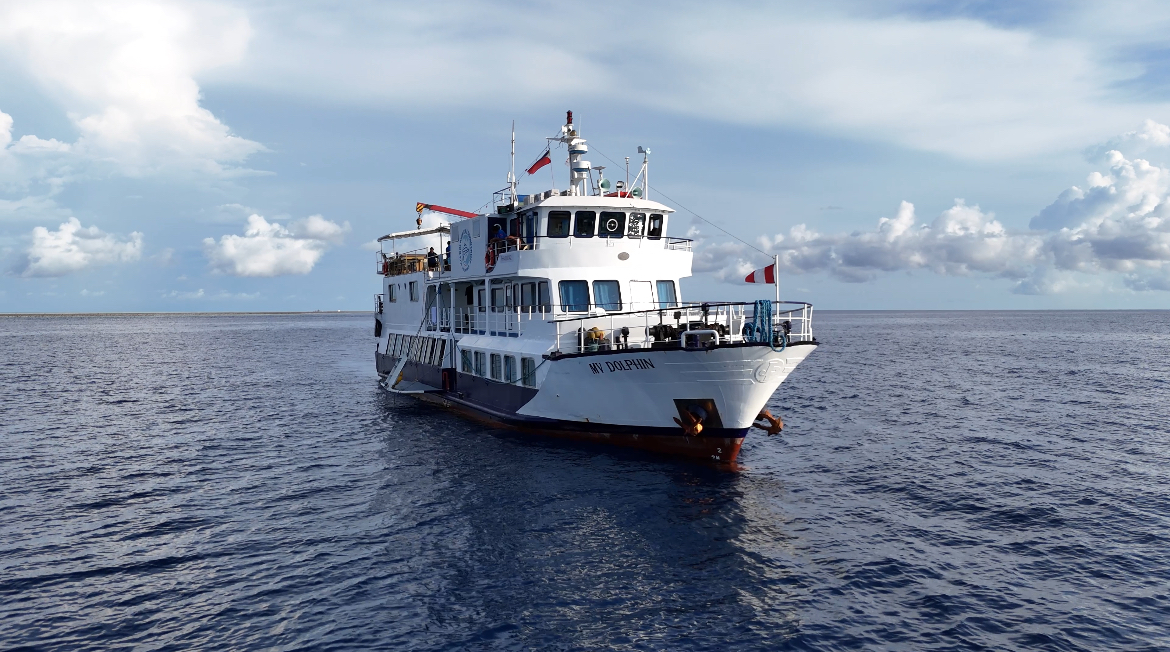
Dolphin
Philippines
18 guests31 m
$326/day
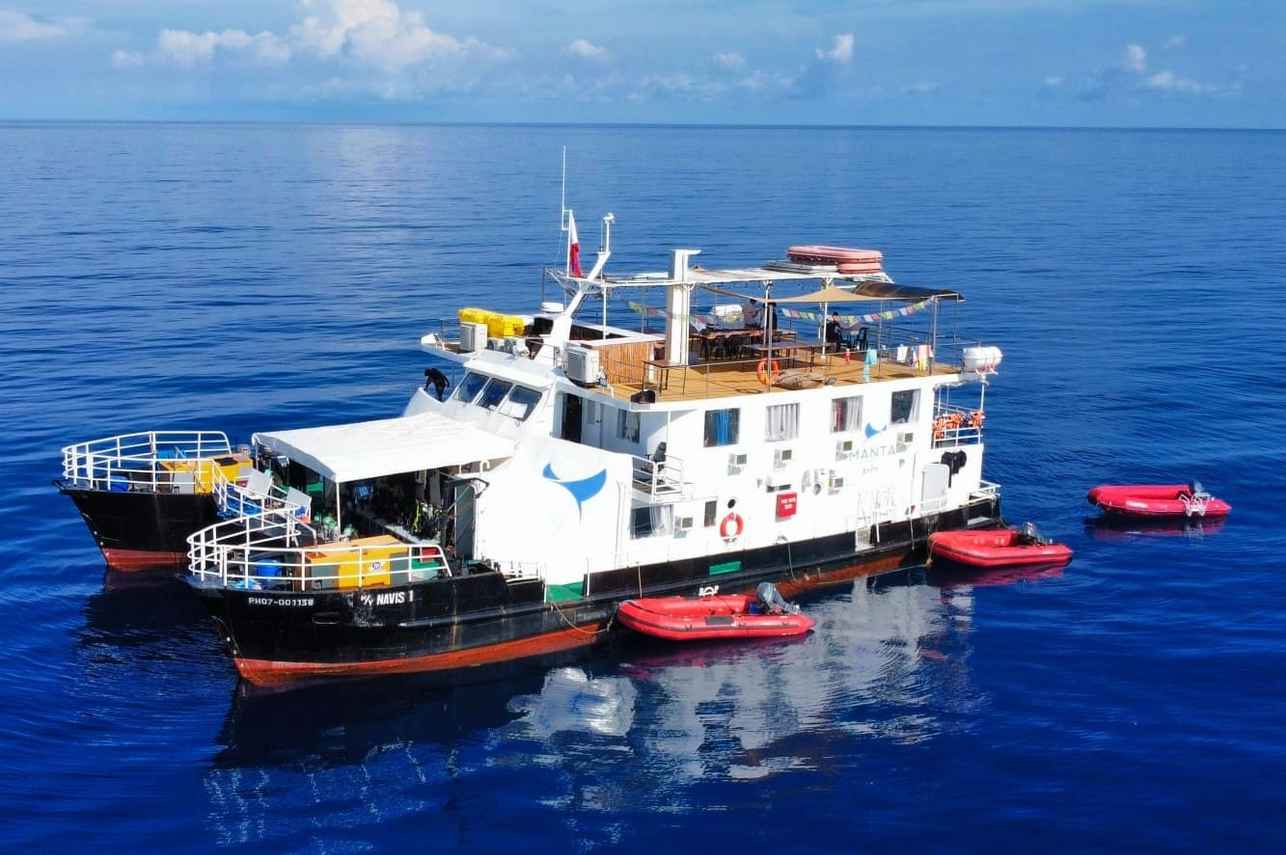
Navis 1
Philippines
22 guests23 m
$250/day
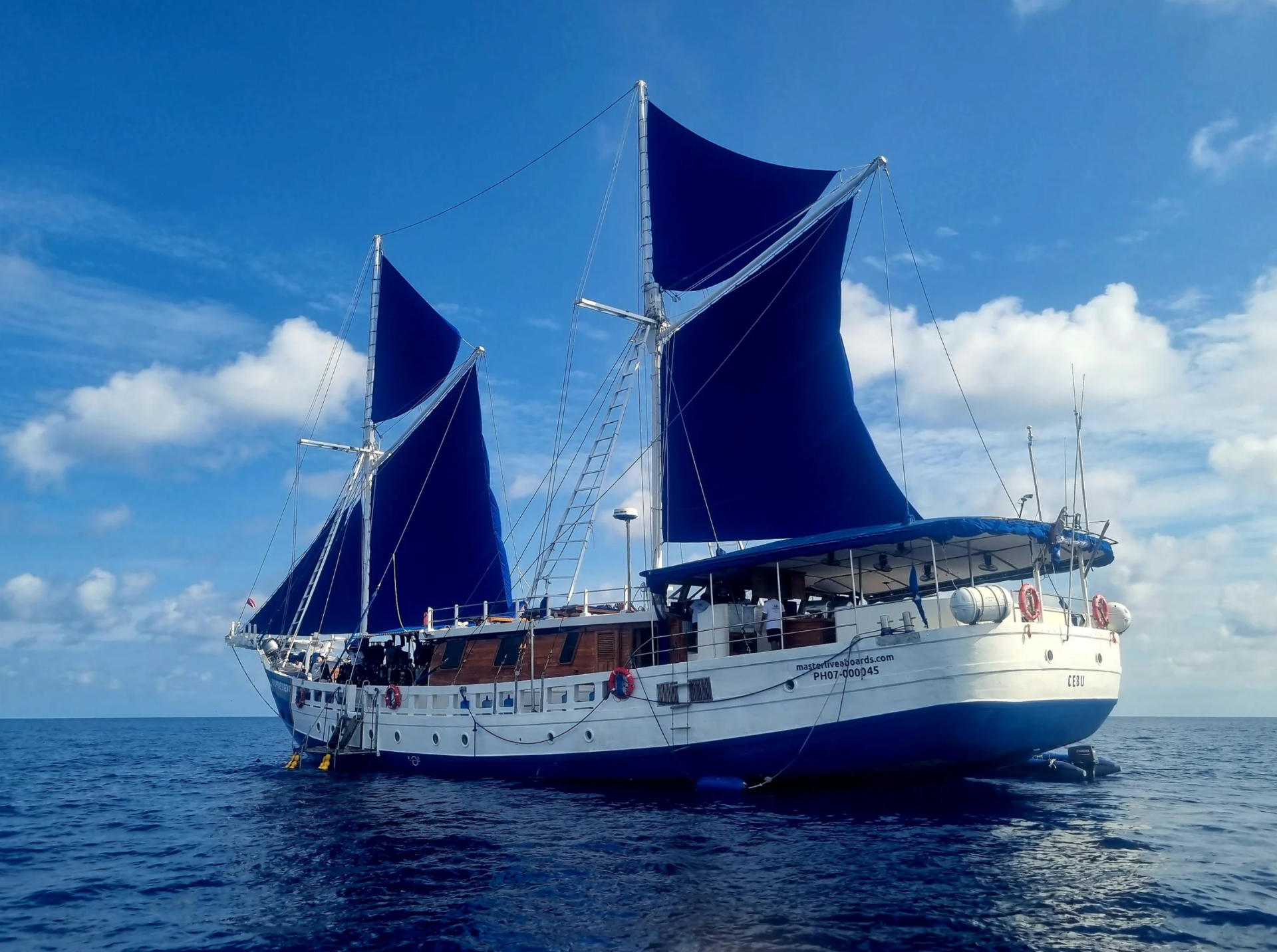
Philippine Siren
Philippines
16 guests
$309/day
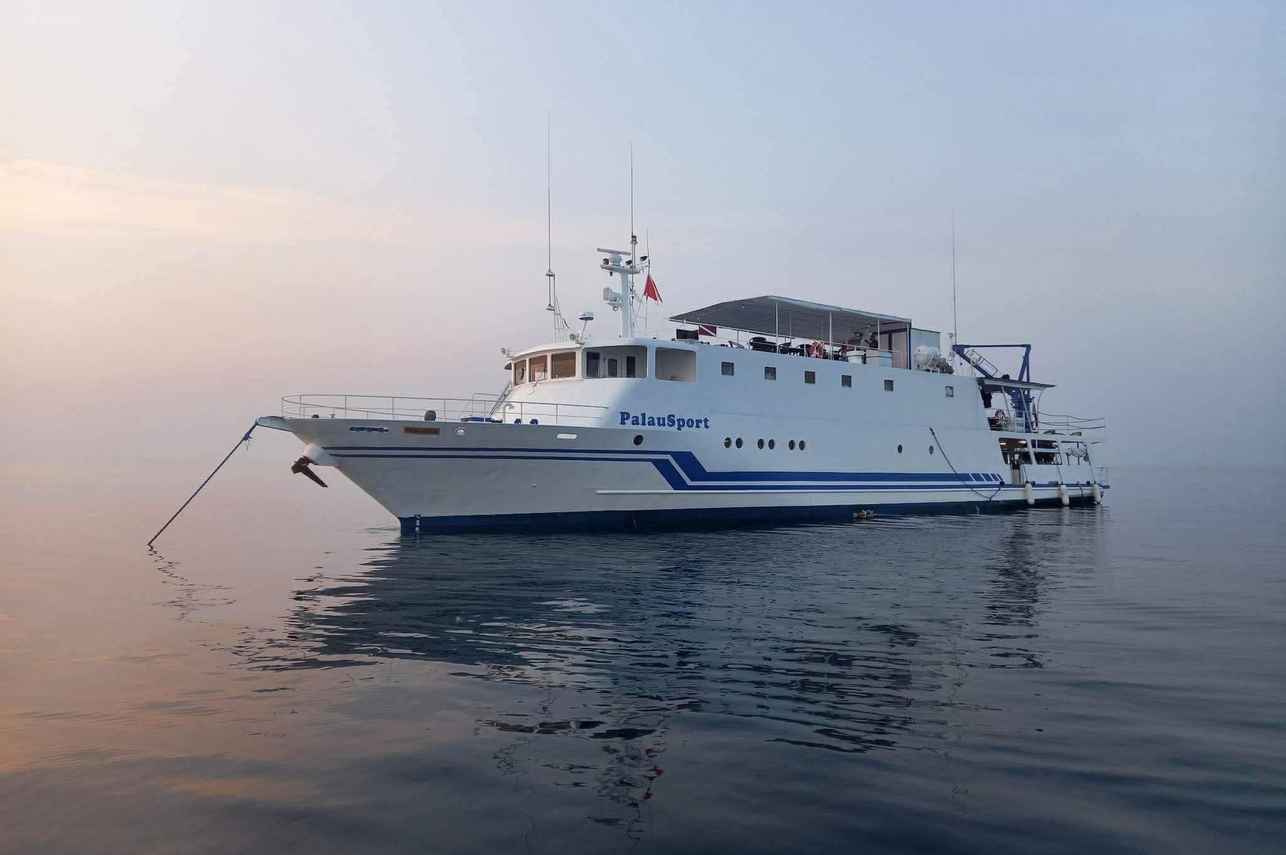
Palau Sport
Philippines
24 guests38.35 m
$215/day
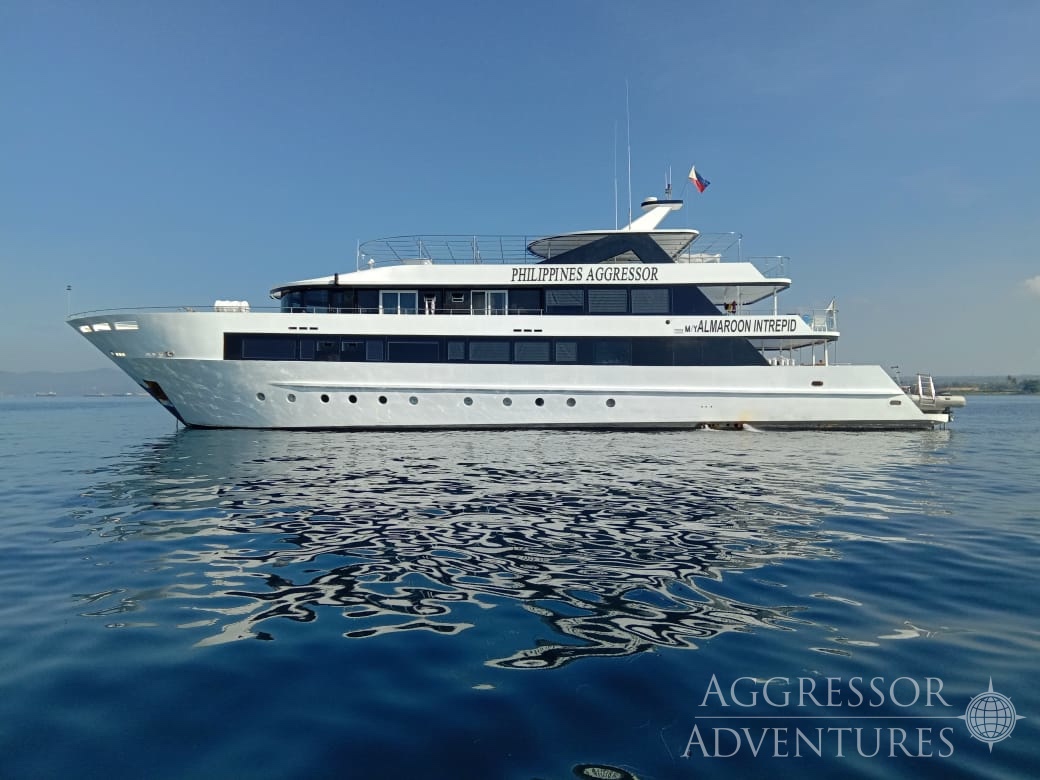
Philippines Aggressor
Philippines
26 guests42.7 m
$381/day
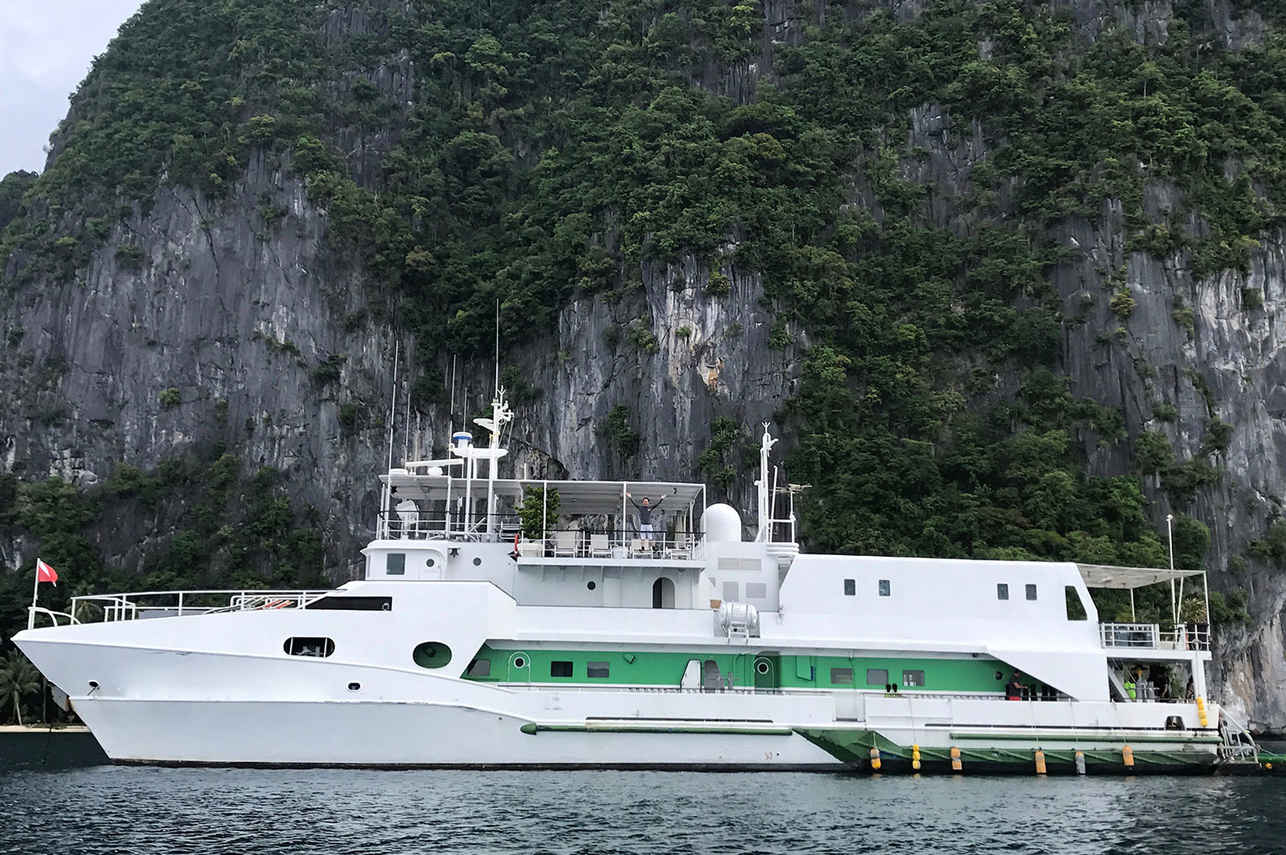
Stella Maris Explorer
Philippines
20 guests33 m
$398/day
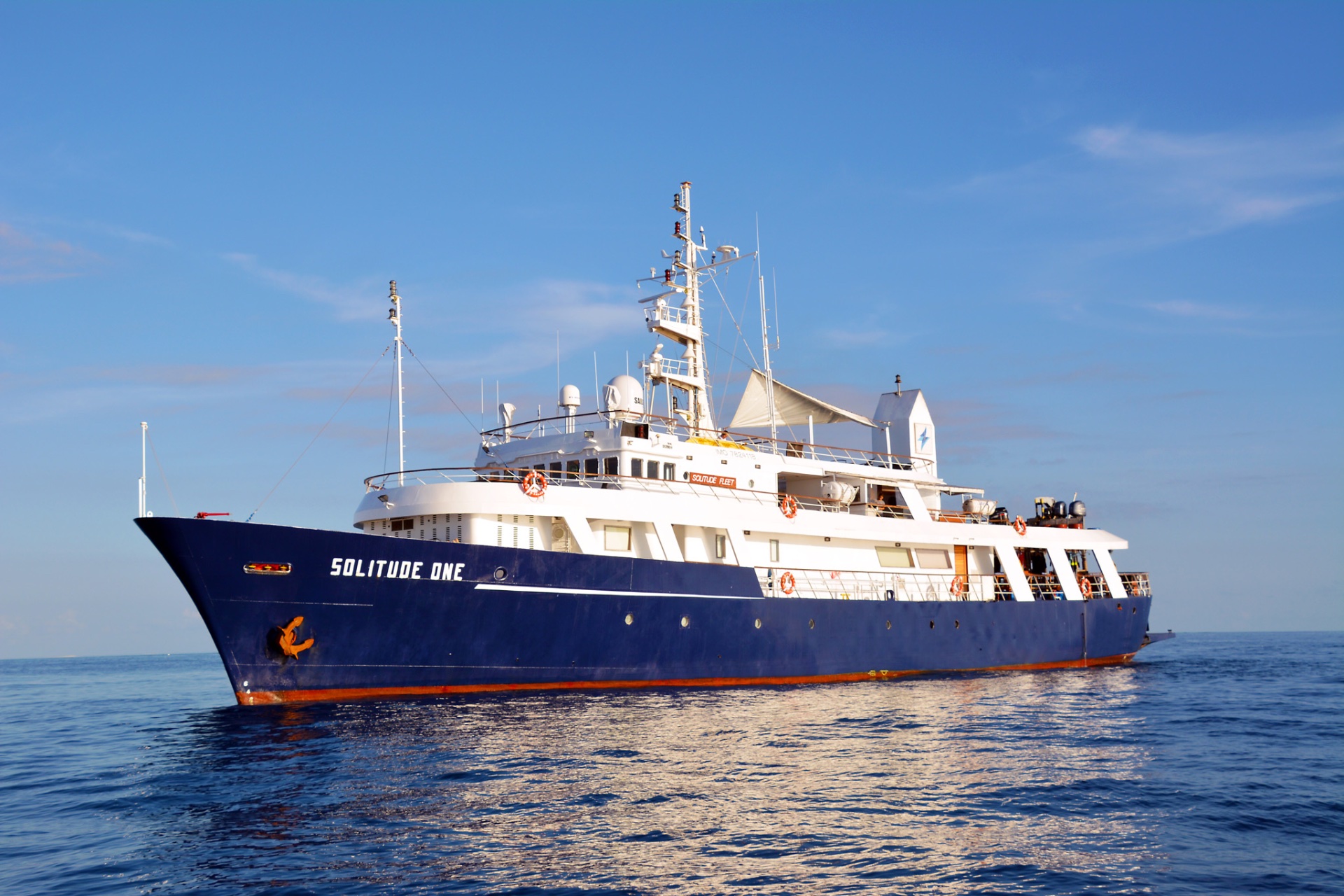
Solitude One
Philippines
24 guests52 m
$460/day
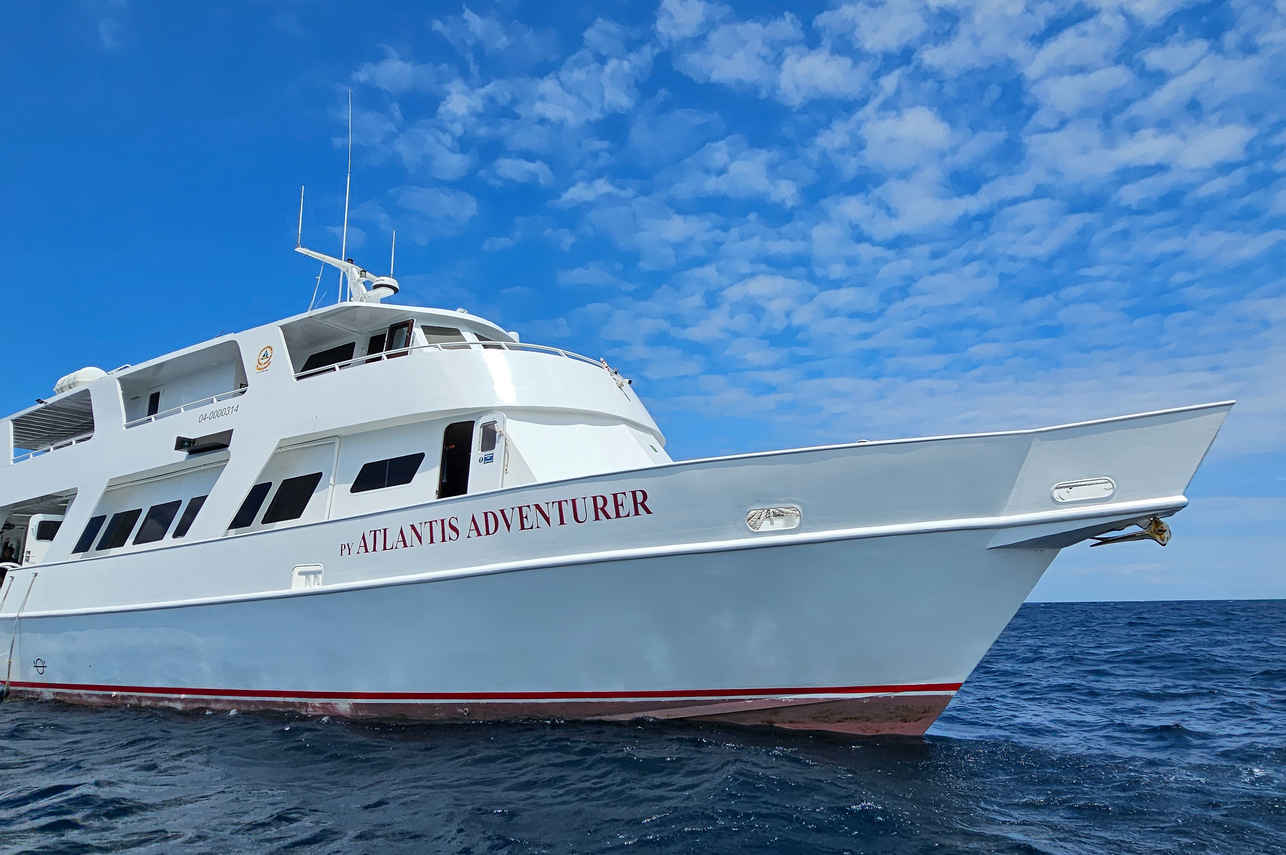
Atlantis Adventurer
Philippines
16 guests32.5 m
$421/day
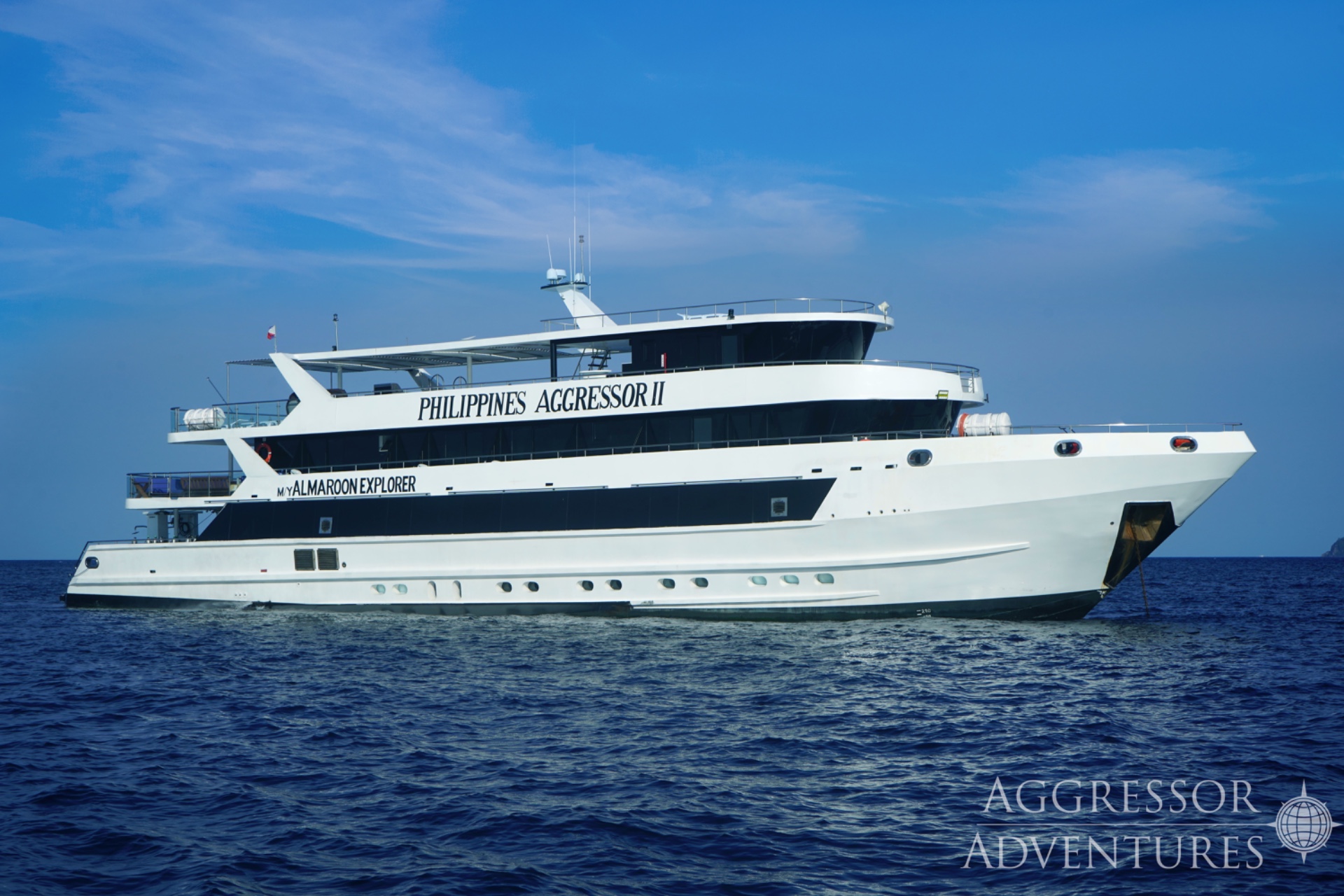
Philippines Aggressor II
Philippines
26 guests42.7 m
$247/day
Dive sites similar to Jessie Beazley Reef
Same character, same waters — six more sites divers love for the exact same reasons.Compare seasons, access and liveaboard routes — then pick the site that fits your trip best.
© Esri — Maxar, Earthstar, GIS
Big La Laguna
Philippines
Big La Laguna is a beach community situated on the western edge of the Sabang Peninsula, a popular dive region on Mindoro Island, Philippines.
- Suitable for
- Intermediate
- Current
- Moderate
- Access
- Dayboat
- Depth
- 5–35 m
- Theme
- Reef / Wall
© Esri — Maxar, Earthstar, GIS
Black Forest
Philippines
Black Forest is a premier dive site located off Balicasag Island, renowned for its exceptional marine biodiversity and distinct topography.
- Suitable for
- Intermediate
- Current
- Strong
- Access
- Liveaboard or dayboat
- Depth
- 10–30 m
- Theme
- Drift / Reef
© Esri — Maxar, Earthstar, GIS
Panagsama Beach
Philippines
Panagsama Beach, situated on a peninsula near Moalboal town in Cebu, serves as a central hub for diving activities in the region, boasting over 20 dive sites along its shoreline.
- Suitable for
- Intermediate
- Current
- Moderate
- Access
- Liveaboard or dayboat
- Depth
- ≤ 30 m
- Theme
- Reef / Wall
© Esri — Maxar, Earthstar, GIS
Binangaan Drop Off
Philippines
Binangaan Drop Off is a premier dive site within Apo Reef National Park, located off Occidental Mindoro in the Philippines.
- Suitable for
- Advanced
- Current
- Strong
- Access
- Liveaboard only
- Depth
- 10–40 m
- Theme
- Wall / Drift
© Esri — Maxar, Earthstar, GIS
Olympia Maru
Philippines
The Olympia Maru is a prominent Japanese cargo ship wreck from World War II, located within Coron Bay, Philippines.
- Suitable for
- Intermediate
- Current
- Mild
- Access
- Dayboat
- Depth
- 17–24 m
- Theme
- Wreck / Reef
© Esri — Maxar, Earthstar, GIS
Balinghai Wall
Philippines
Balinghai Wall is a notable dive site located on the northwest side of Boracay, known for its accessible wall and coral slope formations.
- Suitable for
- Intermediate
- Current
- Mild
- Access
- Dayboat
- Depth
- 8–24 m
- Theme
- Wall / Reef