MY Gypsy
Experience the Philippines' underwater wonders in intimate luxury.
- En-Suite bathrooms
- Aircon Cabins
- Warm Water Showers
8 guestsfrom $337/day

 Free dive insuranceincluded with every booking
Experience the Philippines' underwater wonders in intimate luxury.
Explore the Philippines' underwater wonders from a luxurious and dedicated dive yacht.
Explore the Philippines' underwater wonders in comfort and style.
A bespoke 131-foot diving platform merging high-end imaging facilities with teak craftsmanship, twin tenders, and sophisticated security.
Explore the Philippines' vibrant underwater world.
Quick facts for your diving trip to Visayas
Explore the country's top dive areas.
The Visayas form the central island group of the Philippines. Liveaboards link Cebu, Malapascua, Bohol, Negros and occasionally Leyte, turning ferry-separated highlights into one efficient diving circuit.
Unlike Tubbataha's short expedition window, Visayas routes can operate through much of the year. The signature encounter is the deep-water thresher shark at Monad Shoal, balanced by Apo Island coral, walls, sardine schools and excellent macro diving.
Routes vary more than the single regional label suggests. Northern Cebu itineraries centre on Malapascua and Monad Shoal; southern circuits may connect Moalboal, Pescador Island, Dauin, Apo Island, Bohol and Balicasag. One-way sailings reduce repeated transfers but can start and finish in different provinces.
The diving also changes quickly between islands. Monad Shoal is a deeper cleaning-station dive, Moalboal adds a resident sardine school close to shore, Dauin is known for dark volcanic sand and small animals, and Apo Island provides protected reef slopes and turtles. That range is the reason to inspect the daily route rather than book by region name alone.
Choose the route that fits your experience and dream encounters, each region has its own season, character and story.
Central Philippine island routes combine Malapascua's thresher sharks with coral sanctuaries, macro life and flexible crossings.

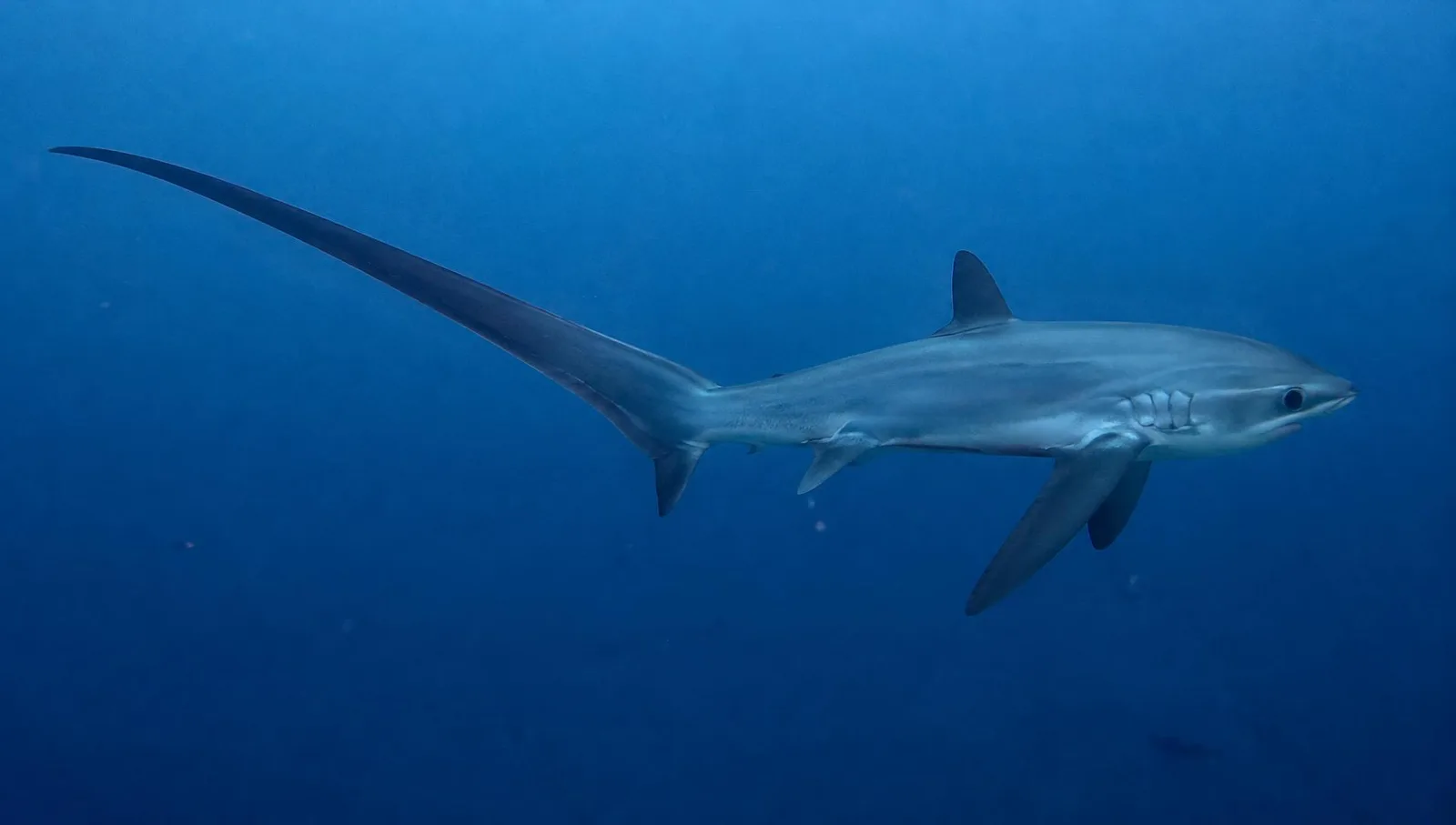
Monad Shoal offers the world's best-known regular thresher encounters, normally on carefully managed early dives. Monad Shoal encounters happen around cleaning stations, often on an early dive where depth and gas planning matter. A shallow decompression after the deep morning dive is usually spent over coral gardens full of reef fish.
Malapascua is internationally known for regular thresher-shark encounters.

A single route can connect Malapascua, Cebu, Bohol, Negros and their very different underwater habitats. Short sea passages connect reefs, walls, sand slopes and islands that would otherwise require several separate hotel transfers. This variety means a single trip can satisfy both wide-angle and macro photographers without changing boats.
Apo Island pairs community protection with healthy reef life.

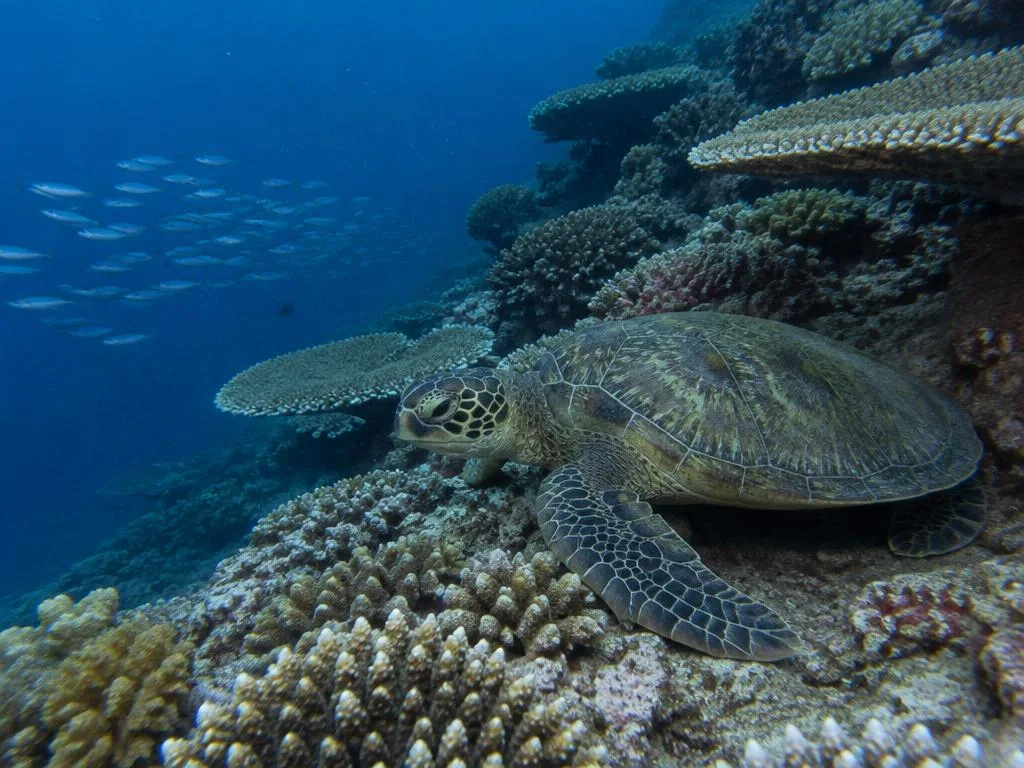
Apo Island combines established local conservation with turtles, coral slopes and abundant reef fish. Apo Island's community-led protection has made its coral slopes and turtles an important reference point for the region. Local rangers and dive guides enforce no-touch rules, which helps keep the coral and turtle populations healthy.
Dense schooling fish add dramatic wide-angle scenes to central Philippine routes.

Tiny critters, sardine schools, turtles and walls give photographers meaningful variety across one itinerary. A single itinerary can move from wide-angle sardine schools and sharks to nudibranchs, frogfish and other small subjects. Dauin's black volcanic sand and Moalboal's sardine school are two highlights that illustrate the range.
The region's reefs and sandy slopes reward patient macro photography.
Choose the Visayas itinerary that matches your experience, season and wildlife priorities. Route names can look similar while covering different ports, sites and sea conditions, so compare the actual daily program rather than the headline alone.
Early Monad Shoal dives, Gato Island passages and the reefs of northern Cebu
depth, dawn entries and precise buoyancy at cleaning stations
November–May for calmer crossings; local diving operates year-round
Balicasag walls and turtles, Dauin's volcanic sand and Apo Island's protected coral slopes
mostly adaptable profiles with current on walls and points
Year-round; November–May usually brings the broadest liveaboard schedules
Moalboal sardines, Pescador, Dauin macro sites, Apo Island and Bohol in one crossing
varied depths, wall drifts and exposed inter-island passages
November–May; year-round local diving with seasonal crossing changes
Moalboal, Balicasag, Dauin and Apo Island without repeated road and ferry transfers
mixed profiles; route suitability depends on the exact program
November–May for generally calmer multi-island passages
Operator rules vary, but the practical guidance below helps you choose a route you can enjoy safely.
| Route | Certification | Logged dives | Conditions | Gear |
|---|---|---|---|---|
| Malapascua & Cebu | Advanced Open Water recommended | 30+ recommended | Dawn dives on Monad Shoal at 24–30 m, 10–20 m visibility, light to moderate current | DSMB; nitrox recommended where available |
| Bohol, Negros & Apo | Advanced Open Water recommended | 30+ recommended | Walls and slopes at 5–30 m, 10–25 m visibility, current on points, calm sandy macro sites at Dauin | DSMB; nitrox recommended where available |
| Southern Visayas circuit | Advanced Open Water recommended | 30+ recommended | Mixed walls, reefs and muck at 5–30 m, 10–25 m visibility, drifts at Pescador and Apo Island | DSMB; nitrox recommended where available |
| Cebu, Bohol & Negros crossing | Advanced Open Water recommended | 30+ recommended | Varied profiles at 5–30 m, 10–25 m visibility, moderate current on walls and inter-island passages | DSMB; nitrox recommended where available |
Typhoons and local wind can affect exposed crossings even in generally favourable months. Flexible routing is normal across this island group, so protect domestic connections at both ends. The operator's published minimum, check-dive assessment and safety rules always take precedence.
These are the sites that define a Visayas liveaboard itinerary. Compare their topography, conditions and location against the daily program rather than assuming every regional cruise visits the same places.
The Visayas can be dived throughout the year, but this large island group has no single weather pattern. The northeast monsoon generally favours western routes, while local shelter means Cebu, Bohol and Negros can remain usable when another crossing is rough.
Jan–Mar
26–28 °CGenerally drier conditions support multi-island routes and reliable Monad Shoal schedules. Cooler water and early starts make a 3–5 mm suit useful for repetitive dives.
Apr–Jun
28–30 °CWarm water and often calmer seas create a comfortable window for Cebu, Bohol, Apo Island and southern crossings. Humidity and short heavy showers rise toward June.
Jul–Sep
28–30 °CSouthwest-monsoon rain and wind bring the most variable crossings. Operators use sheltered leeward sites, while typhoons elsewhere in the Philippines can still disrupt flights and ferries.
Oct–Dec
27–29 °CConditions improve into the northeast-monsoon season, with strong thresher-shark itineraries and broad reef access. December holiday dates tend to fill early.
Monad Shoal's thresher sharks are seen year-round, usually on early-morning dives, while sardines, turtles and macro life are not tied to one short season. Visibility changes quickly after rain or plankton blooms, and one-way routes should retain weather margin for inter-island transfers.
Plan a Visayas liveaboard around the encounters that matter most to you. The bars show stronger historical windows, not promises, and the location line explains where each animal is normally sought.
Peak bars show historically stronger encounter windows; shoulder months can still produce excellent dives, while wild-animal encounters are never guaranteed.
Visayas itineraries may start and finish on different islands. Cebu is the main international gateway, while Dumaguete, Bohol and northern Cebu shorten the transfer to particular route sections.
Cebu / Mactan
The region's principal air gateway and a common liveaboard meeting area. Marina transfers on Mactan can be short, while departures elsewhere on Cebu require a longer road journey.
Dumaguete
The practical gateway for Dauin, Apo Island and southern Negros. The airport is close to the city, and resort or marina transfers commonly continue south along the coast.
Bohol / Panglao
Used by selected routes featuring Balicasag and the Bohol Sea. Flights arrive at Bohol–Panglao airport, but the exact pier varies by operator.
Malapascua / Maya
Thresher-focused journeys reach Malapascua via a road transfer from Cebu to Maya, followed by a local boat crossing. Sea state and late arrivals can affect the connection.
One-way sailings can list different embarkation and disembarkation islands, and ferry or road transfers are not always included in the fare. Check the exact pier rather than only the city name, arrive one day early and leave weather margin when a domestic flight or public ferry forms part of the journey.
Follow an island-to-island journey from thresher-shark dawn dives to turtle reefs and tiny macro treasures. Compare current departures and find the voyage that captures the Philippines at its most wonderfully diverse.
Visayas liveaboards
Visayas routes span value-focused short trips and longer multi-island expeditions.
A cabin, meals, tanks, weights, guides and the scheduled dives are normally included; exact inclusions vary by boat.
Budget separately for flights, transfers, marine-park or port fees, nitrox, rental gear, gratuities and any required hotel nights.
Prices move with season, cabin type, trip length and remaining availability. Open a departure for the final operator breakdown.
The calendar below shows how liveaboard prices shift month by month, so you can see exactly when your money goes furthest. We want every diver to get the best possible value, which is why we highlight the seasons that balance great conditions with the fairest rates.
$243–$460
per day liveaboard
Prices reflect typical costs for mid-range to premium options. Budget alternatives may be available.
Ninoy Aquino International Airport
Manila • MNL
Main gateway with worldwide connections
Mactan-Cebu International Airport
Cebu • CEB
Gateway for Visayas diving with direct flights from Asia, Middle East, and Australia
Visa information coming soon.
This information is provided without guarantee. Please visit the official website for the latest entry requirements.
Compare Visayas with its country overview and other strong liveaboard regions.
Explore our expedition vessels and find your perfect trip to Visayas