About Malapascua Lighthouse
Malapascua Lighthouse is a unique dive site renowned for its exceptional night and dusk diving opportunities, particularly the captivating spectacle of mandarinfish mating. Located just off the northern tip of Cebu, this shallow reef area provides a stark contrast to the deeper pelagic encounters Malapascua is famous for, offering a haven for macro enthusiasts and photographers. The site itself is typically shallow, ranging to about 10 meters, making it accessible for divers of various experience levels. The topography consists primarily of a gentle reef slope, offering plenty of nooks and crannies for small marine life to hide. While not a dramatic wall or wreck dive, its true appeal lies in the intricate ecosystem found within its corals and rubble. Beyond the mandarinfish, the Lighthouse area teems with nocturnal and crepuscular species. Divers frequently encounter blue-ringed octopuses, various species of squid and cuttlefish, and an array of crabs and shrimps, especially as day transitions to night. The calm, relatively sheltered waters make it an ideal spot for observing these shy creatures in their natural habitat. Diving here usually involves a relaxed descent to the reef, followed by a slow exploration, often focusing on a specific area to observe the mandarinfish. The experience is intimate and requires patience, rewarding divers with close-up views of behavior rarely seen elsewhere. It is often combined with other dives in Malapascua to offer a comprehensive diving itinerary.
Highlights
Mandarinfish mating danceNight diving experienceBlue-ringed octopus sightingsShallow reef macro lifeSquid and cuttlefish encountersWWII wreck nearby
Season calendar
Best months to dive here
Jan
Feb
Mar
Apr
May
Jun
Jul
Aug
Sep
Oct
Nov
Dec
Excellent
Good
Dive site facts: Malapascua Lighthouse
- Depth
- 5–10 m
- Typical dive
- 10 m, 45–60 min
- Current
- Mild to none
- Visibility
- 10–25 m
- Water temperature
- 26–30°C
- Entry
- Boat / easy descent
- Level
- Open Water Diver
- Dive type
- Macro, night, dusk
- Night dive
- Recommended
- Region / port
- Malapascua, Philippines
- Coordinates
- 11.335, 124.172
Conditions & Currents
The Malapascua Lighthouse dive site generally experiences mild to no currents, making it a comfortable and relaxed dive, particularly for night and dusk explorations. Visibility typically ranges from 10 to 25 meters, though it can decrease slightly during the rainy season from June to November. The site's sheltered nature means surge is usually minimal. Divers can expect stable water temperatures, generally between 26°C and 30°C. These calm conditions are ideal for observing the delicate mating rituals of mandarinfish and searching for cryptic macro creatures, requiring careful buoyancy control to avoid disturbing the reef.
Marine life & sighting chances

Mandarinfish
Year-round · common
Blue-ringed Octopus
Year-round · occasional
Squid
Year-round · common
Cuttlefish
Year-round · common
Crabs
Year-round · common
Shrimps
Year-round · common
Nudibranchs
Year-round · common
Frogfish
Year-round · occasional
Pygmy Seahorse
Year-round · occasional
Ornate Ghost Pipefish
Year-round · occasional
Boxfish
Year-round · commonDive profile & how the dive runs
Dives at Malapascua Lighthouse typically begin with a calm descent onto a shallow reef, usually around 5-10 meters deep. The focus is often on the transition from dusk to night, with divers entering the water just before sunset. The dive path involves slow, deliberate exploration of the coral patches and rubble, searching for macro life. For mandarinfish, divers often find a specific area where the fish are known to emerge from the coral for their mating ritual. The dive proceeds with careful observation, maintaining excellent buoyancy to avoid disturbing the delicate ecosystem. Due to the shallow depth and lack of strong currents, bottom times can extend up to 60 minutes or more, with the entire dive serving as an extended safety stop. Ascent is gradual, often with the boat nearby.
Underwater photography
Malapascua Lighthouse is a prime location for macro and night photography. For capturing the mandarinfish mating dance, a macro lens (60mm or 105mm) is essential. Red light is recommended to avoid disturbing the fish, as white light can make them retreat. While strobes are helpful for macro, use them judiciously and test settings to avoid overexposure, especially given the low ambient light at dusk. For general night diving, a powerful focus light and external strobes will illuminate cryptic creatures like blue-ringed octopuses and various crustaceans. Practicing excellent buoyancy control is crucial to protect the fragile reef and get steady shots of small, shy subjects.
Combine with nearby dive sites
Getting there & logistics
Access to Malapascua, and subsequently to the Lighthouse site, typically begins by flying into Mactan-Cebu International Airport (CEB). From there, a taxi or pre-arranged transfer takes you approximately 3.5 to 4 hours north to Maya Port on Cebu Island. A local outrigger boat (banca) then completes the journey to Malapascua Island, which takes around 30-45 minutes. Dive trips to Malapascua Lighthouse are usually organized by local dive centers and resorts on the island, often as part of a two or three-dive day package, sometimes specifically for dusk or night dives. There are no specific park fees for this site beyond standard dive operator costs.
Safety & environment
While Malapascua Lighthouse is a relatively safe and shallow dive, standard dive safety protocols must always be observed. The nearest recompression chamber is located in Cebu City, making evacuation a significant logistical undertaking that can take several hours, usually involving a boat transfer back to Cebu and then land transport. Dive insurance, including coverage for emergency medical treatment and evacuation, is therefore highly recommended. Specific hazards at this site include potential encounters with venomous creatures like the blue-ringed octopus, which should not be provoked or handled. Divers must maintain excellent buoyancy to avoid damaging delicate corals and disturbing marine life, especially the shy mandarinfish during their mating ritual. Always follow your dive guide's instructions.
Who it suits — and who it doesn't
Suited for
- Macro photography enthusiasts
- Night diving specialists
- Divers seeking unique marine behaviors
- Beginner and intermediate divers
- Patient observers of marine life
Less suited for
- Divers focused solely on large pelagics
- Those uninterested in macro life
- Divers seeking strong current drift dives
- Strictly daytime-only divers
- Divers with poor buoyancy control
FAQ
Malapascua Lighthouse FAQ
What is the best time to see the mandarinfish mating?
The mandarinfish mating dance occurs daily at dusk, usually just before the sun fully sets. Dive operators typically schedule this as a specific dusk or early night dive. While it happens year-round, calmer surface conditions during the dry season (March to May) can make the experience more comfortable.
Is Malapascua Lighthouse suitable for beginner divers?
Yes, Malapascua Lighthouse is very suitable for beginner Open Water certified divers due to its shallow depth, mild currents, and generally calm conditions. It provides an excellent opportunity to experience night diving and observe macro life in a relaxed environment. Dive guides are always present to assist.
What kind of marine life can I expect to see besides mandarinfish?
Beyond the famous mandarinfish, you can expect to encounter a variety of nocturnal and macro creatures. Common sightings include blue-ringed octopuses, various species of squid and cuttlefish, numerous crabs and shrimps, and different nudibranchs. Frogfish and ghost pipefish are also occasionally spotted here.
Are there any specific photography restrictions at this site?
When photographing mandarinfish, it's recommended to use red light filters on your torches and avoid bright white lights, as strong illumination can disturb their natural behavior. While strobes are generally acceptable for macro photography, use them considerately. Always follow your dive guide's instructions regarding flash photography to ensure minimal impact on marine life.
How deep is the Malapascua Lighthouse dive site?
The Malapascua Lighthouse dive site is relatively shallow, typically ranging from 5 to 10 meters in depth. This shallow profile makes it ideal for extended bottom times and provides ample light during dusk dives. It is easily accessible for divers of all experience levels.
Why dive Malapascua Lighthouse from a liveaboard?
Malapascua Lighthouse is one of Philippines's signature dive sites. A liveaboard sleeps you on the water and puts you in the water for three to four guided dives per day, including dawn and night dives that day-boat operators rarely offer. You skip the daily commute back to port and reach quieter, less-crowded sites in the same region on a single trip.
Below are the liveaboards that include Malapascua Lighthouse on their Philippines itineraries.
Liveaboards diving Malapascua Lighthouse
These liveaboards may visit Malapascua Lighthouse on selected itineraries — the exact dive sites depend on departure, weather and conditions.
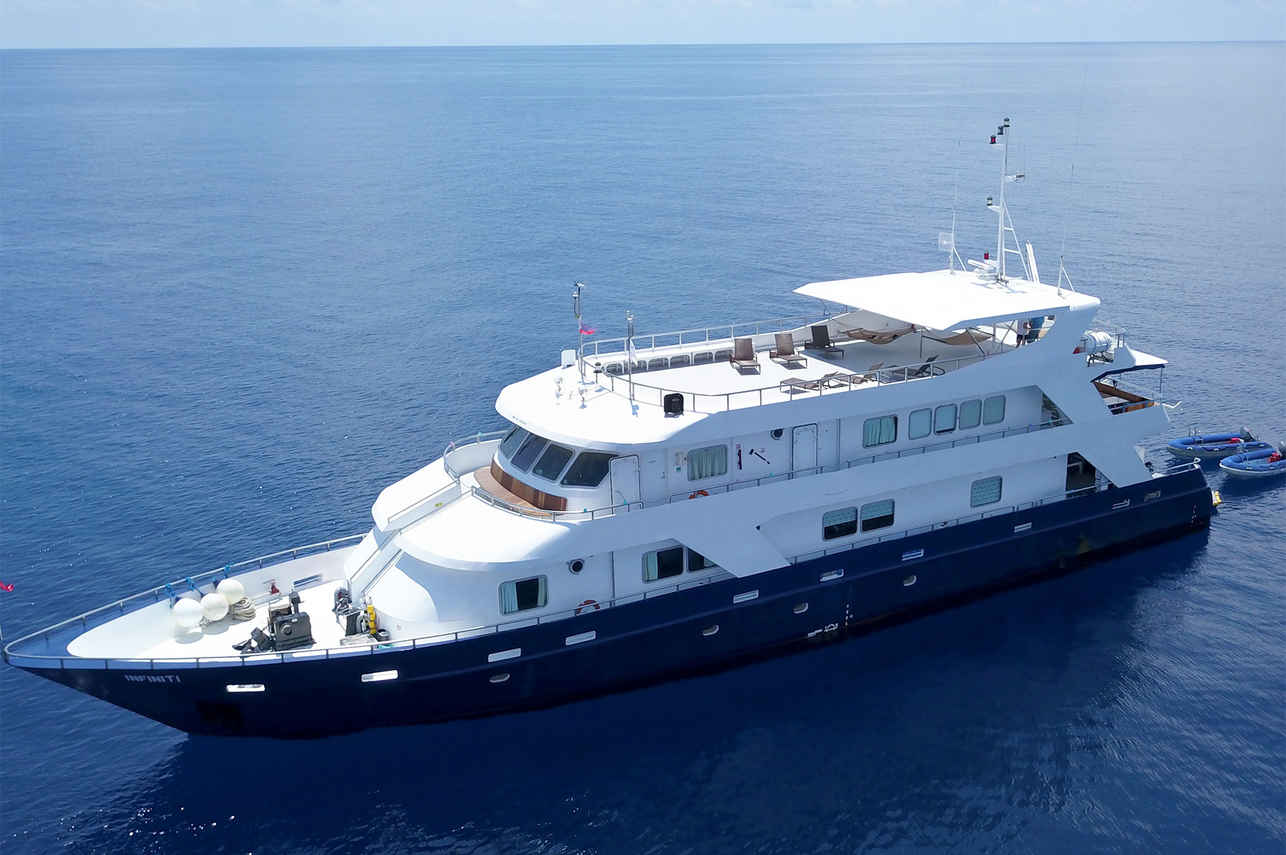
Infiniti
Philippines
25 guests39 m
$280/day
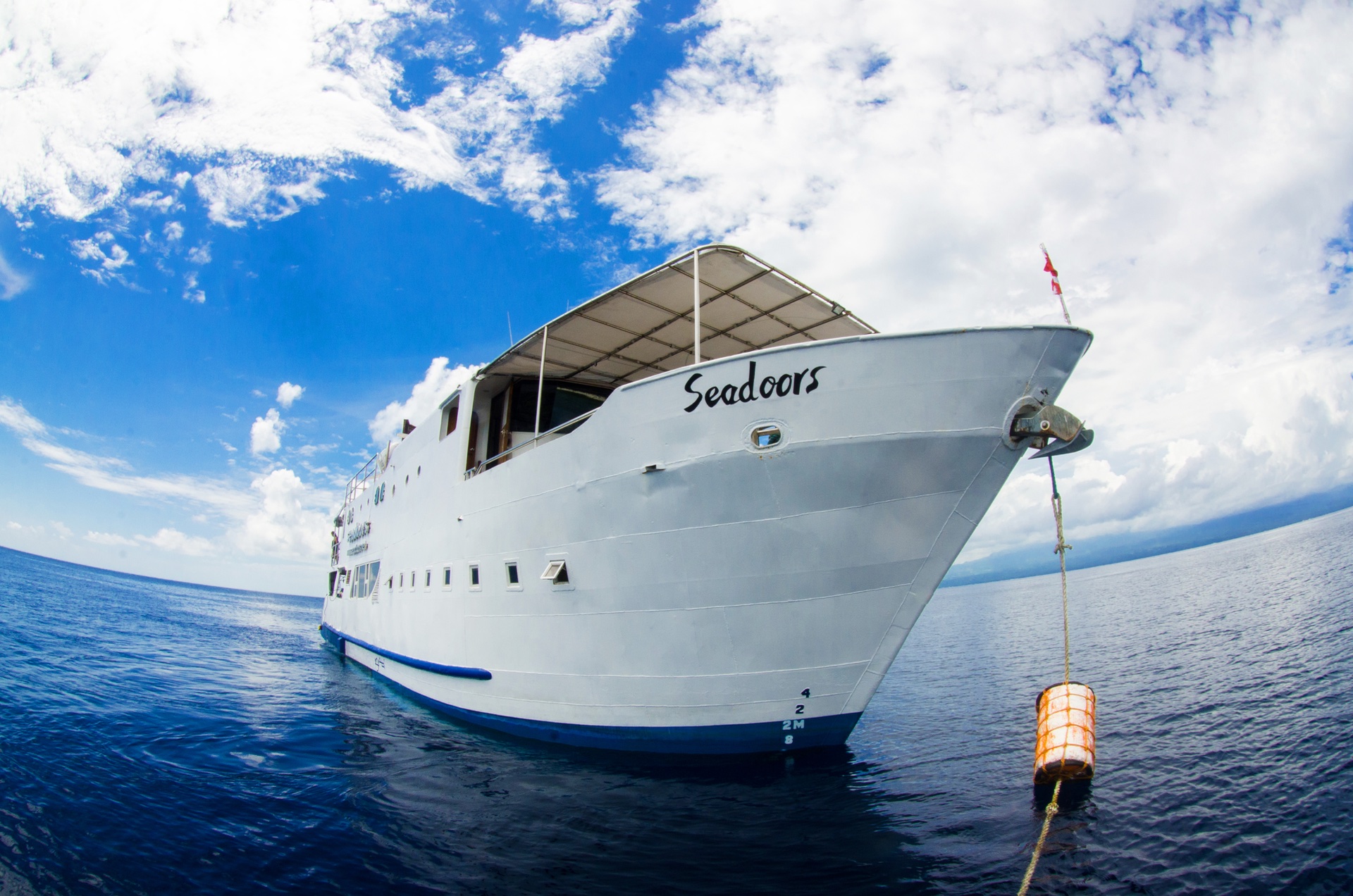
Seadoors
Philippines
16 guests25 m
$335/day
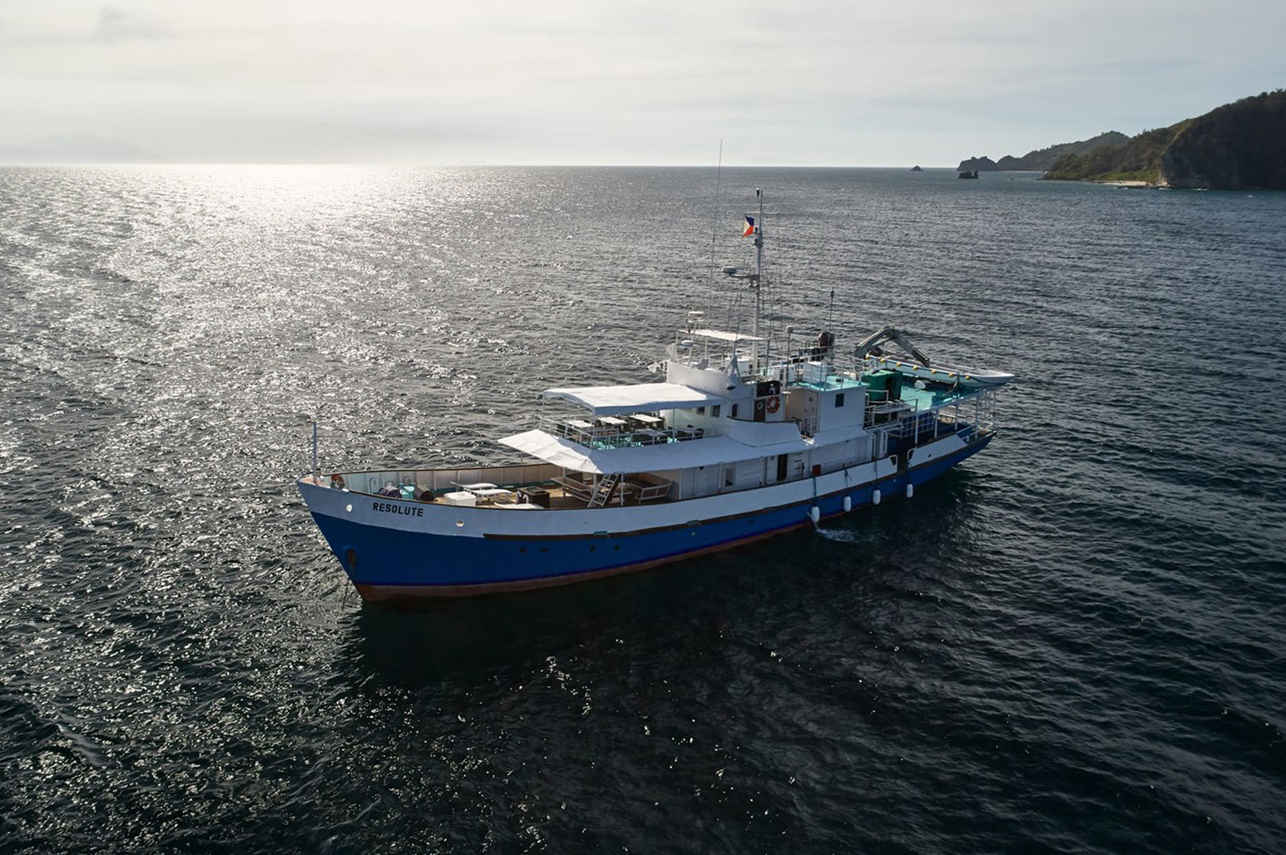
Resolute
Philippines
16 guests34.6 m
$314/day
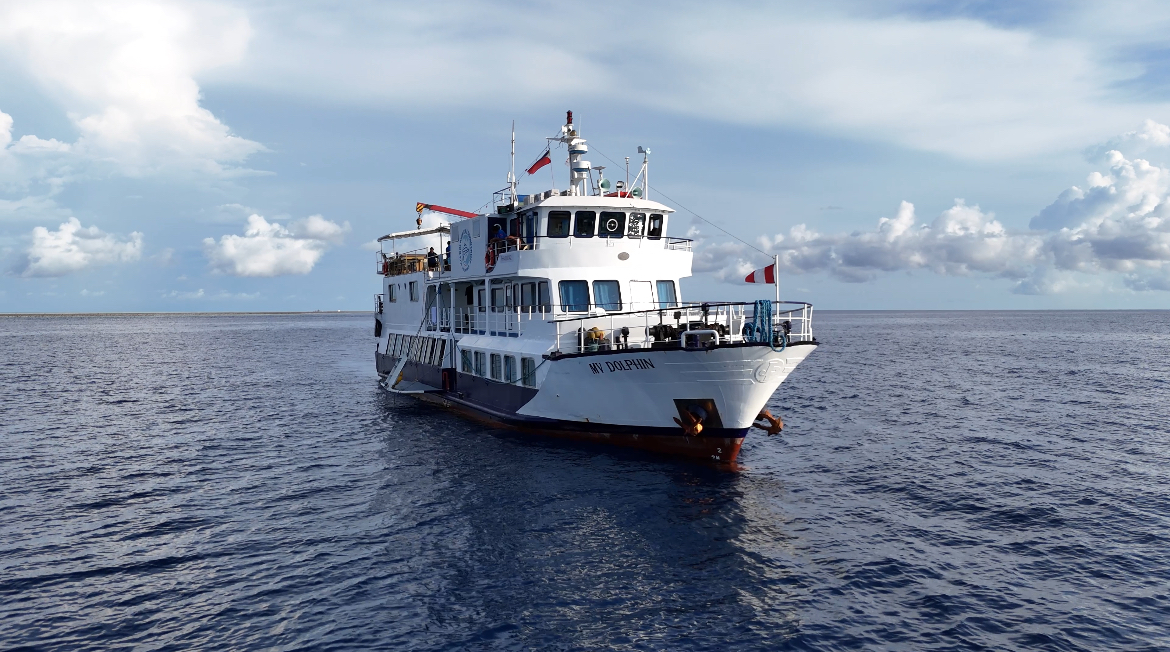
Dolphin
Philippines
18 guests31 m
$326/day
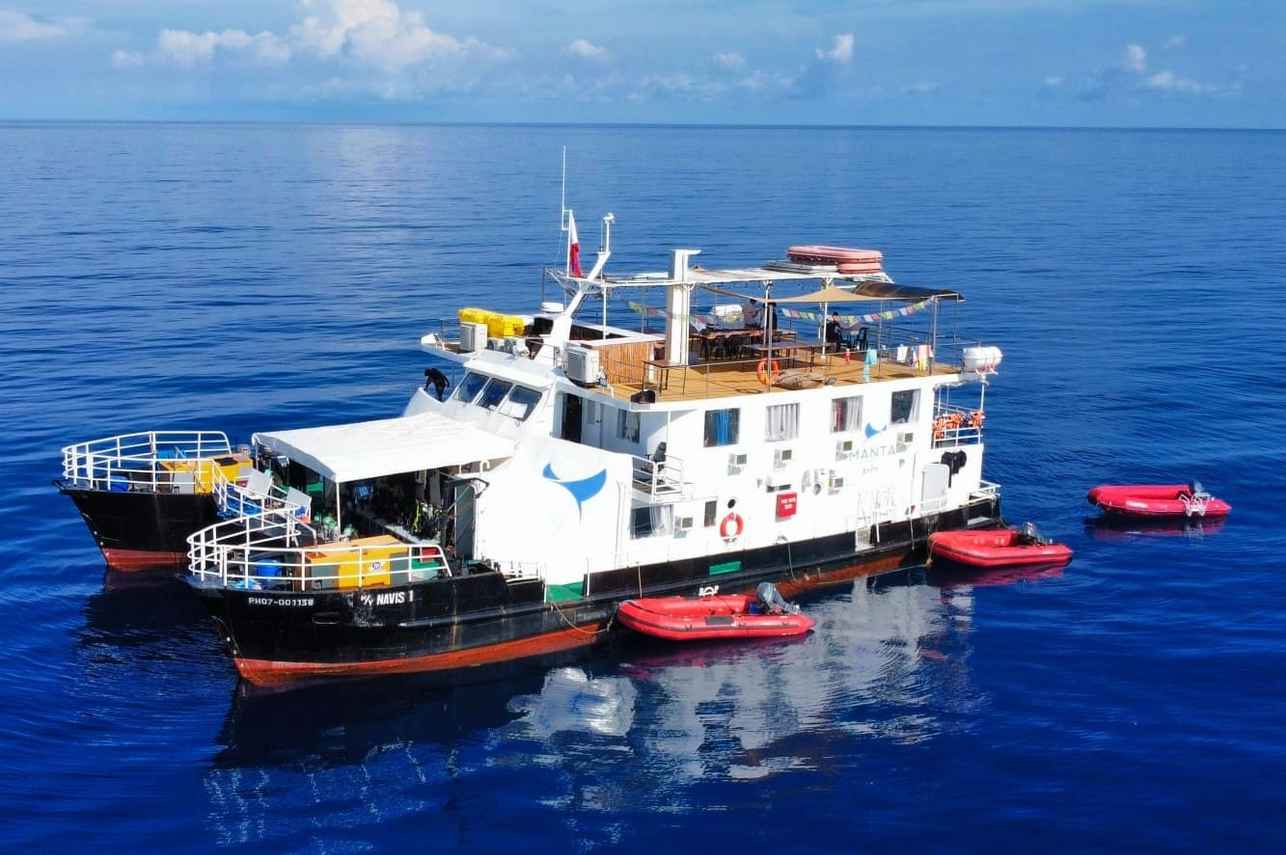
Navis 1
Philippines
22 guests23 m
$250/day
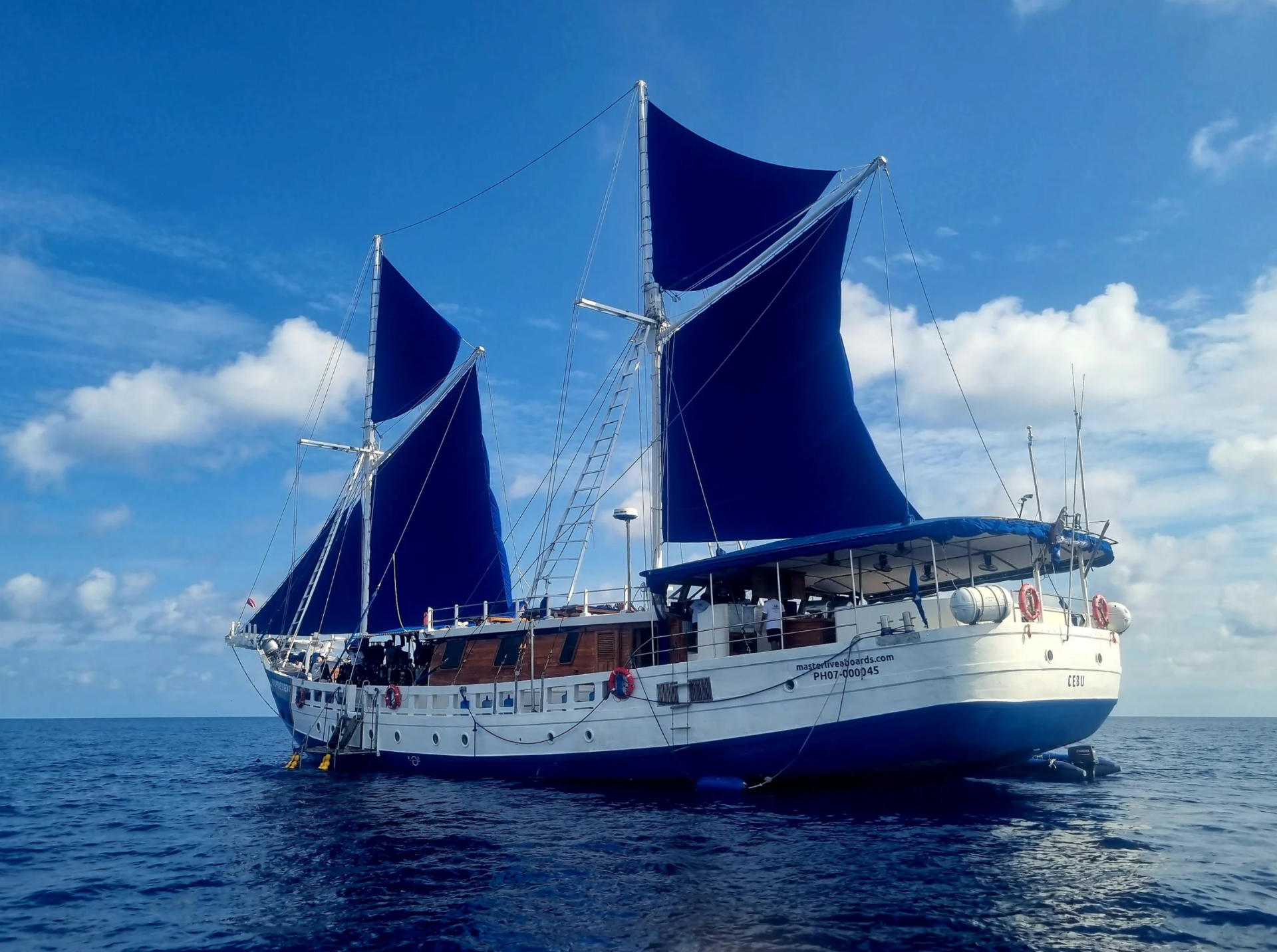
Philippine Siren
Philippines
16 guests
$309/day
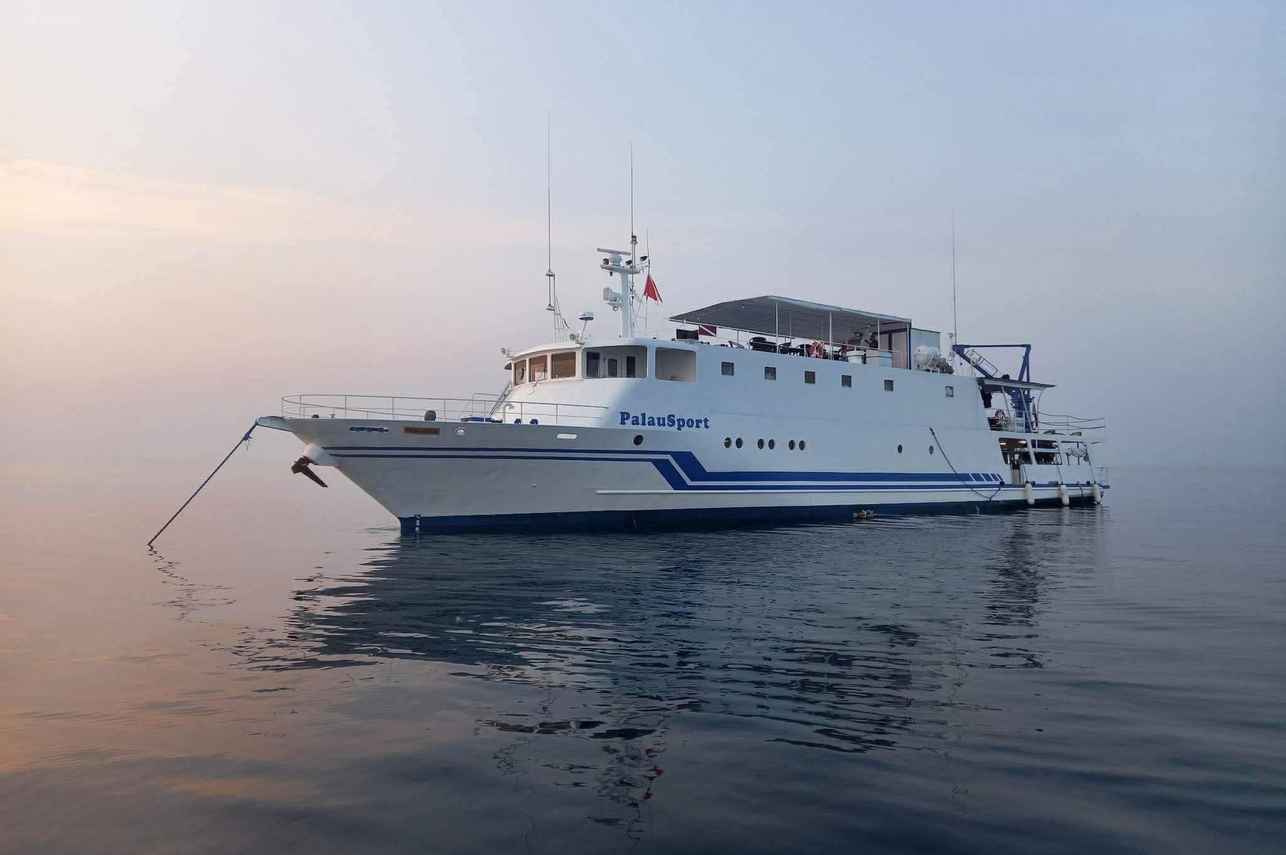
Palau Sport
Philippines
24 guests38.35 m
$215/day
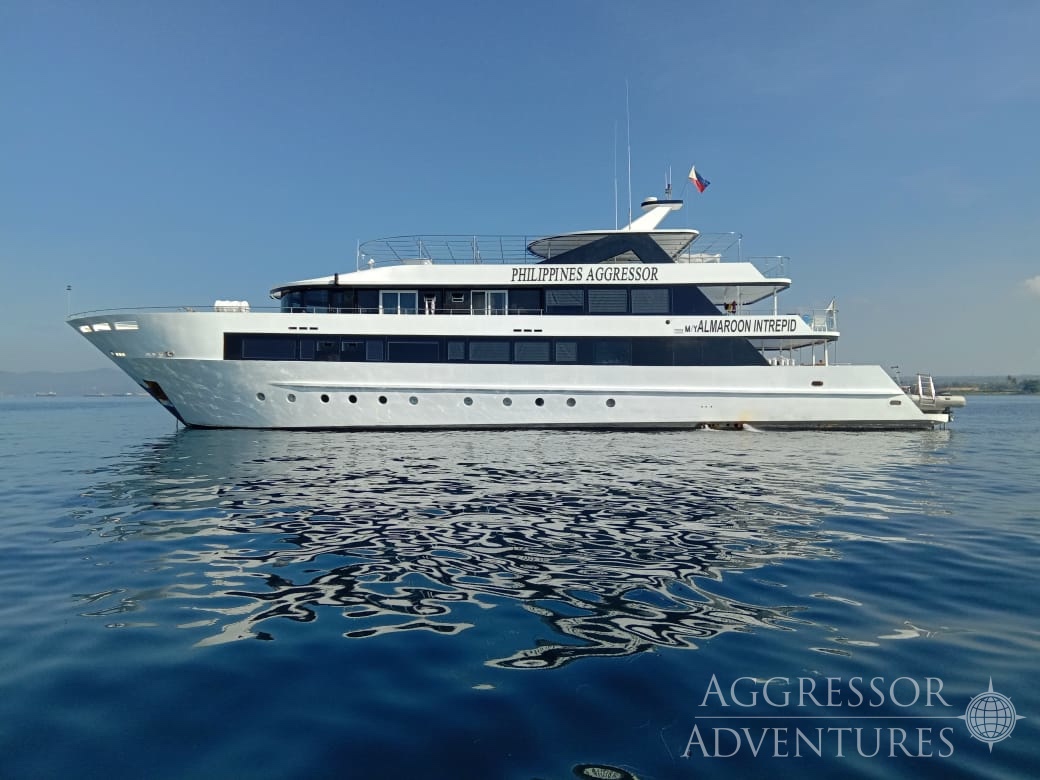
Philippines Aggressor
Philippines
26 guests42.7 m
$381/day
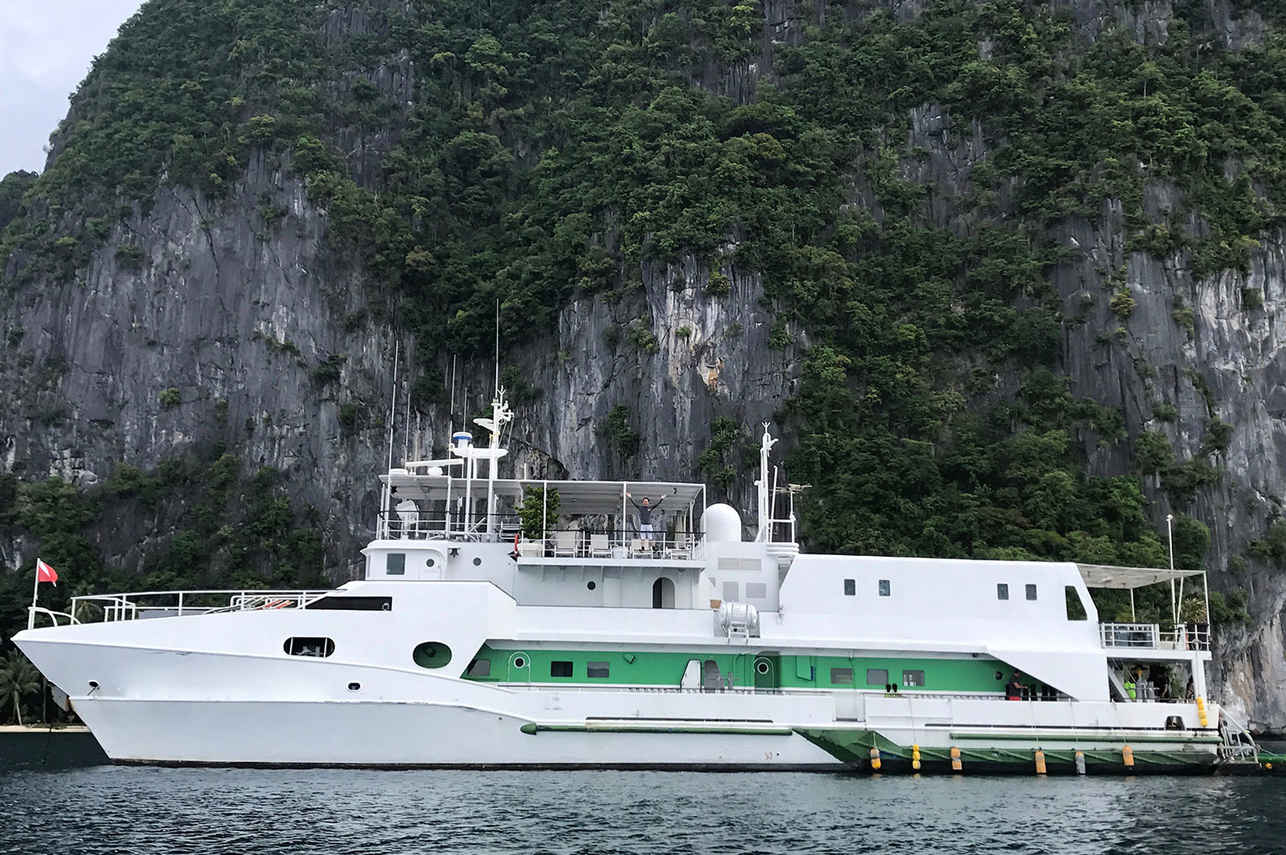
Stella Maris Explorer
Philippines
20 guests33 m
$398/day
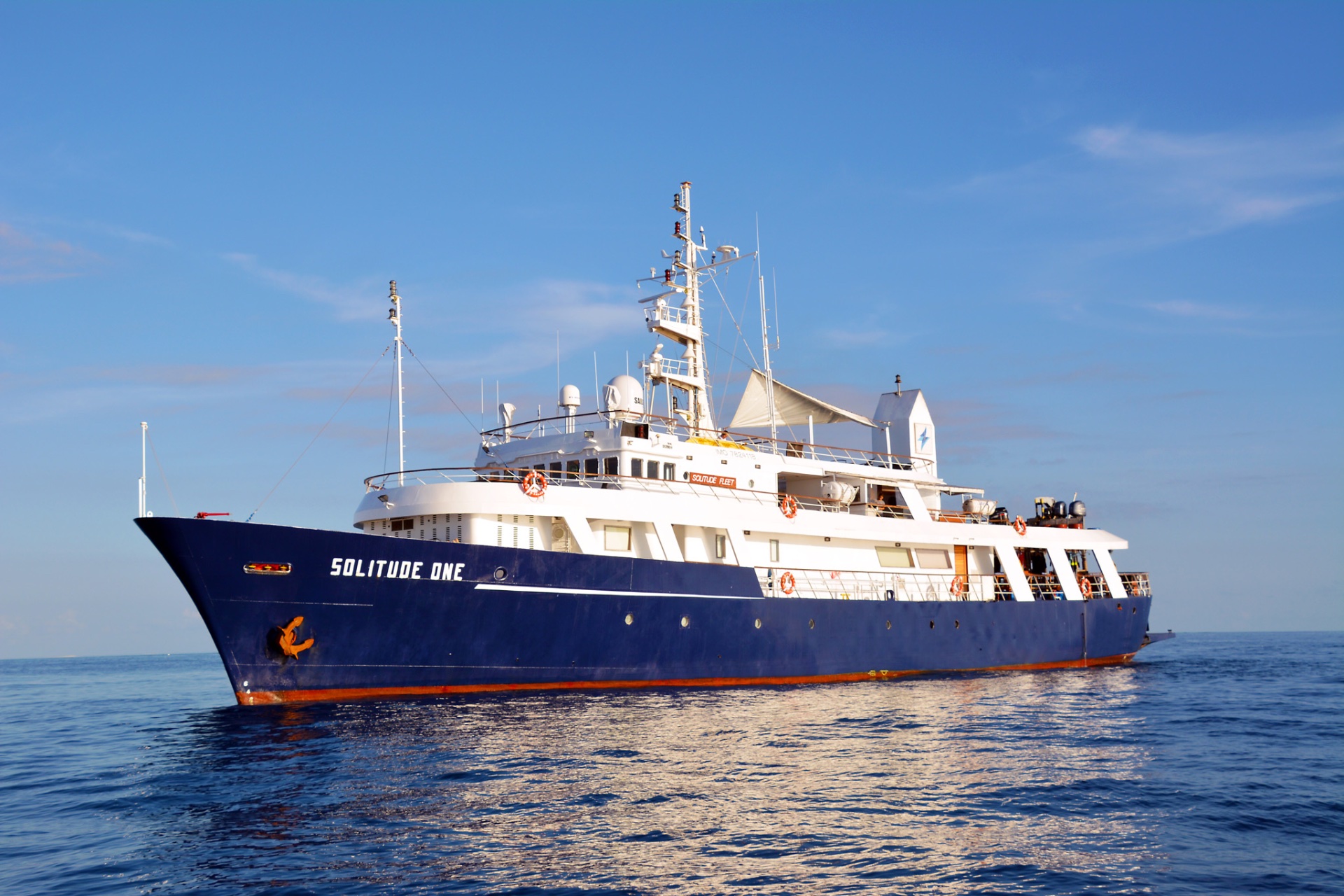
Solitude One
Philippines
24 guests52 m
$460/day
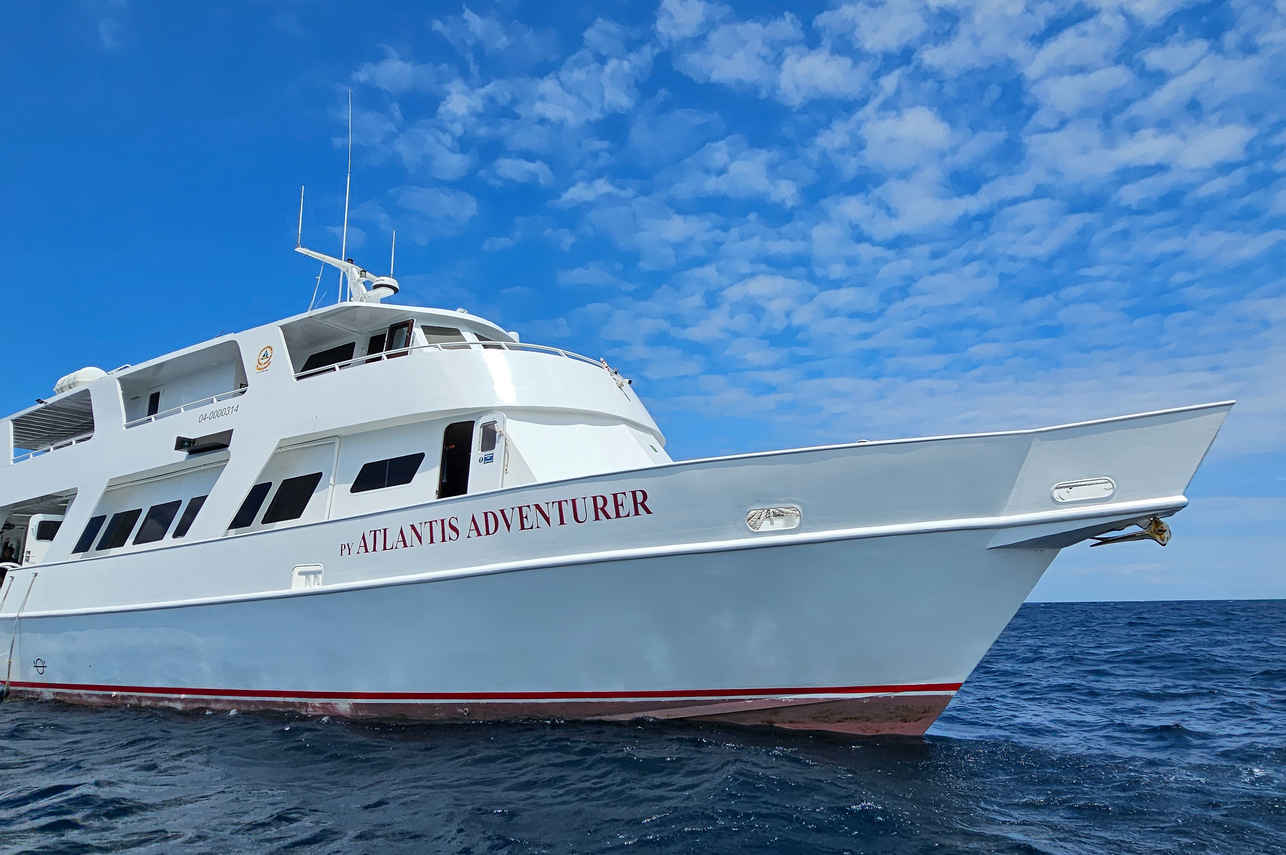
Atlantis Adventurer
Philippines
16 guests32.5 m
$421/day
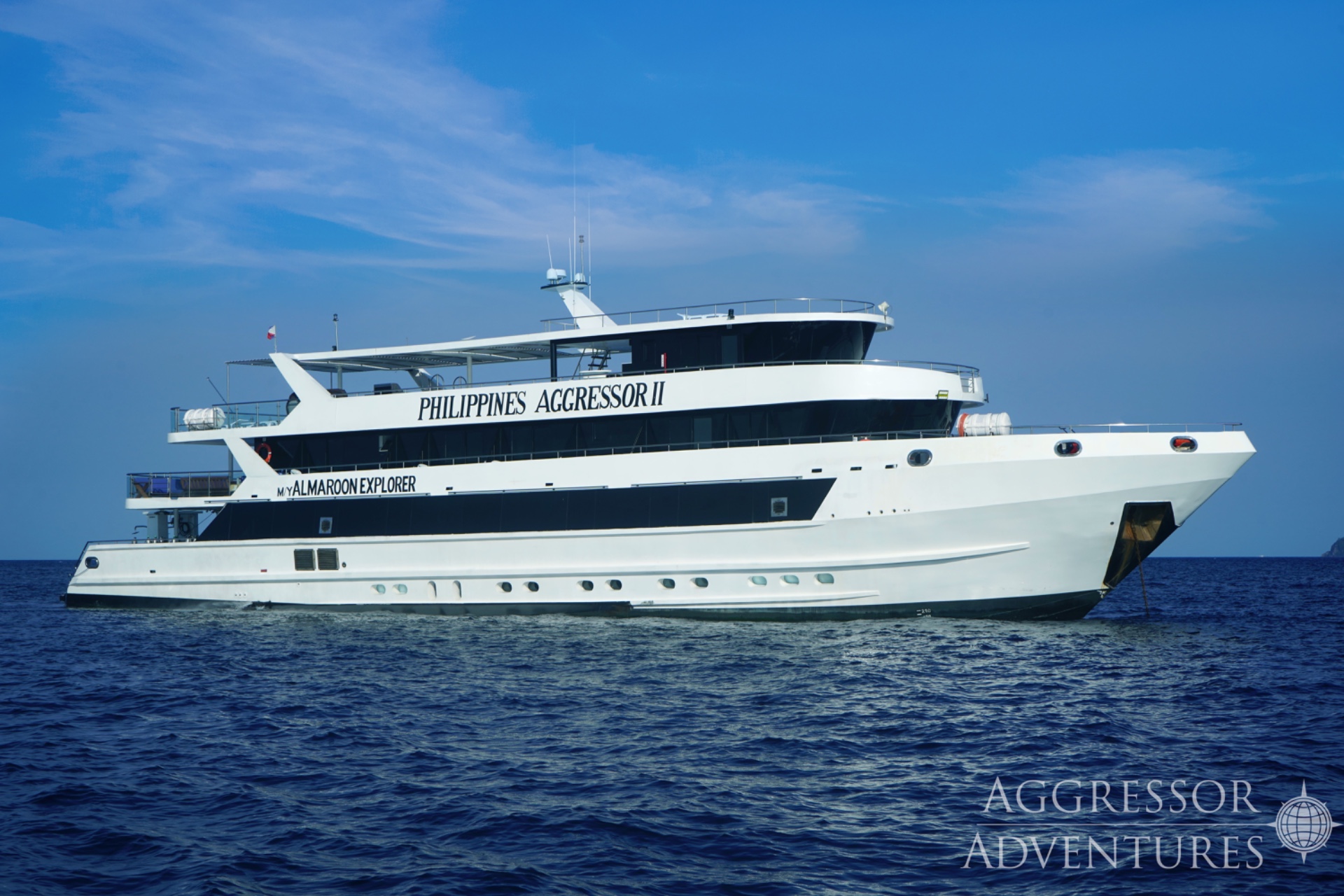
Philippines Aggressor II
Philippines
26 guests42.7 m
$247/day
Dive sites similar to Malapascua Lighthouse
Same character, same waters — six more sites divers love for the exact same reasons.Compare seasons, access and liveaboard routes — then pick the site that fits your trip best.
© Esri — Maxar, Earthstar, GIS
Big La Laguna
Philippines
Big La Laguna is a beach community situated on the western edge of the Sabang Peninsula, a popular dive region on Mindoro Island, Philippines.
- Suitable for
- Intermediate
- Current
- Moderate
- Access
- Dayboat
- Depth
- 5–35 m
- Theme
- Reef / Wall
© Esri — Maxar, Earthstar, GIS
Black Forest
Philippines
Black Forest is a premier dive site located off Balicasag Island, renowned for its exceptional marine biodiversity and distinct topography.
- Suitable for
- Intermediate
- Current
- Strong
- Access
- Liveaboard or dayboat
- Depth
- 10–30 m
- Theme
- Drift / Reef
© Esri — Maxar, Earthstar, GIS
Panagsama Beach
Philippines
Panagsama Beach, situated on a peninsula near Moalboal town in Cebu, serves as a central hub for diving activities in the region, boasting over 20 dive sites along its shoreline.
- Suitable for
- Intermediate
- Current
- Moderate
- Access
- Liveaboard or dayboat
- Depth
- ≤ 30 m
- Theme
- Reef / Wall
© Esri — Maxar, Earthstar, GIS
Binangaan Drop Off
Philippines
Binangaan Drop Off is a premier dive site within Apo Reef National Park, located off Occidental Mindoro in the Philippines.
- Suitable for
- Advanced
- Current
- Strong
- Access
- Liveaboard only
- Depth
- 10–40 m
- Theme
- Wall / Drift
© Esri — Maxar, Earthstar, GIS
Olympia Maru
Philippines
The Olympia Maru is a prominent Japanese cargo ship wreck from World War II, located within Coron Bay, Philippines.
- Suitable for
- Intermediate
- Current
- Mild
- Access
- Dayboat
- Depth
- 17–24 m
- Theme
- Wreck / Reef
© Esri — Maxar, Earthstar, GIS
Balinghai Wall
Philippines
Balinghai Wall is a notable dive site located on the northwest side of Boracay, known for its accessible wall and coral slope formations.
- Suitable for
- Intermediate
- Current
- Mild
- Access
- Dayboat
- Depth
- 8–24 m
- Theme
- Wall / Reef