About Kimud Shoal
Kimud Shoal is a renowned offshore underwater plateau located near Malapascua Island in the northern Visayas, Philippines. This sunken island rises dramatically from depths exceeding 200 meters, featuring a shallower top section. It has gained international fame as a reliable location for observing thresher sharks at cleaning stations, particularly in the early morning, and is also known for seasonal sightings of large schools of hammerhead sharks. The shoal's topography includes a plateau starting at around 10 to 14 meters, sloping down to approximately 30 meters before dropping off into the deep. Divers can explore gardens of hard and soft corals, along with sponges that crown the plateau, contrasting with the dramatic overhangs on its eastern side. This unique structure attracts a diverse range of marine life, from pelagic predators to intricate macro organisms. While thresher sharks are a year-round presence, hammerhead schools are most frequently observed between December and April. The site is managed as a Marine Protected Area with specific regulations for divers, ensuring minimal disturbance to its delicate ecosystem. Due to its offshore location and the nature of pelagic encounters, dives typically involve early morning departures and require a certain level of diver experience. Access to Kimud Shoal is exclusively by boat, usually departing from Malapascua Island. Divers typically make two dives during a trip, with surface intervals spent on the boat. The site offers a compelling blend of thrilling large animal encounters and opportunities to appreciate rich reef life.
Highlights
Thresher shark cleaning stationSeasonal hammerhead schoolsVibrant hard and soft coralsDramatic deep drop-offsMorning pelagic encountersDiverse macro lifeMarine Protected Area
Season calendar
Best months to dive here
Jan
Feb
Mar
Apr
May
Jun
Jul
Aug
Sep
Oct
Nov
Dec
Excellent
Good
Dive site facts: Kimud Shoal
- Depth
- 10–40 m
- Typical dive
- 15–30 m, variable min
- Current
- Mild
- Visibility
- 10–25 m
- Water temperature
- 27–30°C
- Entry
- Boat dive / negative entry
- Level
- Advanced recommended
- Dive type
- Pelagic, reef, wall, macro
- Night dive
- Not permitted
- Region / port
- Malapascua, Cebu, Visayas
- Coordinates
- 11.1550° N, 124.2890° E
Conditions & Currents
Currents at Kimud Shoal are generally described as mild, but divers should always heed tide, captain, and guide briefings as conditions can change. The site is a boat dive, requiring careful coordination for entry and exit procedures. While surge is not prominently mentioned, the offshore nature means divers should be prepared for varying sea conditions during boat travel. Visibility is typically good, ranging from 10 to 25 meters, and water temperature remains warm, between 27-30°C, though it can drop to 26°C in winter months. Divers should plan conservatively, especially near the 36-40 meter reference depth, ensuring adherence to certification limits and allowing for blue water diving if observing hammerheads away from reference points.
Marine life & sighting chances
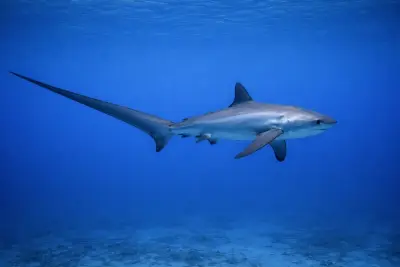
Thresher shark
Year-round, early morning · common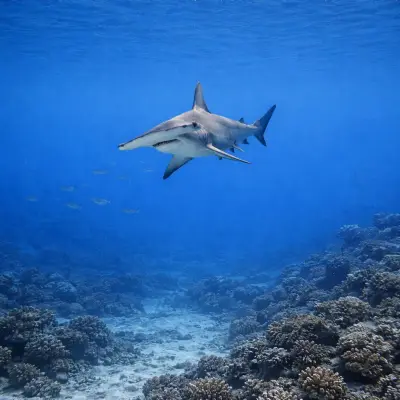
Hammerhead shark
Dec-Apr · occasional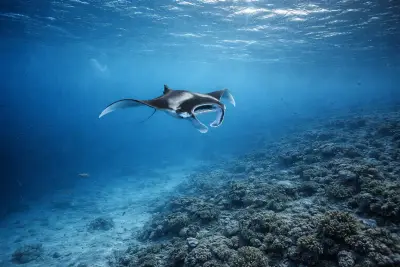
Manta ray
occasional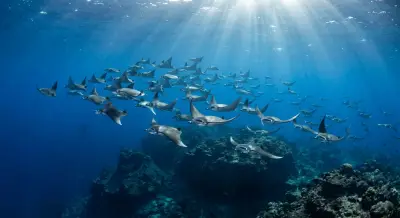
Devil ray
occasional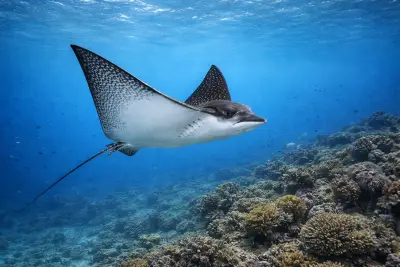
Eagle ray
occasional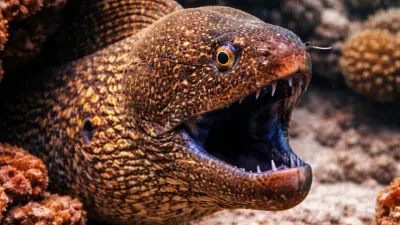
Moray eel
common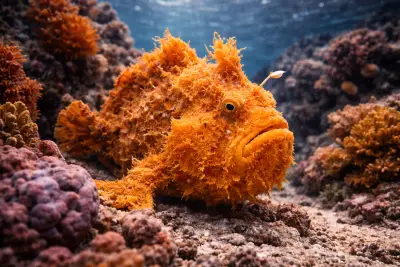
Frogfish
occasional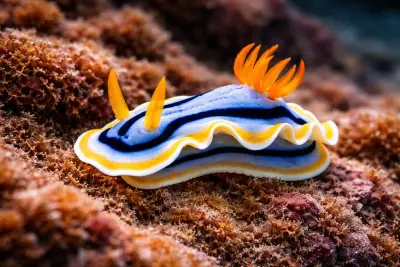
Nudibranch
common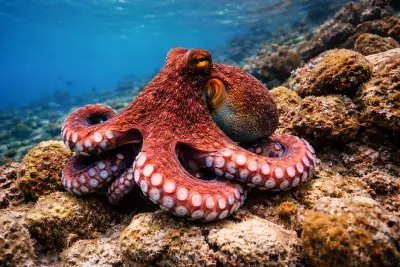
Octopus
occasional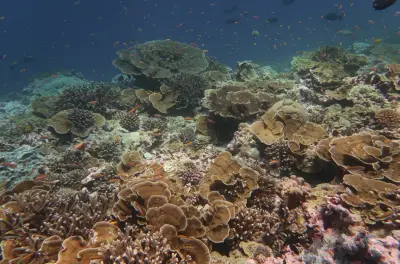
Reef fish
common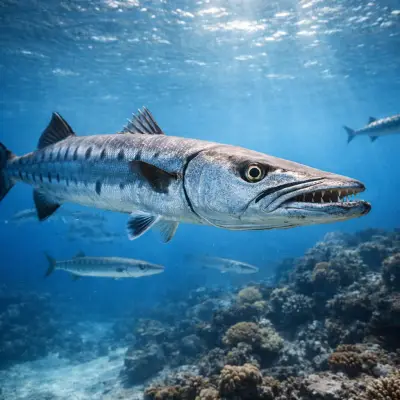
Barracuda
occasional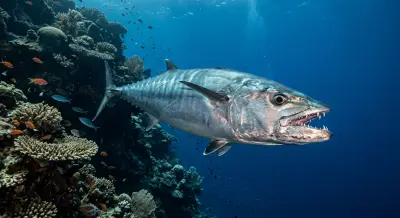
Tuna
occasional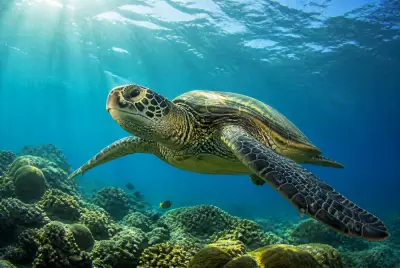
Turtle
occasionalDive profile & how the dive runs
Dives at Kimud Shoal typically begin with an early morning boat journey, often departing around 5 AM, to arrive at first light. Following a briefing, divers execute a negative entry and descend to the plateau, which starts at approximately 10-14 meters. For thresher shark encounters, divers usually position themselves between 15-20 meters, remaining still and quiet to observe these shy pelagics at cleaning stations. The dive may extend to around 30 meters on the sloping parts of the shoal, with attention paid to the blue water for hammerhead sightings. Divers then explore the vibrant coral gardens and overhangs before ascending. A two-dive trip is standard due to the boat ride, with safety stops performed during a slow, controlled ascent, often drifting in mild currents.
Underwater photography
Kimud Shoal offers exceptional opportunities for both wide-angle and macro photography. For thresher sharks, wide-angle lenses are essential, though artificial lights and strobes are generally restricted to avoid disturbing the sensitive sharks; photographers should plan for natural light and higher ISO settings. For macro subjects such as nudibranchs, frogfish, and moray eels found within the coral gardens and on the slopes, a macro lens and external strobes are ideal. Buoyancy control is paramount to avoid damaging delicate corals and to maintain stable shots in potentially varied current conditions. Divers should maintain a respectful distance from marine life and avoid any actions that could interrupt natural behaviors.
Combine with nearby dive sites
- Monad Shoal
Historically known for thresher shark cleaning stations, similar to Kimud Shoal.
- Gato Island
Offers both macro and larger marine life, including a tunnel swim-through with whitetip sharks.
- Kalanggaman
Known for amazing reef life and picturesque scenery, often a day trip.
Getting there & logistics
Kimud Shoal is accessed from Malapascua Island, which is reached by a combination of road travel and ferry from Cebu City. Cebu City has an international airport (CEB) with direct flights from some Southeast Asian countries and connecting flights via Manila. From Cebu City, the journey to Malapascua involves a 3.5 to 5-hour car or bus ride to Maya Port, followed by a short ferry ride. Liveaboards often incorporate Kimud Shoal into longer itineraries, typically 6, 10, or 12 nights, often combining it with other Visayas dive areas like Cebu, Bohol, and Negros. An environmental fee of ₱300 (approximately $5 USD) per diver applies for visiting Kimud Shoal as a Marine Protected Area.
Safety & environment
The nearest recompression chamber is located in Cebu City. In case of an emergency, evacuation would involve boat transfer from Kimud Shoal to Malapascua Island, followed by land and potentially sea or air transfer to Cebu City, which can be time-consuming. Dive insurance covering medical emergencies and evacuation is strongly recommended for all divers. Site-specific hazards include variable currents, requiring divers to stay close to guides and buddies and to be mindful of blue water disorientation, especially during hammerhead sightings. Mandatory buoyancy workshops or accompanying instructors are required for Open Water divers with less than 50 dives, and no training dives, freediving, or snorkeling are permitted at Kimud Shoal.
Who it suits — and who it doesn't
Suited for
- Advanced Open Water divers
- Divers seeking pelagic shark encounters
- Underwater photographers (wide-angle and macro)
- Experienced divers comfortable with depth
- Divers prioritizing early morning dives
Less suited for
- Beginner Open Water divers (less than 50 dives)
- Divers uncomfortable with early morning starts
- Divers preferring shallow, current-free sites
- Those uninterested in pelagic marine life
- Freedivers or snorkelers (not permitted)
FAQ
Kimud Shoal FAQ
What kind of sharks can I see at Kimud Shoal?
Kimud Shoal is primarily known for pelagic thresher sharks, which are commonly sighted at cleaning stations during early morning dives. Additionally, from December or January through April, you have a good chance of encountering schools of hammerhead sharks. Other pelagics like whitetip reef sharks, tiger sharks, manta rays, and devil rays are also occasionally seen.
Is Kimud Shoal suitable for Open Water divers?
Kimud Shoal is generally recommended for Advanced Open Water divers due to its depth, potential for currents, and the nature of blue water diving required for some pelagic encounters. Open Water divers with fewer than 50 dives are required to be accompanied by an instructor or divemaster and undergo a mandatory buoyancy workshop before diving at this site.
What is the best time of year to dive Kimud Shoal for hammerheads?
The peak season for seeing schooling hammerhead sharks at Kimud Shoal is from December or January through April. During these months, sightings can range from individual hammerheads to schools of up to 200. Thresher sharks are present year-round, but specific conditions in these months favor hammerhead activity.
Are there any special rules or fees for diving at Kimud Shoal?
Yes, Kimud Shoal is a Marine Protected Area and Ecotourism Zone. Divers must adhere to specific regulations, which include requirements for diver experience and buoyancy control for less experienced divers. There is an environmental fee of approximately ₱300 (around $5 USD) per diver. Additionally, activities like training dives, freediving, or snorkeling are not permitted at the site.
How long does it take to get to Kimud Shoal from Malapascua Island?
The boat journey from Malapascua Island to Kimud Shoal typically takes about 45 minutes, depending on the type of boat and sea conditions. Because of this travel time, dive operators usually schedule trips as two-dive excursions, with a surface interval spent on the boat, often including coffee and snacks.
Can I use strobes or artificial lights for photography at Kimud Shoal?
For thresher shark encounters, the use of artificial lights or strobes is often restricted or advised against. This is because thresher sharks are light-sensitive, and lights can disturb their natural behavior at the cleaning stations. Photographers should be prepared to use available natural light and adjust camera settings accordingly for wide-angle shots of these pelagics.
Why dive Kimud Shoal from a liveaboard?
Kimud Shoal is one of Philippines's signature dive sites. A liveaboard sleeps you on the water and puts you in the water for three to four guided dives per day, including dawn and night dives that day-boat operators rarely offer. You skip the daily commute back to port and reach quieter, less-crowded sites in the same region on a single trip.
Below are the liveaboards that include Kimud Shoal on their Philippines itineraries.
Liveaboards diving Kimud Shoal
These liveaboards may visit Kimud Shoal on selected itineraries — the exact dive sites depend on departure, weather and conditions.
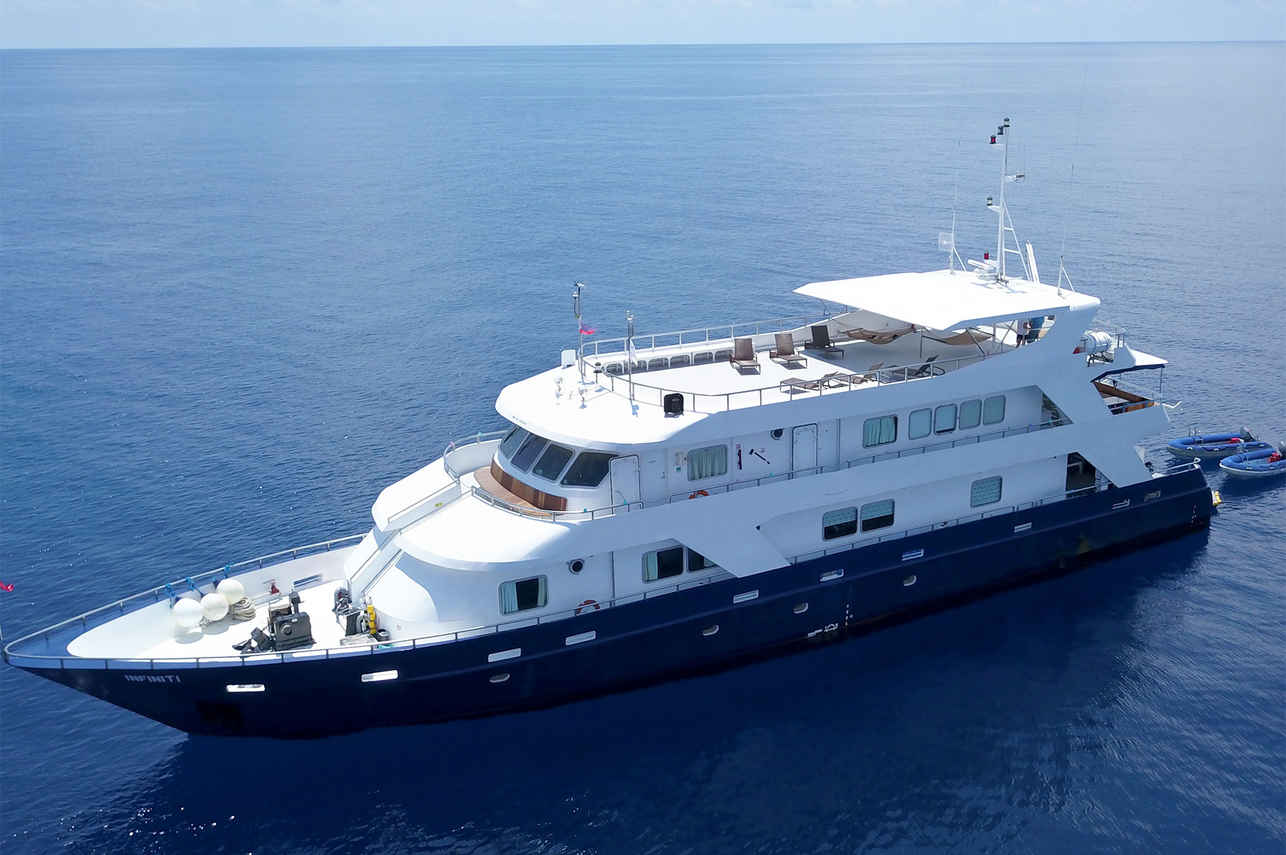
Infiniti
Philippines
25 guests39 m
$280/day
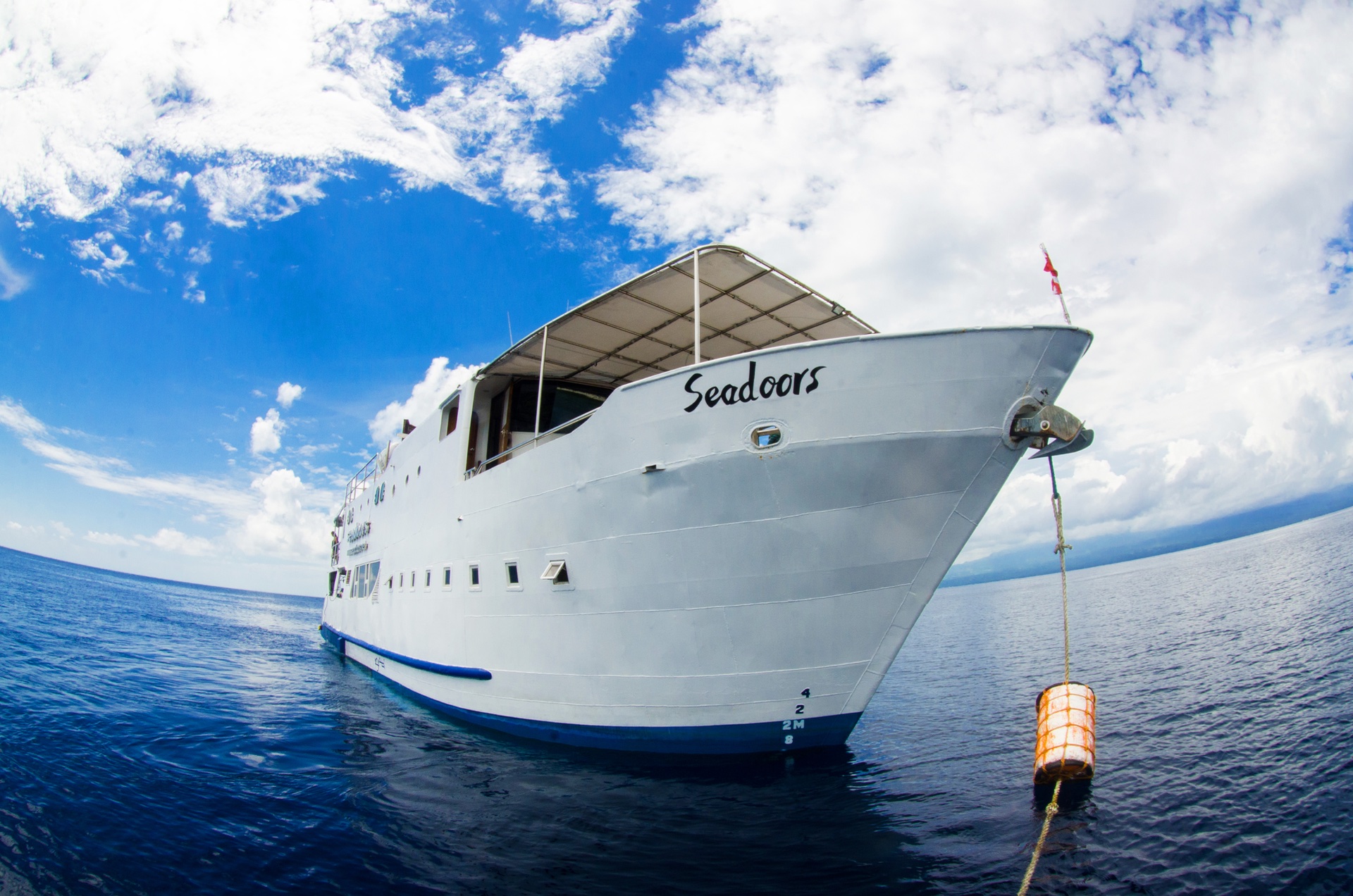
Seadoors
Philippines
16 guests25 m
$335/day
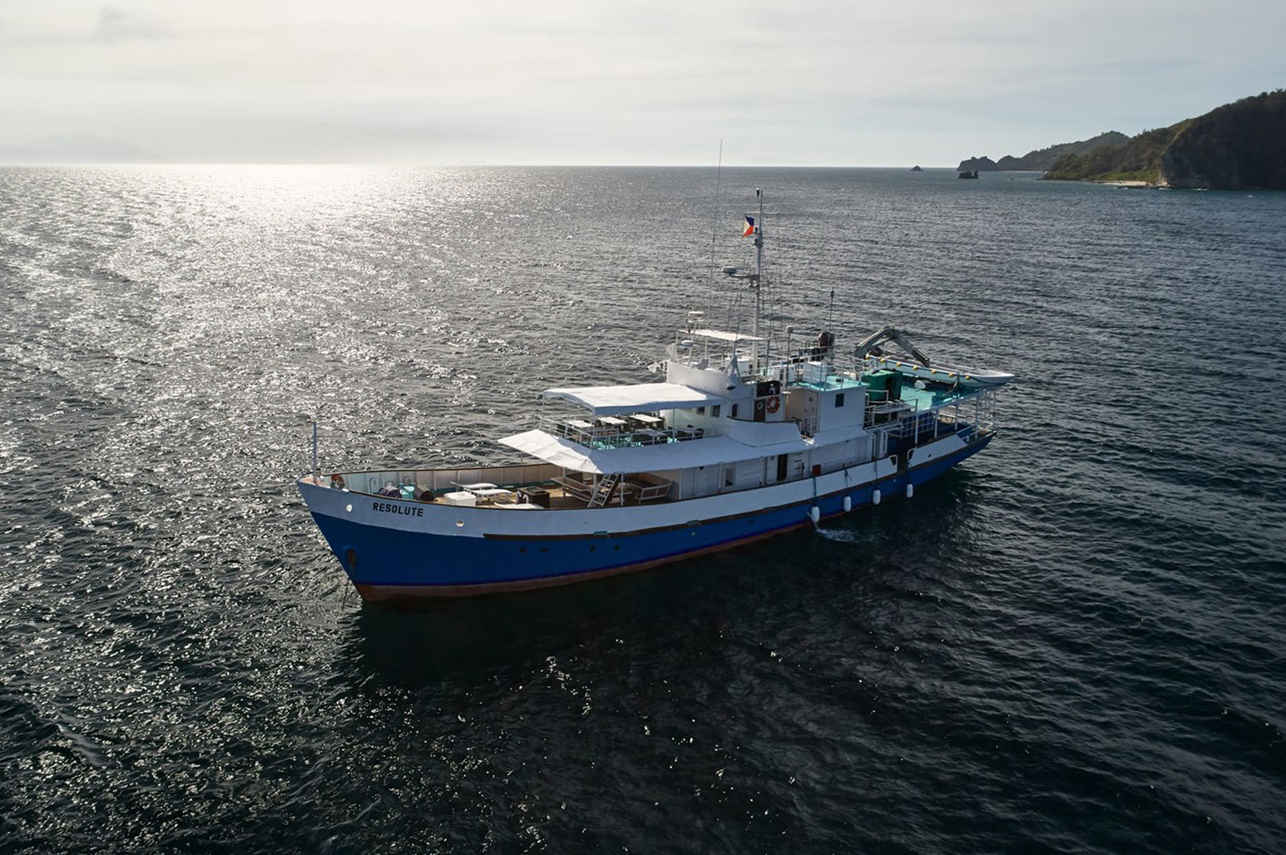
Resolute
Philippines
16 guests34.6 m
$314/day
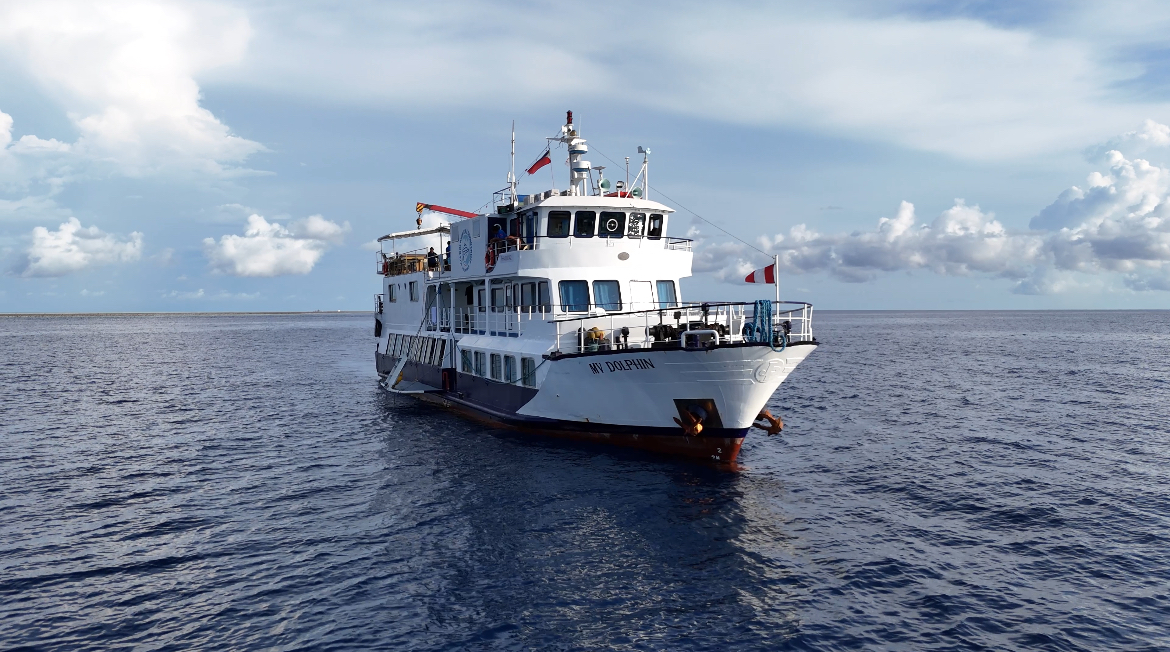
Dolphin
Philippines
18 guests31 m
$326/day
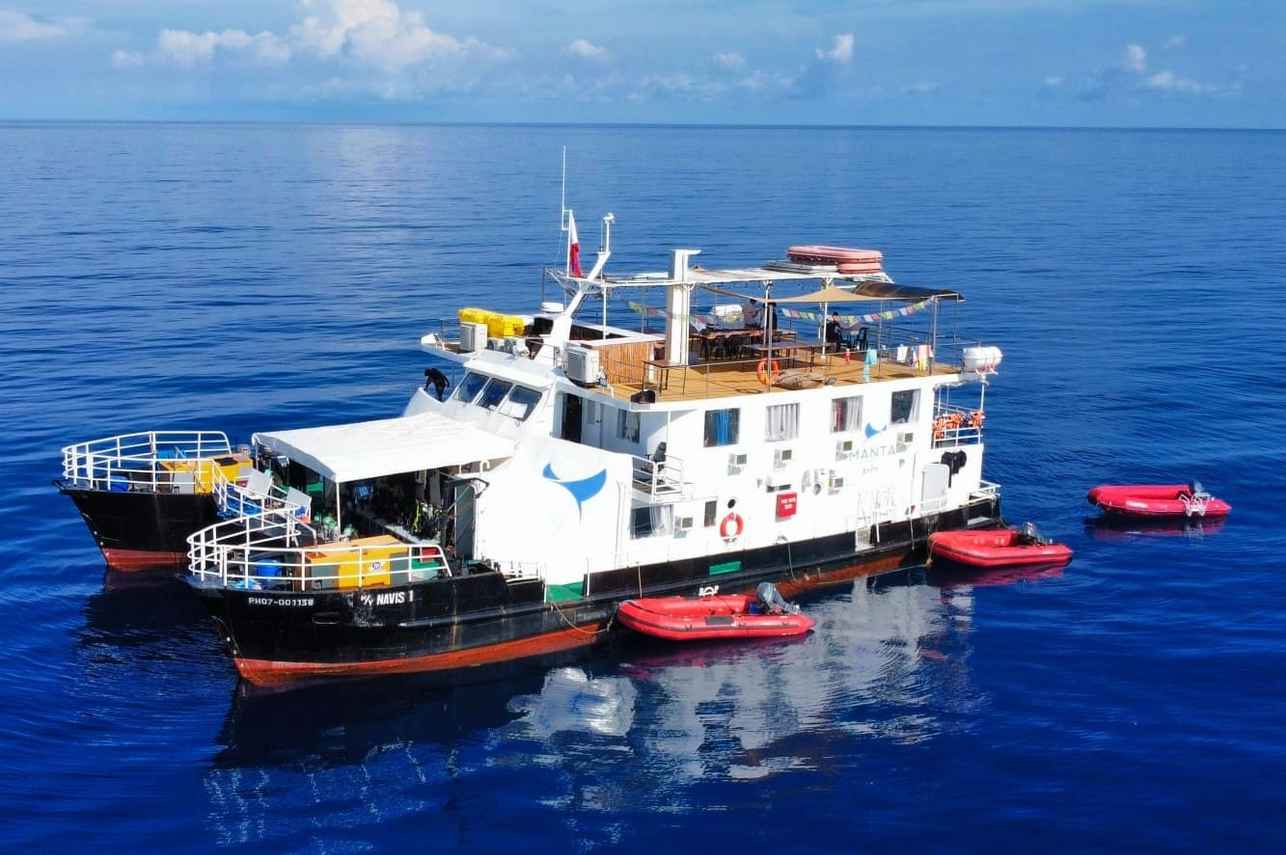
Navis 1
Philippines
22 guests23 m
$250/day
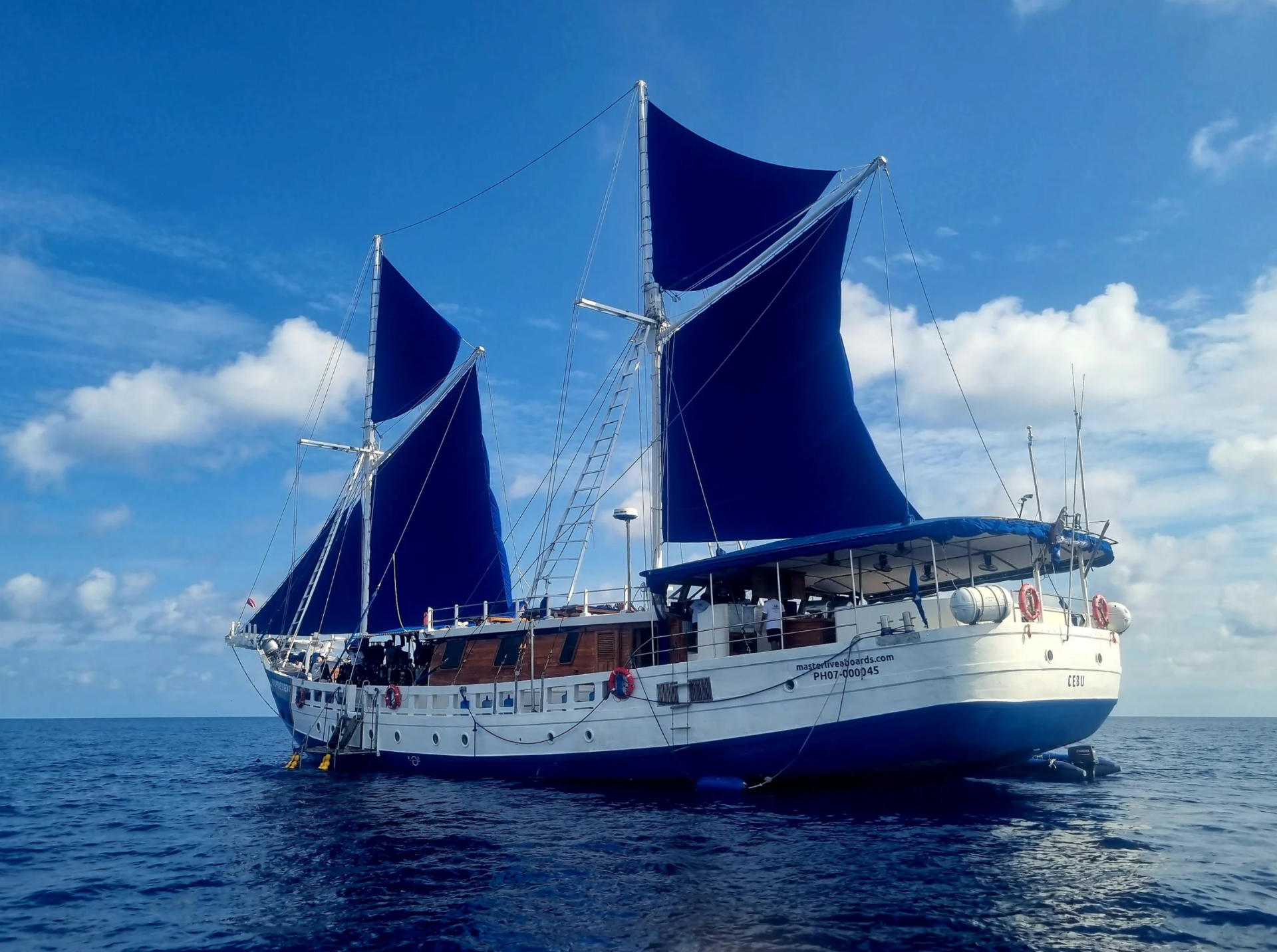
Philippine Siren
Philippines
16 guests
$309/day
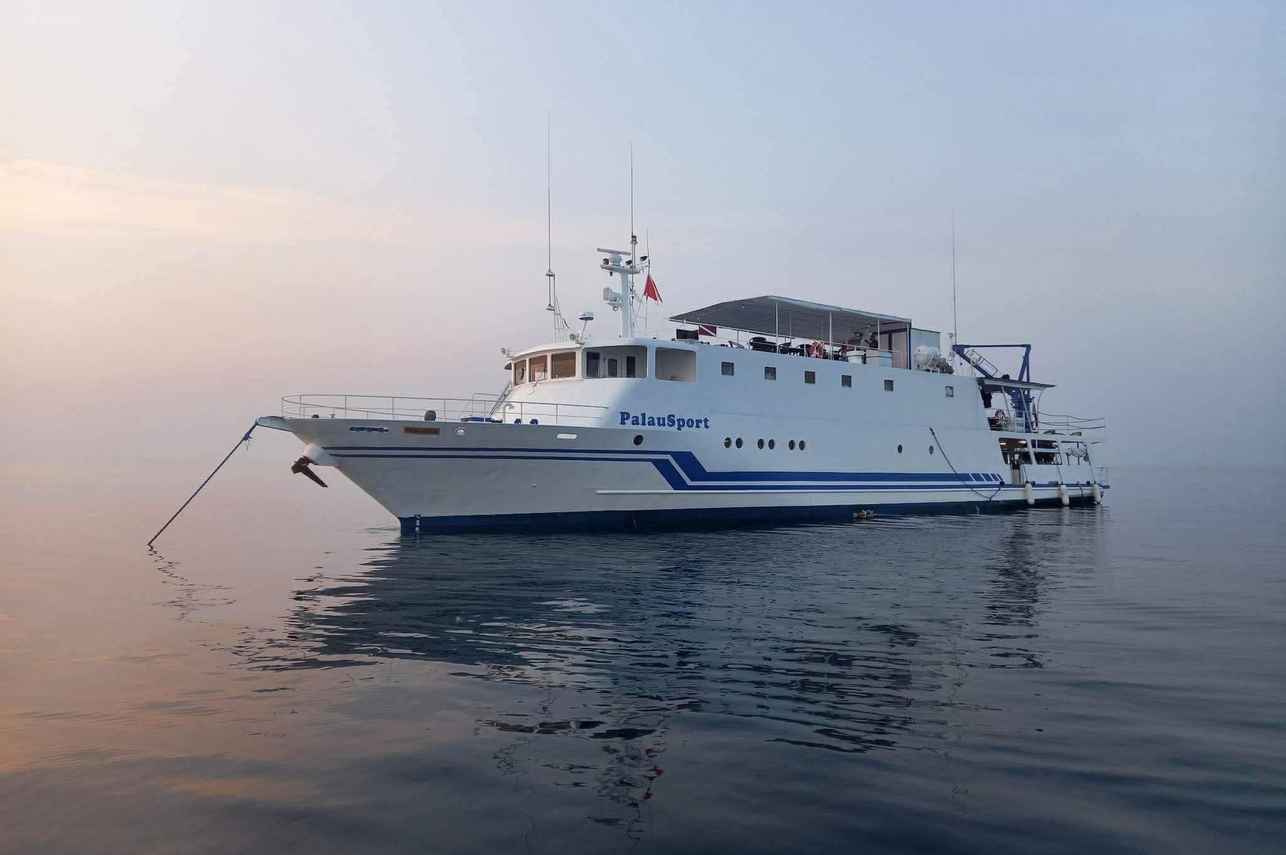
Palau Sport
Philippines
24 guests38.35 m
$215/day
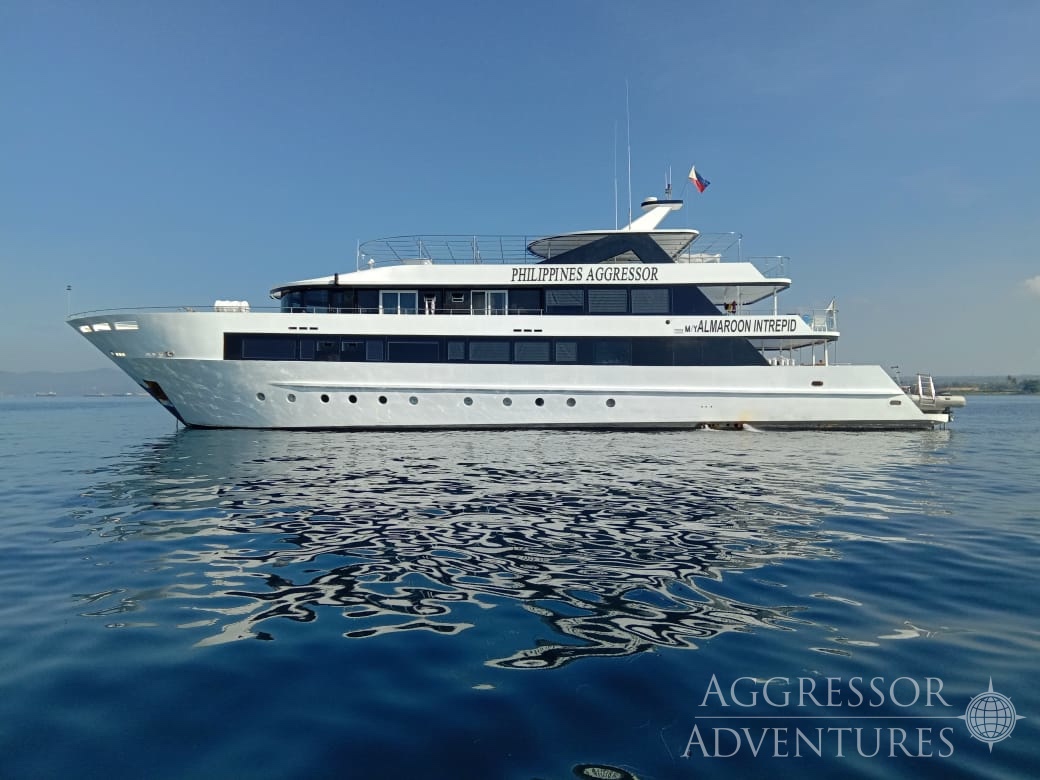
Philippines Aggressor
Philippines
26 guests42.7 m
$381/day
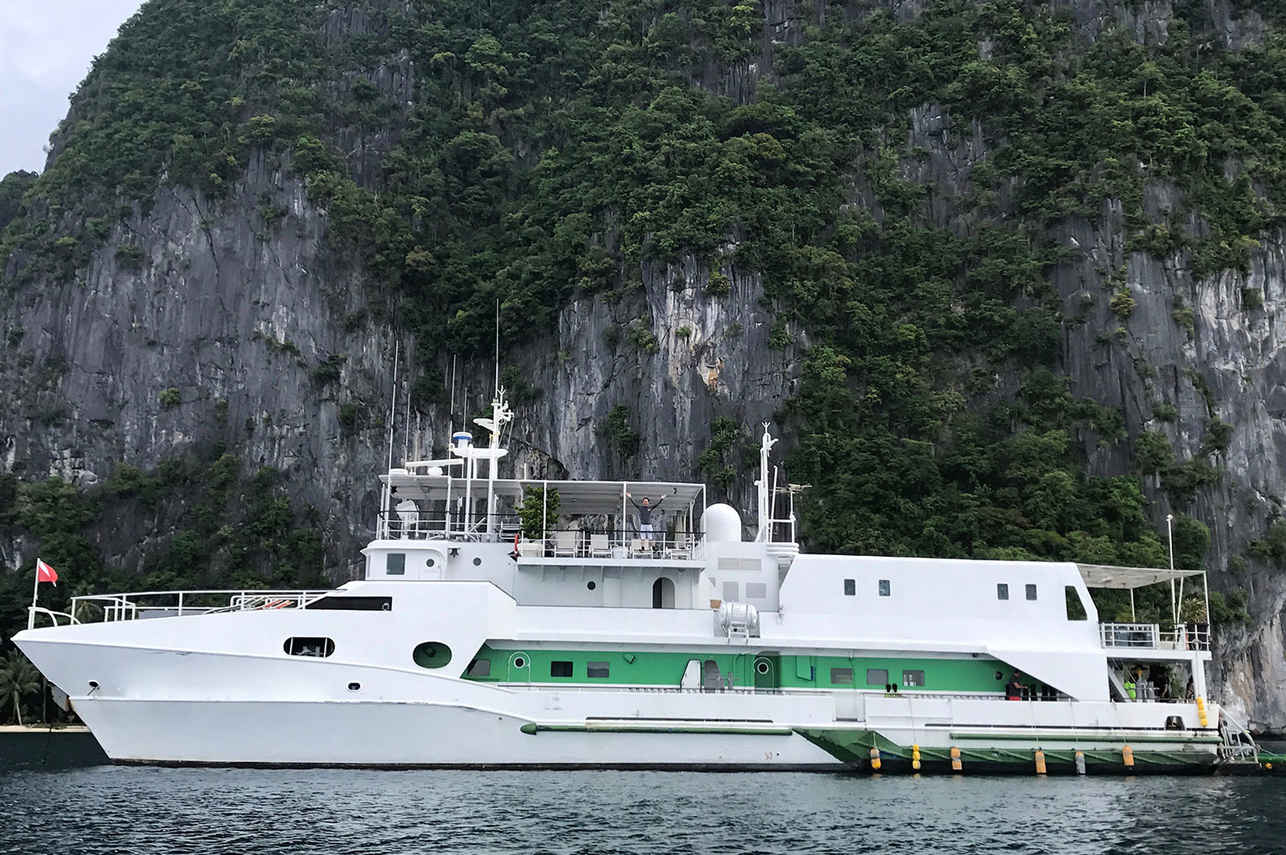
Stella Maris Explorer
Philippines
20 guests33 m
$398/day
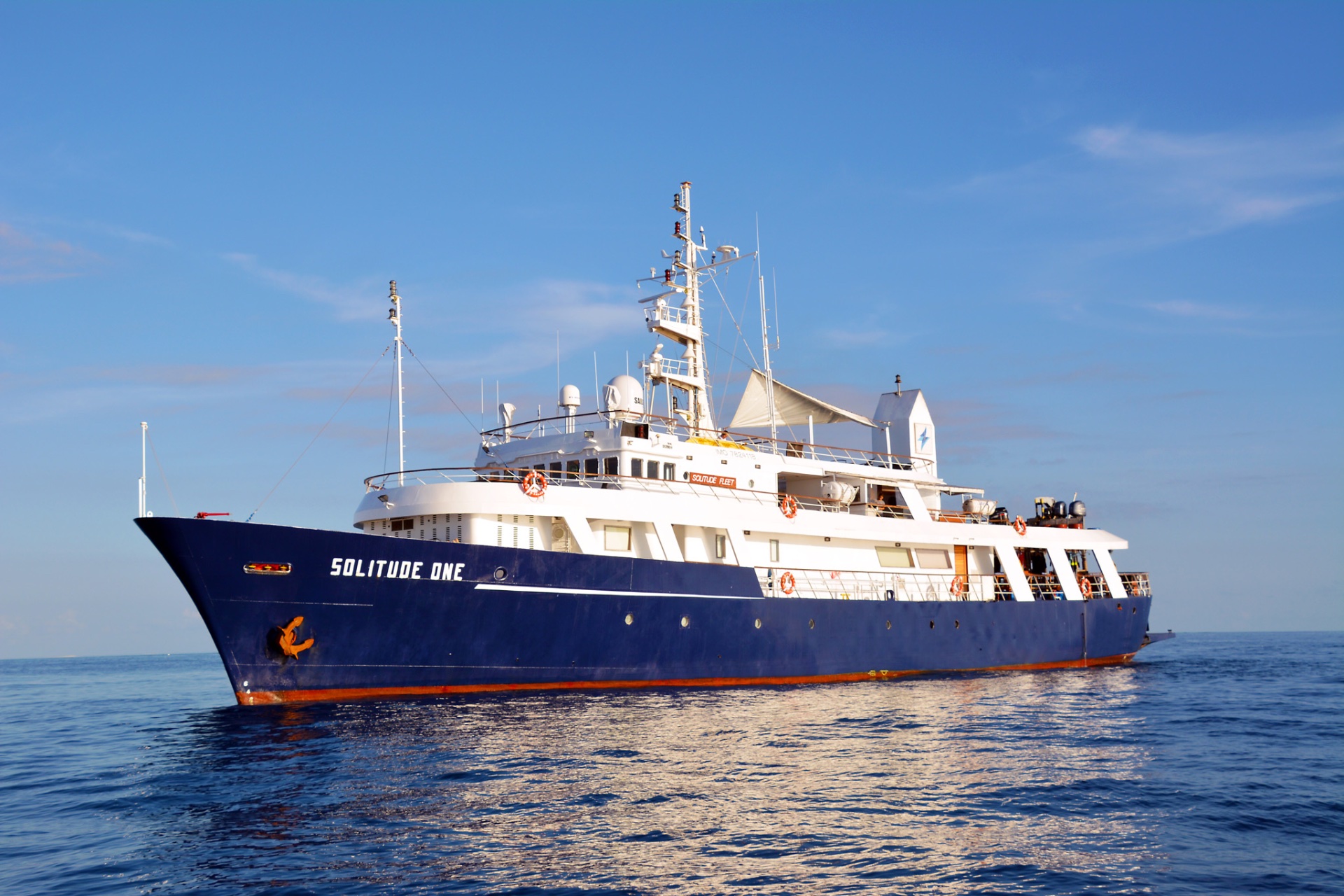
Solitude One
Philippines
24 guests52 m
$460/day
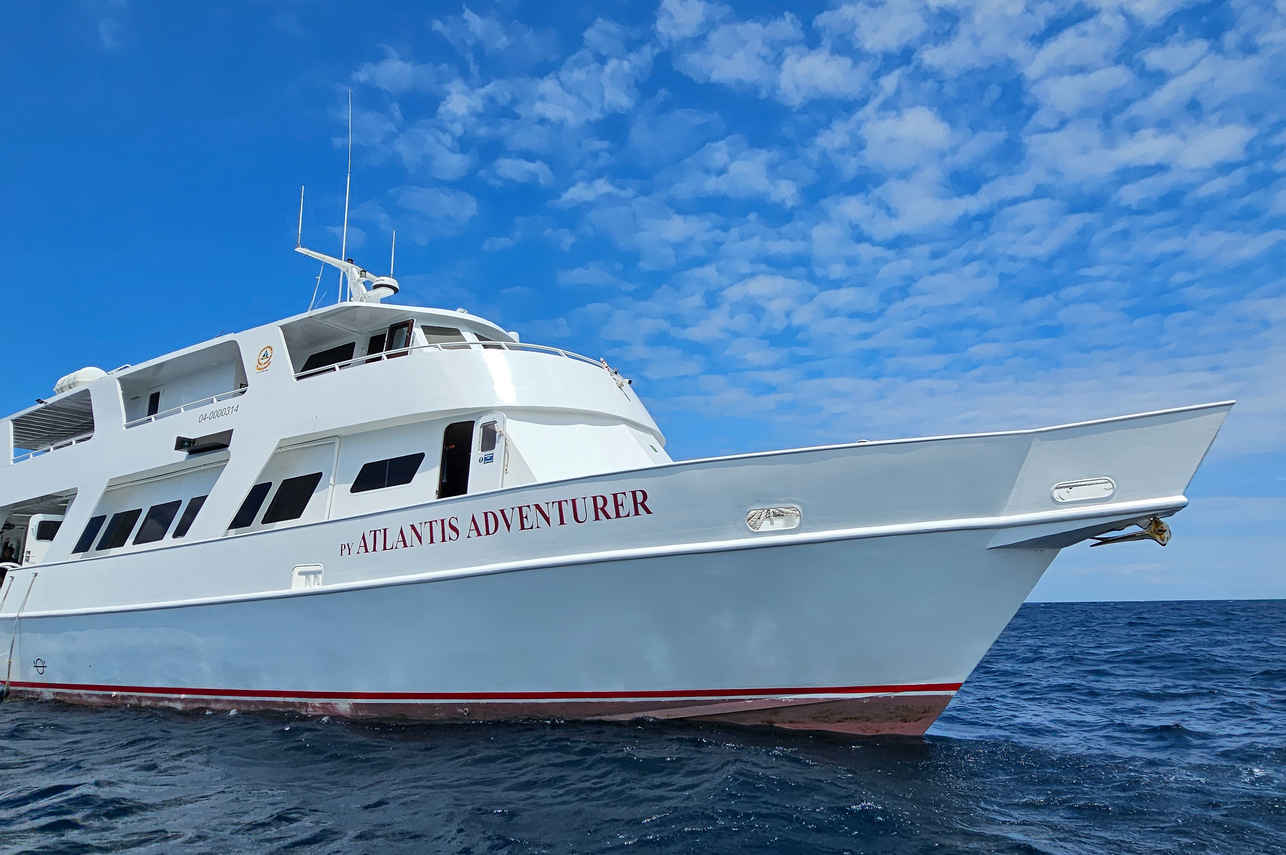
Atlantis Adventurer
Philippines
16 guests32.5 m
$421/day
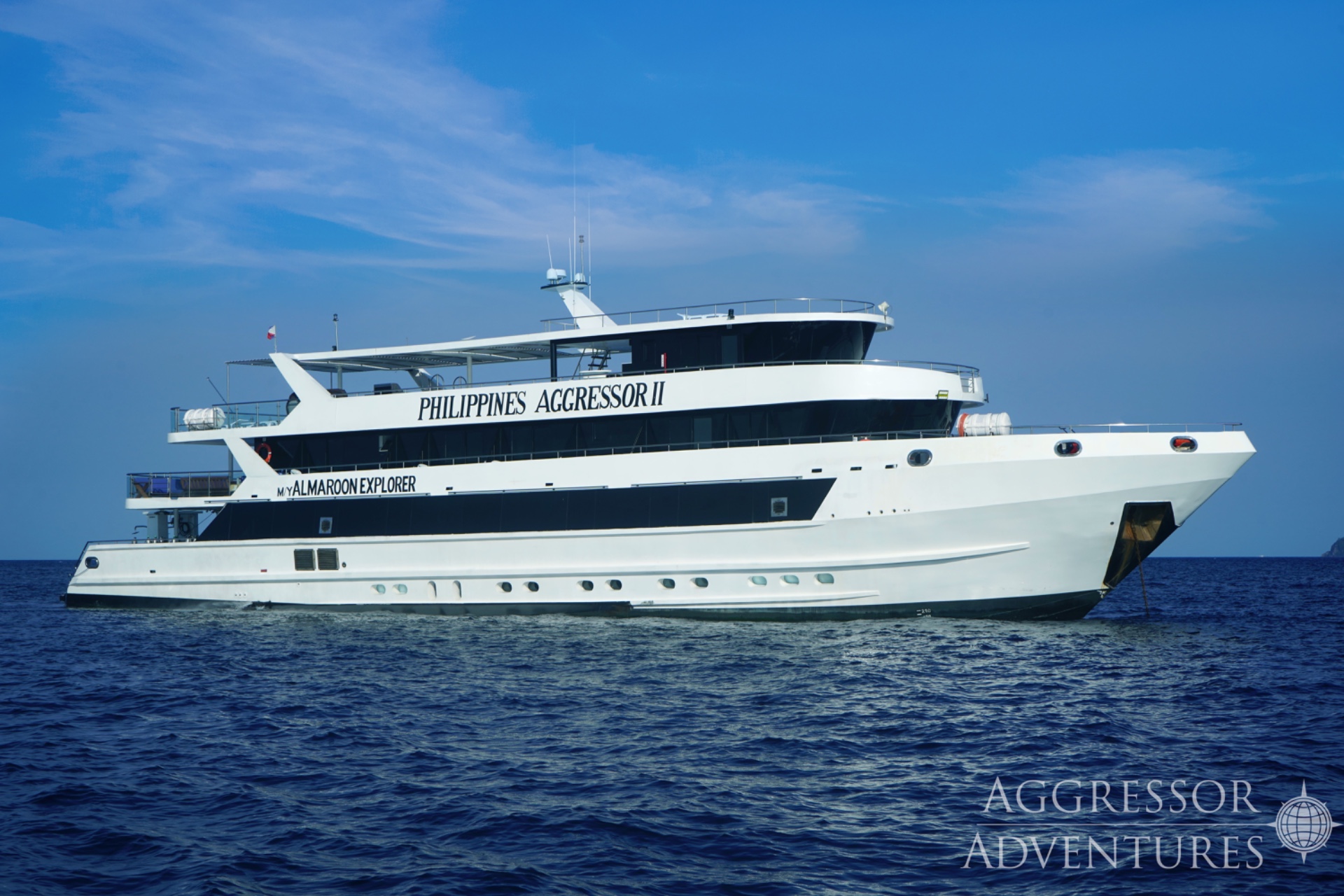
Philippines Aggressor II
Philippines
26 guests42.7 m
$247/day
Dive sites similar to Kimud Shoal
Same character, same waters — six more sites divers love for the exact same reasons.Compare seasons, access and liveaboard routes — then pick the site that fits your trip best.
© Esri — Maxar, Earthstar, GIS
Big La Laguna
Philippines
Big La Laguna is a beach community situated on the western edge of the Sabang Peninsula, a popular dive region on Mindoro Island, Philippines.
- Suitable for
- Intermediate
- Current
- Moderate
- Access
- Dayboat
- Depth
- 5–35 m
- Theme
- Reef / Wall
© Esri — Maxar, Earthstar, GIS
Black Forest
Philippines
Black Forest is a premier dive site located off Balicasag Island, renowned for its exceptional marine biodiversity and distinct topography.
- Suitable for
- Intermediate
- Current
- Strong
- Access
- Liveaboard or dayboat
- Depth
- 10–30 m
- Theme
- Drift / Reef
© Esri — Maxar, Earthstar, GIS
Panagsama Beach
Philippines
Panagsama Beach, situated on a peninsula near Moalboal town in Cebu, serves as a central hub for diving activities in the region, boasting over 20 dive sites along its shoreline.
- Suitable for
- Intermediate
- Current
- Moderate
- Access
- Liveaboard or dayboat
- Depth
- ≤ 30 m
- Theme
- Reef / Wall
© Esri — Maxar, Earthstar, GIS
Binangaan Drop Off
Philippines
Binangaan Drop Off is a premier dive site within Apo Reef National Park, located off Occidental Mindoro in the Philippines.
- Suitable for
- Advanced
- Current
- Strong
- Access
- Liveaboard only
- Depth
- 10–40 m
- Theme
- Wall / Drift
© Esri — Maxar, Earthstar, GIS
Olympia Maru
Philippines
The Olympia Maru is a prominent Japanese cargo ship wreck from World War II, located within Coron Bay, Philippines.
- Suitable for
- Intermediate
- Current
- Mild
- Access
- Dayboat
- Depth
- 17–24 m
- Theme
- Wreck / Reef
© Esri — Maxar, Earthstar, GIS
Balinghai Wall
Philippines
Balinghai Wall is a notable dive site located on the northwest side of Boracay, known for its accessible wall and coral slope formations.
- Suitable for
- Intermediate
- Current
- Mild
- Access
- Dayboat
- Depth
- 8–24 m
- Theme
- Wall / Reef