About Nusa Laut Corner
Nusa Laut Corner is a spectacular dive site located to the east of Ambon, on the small island of Nusa Laut, which lies en route to the Banda Islands. This site is renowned for its incredibly vibrant and extensive hard coral formations, often compared to the lush reefs of Misool in Raja Ampat. The local community actively protects the reef, resulting in a healthy and thriving marine ecosystem. The topography features a gentle slope leading down to approximately 15 meters, which then transitions into a dramatic sheer drop-off into the abyss. Both the slope and the wall are encrusted with a diverse array of hard and soft corals, including colossal plate corals that can span wider than a diver, impressive fan corals, and sponges reaching up to a meter across. The site is particularly famous for its pelagic encounters. Strong currents sweep around this point, attracting large schools of hammerhead sharks, especially during their migration season. Divers can also expect to see graceful eagle rays and immense schools of giant trevally actively hunting. Visibility here can be exceptional, often exceeding 30 meters, creating a breathtaking deep blue canopy over the vibrant reef. The deep, cooler waters are characteristic of the Banda Sea, supporting rich biodiversity. Diving Nusa Laut Corner typically involves drift diving due to the strong currents. It's a site that demands experienced divers comfortable with current, offering thrilling encounters with large marine life and an immersive experience within a pristine coral environment. Night dives here can also be rewarding, revealing different species like the elusive blue-ringed octopus.
Highlights
Schooling hammerhead sharksMassive hard coral formationsGiant plate and fan coralsEagle rays and giant trevallyCurrent-swept drift divingExcellent visibilityPristine protected reefDeep blue canopy
Season calendar
Best months to dive here
Jan
Feb
Mar
Apr
May
Jun
Jul
Aug
Sep
Oct
Nov
Dec
Excellent
Good
Dive site facts: Nusa Laut Corner
- Depth
- 12–35 m
- Current
- Strong
- Visibility
- 30–40 m
- Water temperature
- 26–29°C (79–84°F)
- Entry
- Liveaboard / Tender, drift entry
- Level
- Advanced
- Dive type
- Wall, drift, pelagic
- Night dive
- Possible
- Region / port
- Banda Sea / Maluku Islands
- Coordinates
- -3.6667, 128.85
Conditions & Currents
Nusa Laut Corner is an advanced dive site characterized by strong, unpredictable currents that sweep around its point. Divers should be prepared for drift diving conditions and possess experience managing variable water movement. Currents can bring in nutrient-rich water, attracting large pelagic species, but they also necessitate careful dive planning, including appropriate entry and exit strategies and good air management. A current hook is often recommended to safely observe marine life without constantly fighting the flow. While thermoclines are rare, water temperatures can vary slightly. Visibility is typically excellent, often exceeding 30 meters, contributing to expansive underwater views.
Marine life & sighting chances

Hammerhead shark
September-November · common
Eagle ray
occasional
Giant trevally
common
Blue-ringed octopus
occasional
Plate coral
commonFan coral
commonSponge coral
common
Hawksbill sea turtle
occasional
Olive sea snake
occasional
Napoleon wrasse
occasional
Barracuda
occasionalDive profile & how the dive runs
Dives at Nusa Laut Corner typically begin with a negative entry from a liveaboard tender, directly into the blue to avoid strong surface currents. Divers quickly descend to approximately 15-20 meters, where the gentle slope transitions into a vibrant wall. The dive usually progresses as a drift along the wall, allowing the current to carry divers past the extensive hard coral formations and into areas frequented by pelagics. Keep an eye on the blue for schooling hammerheads, eagle rays, and giant trevally. Depths can range to 35 meters, especially when observing larger marine life. The turn point is determined by air consumption and current direction. The safety stop is ideally performed in a sheltered area or while drifting slowly in milder current, ensuring good buoyancy control is maintained.
Underwater photography
Nusa Laut Corner is an exceptional site for wide-angle photography, especially during hammerhead season. A fisheye or wide-angle lens is essential to capture the schooling sharks, graceful eagle rays, and the expansive, colorful coral seascapes. Due to the strong currents, maintaining good buoyancy is crucial to avoid disturbing the fragile corals and to compose shots effectively. External strobes are highly recommended to bring out the true colors of the corals and pelagic species, particularly at depth. For smaller subjects or occasional macro discoveries like the blue-ringed octopus on night dives, a macro lens would be necessary, though the site's primary draw is its wide-angle opportunities. Be mindful of surge and current, which can make precise focusing challenging.
Combine with nearby dive sites
- Hatta Island Wall
A vertical wall with a hammerhead cleaning station and abundant barracuda.
- Gunung Api Lava Flow
An underwater volcano featuring unique lava formations and banded sea snakes.
- Banda Neira Jetty
Historic harbor with pristine coral gardens and WWII relics.
- Run Island Wall
Dramatic wall dive with hard coral terraces and occasional Napoleon wrasse.
- Serua Island
Known for large hammerhead aggregations and thrilling blue water encounters.
Getting there & logistics
Access to Nusa Laut Corner is primarily via liveaboard trips exploring the Banda Sea. The typical embarkation port is Ambon, the capital of Maluku province, which can be reached by daily domestic flights from major Indonesian hubs like Bali, Jakarta, Makassar, or Manado. Liveaboard itineraries usually span 7-10 days, combining Nusa Laut with other remote Banda Sea sites and sometimes other regions like Raja Ampat or Triton Bay. Travel insurance is highly recommended due to the remote nature of the destination and the extended travel required. Internet connectivity can be limited. Park fees are generally included in liveaboard packages.
Safety & environment
Diving at Nusa Laut Corner requires careful attention to safety protocols due to strong currents and deep depths. Divers should be Advanced Open Water certified with significant experience in drift diving and current management; a current hook is essential equipment. The nearest recompression chamber is located in Ambon, but evacuation from remote Banda Sea sites can be complex and time-consuming, necessitating comprehensive dive insurance that covers emergency medical evacuation. Always follow your dive guide's instructions, maintain close proximity to your buddy, and monitor air consumption diligently. Surface marker buoys are mandatory for drift diving to ensure easy location by the tender.
Who it suits — and who it doesn't
Suited for
- Experienced divers comfortable with strong currents
- Advanced Open Water certified divers
- Pelagic enthusiasts seeking hammerhead sharks and large marine life
- Wide-angle underwater photographers
- Divers seeking pristine, healthy coral reefs
Less suited for
- Beginner divers or those without current experience
- Divers uncomfortable with deep dives
- Individuals prone to seasickness on liveaboards
- Those preferring calm, current-free diving conditions
- Divers with limited buoyancy control
FAQ
Nusa Laut Corner FAQ
What kind of marine life can I expect to see at Nusa Laut Corner?
Nusa Laut Corner is famous for its pelagic encounters, especially schooling hammerhead sharks during their migration season from September to November. You can also frequently spot eagle rays, large schools of giant trevally, and a variety of reef fish. The healthy coral reef itself hosts diverse smaller marine life, including occasional sightings of unique critters like the blue-ringed octopus on night dives.
Are the currents strong at Nusa Laut Corner?
Yes, Nusa Laut Corner is known for its strong, unpredictable currents. These currents are a major draw for the large pelagic species that frequent the site, but they also mean that dives are typically drift dives. Divers should be experienced in managing currents, possess excellent buoyancy control, and ideally use a current hook for safety and stability.
What is the best time of year to dive Nusa Laut Corner?
The prime diving season for Nusa Laut Corner and the wider Banda Sea is from September to December. This period offers the best chances for spotting the migrating hammerhead sharks, with October and November being particularly strong for these sightings. Visibility is also at its peak during these months, often reaching 30-40 meters.
What certification level is required for Nusa Laut Corner?
Nusa Laut Corner is considered an advanced dive site. An Advanced Open Water certification is recommended, along with a good number of logged dives, particularly experience with drift diving and diving in strong currents. Divers should be comfortable with deeper depths and unpredictable conditions.
How do I get to Nusa Laut Corner?
Nusa Laut Corner is best accessed via a liveaboard cruise through the Banda Sea. Most liveaboards depart from Ambon, which has an airport with domestic connections to other major Indonesian cities like Jakarta or Bali. Given its remote location, a liveaboard offers the most comprehensive way to experience this and other surrounding dive sites.
Why dive Nusa Laut Corner from a liveaboard?
Nusa Laut Corner is one of Banda Sea's signature dive sites. A liveaboard sleeps you on the water and puts you in the water for three to four guided dives per day, including dawn and night dives that day-boat operators rarely offer. You skip the daily commute back to port and reach quieter, less-crowded sites in the same region on a single trip.
Below are the liveaboards that include Nusa Laut Corner on their Banda Sea itineraries.
Liveaboards diving Nusa Laut Corner
These liveaboards may visit Nusa Laut Corner on selected itineraries — the exact dive sites depend on departure, weather and conditions.
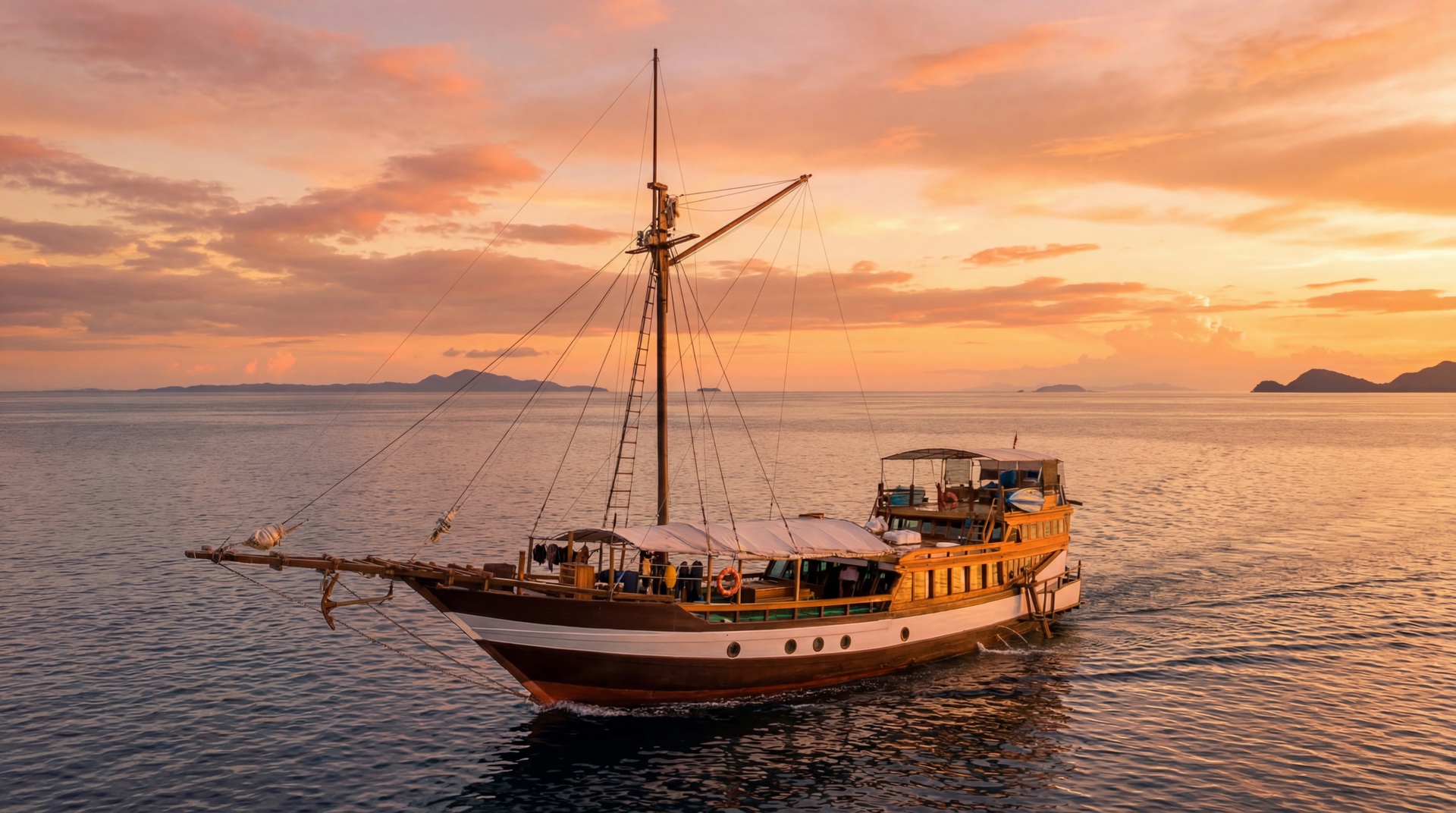
Wellenreng
Indonesia
9 guests25 m
$425/day
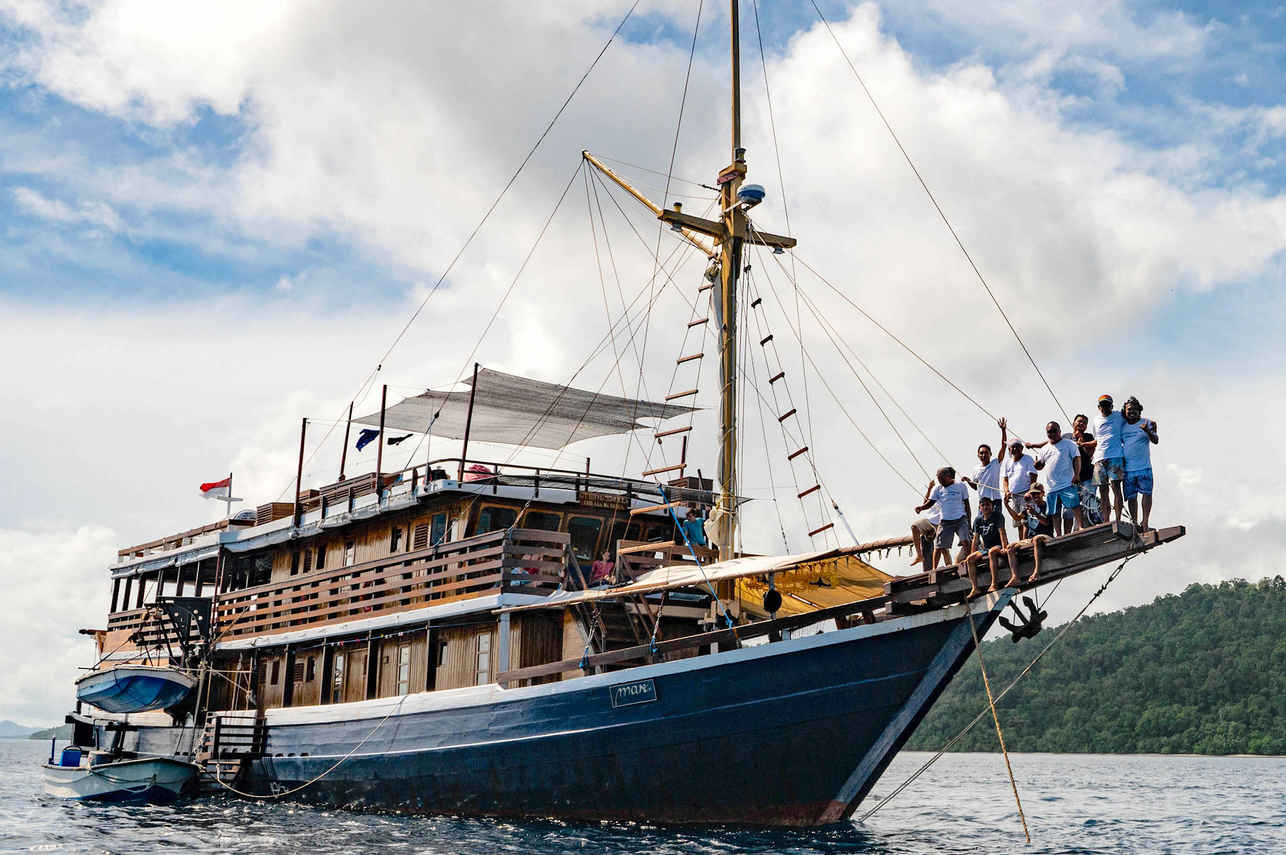
Mari
Indonesia
14 guests32.2 m
$326/day
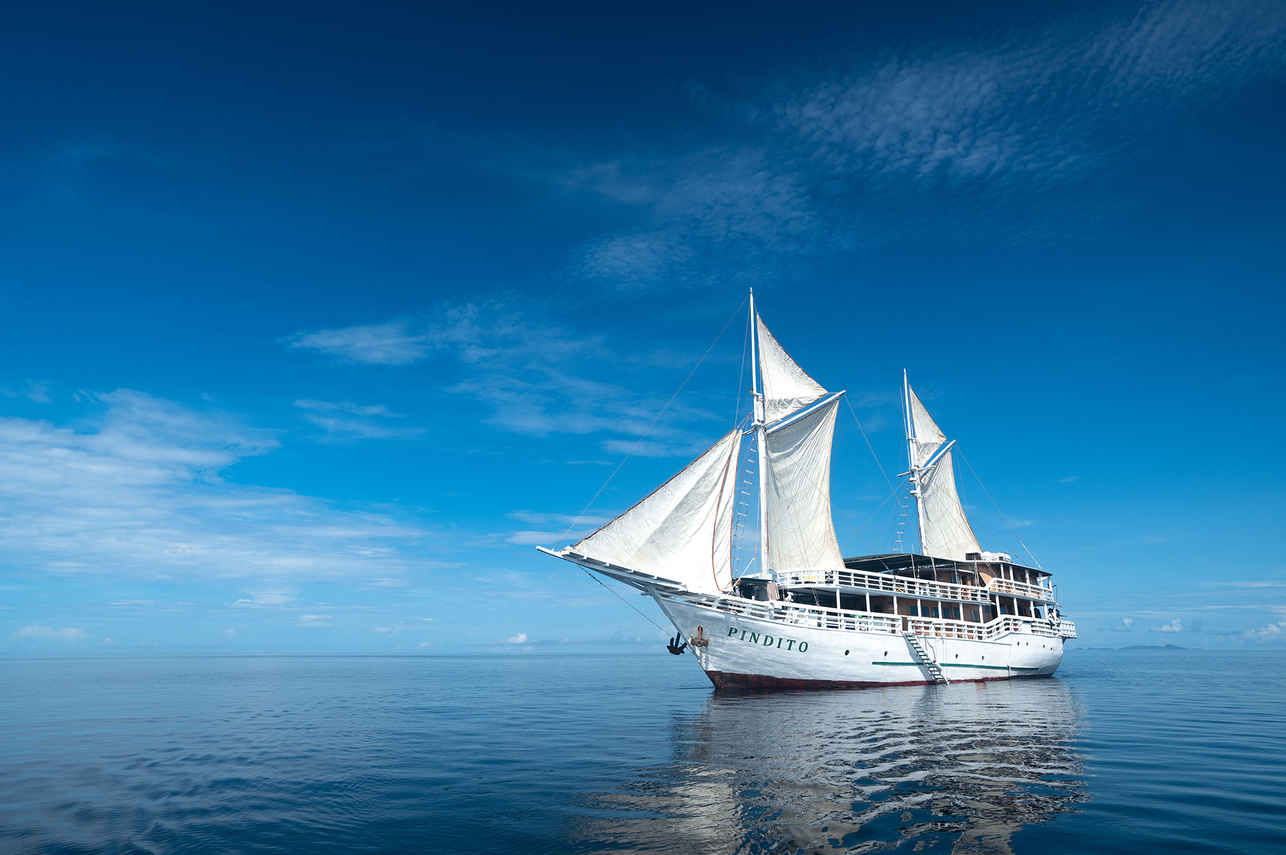
Pindito
Indonesia
16 guests37.79 m
$533/day
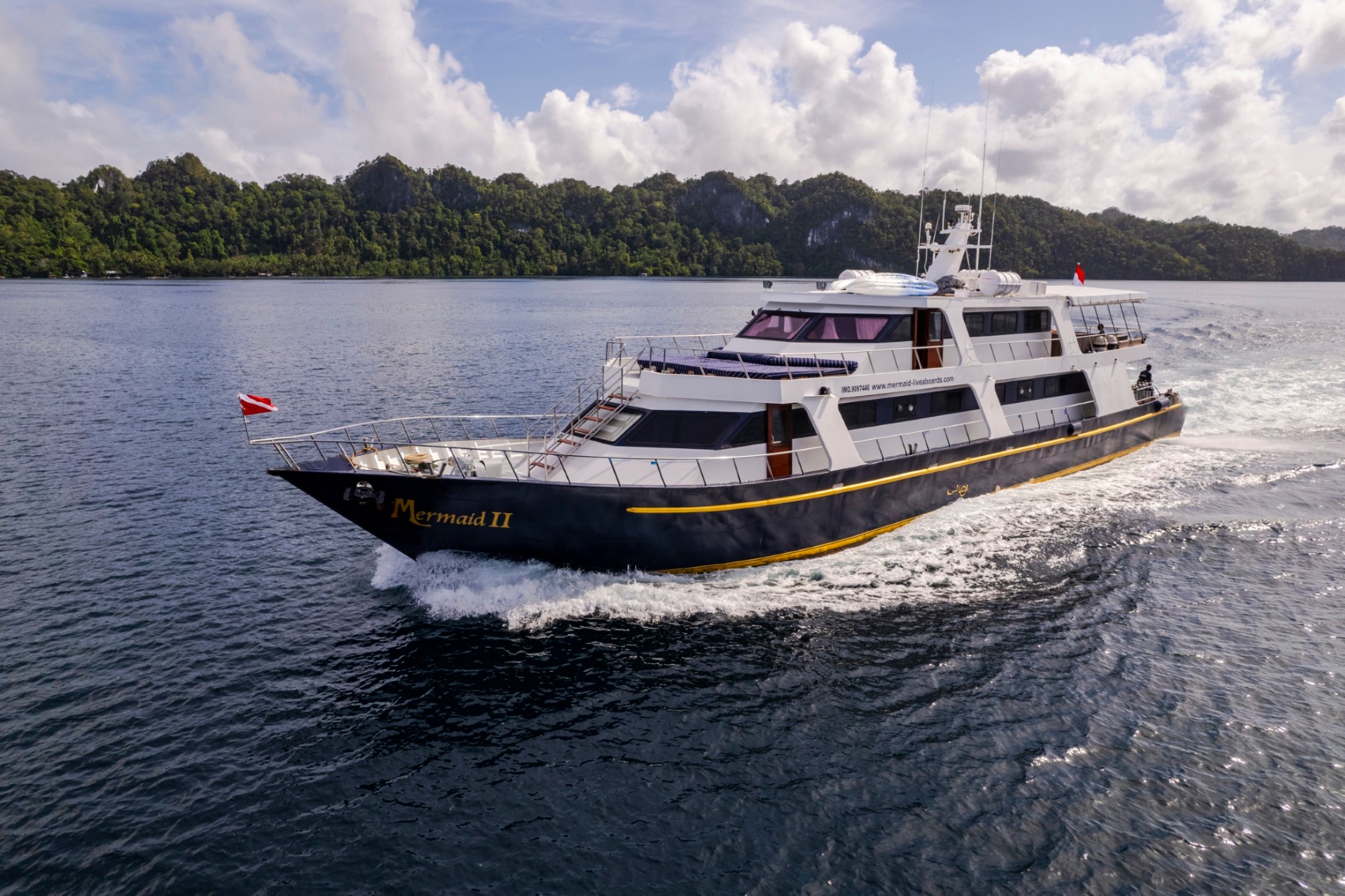
Mermaid II
Komodo, Indonesia
18 guests
$390/day
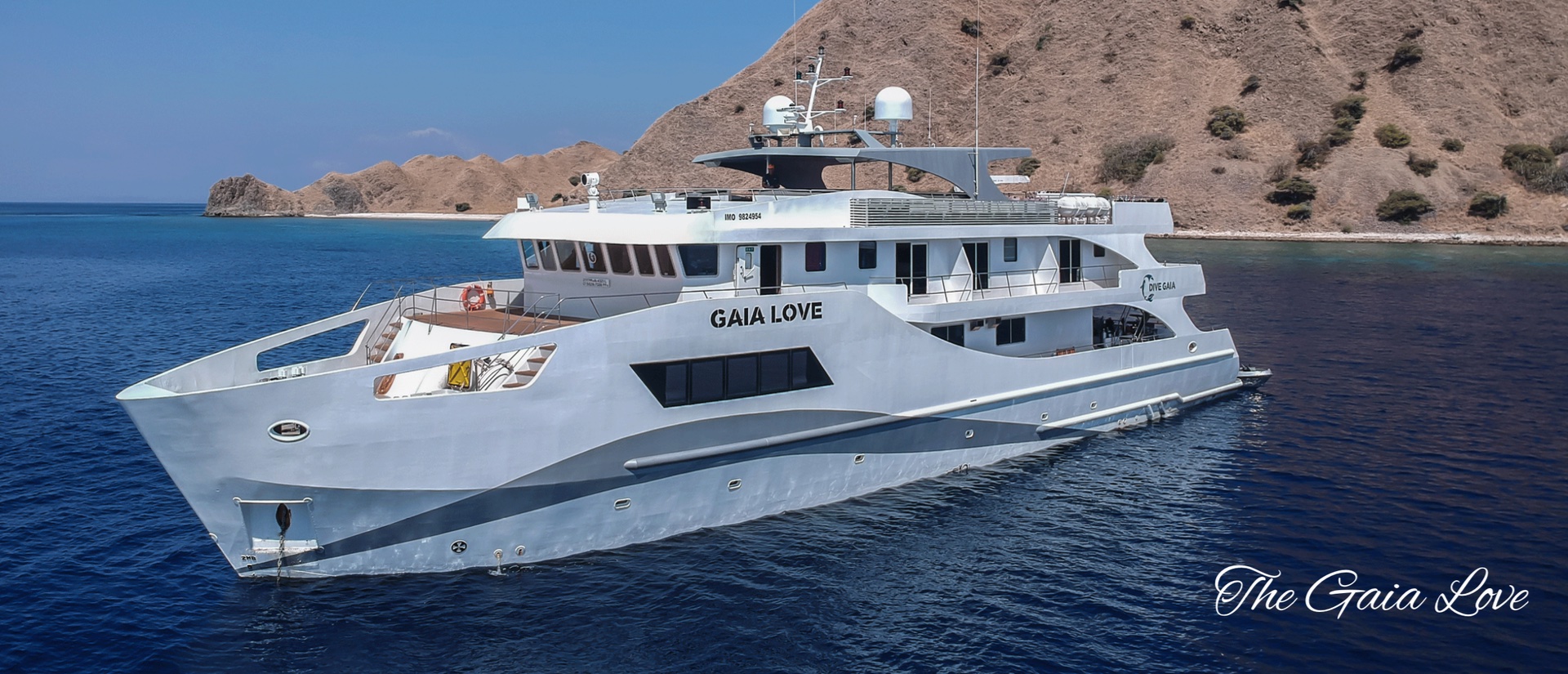
Gaia Love
Alor
20 guests
$554/day
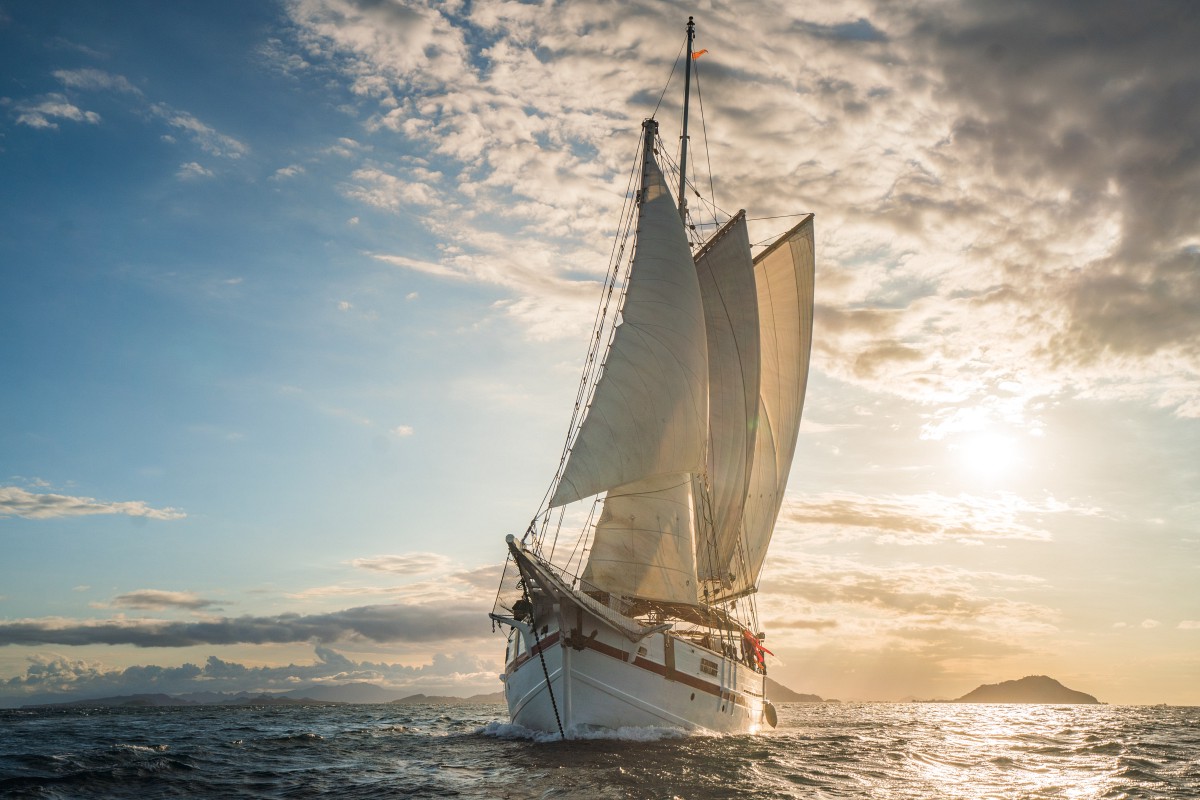
Emperor Raja Laut
Raja Ampat, Indonesia
12 guests31 m
$413/day
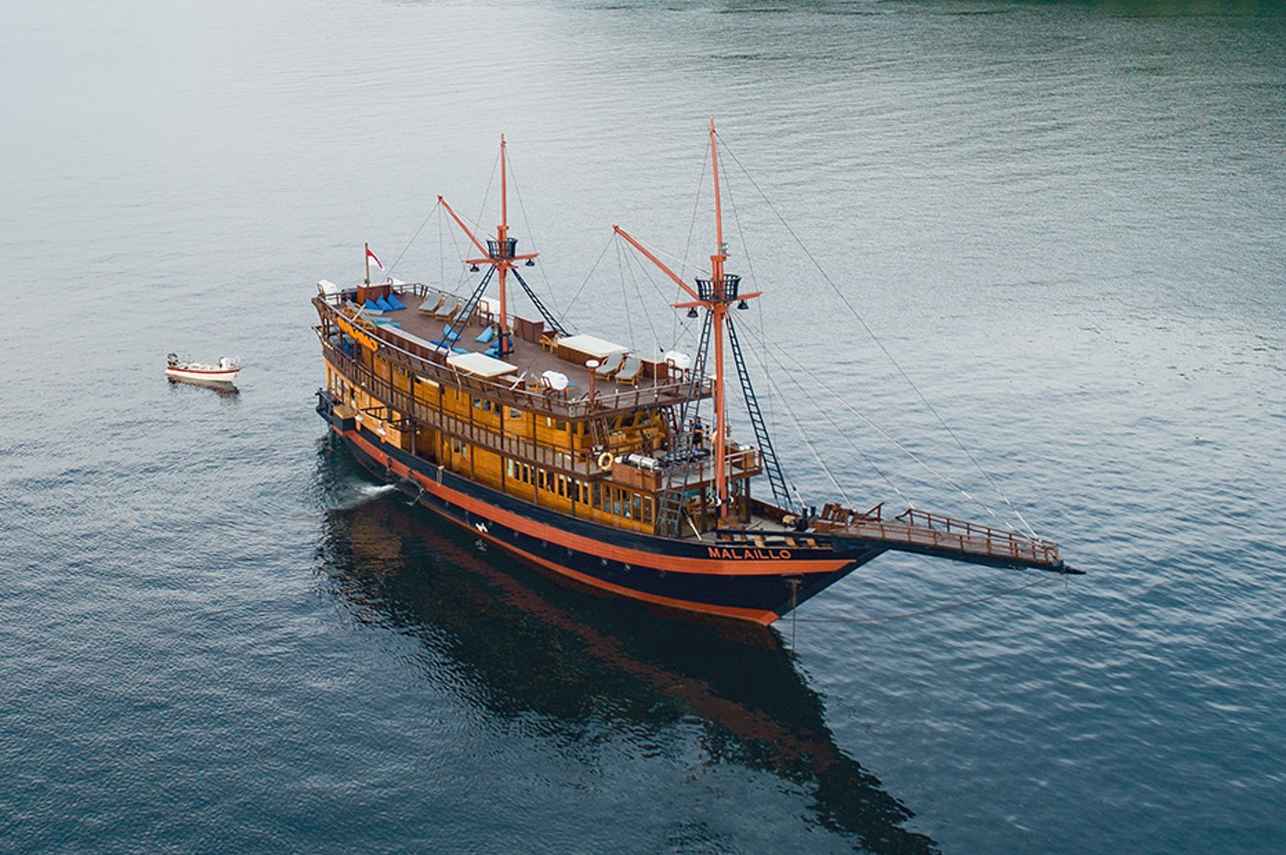
Malaillo
Indonesia
14 guests45.57 m
$348/day
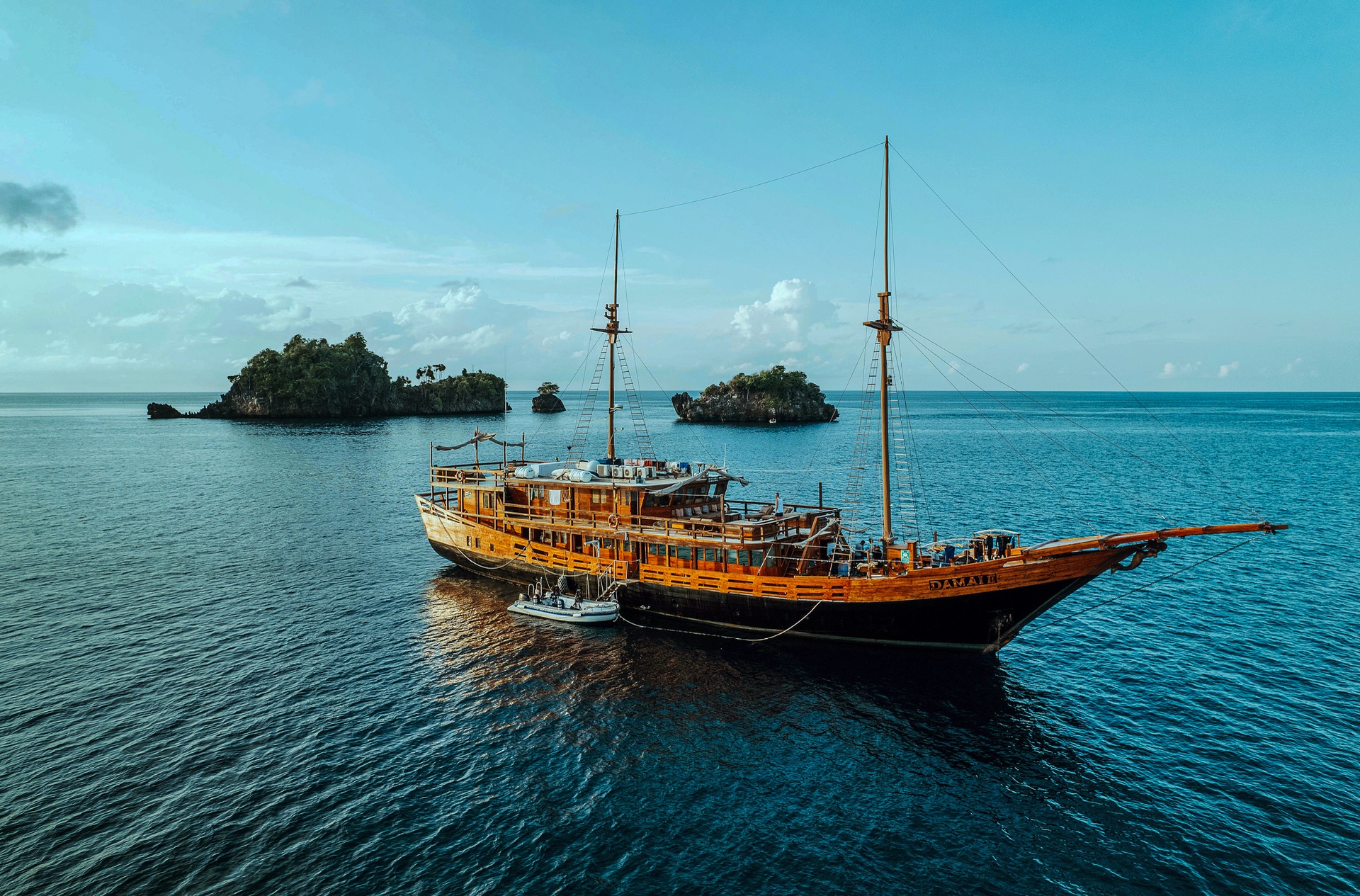
Damai II
Komodo, Indonesia
14 guests
$441/day
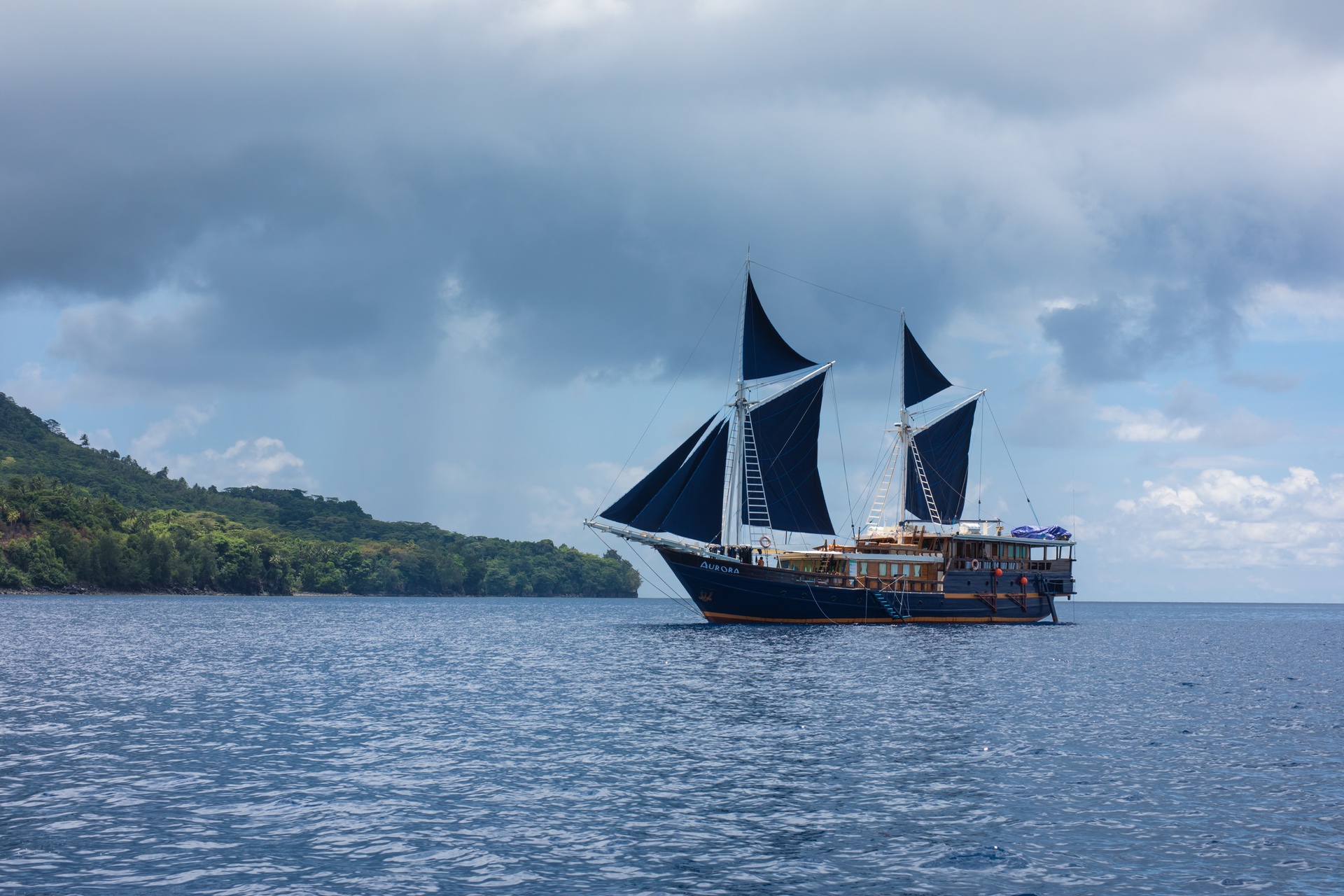
DUNE Aurora
Indonesia
18 guests
$344/day
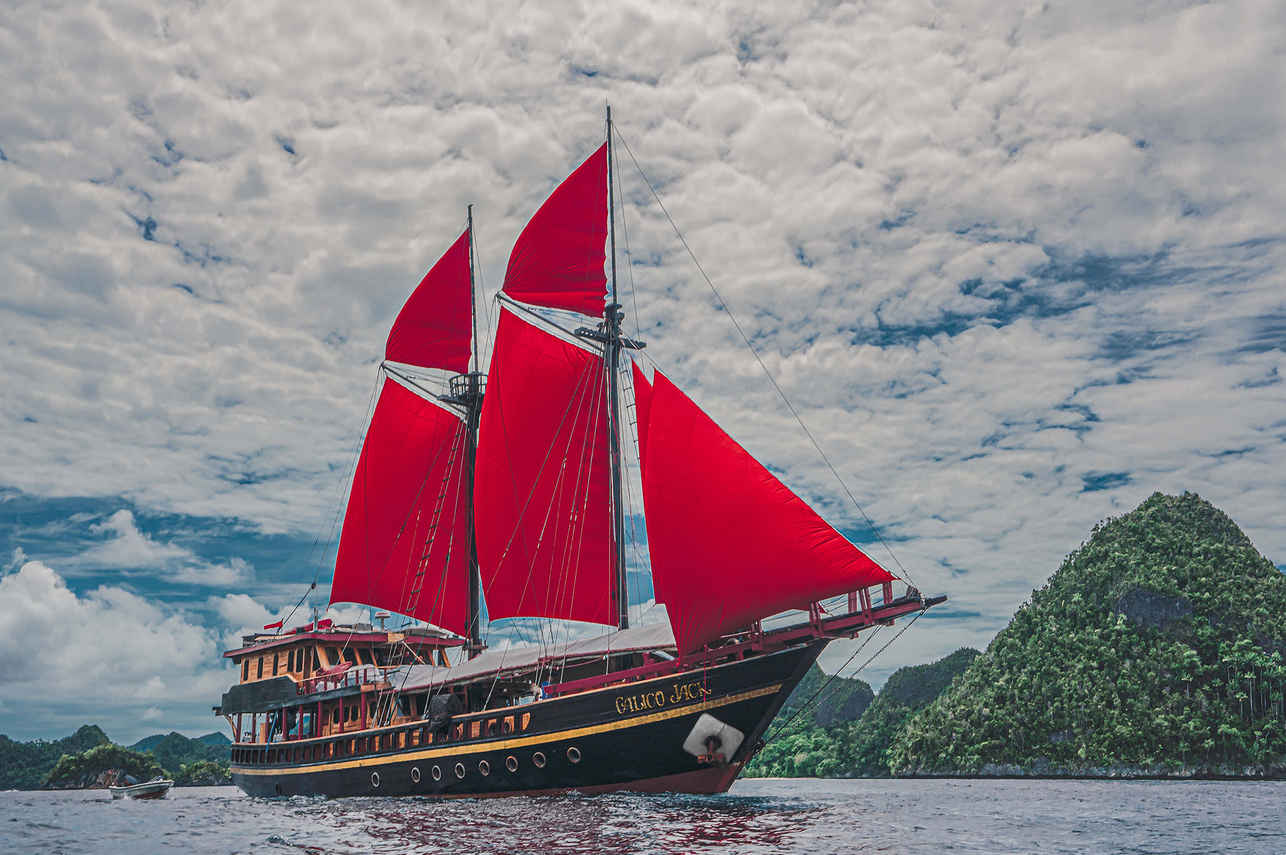
Calico Jack
Indonesia
10 guests30 m
$398/day
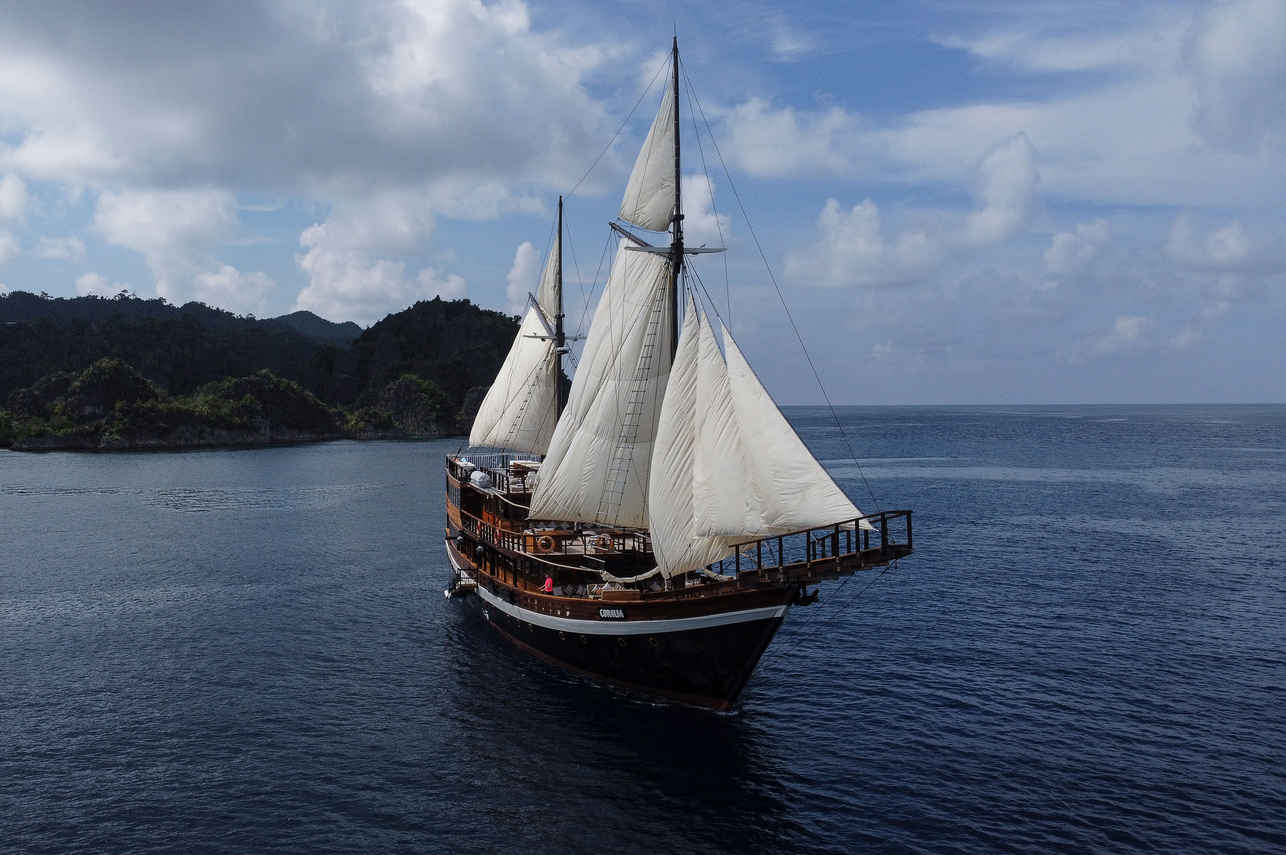
Coralia
Indonesia
16 guests48 m
$577/day
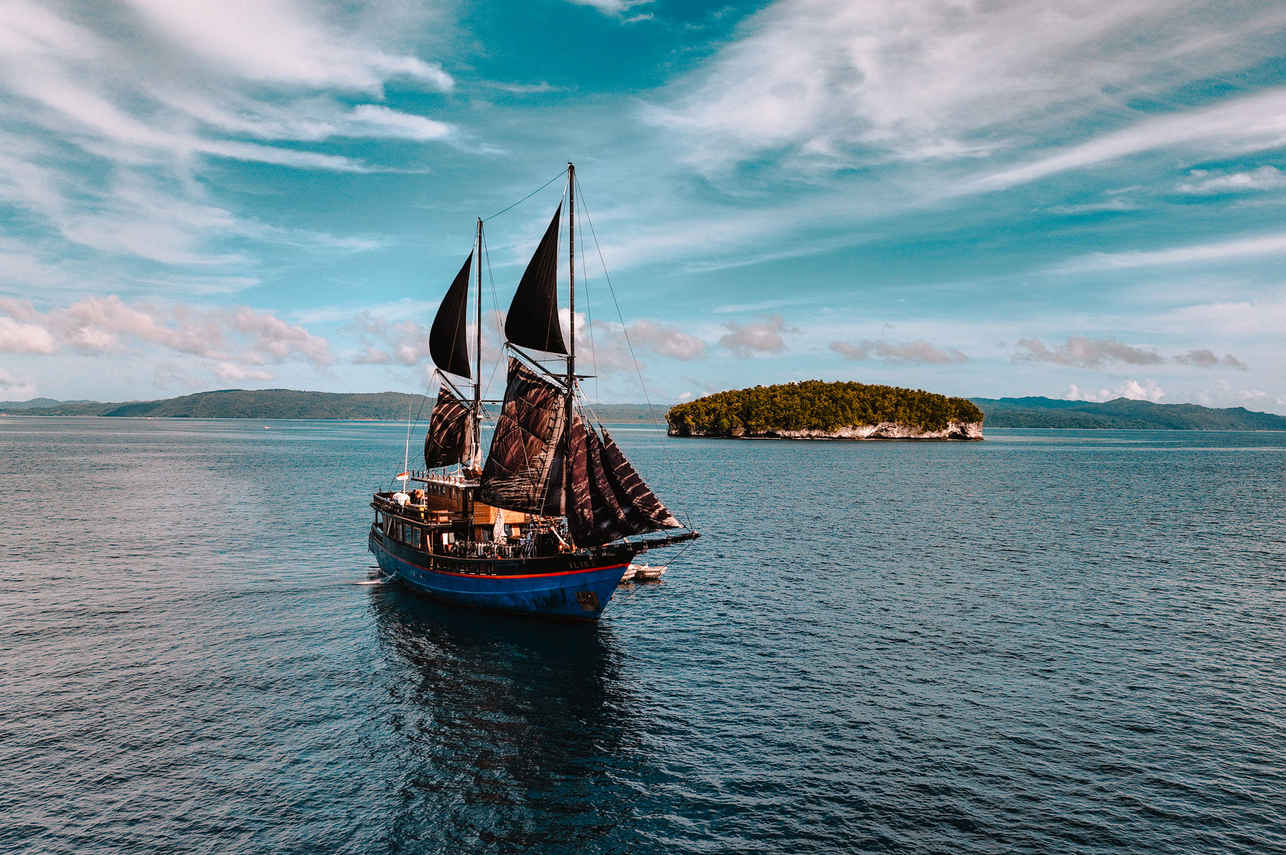
Ilike
Indonesia
16 guests40 m
$350/day
Dive sites similar to Nusa Laut Corner
Same character, same waters — six more sites divers love for the exact same reasons.Compare seasons, access and liveaboard routes — then pick the site that fits your trip best.
© Esri — Maxar, Earthstar, GIS
Patinti Strait
Banda Sea
The Patinti Strait, also known as Selat Patiente, is a renowned dive site located in South Halmahera, nestled between the main island of Halmahera and Bacan Island.
- Suitable for
- Advanced
- Current
- Strong
- Access
- Liveaboard only
- Depth
- 5–30 m
- Theme
- Drift / Reef
© Esri — Maxar, Earthstar, GIS
Banda Api North
Banda Sea
Banda Api North, nestled within Indonesia's remote Banda Sea, offers an extraordinary dive experience shaped by its active volcanic past.
- Suitable for
- Intermediate
- Current
- Strong
- Access
- Liveaboard only
- Depth
- 5–30 m
- Theme
- Reef
© Esri — Maxar, Earthstar, GIS
Pohon Miring
Banda Sea
Pohon Miring, located near Banda Neira, is a dive site within the central Banda Islands group, offering a unique blend of marine biodiversity and accessibility.
- Suitable for
- Beginner
- Current
- Strong
- Access
- Liveaboard only
- Depth
- 3–20 m
- Theme
- Reef / Seamount
© Esri — Maxar, Earthstar, GIS
Serua Island
Banda Sea
Serua Island is located within the remote Banda Sea, a region known as the "Ring of Fire" due to its volcanic islands and immense depths.
- Suitable for
- Advanced
- Current
- Strong
- Access
- Liveaboard only
- Depth
- 8–40 m
- Theme
- Seamount / Wall
© Esri — Maxar, Earthstar, GIS
Dawera Island
Banda Sea
Dawera Island is a captivating dive destination nestled within the Forgotten Islands, a remote chain of islands in the vast Banda Sea, Indonesia.
- Suitable for
- Advanced
- Current
- Moderate
- Access
- Liveaboard only
- Depth
- ≥ 15 m
- Theme
- Reef / Wall
© Esri — Maxar, Earthstar, GIS
Tanjung Button
Banda Sea
Tanjung Button is an exceptional dive site located in the Banda Sea, specifically within the Banda Islands archipelago of Indonesia.
- Suitable for
- Advanced
- Current
- Strong
- Access
- Liveaboard only
- Depth
- —
- Theme
- Reef