About Pulau Pisang
Pulau Pisang is a small, historically significant island located east of the main Banda Islands, known as Syahir or Banana Island. This remote location in the Banda Sea ensures pristine waters and healthy coral ecosystems, largely untouched by extensive human activity or pollution. The dive sites around Pulau Pisang are characterized by thriving reefs and an extraordinary variety of marine life, making it a compelling destination for divers. The Banda Sea itself is one of the deepest seas globally, often exceeding 5000 meters, which contributes to more stable water temperatures and healthier coral growth compared to many other regions impacted by global warming. The area showcases dense coral coverage, from hard corals to impressive sea fans and sponges, providing a rich habitat for countless species. This makes the underwater landscape around Pulau Pisang particularly vibrant and ecologically robust. While the Banda Islands are generally suitable for divers of varying experience, Pulau Pisang offers comfortable conditions with typically mild currents and excellent visibility, often reaching up to 30-50 meters during peak season. Water temperatures remain consistently warm, averaging 29°C. These factors contribute to a relaxed yet exciting diving experience, whether you're a novice or an experienced explorer. Diving here allows for close encounters with both large pelagic species and intricate macro life. You can expect to see schooling fish, various reef inhabitants, and potentially larger creatures passing by the deep waters surrounding the island. The overall experience at Pulau Pisang is one of immersion in a thriving, remote marine environment.
Highlights
Healthy, vibrant coral reefsExceptional marine biodiversityClear, stable water visibilityWarm, consistent water temperaturesRemote, uncrowded dive sitesBlend of macro and pelagic lifeHistorically rich region
Season calendar
Best months to dive here
Jan
Feb
Mar
Apr
May
Jun
Jul
Aug
Sep
Oct
Nov
Dec
Excellent
Good
Dive site facts: Pulau Pisang
- Depth
- 3–35 m
- Current
- Mild to variable
- Visibility
- 20–50 m
- Water temperature
- 28–29°C
- Entry
- Boat
- Level
- All levels, current experience beneficial
- Dive type
- Reef, drift, biodiversity
- Region / port
- Banda Sea / Maluku
- Coordinates
- -4.5083, 129.8167
Conditions & Currents
Currents around Pulau Pisang are typically mild, contributing to comfortable diving conditions. However, the Banda Sea is known for its variable currents, which can range from gentle drifts to stronger flows depending on the lunar cycle and specific site topography. These currents are often nutrient-rich, attracting a wide array of marine species, particularly in passages between islands and around seamounts. Divers should be prepared for potential changes in current strength, though many sheltered areas are available. Entry and exit strategies are usually straightforward due to the calm conditions, and excellent visibility helps divers maintain orientation. Thermoclines are generally not a significant concern, with consistent warm water temperatures.
Marine life & sighting chances

Napoleon Wrasse
common
Reef Sharks
occasional
Turtles
common
Scorpionfish
common
Sea Snakes
occasional
Moray Eels
common
Eagle Rays
occasional
Tunas
occasional
Fusiliers
common
Redtooth Triggerfish
common
Mandarinfish
occasionalAmbon Scorpionfish
occasionalDive profile & how the dive runs
Diving at Pulau Pisang typically involves descending along a vibrant reef slope, often beginning with a gentle entry from a liveaboard tender. The dive plan usually traces the contours of the island's reef, allowing divers to explore healthy hard and soft coral gardens at depths ranging from 5 to 30 meters. As you navigate the reef, you'll encounter numerous schooling fish and a variety of macro life nestled within the corals. Some dive sites may feature gentle drifts along the wall, providing an effortless way to observe the abundant marine biodiversity. The turn point is determined by air consumption and current conditions, ensuring a relaxed ascent. Safety stops are conducted in the shallower sections of the reef, typically at 5 meters, where divers can continue to enjoy the reef activity and vibrant fish life before surfacing.
Underwater photography
Pulau Pisang's healthy reefs and diverse marine life offer excellent opportunities for both wide-angle and macro photography. For wide-angle shots, a fisheye or wide-angle lens is ideal for capturing the expansive coral formations, vibrant reefscapes, and schools of fish. The exceptional visibility, often exceeding 30 meters, means natural light can be sufficient in shallower areas, but strobes are recommended to bring out the true colors of the corals and fish at all depths. For macro enthusiasts, a macro lens will be invaluable for documenting the smaller inhabitants like nudibranchs, Ambon scorpionfish, and other hidden critters. Buoyancy control is paramount to avoid disturbing delicate corals and to get clear shots in potential mild currents. Patience and a keen eye will be rewarded with stunning images of this pristine environment.
Combine with nearby dive sites
- Banda Neira Jetty
Banda Neira Jetty offers a distinct dive experience in the Banda Sea, contrasting with the region's usual strong currents and pelagic…
- Hatta Island Wall
Hatta Island Wall is a premier dive site in the Banda Sea, renowned for its dramatic underwater topography and rich biodiversity.
- Batu Kapal
Batu Kapal, meaning "Stone Ship," is a captivating dive site nestled within the historic Banda Islands, a region renowned for its pristine…
- Nusa Laut Corner
Nusa Laut Corner is a spectacular dive site located to the east of Ambon, on the small island of Nusa Laut, which lies en route to the…
- Pulau Ai
Pulau Ai, one of the northernmost main Banda Islands, presents a captivating blend of historical significance and exhilarating diving.
Getting there & logistics
Access to Pulau Pisang and the Banda Islands generally begins with flights to Ambon (AMQ), a major hub in the Maluku region of Indonesia. From Ambon, divers typically embark on liveaboard cruises that explore the various dive sites across the Banda Sea. These liveaboard trips often range from 7 to 14 days, with some itineraries combining the Banda Islands with other remote areas like the Forgotten Islands. Given the isolated nature of the region, liveaboards are the most practical and comprehensive way to experience multiple dive sites, including Pulau Pisang. There are usually no specific park fees directly associated with Pulau Pisang, but liveaboard costs typically include all necessary permits for diving in the region. Planning for transfers and ensuring adequate time for travel to and from Ambon is crucial for a smooth journey.
Safety & environment
Diving in the Banda Islands, including Pulau Pisang, requires adherence to standard safety protocols due to the remote location. It is strongly recommended that all divers have comprehensive dive insurance that covers emergency evacuation and recompression chamber treatment. The nearest recompression chamber is in Ambon, which can be several hours away by boat depending on the dive site. Evacuation procedures rely on liveaboard communication systems and available local resources, so preparedness is key. Always dive within your certified limits and follow your dive guide's instructions, especially concerning currents. Maintaining excellent buoyancy control is essential to protect the pristine coral reefs. While the area is generally safe, being mindful of marine life and avoiding contact with any creatures helps ensure both diver safety and environmental preservation.
Who it suits — and who it doesn't
Suited for
- Experienced divers comfortable with varied conditions
- Underwater photographers seeking pristine reefs
- Marine life enthusiasts interested in biodiversity
- Divers looking for remote, uncrowded dive experiences
- Beginner divers in favorable, calm conditions
Less suited for
- Divers unwilling to travel by liveaboard
- Individuals who prefer shore-based diving only
- Divers seeking strong current adrenaline dives exclusively
- Those who require immediate access to advanced medical facilities
- Divers uncomfortable with multi-day boat trips
FAQ
Pulau Pisang FAQ
What kind of marine life can I expect to see at Pulau Pisang?
Pulau Pisang boasts a rich diversity of marine life, ranging from vibrant reef fish and macro critters like nudibranchs and Ambon scorpionfish to larger pelagic species. You can frequently spot Napoleon wrasse, various types of reef sharks, and turtles. Occasional sightings of eagle rays, tunas, and sea snakes also occur, making each dive a unique experience.
Is Pulau Pisang suitable for beginner divers?
Yes, Pulau Pisang can be suitable for beginner divers, especially during optimal conditions with mild currents and excellent visibility. The area's typically warm water and healthy reefs provide a comfortable environment. However, some experience with drift diving can be beneficial as currents can vary, so it's always advisable to consult with your dive operator about specific site conditions.
When is the best time of year to dive Pulau Pisang?
The prime diving seasons for Pulau Pisang and the Banda Islands are generally from March to April and then from September to December. During these inter-monsoon periods, you'll encounter the best weather, calmest seas, and exceptional underwater visibility, which can often exceed 30 meters. Diving outside these months is possible but may involve more variable conditions.
What are the typical water temperature and visibility at Pulau Pisang?
The water temperature around Pulau Pisang is consistently warm, averaging a comfortable 28-29°C (82-84°F) year-round. Visibility is generally excellent, typically ranging from 20 to 30 meters (65-100 feet), and can sometimes reach an astonishing 50 meters (165 feet) during peak diving seasons. These clear, warm waters make for very enjoyable diving.
How do I get to Pulau Pisang for diving?
To dive Pulau Pisang, you typically fly into Ambon (AMQ) and then board a liveaboard cruise. Liveaboards are the most common and practical way to explore the remote dive sites of the Banda Islands. These trips usually last 7 to 14 days and include transfers and permits, providing a comprehensive diving experience across the region.
Why dive Pulau Pisang from a liveaboard?
Pulau Pisang is one of Banda Sea's signature dive sites. A liveaboard sleeps you on the water and puts you in the water for three to four guided dives per day, including dawn and night dives that day-boat operators rarely offer. You skip the daily commute back to port and reach quieter, less-crowded sites in the same region on a single trip.
Below are the liveaboards that include Pulau Pisang on their Banda Sea itineraries.
Liveaboards diving Pulau Pisang
These liveaboards may visit Pulau Pisang on selected itineraries — the exact dive sites depend on departure, weather and conditions.
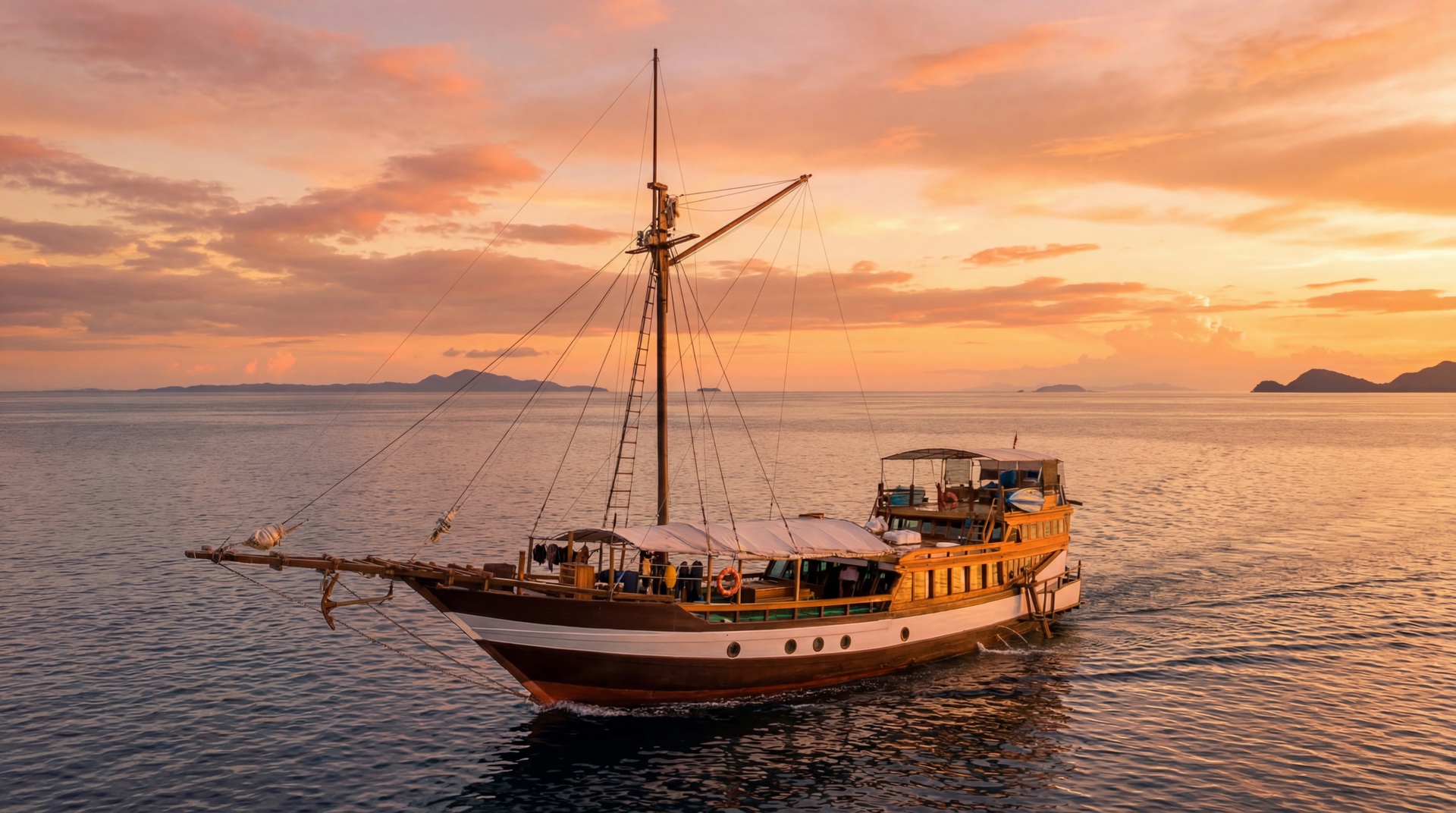
Wellenreng
Indonesia
9 guests25 m
$427/day
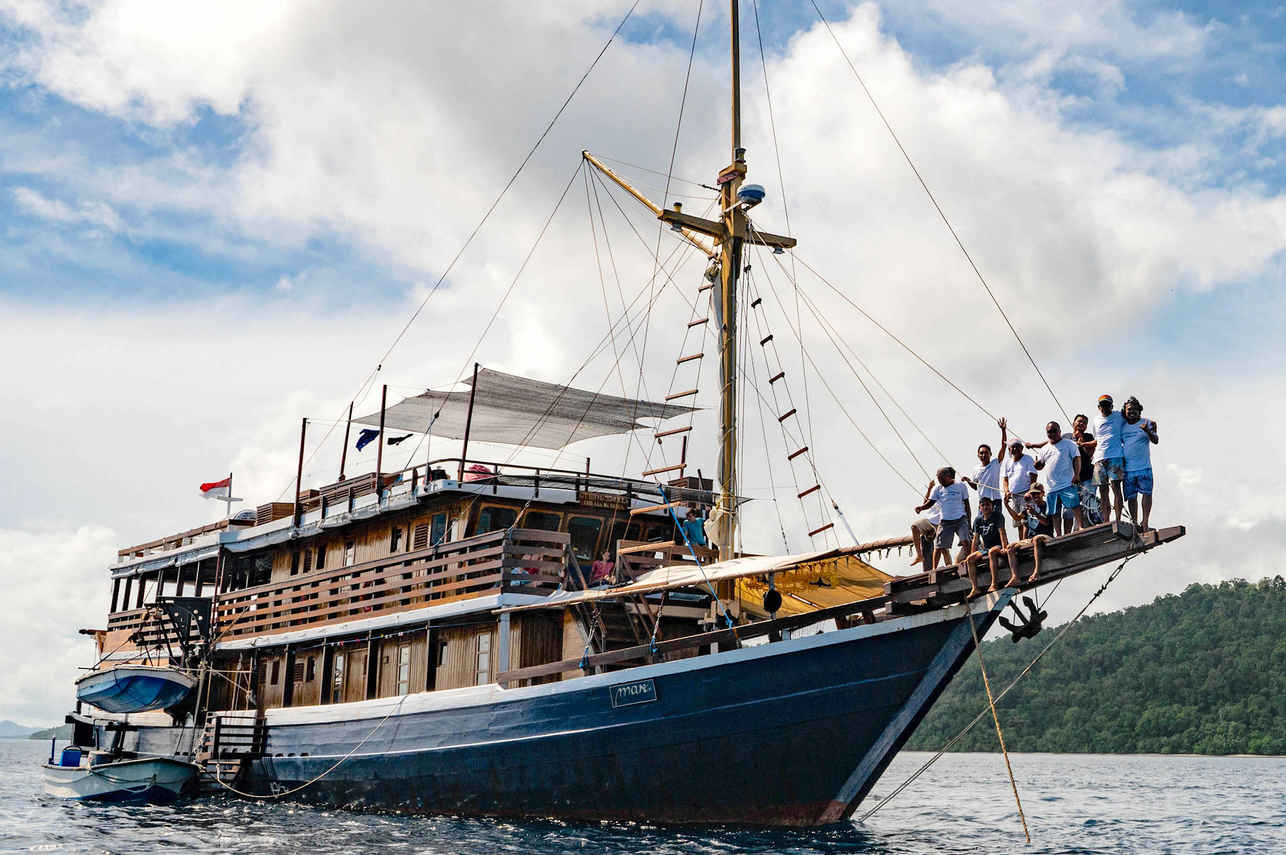
Mari
Indonesia
14 guests32.2 m
$328/day
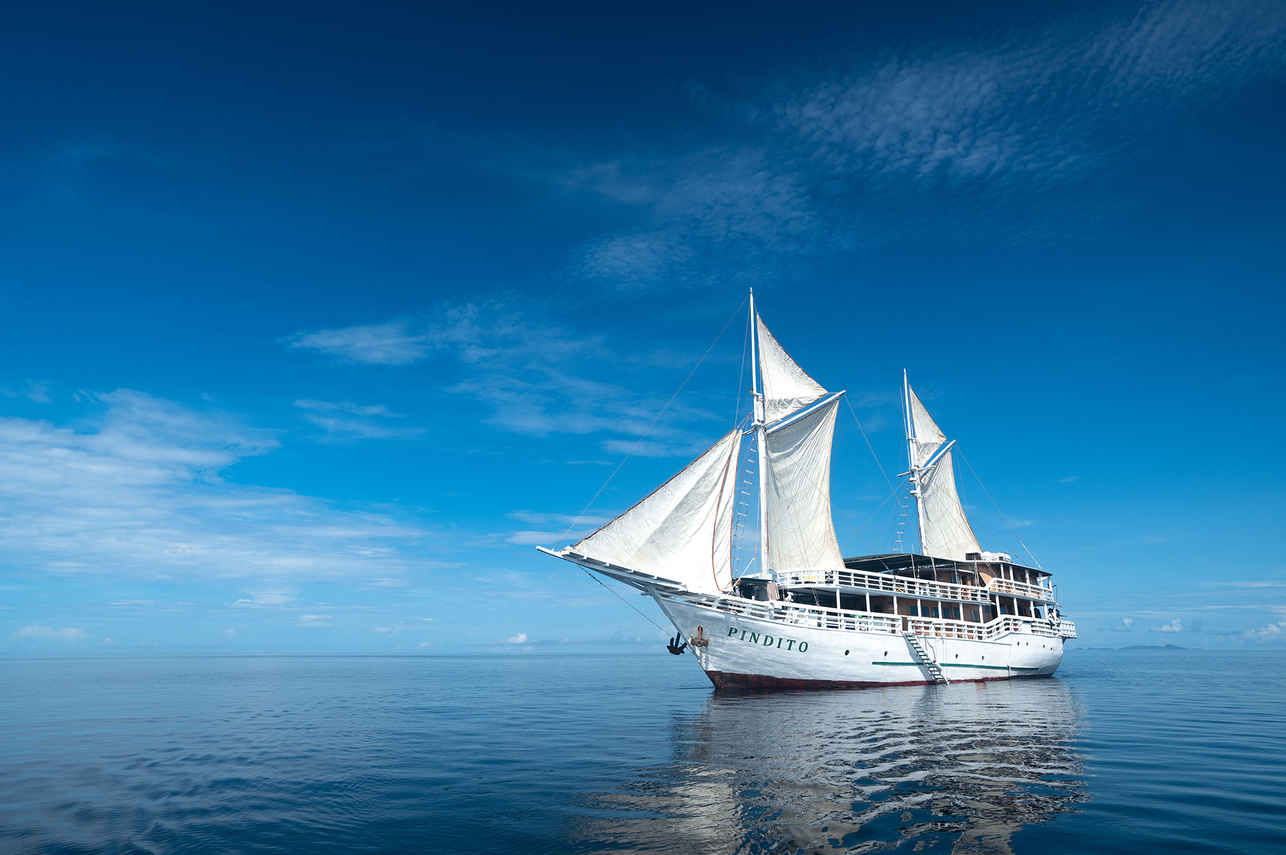
Pindito
Indonesia
16 guests37.79 m
$533/day
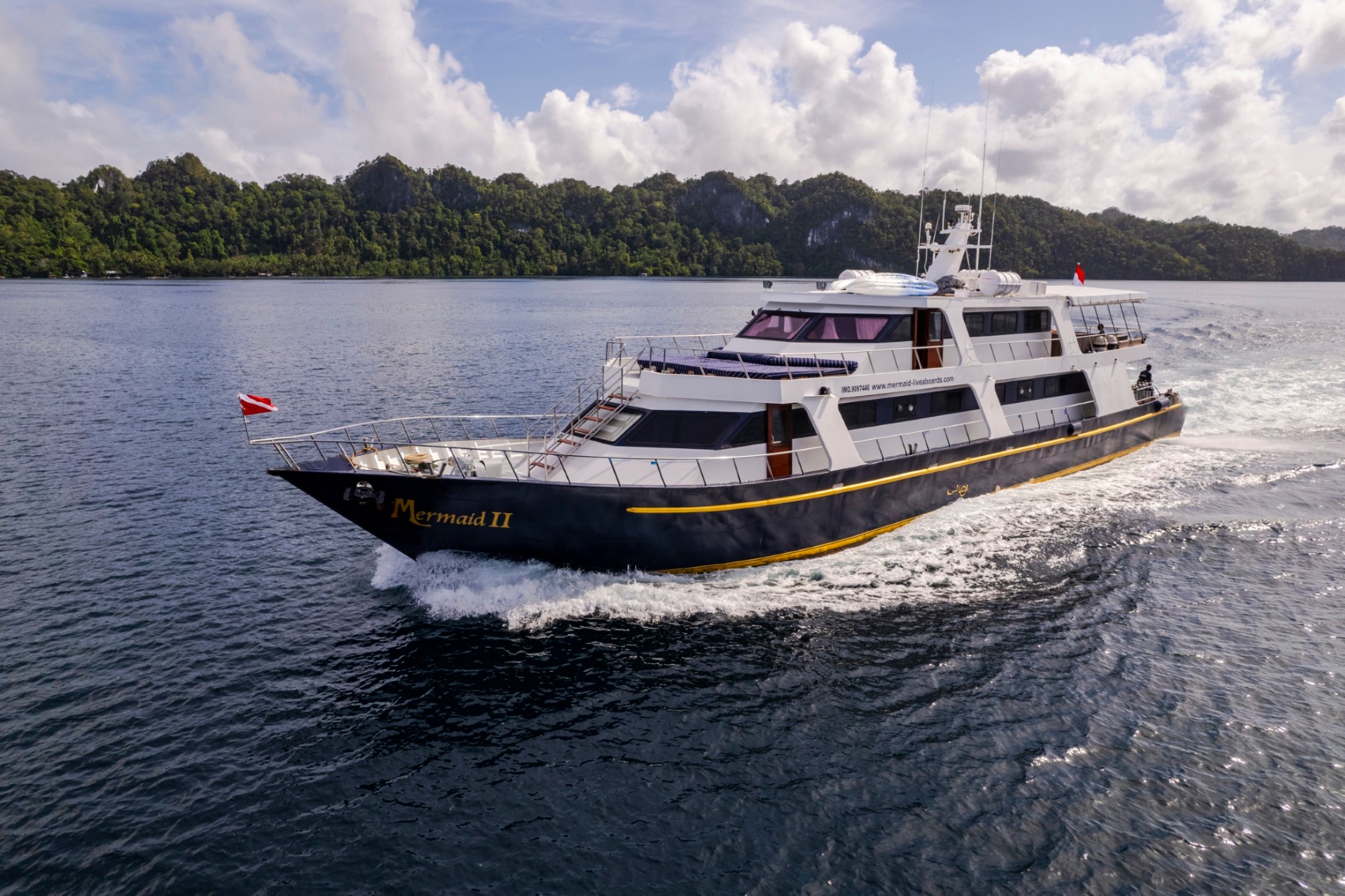
Mermaid II
Komodo, Indonesia
18 guests
$391/day
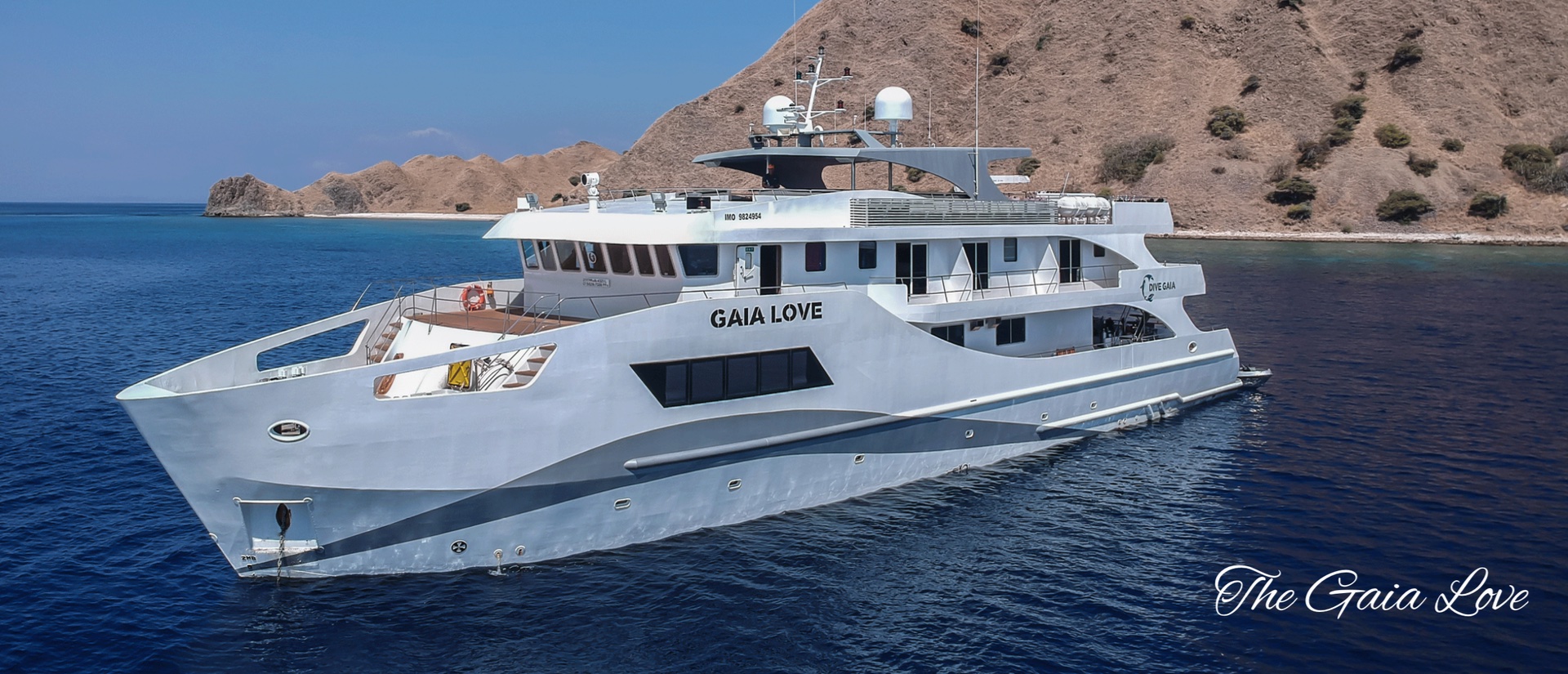
Gaia Love
Alor
20 guests
$554/day
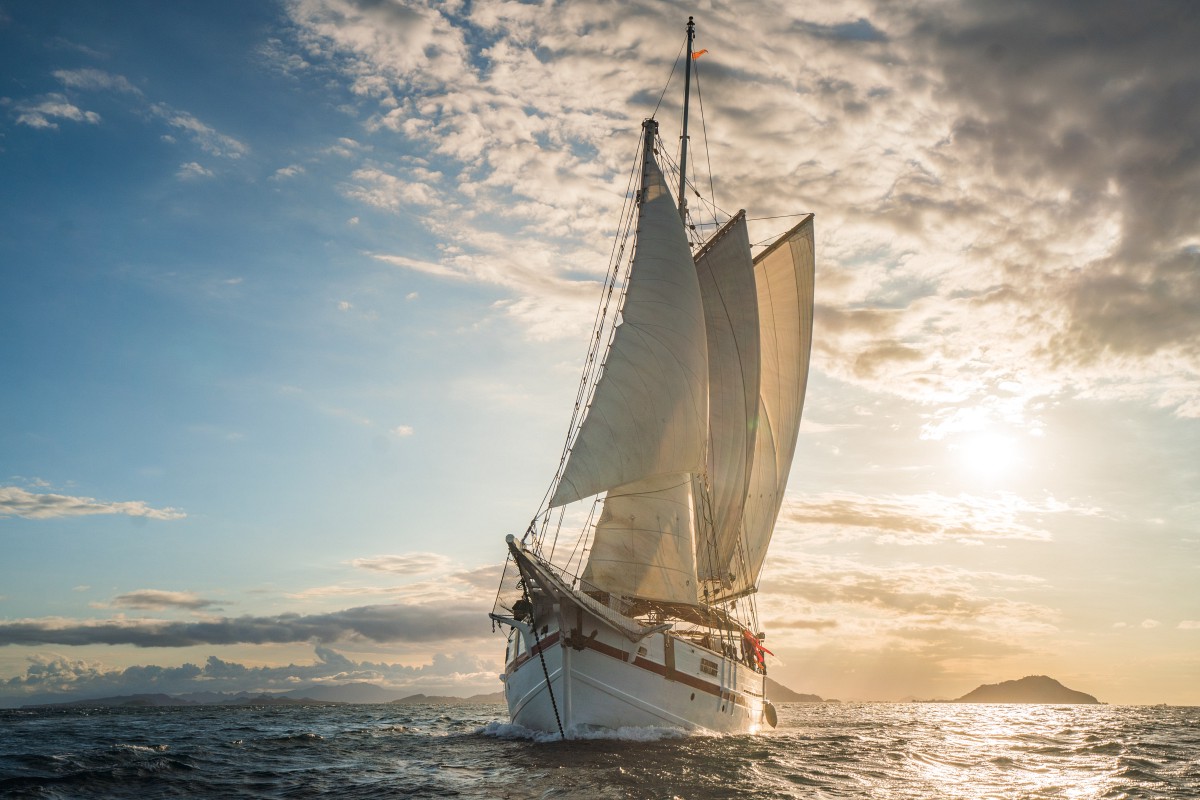
Emperor Raja Laut
Raja Ampat, Indonesia
12 guests31 m
$413/day
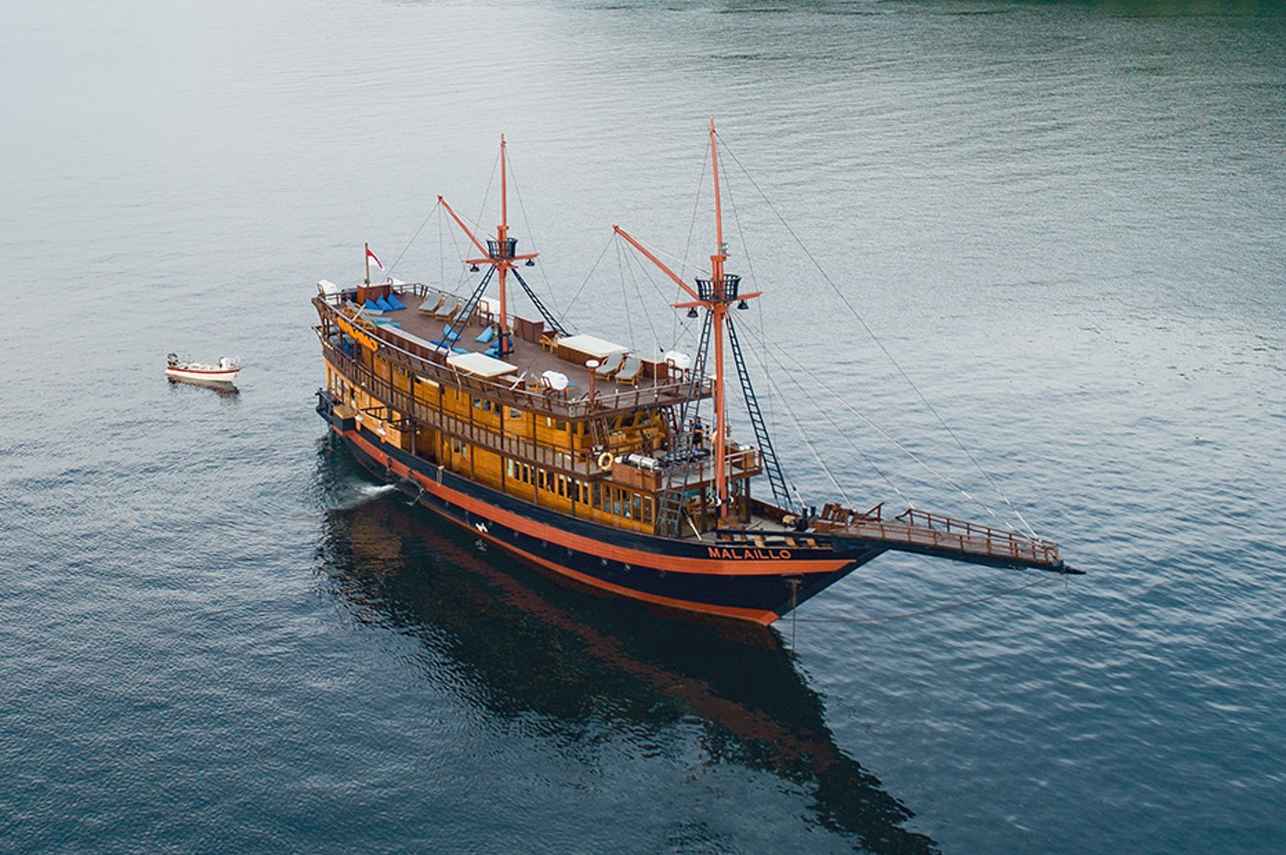
Malaillo
Indonesia
14 guests45.57 m
$348/day
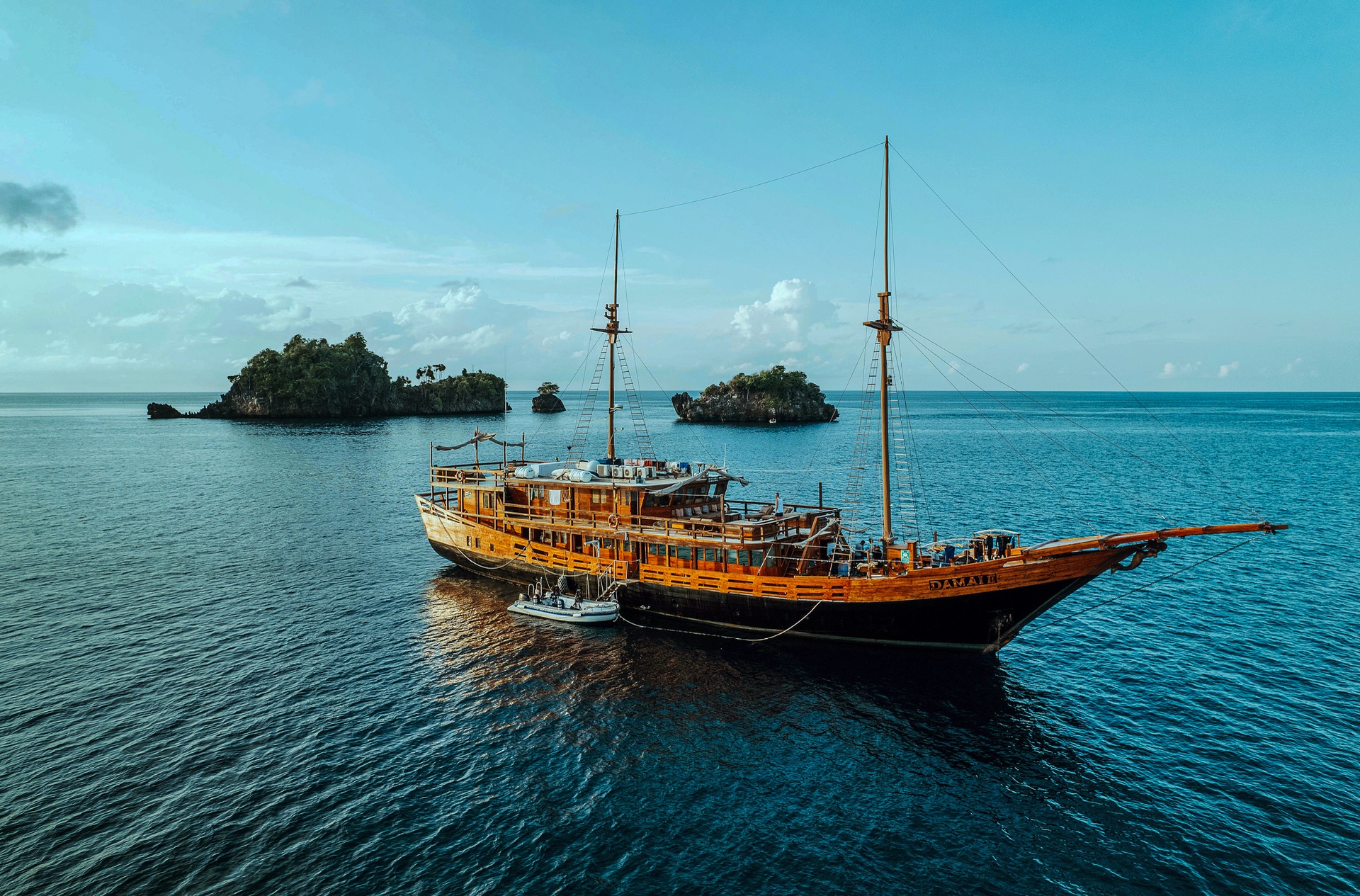
Damai II
Komodo, Indonesia
14 guests
$441/day
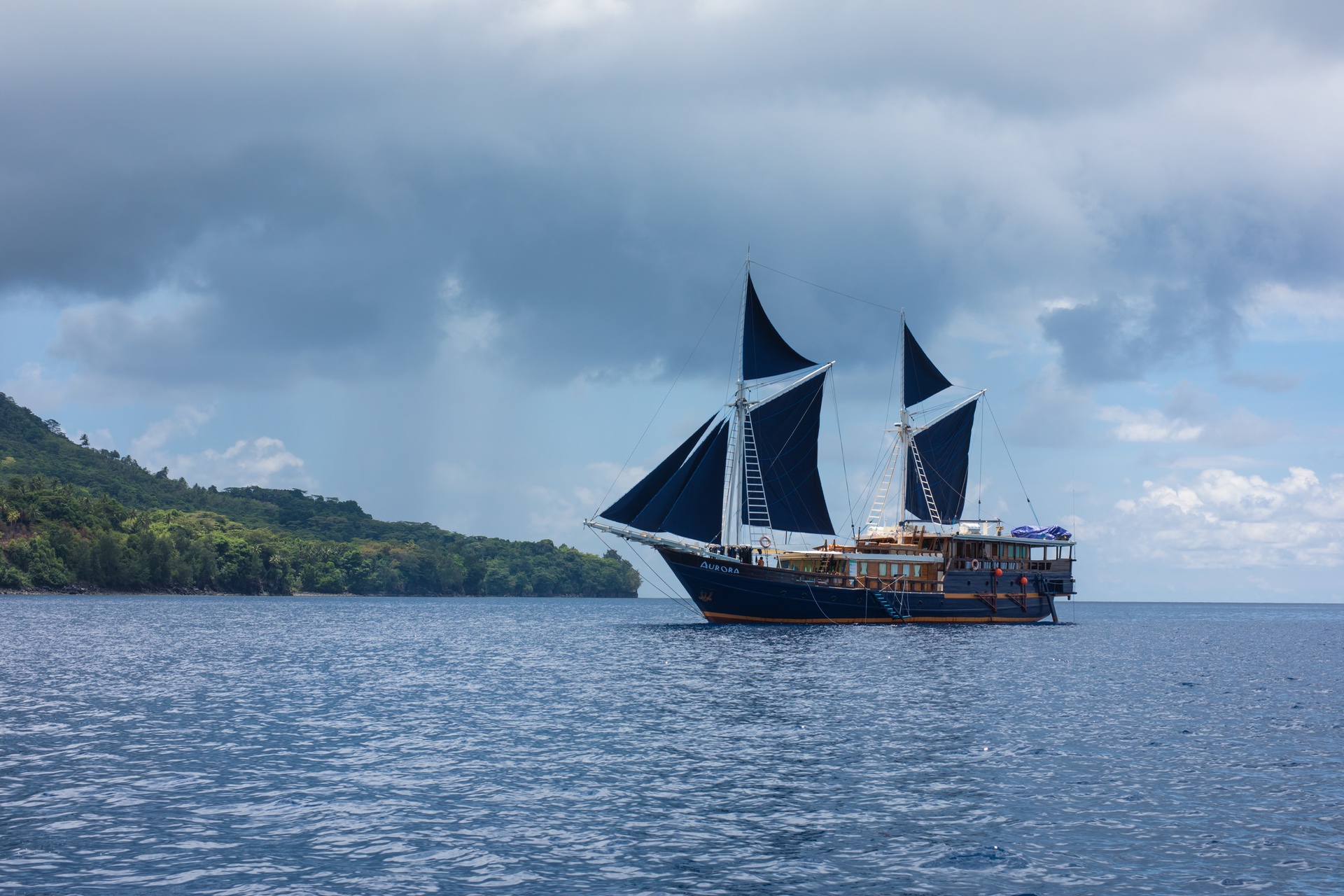
DUNE Aurora
Indonesia
18 guests
$344/day
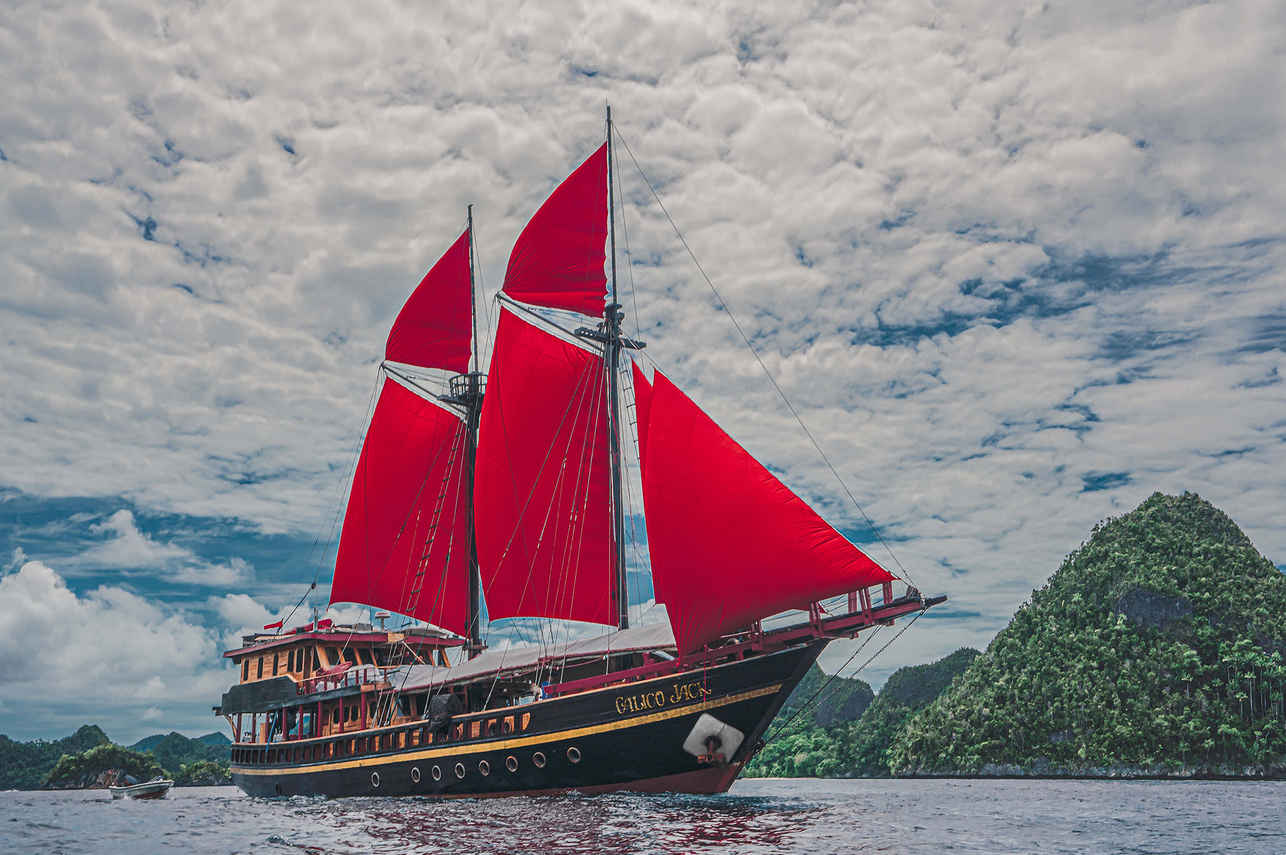
Calico Jack
Indonesia
10 guests30 m
$398/day
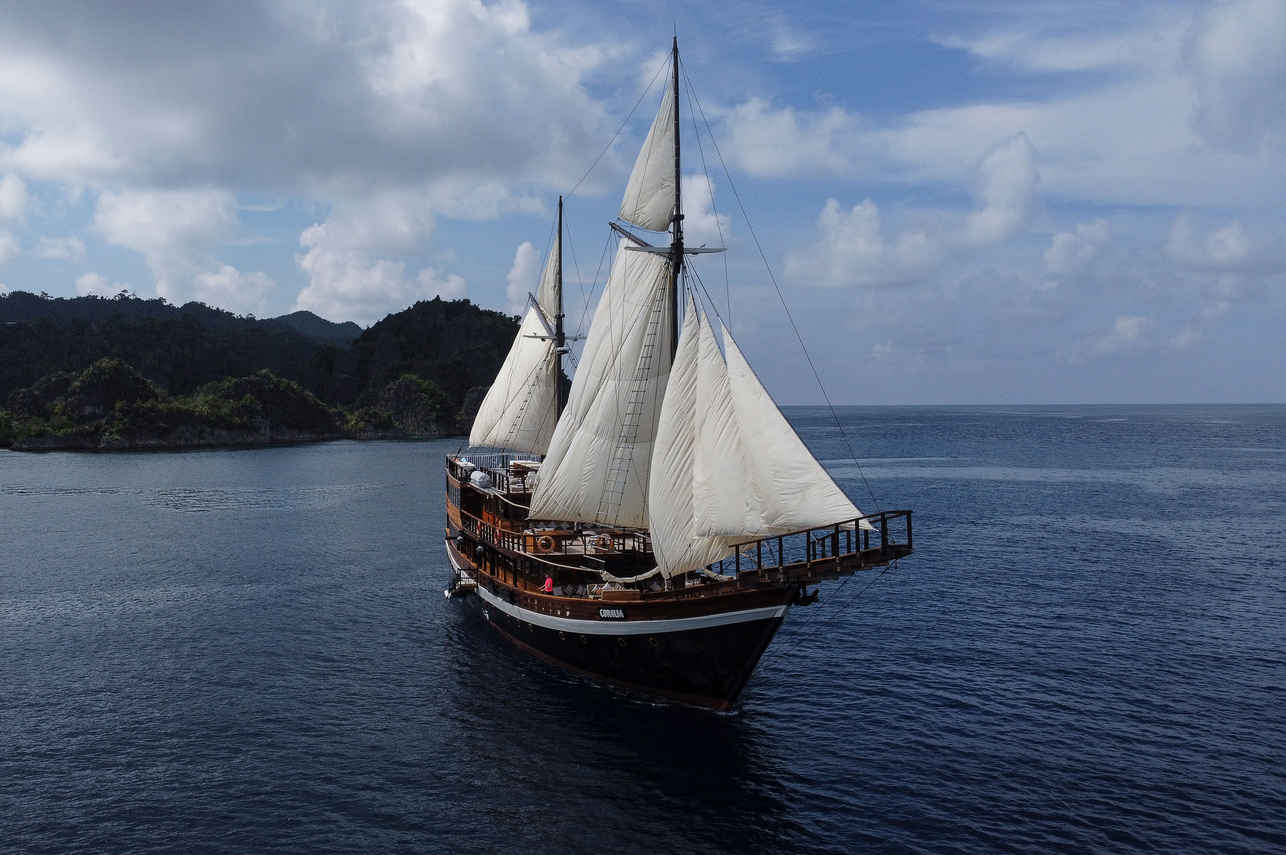
Coralia
Indonesia
16 guests48 m
$563/day
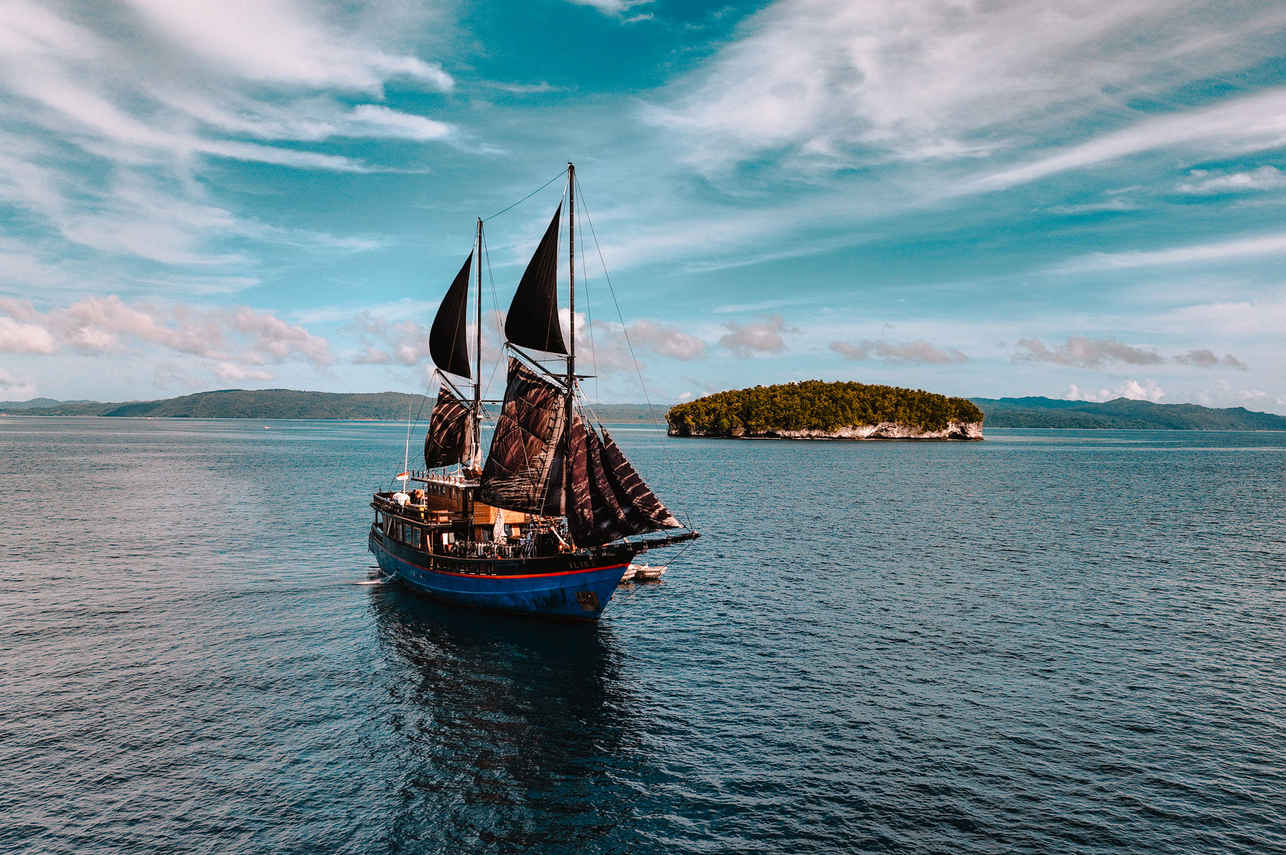
Ilike
Indonesia
16 guests40 m
$350/day
Dive sites similar to Pulau Pisang
Same character, same waters — six more sites divers love for the exact same reasons.Compare seasons, access and liveaboard routes — then pick the site that fits your trip best.
© Esri — Maxar, Earthstar, GIS
Patinti Strait
Banda Sea
The Patinti Strait, also known as Selat Patiente, is a renowned dive site located in South Halmahera, nestled between the main island of Halmahera and Bacan Island.
- Suitable for
- Advanced
- Current
- Strong
- Access
- Liveaboard only
- Depth
- 5–30 m
- Theme
- Drift / Reef
© Esri — Maxar, Earthstar, GIS
Serua Island
Banda Sea
Serua Island is located within the remote Banda Sea, a region known as the "Ring of Fire" due to its volcanic islands and immense depths.
- Suitable for
- Advanced
- Current
- Strong
- Access
- Liveaboard only
- Depth
- 8–40 m
- Theme
- Seamount / Wall
© Esri — Maxar, Earthstar, GIS
Dawera Island
Banda Sea
Dawera Island is a captivating dive destination nestled within the Forgotten Islands, a remote chain of islands in the vast Banda Sea, Indonesia.
- Suitable for
- Advanced
- Current
- Moderate
- Access
- Liveaboard only
- Depth
- ≥ 15 m
- Theme
- Reef / Wall
Sermata is part of the Forgotten Islands, a long chain of remote islands and atolls in the Southern Maluku, Indonesia, situated between the nutrient-rich Banda Sea and the Arafura Sea.
- Suitable for
- Advanced
- Current
- Moderate
- Access
- Liveaboard only
- Depth
- 15–40 m
- Theme
- Reef / Wall
© Esri — Maxar, Earthstar, GIS
Pulau Ai Wall
Banda Sea
Pulau Ai Wall is a distinguished dive site within the Banda Islands, recognized for its vivid drop-off that plunges from the surface into deeper waters.
- Suitable for
- Intermediate
- Current
- Moderate
- Access
- Liveaboard only
- Depth
- 3–30 m
- Theme
- Wall / Drift