About Batu Kapal
Batu Kapal, meaning "Stone Ship," is a captivating dive site nestled within the historic Banda Islands, a region renowned for its pristine marine environment and rich spice trade history. This site offers a stunning underwater landscape characterized by vibrant coral walls and pinnacles, thriving with an abundance of reef fish and larger pelagic species. It stands as a testament to the Banda Sea's status as a remote haven for marine life, largely untouched by extensive development. Divers here can explore steep drop-offs and sloping reefs adorned with spectacular hard corals, enormous sea fans, and giant sponges, all teeming with activity. The depth ranges support a diverse ecosystem, from colorful reef inhabitants in the shallows to potential sightings of impressive pelagics in deeper waters. Batu Kapal provides a vivid illustration of the healthy reef systems that define the inner arc of the Banda Sea's volcanic islands. While the general Banda Sea experiences optimum diving conditions from March to April and September to November, Batu Kapal specifically offers excellent encounters with healthy reefs and a prolific fish population during these periods. The practical dive experience typically involves exploring these dynamic underwater structures, often with opportunities for both macro and wide-angle photography, amidst generally mild to moderate currents. As part of a typical liveaboard itinerary in the Banda Sea, Batu Kapal offers a balanced dive experience, combining the natural beauty of its reefs with the chance to explore the historical significance of the surrounding Banda Islands. It’s a site that appeals to those seeking a blend of vibrant reef diving and potential encounters with charismatic megafauna, reflecting the broader allure of the region.
Highlights
Vibrant coral wallsGiant sponges and sea fansSchooling reef fishPotential hammerhead shark sightingsRich historical contextPristine reef ecosystems
Season calendar
Best months to dive here
Jan
Feb
Mar
Apr
May
Jun
Jul
Aug
Sep
Oct
Nov
Dec
Excellent
Good
Dive site facts: Batu Kapal
- Depth
- 5–30 m
- Typical dive
- 15–25 m, 45–60 min
- Current
- Mild to moderate
- Visibility
- 15–30 m
- Water temperature
- 26–29°C
- Entry
- Relaxed entry from tender
- Level
- Open Water with current experience
- Dive type
- Reef wall, pinnacle, coral garden
- Night dive
- Possible
- Region / port
- Banda Sea, Maluku
- Coordinates
- -4.515, 129.895
Conditions & Currents
Currents at Batu Kapal are generally mild to moderate, making it accessible for divers with varying experience levels. Entry is typically relaxed, without the need for negative entries or reef hooks, allowing for comfortable exploration of the site's features.
Marine life & sighting chances

Scalloped hammerhead shark
October-November · occasional
Manta ray
occasional
Hawksbill sea turtle
common
Olive sea snake
occasional
Banded sea krait
occasional
Bigeye trevally
common
Fusilier
common
Banded snapper
common
Butterflyfish
common
Sweetlips
common
Giant grouper
occasional
Napoleon wrasse
occasionalDive profile & how the dive runs
Diving Batu Kapal typically begins with a descent onto a sloping reef or wall, accessible directly from the tender boat. Divers usually follow the reef contours, exploring the vibrant coral formations and abundant reef fish at depths between 15 and 25 meters. The dive progresses along the wall, offering opportunities to spot macro life tucked into crevices and larger pelagics cruising in the blue. Depending on current direction, the dive might be a gentle drift, allowing for effortless observation of the dynamic underwater scenery. The turn point is often dictated by air consumption and bottom time, typically around the 45-minute mark. Safety stops are comfortably conducted in the shallower sections of the reef, where colorful hard corals and smaller fish provide a final visual treat before ascending to the surface.
Underwater photography
Batu Kapal offers excellent opportunities for both wide-angle and macro photography. For wide-angle, a fisheye lens is ideal to capture the expansive coral walls, large sea fans, and schools of fish. Keep an eye out for potential hammerhead shark sightings in the blue. For macro subjects, a 60mm or 100mm lens will serve well to document the rich variety of smaller reef inhabitants and colorful nudibranchs. Due to varying light conditions and depths, external strobes are highly recommended to bring out the true colors of the corals and marine life, ensuring vibrant and detailed shots. Good buoyancy control is essential to avoid disturbing the delicate coral structures and to maintain a stable position for capturing clear images.
Combine with nearby dive sites
- Hatta Island Wall
Known for beautiful sloping reefs and large schools of fusiliers.
- Pulau Pisang
Offers pristine reef diving and diverse marine life.
- Run Island Wall
Features impressive hard coral formations and numerous sea turtles.
- Sonegat Channel
A drift dive known for strong currents and pelagic encounters.
- Ai Island Reef
Offers healthy reefs and good biodiversity.
Getting there & logistics
Access to Batu Kapal, like most Banda Sea dive sites, is exclusively via liveaboard. Trips typically start and end in Ambon (Pattimura Airport - AMQ), which is accessible via daily domestic flights from major Indonesian hubs such as Jakarta (CGK) or Makassar (UPG). Liveaboard itineraries usually span 7 to 12 nights, with Banda Neira, where Batu Kapal is located, often being a key stop to combine diving with historical land excursions. There are no specific dive site permits or fees beyond the overall liveaboard package, which generally includes all necessary park fees. Expect long crossings between dive regions, often conducted overnight, ensuring maximum dive time during the day.
Safety & environment
The nearest recompression chamber is located in Makassar, requiring a significant evacuation time, underscoring the critical importance of dive insurance covering emergency medical evacuation. Divers should carry personal locator beacons (PLBs) and ensure their dive computer is fully functional. While currents at Batu Kapal are generally mild, divers should be comfortable with varied current conditions. Always dive within your training and experience limits, and strictly adhere to dive plan briefings. Pay close attention to your air consumption and no-decompression limits, particularly on deeper segments of the dive. Given the remote nature of the Banda Sea, comprehensive travel and dive insurance is not just recommended, but essential for any diver.
Who it suits — and who it doesn't
Suited for
- Advanced Open Water divers comfortable with currents
- Underwater photographers seeking diverse subjects
- Divers interested in pelagic encounters
- Those who appreciate vibrant coral ecosystems
- Divers looking for remote and uncrowded sites
Less suited for
- Beginner Open Water divers
- Divers uncomfortable with potential currents
- Those prone to seasickness on liveaboards
- Divers seeking exclusively muck or macro sites
- Individuals with limited bottom time tolerance
FAQ
Batu Kapal FAQ
What kind of marine life can I expect to see at Batu Kapal?
Batu Kapal is rich in biodiversity, offering sightings of colorful reef fish like fusiliers, snappers, and butterflyfish. You can also expect to encounter hawksbill sea turtles, various species of sea snakes, and occasionally larger pelagics such as manta rays and even scalloped hammerhead sharks during their peak season.
Is Batu Kapal suitable for beginner divers?
While some parts of the Banda Sea are suitable for all levels, Batu Kapal is generally recommended for Advanced Open Water divers. This is due to its remote location and the potential for varied currents, which require a certain level of comfort and experience in dynamic underwater conditions.
When is the best time of year to dive Batu Kapal for hammerhead sharks?
The prime 'hammerhead window' for Batu Kapal and the wider Banda Sea occurs in October and November. During these months, seasonal upwellings bring cooler thermoclines closer to the surface, attracting schools of scalloped hammerhead sharks to recreational diving depths.
How do I get to Batu Kapal, and what is the typical trip duration?
Batu Kapal is exclusively accessed via liveaboard trips originating from Ambon, which is reachable by domestic flights from major Indonesian cities. Liveaboard itineraries exploring the Banda Sea typically range from 7 to 12 nights, combining diving at Batu Kapal with other renowned sites in the region.
What are the water temperatures at Batu Kapal?
Water temperatures at Batu Kapal generally range from 27°C to 29°C. However, during the hammerhead season in October and November, temperatures can drop slightly, sometimes as low as 25°C, due to the presence of cooler thermoclines.
Why dive Batu Kapal from a liveaboard?
Batu Kapal is one of 's signature dive sites. A liveaboard sleeps you on the water and puts you in the water for three to four guided dives per day, including dawn and night dives that day-boat operators rarely offer. You skip the daily commute back to port and reach quieter, less-crowded sites in the same region on a single trip.
Below are the liveaboards that include Batu Kapal on their itineraries.
Liveaboards diving Batu Kapal
These liveaboards may visit Batu Kapal on selected itineraries — the exact dive sites depend on departure, weather and conditions.
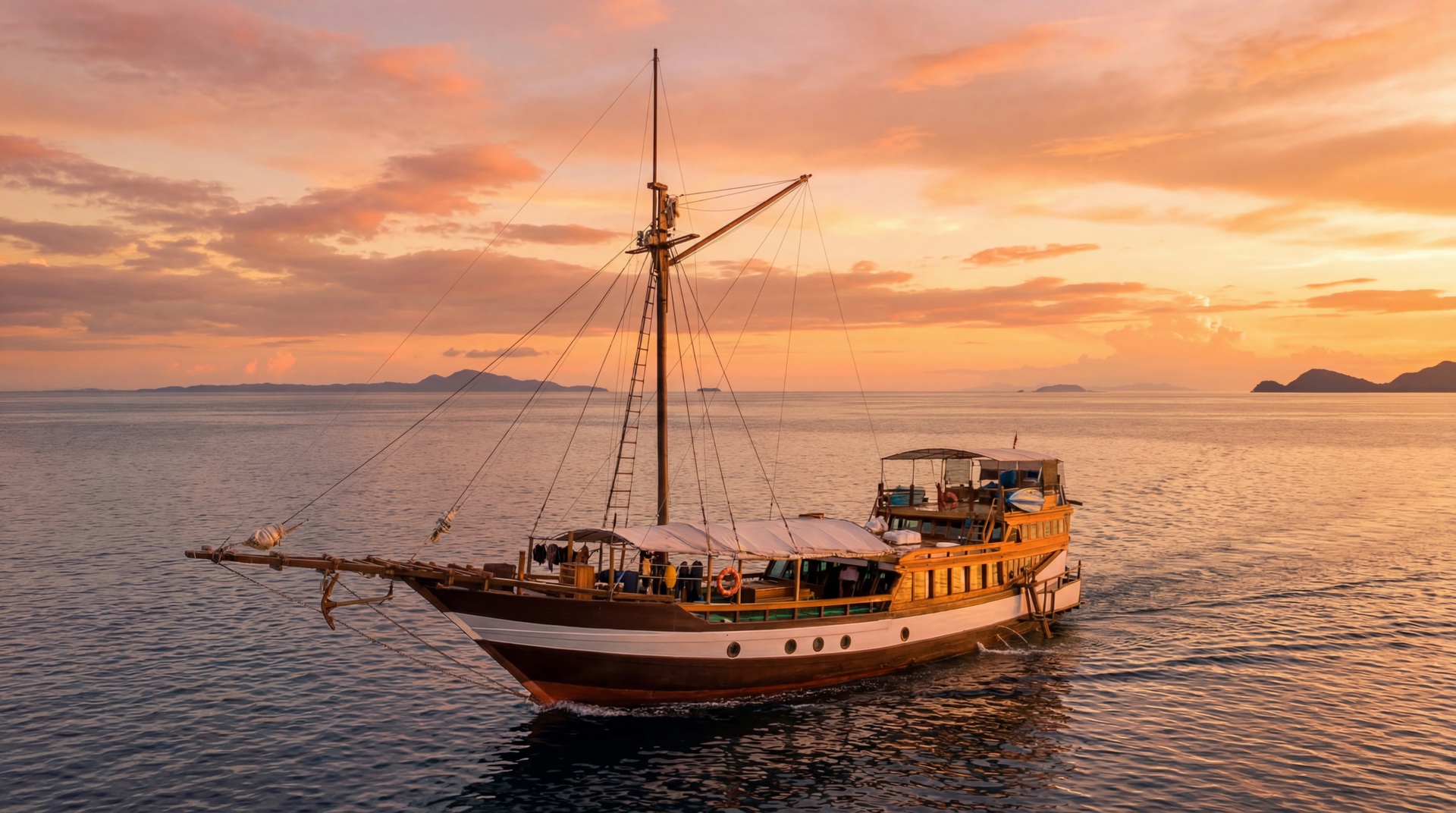
Wellenreng
Indonesia
9 guests25 m
$422/day
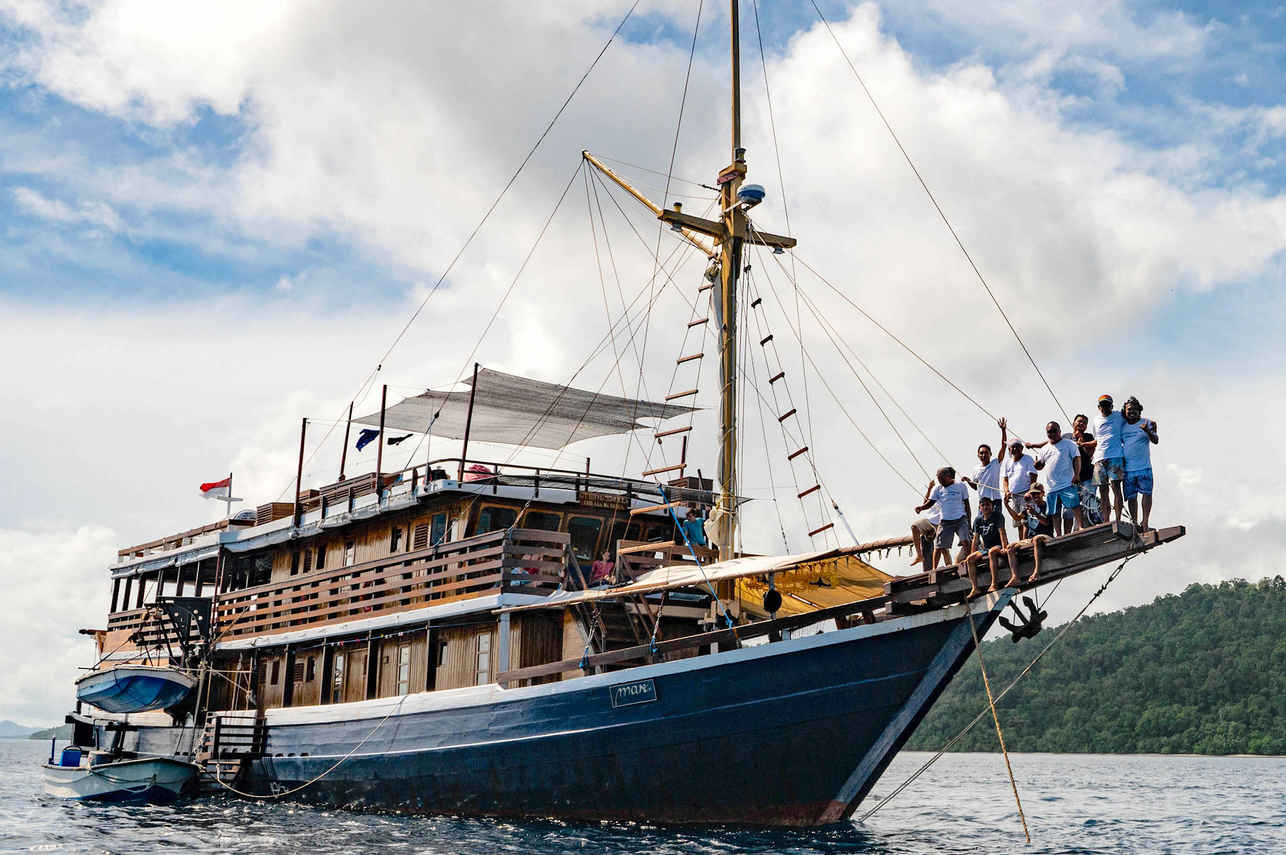
Mari
Indonesia
14 guests32.2 m
$319/day
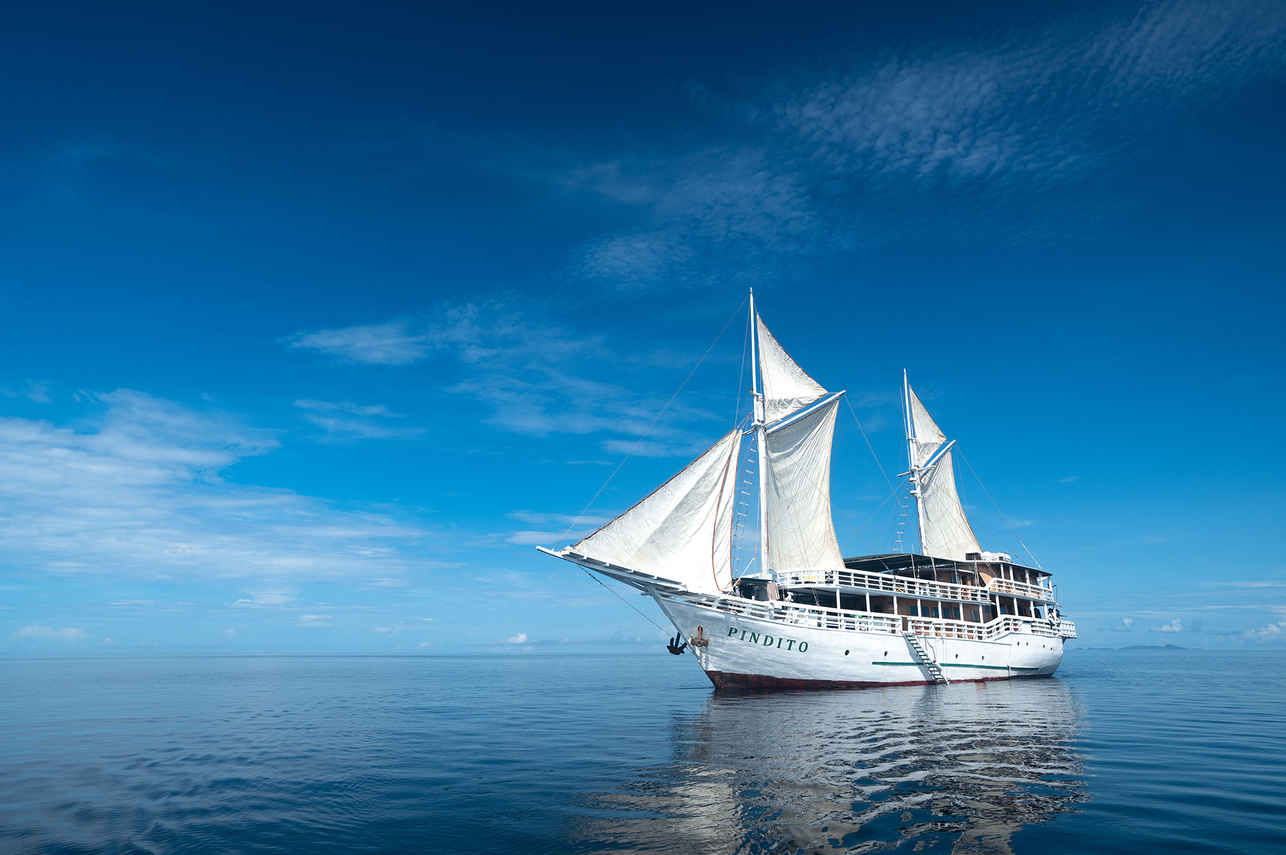
Pindito
Indonesia
16 guests37.79 m
$533/day
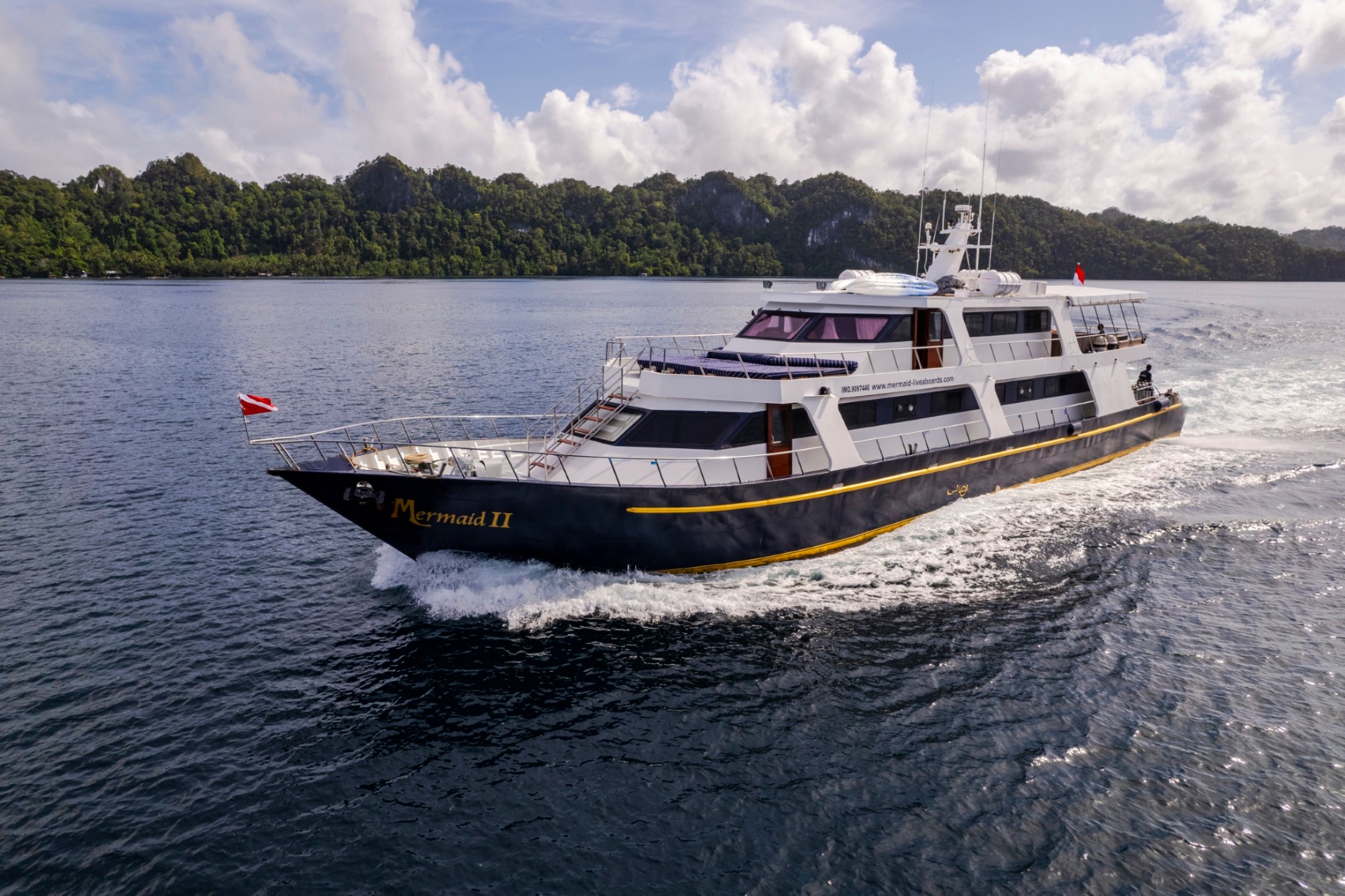
Mermaid II
Komodo, Indonesia
18 guests
$387/day
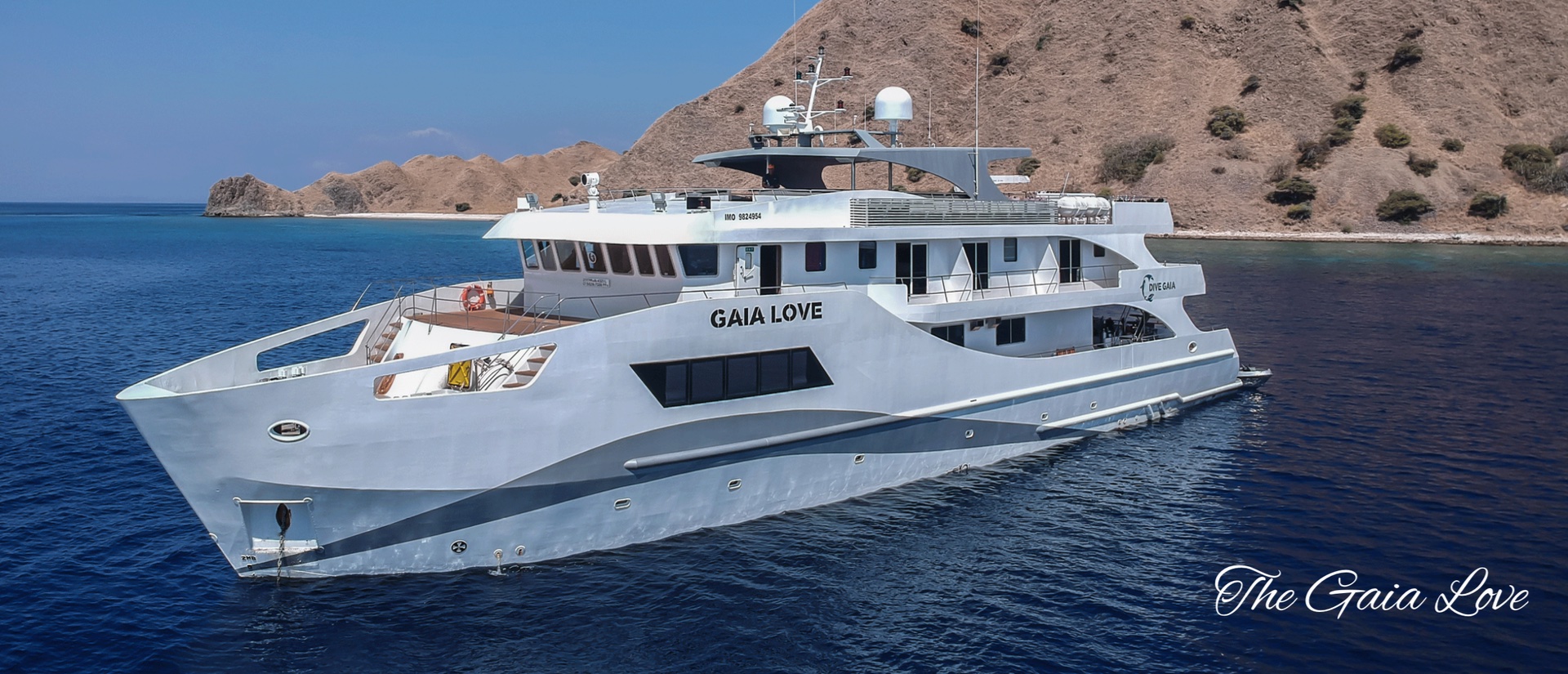
Gaia Love
Alor
20 guests
$554/day
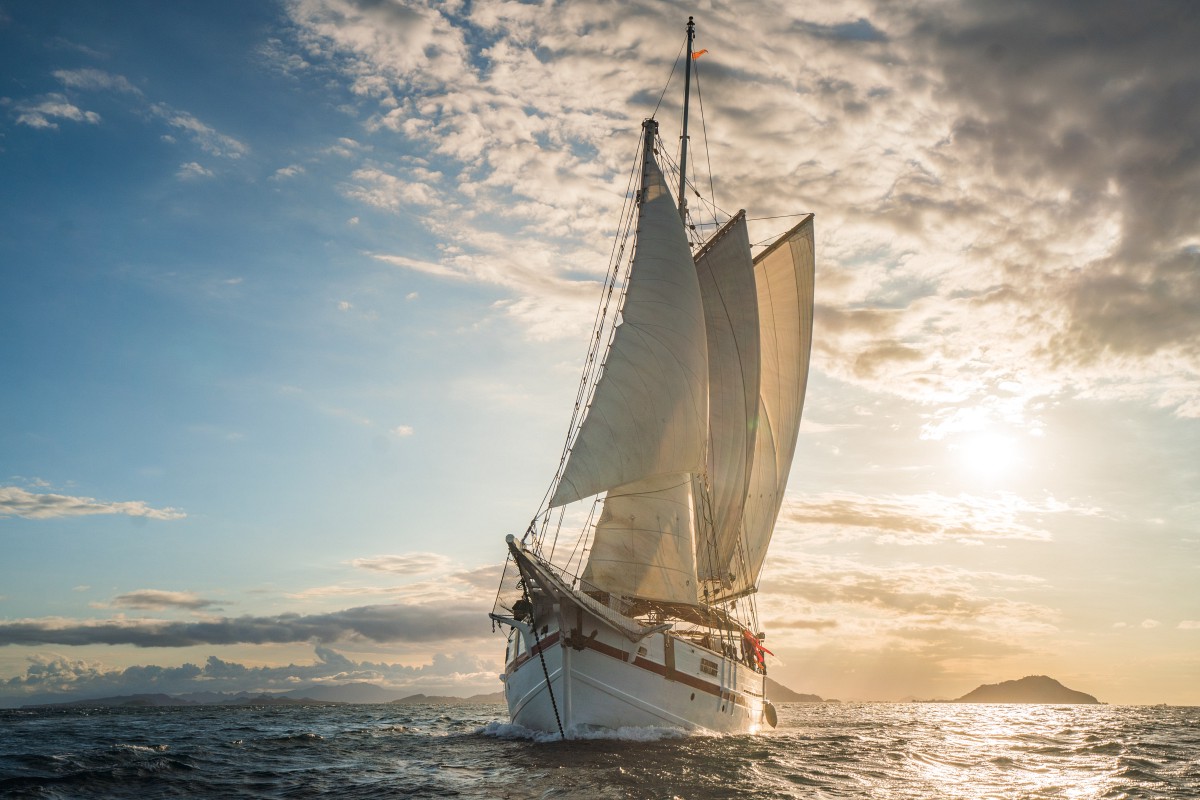
Emperor Raja Laut
Raja Ampat, Indonesia
12 guests31 m
$423/day
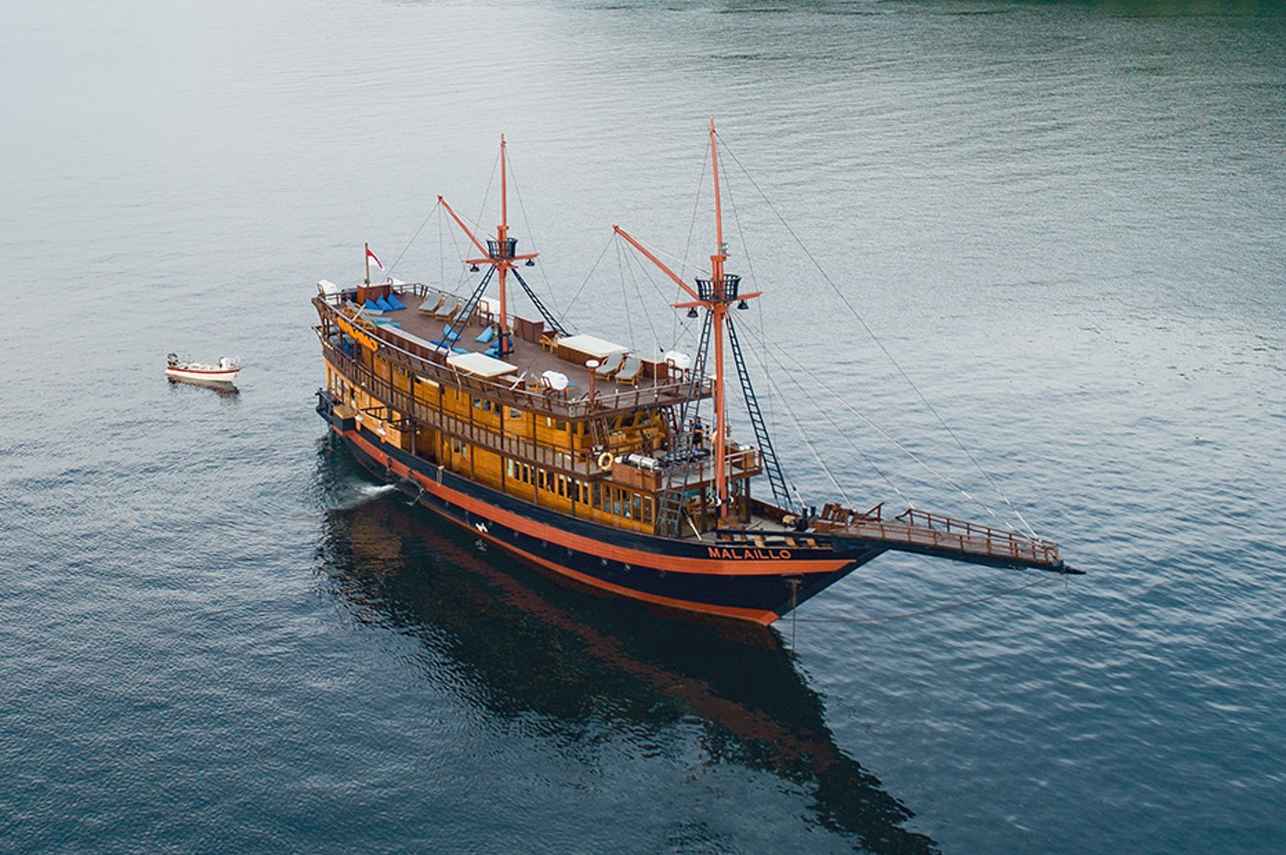
Malaillo
Indonesia
14 guests45.57 m
$409/day
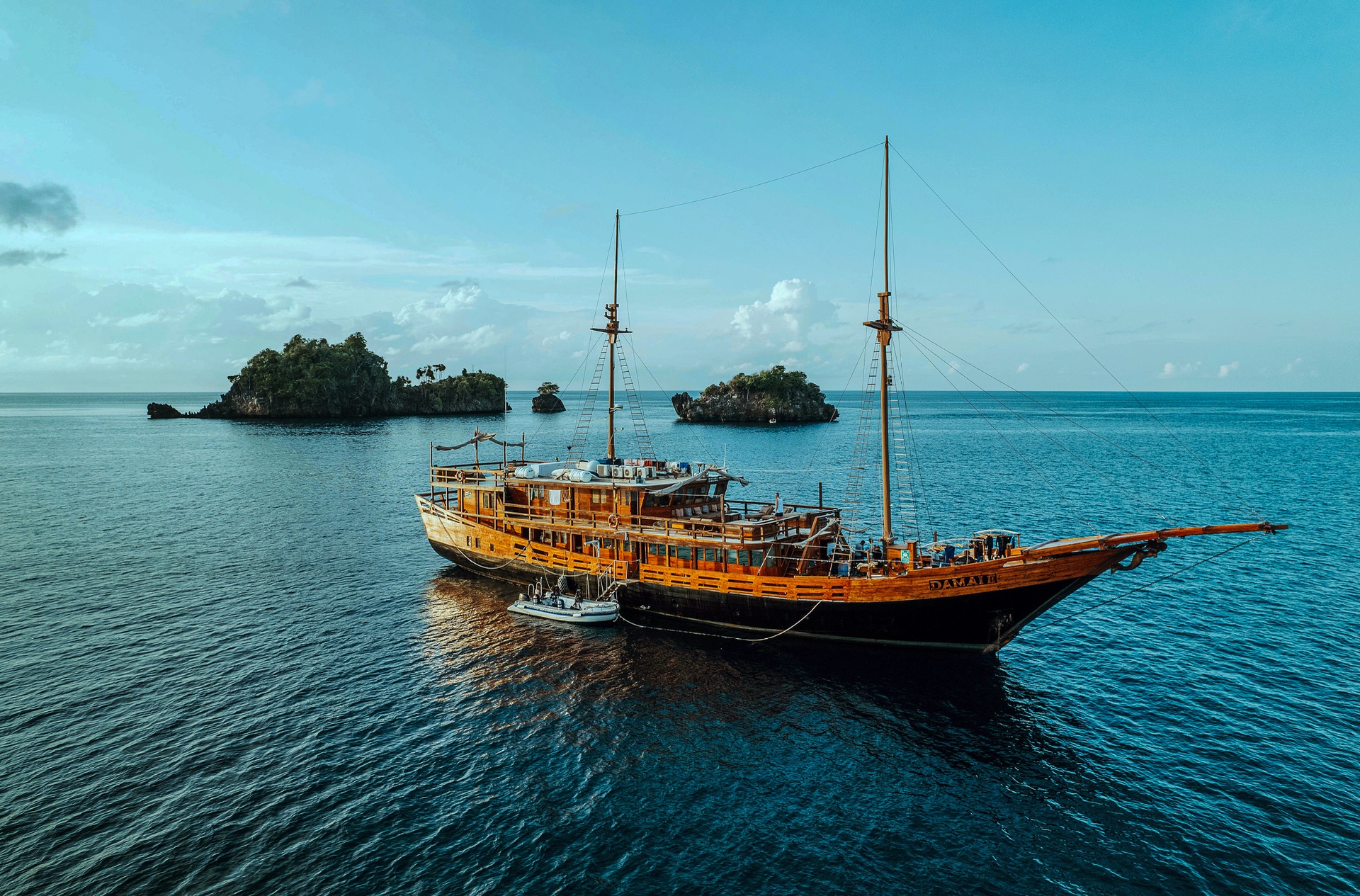
Damai II
Komodo, Indonesia
14 guests
$441/day
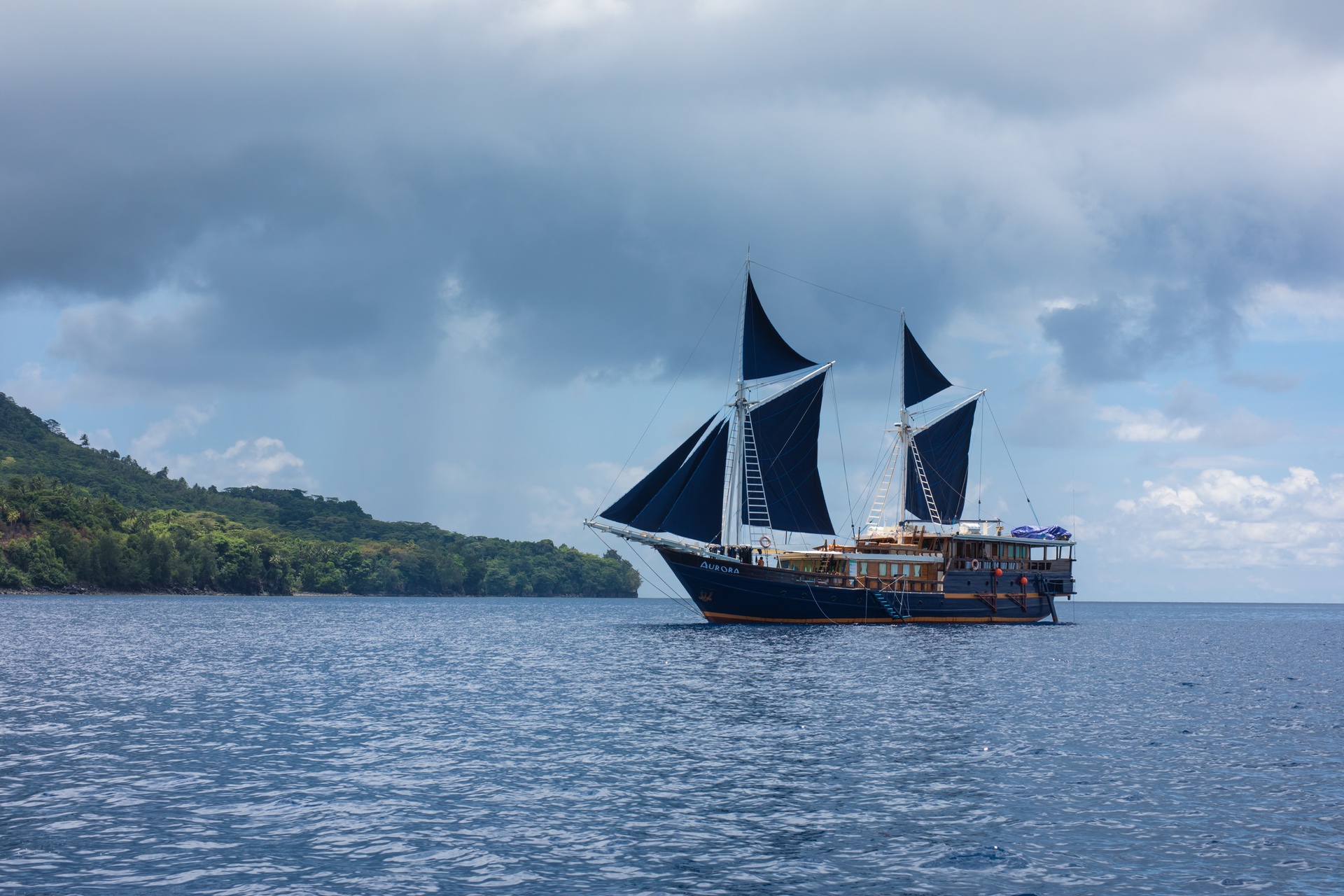
DUNE Aurora
Indonesia
18 guests
$344/day
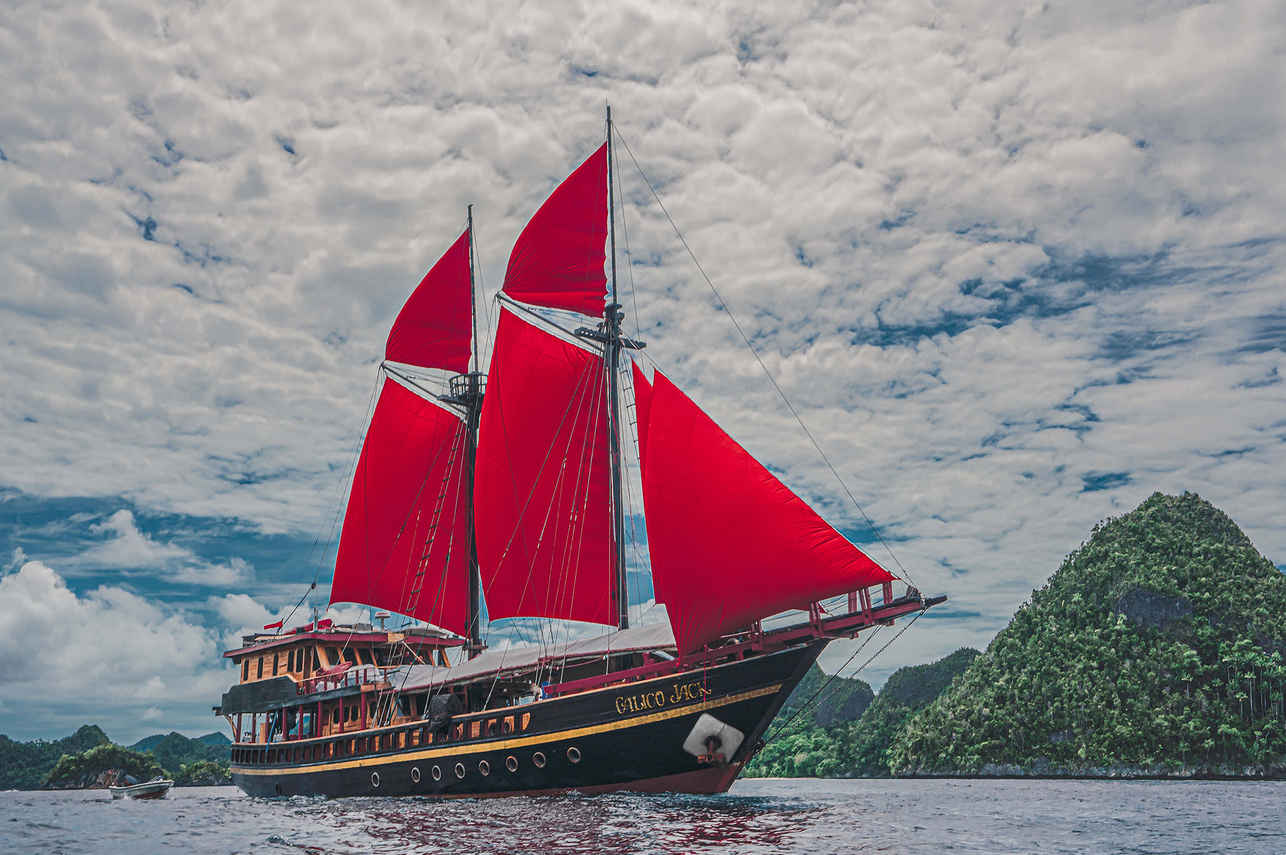
Calico Jack
Indonesia
10 guests30 m
$398/day
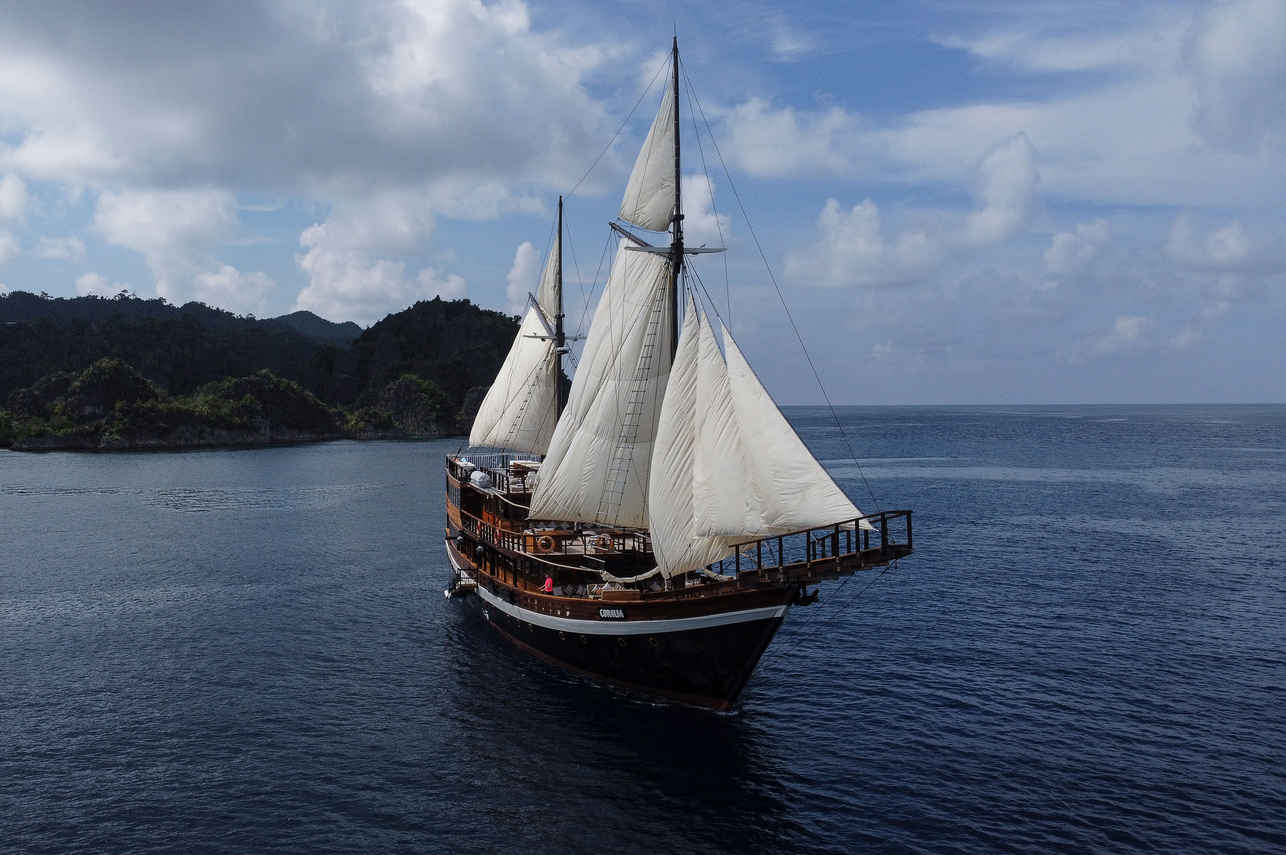
Coralia
Indonesia
16 guests48 m
$591/day
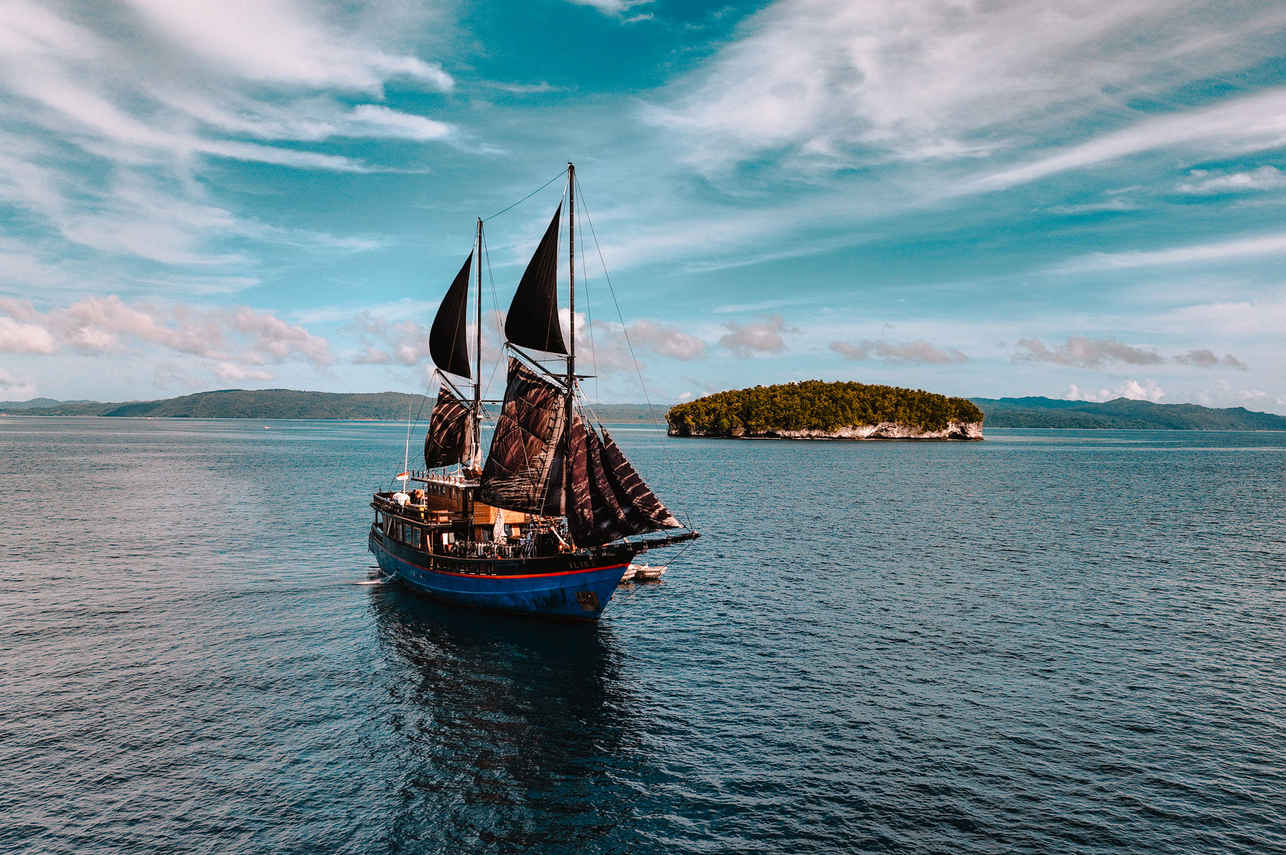
Ilike
Indonesia
16 guests40 m
$350/day
Dive sites similar to Batu Kapal
Same character, same waters — six more sites divers love for the exact same reasons.Compare seasons, access and liveaboard routes — then pick the site that fits your trip best.
© Esri — Maxar, Earthstar, GIS
Big La Laguna
Philippines
Big La Laguna is a beach community situated on the western edge of the Sabang Peninsula, a popular dive region on Mindoro Island, Philippines.
- Suitable for
- Intermediate
- Current
- Moderate
- Access
- Dayboat
- Depth
- 5–35 m
- Theme
- Reef / Wall
© Esri — Maxar, Earthstar, GIS
Rusa Pinnacle
Alor
Rusa Pinnacle is a challenging yet highly rewarding dive site situated in the Alor archipelago, part of Indonesia's East Nusa Tenggara.
- Suitable for
- Advanced
- Current
- Strong
- Access
- Liveaboard only
- Depth
- 6–30 m
- Theme
- Reef
Lipah Bay is situated on Bali's northeast coast within the Amed area, nestled against the dramatic backdrop of Gunung Agung.
- Suitable for
- Beginner
- Current
- Mild
- Access
- Liveaboard or dayboat
- Depth
- 5–30 m
- Theme
- Reef / Drift
© Esri — Maxar, Earthstar, GIS
Tangked Cave
Bali
Tangked Cave, sometimes referred to as Tangked Taked Shark Cave, is an advanced dive site situated in the open ocean off Bali's southeastern coast.
- Suitable for
- Advanced
- Current
- Moderate
- Access
- Liveaboard or dayboat
- Depth
- 15–40 m
- Theme
- Cave & cavern / Reef
© Esri — Maxar, Earthstar, GIS
Schools Out
Alor
Schools Out in Alor offers divers an exceptional encounter with healthy coral reefs and a rich variety of marine species.
- Suitable for
- Intermediate
- Current
- Mild
- Access
- Liveaboard only
- Depth
- 20–30 m
- Theme
- Reef
© Esri — Maxar, Earthstar, GIS
Batununggul
Bali
Batununggul, also known as Suana or Batumulapan by some operators, is a dynamic wall and sloping reef dive site situated on the eastern side of Nusa Penida, Bali.
- Suitable for
- Advanced
- Current
- Strong
- Access
- Liveaboard or dayboat
- Depth
- 10–40 m
- Theme
- Wall