About Banda Api North
Banda Api North, nestled within Indonesia's remote Banda Sea, offers an extraordinary dive experience shaped by its active volcanic past. This site is particularly renowned for its 'Lava Flow' area, where a major eruption in 1988 created a unique substrate for rapid coral regrowth, now boasting an impressive, mature reef system. The topography features sloping volcanic rock, covered in extensive fields of staghorn and plate corals, interspersed with coral bombies. Depths typically range from 5 to 30 meters, allowing for extended bottom times and thorough exploration of the resilient ecosystem. The pristine clarity of the Banda Sea waters often provides visibility exceeding 30 meters, enhancing the visual spectacle of the healthy reef. Marine life here is abundant and diverse, with dense schools of reef fish making their home among the corals. While large pelagics like hammerheads are sighted in the broader Banda Sea, Banda Api North focuses more on the vibrant reef ecosystem, including frequent turtle encounters and a rich variety of macro subjects. The site is a testament to nature's ability to regenerate, offering a fascinating study in coral resilience. Diving here combines natural wonder with historical context, as the site is part of the legendary Spice Islands. Most dives are conducted from liveaboards, which provide access to this remote location and facilitate exploration of both the underwater marvels and the rich cultural heritage of the Banda Islands.
Highlights
Volcanic coral regrowthExtensive staghorn coral fieldsDiverse reef fish populationsCrystal-clear Banda Sea visibilityUnique underwater topographyFrequent turtle sightingsBombae of hard corals
Season calendar
Best months to dive here
Jan
Feb
Mar
Apr
May
Jun
Jul
Aug
Sep
Oct
Nov
Dec
Excellent
Good
Dive site facts: Banda Api North
- Depth
- 5–30 m
- Typical dive
- 12–25 m, 60–70 min
- Current
- Mild to moderate
- Visibility
- 15–50 m
- Water temperature
- 26–30°C
- Entry
- Tender / backroll
- Level
- All levels, advanced experience helpful for broader Banda Sea itinerary
- Dive type
- Coral garden, reef slope, volcanic reef
- Night dive
- Possible (Mandarin fish)
- Region / port
- Banda Islands, Maluku Province
- Coordinates
- -4.5167, 129.875
Conditions & Currents
Currents at Banda Api North are typically moderate, making the site accessible and enjoyable for most diver levels. While strong currents are present at some other Banda Sea sites, Banda Api North usually offers a more relaxed drift. Entry is often a comfortable backroll from a tender, with exits made back onto the tender after surfacing. Visibility is consistently excellent, frequently reaching 30 meters or more, though seasonal upwellings can occasionally reduce it. Water temperatures are generally warm, ranging from 26-29°C, but deep water thermoclines during certain seasons (especially Sep-Nov) can bring cooler patches, necessitating appropriate exposure protection. Surge is generally minimal due to the protected nature of the bay, allowing for steady photography.
Marine life & sighting chances

Staghorn Coral
commonPlate Coral
common
Napoleon Wrasse
common
Green Sea Turtle
occasional
Hawksbill Sea Turtle
occasional
Mandarin Fish
occasional
Ghostpipefish
occasional
Hairy Squat Lobster
occasional
Leaf Scorpionfish
occasional
Pygmy Seahorse
occasional
Reef Shark
occasional
Fusilier
commonDive profile & how the dive runs
Your dive at Banda Api North typically begins with a backroll entry from the tender boat, positioning you directly over the vibrant reef slope. You will descend to about 15-20 meters, following the contours of the 'Lava Flow' where extensive coral gardens flourish. The route often involves a gentle drift along the slope, allowing you to observe the prolific staghorn and plate corals, along with numerous reef fish and occasional turtles. Maintain good buoyancy to avoid contact with the fragile regrowth. You'll gradually ascend shallower, exploring colorful bombies and looking for macro life in the coral formations around 10-12 meters. The turn point is determined by air consumption and current, usually after 30-35 minutes, before slowly making your way back towards the tender pick-up zone. Your safety stop will be conducted at 5 meters for 3 minutes, often in clear water with plenty of small fish for company, before signaling for boat pick-up.
Underwater photography
Banda Api North is a photographer's dream, particularly for wide-angle shots during the March-April season when visibility often exceeds 50 meters and calm conditions prevail. The expansive coral gardens, dominated by vibrant staghorn corals on the volcanic slopes, make for stunning reef-scape compositions. Consider a wide-angle lens (e.g., 10-17mm or 16-35mm) to capture the sheer scale of the coral regrowth. For macro enthusiasts, a 60mm or 100mm lens will be invaluable for focusing on the smaller inhabitants like pygmy seahorses, ghostpipefish, and various nudibranchs that hide among the corals. Strobes are essential to bring out the true colors of the corals and marine life, as ambient light alone cannot fully illuminate the scene, especially at greater depths. Practice good buoyancy control to avoid damaging the delicate reef and stirring up volcanic sediment.
Combine with nearby dive sites
- Gunung Api Lava Flow
A adjacent section of the same volcanic reef with similar features.
- Banda Neira Jetty
Known for excellent muck diving and potential Mandarin fish sightings.
- Ai Island Reef
Features extraordinary diversity and coral cover.
- Hatta Island Wall
Offers impressive wall dives with diverse corals and pelagic encounters.
- Sonegat Channel
Known for potential pelagic sightings and strong currents.
Getting there & logistics
Access to Banda Api North is exclusively via liveaboard, due to its remote location within the Banda Sea. Most trips originate from Ambon, which has an international airport (AMQ) reachable via domestic flights from major Indonesian hubs like Jakarta or Bali, or sometimes directly from Singapore. Liveaboard itineraries typically range from 8 to 14 nights, covering a wide array of dive sites across the Banda Islands and often extending to the Forgotten Islands. Guests should plan for at least one overnight stay in Ambon before and after their liveaboard. There are generally no specific dive site fees for Banda Api North beyond the overall liveaboard cost, which includes permits for the marine protected areas.
Safety & environment
Diving in the remote Banda Sea, including Banda Api North, requires careful consideration of safety. The nearest recompression chamber is in Ambon, but evacuation can be complex and time-consuming, potentially taking 24-48 hours. Therefore, comprehensive dive insurance covering medical emergencies and evacuation is mandatory for all divers. Liveaboards typically carry emergency oxygen and first-aid kits, and staff are trained in emergency response. Divers should always follow their dive guide's instructions, maintain proper buoyancy to protect the fragile corals, and monitor their air consumption closely. While currents are generally mild at this specific site, being aware of and comfortable with potential current changes throughout the Banda Sea itinerary is crucial.
Who it suits — and who it doesn't
Suited for
- Advanced Open Water Divers comfortable with boat entries and moderate currents
- Underwater photographers seeking pristine coral landscapes and macro subjects
- Divers interested in unique volcanic underwater topography and coral regrowth
- Those who enjoy remote, uncrowded dive experiences
- Nature enthusiasts eager to witness marine ecosystem resilience
Less suited for
- Beginner divers without drift diving experience
- Divers who prefer land-based diving with quick access to dive sites
- Individuals prone to seasickness on open-ocean crossings
- Divers unwilling to commit to multi-day liveaboard trips
- Those expecting guaranteed large pelagic encounters on every dive
FAQ
Banda Api North FAQ
What makes Banda Api North unique for diving?
Banda Api North is unique due to its 'Lava Flow' area, where an eruption in 1988 created a fresh substrate for exceptional coral regrowth. This site showcases an incredibly resilient ecosystem, with vast fields of staghorn and plate corals that have rapidly colonized the volcanic rock, making it a compelling dive for observing nature's recovery.
What kind of marine life can I expect to see at Banda Api North?
Divers can expect to see an abundance of reef fish thriving among the healthy corals, including large schools of fusiliers. Frequent sightings of green and hawksbill turtles are common. For macro enthusiasts, there are opportunities to spot smaller creatures like ghostpipefish, hairy squat lobsters, and pygmy seahorses, especially in the protected coral formations.
What are the typical diving conditions like at Banda Api North?
Conditions are generally favorable, with mild to moderate currents and exceptional visibility, often exceeding 30 meters. Water temperatures usually range from 26-29°C, though seasonal upwellings can introduce cooler patches. The site features a sloping volcanic reef, accessible to divers of various experience levels, making for a comfortable and rewarding dive.
Is Banda Api North suitable for beginner divers?
While the currents at Banda Api North are typically mild, the broader Banda Sea liveaboard itineraries often include sites with stronger currents. Beginners should ideally have some experience with drift diving and feel comfortable with boat entries and exits before embarking on a Banda Sea trip that includes this site.
How do I get to Banda Api North?
Banda Api North is only accessible via liveaboard. Most trips depart from Ambon, which is reached by domestic flights from major Indonesian cities like Jakarta or Bali. Liveaboards provide comprehensive itineraries that include this site as part of a multi-day exploration of the Banda Islands and surrounding areas.
Are there opportunities for night diving at Banda Api North?
Yes, night diving is possible at Banda Api North, and it offers a chance to see different marine life. The area around Banda Neira, including close to Api, is particularly known for sightings of the elusive mandarin fish performing their mating rituals, which are a highlight for many divers during night dives.
Why dive Banda Api North from a liveaboard?
Banda Api North is one of Banda Sea's signature dive sites. A liveaboard sleeps you on the water and puts you in the water for three to four guided dives per day, including dawn and night dives that day-boat operators rarely offer. You skip the daily commute back to port and reach quieter, less-crowded sites in the same region on a single trip.
Below are the liveaboards that include Banda Api North on their Banda Sea itineraries.
Liveaboards diving Banda Api North
These liveaboards may visit Banda Api North on selected itineraries — the exact dive sites depend on departure, weather and conditions.
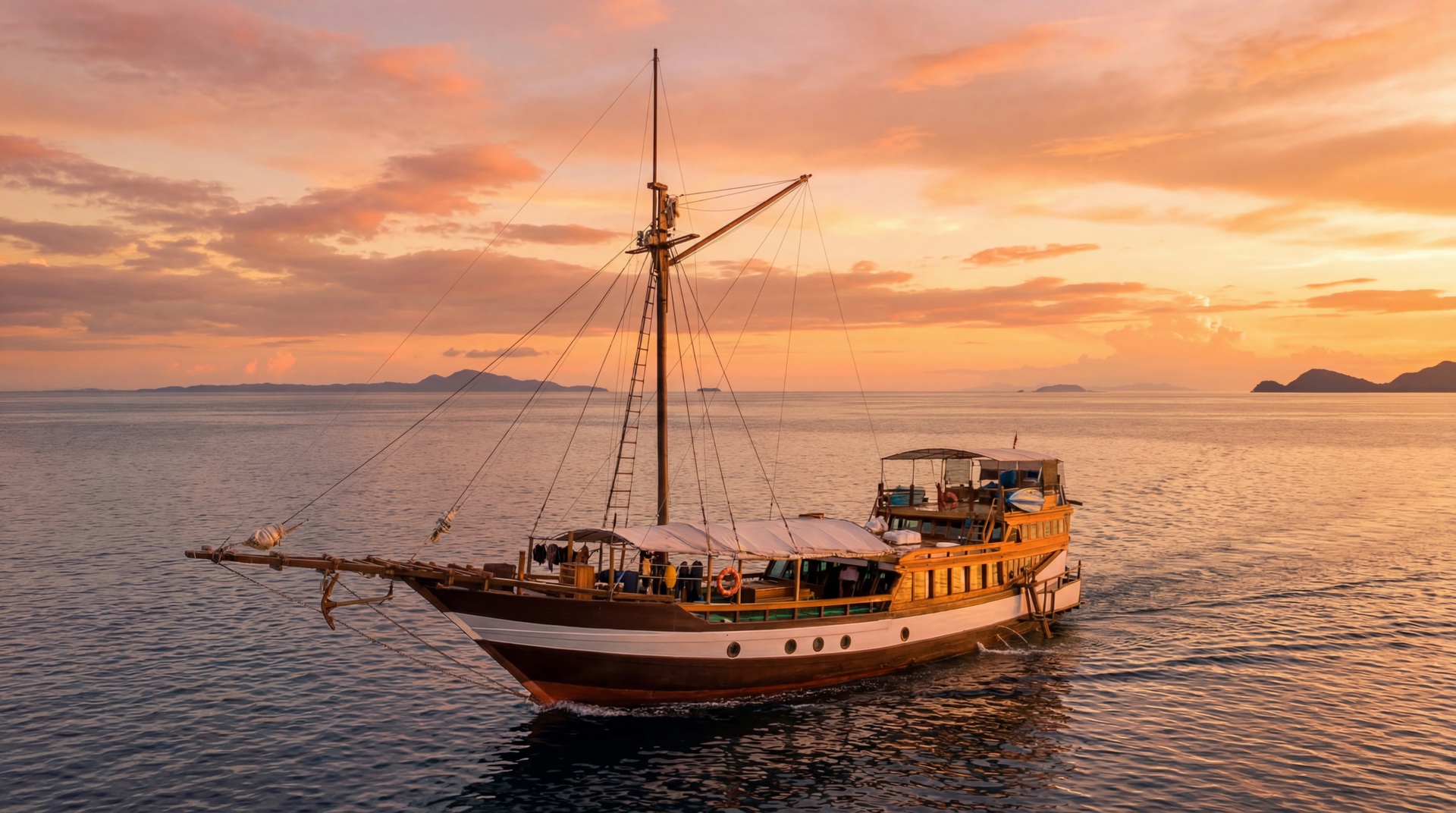
Wellenreng
Indonesia
9 guests25 m
$427/day
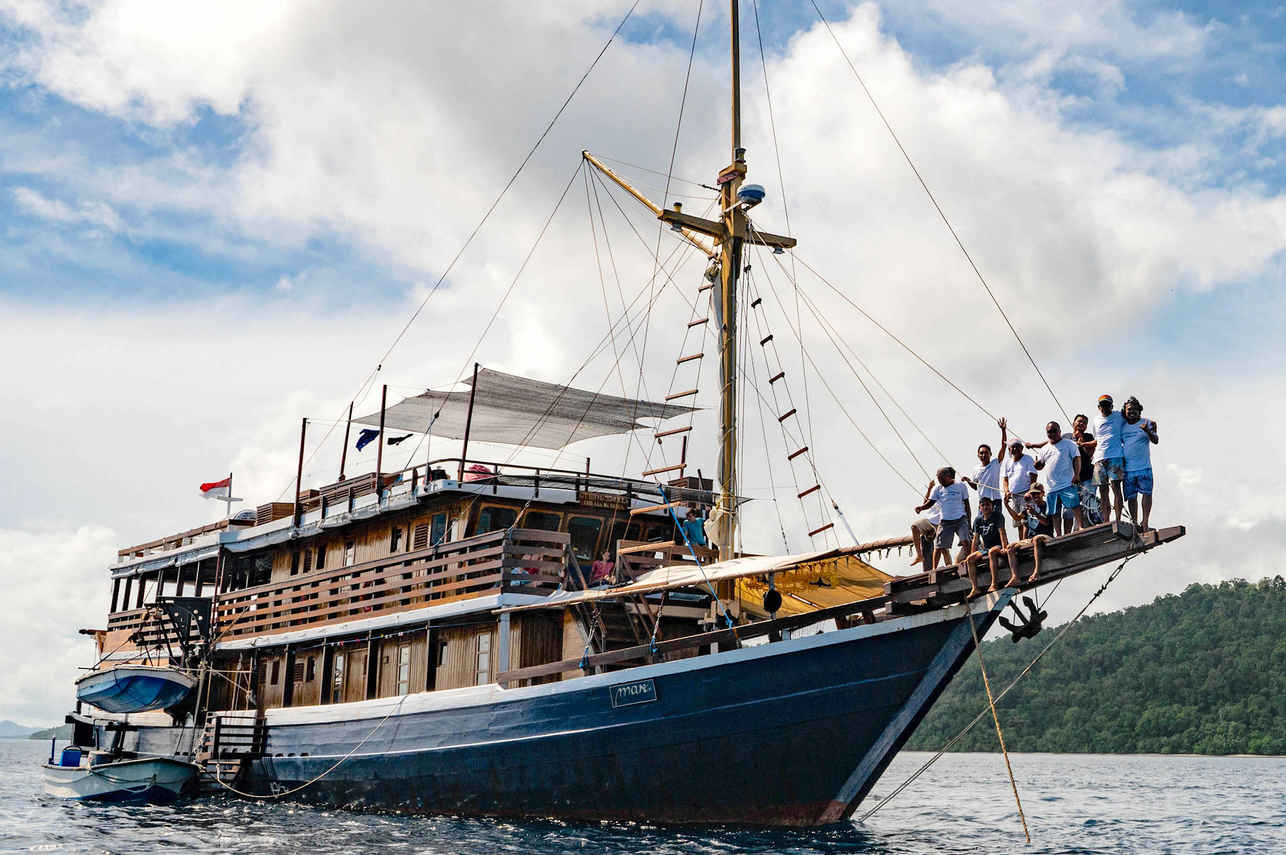
Mari
Indonesia
14 guests32.2 m
$328/day
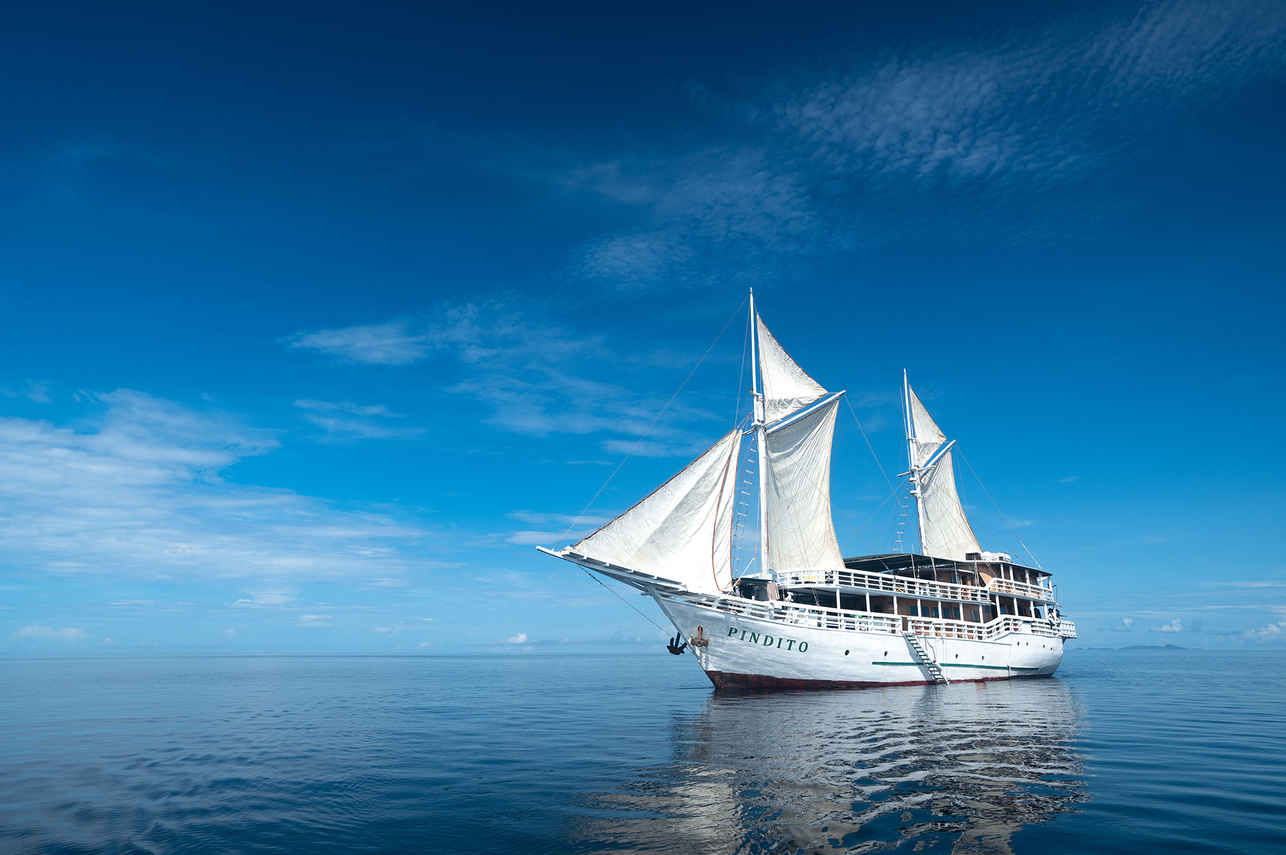
Pindito
Indonesia
16 guests37.79 m
$533/day
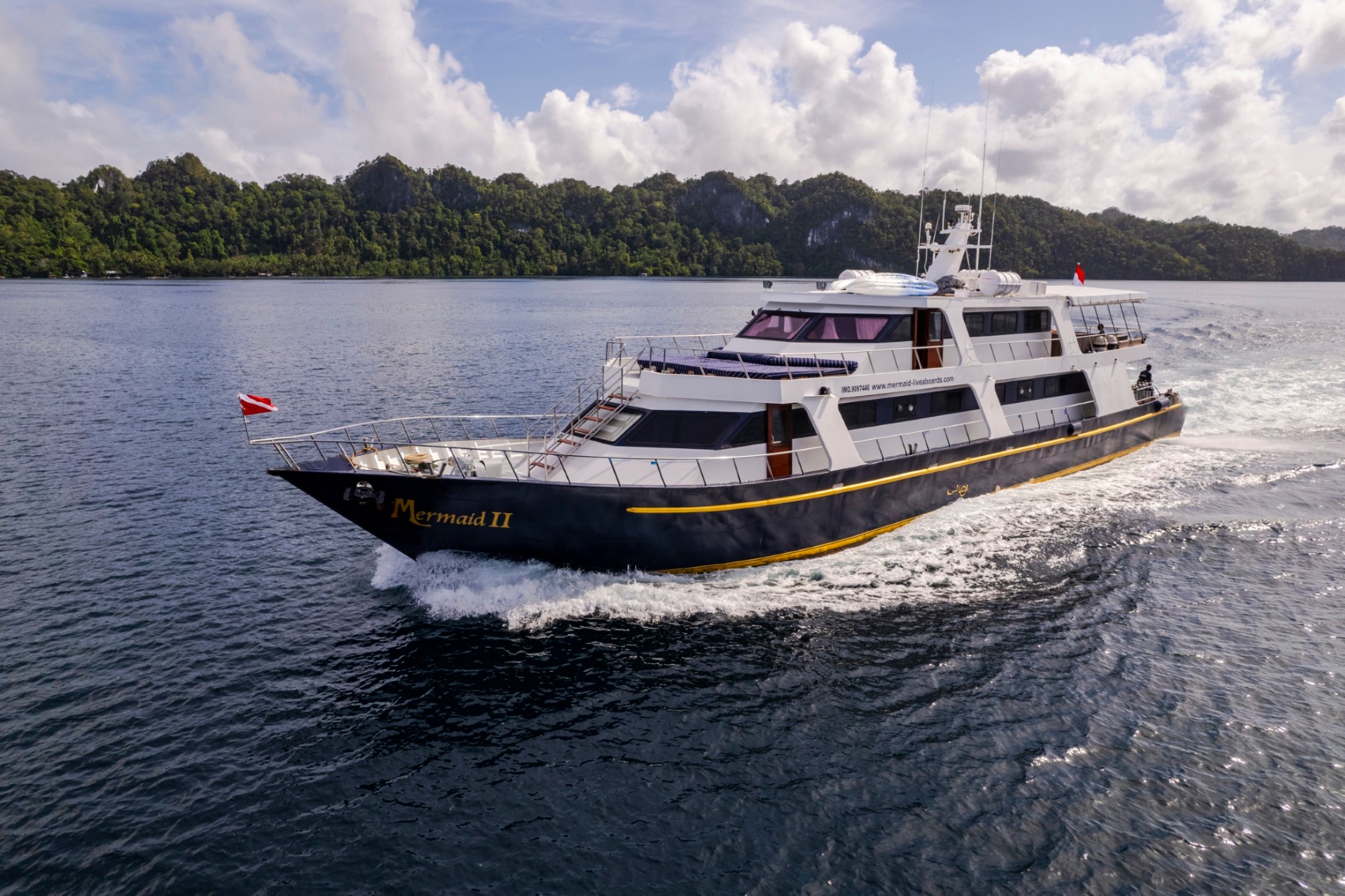
Mermaid II
Komodo, Indonesia
18 guests
$391/day
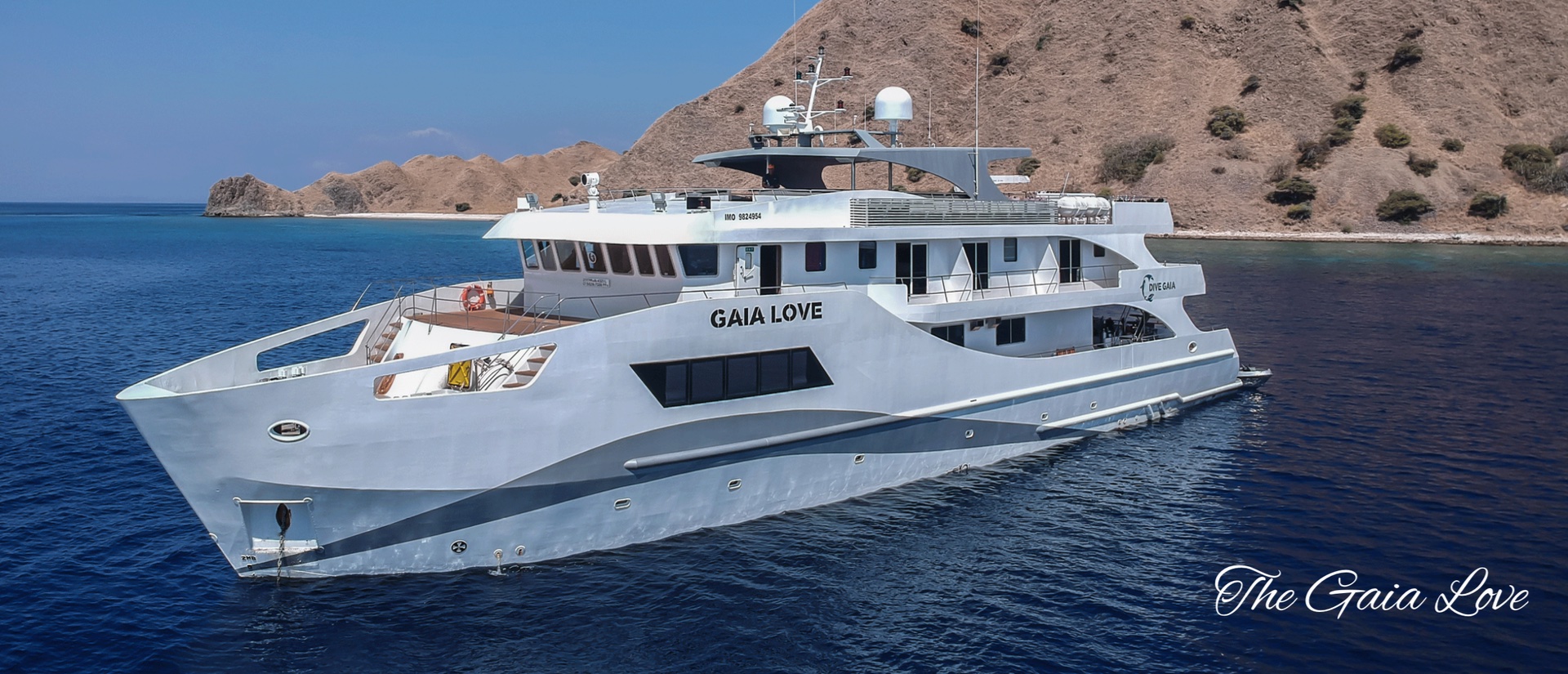
Gaia Love
Alor
20 guests
$554/day
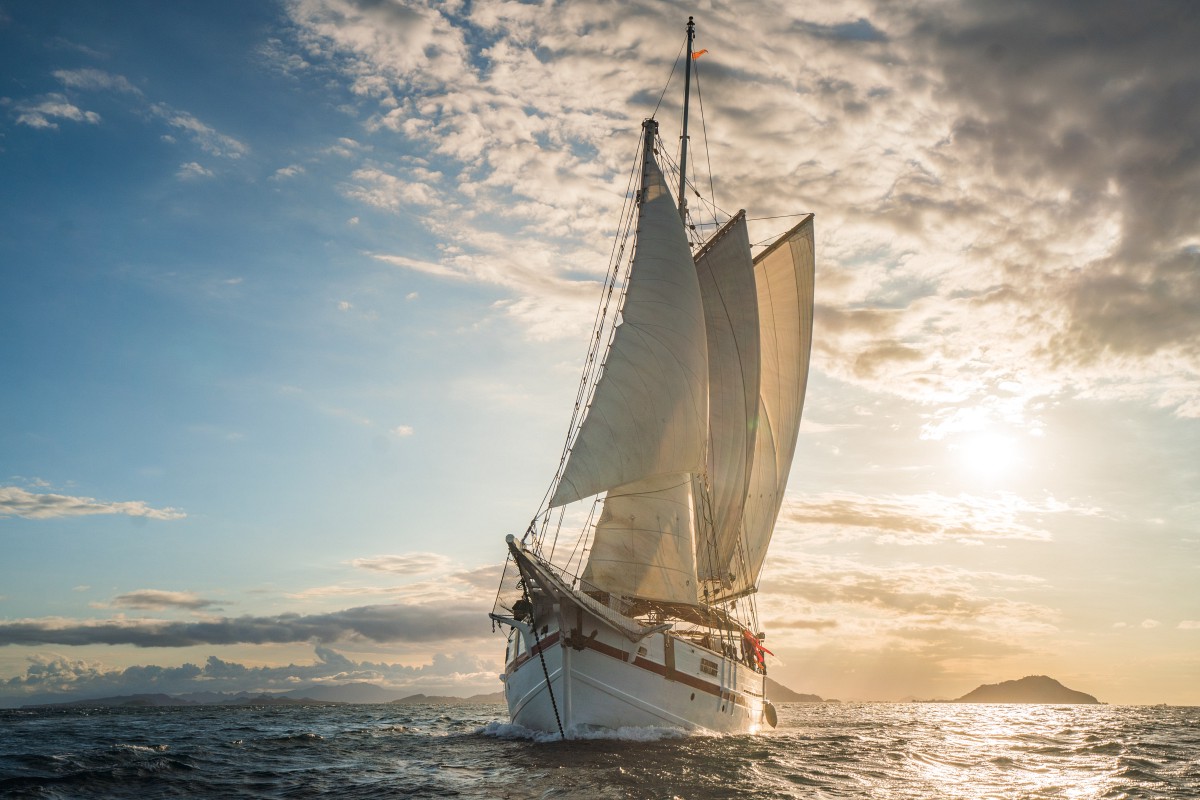
Emperor Raja Laut
Raja Ampat, Indonesia
12 guests31 m
$413/day
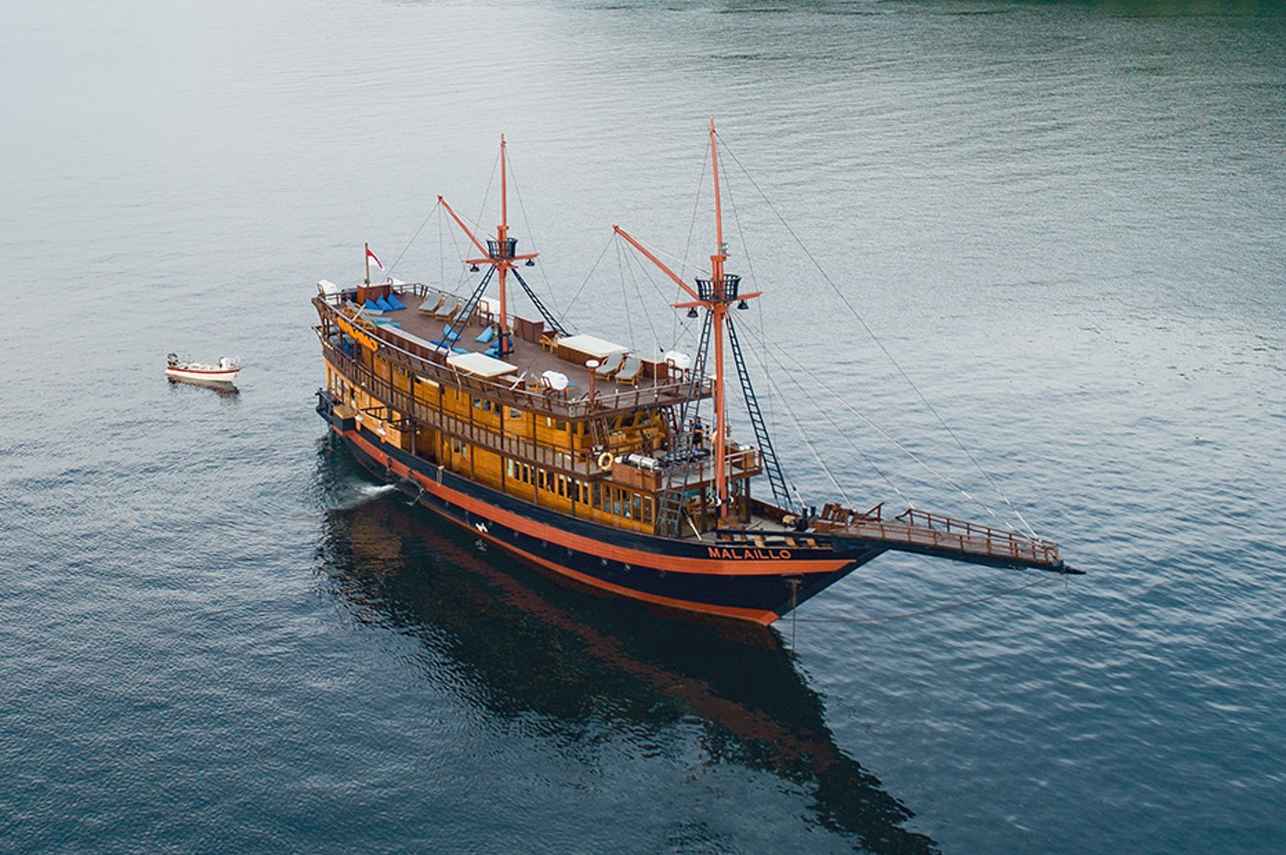
Malaillo
Indonesia
14 guests45.57 m
$348/day
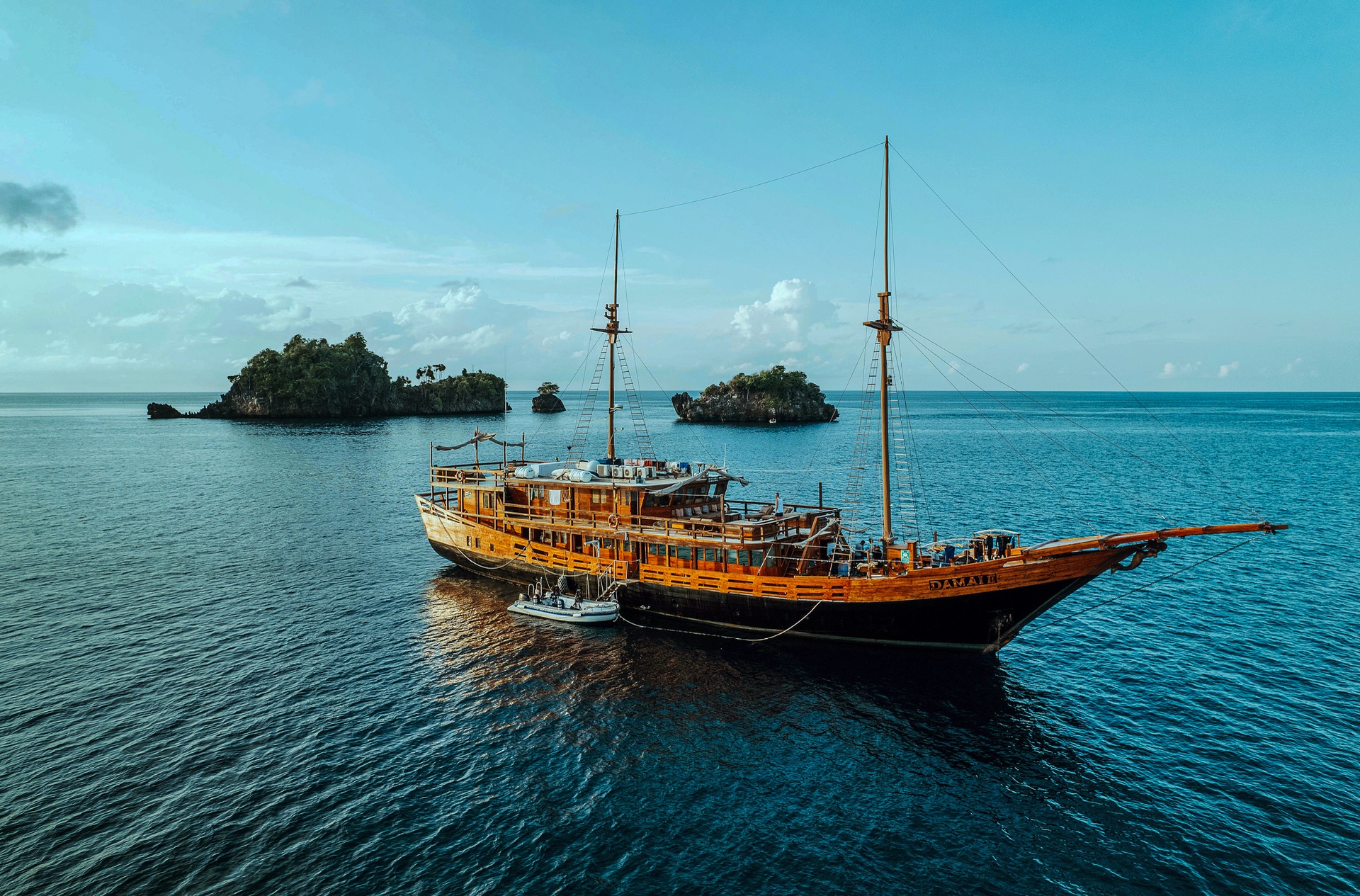
Damai II
Komodo, Indonesia
14 guests
$441/day
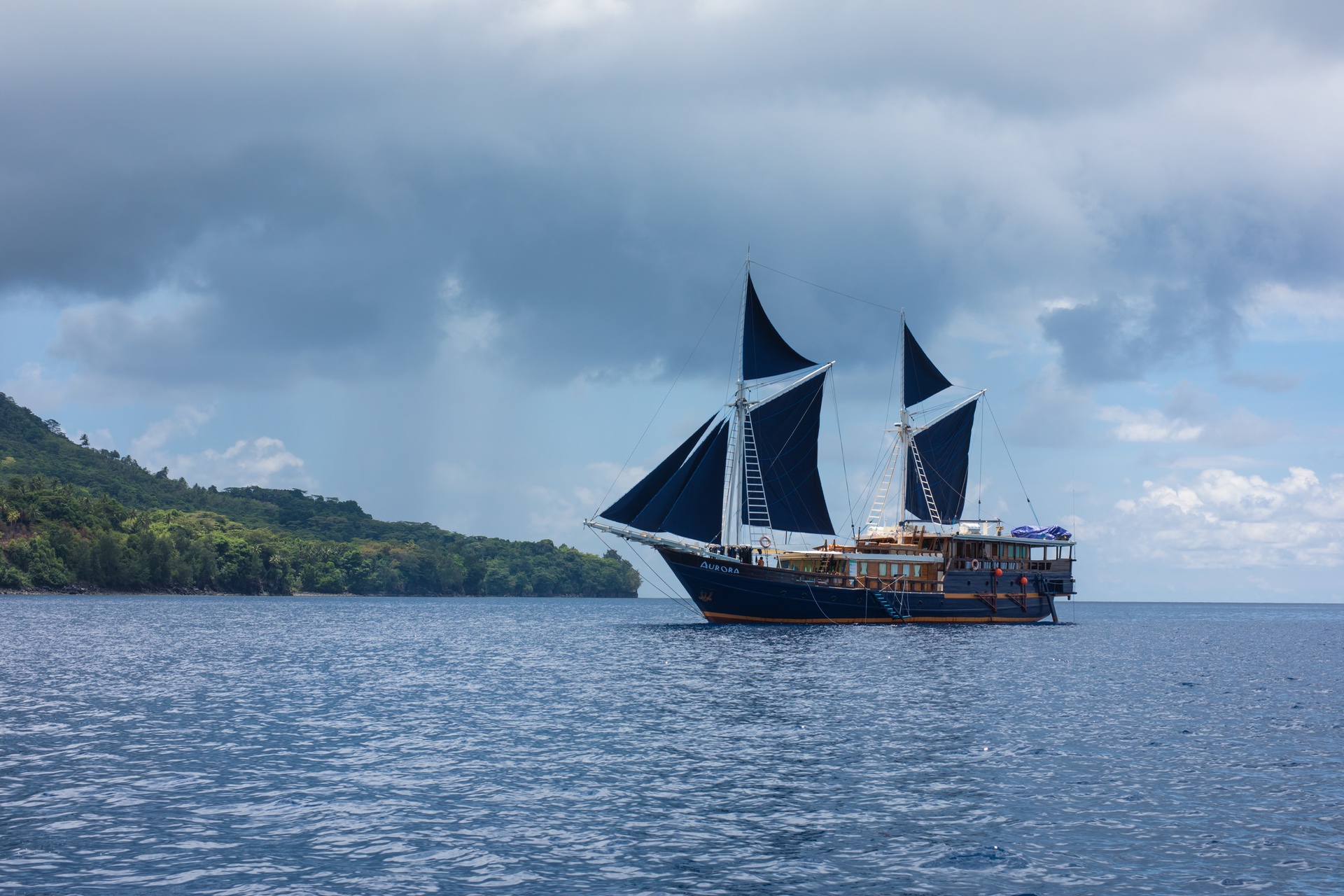
DUNE Aurora
Indonesia
18 guests
$344/day
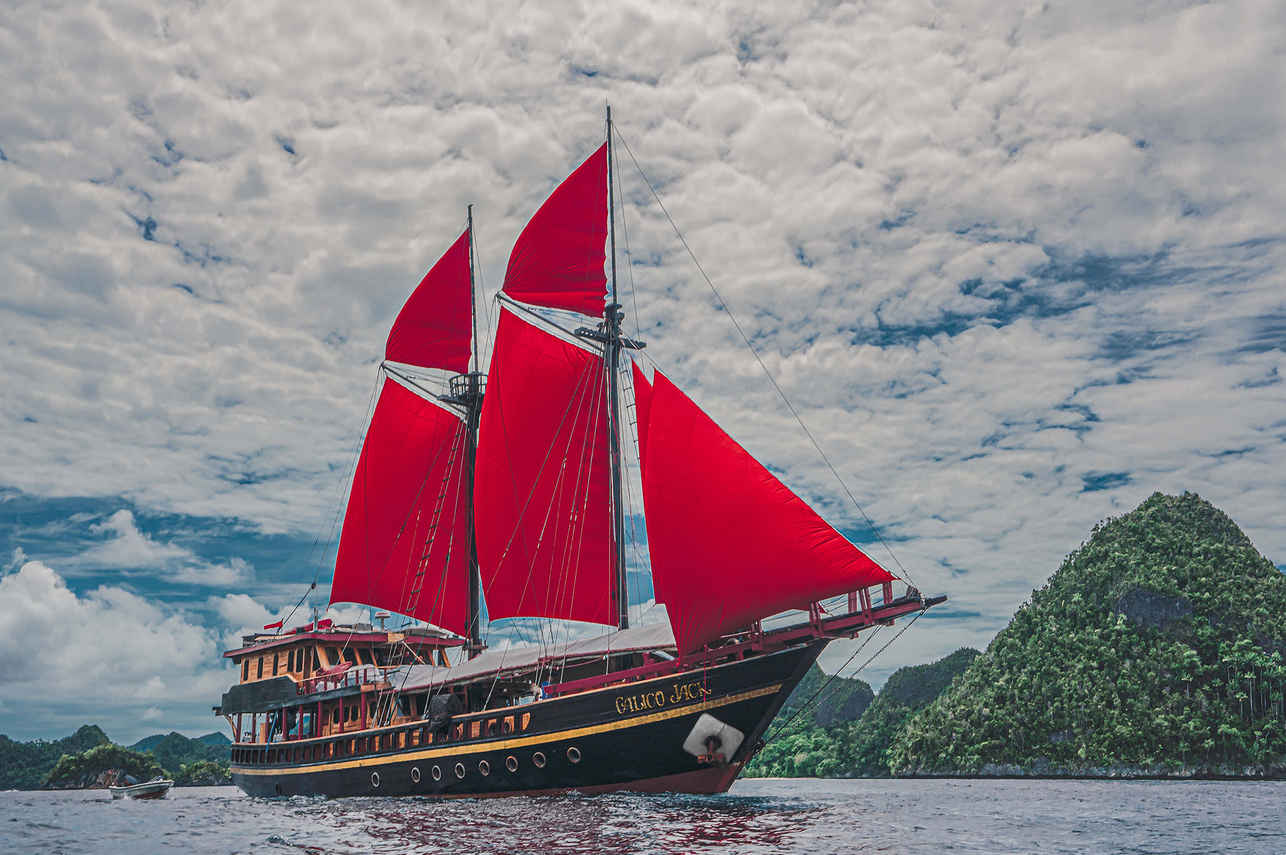
Calico Jack
Indonesia
10 guests30 m
$398/day
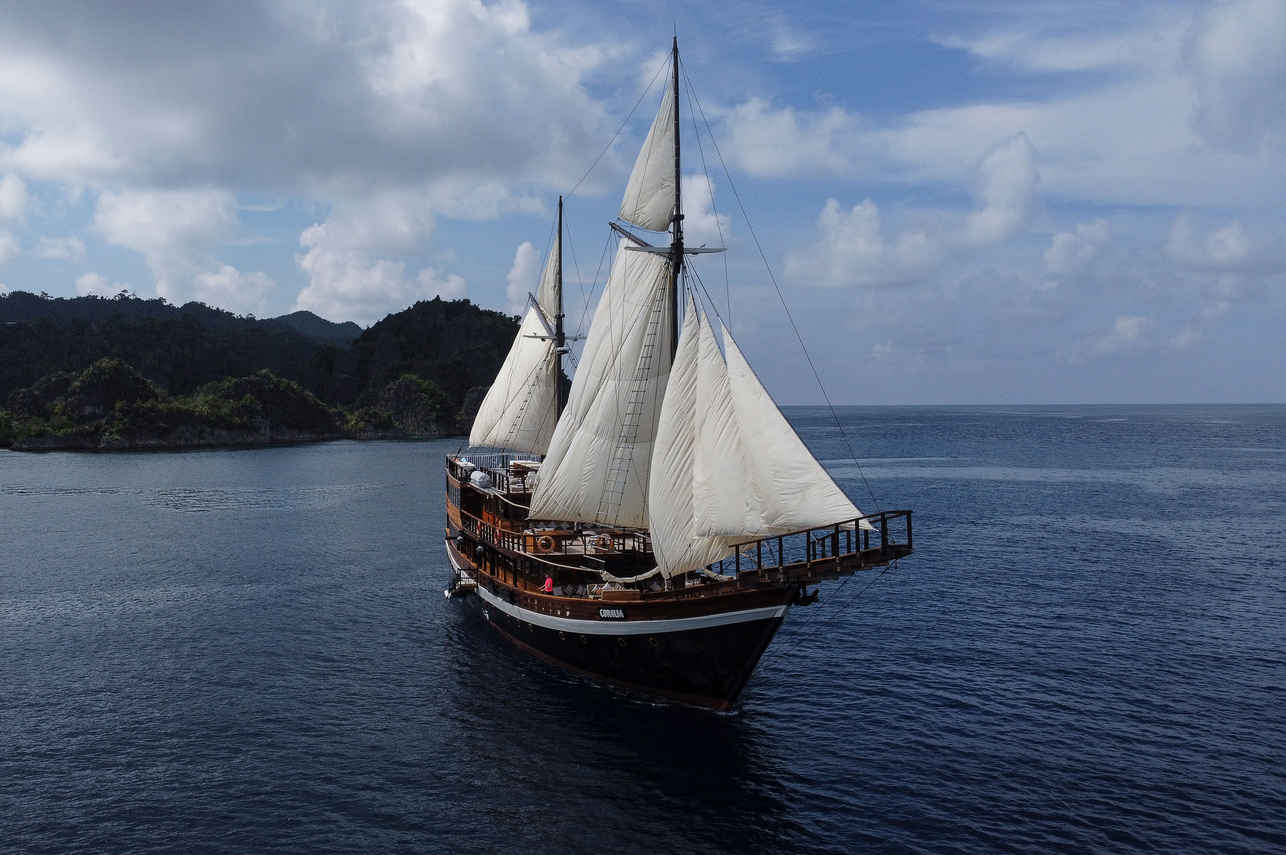
Coralia
Indonesia
16 guests48 m
$577/day
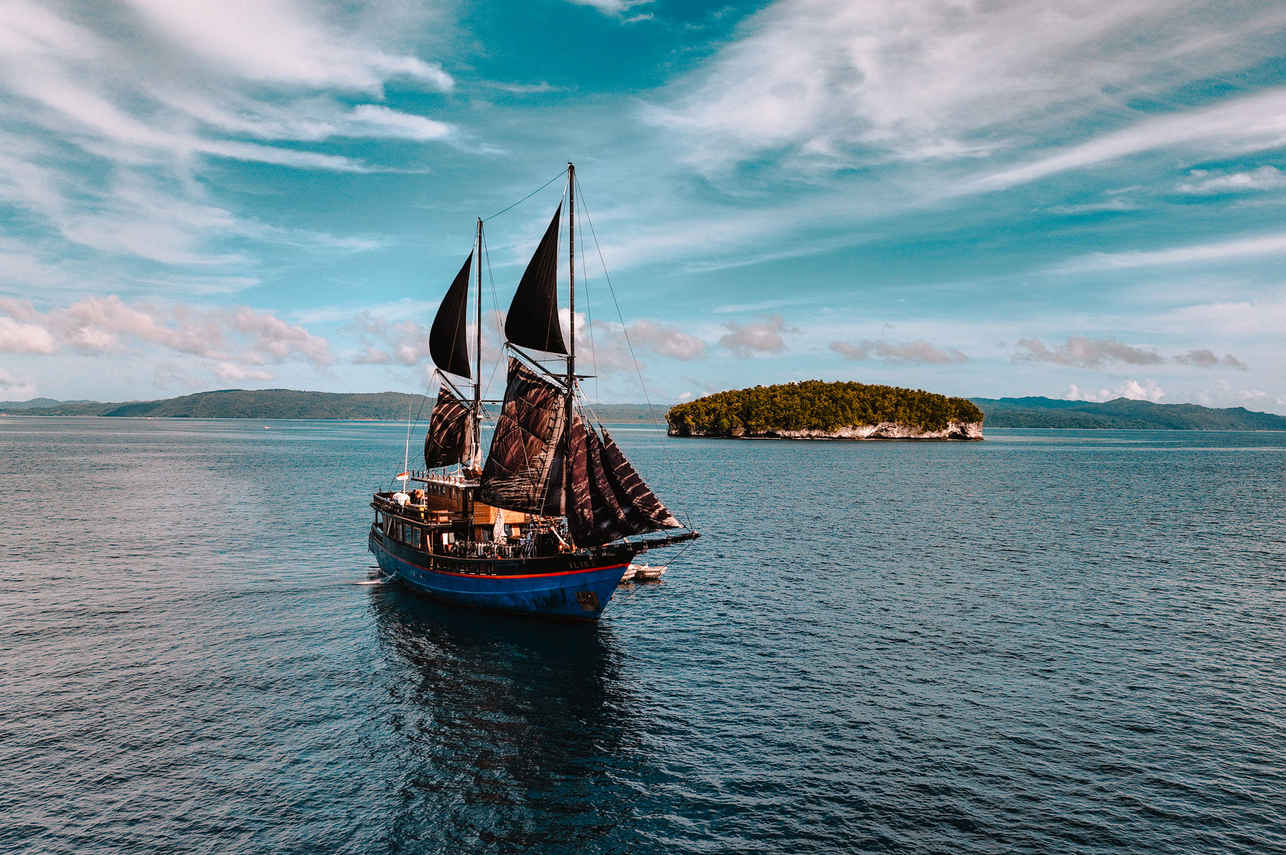
Ilike
Indonesia
16 guests40 m
$350/day
Dive sites similar to Banda Api North
Same character, same waters — six more sites divers love for the exact same reasons.Compare seasons, access and liveaboard routes — then pick the site that fits your trip best.
© Esri — Maxar, Earthstar, GIS
Patinti Strait
Banda Sea
The Patinti Strait, also known as Selat Patiente, is a renowned dive site located in South Halmahera, nestled between the main island of Halmahera and Bacan Island.
- Suitable for
- Advanced
- Current
- Strong
- Access
- Liveaboard only
- Depth
- 5–30 m
- Theme
- Drift / Reef
© Esri — Maxar, Earthstar, GIS
Pohon Miring
Banda Sea
Pohon Miring, located near Banda Neira, is a dive site within the central Banda Islands group, offering a unique blend of marine biodiversity and accessibility.
- Suitable for
- Beginner
- Current
- Strong
- Access
- Liveaboard only
- Depth
- 3–20 m
- Theme
- Reef / Seamount
© Esri — Maxar, Earthstar, GIS
Dawera Island
Banda Sea
Dawera Island is a captivating dive destination nestled within the Forgotten Islands, a remote chain of islands in the vast Banda Sea, Indonesia.
- Suitable for
- Advanced
- Current
- Moderate
- Access
- Liveaboard only
- Depth
- ≥ 15 m
- Theme
- Reef / Wall
© Esri — Maxar, Earthstar, GIS
Tanjung Button
Banda Sea
Tanjung Button is an exceptional dive site located in the Banda Sea, specifically within the Banda Islands archipelago of Indonesia.
- Suitable for
- Advanced
- Current
- Strong
- Access
- Liveaboard only
- Depth
- —
- Theme
- Reef
Sermata is part of the Forgotten Islands, a long chain of remote islands and atolls in the Southern Maluku, Indonesia, situated between the nutrient-rich Banda Sea and the Arafura Sea.
- Suitable for
- Advanced
- Current
- Moderate
- Access
- Liveaboard only
- Depth
- 15–40 m
- Theme
- Reef / Wall
© Esri — Maxar, Earthstar, GIS
Dusborough
Banda Sea
Dusborough is a notable dive site within the Banda Sea's Forgotten Islands, recognized as one of the remote, isolated atolls.
- Suitable for
- Advanced
- Current
- Strong
- Access
- Liveaboard only
- Depth
- 5–40 m
- Theme
- Reef