About Nil Desperandum
Nil Desperandum, an expansive atoll in the Banda Sea, lives up to its name meaning "don't despair," possibly referencing a historic shipwreck. This site is a truly remote pelagic hotspot, a volcanic structure that rises dramatically from depths exceeding 4,500 meters to within 5 to 30 meters of the surface. Diving here offers an incredible mix of healthy, sloping reefs and deep walls, characterized by excellent visibility that often surpasses 30-40 meters. The unique bathymetry creates strong upwellings of cold, nutrient-rich water, attracting a spectacular array of pelagic species. While abundant reef fish and vibrant hard coral formations adorn its shallower sections, the real draw of Nil Desperandum is the constant possibility of encountering schooling sharks. Hammerheads, silvertips, and grey reef sharks are frequent visitors, especially during the peak season from September to November when cooler thermoclines draw them closer to recreational diving depths. Expect to be immersed in an environment teeming with life, where dense schools of fusiliers and unicornfish are regularly hunted by larger predators. Access to Nil Desperandum is exclusively via liveaboard, often as part of extended itineraries through the Banda Sea and Forgotten Islands. Given its open ocean exposure and potential for strong currents, it is best suited for experienced divers comfortable in dynamic conditions, promising some of the most memorable and exhilarating dives in Indonesia.
Highlights
Schooling hammerhead sharksDeep drop-offs and wallsPristine sloping reefsExceptional pelagic encountersCrystal-clear visibilityRemote atoll divingSilky and grey reef sharks
Season calendar
Best months to dive here
Jan
Feb
Mar
Apr
May
Jun
Jul
Aug
Sep
Oct
Nov
Dec
Good
Dive site facts: Nil Desperandum
- Depth
- 5–40 m
- Typical dive
- 15–30 m, 50–60 min
- Current
- Can be strong
- Visibility
- 30–50 m
- Water temperature
- 25–29°C
- Entry
- Liveaboard tender / negative entry
- Level
- Advanced Open Water, 50+ logged dives, current experience
- Dive type
- Pelagic, wall, reef
- Night dive
- Not typical / weather dependent
- Region / port
- Banda Sea, Forgotten Islands
- Coordinates
- -6.6333, 131.0167
Conditions & Currents
Nil Desperandum is an open ocean seamount, and as such, currents can be unpredictable and strong. Its position rising from deep water means nutrient-rich upwellings are common, which in turn attract large pelagic species. Divers should be prepared for varying current strengths and be proficient in drift diving techniques. Visibility is typically excellent, often exceeding 30-40 meters, due to its remote location away from terrestrial runoff. Water temperatures generally range from 27-29°C, but can drop to 25°C within the thermoclines where hammerheads are often sighted, necessitating appropriate thermal protection. A solid understanding of buoyancy control and the ability to perform blue water safety stops are essential for safe diving at this site.
Marine life & sighting chances

Scalloped hammerhead shark
Sept-Nov · common
Silky shark
occasional
Grey reef shark
occasional
Giant trevally
common
Tuna
common
Barracuda
commonDogtooth tuna
occasional
Fusiliers
common
Unicornfish
common
Napoleon wrasse
occasional
Manta ray
occasional
Mobula ray
occasional
Sperm whale
rareDive profile & how the dive runs
Diving at Nil Desperandum typically begins with a tender drop close to the atoll's edge, often requiring a negative entry due to potential currents. The dive plan usually involves descending along the deep walls or sloping reefs, maintaining awareness of current direction to facilitate drift. Divers explore depths between 15-30 meters, keeping an eye on the blue for pelagic encounters, especially hammerheads that frequent the deeper sections and thermoclines. The route often involves circumnavigating a portion of the atoll, allowing observations of both reef life and passing pelagics. Turning points are dictated by air consumption and bottom time, with the ascent initiated to ensure adequate decompression. Safety stops are often conducted in mid-water, utilizing a surface marker buoy in the open ocean environment.
Underwater photography
Nil Desperandum offers outstanding wide-angle photography opportunities, especially during the hammerhead season. A fisheye or wide-angle lens is essential to capture the schooling sharks and expansive reefscapes against the clear blue water. Given the potential for deep encounters and thermoclines, a camera housing rated for deeper depths and powerful strobes are highly recommended to bring out color and detail. Maintaining excellent buoyancy control is paramount, not only for safety in currents but also to avoid disturbing the fragile coral formations and marine life. Patience and anticipation are key to capturing images of the often-fast-moving pelagic subjects, focusing on the interface between the deep blue and the reef edges.
Combine with nearby dive sites
- Dusborough
Another isolated atoll renowned for pelagic species and deep walls.
- Serua Island
Famous for frequent sightings of schooling hammerhead sharks, especially at 'Magic Corners'.
- Manuk Island
Known for large aggregations of sea snakes and potential hammerhead sightings.
- Gunung Api Lava Flow
An active volcano site showcasing remarkable accelerated coral regrowth.
- Batu Kapal
A Banda Islands site known for healthy reefs and fish life.
Getting there & logistics
Accessing Nil Desperandum requires a liveaboard trip, typically embarking from Ambon (Pattimura Airport, AMQ) or sometimes Saumlaki, which are serviced by domestic flights from Jakarta (CGK) or Makassar (UPG). Trip durations usually range from 10 to 14 days to cover the extensive distances of the Banda Sea and Forgotten Islands. These itineraries often combine Nil Desperandum with other remote sites like Dusborough, Serua, and the Banda Islands, with some starting or ending in Alor. Permits and park fees are generally included in liveaboard packages. It is advisable to allow for transit nights in Indonesia before and after the cruise due to flight schedules.
Safety & environment
Diving at Nil Desperandum demands a high level of diver preparedness due to its remote, open-ocean location and potential for strong, unpredictable currents. The nearest recompression chamber is likely in Ambon, meaning evacuation would be a multi-day process, emphasizing the critical need for proper dive planning and adherence to limits. Comprehensive dive accident insurance is mandatory for all divers. Site-specific hazards include down currents and fast-moving water, requiring excellent buoyancy control, proficient use of a surface marker buoy (SMB), and comfort with blue water safety stops. Divers should stay close to their guides and maintain situational awareness, especially when encountering large pelagics. All diving is done from liveaboards, which typically have strict safety protocols in place.
Who it suits — and who it doesn't
Suited for
- Advanced Open Water divers with 50+ logged dives
- Divers comfortable with strong currents and drift diving
- Photographers seeking wide-angle pelagic opportunities
- Divers looking for remote, adventurous dive experiences
- Those passionate about shark encounters and large marine life
Less suited for
- Absolute beginner divers
- Divers uncomfortable with deep water or strong currents
- Individuals prone to seasickness on open ocean crossings
- Divers without comprehensive dive accident insurance
- Those preferring sheltered, calm, and shallow reef dives
FAQ
Nil Desperandum FAQ
What kind of sharks can I expect to see at Nil Desperandum?
Nil Desperandum is particularly famous for schooling scalloped hammerhead sharks, especially during the peak season from September to November. You can also frequently encounter silky sharks and grey reef sharks patrolling the deep walls and open water. Keep an eye out for other pelagic species like tuna and barracuda.
Is Nil Desperandum suitable for beginner divers?
Due to its remote location, open ocean exposure, and potential for strong currents, Nil Desperandum is not recommended for absolute beginner divers. It requires a comfort level with deep water, currents, and advanced diving techniques. Most operators recommend at least an Advanced Open Water certification and 50 logged dives.
When is the best time to dive Nil Desperandum for hammerheads?
The prime time for hammerhead sightings at Nil Desperandum is during the inter-monsoon period from September to November, with October often considered the peak month. During this 'hammerhead window,' cooler thermoclines rise, drawing schools of sharks closer to recreational diving depths. The visibility is also exceptional during these months.
How do I get to Nil Desperandum?
Nil Desperandum is exclusively accessible via liveaboard, typically as part of an extended itinerary through the Banda Sea and Forgotten Islands. Liveaboards usually embark from Ambon or Saumlaki, which are reachable by domestic flights from major Indonesian hubs like Jakarta or Makassar. You will need to fly into one of these departure ports.
What are the water conditions like at Nil Desperandum?
Expect crystal-clear visibility, often exceeding 30-40 meters, due to the remote, open-ocean environment. Water temperatures generally range from 27-29°C, but can drop to 25°C in the cooler thermoclines where pelagics are found. Currents can be strong and unpredictable, requiring good buoyancy control and comfort with drift diving.
Why dive Nil Desperandum from a liveaboard?
Nil Desperandum is one of Banda Sea's signature dive sites. A liveaboard sleeps you on the water and puts you in the water for three to four guided dives per day, including dawn and night dives that day-boat operators rarely offer. You skip the daily commute back to port and reach quieter, less-crowded sites in the same region on a single trip.
Below are the liveaboards that include Nil Desperandum on their Banda Sea itineraries.
Liveaboards diving Nil Desperandum
These liveaboards may visit Nil Desperandum on selected itineraries — the exact dive sites depend on departure, weather and conditions.
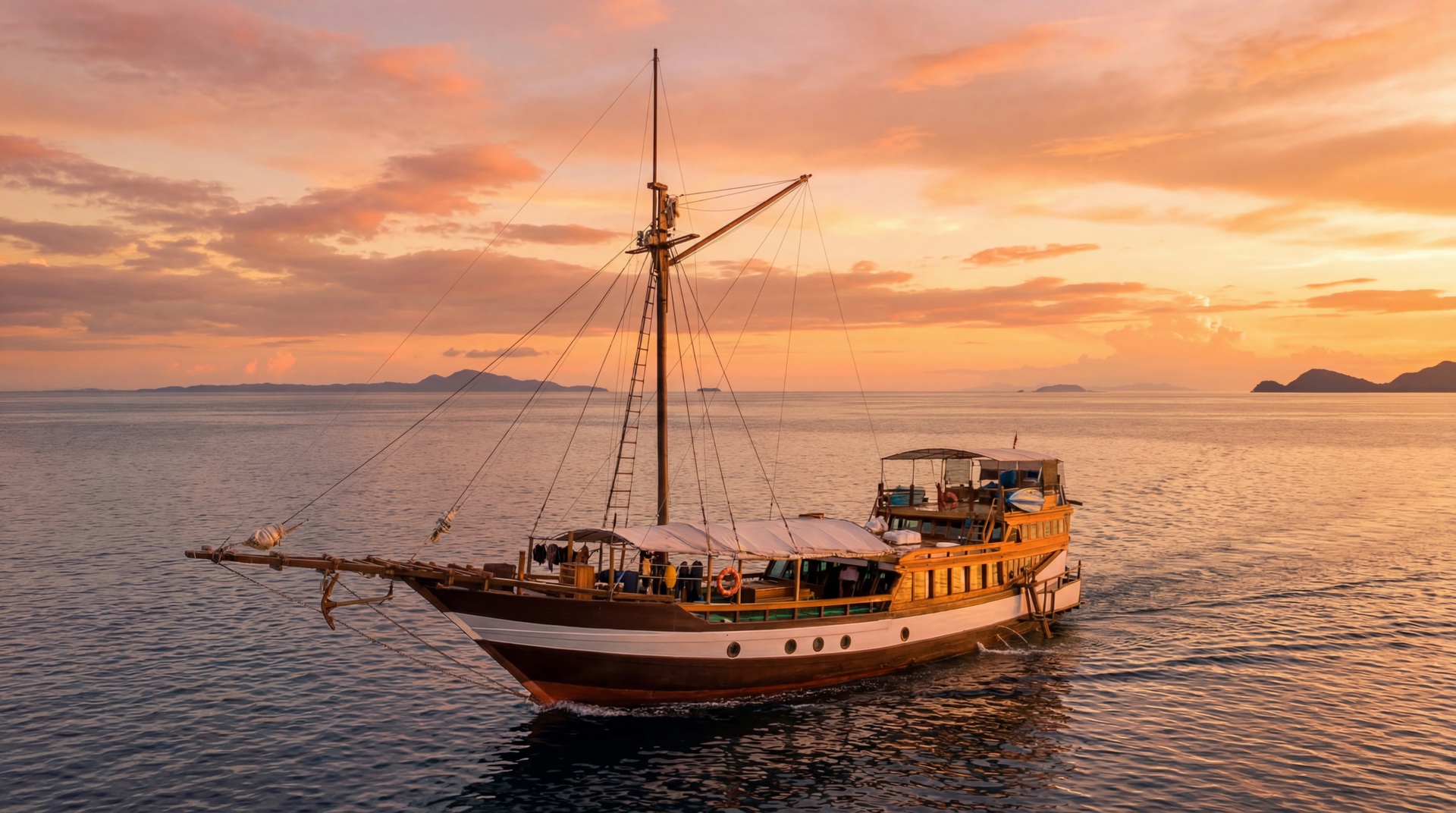
Wellenreng
Indonesia
9 guests25 m
$427/day
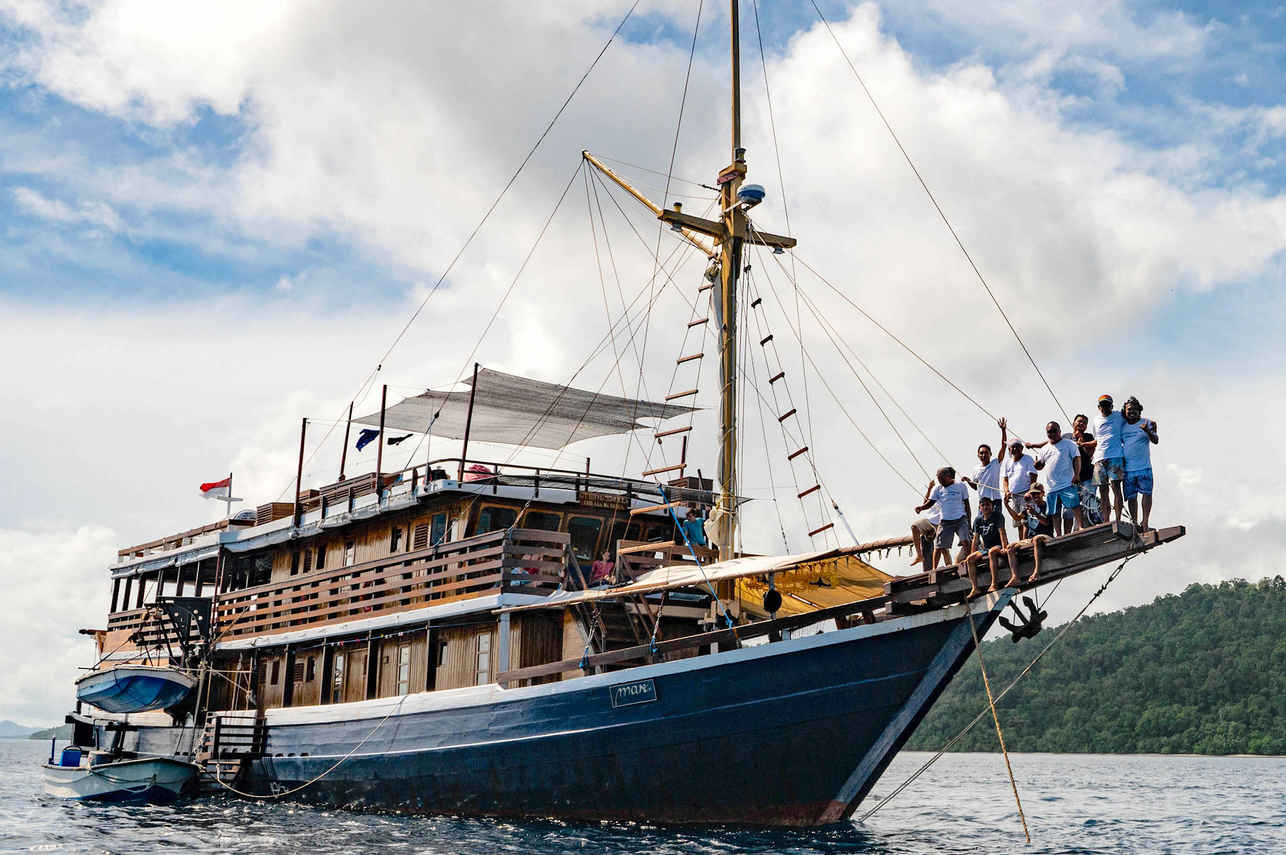
Mari
Indonesia
14 guests32.2 m
$328/day
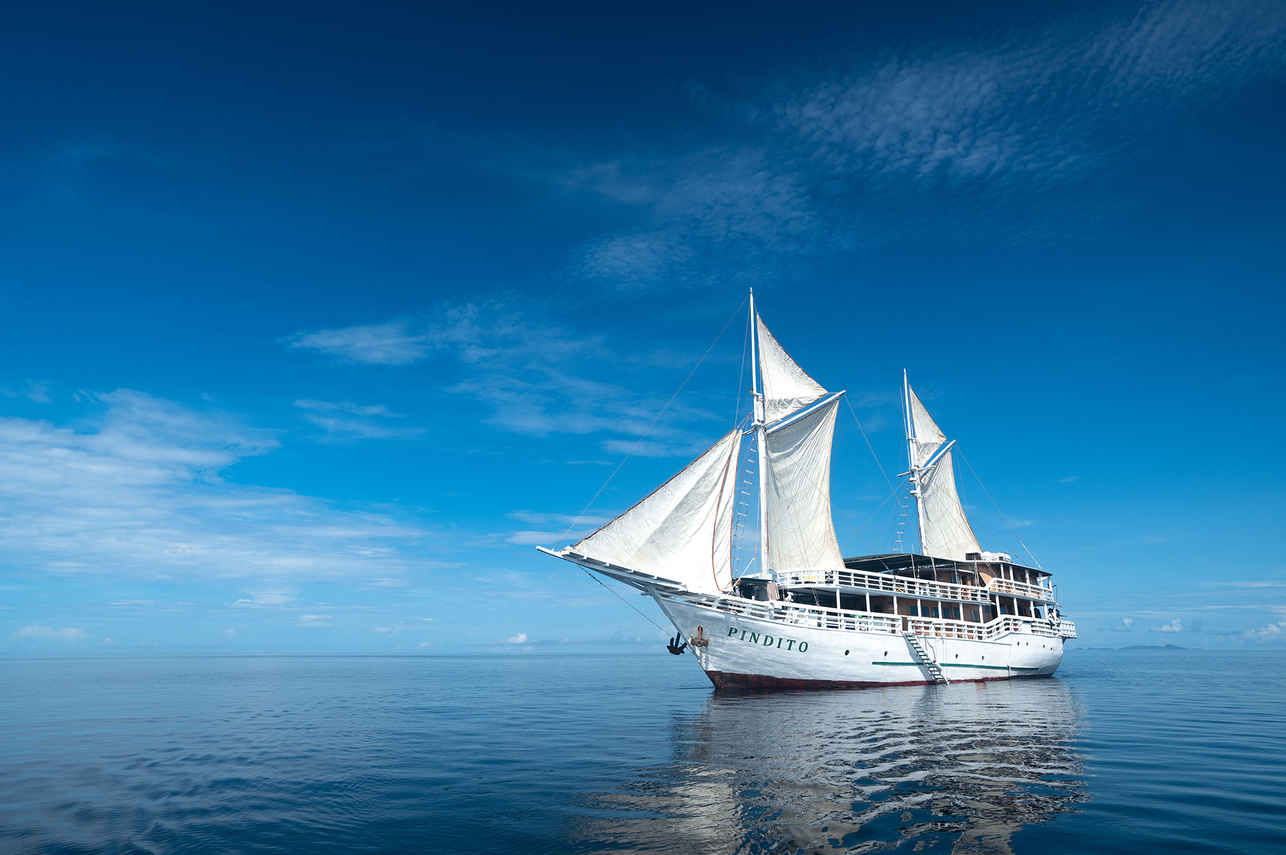
Pindito
Indonesia
16 guests37.79 m
$533/day
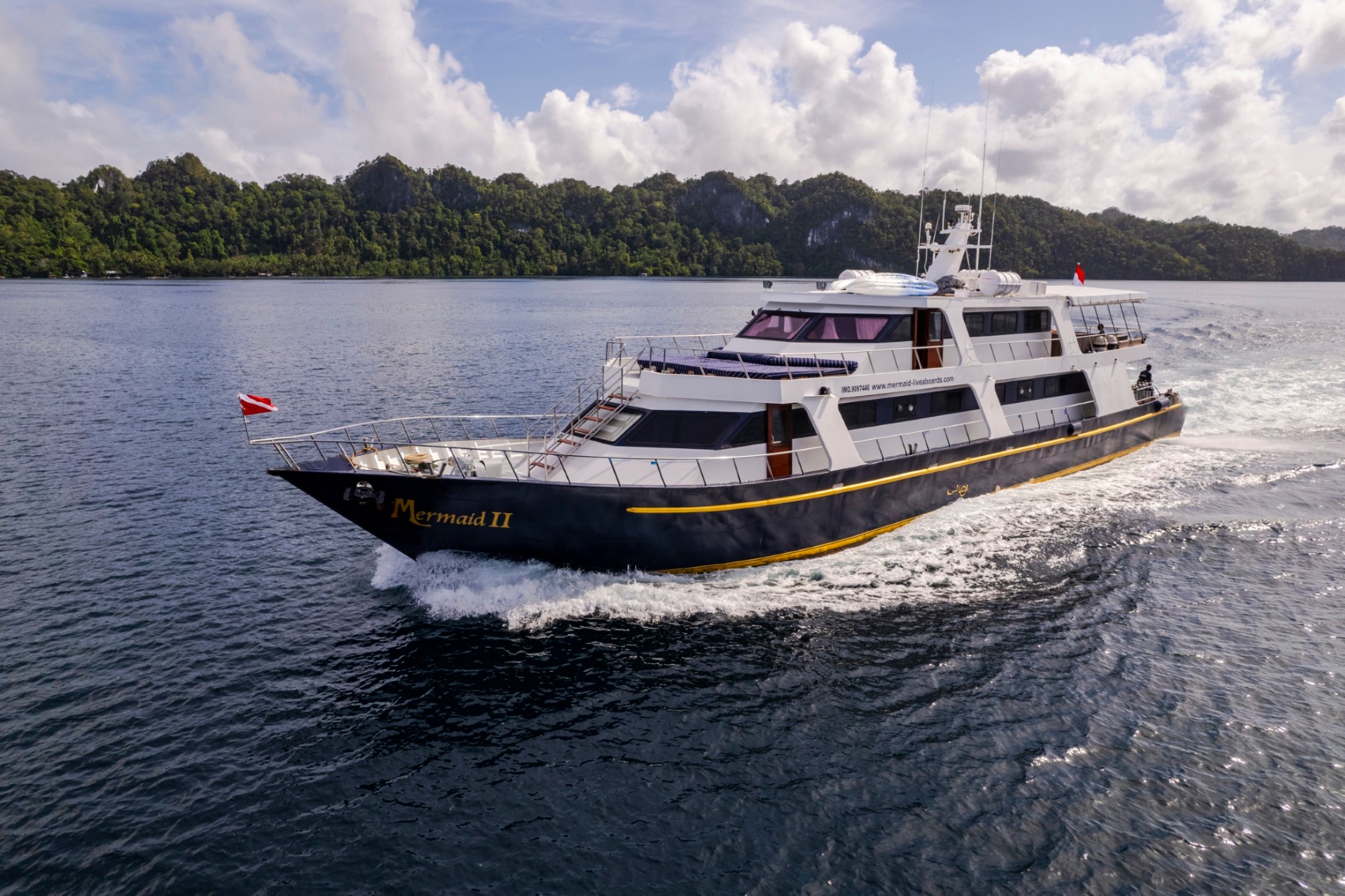
Mermaid II
Komodo, Indonesia
18 guests
$391/day
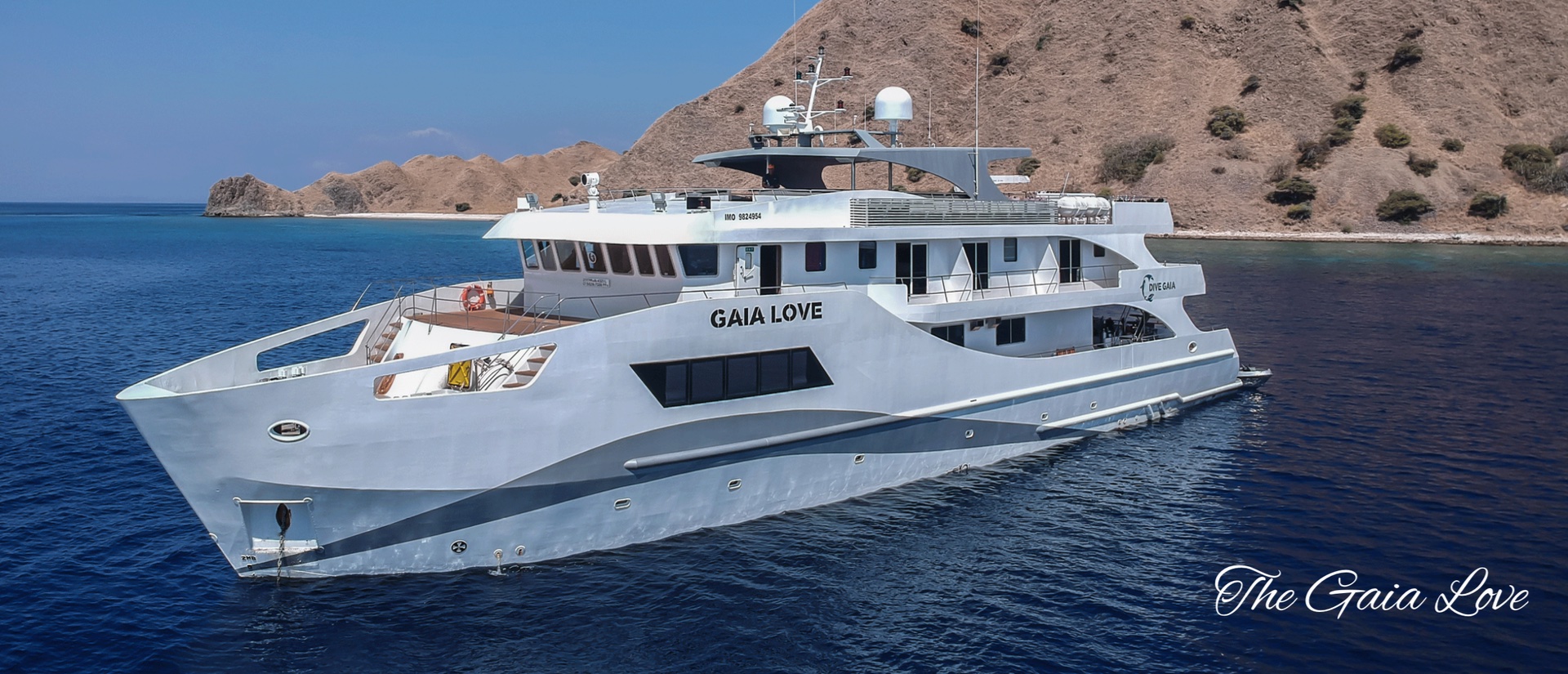
Gaia Love
Alor
20 guests
$554/day
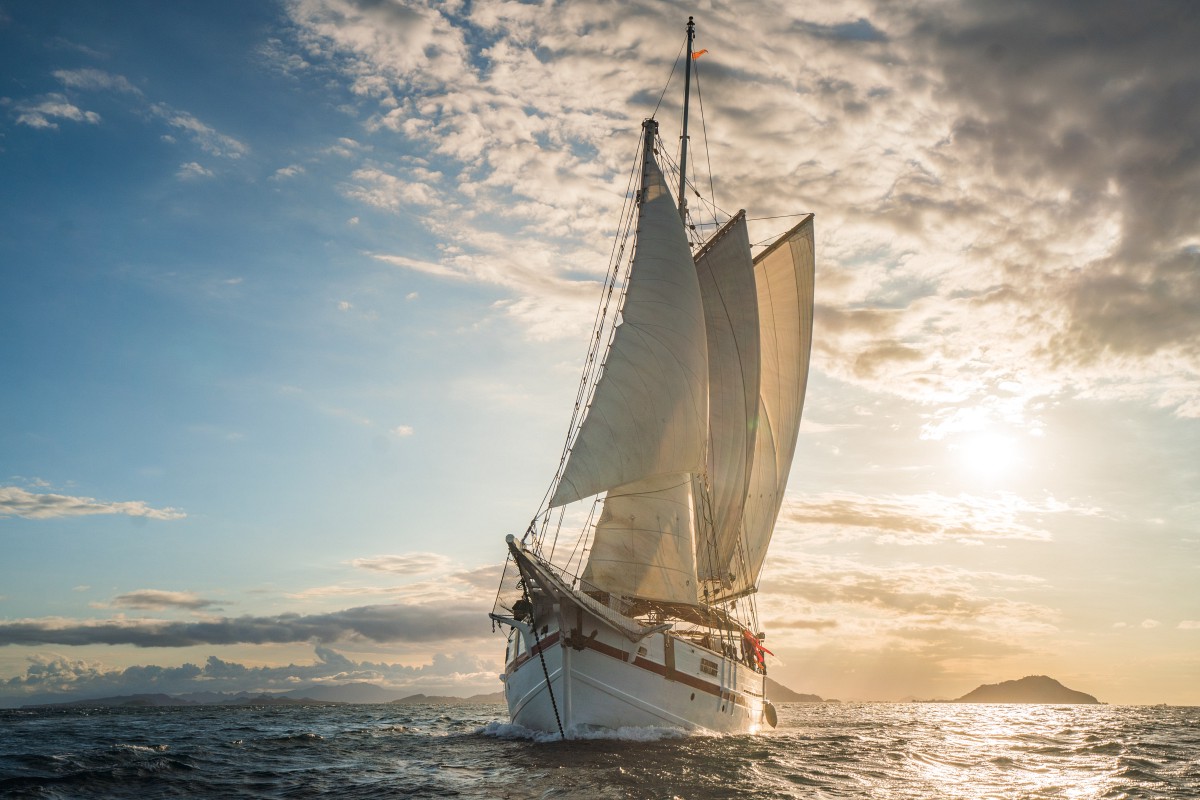
Emperor Raja Laut
Raja Ampat, Indonesia
12 guests31 m
$413/day
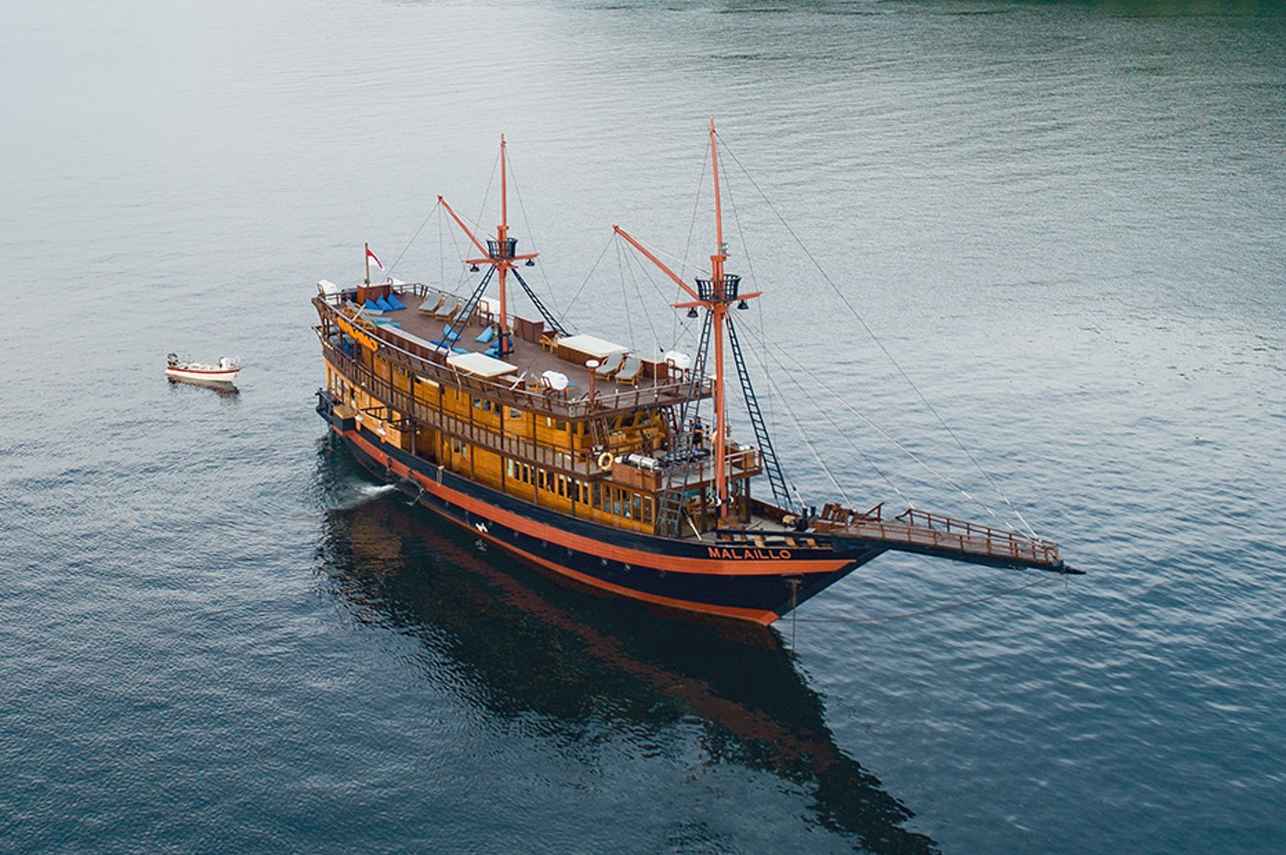
Malaillo
Indonesia
14 guests45.57 m
$348/day
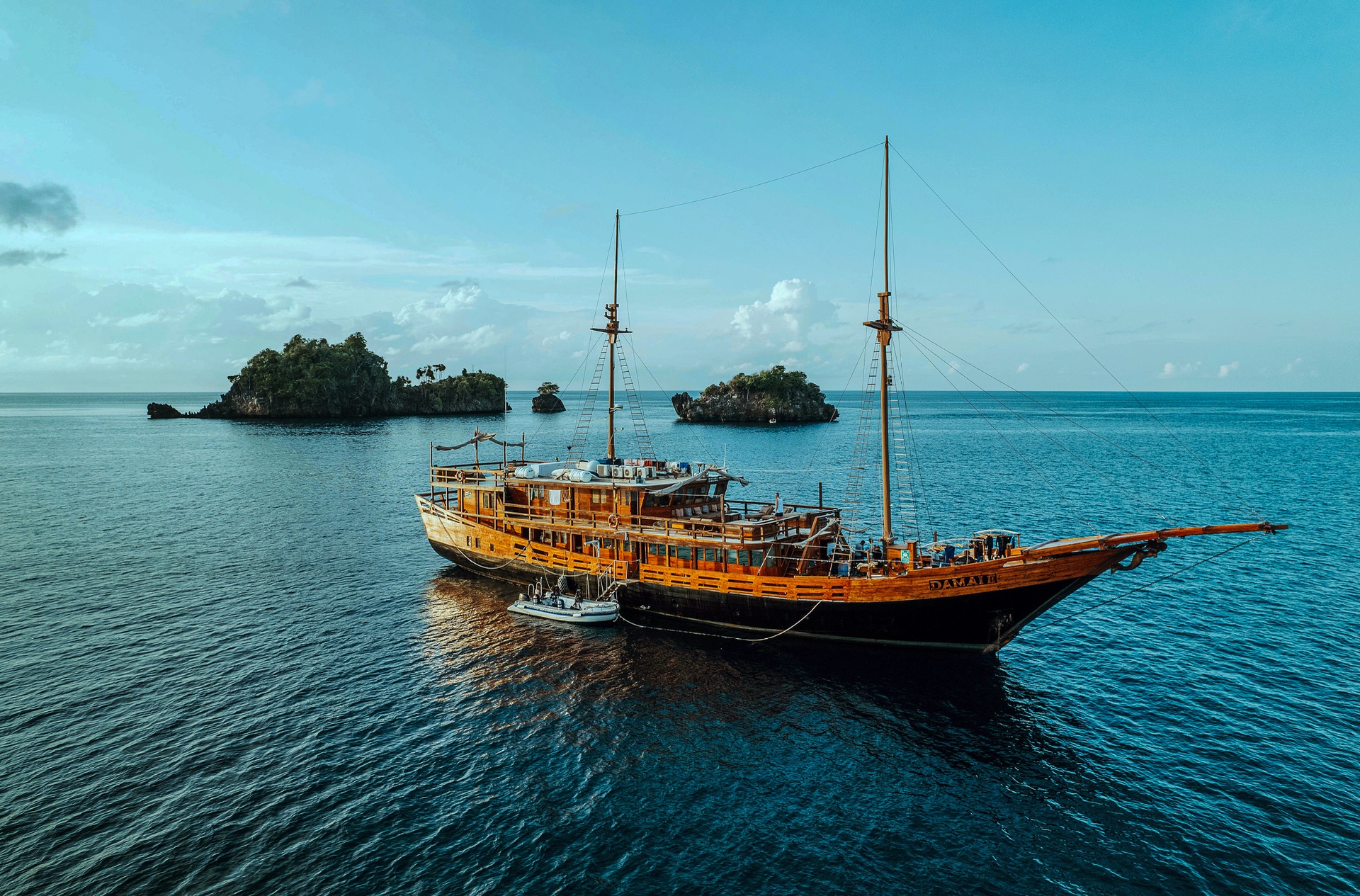
Damai II
Komodo, Indonesia
14 guests
$441/day
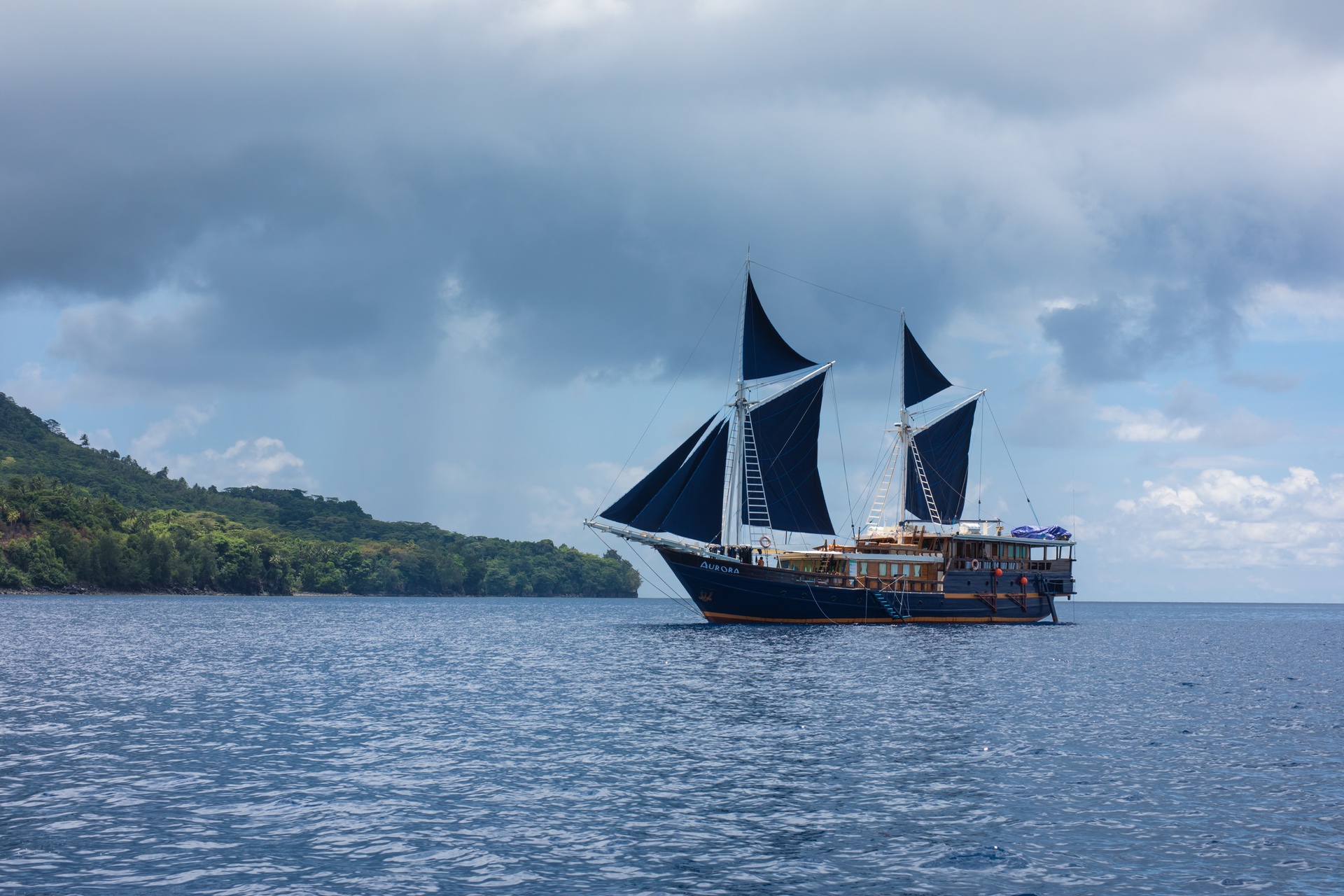
DUNE Aurora
Indonesia
18 guests
$344/day
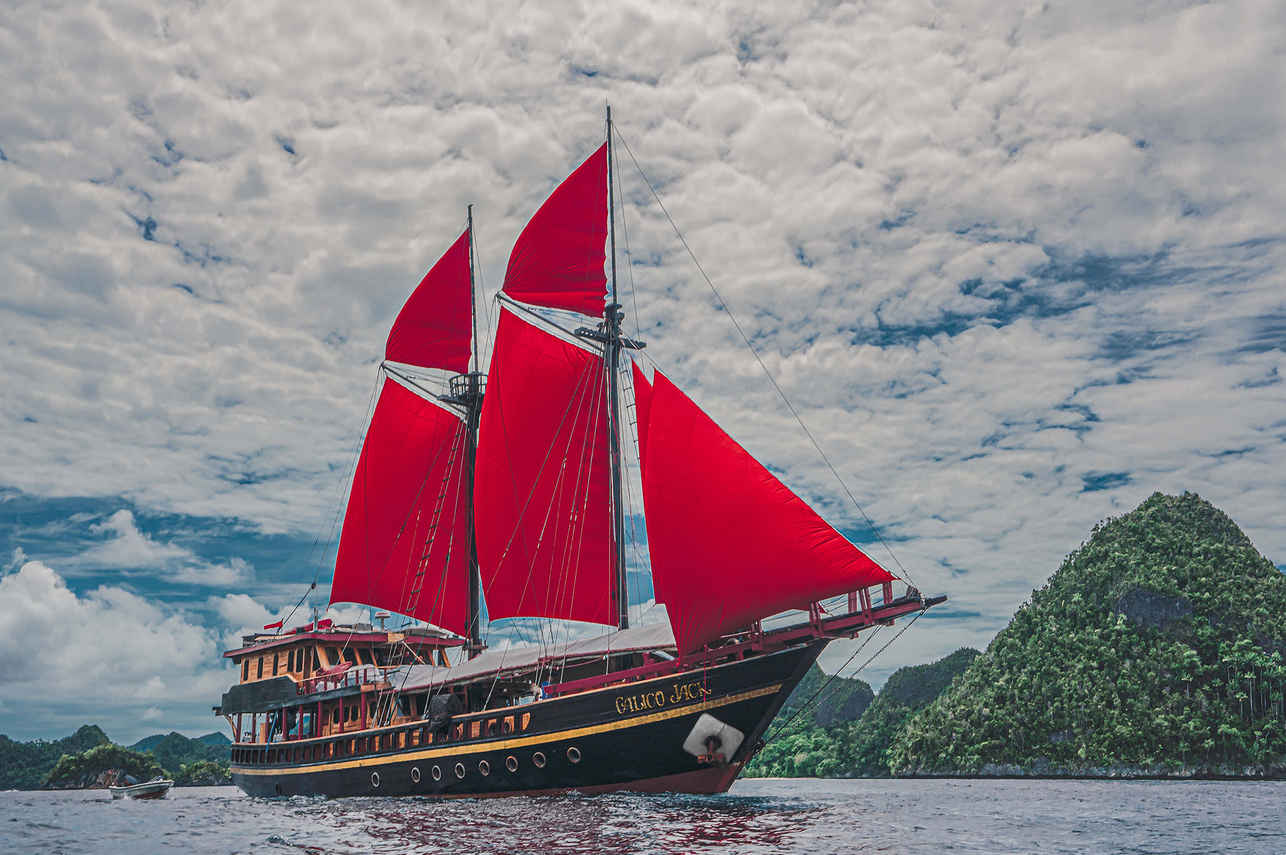
Calico Jack
Indonesia
10 guests30 m
$398/day
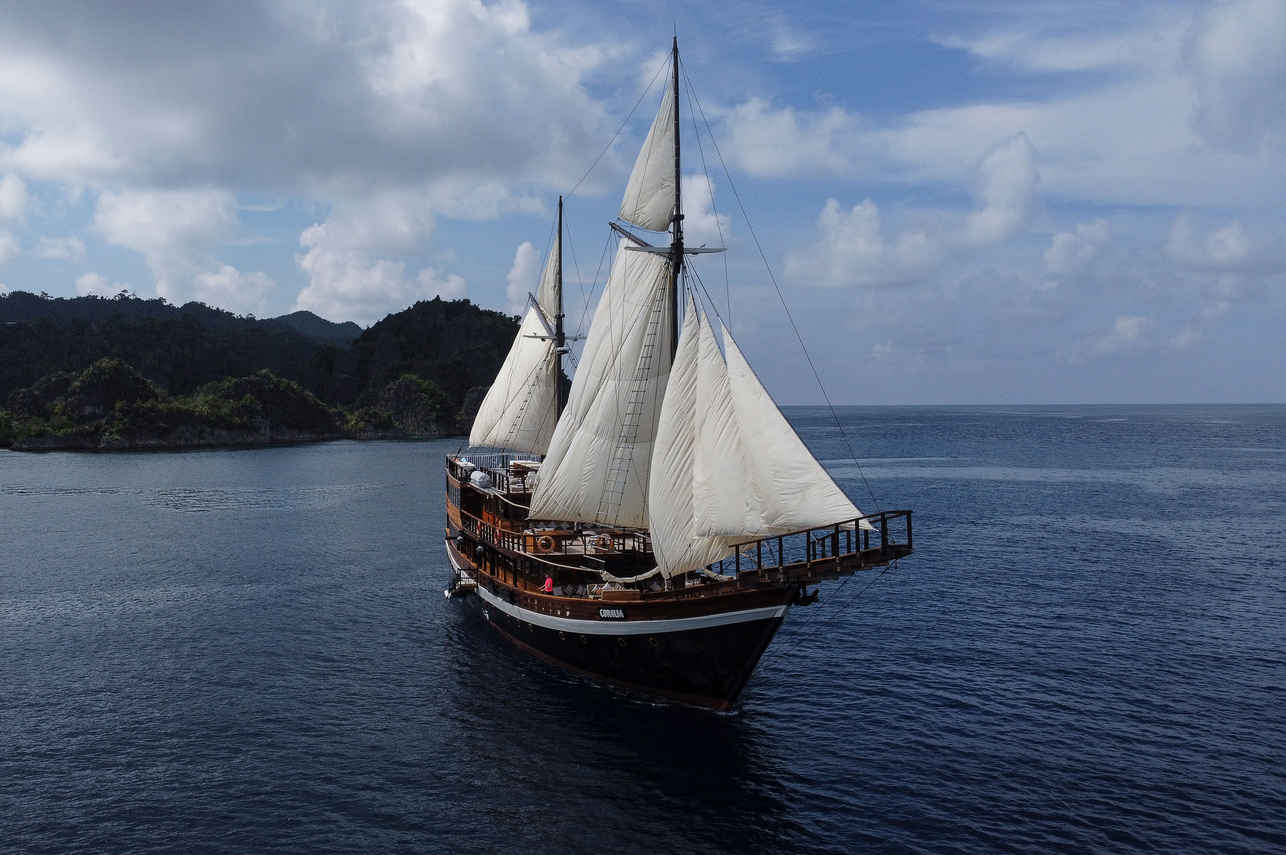
Coralia
Indonesia
16 guests48 m
$563/day
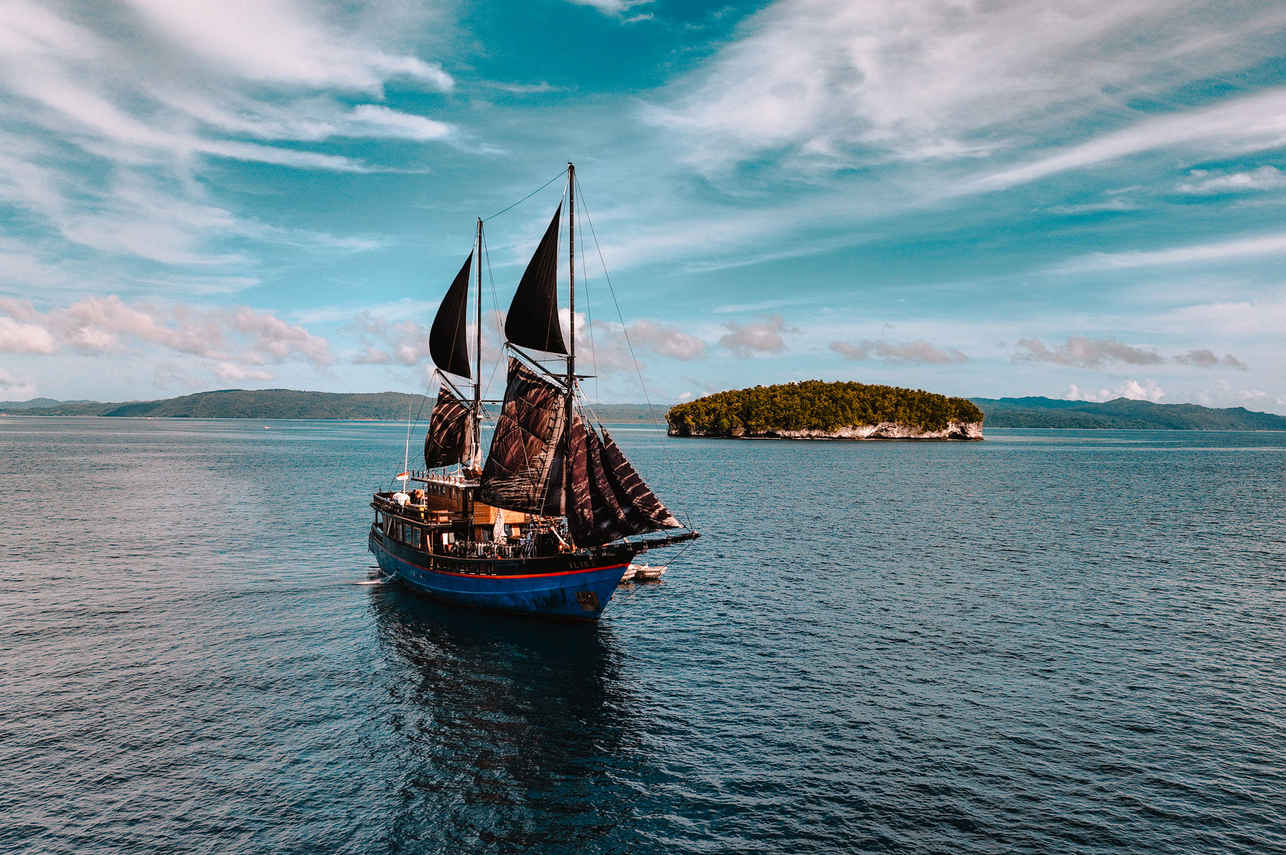
Ilike
Indonesia
16 guests40 m
$350/day
Dive sites similar to Nil Desperandum
Same character, same waters — six more sites divers love for the exact same reasons.Compare seasons, access and liveaboard routes — then pick the site that fits your trip best.
© Esri — Maxar, Earthstar, GIS
Banda Besar South Wall
Banda Sea
Banda Besar South Wall is located in the heart of the Banda Islands, part of Indonesia's remote Ring of Fire archipelago.
- Suitable for
- Intermediate
- Current
- Strong
- Access
- Liveaboard only
- Depth
- 5–40 m
- Theme
- Drift / Wall
© Esri — Maxar, Earthstar, GIS
Banda Neira Jetty
Banda Sea
Banda Neira Jetty offers a distinct dive experience in the Banda Sea, contrasting with the region's usual strong currents and pelagic encounters.
- Suitable for
- Beginner
- Current
- Strong
- Access
- Shore / dayboat
- Depth
- 2–12 m
- Theme
- Muck diving / Wall
© Esri — Maxar, Earthstar, GIS
Batu Kapal
Banda Sea
Batu Kapal, meaning "Stone Ship," is a captivating dive site nestled within the historic Banda Islands, a region renowned for its pristine marine environment and rich spice trade history.
- Suitable for
- Advanced
- Current
- Moderate
- Access
- Liveaboard only
- Depth
- 8–35 m
- Theme
- Pinnacle / Wall
© Esri — Maxar, Earthstar, GIS
Dawera Island
Banda Sea
Dawera Island is a captivating dive destination nestled within the Forgotten Islands, a remote chain of islands in the vast Banda Sea, Indonesia.
- Suitable for
- Advanced
- Current
- Moderate
- Access
- Liveaboard only
- Depth
- ≥ 15 m
- Theme
- Reef / Wall
© Esri — Maxar, Earthstar, GIS
Forgotten Wreck
Banda Sea
The Banda Sea is one of Indonesia's most remote and rewarding dive destinations, often referred to as the "Forgotten Islands." This region, part of the legendary Spice Islands…
- Suitable for
- Advanced
- Current
- Strong
- Access
- Shore / dayboat
- Depth
- 10–45 m
- Theme
- Wall
© Esri — Maxar, Earthstar, GIS
Goraici Islands
Banda Sea
The Goraici Islands, nestled in Halmahera within the Maluku archipelago, represent a premier diving destination celebrated for its rich marine biodiversity and dramatic underwater landscapes.
- Suitable for
- Advanced
- Current
- Moderate
- Access
- Liveaboard only
- Depth
- —
- Theme
- Reef / Wall