About Saleh Bay
Saleh Bay is a unique marine ecosystem located on Sumbawa, an island situated between Bali and Komodo in Indonesia. Geographically distinct, it's a large, central bay cutting deep into the island from the north coast, primarily featuring depths between 30 to 50 meters, with a narrow opening to the Flores Sea on its eastern side. This sheltered environment, surrounded by lush hills and dotted with fishing villages, creates ideal conditions for diverse marine life. The bay is globally recognized for its reliable whale shark aggregations, which gather around traditional fishing platforms (bagan) that attract small fish and plankton. Beyond these gentle giants, the waters host vibrant coral gardens, underwater caves, and dynamic wall dives. Divers can explore extensive reef systems teeming with colorful fish, while muck diving areas reveal an abundance of macro life. The nutrient-rich environment supports a wide array of species, including manta rays, various reef sharks, and schools of barracuda. Macro enthusiasts will discover nudibranchs, pipefish, seahorses, and frogfish among the sandy bottoms and seagrass beds. The sheltered nature of the bay also contributes to generally calm conditions and clear visibility, making it suitable for both novice and experienced divers. Diving in Saleh Bay offers an authentic, off-the-beaten-path adventure, often with fewer crowds compared to more established Indonesian dive sites. Liveaboard itineraries typically combine whale shark encounters with exploration of these pristine reefs, providing a comprehensive and rewarding experience away from mainstream tourist spots. The focus is on respectful wildlife interaction and preserving the untouched beauty of the area.
Highlights
Reliable whale shark encountersPristine coral gardensDiverse macro lifeSheltered bay conditionsUntouched reef systemsManta ray cleaning stationsPelagic drop-offs
Season calendar
Best months to dive here
Jan
Feb
Mar
Apr
May
Jun
Jul
Aug
Sep
Oct
Nov
Dec
Excellent
Good
Dive site facts: Saleh Bay
- Depth
- 5–40+ m
- Typical dive
- 10–25 m, 50–60 min
- Current
- Mild to moderate (site-dependent)
- Visibility
- 15–30 m
- Water temperature
- 26–29°C
- Entry
- Liveaboard tender
- Level
- Open Water Divers and above
- Dive type
- Reef, wall, muck, big animals
- Region / port
- Sumbawa, Indonesia
- Coordinates
- 4.5405° S, 123.8506° E
Conditions & Currents
Saleh Bay generally offers calm, sheltered waters, making it an accessible dive destination. However, specific sites, especially wall dives and those exposed to the bay's opening, can experience varying current strengths. Whale shark encounters typically involve surface-based interactions around fishing platforms where food sources accumulate, often in calmer conditions. Visibility in the bay is generally excellent due to the stable conditions, but like any nutrient-rich environment, plankton blooms can occasionally reduce it. Water temperatures remain comfortably warm, ranging from 26°C to 29°C. Divers should be prepared for early morning departures for whale shark encounters, which are primarily snorkelling interactions. The overall dive experience is often suitable for a range of skill levels, though awareness of currents at certain dive sites is always prudent.
Marine life & sighting chances

Whale shark
May–October peak · common
Manta ray
occasional
Reef shark
occasional
Green sea turtle
occasional
Hawksbill turtle
occasional
Parrotfish
common
Angelfish
common
Barracuda
occasional
Nudibranch
common
Pipefish
occasional
Seahorse
rare
Frogfish
rare
Redtooth triggerfish
commonSix-banded angelfish
occasionalDive profile & how the dive runs
Dives in Saleh Bay typically begin with a tender entry from a liveaboard, with specific whale shark encounters often involving surface-based observation. For reef dives, you'll generally descend onto vibrant coral gardens or along walls, such as those at Tanjung Menangis or Angel Reef. Depth progression varies, but many reef sections are rich in marine life between 10 and 25 meters, allowing for extended bottom times. Muck diving sites focus on shallower sandy bottoms, exploring for macro creatures. Turn points are dictated by air consumption and no-decompression limits, with guides leading efficient routes to maximize sightings. Safety stops are usually conducted in the sheltered shallows, often around the 5-meter mark, where colourful reef fish provide a pleasant final observation opportunity. Dive durations typically range from 50 to 60 minutes.
Underwater photography
Saleh Bay offers diverse photographic opportunities, from wide-angle for whale sharks and expansive coral formations to macro for its rich muck sites. For whale shark encounters, a wide-angle lens (e.g., 10-24mm) is essential to capture the full size of the animals. Natural light is often sufficient during morning encounters, but strobes can enhance colours on reef dives. For macro photography, a dedicated macro lens (e.g., 60mm or 100mm) is recommended, often paired with snoots or dual strobes to highlight tiny subjects like nudibranchs and frogfish. Excellent buoyancy control is paramount to avoid disturbing delicate corals and bottom dwellers. When photographing whale sharks, maintain a respectful distance of at least three meters and avoid using flash to prevent startling them. Patience and a keen eye are key to capturing the bay's unique biodiversity.
Combine with nearby dive sites
- Moyo Island
Known for quiet manta and shark diving, with reefs and pinnacles.
- Ron’s Point
Ron’s Point is a distinguished dive site located on the southwest corner of Bunaken Island, Indonesia, within the renowned Bunaken National…
- Big Fish Country
Big Fish Country, located in the Derawan Islands of East Kalimantan, is a renowned dive site where nutrient-rich waters from the Celebes…
- Channel Maratua
Channel Maratua, also known as Big Fish Country, is a premier dive site located off Maratua Island within the Derawan Archipelago, East…
- Magnifica
Magnifica is a spectacular dive site located within Indonesia's Wakatobi National Park, renowned for its extraordinary coral reefs and…
Getting there & logistics
Access to Saleh Bay is predominantly via liveaboard, which often integrate it into extended Komodo itineraries from Labuan Bajo. Alternatively, you can fly to Lombok (LOP) from Bali (DPS), then take a domestic flight to Sumbawa Besar or a ferry and car transfer to reach the bay. The Whale Shark Saleh Bay team can assist with transfers and arrangements within Sumbawa. Trip lengths vary, but liveaboards combining Komodo and Saleh Bay typically run for 9-10 nights, including around 23 dives. Marine park fees are generally modest compared to other Indonesian parks. These routes are carefully planned to align with the best seasonal conditions for both whale shark encounters and Komodo's iconic dive sites, making for a comprehensive Indonesian dive adventure.
Safety & environment
While Saleh Bay offers generally calm conditions, divers should always carry appropriate dive insurance that covers recompression chamber treatment and emergency evacuation. The nearest major medical facilities and recompression chambers would likely be in Bali or Lombok, implying a significant evacuation time in case of a serious incident. Site-specific hazards are minimal, but divers must adhere strictly to guidelines for interacting with whale sharks: maintain a minimum 3-meter distance, never touch or ride the animals, and avoid flash photography. Always follow your dive guide's instructions, especially when diving near fishing platforms, to ensure both diver and marine life safety.
Who it suits — and who it doesn't
Suited for
- Whale shark enthusiasts
- Underwater photographers (macro & wide-angle)
- Divers seeking uncrowded sites
- Beginner to advanced divers
- Liveaboard adventurers
Less suited for
- Shore diving enthusiasts
- Divers unwilling to travel by liveaboard
- Those strictly looking for strong current drift dives
- Divers with limited time for extended itineraries
FAQ
Saleh Bay FAQ
What is the primary attraction of diving in Saleh Bay?
The main draw to Saleh Bay is the highly reliable aggregation of whale sharks. These gentle giants gather around traditional fishing platforms, providing exceptional opportunities for divers and snorkelers to observe them in their natural habitat. This consistent presence makes it one of Indonesia's premier whale shark destinations.
When is the best time to visit Saleh Bay for whale sharks?
The peak season for whale shark sightings and overall optimal diving conditions in Saleh Bay is from May to October. This period coincides with the dry season, offering calm seas, excellent visibility, and the highest probability of encountering whale sharks. While possible year-round, these months provide the strongest combination of favorable factors.
What types of marine life can I expect to see in Saleh Bay besides whale sharks?
Beyond the iconic whale sharks, Saleh Bay boasts a rich biodiversity. Divers can expect to encounter manta rays near cleaning stations, various reef sharks, and schools of barracuda. The bay's vibrant coral reefs are home to numerous colourful reef fish like parrotfish and angelfish, while muck diving areas reveal macro critters such as nudibranchs, pipefish, seahorses, and frogfish.
Is Saleh Bay suitable for beginner divers?
Yes, Saleh Bay is largely suitable for beginner divers due to its generally calm and sheltered waters. Many dive sites, especially the coral gardens, offer relaxed conditions. While some wall dives may have mild currents, guides ensure safe and enjoyable experiences for various skill levels. Whale shark encounters are often surface-based, making them accessible to snorkelers as well.
How do I get to Saleh Bay?
Most divers access Saleh Bay via liveaboard itineraries that depart from other major hubs like Labuan Bajo, often combining it with Komodo diving. Alternatively, you can fly to Sumbawa Besar from Bali or Lombok, followed by a car transfer. Some local operators can assist with logistics from nearby islands, ensuring a smoother journey to this somewhat remote destination.
What kind of diving experiences does Saleh Bay offer?
Saleh Bay offers a diverse range of diving experiences, catering to different preferences. This includes reef diving over stunning coral gardens, dramatic wall diving with opportunities for pelagic sightings, and excellent muck diving on sandy bottoms for macro enthusiasts. The highlight, of course, remains the incredible whale shark encounters, which are primarily surface-based interactions.
Why dive Saleh Bay from a liveaboard?
Saleh Bay is one of Indonesia's signature dive sites. A liveaboard sleeps you on the water and puts you in the water for three to four guided dives per day, including dawn and night dives that day-boat operators rarely offer. You skip the daily commute back to port and reach quieter, less-crowded sites in the same region on a single trip.
Below are the liveaboards that include Saleh Bay on their Indonesia itineraries.
Liveaboards diving Saleh Bay
These liveaboards may visit Saleh Bay on selected itineraries — the exact dive sites depend on departure, weather and conditions.
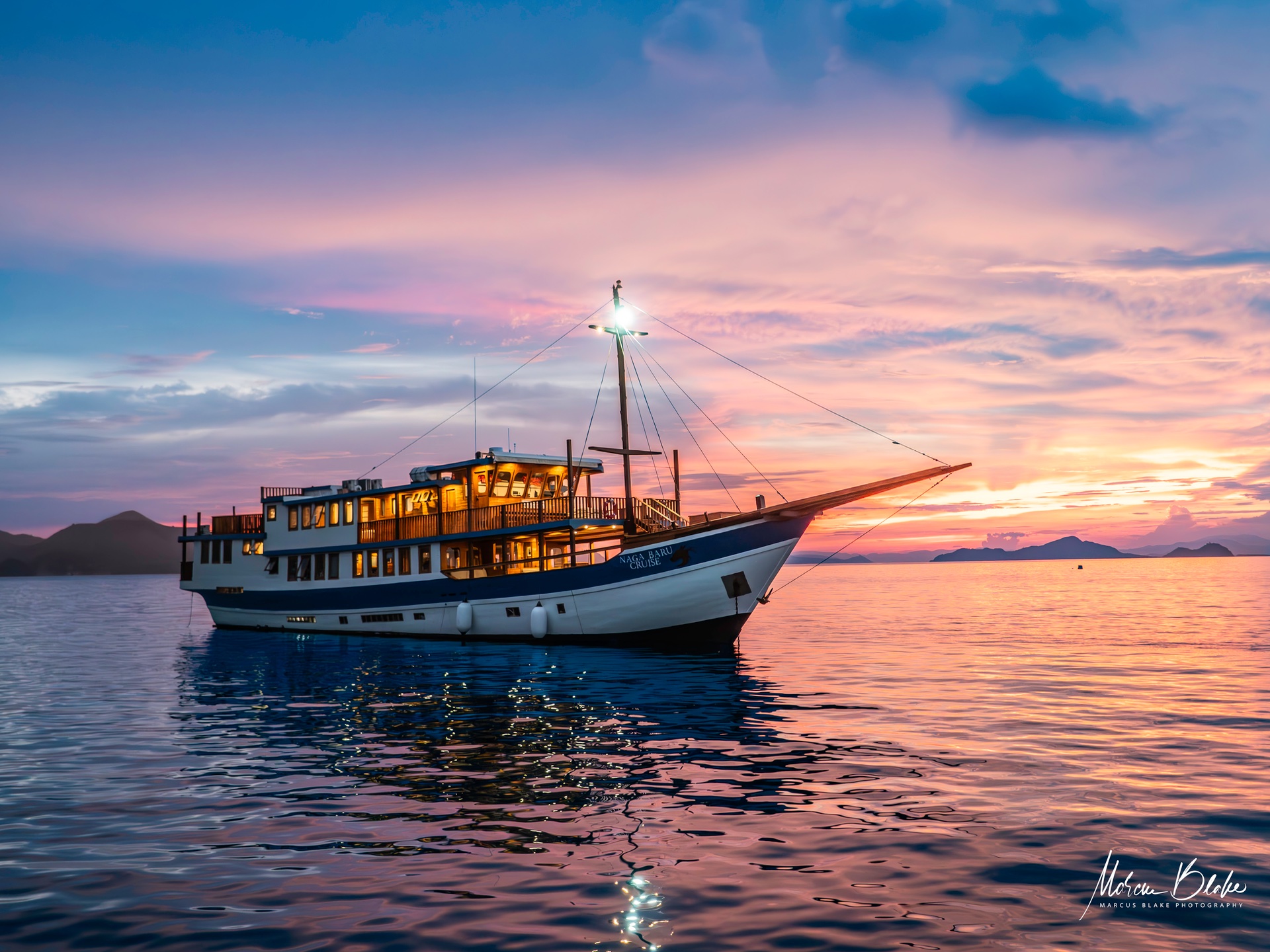
Naga Biru
Indonesia
12 guests40 m
$272/day
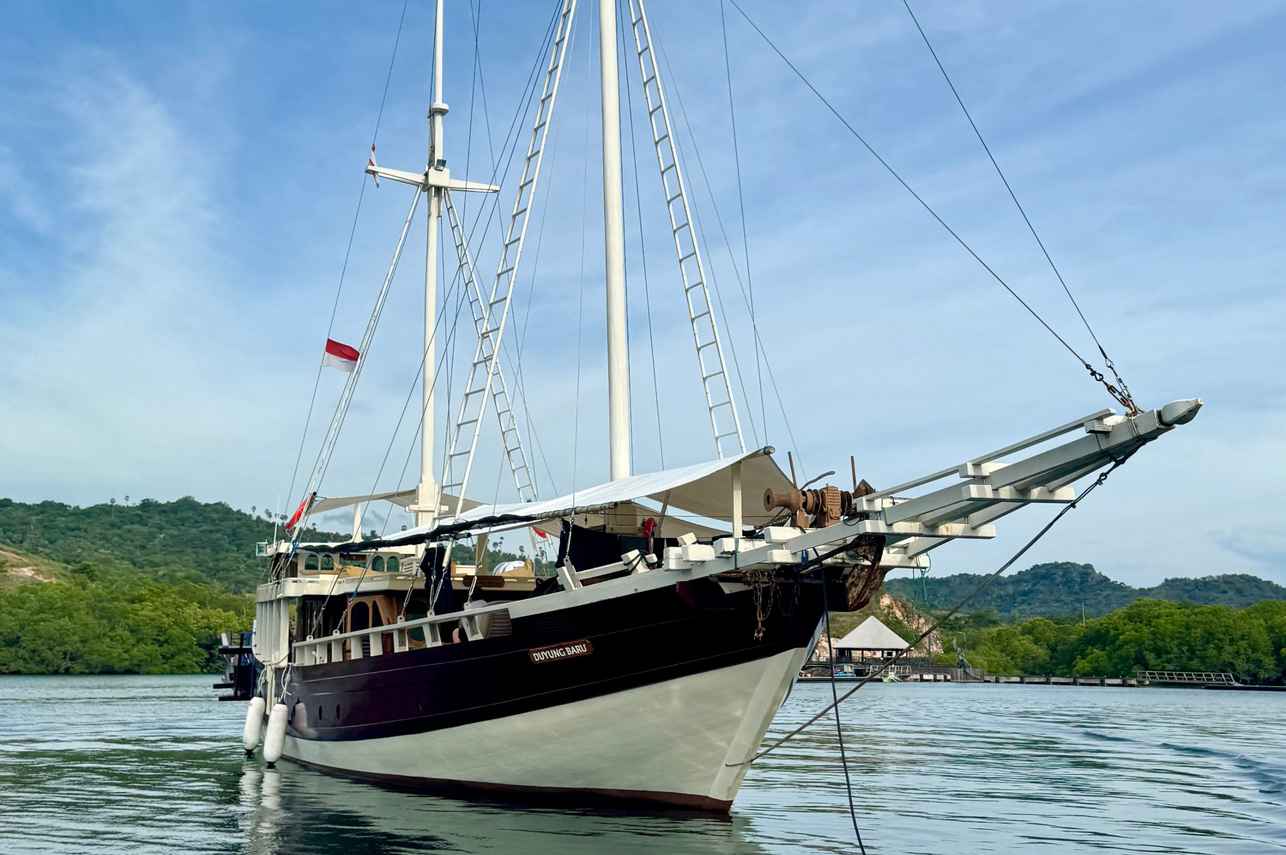
Ecopro Duyung Baru
Indonesia
6 guests27 m
$361/day
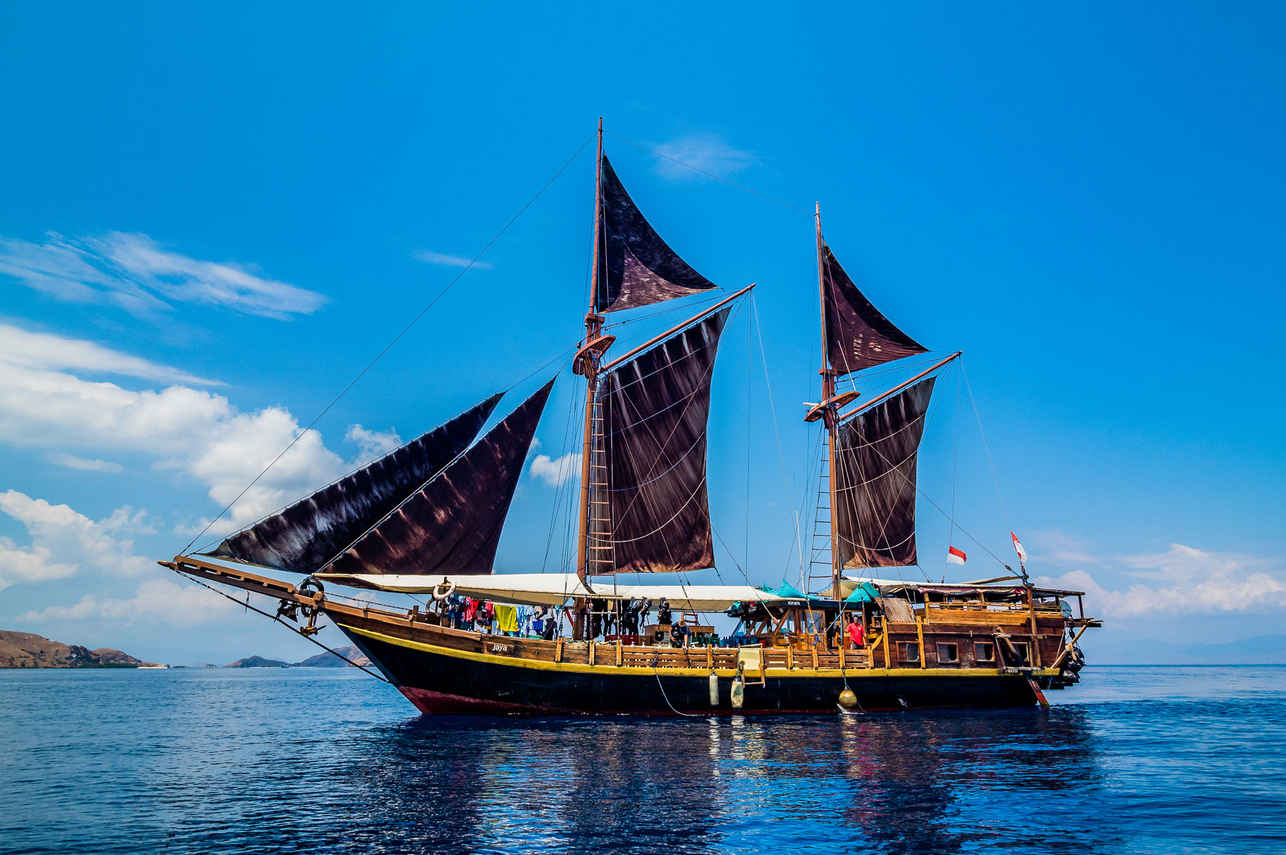
Jaya
Indonesia
14 guests23 m
$280/day
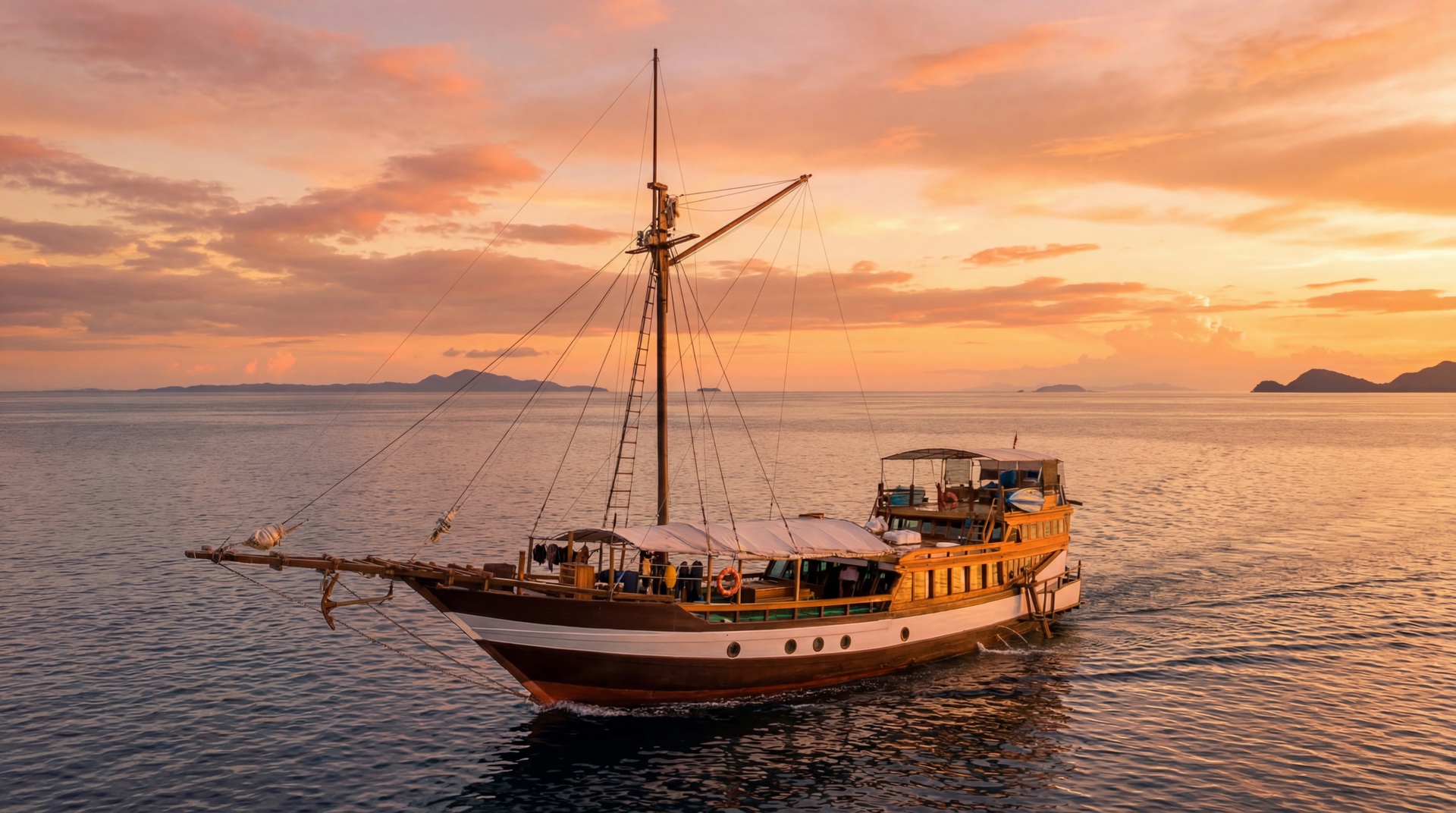
Wellenreng
Indonesia
9 guests25 m
$425/day
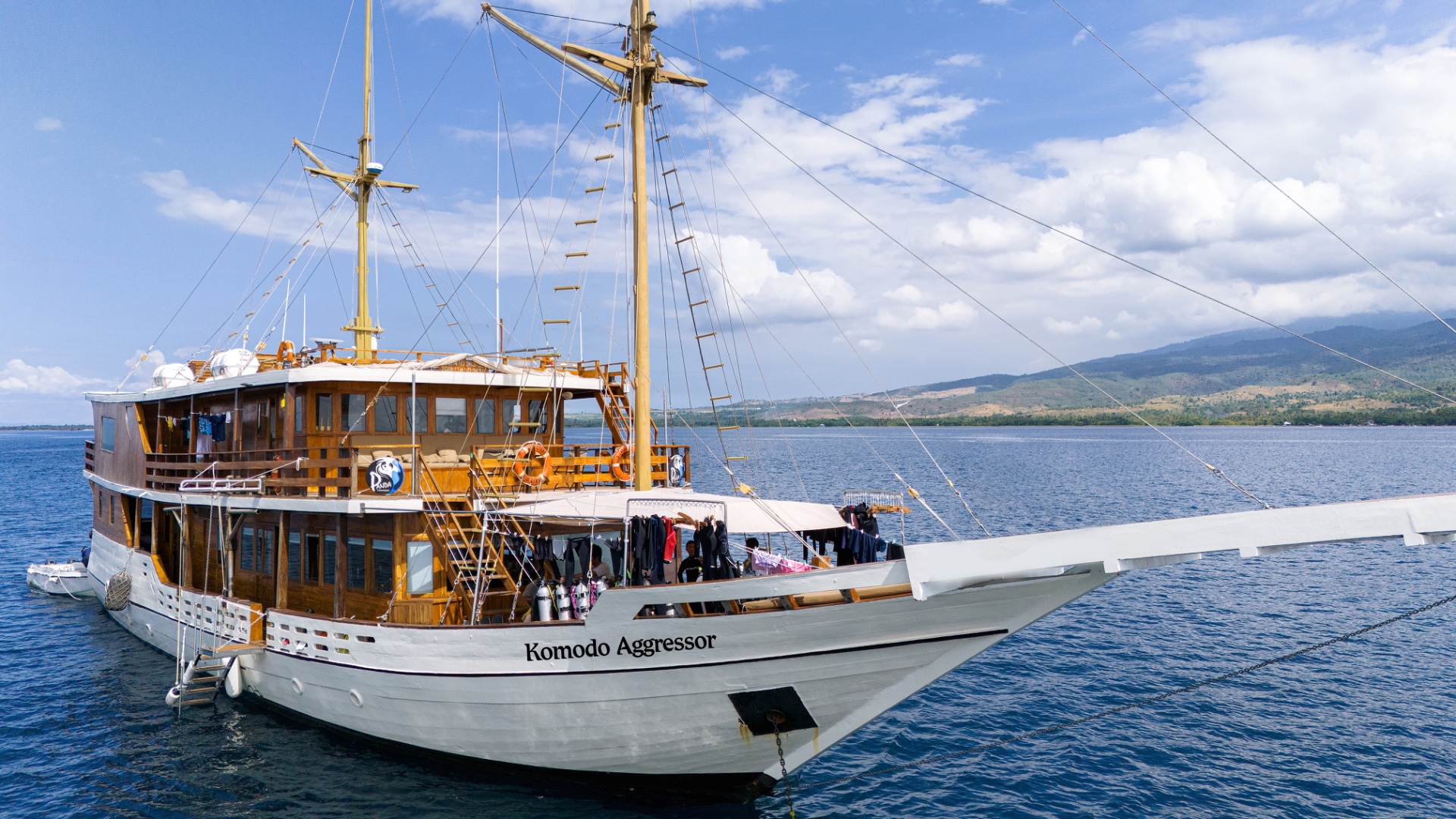
Komodo Aggressor
Komodo, Indonesia
16 guests29 m
$312/day
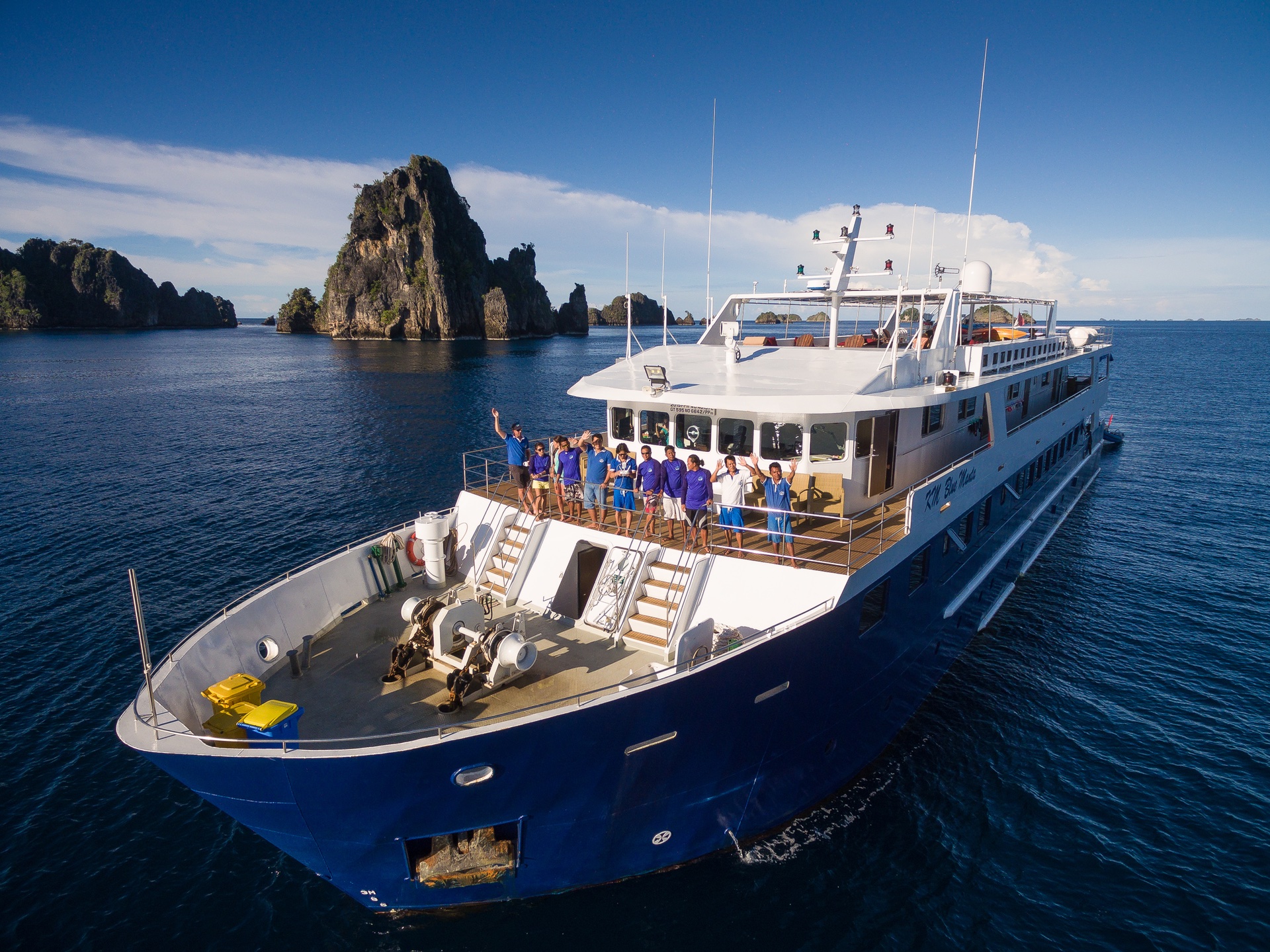
Blue Manta
Indonesia
20 guests45 m
$482/day
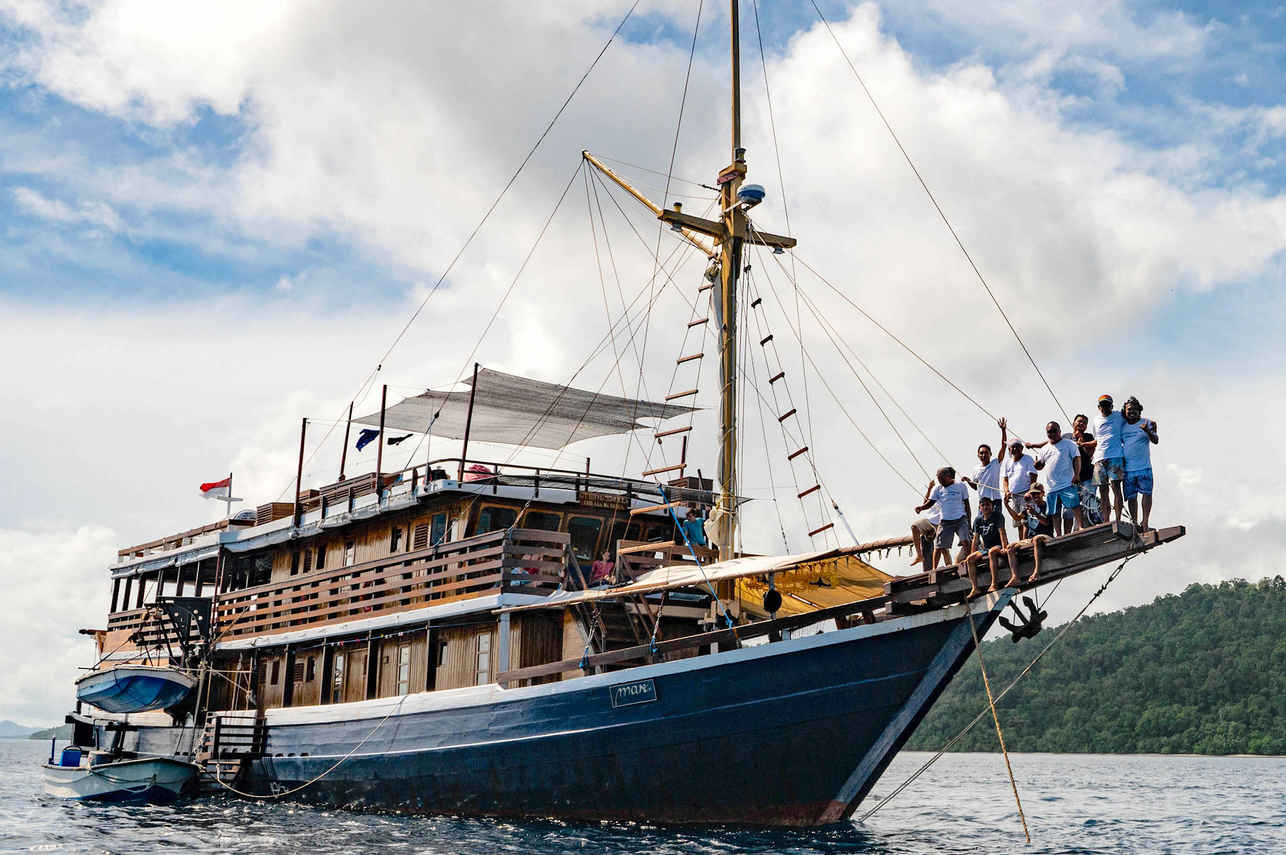
Mari
Indonesia
14 guests32.2 m
$326/day
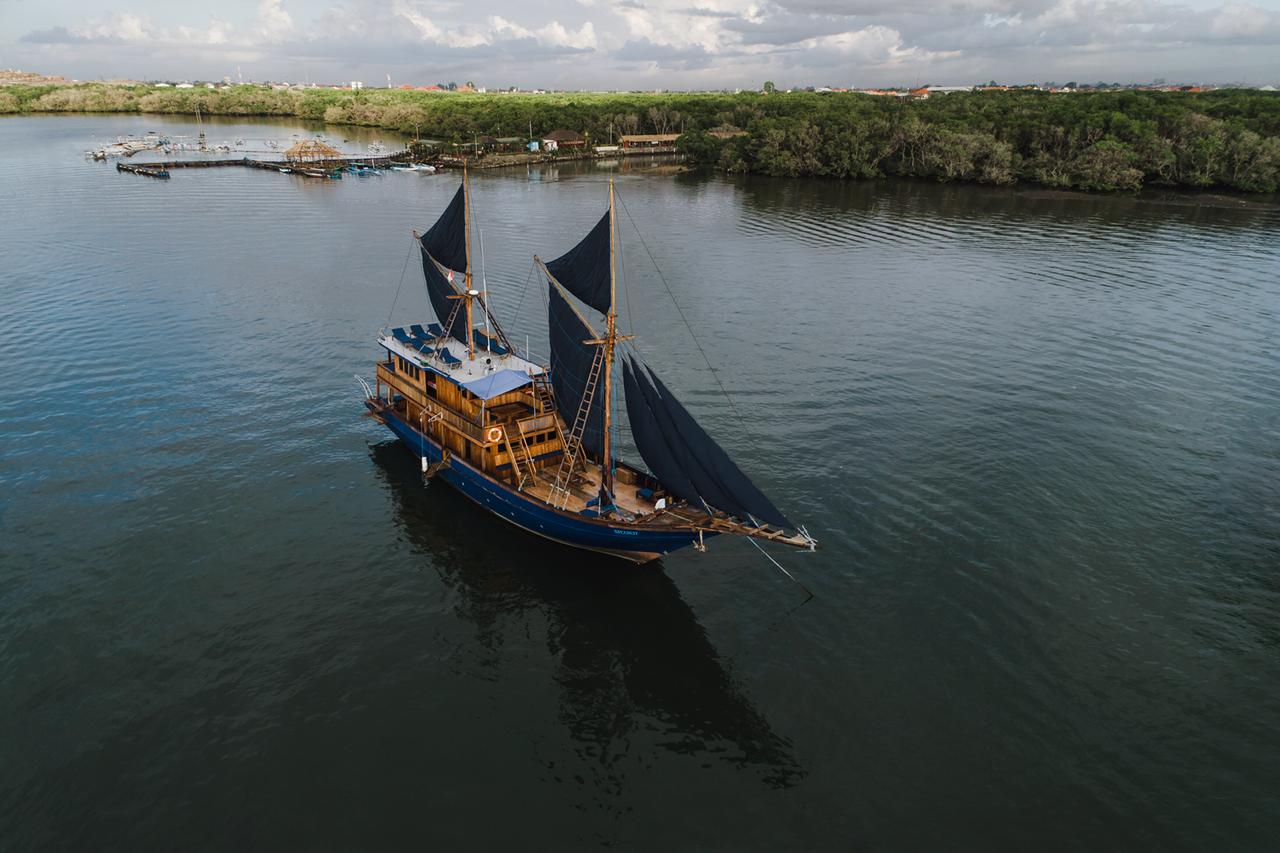
Situju7
Komodo, Indonesia
10 guests32.7 m
$362/day
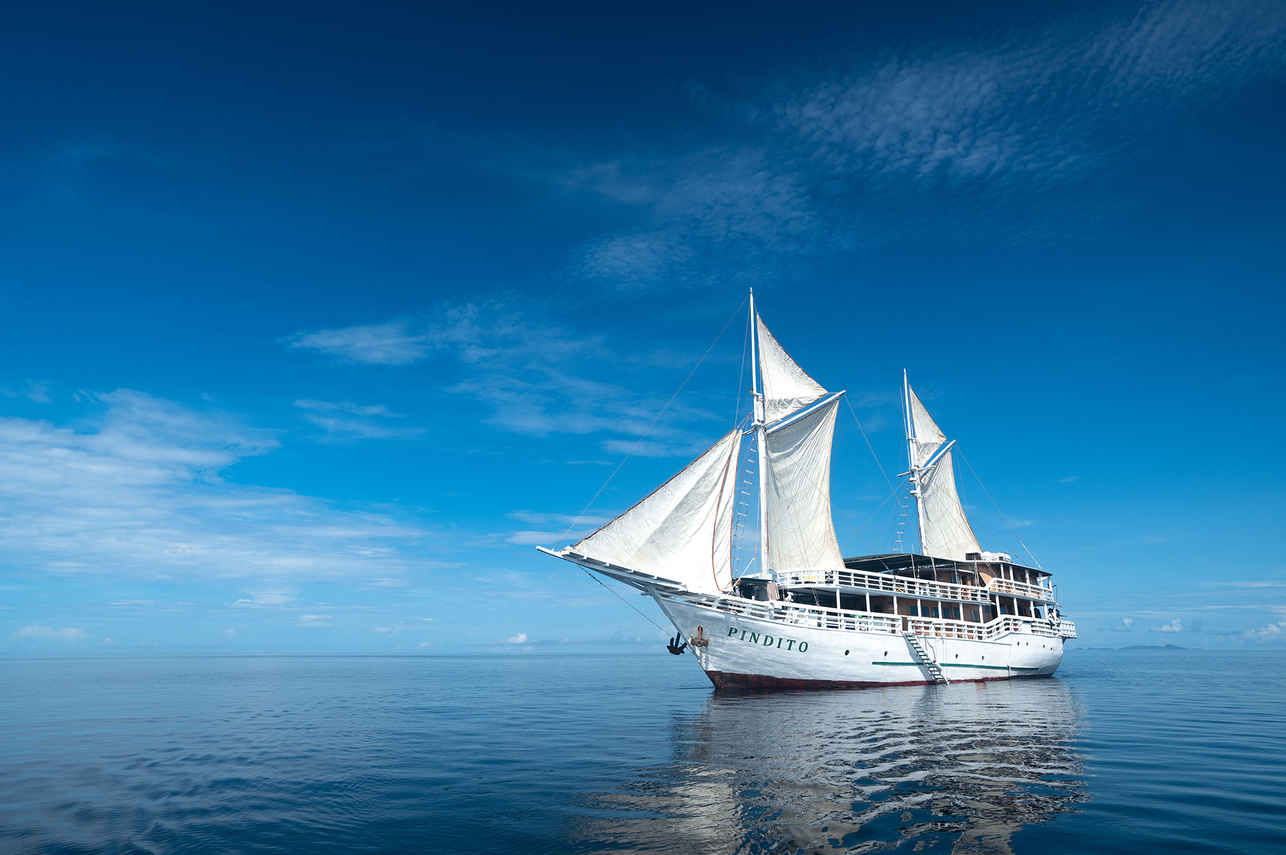
Pindito
Indonesia
16 guests37.79 m
$533/day
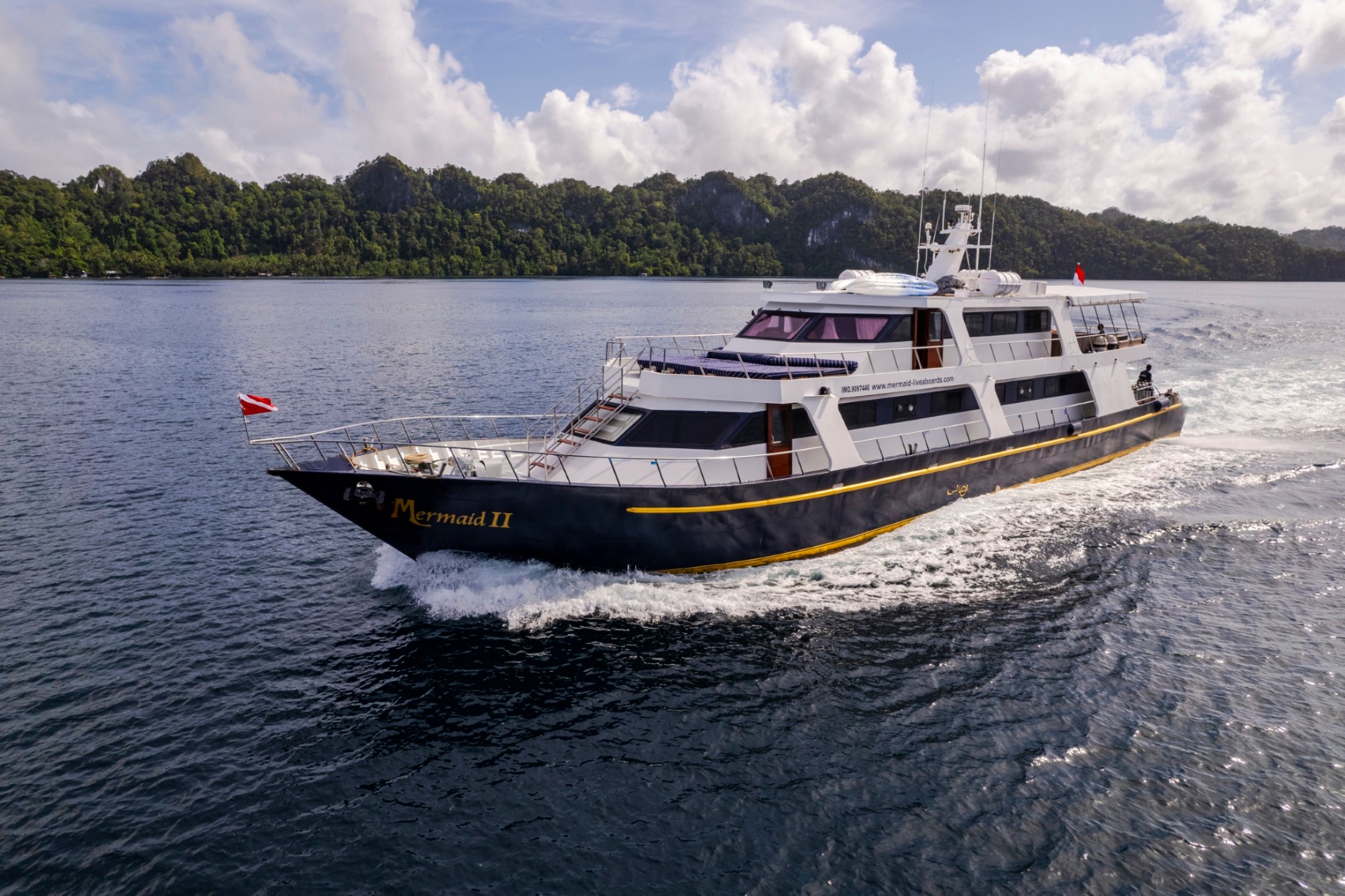
Mermaid II
Komodo, Indonesia
18 guests
$390/day
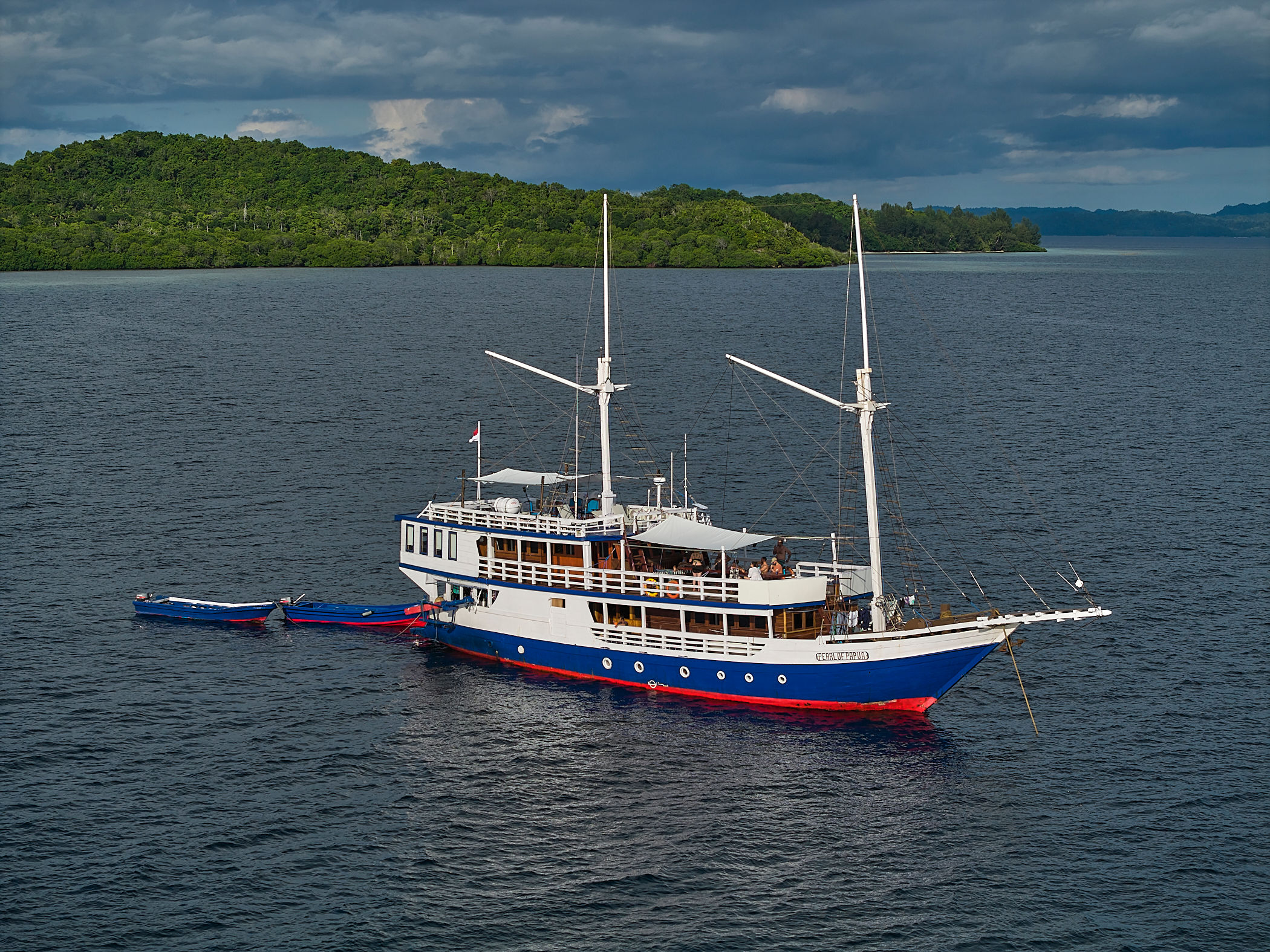
Pearl of Papua
Raja Ampat, Indonesia
14 guests30 m
$303/day
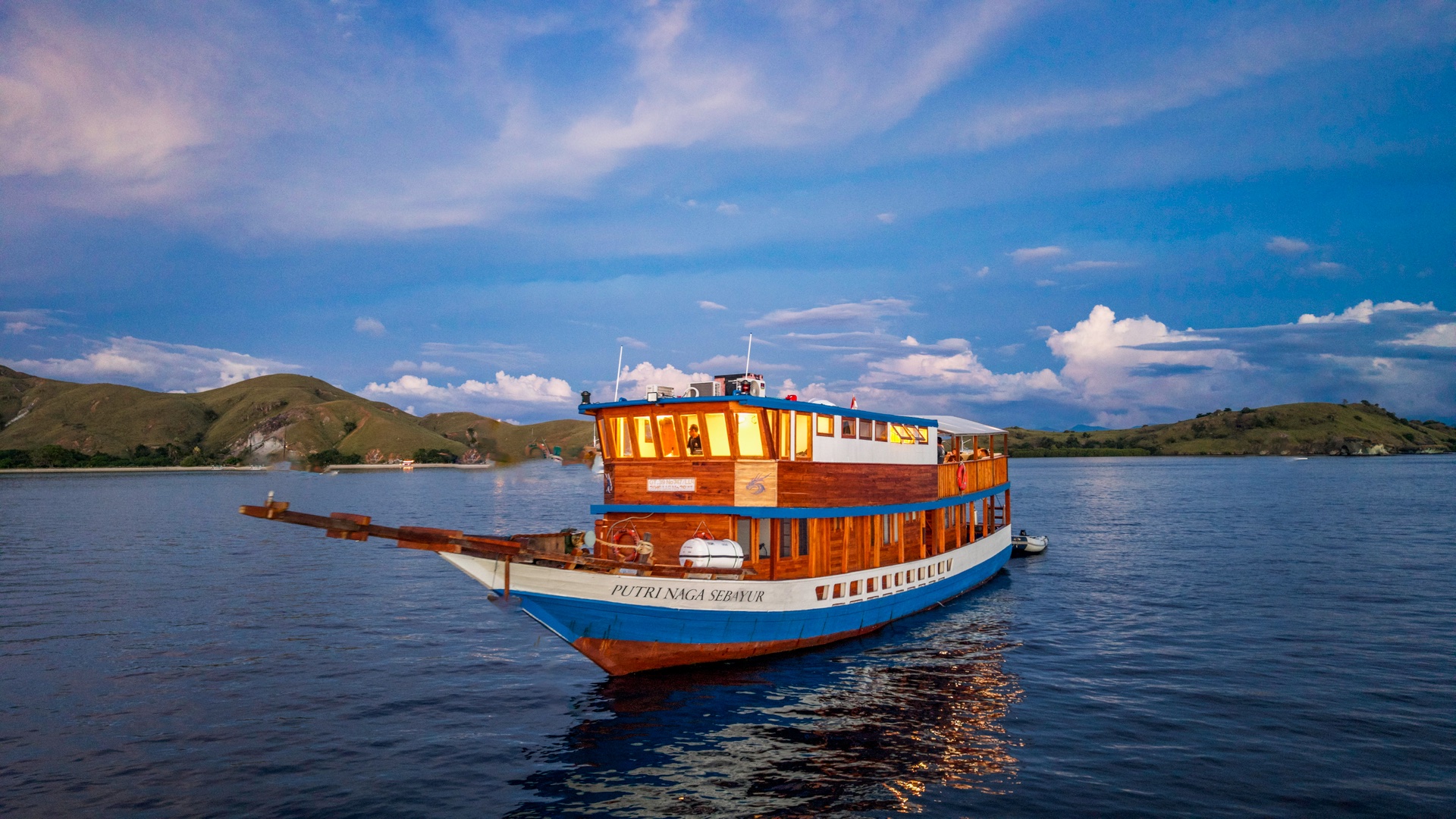
Putri Naga
Komodo, Indonesia
6 guests25 m
Dive sites similar to Saleh Bay
Same character, same waters — six more sites divers love for the exact same reasons.Compare seasons, access and liveaboard routes — then pick the site that fits your trip best.
© Esri — Maxar, Earthstar, GIS
Adonara Wall
Indonesia
Adonara is an Indonesian island dive site, renowned for its vibrant underwater topography characterized by submerged seamounts.
- Suitable for
- Intermediate
- Current
- Strong
- Access
- Liveaboard or dayboat
- Depth
- 5–35 m
- Theme
- Seamount / Wall
© Esri — Maxar, Earthstar, GIS
Mawali Wreck
Indonesia
The Mawali Wreck, a Japanese cargo ship, rests on its side in the Lembeh Strait, off the northern coast of Sulawesi.
- Suitable for
- Advanced
- Current
- Mild
- Access
- Liveaboard only
- Depth
- 25–40 m
- Theme
- Wreck / Reef
Aljui Bay, located in Raja Ampat's remote northern reaches, was discovered as a premier snorkeling and diving destination by chance in 2011. This bay, situated within the broader…
- Suitable for
- Beginner
- Current
- Mild
- Access
- Liveaboard only
- Depth
- ≤ 20 m
- Theme
- Reef
Babylon is a captivating dive site located in the Alor Sea, renowned for its exceptional visibility and vibrant marine ecosystem.
- Suitable for
- Intermediate
- Current
- Strong
- Access
- Liveaboard or dayboat
- Depth
- 3–20 m
- Theme
- Reef / Wall
© Esri — Maxar, Earthstar, GIS
Shark Close
Indonesia
Shark Close is an exhilarating dive site in the Indonesian portion of Borneo, renowned for its strong currents and abundant marine life.
- Suitable for
- Advanced
- Current
- Strong
- Access
- Liveaboard or dayboat
- Depth
- 5–25 m
- Theme
- Channel / Drift