About Tidore
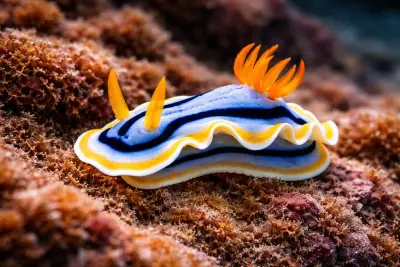
Tidore, alongside Ternate, is a notable dive site within the Halmahera region, distinct for its black volcanic sand slopes. This environment creates an exceptional habitat for macro marine life, particularly appealing to muck diving aficionados and underwater photographers. The unique topography contrasts sharply with the vibrant coral reefs found elsewhere in Halmahera, offering a specialized diving experience. While specific depth bands are not detailed, the focus is on the volcanic sand slopes where diverse critters reside. The region's location within the Coral Triangle ensures high biodiversity, though Tidore specifically shines for its macro life rather than large pelagics or extensive coral gardens. The consistent water temperatures and good visibility throughout much of the year contribute to a comfortable diving experience. Diving here is characterized by slow, observant exploration of the sandy bottom, focusing on discovering small, camouflaged creatures. It provides a historical dimension as well, given the islands' rich colonial past and proximity to submerged WWII wrecks.
Highlights
Black volcanic sand slopesMuck diving paradiseNudibranch diversityMacro photography heavenUnique critter encountersHistoric location (Spice Islands)
Season calendar
Best months to dive here
Jan
Feb
Mar
Apr
May
Jun
Jul
Aug
Sep
Oct
Nov
Dec
Excellent
Good
Dive site facts: Tidore
- Current
- Typically mild for muck diving
- Visibility
- 20–30 m
- Water temperature
- 27–31°C (80–88°F)
- Entry
- Liveaboard only
- Level
- Open Water with 25 dives, Deep Adventure recommended
- Dive type
- Muck, macro, volcanic sand slope
- Region / port
- Halmahera, North Maluku
- Coordinates
- 0.7329° N, 127.4562° E
Conditions & Currents
While specific current information for Tidore itself is not detailed, the broader Halmahera region is known for diverse conditions. Some areas feature strong, nutrient-rich currents, creating drift dive opportunities and supporting large schools of fish. However, muck diving sites like Tidore generally offer more sheltered conditions, allowing for slow, deliberate exploration without significant current challenges. Visibility in Halmahera typically ranges from 20 to 30 meters, and water temperatures are a comfortable 27–31°C (80–88°F) year-round. These stable conditions mean that divers can focus on the intricate macro life without concerns about strong surges or sudden thermoclines, although a standard exposure suit is recommended for comfort during longer dives.
Marine life & sighting chances
Dive profile & how the dive runs
Diving at Tidore focuses on exploring the unique black volcanic sand slopes. Typically, divers will descend directly onto these slopes, maintaining good buoyancy to avoid disturbing the fine sediment. The dive involves a slow, meticulous search for macro life, often moving along a gentle gradient. The route is usually guided to cover areas known for specific critter habitats, such as small coral patches or debris where creatures camouflage. The maximum depth can vary, but the most productive areas for macro photography are often in shallower zones. The turnaround point is determined by air consumption or time limits, with the ascent and safety stop often conducted in an area providing a clear visual reference or a mild current to assist. The emphasis is on observation rather than covering large distances.
Underwater photography
Tidore is an exceptional site for macro photography, specializing in muck diving subjects on black volcanic sand. A macro lens (e.g., 60mm or 100/105mm) is essential to capture the intricate details of nudibranchs, gobies, frogfish, and other small critters. Dual strobes are highly recommended to illuminate subjects and create separation from the dark background, highlighting texture and color. Consider a snoot for creative lighting, isolating the subject and darkening the background further. Practice excellent buoyancy control to avoid kicking up silt, which can ruin shots and visibility. Approach subjects slowly and patiently to capture natural behaviors. Wide-angle photography is less suitable given the focus on small, camouflaged life.
Combine with nearby dive sites
- Ternate
Shares similar muck diving conditions and volcanic sand slopes.
- Goraici Islands
Known for manta rays, vertical walls, and pelagic encounters.
- Patinti Strait
Offers adrenaline-rich drift dives with schooling fish and macro life in sheltered bays.
- Bacan Island
Features steep walls, pristine coral gardens, and pelagic sightings.
Getting there & logistics
Access to Tidore and the broader Halmahera region is primarily via Sultan Babullah Airport (TTE) in Ternate. Daily direct flights are available from major Indonesian hubs like Jakarta (CGK), Makassar (UPG), and Manado (MDC) through airlines such as Batik Air, Garuda Indonesia, and Lion Air. Liveaboards operating in Halmahera typically depart from Ternate. It is highly recommended to arrive in Ternate at least one day before your liveaboard departure to account for potential travel delays and enjoy the local scenery. These trips are almost exclusively liveaboard-based due to the remote nature of the dive sites, with typical trip lengths of 7-10 days, allowing for comprehensive exploration of Halmahera's diverse underwater environments. No specific permits or park fees were mentioned for Tidore.
Safety & environment
Diving in the Halmahera region requires a good level of preparedness. While specific information on recompression chambers for Tidore is not provided, the nearest major medical facilities and recompression chambers are typically located in larger regional centers or further afield in Indonesia. Divers should always have comprehensive dive insurance that covers emergency medical evacuation and treatment. While Tidore's muck diving sites are generally calm, other Halmahera sites, like Patinti Strait, can have strong currents, requiring appropriate experience. Divers should maintain excellent buoyancy control to avoid contact with the delicate sand and its inhabitants, and always follow the dive brief provided by experienced guides. Given the remote nature of the region, adherence to safety protocols and conservative dive planning is paramount.
Who it suits — and who it doesn't
Suited for
- Macro photography enthusiasts
- Muck diving specialists
- Experienced divers seeking unique habitats
- Divers interested in critter identification
- Those looking for uncrowded dive experiences
Less suited for
- Divers solely seeking large pelagic action
- Beginner divers without sufficient experience (AOWD recommended)
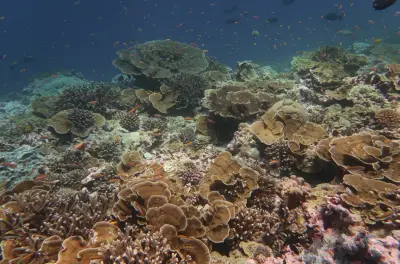
- Divers expecting extensive coral reefs
- Those with poor buoyancy control
- Divers who prefer fast-paced, current-swept dives
FAQ
Tidore FAQ
What kind of diving can I expect at Tidore?
Tidore offers exceptional muck diving on black volcanic sand slopes. Divers can expect to find a wide variety of macro marine life, including numerous species of nudibranchs and other rare critters. It's a site that rewards slow, meticulous searching rather than extensive coral exploration.
Is Tidore suitable for underwater photography?
Yes, Tidore is a paradise for underwater macro photographers. The dark volcanic sand provides a stark contrast that makes colorful critters stand out, and the typically calm conditions allow for stable shooting. Bring your macro lens and strobes to get the best shots of its unique inhabitants.
What is the best time of year to dive Tidore?
The optimal period for diving Tidore and the Halmahera region is from April to October. During these months, surface conditions are generally calm, visibility is excellent, and water temperatures are comfortably warm, making for ideal diving experiences.
What marine life is commonly seen at Tidore?
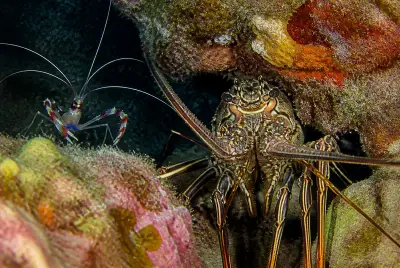
Tidore is renowned for its diverse macro fauna. Divers frequently encounter a vast array of nudibranch species, along with various other small critters that thrive in the volcanic sand environment. While pelagics are rare, the sheer number and variety of macro life are outstanding.
What diving experience level is required for Tidore?
While general Halmahera diving often recommends an Advanced Open Water certification with at least 25 logged dives, the specific muck diving at Tidore requires good buoyancy control. The focus is on careful observation, making it suitable for divers comfortable with their skills and interested in macro life.
Why dive Tidore from a liveaboard?
Tidore is one of Banda Sea's signature dive sites. A liveaboard sleeps you on the water and puts you in the water for three to four guided dives per day, including dawn and night dives that day-boat operators rarely offer. You skip the daily commute back to port and reach quieter, less-crowded sites in the same region on a single trip.
Below are the liveaboards that include Tidore on their Banda Sea itineraries.
Liveaboards diving Tidore
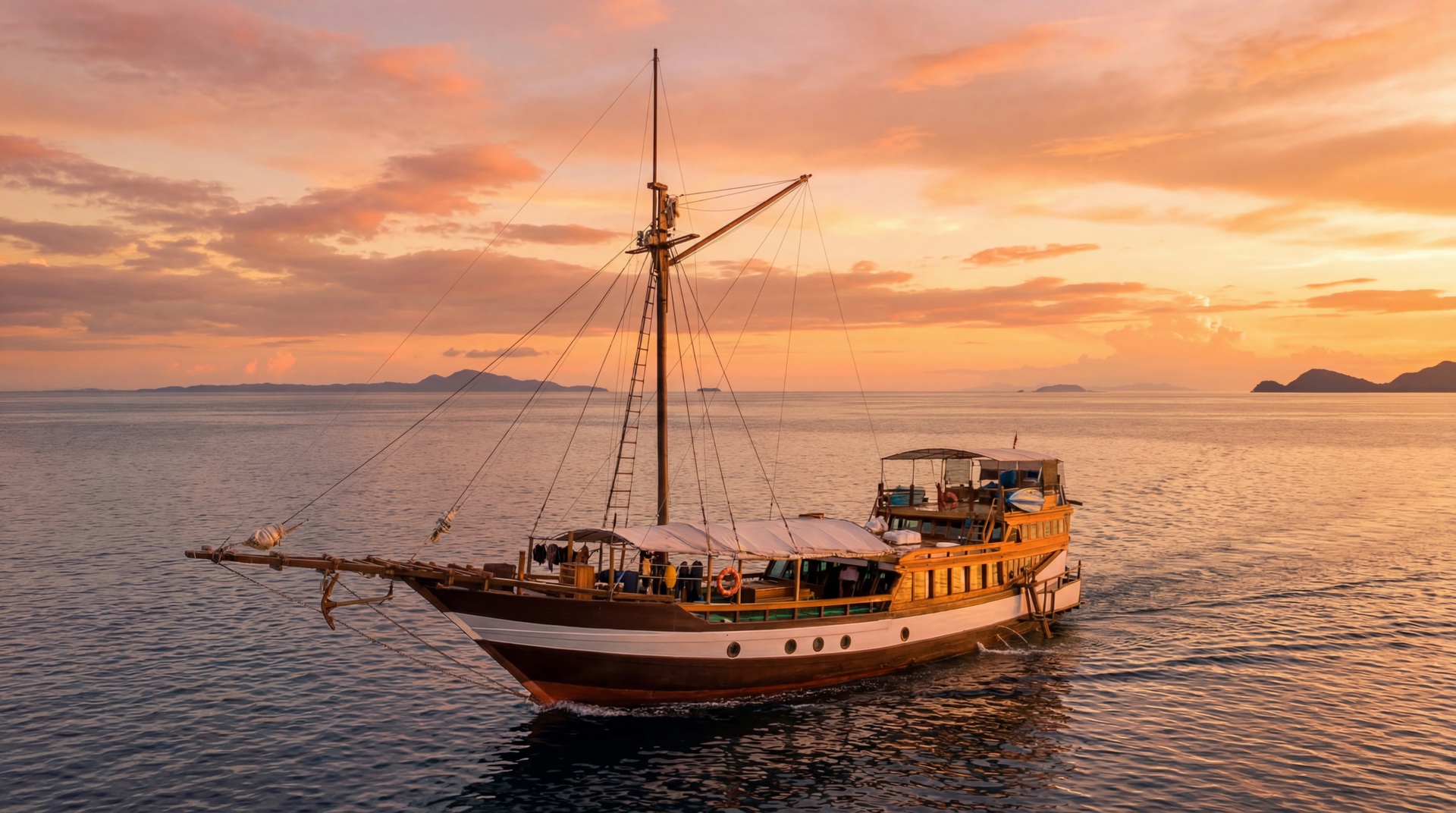
These liveaboards may visit Tidore on selected itineraries — the exact dive sites depend on departure, weather and conditions.
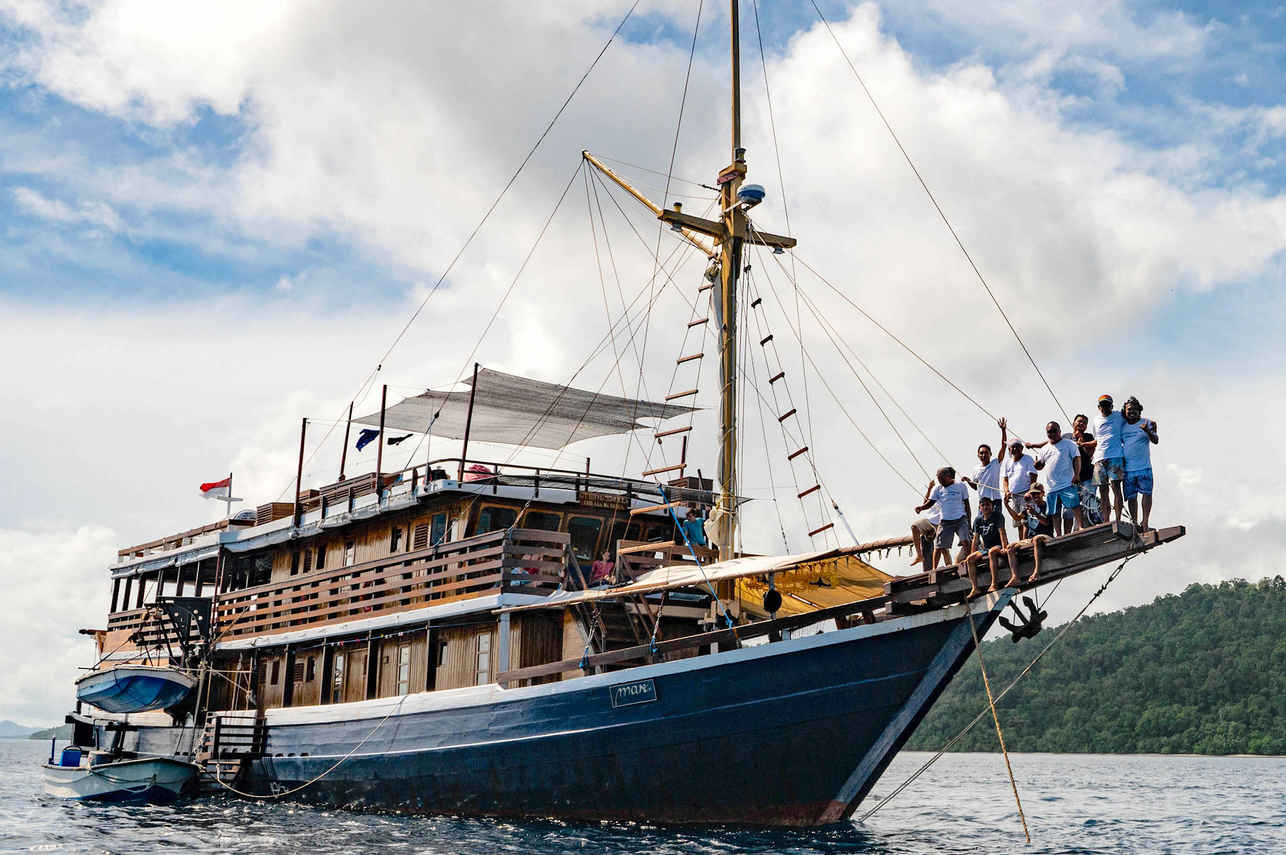
Wellenreng
Indonesia
9 guests25 m
$427/day
Mari
Indonesia
14 guests32.2 m
$328/day
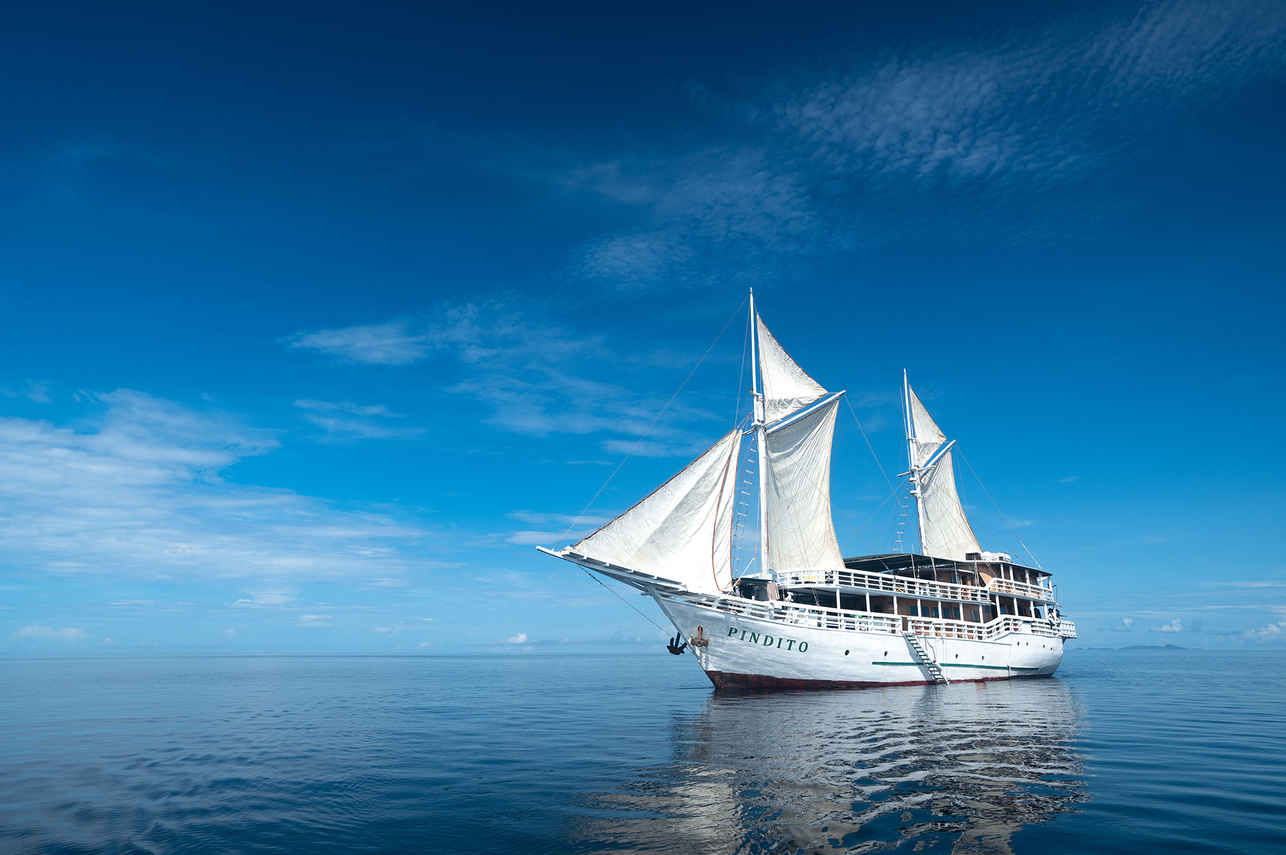
Pindito
Indonesia
16 guests37.79 m
$533/day
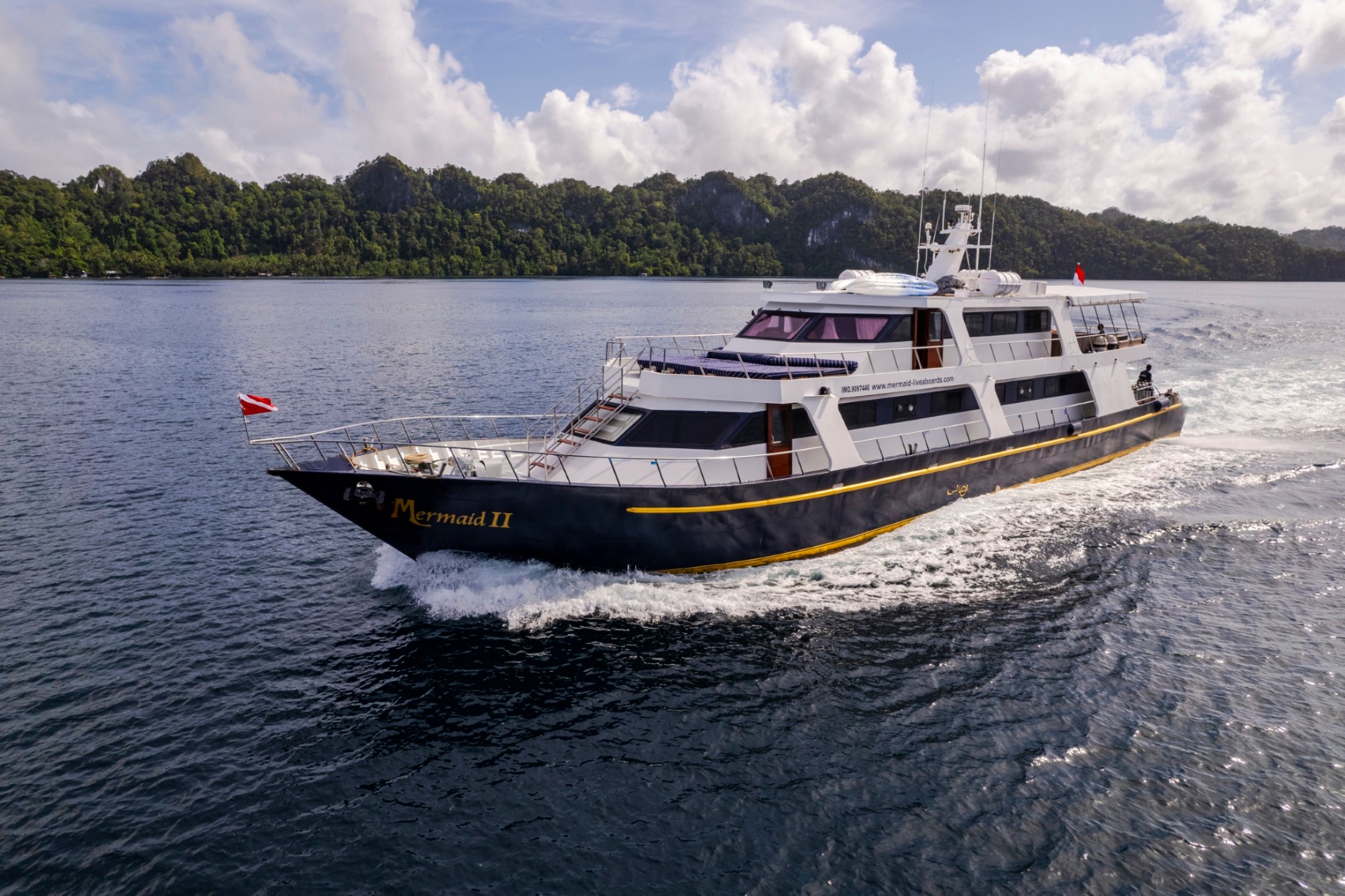
Mermaid II
Komodo, Indonesia
18 guests
$355/day
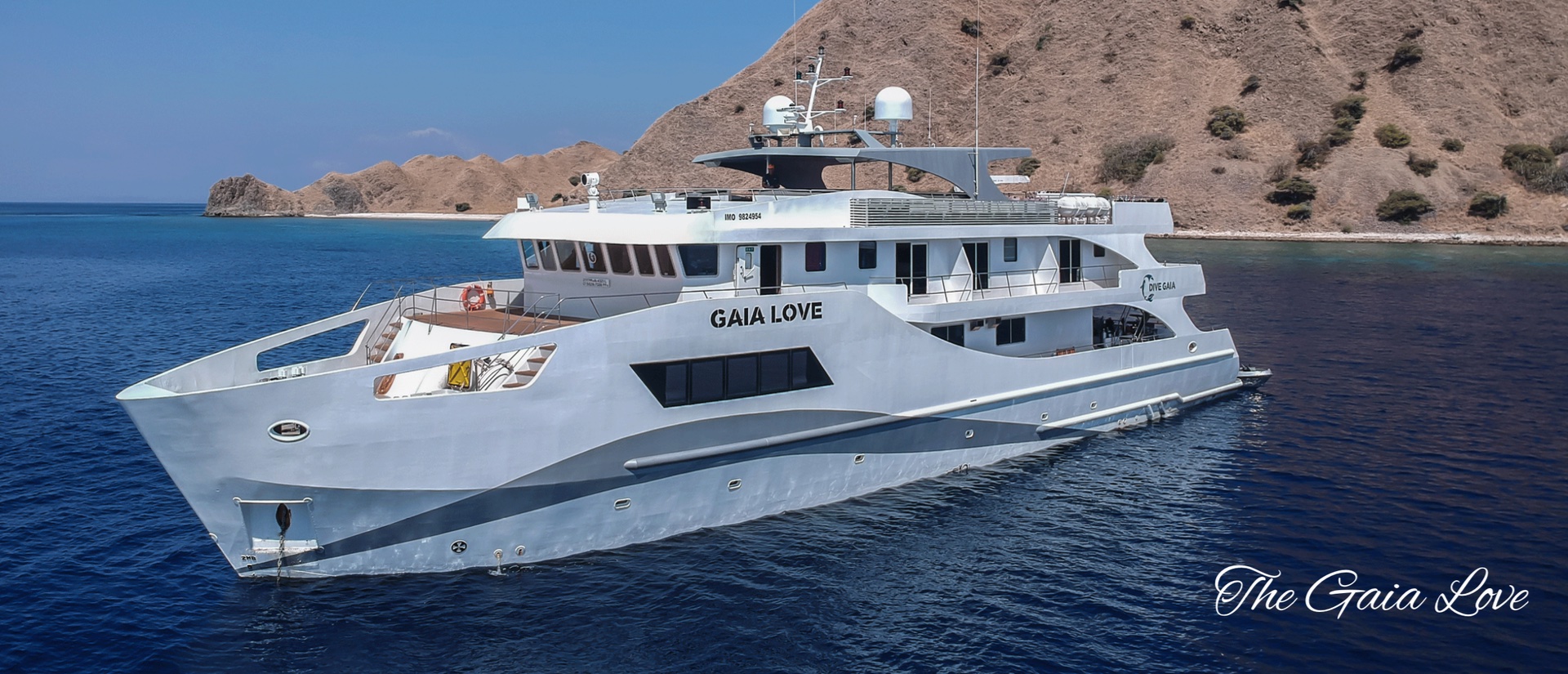
Gaia Love
Alor
20 guests
$554/day
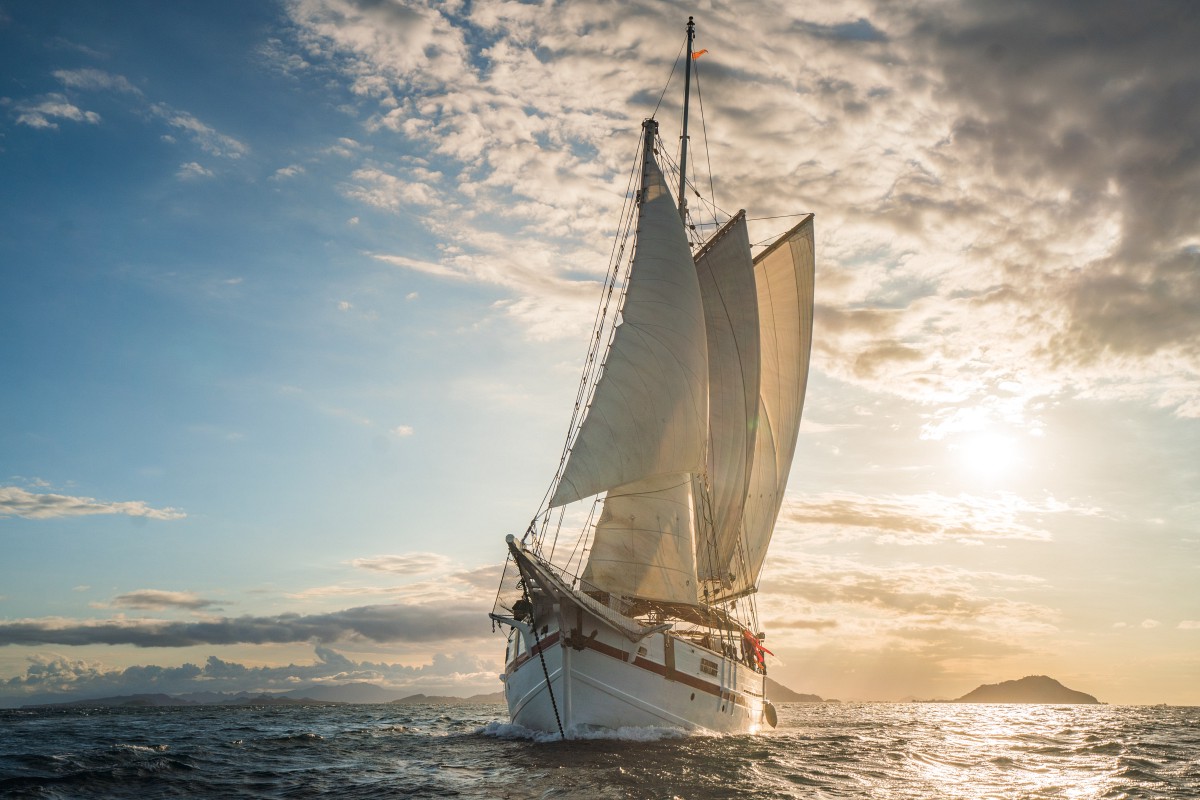
Emperor Raja Laut
Raja Ampat, Indonesia
12 guests31 m
$413/day
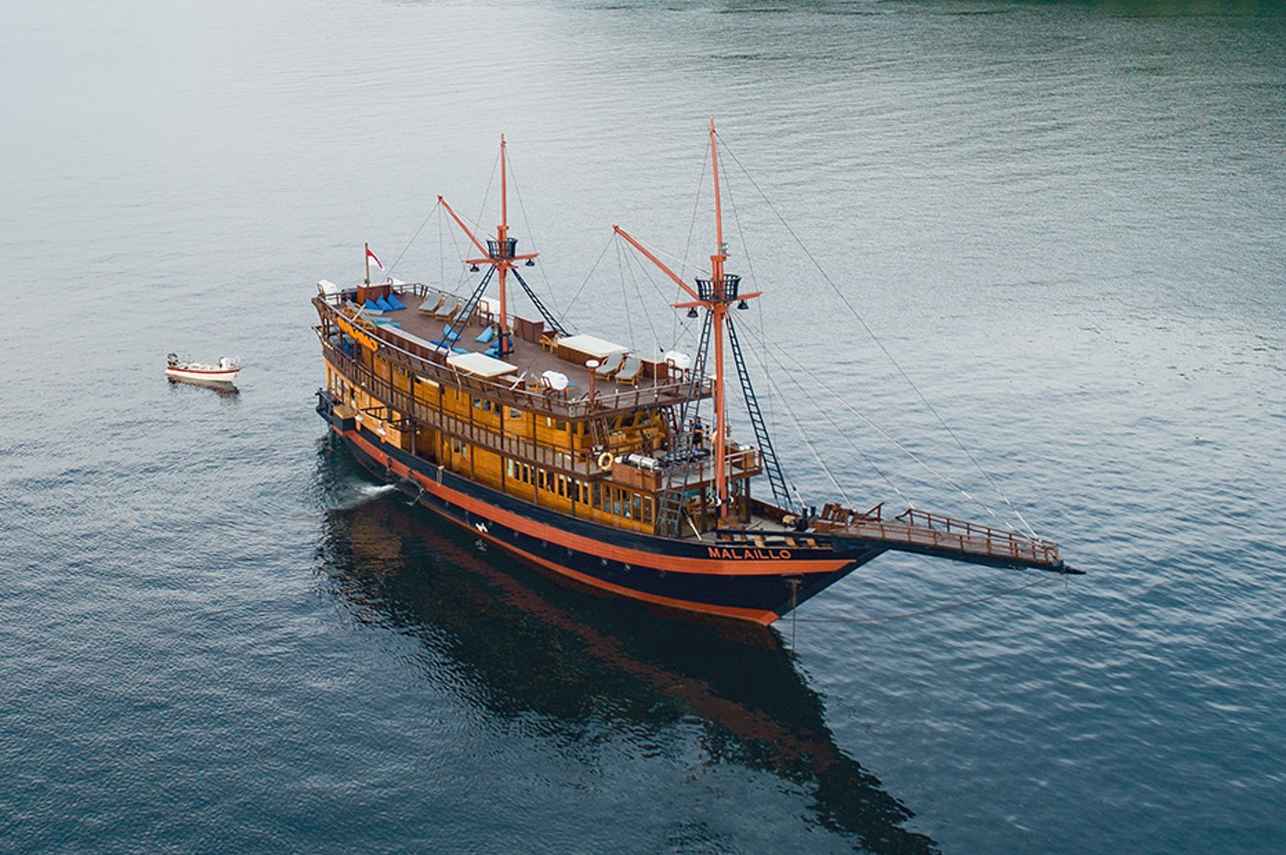
Malaillo
Indonesia
14 guests45.57 m
$348/day
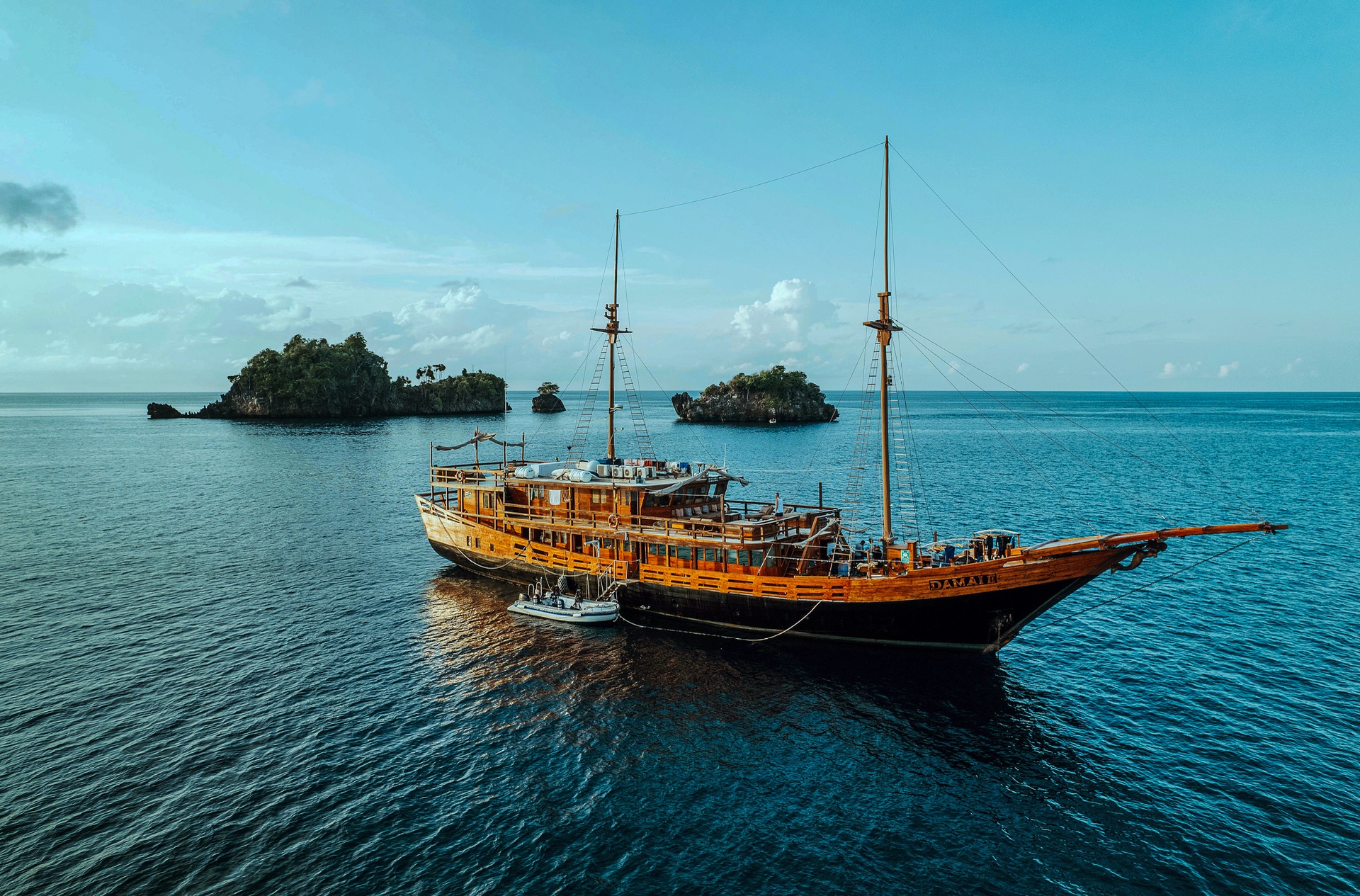
Damai II
Komodo, Indonesia
14 guests
$459/day
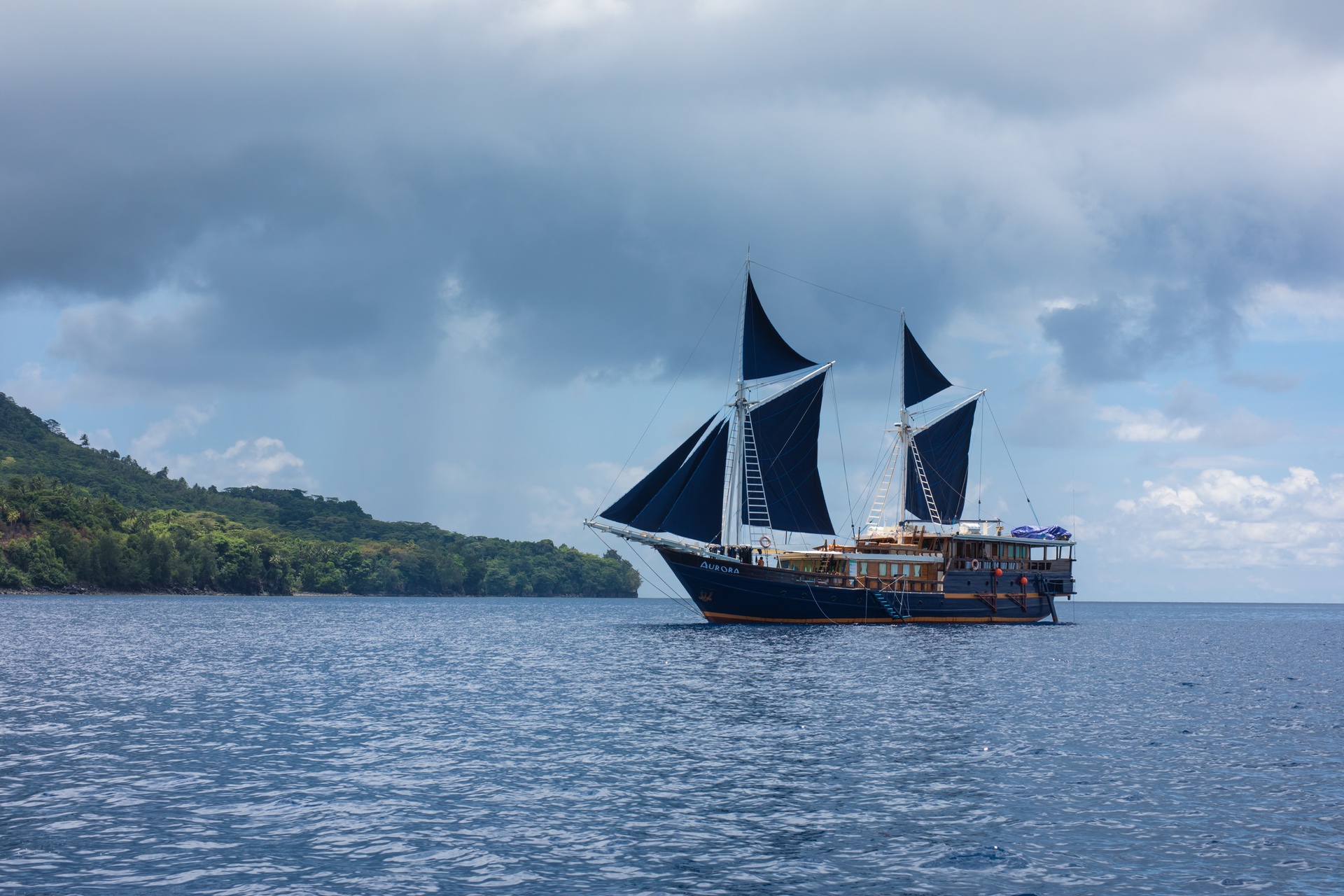
DUNE Aurora
Indonesia
18 guests
$344/day
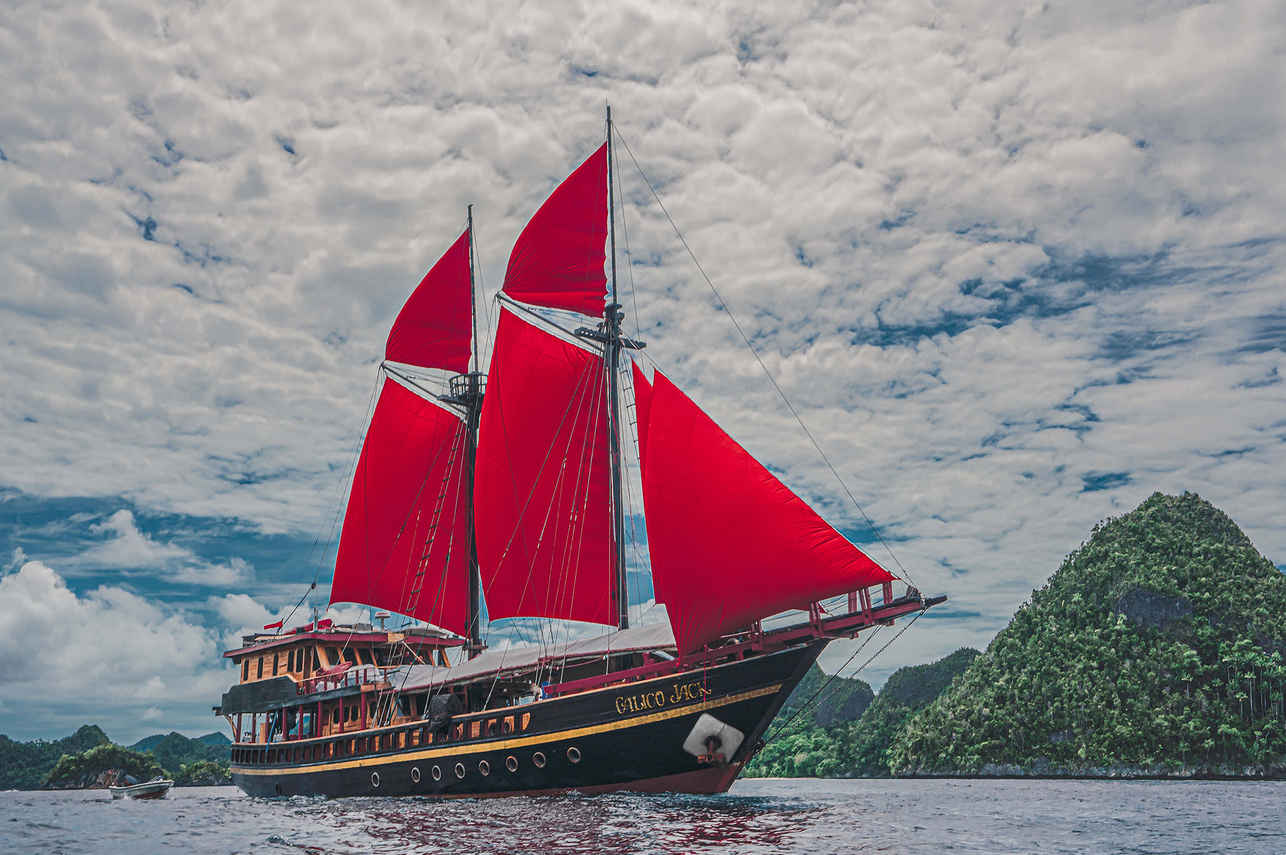
Calico Jack
Indonesia
10 guests30 m
$398/day
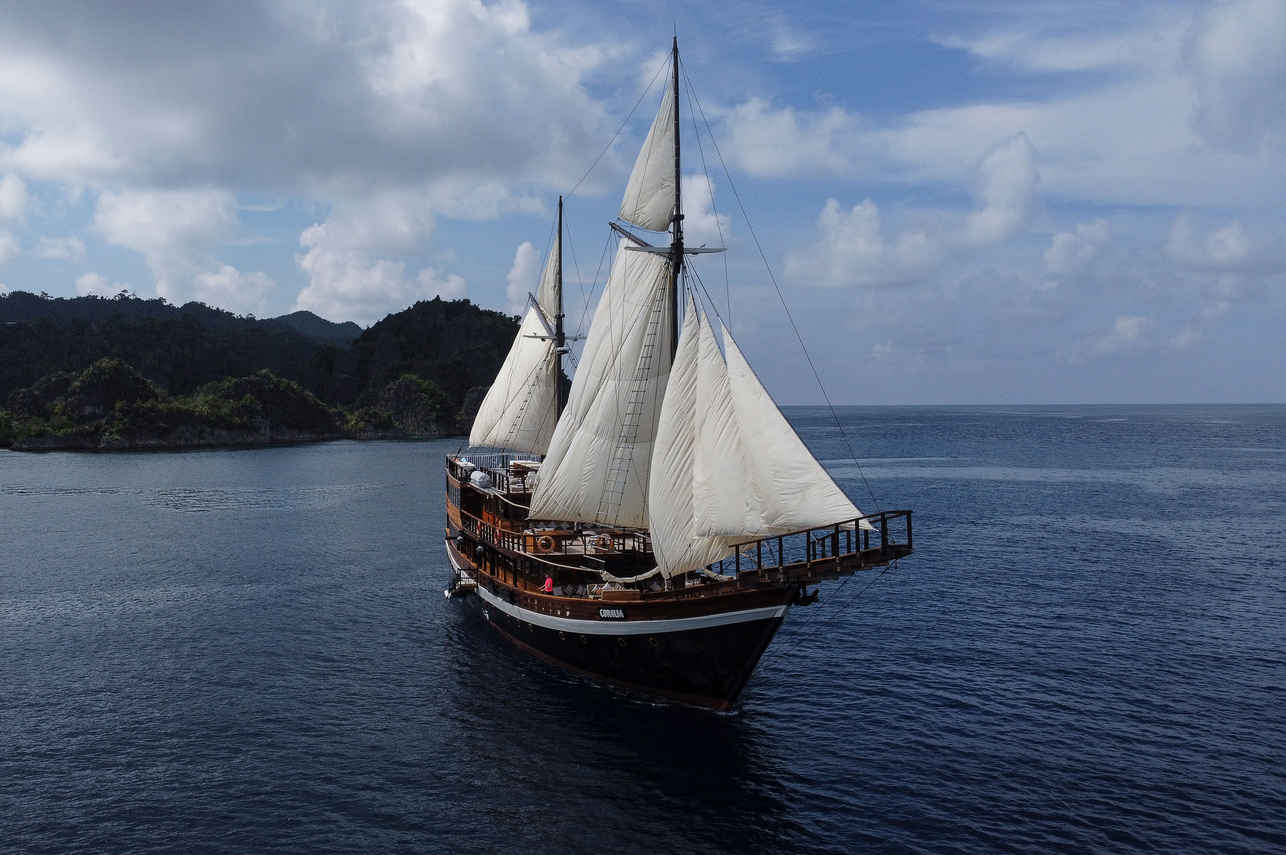
Coralia
Indonesia
16 guests48 m
$577/day
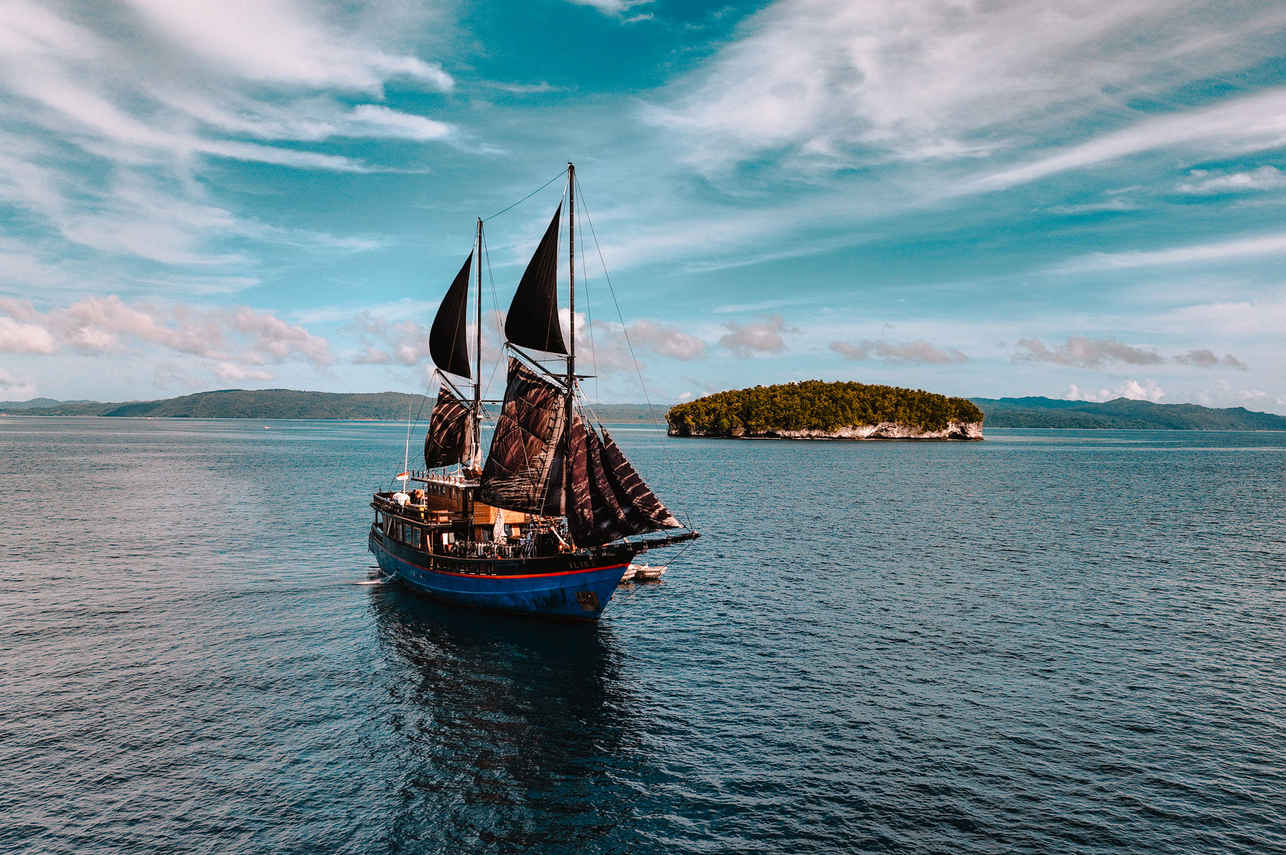
Ilike
Indonesia
16 guests40 m
$298/day
Dive sites similar to Tidore
Same character, same waters — six more sites divers love for the exact same reasons.Compare seasons, access and liveaboard routes — then pick the site that fits your trip best.
© Esri — Maxar, Earthstar, GIS
Patinti Strait
Banda Sea
The Patinti Strait, also known as Selat Patiente, is a renowned dive site located in South Halmahera, nestled between the main island of Halmahera and Bacan Island.
- Suitable for
- Advanced
- Current
- Strong
- Access
- Liveaboard only
- Depth
- 5–30 m
- Theme
- Drift / Reef
© Esri — Maxar, Earthstar, GIS
Banda Api North
Banda Sea
Banda Api North, nestled within Indonesia's remote Banda Sea, offers an extraordinary dive experience shaped by its active volcanic past.
- Suitable for
- Intermediate
- Current
- Strong
- Access
- Liveaboard only
- Depth
- 5–30 m
- Theme
- Reef
© Esri — Maxar, Earthstar, GIS
Pohon Miring
Banda Sea
Pohon Miring, located near Banda Neira, is a dive site within the central Banda Islands group, offering a unique blend of marine biodiversity and accessibility.
- Suitable for
- Beginner
- Current
- Strong
- Access
- Liveaboard only
- Depth
- 3–20 m
- Theme
- Reef / Seamount
© Esri — Maxar, Earthstar, GIS
Dawera Island
Banda Sea
Dawera Island is a captivating dive destination nestled within the Forgotten Islands, a remote chain of islands in the vast Banda Sea, Indonesia.
- Suitable for
- Advanced
- Current
- Moderate
- Access
- Liveaboard only
- Depth
- ≥ 15 m
- Theme
- Reef / Wall
Sermata is part of the Forgotten Islands, a long chain of remote islands and atolls in the Southern Maluku, Indonesia, situated between the nutrient-rich Banda Sea and the Arafura Sea.
- Suitable for
- Advanced
- Current
- Moderate
- Access
- Liveaboard only
- Depth
- 15–40 m
- Theme
- Reef / Wall
© Esri — Maxar, Earthstar, GIS
Dusborough
Banda Sea
Dusborough is a notable dive site within the Banda Sea's Forgotten Islands, recognized as one of the remote, isolated atolls.
- Suitable for
- Advanced
- Current
- Strong
- Access
- Liveaboard only
- Depth
- 5–40 m
- Theme
- Reef