About Ternate
Ternate, located off the west coast of Halmahera, presents a striking contrast to typical coral reefs with its distinctive black volcanic sand slopes. These unique underwater landscapes are a renowned haven for macro photographers and muck diving aficionados, boasting an impressive diversity of small marine life. The island is part of the larger Halmahera region, which lies within the Coral Triangle, ensuring exceptionally rich biodiversity. While Ternate itself is famed for its critter-filled slopes, the broader area offers a variety of dive environments, including healthy coral reefs and occasional pelagic encounters. Water temperatures in this region are consistently comfortable, ranging from 27 to 31°C, with visibility typically between 20 and 30 meters. This makes for pleasant diving conditions throughout the year, especially during the peak season from April to October. Diving in Ternate often involves exploring gentle slopes, where you can spend extended periods searching for elusive creatures. The rich colonial history of Ternate, once a hub for the spice trade, also adds an interesting dimension, with submerged WWII wrecks offering an additional layer of historical exploration for divers.
Highlights
Black volcanic sand slopesExceptional muck divingAbundant nudibranchsMacro photography paradiseSubmerged WWII wrecksVolcanic island topographyRich marine biodiversity
Season calendar
Best months to dive here
Jan
Feb
Mar
Apr
May
Jun
Jul
Aug
Sep
Oct
Nov
Dec
Excellent
Dive site facts: Ternate
- Current
- Mild to moderate, site-dependent
- Visibility
- 20–30 m
- Water temperature
- 27–31°C
- Entry
- Liveaboard tender
- Level
- Open Water with deep adventure dive recommended, 25 dives minimum
- Dive type
- Muck diving, macro, historical wreck
- Night dive
- Possible
- Region / port
- Halmahera, North Maluku, Indonesia
- Coordinates
- 0.7892° N, 127.3917° E
Conditions & Currents
While the Halmahera region is known for dynamic currents, Ternate's specific dive sites, particularly its black sand slopes, are generally more sheltered, experiencing less intense flow. This allows for more relaxed exploration and extended observation of macro life. However, being part of an archipelago with nutrient-rich currents, local conditions can vary, and divers should be prepared for mild to moderate currents on certain sites or at different tidal stages. Entry and exit are typically straightforward, often from liveaboard tenders directly onto the dive site. Visibility is generally excellent, ranging from 20 to 30 meters, and water temperatures remain warm between 27-31°C, reducing the concern for thermoclines. These conditions make Ternate suitable for divers focused on detailed macro observation rather than high-adrenaline drift dives.
Marine life & sighting chances
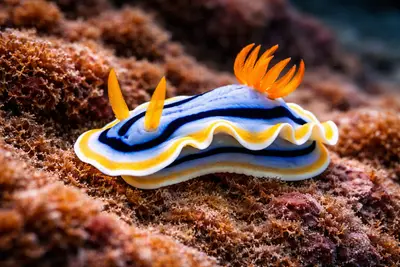
Nudibranchs
common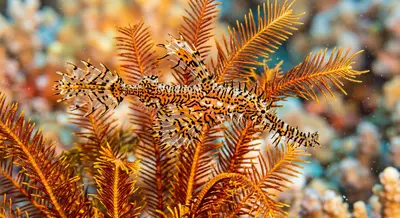
Ghost pipefish
occasional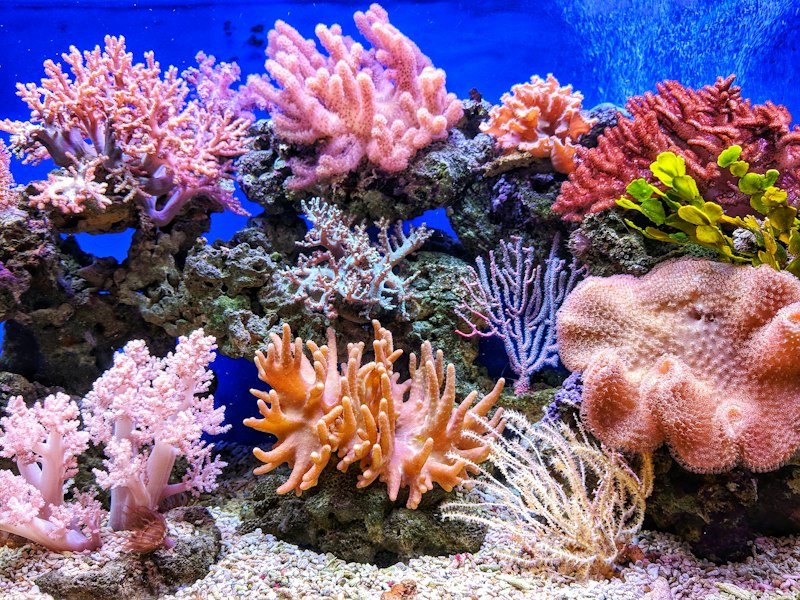
Soft corals
common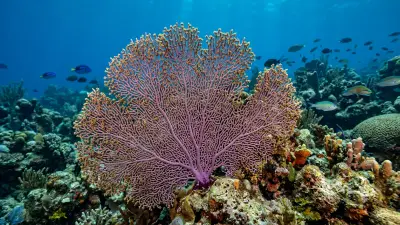
Sea fans
common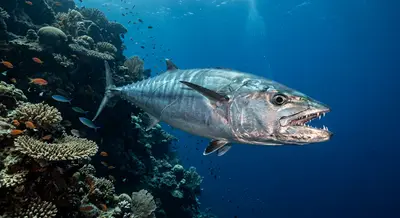
Tuna
occasional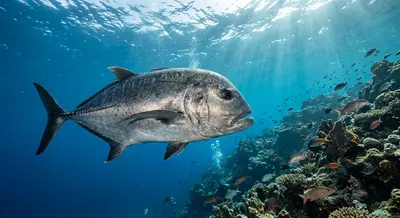
Trevally
occasional
Barracuda
occasional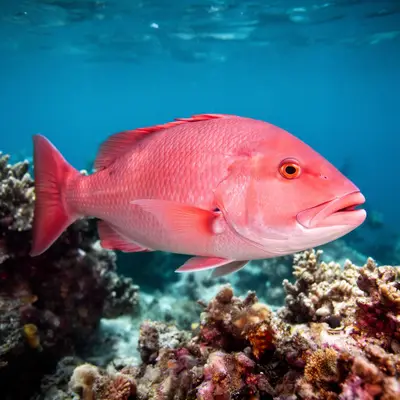
Black snapper
commonMidnight snapper
common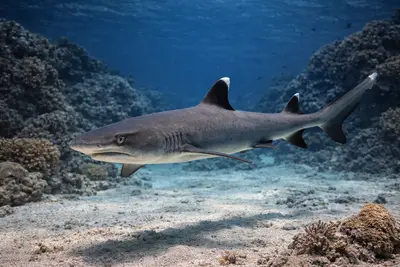
Whitetip reef shark
occasional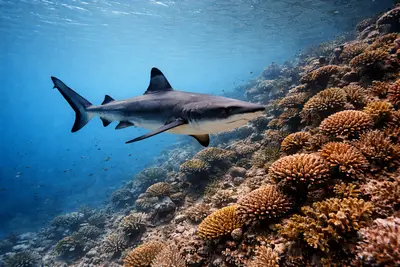
Blacktip reef shark
occasional
Grey reef shark
rareDive profile & how the dive runs
Dives around Ternate typically involve exploring gentle black volcanic sand slopes, which are ideal for slow, methodical searches for macro life. Divers often enter directly from a liveaboard tender and descend to depths suitable for critter spotting, usually between 5-20 meters. The route is often a drift along the slope or a careful traverse of specific patches known for biodiversity. Bottom time is maximized to allow for thorough exploration of the substrate, with keen eyes peeled for nudibranchs, ghost pipefish, and other hidden gems. The dive typically concludes with a safety stop at 5 meters, often still surrounded by interesting small reef fish, before ascending to the surface.
Underwater photography
Ternate is a premier destination for macro photography, making a macro lens (60mm or 100/105mm) essential to capture the intricate details of its abundant small critters. Snoots are highly effective here to isolate subjects against the black sand backdrop. Buoyancy control is paramount to avoid disturbing the delicate bottom, especially when positioning for shots. Employ patience and move slowly, using artificial light to bring out the vibrant colors of nudibranchs, ghost pipefish, and other camouflaged residents. Consider bringing a focus light to assist in spotting the often tiny and well-hidden subjects.
Combine with nearby dive sites
- Goraici Islands
Known for dramatic drop-offs, manta ray cleaning stations, and pristine reefs.
- Patinti Strait
Offers exhilarating drift dives with strong currents and pelagic encounters.
- Bacan Island
Features steep walls, coral gardens, and opportunities for pelagic sightings including whale sharks.
- Komba Island
A volcanic island known for its unique underwater topography and marine life.
Getting there & logistics
Access to Ternate is primarily via Sultan Babullah Airport (TTE), which receives daily direct flights from major Indonesian hubs like Jakarta (CGK), Makassar (UPG), and Manado (MDC) through airlines such as Batik Air, Garuda Indonesia, and Lion Air. Liveaboard operators often arrange transfers from the airport to the harbor in Ternate, where vessels like the Jelajahi Laut await. It is advisable to arrive in Ternate at least one day before your liveaboard departure to ensure smooth connections and allow time to settle in. Trips typically span 7 to 10 days, combining Ternate's unique macro diving with other diverse sites across Halmahera. No special permits beyond a standard Indonesian tourist visa (Visa on Arrival or e-VOA) are generally required for international visitors.
Safety & environment
While diving in Ternate, safety is paramount, particularly given the remote nature of the Halmahera region. The nearest recompression chamber would likely be in a larger regional center, making evacuation a significant logistical undertaking in an emergency. Divers are strongly advised to have comprehensive dive insurance that covers emergency medical treatment and evacuation, including air ambulance services. Site-specific hazards in Ternate's muck diving environments are generally low, but divers should maintain excellent buoyancy to avoid stirring up silt or contacting potentially venomous bottom-dwellers. Adhere strictly to dive plan briefings and dive with an experienced guide, especially when exploring any historical wrecks or venturing beyond the typical macro sites.
Who it suits — and who it doesn't
Suited for
- Macro photography enthusiasts
- Critter hunters
- Experienced muck divers
- Divers seeking uncrowded, pristine sites
- Underwater history buffs interested in WWII wrecks
Less suited for
- Beginner divers without deep or current experience
- Divers expecting only large pelagic action
- Divers who dislike slow, detailed diving
- Those who prefer resort-based diving
FAQ
Ternate FAQ
What kind of diving can I expect around Ternate?
Ternate is primarily renowned for its exceptional muck diving on black volcanic sand slopes. You can expect to find a wide array of fascinating macro life, including numerous species of nudibranchs and other small, unusual critters. There are also opportunities to explore submerged WWII wrecks, adding a historical dimension to your dives.
What is the visibility and water temperature like in Ternate?
Visibility around Ternate typically ranges from 20 to 30 meters, often providing clear conditions for spotting even the smallest subjects. The water temperature is consistently warm, hovering between a comfortable 27 to 31°C year-round, which allows for longer dive times without heavy thermal protection.
What marine life is commonly found in Ternate?
The black sand slopes of Ternate are a haven for nudibranchs, with a vast number of species recorded. You might also encounter ghost pipefish, various crabs and shrimps, and a rich diversity of reef fish. While mostly macro, occasional sightings of larger species like black snapper and barracuda can occur.
What is the best way to travel to Ternate for diving?
The most efficient way to reach Ternate is by flying into Sultan Babullah Airport (TTE), which has daily flights from major Indonesian cities like Jakarta and Manado. Most dive trips to Ternate are conducted via liveaboard, with transfers from the airport to the vessel typically arranged by the operator.
Are there any specific dive certifications recommended for Ternate?
While some sites may be suitable for Open Water divers, an Advanced Open Water certification is generally recommended for diving in the broader Halmahera region. Some operators suggest a minimum of 25 logged dives and experience with deep adventure dives, which can also be completed onboard a liveaboard.
Is Ternate suitable for underwater photography?
Absolutely, Ternate is a paradise for underwater photographers, particularly those specializing in macro. The abundance of unique critters against the black sand provides excellent opportunities for detailed shots. Good buoyancy control and proper lighting techniques, such as using strobes or snoots, will enhance your results significantly.
Why dive Ternate from a liveaboard?
Ternate is one of Banda Sea's signature dive sites. A liveaboard sleeps you on the water and puts you in the water for three to four guided dives per day, including dawn and night dives that day-boat operators rarely offer. You skip the daily commute back to port and reach quieter, less-crowded sites in the same region on a single trip.
Below are the liveaboards that include Ternate on their Banda Sea itineraries.
Liveaboards diving Ternate
These liveaboards may visit Ternate on selected itineraries — the exact dive sites depend on departure, weather and conditions.
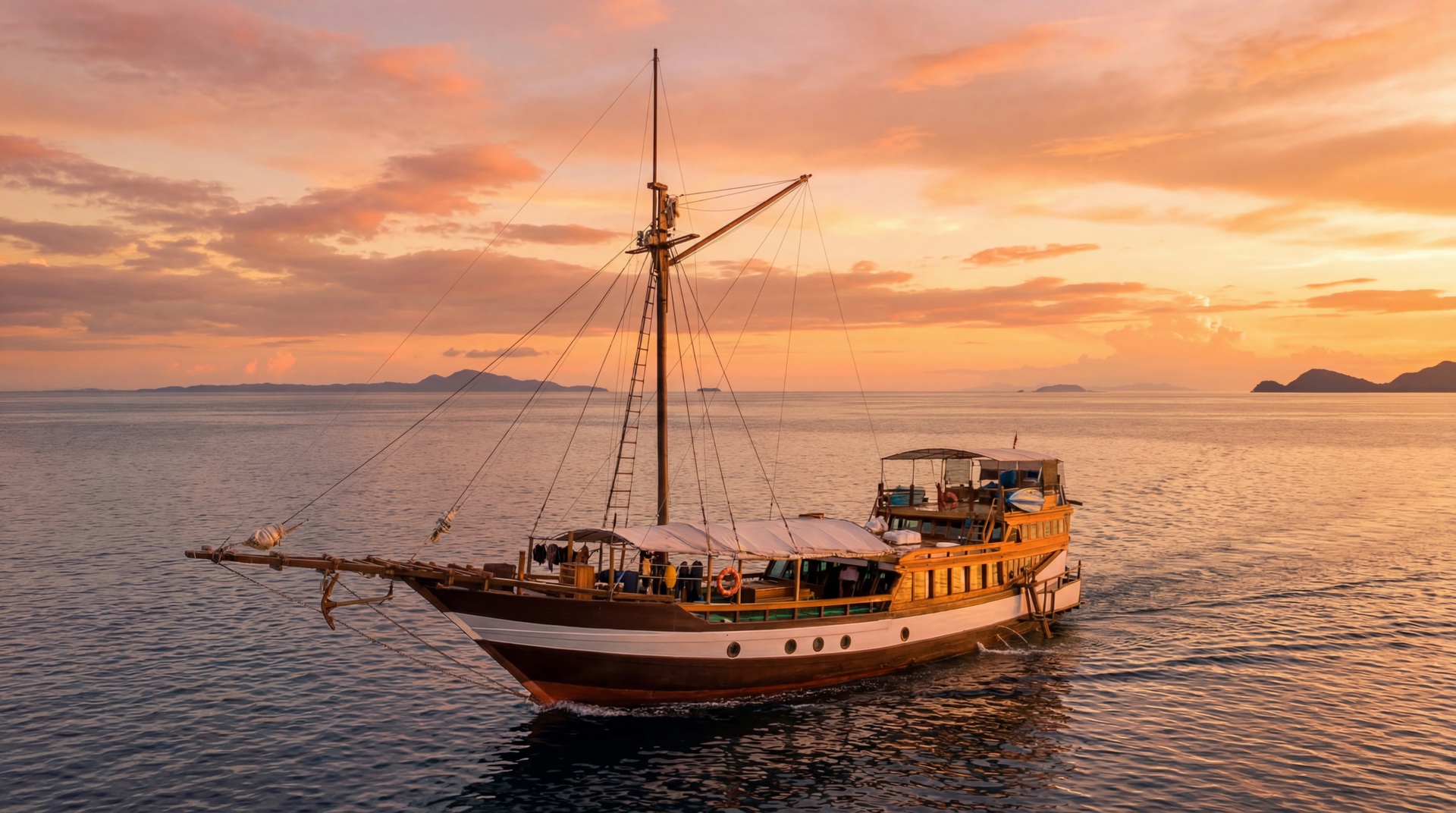
Wellenreng
Indonesia
9 guests25 m
$427/day
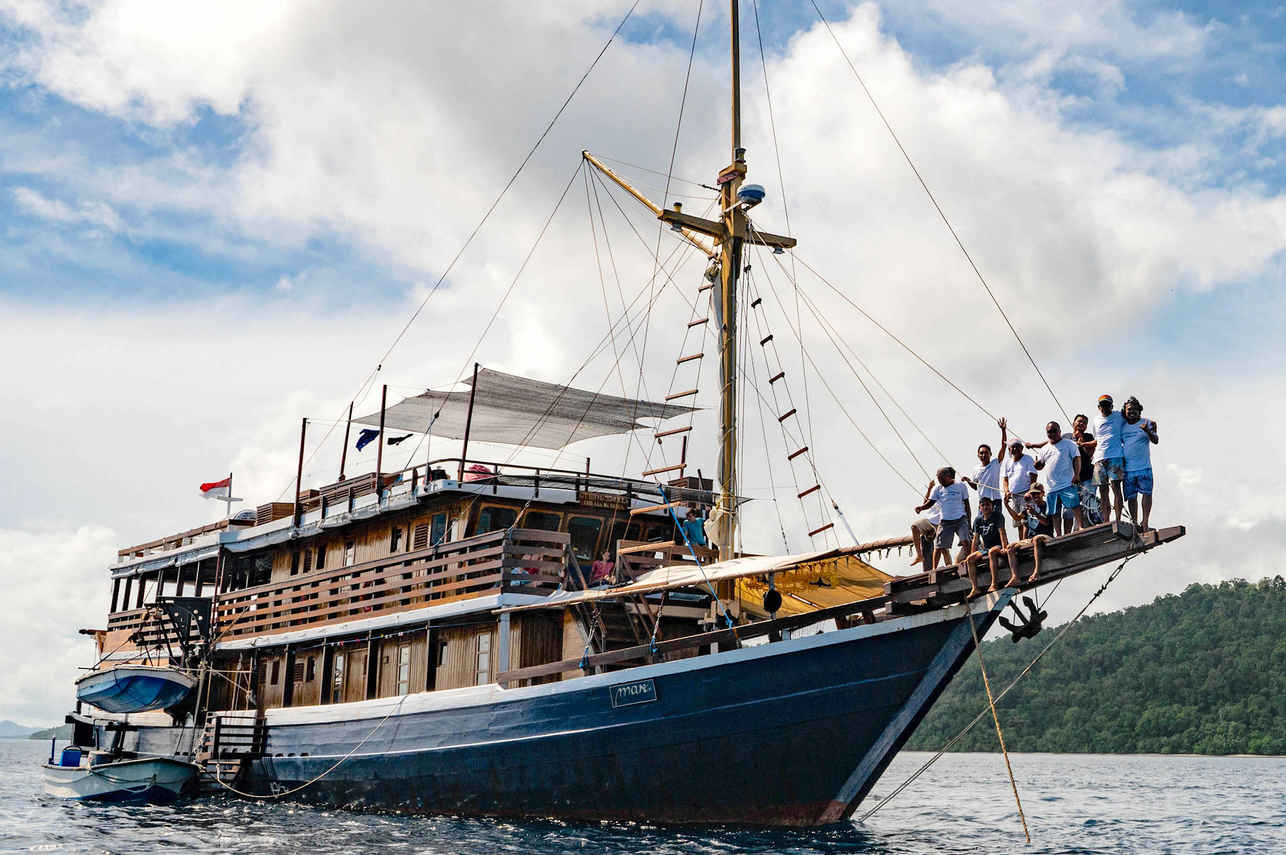
Mari
Indonesia
14 guests32.2 m
$328/day
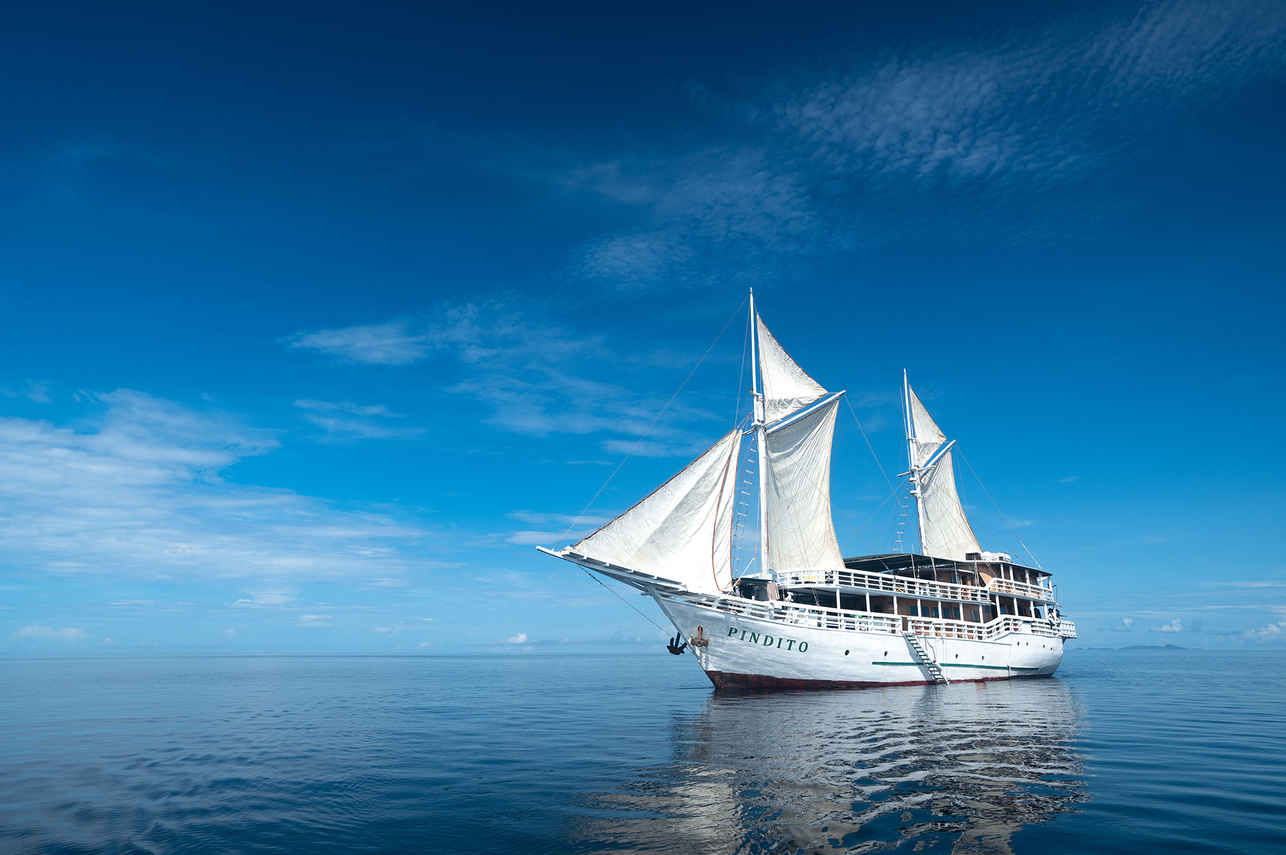
Pindito
Indonesia
16 guests37.79 m
$533/day
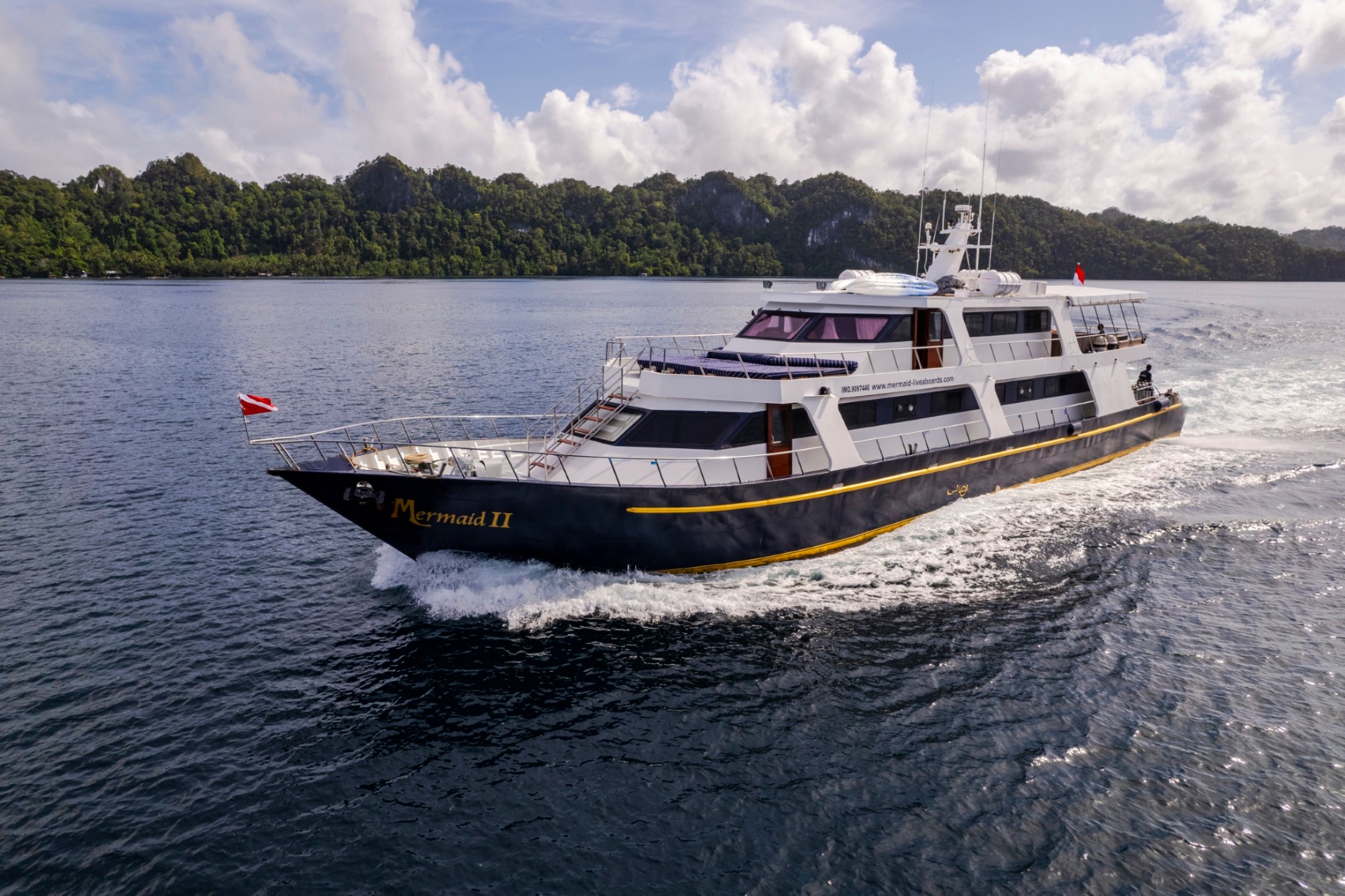
Mermaid II
Komodo, Indonesia
18 guests
$355/day
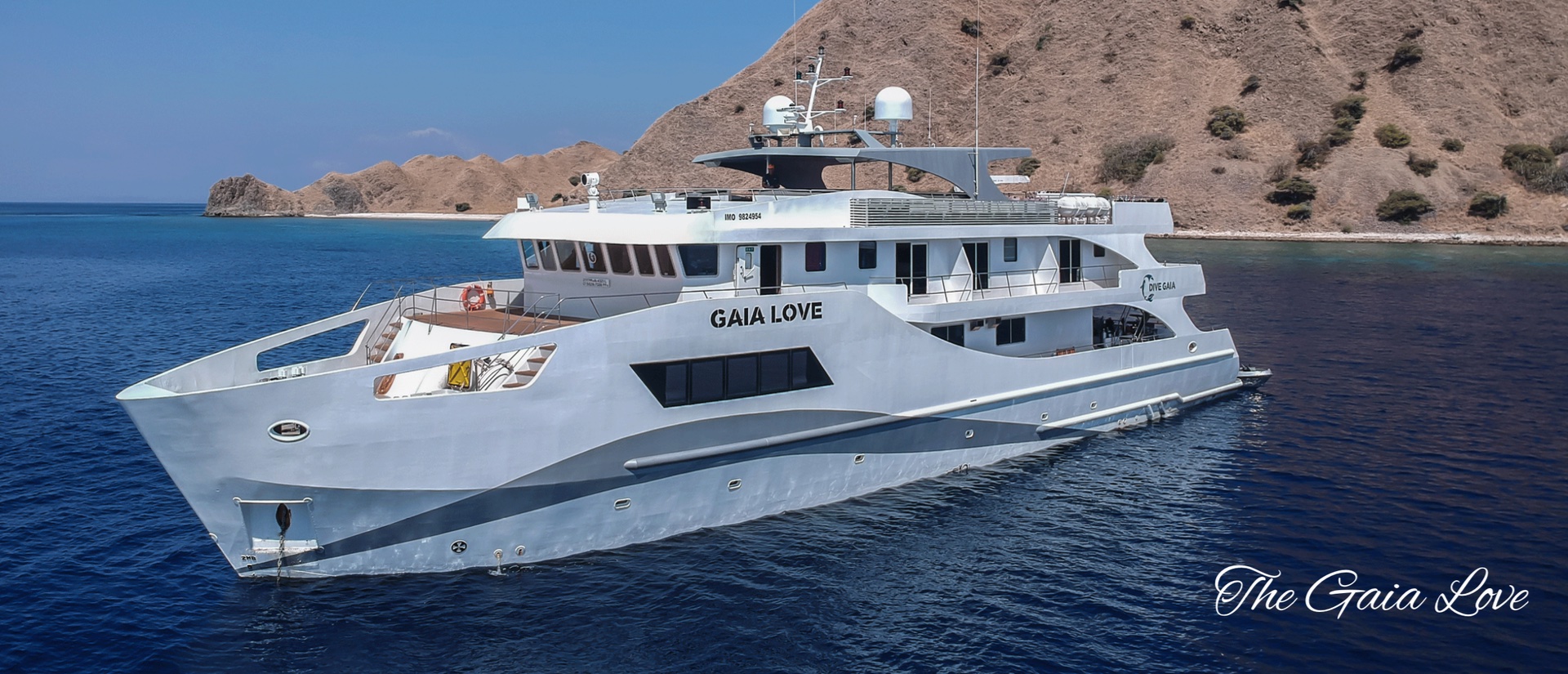
Gaia Love
Alor
20 guests
$554/day
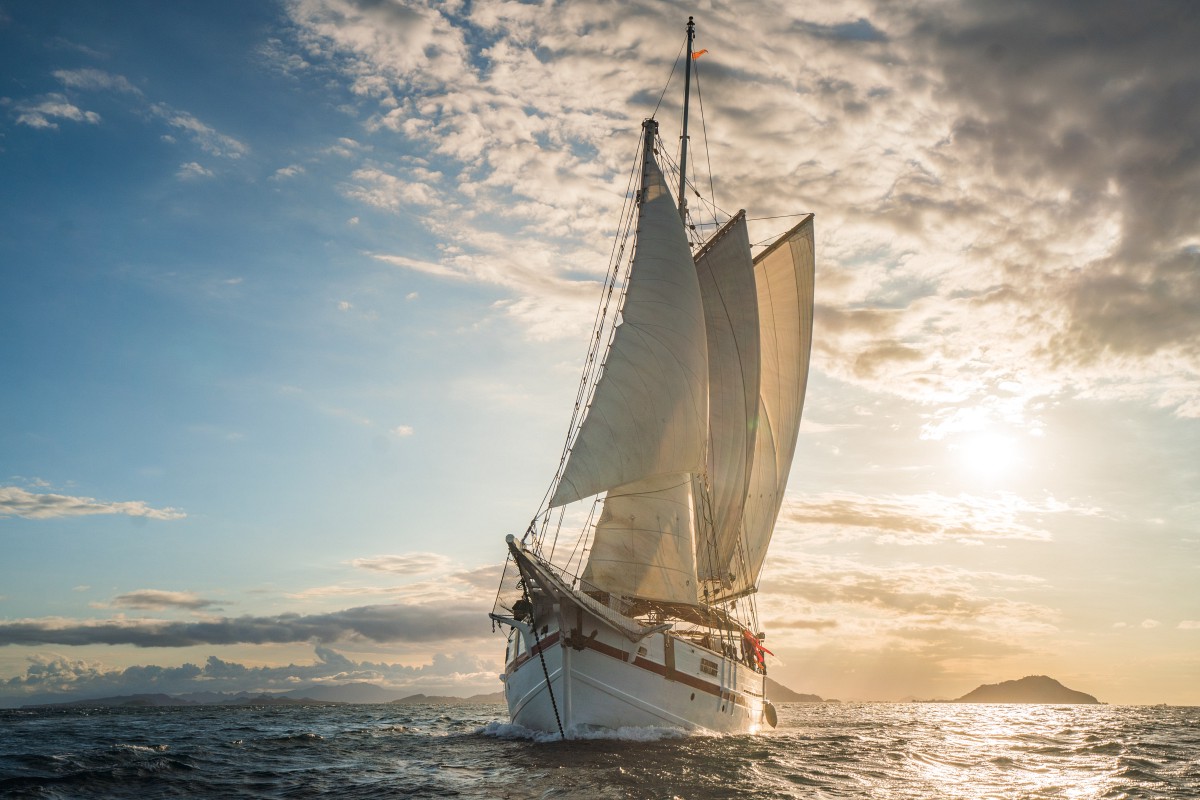
Emperor Raja Laut
Raja Ampat, Indonesia
12 guests31 m
$482/day
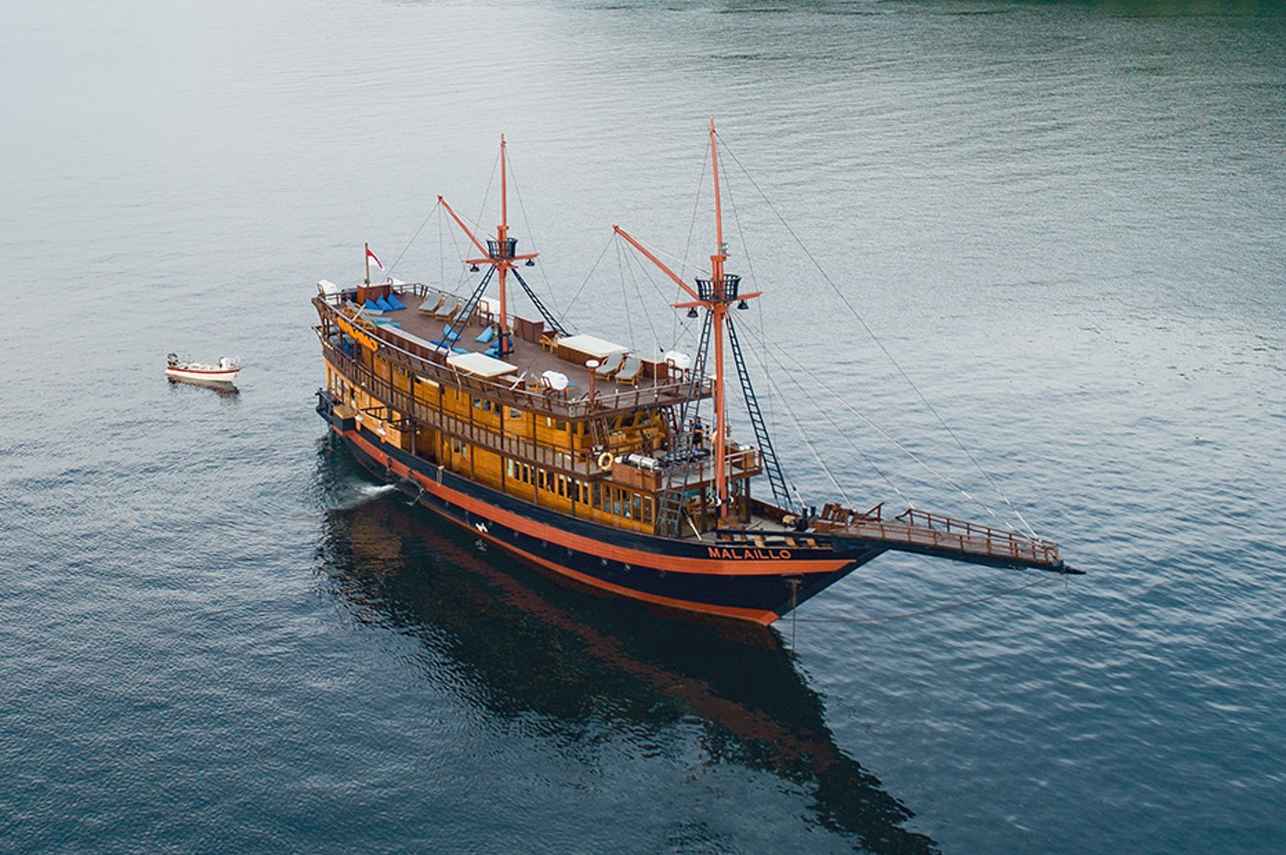
Malaillo
Indonesia
14 guests45.57 m
$350/day
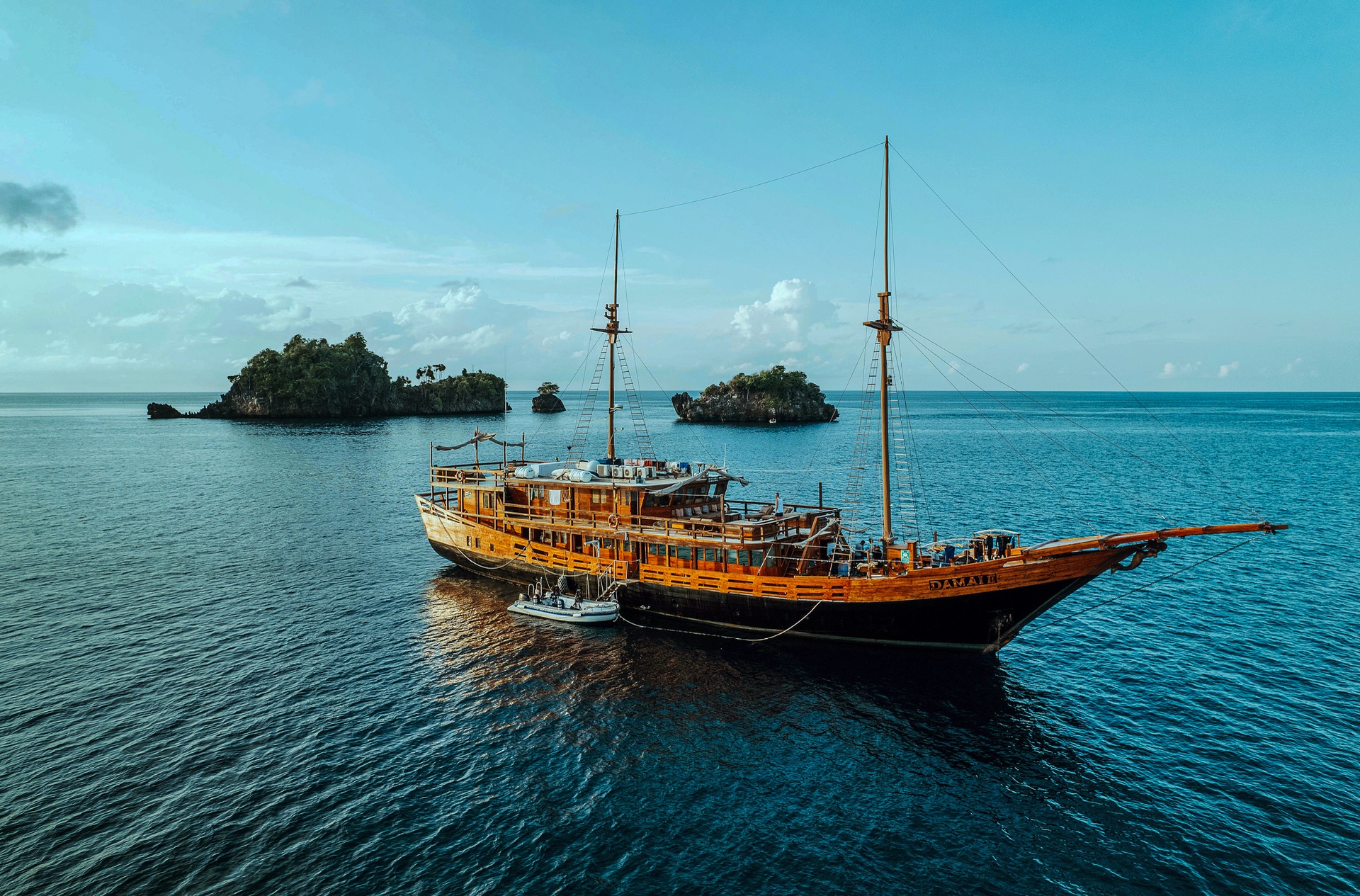
Damai II
Komodo, Indonesia
14 guests
$459/day
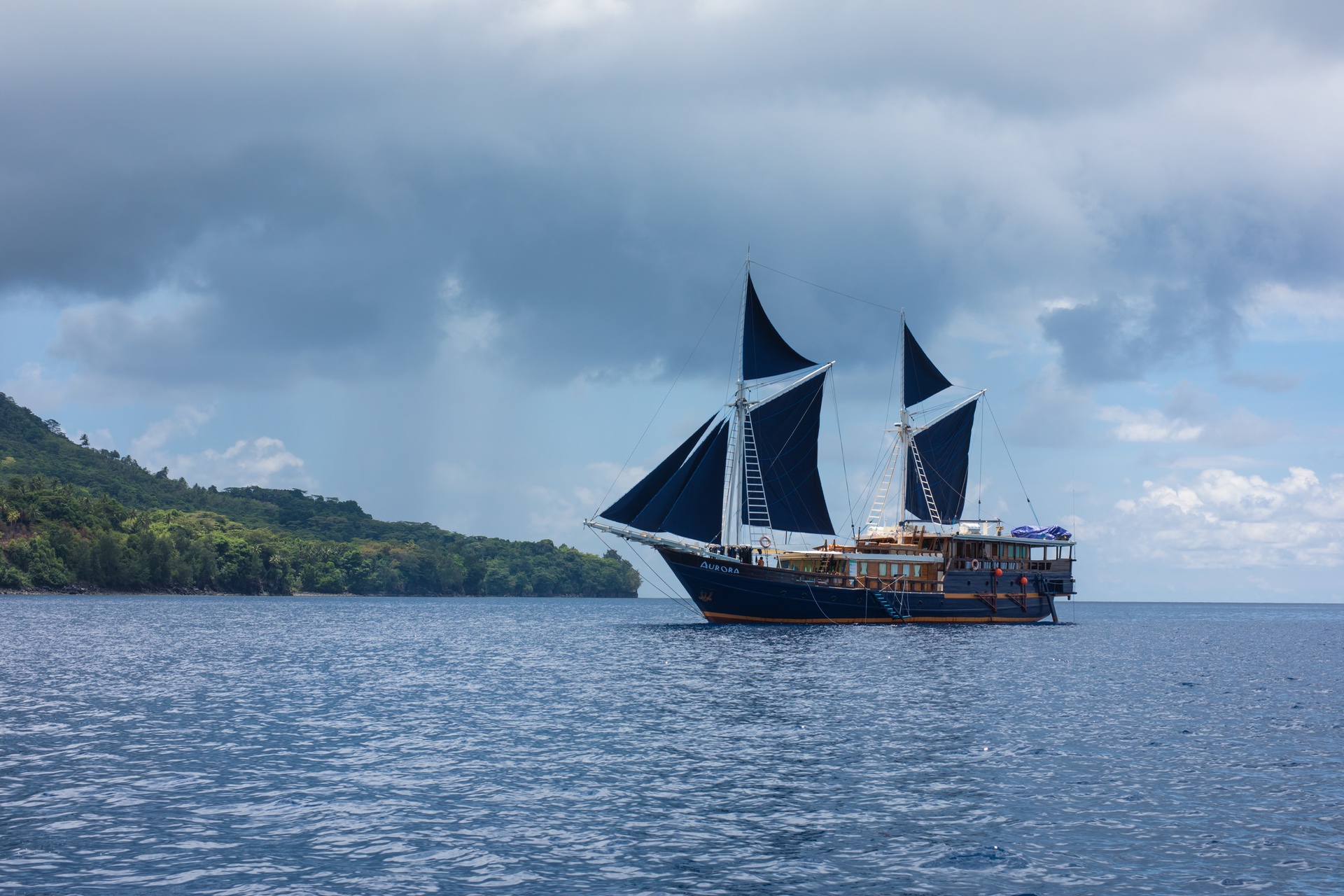
DUNE Aurora
Indonesia
18 guests
$344/day
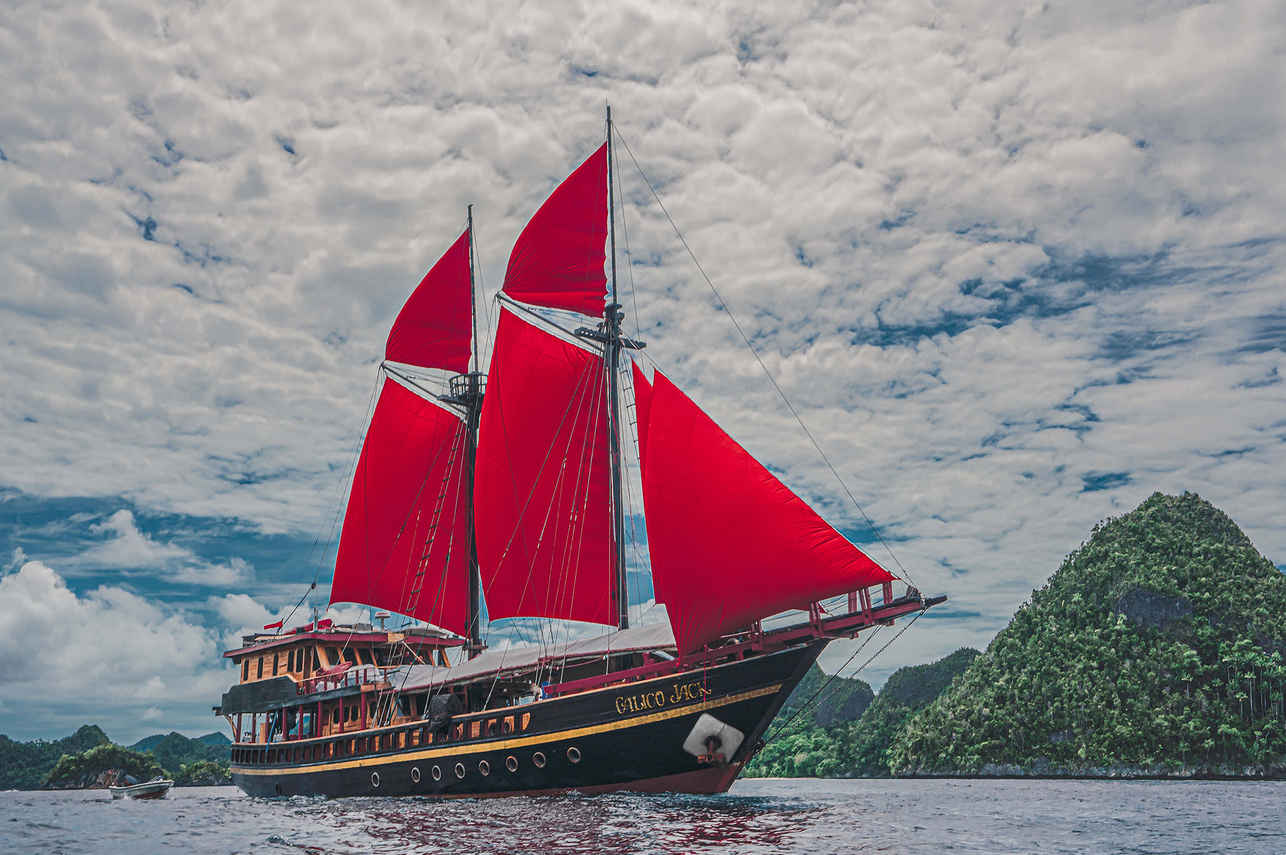
Calico Jack
Indonesia
10 guests30 m
$398/day
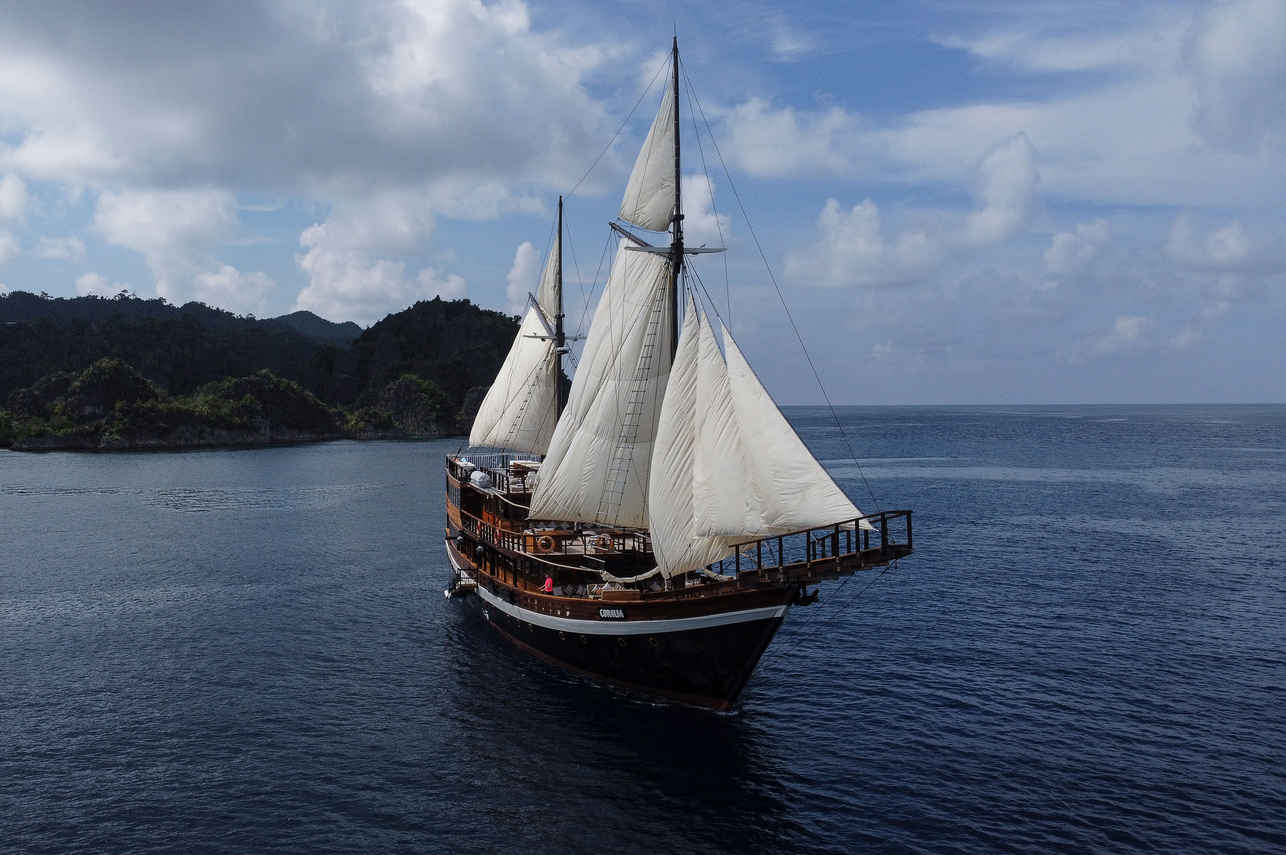
Coralia
Indonesia
16 guests48 m
$547/day
Ilike
Indonesia
16 guests40 m
$298/day
Dive sites similar to Ternate
Same character, same waters — six more sites divers love for the exact same reasons.Compare seasons, access and liveaboard routes — then pick the site that fits your trip best.
Patinti Strait
Banda Sea
The Patinti Strait, also known as Selat Patiente, is a renowned dive site located in South Halmahera, nestled between the main island of Halmahera and Bacan Island.
- Suitable for
- Advanced
- Current
- Strong
- Access
- Liveaboard only
- Depth
- 5–30 m
- Theme
- Drift / Reef
Banda Api North
Banda Sea
Banda Api North, nestled within Indonesia's remote Banda Sea, offers an extraordinary dive experience shaped by its active volcanic past.
- Suitable for
- Intermediate
- Current
- Strong
- Access
- Liveaboard only
- Depth
- 5–30 m
- Theme
- Reef
Nil Desperandum Atoll
Banda Sea
Nil Desperandum Atoll is an isolated seamount in the Banda Sea, part of the remote 'Forgotten Islands' chain.
- Suitable for
- Advanced
- Current
- Strong
- Access
- Liveaboard only
- Depth
- 20–40 m
- Theme
- Reef
Pohon Miring
Banda Sea
Pohon Miring, located near Banda Neira, is a dive site within the central Banda Islands group, offering a unique blend of marine biodiversity and accessibility.
- Suitable for
- Beginner
- Current
- Strong
- Access
- Liveaboard only
- Depth
- 3–20 m
- Theme
- Reef / Seamount
Dawera Island
Banda Sea
Dawera Island is a captivating dive destination nestled within the Forgotten Islands, a remote chain of islands in the vast Banda Sea, Indonesia.
- Suitable for
- Advanced
- Current
- Moderate
- Access
- Liveaboard only
- Depth
- ≥ 15 m
- Theme
- Reef / Wall
Sermata
Banda Sea
Sermata is part of the Forgotten Islands, a long chain of remote islands and atolls in the Southern Maluku, Indonesia, situated between the nutrient-rich Banda Sea and the Arafura Sea.
- Suitable for
- Advanced
- Current
- Moderate
- Access
- Liveaboard only
- Depth
- 15–40 m
- Theme
- Reef / Wall