About Bacan Island
Bacan Island, situated in Halmahera, Indonesia, stands as an unforgettable dive site within the Maluku archipelago and is a key part of the Coral Triangle, an epicenter of marine biodiversity. Its strategic location near the Patinti Strait means it benefits from nutrient-rich currents, fostering an incredibly vibrant ecosystem. Underwater, Bacan offers a varied landscape. Divers will encounter steep walls adorned with dramatic coral formations and extensive, healthy hard coral gardens, particularly in its more remote areas. It is also renowned for its black sand slopes, which are ideal environments for discovering a rich array of unusual critters, drawing comparisons to famous muck diving destinations. The island's waters are home to both impressive pelagic encounters and fascinating macro life. While gliding over pristine reefs, divers can spot reef sharks, Napoleon wrasse, and sometimes even seasonal whale sharks. The muck diving sites provide opportunities to find species such as frogfish, ghost pipefish, cuttlefish, and numerous nudibranchs, making it a hotspot for underwater photographers. Diving at Bacan Island requires adapting to varied conditions. While some areas offer sheltered exploration of coral gardens and macro life, its proximity to current-swept regions like the Patinti Strait means that some dives may involve stronger flows. Liveaboards frequently include Bacan Island in their Halmahera itineraries, offering expert guidance to navigate these dynamic environments safely and maximize marine encounters.
Highlights
Black sand muck divingPristine hard coral gardensSteep wallsNapoleon wrasse sightingsReef sharksSeasonal whale sharksMacro photography subjectsDynamic currents
Season calendar
Best months to dive here
Jan
Feb
Mar
Apr
May
Jun
Jul
Aug
Sep
Oct
Nov
Dec
Excellent
Good
Dive site facts: Bacan Island
- Depth
- Variable, steep walls and shallow gardens
- Current
- Mild to strong, can be dynamic
- Visibility
- 20–30 meters, up to 40 meters
- Water temperature
- 27–31°C (80–88°F)
- Entry
- Liveaboard tender
- Level
- Advanced Open Water recommended, drift experience helpful
- Dive type
- Muck, wall, drift, coral garden
- Night dive
- Possible (muck sites)
- Region / port
- Halmahera, Indonesia
- Coordinates
- 0.6469° S, 127.4364° E
Conditions & Currents
Bacan Island's proximity to the Patinti Strait means divers should anticipate variable and potentially strong currents. The strait funnels nutrient-rich waters, leading to exhilarating drift dives where the flow can be quite pronounced, sometimes causing bubbles to move downwards. These currents attract large schools of fish and pelagic species, requiring divers to have some drift diving experience for safety. While offshore areas and passages between islands will have stronger flows, Bacan also features sheltered bays and reefs where currents are milder, allowing for detailed exploration of coral gardens and macro life. Visibility is typically good, ranging from 20 to 30 meters, occasionally reaching 40 meters in open water. Water temperatures remain consistently warm, usually between 27-31°C (80-88°F), reducing concerns for thermal protection.
Marine life & sighting chances
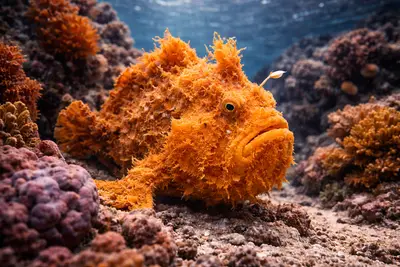
Frogfish
common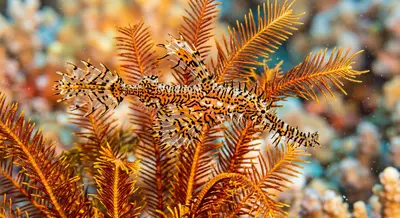
Ghost pipefish
common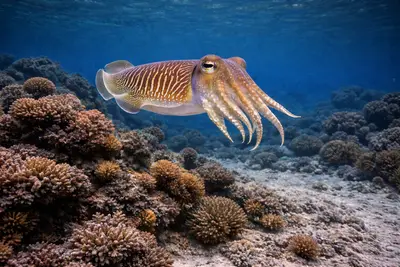
Cuttlefish
common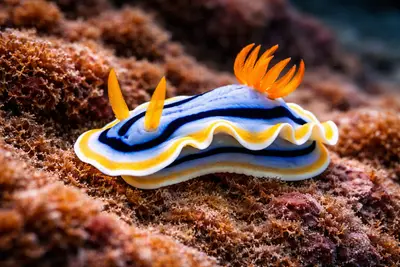
Nudibranchs
common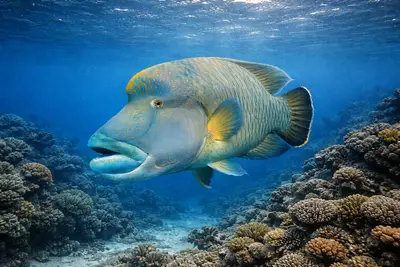
Napoleon wrasse
occasional
Reef sharks
occasional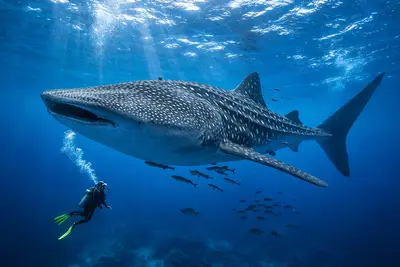
Whale sharks
Seasonal · rare
Barracuda
occasional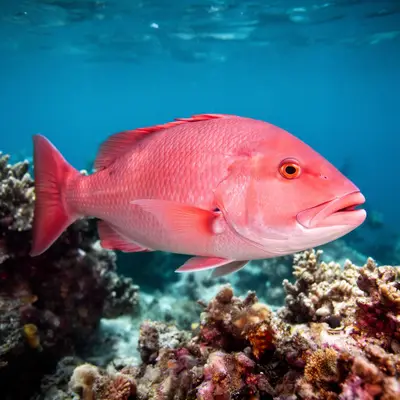
Snapper
occasional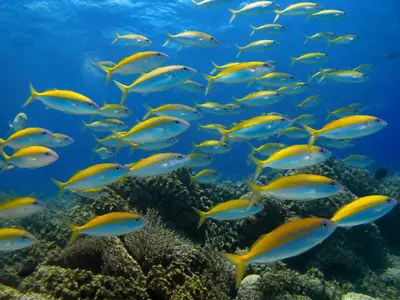
Fusiliers
common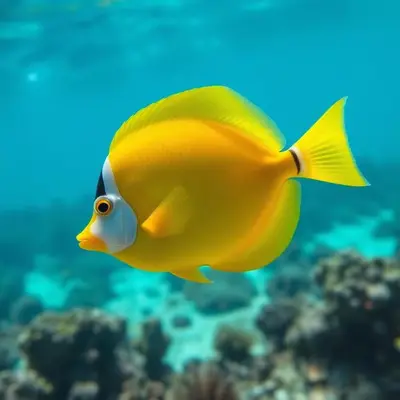
Surgeonfish
common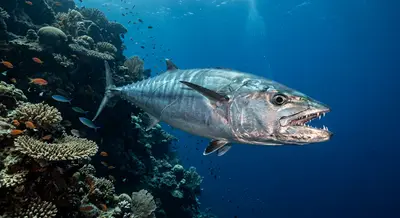
Tuna
occasionalDive profile & how the dive runs
Diving at Bacan Island typically involves exploring a mix of steep walls, healthy coral gardens, and distinct black sand slopes. For wall dives, divers often descend along the coral-encrusted drop-offs, keeping an eye on the blue for pelagic activity such as Napoleon wrasse or reef sharks. These dives may involve drift techniques if currents are present, allowing the diver to glide along the topography. On the black sand sites, the profile shifts to a slower, more deliberate pace, ideal for muck diving. Divers will typically stay shallower, between 5-15 meters, meticulously searching for cryptic macro critters like frogfish, ghost pipefish, and nudibranchs. Buoyancy control is paramount to avoid disturbing the sandy bottom. Safety stops are usually conducted in shallower, protected sections of the reef or over coral patches, often at depths between 5-7 meters for three minutes, allowing for observation of reef fish.
Underwater photography
Bacan Island offers diverse photographic opportunities. For muck diving on the black sand slopes, a macro lens (e.g., 60mm or 100/105mm) is essential to capture the intricate details of frogfish, ghost pipefish, and nudibranchs. Patience and a keen eye are crucial here; allow sufficient time to observe and frame your subject. External strobes are highly recommended to bring out vibrant colors against the dark background and control shadows. When transitioning to the steep walls and coral gardens, switch to a wide-angle lens (e.g., fisheye or rectilinear wide-angle) for capturing the dramatic topography, schooling fish, and healthy hard coral formations. Pay close attention to ambient light exposure, especially when shooting sun-drenched reefs. For pelagic encounters, a fast shutter speed and good focus tracking are beneficial. Maintain excellent buoyancy to avoid damaging delicate corals or stirring up sediment, which can ruin shots for both yourself and other photographers.
Combine with nearby dive sites
Getting there & logistics
Access to Bacan Island and the wider Halmahera region is typically via liveaboard, which is considered the most efficient way to explore these remote dive sites. While specific departure ports for Bacan are not detailed, Halmahera itineraries often start from regional airports like Manado or other smaller airports, requiring onward boat transfer. Trips typically combine Bacan with other Halmahera highlights like the Patinti Strait, Goraici Islands, or Ternate. Halmahera's remote location between Sulawesi and Raja Ampat means it often fits into broader Coral Triangle itineraries. Dive trips to this area can range from 7 to 10 days, allowing for comprehensive exploration of various dive environments. Specific permit or park fees for Bacan Island are not mentioned, but liveaboard operators generally handle all necessary arrangements.
Safety & environment
Diving around Bacan Island, particularly in the vicinity of the Patinti Strait, can involve strong currents, necessitating prior drift diving experience. Divers should always follow their guide's instructions regarding entry techniques and current management. The nearest recompression chamber is likely in a larger city like Manado or Ambon, which are considerable distances away, underscoring the importance of safe diving practices and comprehensive dive insurance covering emergency medical evacuation. Due to the remote nature of Halmahera, evacuation in a medical emergency could be complex and time-consuming. It is crucial to have appropriate insurance and be aware of your liveaboard's emergency protocols. Maintain conservative dive profiles, monitor air consumption closely, and ensure all gear is in excellent condition. Avoid touching marine life, especially on the muck sites, to protect both the delicate ecosystem and yourself from potentially venomous critters.
Who it suits — and who it doesn't
Suited for
- Experienced divers comfortable with currents
- Macro photographers seeking rare critters
- Wide-angle photographers
- Divers interested in diverse marine ecosystems
- Those seeking pristine, uncrowded dive sites
Less suited for
- Beginner divers without current experience
- Divers uncomfortable with drift diving
- Individuals looking for shore-based diving
- Those preferring very calm, predictable conditions
FAQ
Bacan Island FAQ
What kind of marine life can I expect at Bacan Island?
Bacan Island offers a fantastic mix of marine life. On its black sand slopes, you'll find an abundance of macro critters like frogfish, ghost pipefish, cuttlefish, and various nudibranchs. In the blue water and along the walls, expect to see Napoleon wrasse, reef sharks, and schools of fusiliers, surgeonfish, and snapper. Seasonal sightings of whale sharks can also occur.
Are the currents strong around Bacan Island?
Yes, currents around Bacan Island can range from mild to strong, especially due to its proximity to the Patinti Strait. This area is known for dynamic flows that bring in nutrient-rich waters, attracting large pelagic species. Divers should have some experience with drift diving to safely navigate these conditions, though sheltered areas also exist for easier dives.
What is the best time of year to dive Bacan Island?
The prime diving season for Halmahera, including Bacan Island, generally runs from April to October. During these months, conditions are optimal with excellent visibility and comfortable water temperatures. While diving is possible year-round, these months offer the best chance to experience the region's full potential.
Is Bacan Island suitable for underwater photography?
Bacan Island is highly suitable for underwater photography, appealing to both macro and wide-angle enthusiasts. Its black sand sites are perfect for macro lenses to capture unique critters, while the dramatic walls and pristine coral gardens call for wide-angle shots of large schools of fish and expansive seascapes. Visibility is typically good, enhancing photographic opportunities.
How do I get to Bacan Island for diving?
Bacan Island is best accessed via liveaboard, as it is part of a remote region in Halmahera. Liveaboard itineraries typically depart from regional airports such as Manado, requiring an onward transfer by boat to the dive sites. These trips often combine Bacan with other notable dive areas in Halmahera.
Why dive Bacan Island from a liveaboard?
Bacan Island is one of Banda Sea's signature dive sites. A liveaboard sleeps you on the water and puts you in the water for three to four guided dives per day, including dawn and night dives that day-boat operators rarely offer. You skip the daily commute back to port and reach quieter, less-crowded sites in the same region on a single trip.
Below are the liveaboards that include Bacan Island on their Banda Sea itineraries.
Liveaboards diving Bacan Island
These liveaboards may visit Bacan Island on selected itineraries — the exact dive sites depend on departure, weather and conditions.
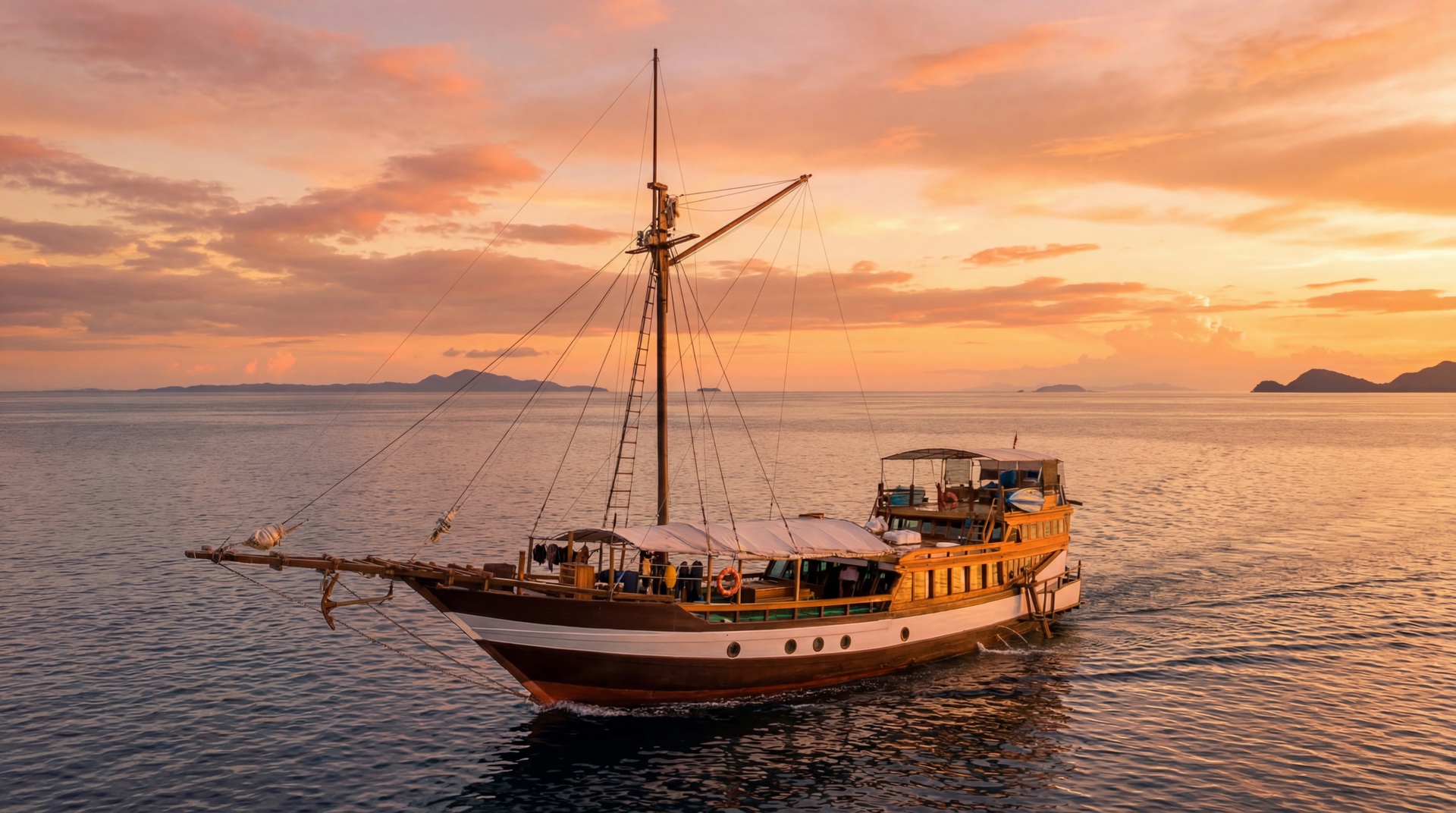
Wellenreng
Indonesia
9 guests25 m
$427/day
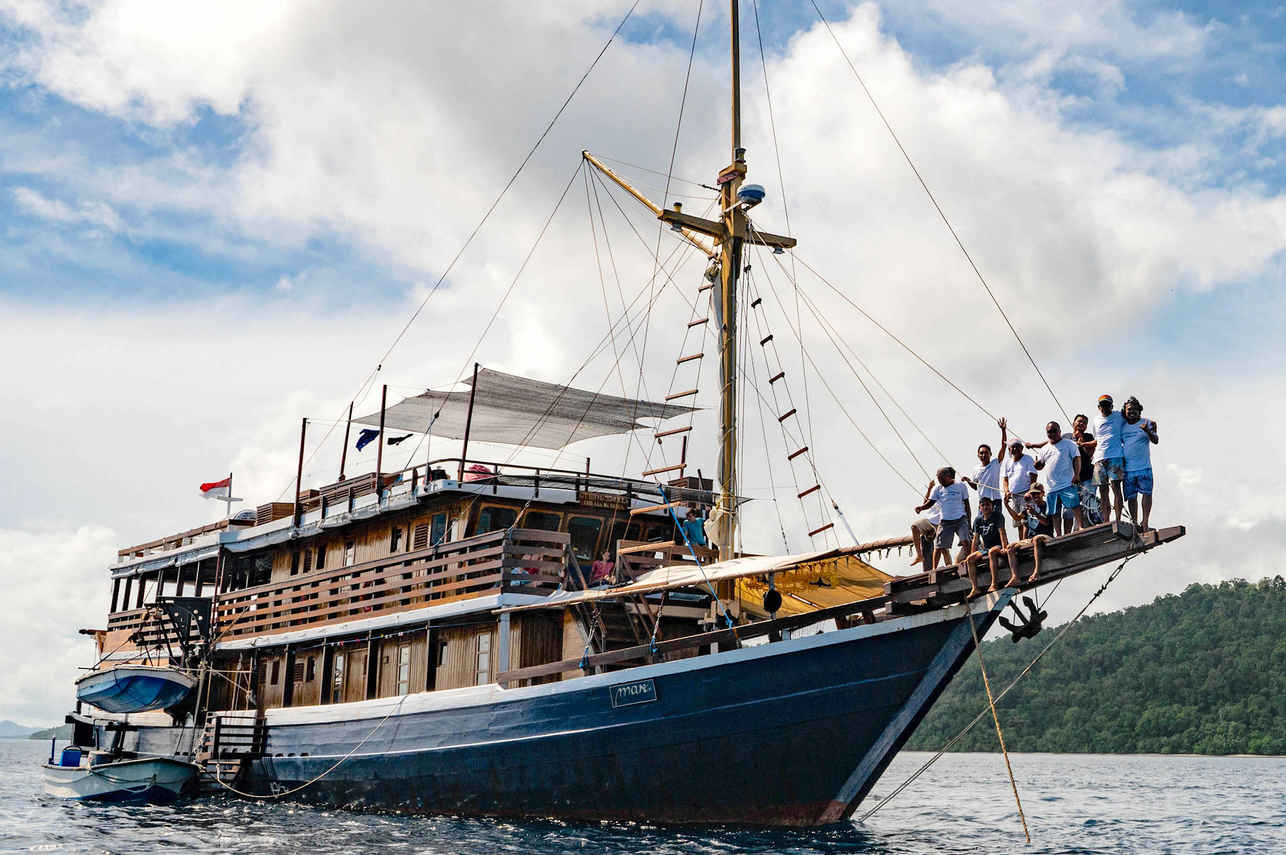
Mari
Indonesia
14 guests32.2 m
$328/day
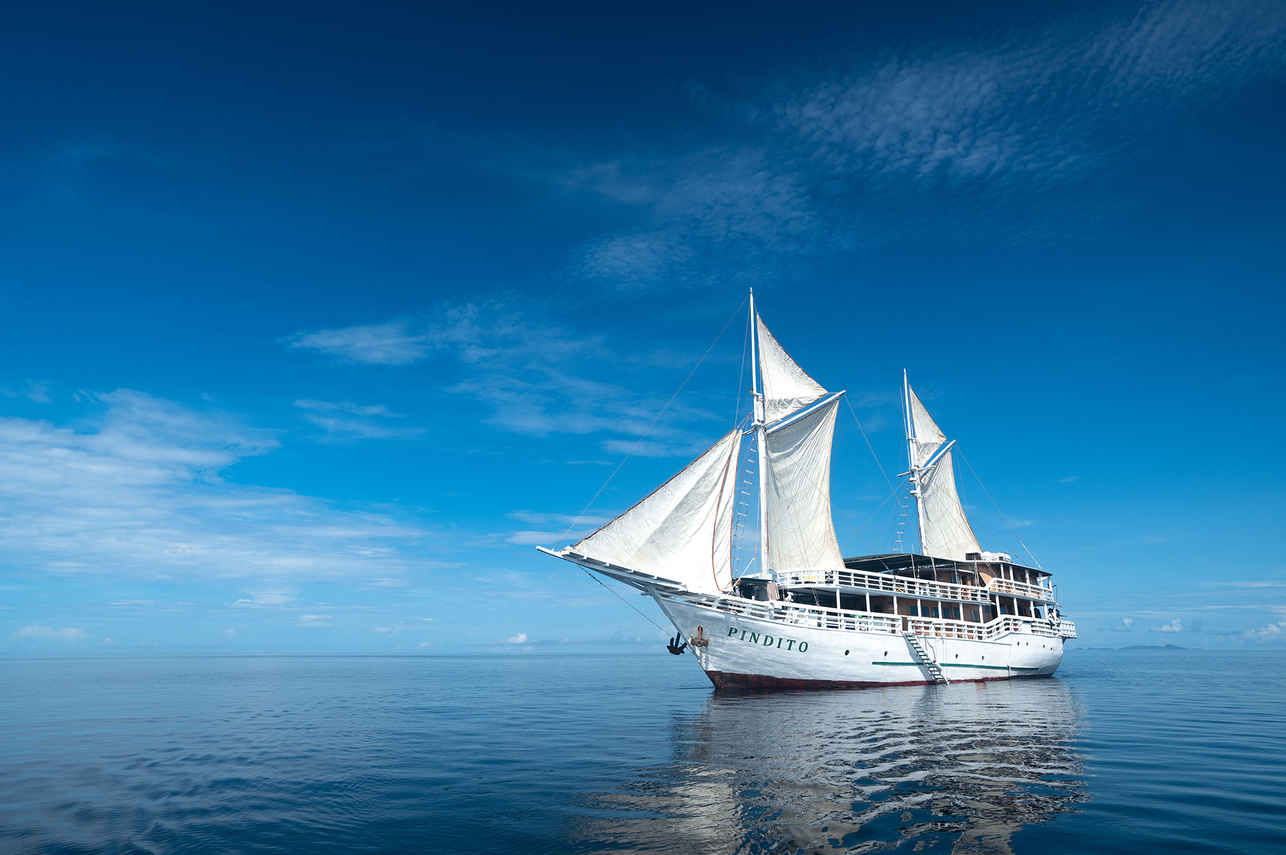
Pindito
Indonesia
16 guests37.79 m
$533/day
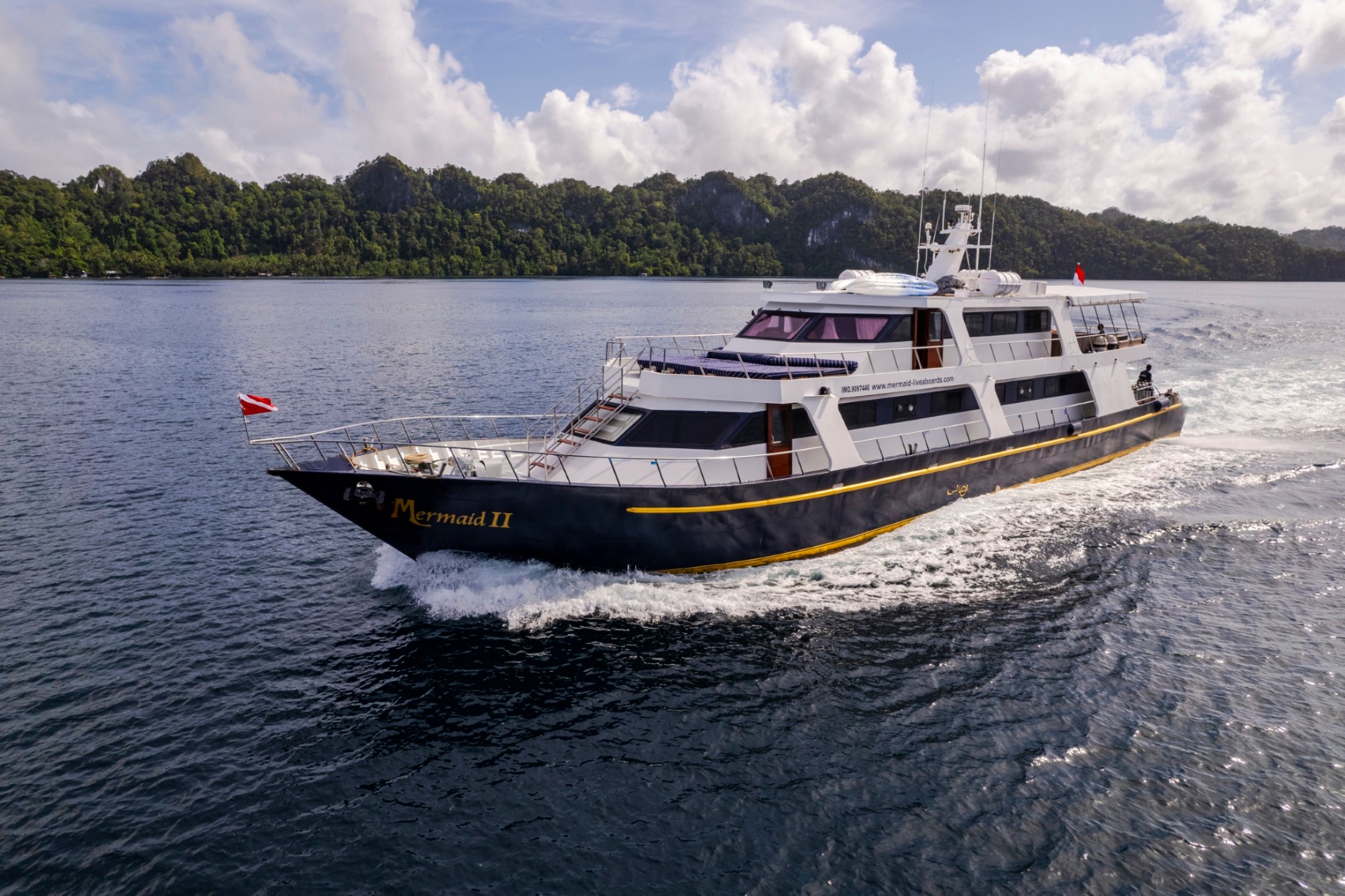
Mermaid II
Komodo, Indonesia
18 guests
$355/day
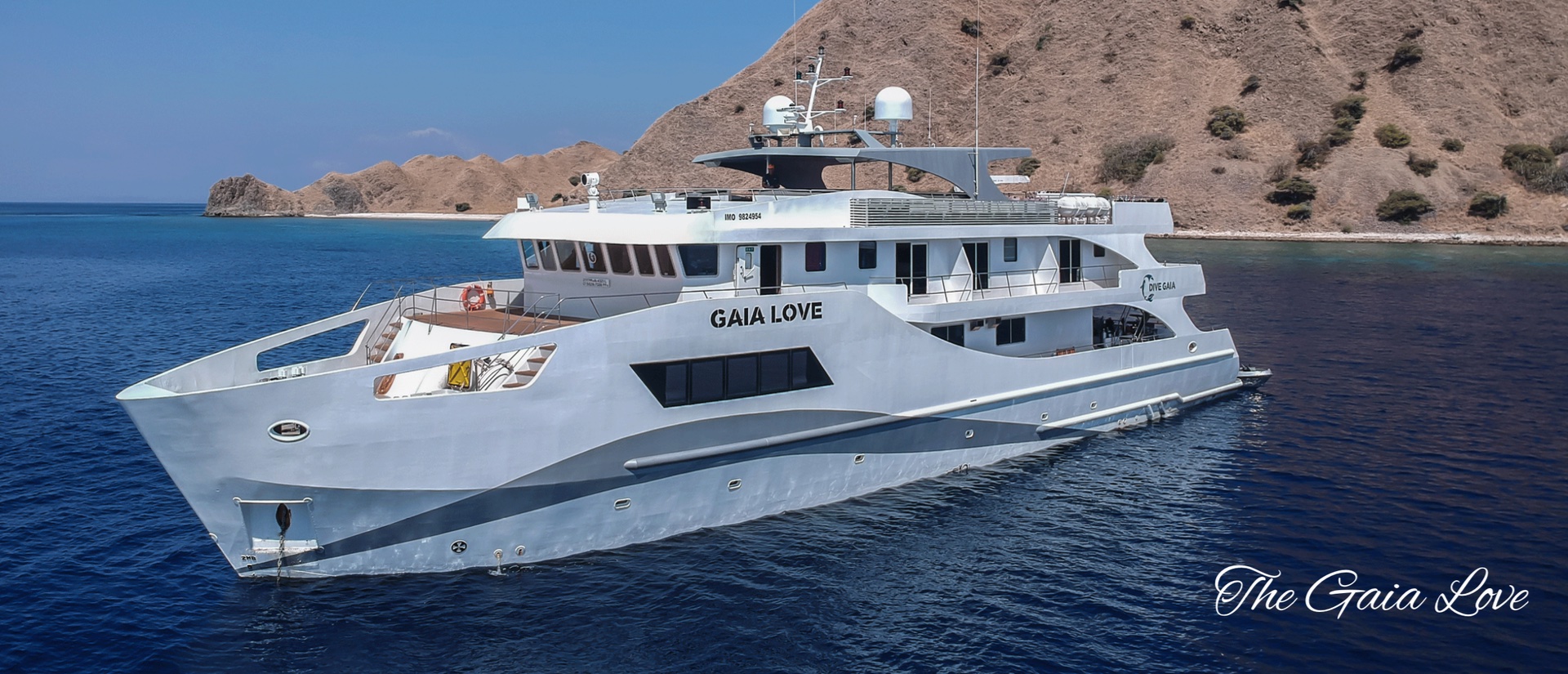
Gaia Love
Alor
20 guests
$554/day
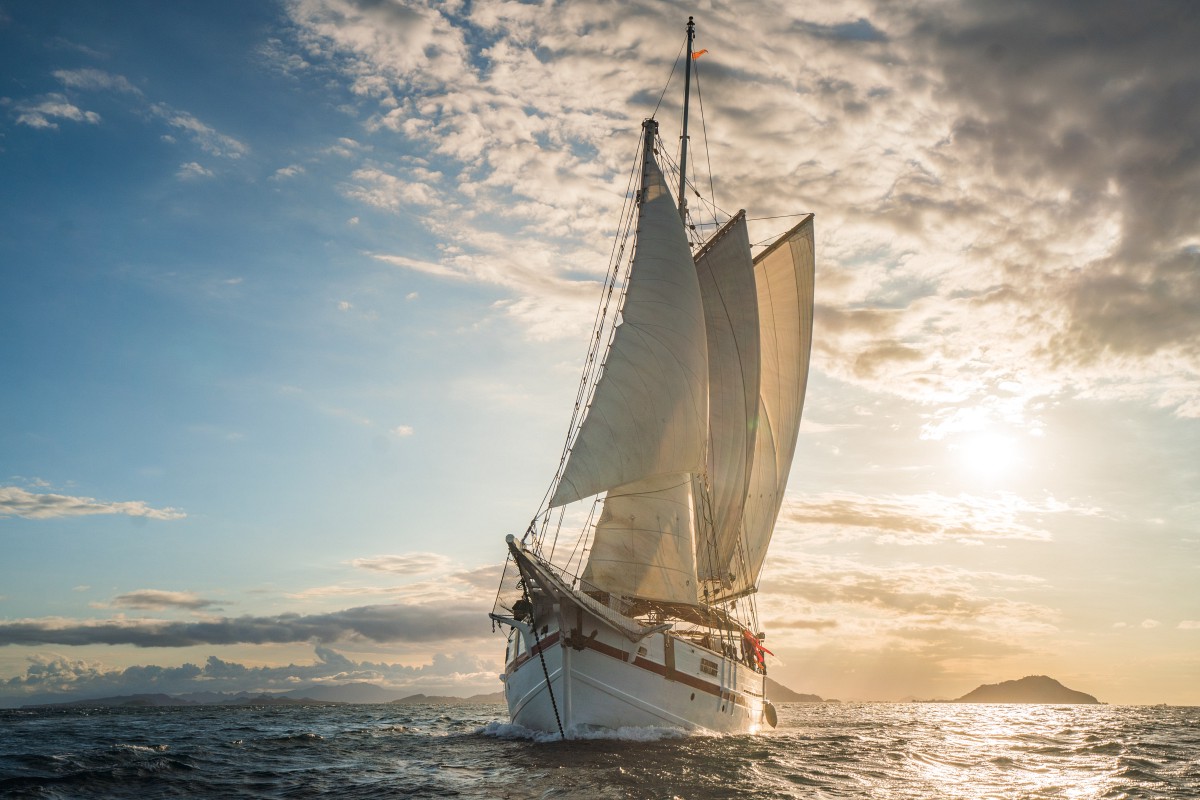
Emperor Raja Laut
Raja Ampat, Indonesia
12 guests31 m
$482/day
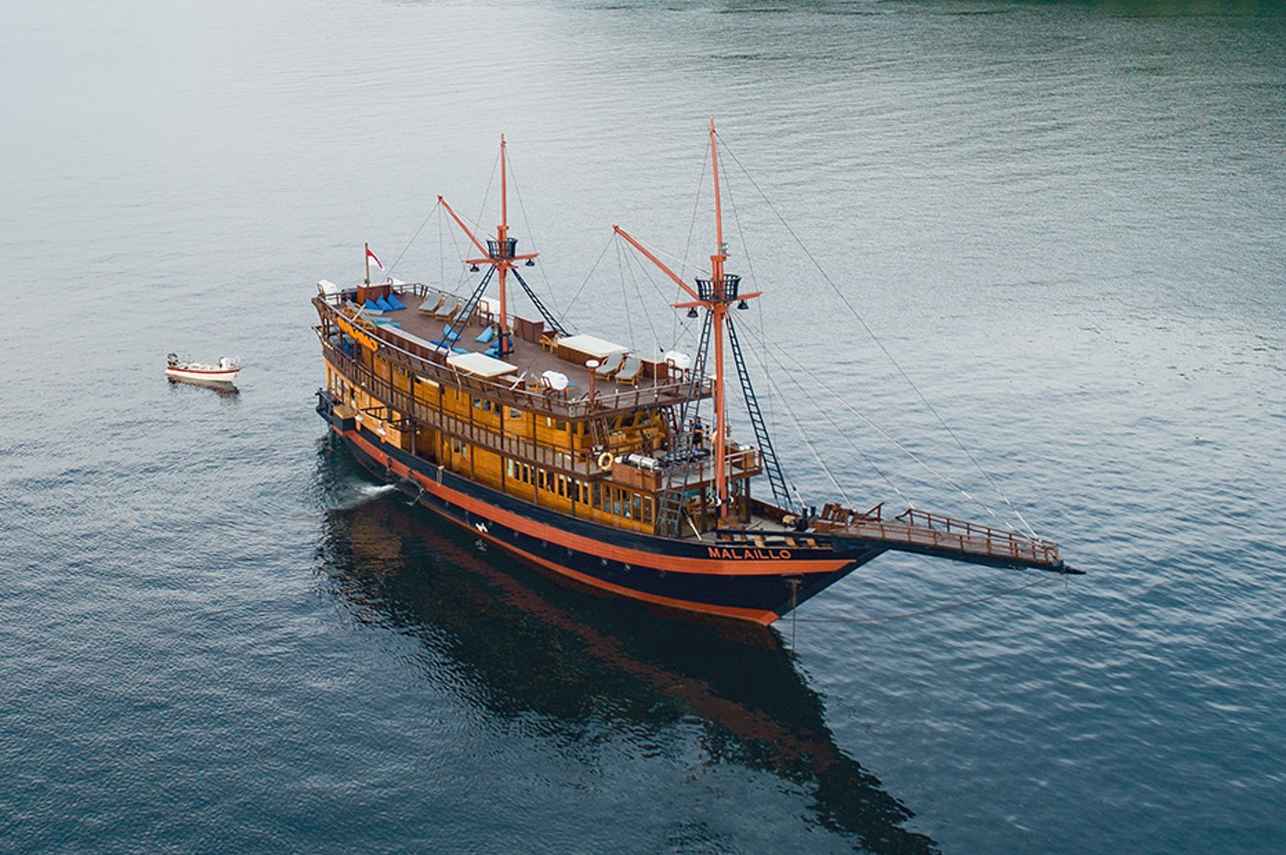
Malaillo
Indonesia
14 guests45.57 m
$350/day
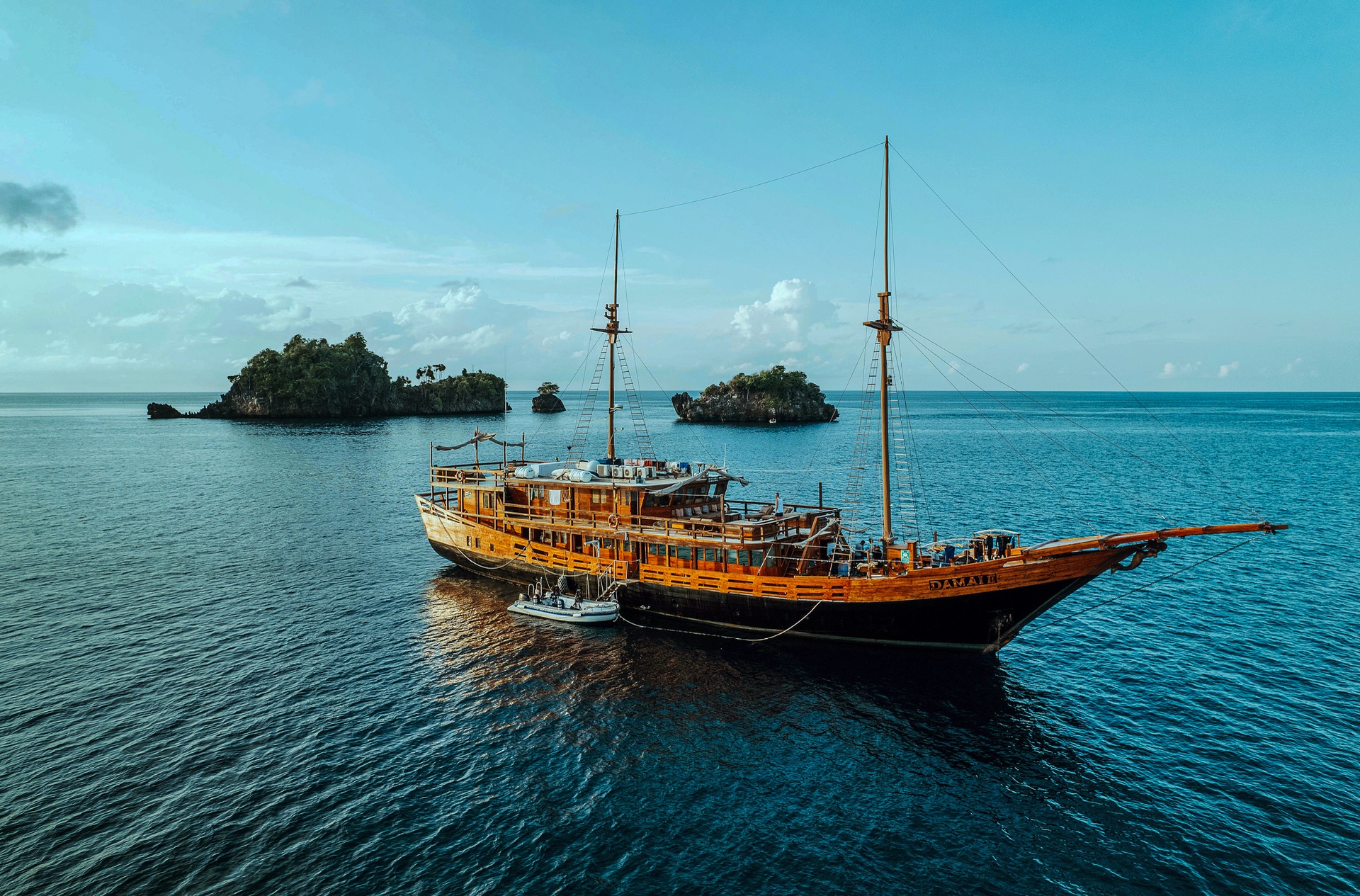
Damai II
Komodo, Indonesia
14 guests
$459/day
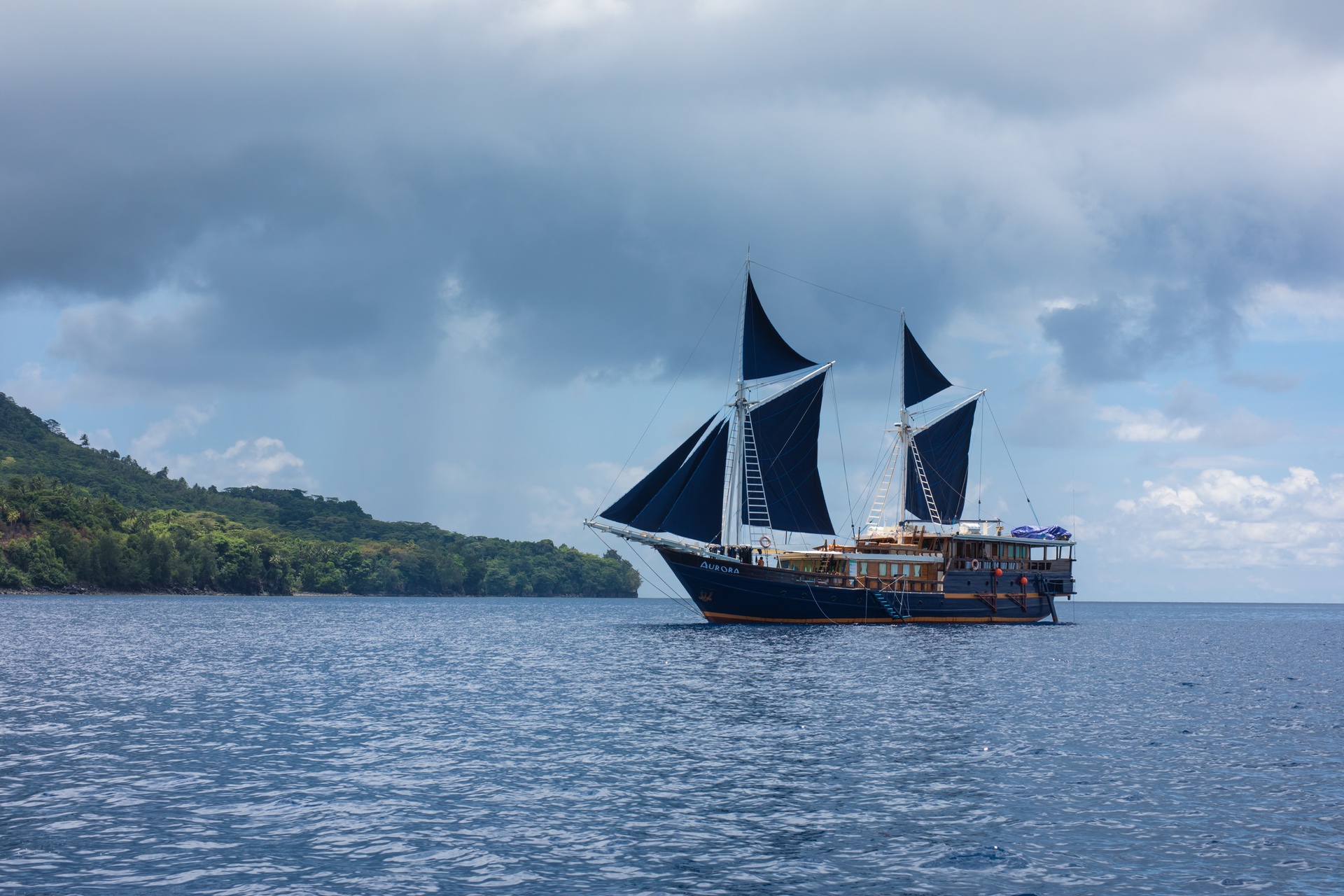
DUNE Aurora
Indonesia
18 guests
$344/day
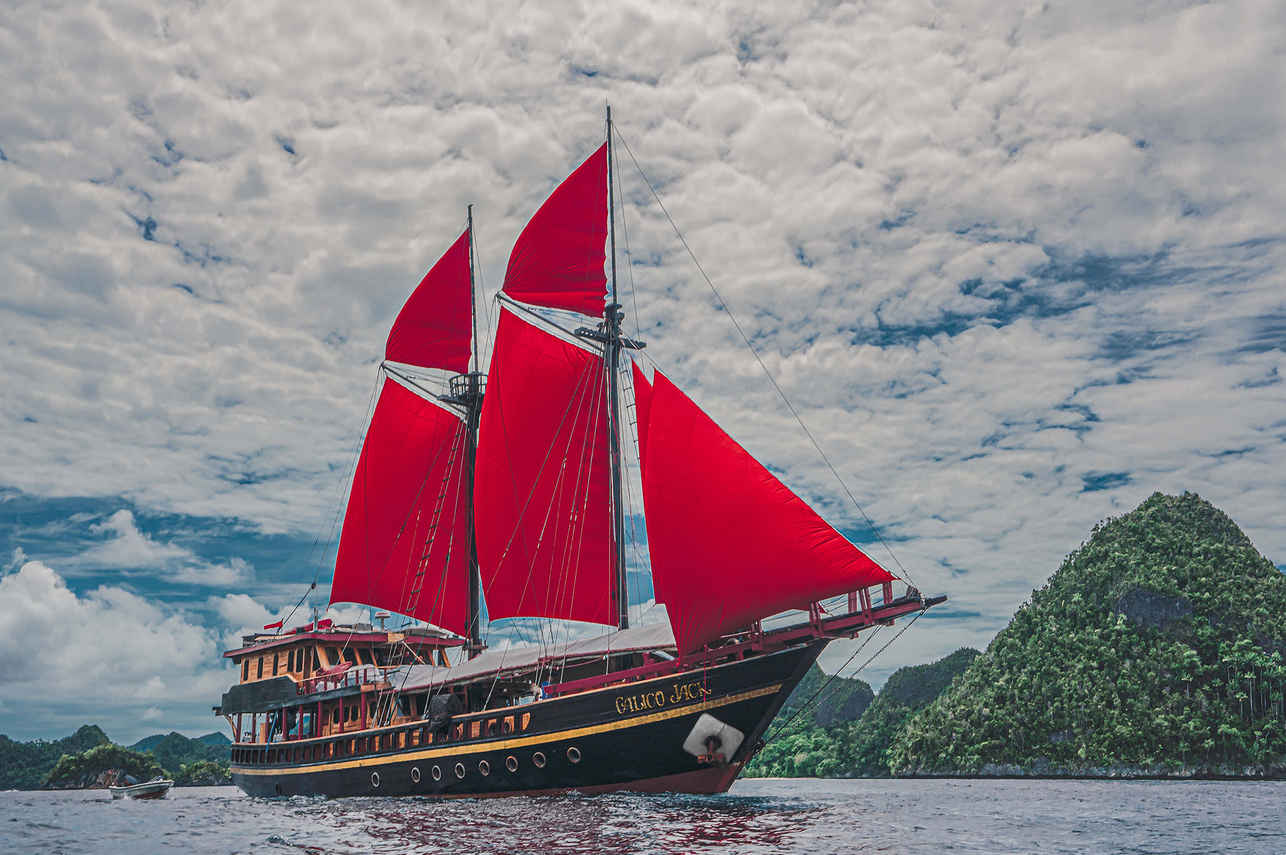
Calico Jack
Indonesia
10 guests30 m
$398/day
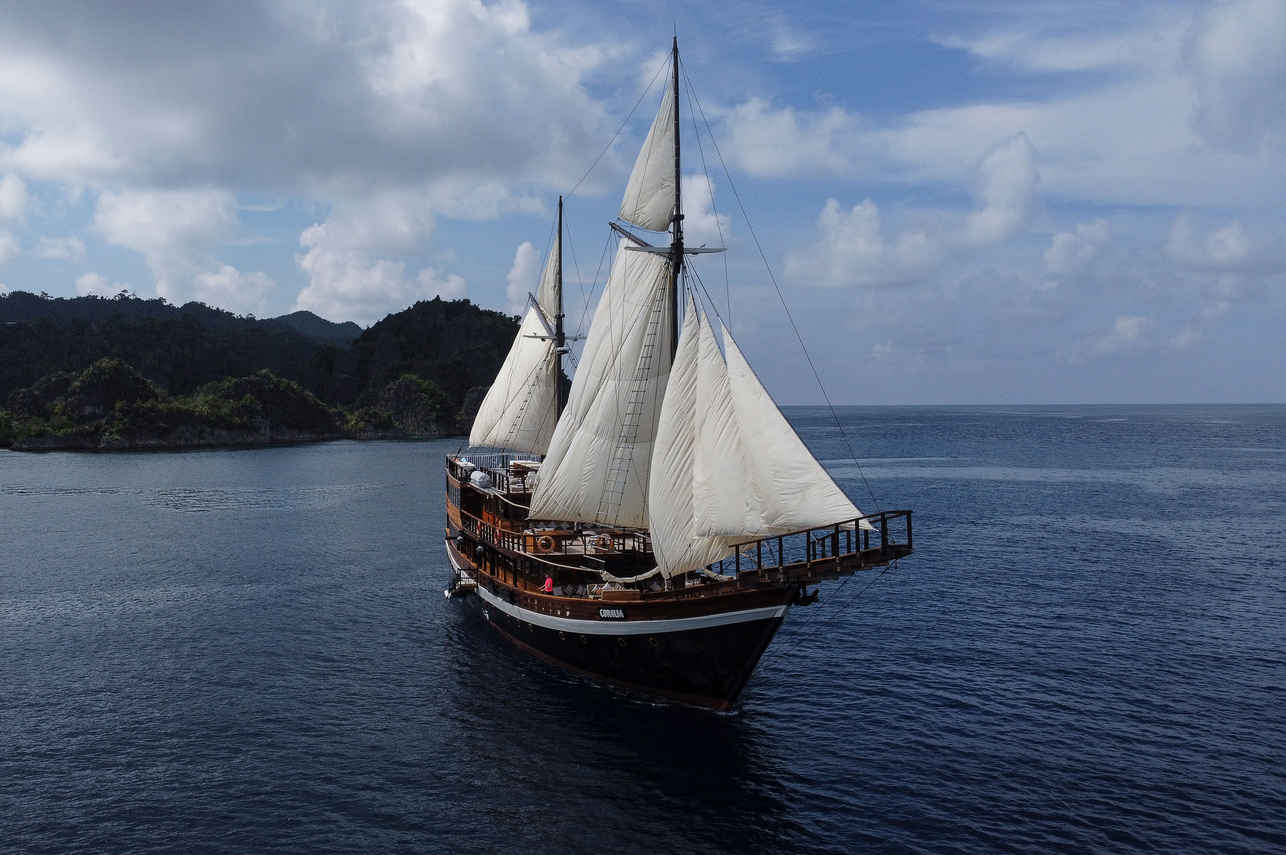
Coralia
Indonesia
16 guests48 m
$547/day
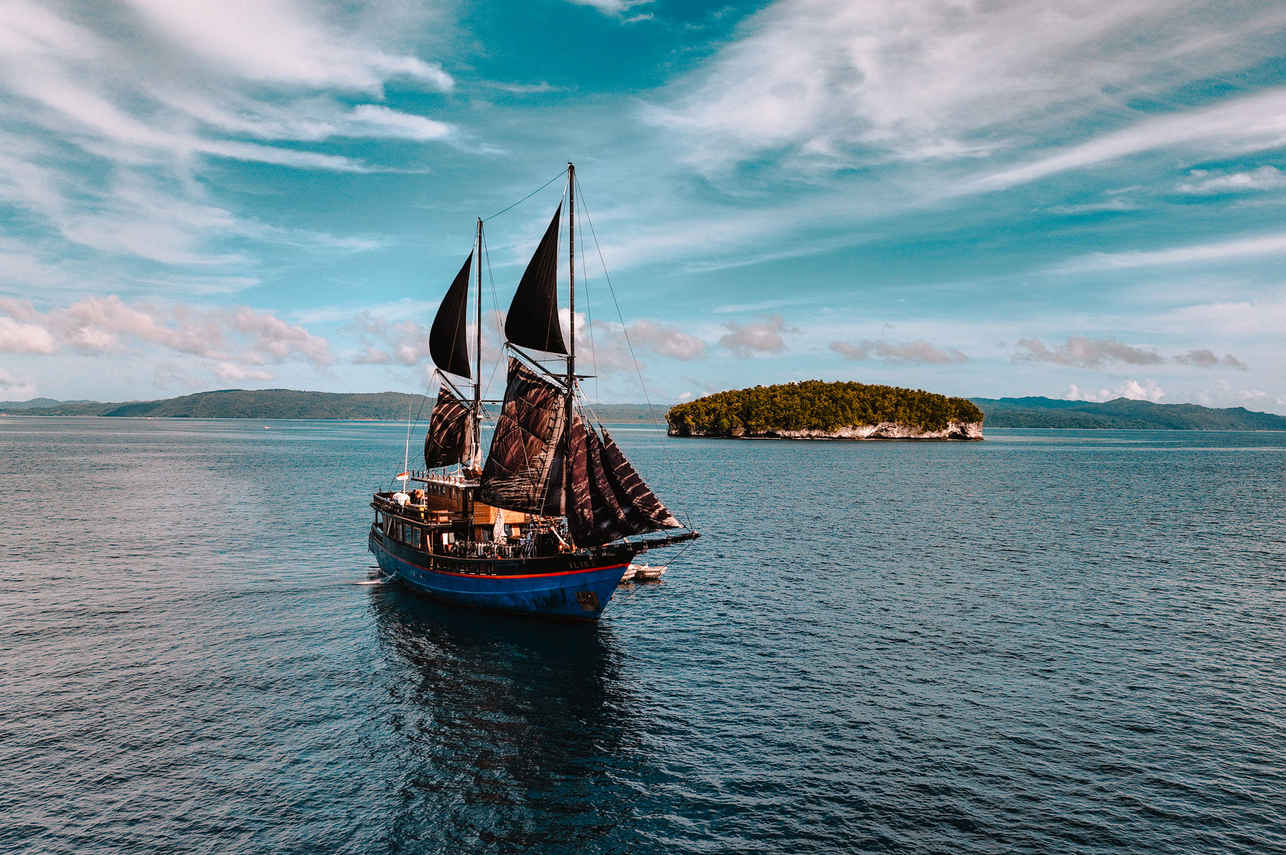
Ilike
Indonesia
16 guests40 m
$298/day
Dive sites similar to Bacan Island
Same character, same waters — six more sites divers love for the exact same reasons.Compare seasons, access and liveaboard routes — then pick the site that fits your trip best.
Patinti Strait
Banda Sea
The Patinti Strait, also known as Selat Patiente, is a renowned dive site located in South Halmahera, nestled between the main island of Halmahera and Bacan Island.
- Suitable for
- Advanced
- Current
- Strong
- Access
- Liveaboard only
- Depth
- 5–30 m
- Theme
- Drift / Reef
Banda Api North
Banda Sea
Banda Api North, nestled within Indonesia's remote Banda Sea, offers an extraordinary dive experience shaped by its active volcanic past.
- Suitable for
- Intermediate
- Current
- Strong
- Access
- Liveaboard only
- Depth
- 5–30 m
- Theme
- Reef
Nil Desperandum Atoll
Banda Sea
Nil Desperandum Atoll is an isolated seamount in the Banda Sea, part of the remote 'Forgotten Islands' chain.
- Suitable for
- Advanced
- Current
- Strong
- Access
- Liveaboard only
- Depth
- 20–40 m
- Theme
- Reef
Pohon Miring
Banda Sea
Pohon Miring, located near Banda Neira, is a dive site within the central Banda Islands group, offering a unique blend of marine biodiversity and accessibility.
- Suitable for
- Beginner
- Current
- Strong
- Access
- Liveaboard only
- Depth
- 3–20 m
- Theme
- Reef / Seamount
Dawera Island
Banda Sea
Dawera Island is a captivating dive destination nestled within the Forgotten Islands, a remote chain of islands in the vast Banda Sea, Indonesia.
- Suitable for
- Advanced
- Current
- Moderate
- Access
- Liveaboard only
- Depth
- ≥ 15 m
- Theme
- Reef / Wall
Sermata
Banda Sea
Sermata is part of the Forgotten Islands, a long chain of remote islands and atolls in the Southern Maluku, Indonesia, situated between the nutrient-rich Banda Sea and the Arafura Sea.
- Suitable for
- Advanced
- Current
- Moderate
- Access
- Liveaboard only
- Depth
- 15–40 m
- Theme
- Reef / Wall