About Sebayur Kecil
Sebayur Kecil is nestled within a protected bay in Central Komodo, presenting a spectacular hard coral garden that sprawls over a bright white sand slope. This dive site is renowned for its incredible colors when sunlight penetrates the clear waters, making it an ideal location for photography and a relaxing start to any dive day. The topography features a gentle slope leading into a channel, with depths reaching around 20-25 meters, providing opportunities to spot larger marine life. The shallow coral gardens are a haven for a variety of macro creatures, including well-camouflaged leaf scorpionfish and frogfish, which can be found among the intricate staghorn corals and colorful sponges. As the reef transitions to deeper areas, a seamount attracts giant sweetlips and various shark species, occasionally seen passing by in the blue. The site's generally mild currents make it accessible and enjoyable for a wide range of divers. Water temperatures in Central Komodo typically range from 26-29°C, with visibility often exceeding 15 meters, particularly during the dry season. While Central Komodo is diveable year-round, the optimal period for the clearest waters and calmest conditions runs from March to October. Sebayur Kecil's rich biodiversity and tranquil environment offer a memorable experience for both new and experienced divers. This site's combination of abundant macro life, healthy corals, and the potential for pelagic sightings in its deeper sections, all within a sheltered and low-current environment, solidifies its reputation as a highly regarded dive spot in Komodo National Park.
Highlights
Vibrant hard coral gardensWhite sand slopeRich macro lifeLeaf scorpionfish sightingsSheltered, mild currentsPotential for pelagic encountersBeginner-friendly depths
Season calendar
Best months to dive here
Jan
Feb
Mar
Apr
May
Jun
Jul
Aug
Sep
Oct
Nov
Dec
Excellent
Good
Dive site facts: Sebayur Kecil
- Depth
- 5–25 m
- Typical dive
- 12–20 m, 50–60 min
- Current
- None to mild
- Visibility
- 15–25 m
- Water temperature
- 26–29°C
- Entry
- Liveaboard / day boat
- Level
- Beginner to Advanced
- Dive type
- Coral slope, macro, reef
- Night dive
- Possible
- Region / port
- Central Komodo
- Coordinates
- -8.4789, 119.5089
Conditions & Currents
Sebayur Kecil is characterized by generally mild to no current, making it an excellent site for beginners and divers seeking a relaxed experience. The gently sloping reef allows for easy navigation, and divers can explore the coral gardens without significant current-related challenges. While the slope eventually leads to a channel where some water movement might be encountered, the primary dive area remains largely sheltered. Divers should still be aware of potential subtle movements, especially when extending into deeper sections or near the channel, but typical drift diving techniques are not required here. Visibility tends to be very good, providing clear views of the reef and its inhabitants.
Marine life & sighting chances

Leaf scorpionfish
common
Frogfish
common
Giant sweetlips
occasional
White-tip reef shark
occasional
Hawksbill turtle
occasional
Green sea turtle
occasional
Nudibranch
common
Octopus
occasional
Moray eel
common
Stingray
occasional
Mantis shrimp
occasionalDive profile & how the dive runs
Your dive at Sebayur Kecil typically begins with a descent onto the upper part of the white sand slope, where vibrant hard corals are abundant. You'll gradually follow the natural contour of the reef, exploring the shallow coral gardens that teem with macro life. The depth slowly increases as you move towards the channel, with the majority of the dive often spent between 10 and 20 meters, allowing for ample bottom time. Keep an eye out for camouflaged creatures like leaf scorpionfish and frogfish in the staghorn corals and sponges. As you approach the deeper sections around 20-25 meters, a seamount offers opportunities to spot larger fish, including giant sweetlips and occasional sharks. The dive typically concludes by ascending back along the slope, allowing for a gradual safety stop in the shallower, protected bay areas.
Underwater photography
Sebayur Kecil offers fantastic opportunities for both wide-angle and macro photography due to its diverse ecosystem. For wide-angle shots, capitalize on the expansive hard coral gardens and the bright white sand, especially when the sun is high to capture the vibrant colors. A wide-angle lens can beautifully frame the entire reef slope. For macro enthusiasts, the site is a treasure trove. Look closely among the corals for leaf scorpionfish, frogfish, nudibranchs, and other small critters. A macro lens with diopters or a snoot will help isolate these subjects and create striking images. Given the typically mild currents, you'll have stable conditions to compose your shots. Pay attention to your buoyancy to avoid disturbing the delicate corals and to maintain clear views of your subjects.
Combine with nearby dive sites
- Siaba Besar
A sheltered bay with rich marine life, perfect for all diver levels and turtle sightings.
- Mawan
Known for manta ray cleaning stations, offering both large pelagic and macro life encounters.
- Tatawa Besar
A colorful reef with easy drift potential, abundant with corals and diverse reef fish.
- Makassar Reef (Manta Alley)
A renowned site for consistent manta ray sightings, suitable for beginners as a gentle drift.
Getting there & logistics
Access to Sebayur Kecil is primarily via liveaboard trips or day boats departing from Labuan Bajo, Flores, Indonesia. Labuan Bajo (LBJ) is served by domestic flights from major Indonesian cities like Denpasar (Bali) and Jakarta. Most Komodo dive itineraries are 3-day or longer liveaboard trips, combining Sebayur Kecil with other Central and North Komodo sites. A national park entrance fee is required for all visitors to Komodo National Park, which is usually included in liveaboard packages. It is common for Sebayur Kecil to be one of the first dives on an itinerary due to its gentle conditions, serving as a check dive or a relaxed introduction to Komodo's underwater world.
Safety & environment
Diving in Komodo, including at Sebayur Kecil, requires adherence to standard safety practices. While Sebayur Kecil generally has mild currents, divers should always follow their guide's instructions and maintain awareness of their surroundings. The nearest recompression chamber is located in Bali, emphasizing the importance of responsible diving and adequate insurance coverage that includes emergency medical evacuation. Divers should carry valid dive insurance. Be mindful of marine life; observe from a respectful distance and avoid touching corals or creatures. Conduct regular buddy checks and monitor air consumption, especially during longer dives. Given the remote nature of some Komodo dive sites, strong surface signaling devices are recommended.
Who it suits — and who it doesn't
Suited for
- Beginner divers
- Divers seeking easy conditions
- Macro photographers
- Coral garden enthusiasts
- Night divers
Less suited for
- Divers seeking strong drift dives
- Divers focused solely on large pelagics
- Those uninterested in macro life
- Divers wanting challenging currents
FAQ
Sebayur Kecil FAQ
What kind of marine life can I expect at Sebayur Kecil?
Sebayur Kecil is rich in macro life, with common sightings of leaf scorpionfish, frogfish, and nudibranchs among its healthy corals. You can also expect to see various reef fish, turtles, and occasional larger species like giant sweetlips and sharks, especially in the deeper channel areas.
Is Sebayur Kecil suitable for new divers?
Yes, Sebayur Kecil is highly suitable for beginner divers and those looking to refresh their skills. The site is known for its mild to non-existent currents and a gently sloping reef, providing a relaxed and enjoyable diving experience. It often serves as a check-out dive for liveaboard itineraries.
What are the typical conditions at Sebayur Kecil?
Conditions at Sebayur Kecil are generally calm, with mild to no current and good visibility ranging from 15 to 25 meters. Water temperatures typically hover between 26-29°C. These conditions make it an excellent site for leisurely exploration and photography.
Can I do a night dive at Sebayur Kecil?
Yes, night dives are possible at Sebayur Kecil. The sheltered bay and mild conditions make it a safe and rewarding location for after-dark exploration. Night dives here often reveal different nocturnal creatures and behaviors within the vibrant coral gardens.
How deep is Sebayur Kecil?
The dive site at Sebayur Kecil features a gently sloping reef that gradually descends. The main area of exploration typically ranges from 5 to 20 meters, with the slope extending down to a channel around 25 meters. This depth range accommodates divers of all experience levels.
Why dive Sebayur Kecil from a liveaboard?
Sebayur Kecil is one of Komodo, Indonesia's signature dive sites. A liveaboard sleeps you on the water and puts you in the water for three to four guided dives per day, including dawn and night dives that day-boat operators rarely offer. You skip the daily commute back to port and reach quieter, less-crowded sites in the same region on a single trip.
Below are the liveaboards that include Sebayur Kecil on their Komodo, Indonesia itineraries.
Liveaboards diving Sebayur Kecil
These liveaboards may visit Sebayur Kecil on selected itineraries — the exact dive sites depend on departure, weather and conditions.
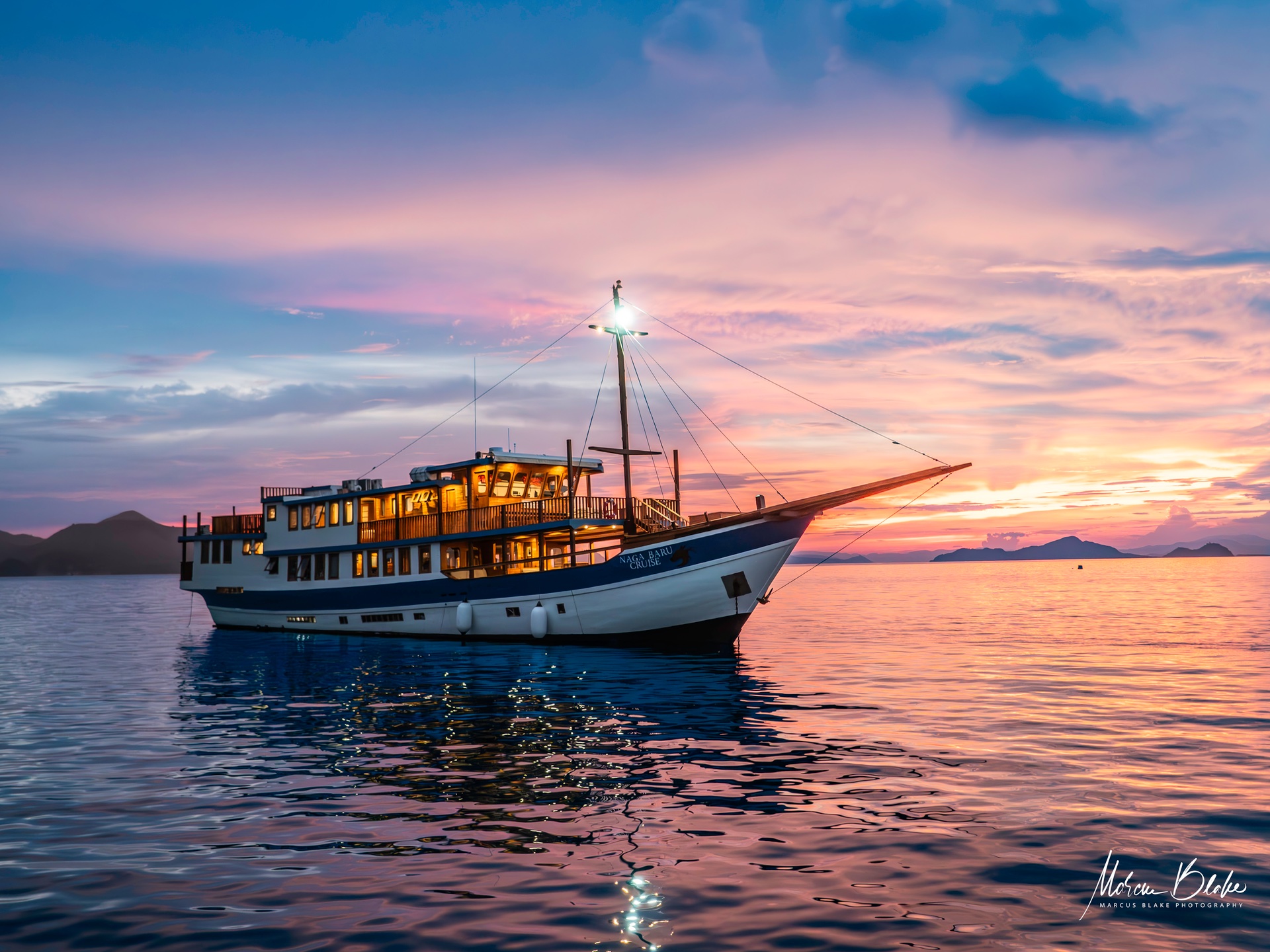
Naga Biru
Indonesia
12 guests40 m
$272/day
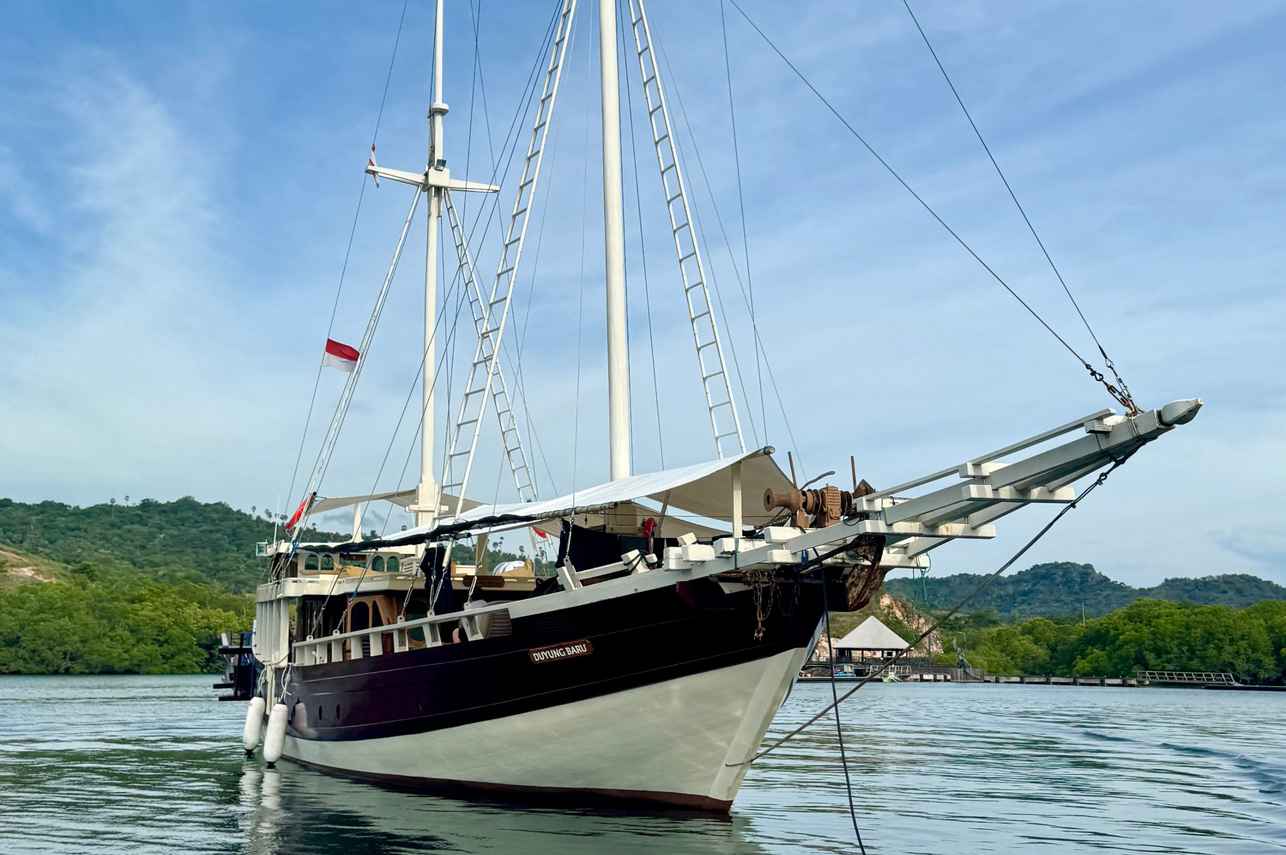
Ecopro Duyung Baru
Indonesia
6 guests27 m
$361/day
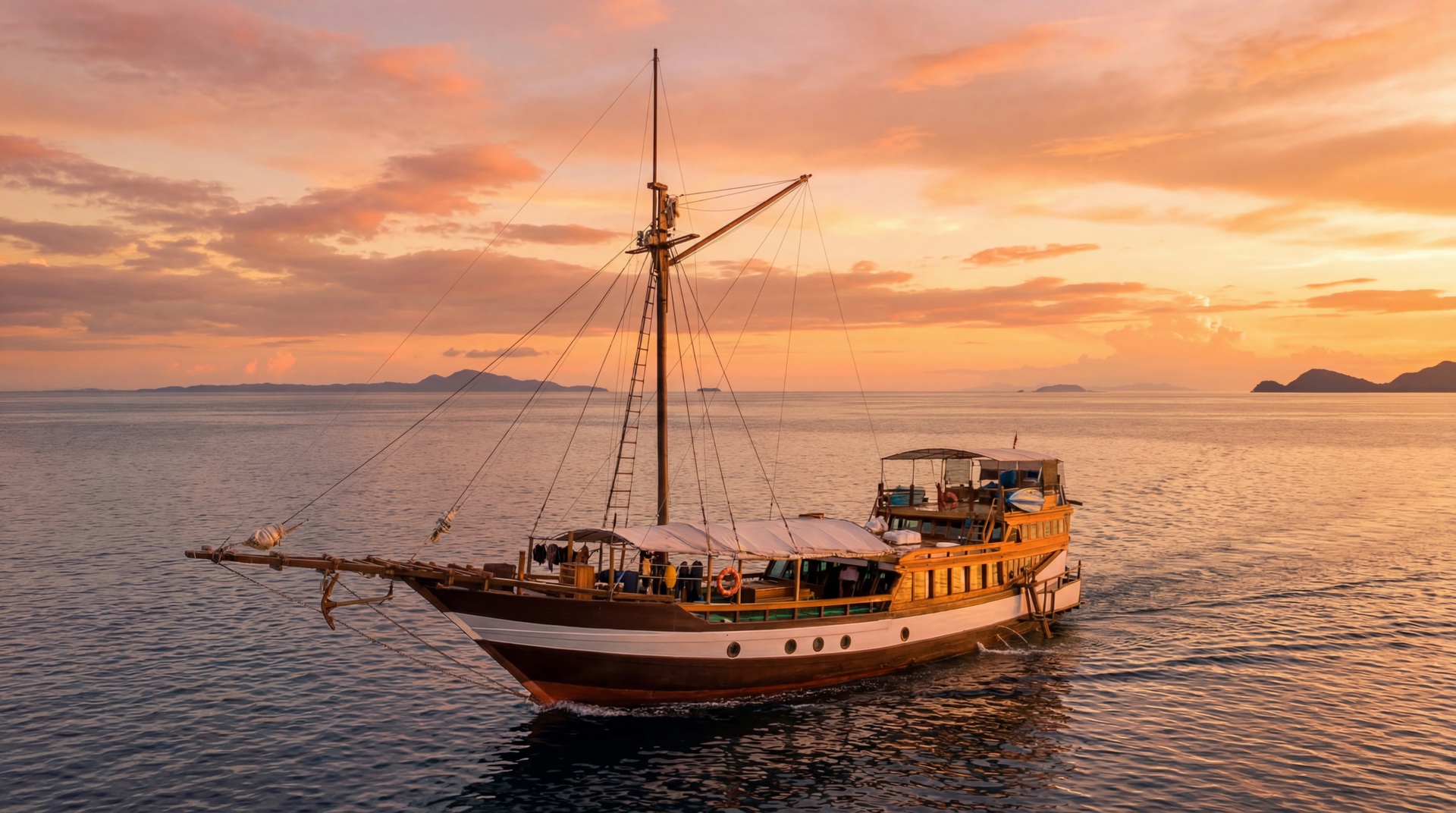
Wellenreng
Indonesia
9 guests25 m
$425/day
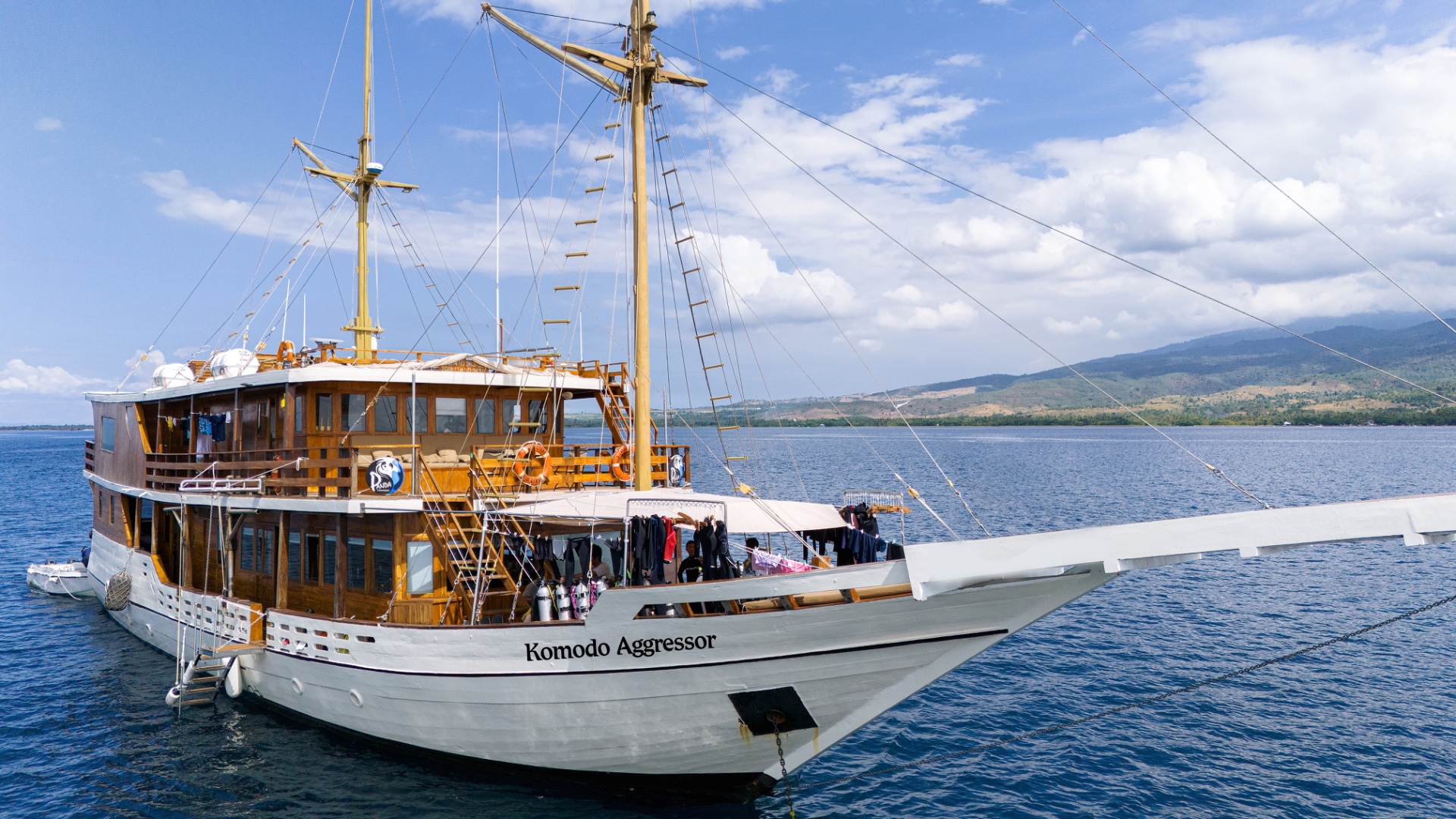
Komodo Aggressor
Komodo, Indonesia
16 guests29 m
$312/day
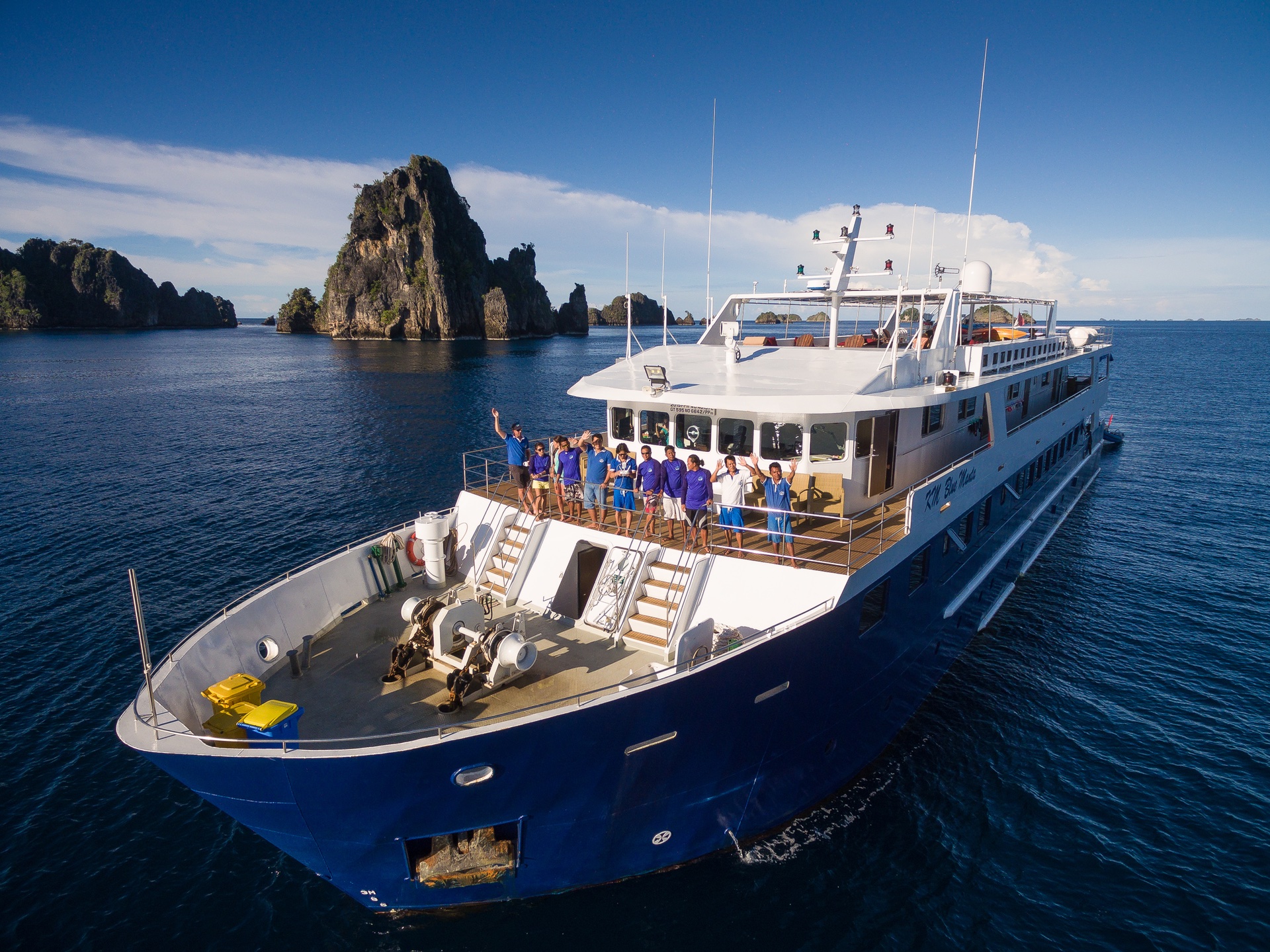
Blue Manta
Indonesia
20 guests45 m
$482/day
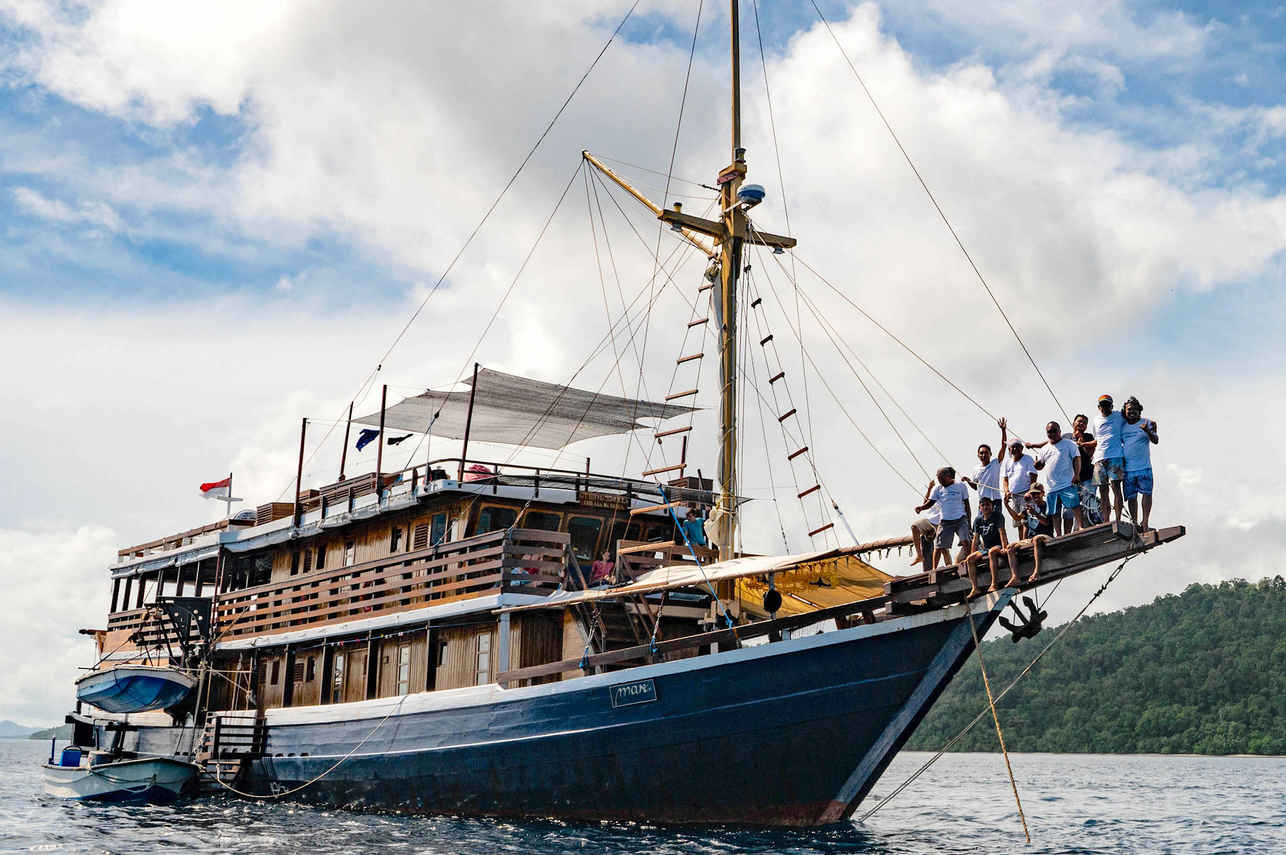
Mari
Indonesia
14 guests32.2 m
$321/day
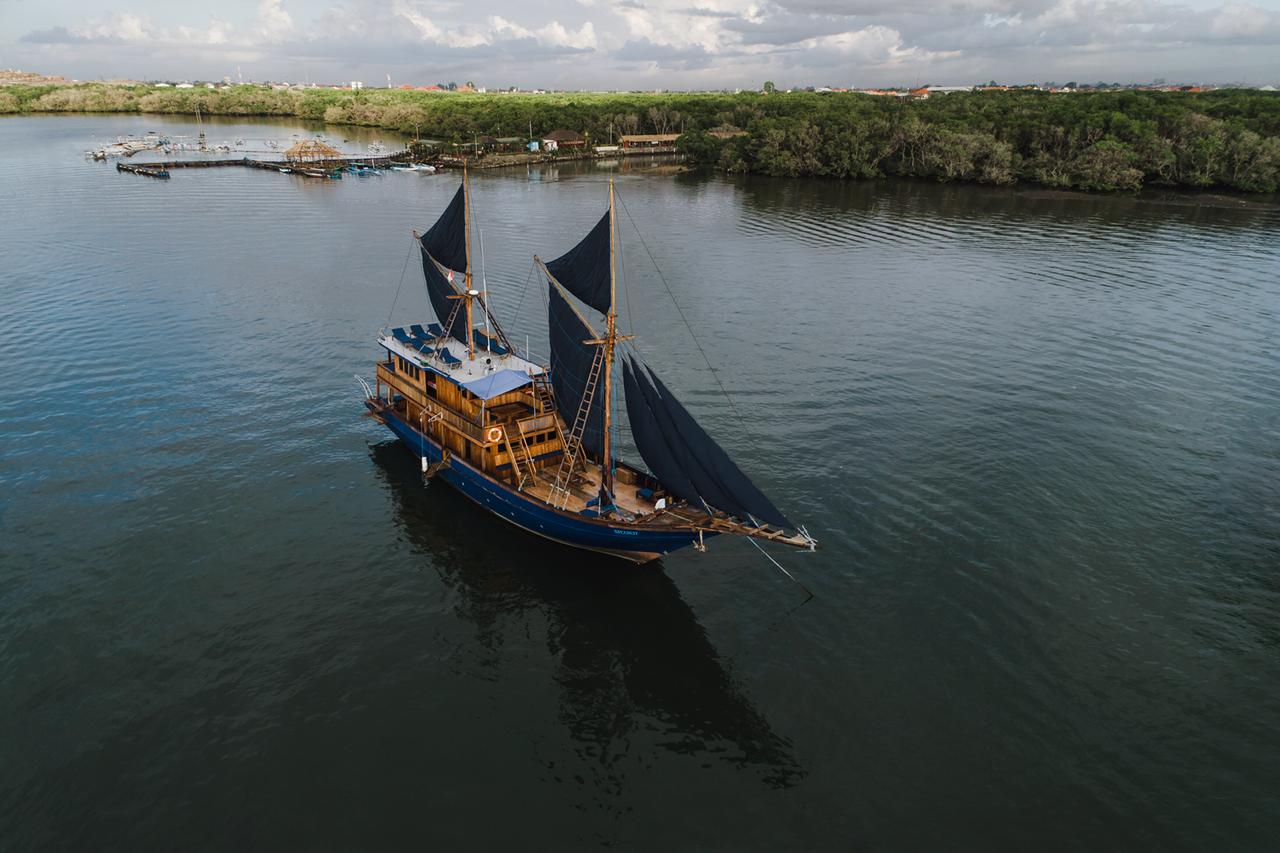
Situju7
Komodo, Indonesia
10 guests32.7 m
$362/day
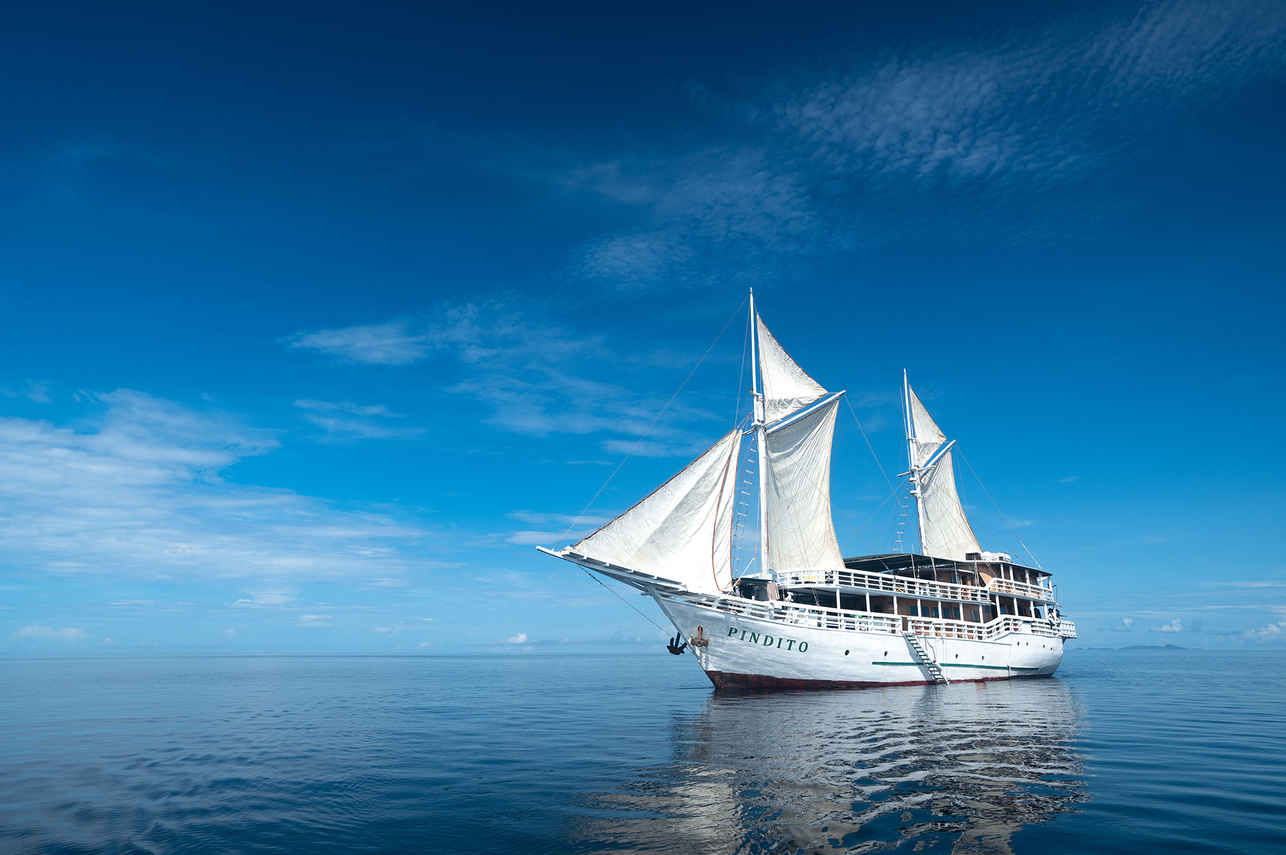
Pindito
Indonesia
16 guests37.79 m
$533/day
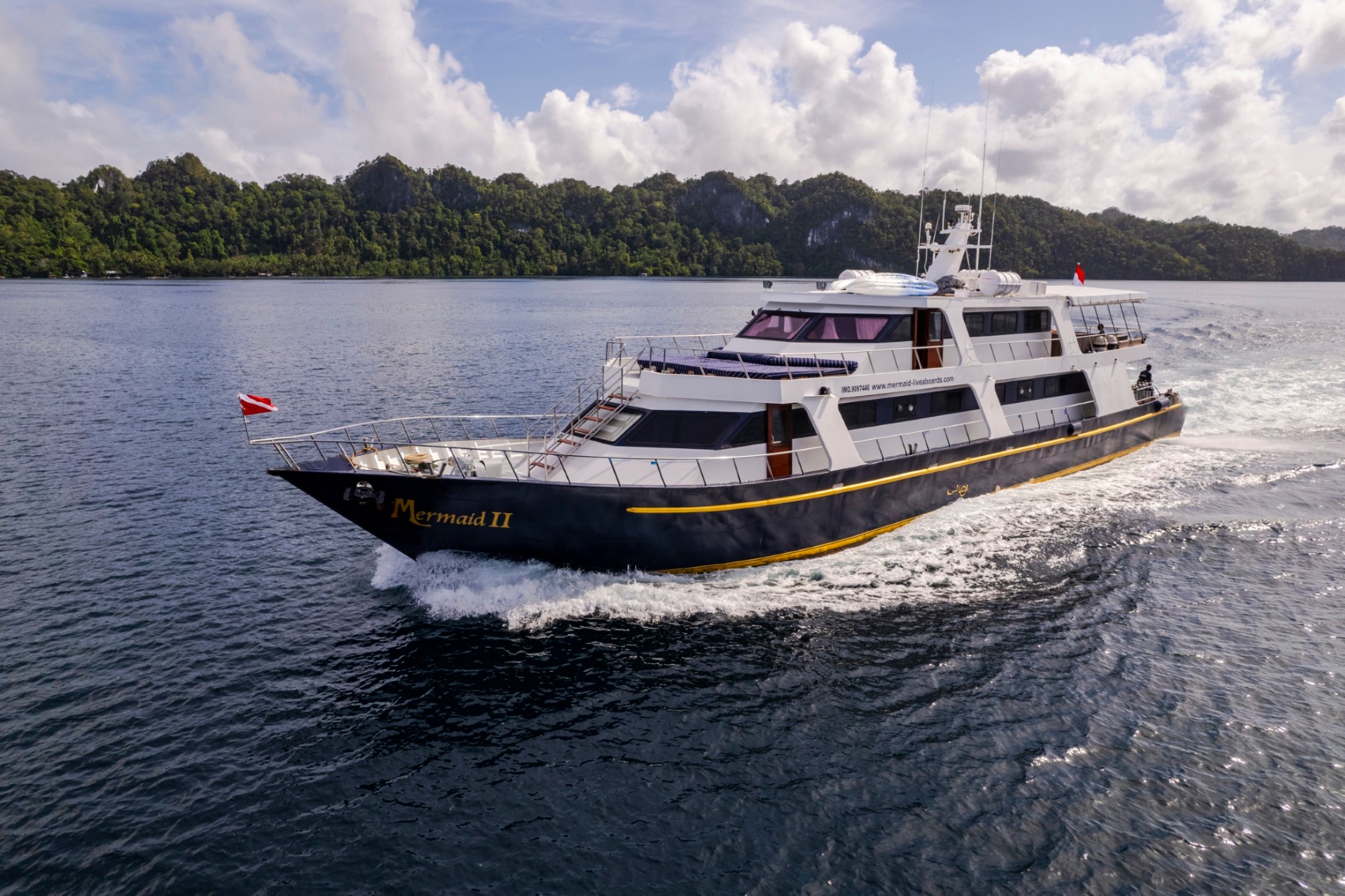
Mermaid II
Komodo, Indonesia
18 guests
$389/day
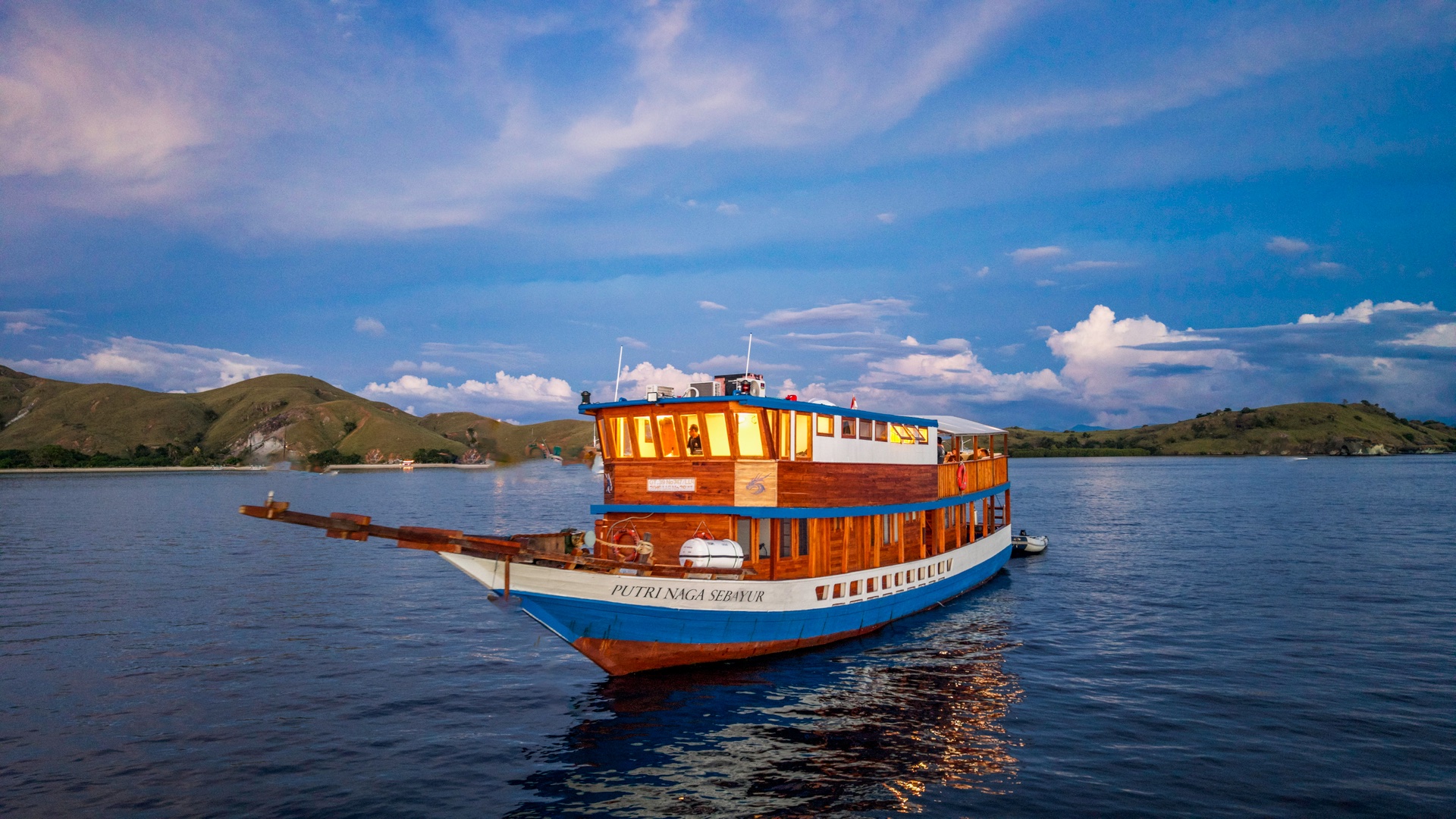
Putri Naga
Komodo, Indonesia
6 guests25 m
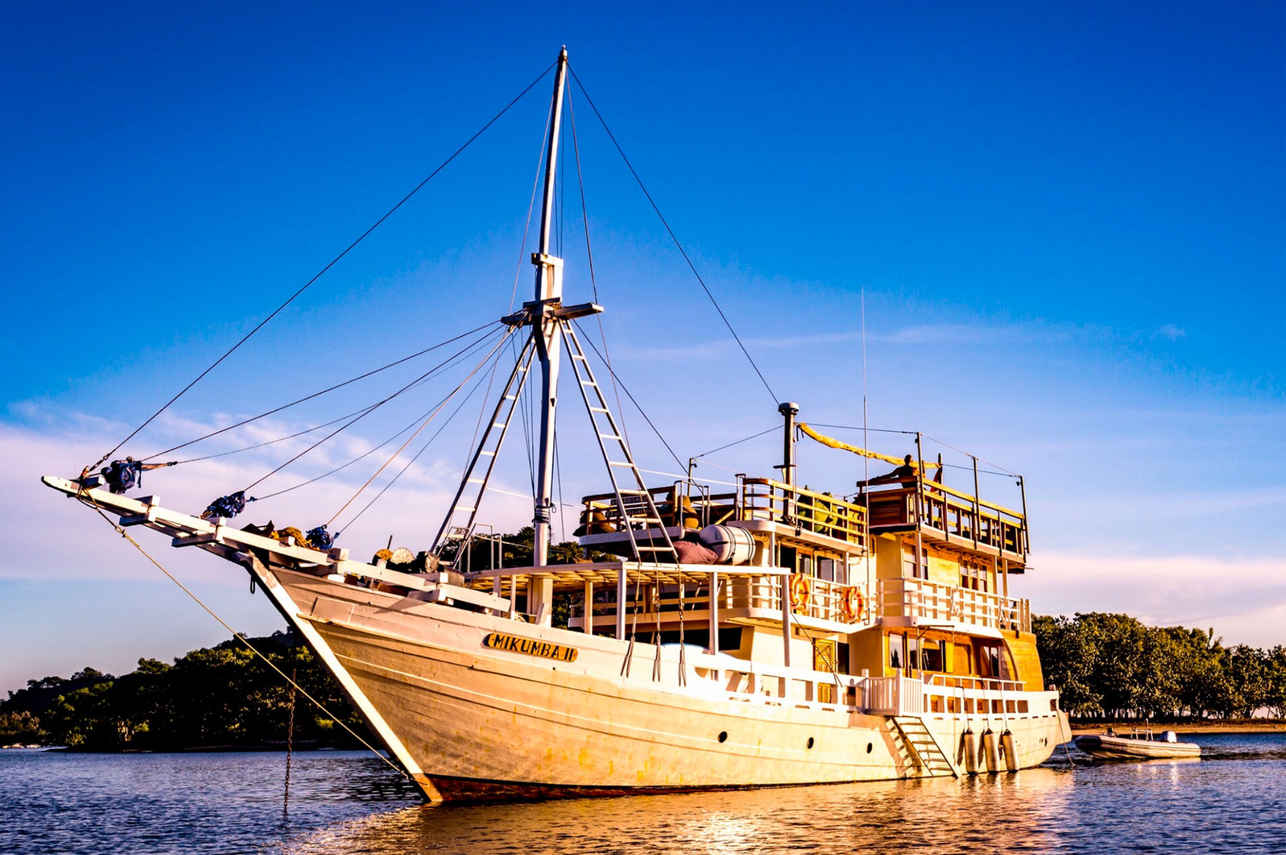
Mikumba Dua
Indonesia
10 guests30 m
$335/day
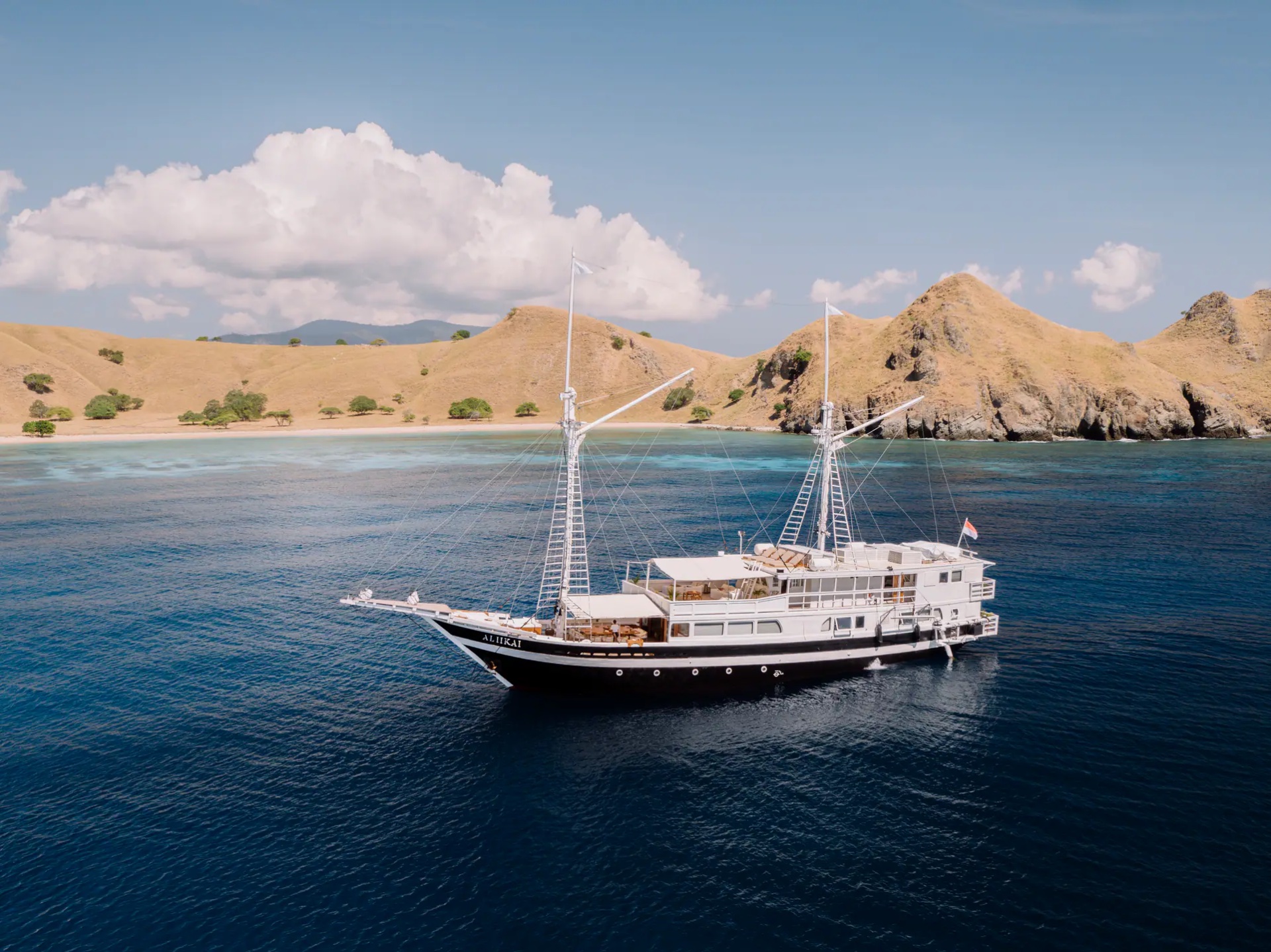
Aliikai Voyage
Indonesia
15 guests40 m
$658/day
Dive sites similar to Sebayur Kecil
Same character, same waters — six more sites divers love for the exact same reasons.Compare seasons, access and liveaboard routes — then pick the site that fits your trip best.
© Esri — Maxar, Earthstar, GIS
Siaba Kecil
Komodo, Indonesia
Siaba Kecil is a distinct dive site located in the central part of Komodo National Park, positioned in a channel where waters flow between the north and south.
- Suitable for
- Intermediate
- Current
- Strong
- Access
- Liveaboard only
- Depth
- 8–25 m
- Theme
- Drift / Reef
© Esri — Maxar, Earthstar, GIS
Castle Rock
Komodo, Indonesia
Castle Rock, an iconic dive site within Komodo National Park, is celebrated as one of Indonesia's premier destinations for exhilarating underwater encounters.
- Suitable for
- Advanced
- Current
- Strong
- Access
- Liveaboard or dayboat
- Depth
- 5–35 m
- Theme
- Drift / Pinnacle
© Esri — Maxar, Earthstar, GIS
Sangeang Volcano
Komodo, Indonesia
Sangeang Volcano, also known as Gunung Api, offers a unique dive experience northwest of Komodo Island, near Bima.
- Suitable for
- Intermediate
- Current
- Strong
- Access
- Liveaboard or dayboat
- Depth
- 9–30 m
- Theme
- Muck diving / Reef
Gindang is nestled within the Central Komodo National Park, an area renowned for its ecological diversity and year-round accessibility.
- Suitable for
- Intermediate
- Current
- No current
- Access
- Liveaboard only
- Depth
- —
- Theme
- Reef
© Esri — Maxar, Earthstar, GIS
Tukoh-serikaya
Komodo, Indonesia
Tukoh-serikaya is a renowned dive site situated in the Komodo National Park, an area recognized globally for its significant biodiversity and challenging marine conditions.
- Suitable for
- Advanced
- Current
- Strong
- Access
- Liveaboard only
- Depth
- —
- Theme
- Reef