About Makassar Reef (Manta Alley)
Makassar Reef, commonly known as Manta Point, is a premier dive site in Komodo National Park, located in the central zone between Komodo and Rinca Islands. This expansive, shallow reef flat, stretching for approximately three kilometers, is celebrated for its reliable encounters with reef manta rays. The site serves as a vital feeding ground and cleaning station for these magnificent creatures, attracting them with nutrient-rich waters and specific coral outcrops where smaller fish remove parasites. The topography consists primarily of a sandy and rubble plateau, ranging from 5 to 15 meters deep, occasionally reaching 18 meters. While the coral reef itself may not be as visually spectacular as some other Komodo sites, its ecological importance for mantas is paramount. The prevailing currents transform it into a gentle drift dive, allowing divers to effortlessly glide along and observe mantas feeding or visiting cleaning stations. Mantas are present year-round, with peak activity often observed between October and May. Beyond the mantas, divers can spot eagle rays, reef sharks, leopard sharks, and various macro life like blue-ringed octopuses and nudibranchs in the sloping reef areas. This combination of abundant marine life and relatively shallow, accessible depths makes Manta Point an ideal location for both certified divers and snorkelers, solidifying its status as one of Komodo's most famous and frequently visited dive sites.
Highlights
Year-round reef manta encountersShallow drift divingActive manta cleaning stationsPlankton-rich feeding groundsEagle rays and reef sharksBlue-ringed octopuses
Season calendar
Best months to dive here
Jan
Feb
Mar
Apr
May
Jun
Jul
Aug
Sep
Oct
Nov
Dec
Good
Dive site facts: Makassar Reef (Manta Alley)
- Depth
- 5–18 m
- Typical dive
- 5–15 m
- Current
- Mild to moderate drift, occasionally strong
- Visibility
- 10–20 m
- Water temperature
- 26–29°C
- Entry
- Back roll / tender
- Level
- Open Water and up, with drift discipline
- Dive type
- Drift, pelagic, cleaning station
- Night dive
- Not typical
- Region / port
- Central Komodo National Park
- Coordinates
- -8.4234, 119.5345
Conditions & Currents
Manta Point is primarily dived as a drift, with currents ranging from mild to moderate on most tides, though they can occasionally be strong. Divers typically enter up-current and allow the flow to carry them along the plateau, observing cleaning stations. The site's shallow nature, generally 5 to 15 meters deep, makes the drift manageable for open water certified divers with good buoyancy control. However, awareness of current changes and maintaining proximity to the guide are crucial. Visibility typically ranges from 10 to 20 meters, but can decrease when plankton concentrations are high, which paradoxically indicates prime manta feeding conditions.
Marine life & sighting chances

Reef Manta Ray
Year-round, peak Oct-May · common
Eagle Ray
occasional
Reef Shark
occasional
Leopard Shark
occasional
Moon Wrasse
common
Yellow Butterflyfish
common
Giant Clam
occasional
Turtle
occasional
Bumphead Parrotfish
occasional
Cuttlefish
occasionalFlasher Wrasse
occasional
Goby
occasional
Blue-ringed Octopus
occasional
Nudibranch
occasionalDive profile & how the dive runs
Dives at Manta Point typically begin with a back-roll entry up-current, particularly if mantas are spotted from the surface. If not immediately visible, the group will drop in at the up-current end of the site with positive buoyancy. The dive then proceeds as a gentle drift along the shallow, predominantly flat rubble bottom, which ranges from 5 to 15 meters deep. The objective is to scour the area for mantas feeding on plankton or visiting one of the many cleaning stations. Divers maintain a relaxed pace, drifting with the current, while keeping an eye out for mantas hovering or gracefully moving. Should mantas be found at a cleaning station, the group positions itself carefully to observe without disturbance. Towards the end of the dive, if conditions allow, the drift may carry divers towards a gently sloping reef area, offering a chance to explore corals and macro life for the final part of the dive and during the safety stop.
Underwater photography
Manta Point is a prime location for wide-angle photography, specifically for capturing the reef mantas. Due to the shallow depth and potential for bright ambient light, strobes are highly recommended to bring out the colors and details of the mantas and any accompanying marine life. When mantas are at cleaning stations, approach slowly and maintain a respectful distance to avoid scaring them off. For feeding mantas, anticipate their paths and position yourself calmly to capture them mouth agape. Given the potential for plankton-rich waters, visibility can be slightly reduced, requiring careful composition. For macro subjects like blue-ringed octopuses or nudibranchs found in the sloping reef sections, a macro lens with focus lights will be essential.
Combine with nearby dive sites
- Tengah
Tengah, or Batu Tengah, is a central Komodo dive site, aptly named "Middle Rock" in Indonesian, positioned equally distant from the park's…
- Tatawa Besar
Tatawa Besar, meaning 'big laugh' in Bahasa Indonesian, is a picturesque dive site located in the central area of Komodo National Park…
- Pink Beach
Pink Beach is a renowned dive site within Komodo National Park, famous for its unique pink-hued sands, a result of microscopic red…
- Siaba Besar
Siaba Besar, affectionately known as "Turtle City," is a sheltered dive site located in a protected bay within the central region of Komodo…
- Batu Bolong
Batu Bolong, meaning "Hollow Rock" in Bahasa Indonesian, is a renowned dive site in Komodo National Park, situated in the central Lintah…
Getting there & logistics
Access to Manta Point is typically from Labuan Bajo, Flores, which is serviced by Komodo International Airport (LBJ). From Labuan Bajo, it's approximately a 45-minute to two-hour boat ride, making it a staple on most daily dive trips. Liveaboard itineraries, especially those focusing on Central and South Komodo, also frequently visit Manta Point. A 3-day Komodo package will typically include this site. Komodo National Park fees, which include diving permits, are usually incorporated into dive trip pricing by operators. For dedicated manta enthusiasts, multi-day liveaboards are recommended as they offer multiple dives at the site across varying conditions, significantly increasing the chances of diverse manta encounters.
Safety & environment
While Manta Point is considered accessible, certain safety considerations are important. Komodo's currents can be unpredictable, and while usually mild to moderate here, strong currents can occur. Divers should be proficient in drift diving techniques and maintain excellent buoyancy. It is mandatory to carry personal dive insurance, and options like DAN are available locally. The nearest recompression chamber is in Denpasar, Bali, highlighting the importance of cautious diving and immediate evacuation plans. Oxygen and comprehensive first aid kits are standard on reputable dive boats. Always follow your dive guide's instructions regarding current conditions, entry points, and manta interaction protocols to ensure both diver safety and the well-being of the marine life.
Who it suits — and who it doesn't
Suited for
- Open Water certified divers comfortable with drift
- Divers seeking reliable manta ray encounters
- Underwater photographers focusing on wide-angle pelagics
- Snorkelers wanting to see mantas from the surface
- Divers looking for accessible, less technical sites
Less suited for
- Divers uninterested in large pelagics
- Divers specifically seeking pristine, diverse coral gardens
- Beginner divers without drift experience
- Divers expecting guaranteed sightings of specific rare macro species
- Divers sensitive to cooler water temperatures (in certain seasons)
FAQ
Makassar Reef (Manta Alley) FAQ
What is the best time of year to see mantas at Makassar Reef?
You can encounter reef mantas at Makassar Reef year-round, as it's a permanent home and feeding ground for them. While sightings are consistent, peak manta activity often occurs between October and May. January to March can also offer excellent manta encounters due to prevailing conditions that favor their presence.
Is Makassar Reef the same as Manta Alley?
No, Makassar Reef (Manta Point) and Manta Alley are distinct dive sites. Makassar Reef is in the central part of Komodo, known for year-round reef mantas in warmer, shallower waters. Manta Alley is in the far south, characterized by colder water and larger aggregations of both reef and oceanic mantas, requiring longer liveaboard itineraries to reach.
What marine life can I expect to see besides mantas?
Beyond the abundant reef mantas, you might spot eagle rays, reef sharks, and leopard sharks drifting through. The reef itself, though mostly rubble, hosts various smaller species like moon wrasses and yellow butterflyfish at cleaning stations. Look closely for macro life such as blue-ringed octopuses, nudibranchs, and a variety of gobies.
What are the typical dive conditions like at Manta Point?
Manta Point is typically a shallow drift dive, with depths ranging from 5 to 15 meters. Currents are usually mild to moderate but can occasionally be strong, guiding you along the reef. Water temperatures hover around 26-29°C, and visibility is generally 10-20 meters, though it can decrease during plankton blooms when mantas are feeding.
Is Makassar Reef suitable for Open Water divers or snorkelers?
Yes, Makassar Reef is notably accessible for both Open Water certified divers and snorkelers. Its shallow profile and generally mild currents make it less technical than many other Komodo sites. Open Water divers should have some comfort with drift diving, and snorkelers can often get world-class manta views from the surface.
Why dive Makassar Reef (Manta Alley) from a liveaboard?
Makassar Reef (Manta Alley) is one of Komodo, Indonesia's signature dive sites. A liveaboard sleeps you on the water and puts you in the water for three to four guided dives per day, including dawn and night dives that day-boat operators rarely offer. You skip the daily commute back to port and reach quieter, less-crowded sites in the same region on a single trip.
Below are the liveaboards that include Makassar Reef (Manta Alley) on their Komodo, Indonesia itineraries.
Liveaboards diving Makassar Reef (Manta Alley)
These liveaboards may visit Makassar Reef (Manta Alley) on selected itineraries — the exact dive sites depend on departure, weather and conditions.
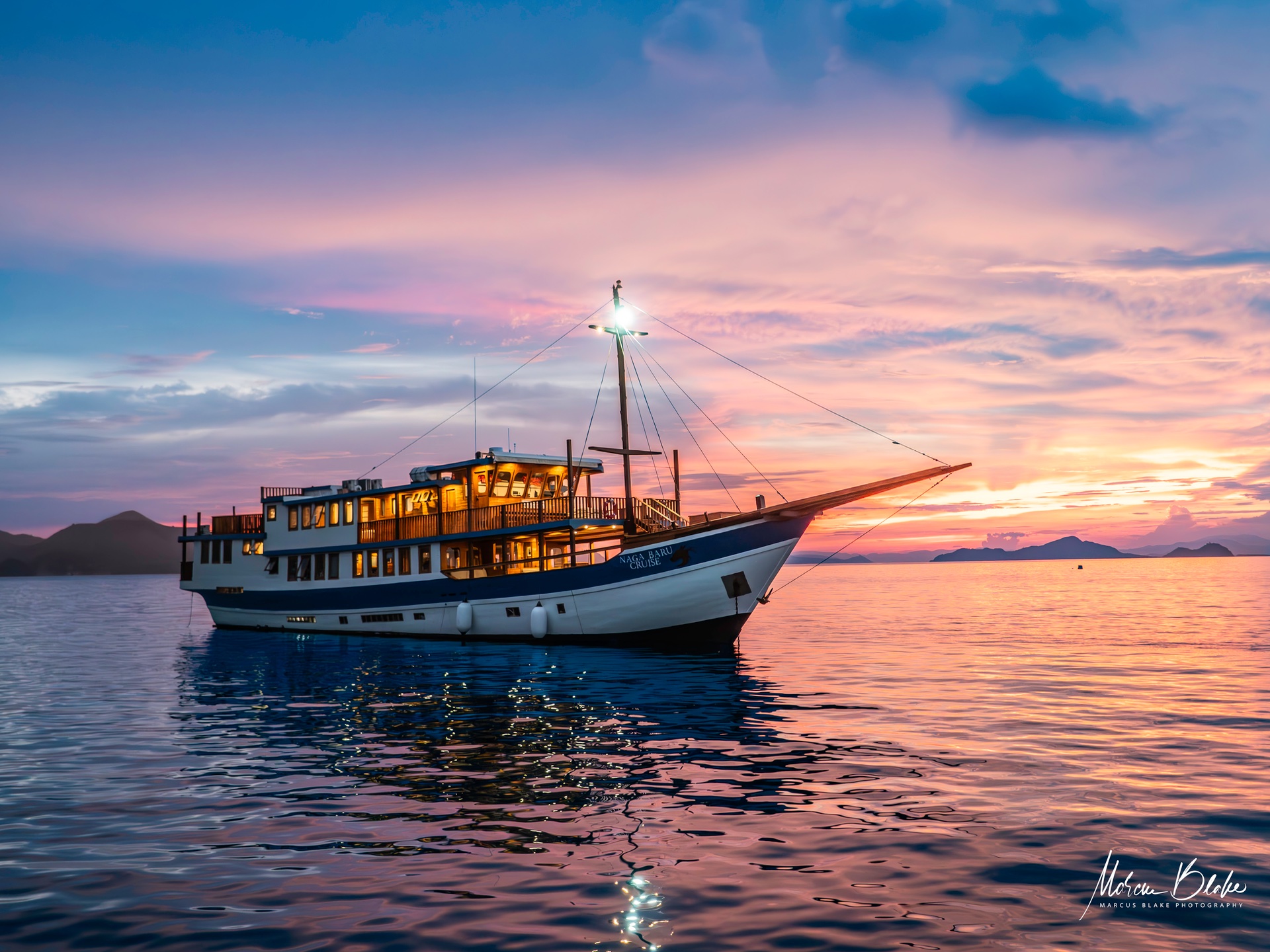
Naga Biru
Indonesia
12 guests40 m
$268/day
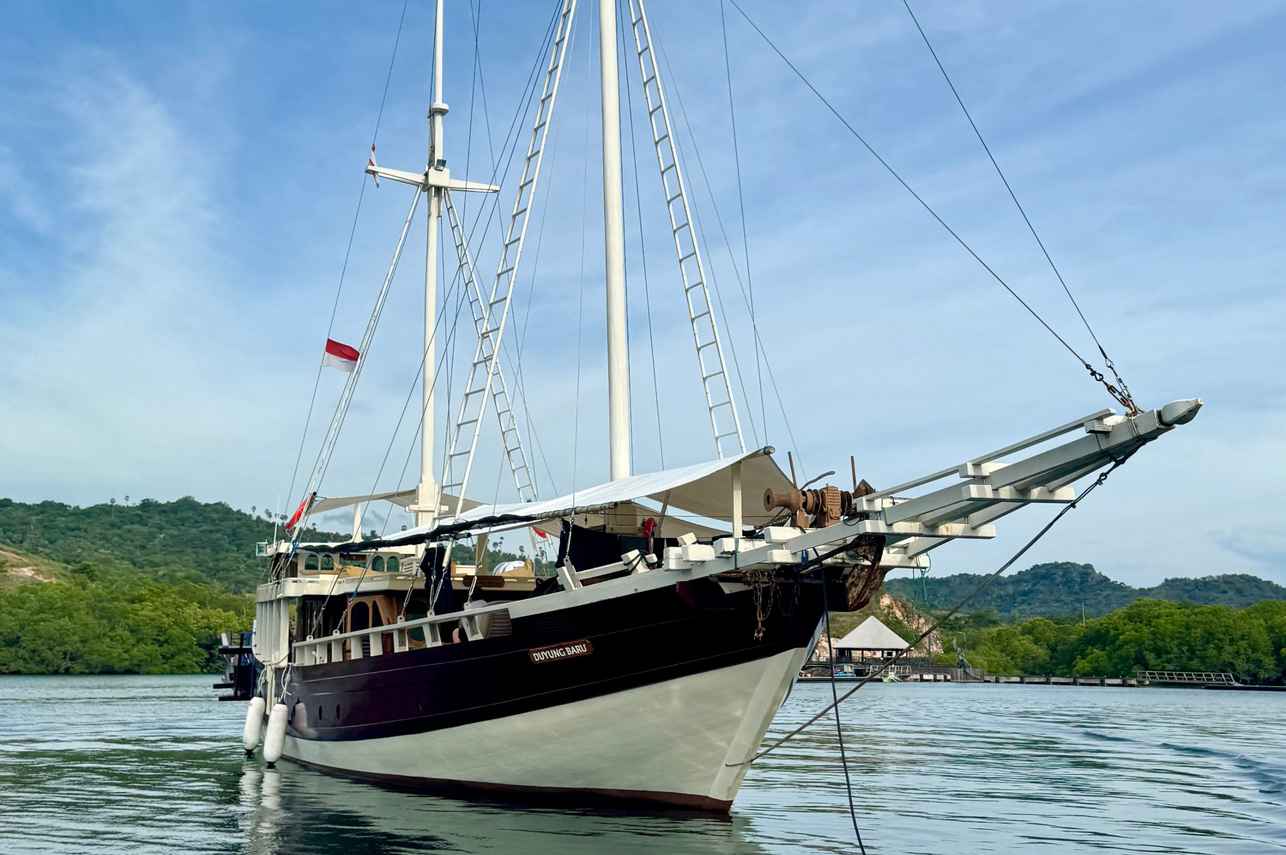
Ecopro Duyung Baru
Indonesia
6 guests27 m
$351/day
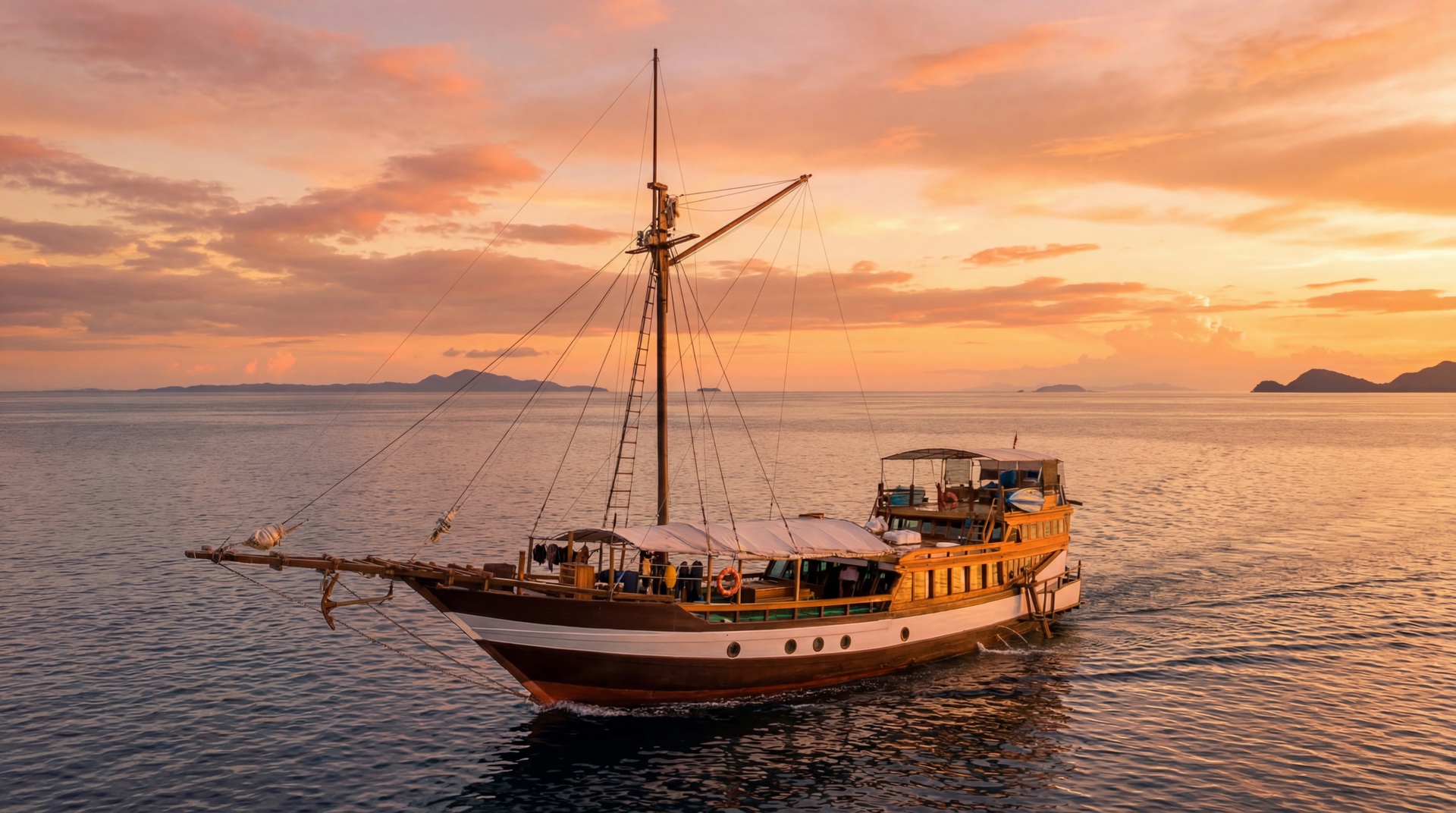
Wellenreng
Indonesia
9 guests25 m
$427/day
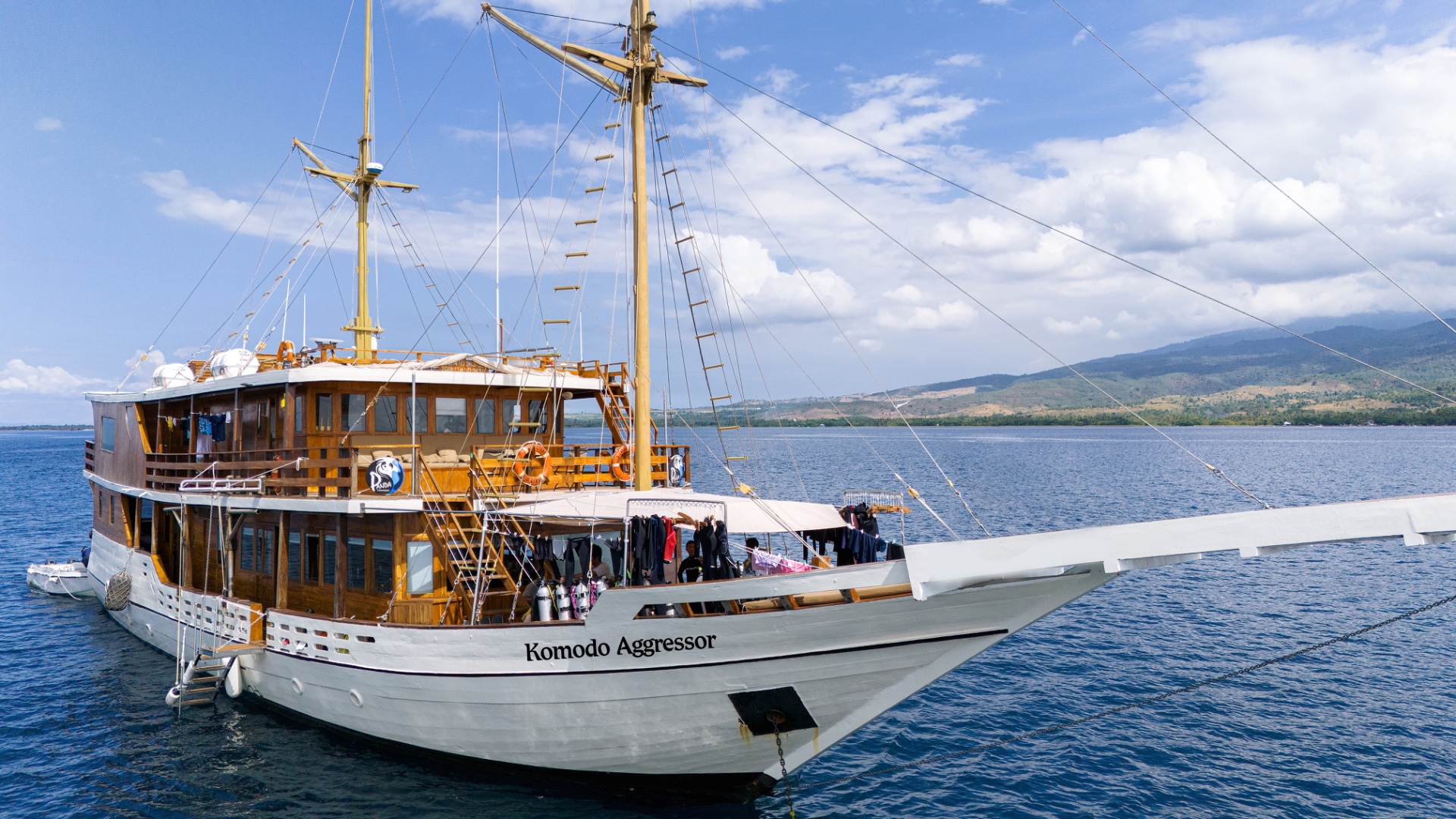
Komodo Aggressor
Komodo, Indonesia
16 guests29 m
$312/day
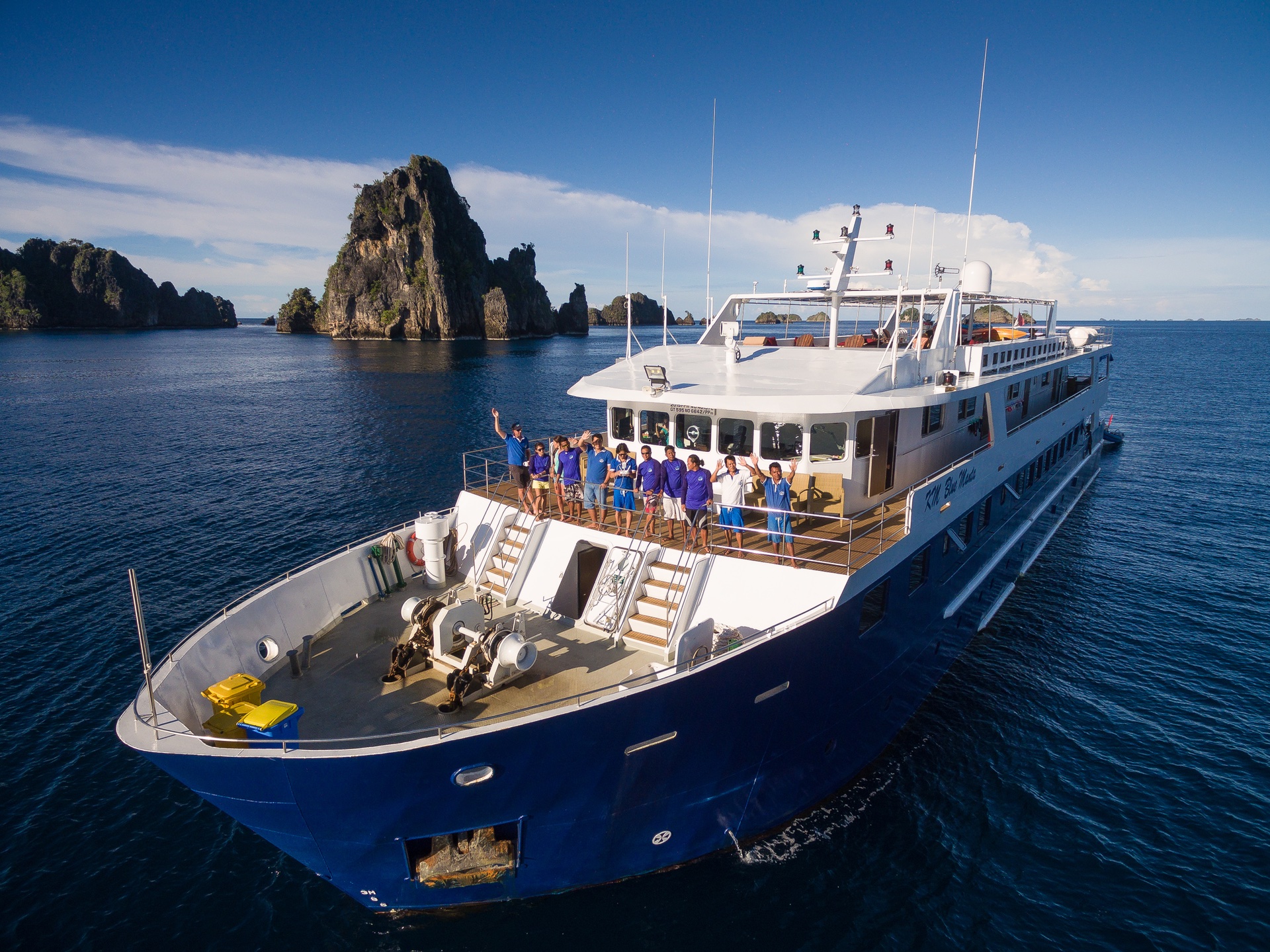
Blue Manta
Indonesia
20 guests45 m
$500/day
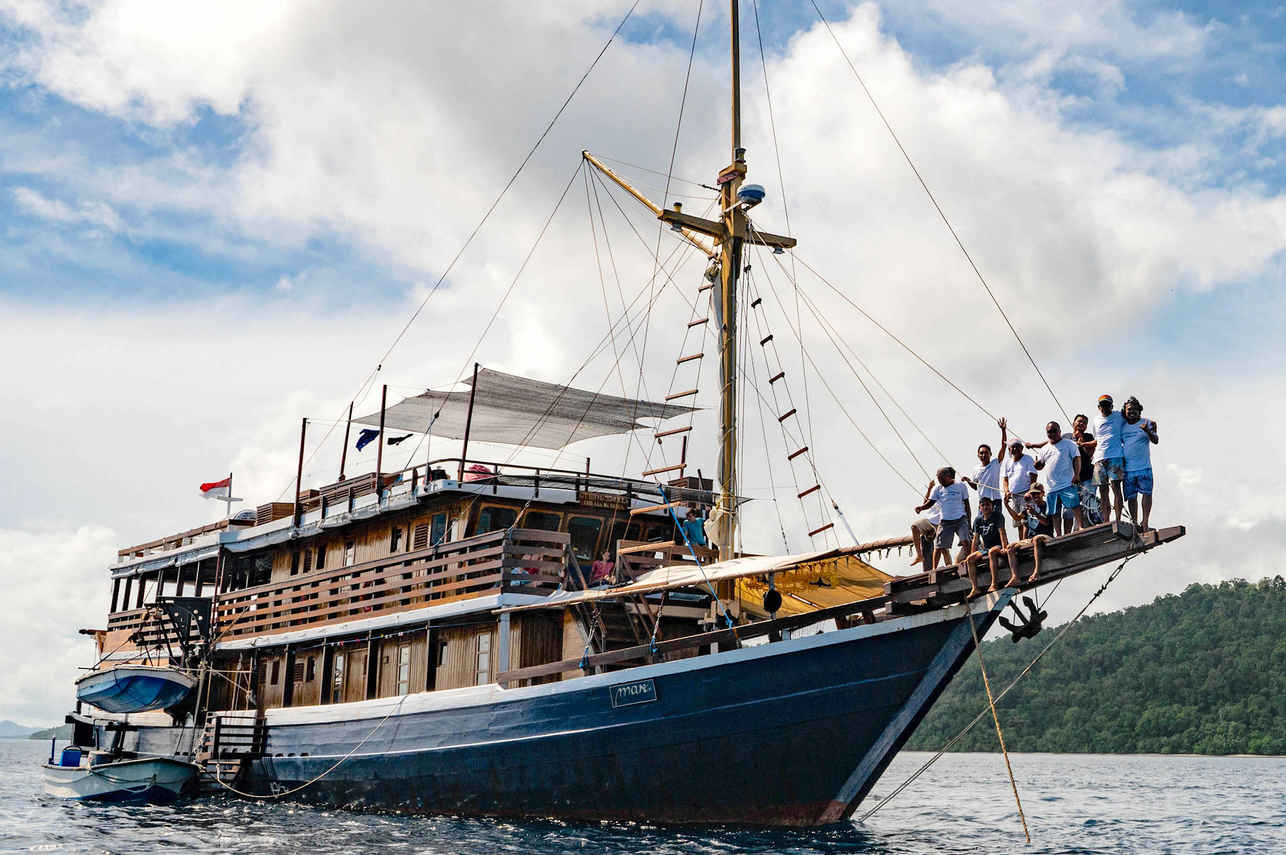
Mari
Indonesia
14 guests32.2 m
$317/day
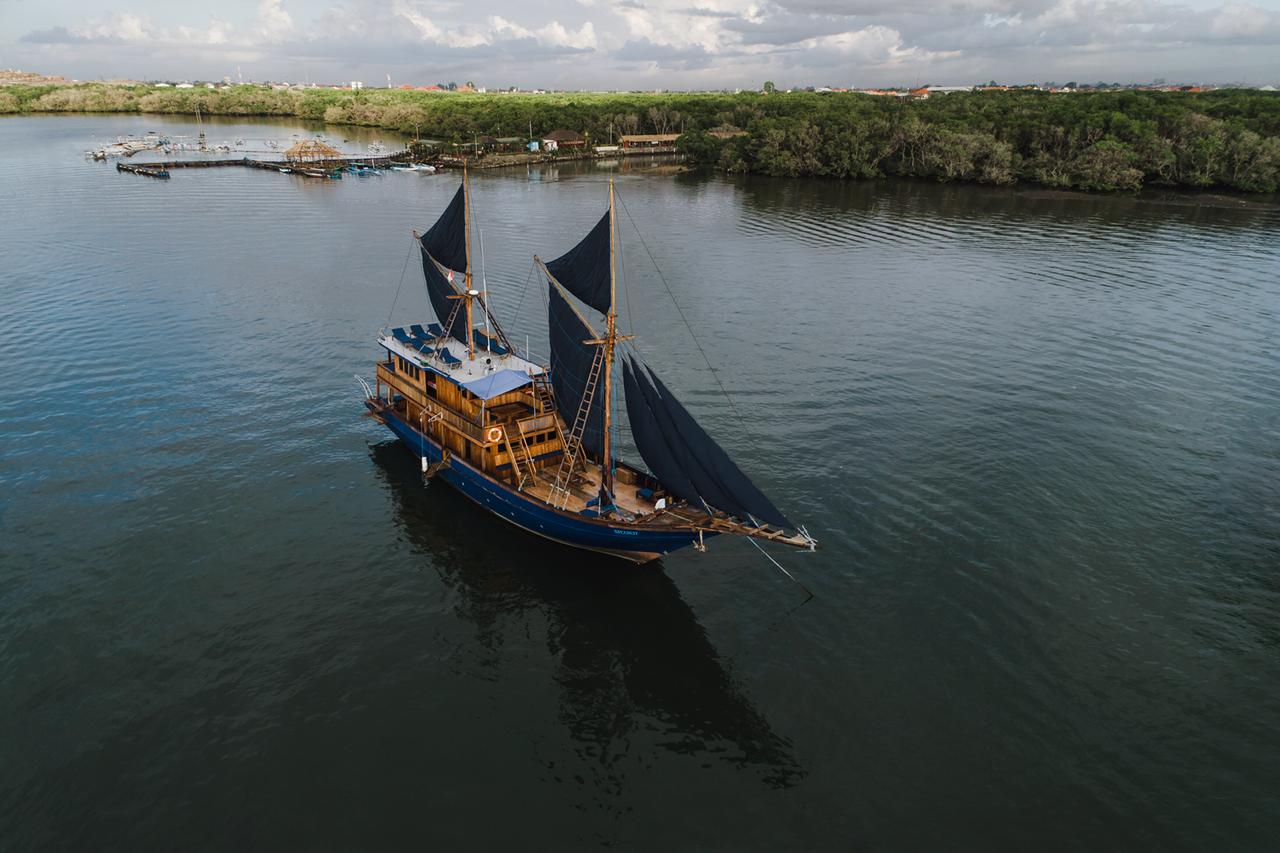
Situju7
Komodo, Indonesia
10 guests32.7 m
$362/day
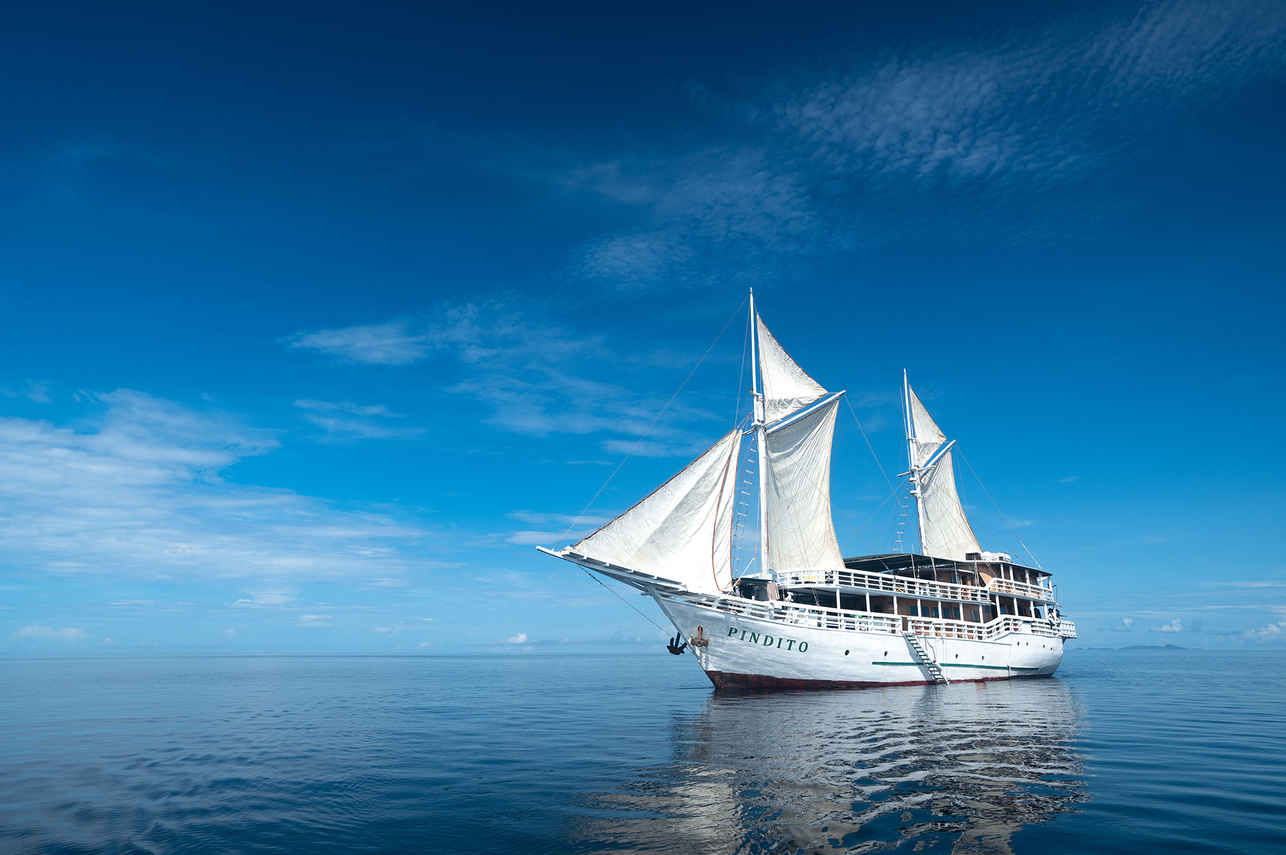
Pindito
Indonesia
16 guests37.79 m
$533/day
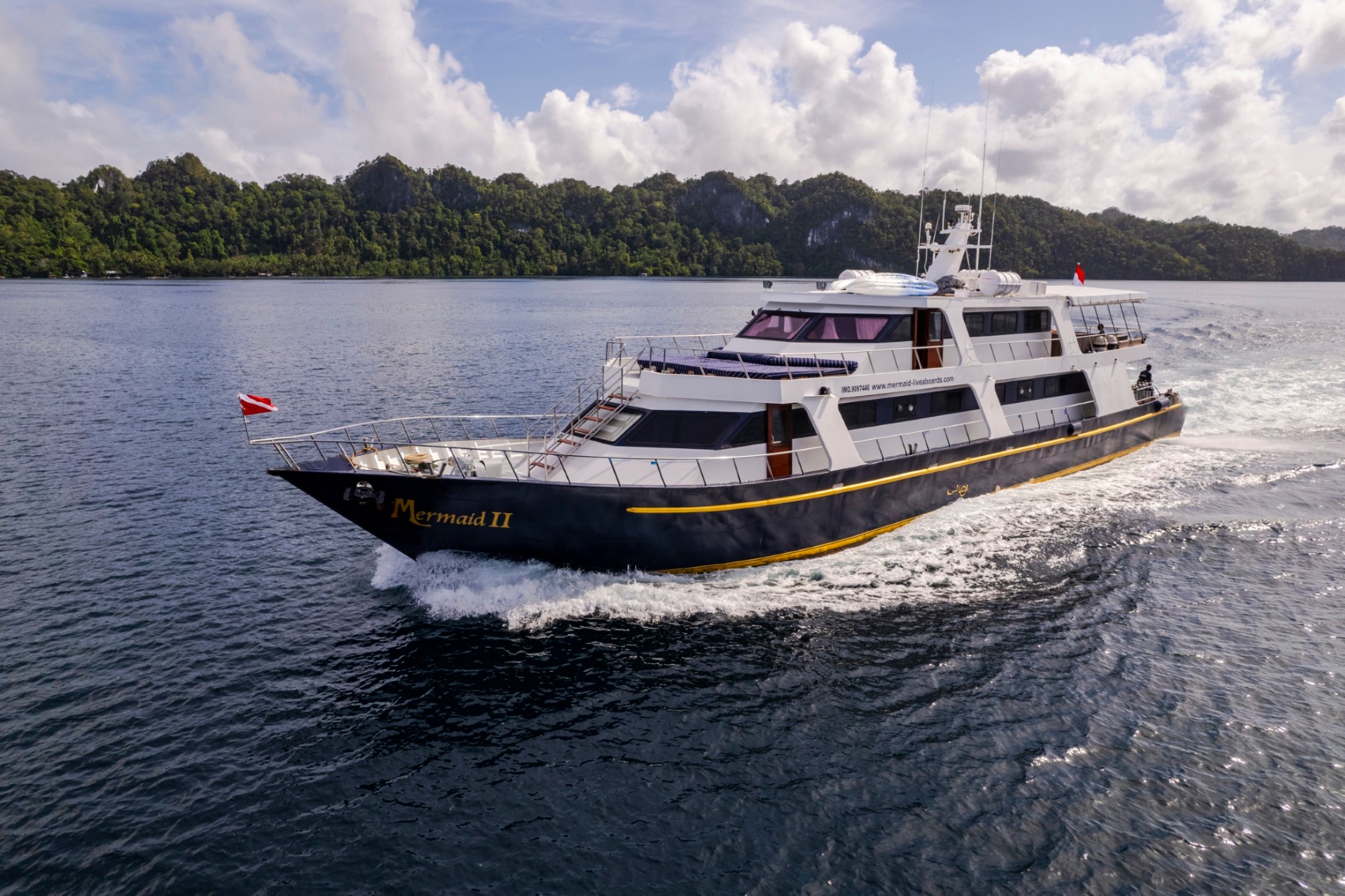
Mermaid II
Komodo, Indonesia
18 guests
$384/day
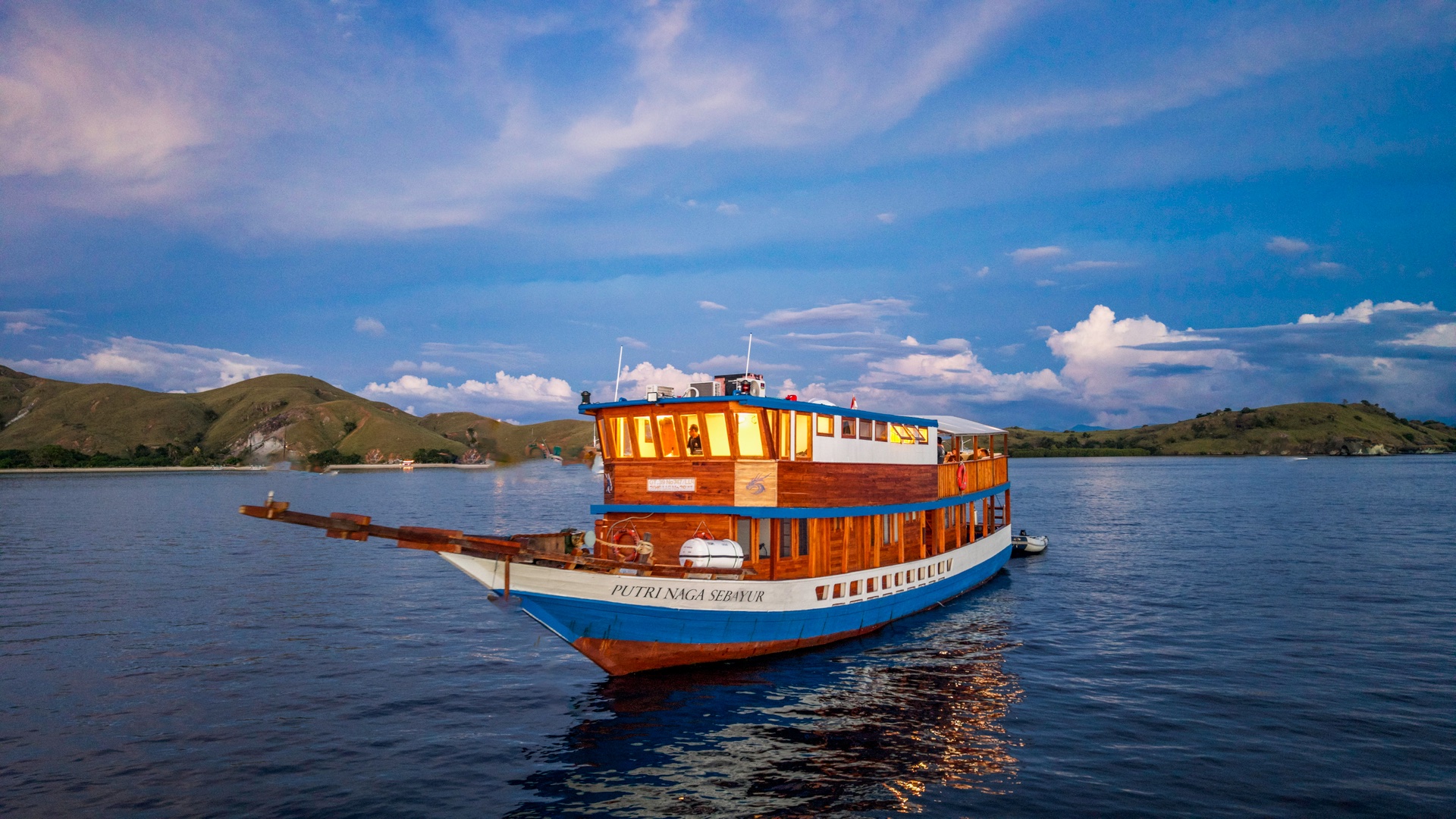
Putri Naga
Komodo, Indonesia
6 guests25 m
$218/day
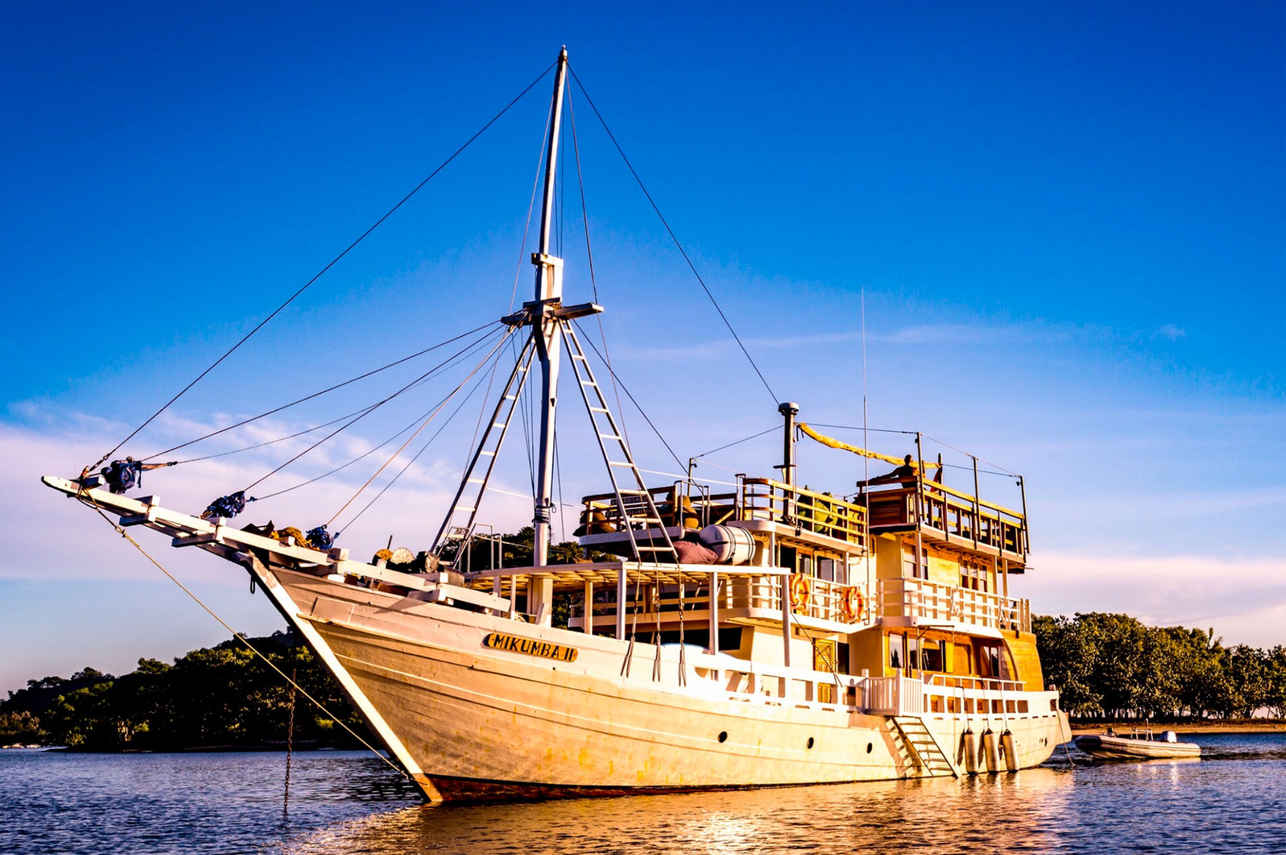
Mikumba Dua
Indonesia
10 guests30 m
$335/day
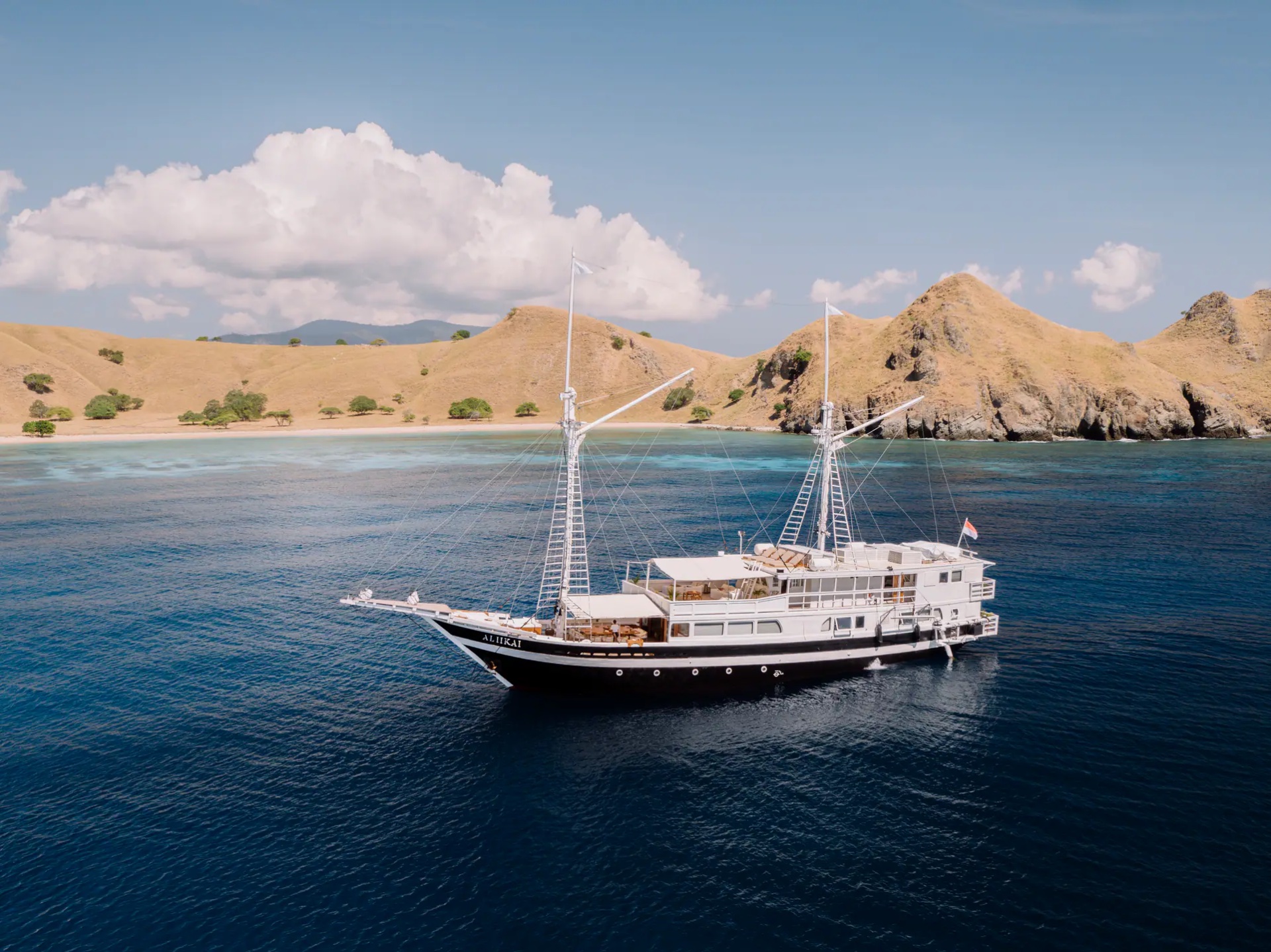
Aliikai Voyage
Indonesia
15 guests40 m
$728/day
Dive sites similar to Makassar Reef (Manta Alley)
Same character, same waters — six more sites divers love for the exact same reasons.Compare seasons, access and liveaboard routes — then pick the site that fits your trip best.
© Esri — Maxar, Earthstar, GIS
Big La Laguna
Philippines
Big La Laguna is a beach community situated on the western edge of the Sabang Peninsula, a popular dive region on Mindoro Island, Philippines.
- Suitable for
- Intermediate
- Current
- Moderate
- Access
- Dayboat
- Depth
- 5–35 m
- Theme
- Reef / Wall
© Esri — Maxar, Earthstar, GIS
Rusa Pinnacle
Alor
Rusa Pinnacle is a challenging yet highly rewarding dive site situated in the Alor archipelago, part of Indonesia's East Nusa Tenggara.
- Suitable for
- Advanced
- Current
- Strong
- Access
- Liveaboard only
- Depth
- 6–30 m
- Theme
- Reef
Lipah Bay is situated on Bali's northeast coast within the Amed area, nestled against the dramatic backdrop of Gunung Agung.
- Suitable for
- Beginner
- Current
- Mild
- Access
- Liveaboard or dayboat
- Depth
- 5–30 m
- Theme
- Reef / Drift
© Esri — Maxar, Earthstar, GIS
Tangked Cave
Bali
Tangked Cave, sometimes referred to as Tangked Taked Shark Cave, is an advanced dive site situated in the open ocean off Bali's southeastern coast.
- Suitable for
- Advanced
- Current
- Moderate
- Access
- Liveaboard or dayboat
- Depth
- 15–40 m
- Theme
- Cave & cavern / Reef
© Esri — Maxar, Earthstar, GIS
Schools Out
Alor
Schools Out in Alor offers divers an exceptional encounter with healthy coral reefs and a rich variety of marine species.
- Suitable for
- Intermediate
- Current
- Mild
- Access
- Liveaboard only
- Depth
- 20–30 m
- Theme
- Reef
© Esri — Maxar, Earthstar, GIS
Batununggul
Bali
Batununggul, also known as Suana or Batumulapan by some operators, is a dynamic wall and sloping reef dive site situated on the eastern side of Nusa Penida, Bali.
- Suitable for
- Advanced
- Current
- Strong
- Access
- Liveaboard or dayboat
- Depth
- 10–40 m
- Theme
- Wall