About Batununggul
Batununggul, also known as Suana or Batumulapan by some operators, is a dynamic wall and sloping reef dive site situated on the eastern side of Nusa Penida, Bali. This location is characterized by its dramatic drop-offs and a reef structure that plunges into deeper waters, creating a diverse environment for marine life. The site boasts impressive hard and soft corals, including fan corals and giant sponges, especially prominent in the shallower sections. Batununggul is renowned for its rich biodiversity, supporting a wide array of reef fish and macro creatures, while also providing a hunting ground for larger pelagic species. Diving here offers varied experiences, from exploring shallow plateaus teeming with life to descending along the walls where unexpected encounters await. The currents, though sometimes strong, contribute to the healthy ecosystem by bringing in nutrient-rich waters, particularly during the cooler months when upwellings occur. This makes Batununggul a site where careful dive planning ensures an enjoyable and rewarding exploration. Its proximity to the main hub of Batununggul village and the easy access from local dive centers make it a convenient yet thrilling option for divers exploring Nusa Penida. The site is suitable for a range of experience levels, from beginners in calmer conditions to advanced divers capable of navigating stronger currents. The underwater topography and marine diversity here truly showcase the vibrant underwater world of the Coral Triangle, drawing divers seeking both macro photography opportunities and pelagic sightings.
Highlights
Dramatic wall diveRich coral diversityMacro life abundancePelagic encountersSloping reef structureVibrant reef fishNutrient-rich waters
Season calendar
Best months to dive here
Jan
Feb
Mar
Apr
May
Jun
Jul
Aug
Sep
Oct
Nov
Dec
Excellent
Good
Dive site facts: Batununggul
- Depth
- 21–22 m
- Current
- Moderate to strong
- Visibility
- 19–23 m
- Water temperature
- 18–29°C
- Entry
- Boat
- Level
- Beginner to Expert
- Dive type
- Wall, sloping reef, drift
- Region / port
- Nusa Penida, Bali
- Coordinates
- -8.765, 115.48
Conditions & Currents
Currents at Batununggul can be invigorating, varying in strength and direction, especially influenced by the Indonesian Throughflow. While a well-timed dive can ensure an enjoyable experience, divers should be prepared for moderate to strong currents, particularly during certain tides. Upwellings, especially between June and October, bring colder, nutrient-rich waters and can coincide with increased current activity. These conditions contribute to the site's rich marine life but necessitate good buoyancy control and experience in drift diving. Visibility generally ranges from 19m to 23m, but can be affected by stronger currents or seasonal shifts in plankton blooms, which, while reducing visibility, often attract larger marine animals. Divers should discuss daily conditions with their dive guide to optimize their experience and ensure safe entry and exit strategies, often involving boat
Marine life & sighting chances

Mola mola (Oceanic Sunfish)
June–November · occasional
Manta ray
Year-round · common

Thresher shark
June–October · occasional
Pygmy seahorse
rare
Wobbegong shark
June–October · occasional
Dolphin
June–October · occasional
Tiger shark
rare
Giant trevally
occasional
Reef fish
common
Hard corals
commonSoft fan corals
common
Giant sponges
commonDive profile & how the dive runs
Diving at Batununggul typically begins with a boat entry, dropping divers directly onto the reef's upper plateau or along the wall, depending on current conditions and planned route. The dive often follows the contour of the sloping reef or wall, gradually descending to depths around 20-22 meters. Divers explore the vibrant coral gardens and overhangs, keeping an eye out for both macro life nestled within the reef and larger pelagics in the blue. The current can dictate a drift dive profile, allowing divers to glide along the wall while observing the active marine ecosystem. The turn point is usually determined by air consumption and bottom time, with an ascent following the reef structure back towards shallower waters. The safety stop is conducted in the more sheltered, shallower areas of the reef or as a drift safety stop in the blue, depending on current and boat pick-up location, usually around 5 meters for 3 minutes before surfacing.
Underwater photography
Batununggul offers diverse opportunities for both wide-angle and macro photography, depending on your focus. For wide-angle shots, a fisheye or wide-angle lens is ideal to capture the expansive coral walls, schooling fish, and potential pelagic encounters like manta rays or sunfish if sighted. External strobes are highly recommended to bring out the true colors of the corals and marine life, as natural light diminishes quickly at depth. When currents are present, good buoyancy control is essential to maintain position and avoid kicking up sediment, which can ruin a shot. For macro enthusiasts, a macro lens will reveal the intricate details of pygmy seahorses, nudibranchs, and various reef critters hidden within the sponges and soft corals. Utilizing a snoot can isolate macro subjects and create dramatic lighting effects. Patience is key, especially when dealing with shy subjects or waiting for the right moment to capture pelagics in the often-active waters.
Combine with nearby dive sites
- Toya Pakeh Drop-Off
Known for clear water, diverse marine life, and sheltered conditions, suitable for beginners.
- Crystal Bay
Famous for Mola mola sightings during season and impressive underwater topography.
- Gamat Bay
A sheltered bay offering clear waters, vibrant coral gardens, and rich macro life.
- Mangrove Point
Located on Nusa Lembongan, offering vibrant coral reefs and drift diving.
Getting there & logistics
Access to Batununggul is typically via dive operators based on Nusa Penida or day trips from Bali. Dive centers in Nusa Penida, particularly those on the east side of the island, offer convenient access to this site, which is located near Batununggul village. Divers usually arrive in Nusa Penida by fast boat from Sanur on mainland Bali, a journey lasting about 45 minutes. From the harbor, dive centers often provide transfers to their facilities, which are usually within walking distance of accommodation in Batununggul. A typical dive trip itinerary in Nusa Penida involves multiple dives over several days to explore various sites, as day trips from Sanur offer fewer dives. Staying on the island allows for earlier starts and access to a wider range of sites, including those on the north and east coasts that day-trippers might miss. No specific park fees are mentioned for diving Batununggul, but dive package prices typically include boat fees and guide services.
Safety & environment
Diving at Batununggul requires adherence to standard dive safety protocols, especially given the potential for strong currents. All divers should ensure they have comprehensive dive insurance that covers emergency medical evacuation and recompression. The nearest recompression chamber is located in Denpasar, Bali, requiring a potentially lengthy boat transfer and land travel from Nusa Penida. Dive guides will provide thorough briefings on current conditions, entry/exit procedures, and potential hazards. Divers are advised to maintain good buoyancy control, stay close to their buddy and group, and be aware of their air consumption, particularly during drift dives. Wearing appropriate thermal protection, such as a 5mm or 7mm wetsuit, is recommended, especially during the colder water season (June to October) when temperatures can drop significantly. Gloves are generally not permitted in line with environmental policies. Always dive with a reputable operator and do not exceed your certification limits.
Who it suits — and who it doesn't
Suited for
- Experienced divers comfortable with currents
- Macro photographers
- Wide-angle photographers seeking vibrant reefs
- Divers interested in pelagic encounters
- Those seeking diverse coral formations
Less suited for
- New divers without current experience
- Divers prone to seasickness in choppy conditions
- Those looking exclusively for calm, easy diving
- Divers unwilling to wear thicker wetsuits in cooler months
FAQ
Batununggul FAQ
What kind of marine life can I expect to see at Batununggul?
Batununggul is rich in biodiversity, offering encounters with both macro and pelagic species. You can expect to see vibrant reef fish, diverse hard and soft corals, and giant sponges. Occasionally, divers might spot rarer species like scalloped hammerheads, thresher sharks, pygmy seahorses, and wobbegong sharks, especially during the colder water season.
Are the currents at Batununggul strong?
Yes, currents at Batununggul can be moderate to strong, influenced by the Indonesian Throughflow. While conditions can vary, divers should be prepared for invigorating currents, which contribute to the rich marine life but require good buoyancy control and drift diving experience. It's always best to consult with your dive guide for daily current assessments.
What is the best time of year to dive Batununggul?
The best time to dive Batununggul for optimal conditions is generally January, February, and March. The 'cold season' from June to October, while cooler, is also excellent for pelagic sightings like Mola mola and thresher sharks. Transition months like April and October can offer calm seas and gentle winds.
Is Batununggul suitable for beginner divers?
Batununggul is suitable for divers of all levels, from beginner to expert, depending on the specific conditions of the day. While it offers areas for beginners, the presence of strong currents means that newer divers should have some experience with currents or dive with an experienced guide in calmer conditions. It is not suitable for beginners looking for only calm, easy diving.
What water temperatures can I expect at Batununggul?
Water temperatures at Batununggul vary significantly with the season. During the warm season (November to May), temperatures can range from 26-29°C. However, during the cold season (June to October), temperatures can drop to 18-25°C, and thermoclines can cause sudden temperature changes. Wearing a 5mm or 7mm wetsuit is recommended during cooler months.
Why dive Batununggul from a liveaboard?
Batununggul is one of Bali's signature dive sites. A liveaboard sleeps you on the water and puts you in the water for three to four guided dives per day, including dawn and night dives that day-boat operators rarely offer. You skip the daily commute back to port and reach quieter, less-crowded sites in the same region on a single trip.
Below are the liveaboards that include Batununggul on their Bali itineraries.
Liveaboards diving Batununggul
These liveaboards may visit Batununggul on selected itineraries — the exact dive sites depend on departure, weather and conditions.
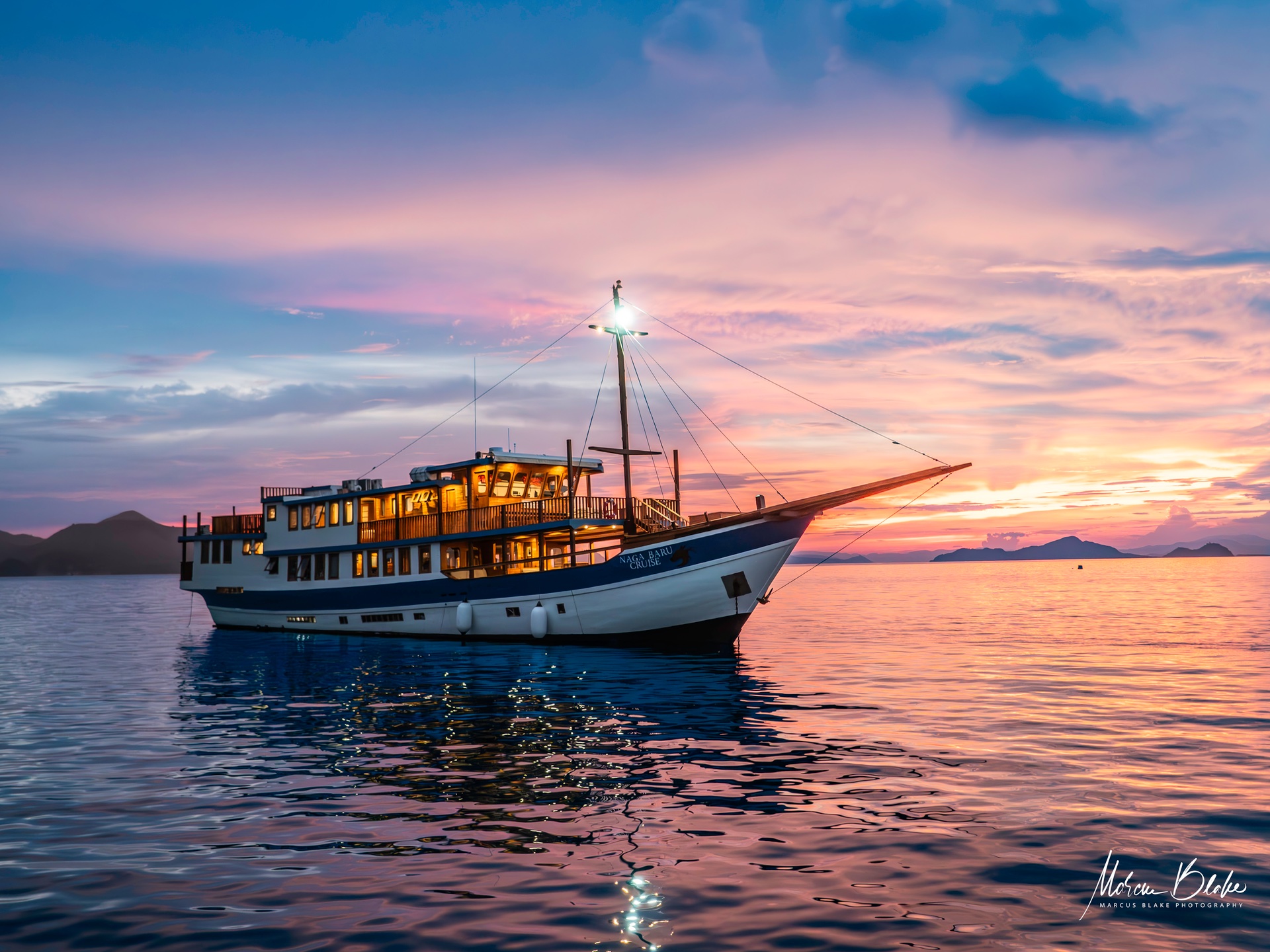
Naga Biru
Indonesia
12 guests40 m
$271/day
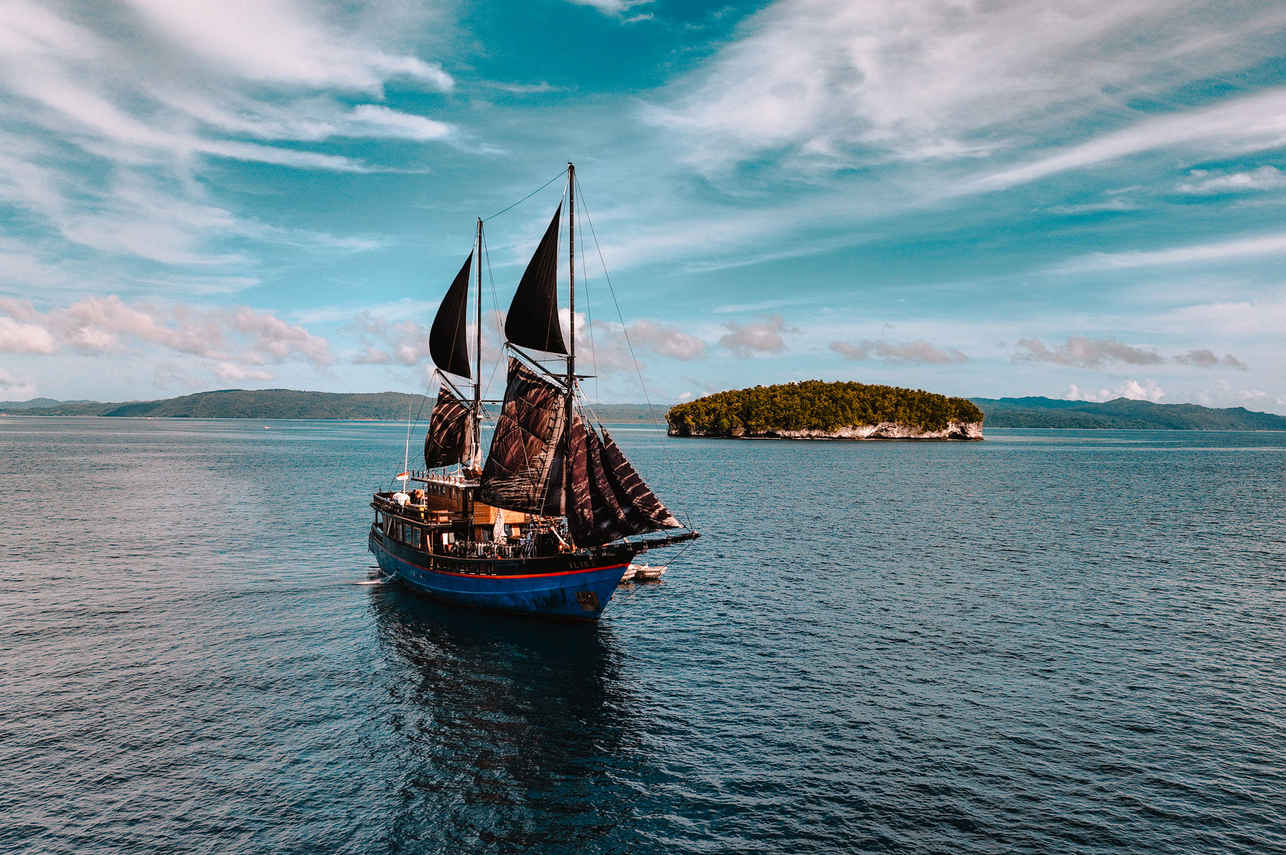
Ilike
Indonesia
16 guests40 m
$350/day
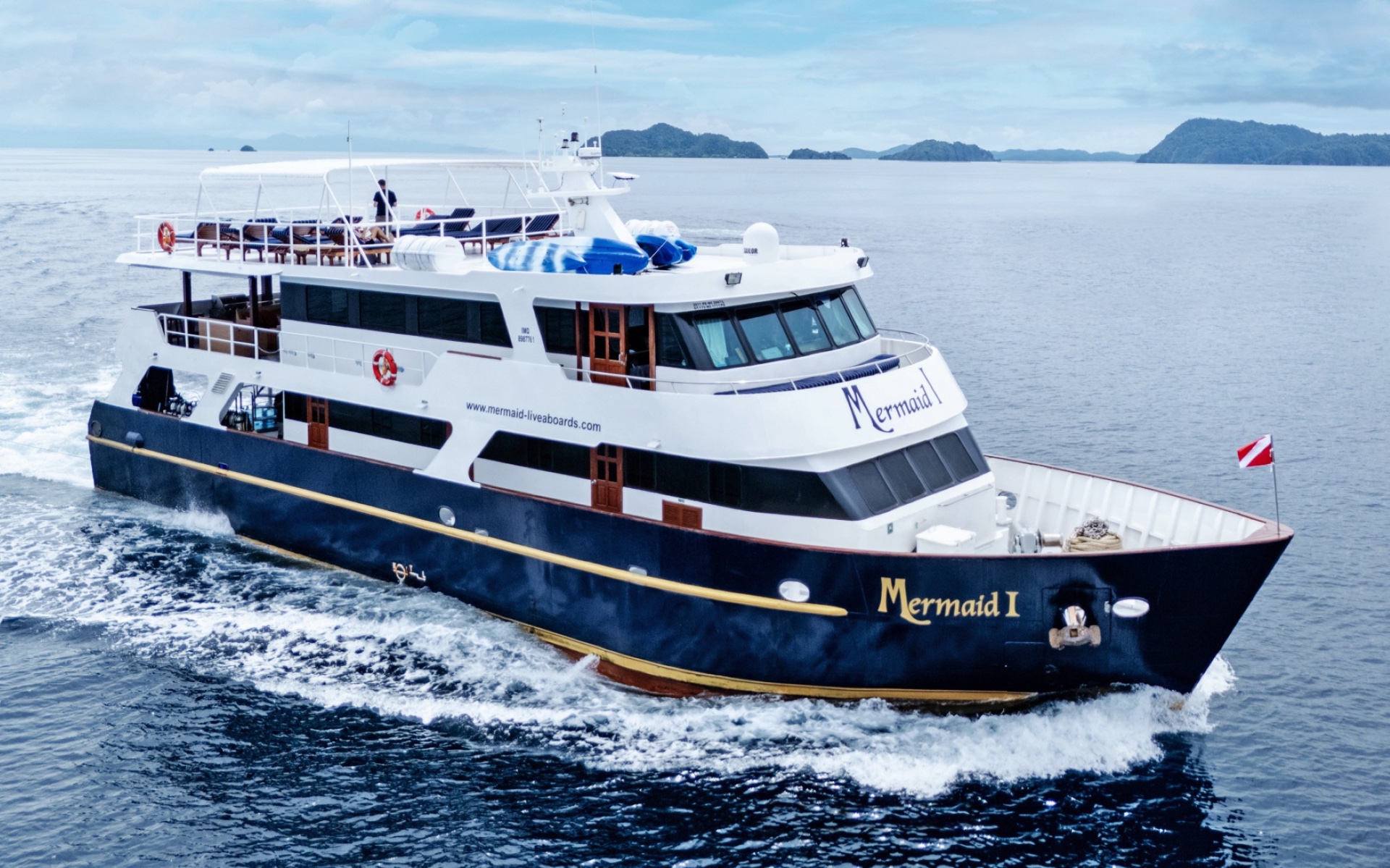
Mermaid I
Alor
15 guests28 m
$474/day
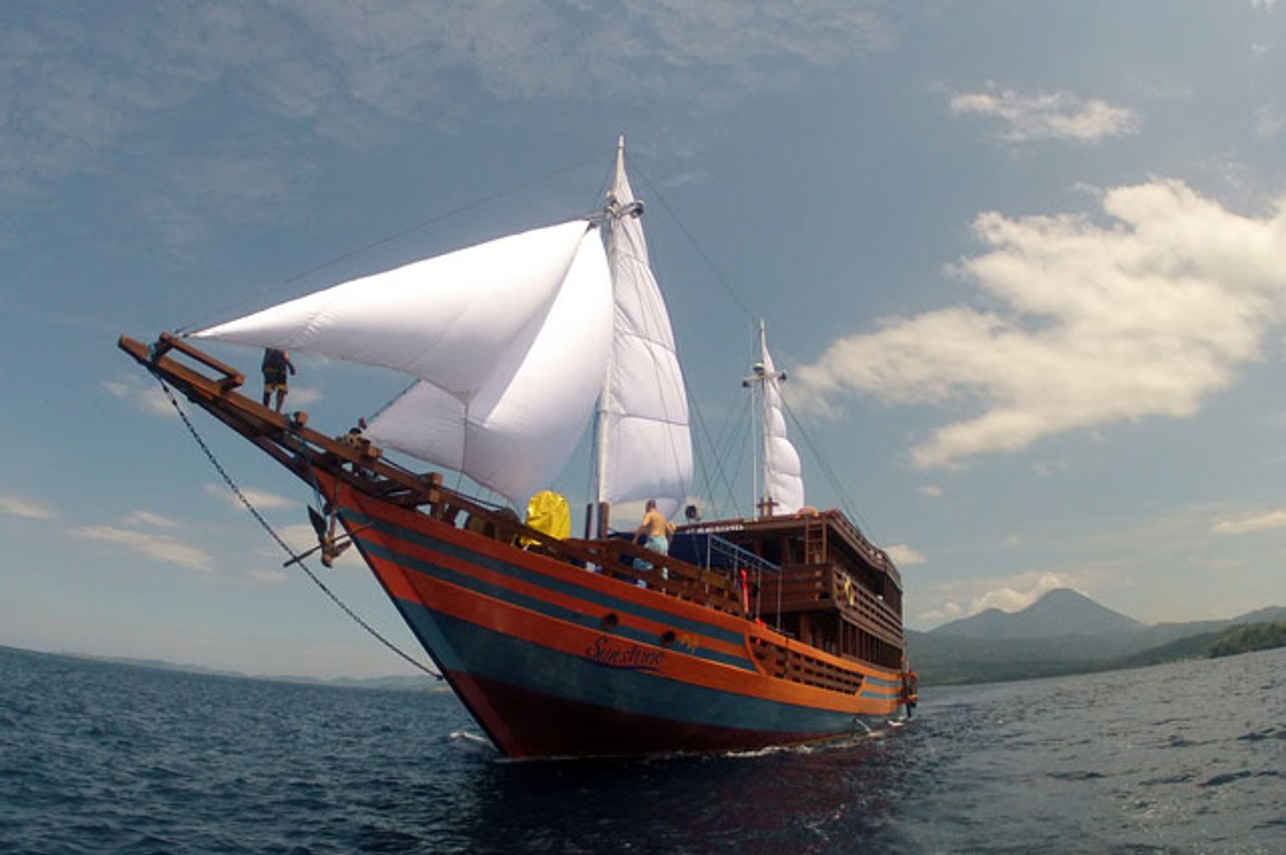
Sunshine Liveaboard
Indonesia
10 guests31 m
$189/day
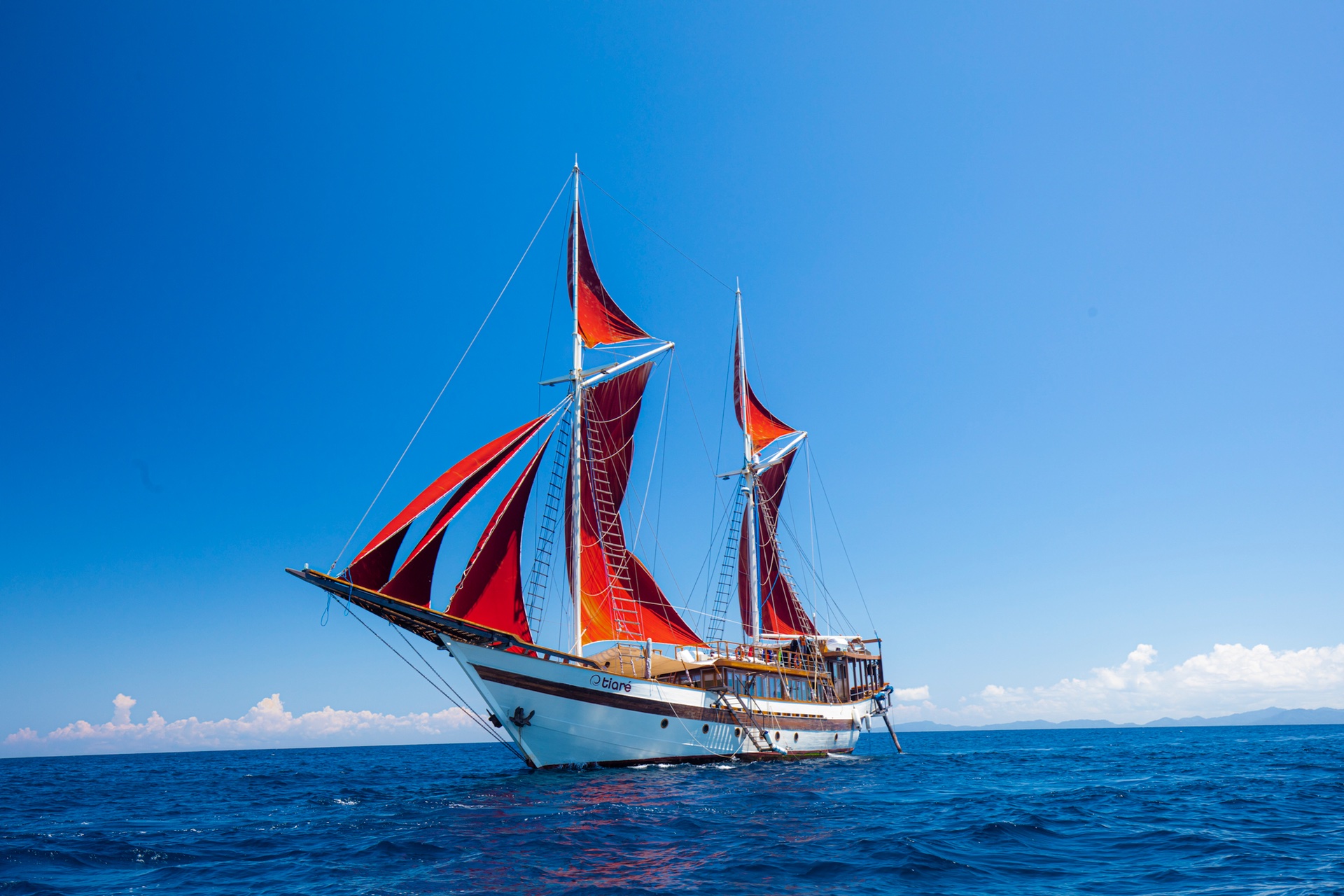
Tiare Cruise
Indonesia
12 guests36.5 m
$473/day
Dive sites similar to Batununggul
Same character, same waters — six more sites divers love for the exact same reasons.Compare seasons, access and liveaboard routes — then pick the site that fits your trip best.
© Esri — Maxar, Earthstar, GIS
Big La Laguna
Philippines
Big La Laguna is a beach community situated on the western edge of the Sabang Peninsula, a popular dive region on Mindoro Island, Philippines.
- Suitable for
- Intermediate
- Current
- Moderate
- Access
- Dayboat
- Depth
- 5–35 m
- Theme
- Reef / Wall
© Esri — Maxar, Earthstar, GIS
Rusa Pinnacle
Alor
Rusa Pinnacle is a challenging yet highly rewarding dive site situated in the Alor archipelago, part of Indonesia's East Nusa Tenggara.
- Suitable for
- Advanced
- Current
- Strong
- Access
- Liveaboard only
- Depth
- 6–30 m
- Theme
- Reef
Lipah Bay is situated on Bali's northeast coast within the Amed area, nestled against the dramatic backdrop of Gunung Agung.
- Suitable for
- Beginner
- Current
- Mild
- Access
- Liveaboard or dayboat
- Depth
- 5–30 m
- Theme
- Reef / Drift
© Esri — Maxar, Earthstar, GIS
Tangked Cave
Bali
Tangked Cave, sometimes referred to as Tangked Taked Shark Cave, is an advanced dive site situated in the open ocean off Bali's southeastern coast.
- Suitable for
- Advanced
- Current
- Moderate
- Access
- Liveaboard or dayboat
- Depth
- 15–40 m
- Theme
- Cave & cavern / Reef
© Esri — Maxar, Earthstar, GIS
Schools Out
Alor
Schools Out in Alor offers divers an exceptional encounter with healthy coral reefs and a rich variety of marine species.
- Suitable for
- Intermediate
- Current
- Mild
- Access
- Liveaboard only
- Depth
- 20–30 m
- Theme
- Reef
© Esri — Maxar, Earthstar, GIS
Japanese Wreck
Bali
The Japanese Wreck is a compelling dive site located in Banyuning Bay, just off the beach in Amed, Bali.
- Suitable for
- Beginner
- Current
- Moderate
- Access
- Shore / dayboat
- Depth
- 6–12 m
- Theme
- Wreck / Reef