About Toya Pakeh Drop-Off
Toya Pakeh Drop-Off, located on the northwest coast of Nusa Penida in Bali, offers a dramatic wall dive experience with rich marine life. This deep wall is characterized by significant overhangs and small caverns, beautifully adorned with vibrant soft corals and cup corals. The site is part of an extensive coral plateau featuring terraces and bommies blanketed in lush soft corals, giant gorgonians, and thriving hard coral gardens. While less frequented than nearby Crystal Bay, it promises an equally impressive and more private diving adventure. Divers can anticipate encounters with a variety of pelagic species, including cruising tuna, giant trevally, and occasional manta rays in the blue waters beyond the wall. The healthy reef ecosystems also support schools of fusiliers, sweetlips, and jacks. Macro enthusiasts will appreciate the opportunity to spot nudibranchs, frogfish, shrimps, and crabs hidden within the reef's crevices. During the Mola Mola season, typically from August to October, lucky divers may even glimpse the elusive ocean sunfish. Visibility here is generally excellent, ranging from 15 to 25 meters, sometimes extending to 30 meters on the north coast during the dry season. Currents can range from moderate to strong, making it an ideal drift dive, particularly when heading towards Gamat Bay or SD Point. Despite the currents, the bay's topography provides sheltered areas, allowing for extended bottom times and relaxed exploration. The site's dynamic nature ensures that repeat visits always offer new discoveries and perspectives.
Highlights
Deep wall divingPelagic speciesOverhangs and cavesLess crowded alternativeManta ray sightings
Season calendar
Best months to dive here
Jan
Feb
Mar
Apr
May
Jun
Jul
Aug
Sep
Oct
Nov
Dec
Good
Dive site facts: Toya Pakeh Drop-Off
- Depth
- 10–40+ m
- Typical dive
- 15–25 m, 45–60 min
- Current
- None to strong (drift dive)
- Visibility
- 10–40 m
- Water temperature
- 20–29°C
- Entry
- Boat
- Level
- Beginner to Expert (current dependent)
- Dive type
- Drift, wall, coral reef
- Region / port
- Nusa Penida
- Coordinates
- -8.678, 115.465
Conditions & Currents
Toya Pakeh is renowned for its variable currents, which can range from mild to strong, making it primarily a drift dive site. The strength and direction of these currents are heavily influenced by the Lombok Strait, requiring experienced guides to determine optimal entry points and dive plans. While the bay itself can offer some sheltered areas, particularly in shallower sections, exploring deeper parts demands good current knowledge and buoyancy control. Thermoclines are common, especially during Mola Mola season when colder, nutrient-rich water upwells, bringing surface temperatures from 27-29°C down to 20-25°C at depth, or even lower. Visibility can also fluctuate from excellent (up to 40m in the dry season) to moderately reduced (around 10m during the rainy season) due to runoff or plankton blooms associated with upwellings. Divers should be prepared for varying conditions and listen
Marine life & sighting chances

Mola Mola (Ocean Sunfish)
July-October · occasional
Giant Trevally
occasional
Marble Ray
occasional
Moray Eel
common
Octopus
common
Barracuda
common
Reef Shark
occasional
Turtle
common
Nudibranch
common
Flounder
common
Sweetlips
common
Pufferfish
commonDive profile & how the dive runs
Diving at Toya Pakeh typically begins with a boat entry, often as a drift dive given the prevailing currents. Your guide will assess the currents to determine the ideal drop-off point. The dive usually starts at depths between 16 and 25 meters, where you can explore the sheltered coral formations and observe resident marine life. The terraced reef slopes downwards, allowing for a gradual depth progression. As you drift, keep an eye out for pelagic species in the blue, while also appreciating the rich macro life within the corals. The dive often concludes by heading towards shallower parts of the bay for the safety stop, taking advantage of calmer conditions there.
Underwater photography
Toya Pakeh offers exceptional opportunities for both wide-angle and macro photography, depending on your focus. For capturing the expansive coral terraces and potential Mola Mola or other large pelagics, a wide-angle lens is essential. Be prepared for varying visibility and potential thermoclines, which can affect light quality; strobes are highly recommended to bring out the true colors of the corals and fish. For macro subjects like nudibranchs, flounder, and smaller reef inhabitants, a dedicated macro lens will be beneficial. Maintaining excellent buoyancy is crucial, especially when currents are present, to avoid disturbing the delicate coral ecosystems and to secure stable shots. Patience is key, particularly when waiting for shy subjects or when hoping for a Mola Mola encounter in the blue.
Combine with nearby dive sites
- Crystal Bay
Known for Mola Mola sightings and challenging currents.
- Gamat Bay
Versatile site with rich coral and potential Mola Mola.
- SD Point
A popular drift dive with abundant reef fish.
- Mangrove Point
Drift dive with vibrant reef and diverse fish schools.
- Blue Lagoon Padang Bai
Accessible from Sanur, known for macro life and gentle currents.
Getting there & logistics
Most dive trips to Toya Pakeh depart from Sanur on Bali's mainland or directly from Nusa Lembongan. From Sanur, expect an early morning pickup (around 06:45) followed by a 40-minute speedboat ride across the Badung Strait. Typically, itineraries include two dives in the Nusa Penida/Lembongan area, with lunch often served on the boat or in Toyapakeh village, returning to Sanur by late afternoon. If staying on Nusa Lembongan, dive operators offer an 08:00-08:30 brief, with shorter boat rides to nearby sites. The main international airport for access is Ngurah Rai International Airport (DPS) in Denpasar. While there are no specific park fees for diving Toya Pakeh, some local levies or harbor fees may apply when departing from Nusa Penida or Lembongan.
Safety & environment
Diving at Toya Pakeh requires careful attention to safety protocols due to the presence of strong and unpredictable currents. Divers should be experienced in drift diving and possess strong buoyancy control. Always dive with a reputable operator and an experienced local guide who is familiar with the daily current patterns. The nearest recompression chamber is located in Denpasar, Bali. In case of a diving emergency, evacuation to Bali by speedboat is the standard procedure, which underscores the importance of adequate dive insurance covering medical treatment and emergency transport. Always carry a surface marker buoy (SMB) and know how to deploy it, as currents can sometimes sweep divers away from the main group. Listen to all briefings, maintain proper depth and bottom times, and ensure your equipment is in excellent working order.
Who it suits — and who it doesn't
Suited for
- Experienced divers comfortable with drift diving
- Divers seeking pelagic encounters, especially Mola Mola
- Underwater photographers (both wide-angle and macro)
- Advanced Open Water certified divers
- Divers who appreciate diverse coral ecosystems
Less suited for
- Beginner divers without current experience
- Divers prone to seasickness in strong currents
- Those who prefer static, current-free dives
- Divers without good buoyancy control
- Individuals without adequate dive insurance
FAQ
Toya Pakeh Drop-Off FAQ
When is the best time to see Mola Mola at Toya Pakeh?
Mola Mola sightings at Toya Pakeh are most frequent during the cooler water months, typically from July to October. During this period, upwellings bring cold, nutrient-rich water to the surface, attracting these ocean sunfish to cleaning stations on the reef. September is often considered the peak month for encounters.
What is the typical water temperature at Toya Pakeh?
Water temperatures at Toya Pakeh generally range from 27-29°C at the surface. However, during the Mola Mola season (July-October), deep thermoclines can cause temperatures to drop significantly, sometimes as low as 20-25°C or even lower at depth. A 5mm wetsuit or layers are advisable during these months.
Are the currents strong at Toya Pakeh Drop-Off?
Yes, Toya Pakeh is known for its variable and sometimes strong currents due to its location in the Lombok Strait. It is often a drift dive, requiring divers to be comfortable with current conditions and maintain good buoyancy control. Your dive guide will plan the dive according to the prevailing current direction.
What kind of marine life can I expect to see here?
Toya Pakeh boasts a rich diversity of marine life, including various reef fish, moray eels, octopuses, barracudas, and reef sharks. The site is particularly famous for occasional sightings of Mola Mola and other large pelagics like giant trevallies and marble rays, alongside its vibrant coral gardens and macro subjects.
Is Toya Pakeh suitable for beginner divers?
While parts of Toya Pakeh are suitable for beginners, particularly the shallower, more sheltered areas, the deeper sections and strong current conditions make it more challenging. Beginners should have some experience with drift diving or choose times when currents are milder. Consulting with your dive center about current conditions and your experience level is recommended.
Why dive Toya Pakeh Drop-Off from a liveaboard?
Toya Pakeh Drop-Off is one of Bali's signature dive sites. A liveaboard sleeps you on the water and puts you in the water for three to four guided dives per day, including dawn and night dives that day-boat operators rarely offer. You skip the daily commute back to port and reach quieter, less-crowded sites in the same region on a single trip.
Below are the liveaboards that include Toya Pakeh Drop-Off on their Bali itineraries.
Liveaboards diving Toya Pakeh Drop-Off
These liveaboards may visit Toya Pakeh Drop-Off on selected itineraries — the exact dive sites depend on departure, weather and conditions.
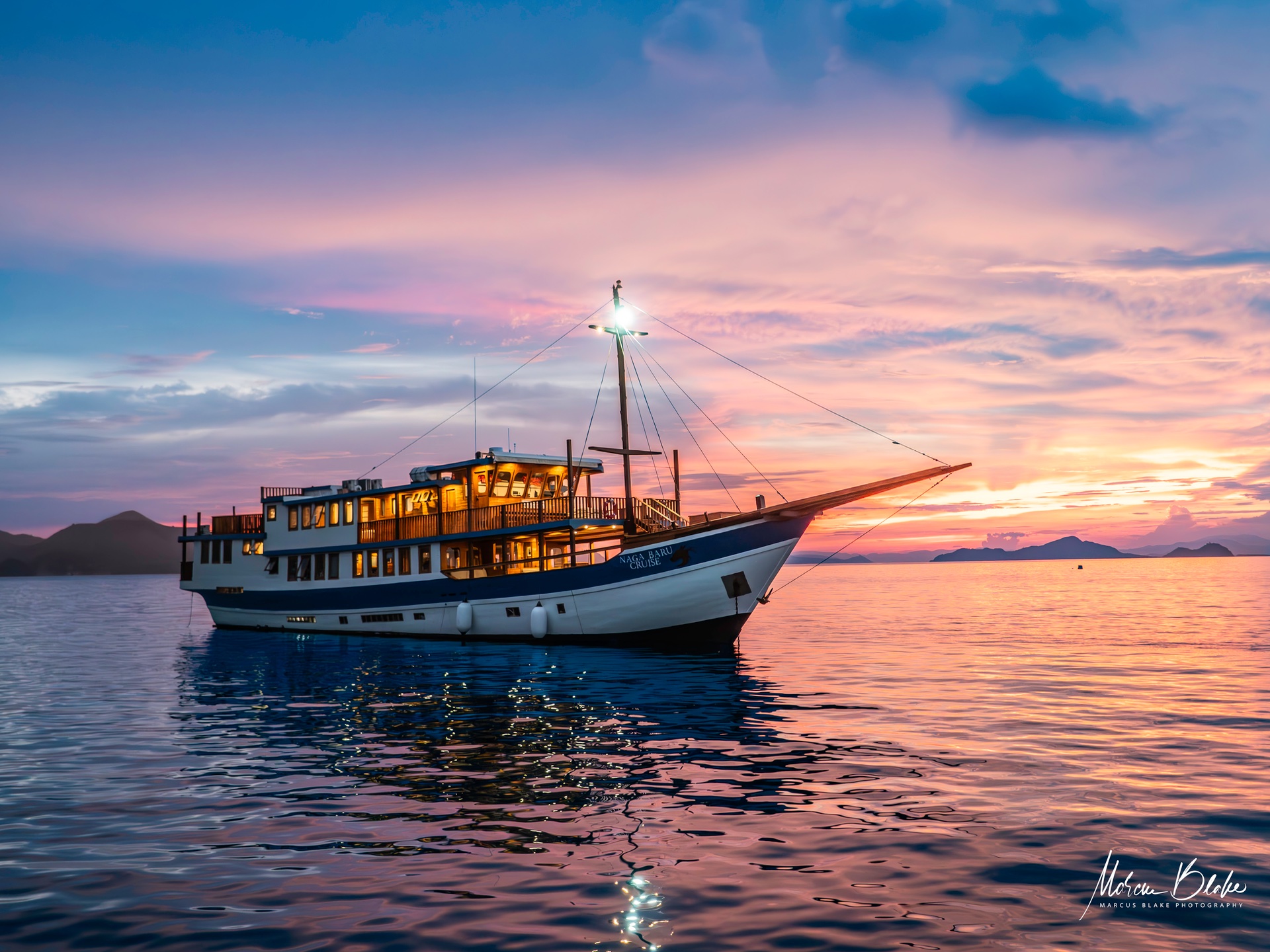
Naga Biru
Indonesia
12 guests40 m
$272/day
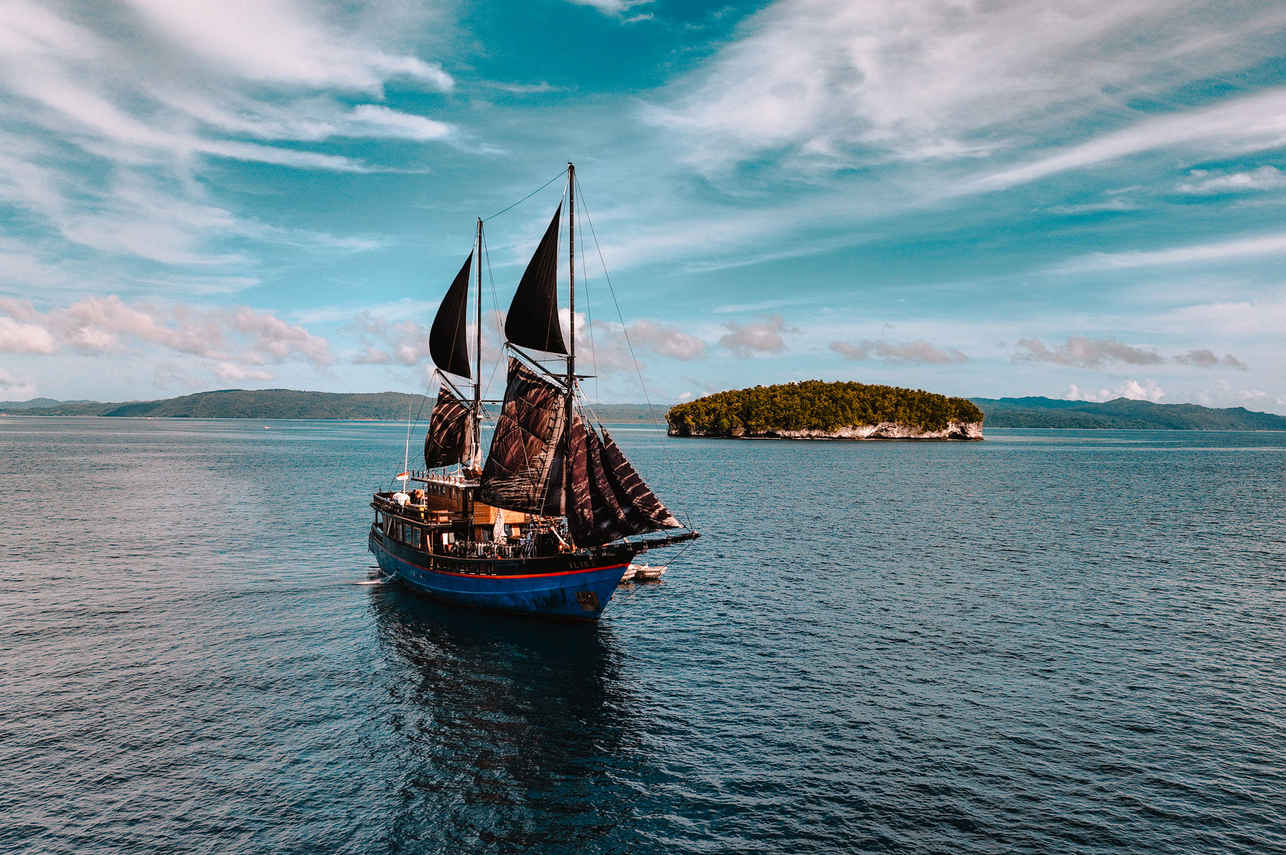
Ilike
Indonesia
16 guests40 m
$350/day
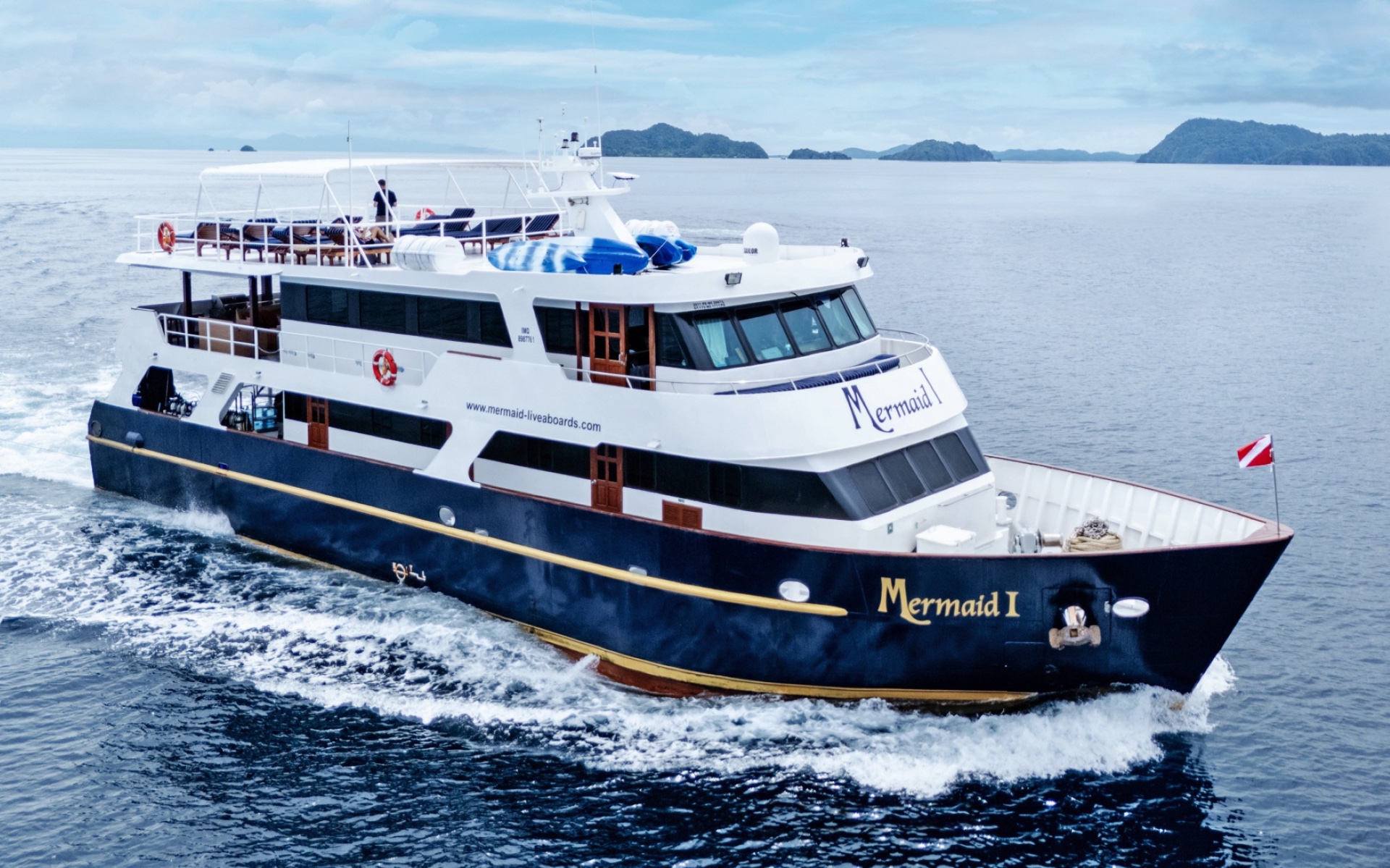
Mermaid I
Alor
15 guests28 m
$476/day
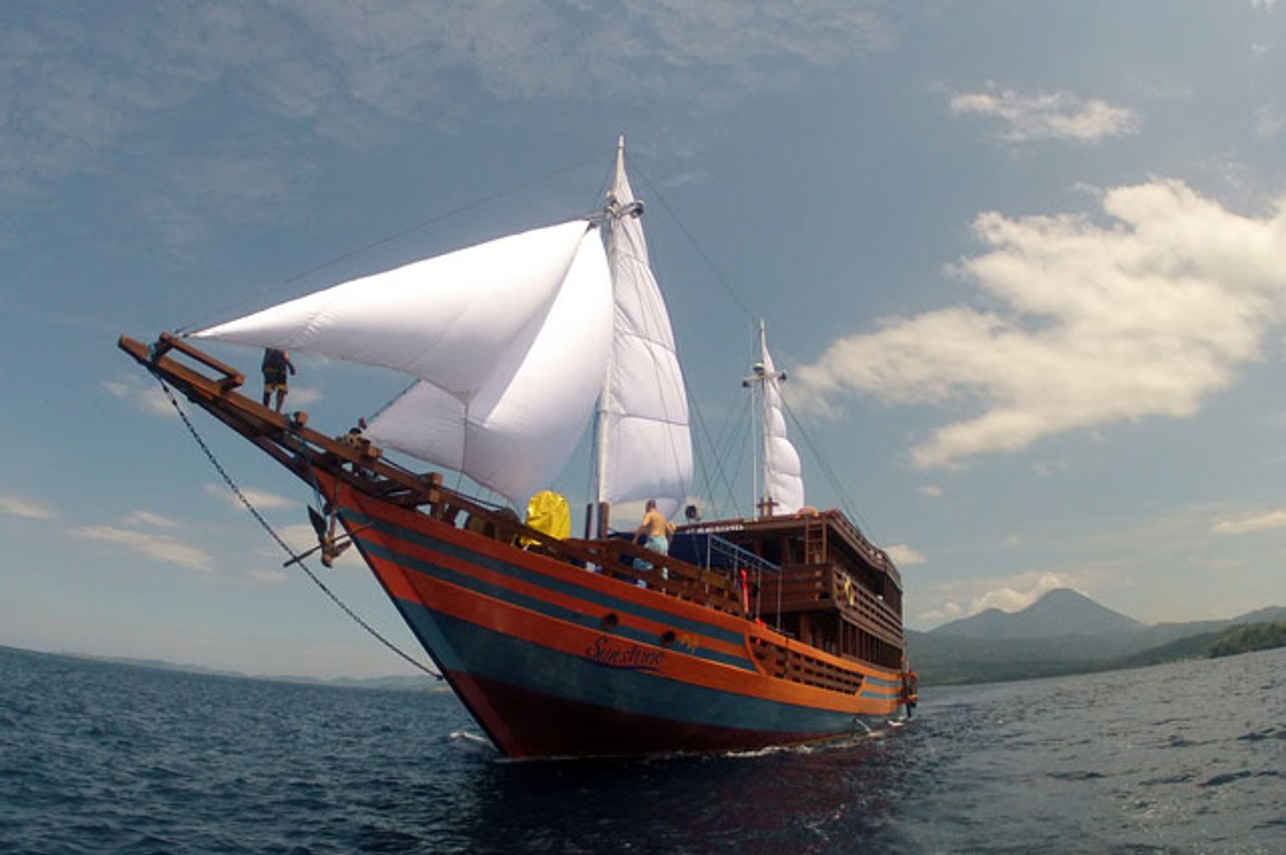
Sunshine Liveaboard
Indonesia
10 guests31 m
$190/day
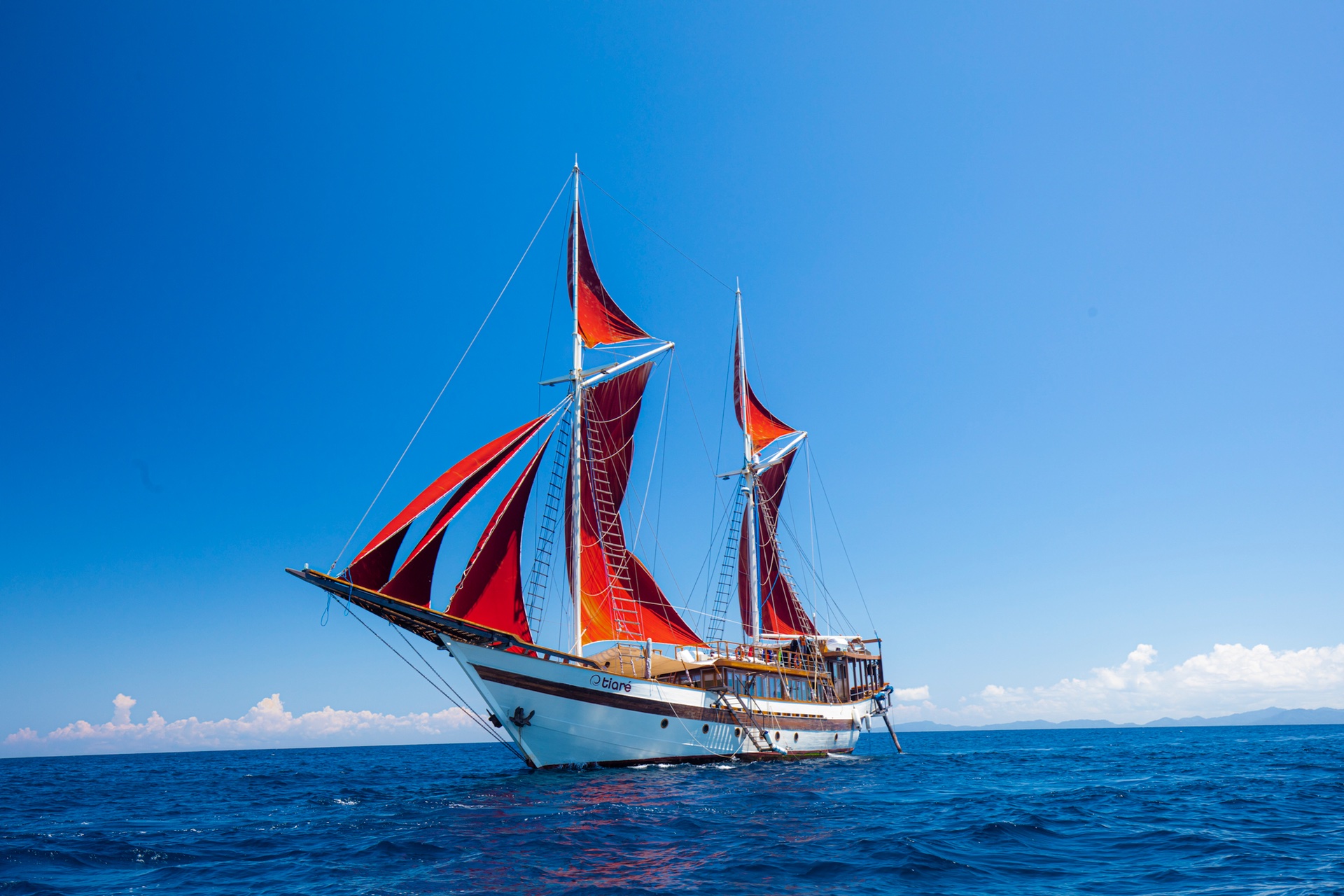
Tiare Cruise
Indonesia
12 guests36.5 m
$473/day
Dive sites similar to Toya Pakeh Drop-Off
Same character, same waters — six more sites divers love for the exact same reasons.Compare seasons, access and liveaboard routes — then pick the site that fits your trip best.
© Esri — Maxar, Earthstar, GIS
Batununggul
Bali
Batununggul, also known as Suana or Batumulapan by some operators, is a dynamic wall and sloping reef dive site situated on the eastern side of Nusa Penida, Bali.
- Suitable for
- Advanced
- Current
- Strong
- Access
- Liveaboard or dayboat
- Depth
- 10–40 m
- Theme
- Wall
Lipah Bay is situated on Bali's northeast coast within the Amed area, nestled against the dramatic backdrop of Gunung Agung.
- Suitable for
- Beginner
- Current
- Mild
- Access
- Liveaboard or dayboat
- Depth
- 5–30 m
- Theme
- Reef / Drift
© Esri — Maxar, Earthstar, GIS
Gili Tepekong
Bali
Gili Tepekong is one of three volcanic islets situated off the coast of Amuk Bay, near Padang Bai and Candidasa in East Bali.
- Suitable for
- Advanced
- Current
- Strong
- Access
- Liveaboard or dayboat
- Depth
- 10–40 m
- Theme
- Cave & cavern / Drift
© Esri — Maxar, Earthstar, GIS
Dream Wall
Bali
Dream Wall is one of Menjangan Island's premier dive sites, located within the protected West Bali National Park marine area.
- Suitable for
- Beginner
- Current
- Mild
- Access
- Dayboat
- Depth
- 10–60 m
- Theme
- Wall / Reef
Pura Ped, located on the northern coast of Nusa Penida, is a celebrated dive site known for its extensive and healthy reef system.
- Suitable for
- Intermediate
- Current
- Strong
- Access
- Liveaboard or dayboat
- Depth
- 5–30 m
- Theme
- Drift / Reef
© Esri — Maxar, Earthstar, GIS
Gili Selang
Bali
Gili Selang is a small island located off Bali's easternmost tip, forming a striking geological feature at the foot of Mount Seraya.
- Suitable for
- Advanced
- Current
- Strong
- Access
- Liveaboard or dayboat
- Depth
- 4–50 m
- Theme
- Drift / Wall