About Tengah
Tengah, or Batu Tengah, is a central Komodo dive site, aptly named "Middle Rock" in Indonesian, positioned equally distant from the park's northern and southern boundaries. This location offers a vibrant mix of sloping reefs and extensive coral gardens. The site is characterized by its healthy hard coral formations in shallower areas, transitioning to a sloping eastern side adorned with colorful soft corals, attracting a diverse array of reef fish and pelagic species. Divers can explore the impressive hard coral gardens, where juvenile white-tip reef sharks often seek shelter beneath table corals. The eastern slope provides opportunities to observe large groups of snapper and Napoleon wrasse, enhancing the site's appeal. Tengah is also a frequent spot for sightings of turtles and cuttlefish, adding to its rich marine tapestry. The dive experience at Tengah is generally characterized by manageable currents, making it accessible for a range of dive levels while still offering dynamic encounters with marine life. Visibility is typically good, allowing for clear views of the intricate reef ecosystems and the larger inhabitants that frequent the area. The site is a testament to the thriving biodiversity within Komodo National Park, offering a high-quality dive for those seeking both macro and wide-angle photographic opportunities amidst stunning coral formations.
Highlights
Pristine hard coral gardensJuvenile white-tip reef sharksColorful soft coral slopesFrequent turtle sightingsNapoleon wrasse and snapper schoolsCuttlefish encounters
Season calendar
Best months to dive here
Jan
Feb
Mar
Apr
May
Jun
Jul
Aug
Sep
Oct
Nov
Dec
Excellent
Dive site facts: Tengah
- Depth
- 5–30 m
- Typical dive
- 15–25 m, 50–60 min
- Current
- Mild to moderate
- Visibility
- 10–30 m
- Water temperature
- 26–29 °C
- Entry
- Liveaboard / tender
- Level
- Open Water Diver (OWD) with current experience
- Dive type
- Reef, drift, wide-angle, macro
- Night dive
- Not specified
- Region / port
- Central Komodo National Park
- Coordinates
- -8.585, 119.51
Conditions & Currents
Currents at Tengah are generally manageable, making it suitable for a range of diver experience levels. However, as with many sites in Komodo, conditions can vary with the tides, and divers should be prepared for potential drift. While not typically known for extreme currents like some northern Komodo sites, an understanding of tidal influences is beneficial for optimal dive planning. Visibility at Tengah is consistently good, ranging from 10 to 30 meters, depending on plankton levels and tidal flow, which can influence water clarity.
Marine life & sighting chances


Green turtle
common
Hawksbill turtle
common
Cuttlefish
common
Napoleon wrasse
occasional
Snapper
common
Reef Manta Ray
September-May · occasional
Angelfish
common
Parrotfish
common
Triggerfish
common
Lionfish
occasional
Grouper
occasional
Moray eel
occasionalDive profile & how the dive runs
A typical dive at Tengah begins with an entry close to the main rock formation. Divers then descend to explore the extensive hard coral garden, often found in shallower depths, where juvenile white-tip reef sharks frequently rest under table corals. The dive progresses along the eastern slope, which is richly decorated with soft corals, attracting schools of snapper and occasional Napoleon wrasse. Depending on current direction, divers will typically drift along the reef, maintaining a depth band between 15 and 25 meters to appreciate the vibrant reef life. The turn point is often dictated by air consumption and current, with the safety stop conducted in the calmer, shallower areas of the coral garden, allowing for observation of smaller reef inhabitants.
Underwater photography
Tengah offers excellent opportunities for both wide-angle and macro photography. For wide-angle shots, a fisheye or wide-angle rectilinear lens is ideal to capture the expansive hard coral gardens and the colorful soft coral slopes, as well as schools of snapper and occasional pelagic encounters. Strobes are essential to bring out the true colors of the corals and marine life, especially at depth. For macro photographers, the intricate details within the hard coral formations, pygmy cuttlefish, and the smaller critters like nudibranchs and ghost pipefish present rich subjects. Maintaining excellent buoyancy is crucial to avoid damaging the pristine corals and to position yourself effectively for shots, particularly when currents are present. Always practice respectful photography, avoiding harassment of marine life.
Combine with nearby dive sites
- Batu Bolong
Iconic pinnacle with strong currents and abundant pelagic life, excellent for wide-angle.
- Tatawa Besar
A thrilling drift dive known for extensive orange soft corals and schooling fish.
- Makassar Reef (Manta Alley)
Famous for consistent manta ray sightings, especially during specific seasons.
- Toko Toko
The northernmost dive site in Komodo National Park, offering unique ecosystems.
- Wainilu
Popular for night dives, known for macro critters and unique species.
Getting there & logistics
Access to Tengah, like most Komodo dive sites, is primarily via liveaboard trips departing from Labuan Bajo on Flores Island. Labuan Bajo (LBJ) airport is serviced by domestic flights from major Indonesian hubs like Bali (Denpasar) and Jakarta, and increasingly international flights from Kuala Lumpur. Typical liveaboard itineraries in Komodo range from 3 to 12 days, with longer trips often covering the full spectrum of north, central, and south Komodo sites. Tengah is usually part of central Komodo itineraries. Komodo National Park fees are required, covering both diving and land excursions. It is advisable to choose a liveaboard that suits your desired trip length and focus, as some concentrate on specific regions based on seasonal conditions.
Safety & environment
While Tengah is considered a generally manageable dive site in Komodo, divers should always prioritize safety due to the dynamic nature of currents in the region. It is essential to carry valid dive insurance, including coverage for emergency evacuation and recompression. The nearest recompression chamber is located in Bali, making evacuation a significant logistical and financial consideration. Always dive with a reputable operator and follow your dive guide's instructions, especially regarding current assessment and entry/exit procedures. Maintain good buoyancy control to protect the fragile coral ecosystems. Site-specific briefings will cover any immediate hazards or conduct rules to ensure a safe and enjoyable dive experience.
Who it suits — and who it doesn't
Suited for
- Open Water Divers with current experience
- Underwater photographers (macro and wide-angle)
- Divers interested in diverse reef ecosystems
- Those seeking abundant marine life in central Komodo
- Divers who appreciate healthy coral formations
Less suited for
- Absolute beginner divers with no current experience
- Divers uncomfortable with potential drift conditions
- Those looking exclusively for extreme pelagic action (though pelagics are seen)
- Divers who struggle with buoyancy control near fragile reefs
FAQ
Tengah FAQ
What kind of marine life can I expect to see at Tengah?
Tengah is rich in biodiversity. You can expect to see abundant reef fish, juvenile white-tip reef sharks often hiding under table corals, green and hawksbill turtles, and various cuttlefish. Napoleon wrasse and large schools of snapper are also commonly sighted on the slopes, alongside vibrant soft and hard corals.
Are the currents strong at Tengah?
Currents at Tengah are generally mild to moderate, making it accessible for a broader range of divers compared to some of Komodo's more challenging sites. However, conditions can vary with the tides, so divers should always be prepared for potential drift and follow their dive guide's instructions carefully.
Is Tengah suitable for beginners?
While not an extreme current dive, Tengah is best suited for Open Water Divers who have some experience with mild to moderate currents. Absolute beginners might find the occasional drift challenging, so it's advisable to gain some current diving experience before visiting.
What is the best time of year to dive Tengah?
Tengah, being a central Komodo dive site, is accessible year-round. For the best visibility and calmer sea conditions, and often increased pelagic activity like manta rays, the dry season from March/April to October/November is generally recommended. However, good diving is possible in other months too.
Can I do a night dive at Tengah?
While Tengah is primarily known for its day dives showcasing vibrant reef life, the sources do not specifically mention it as a designated night dive site. Other nearby sites, such as Wainilu, are more commonly highlighted for exceptional night diving experiences with unique macro critters.
Why dive Tengah from a liveaboard?
Tengah is one of Komodo, Indonesia's signature dive sites. A liveaboard sleeps you on the water and puts you in the water for three to four guided dives per day, including dawn and night dives that day-boat operators rarely offer. You skip the daily commute back to port and reach quieter, less-crowded sites in the same region on a single trip.
Below are the liveaboards that include Tengah on their Komodo, Indonesia itineraries.
Liveaboards diving Tengah
These liveaboards may visit Tengah on selected itineraries — the exact dive sites depend on departure, weather and conditions.
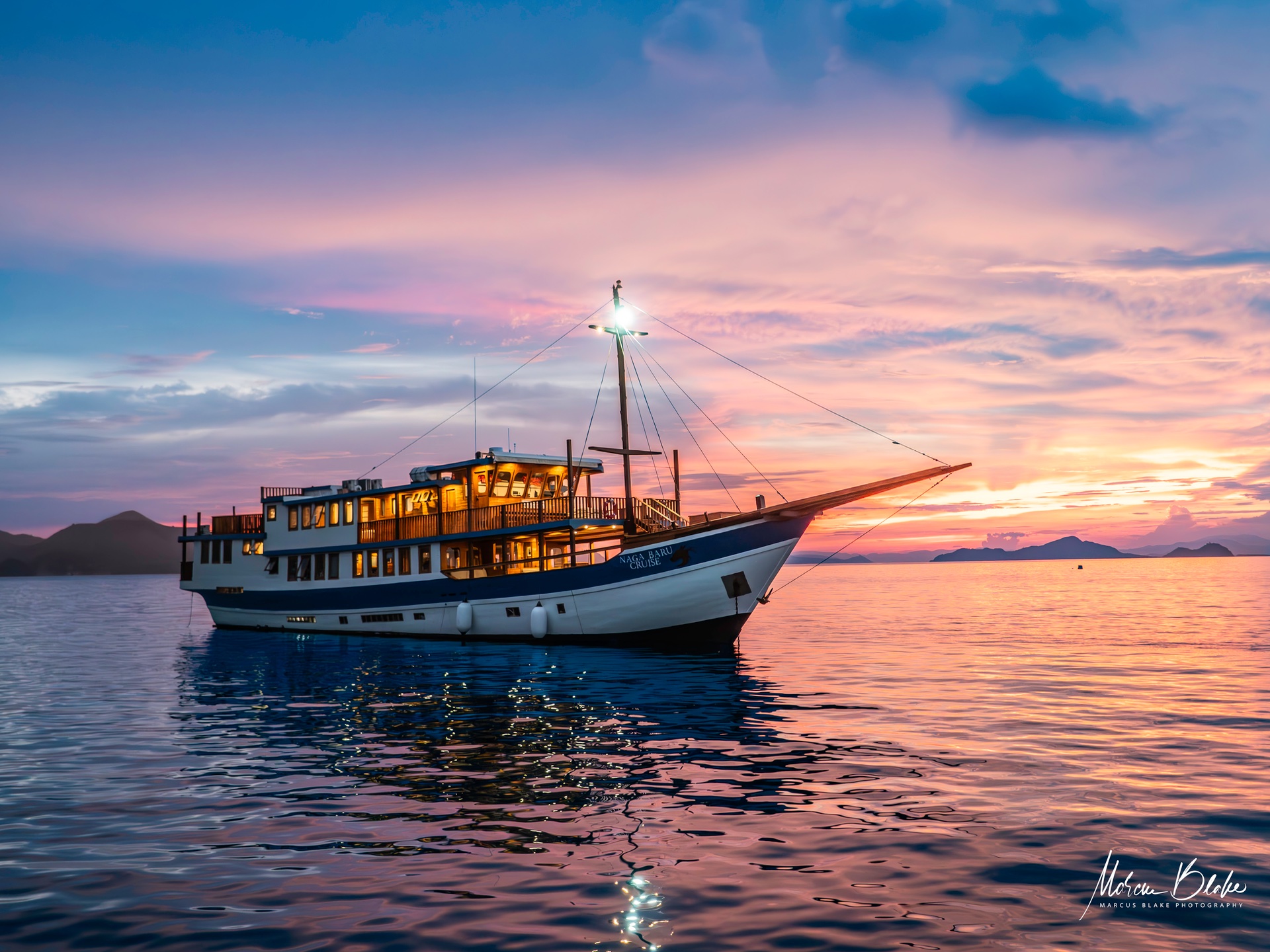
Naga Biru
Indonesia
12 guests40 m
$273/day
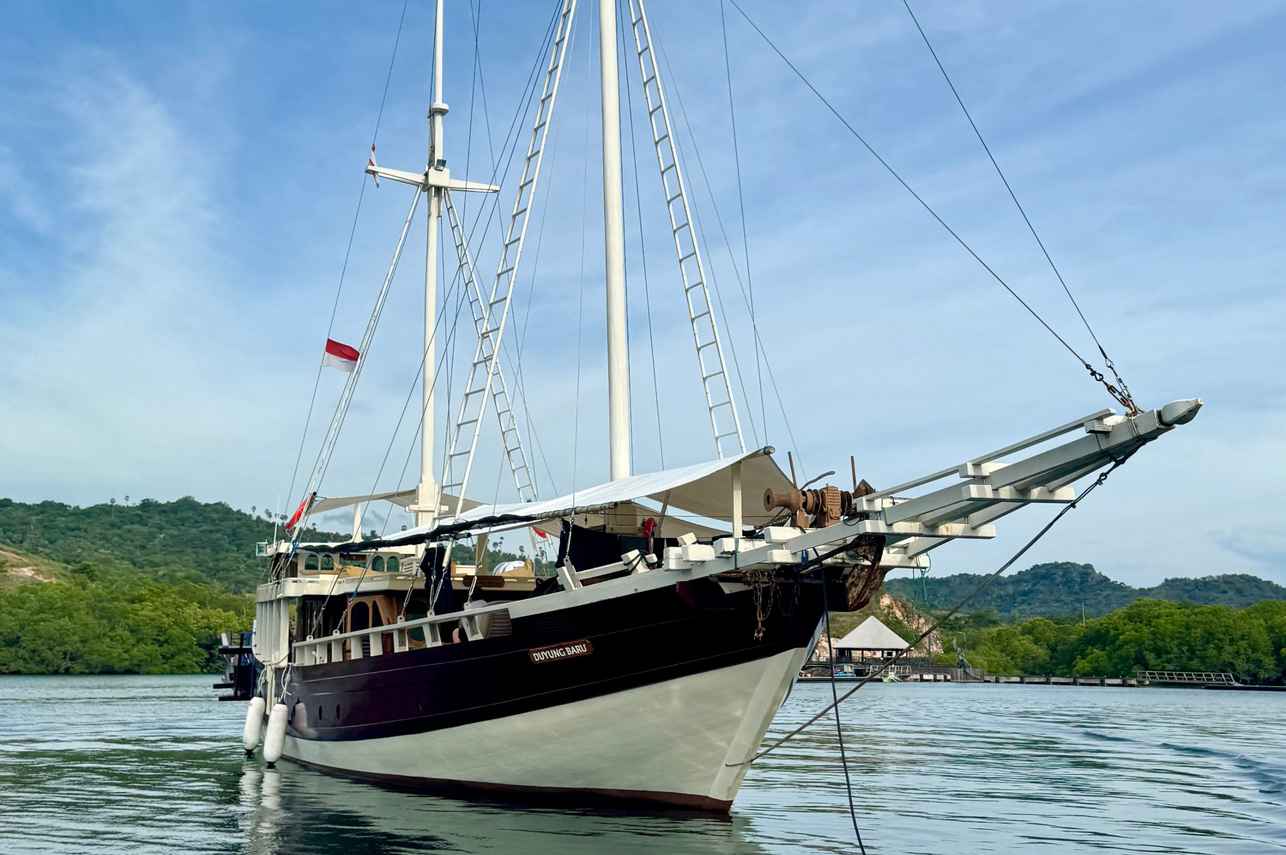
Ecopro Duyung Baru
Indonesia
6 guests27 m
$361/day
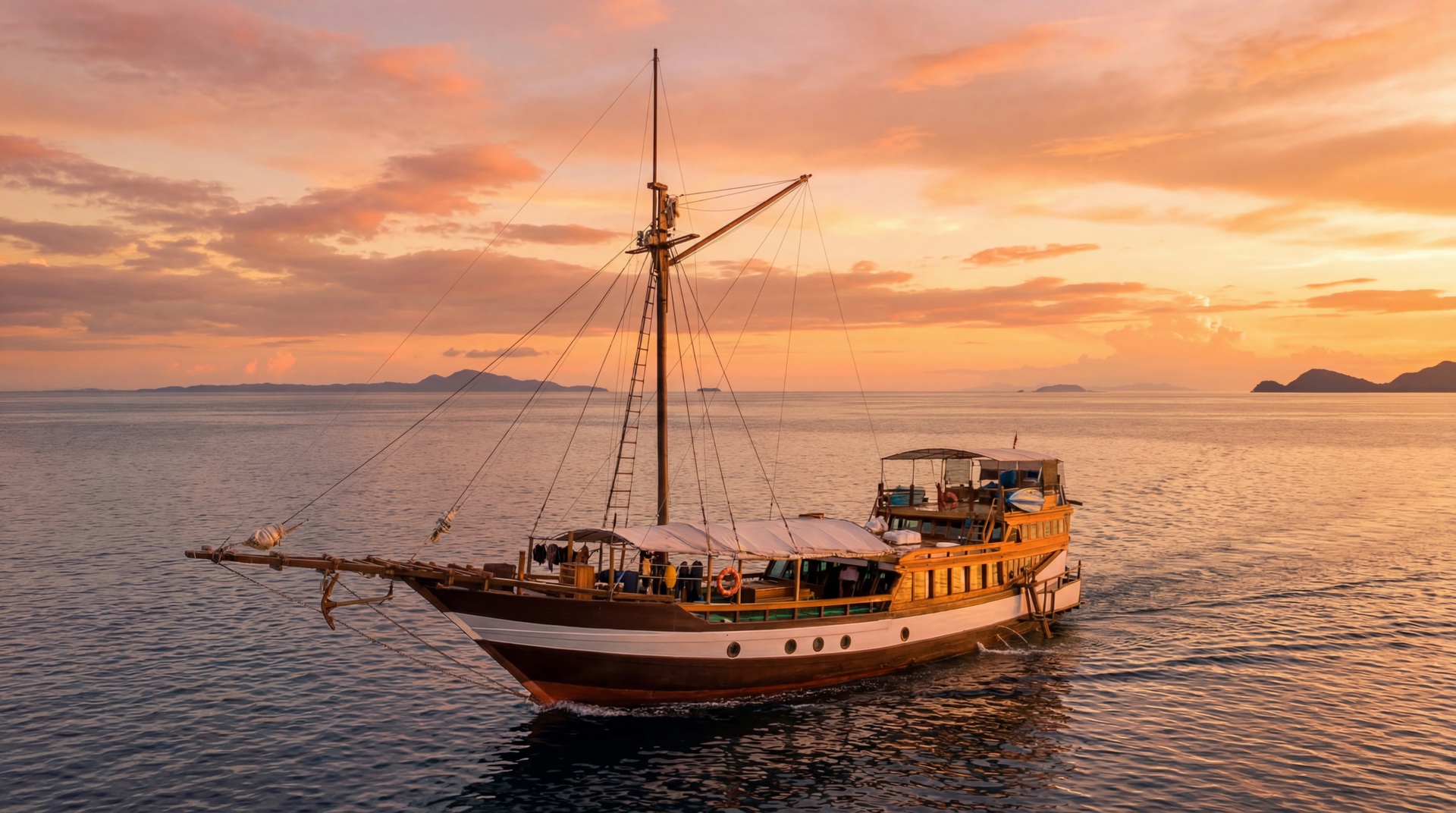
Wellenreng
Indonesia
9 guests25 m
$427/day
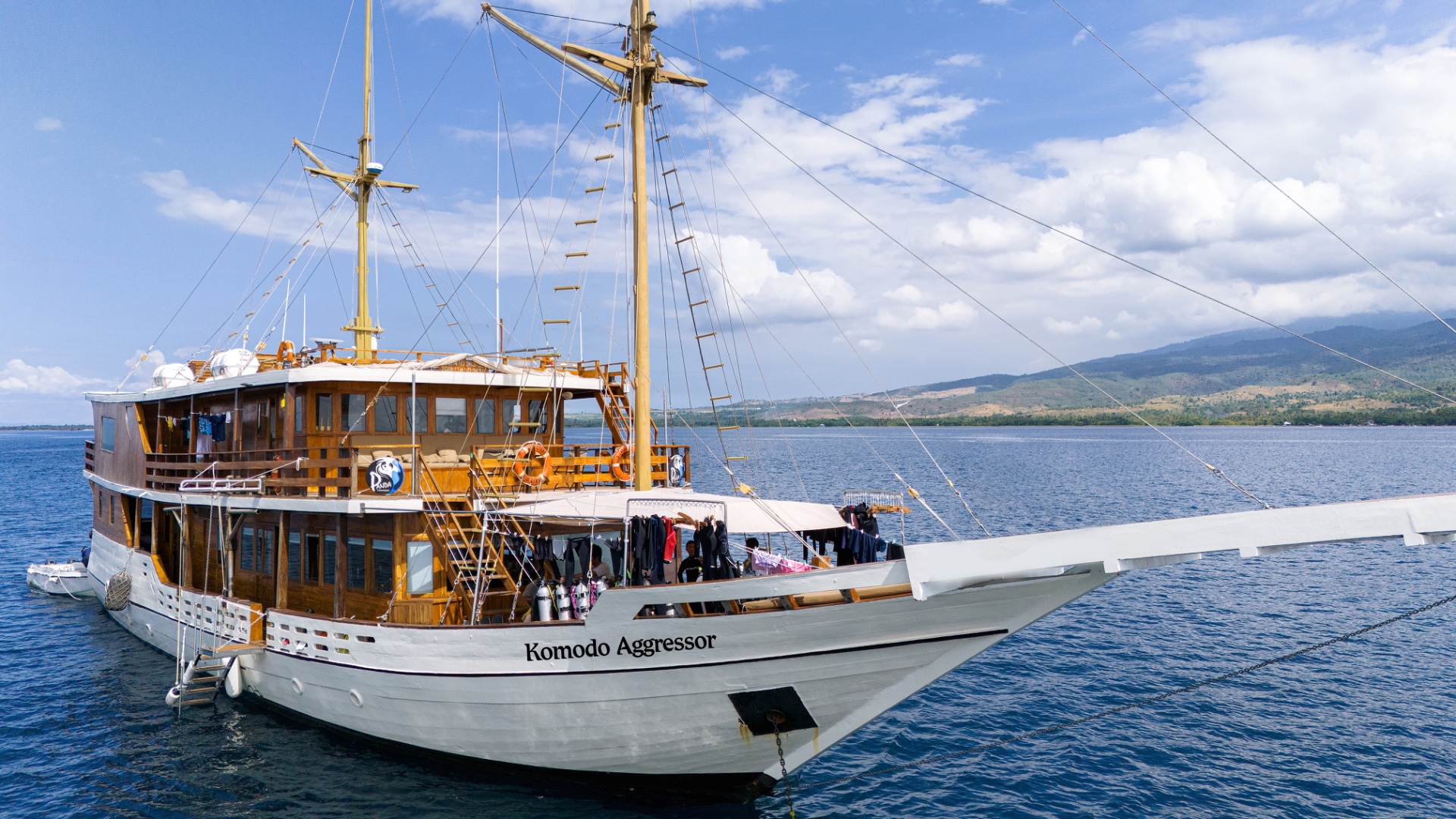
Komodo Aggressor
Komodo, Indonesia
16 guests29 m
$312/day
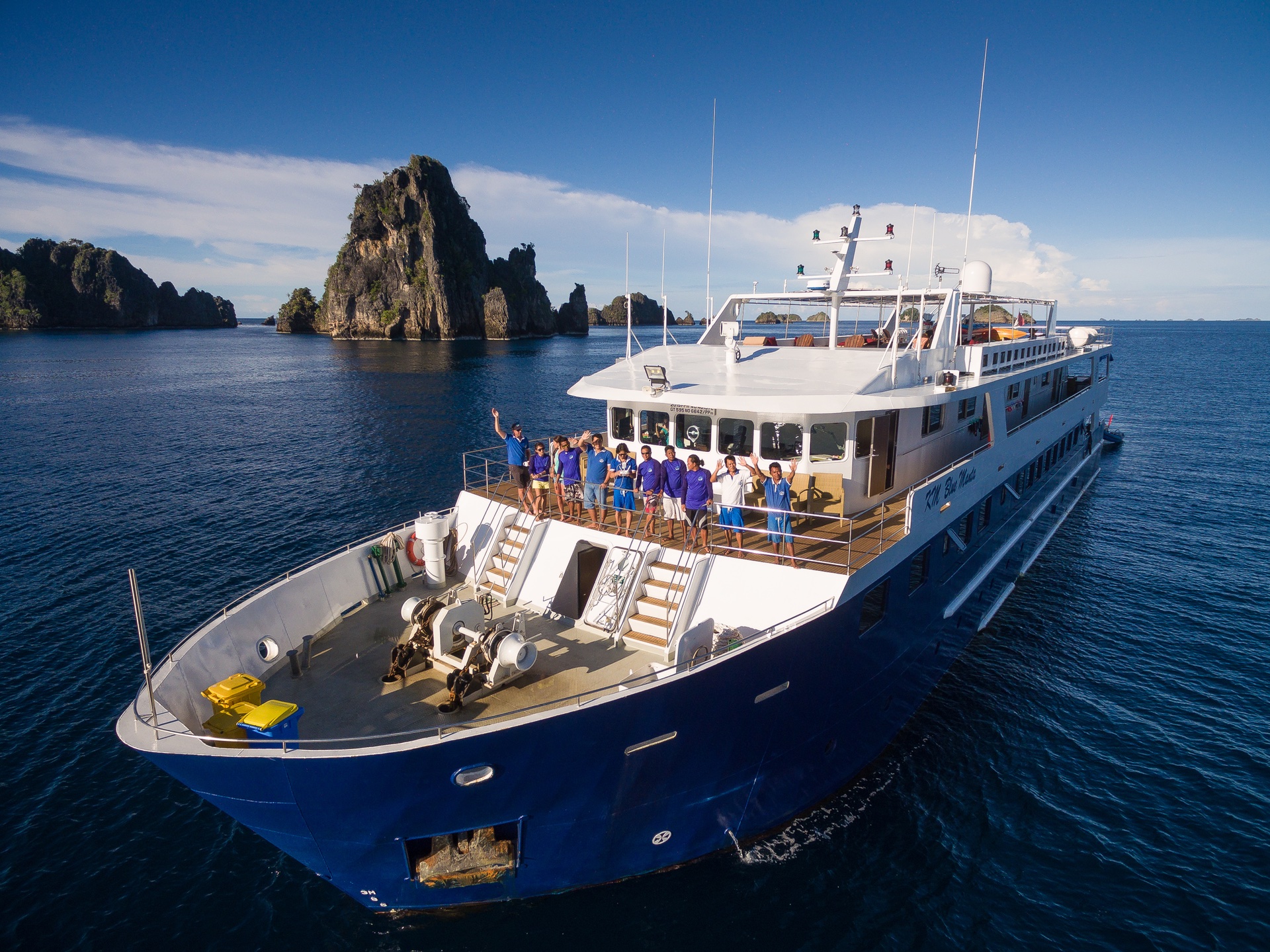
Blue Manta
Indonesia
20 guests45 m
$482/day
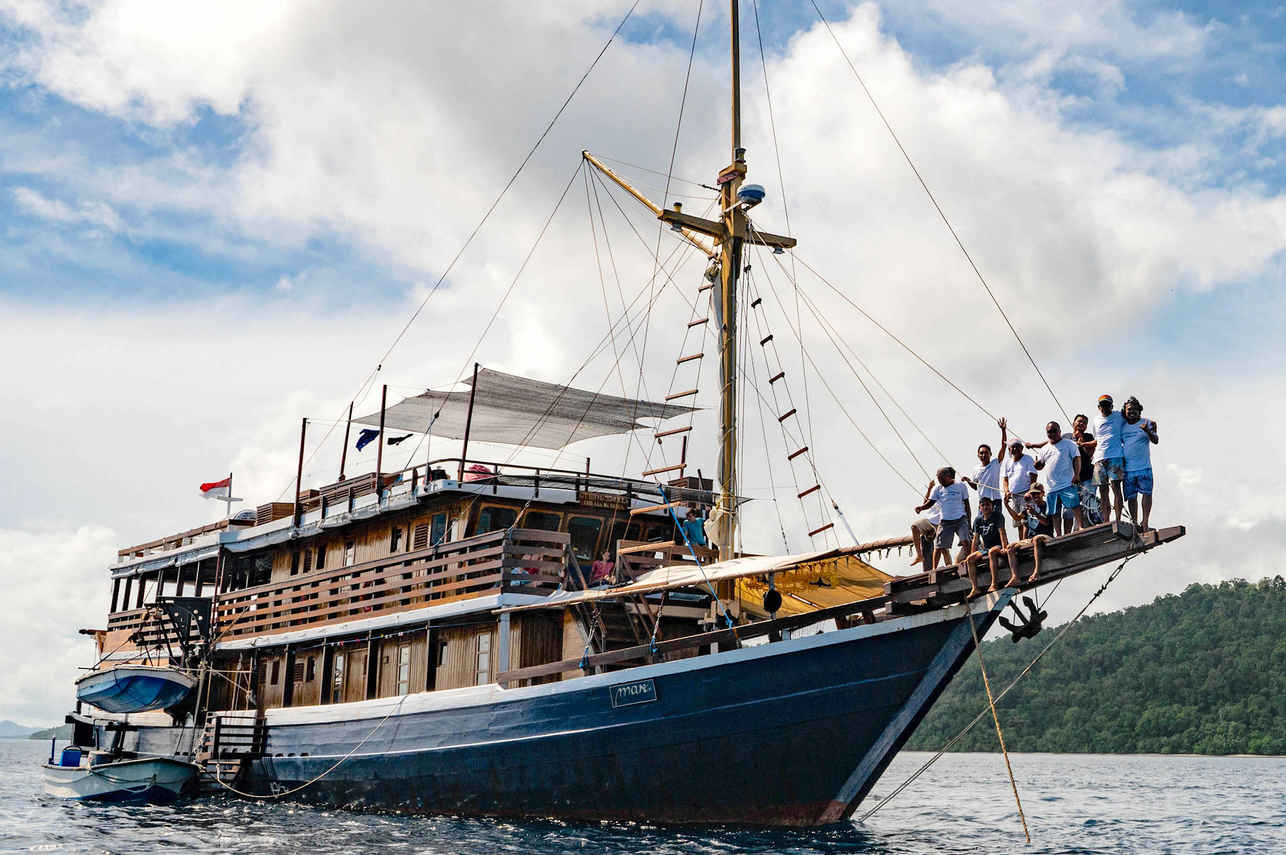
Mari
Indonesia
14 guests32.2 m
$328/day
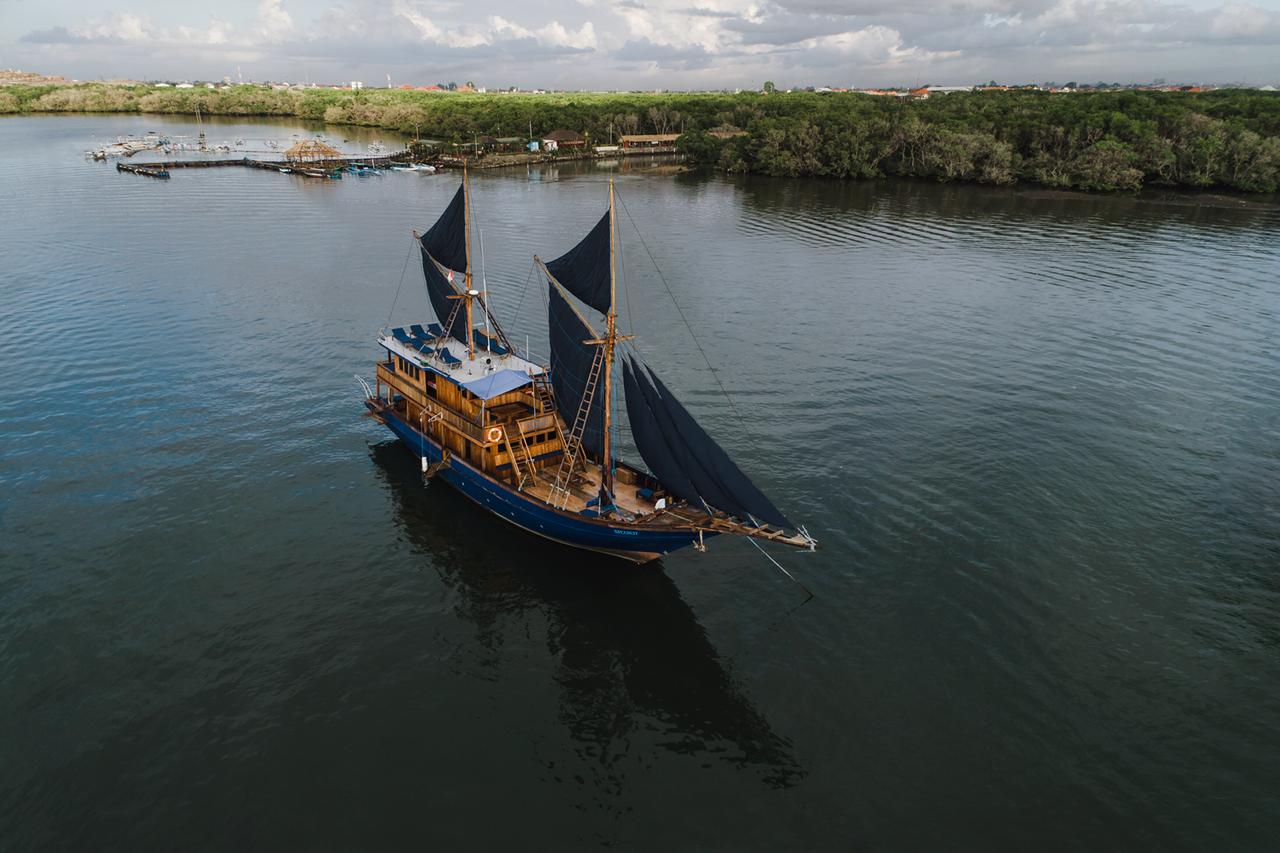
Situju7
Komodo, Indonesia
10 guests32.7 m
$362/day
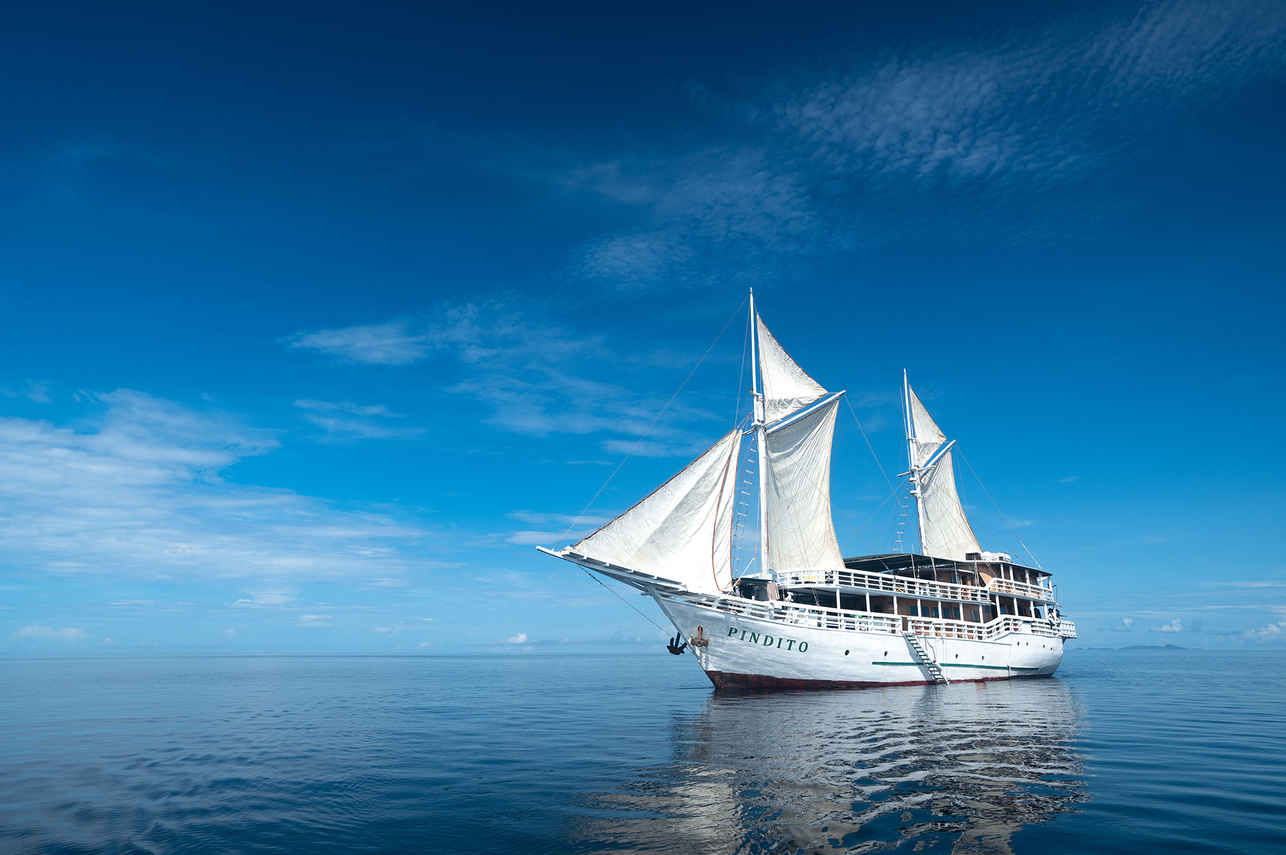
Pindito
Indonesia
16 guests37.79 m
$533/day
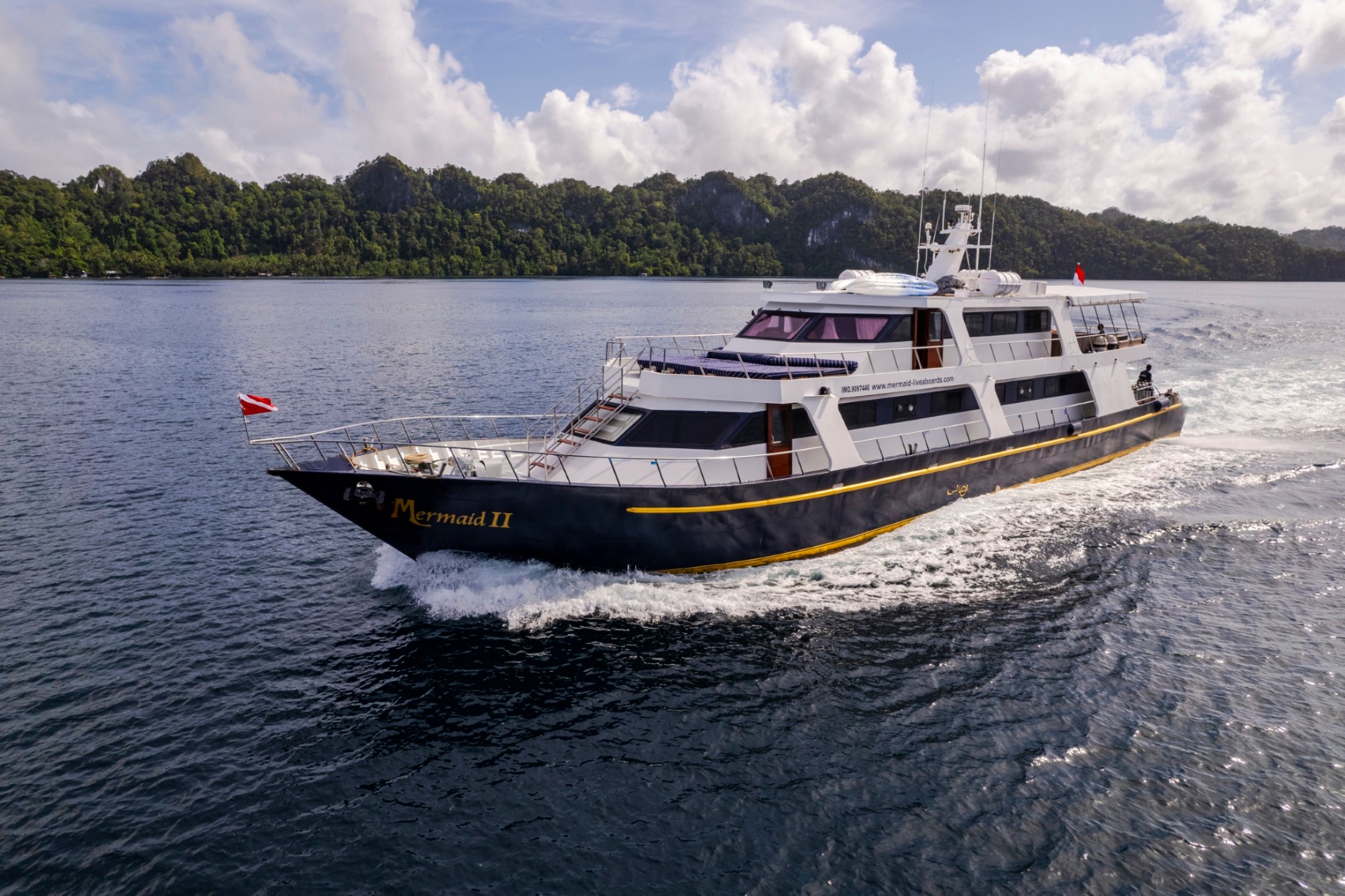
Mermaid II
Komodo, Indonesia
18 guests
$391/day
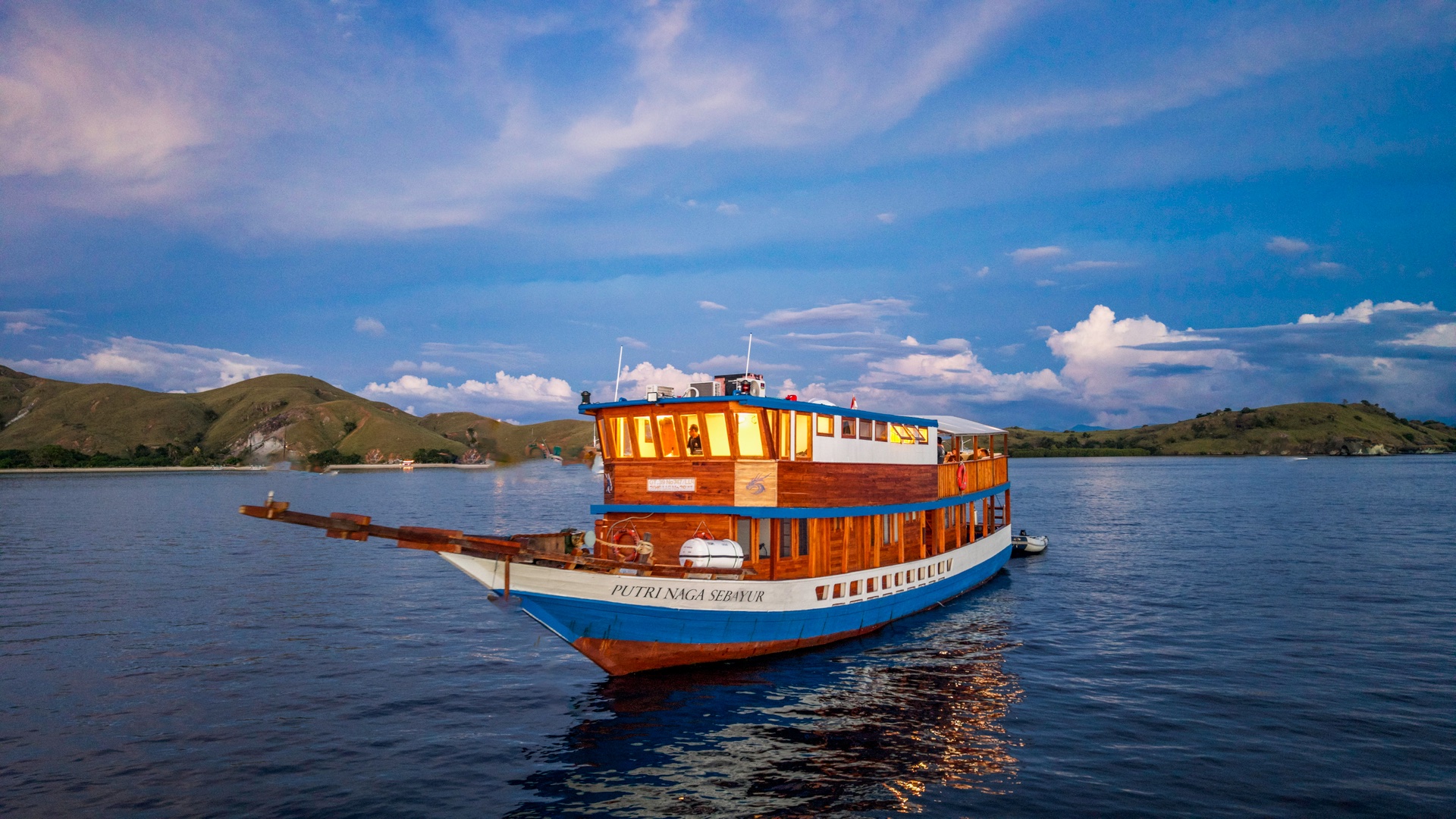
Putri Naga
Komodo, Indonesia
6 guests25 m
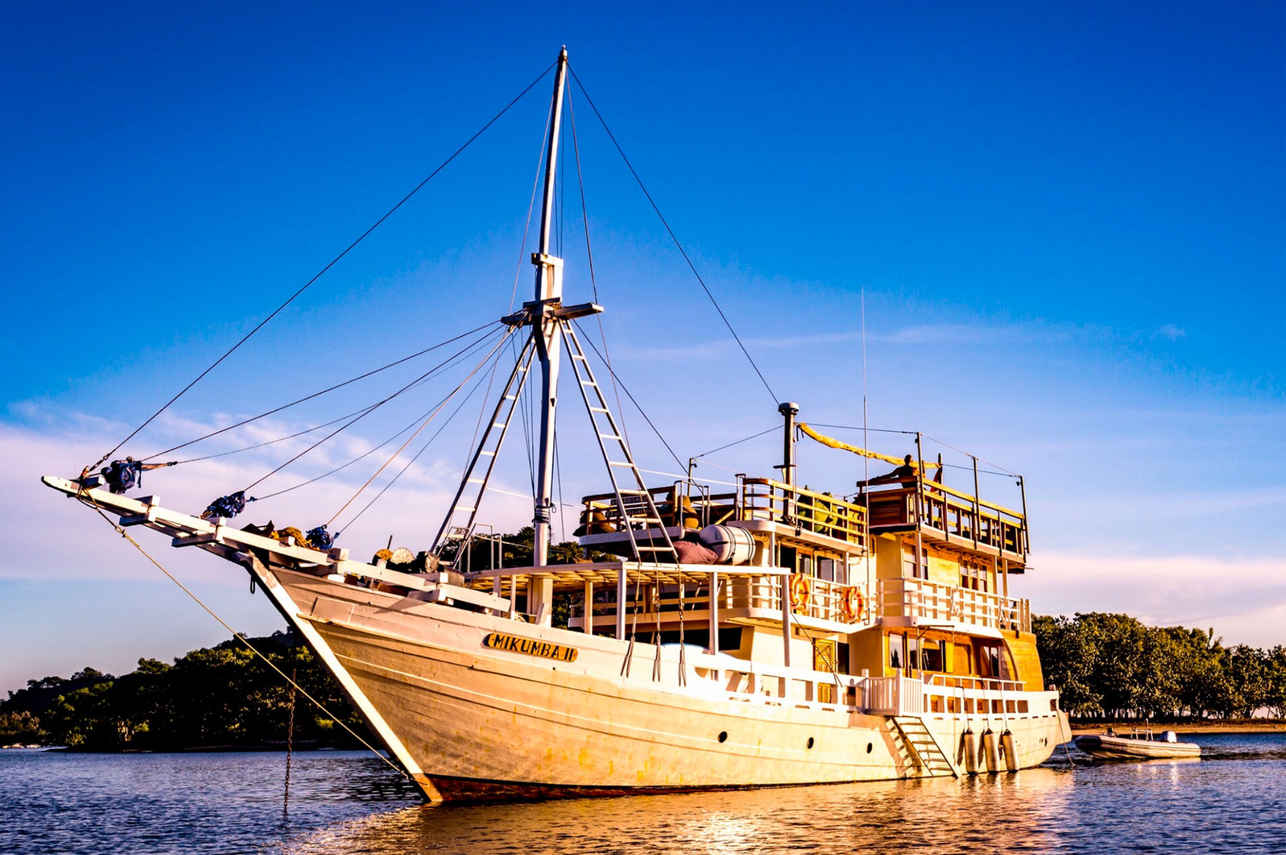
Mikumba Dua
Indonesia
10 guests30 m
$335/day
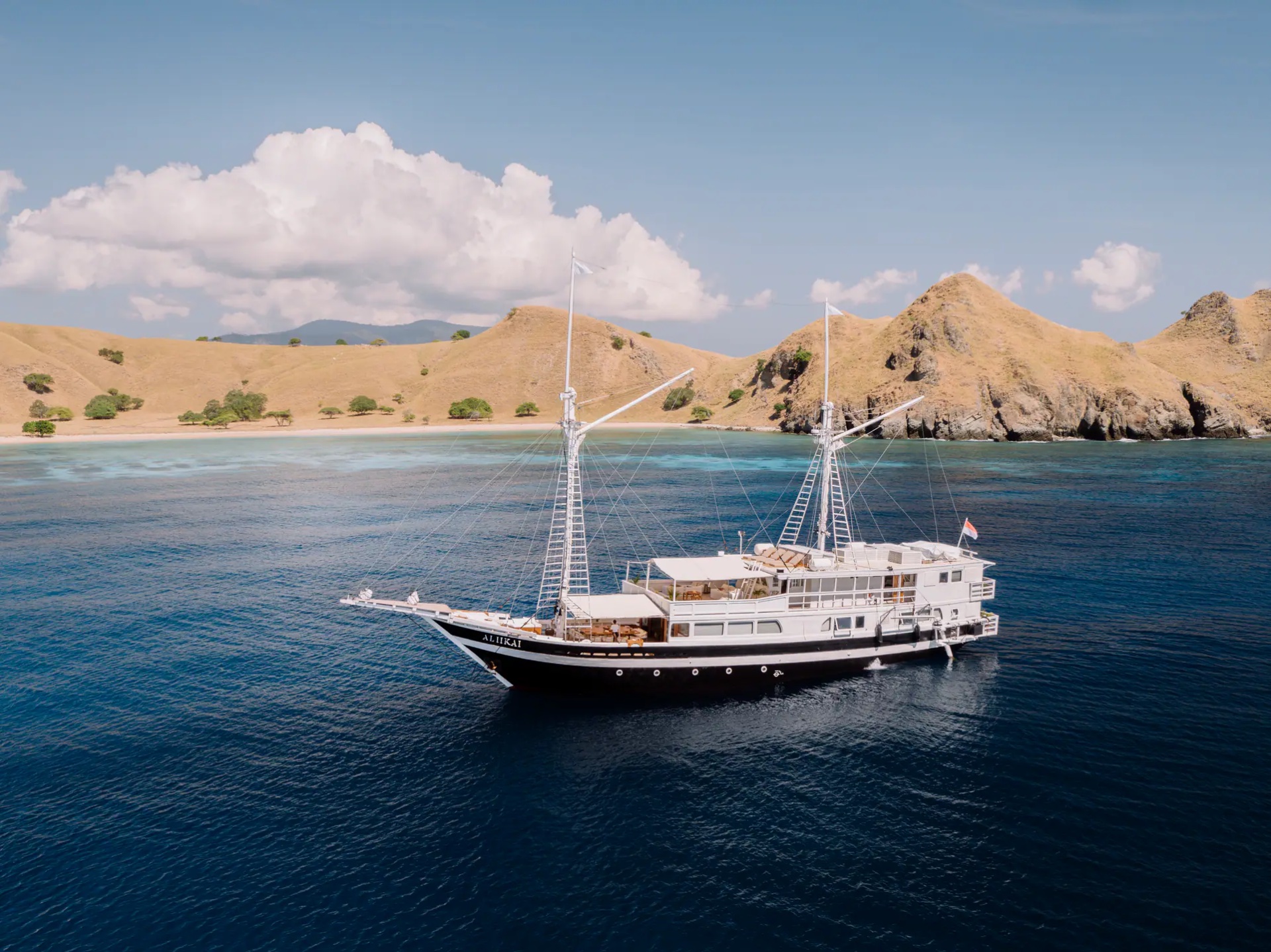
Aliikai Voyage
Indonesia
15 guests40 m
$658/day
Dive sites similar to Tengah
Same character, same waters — six more sites divers love for the exact same reasons.Compare seasons, access and liveaboard routes — then pick the site that fits your trip best.
© Esri — Maxar, Earthstar, GIS
Banana Split
Komodo, Indonesia
The Komodo National Park, a UNESCO World Heritage site in Indonesia, is renowned for its extraordinary marine biodiversity.
- Suitable for
- Advanced
- Current
- Moderate
- Access
- Liveaboard only
- Depth
- ≤ 30 m
- Theme
- Reef
© Esri — Maxar, Earthstar, GIS
Batu Saloka
Komodo, Indonesia
Batu Saloka offers an exceptional diving experience within Komodo National Park, distinguished by its rugged underwater topography and a vibrant marine ecosystem.
- Suitable for
- Advanced
- Current
- Strong
- Access
- Liveaboard only
- Depth
- —
- Theme
- Reef
© Esri — Maxar, Earthstar, GIS
Gili Lawa Darat
Komodo, Indonesia
Gili Lawa Darat, situated at the northern entrance of Komodo National Park, is renowned for its thrilling drift diving opportunities.
- Suitable for
- Intermediate
- Current
- Strong
- Access
- Liveaboard or dayboat
- Depth
- 5–25 m
- Theme
- Drift / Reef
Gindang is nestled within the Central Komodo National Park, an area renowned for its ecological diversity and year-round accessibility.
- Suitable for
- Intermediate
- Current
- No current
- Access
- Liveaboard only
- Depth
- —
- Theme
- Reef
GPS Point is an advanced dive site located in the Banta Island area, specifically Gili Banta, within Komodo National Park's northern region.
- Suitable for
- Advanced
- Current
- Strong
- Access
- Liveaboard only
- Depth
- 15–35 m
- Theme
- Reef
© Esri — Maxar, Earthstar, GIS
Komodo Corner
Komodo, Indonesia
Komodo Corner, or Police Corner, is a captivating dive site situated on the south side of Siaba Besar Island within Central Komodo National Park.
- Suitable for
- Advanced
- Current
- Strong
- Access
- Liveaboard or dayboat
- Depth
- 5–30 m
- Theme
- Cave & cavern / Drift