About Toko Toko
Toko Toko, also known as Castle Rock, is a submerged pinnacle located at the northwestern tip of Komodo Island, making it the most northern dive site in Komodo National Park. This site is celebrated for its rich marine biodiversity and the exhilarating dive experience offered by its often strong currents. The pinnacle rises from depths exceeding 30 meters to just a few meters below the surface, creating an ideal environment for a diverse ecosystem. Underwater, Toko Toko boasts prolific soft corals and expansive sea fans, particularly around 20 meters deep. The topography features large rocky formations, with a relatively sheltered area near the top of the pinnacle that is perfect for safety stops. The site's exposure to the Indonesian throughflow contributes to unpredictable and sometimes fierce currents, which in turn attract large schools of pelagic fish and sharks. Visibility here is consistently good to excellent, often reaching up to 35 meters, allowing for clear views of the abundant marine action. Divers can expect encounters with a wide array of marine species, from massive schools of trevally and barracuda to various shark species and rays. While the currents can be challenging, especially at the surface and in shallower waters, the reward is an action-packed dive filled with incredible "big stuff" sightings. Due to the dynamic current conditions, Toko Toko is best suited for experienced divers comfortable with drift diving. Guided by experienced dive masters, divers can navigate the site safely, choosing sheltered areas depending on current direction. This site is a highlight for many liveaboard itineraries, offering a truly world-class diving adventure in Komodo.
Highlights
Submerged rocky pinnacleStrong, unpredictable currentsLarge schools of pelagic fishSharks and rays sightingsProlific soft corals and sea fansExcellent visibilityAction-packed drift dives
Season calendar
Best months to dive here
Jan
Feb
Mar
Apr
May
Jun
Jul
Aug
Sep
Oct
Nov
Dec
Good
Dive site facts: Toko Toko
- Depth
- 3–30+ m
- Current
- Can be very strong
- Visibility
- Up to 35 m
- Water temperature
- 26–30 °C
- Entry
- Dinghies / negative entry
- Level
- Advanced, experienced with currents
- Dive type
- Drift, pelagic, pinnacle
- Region / port
- Komodo National Park (North)
- Coordinates
- -8.4678, 119.5456
Conditions & Currents
Toko Toko is well-known for its very strong and often unpredictable currents, stemming from its exposure to the Indonesian throughflow. Surface conditions can be choppy, and strong surface currents are common, necessitating dinghy entry. Divers must be highly experienced and follow the dive master's guidance closely, as currents can shift rapidly and create downwellings, particularly around the corners of the pinnacle. While some areas offer shelter near the top, much of the dive involves substantial drift, attracting large pelagic species. Divers should be proficient in negative entries and comfortable with advanced drift diving techniques. Visibility is generally excellent, but the powerful currents require diligent gas management and careful monitoring of dive profiles.
Marine life & sighting chances

Giant Trevally
common
Barracuda
common
White-tip Reef Shark
occasional
Black-tip Reef Shark
occasional
Napoleon Wrasse
occasional
Eagle Ray
occasional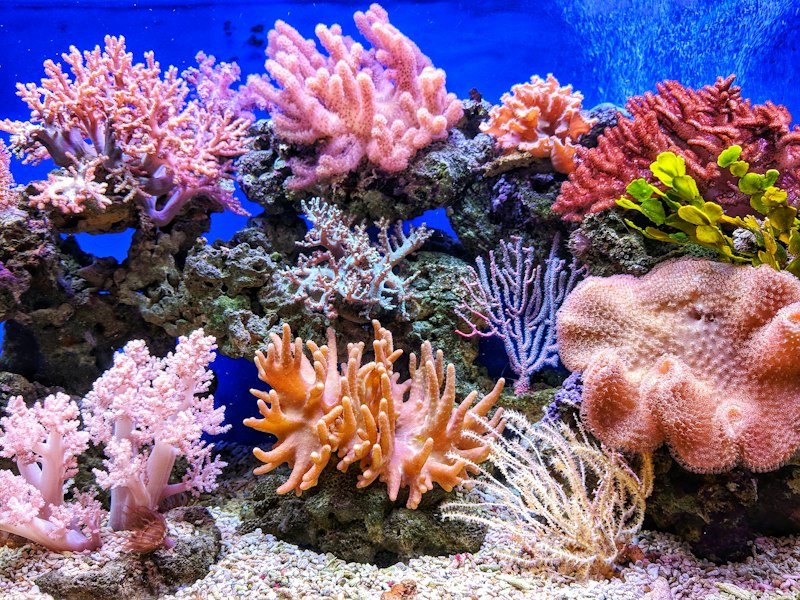
Soft Corals
common
Sea Fans
common
Fusiliers
common
Surgeonfish
common
Dolphin
rareDive profile & how the dive runs
Diving at Toko Toko typically begins with a negative entry from a dinghy, dropping quickly to depth to avoid strong surface currents. The usual depth range is between 3 and 30+ meters, with divers often exploring the deeper parts of the pinnacle where large pelagics patrol. The dive typically involves navigating along the submerged rocky pinnacle, exploring the vibrant soft corals and sea fans around 20 meters. Depending on the current direction, divers will stay on the sheltered side of the rock. The dive is usually a drift, with the dive master guiding the route. Safety stops are conducted in the calmer waters near the top of the pinnacle, which provides some natural shelter from the strong currents before surfacing.
Underwater photography
Capturing the dynamic action at Toko Toko requires careful planning and robust gear. Wide-angle lenses are essential for photographing the immense schools of trevally, barracuda, and the occasional shark or ray that frequent this site. Given the strong currents, a steady hand and excellent buoyancy control are paramount; consider bringing a weighty camera setup for stability. For close-ups of the extensive soft corals and sea fans, a macro lens can be useful during calmer moments or in sheltered areas, though pelagics are the primary draw. External strobes are recommended to bring out the true colors of the reef and marine life, especially when shooting into the blue. Be mindful of your positioning and avoid getting too close to the pinnacle or exposed areas when currents are powerful, as maintaining focus and stability can be challenging.
Combine with nearby dive sites
- Crystal Rock
Located only 300 meters from Toko Toko, sharing similar strong current conditions and diverse marine life.
- Castle Rock
Often considered the same site as Toko Toko, known for its strong currents and rich pelagic action.
- Cauldron (Shotgun)
A few hundred meters away, offering exhilarating drift dives with significant current.
Getting there & logistics
Komodo diving trips typically originate from Labuan Bajo on Flores Island, which is accessible via domestic flights from major Indonesian hubs like Denpasar (Bali) or Jakarta. Liveaboards are the most common way to experience Toko Toko and other northern Komodo dive sites, with itineraries ranging from 3 to 10 days. Day trips from Labuan Bajo may also visit northern sites, depending on weather and sea conditions. Visitors to Komodo National Park must pay park fees, which cover both entry and diving activities. It is advisable to confirm these fees with your dive operator as they can vary. Toko Toko is often combined with other renowned northern sites such as Crystal Rock and The Cauldron to maximize the pelagic and drift diving experience.
Safety & environment
Diving at Toko Toko requires a high level of current experience due to its strong and unpredictable nature. It is crucial to dive with reputable operators and follow the instructions of local dive guides who are intimately familiar with the site's dynamic conditions. Maintain excellent buoyancy control and practice negative entries. The nearest recompression chamber is located in Bali, emphasizing the importance of adequate dive insurance that covers emergency evacuation and treatment. Be aware of potential downcurrents and adhere to depth and time limits. Always carry a safety sausage (DSMB) and a dive computer. Due to the remote location, evacuation can be complex and time-consuming, reinforcing the need for preventive safety measures.
Who it suits — and who it doesn't
Suited for
- Experienced divers comfortable with strong currents
- Advanced Open Water certified divers
- Divers seeking pelagic encounters and large schools of fish
- Underwater photographers with robust wide-angle setups
- Liveaboard guests exploring northern Komodo
Less suited for
- Beginner divers or those new to currents
- Divers without advanced certifications
- Individuals prone to seasickness (due to choppy surface conditions)
- Those looking exclusively for macro subjects
- Divers unwilling to follow strict dive master instructions
FAQ
Toko Toko FAQ
What kind of marine life can I expect at Toko Toko?
Toko Toko is renowned for its vibrant pelagic action, attracting large schools of trevally, barracuda, and fusiliers. You can also expect to see reef sharks, Napoleon wrasses, and occasional eagle rays. The pinnacle itself is adorned with healthy soft corals and sea fans, providing a rich habitat for various reef fish.
How strong are the currents at Toko Toko?
Currents at Toko Toko can be very strong and unpredictable due to its location at the northern tip of Komodo and exposure to the Indonesian throughflow. Surface conditions can be choppy, and powerful currents are common, sometimes creating downwellings. Divers must be experienced and always follow their dive guide's instructions.
What is the best time of year to dive Toko Toko?
The ideal time to dive Toko Toko and other northern Komodo sites is generally from March/April to October/November. During these dry season months, visibility is usually at its best, and sea conditions are calmer, offering the most enjoyable and action-packed dives.
Is Toko Toko suitable for beginner divers?
Toko Toko is not recommended for beginner divers. Its strong and often unpredictable currents, combined with sometimes choppy surface conditions, require advanced diving skills and experience with drift diving. It is best suited for experienced divers comfortable in challenging conditions.
What is the typical depth range for a dive at Toko Toko?
The typical depth range for diving at Toko Toko is between 3 meters and over 30 meters. The pinnacle rises from significant depths, and divers often explore various depth bands to encounter different marine life. Safety stops are usually conducted in the shallower, somewhat sheltered areas near the top of the pinnacle.
Why dive Toko Toko from a liveaboard?
Toko Toko is one of Komodo, Indonesia's signature dive sites. A liveaboard sleeps you on the water and puts you in the water for three to four guided dives per day, including dawn and night dives that day-boat operators rarely offer. You skip the daily commute back to port and reach quieter, less-crowded sites in the same region on a single trip.
Below are the liveaboards that include Toko Toko on their Komodo, Indonesia itineraries.
Liveaboards diving Toko Toko
These liveaboards may visit Toko Toko on selected itineraries — the exact dive sites depend on departure, weather and conditions.
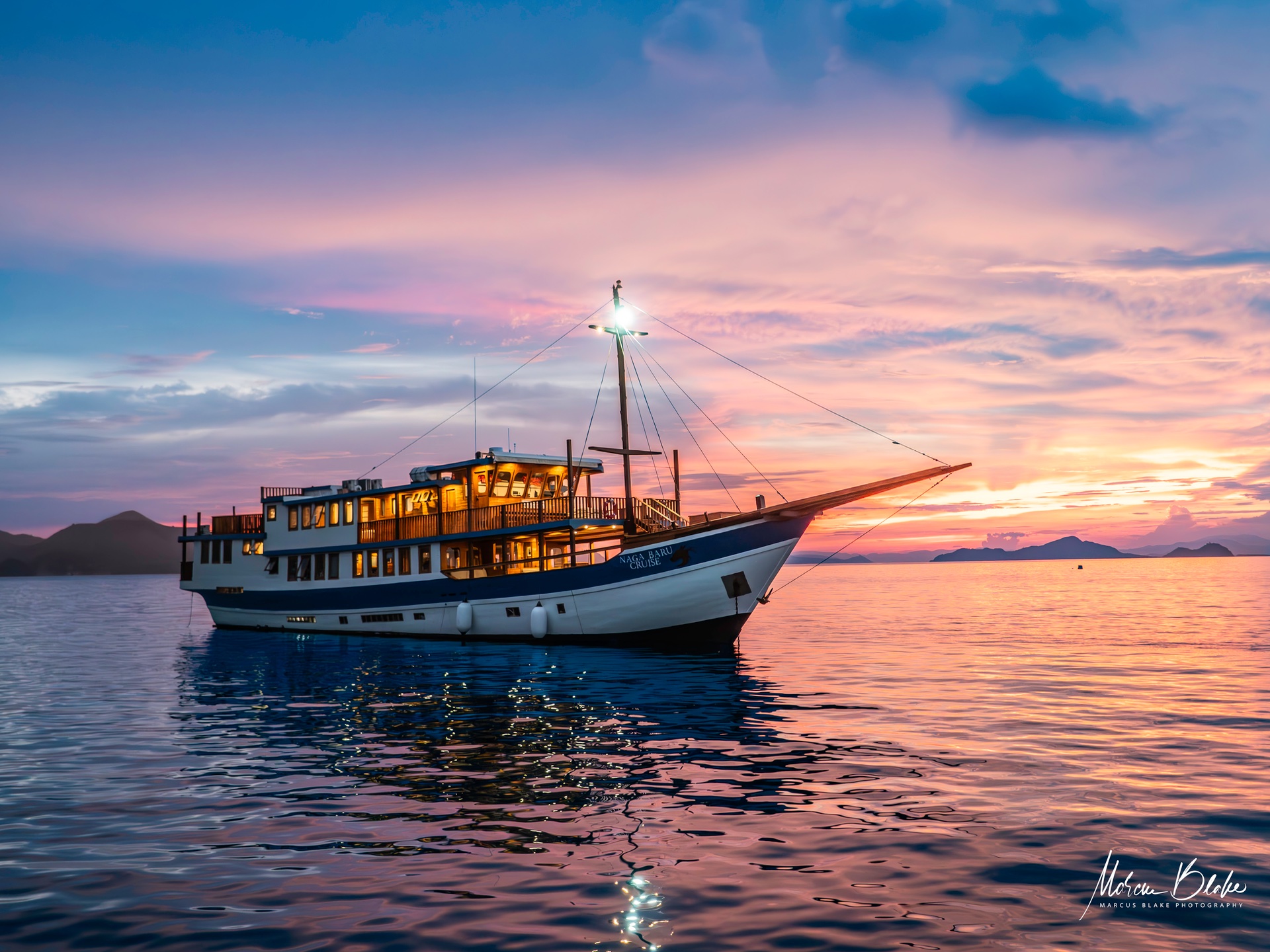
Naga Biru
Indonesia
12 guests40 m
$271/day
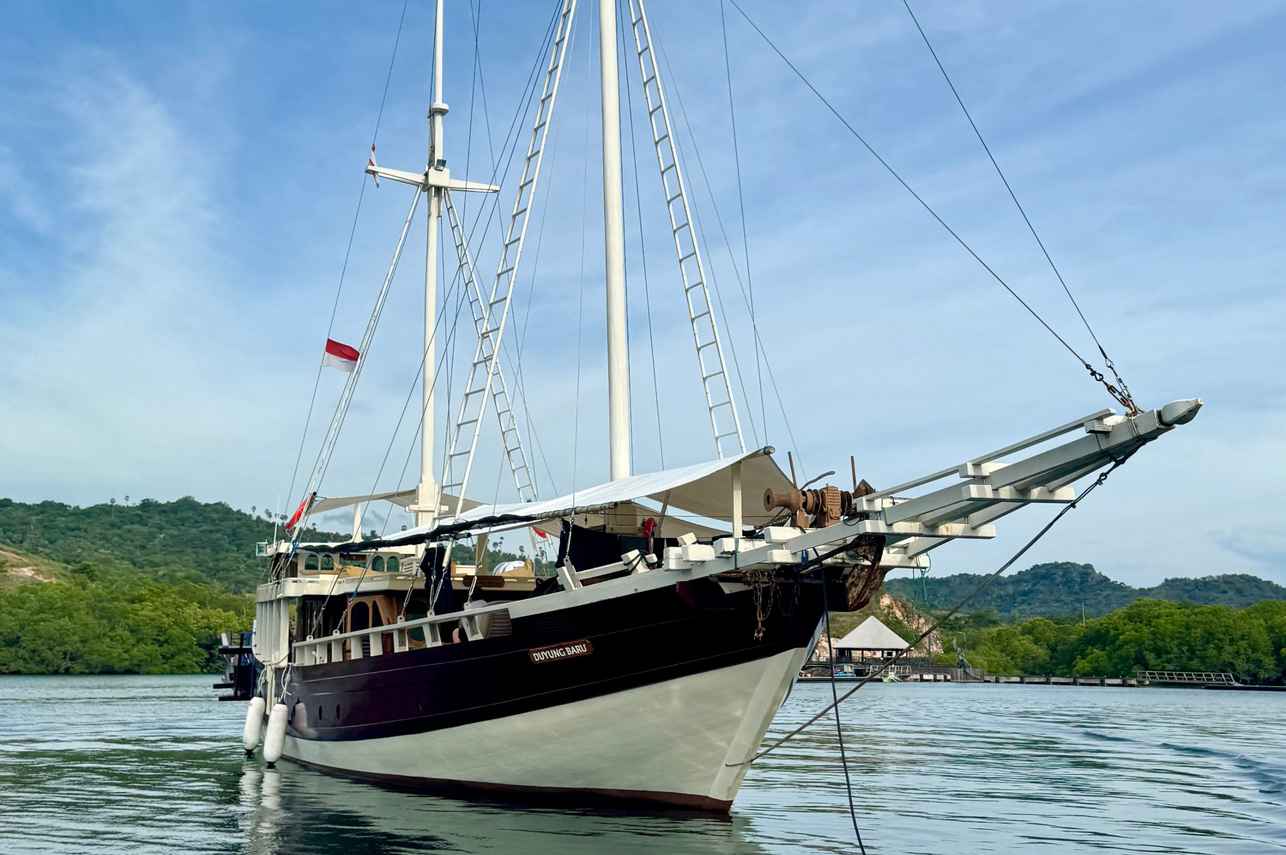
Ecopro Duyung Baru
Indonesia
6 guests27 m
$361/day
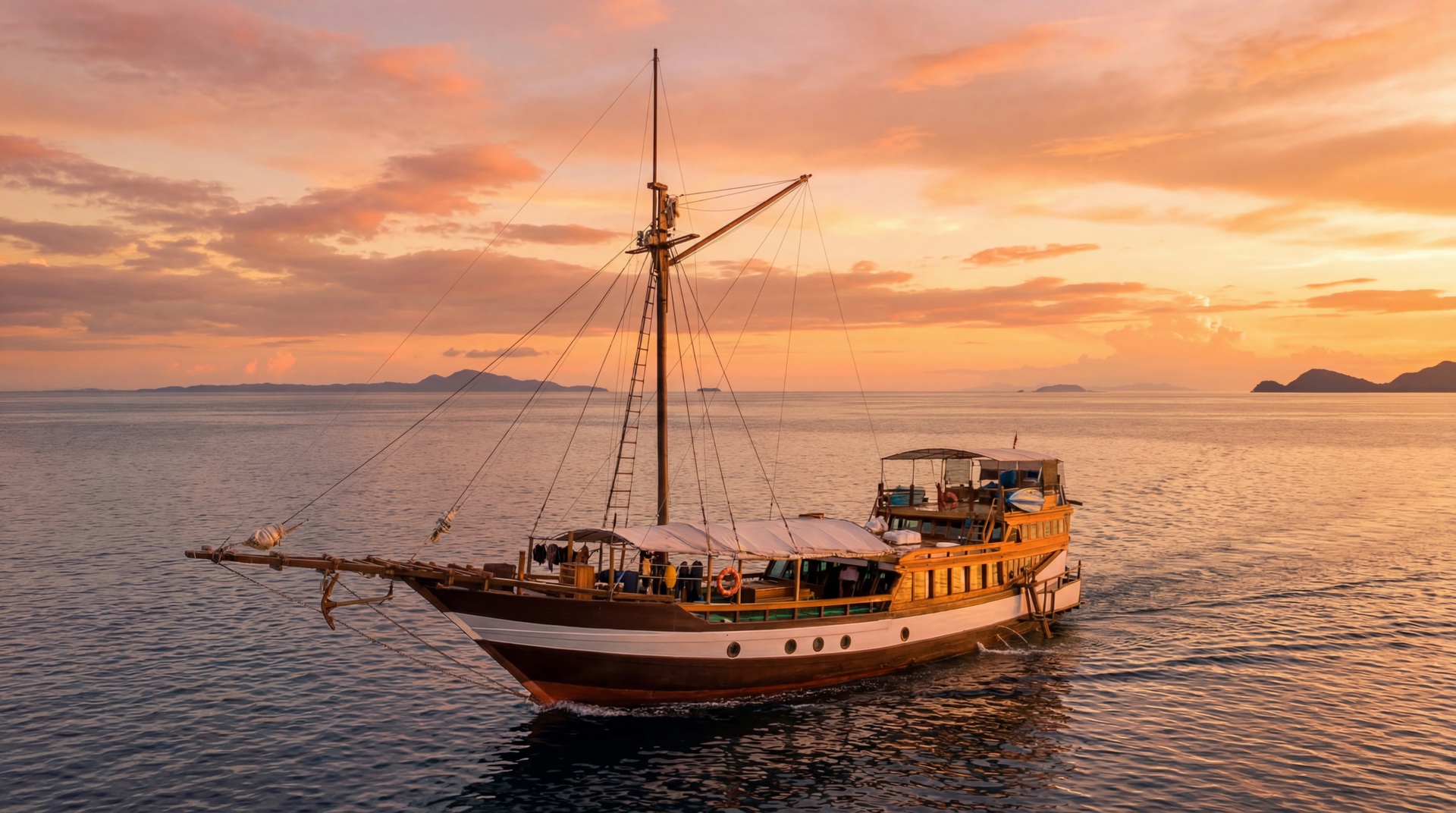
Wellenreng
Indonesia
9 guests25 m
$423/day
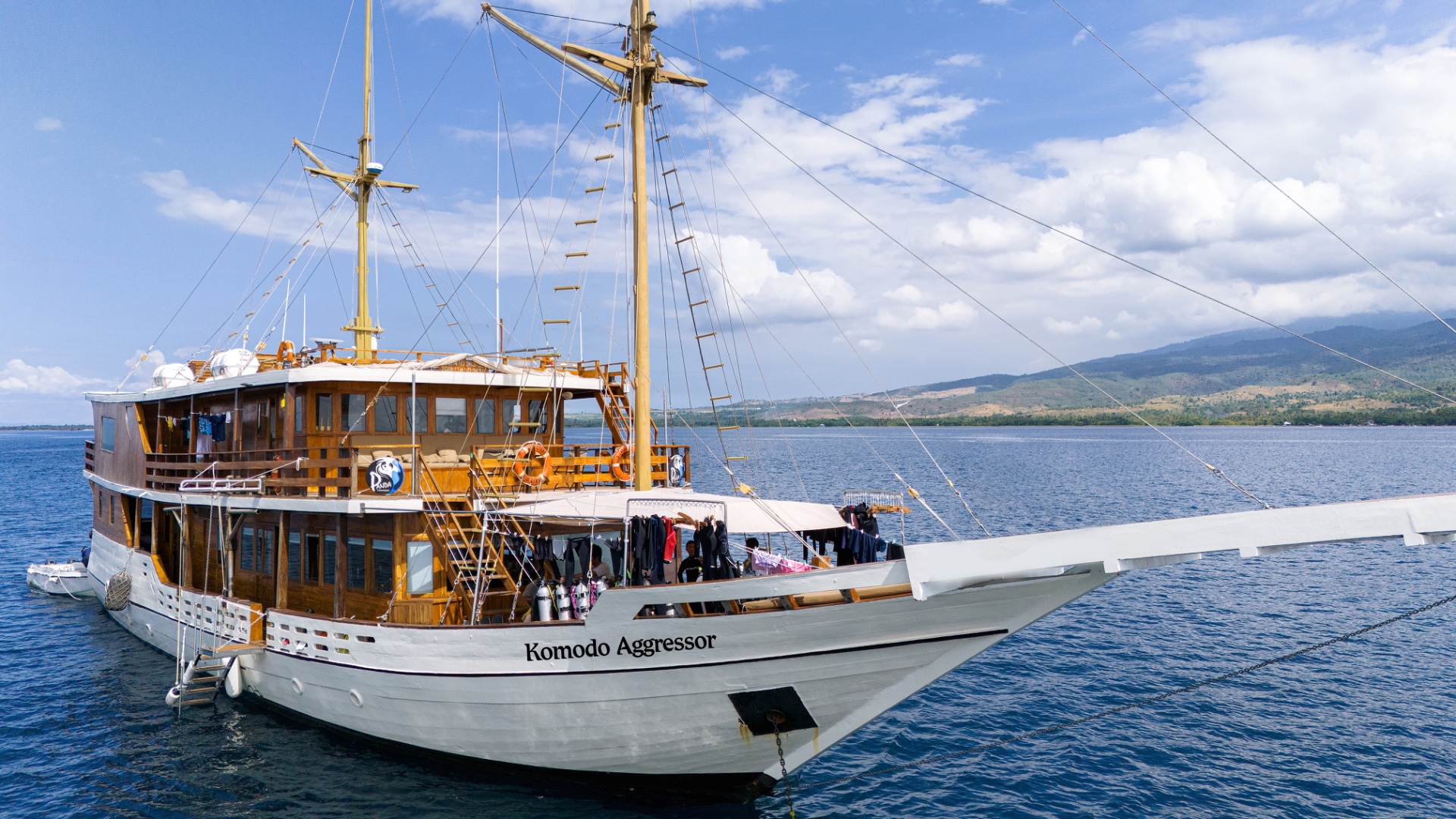
Komodo Aggressor
Komodo, Indonesia
16 guests29 m
$312/day
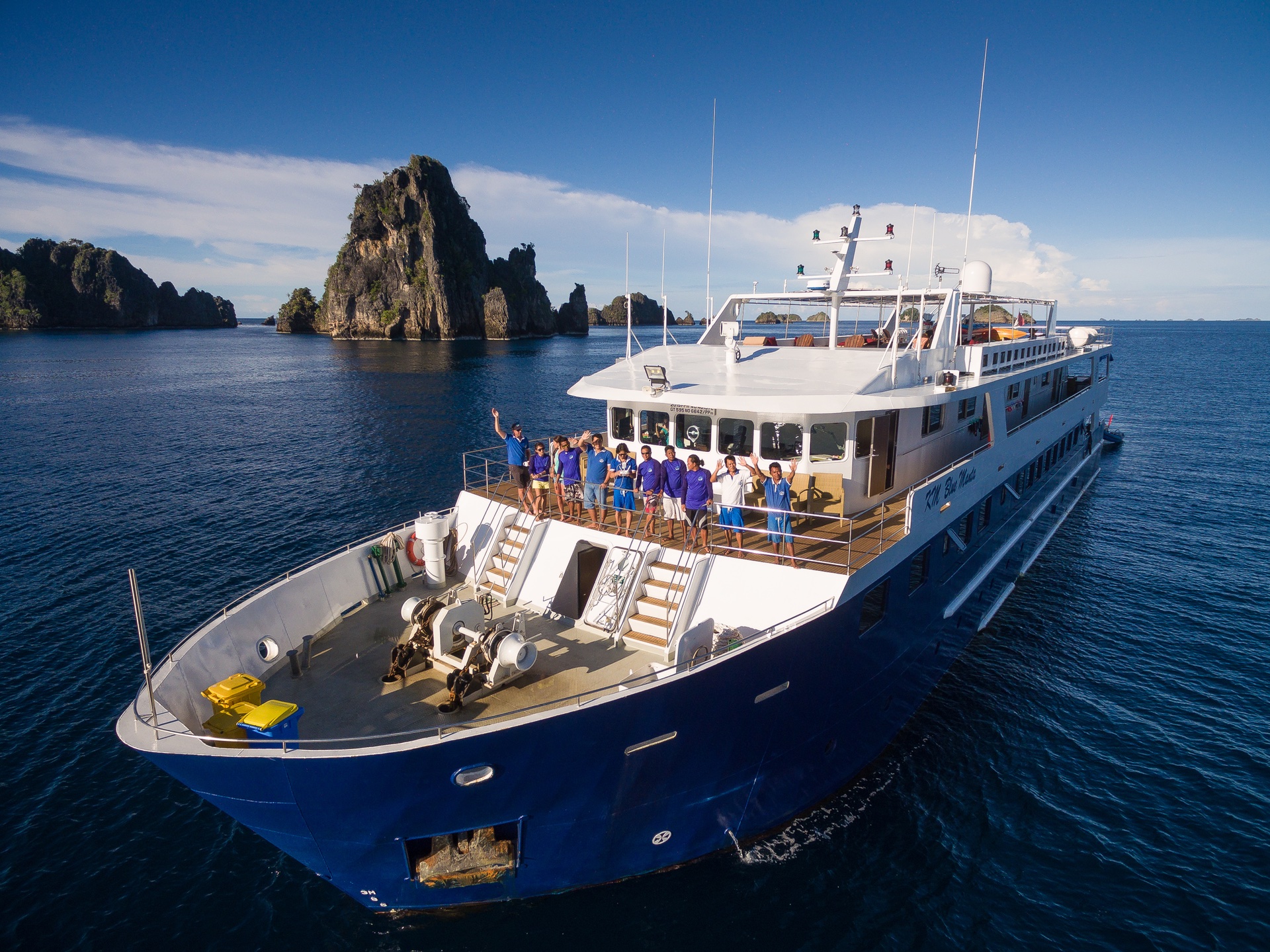
Blue Manta
Indonesia
20 guests45 m
$482/day
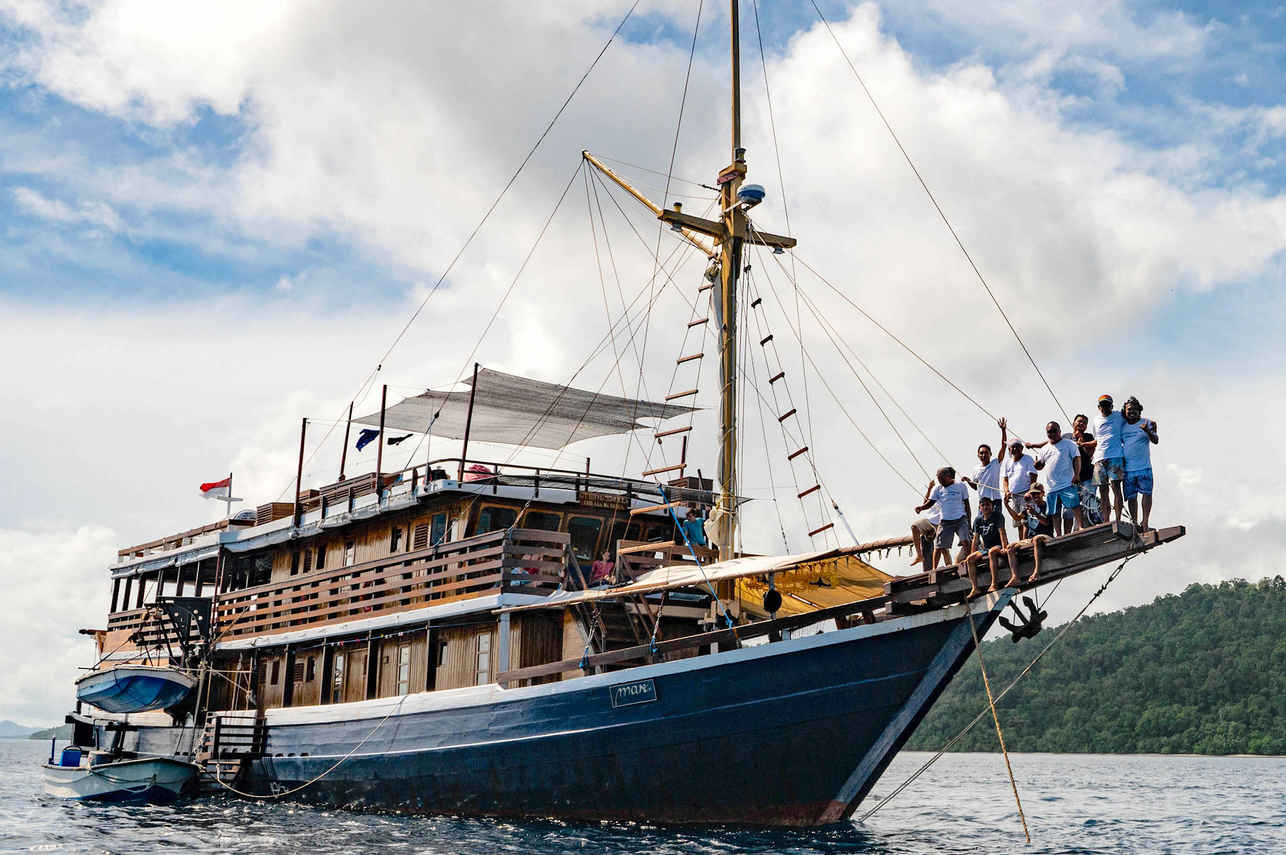
Mari
Indonesia
14 guests32.2 m
$320/day
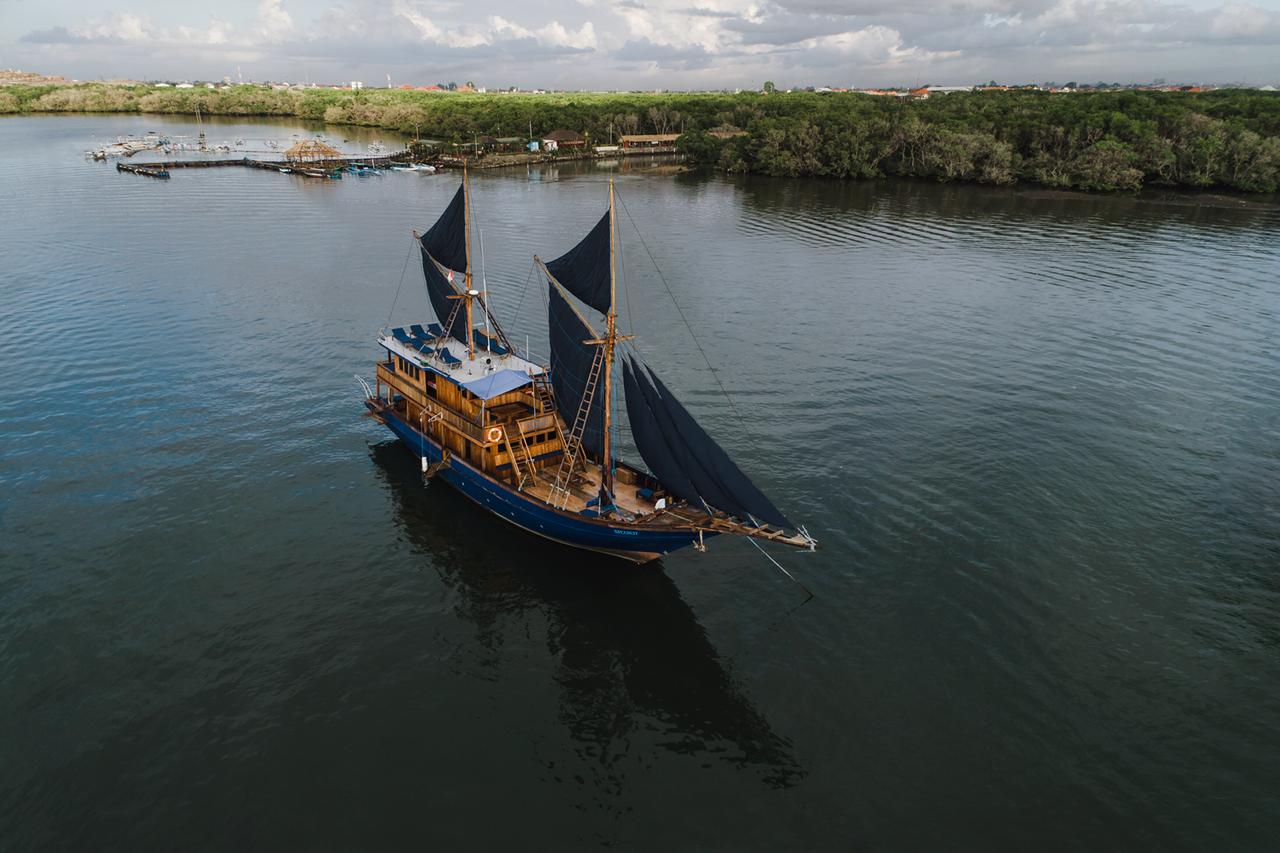
Situju7
Komodo, Indonesia
10 guests32.7 m
$362/day
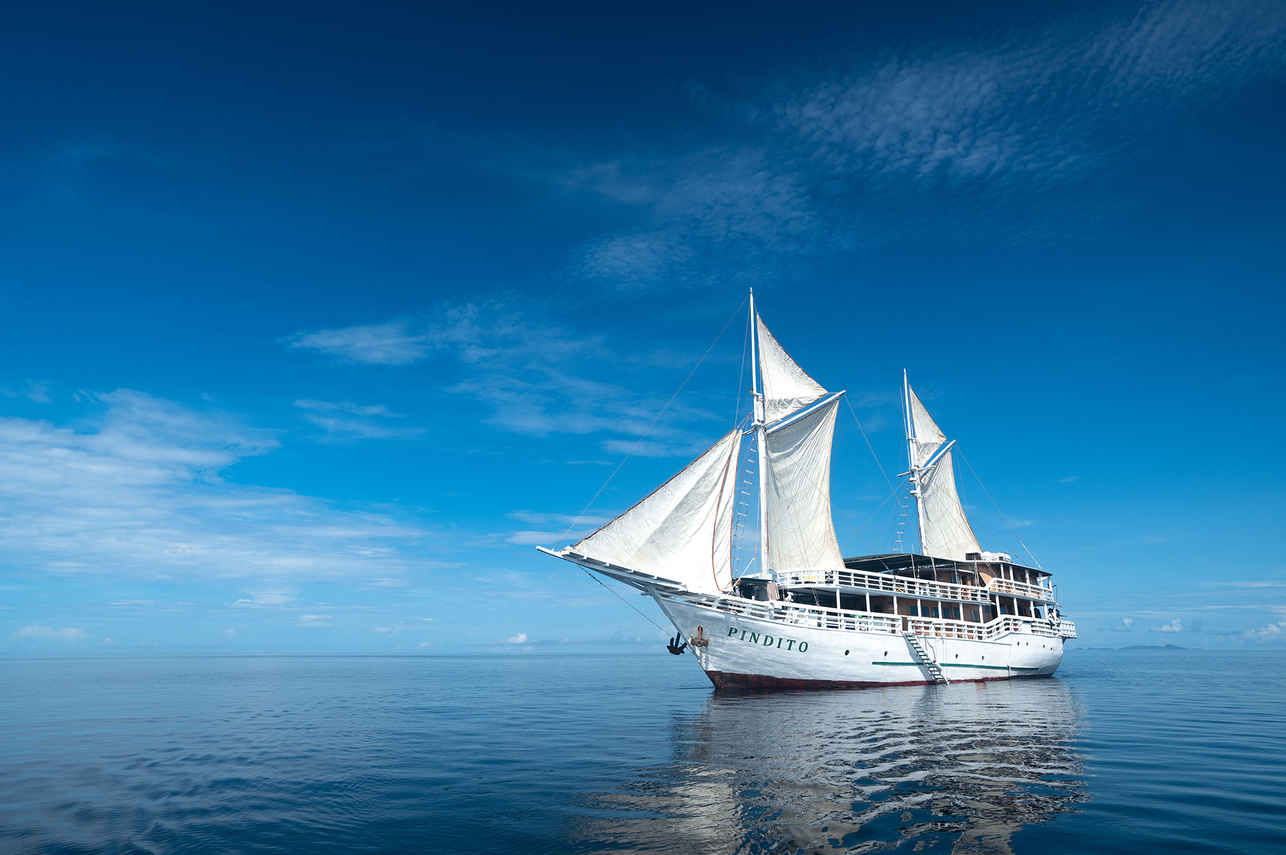
Pindito
Indonesia
16 guests37.79 m
$533/day
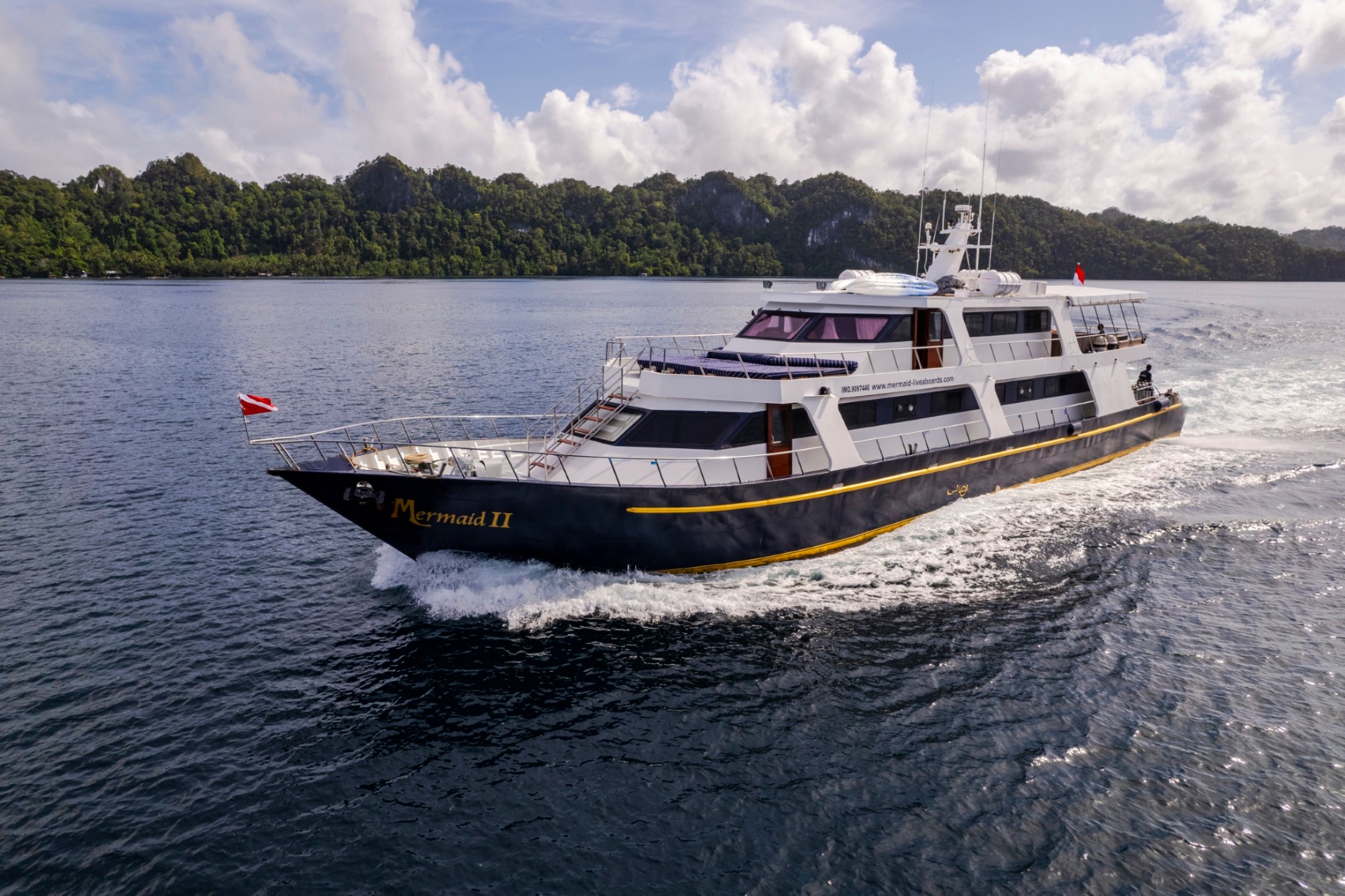
Mermaid II
Komodo, Indonesia
18 guests
$388/day
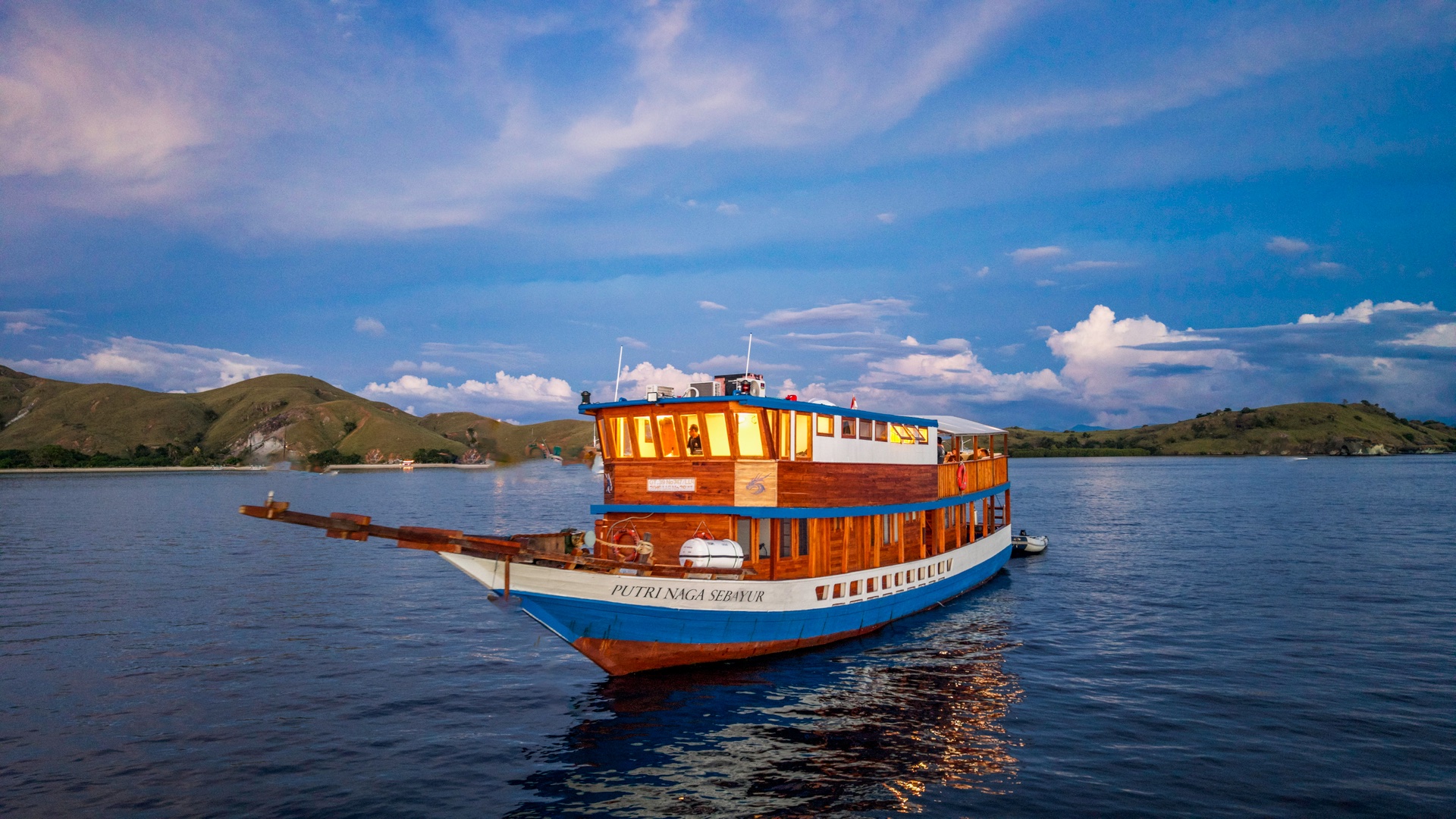
Putri Naga
Komodo, Indonesia
6 guests25 m
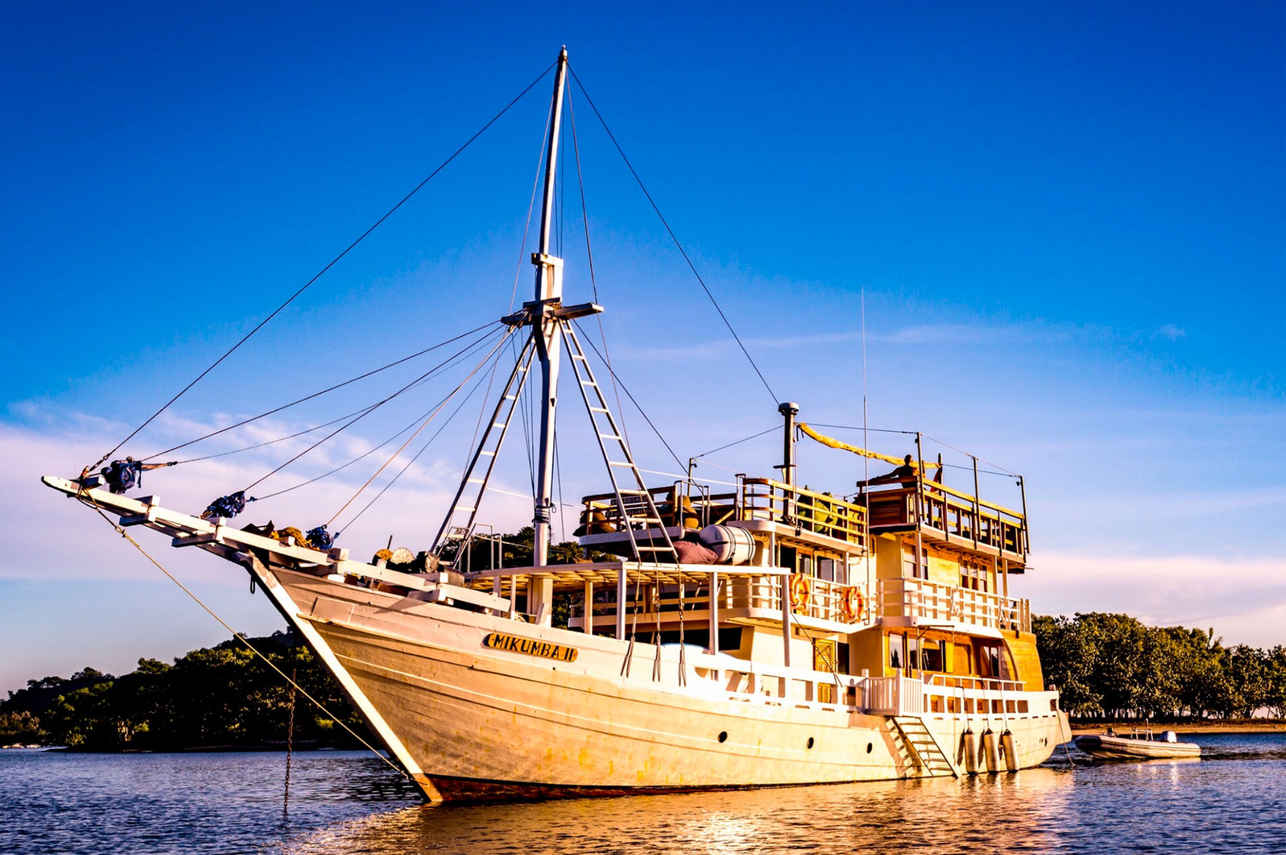
Mikumba Dua
Indonesia
10 guests30 m
$335/day
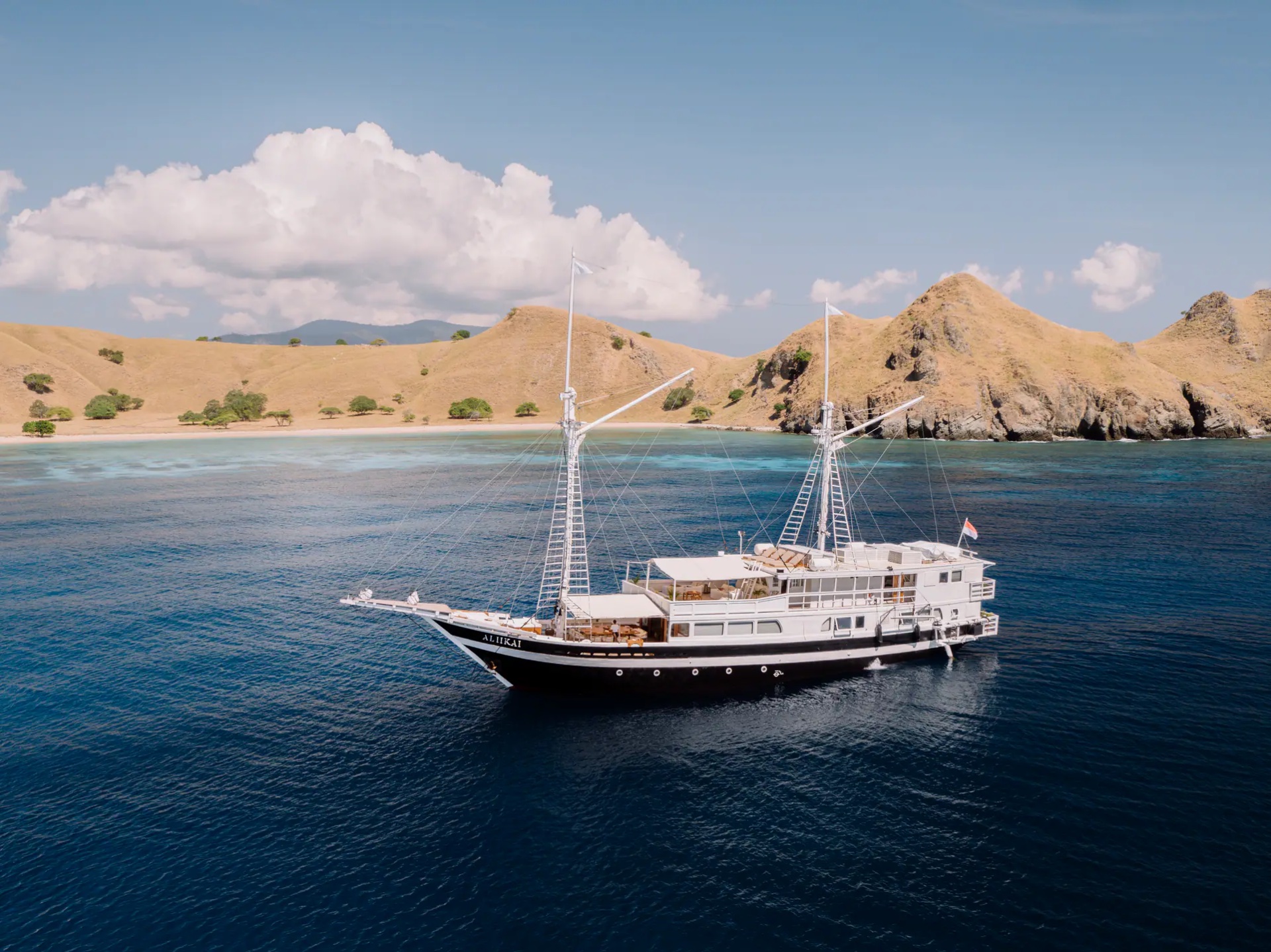
Aliikai Voyage
Indonesia
15 guests40 m
$658/day
Dive sites similar to Toko Toko
Same character, same waters — six more sites divers love for the exact same reasons.Compare seasons, access and liveaboard routes — then pick the site that fits your trip best.
© Esri — Maxar, Earthstar, GIS
Batu Bolong
Komodo, Indonesia
Batu Bolong, meaning "Hollow Rock" in Bahasa Indonesian, is a renowned dive site in Komodo National Park, situated in the central Lintah Strait between Komodo Island and Tatawa Besar.
- Suitable for
- Advanced
- Current
- Strong
- Access
- Liveaboard or dayboat
- Depth
- 10–30 m
- Theme
- Drift / Pinnacle
Batu Tiga, meaning "Three Rocks" in Indonesian, is a dive site reserved for experienced divers within the Komodo National Park, particularly due to its notoriously strong and often unpredictable currents.
- Suitable for
- Advanced
- Current
- Strong
- Access
- Liveaboard or dayboat
- Depth
- 12–35 m
- Theme
- Pinnacle / Wall
© Esri — Maxar, Earthstar, GIS
Castle Rock
Komodo, Indonesia
Castle Rock, an iconic dive site within Komodo National Park, is celebrated as one of Indonesia's premier destinations for exhilarating underwater encounters.
- Suitable for
- Advanced
- Current
- Strong
- Access
- Liveaboard or dayboat
- Depth
- 5–35 m
- Theme
- Drift / Pinnacle
© Esri — Maxar, Earthstar, GIS
Cauldron (Shotgun)
Komodo, Indonesia
The Cauldron, also known as The Shotgun, stands as North Komodo's premier drift dive, celebrated for its dramatic underwater topography and potent currents.
- Suitable for
- Advanced
- Current
- Strong
- Access
- Liveaboard or dayboat
- Depth
- 5–30 m
- Theme
- Channel / Drift
© Esri — Maxar, Earthstar, GIS
Crinoid Wall
Komodo, Indonesia
Crinoid Wall is a captivating vertical reef located along the southern coast of Nusa Kode, within Komodo National Park.
- Suitable for
- Intermediate
- Current
- Mild
- Access
- Liveaboard only
- Depth
- 5–35 m
- Theme
- Wall
© Esri — Maxar, Earthstar, GIS
Crystal Rock
Komodo, Indonesia
Crystal Rock is a renowned dive site in the northern reaches of Komodo National Park, celebrated for its exceptional visibility and the prolific marine life drawn by its dynamic currents.
- Suitable for
- Intermediate
- Current
- Strong
- Access
- Liveaboard or dayboat
- Depth
- 5–25 m
- Theme
- Drift / Pinnacle