About Batu Tiga
Batu Tiga, meaning "Three Rocks" in Indonesian, is a dive site reserved for experienced divers within the Komodo National Park, particularly due to its notoriously strong and often unpredictable currents. Situated in the central region of the park, this site is celebrated for its dramatic underwater topography and the sheer abundance of large marine life it attracts. The powerful currents, which dictate the dive profile, bring nutrient-rich waters that sustain a thriving ecosystem, making it a magnet for pelagic species. The underwater landscape at Batu Tiga features large rock formations, walls, and slopes that drop to significant depths. While the currents can be challenging, they are precisely what make this site so dynamic and rewarding for advanced divers seeking high-adrenaline encounters. The health of the coral reefs here supports a diverse community of fish and invertebrates, although the primary draw remains the larger creatures that frequent the strong current areas. Diving Batu Tiga typically involves a rapid descent into the action, often executed during specific tidal conditions to maximize safety and enjoyment. Divers can expect to find themselves amidst schools of powerful fish, with the potential for shark sightings adding to the excitement. The dive requires excellent buoyancy control and a readiness to adapt to changing conditions, but the rewards are truly exceptional, offering some of the most thrilling big-fish action in Komodo. While the visibility is generally good, the strength of the current is the defining characteristic of this dive. This site is usually incorporated into liveaboard itineraries, which allow for careful planning around tidal charts to pick the optimal window for diving. The advanced nature of Batu Tiga means it's often paired with calmer sites to balance the day's diving.
Highlights
Very strong currentsGiant trevally schoolsBarracuda encountersMassive groupersPotential shark sightingsThrilling pelagic actionDramatic underwater topography
Season calendar
Best months to dive here
Jan
Feb
Mar
Apr
May
Jun
Jul
Aug
Sep
Oct
Nov
Dec
Good
Dive site facts: Batu Tiga
- Depth
- Up to 30m+
- Typical dive
- 15-25m, 40-50 min
- Current
- Very strong
- Visibility
- 15-25m
- Water temperature
- 26-29°C (North/Central), 22-25°C (South)
- Entry
- Tender / Negative entry
- Level
- Advanced
- Dive type
- Wall, pinnacle, drift, pelagic
- Night dive
- Unlikely
- Region / port
- Central Komodo National Park / Labuan Bajo
- Coordinates
- -8.472, 119.515
Conditions & Currents
Batu Tiga is infamous for its very strong and often unpredictable currents, making it suitable only for advanced divers. The intensity of the current is the site's defining feature, bringing in abundant pelagic life but demanding excellent buoyancy and current diving experience. Dive operators carefully time dives around slack tide or specific current directions to ensure the safest possible experience, but even then, divers should be prepared for significant water movement. Downcurrents can also occur, necessitating quick reactions and good control. Entry is typically a negative entry to get below the surface quickly, and exit strategies are planned to pick up divers after they complete their safety stops, often some distance from the initial entry point. Visibility is generally good, but strong currents can sometimes stir up sediment, especially closer to the seabed.
Marine life & sighting chances
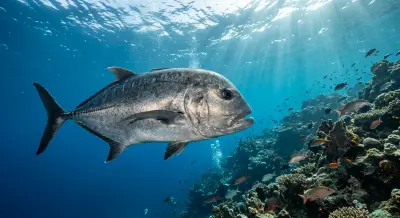
Giant Trevally
common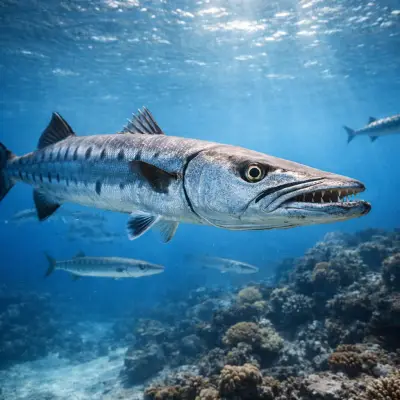
Barracuda
common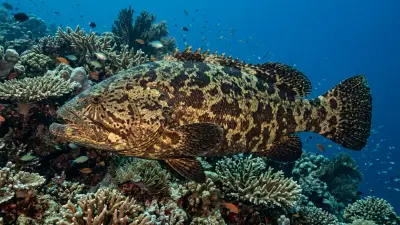
Grouper
common
Grey Reef Shark
occasional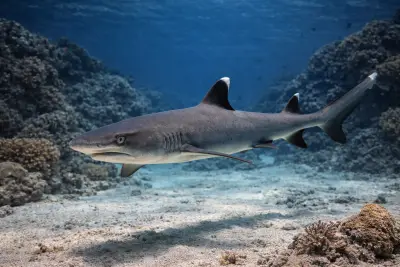
White Tip Reef Shark
occasional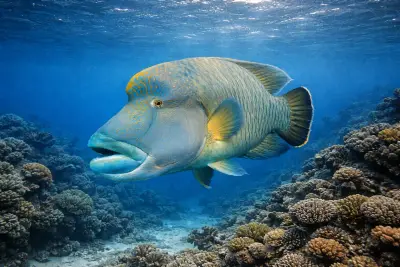
Napoleon Wrasse
occasional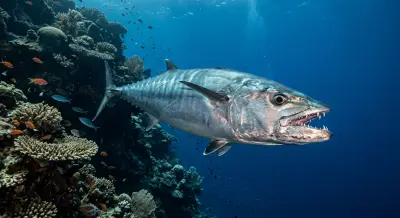
Dogtooth Tuna
occasional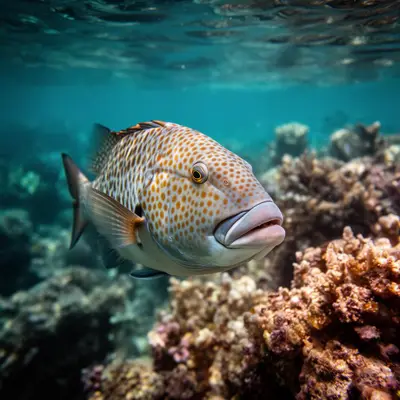
Sweetlips
occasional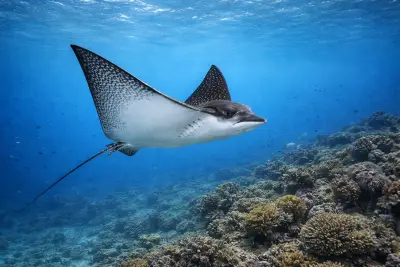
Eagle Ray
occasional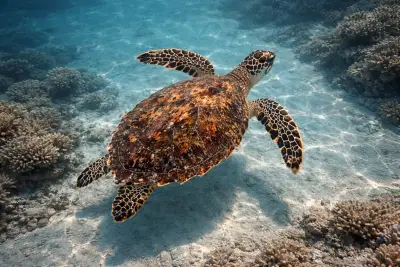
Hawksbill Turtle
occasionalDive profile & how the dive runs
Diving Batu Tiga typically begins with a negative entry close to the rock formation, allowing divers to quickly descend and avoid being swept away by the surface current. The dive then proceeds along the protected side of the main pinnacle, gradually moving into the stronger currents where the pelagic action is most intense. Divers often hold onto dead coral or use reef hooks to observe the schooling fish and larger predators without expending too much energy. The depth can range from 10-30 meters, following the contours of the reef and its walls. The turn point is dictated by air consumption and current conditions, often involving a controlled drift away from the main structure. Safety stops are usually conducted in the blue, or in a calmer eddy if available, with the boat following closely to pick up divers as they surface.
Underwater photography
Photographing Batu Tiga requires careful planning due to the very strong currents. Wide-angle setups are ideal for capturing the large schools of fish and impressive pelagic species like barracudas, giant trevally, and sharks that patrol these waters. A powerful strobe setup is essential to cut through any particulate matter and bring out the vibrant colors of the reef and marine life. Buoyancy control is paramount; divers must be able to maintain position against the current, often using reef hooks, while composing shots. Be mindful of not touching the reef and maintain a safe distance from marine life. Patience is key, waiting for lulls in the current or for subjects to come into view. Protect your gear, as strong currents can make handling equipment challenging.
Combine with nearby dive sites
- Batu Bolong
Another pinnacle site known for strong currents and abundant marine life, suitable for intermediate to advanced divers.
- Mawan
A site known for manta ray cleaning stations and more moderate currents in protected areas, suitable for beginners to advanced.
- Siaba Besar
A calmer bay dive with minimal currents, known for turtles and macro life, ideal for all skill levels and check dives.
- Crystal Rock
An advanced northern site featuring strong currents, schools of fish, and pelagics, similar to Batu Tiga in intensity.
- Castle Rock
Known for strong currents, grey reef sharks, and large schools of jacks and barracuda, typically for advanced divers.
- Makassar Reef (Manta Alley)
Famous for consistent manta ray sightings, offering drift dives suitable for various levels depending on current.
Getting there & logistics
Komodo National Park diving trips typically originate from Labuan Bajo, the main gateway city on Flores island. The nearest airport is Komodo Airport (LBJ), with frequent domestic flights from Bali (Denpasar) and other Indonesian hubs. Most divers explore Batu Tiga as part of a liveaboard itinerary, which can range from 3 to 10+ days. Day trips are also possible from Labuan Bajo, but liveaboards offer access to more remote sites and better planning for current-dependent dives like Batu Tiga. All visitors to Komodo National Park must pay entry and diving fees, which are usually included in liveaboard packages. It is often combined with other central and northern Komodo sites that offer a mix of challenging current dives and calmer, macro-rich reefs.
Safety & environment
Diving at Batu Tiga requires a high level of diving proficiency due to the extreme currents. Divers must be experienced in current diving, maintain excellent buoyancy, and be comfortable with negative entries and drift ascents. Always dive with a reputable operator that employs experienced local dive guides who understand the complex tidal patterns. A surface marker buoy (SMB) is mandatory for all divers, and a reef hook can be very useful for observing marine life in strong currents without contact. Comprehensive dive insurance, including coverage for emergency evacuation and recompression chamber treatment, is highly recommended. The nearest recompression chamber is in Denpasar, Bali, emphasizing the importance of preventative safety measures and adherence to dive plan limits. Never dive here if you feel unwell or are not confident in your current diving abilities.
Who it suits — and who it doesn't
Suited for
- Experienced divers comfortable with strong currents
- Advanced Open Water certified divers
- Divers seeking large pelagic encounters
- Underwater photographers with wide-angle setups
- Thrill-seekers looking for adrenaline-pumping dives
Less suited for
- Beginner divers or those new to current diving
- Divers with poor buoyancy control
- Divers prone to seasickness in choppy conditions
- Macro photographers primarily seeking small critters
- Those looking for calm, relaxed reef dives
FAQ
Batu Tiga FAQ
What makes Batu Tiga an advanced dive site?
Batu Tiga is considered advanced due to its consistently very strong and unpredictable currents. These currents create challenging conditions that demand excellent buoyancy control, swift decision-making, and prior experience with current diving techniques. Divers must be comfortable with negative entries and potentially turbulent conditions to safely enjoy this site.
What kind of marine life can I expect to see at Batu Tiga?
Batu Tiga is a magnet for large pelagic species, thanks to its nutrient-rich currents. You can expect to encounter large schools of giant trevally, barracuda, and massive groupers. There is also a good chance of spotting various species of sharks, including grey reef sharks and white tip reef sharks, making it an exciting big-fish dive.
Is it possible to dive Batu Tiga as a day trip from Labuan Bajo?
While technically possible, diving Batu Tiga is often part of a liveaboard itinerary. Liveaboards offer the advantage of being able to schedule dives around optimal tidal conditions more flexibly. Day trips might be more constrained by travel time and fixed schedules, potentially limiting the best dive windows for such a current-dependent site.
What equipment is recommended for diving Batu Tiga?
For Batu Tiga, a surface marker buoy (SMB) is essential for safety, and a reef hook is highly recommended to allow divers to securely observe the action in strong currents without struggling. Given the potential for cooler water, especially in the south of Komodo, a 5mm wetsuit or thicker, possibly with a hood, is advisable. A dive computer is, of course, standard equipment.
How does the current at Batu Tiga affect underwater photography?
The strong currents at Batu Tiga present both a challenge and an opportunity for photographers. Wide-angle lenses are preferred for capturing the vast schools and large pelagics. Maintaining stable buoyancy and positioning against the current is critical, often requiring a reef hook. Photographers should also be prepared for potential visibility fluctuations caused by the current and have powerful strobes to compensate.
Why dive Batu Tiga from a liveaboard?
Batu Tiga is one of Komodo, Indonesia's signature dive sites. A liveaboard sleeps you on the water and puts you in the water for three to four guided dives per day, including dawn and night dives that day-boat operators rarely offer. You skip the daily commute back to port and reach quieter, less-crowded sites in the same region on a single trip.
Below are the liveaboards that include Batu Tiga on their Komodo, Indonesia itineraries.
Liveaboards diving Batu Tiga
These liveaboards may visit Batu Tiga on selected itineraries — the exact dive sites depend on departure, weather and conditions.
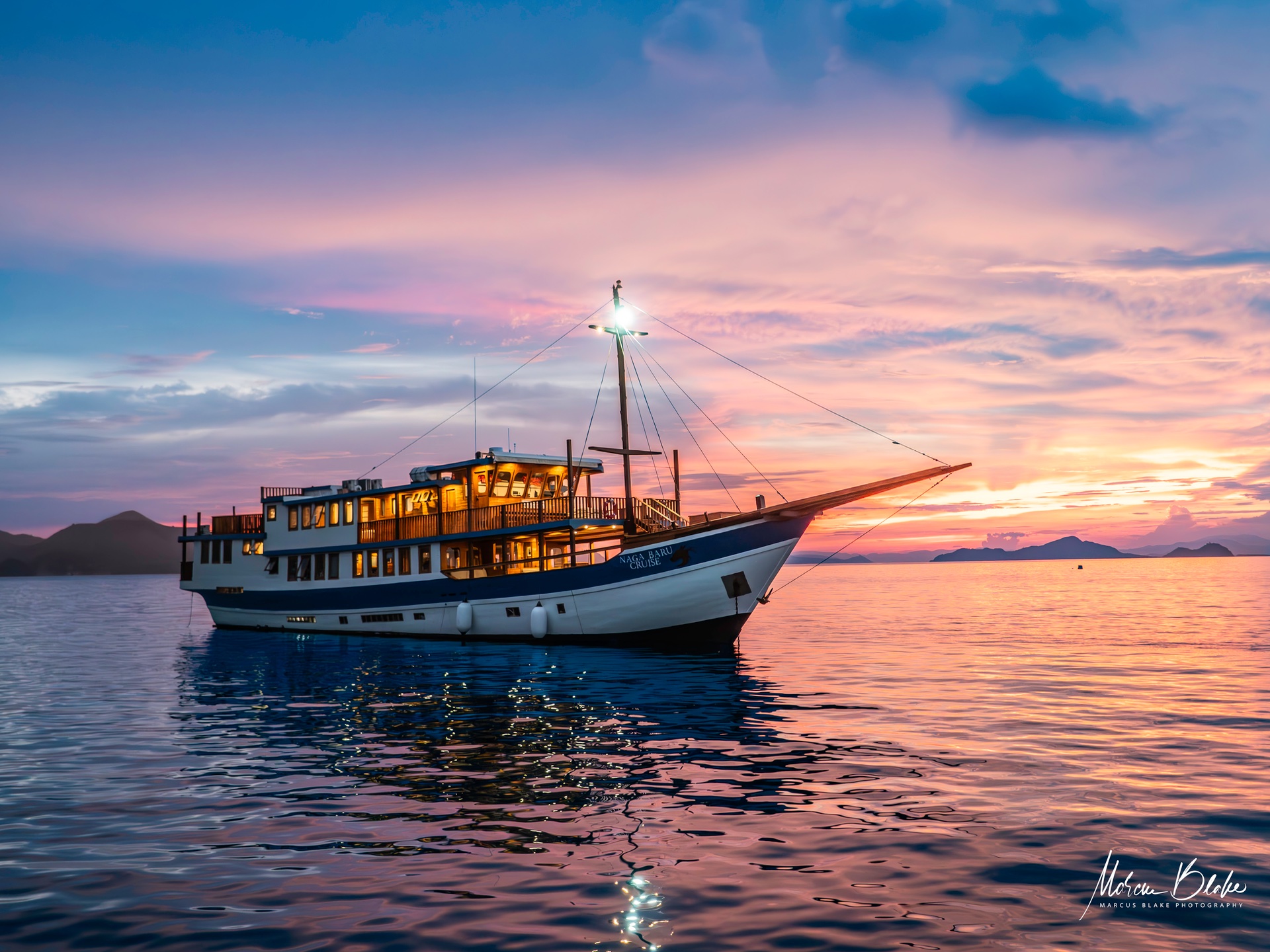
Naga Biru
Indonesia
12 guests40 m
$274/day
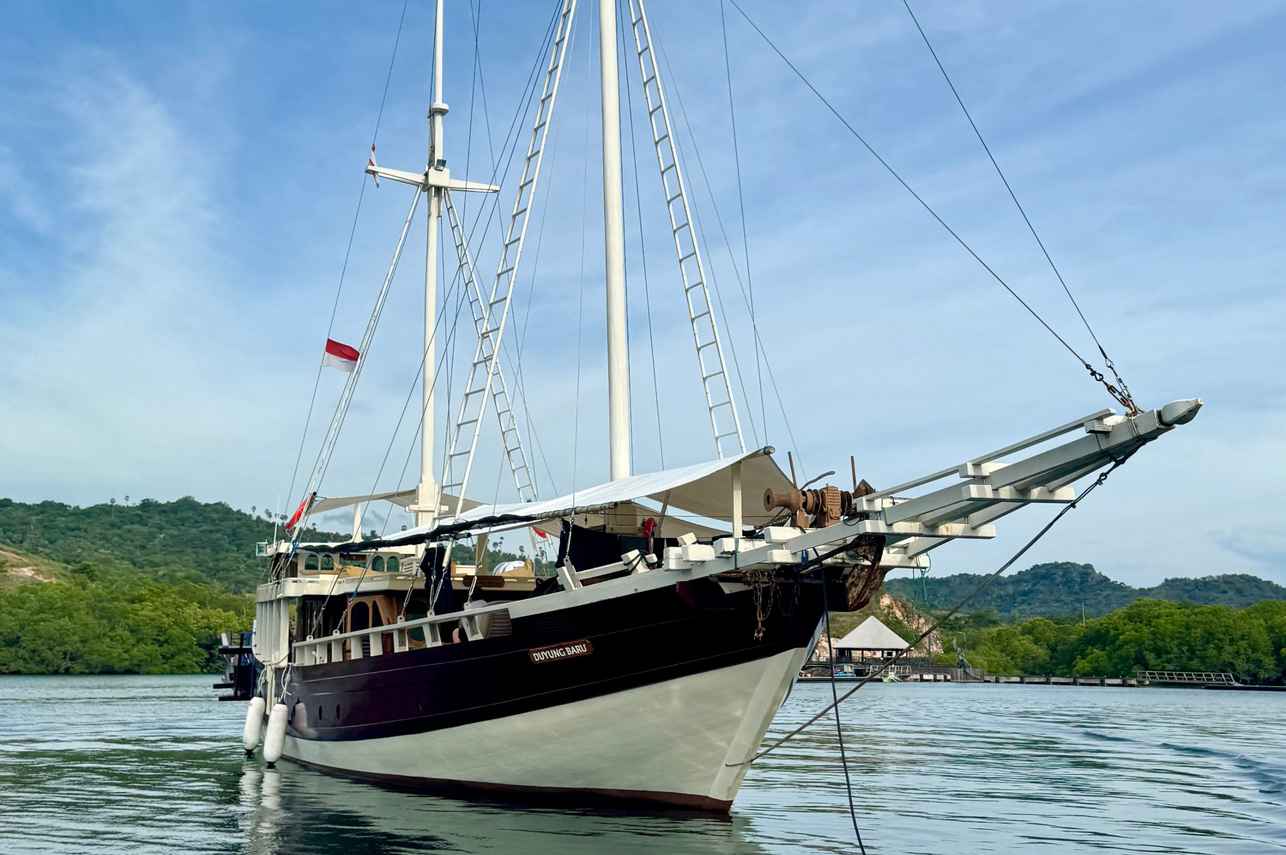
Ecopro Duyung Baru
Indonesia
6 guests27 m
$361/day
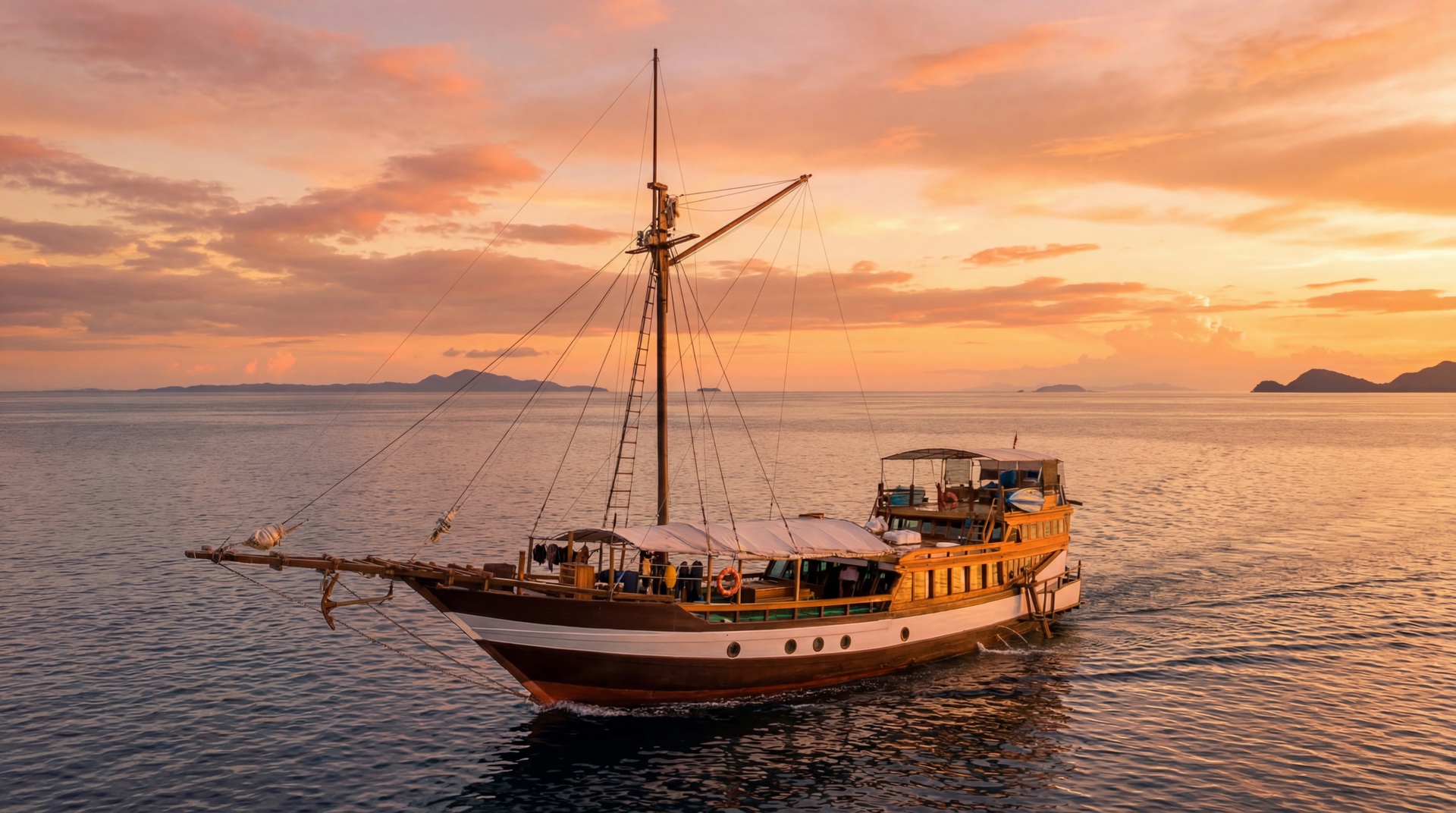
Wellenreng
Indonesia
9 guests25 m
$427/day
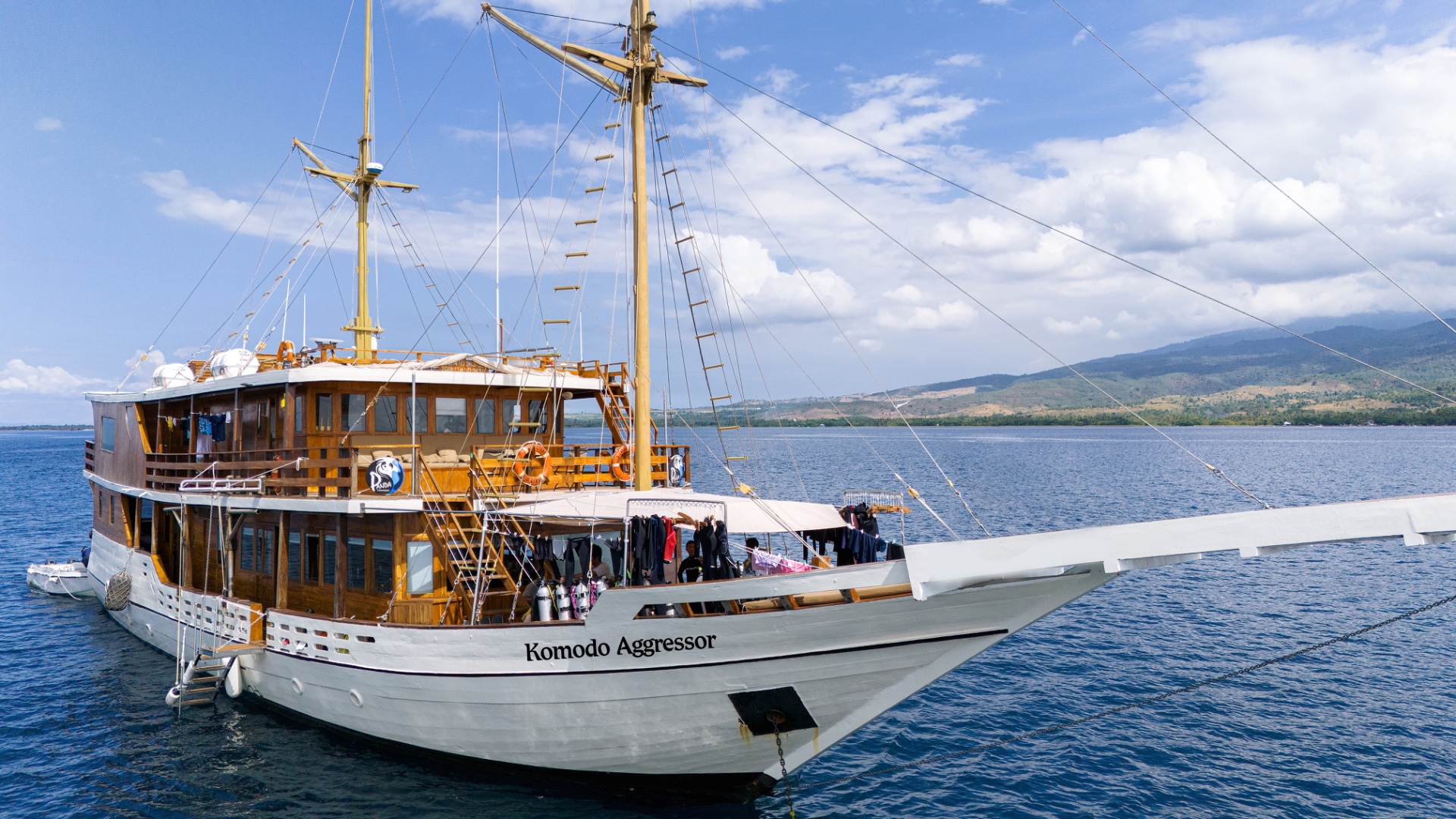
Komodo Aggressor
Komodo, Indonesia
16 guests29 m
$312/day
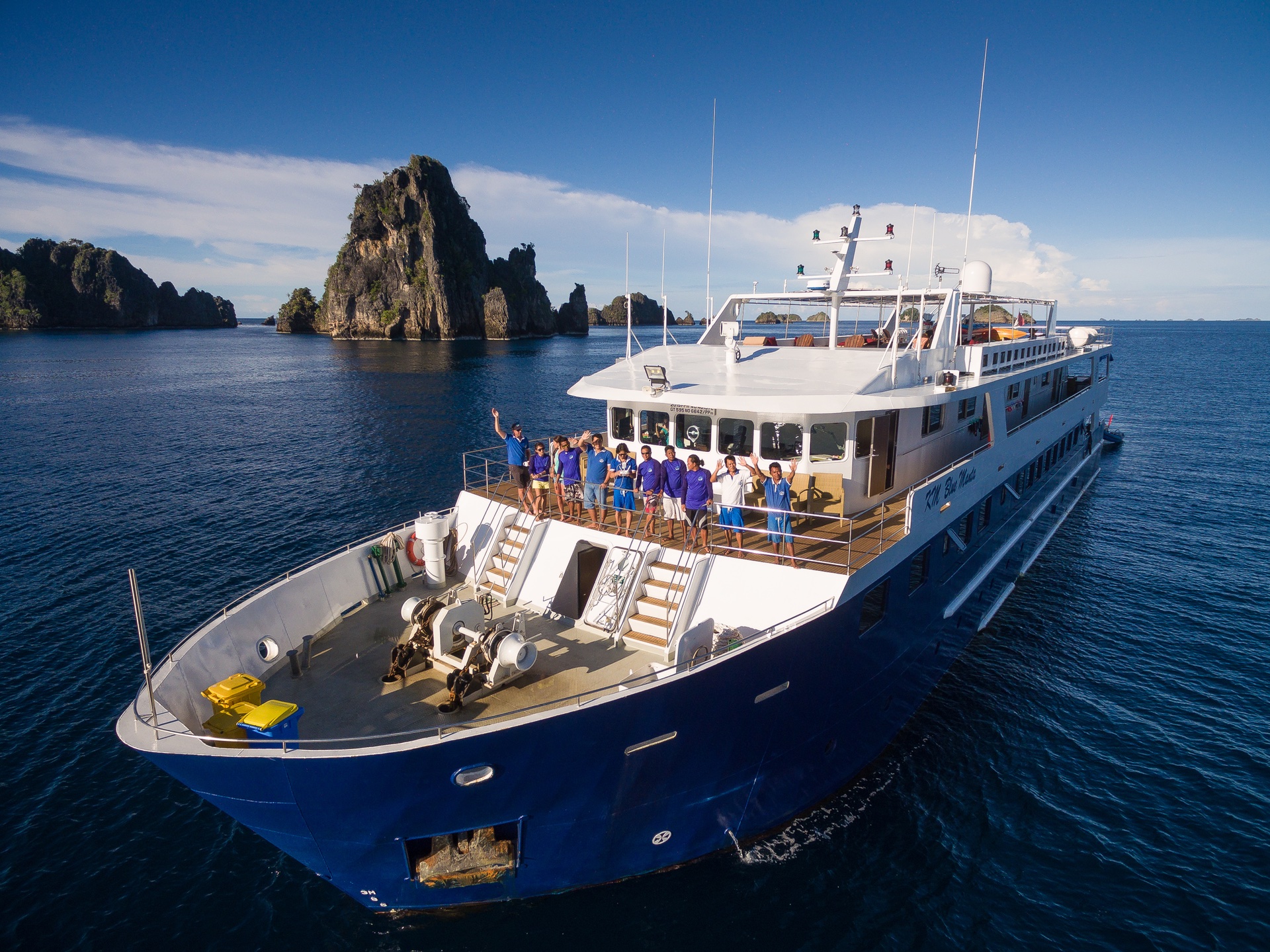
Blue Manta
Indonesia
20 guests45 m
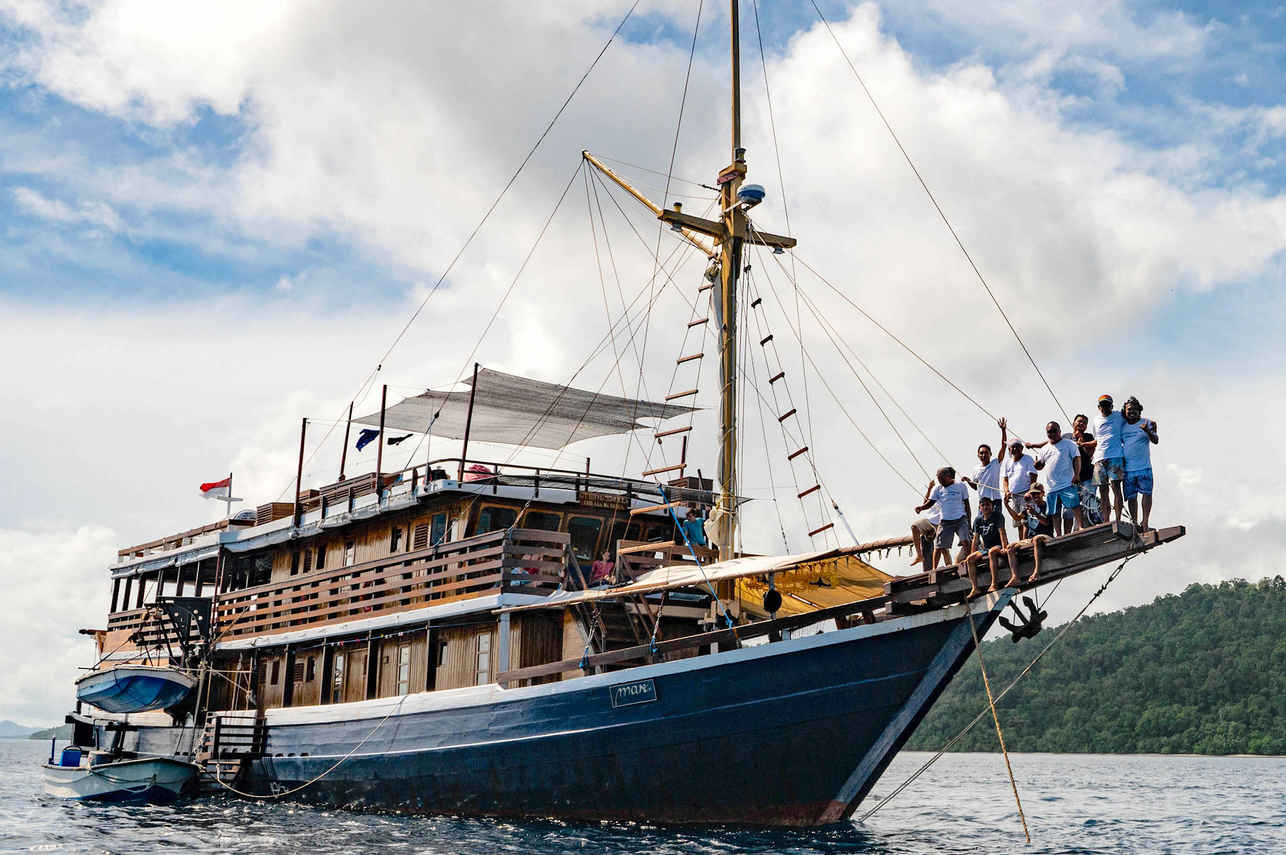
Mari
Indonesia
14 guests32.2 m
$328/day
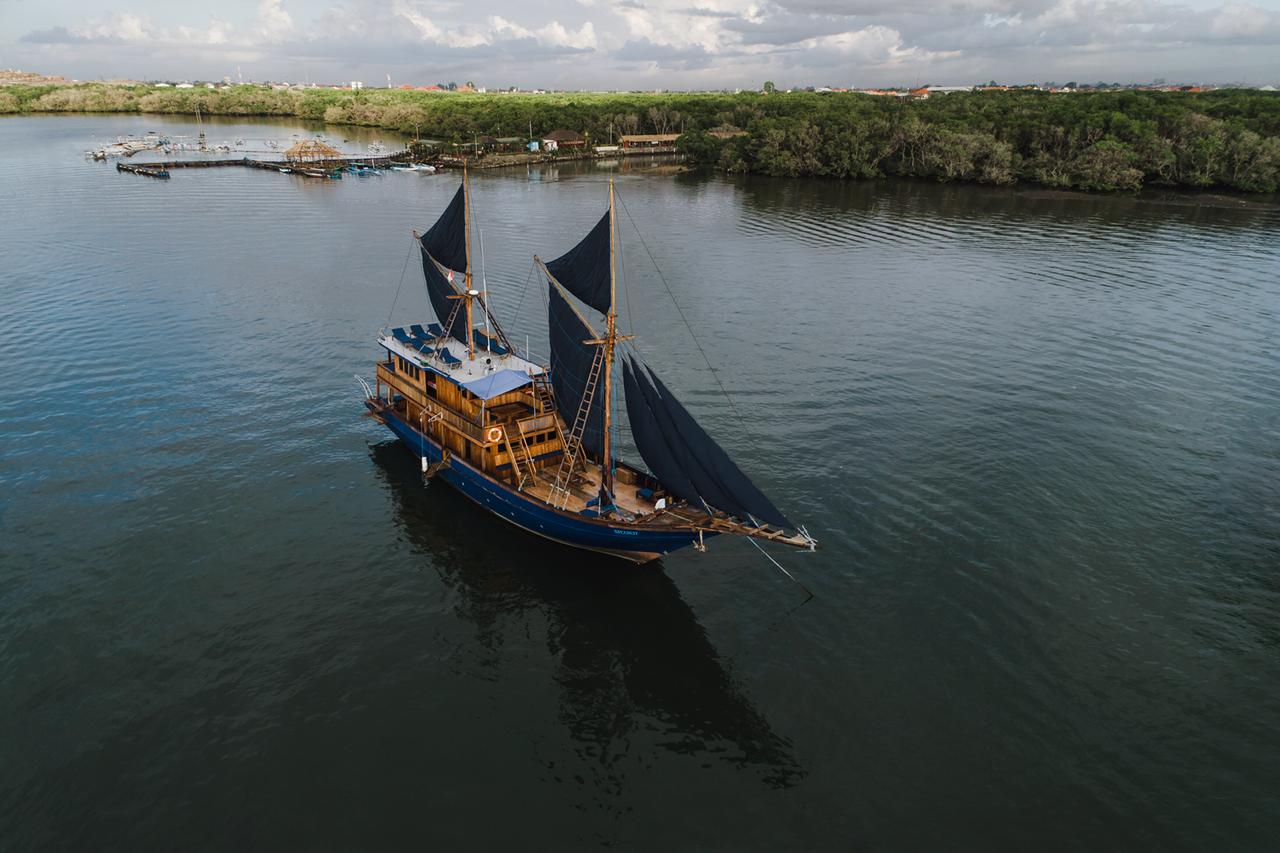
Situju7
Komodo, Indonesia
10 guests32.7 m
$362/day
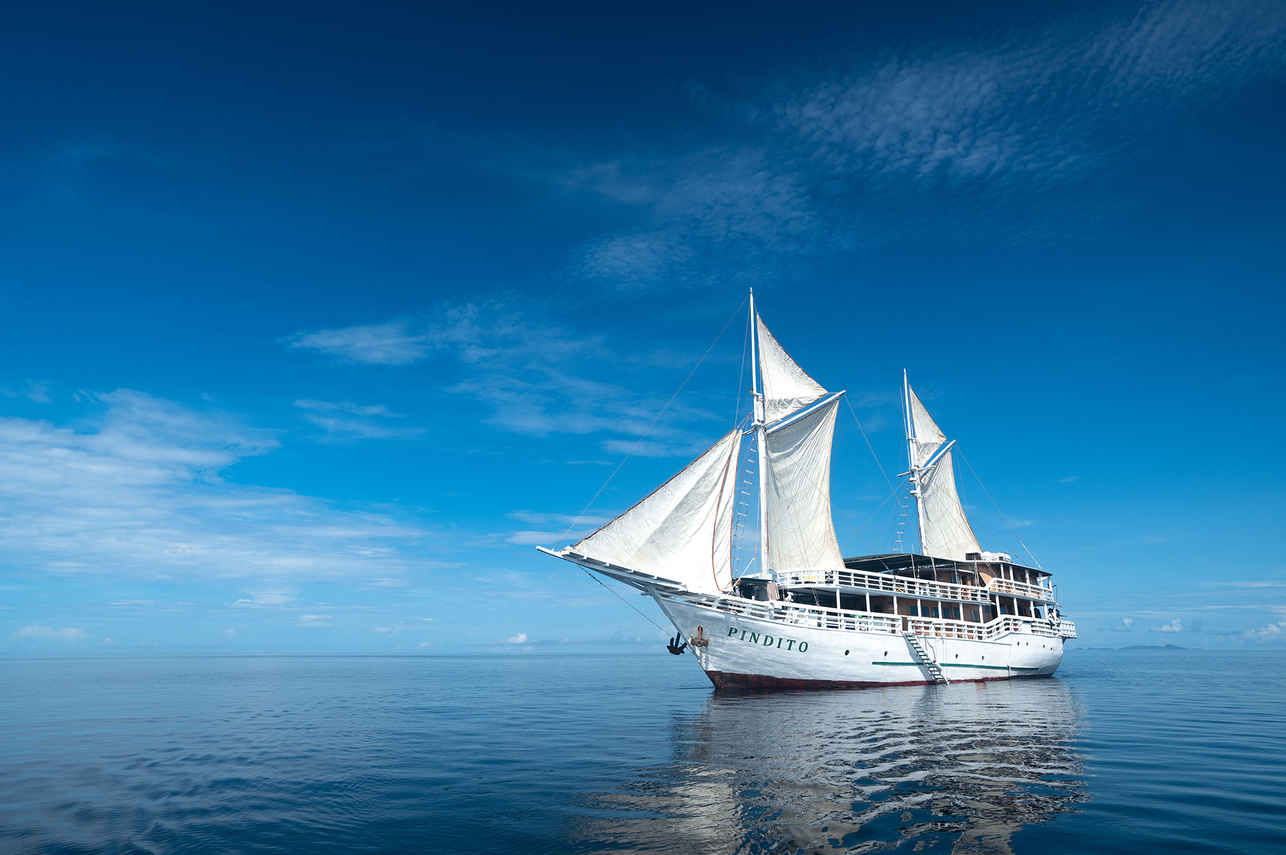
Pindito
Indonesia
16 guests37.79 m
$533/day
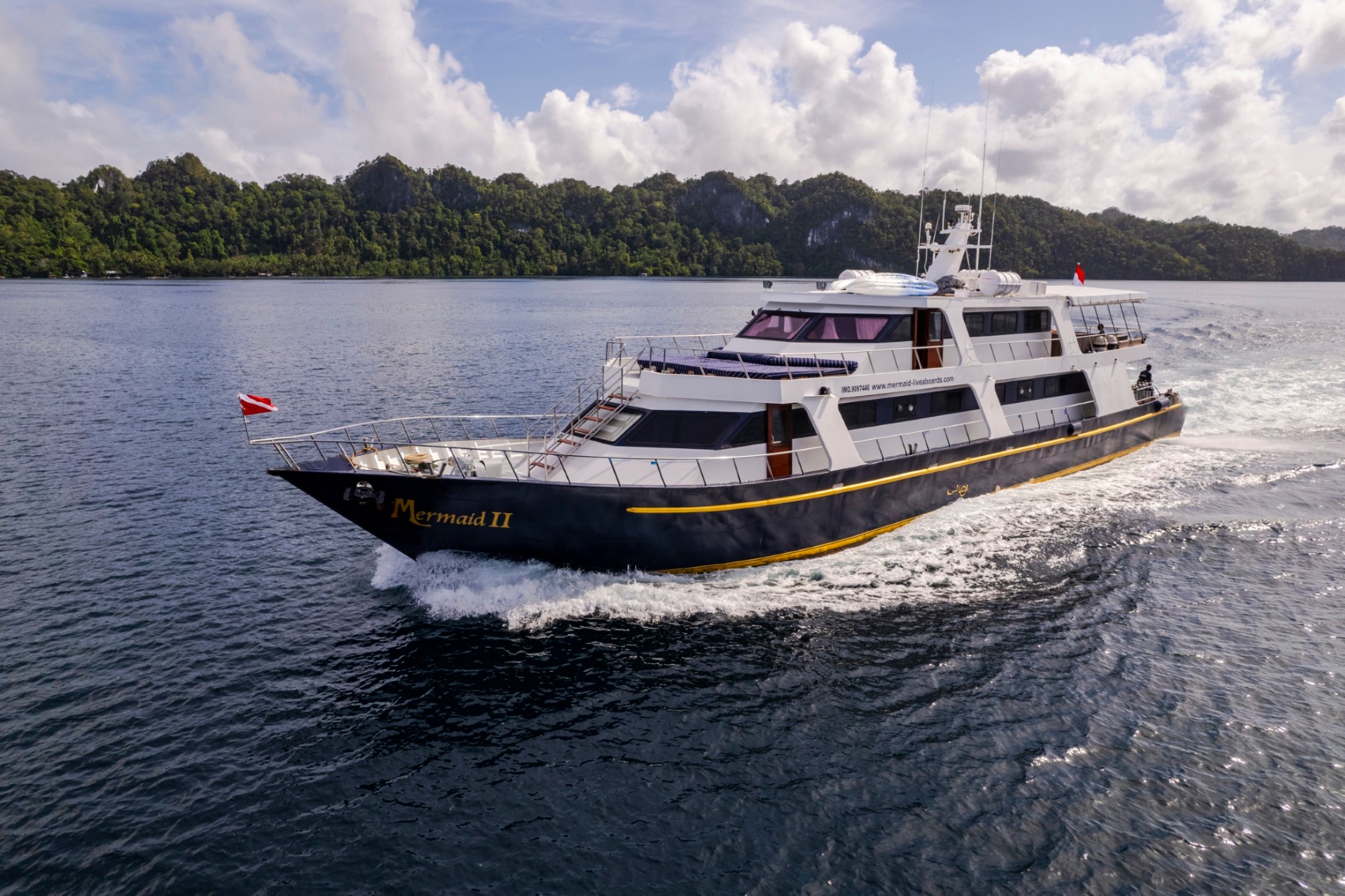
Mermaid II
Komodo, Indonesia
18 guests
$355/day
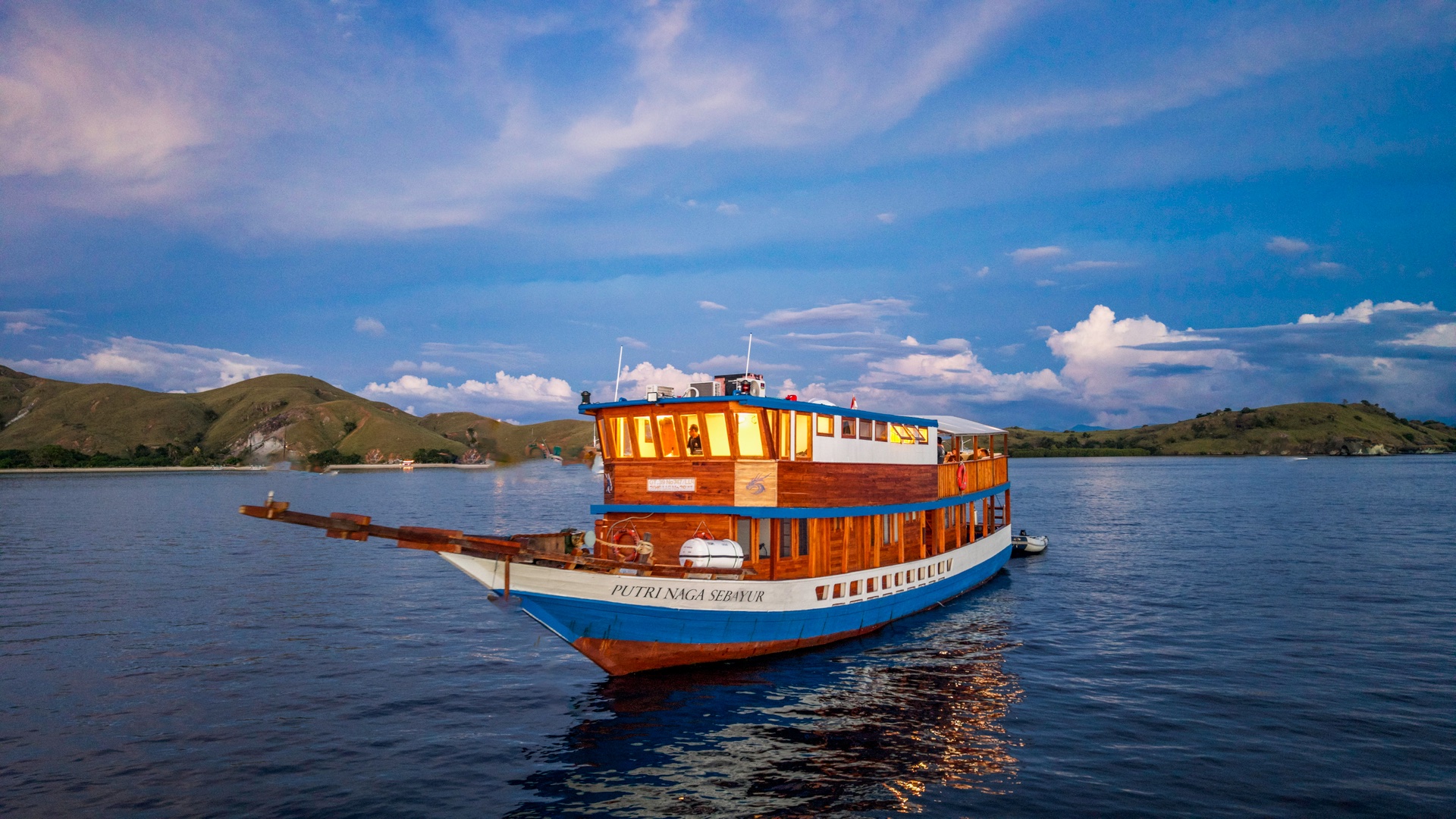
Putri Naga
Komodo, Indonesia
6 guests25 m
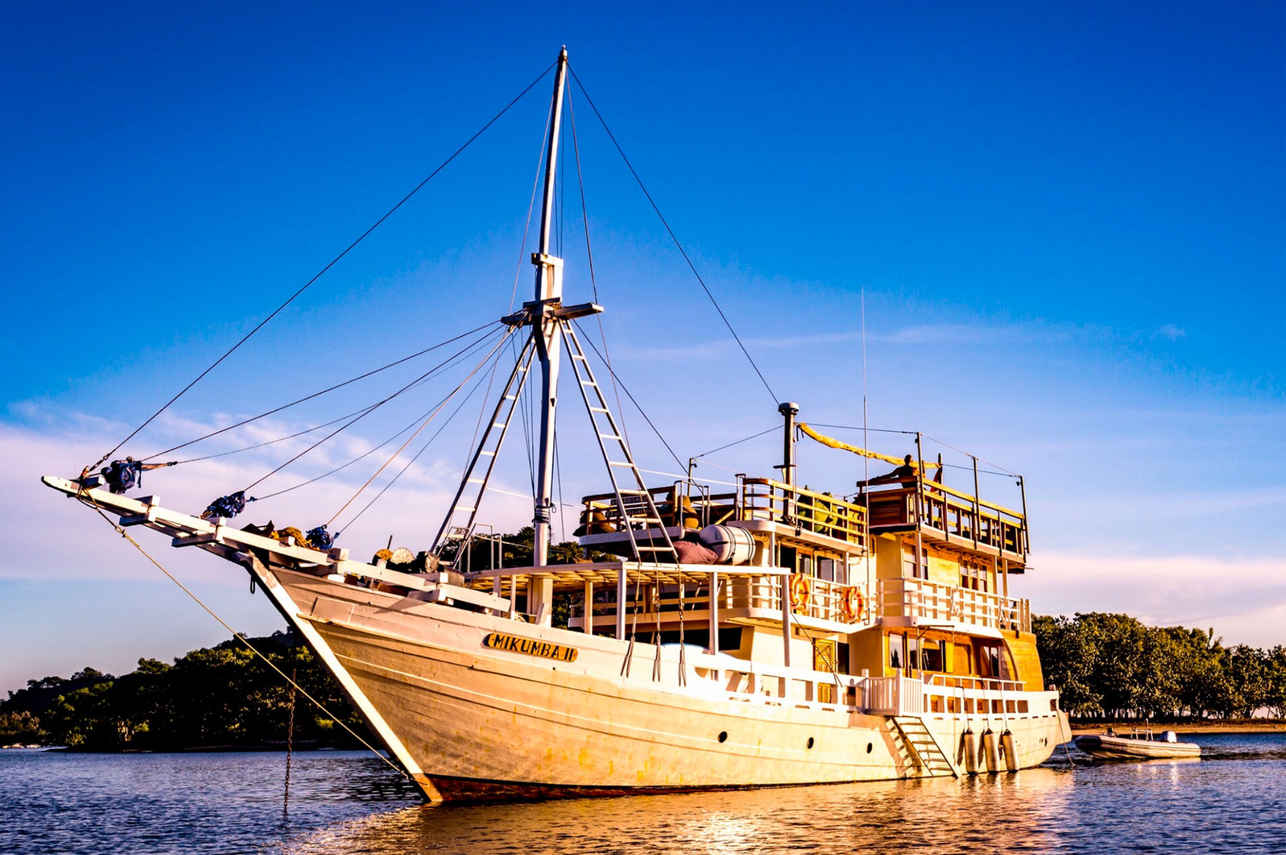
Mikumba Dua
Indonesia
10 guests30 m
$335/day
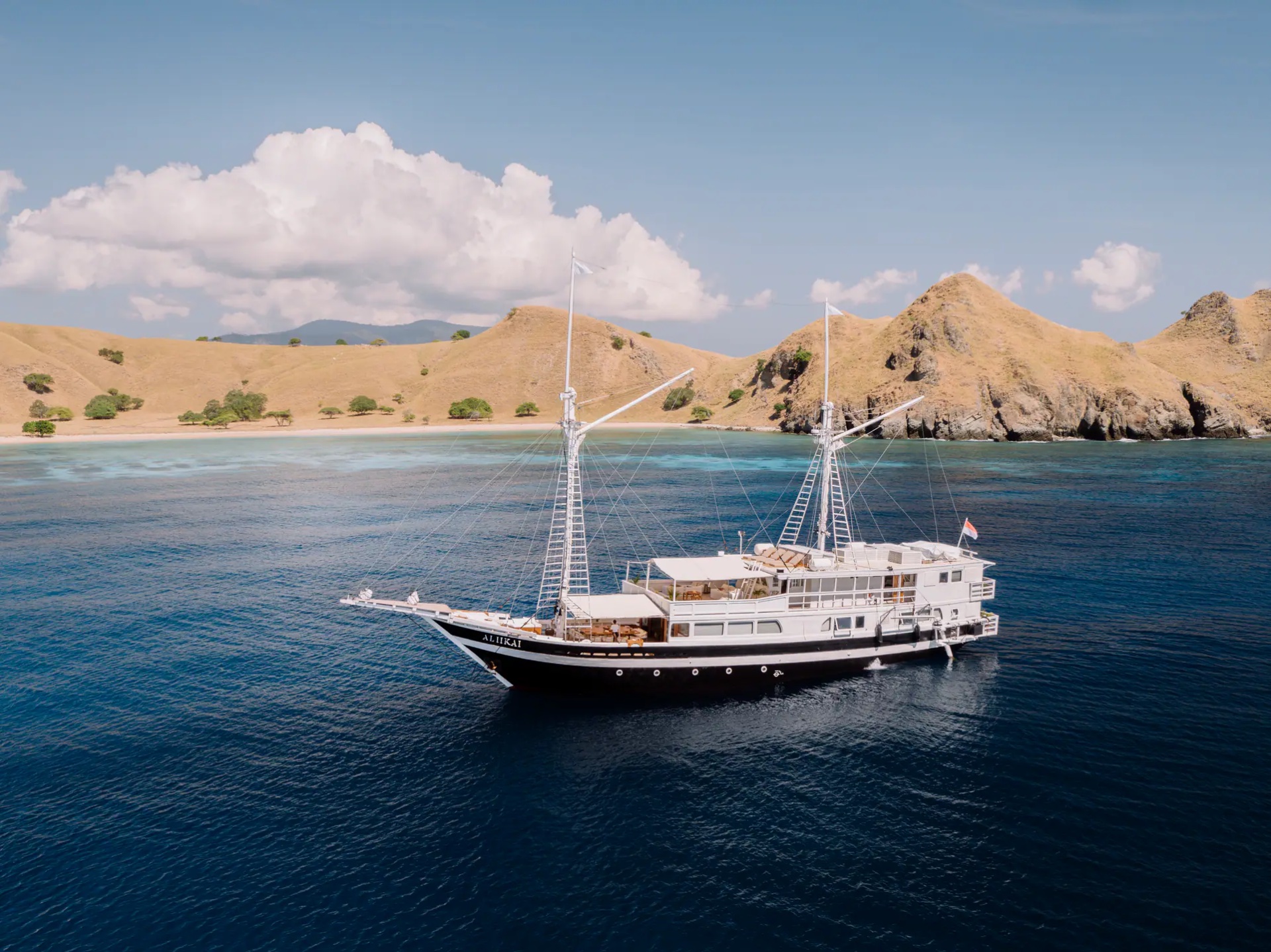
Aliikai Voyage
Indonesia
15 guests40 m
$658/day
Dive sites similar to Batu Tiga
Same character, same waters — six more sites divers love for the exact same reasons.Compare seasons, access and liveaboard routes — then pick the site that fits your trip best.
© Esri — Maxar, Earthstar, GIS
Castle Rock
Komodo, Indonesia
Castle Rock, an iconic dive site within Komodo National Park, is celebrated as one of Indonesia's premier destinations for exhilarating underwater encounters.
- Suitable for
- Advanced
- Current
- Strong
- Access
- Liveaboard or dayboat
- Depth
- 5–35 m
- Theme
- Drift / Pinnacle
© Esri — Maxar, Earthstar, GIS
Batu Bolong
Komodo, Indonesia
Batu Bolong, meaning "Hollow Rock" in Bahasa Indonesian, is a renowned dive site in Komodo National Park, situated in the central Lintah Strait between Komodo Island and Tatawa Besar.
- Suitable for
- Advanced
- Current
- Strong
- Access
- Liveaboard or dayboat
- Depth
- 10–30 m
- Theme
- Drift / Pinnacle
© Esri — Maxar, Earthstar, GIS
Cannibal Rock
Komodo, Indonesia
Cannibal Rock, one of Komodo's most renowned dive sites, is located within Horseshoe Bay at the southern tip of Rinca Island in Komodo National Park.
- Suitable for
- Intermediate
- Current
- Strong
- Access
- Liveaboard or dayboat
- Depth
- 5–30 m
- Theme
- Pinnacle / Seamount
Nusa Kode is a dive site located in Komodo National Park, situated in the eastern part of the horseshoe-shaped bay, very close to where it opens into the wider ocean.
- Suitable for
- Advanced
- Current
- Strong
- Access
- Liveaboard or dayboat
- Depth
- 3–20 m
- Theme
- Reef / Wall
© Esri — Maxar, Earthstar, GIS
Rollercoaster
Komodo, Indonesia
Rollercoaster is a premier dive site in Komodo National Park, renowned for its exhilarating drift diving experience, where strong, channeled currents create a sensation akin to a theme park ride.
- Suitable for
- Expert
- Current
- Strong
- Access
- Liveaboard or dayboat
- Depth
- 10–40 m
- Theme
- Drift / Wall
© Esri — Maxar, Earthstar, GIS
Padar Reef
Komodo, Indonesia
Padar Reef, nestled in the southern part of Komodo National Park, is renowned for its distinct topography and rich marine biodiversity.
- Suitable for
- Advanced
- Current
- Moderate
- Access
- Liveaboard or dayboat
- Depth
- 3–22 m
- Theme
- Drift / Reef