About Cannibal Rock
Cannibal Rock, one of Komodo's most renowned dive sites, is located within Horseshoe Bay at the southern tip of Rinca Island in Komodo National Park. This U-shaped bay, formed by Nusa Kode island, offers a degree of protection from the open ocean, contributing to its unique atmosphere. The site itself is a massive seamount peaking at around three meters, draped in an extraordinary, dense carpet of corals and vibrant feather stars in shades of fluorescent green, yellow, black, white, and dark red, giving it a distinct and almost otherworldly feel compared to other Komodo sites. The colder, nutrient-rich waters here, typically around 25°C but sometimes lower, fuel this prolific growth and create a bustling ecosystem. While the vibrant corals and feather stars define the topography, the site teems with an impressive diversity of marine life, particularly for macro enthusiasts. Divers can meticulously search for giant and smaller frogfish, leafy scorpionfish, Coleman shrimp, seahorses, and an array of nudibranchs, including the signature sea apples that are frequently observed feeding. Beyond the macro, reef fish are abundant, and larger pelagic species are often spotted in the blue around the seamount. The light at Cannibal Rock often presents a distinctive, darker shade of grey-blue-green, adding to its eerie and captivating ambiance. Historically, the site's name originates from a sighting by its discoverers: a Komodo Dragon attacking another on the nearby beach. While the dragons are now largely sated by other food sources and can often be seen on the beach, the dive itself offers consistently rich and memorable experiences. Due to the sometimes challenging currents and colder water, this site is generally recommended for intermediate to advanced divers.
Highlights
Macro paradiseFrogfishNudibranchsSoft corals
Season calendar
Best months to dive here
Jan
Feb
Mar
Apr
May
Jun
Jul
Aug
Sep
Oct
Nov
Dec
Good
Dive site facts: Cannibal Rock
- Depth
- 5–30 m
- Typical dive
- 10–25 m
- Current
- Strong; best at slack tide
- Visibility
- 10–30 m
- Water temperature
- 19–25 °C (can drop lower)
- Entry
- Liveaboard / Tender
- Level
- Advanced Divers
- Dive type
- Macro, soft coral reef, wall
- Region / port
- Komodo National Park, South
- Coordinates
- -8.7234, 119.4523
Conditions & Currents
Cannibal Rock is notably exposed to strong currents and can experience down-currents, particularly around its points. The site is best dived during slack tide to mitigate the impact of these powerful flows, which are a result of the significant tidal changes between the Pacific and Indian Oceans. These currents, however, are also responsible for the site's rich nutrient supply and abundant marine life. Visibility can be affected by the upwelling of plankton, typically ranging from 10 meters during the dry season, but can extend up to 30 meters in the rainy season. Divers should be experienced with current diving and maintain excellent buoyancy control to fully enjoy the site while minimizing physical effort.
Marine life & sighting chances

Frogfish
common
Octopus
common
Pygmy Seahorse
common
Scorpionfish
common
Coleman Shrimp
occasional
Miamira Nudibranch
occasional
Giant Trevally
occasional
Green Turtle
occasional
Fusiliers
commonNudibranchs
commonDive profile & how the dive runs
Entry at Cannibal Rock typically involves a tender drop, often a negative entry due to potential currents. The dive starts along the reef slope, where you can descend to explore the diverse soft coral formations and search for macro life. Due to its position on a conical hill, the reef slopes in all directions. Divers generally follow the contour of the reef, moving with or against the milder currents experienced during slack tide. Attention should be paid to depth, as the site plunges beyond 30 meters. The dive usually progresses to shallower areas, often around the 10-25 meter mark, where the bulk of macro subjects and fish activity can be found. A safety stop is typically conducted in the shallower, current-protected areas of the reef, allowing for final observations of the vibrant reef fish.
Underwater photography
Cannibal Rock is a macro photography dream, making a macro lens an essential piece of equipment. Dedicate time to meticulously scour the soft corals and rock formations for pygmy seahorses, frogfish, nudibranchs, and various shrimp. Patience and a keen eye are key to finding the well-camouflaged subjects. For wide-angle opportunities, the vibrant soft coral gardens are stunning, particularly with the schools of fusiliers in the background, though wide-angle might be secondary to the macro potential here. Consider using a snoot to highlight smaller subjects and manage ambient light in the cooler, sometimes plankton-rich waters. Excellent buoyancy control is paramount to avoid disturbing delicate corals and to get close to shy critters without stirring up sediment.
Combine with nearby dive sites
- Torpedo Alley
A black sand slope adjacent to Cannibal Rock, known for excellent muck diving and unique critters like the electric torpedo ray.
- Crinoid Wall
A colorful vertical reef along Nusa Kode, rich with crinoids, sea fans, and macro life, ideal for slow exploration.
- Manta Point (South)
A renowned site for spotting manta rays in the southern Komodo region.
- Nusa Kode
The small island nestled within Horseshoe Bay, with several popular dive sites nearby.
Getting there & logistics
Diving Cannibal Rock is primarily done via liveaboard, which typically depart from Labuan Bajo, Flores. You can reach Labuan Bajo by flying into Komodo Airport (LBJ). Liveaboard trips usually range from 3 to 10 days, combining sites across Komodo National Park. This site is generally part of a southern itinerary, which also often includes other Horseshoe Bay sites and Manta Alley. Komodo National Park entrance and diving fees are usually included in liveaboard packages, but it's advisable to confirm this with your operator. Ensure you have ample bottom time as the area's biodiversity warrants thorough exploration.
Safety & environment
The nearest recompression chamber is located in Bali, emphasizing the importance of comprehensive dive insurance that covers emergency evacuation and hyperbaric treatment. Cannibal Rock's strong and unpredictable currents, including potential down-currents, necessitate advanced diving skills and experience. Always follow your guide's instructions regarding entry and exit procedures, especially negative entries when currents are strong. Maintain excellent buoyancy and spatial awareness to avoid contact with the reef. Water temperatures can be surprisingly cool, sometimes dropping below 20°C, so appropriate thermal protection is recommended to prevent hypothermia. Always carry a reef hook for safety stops in strong currents and ensure your surface marker buoy (SMB) is easily deployable.
Who it suits — and who it doesn't
Suited for
- Experienced divers comfortable with currents
- Macro photographers and critter hunters
- Divers seeking pristine soft coral reefs
- Those who appreciate rich biodiversity
- Advanced Open Water divers
Less suited for
- Beginner divers or those without current experience
- Divers prone to getting cold easily
- Individuals seeking only large pelagic encounters
- Divers uncomfortable with potential strong drifts
- Those with limited buoyancy control
FAQ
Cannibal Rock FAQ
What kind of marine life can I expect at Cannibal Rock?
Cannibal Rock is a macro paradise, renowned for a wide variety of small marine creatures. You can frequently spot frogfish, pygmy seahorses, and various species of octopus and nudibranchs. Occasional sightings of turtles, giant trevally, and schools of fusiliers also occur.
Are the currents strong at Cannibal Rock?
Yes, Cannibal Rock is known for strong currents, including potential down-currents, due to its location within Komodo's dynamic tidal system. It is best dived during slack tide to minimize the impact of these currents. Divers should have experience with current diving.
What is the water temperature like at Cannibal Rock?
Water temperatures at Cannibal Rock can be surprisingly cool compared to other Komodo sites, often ranging between 19°C and 25°C. The cooler, nutrient-rich upwellings contribute to the site's incredible biodiversity, but divers should come prepared with adequate thermal protection.
Is Cannibal Rock suitable for beginner divers?
Cannibal Rock is generally not recommended for beginner divers due to the strong and sometimes unpredictable currents. It requires good buoyancy control and experience in drift diving. Advanced Open Water certification and prior current diving experience are highly beneficial.
When is the best time of year to dive Cannibal Rock?
The optimal time to dive Cannibal Rock, and other southern Komodo sites, is typically from October to March. During these months, the visibility tends to be better and sea conditions are generally calmer, providing a more enjoyable diving experience.
Why dive Cannibal Rock from a liveaboard?
Cannibal Rock is one of Komodo, Indonesia's signature dive sites. A liveaboard sleeps you on the water and puts you in the water for three to four guided dives per day, including dawn and night dives that day-boat operators rarely offer. You skip the daily commute back to port and reach quieter, less-crowded sites in the same region on a single trip.
Below are the liveaboards that include Cannibal Rock on their Komodo, Indonesia itineraries.
Liveaboards diving Cannibal Rock
These liveaboards may visit Cannibal Rock on selected itineraries — the exact dive sites depend on departure, weather and conditions.
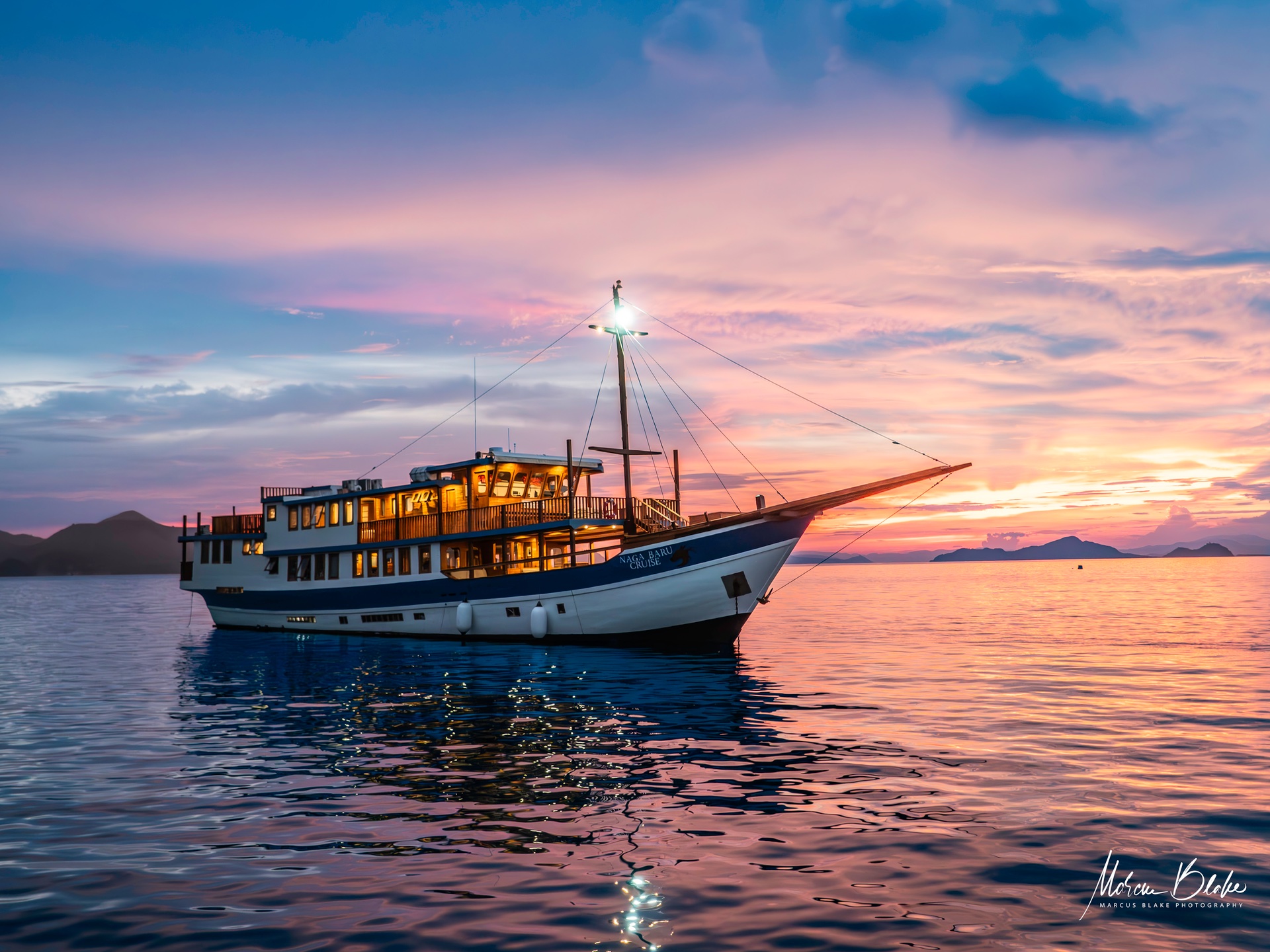
Naga Biru
Indonesia
12 guests40 m
$273/day
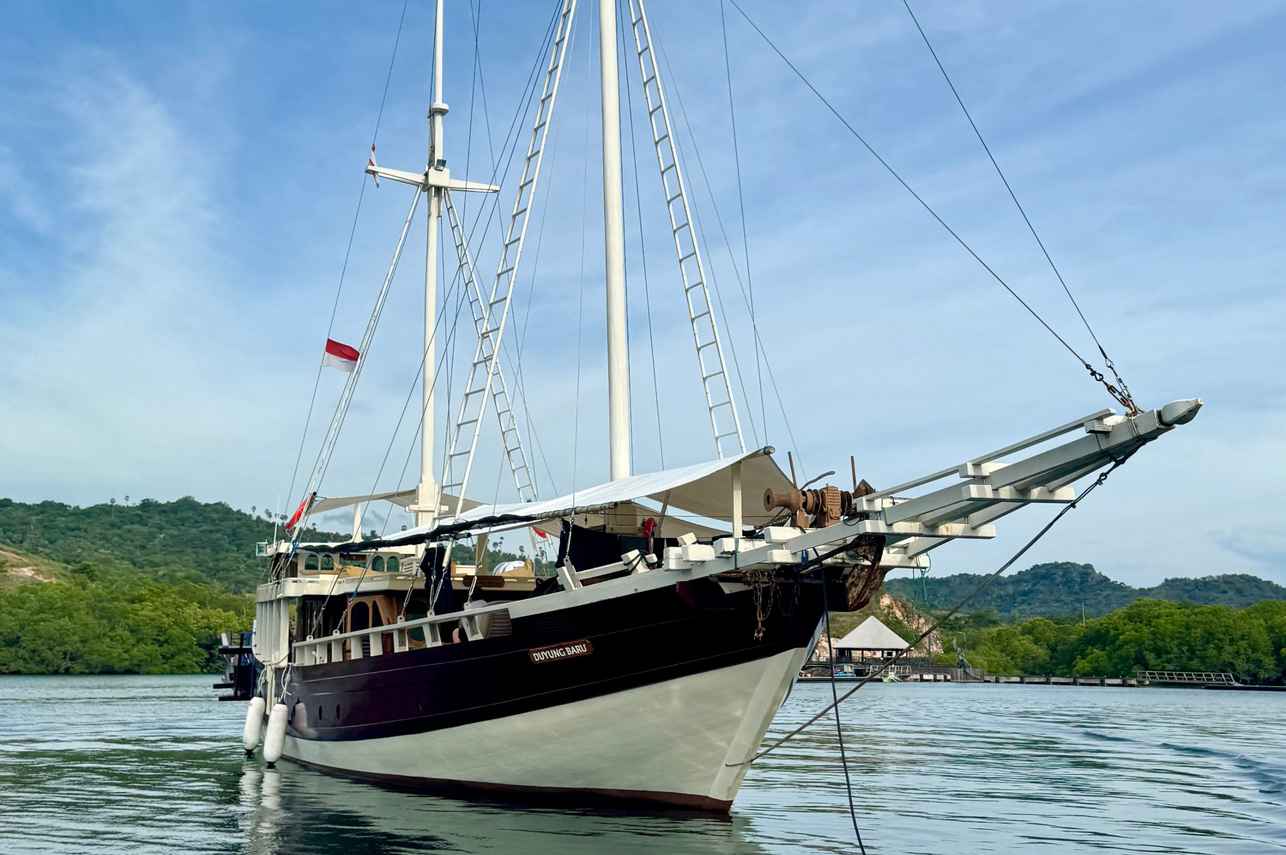
Ecopro Duyung Baru
Indonesia
6 guests27 m
$361/day
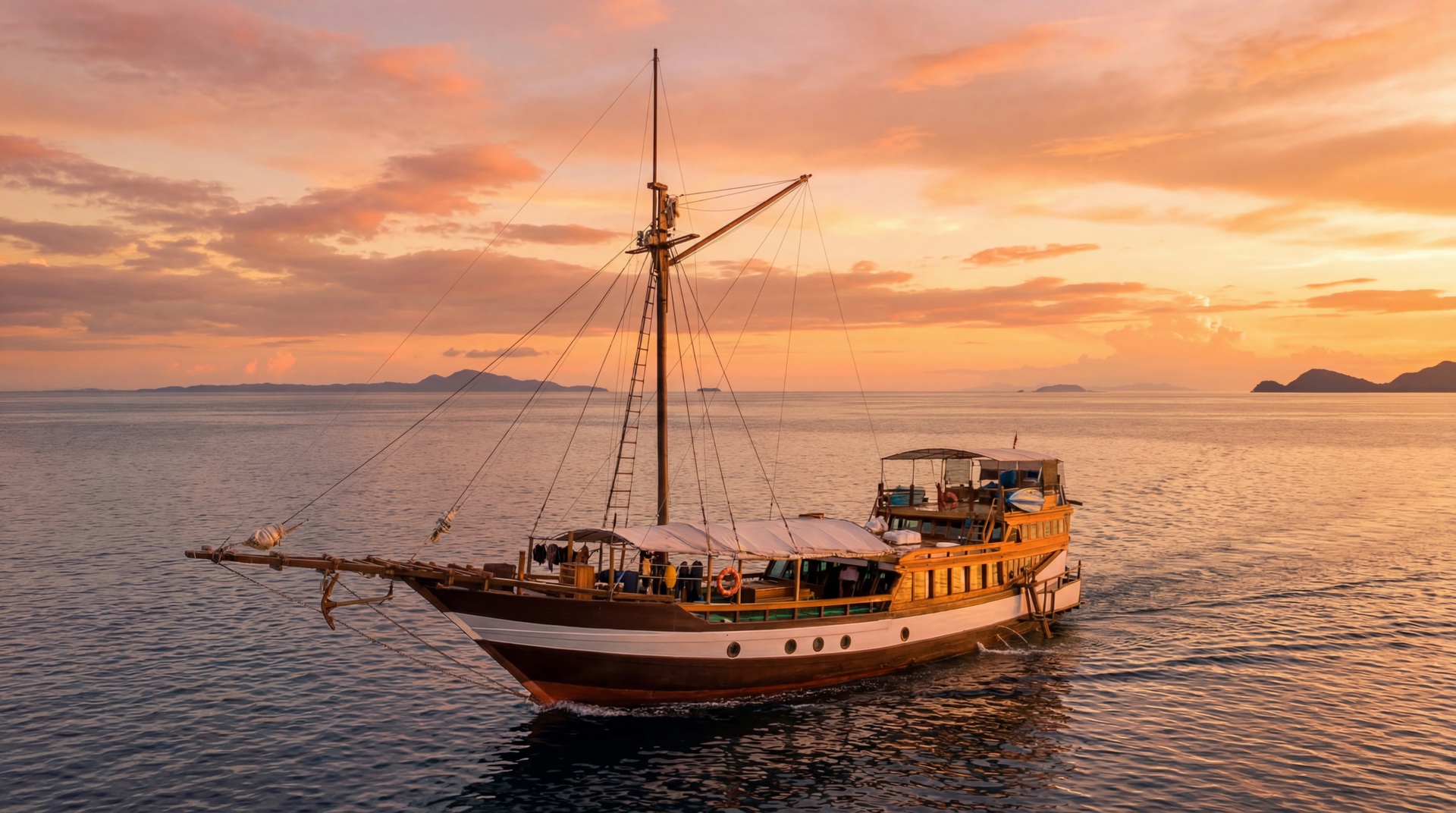
Wellenreng
Indonesia
9 guests25 m
$427/day
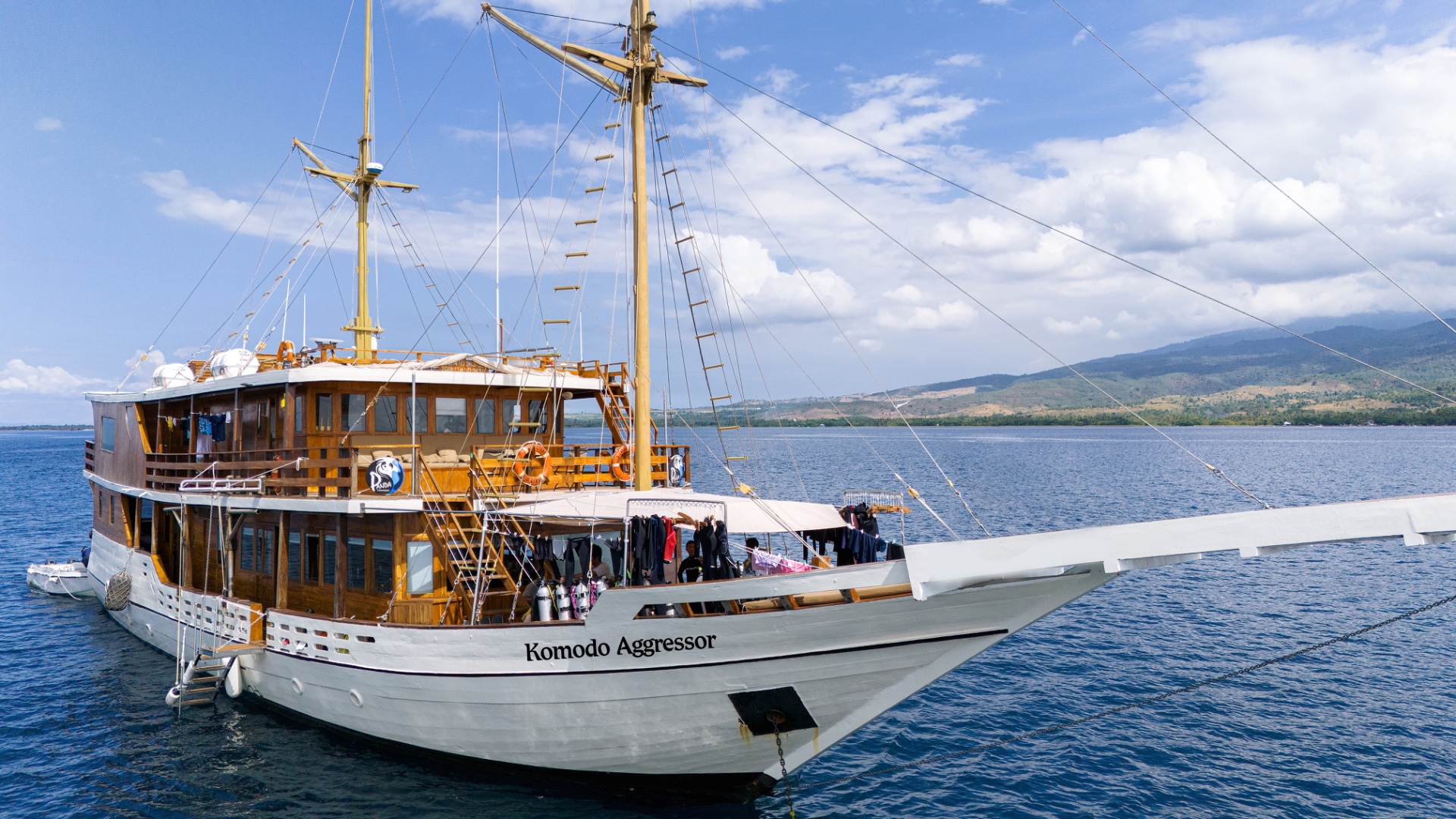
Komodo Aggressor
Komodo, Indonesia
16 guests29 m
$312/day
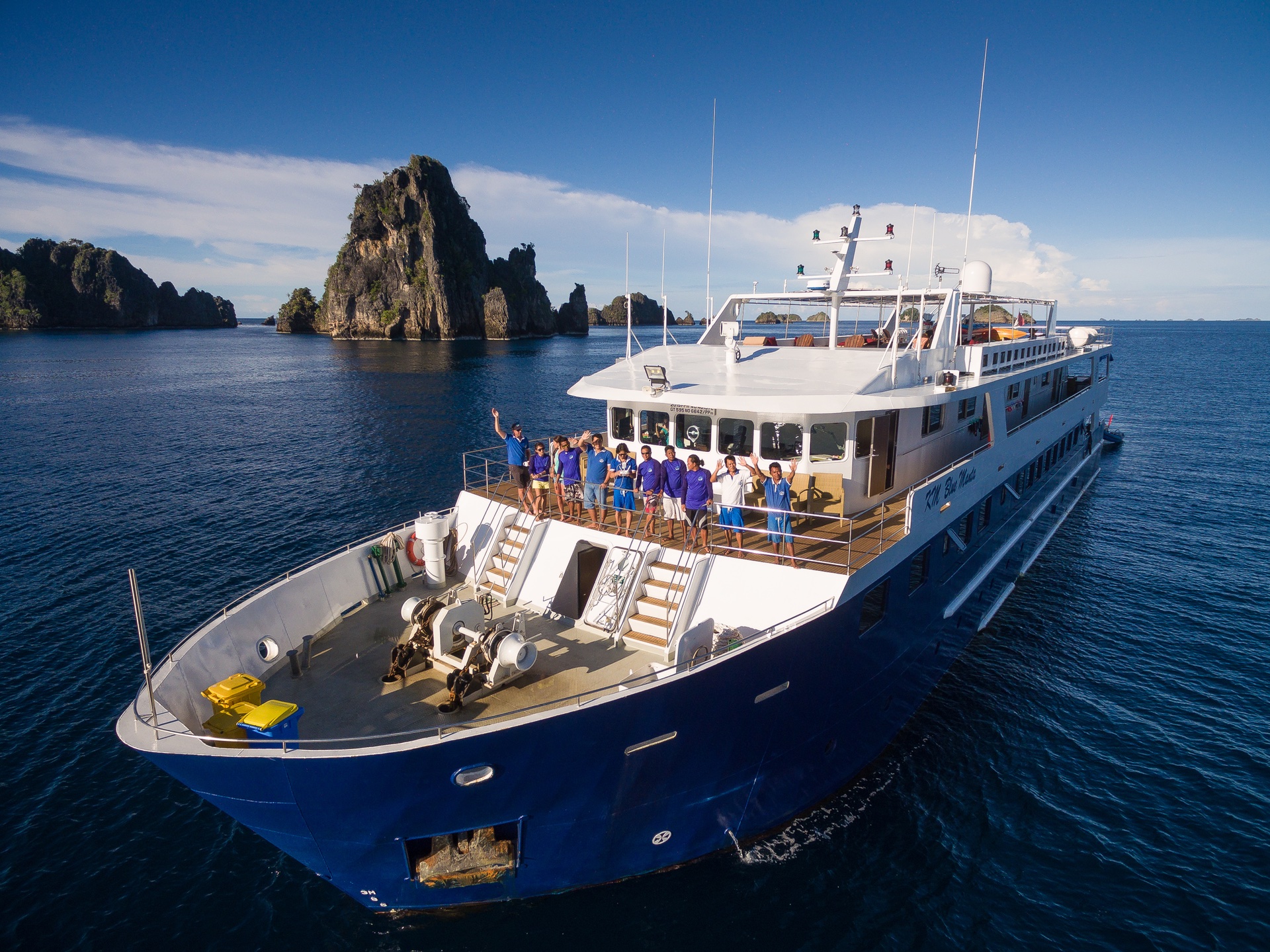
Blue Manta
Indonesia
20 guests45 m
$482/day
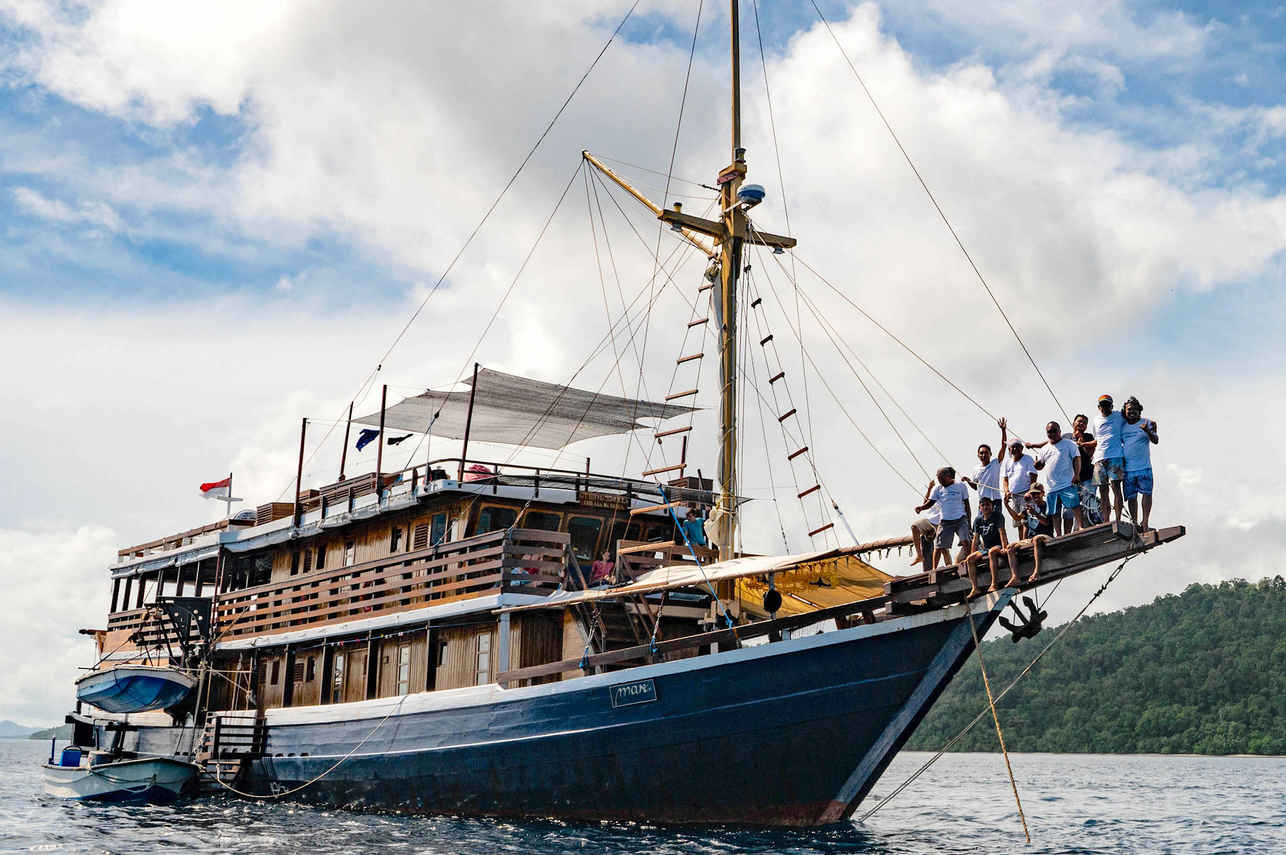
Mari
Indonesia
14 guests32.2 m
$328/day
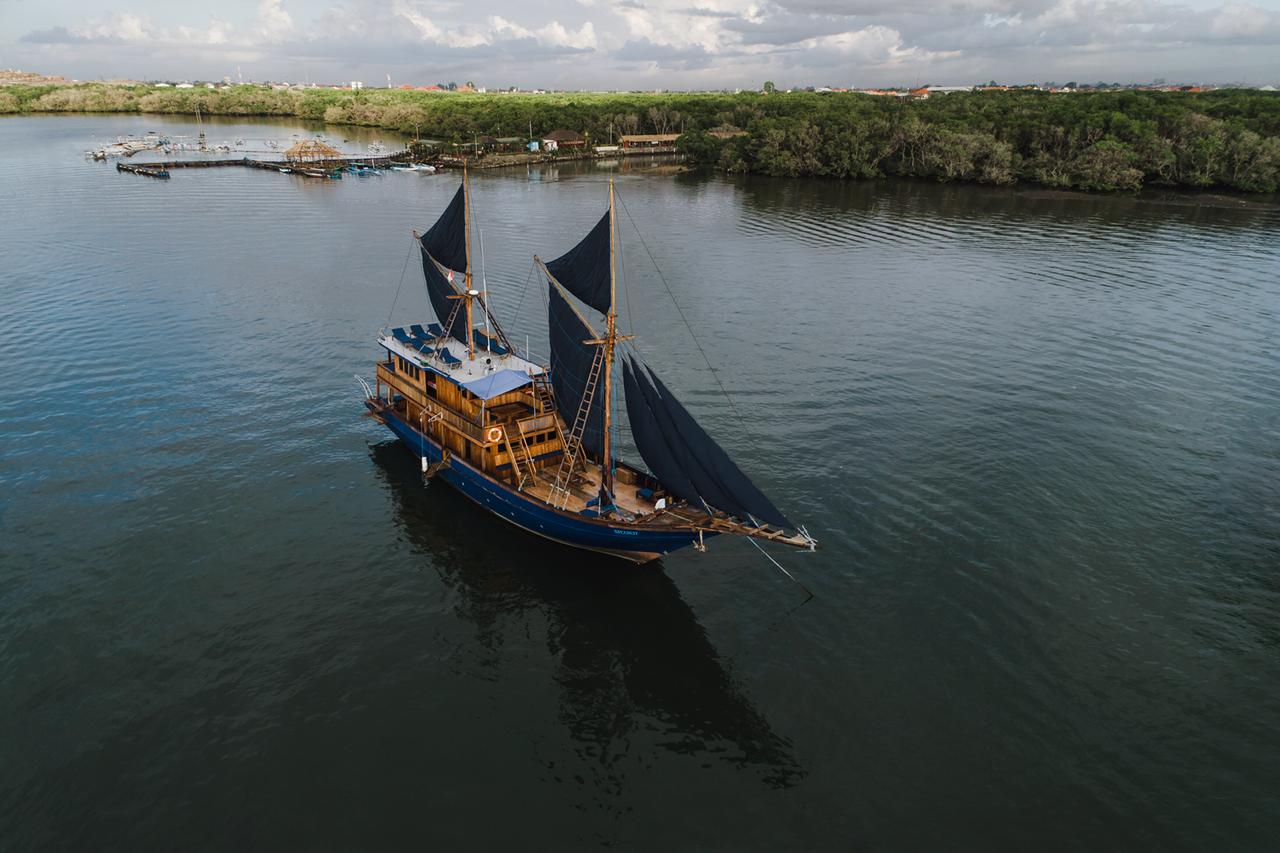
Situju7
Komodo, Indonesia
10 guests32.7 m
$362/day
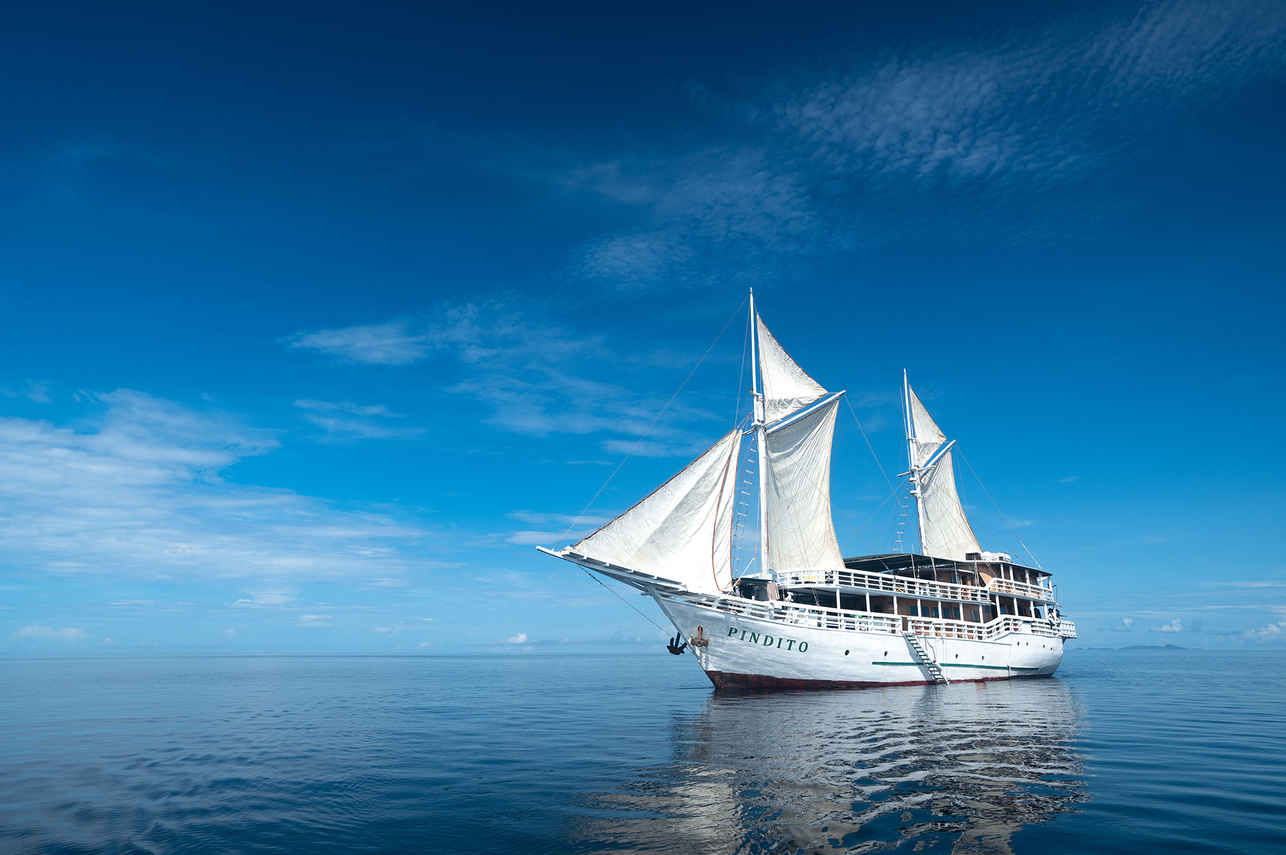
Pindito
Indonesia
16 guests37.79 m
$533/day
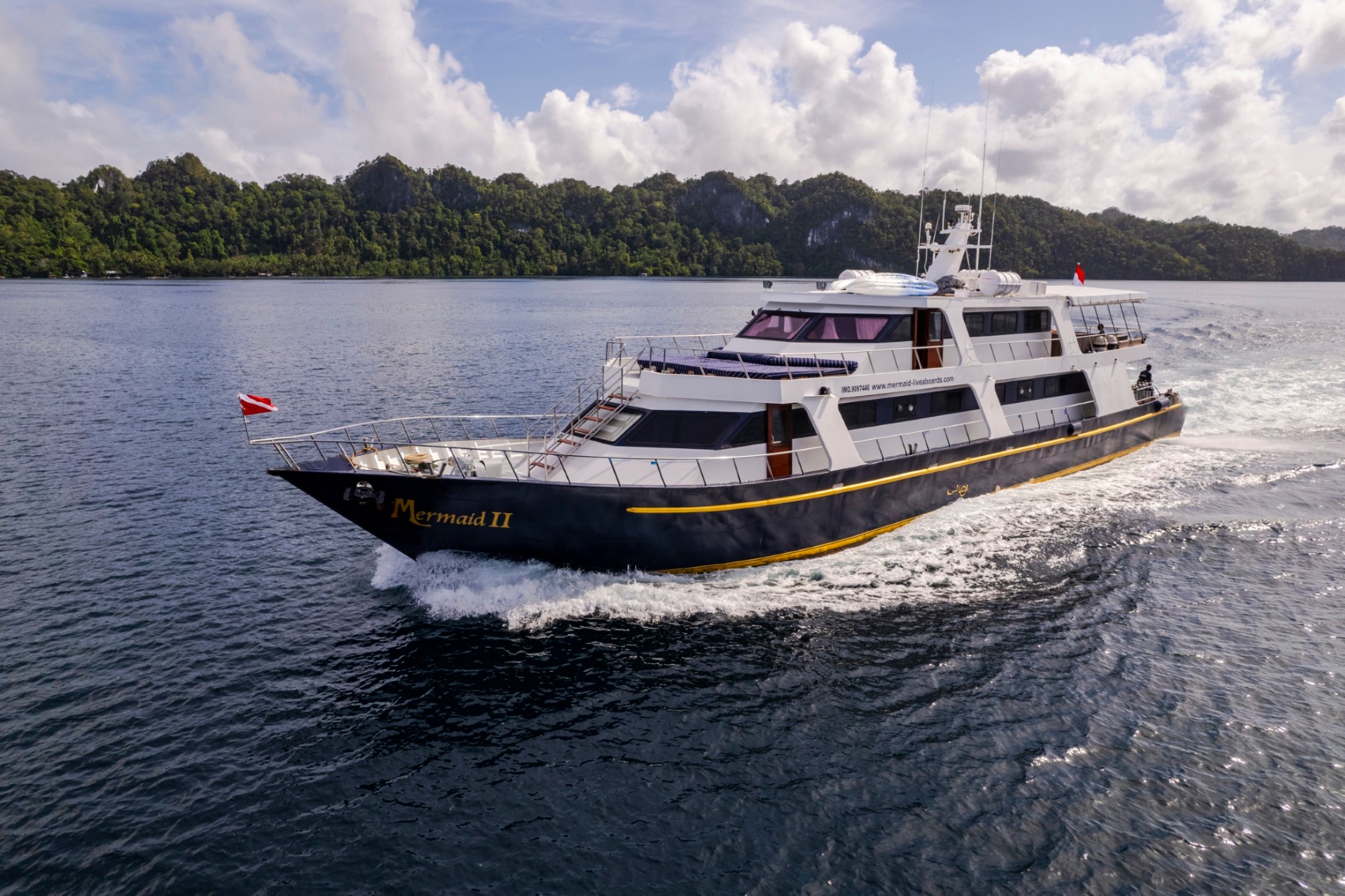
Mermaid II
Komodo, Indonesia
18 guests
$391/day
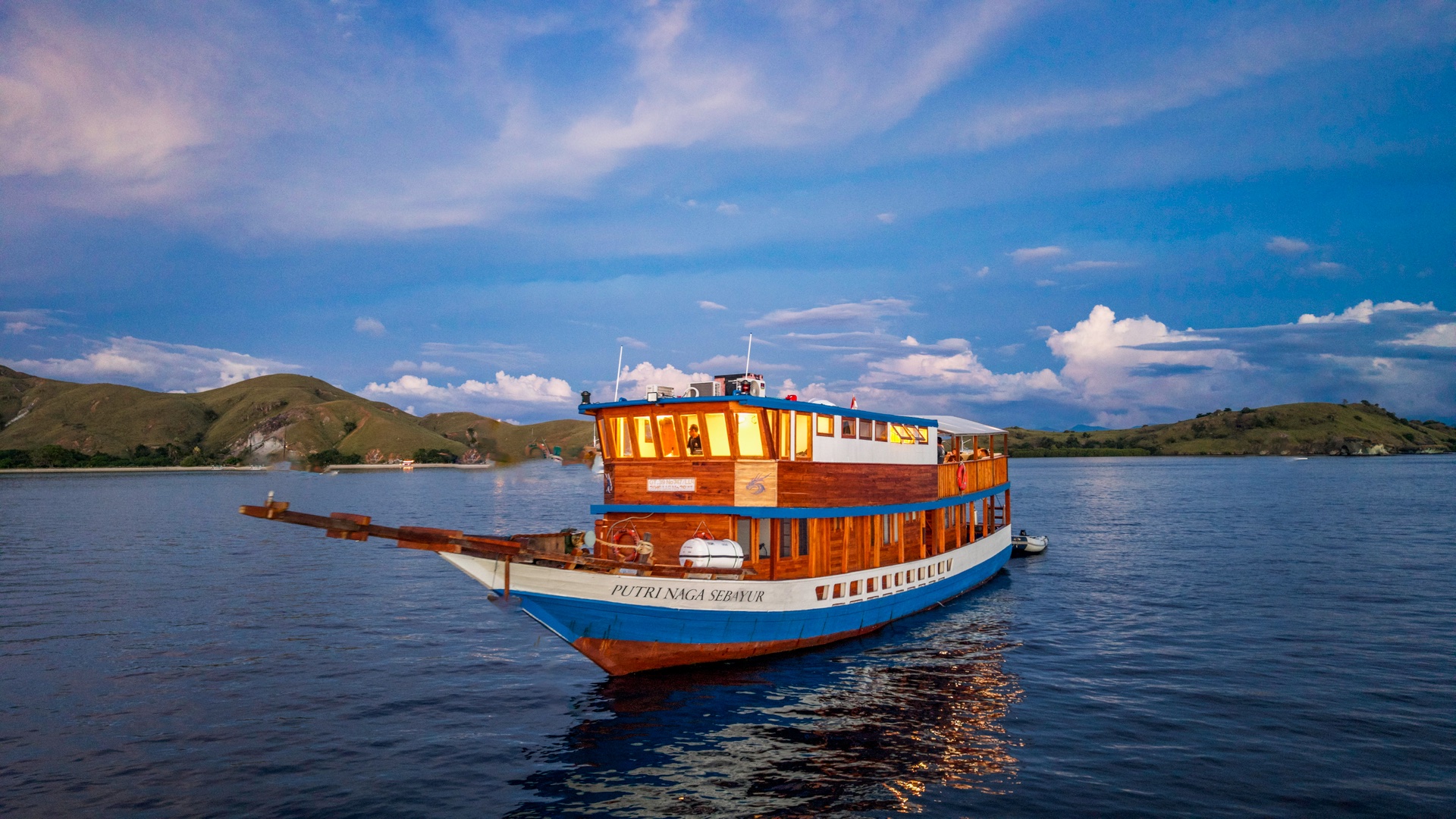
Putri Naga
Komodo, Indonesia
6 guests25 m
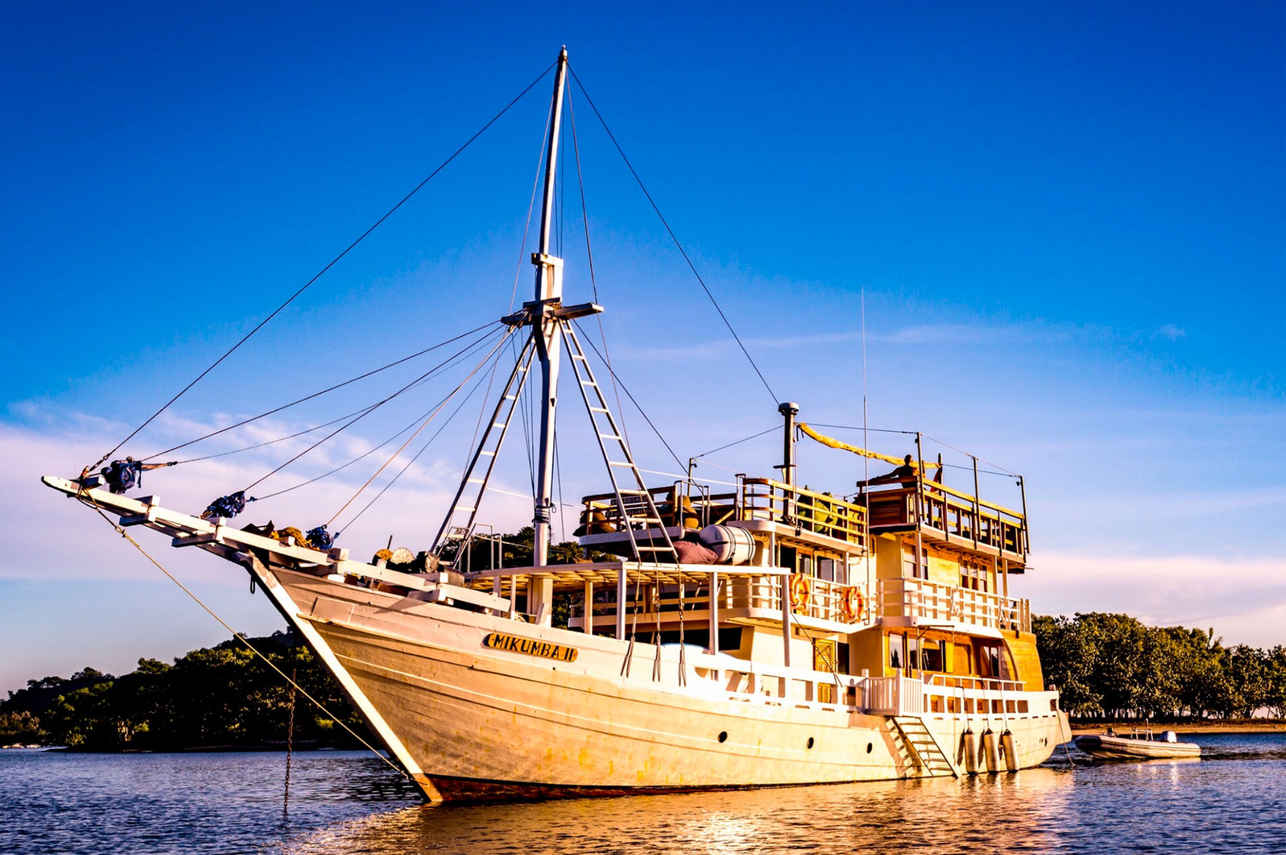
Mikumba Dua
Indonesia
10 guests30 m
$335/day
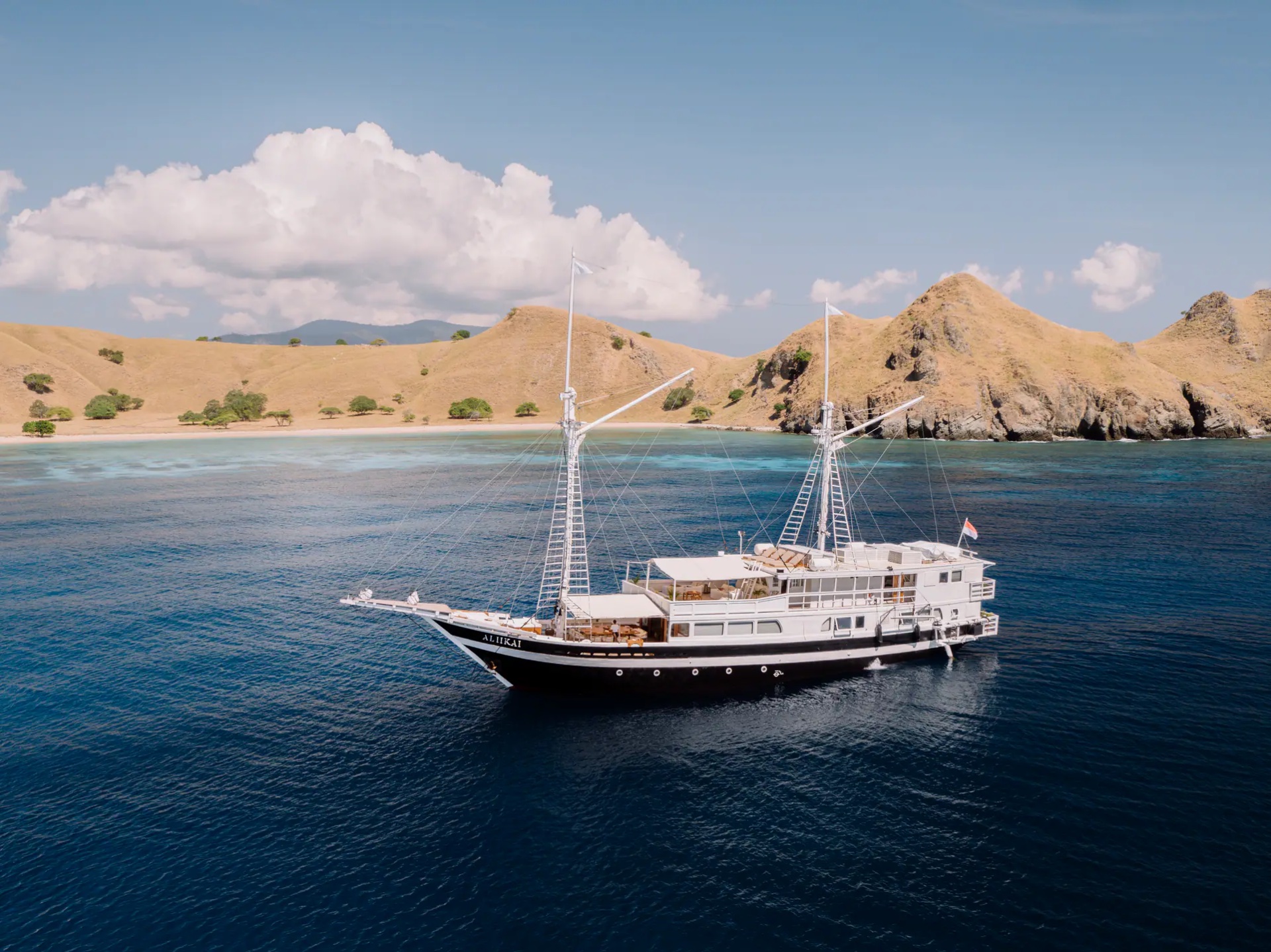
Aliikai Voyage
Indonesia
15 guests40 m
$658/day
Dive sites similar to Cannibal Rock
Same character, same waters — six more sites divers love for the exact same reasons.Compare seasons, access and liveaboard routes — then pick the site that fits your trip best.
© Esri — Maxar, Earthstar, GIS
Castle Rock
Komodo, Indonesia
Castle Rock, an iconic dive site within Komodo National Park, is celebrated as one of Indonesia's premier destinations for exhilarating underwater encounters.
- Suitable for
- Advanced
- Current
- Strong
- Access
- Liveaboard or dayboat
- Depth
- 5–35 m
- Theme
- Drift / Pinnacle
© Esri — Maxar, Earthstar, GIS
Batu Bolong
Komodo, Indonesia
Batu Bolong, meaning "Hollow Rock" in Bahasa Indonesian, is a renowned dive site in Komodo National Park, situated in the central Lintah Strait between Komodo Island and Tatawa Besar.
- Suitable for
- Advanced
- Current
- Strong
- Access
- Liveaboard or dayboat
- Depth
- 10–30 m
- Theme
- Drift / Pinnacle
Batu Tiga, meaning "Three Rocks" in Indonesian, is a dive site reserved for experienced divers within the Komodo National Park, particularly due to its notoriously strong and often unpredictable currents.
- Suitable for
- Advanced
- Current
- Strong
- Access
- Liveaboard or dayboat
- Depth
- 12–35 m
- Theme
- Pinnacle / Wall
© Esri — Maxar, Earthstar, GIS
Crystal Rock
Komodo, Indonesia
Crystal Rock is a renowned dive site in the northern reaches of Komodo National Park, celebrated for its exceptional visibility and the prolific marine life drawn by its dynamic currents.
- Suitable for
- Intermediate
- Current
- Strong
- Access
- Liveaboard or dayboat
- Depth
- 5–25 m
- Theme
- Drift / Pinnacle
© Esri — Maxar, Earthstar, GIS
Sebayur Kecil
Komodo, Indonesia
Sebayur Kecil is nestled within a protected bay in Central Komodo, presenting a spectacular hard coral garden that sprawls over a bright white sand slope.
- Suitable for
- Beginner
- Current
- Mild
- Access
- Liveaboard or dayboat
- Depth
- 5–20 m
- Theme
- Reef / Seamount
© Esri — Maxar, Earthstar, GIS
Banana Split
Komodo, Indonesia
The Komodo National Park, a UNESCO World Heritage site in Indonesia, is renowned for its extraordinary marine biodiversity.
- Suitable for
- Advanced
- Current
- Moderate
- Access
- Liveaboard only
- Depth
- ≤ 30 m
- Theme
- Reef