About Manta Point (South)
Manta Point (South) in Komodo National Park is a celebrated dive site, primarily known for its consistent manta ray sightings. Situated in the southern region of Komodo, it benefits from cooler, nutrient-dense waters that attract large aggregations of these gentle giants. Unlike many other Komodo sites characterized by strong currents, Manta Point (South) generally experiences milder conditions, making it accessible to a broader range of divers. The topography consists mainly of sandy areas where cleaning stations are located, drawing in mantas seeking to shed parasites. Depths at the cleaning stations are relatively shallow, often around 3-4 meters, allowing both divers and snorkelers excellent views. The surrounding seabed extends to deeper plateaus, which divers can explore after observing the mantas. While manta rays are the undisputed stars here, the plankton-rich environment also supports a variety of smaller reef life. Visibility can fluctuate due to the high plankton content, especially during the wet season, but this is precisely what brings the mantas. The optimal time for manta encounters is typically from January to March and December, when migration patterns bring more individuals to the southern sites, though sightings are possible throughout the year. Diving here is characterized by slow, observant movements around the cleaning stations, allowing divers to appreciate the mantas without disturbing them. Due to the generally mild currents, divers can often spend extended periods observing the rays. This site is frequently combined with other southern Komodo dives or visited as part of a liveaboard itinerary.
Highlights
Consistent manta ray sightingsActive manta cleaning stationsGentle drift divingRelatively mild currentsPlankton-rich watersShallow viewing depths
Season calendar
Best months to dive here
Jan
Feb
Mar
Apr
May
Jun
Jul
Aug
Sep
Oct
Nov
Dec
Excellent
Good
Dive site facts: Manta Point (South)
- Depth
- 3–15 m
- Typical dive
- 5–10 m, 50–60 min
- Current
- Mild to moderate
- Visibility
- 10–20 m
- Water temperature
- 25–28°C
- Entry
- Back-roll / Tender
- Level
- Open Water, 10–20 logged dives
- Dive type
- Manta cleaning station, drift
- Night dive
- Not typical
- Region / port
- South Komodo / Nusa Penida
- Coordinates
- -8.7456, 119.4653
Conditions & Currents
Manta Point (South) typically experiences gentler currents compared to many other Komodo dive sites, making it more approachable for less experienced divers. Currents are primarily tidal and can change unpredictably with moon cycles, though they rarely reach the speeds found in northern or central Komodo. Divers should still be prepared for mild drifts and maintain good buoyancy control, especially when hovering near cleaning stations. Visibility can range from 10 to 20 meters, occasionally less, due to the nutrient-rich waters that attract manta rays, but this plankton is essential for manta feeding and does not detract from the experience. Entry is generally a back-roll from a liveaboard or day boat, and exit involves surfacing and being picked up by a tender.
Marine life & sighting chances

Manta Ray
Year-round, peak Dec-Mar · common
Ocean Sunfish
June-October · occasional
Green Turtle
Year-round · occasional
Hawksbill Turtle
Year-round · occasional
Reef Shark
Year-round · occasional
Nudibranch
Wet season · occasional
Frogfish
Wet season · occasional
Pygmy Seahorse
Wet season · rare
Devil Ray
Wet season · occasionalDive profile & how the dive runs
The dive at Manta Point (South) typically begins with a back-roll entry from the boat directly above or slightly up-current from the cleaning stations. Upon descent, divers move towards the sandy bottom where the primary cleaning stations are located, usually in depths of 3 to 10 meters. The main objective is to observe the manta rays as they hover over the cleaning stations or feed on plankton in the water column. Divers maintain a respectful distance, often kneeling on the sand or hovering neutrally buoyant, allowing the mantas to approach. The dive often progresses as a gentle drift along the reef edge or across sandy patches where mantas are known to congregate, extending down to a maximum depth of around 15 meters on the surrounding plateau. Turn-around time is determined by air consumption and bottom time, typically aiming for 50-60 minutes to maximize manta observation. Safety stops are conducted in the shallowest possible area, often in the 5-meter range, allowing for continued manta encounters.
Underwater photography
Manta Point (South) offers exceptional wide-angle photography opportunities, primarily focusing on the majestic manta rays. A wide-angle lens (e.g., 10-24mm or fisheye) is essential to capture the full wing span of these large animals. Given the often lower visibility due to plankton, external strobes or powerful video lights are highly recommended to bring out color and improve contrast, especially in shallower waters where mantas feed close to the surface. Patience is key; position yourself calmly near a cleaning station and allow the mantas to approach. Practice excellent buoyancy control to avoid disturbing the sand or the mantas, ensuring clear shots and respectful interaction. Be mindful of not chasing or cornering the rays. Consider a shorter focal length macro lens if you also want to capture some of the smaller reef inhabitants, but the primary draw here is wide-angle pelagic action.
Combine with nearby dive sites
- Mawan
Mawan is a small, picturesque island located in the central part of Komodo National Park, renowned for its pristine white sand beaches and…
- Siaba Besar
Siaba Besar, affectionately known as "Turtle City," is a sheltered dive site located in a protected bay within the central region of Komodo…
- Batu Bolong
Batu Bolong, meaning "Hollow Rock" in Bahasa Indonesian, is a renowned dive site in Komodo National Park, situated in the central Lintah…
- Tatawa Besar
Tatawa Besar, meaning 'big laugh' in Bahasa Indonesian, is a picturesque dive site located in the central area of Komodo National Park…
- Makassar Reef (Manta Alley)
Makassar Reef, commonly known as Manta Point, is a premier dive site in Komodo National Park, located in the central zone between Komodo…
Getting there & logistics
Access to Manta Point (South) is typically via liveaboard vessels or day trips departing from Labuan Bajo on Flores Island. Labuan Bajo (LBJ) has an airport with connections from major Indonesian hubs like Denpasar (Bali) and Jakarta. Liveaboard trips generally range from 3 to 10 days, allowing for comprehensive exploration of Komodo's diverse dive sites, including both northern and southern regions. Day trips are also a popular option for those staying in Labuan Bajo, focusing on a few select sites. A Komodo National Park diving permit is mandatory and is usually included in the liveaboard or day trip package fee. Planning several months in advance is advisable, especially during peak season (April to October), as liveaboard cabins and popular itineraries book quickly.
Safety & environment
Komodo National Park diving, while rewarding, requires adherence to strict safety protocols. The nearest recompression chamber is located in Denpasar, Bali, necessitating air evacuation in case of a serious diving incident. Comprehensive dive insurance, including coverage for emergency medical treatment and evacuation, is therefore essential. Divers should maintain awareness of their surroundings, particularly due to the presence of boat traffic, and always deploy an SMB upon surfacing. Respecting marine life, especially the manta rays, is paramount; avoid touching, chasing, or obstructing their path at cleaning stations. Always follow the instructions of your dive guide, who is familiar with the local currents and conditions.
Who it suits — and who it doesn't
Suited for
- Open Water certified divers with 10-20 logged dives
- Divers seeking consistent manta ray encounters
- Underwater photographers focusing on wide-angle pelagics
- Divers comfortable with mild to moderate currents
- Individuals who prioritize marine life observation over challenging drifts
Less suited for
- Uncertified divers or those with very limited experience
- Divers expecting extreme clarity or pristine coral gardens (due to plankton)
- Those uninterested in large pelagic encounters
- Divers seeking challenging high-current dives exclusively
FAQ
Manta Point (South) FAQ
What kind of marine life can I expect to see at Manta Point (South)?
Manta Point (South) is world-renowned for its manta ray population, which you can almost always see here. Beyond the mantas, you might also spot various reef fish, occasional turtles, and smaller critters. During the colder dry months (June to October), there's a chance to encounter the elusive Ocean Sunfish (Mola mola).
What are the typical diving conditions at Manta Point (South)?
Conditions at Manta Point (South) are generally gentler than many other Komodo sites, making it suitable for Open Water divers. Currents are usually mild to moderate, allowing for comfortable observation of the mantas. Water temperatures range from 25-28°C, but visibility can be lower (10-20 meters) due to the plankton that attracts the mantas.
Is Manta Point (South) suitable for beginner divers?
Yes, Manta Point (South) is considered suitable for beginner to intermediate divers, typically those with an Open Water certification and at least 10-20 logged dives. Its generally milder currents make it more accessible than many of Komodo's more challenging sites, allowing for a rewarding experience with the mantas.
When is the best time of year to see mantas at Manta Point (South)?
While manta rays are present year-round, the wet season from December to March often brings increased activity to Manta Point (South). During these months, cooler, plankton-rich waters in the southern part of Komodo attract larger aggregations of mantas, offering peak viewing opportunities.
Can I snorkel with manta rays at Manta Point (South)?
Yes, snorkeling with manta rays at Manta Point (South) is often possible and offers excellent views. The mantas frequently come close to the surface, hovering above the cleaning stations or feeding. Snorkelers can typically get a fabulous view, as the cleaning stations are often less than 3-4 meters deep depending on tidal movements.
Why dive Manta Point (South) from a liveaboard?
Manta Point (South) is one of Komodo, Indonesia's signature dive sites. A liveaboard sleeps you on the water and puts you in the water for three to four guided dives per day, including dawn and night dives that day-boat operators rarely offer. You skip the daily commute back to port and reach quieter, less-crowded sites in the same region on a single trip.
Below are the liveaboards that include Manta Point (South) on their Komodo, Indonesia itineraries.
Liveaboards diving Manta Point (South)
These liveaboards may visit Manta Point (South) on selected itineraries — the exact dive sites depend on departure, weather and conditions.
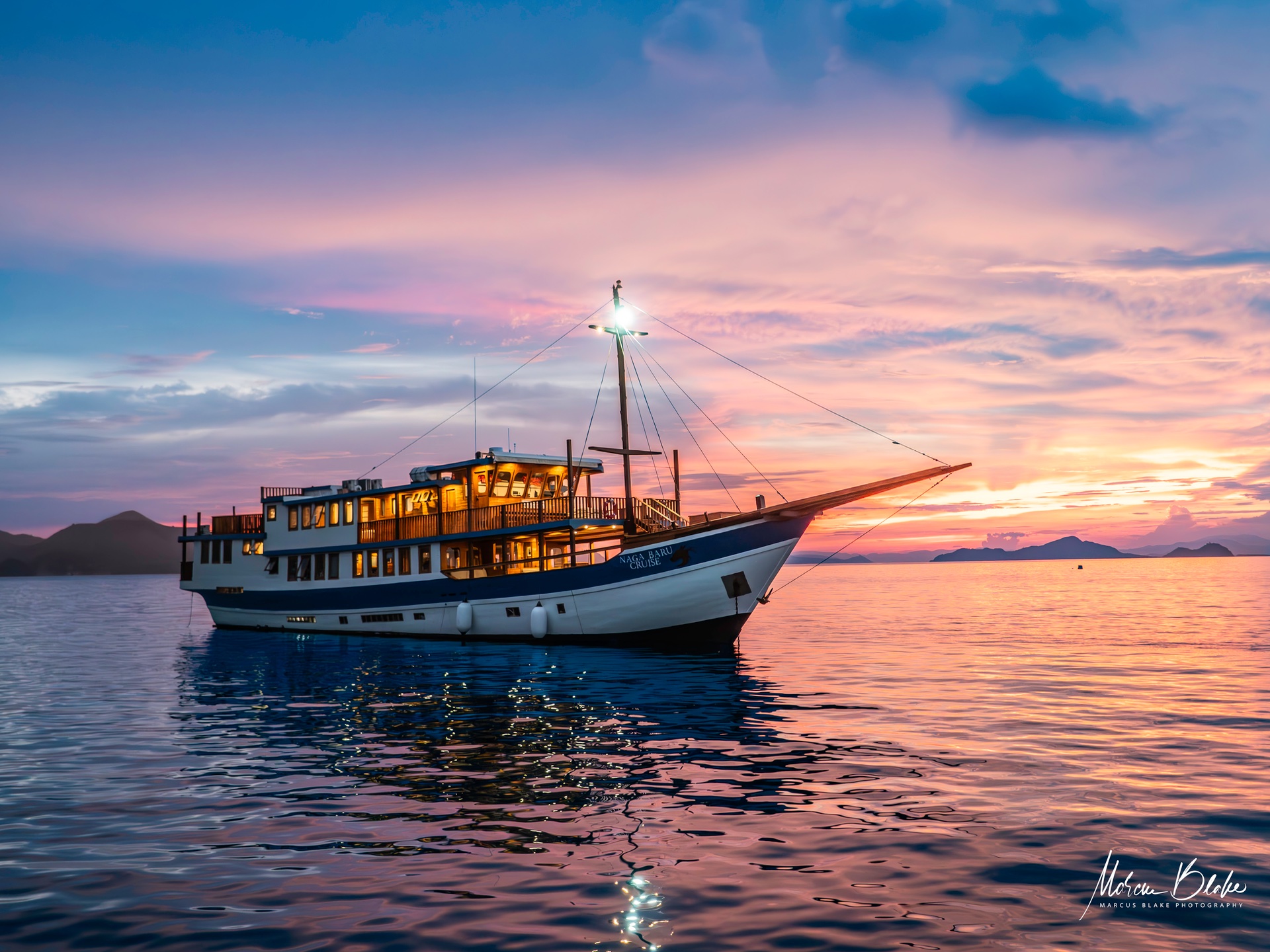
Naga Biru
Indonesia
12 guests40 m
$272/day
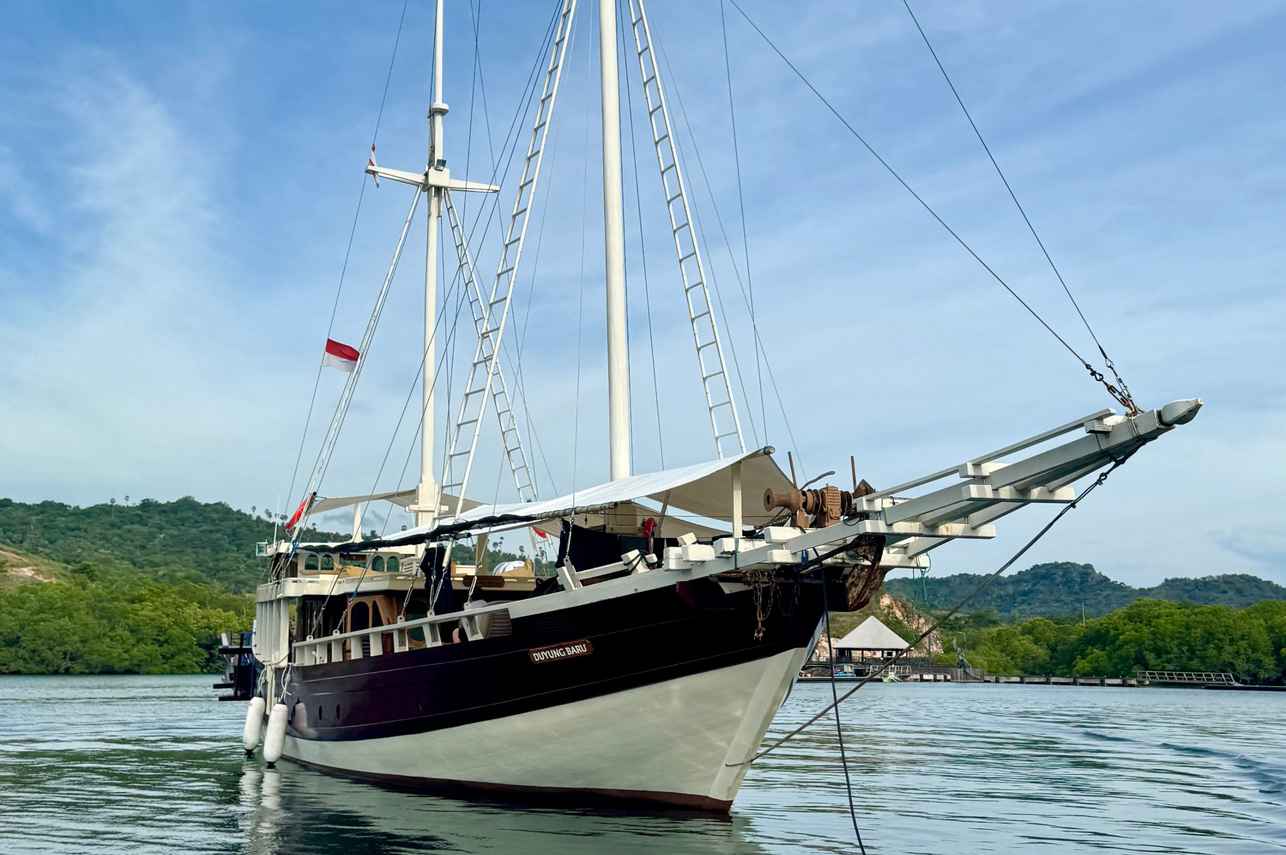
Ecopro Duyung Baru
Indonesia
6 guests27 m
$361/day
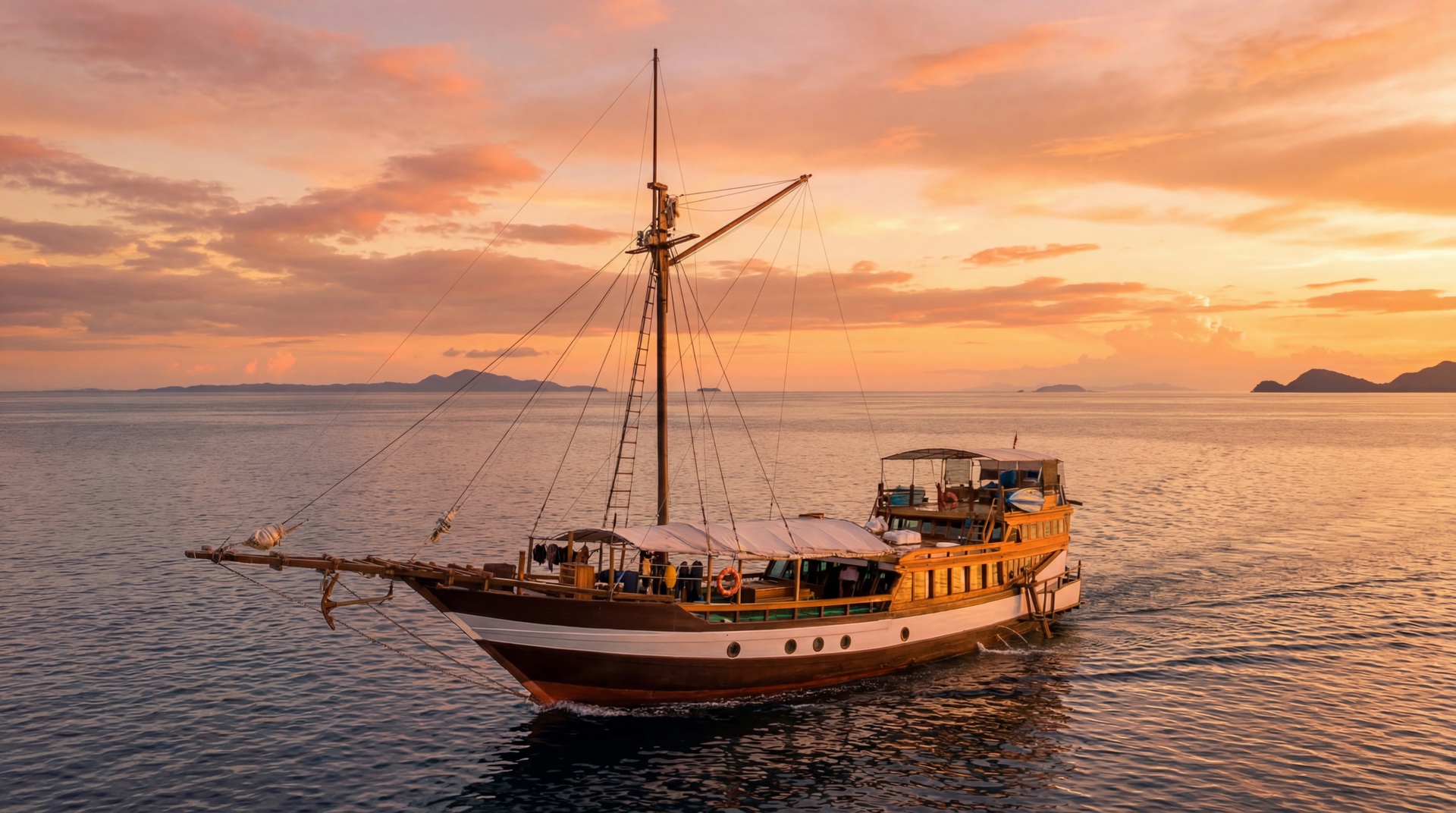
Wellenreng
Indonesia
9 guests25 m
$425/day
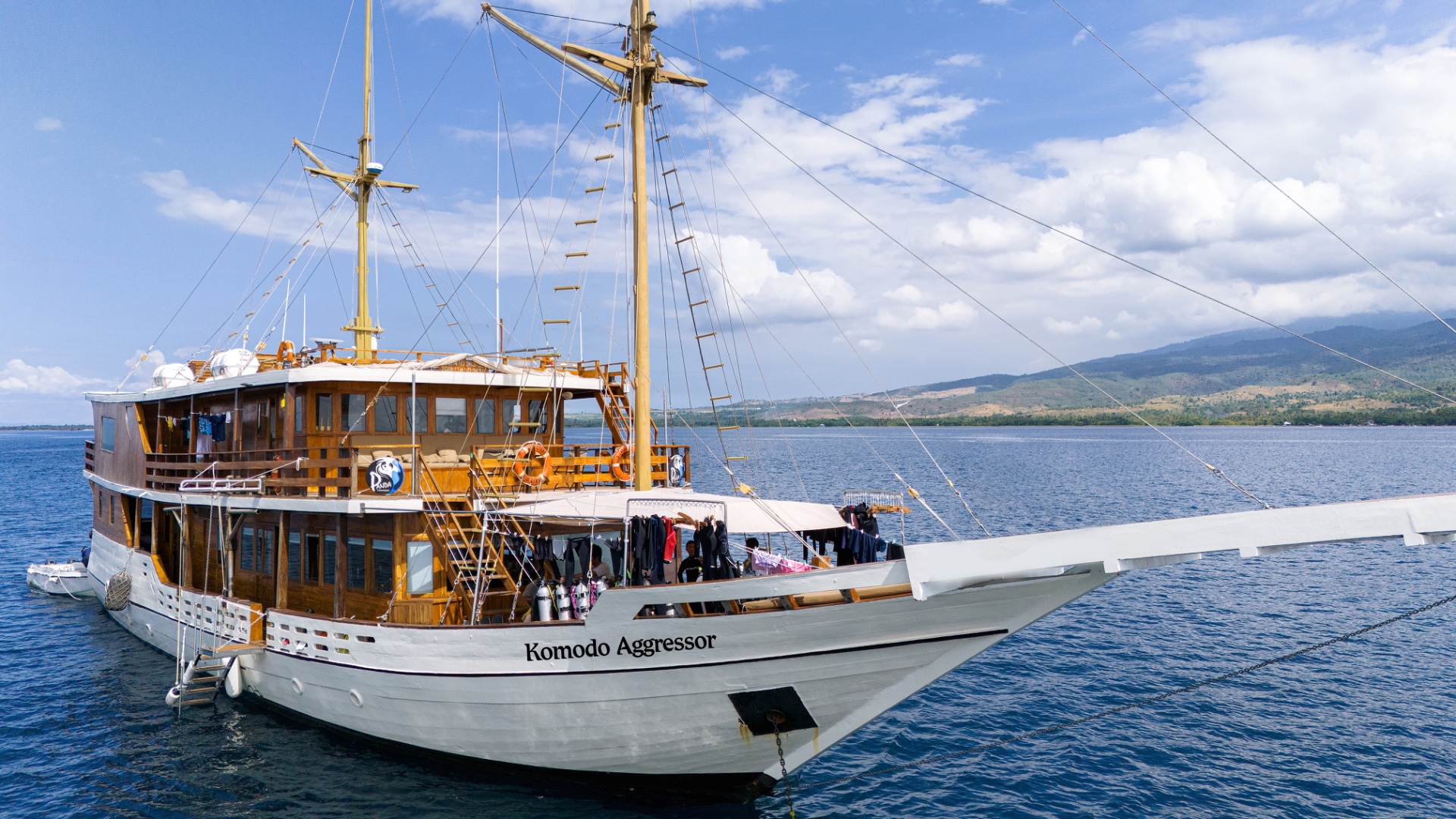
Komodo Aggressor
Komodo, Indonesia
16 guests29 m
$312/day
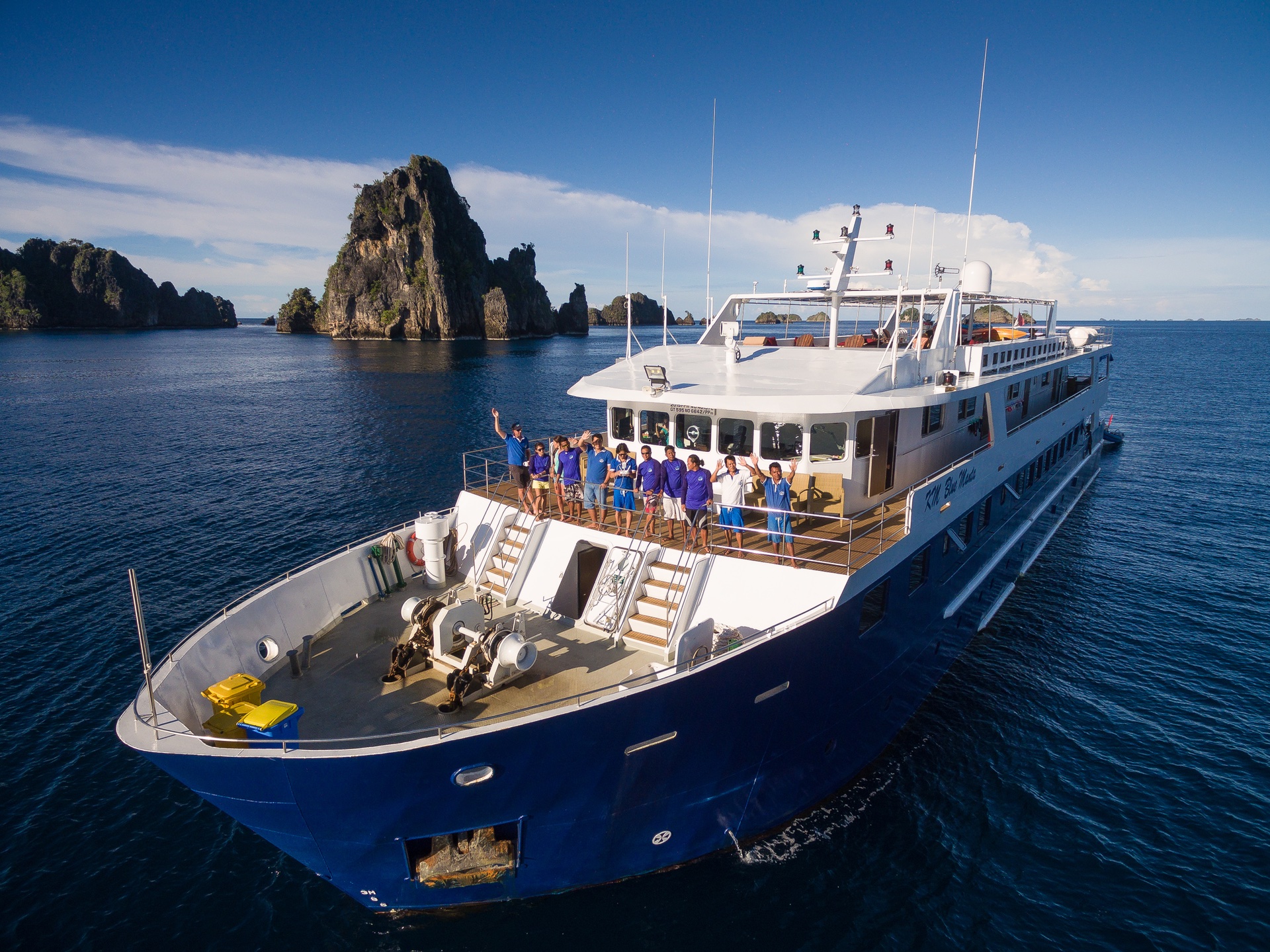
Blue Manta
Indonesia
20 guests45 m
$482/day
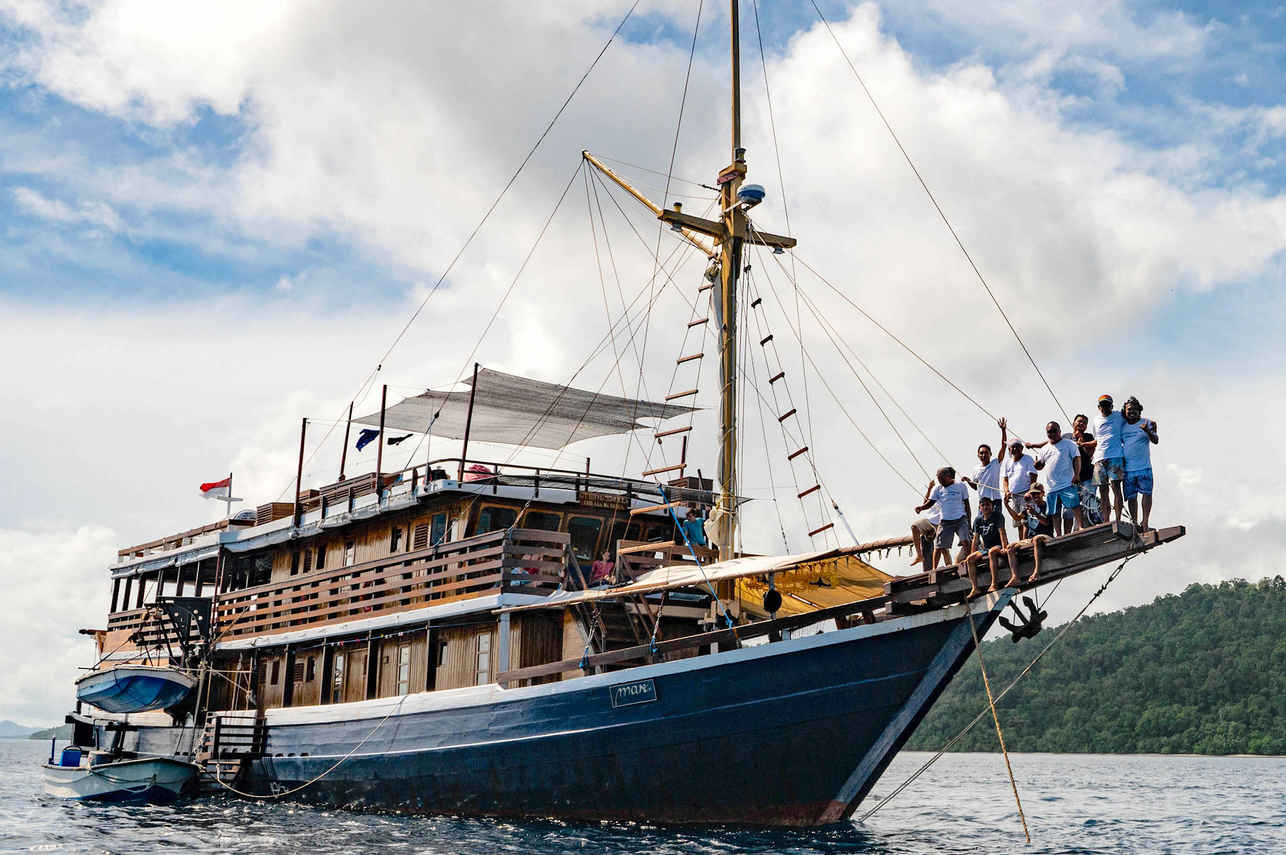
Mari
Indonesia
14 guests32.2 m
$321/day
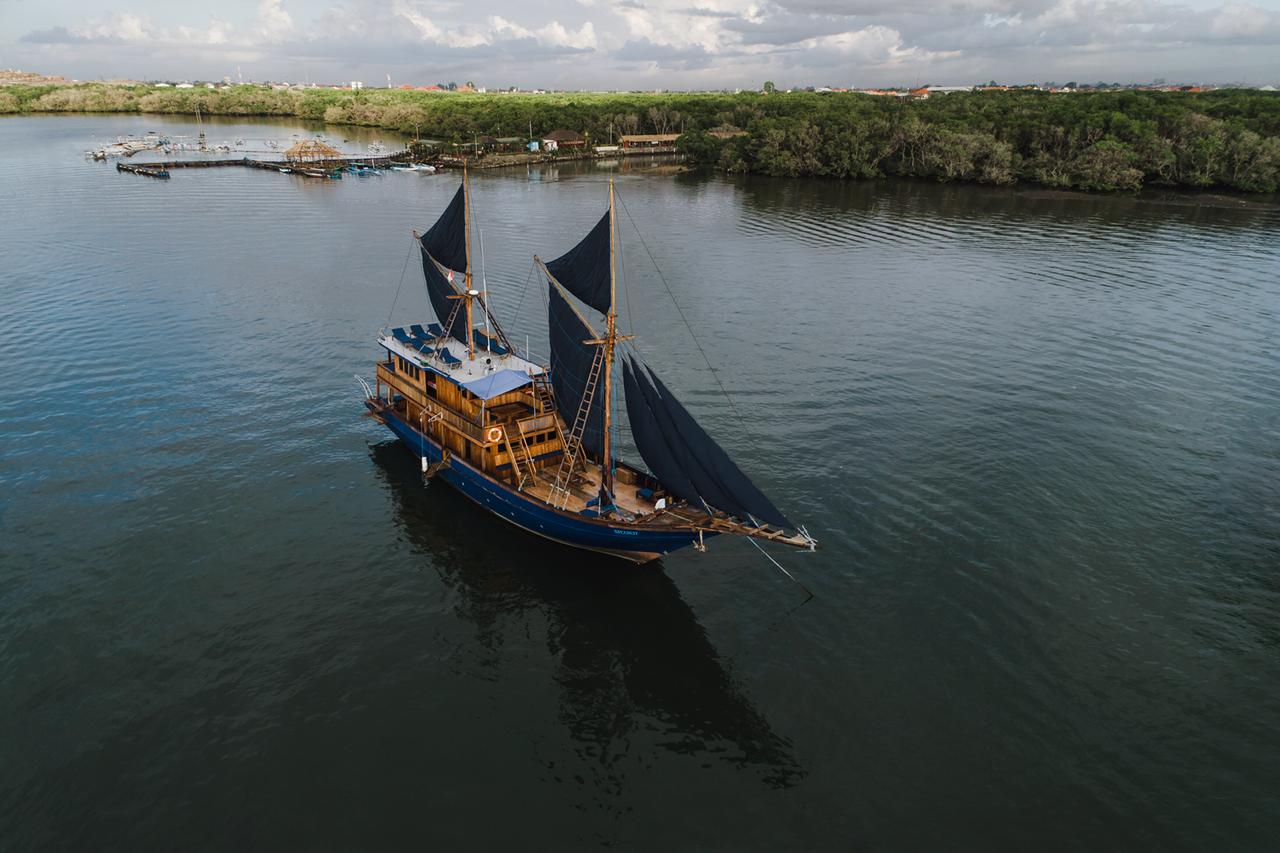
Situju7
Komodo, Indonesia
10 guests32.7 m
$362/day
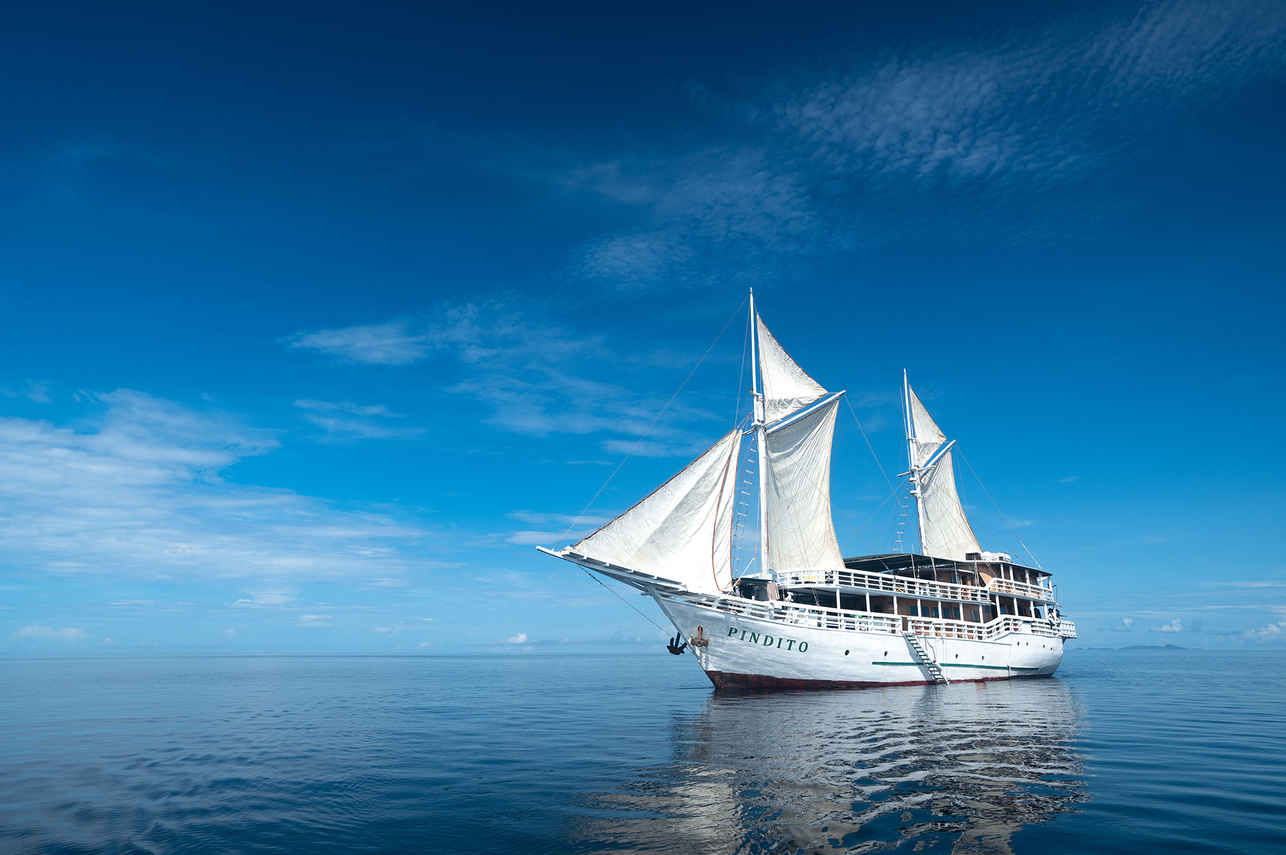
Pindito
Indonesia
16 guests37.79 m
$533/day
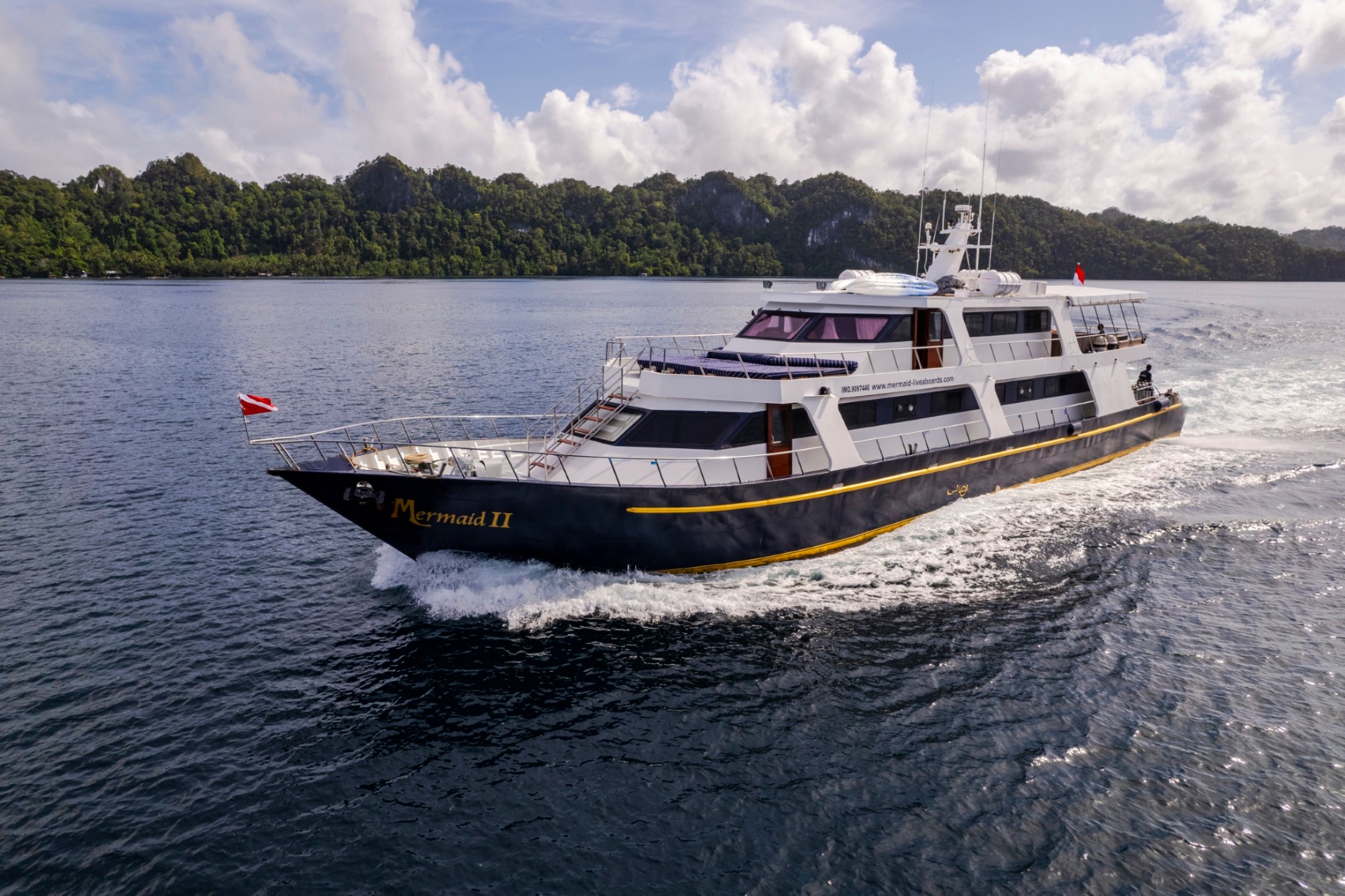
Mermaid II
Komodo, Indonesia
18 guests
$390/day
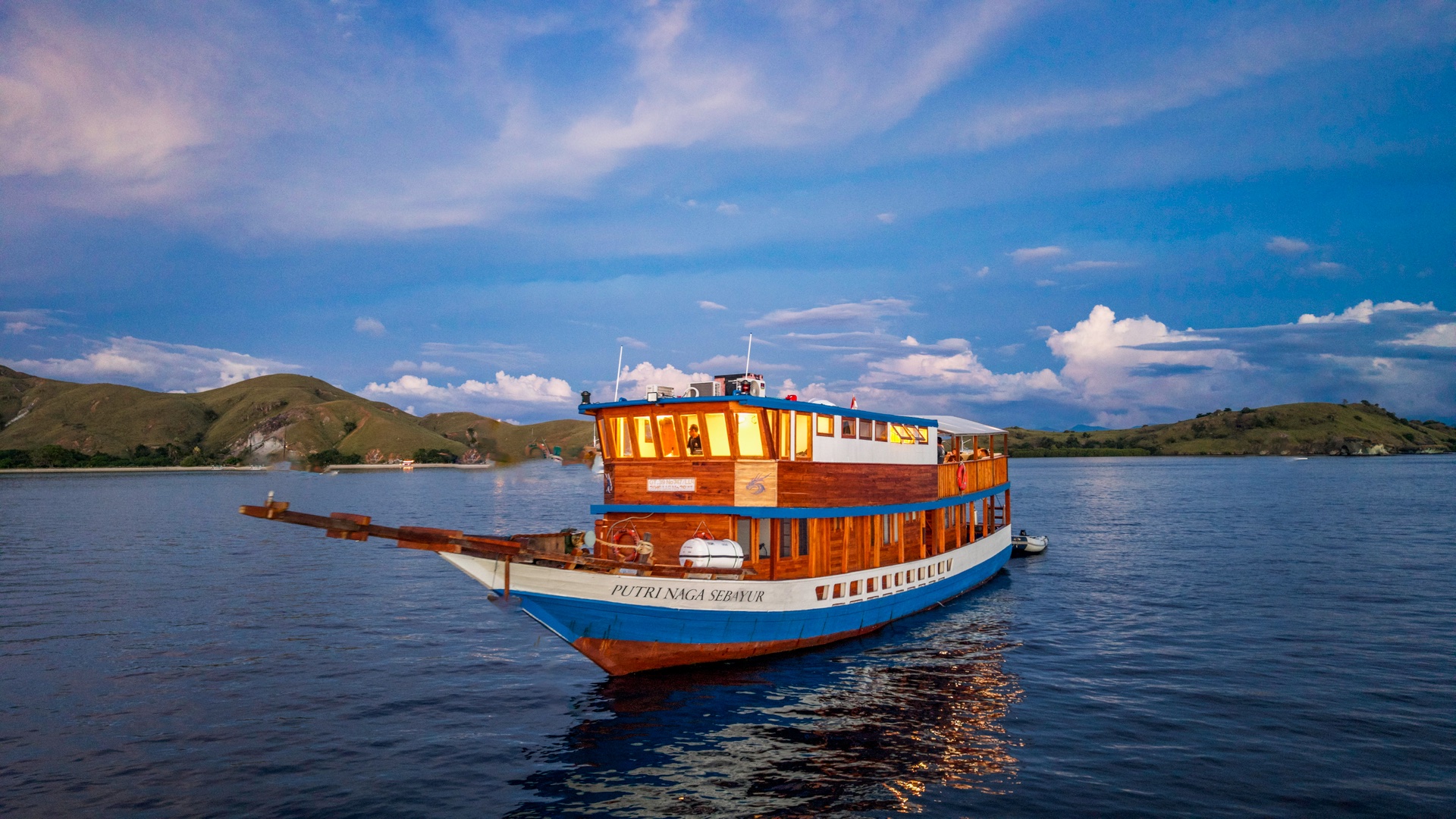
Putri Naga
Komodo, Indonesia
6 guests25 m
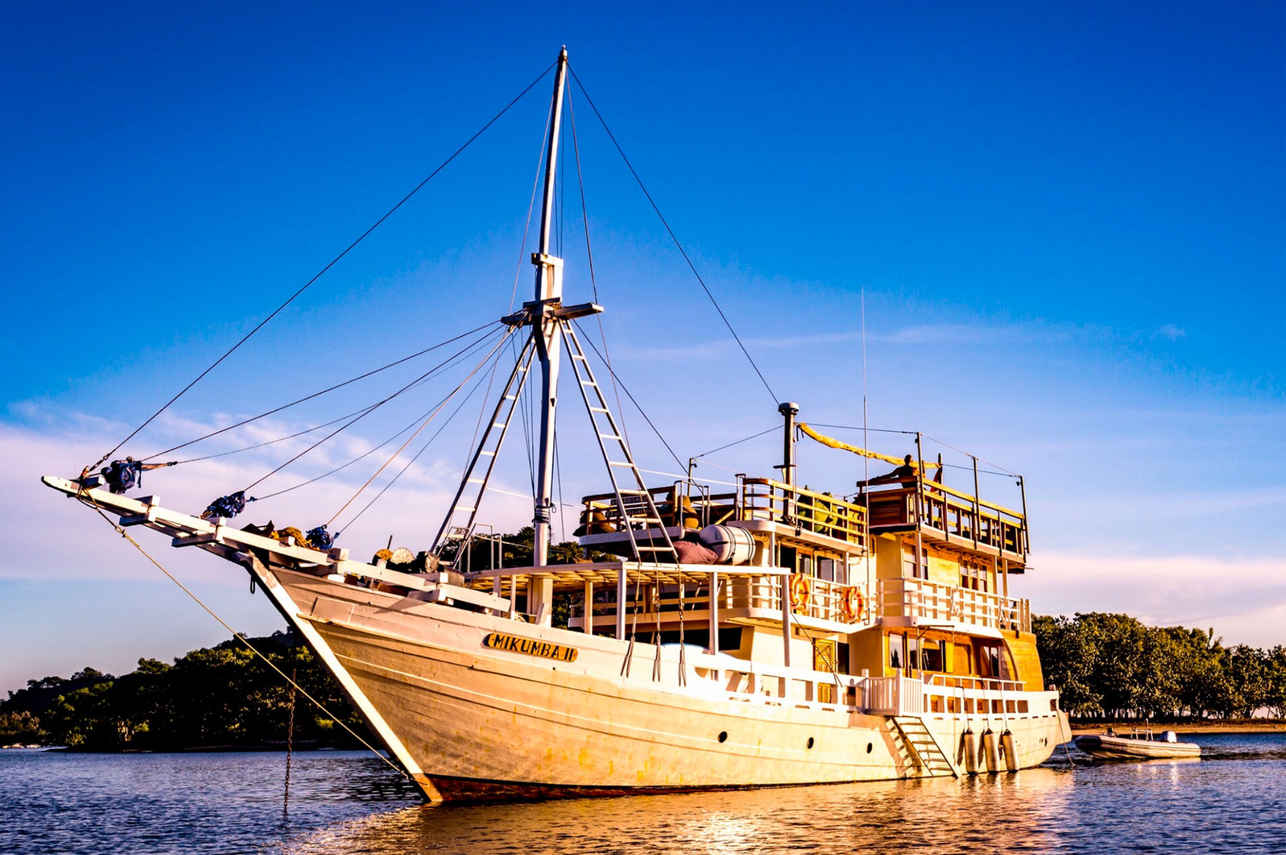
Mikumba Dua
Indonesia
10 guests30 m
$335/day
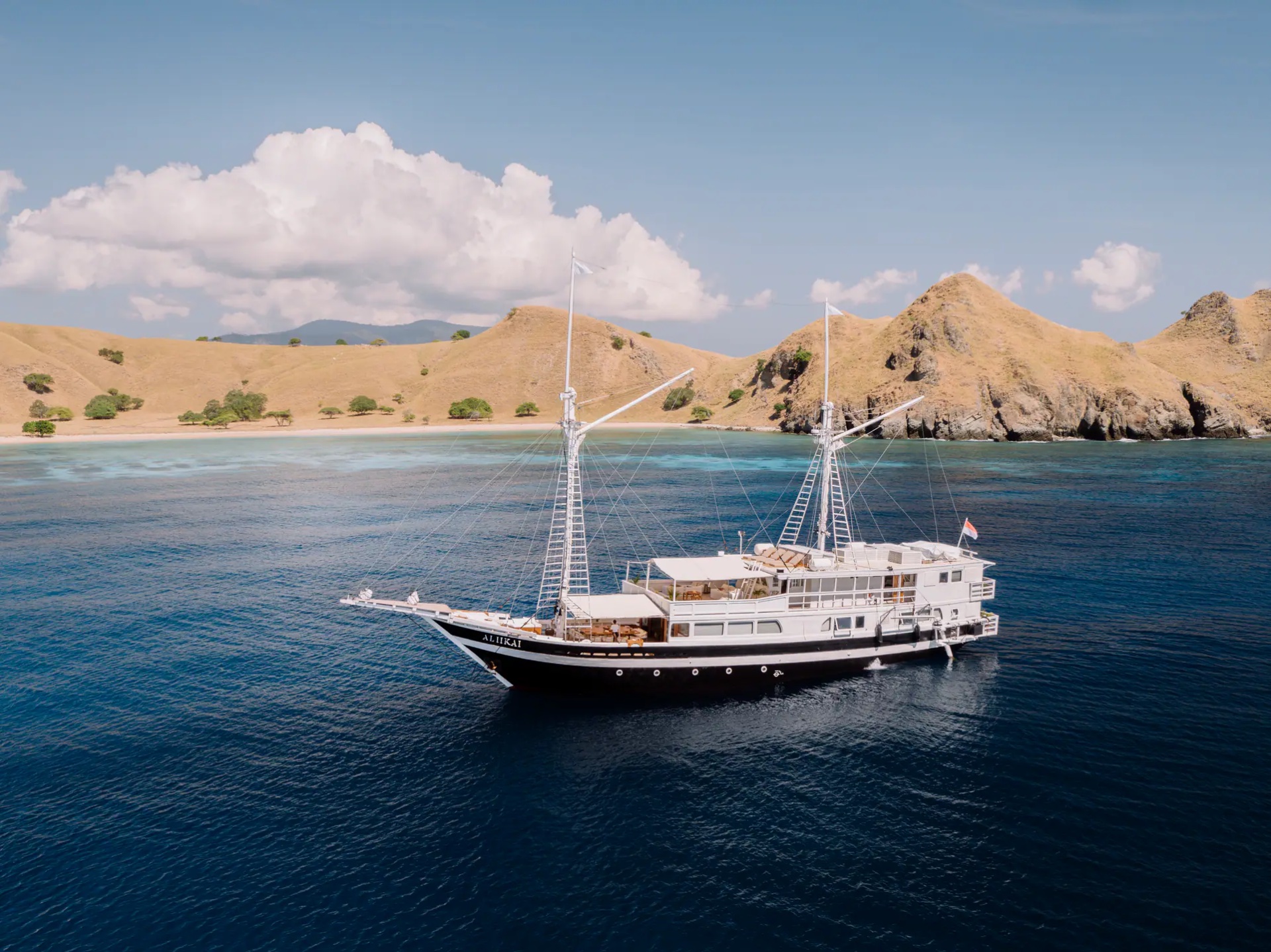
Aliikai Voyage
Indonesia
15 guests40 m
$658/day
Dive sites similar to Manta Point (South)
Same character, same waters — six more sites divers love for the exact same reasons.Compare seasons, access and liveaboard routes — then pick the site that fits your trip best.
© Esri — Maxar, Earthstar, GIS
Banana Split
Komodo, Indonesia
The Komodo National Park, a UNESCO World Heritage site in Indonesia, is renowned for its extraordinary marine biodiversity.
- Suitable for
- Advanced
- Current
- Moderate
- Access
- Liveaboard only
- Depth
- ≤ 30 m
- Theme
- Reef
© Esri — Maxar, Earthstar, GIS
Batu Saloka
Komodo, Indonesia
Batu Saloka offers an exceptional diving experience within Komodo National Park, distinguished by its rugged underwater topography and a vibrant marine ecosystem.
- Suitable for
- Advanced
- Current
- Strong
- Access
- Liveaboard only
- Depth
- —
- Theme
- Reef
© Esri — Maxar, Earthstar, GIS
Gili Lawa Darat
Komodo, Indonesia
Gili Lawa Darat, situated at the northern entrance of Komodo National Park, is renowned for its thrilling drift diving opportunities.
- Suitable for
- Intermediate
- Current
- Strong
- Access
- Liveaboard or dayboat
- Depth
- 5–25 m
- Theme
- Drift / Reef
Gindang is nestled within the Central Komodo National Park, an area renowned for its ecological diversity and year-round accessibility.
- Suitable for
- Intermediate
- Current
- No current
- Access
- Liveaboard only
- Depth
- —
- Theme
- Reef
GPS Point is an advanced dive site located in the Banta Island area, specifically Gili Banta, within Komodo National Park's northern region.
- Suitable for
- Advanced
- Current
- Strong
- Access
- Liveaboard only
- Depth
- 15–35 m
- Theme
- Reef
© Esri — Maxar, Earthstar, GIS
Komodo Corner
Komodo, Indonesia
Komodo Corner, or Police Corner, is a captivating dive site situated on the south side of Siaba Besar Island within Central Komodo National Park.
- Suitable for
- Advanced
- Current
- Strong
- Access
- Liveaboard or dayboat
- Depth
- 5–30 m
- Theme
- Cave & cavern / Drift