About Torpedo Alley
Torpedo Alley, nestled along the southern coast of Nusa Kode, presents a picturesque vertical reef dive. This site is renowned for its extraordinary density of crinoids and diverse soft corals, which adorn the wall from just below the surface down to over 30 meters. It offers a spectacular multi-level dive profile, with vibrant coral gardens and an abundance of small reef creatures. The site is celebrated for its calm conditions, making it an ideal location for leisurely exploration. While it shines as a macro photographer's paradise, its dramatic structure and colorful coral coverage also provide excellent opportunities for wide-angle shots. The cool, nutrient-rich waters typical of southern Komodo contribute to the site's exceptional biodiversity and lush marine growth. Diving at Torpedo Alley can be combined with other southern Komodo highlights, forming a rich itinerary focused on critter spotting and impressive reefscapes. Its accessibility and generally low currents make it suitable for a broad range of diver experience levels, encouraging slow, meticulous observation of its hidden inhabitants. While not typically a pelagic hotspot, patient divers might occasionally spot turtles, barracuda, or even mobula rays cruising the blue, adding an element of surprise to this already captivating dive. The site's character is defined by its intricate beauty and the sheer variety of life found within its walls.
Highlights
Dense crinoid wallRich soft coral coverageExceptional macro lifeVertical reef profileCalm, exploratory divingHidden pygmy seahorsesDramatic wall structure
Season calendar
Best months to dive here
Jan
Feb
Mar
Apr
May
Jun
Jul
Aug
Sep
Oct
Nov
Dec
Excellent
Good
Off-Season
Mar – May & Sep – Nov (Mar–May, Sep–Nov)
Best overall conditions with comfortable temperatures. Southern mantas Apr–Jun, northern mantas Sep–Nov. Good visibility and manageable currents.
Dec – Feb (Dec–Feb)
Excellent visibility up to 30m. Warmer water temperatures. Good manta activity in transition. Busiest tourist period.
Jun – Aug (Jun–Aug)
Cooler water from upwellings (24–26°C) brings nutrient-rich plankton. Reduced visibility but exciting pelagic action. Fewer boats and lower prices.
Dive site facts: Torpedo Alley
- Depth
- 5–35 m
- Current
- Low
- Visibility
- 7–20 m (average 12 m)
- Water temperature
- 23–24°C
- Entry
- Boat / negative entry possible
- Level
- Beginner–Advanced
- Dive type
- Wall / Macro / Scenic
- Region / port
- South Komodo National Park
- Coordinates
- -8.790917, 119.658972
Conditions & Currents
Torpedo Alley typically experiences low to mild currents, making it an ideal site for relaxed exploration and meticulous observation. While the feather stars and sea fans gently sway, indicating some water movement, the conditions are generally calm enough for divers to move slowly along the wall. This predictability allows for extended bottom times focused on macro photography or honing buoyancy skills. Visibility, though generally good, can be affected by the nutrient-rich upwellings common in southern Komodo, sometimes leading to greener water. Divers should remain aware of their proximity to the wall to avoid kicking up sediment, which can temporarily reduce local visibility for others.
Marine life & sighting chances

Crinoid shrimp
common
Pygmy seahorse
occasional
Nudibranchs
common
Anemonefish
common
Dartfish
common
Butterflyfish
common
Wrasse
common
Scorpionfish
occasional
Sea turtles
occasional
Barracuda
occasional
Mobula rays
rare
Decorator crabs
occasionalDive profile & how the dive runs
A typical dive at Torpedo Alley begins by descending directly onto the top of the wall, usually around 5 meters, before gradually exploring its vertical face. You'll typically drift slowly along the wall, allowing ample time to inspect the crinoids and soft corals for hidden macro life. The route often involves a gentle descent to depths of 20-25 meters, following the contours and ledges, with the option to go deeper to 35 meters for advanced divers. Turn around before reaching 40-50 minutes or 70 bar, gradually ascending along the wall. The safety stop is conducted in the vibrant shallows, providing a final opportunity to spot small reef fish and admire the colorful coral garden.
Underwater photography
Torpedo Alley is a dream for both macro and wide-angle photographers due to its rich and varied marine life and dramatic wall structure. For macro enthusiasts, a 60mm or 100mm lens is ideal for capturing the intricate details of pygmy seahorses, crinoid shrimp, and nudibranchs hidden among the feather stars and sea fans. Patience and a good focus light are essential. Wide-angle photographers will appreciate the vibrant soft coral coverage and the sheer density of crinoids against the vertical reef, best captured with a fisheye or wide rectilinear lens. Bring a strong strobe to restore the natural reds and oranges of the corals, which are often muted at depth. Maintain excellent buoyancy to avoid disturbing delicate corals or stirring up sediment.
Combine with nearby dive sites
Getting there & logistics
Access to Torpedo Alley is primarily via liveaboard cruises departing from Labuan Bajo, Flores. Labuan Bajo (LBJ) has an airport with frequent connections to major Indonesian hubs like Denpasar (Bali) and Jakarta. Typical liveaboard trips range from 3 to 12 nights, with longer itineraries often reaching the southern Komodo sites like Torpedo Alley. Komodo National Park fees and diving permits are required and usually included in liveaboard packages. It is common to combine diving in the south with visits to other southern sites like Cannibal Rock or even land excursions to see the Komodo dragons on Rinca or Komodo Island, making for a diverse and rich itinerary.
Safety & environment
Diving in Komodo National Park, including at Torpedo Alley, requires adherence to strict safety protocols. Always dive with proper insurance that covers dive accidents and potential medical evacuations. The nearest recompression chamber is located in Denpasar, Bali, requiring air evacuation in a serious emergency, which can be costly and time-consuming. While Torpedo Alley generally features low currents, unpredictable conditions can always arise, so follow your dive guide's instructions closely. Maintain excellent buoyancy to protect the fragile coral ecosystem and avoid any contact with marine life. Always dive within your training and experience level, especially when venturing to deeper sections of the wall.
Who it suits, and who it doesn't
Suited for
- Macro photographers
- Divers seeking rich coral walls
- Beginner to advanced divers
- Divers focused on critter spotting
- Those who prefer calmer conditions
Less suited for
- Divers expecting strong pelagic action
- Those looking for high-speed drift dives
- Divers who dislike cooler water temperatures
- Individuals with poor buoyancy control
- Divers in a rush for fast-paced diving
FAQ
Torpedo Alley FAQ
What kind of marine life can I expect at Torpedo Alley?
Torpedo Alley is a hotspot for macro life, with common sightings of crinoid shrimp, nudibranchs, and various colorful reef fish like anemonefish and butterflyfish. Patient divers may also discover pygmy seahorses and scorpionfish tucked within the corals. Occasionally, sea turtles, barracuda, or mobula rays might pass by in the blue.
Is Torpedo Alley suitable for new divers?
Yes, Torpedo Alley is generally suitable for a range of experience levels from beginner to advanced. Its typically low currents and beautiful wall profile make it a relaxed dive, allowing new divers to practice buoyancy and enjoy the rich marine environment without the challenge of strong drifts.
What are the typical water conditions at Torpedo Alley?
The water temperature at Torpedo Alley, characteristic of southern Komodo, averages around 23-24°C, which is cooler than northern sites. Visibility usually ranges from 7 to 20 meters, with an average of 12 meters. Currents are typically low, making it a calm site for exploration.
Should I bring a wetsuit for these water temperatures?
Given the average water temperature of 23-24°C, a 5mm full-length wetsuit is highly recommended for diving Torpedo Alley and other southern Komodo sites. This will ensure comfort throughout your dive, especially during longer bottom times when observing macro life.
Can I combine a dive at Torpedo Alley with other activities?
Yes, Torpedo Alley is often part of liveaboard itineraries that explore southern Komodo. You can combine this dive with visits to nearby sites like Cannibal Rock or even land excursions to see the famous Komodo dragons on Rinca Island, offering a blend of underwater and terrestrial adventures.
Why dive Torpedo Alley from a liveaboard?
Torpedo Alley is one of Komodo, Indonesia's signature dive sites. A liveaboard sleeps you on the water and puts you in the water for three to four guided dives per day, including dawn and night dives that day-boat operators rarely offer. You skip the daily commute back to port and reach quieter, less-crowded sites in the same region on a single trip.
Below are the liveaboards that include Torpedo Alley on their Komodo, Indonesia itineraries.
Liveaboards diving Torpedo Alley
These liveaboards may visit Torpedo Alley on selected itineraries, the exact dive sites depend on departure, weather and conditions.
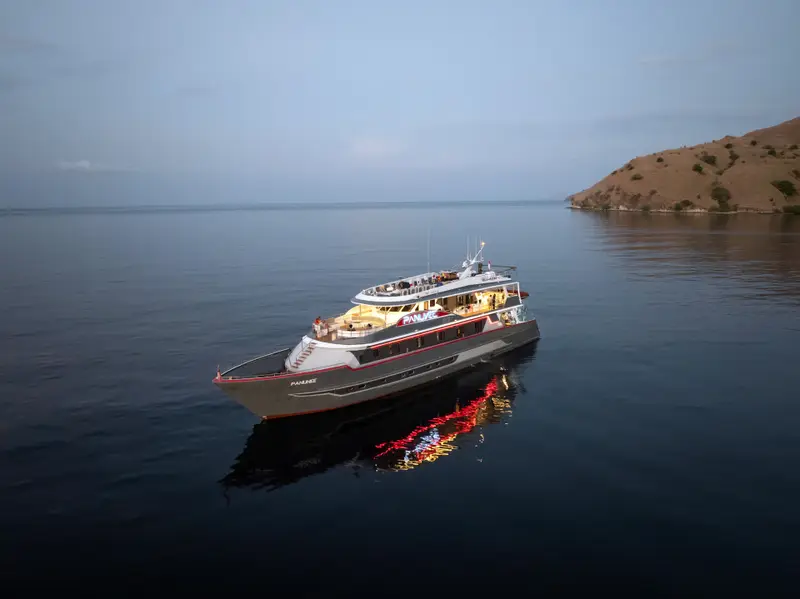
Panunee
Indonesia
18 guests38 m
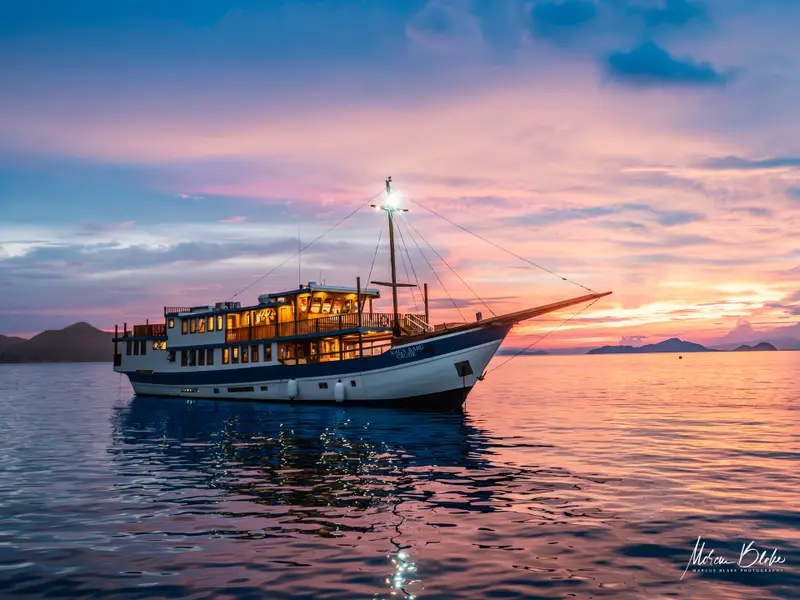
Naga Biru
Indonesia
12 guests40 m
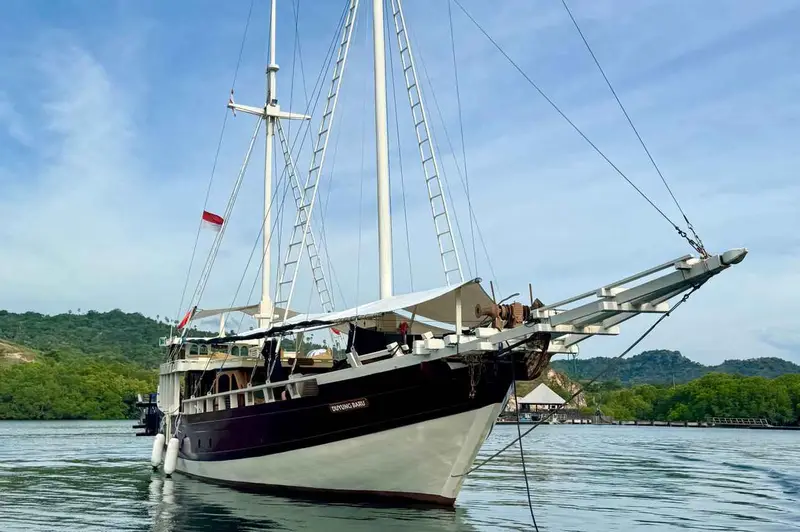
Ecopro Duyung Baru
Indonesia
6 guests27 m
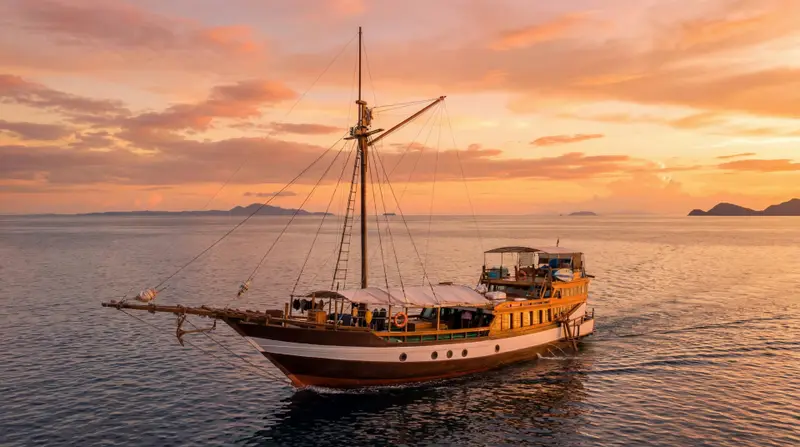
Wellenreng
Indonesia
9 guests25 m

Komodo Aggressor
Komodo, Indonesia
16 guests29 m
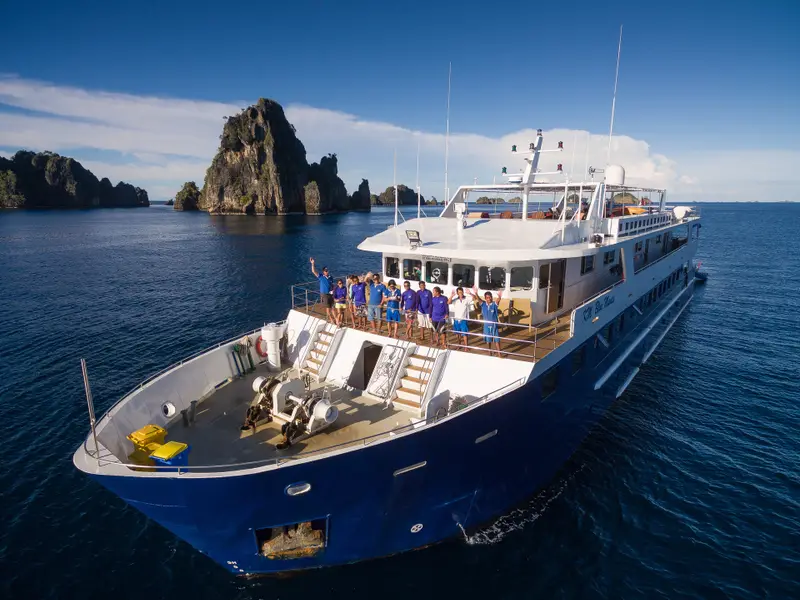
Blue Manta
Indonesia
20 guests45 m
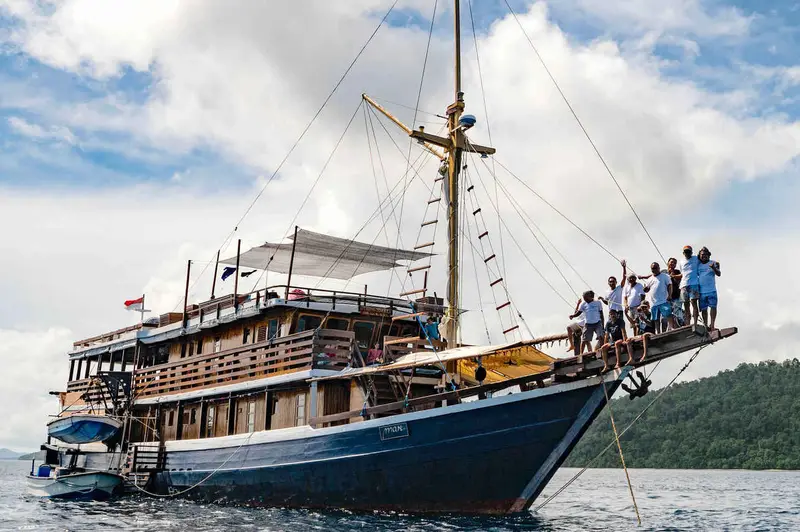
Mari
Indonesia
14 guests32 m
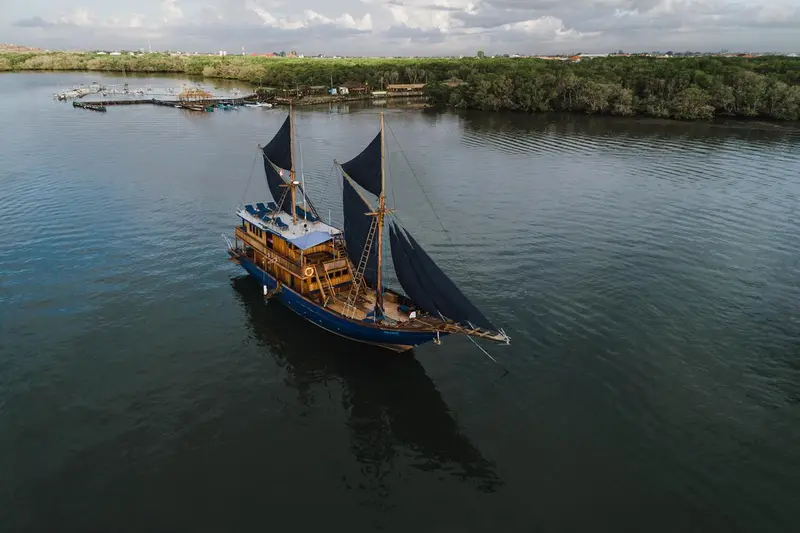
Situju7
Komodo, Indonesia
10 guests33 m
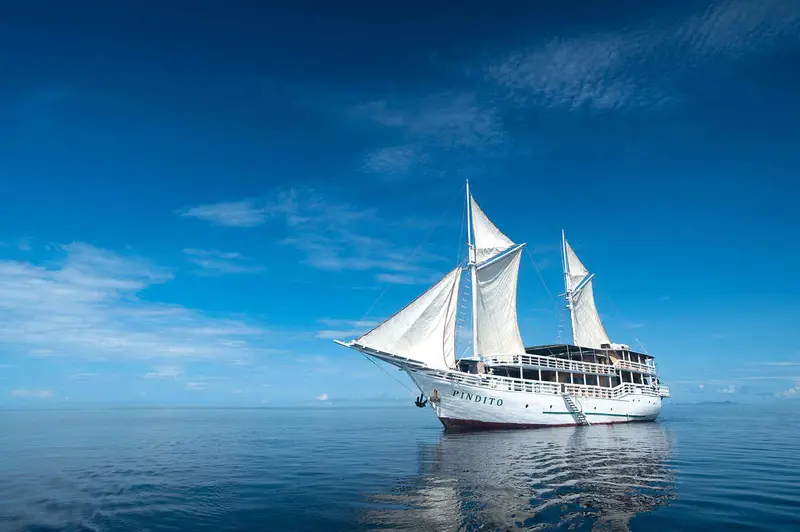
Pindito
Indonesia
16 guests38 m
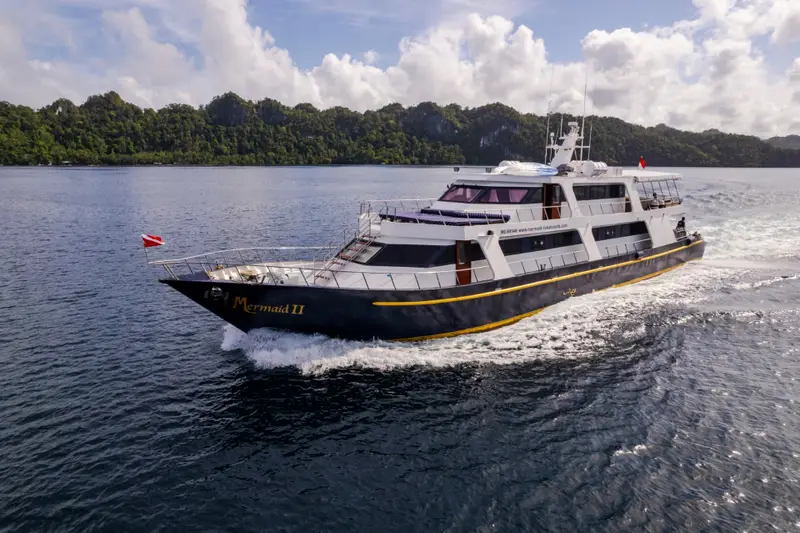
Mermaid II
Komodo, Indonesia
18 guests
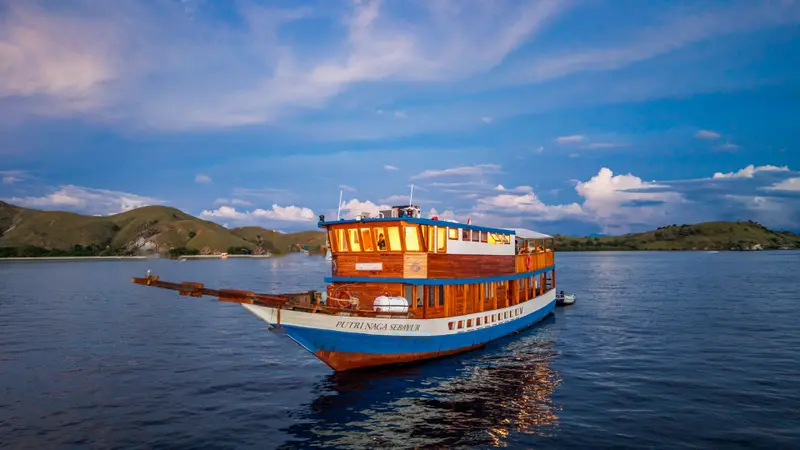
Putri Naga
Komodo, Indonesia
6 guests25 m
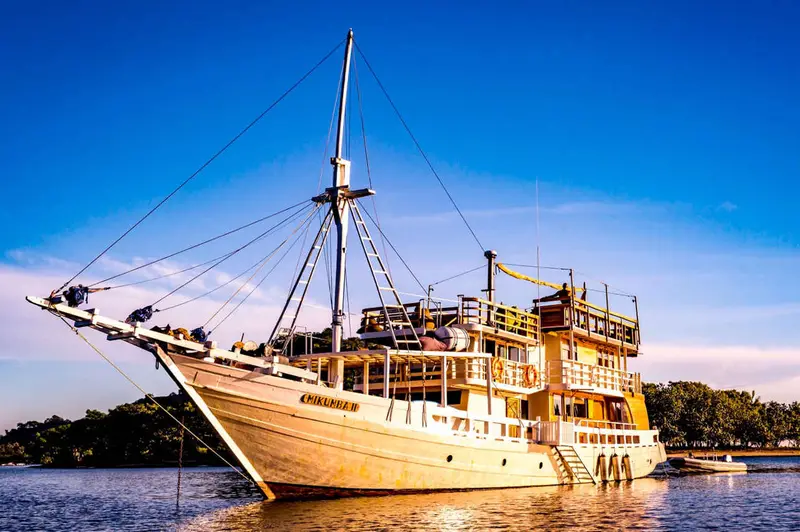
Mikumba Dua
Indonesia
10 guests30 m
Dive sites similar to Torpedo Alley
Same character, same waters, six more sites divers love for the exact same reasons.Compare seasons, access and liveaboard routes, then pick the site that fits your trip best.
Abila is a notable dive site located within the Alor Islands Marine Park, an area celebrated for its rich marine biodiversity due to its position in the Coral Triangle.
- Suitable for
- Beginner
- Current
- Mild
- Access
- Liveaboard only
- Depth
- —
- Theme
- Reef
© EsriMaxar, Earthstar, GIS
Adonara Channel
Alor
Adonara Channel stands as one of Alor's most iconic dive sites, celebrated for its dynamic currents and exceptionally rich biodiversity.
- Suitable for
- Advanced
- Current
- Strong
- Access
- Liveaboard or dayboat
- Depth
- 10–40 m
- Theme
- Drift / Wall
© EsriMaxar, Earthstar, GIS
Adonara Wall
Indonesia
Adonara is an Indonesian island dive site, renowned for its vibrant underwater topography characterized by submerged seamounts.
- Suitable for
- Intermediate
- Current
- Strong
- Access
- Liveaboard or dayboat
- Depth
- 5–35 m
- Theme
- Seamount / Wall
© EsriMaxar, Earthstar, GIS
Agnay Fish Sanctuary
Philippines
Agnay Fish Sanctuary is nestled in a sheltered bay near the village of Agnay in Romblon, a province celebrated for its rich marine biodiversity.
- Suitable for
- Beginner
- Current
- Mild
- Access
- Dayboat
- Depth
- 9–18 m
- Theme
- Reef
© EsriMaxar, Earthstar, GIS
Ai Island Reef
Banda Sea
Ai Island Reef, nestled within the Banda Sea, offers a remarkable diving experience characterized by its rich marine biodiversity and varied underwater topography.
- Suitable for
- Beginner
- Current
- Strong
- Access
- Liveaboard only
- Depth
- 3–30 m
- Theme
- Reef / Seamount
© EsriMaxar, Earthstar, GIS
Akitsushima
Philippines
The Akitsushima is a distinguished World War II Japanese seaplane tender, sunk in September 1944 during an American air raid in Coron Bay, Palawan.
- Suitable for
- Advanced
- Current
- Strong
- Access
- Dayboat
- Depth
- 22–38 m
- Theme
- Wreck