About Nusa Kode
Nusa Kode is a dive site located in Komodo National Park, situated in the eastern part of the horseshoe-shaped bay, very close to where it opens into the wider ocean. The site is found just off a point on Nusa Kode island, either slightly south of the entrance to Crinoid Wall or north of its exit. Diving in this southern Komodo area means encountering chilly, nutrient-rich waters brought by upwelling currents from great depths. While leading to potentially lower visibility, this planktonic soup supports an incredibly diverse and healthy marine ecosystem, featuring healthy reefs. The underwater terrain primarily consists of drop-offs and fringing reefs, with rich macro life thriving in the shallows. This site is known for its macro subjects, such as colorful nudibranchs, frogfish, and pygmy seahorses, which are often found dotting the reef walls. Large numbers of reef and oceanic mantas also gather in southern Komodo, particularly at Manta Alley nearby, to feed and be cleaned. The site can also offer encounters with schooling fish, reef sharks, and turtles, making it a well-rounded experience amidst the rich biodiversity of Komodo. Nusa Kode experiences strong currents, which can potentially sweep divers into the open ocean, emphasizing the critical importance of precise dive timing and local guide expertise. Due to these strong, dynamic currents and exposure, it is generally not suitable for beginner divers. Dive operators typically check currents and conditions before every dive, ensuring safety. The diving here is an adventurous experience within a high-energy environment.
Highlights
Mandarin fishSeahorsesNudibranchsBay diving
Season calendar
Best months to dive here
Jan
Feb
Mar
Apr
May
Jun
Jul
Aug
Sep
Oct
Nov
Dec
Excellent
Good
Dive site facts: Nusa Kode
- Depth
- 5–30 m
- Typical dive
- 10–30 m
- Current
- Moderate
- Visibility
- 15–30 m
- Water temperature
- 23–24°C (October–April)
- Entry
- Boat entry
- Level
- Intermediate
- Dive type
- Wall, macro, scenic
- Region / port
- Komodo
- Coordinates
- -8.8070, 119.6247
Conditions & Currents
Nusa Kode experiences moderate currents, which are a significant factor in shaping its marine environment and attracting diverse fish life. These currents can vary in strength, occasionally presenting stronger flows that require good buoyancy control and experience. Divers should be prepared for potential drift, though the site also offers calmer conditions, especially during slack tide. The presence of currents contributes to nutrient upwellings, supporting the rich ecosystem. Entry is typically via boat, and careful planning with the dive guide is essential to navigate the varying current patterns effectively and ensure a safe and enjoyable dive experience.
Marine life & sighting chances

Giant Grouper
common
Rhinopias (Weedy Scorpionfish)
occasional
Pygmy Seahorse
occasional
Nudibranch
common
Bohar Snapper
common
Scorpionfish
occasional
Reef Shark
occasional
Great Barracuda
occasional
Boxer Crab
occasional
Feather Star (Crinoids)
common
Crinoid Shrimp
occasionalDive profile & how the dive runs
Dives at Nusa Kode typically begin with a boat entry, dropping divers near the rocky coastline. The dive generally follows the rugged underwater landscape, exploring the massive boulders and their intricate crevices between 10 and 30 meters. Divers often move slowly along the reef, with the wall or slope on one side, allowing for thorough exploration of macro life hidden within the rock formations. Pay close attention to overhangs and cracks where unique species like rhinopias and nudibranchs are often found. The moderate currents dictate the exact route, often involving a gentle drift. The turn point is determined by air consumption and bottom time, with the safety stop typically conducted in the shallower, calmer areas near the end of the dive.
Underwater photography
Nusa Kode is a fantastic site for both macro and wide-angle photography, though macro subjects often dominate. For macro, bring a dedicated macro lens and a snoot or powerful strobes to highlight the vibrant nudibranchs, pygmy seahorses, and rhinopias found among the encrusted boulders. Patiently explore crevices and under ledges, as many smaller creatures are well-camouflaged. For wide-angle, the dramatic boulder formations and the occasional passing large fish like giant groupers offer compelling shots, especially when framed against the clear blue water. Buoyancy control is crucial here, particularly in areas with stronger currents, to avoid disturbing the delicate habitats and to maintain stable shots.
Combine with nearby dive sites
- Cannibal Rock
Often paired with Nusa Kode in southern itineraries.
- Torpedo Alley
Another southern site known for its unique marine life.
- Secret Garden
Southern site famous for corals and macro life.
- Manta Point (South)
Known for seasonal manta ray aggregations.
- Pillarsteen
Located near Padar Island, featuring impressive swim-throughs.
Getting there & logistics
Access to Nusa Kode primarily involves liveaboard trips departing from Labuan Bajo, Flores, Indonesia. Travelers typically fly into Komodo Airport (LBJ) in Labuan Bajo, which has connections to major Indonesian cities like Bali (DPS). Liveaboard itineraries usually span multiple days, often 7 to 10 nights, to cover the diverse sites across Komodo National Park, including the southern region where Nusa Kode is located. A Komodo National Park diving permit is required and is generally included in the liveaboard package. This site is frequently combined with other southern Komodo highlights like Cannibal Rock and Torpedo Alley, especially during the wet season when southern conditions are optimal.
Safety & environment
Diving in Komodo, including Nusa Kode, requires adherence to strict safety protocols due to potentially strong and unpredictable currents. It is essential to carry a surface marker buoy (SMB) and know how to deploy it, as well as an audible signaling device. Divers should always stay close to their dive guide, especially in current-prone areas. Comprehensive dive insurance, including coverage for medical evacuation and hyperbaric treatment, is highly recommended. The nearest recompression chamber is located in Bali, emphasizing the importance of preventative safety measures. Maintain excellent buoyancy control to protect the marine environment and ensure personal safety, particularly around the complex boulder formations.
Who it suits — and who it doesn't
Suited for
- Intermediate to experienced divers
- Macro photography enthusiasts
- Divers seeking unique geological formations
- Those interested in varied fish life
- Divers comfortable with moderate currents
Less suited for
- Beginner divers without current experience
- Divers looking primarily for extensive coral gardens
- Those who prefer very calm, current-free dives
- Divers seeking large pelagic action as the primary highlight
FAQ
Nusa Kode FAQ
What kind of currents can I expect at Nusa Kode?
Nusa Kode typically experiences moderate currents, which can occasionally become stronger depending on tidal phases. These currents are an integral part of the dive, bringing nutrients and attracting a variety of marine life. Divers should be prepared for drift dives and maintain good buoyancy control.
What marine life is commonly seen at Nusa Kode?
Nusa Kode is renowned for its diverse marine life, particularly its macro subjects like vibrant nudibranchs, pygmy seahorses, and the elusive rhinopias. Larger species such as giant groupers, bohar snappers, and reef sharks are also frequently encountered patrolling the rugged underwater landscape.
Is Nusa Kode suitable for beginner divers?
Nusa Kode is generally considered suitable for intermediate to experienced divers due to its moderate currents and varied topography. While some conditions might be milder, a good level of experience and comfort with currents is recommended to fully enjoy and safely navigate this site.
When is the best time of year to dive Nusa Kode?
The optimal time to dive Nusa Kode is during the wet season, from October to March. During these months, the southern dive sites of Komodo, including Nusa Kode, offer better visibility and calmer sea conditions, making for a more enjoyable diving experience.
What makes Nusa Kode's underwater landscape unique?
Nusa Kode stands out with its dramatic underwater terrain, characterized by massive, encrusted boulders that create numerous crevices and caves. This rugged geological structure, rather than expansive coral gardens, forms a unique habitat that is fascinating to explore and home to a specialized array of marine species.
Why dive Nusa Kode from a liveaboard?
Nusa Kode is one of Komodo, Indonesia's signature dive sites. A liveaboard sleeps you on the water and puts you in the water for three to four guided dives per day, including dawn and night dives that day-boat operators rarely offer. You skip the daily commute back to port and reach quieter, less-crowded sites in the same region on a single trip.
Below are the liveaboards that include Nusa Kode on their Komodo, Indonesia itineraries.
Liveaboards diving Nusa Kode
These liveaboards may visit Nusa Kode on selected itineraries — the exact dive sites depend on departure, weather and conditions.
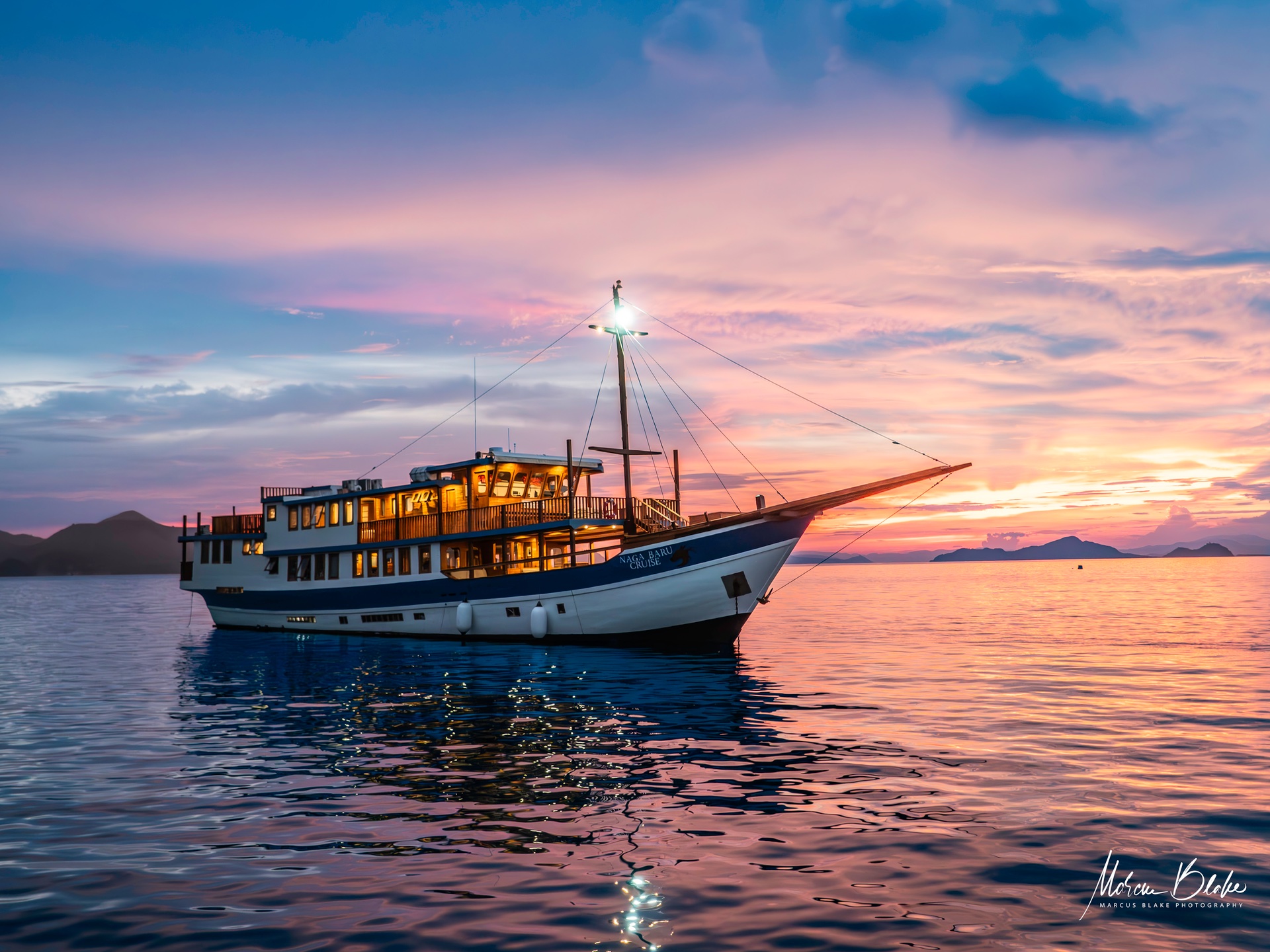
Naga Biru
Indonesia
12 guests40 m
$273/day
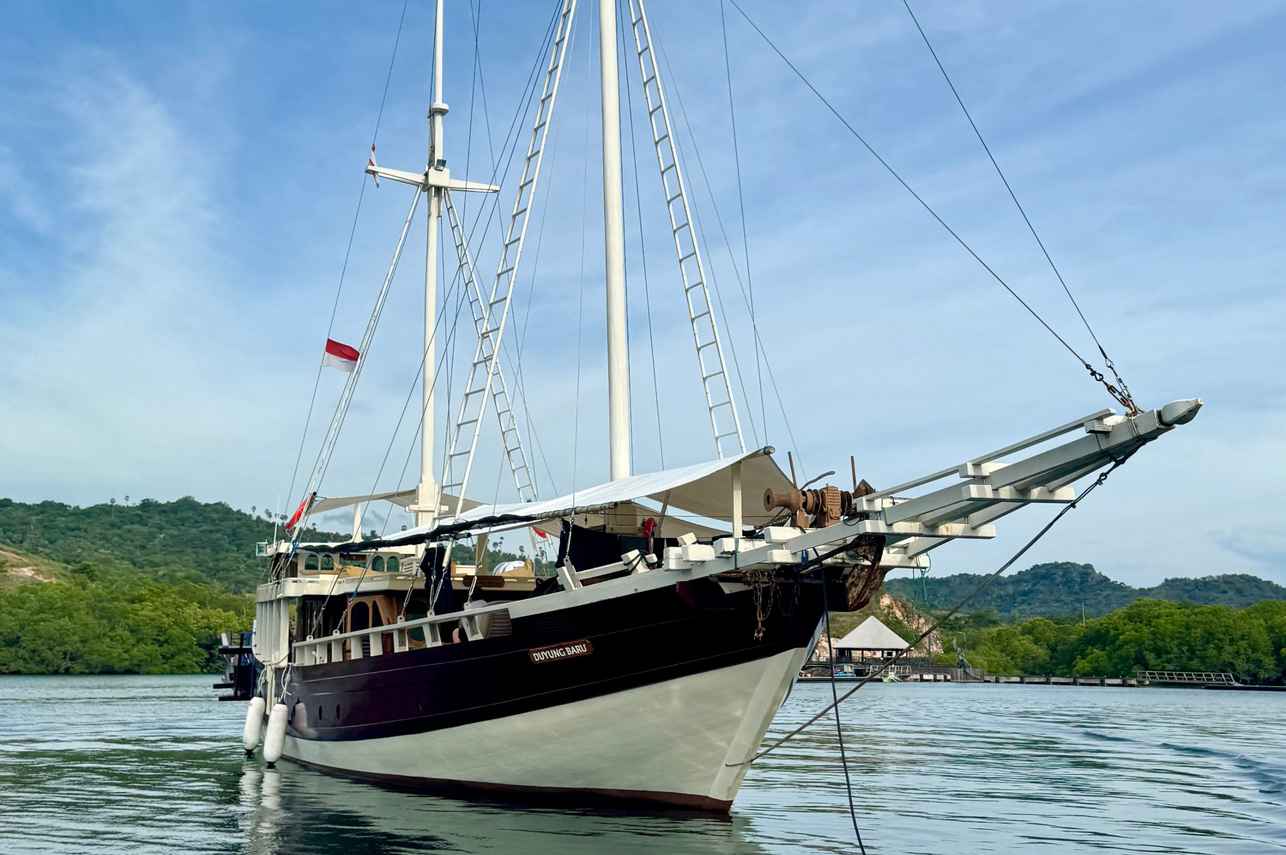
Ecopro Duyung Baru
Indonesia
6 guests27 m
$361/day
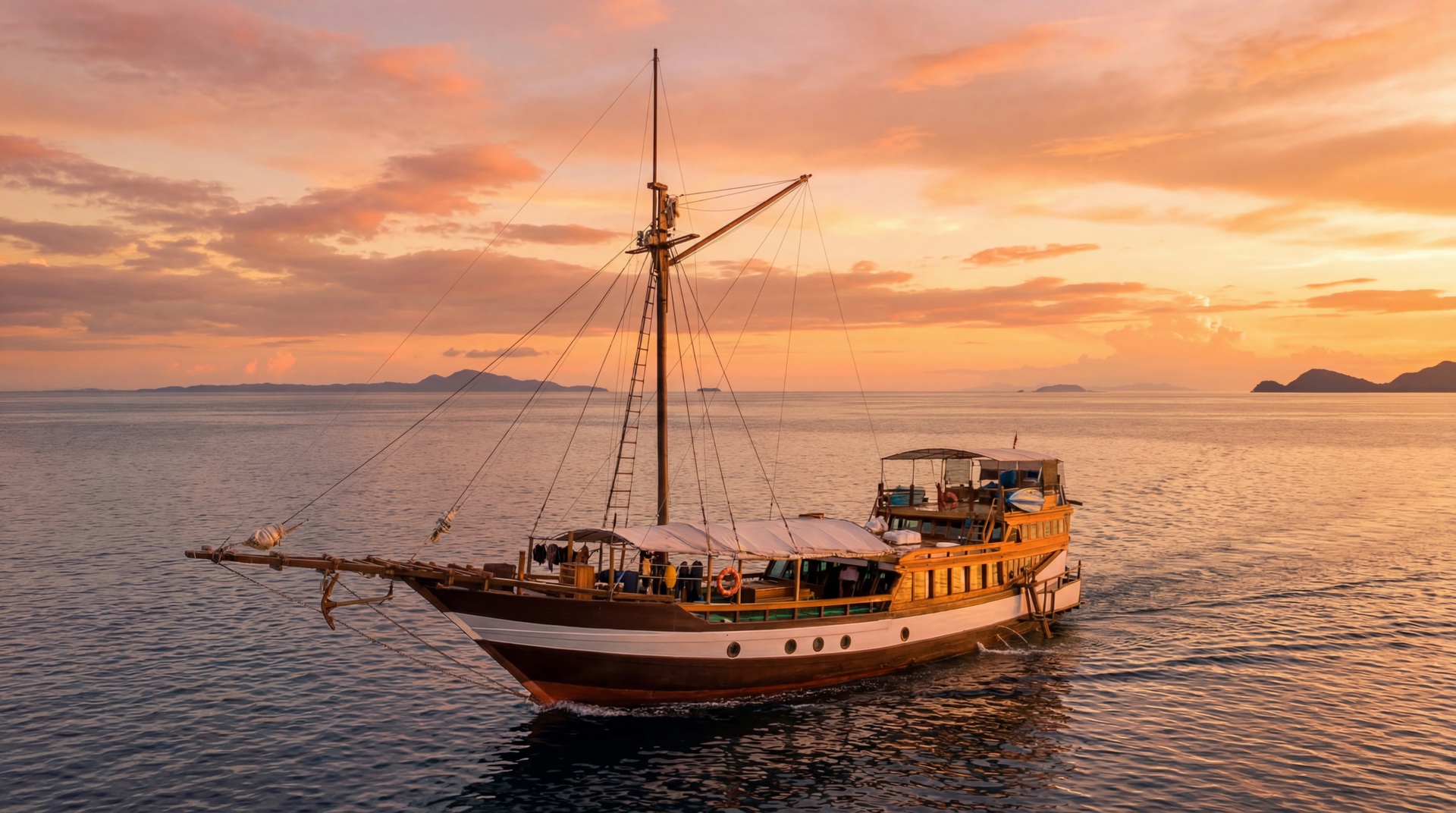
Wellenreng
Indonesia
9 guests25 m
$427/day
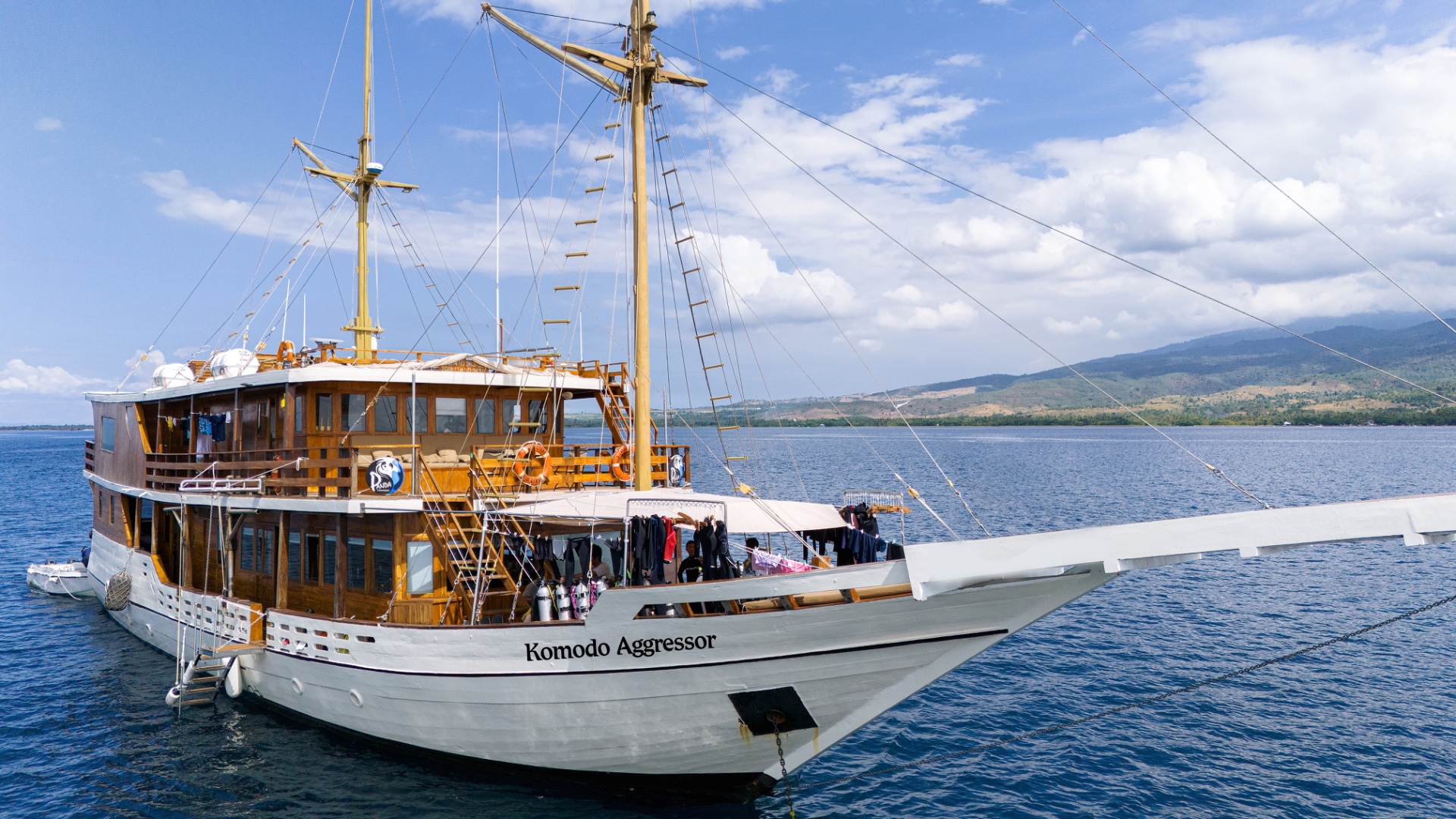
Komodo Aggressor
Komodo, Indonesia
16 guests29 m
$312/day
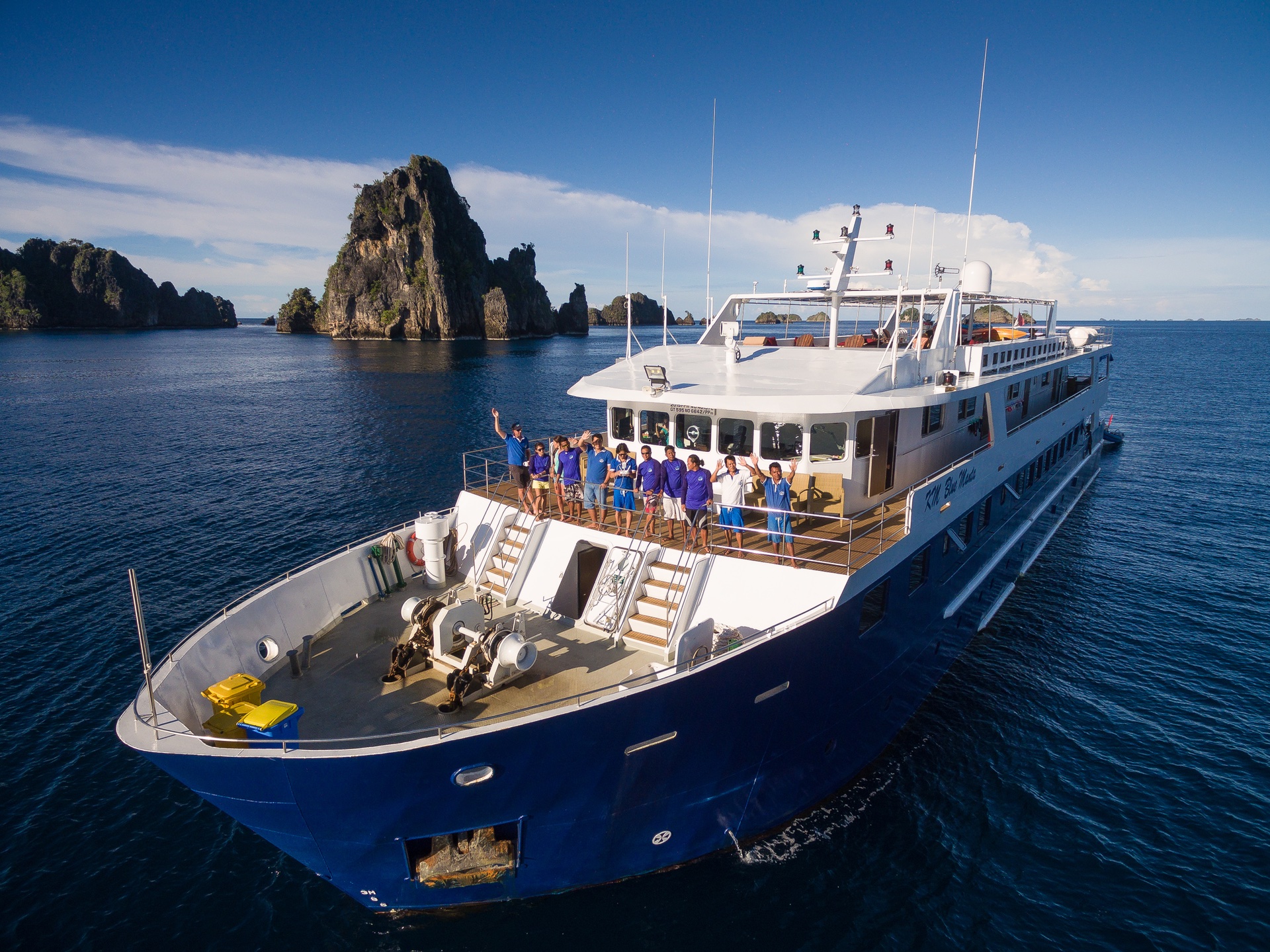
Blue Manta
Indonesia
20 guests45 m
$482/day
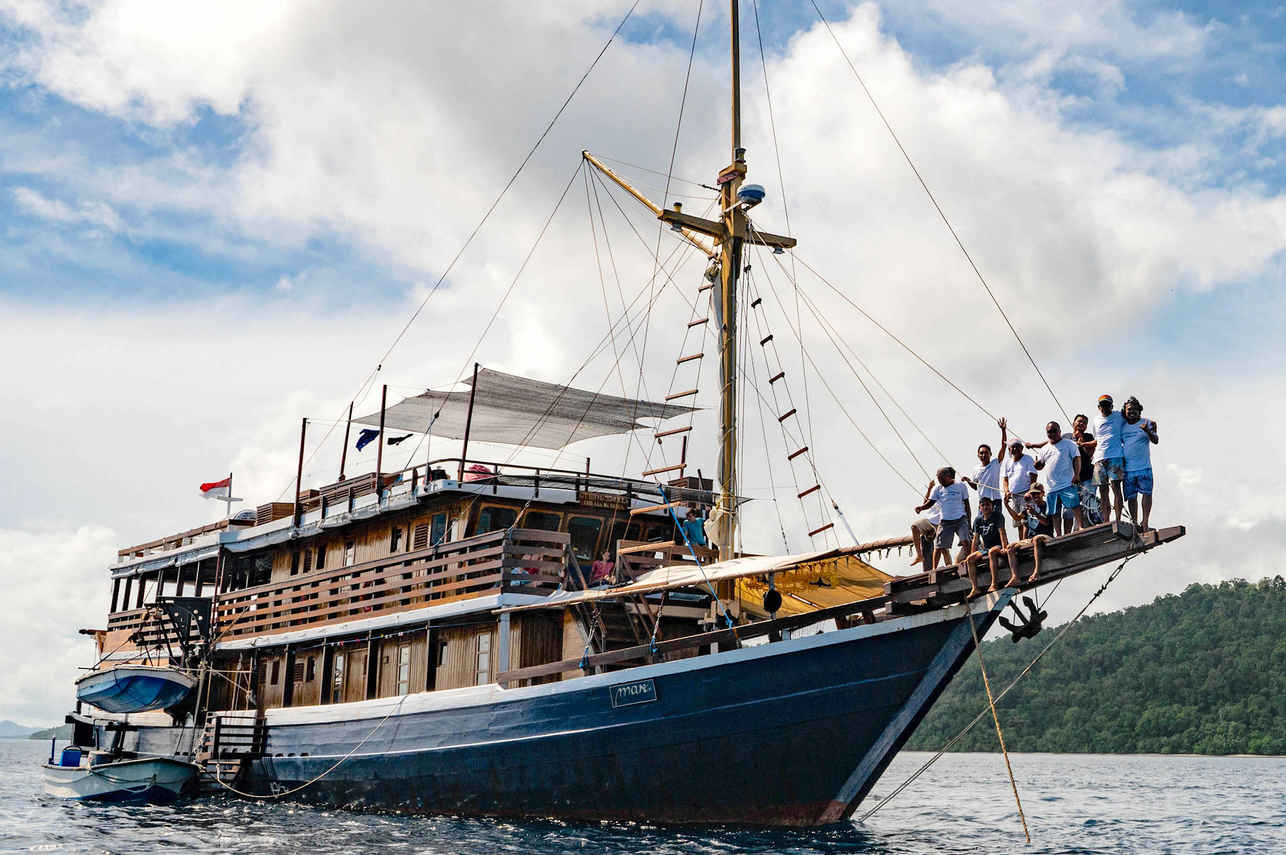
Mari
Indonesia
14 guests32.2 m
$328/day
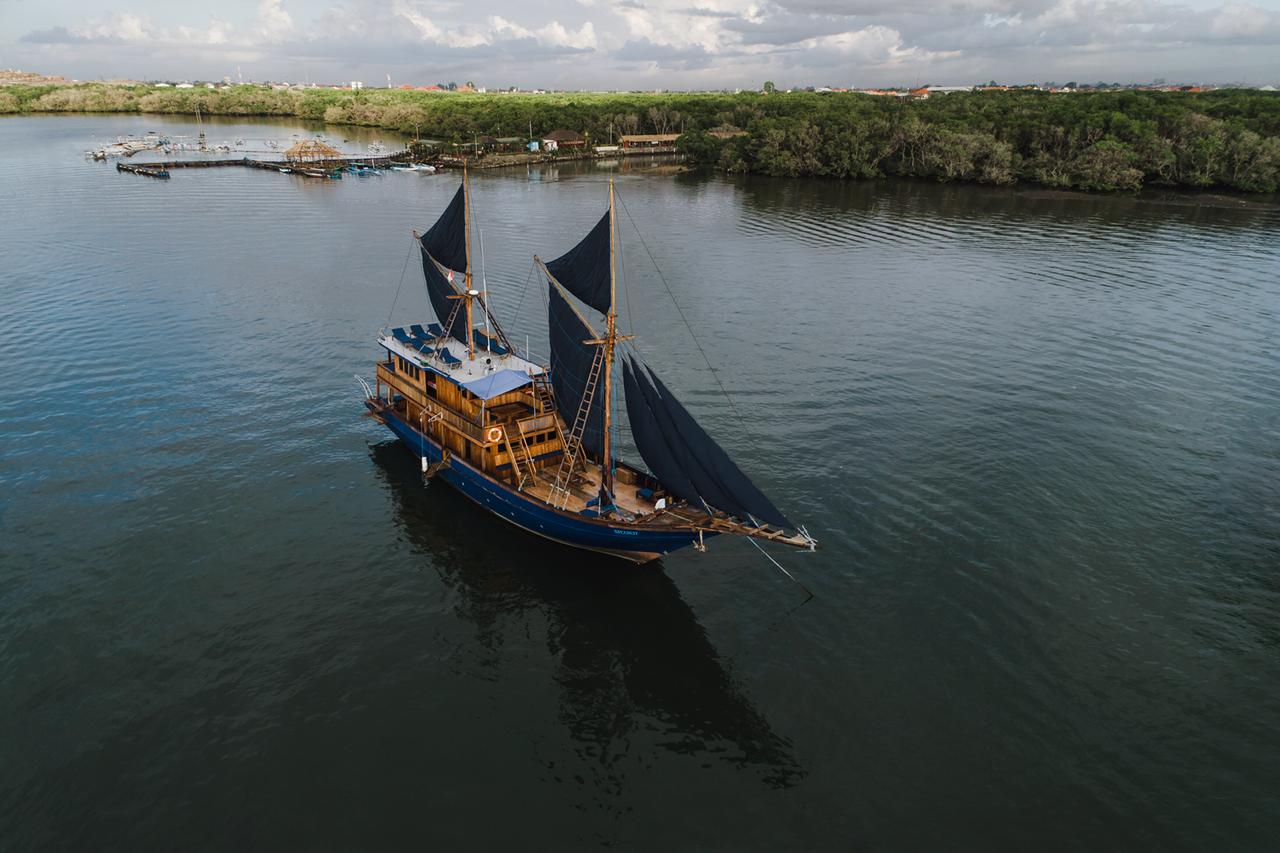
Situju7
Komodo, Indonesia
10 guests32.7 m
$362/day
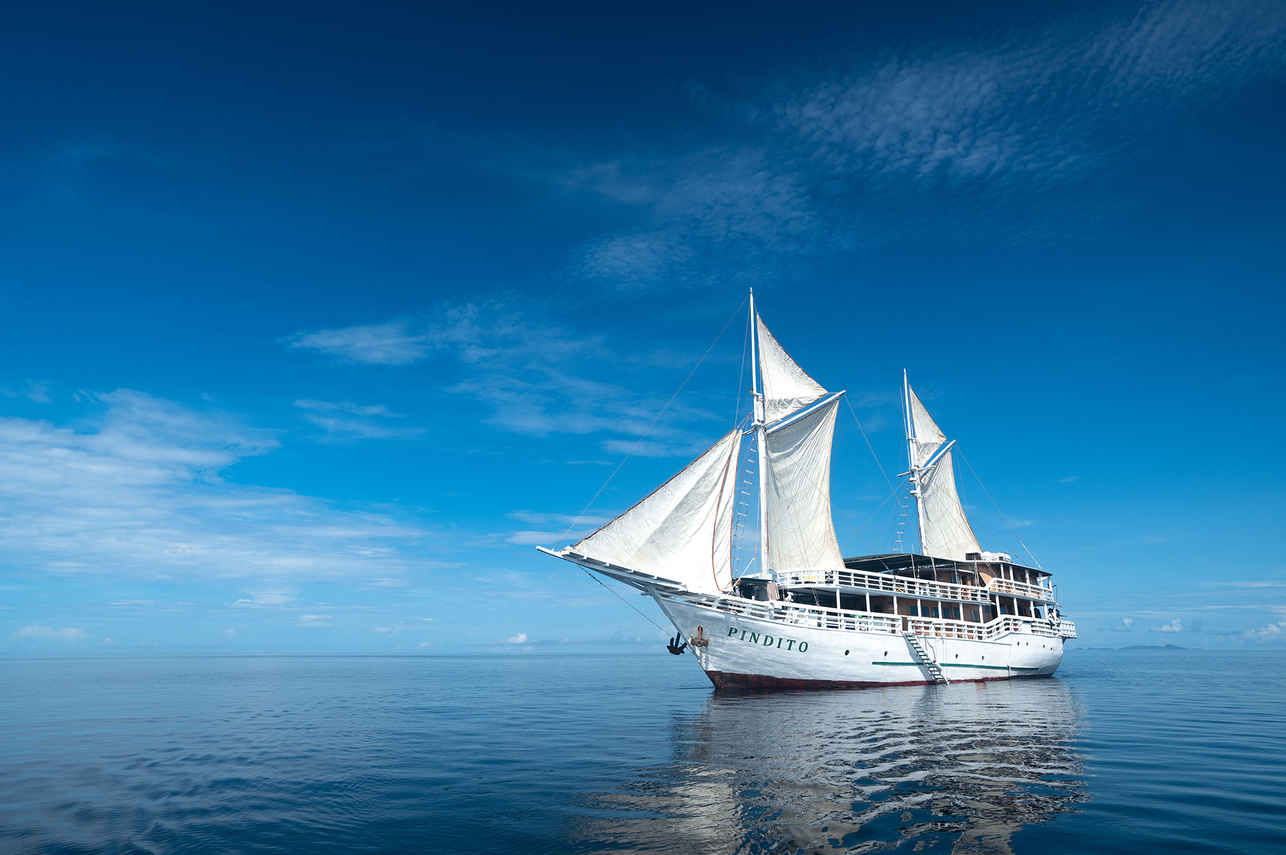
Pindito
Indonesia
16 guests37.79 m
$533/day
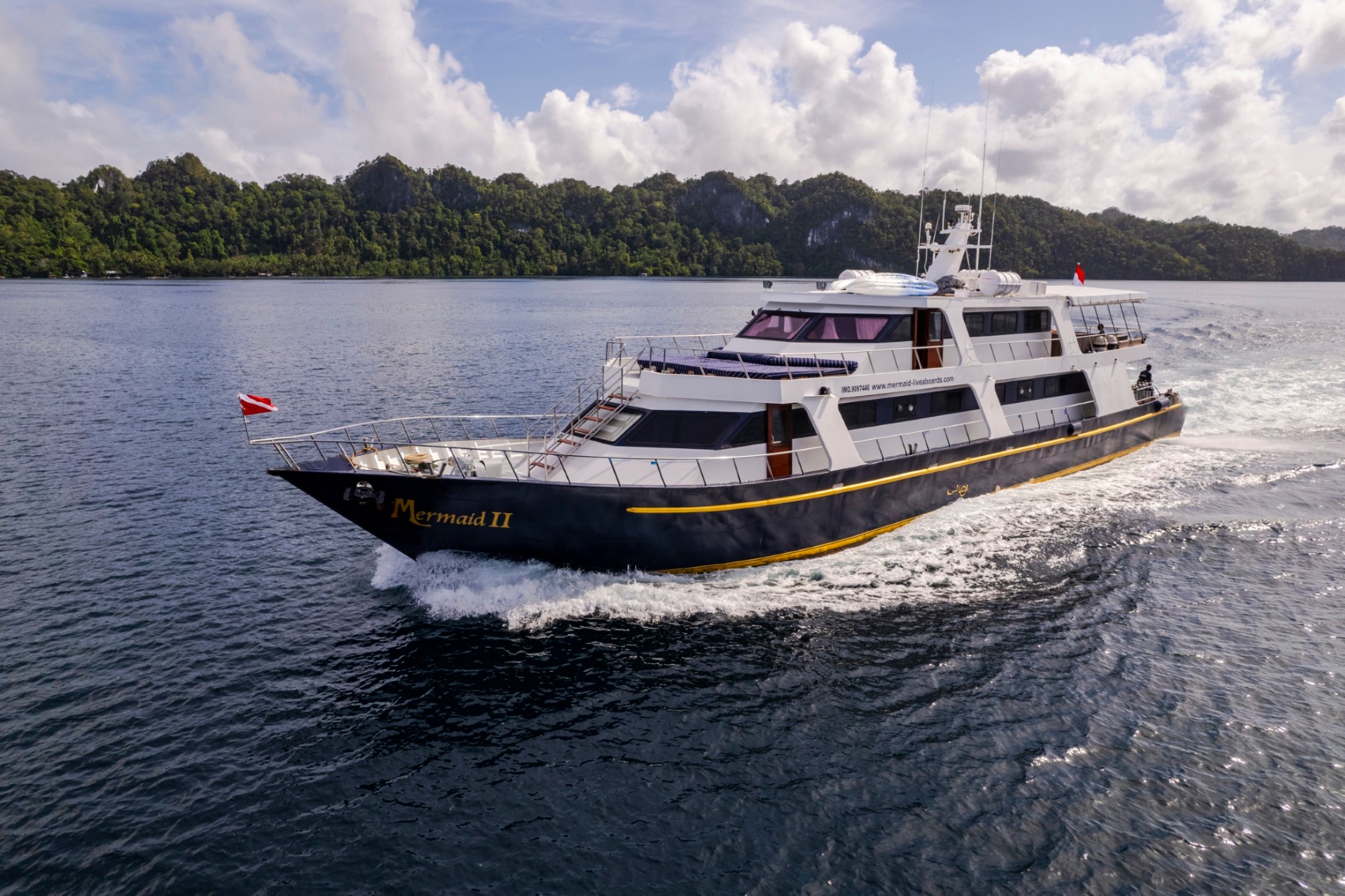
Mermaid II
Komodo, Indonesia
18 guests
$391/day
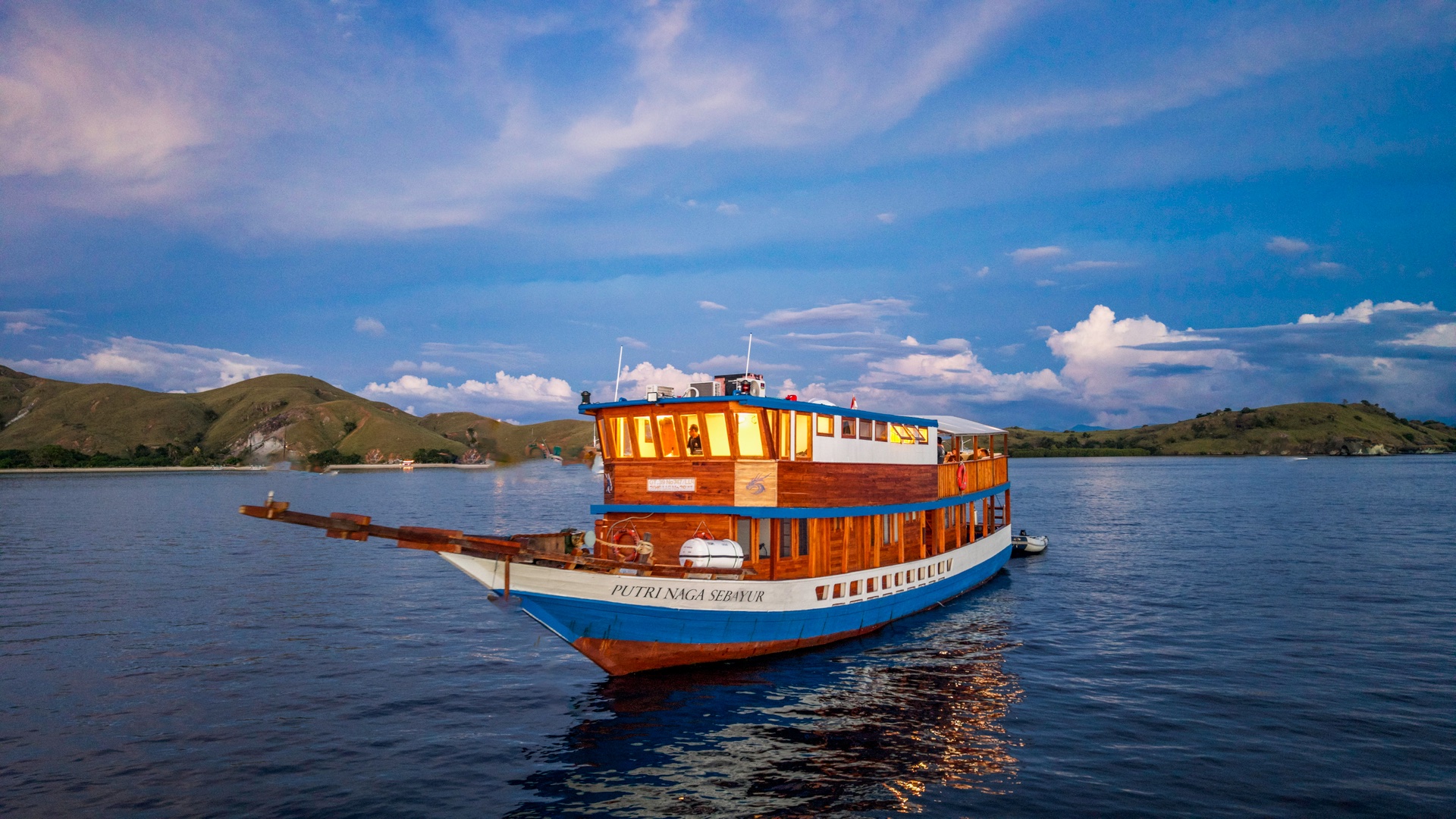
Putri Naga
Komodo, Indonesia
6 guests25 m
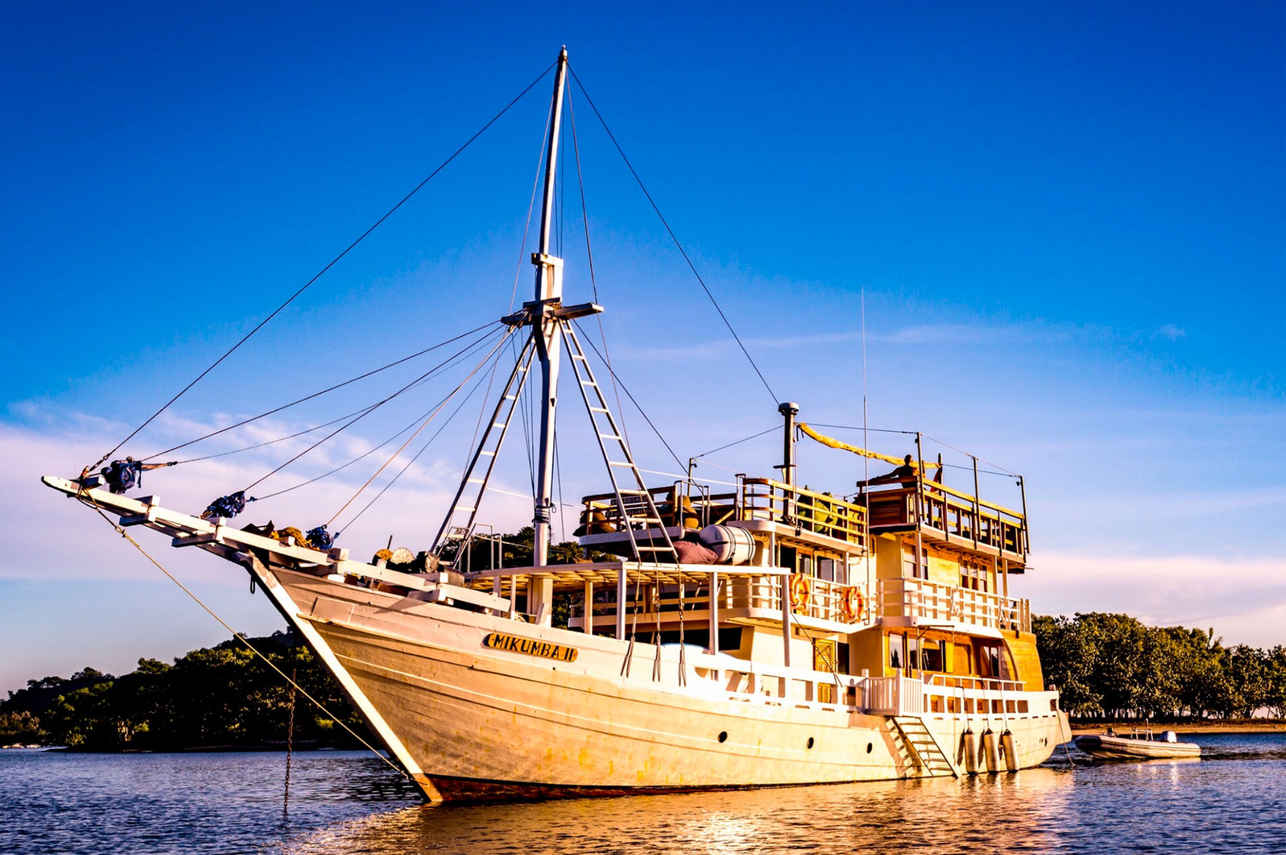
Mikumba Dua
Indonesia
10 guests30 m
$335/day
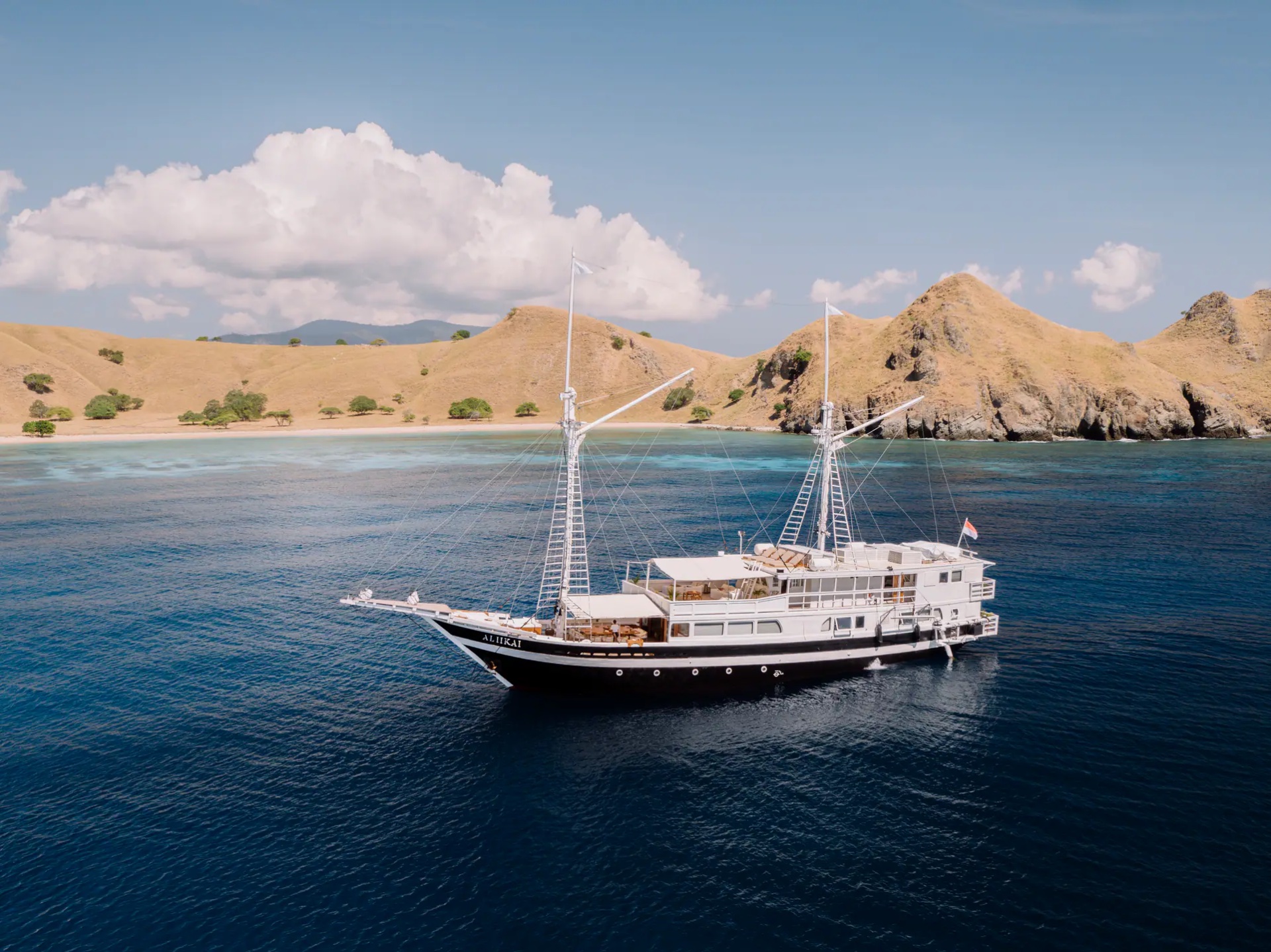
Aliikai Voyage
Indonesia
15 guests40 m
$658/day
Dive sites similar to Nusa Kode
Same character, same waters — six more sites divers love for the exact same reasons.Compare seasons, access and liveaboard routes — then pick the site that fits your trip best.
© Esri — Maxar, Earthstar, GIS
Siaba Kecil
Komodo, Indonesia
Siaba Kecil is a distinct dive site located in the central part of Komodo National Park, positioned in a channel where waters flow between the north and south.
- Suitable for
- Intermediate
- Current
- Strong
- Access
- Liveaboard only
- Depth
- 8–25 m
- Theme
- Drift / Reef
© Esri — Maxar, Earthstar, GIS
Sangeang Volcano
Komodo, Indonesia
Sangeang Volcano, also known as Gunung Api, offers a unique dive experience northwest of Komodo Island, near Bima.
- Suitable for
- Intermediate
- Current
- Strong
- Access
- Liveaboard or dayboat
- Depth
- 9–30 m
- Theme
- Muck diving / Reef
Gindang is nestled within the Central Komodo National Park, an area renowned for its ecological diversity and year-round accessibility.
- Suitable for
- Intermediate
- Current
- No current
- Access
- Liveaboard only
- Depth
- —
- Theme
- Reef
© Esri — Maxar, Earthstar, GIS
Tukoh-serikaya
Komodo, Indonesia
Tukoh-serikaya is a renowned dive site situated in the Komodo National Park, an area recognized globally for its significant biodiversity and challenging marine conditions.
- Suitable for
- Advanced
- Current
- Strong
- Access
- Liveaboard only
- Depth
- —
- Theme
- Reef
Toro Oi is a dynamic dive site situated in the Gili Banta area, found in the northern part of Komodo National Park.
- Suitable for
- Advanced
- Current
- Mild
- Access
- Liveaboard only
- Depth
- —
- Theme
- Reef
© Esri — Maxar, Earthstar, GIS
Toroletuhoh
Komodo, Indonesia
Komodo National Park, a UNESCO World Heritage Site in Indonesia, sits within the Coral Triangle, an area recognized for its exceptional marine biodiversity.
- Suitable for
- Advanced
- Current
- Strong
- Access
- Liveaboard only
- Depth
- —
- Theme
- Reef