About Pillarsteen
Pillarsteen, located near the southern coast of Padar Island, presents one of South Komodo's most visually striking and atmospheric dive sites. Its name derives from the colossal underwater stone pillars and sheer walls that characterize its topography, offering a moody, cinematic underwater experience. The site is a labyrinth of deep crevices, impressive overhangs, and intricate swim-throughs, all carved by centuries of relentless ocean surge. This dive is best suited for advanced divers due to its exposed location, significant depth range, and the presence of occasional strong surge and downcurrents. The volcanic structures create a rich habitat, supporting a diverse array of marine life, from delicate macro creatures sheltering in the reef to larger pelagic species patrolling the blue. Visibility is often excellent, especially when sunlight penetrates the swim-throughs, casting a golden glow on the rock formations. The walls are adorned with vibrant sponges, sea fans, and soft corals, providing refuge for various small invertebrates. In the crevices and ledges, you can discover hidden lobsters, schools of glassfish, and sometimes an octopus. Keep an eye on the open water for reef sharks, trevally, and turtles navigating the currents, making Pillarsteen a captivating destination for those seeking both dramatic reefscapes and abundant marine encounters. Diving here typically involves navigating the dramatic underwater landscape, often utilizing the current to explore its features. The unique light and shadow play within the formations also make it a prime location for underwater photography, capturing the raw beauty of this Komodo gem.
Highlights
Dramatic stone pillarsDeep crevices and overhangsSculpted swim-throughsMacro life on wallsReef sharks and trevallyVolcanic reefscapesOccasional surge and currents
Season calendar
Best months to dive here
Jan
Feb
Mar
Apr
May
Jun
Jul
Aug
Sep
Oct
Nov
Dec
Excellent
Good
Dive site facts: Pillarsteen
- Depth
- 12–35 m
- Current
- Strong, occasional surge and downcurrents
- Visibility
- 10–30 m
- Water temperature
- 20–25°C
- Entry
- Tender / Negative entry possible
- Level
- Advanced, current experience essential
- Dive type
- Wall / Swim-through / Topography
- Region / port
- South Komodo
- Coordinates
- -8.7123, 119.4567
Conditions & Currents
Pillarsteen is known for potential surge and downcurrents, necessitating careful planning and experienced diving. Currents can vary in strength, particularly in exposed areas, requiring divers to stay close to their guide and the reef formations to avoid being swept into the blue. While visibility can be excellent, the powerful currents that shape this site demand respect and advanced dive skills. Entry techniques may need to account for strong surface chop and surge, and divers should be prepared for dynamic conditions throughout the dive. Thermoclines are less common in the southern sites compared to the north, but water temperatures can range from 20-25°C, potentially requiring thicker exposure protection. This dive requires excellent buoyancy control and awareness of changing water movements.
Marine life & sighting chances

Nudibranch
common
Scorpionfish
occasional
Leaf Scorpionfish
occasional
Reef Shark
occasional
Turtle
occasional
Trevally
occasional
Glassfish
common
Lobster
occasional
Octopus
occasional
Ghost Pipefish
rareDive profile & how the dive runs
Diving Pillarsteen typically begins with a negative entry due to the exposed nature and potential for surge. The dive then follows the dramatic wall, exploring the numerous crevices, overhangs, and swim-throughs that characterize the site. Divers usually descend to depths of 12-35 meters, focusing on the vibrant soft coral growth and macro life inhabiting the rock formations. The route often involves navigating with the current, using the natural contours of the reef for shelter. Turn points are usually dictated by air consumption and current conditions. The safety stop is conducted along the shallower sections of the wall, often in calmer areas, allowing for a final observation of the reef's inhabitants.
Underwater photography
Pillarsteen offers exceptional opportunities for both wide-angle and macro photography, though managing buoyancy in potentially surging water is crucial. For wide-angle shots, capture the dramatic underwater pillars, deep crevices, and the interplay of light and shadow within the swim-throughs; a fisheye or wide-angle rectilinear lens is ideal. For macro subjects, a macro lens will reveal the abundant nudibranchs, scorpionfish, and glassfish hiding in the corals and cracks. A powerful torch is essential for illuminating the darker recesses of overhangs and crevices, bringing out the vibrant colors. Patience is key when strong currents are present; position yourself carefully to stabilize and capture clear images without disturbing marine life or kicking up sediment.
Combine with nearby dive sites
- Manta Point (South)
Known for manta ray aggregations, located in the same southern region.
- Cannibal Rock
A pristine reef with a high diversity of colorful corals, found in South Komodo.
- Nusa Kode
Offers beautifully pristine reefs similar to Cannibal Rock, located in the south.
- Secret Garden
Features unique corals not found elsewhere, with frogfish and seahorses.
Getting there & logistics
Komodo National Park diving trips typically depart from Labuan Bajo, Flores, Indonesia. The closest airport is Komodo Airport (LBJ), which has connections to major Indonesian hubs like Denpasar (DPS) and Jakarta (CGK). Pillarsteen, being in South Komodo, is primarily accessed via liveaboard trips, often requiring at least a 6-7 night itinerary to reliably reach this more remote region. Shorter 3-4 night trips often focus on North and Central Komodo. Liveaboards provide full board accommodation and diving services. Park fees are applicable for entry into Komodo National Park, and these are usually included in the liveaboard package. Itineraries are carefully planned around tides and currents to optimize diving conditions at sites like Pillarsteen.
Safety & environment
Diving at Pillarsteen, like many sites in Komodo, requires careful attention to safety protocols due to the potential for strong and unpredictable currents, surge, and depth. Divers should always carry a surface marker buoy (SMB) and a dive computer. A dive guide is essential, and strict adherence to their instructions, especially regarding entry, current management, and exit, is paramount. The nearest recompression chamber is in Denpasar, Bali, requiring air evacuation in case of a serious incident. Comprehensive dive insurance, covering emergency evacuation and medical treatment, is non-negotiable. Always stay within your training and experience limits, and ensure your equipment is in excellent working order.
Who it suits — and who it doesn't
Suited for
- Advanced divers with current experience
- Photographers seeking dramatic reefscapes
- Divers interested in wall and topography dives
- Those looking for unique macro life
- Divers comfortable with dynamic conditions
Less suited for
- Beginner divers
- Divers uncomfortable with strong currents and surge
- Those without advanced certification or sufficient logged dives
- Divers with poor buoyancy control
- Anyone prone to seasickness in rough conditions
FAQ
Pillarsteen FAQ
What kind of marine life can I expect at Pillarsteen?
Pillarsteen offers a mix of macro and pelagic encounters. You can commonly spot nudibranchs, glassfish, lobsters, and occasional octopuses tucked into crevices. In the blue, keep an eye out for reef sharks, turtles, and trevally navigating the currents around the dramatic rock formations.
Why is Pillarsteen considered an advanced dive site?
The site's advanced rating stems from its exposed location and the potential for strong surge and unpredictable downcurrents. Divers need excellent buoyancy control and current management skills to safely navigate the deep walls, crevices, and swim-throughs, particularly when conditions are dynamic.
What are the typical water temperatures at Pillarsteen?
Being in South Komodo, Pillarsteen typically experiences cooler water temperatures compared to the northern sites. Expect temperatures to range between 20-25°C. Divers are advised to consider a 5mm wetsuit or layering for comfort, especially during multiple dives.
Is Pillarsteen suitable for underwater photography?
Yes, Pillarsteen is excellent for underwater photography. Its dramatic topography with stone pillars, swim-throughs, and varied light conditions offers unique wide-angle opportunities. Additionally, the rich walls and crevices provide numerous macro subjects like nudibranchs and scorpionfish, requiring a good torch for illumination.
How do liveaboards manage diving Pillarsteen with varying currents?
Liveaboard operators meticulously plan dives at Pillarsteen according to tidal charts and real-time conditions. Experienced dive guides will brief divers thoroughly on expected currents and the safest entry and exit points. They often choose specific dive times to align with more favorable current conditions or to utilize currents to enhance the dive experience safely.
What is the best time of year to dive Pillarsteen?
The prime season for diving Pillarsteen is from October to April. This period offers the best chances for excellent visibility and calmer sea conditions in the southern Komodo region. Outside of these months, rougher seas and reduced visibility can make the site less accessible or enjoyable.
Why dive Pillarsteen from a liveaboard?
Pillarsteen is one of Komodo, Indonesia's signature dive sites. A liveaboard sleeps you on the water and puts you in the water for three to four guided dives per day, including dawn and night dives that day-boat operators rarely offer. You skip the daily commute back to port and reach quieter, less-crowded sites in the same region on a single trip.
Below are the liveaboards that include Pillarsteen on their Komodo, Indonesia itineraries.
Liveaboards diving Pillarsteen
These liveaboards may visit Pillarsteen on selected itineraries — the exact dive sites depend on departure, weather and conditions.
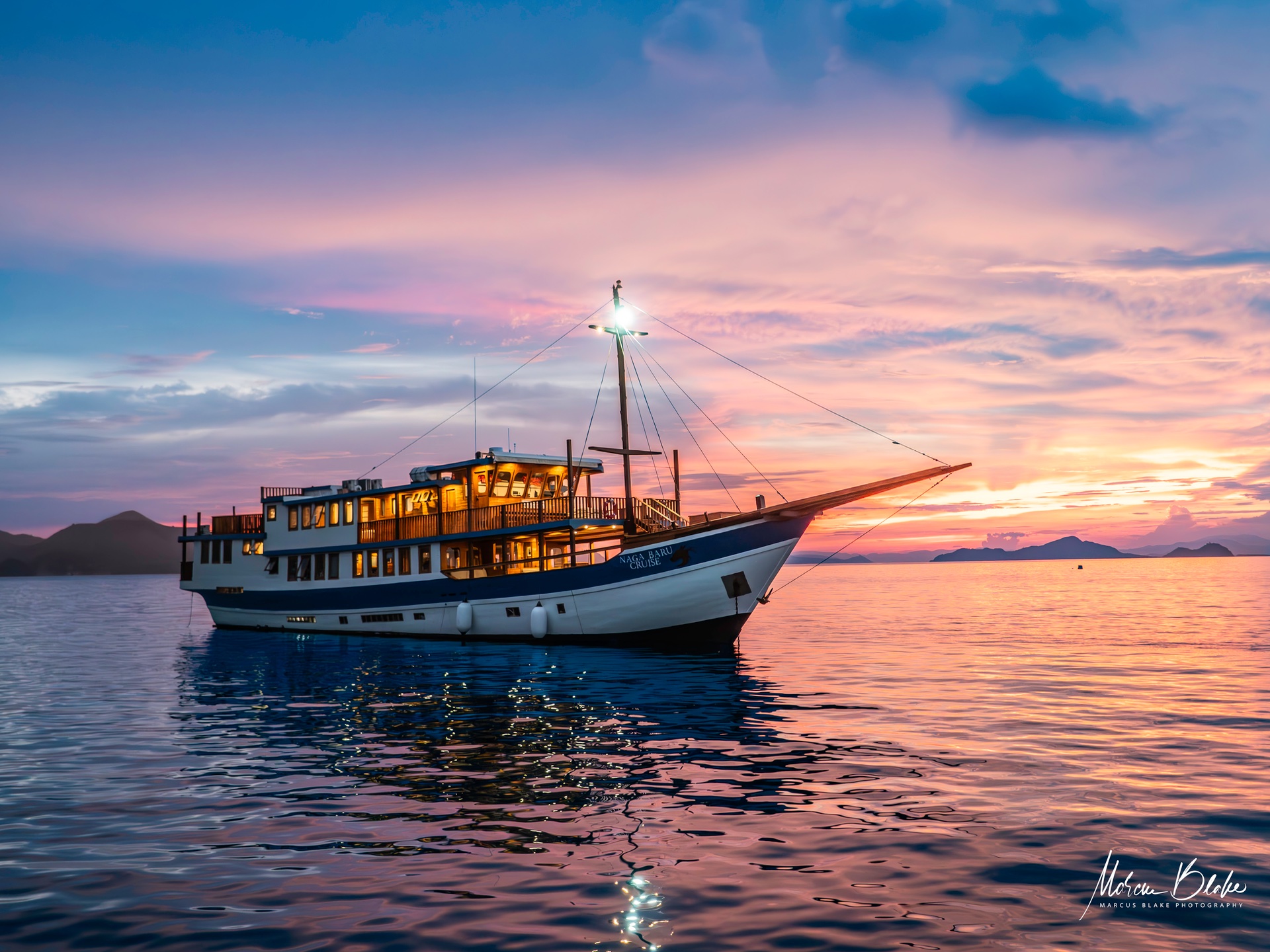
Naga Biru
Indonesia
12 guests40 m
$273/day
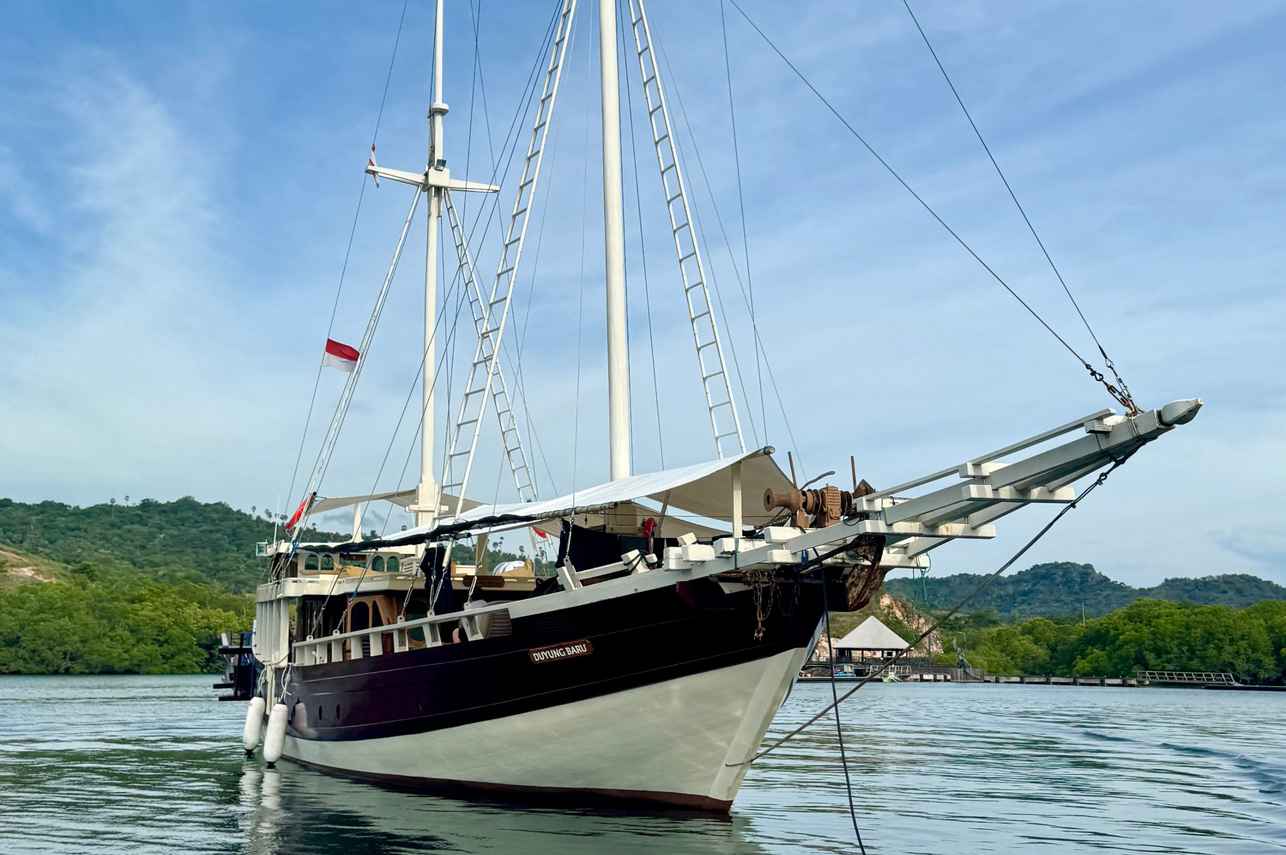
Ecopro Duyung Baru
Indonesia
6 guests27 m
$361/day
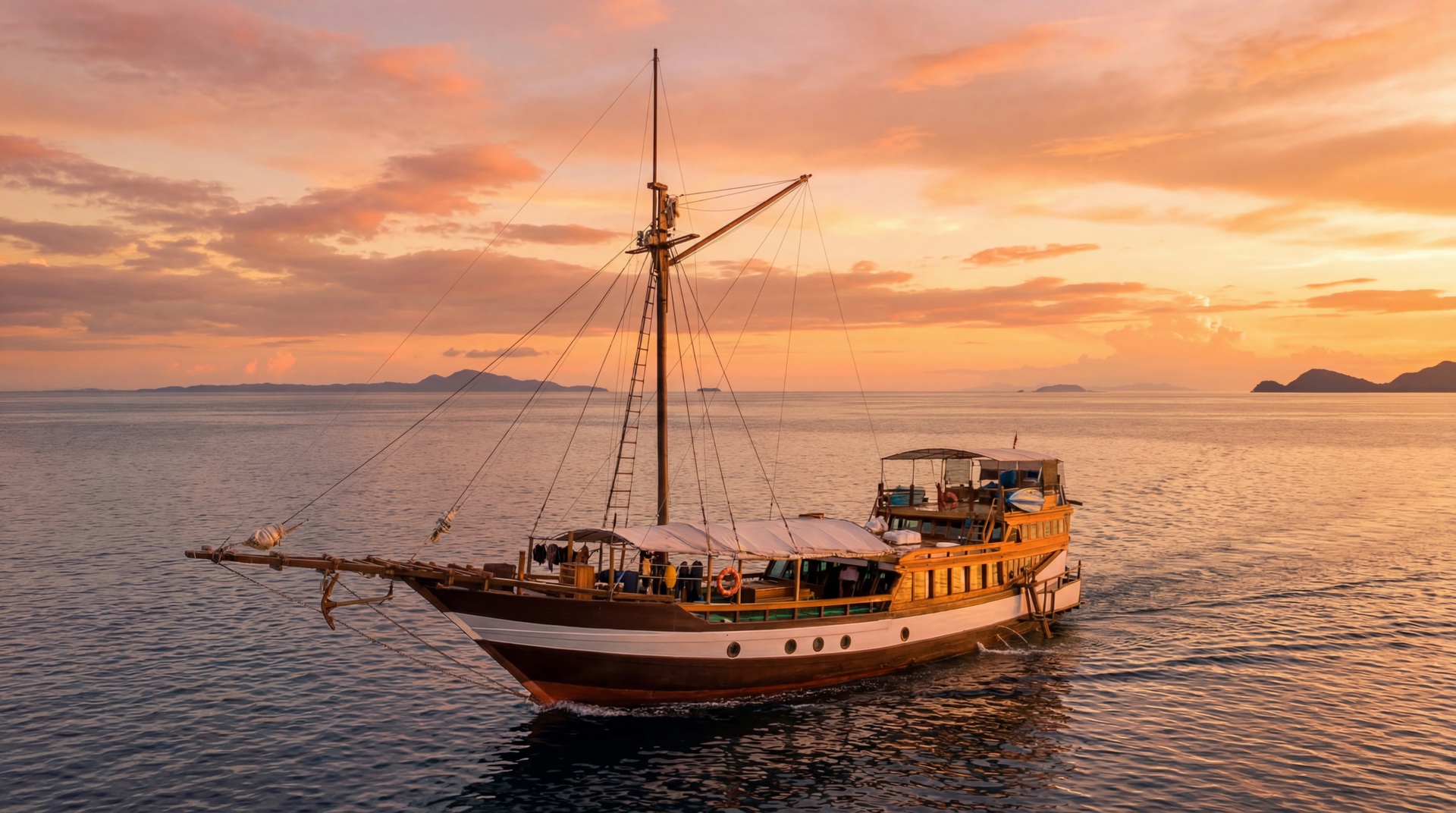
Wellenreng
Indonesia
9 guests25 m
$427/day
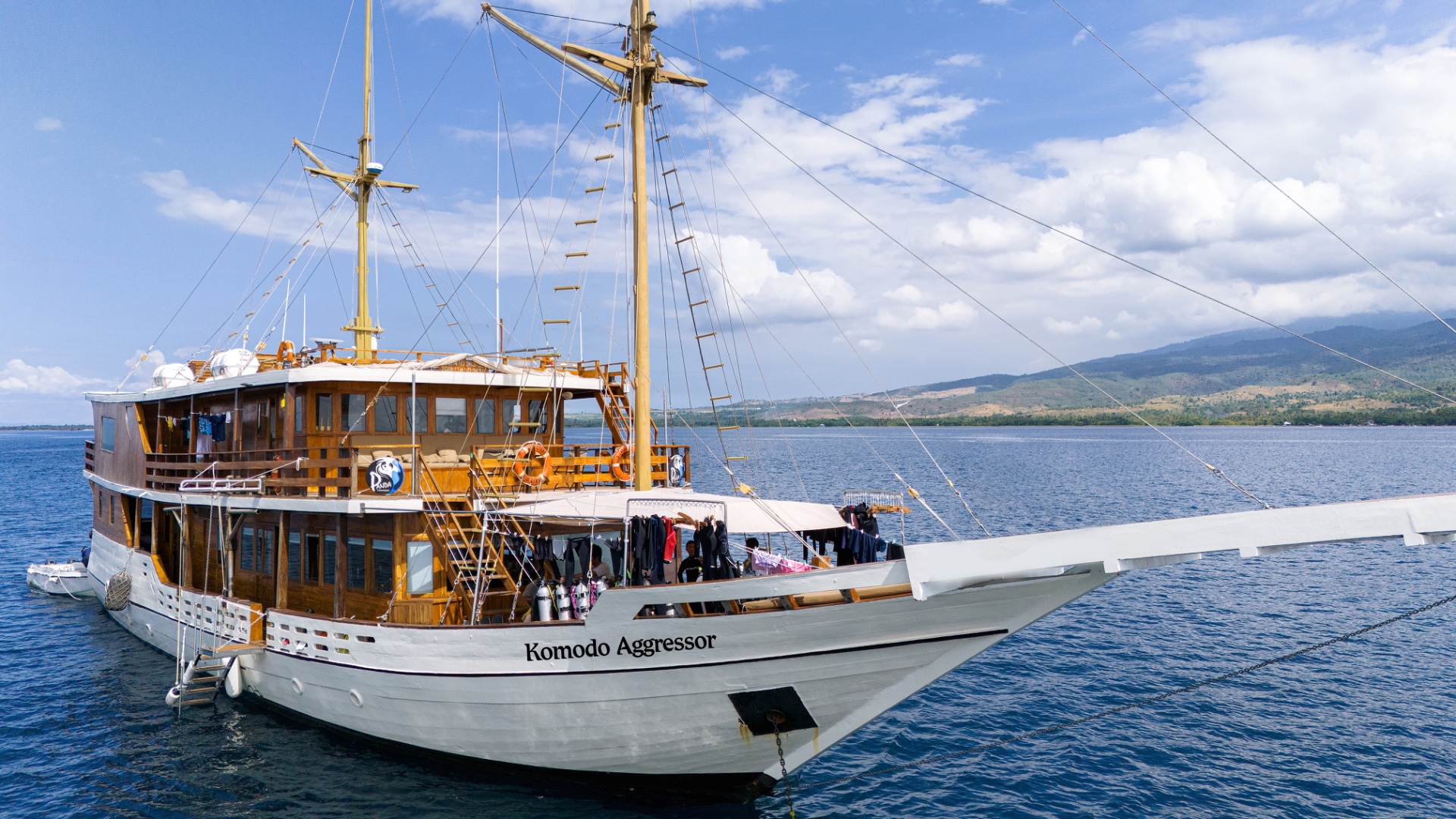
Komodo Aggressor
Komodo, Indonesia
16 guests29 m
$312/day
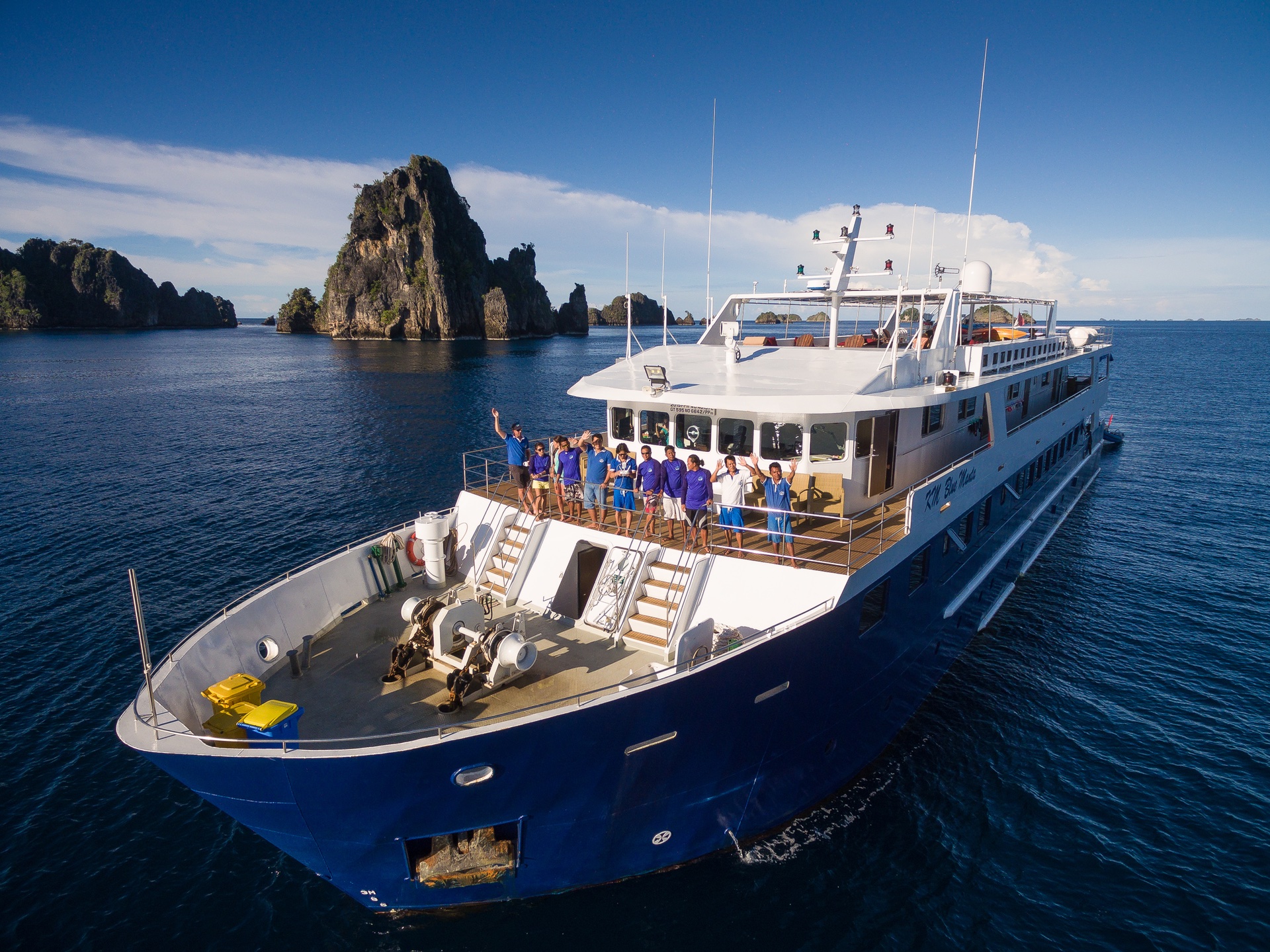
Blue Manta
Indonesia
20 guests45 m
$482/day
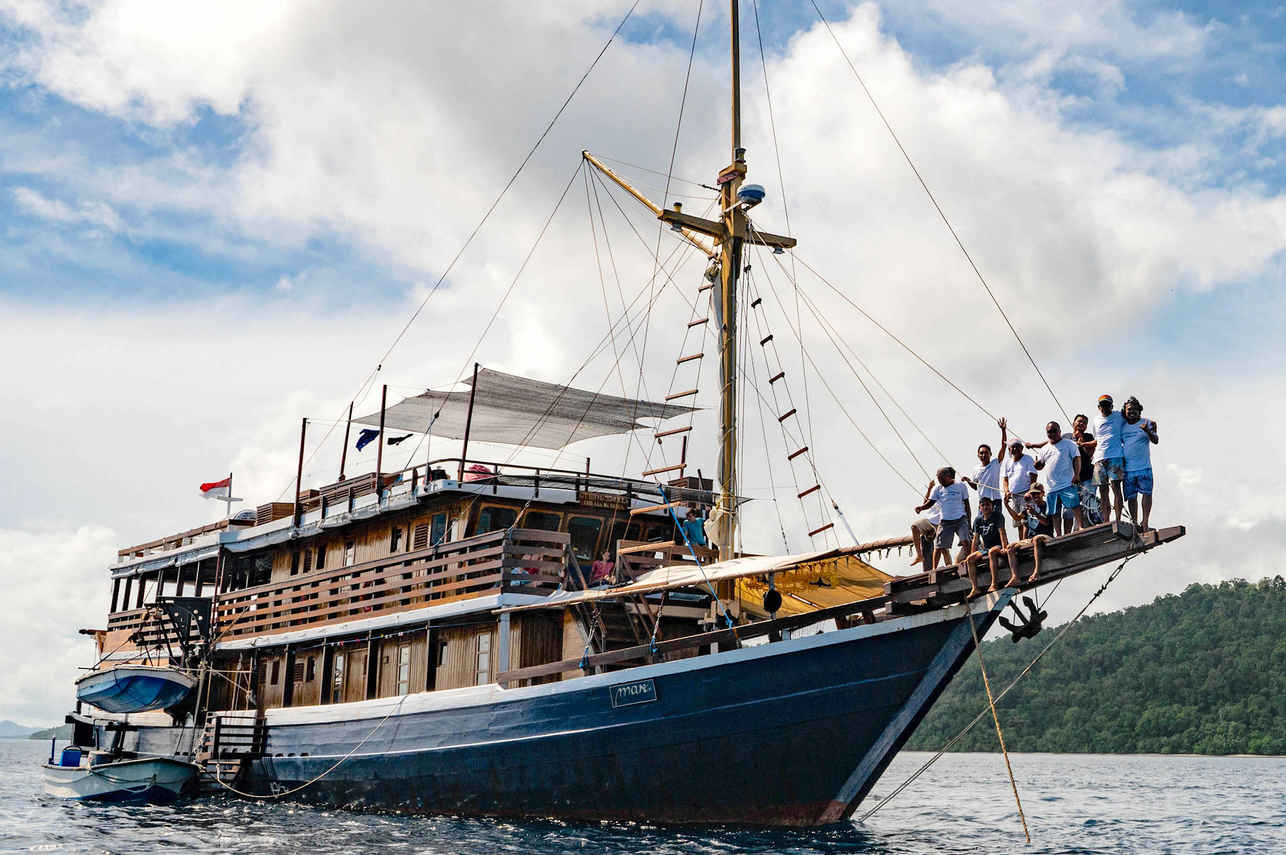
Mari
Indonesia
14 guests32.2 m
$328/day
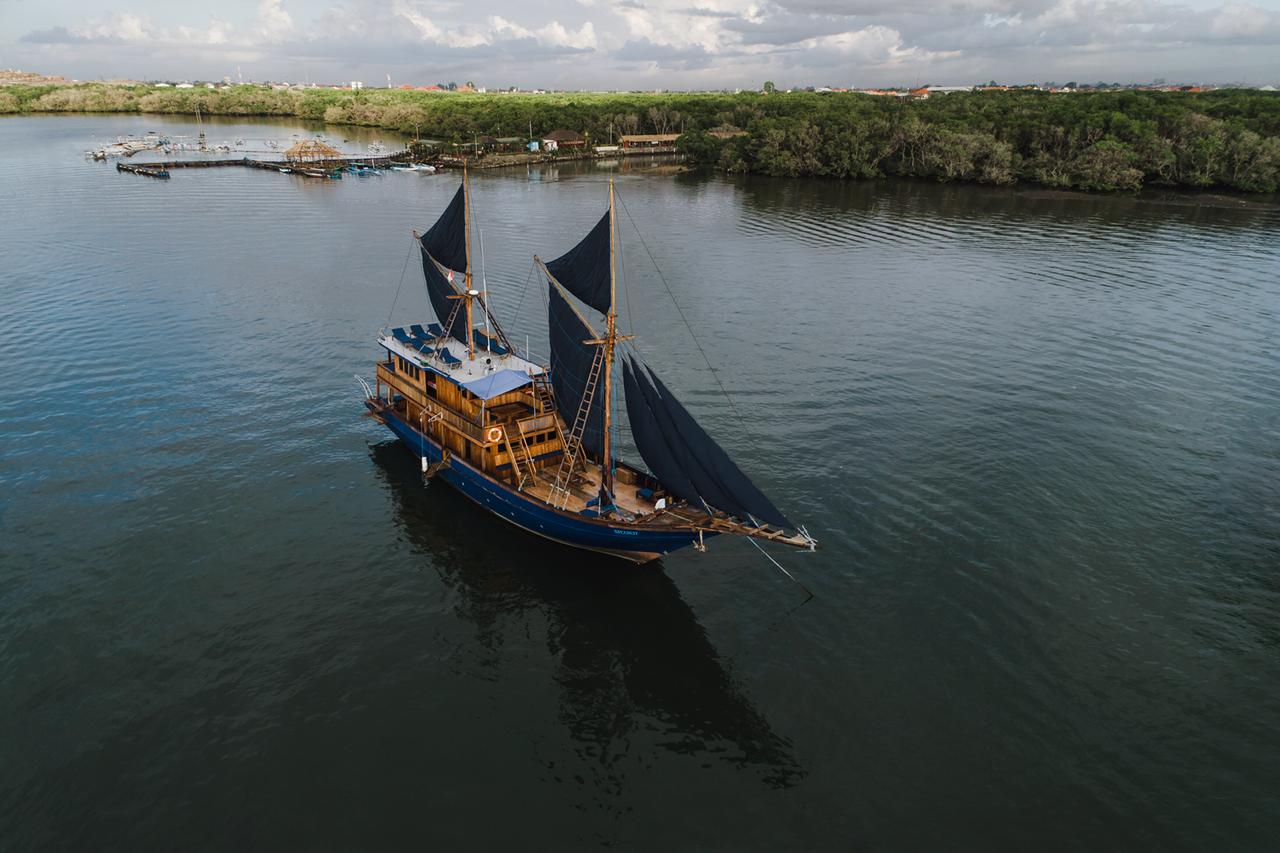
Situju7
Komodo, Indonesia
10 guests32.7 m
$362/day
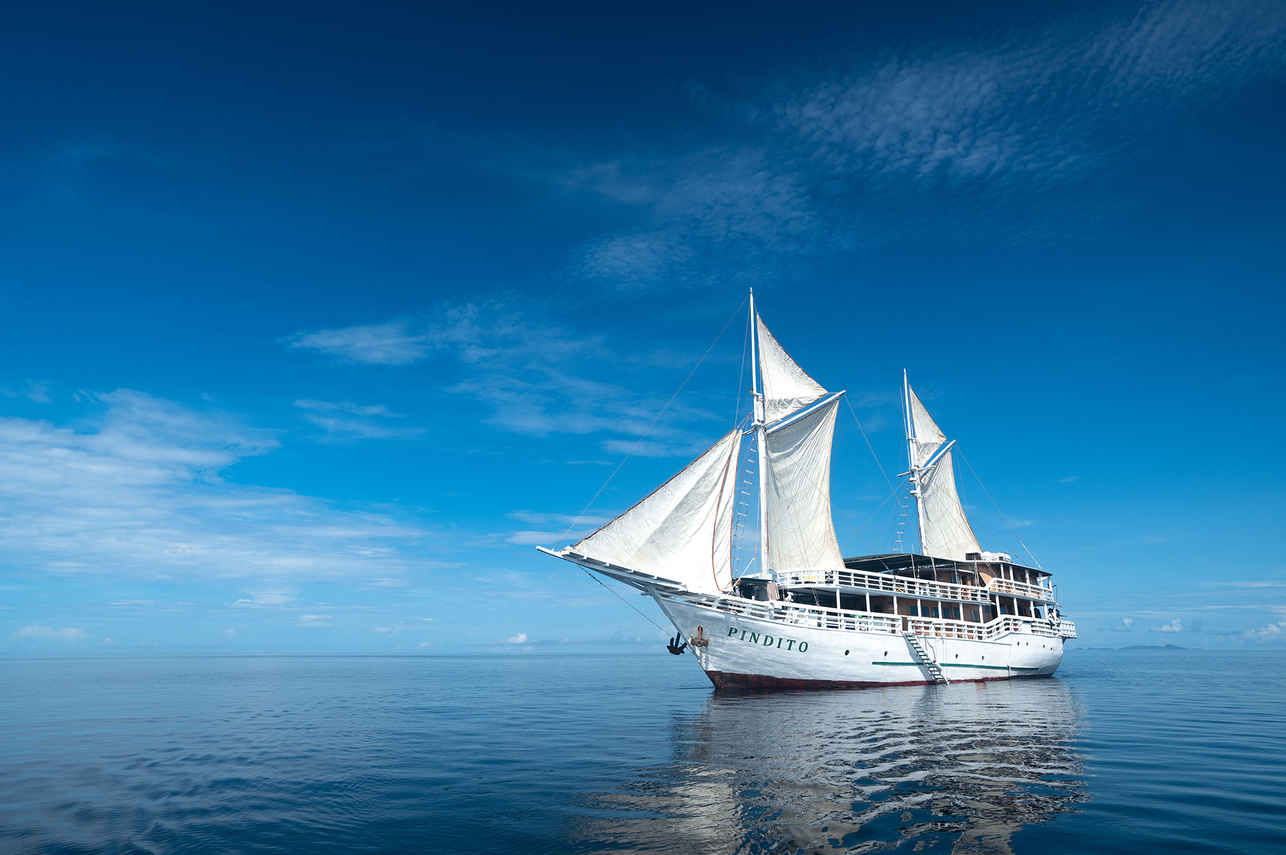
Pindito
Indonesia
16 guests37.79 m
$533/day
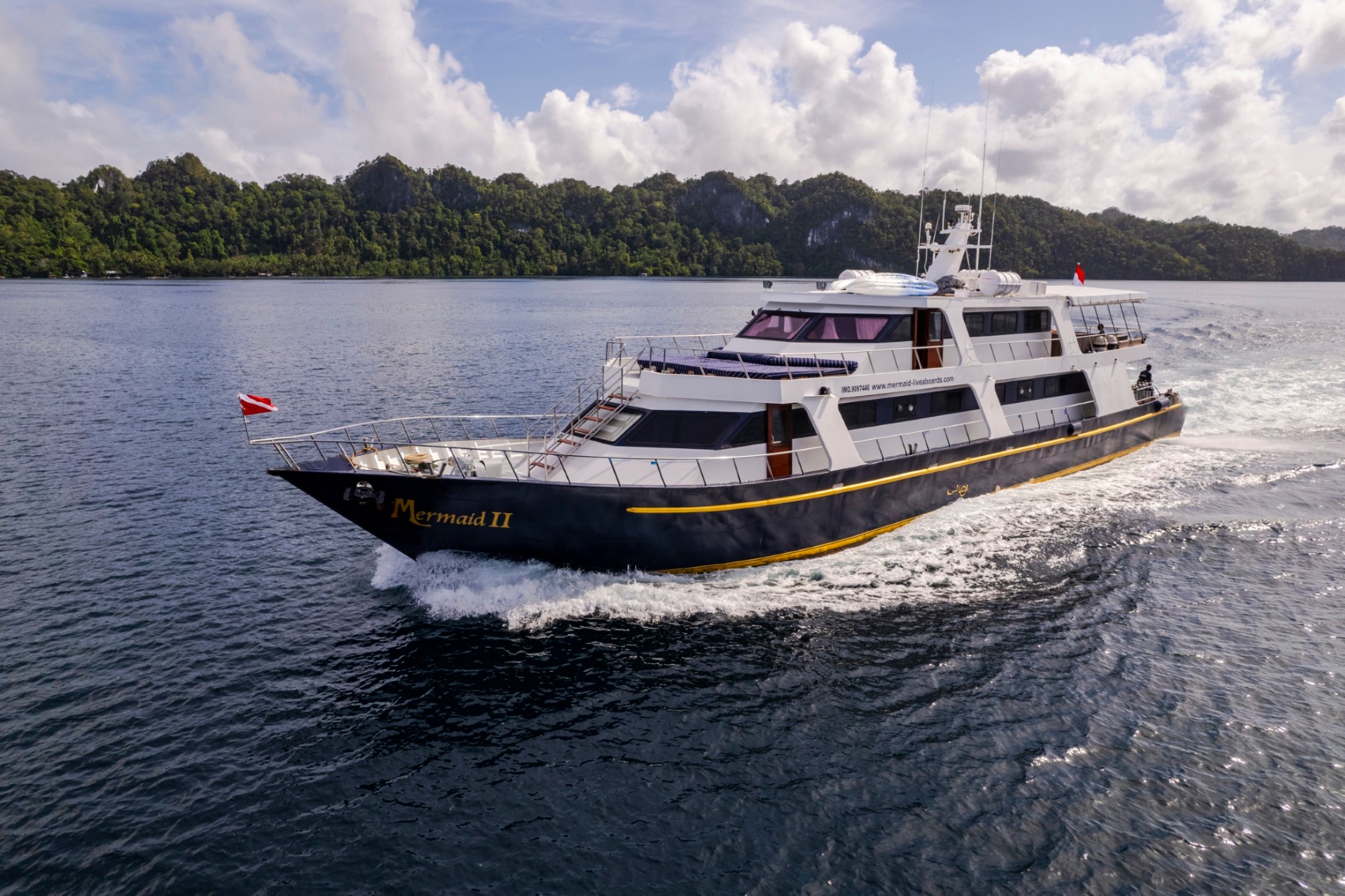
Mermaid II
Komodo, Indonesia
18 guests
$391/day
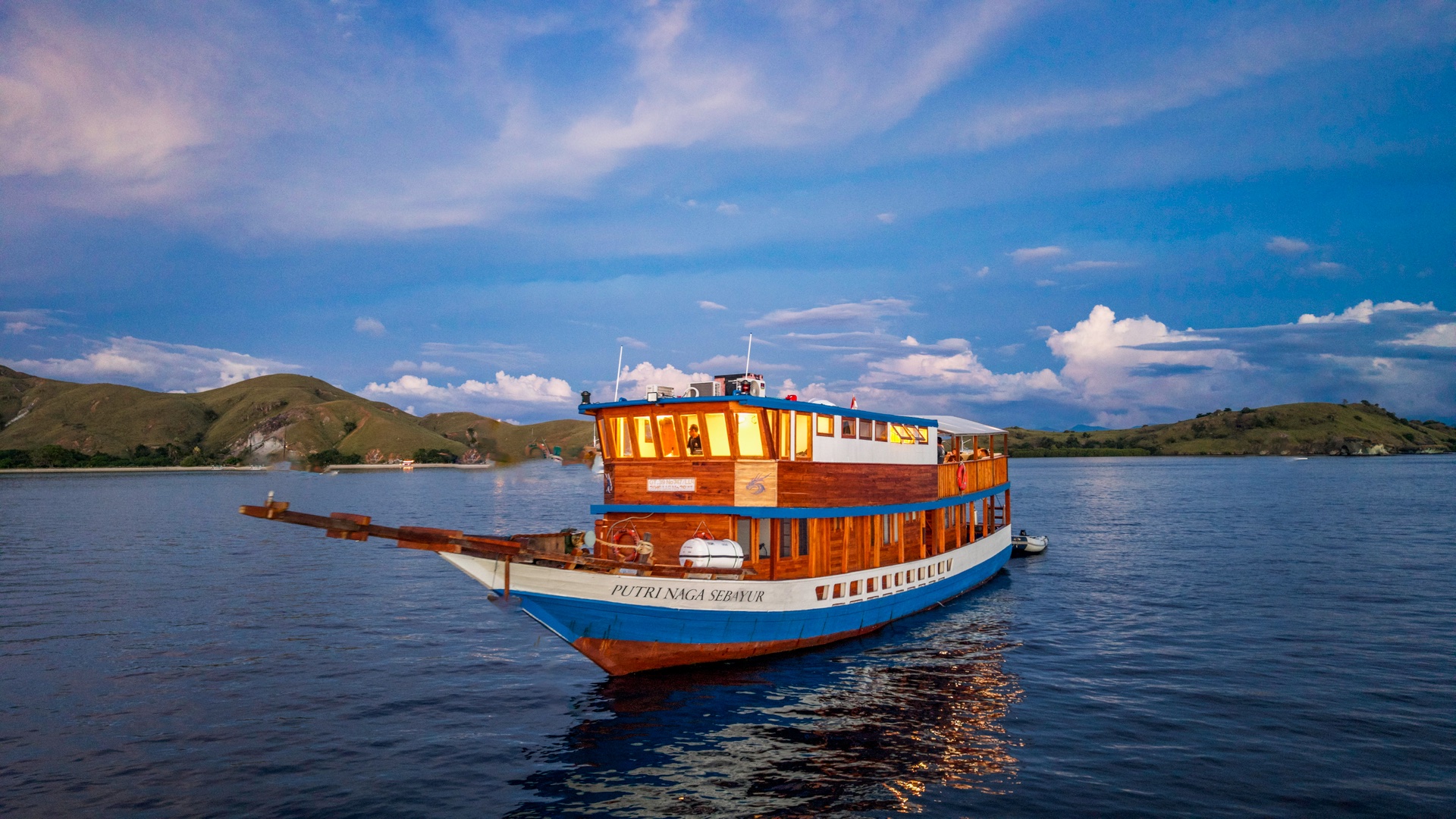
Putri Naga
Komodo, Indonesia
6 guests25 m
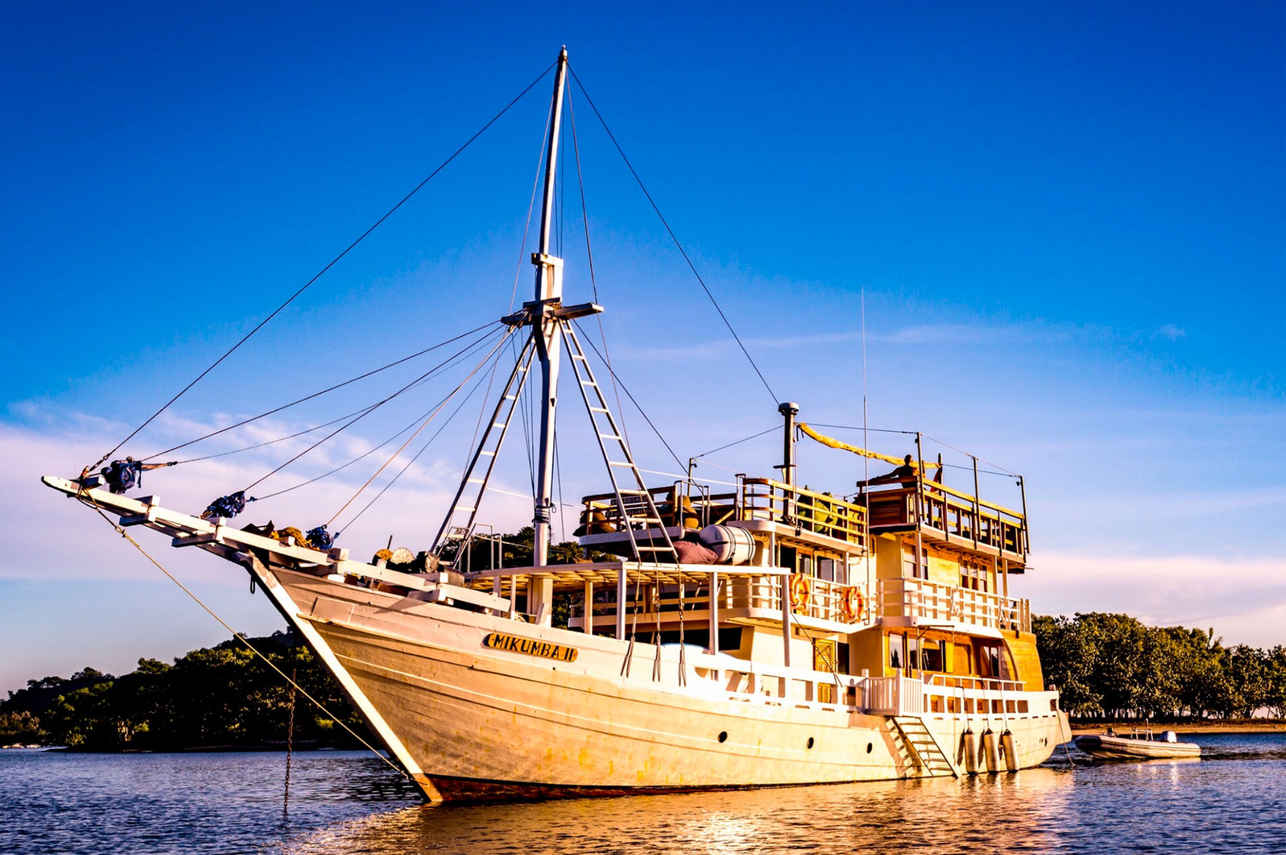
Mikumba Dua
Indonesia
10 guests30 m
$335/day
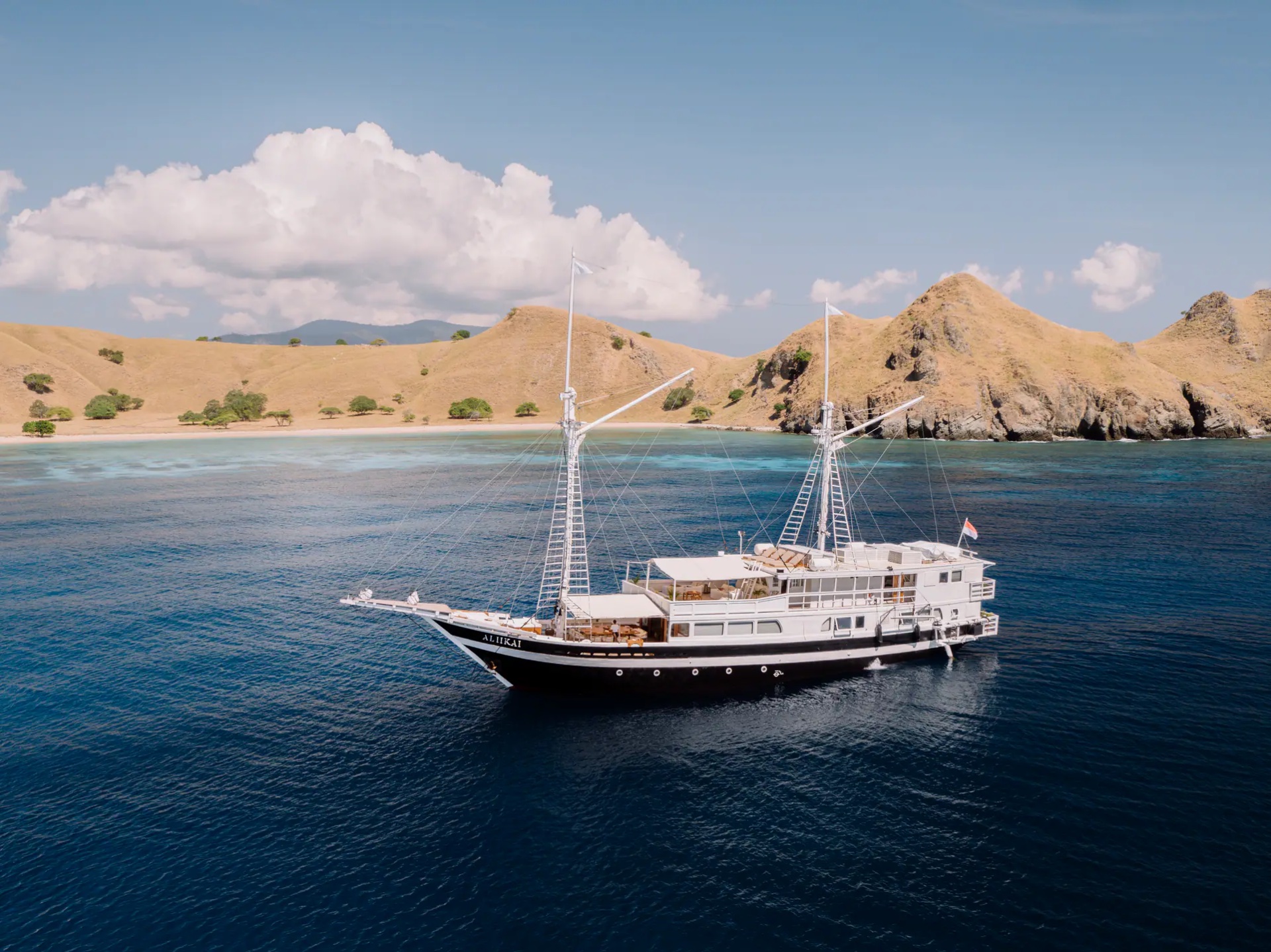
Aliikai Voyage
Indonesia
15 guests40 m
$658/day
Dive sites similar to Pillarsteen
Same character, same waters — six more sites divers love for the exact same reasons.Compare seasons, access and liveaboard routes — then pick the site that fits your trip best.
© Esri — Maxar, Earthstar, GIS
Batu Bolong
Komodo, Indonesia
Batu Bolong, meaning "Hollow Rock" in Bahasa Indonesian, is a renowned dive site in Komodo National Park, situated in the central Lintah Strait between Komodo Island and Tatawa Besar.
- Suitable for
- Advanced
- Current
- Strong
- Access
- Liveaboard or dayboat
- Depth
- 10–30 m
- Theme
- Drift / Pinnacle
Batu Tiga, meaning "Three Rocks" in Indonesian, is a dive site reserved for experienced divers within the Komodo National Park, particularly due to its notoriously strong and often unpredictable currents.
- Suitable for
- Advanced
- Current
- Strong
- Access
- Liveaboard or dayboat
- Depth
- 12–35 m
- Theme
- Pinnacle / Wall
Nusa Kode is a dive site located in Komodo National Park, situated in the eastern part of the horseshoe-shaped bay, very close to where it opens into the wider ocean.
- Suitable for
- Advanced
- Current
- Strong
- Access
- Liveaboard or dayboat
- Depth
- 3–20 m
- Theme
- Reef / Wall
© Esri — Maxar, Earthstar, GIS
Rollercoaster
Komodo, Indonesia
Rollercoaster is a premier dive site in Komodo National Park, renowned for its exhilarating drift diving experience, where strong, channeled currents create a sensation akin to a theme park ride.
- Suitable for
- Expert
- Current
- Strong
- Access
- Liveaboard or dayboat
- Depth
- 10–40 m
- Theme
- Drift / Wall
© Esri — Maxar, Earthstar, GIS
Padar Reef
Komodo, Indonesia
Padar Reef, nestled in the southern part of Komodo National Park, is renowned for its distinct topography and rich marine biodiversity.
- Suitable for
- Advanced
- Current
- Moderate
- Access
- Liveaboard or dayboat
- Depth
- 3–22 m
- Theme
- Drift / Reef
© Esri — Maxar, Earthstar, GIS
Crystal Rock
Komodo, Indonesia
Crystal Rock is a renowned dive site in the northern reaches of Komodo National Park, celebrated for its exceptional visibility and the prolific marine life drawn by its dynamic currents.
- Suitable for
- Intermediate
- Current
- Strong
- Access
- Liveaboard or dayboat
- Depth
- 5–25 m
- Theme
- Drift / Pinnacle