About Loh Buaya Channel
The Loh Buaya Channel, nestled within the Komodo National Park, offers an iconic drift diving experience, showcasing the powerful and nutrient-rich currents that define this region. Located between Komodo and Rinca islands, this site provides a high-energy environment where diverse marine life thrives amidst stunning coral formations. Divers navigate a channel characterized by its strong, consistent currents, revealing pristine soft coral gardens and expansive sponge growth along its slopes. Depths typically range from 5 to 30 meters, with the most vibrant action concentrated along the reef slopes and shallows. While the currents can be very strong, they are also predictable when understood in relation to the tides, attracting pelagic species and supporting a healthy reef ecosystem. This site is renowned for its thrilling 'flight-like' sensation as divers are carried over the reef. Marine life encounters are frequent, with blacktip reef sharks patrolling the deeper sections and green and hawksbill turtles often found resting in the shallower areas. The strong currents bring an abundance of food, supporting a rich diversity of fish and invertebrate life, making it a visual spectacle on every dive. Due to the dynamic conditions, proper briefing and current management are essential for an enjoyable and safe experience. Diving the Loh Buaya Channel is often a fast-paced adventure, ideal for those who enjoy exhilarating drifts and encountering larger marine species. The site's beauty lies in its vibrant, current-swept reefs, promising an unforgettable journey through one of Komodo's most famous underwater passages.
Highlights
Dynamic drift divingVibrant soft coral gardensAbundant spongesBlacktip reef sharksGreen and hawksbill turtlesFast-paced current ridesRich pelagic encountersExhilarating 'flight' sensation
Season calendar
Best months to dive here
Jan
Feb
Mar
Apr
May
Jun
Jul
Aug
Sep
Oct
Nov
Dec
Excellent
Good
Dive site facts: Loh Buaya Channel
- Depth
- 5–30 m
- Typical dive
- 12–25 m, 30–50 min
- Current
- Strong to very strong
- Visibility
- 15–30 m
- Water temperature
- 26–29°C
- Entry
- Negative entry / Tender
- Level
- Advanced, current experience essential
- Dive type
- Drift, reef, pelagic
- Night dive
- Not suitable
- Region / port
- Komodo National Park, Central
- Coordinates
- -8.645, 119.525
Conditions & Currents
Currents at Loh Buaya Channel are famously strong and are a defining characteristic of the dive, often described as a 'washing machine' due to their swirling nature. These powerful flows are a result of the massive tidal exchange between the Flores Sea and the Indian Ocean, funneling water through the narrow passages of Komodo National Park. Understanding the daily tidal movements is crucial for planning, as the current strength and direction fluctuate significantly, requiring careful timing for safe entry and exit. Divers should anticipate exhilarating drift dives, where the current carries you over the reef, offering a sensation of flying. While the current itself is not inherently dangerous when properly managed, it demands good buoyancy control and experience with drift diving techniques. Entry is typically a negative entry to get down quickly, and divers often use reef hooks to pau
Marine life & sighting chances

Blacktip reef shark
common
Green sea turtle
common
Hawksbill sea turtle
common
Giant trevally
occasional
Napoleon wrasse
occasional
Snapper
common
Batfish
common
Sweetlips
common
Reef manta ray
September–May · occasional
Nudibranch
occasionalDive profile & how the dive runs
Your dive at Loh Buaya Channel begins with a negative entry from a tender, ensuring a quick descent to avoid being swept away by the strong surface currents. The typical route involves drifting along the main channel, allowing the current to carry you over the vibrant reef slope. You'll maintain a depth between 15-25 meters, observing the profusion of soft corals and sponges that thrive in the nutrient-rich flow. Look out for blacktip reef sharks patrolling the deeper sections and various schooling fish. As the current guides you, pay close attention to your guide for signals to slow down or navigate any swirling eddies. The dive usually concludes by slowly ascending into shallower, more sheltered areas (5-10 meters) for your safety stop, often near a reef wall or a calmer bay, before resurfacing for boat pickup.
Underwater photography
Loh Buaya Channel is a prime location for wide-angle photography, capturing the expansive, current-swept reefscapes and the dynamic schools of fish. A wide-angle lens is essential to convey the scale of the soft coral gardens and the thrill of the drift. Due to the strong currents, excellent buoyancy control is paramount; consider using a reef hook to stabilize yourself for static shots, but be mindful of delicate corals. Strobes are highly recommended to bring out the vibrant colors of the corals and sponges, especially in deeper areas or during overcast conditions. When photographing marine life like sharks or turtles, position yourself to capture them against the clear blue water, anticipating their movements as you drift. Be quick and efficient with your shots, as the drift means subjects are constantly moving.
Combine with nearby dive sites
- Manta Point (North)
Manta Point, also known as Karang Makassar, is a renowned dive site in the northern part of Komodo National Park.
- Tengah
Tengah, or Batu Tengah, is a central Komodo dive site, aptly named "Middle Rock" in Indonesian, positioned equally distant from the park's…
- Batu Bolong
Batu Bolong, meaning "Hollow Rock" in Bahasa Indonesian, is a renowned dive site in Komodo National Park, situated in the central Lintah…
- Tatawa Besar
Tatawa Besar, meaning 'big laugh' in Bahasa Indonesian, is a picturesque dive site located in the central area of Komodo National Park…
Getting there & logistics
Access to Loh Buaya Channel, like most Komodo dive sites, is primarily via liveaboards or day boats departing from Labuan Bajo. Labuan Bajo (LBJ) has a domestic airport with year-round flights from Bali, Jakarta, and Kuala Lumpur. Liveaboard trips typically range from 3 to 10 days, allowing extensive exploration of the park's diverse northern, central, and southern regions. Day trips are also available, usually focusing on sites within closer proximity to Labuan Bajo. A Komodo National Park diving permit is mandatory and is generally included in the liveaboard or dive resort package fees. Itineraries often combine high-current sites with calmer macro-rich areas.
Safety & environment
Diving in the Loh Buaya Channel requires a strong emphasis on safety due to the often-powerful currents. Divers should possess advanced certification and prior experience with drift diving. Always follow your dive guide's instructions precisely, especially regarding entry, descent, and current management. Maintaining excellent buoyancy and situational awareness is critical. The nearest recompression chamber is located in Denpasar, Bali, necessitating a medical evacuation in case of a serious diving injury. Comprehensive dive insurance, covering medical emergencies and evacuation, is therefore highly recommended. Operators prioritize safety by carefully assessing tidal conditions and diver experience before entering this dynamic site.
Who it suits — and who it doesn't
Suited for
- Advanced divers with drift experience
- Divers seeking adrenaline-filled drift dives
- Photographers focused on wide-angle reefscapes
- Enthusiasts of pelagic encounters
- Divers who enjoy dynamic, current-rich environments
Less suited for
- Beginner divers or those without current experience
- Divers prone to seasickness in choppy conditions
- Macro photographers primarily seeking stationary subjects
- Individuals uncomfortable with strong water movement
- Divers with poor buoyancy control
FAQ
Loh Buaya Channel FAQ
How strong are the currents at Loh Buaya Channel?
The currents at Loh Buaya Channel can be very strong and are a defining feature of the dive. They are influenced by the significant tidal exchange between the Flores Sea and the Indian Ocean. Dive operators carefully time dives to specific tidal conditions, but divers should always be prepared for a dynamic and exhilarating drift.
What marine life can I expect to see at Loh Buaya Channel?
Loh Buaya Channel is renowned for its diverse marine life, supported by the nutrient-rich currents. You can frequently encounter blacktip reef sharks, green sea turtles, and hawksbill sea turtles. Schooling fish such as snapper, batfish, and sweetlips are also common, along with occasional sightings of giant trevally and Napoleon wrasse.
Is Loh Buaya Channel suitable for new divers?
No, Loh Buaya Channel is generally not suitable for new or inexperienced divers. The strong and unpredictable currents require advanced certification, excellent buoyancy control, and prior experience with drift diving techniques. It is best suited for experienced divers who are comfortable in dynamic underwater environments.
What is the visibility like at Loh Buaya Channel?
Visibility at Loh Buaya Channel is typically excellent, often ranging from 15 to 30 meters. The constant movement of water ensures clear conditions, allowing for great views of the vibrant soft corals and abundant marine life. However, localized plankton blooms can occasionally reduce visibility, particularly during the wet season.
Do I need any special equipment for diving Loh Buaya Channel?
While standard dive gear is sufficient, a reef hook is highly recommended for Loh Buaya Channel to allow divers to stabilize themselves in the strong current and observe marine life without drifting past. Good quality fins for effective propulsion and a dive computer are also essential for safe current diving. A safety sausage (SMB) is also crucial for surface signaling.
Why dive Loh Buaya Channel from a liveaboard?
Loh Buaya Channel is one of Komodo, Indonesia's signature dive sites. A liveaboard sleeps you on the water and puts you in the water for three to four guided dives per day, including dawn and night dives that day-boat operators rarely offer. You skip the daily commute back to port and reach quieter, less-crowded sites in the same region on a single trip.
Below are the liveaboards that include Loh Buaya Channel on their Komodo, Indonesia itineraries.
Liveaboards diving Loh Buaya Channel
These liveaboards may visit Loh Buaya Channel on selected itineraries — the exact dive sites depend on departure, weather and conditions.
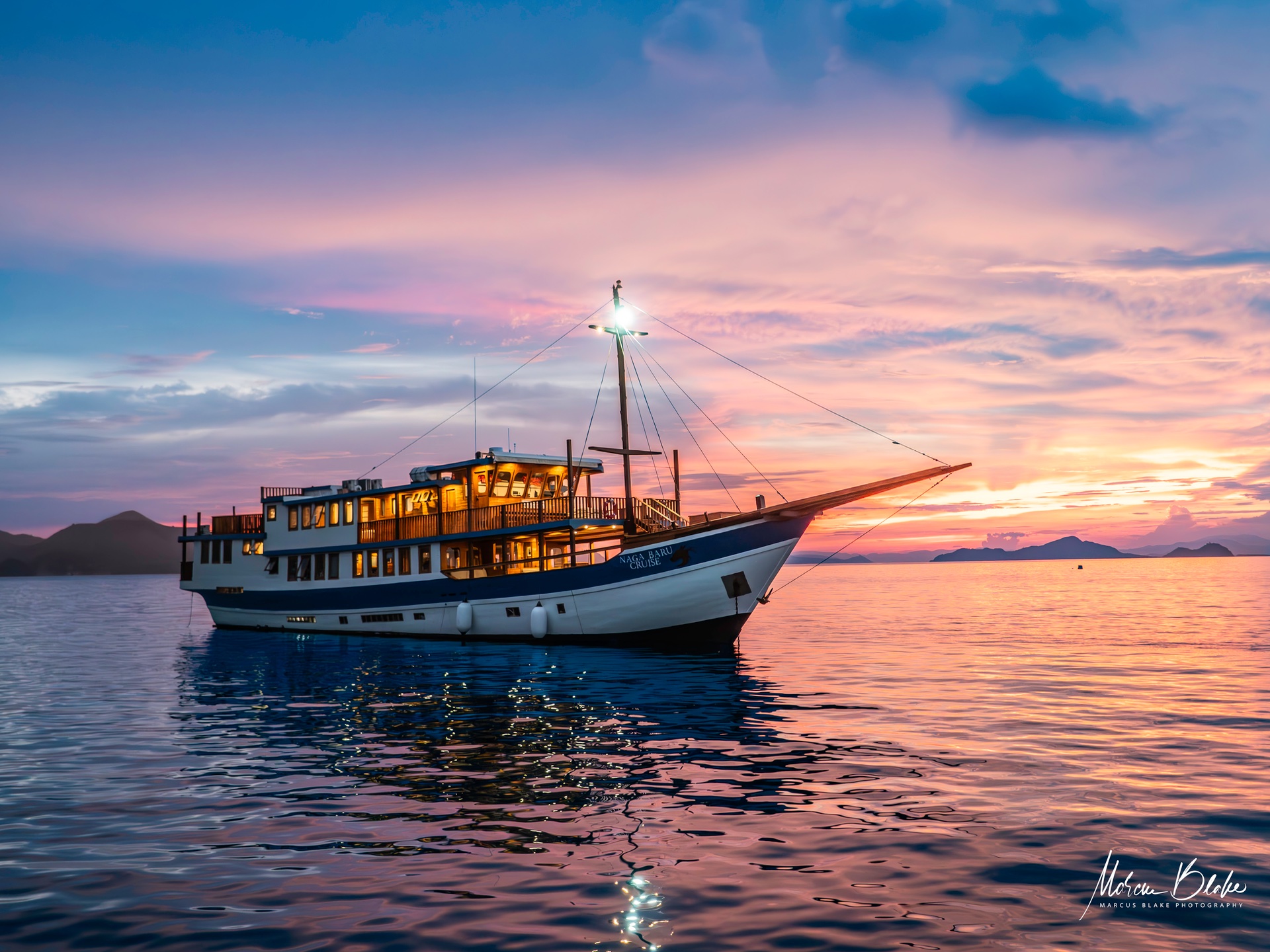
Naga Biru
Indonesia
12 guests40 m
$271/day
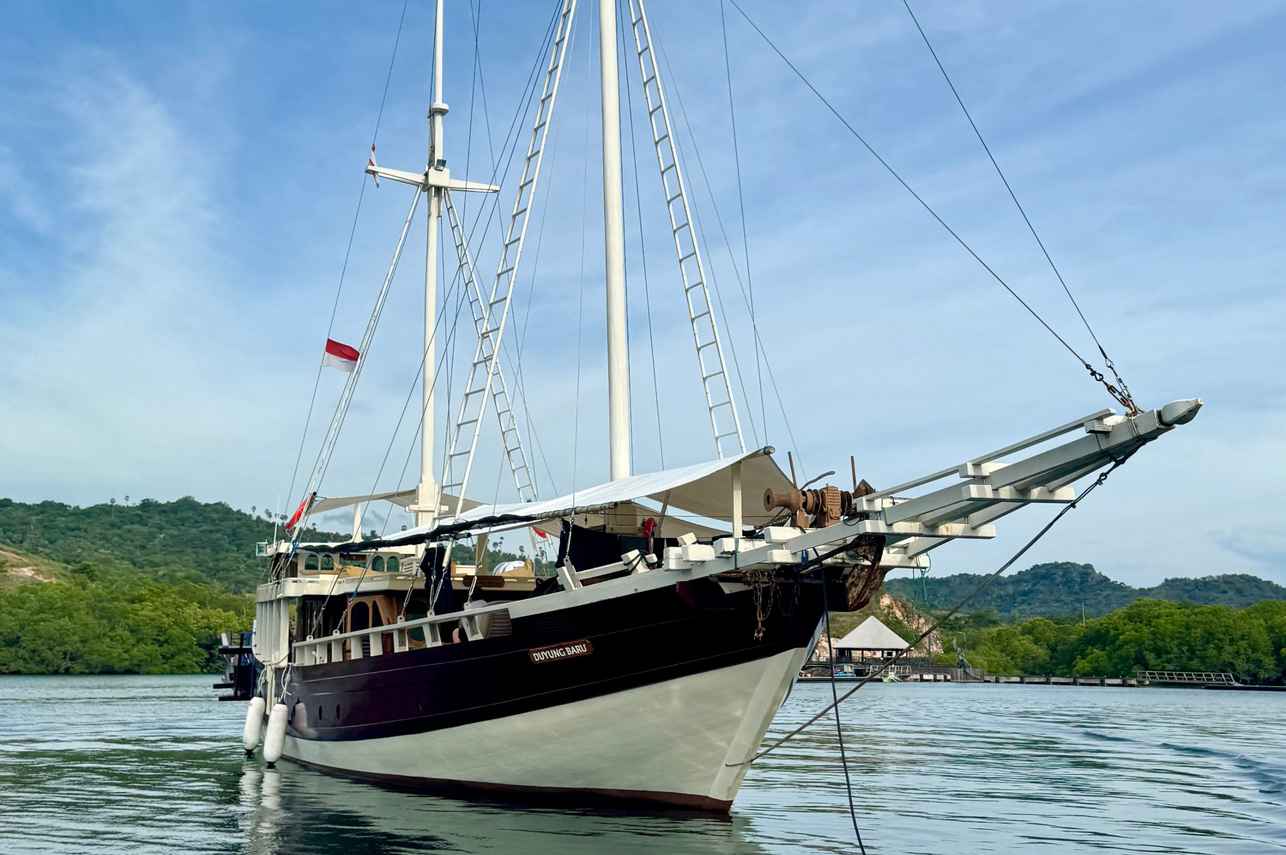
Ecopro Duyung Baru
Indonesia
6 guests27 m
$361/day
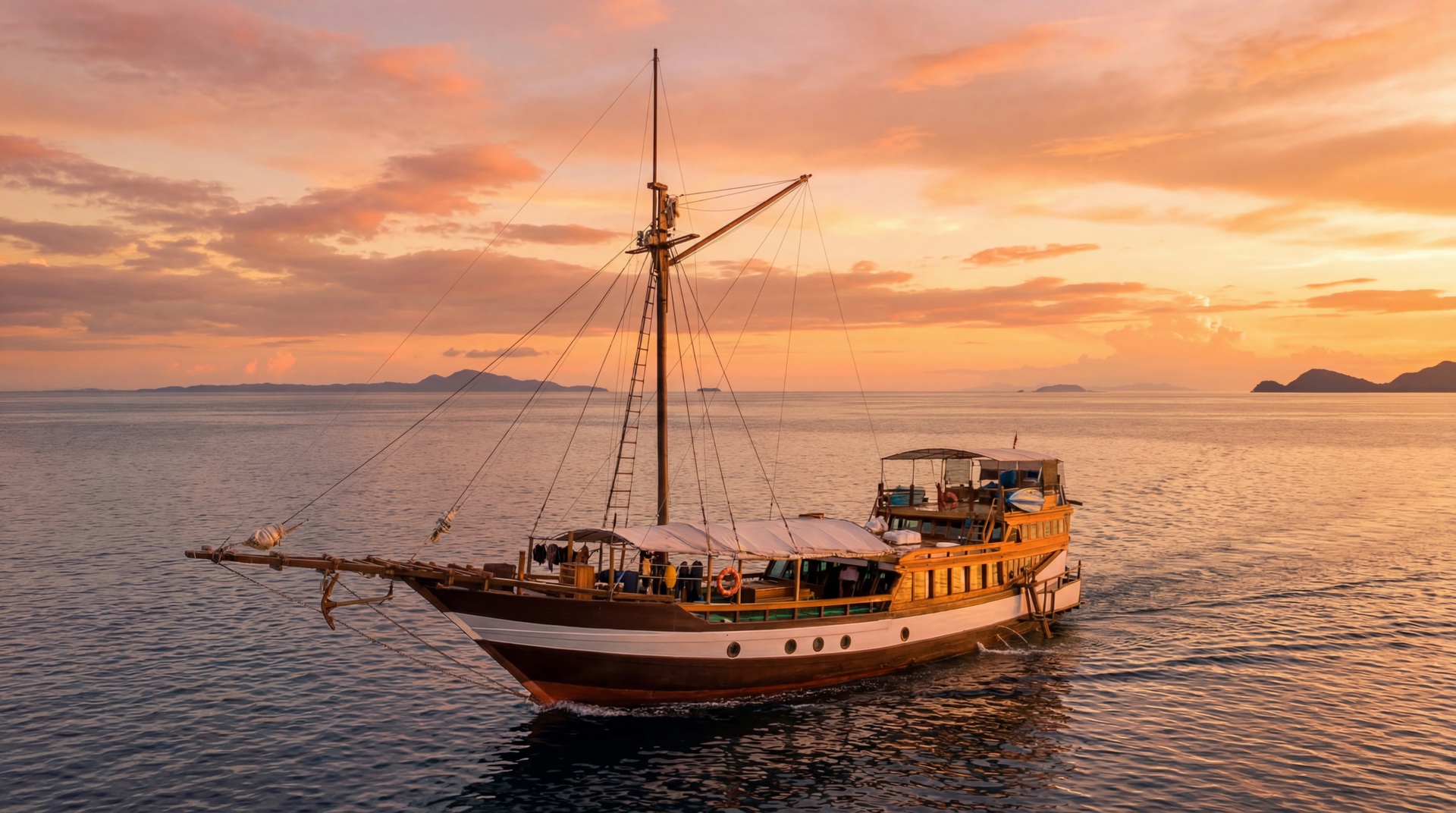
Wellenreng
Indonesia
9 guests25 m
$423/day
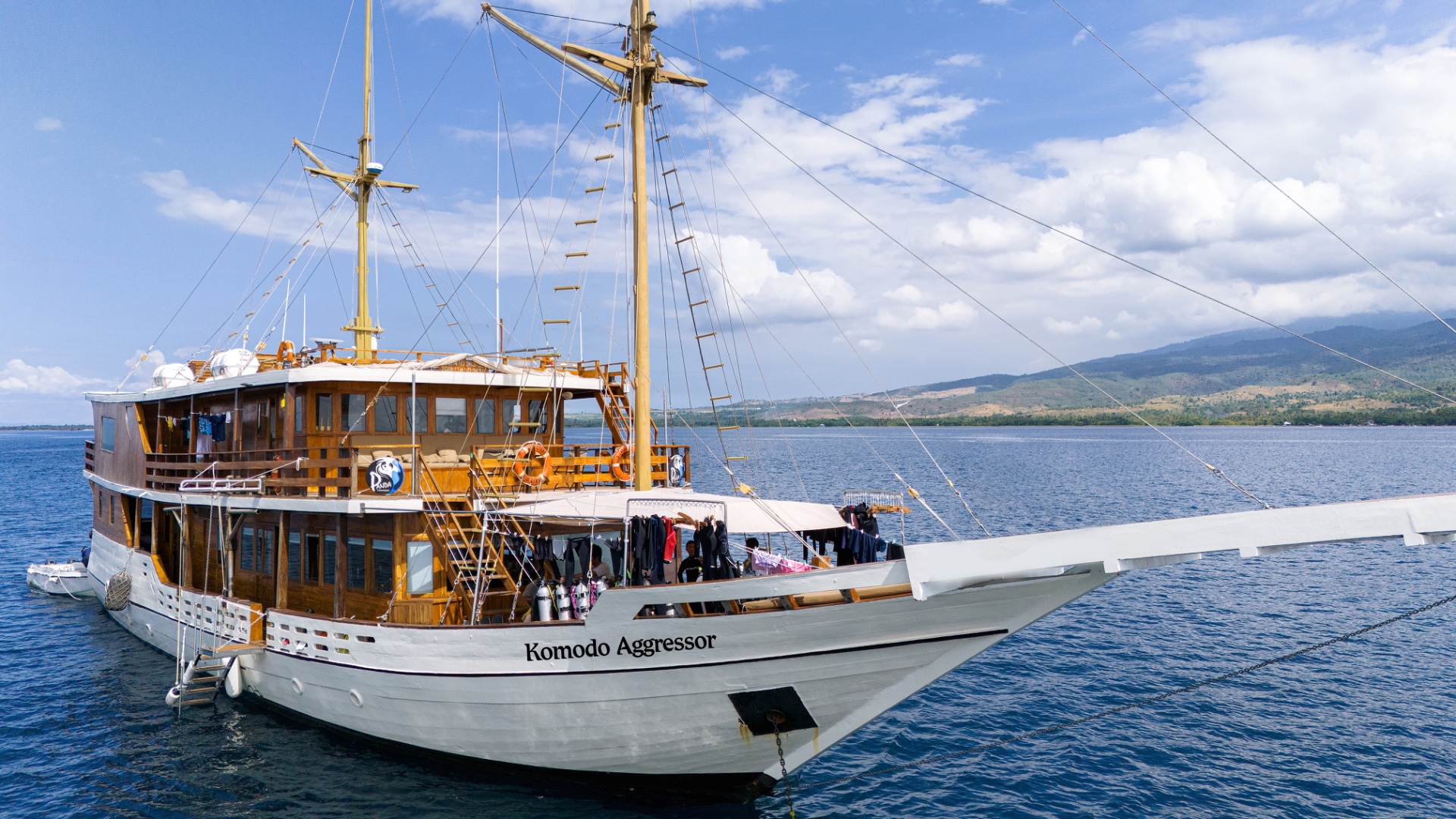
Komodo Aggressor
Komodo, Indonesia
16 guests29 m
$312/day
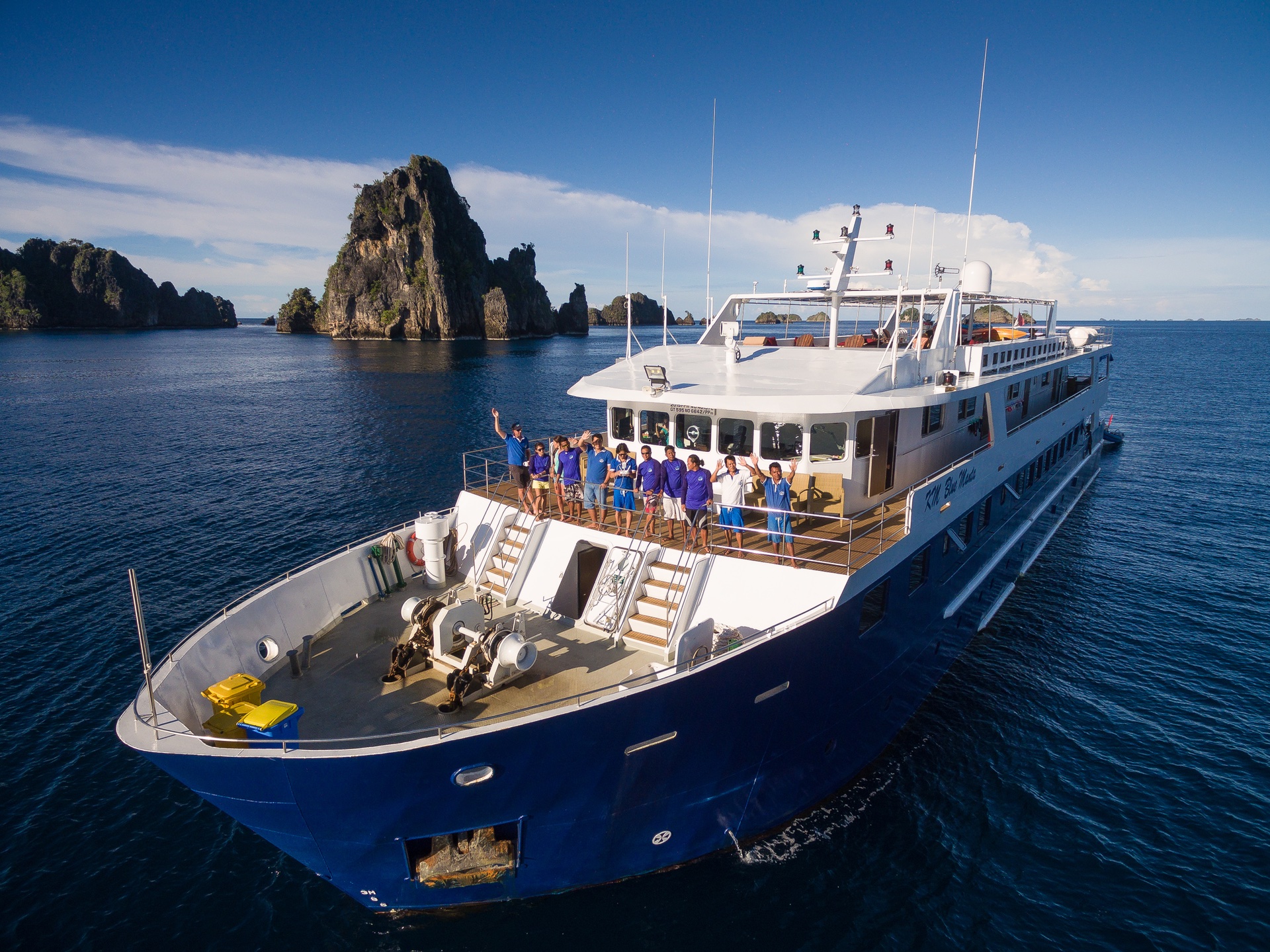
Blue Manta
Indonesia
20 guests45 m
$482/day
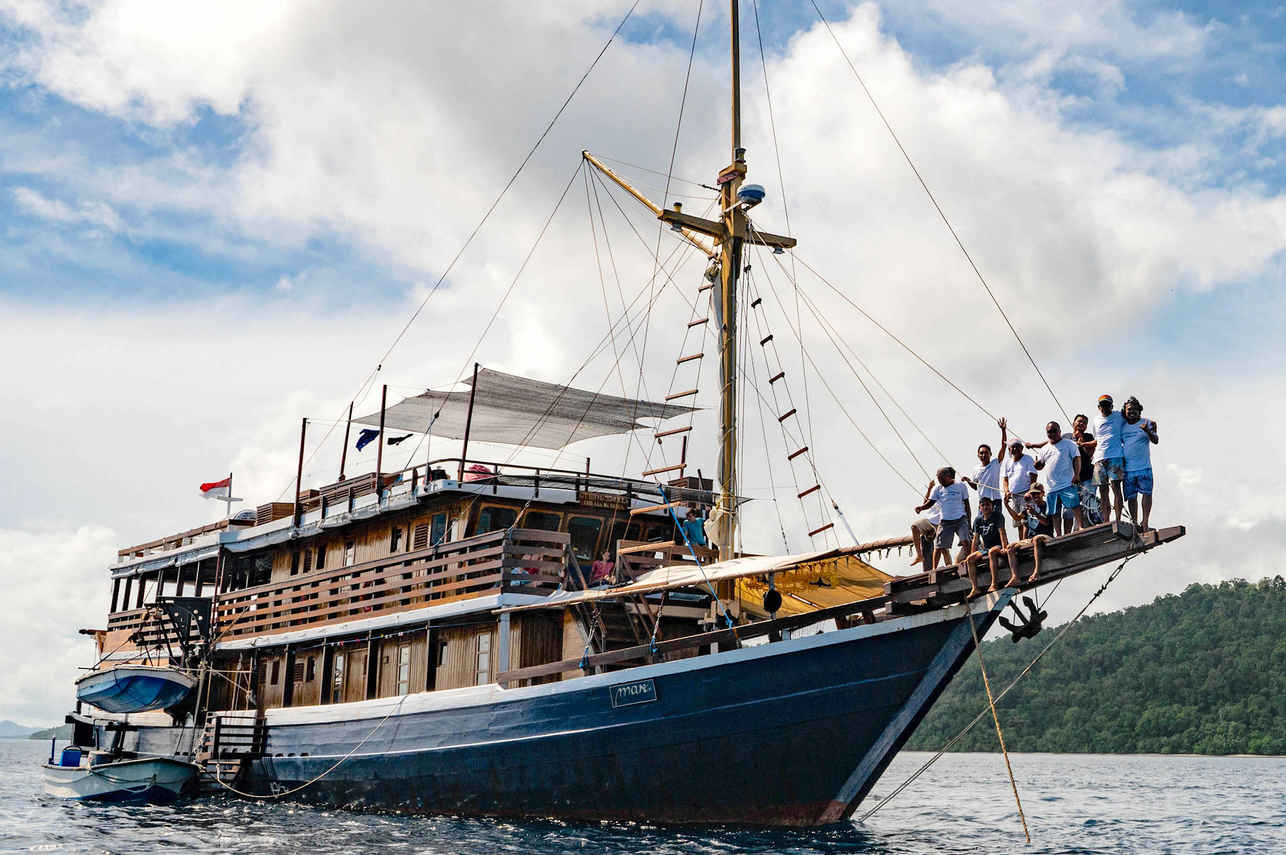
Mari
Indonesia
14 guests32.2 m
$320/day
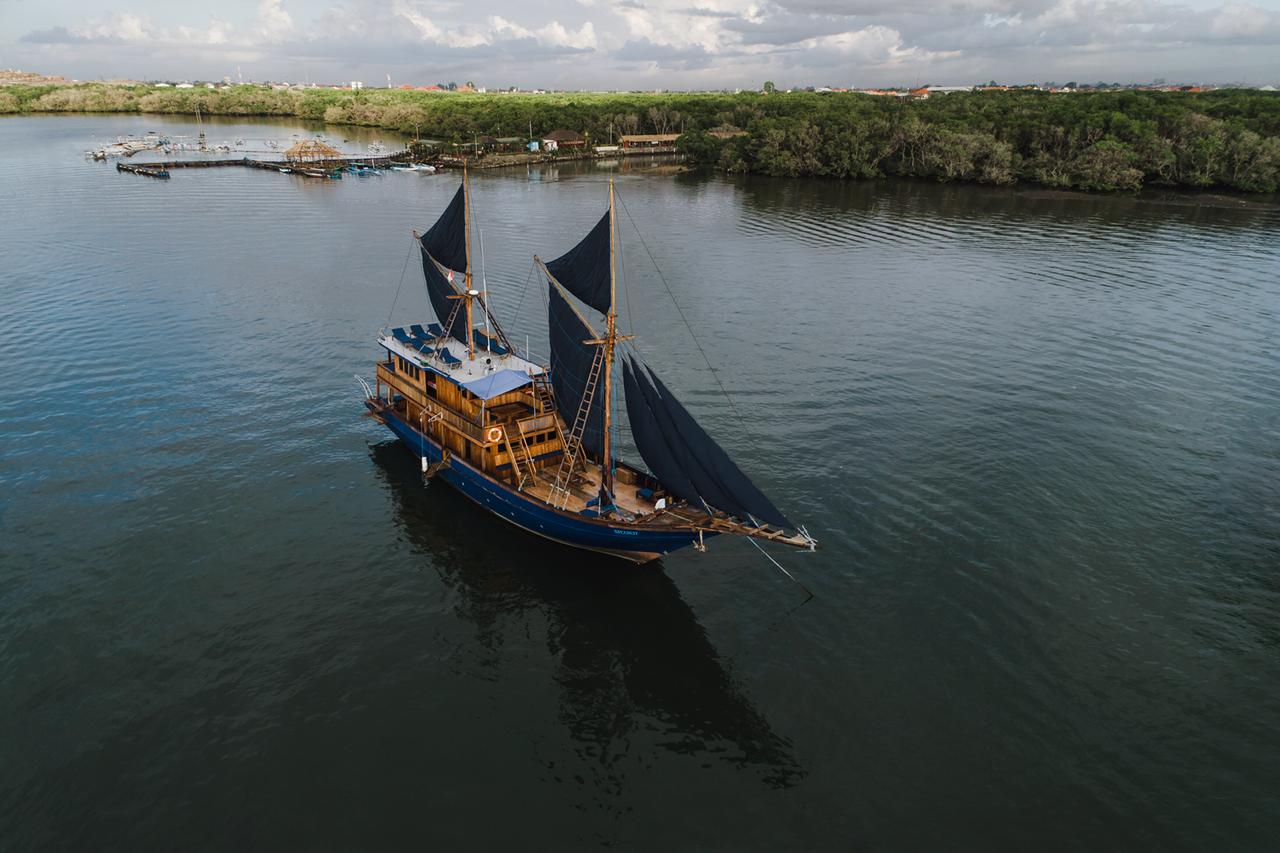
Situju7
Komodo, Indonesia
10 guests32.7 m
$362/day
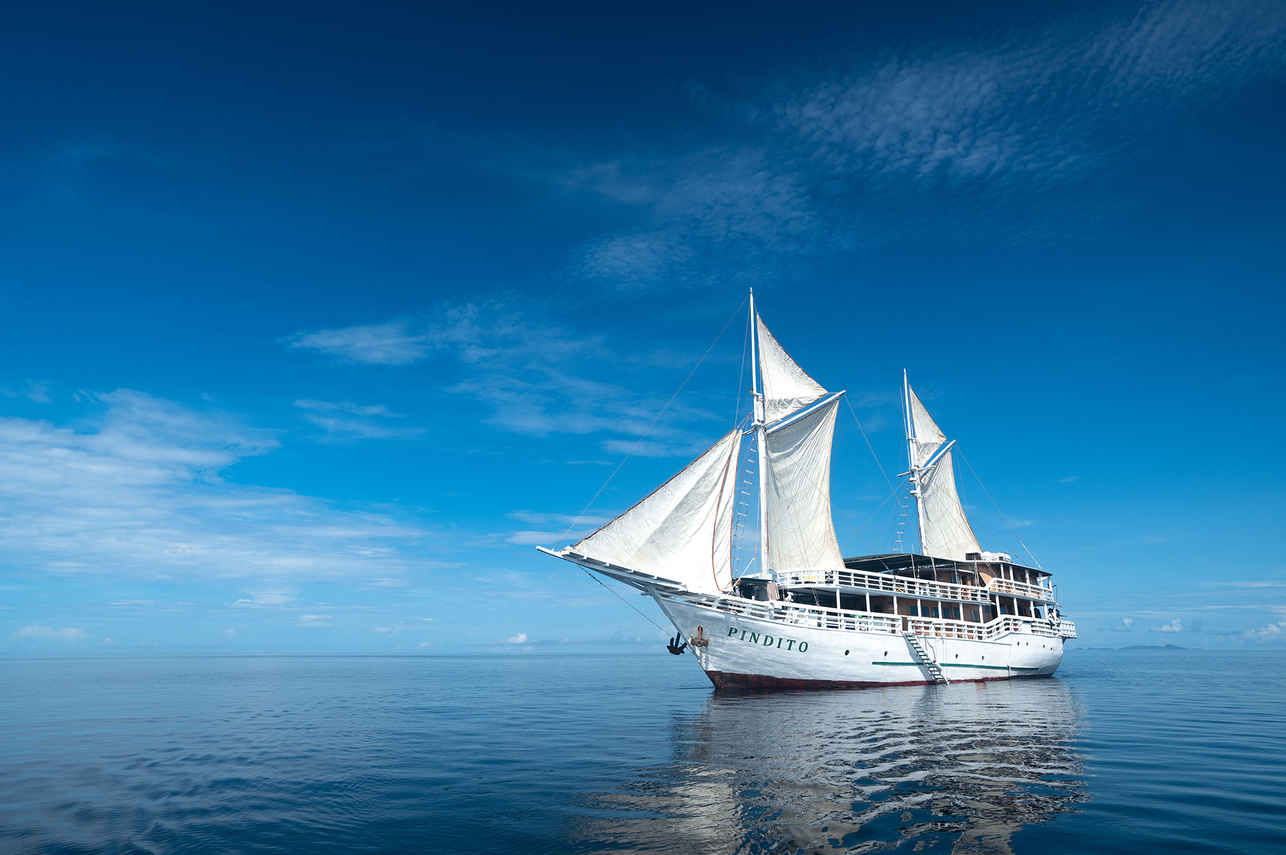
Pindito
Indonesia
16 guests37.79 m
$533/day
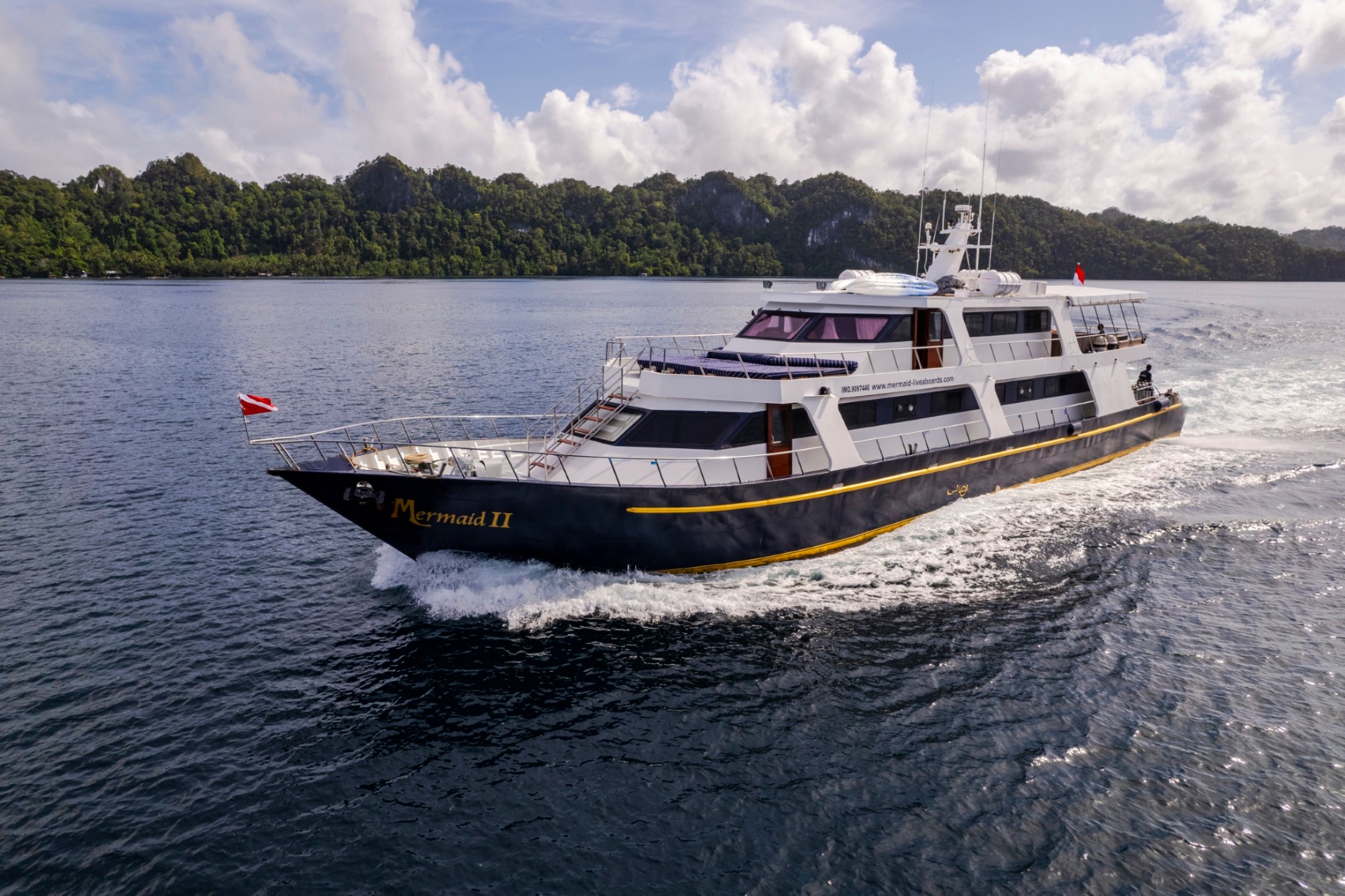
Mermaid II
Komodo, Indonesia
18 guests
$388/day
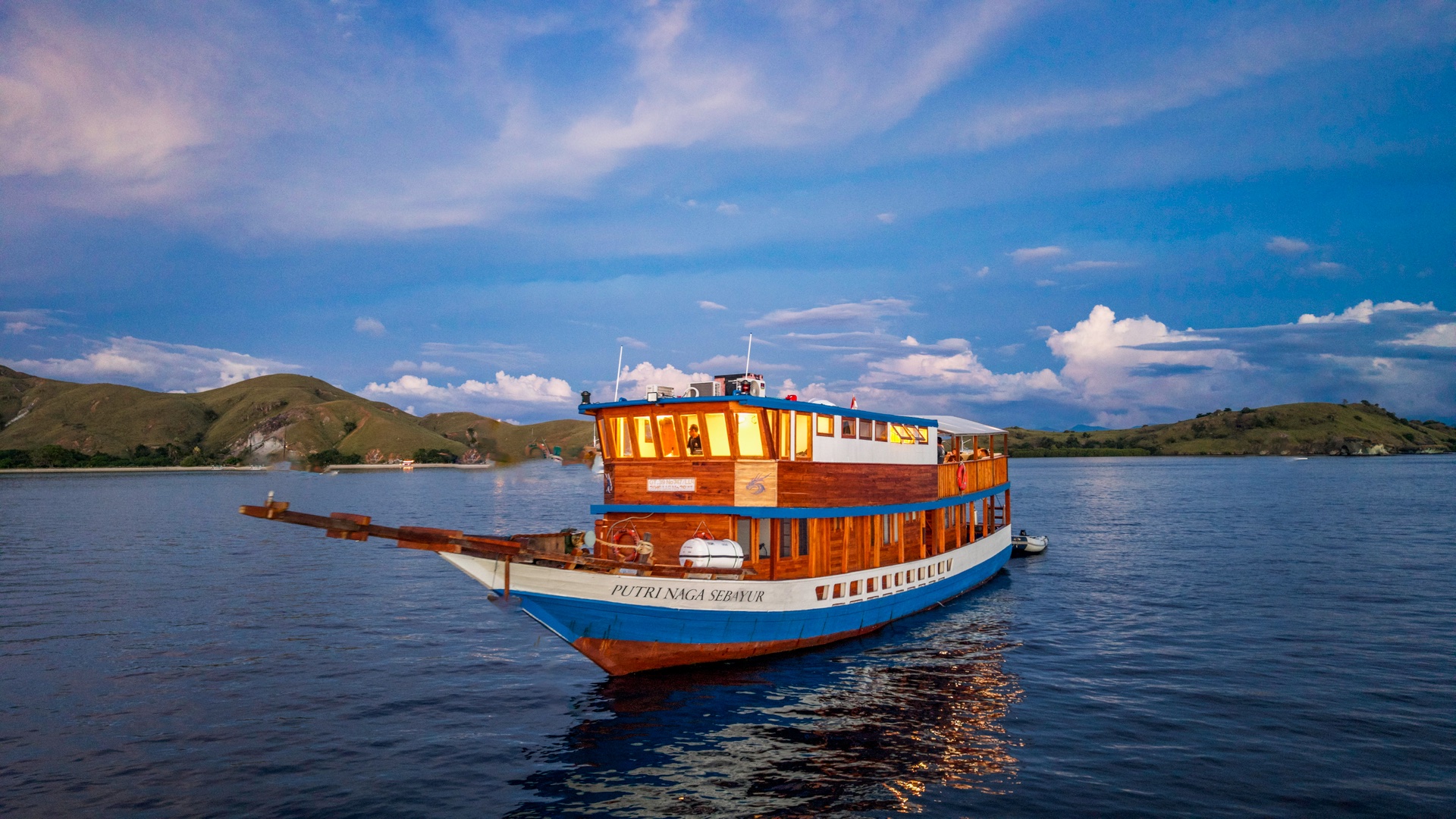
Putri Naga
Komodo, Indonesia
6 guests25 m
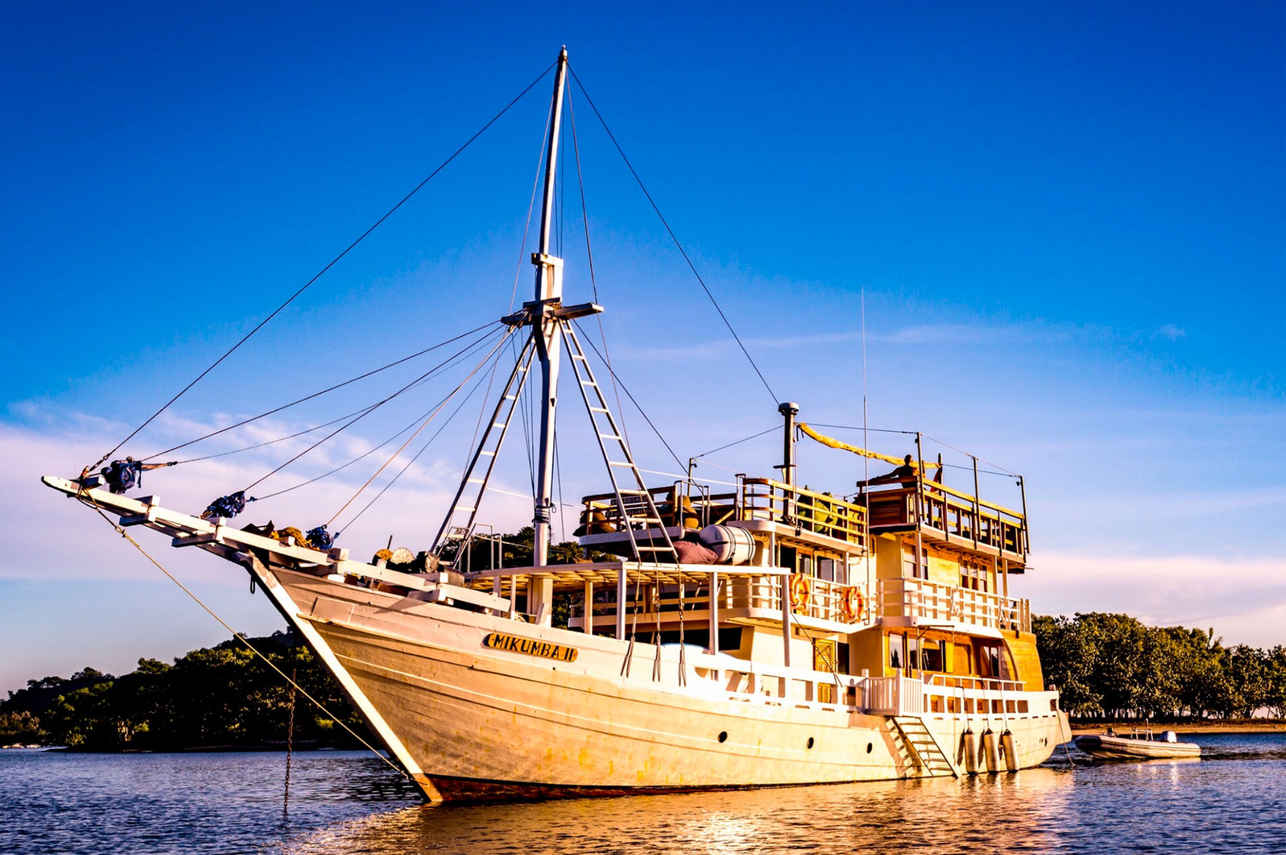
Mikumba Dua
Indonesia
10 guests30 m
$335/day
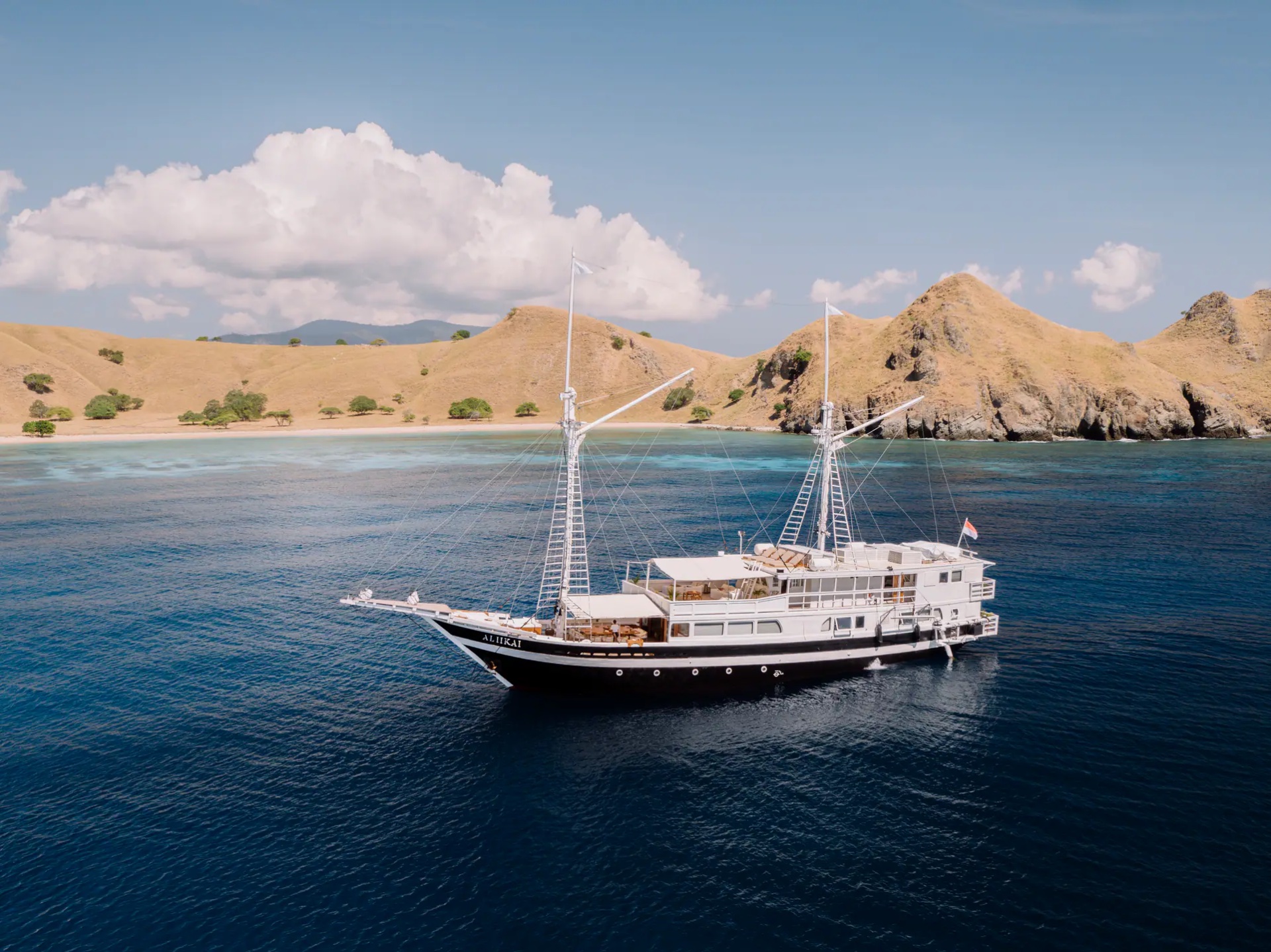
Aliikai Voyage
Indonesia
15 guests40 m
$658/day
Dive sites similar to Loh Buaya Channel
Same character, same waters — six more sites divers love for the exact same reasons.Compare seasons, access and liveaboard routes — then pick the site that fits your trip best.
© Esri — Maxar, Earthstar, GIS
Big La Laguna
Philippines
Big La Laguna is a beach community situated on the western edge of the Sabang Peninsula, a popular dive region on Mindoro Island, Philippines.
- Suitable for
- Intermediate
- Current
- Moderate
- Access
- Dayboat
- Depth
- 5–35 m
- Theme
- Reef / Wall
© Esri — Maxar, Earthstar, GIS
Rusa Pinnacle
Alor
Rusa Pinnacle is a challenging yet highly rewarding dive site situated in the Alor archipelago, part of Indonesia's East Nusa Tenggara.
- Suitable for
- Advanced
- Current
- Strong
- Access
- Liveaboard only
- Depth
- 6–30 m
- Theme
- Reef
Lipah Bay is situated on Bali's northeast coast within the Amed area, nestled against the dramatic backdrop of Gunung Agung.
- Suitable for
- Beginner
- Current
- Mild
- Access
- Liveaboard or dayboat
- Depth
- 5–30 m
- Theme
- Reef / Drift
© Esri — Maxar, Earthstar, GIS
Tangked Cave
Bali
Tangked Cave, sometimes referred to as Tangked Taked Shark Cave, is an advanced dive site situated in the open ocean off Bali's southeastern coast.
- Suitable for
- Advanced
- Current
- Moderate
- Access
- Liveaboard or dayboat
- Depth
- 15–40 m
- Theme
- Cave & cavern / Reef
© Esri — Maxar, Earthstar, GIS
Schools Out
Alor
Schools Out in Alor offers divers an exceptional encounter with healthy coral reefs and a rich variety of marine species.
- Suitable for
- Intermediate
- Current
- Mild
- Access
- Liveaboard only
- Depth
- 20–30 m
- Theme
- Reef
© Esri — Maxar, Earthstar, GIS
Batununggul
Bali
Batununggul, also known as Suana or Batumulapan by some operators, is a dynamic wall and sloping reef dive site situated on the eastern side of Nusa Penida, Bali.
- Suitable for
- Advanced
- Current
- Strong
- Access
- Liveaboard or dayboat
- Depth
- 10–40 m
- Theme
- Wall