About Padar Reef
Padar Reef, nestled in the southern part of Komodo National Park, is renowned for its distinct topography and rich marine biodiversity. Unlike the northern and central areas of the park, this region features prominent rocky and wall formations, providing unique underwater scenery. It is one of the smaller islands making up the national park, located between the larger islands of Sumbawa and Flores in the Lesser Sunda Islands. Padar Reef is a UNESCO World Heritage Site, highlighting its ecological significance. The site is a haven for unique coral species not commonly found elsewhere in Komodo, alongside a fascinating array of macro life. Diving here offers a blend of spectacular seascapes and abundant marine encounters. The underwater landscape is characterized by dramatic walls, intriguing swim-throughs, and healthy coral reefs that burst with color. While currents can be a feature of Komodo diving, conditions at Padar Reef often allow for more relaxed exploration compared to the action-packed drift dives of the north. Marine life at Padar Reef includes an impressive variety of reef fish, as well as opportunities to spot larger pelagic species. Divers can look forward to observing frogfish, seahorses, and pipefish, indicating a rich macro environment. The area is also known for potential sightings of small schools of devil rays in shallower waters. The vibrant soft corals, especially those unique to the southern sites, create a visually stunning backdrop for every dive. Accessibility to Padar Reef is generally best between October and March when the conditions are most favorable, with improved visibility and calmer seas. Liveaboards and day boats from Labuan Bajo regularly visit this site, often combining it with other southern Komodo highlights. The relatively cooler water temperatures in the south necessitate a thicker wetsuit for comfort, typically around 5mm.
Highlights
Unique coral speciesRocky wall topographyPillarstein swim-throughsFrogfish and seahorsesSoft coral gardensDevil ray sightingsDiverse reef fish
Season calendar
Best months to dive here
Jan
Feb
Mar
Apr
May
Jun
Jul
Aug
Sep
Oct
Nov
Dec
Good
Dive site facts: Padar Reef
- Depth
- 7–25 m
- Typical dive
- 15–20 m, 45–60 min
- Current
- Moderate, site-dependent
- Visibility
- 7–20 m
- Water temperature
- 23–24°C
- Entry
- Tender / controlled descent
- Level
- Open Water Diver, current experience helpful
- Dive type
- Wall, pinnacle, coral garden, macro
- Night dive
- Possible, conditions permitting
- Region / port
- Komodo National Park / Labuan Bajo
- Coordinates
- -8.66, 119.587
Conditions & Currents
Currents at Padar Reef are generally moderate compared to the more exposed northern Komodo sites, though local conditions can vary. Divers should still be prepared for potential movement, especially around points and underwater structures, as Komodo is known for its nutrient-rich currents that fuel its vibrant ecosystem. Visibility in the south averages around 12 meters but can range from 7 to 20 meters, influenced by upwellings. Water temperatures are cooler, typically 23-24°C, so a thicker wetsuit is recommended. Entry is usually by tender, and a controlled descent is advisable. Divers should always listen to their dive guide regarding specific current expectations for each dive plan.
Marine life & sighting chances
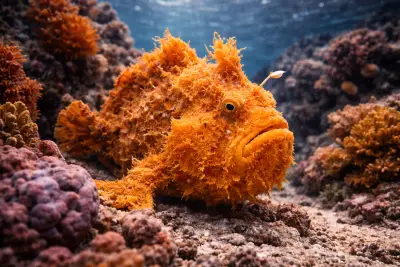
Frogfish
occasional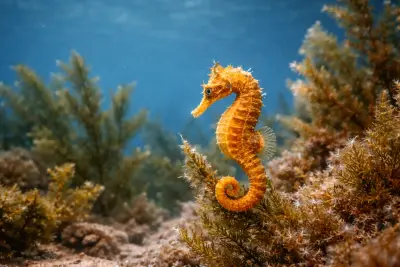
Seahorse
occasional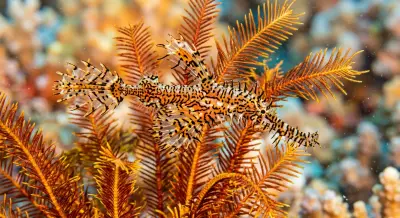
Pipefish
occasional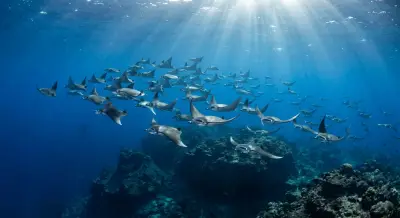
Devil ray
occasional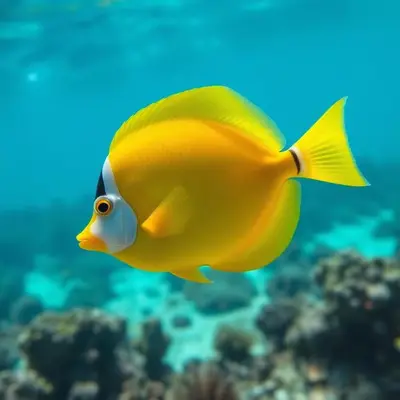
Surgeonfish
common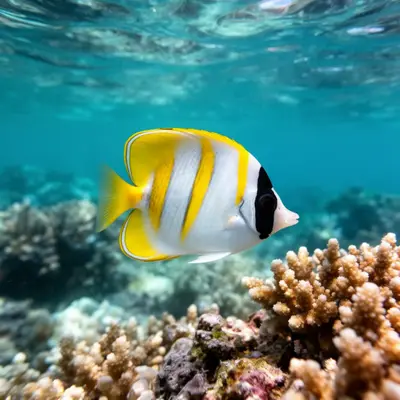
Butterflyfish
common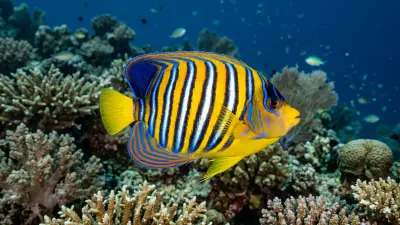
Angelfish
common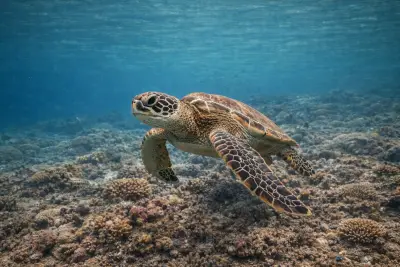
Green turtle
occasional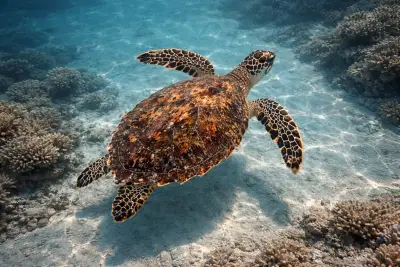
Hawksbill turtle
occasional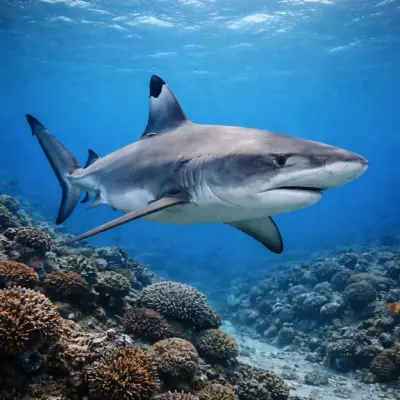
Reef shark
occasional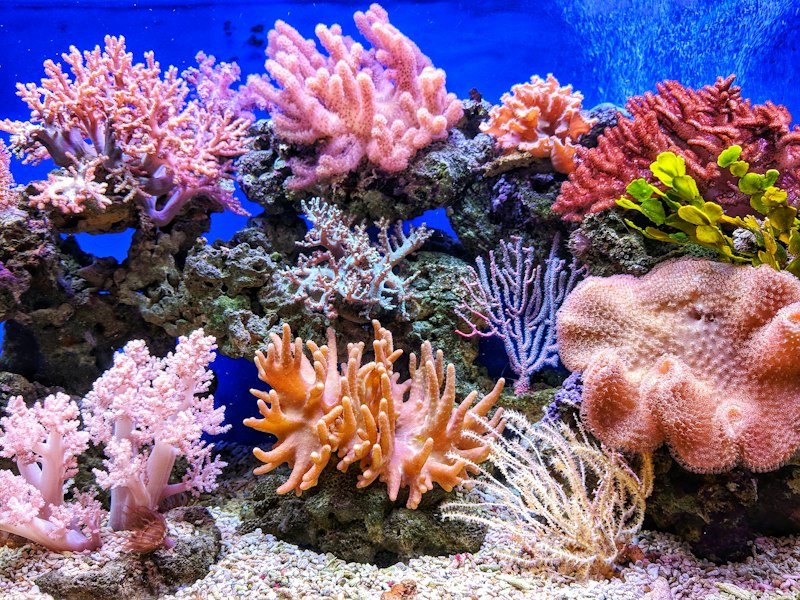
Soft corals
common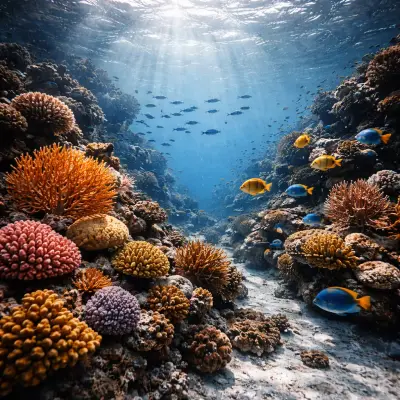
Hard corals
commonDive profile & how the dive runs
Your dive at Padar Reef typically begins with a tender drop-off near one of the rocky outcrops or wall sections. Descending along the vibrant wall, you'll explore numerous crevices and overhangs, keeping an eye out for macro life such as frogfish and seahorses tucked into the corals. The dive usually progresses at a leisurely pace, allowing ample time to appreciate the unique soft coral gardens that thrive in the cooler southern waters. You might encounter small schools of reef fish and, if lucky, observe devil rays gliding in the shallower areas. The turn point is often dictated by air consumption or current, before a gradual ascent to a safety stop among the shallower coral patches. The tender will pick you up once you surface.
Underwater photography
Padar Reef offers fantastic opportunities for both wide-angle and macro photography due to its diverse topography and marine life. For wide-angle shots, a fisheye or wide-angle lens is ideal to capture the dramatic rocky walls, swim-throughs, and extensive soft coral formations. The unique coral species and the possibility of seeing devil rays make for compelling scenic shots. For macro enthusiasts, a dedicated macro lens will serve well for capturing the elusive frogfish, seahorses, and pipefish. Good buoyancy control is essential to avoid disturbing the delicate corals and to get clear shots in potentially varied visibility. External strobes are recommended to bring out the vibrant colors of the corals and marine inhabitants, especially in the deeper sections or during overcast conditions.
Combine with nearby dive sites
- Pillarsteen
Known for its fantastic swim-throughs and unique rock formations.
- Secret Garden
Home to corals not found elsewhere in the park and macro treasures.
- Manta Alley
A prime location for observing manta rays, especially between September and May.
- Nusa Kode
Features beautifully pristine reefs and a variety of colorful coral.
- Cannibal Rock
Offers incredibly rich and diverse coral growth.
Getting there & logistics
Access to Padar Reef begins by flying into Komodo Airport (LBJ) in Labuan Bajo, Flores. Direct flights are available from major Indonesian cities like Jakarta and Denpasar (Bali), with the Bali connection taking just over an hour. From Labuan Bajo, divers typically embark on liveaboard cruises lasting 2 to 6 nights or participate in day trips. Most boats depart from Labuan Bajo harbor between 7:00 and 8:00 AM. Komodo National Park entry fees are required and are usually managed by the liveaboard operator. Padar Reef is often included in itineraries exploring the southern parts of the park, combining diving with land excursions to see Komodo dragons or hike Padar Island's viewpoint.
Safety & environment
Komodo National Park diving requires adherence to strict safety protocols due to the presence of currents and varied conditions. Divers should always carry valid dive insurance covering emergency medical treatment and evacuation, as the nearest recompression chamber is located in Denpasar, Bali. Evacuation from remote sites like Padar Reef can be complex and time-consuming. It is crucial to dive within your certification limits and to follow your dive guide's instructions closely, especially regarding current mitigation and entry/exit procedures. Avoid touching marine life or corals, as this is a UNESCO World Heritage site and a highly protected area. Ensure your equipment is well-maintained and that you have sufficient gas for the planned dive profile.
Who it suits — and who it doesn't
Suited for
- Advanced Open Water Divers with current experience
- Macro photography enthusiasts
- Divers seeking unique coral formations
- Those who appreciate dramatic underwater topography
- Divers comfortable with cooler water temperatures
Less suited for
- Beginner divers without current experience
- Divers prone to seasickness in choppier conditions
- Those expecting consistently crystal-clear visibility
- Divers unwilling to wear a 5mm wetsuit
- Individuals with limited buoyancy control
FAQ
Padar Reef FAQ
What kind of marine life can I expect at Padar Reef?
Padar Reef is known for its diverse macro life, including frogfish, seahorses, and pipefish, often found tucked into the unique coral gardens. You can also expect to see a variety of colorful reef fish like surgeonfish, butterflyfish, and angelfish. Occasionally, small schools of devil rays are spotted in the shallower areas, adding to the excitement of the dive.
Are the currents strong at Padar Reef?
While Komodo National Park is famous for its strong currents, Padar Reef in the southern region generally experiences more moderate conditions compared to the northern sites. However, currents can still be present and vary, especially around exposed points. Divers should have some experience with currents and always follow the dive guide's instructions for a safe and enjoyable dive.
What is the water temperature like at Padar Reef?
The water temperature at Padar Reef, typical for Komodo's southern sites, is cooler than the central or northern areas, averaging between 23-24°C (73-75°F). For comfort during your dive, it is highly recommended to wear a 5mm full-length wetsuit. This will help you stay warm throughout your time underwater.
When is the best time of year to dive Padar Reef?
The optimal period for diving Padar Reef is from October to March. During these months, the southern sites of Komodo experience better underwater visibility and calmer surface conditions, making it more pleasant for diving and exploring the unique topography and marine life of the area.
Is Padar Reef suitable for all levels of divers?
Padar Reef is generally recommended for Advanced Open Water Divers with some experience in currents. While some areas might be manageable for less experienced divers under calm conditions, the presence of varied currents and the need for good buoyancy control mean it's not typically a site for absolute beginners. Your dive operator will assess your experience level.
Why dive Padar Reef from a liveaboard?
Padar Reef is one of Komodo, Indonesia's signature dive sites. A liveaboard sleeps you on the water and puts you in the water for three to four guided dives per day, including dawn and night dives that day-boat operators rarely offer. You skip the daily commute back to port and reach quieter, less-crowded sites in the same region on a single trip.
Below are the liveaboards that include Padar Reef on their Komodo, Indonesia itineraries.
Liveaboards diving Padar Reef
These liveaboards may visit Padar Reef on selected itineraries — the exact dive sites depend on departure, weather and conditions.
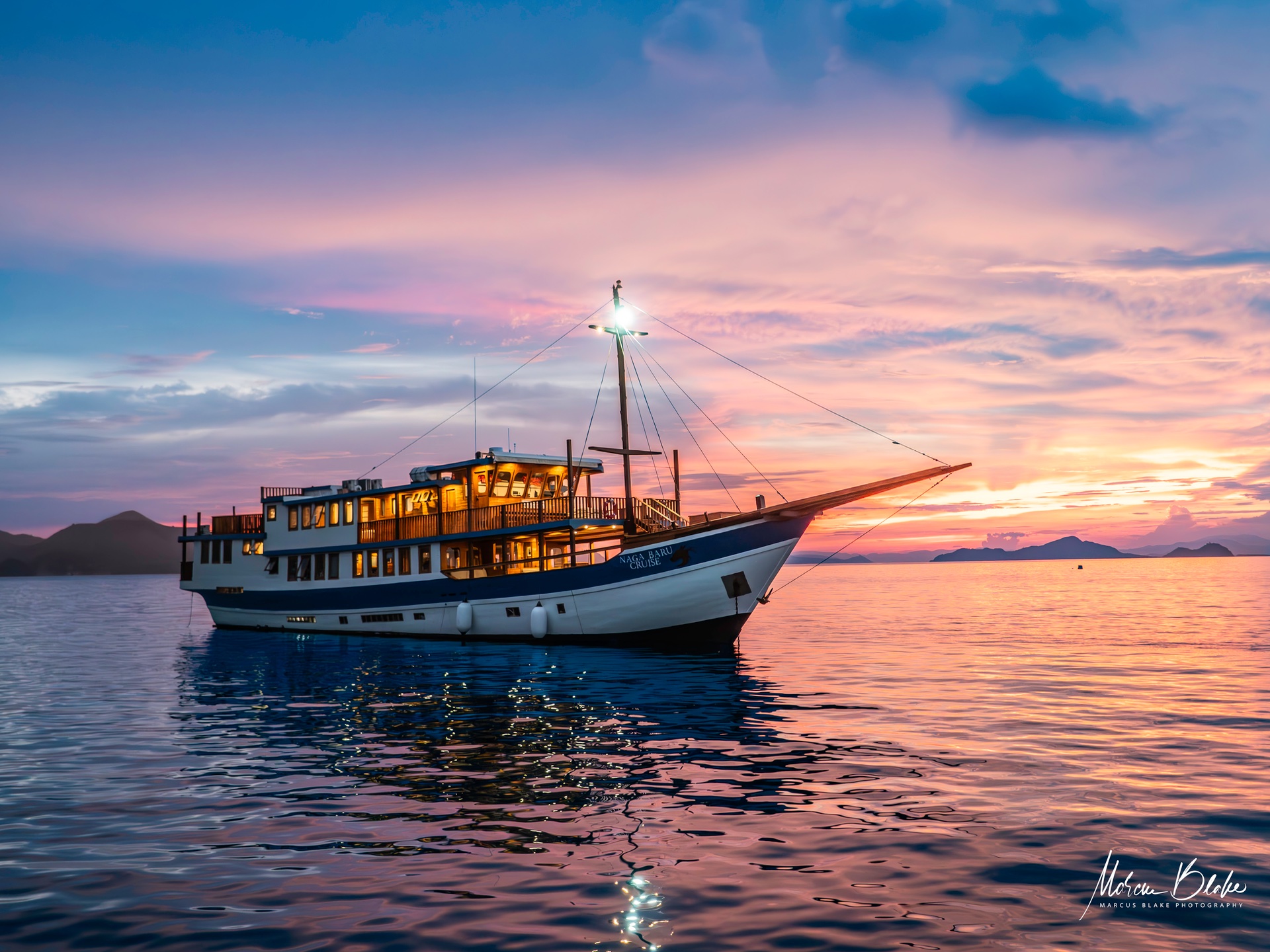
Naga Biru
Indonesia
12 guests40 m
$274/day
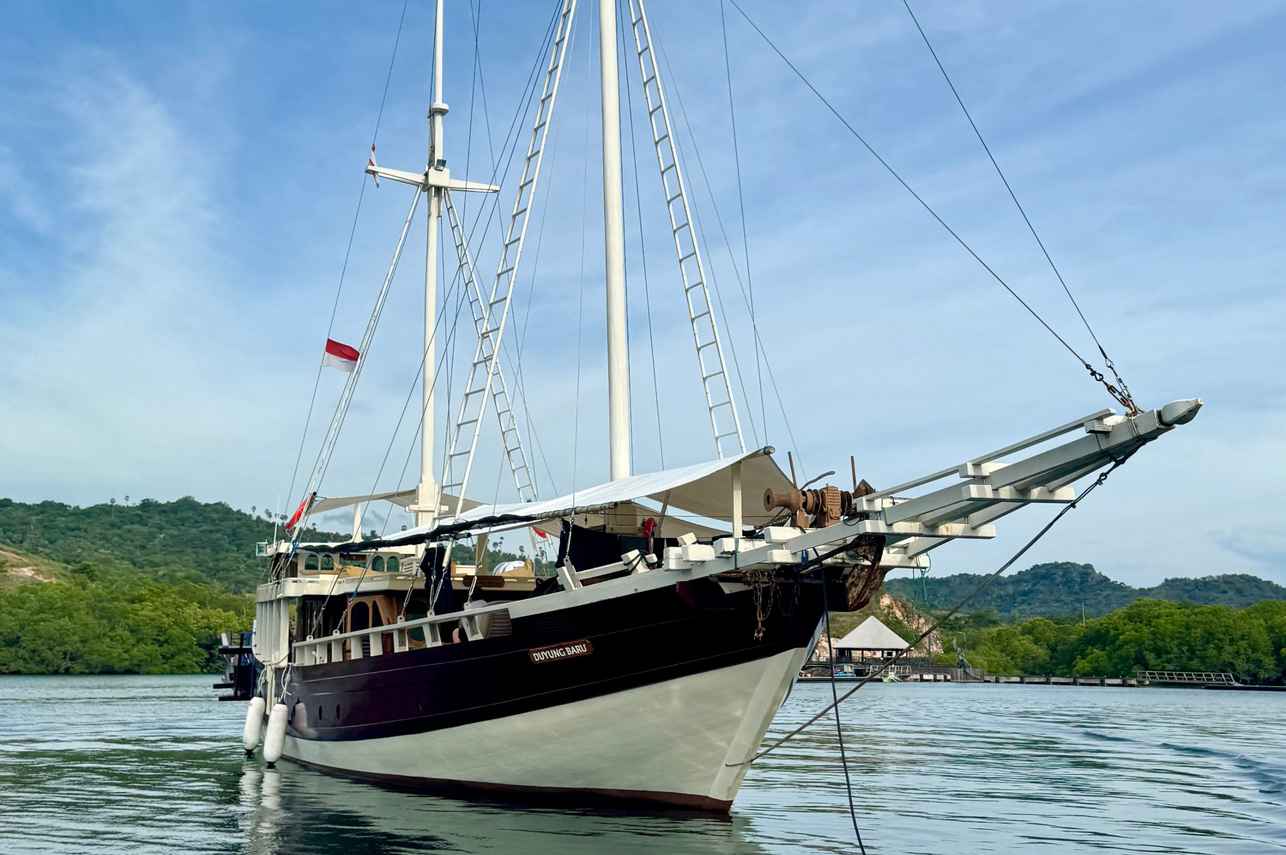
Ecopro Duyung Baru
Indonesia
6 guests27 m
$361/day
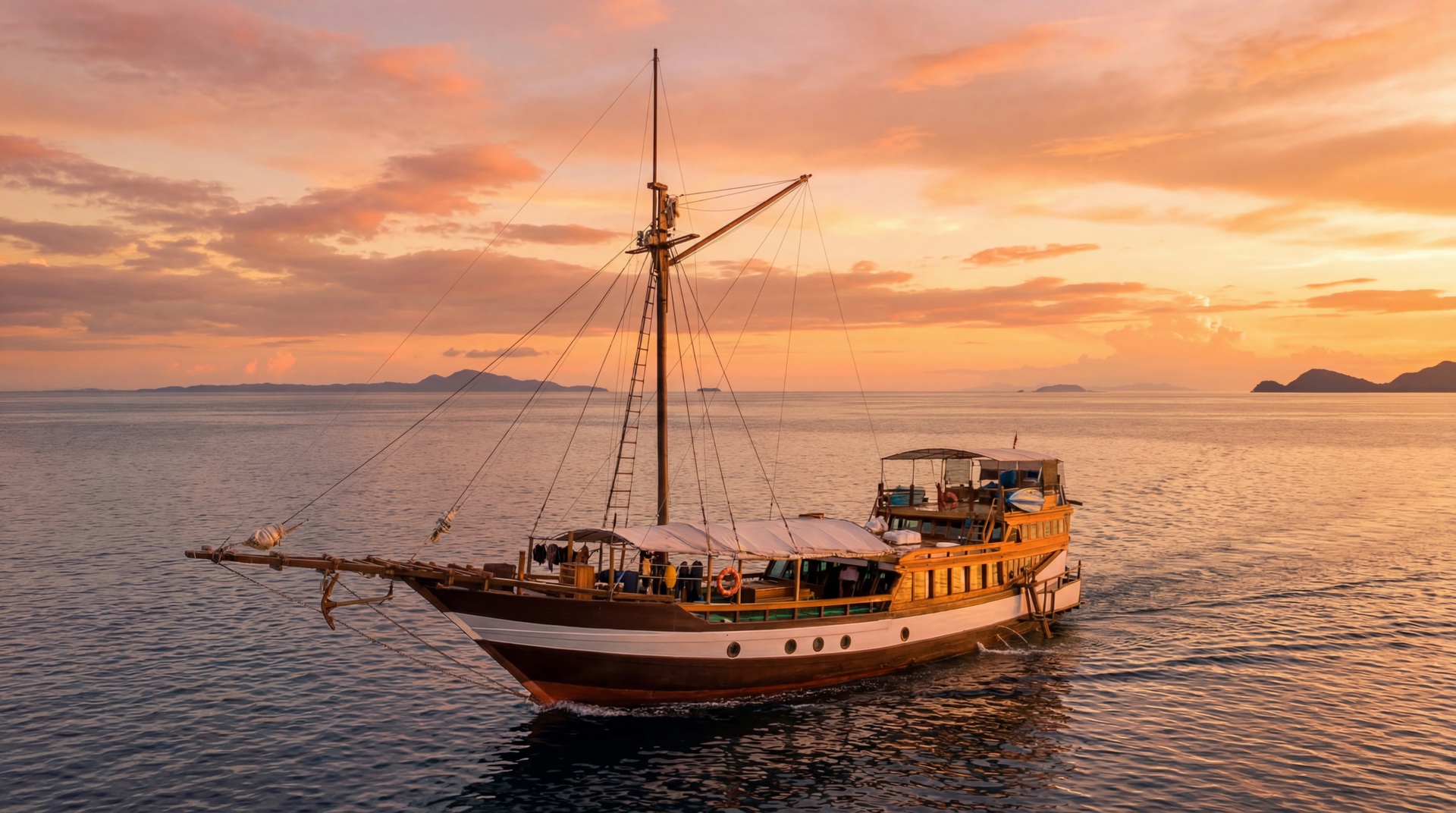
Wellenreng
Indonesia
9 guests25 m
$427/day
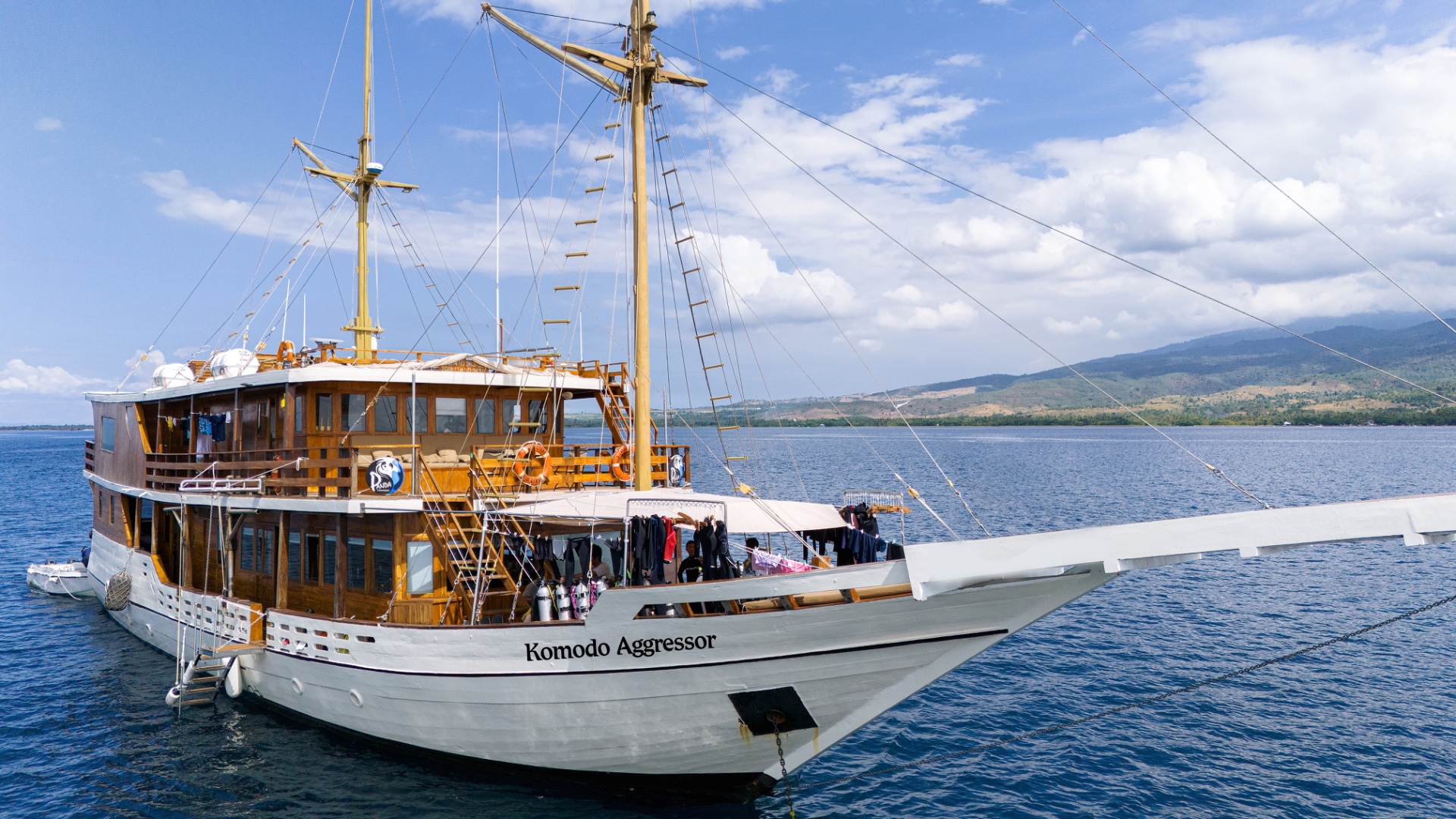
Komodo Aggressor
Komodo, Indonesia
16 guests29 m
$312/day
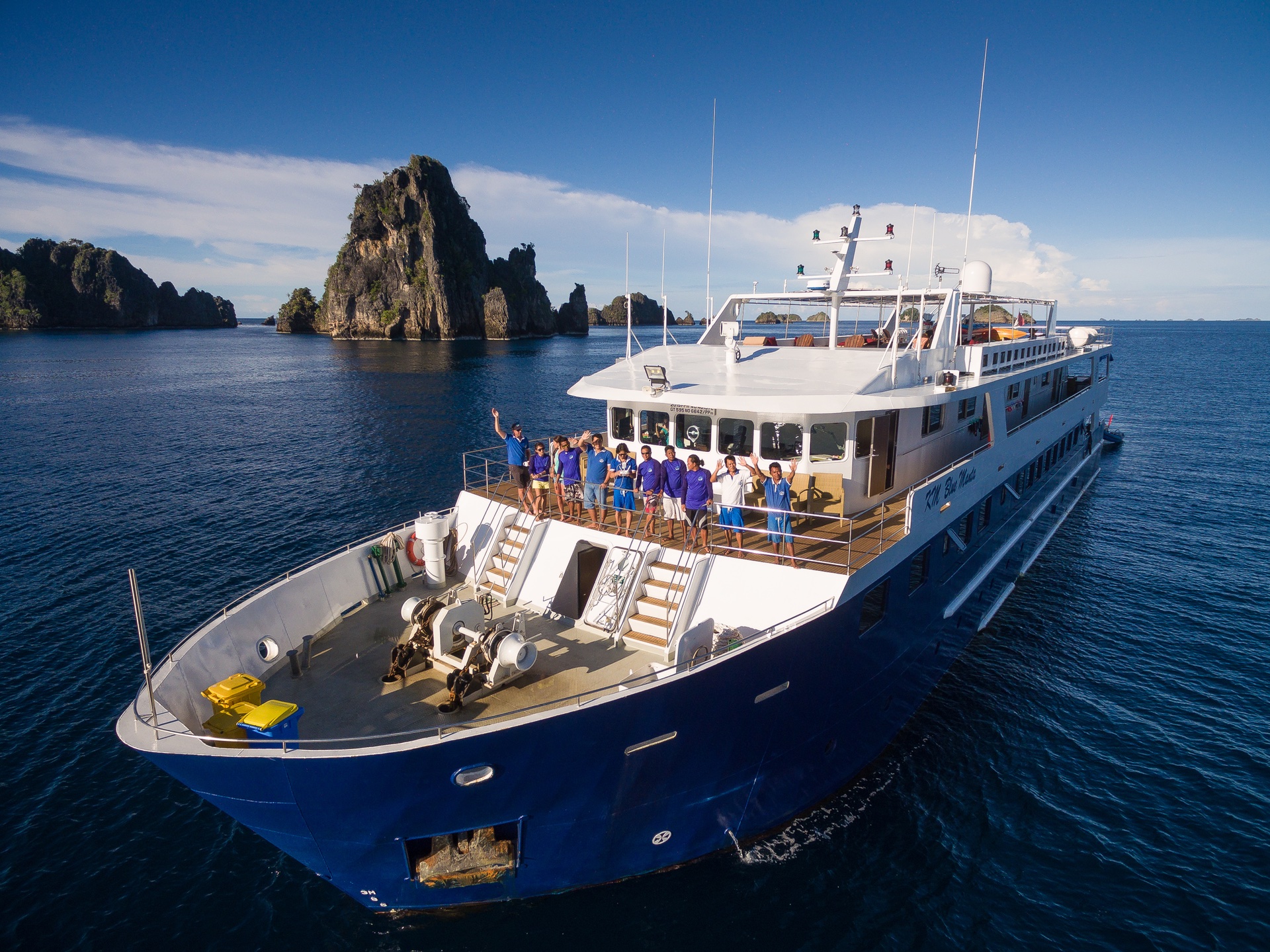
Blue Manta
Indonesia
20 guests45 m
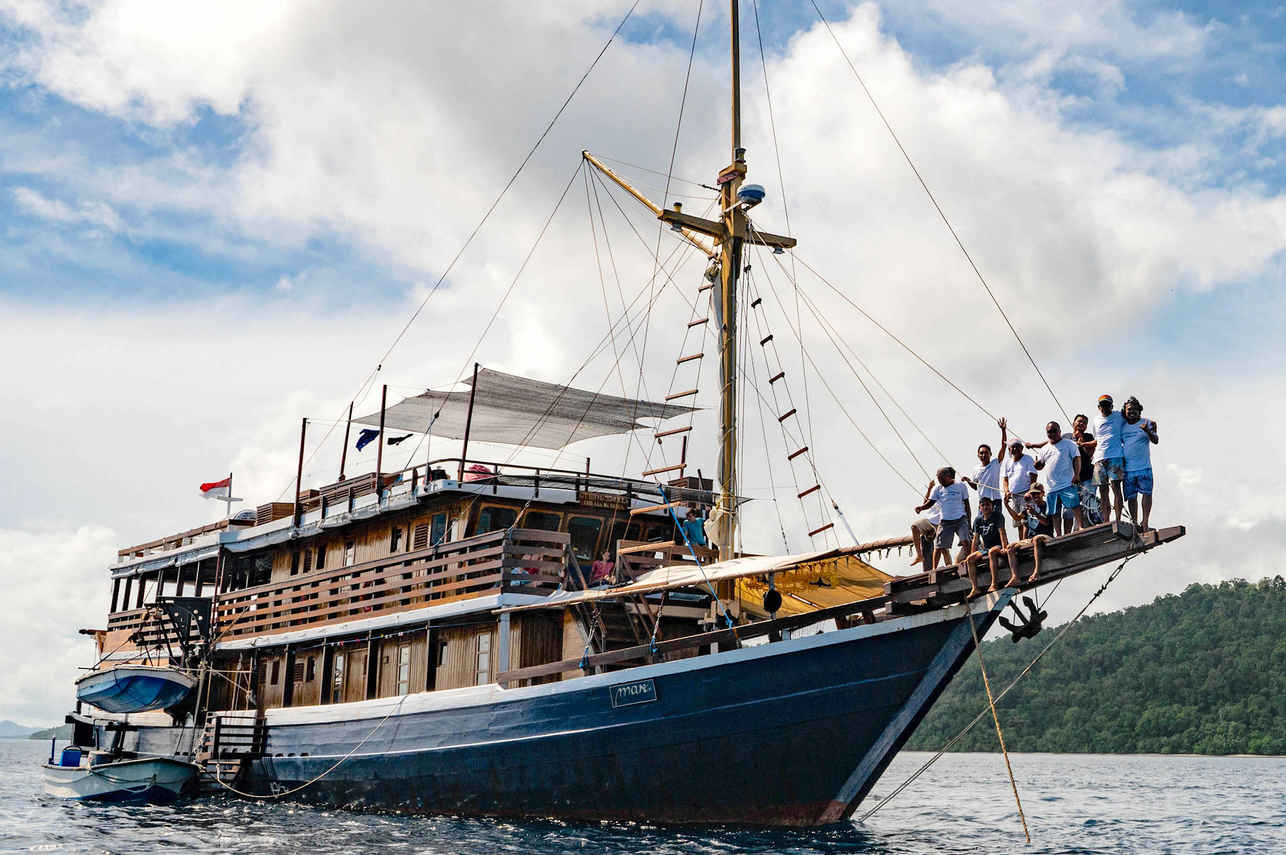
Mari
Indonesia
14 guests32.2 m
$328/day
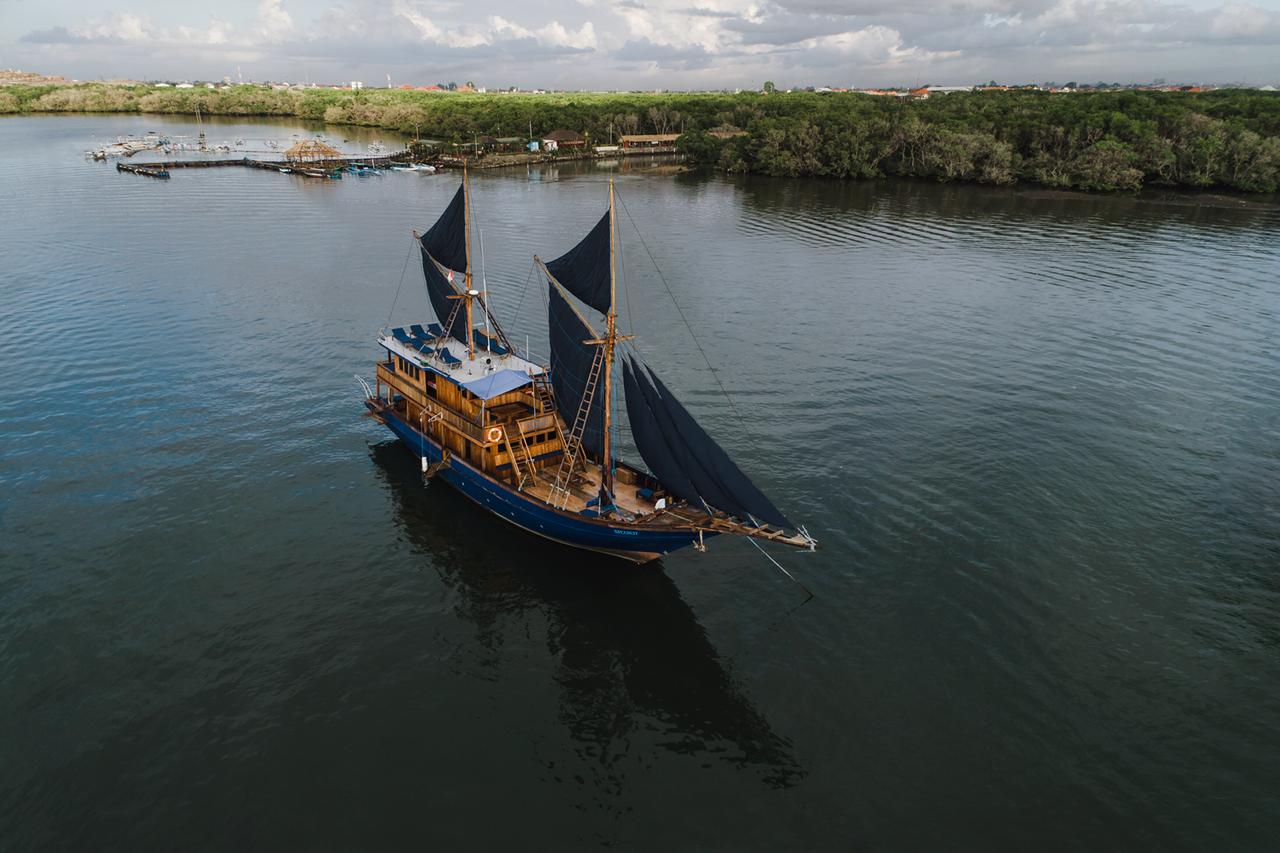
Situju7
Komodo, Indonesia
10 guests32.7 m
$362/day
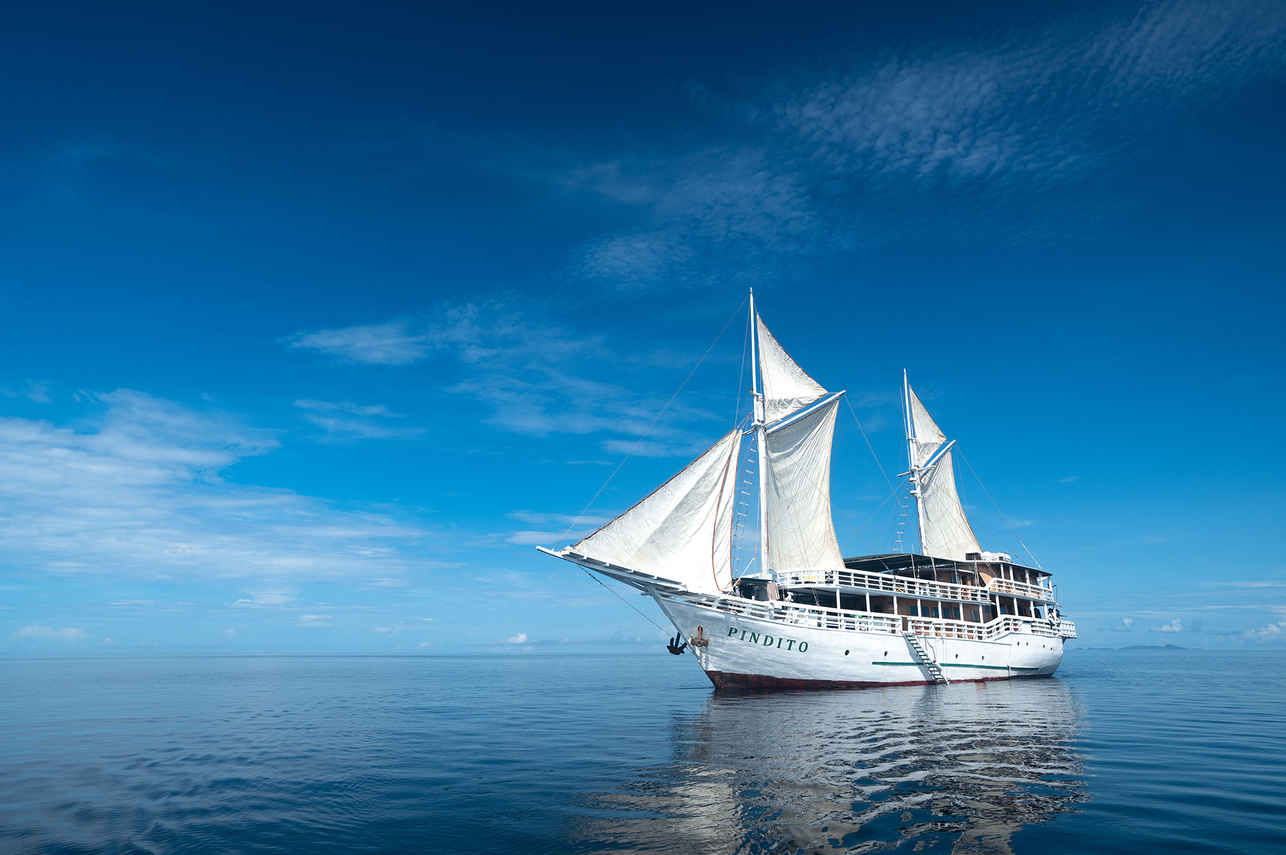
Pindito
Indonesia
16 guests37.79 m
$533/day
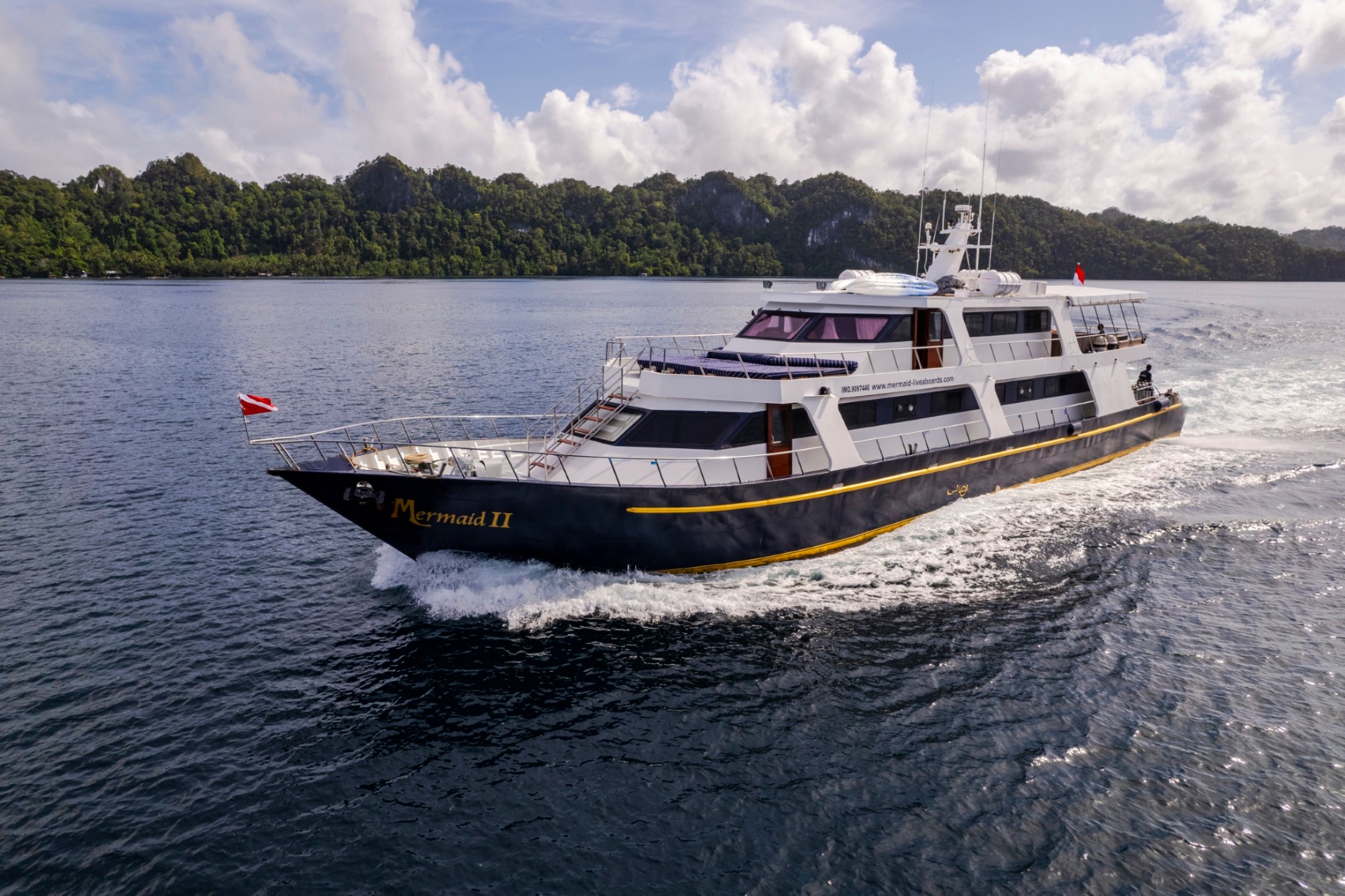
Mermaid II
Komodo, Indonesia
18 guests
$355/day
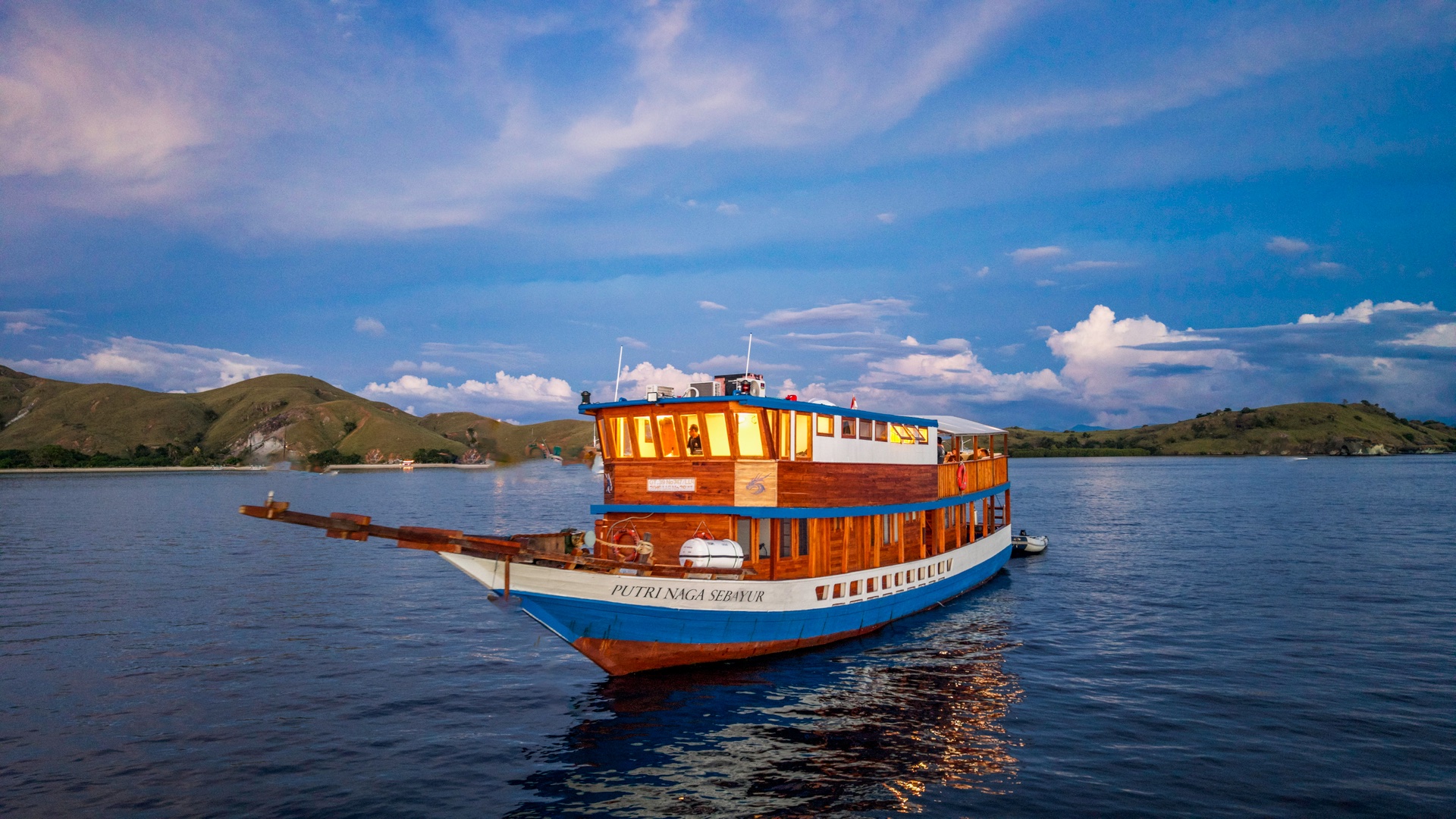
Putri Naga
Komodo, Indonesia
6 guests25 m
$223/day
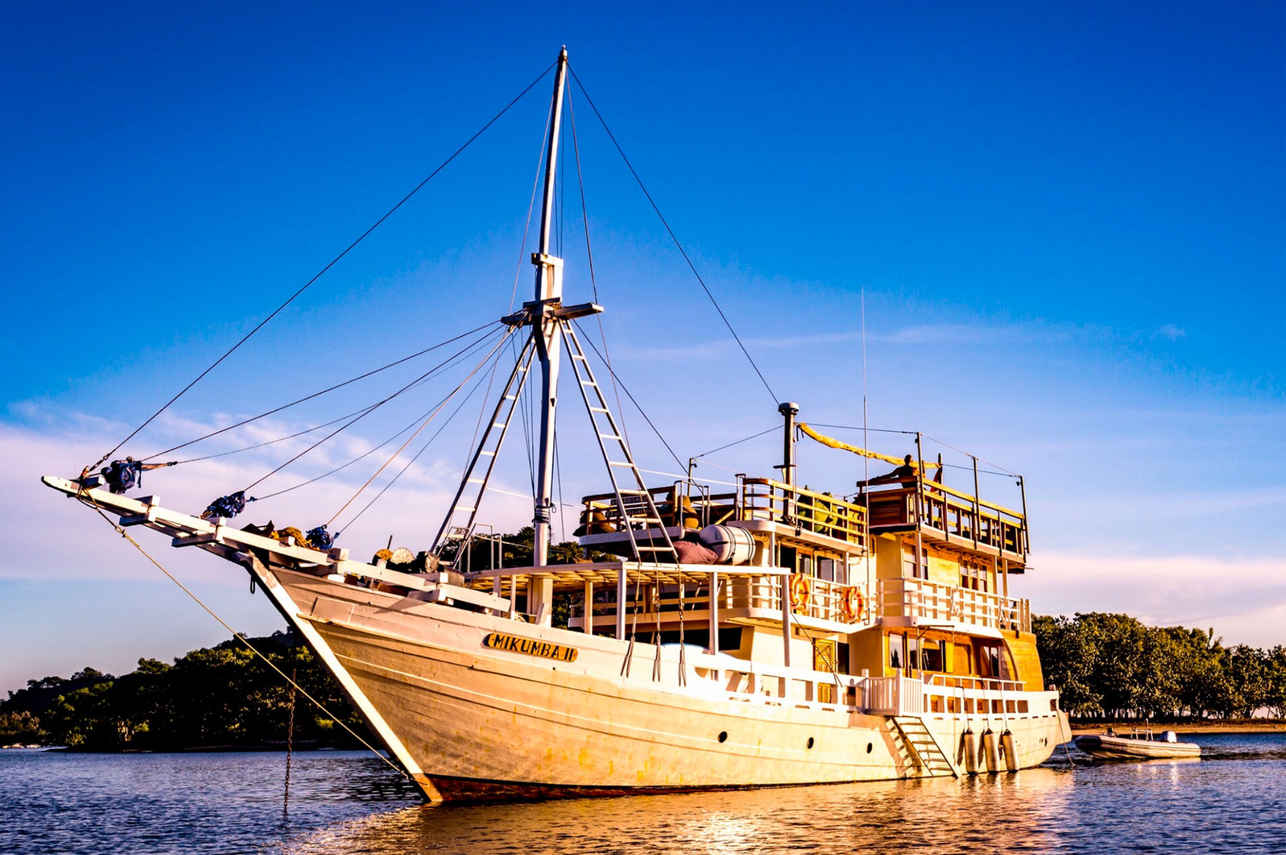
Mikumba Dua
Indonesia
10 guests30 m
$335/day
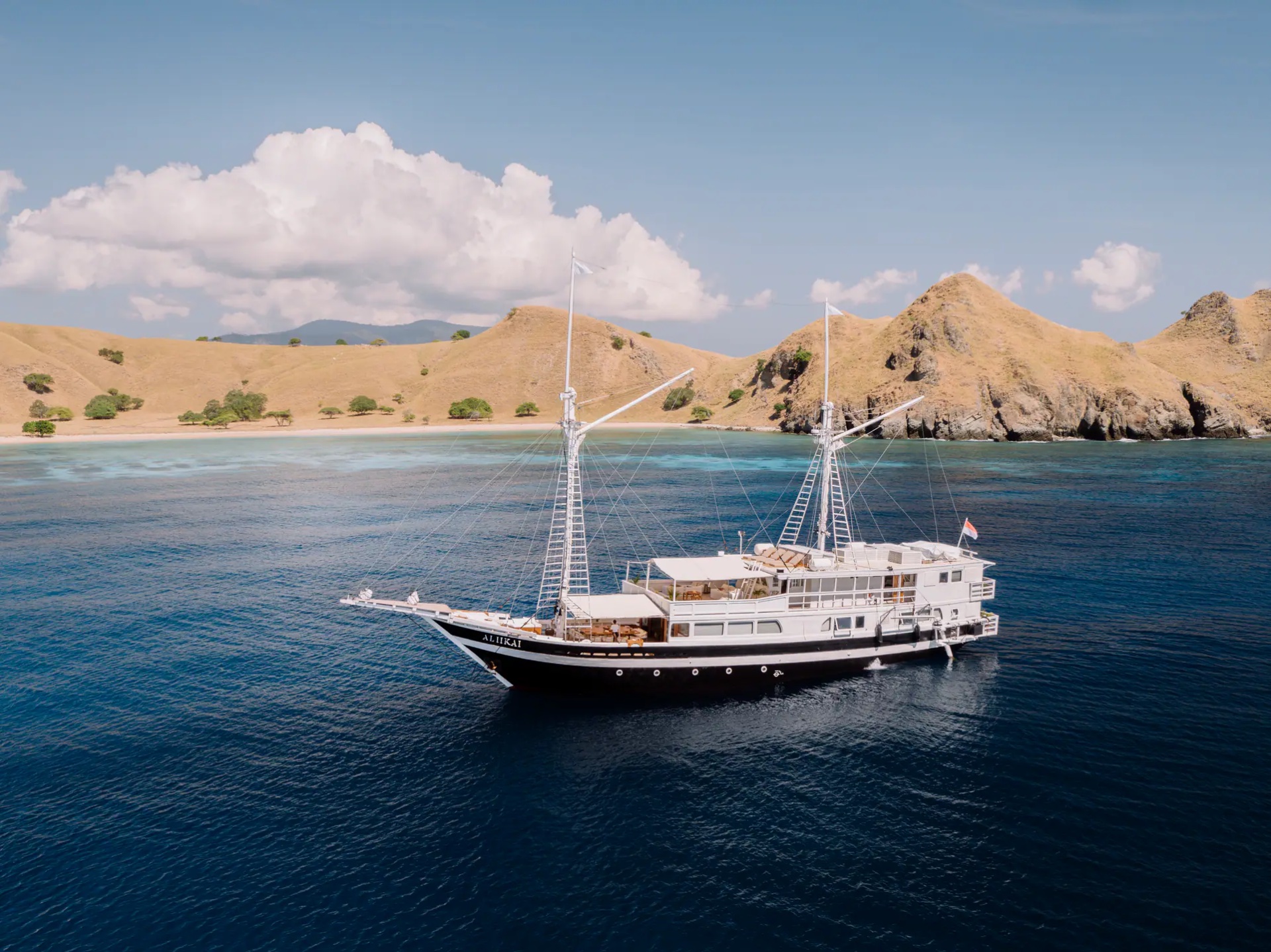
Aliikai Voyage
Indonesia
15 guests40 m
$658/day
Dive sites similar to Padar Reef
Same character, same waters — six more sites divers love for the exact same reasons.Compare seasons, access and liveaboard routes — then pick the site that fits your trip best.
© Esri — Maxar, Earthstar, GIS
Siaba Kecil
Komodo, Indonesia
Siaba Kecil is a distinct dive site located in the central part of Komodo National Park, positioned in a channel where waters flow between the north and south.
- Suitable for
- Intermediate
- Current
- Strong
- Access
- Liveaboard only
- Depth
- 8–25 m
- Theme
- Drift / Reef
© Esri — Maxar, Earthstar, GIS
Castle Rock
Komodo, Indonesia
Castle Rock, an iconic dive site within Komodo National Park, is celebrated as one of Indonesia's premier destinations for exhilarating underwater encounters.
- Suitable for
- Advanced
- Current
- Strong
- Access
- Liveaboard or dayboat
- Depth
- 5–35 m
- Theme
- Drift / Pinnacle
© Esri — Maxar, Earthstar, GIS
Sangeang Volcano
Komodo, Indonesia
Sangeang Volcano, also known as Gunung Api, offers a unique dive experience northwest of Komodo Island, near Bima.
- Suitable for
- Intermediate
- Current
- Strong
- Access
- Liveaboard or dayboat
- Depth
- 9–30 m
- Theme
- Muck diving / Reef
Lohwenci, situated in Komodo National Park just north of a park station, provides a serene and captivating underwater experience.
- Suitable for
- Intermediate
- Current
- No current
- Access
- Liveaboard only
- Depth
- —
- Theme
- Reef
© Esri — Maxar, Earthstar, GIS
Pink Beach
Komodo, Indonesia
Pink Beach is a renowned dive site within Komodo National Park, famous for its unique pink-hued sands, a result of microscopic red foraminifera.
- Suitable for
- Intermediate
- Current
- Strong
- Access
- Liveaboard or dayboat
- Depth
- 1–15 m
- Theme
- Drift / Reef
© Esri — Maxar, Earthstar, GIS
Batu Bolong
Komodo, Indonesia
Batu Bolong, meaning "Hollow Rock" in Bahasa Indonesian, is a renowned dive site in Komodo National Park, situated in the central Lintah Strait between Komodo Island and Tatawa Besar.
- Suitable for
- Advanced
- Current
- Strong
- Access
- Liveaboard or dayboat
- Depth
- 10–30 m
- Theme
- Drift / Pinnacle