About Wainilu
Wainilu, nestled near Rinca Island in Central Komodo, stands out as Komodo National Park's premier muck diving destination. Despite its seemingly modest sandy slope, this site is legendary among macro enthusiasts and underwater photographers for its incredible density of unique and elusive marine life. The topography consists primarily of a sandy bottom with minimal coral, providing a tranquil environment with very little current, which is ideal for slow, meticulous exploration. Diving here is a continuous treasure hunt, revealing strange and wonderful creatures that thrive in the calm, shallow waters. You can expect to encounter a wide variety of frogfish, ghost pipefish, flamboyant cuttlefish, ribbon eels, and numerous species of nudibranchs. The site's suitability for both day and night dives further enhances opportunities to observe critters, as many emerge from hiding after dusk. Wainilu's gentle conditions make it accessible to divers of all experience levels, from beginners seeking a calm introduction to Komodo's marine diversity to advanced macro-focused photographers. It serves as an excellent spot for check dives, refresher courses, or simply extended shallow dives focused on detailed critter spotting. The site's reputation as Komodo's "critter capital" ensures a rewarding experience for those who appreciate the smaller, often overlooked wonders of the underwater world.
Highlights
Komodo's premier muck divingRare macro marine lifeFlamboyant cuttlefishFrogfish and ghost pipefishExtensive nudibranch diversityMinimal current conditionsIdeal for underwater photographySuitable for night dives
Season calendar
Best months to dive here
Jan
Feb
Mar
Apr
May
Jun
Jul
Aug
Sep
Oct
Nov
Dec
Excellent
Good
Dive site facts: Wainilu
- Depth
- 3–18 m
- Typical dive
- 3–18 m, 50–70 min
- Current
- Minimal
- Visibility
- 15–25 m
- Water temperature
- 26–29°C
- Entry
- Tender / controlled descent
- Level
- Beginner to Advanced
- Dive type
- Muck / Slope
- Night dive
- Possible
- Region / port
- Central Komodo
- Coordinates
- -8.627972, 119.707722
Conditions & Currents
Wainilu is characterized by minimal current, making it an unusually calm site within the often current-swept Komodo National Park. This lack of strong water movement ensures a relaxed diving experience, suitable for meticulous macro photography and extended observation of cryptic species. Divers should be mindful of maintaining excellent buoyancy control to avoid disturbing the sandy bottom and reducing visibility for others. The calm conditions allow for unhurried exploration of the slope, with no significant surge or thermoclines typically encountered, contributing to a comfortable and controlled dive profile.
Marine life & sighting chances

Flamboyant Cuttlefish
common
Frogfish
common
Ghost Pipefish
common
Nudibranchs
common
Ribbon Eels
common
Mantis Shrimp
common
Dragonets
occasional
Seahorses
occasional
Ambon Scorpionfish
occasional
Mandarinfish
occasional
Harlequin Shrimp
occasional
Bobtail Squid
occasional
Mimic Octopus
rareDive profile & how the dive runs
Divers typically begin with a controlled, negative entry from a tender onto the shallow sandy slope of Wainilu. The dive then proceeds along this gentle incline, ranging from 3 meters down to approximately 18 meters, offering ample time for detailed macro exploration. Given the minimal currents, the dive route is flexible, allowing guides to lead divers in search of specific critters, often hovering inches above the substrate. Turnaround is usually dictated by air consumption or bottom time, with the entire dive focused on slow observation rather than covering large distances. The safety stop is conducted in the calm, shallow waters, providing additional opportunities for observing smaller organisms and allowing for a relaxed ascent back to the tender.
Underwater photography
Wainilu is a macro photographer's dream, demanding specific gear and techniques to capture its elusive subjects. A macro lens (60mm or 100mm/105mm) is essential for the tiny critters, and a diopter can further enhance close-up capabilities. Twin strobes are highly recommended for even illumination and to reveal the vibrant colors of nudibranchs and flamboyant cuttlefish against the sandy backdrop. Snoots can be particularly effective here for isolating subjects and creating dramatic lighting effects in the relatively unadorned environment. Excellent buoyancy control is paramount to avoid stirring up the silty bottom, which can quickly degrade visibility for your shots. Patience is key; subjects are often well-camouflaged, requiring careful scanning and a slow approach. Always respect marine life by maintaining distance and avoiding any contact or repositioning for a shot.
Combine with nearby dive sites
- Siaba Besar
A sheltered bay with rich marine life, suitable for beginners and often hosts turtles and macro life.
- Siaba Kecil
A long-shaped island offering drift dives, sometimes with stronger currents, known for diverse marine life.
- Batu Bolong
An iconic pinnacle famed for dense fish schools and vibrant corals, requiring current management.
- Manta Point (North)
A cleaning station for manta rays, accessible to divers when conditions are favorable.
Getting there & logistics
Access to Komodo National Park, including Wainilu, typically begins with flights to Labuan Bajo (LBJ) on Flores Island, Indonesia. From Labuan Bajo, divers embark on liveaboards, which offer multi-day trips ranging from 3 to 10 nights, or join day trips for specific dive sites. Wainilu is often included as an early or late stop on liveaboard itineraries due to its calm conditions, making it suitable for check dives or night dives. A Komodo National Park entrance fee, along with daily dive permits, is required and is usually included in liveaboard packages. It is common for liveaboards to combine central Komodo sites like Wainilu with more current-exposed northern sites or southern manta sites.
Safety & environment
Diving in Komodo National Park requires adherence to strict safety protocols, and Wainilu is no exception despite its calm conditions. While currents are minimal at Wainilu, general Komodo diving necessitates strong buoyancy skills and awareness. The nearest recompression chamber is in Denpasar, Bali, requiring significant travel and medical evacuation for severe dive emergencies. Therefore, comprehensive dive insurance covering medical treatment and emergency evacuation is mandatory for all divers. Always dive with a reputable operator and a knowledgeable guide familiar with the site. Adhere to safe dive practices, including thorough pre-dive checks, maintaining proper depth and bottom times, and never exceeding your certification limits. Respect marine life by observing without touching, particularly the delicate macro organisms.
Who it suits — and who it doesn't
Suited for
- Macro photographers
- Critter enthusiasts
- Beginner divers seeking calm conditions
- Divers desiring night dives
- Those who prefer slow-paced exploration
Less suited for
- Divers seeking large pelagics or strong currents
- Those uninterested in macro life
- Divers with poor buoyancy control
- Photographers without macro equipment
- Individuals expecting vibrant coral reefs
FAQ
Wainilu FAQ
What kind of marine life can I expect at Wainilu?
Wainilu is famous for its incredible array of macro marine life. You can expect to find flamboyant cuttlefish, various species of frogfish and ghost pipefish, numerous colorful nudibranchs, ribbon eels, and mantis shrimp. With a keen eye and a good guide, you might also spot dragonets, seahorses, and even mimic octopuses.
Is Wainilu suitable for beginner divers?
Yes, Wainilu is highly suitable for beginner divers. Its minimal currents and shallow depth range (3-18 meters) provide a calm and controlled environment. It's often used for check dives or refresher courses, allowing newer divers to comfortably practice skills while enjoying the abundant macro life.
What is the best time of year to dive Wainilu?
Wainilu is diveable year-round due to its sheltered location and calm conditions. However, the best visibility typically occurs from April to October. During these months, the clearer waters enhance the experience of spotting the site's famously camouflaged macro creatures.
Is Wainilu a good site for underwater photography?
Wainilu is an exceptional site for underwater macro photography. Its diverse and often rare critter population provides endless subjects. Photographers should bring macro lenses, strobes, and be prepared for slow, patient dives focused on finding well-camouflaged subjects in the sandy and silty environment.
Are there strong currents at Wainilu?
No, Wainilu is known for its minimal currents, which is a rare feature in Komodo National Park. This makes it an ideal spot for extended bottom times and meticulous exploration. Divers can relax and focus on critter spotting without having to contend with strong water movement.
Why dive Wainilu from a liveaboard?
Wainilu is one of Komodo, Indonesia's signature dive sites. A liveaboard sleeps you on the water and puts you in the water for three to four guided dives per day, including dawn and night dives that day-boat operators rarely offer. You skip the daily commute back to port and reach quieter, less-crowded sites in the same region on a single trip.
Below are the liveaboards that include Wainilu on their Komodo, Indonesia itineraries.
Liveaboards diving Wainilu
These liveaboards may visit Wainilu on selected itineraries — the exact dive sites depend on departure, weather and conditions.
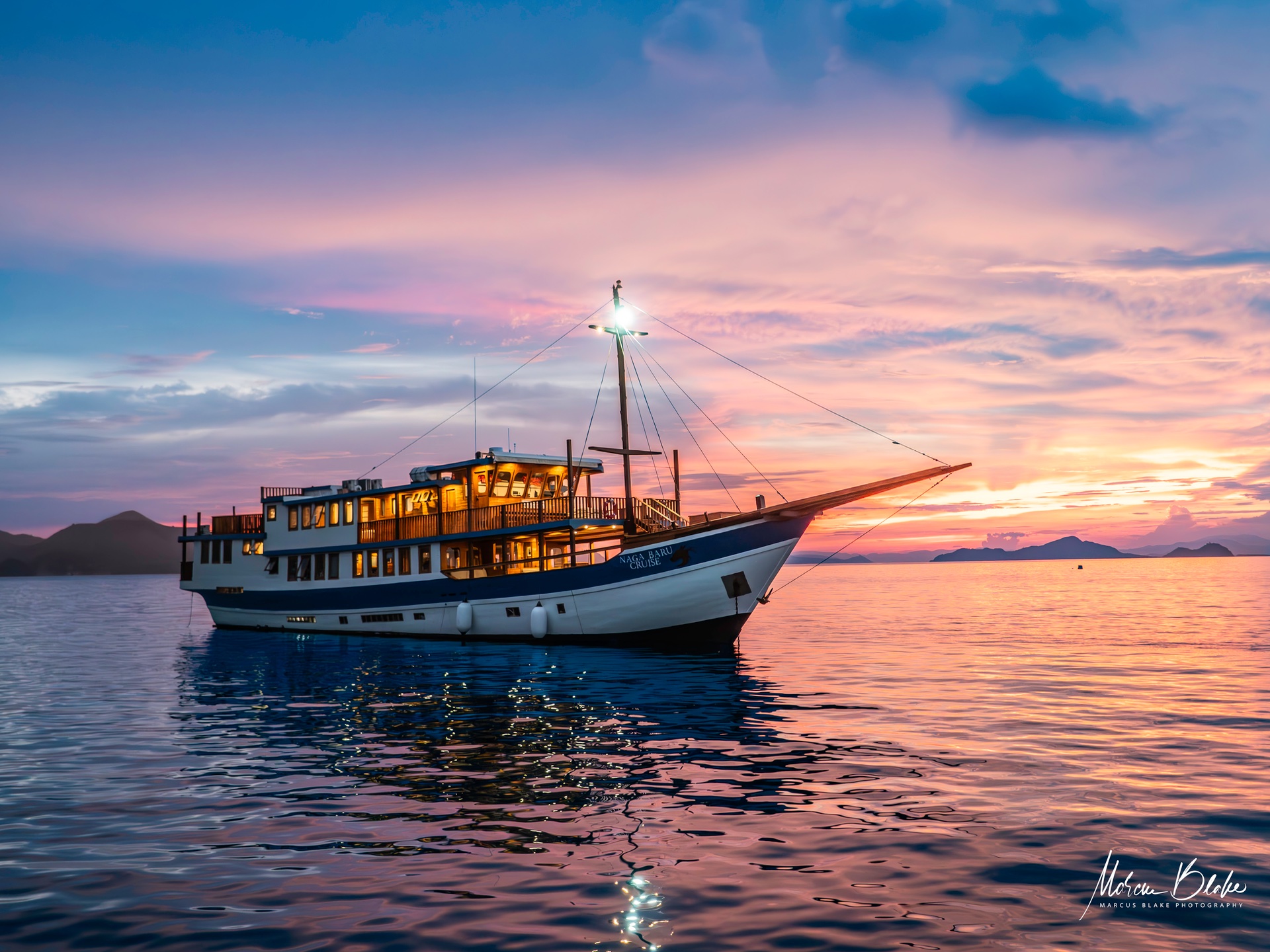
Naga Biru
Indonesia
12 guests40 m
$273/day
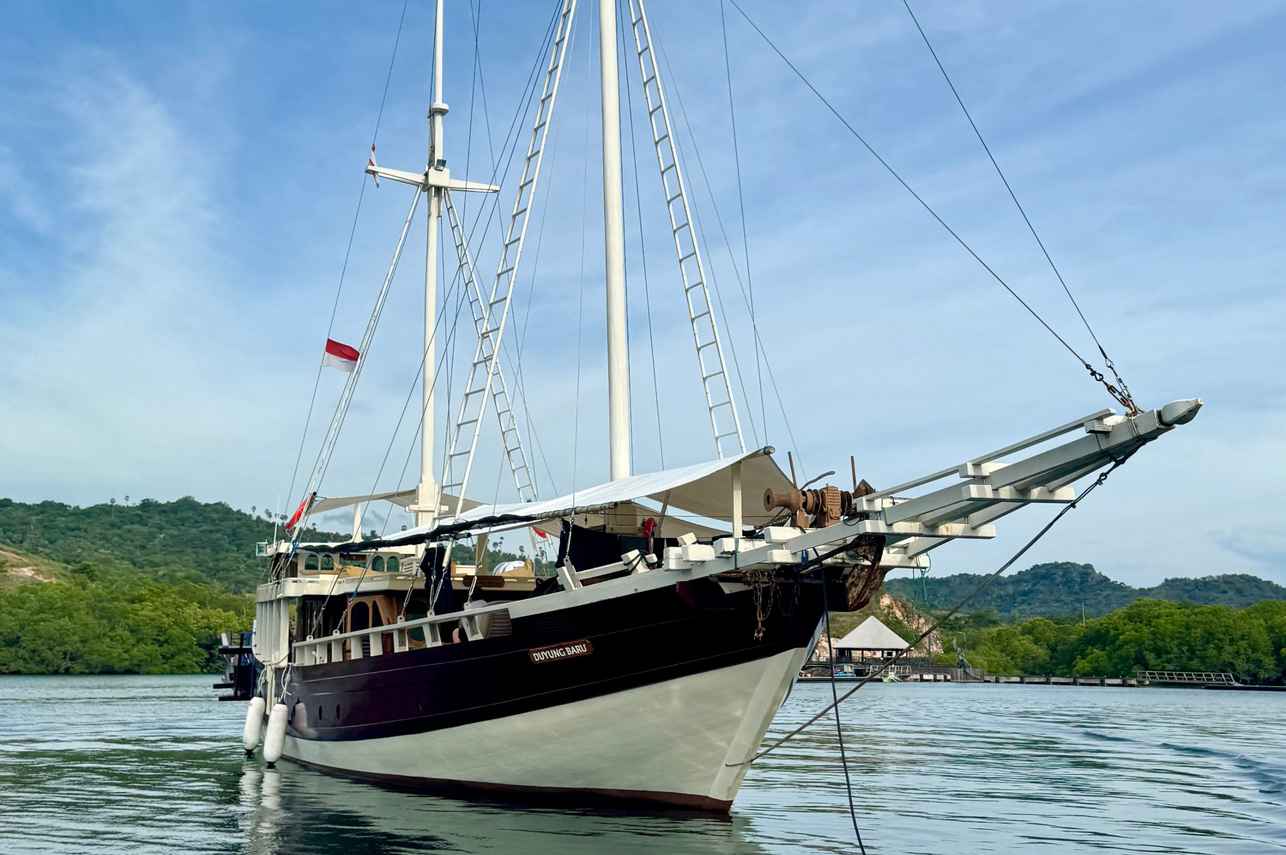
Ecopro Duyung Baru
Indonesia
6 guests27 m
$361/day
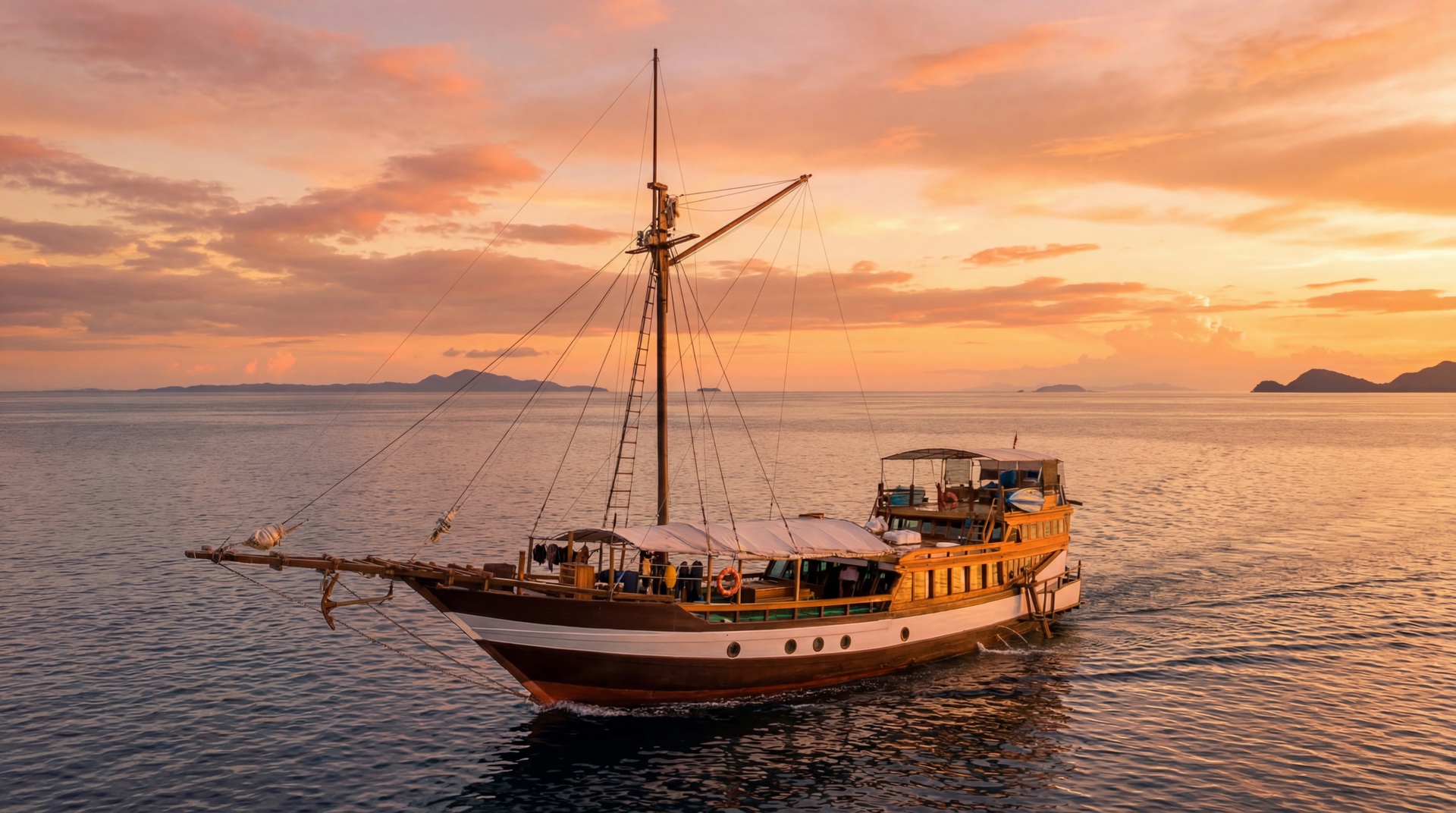
Wellenreng
Indonesia
9 guests25 m
$427/day
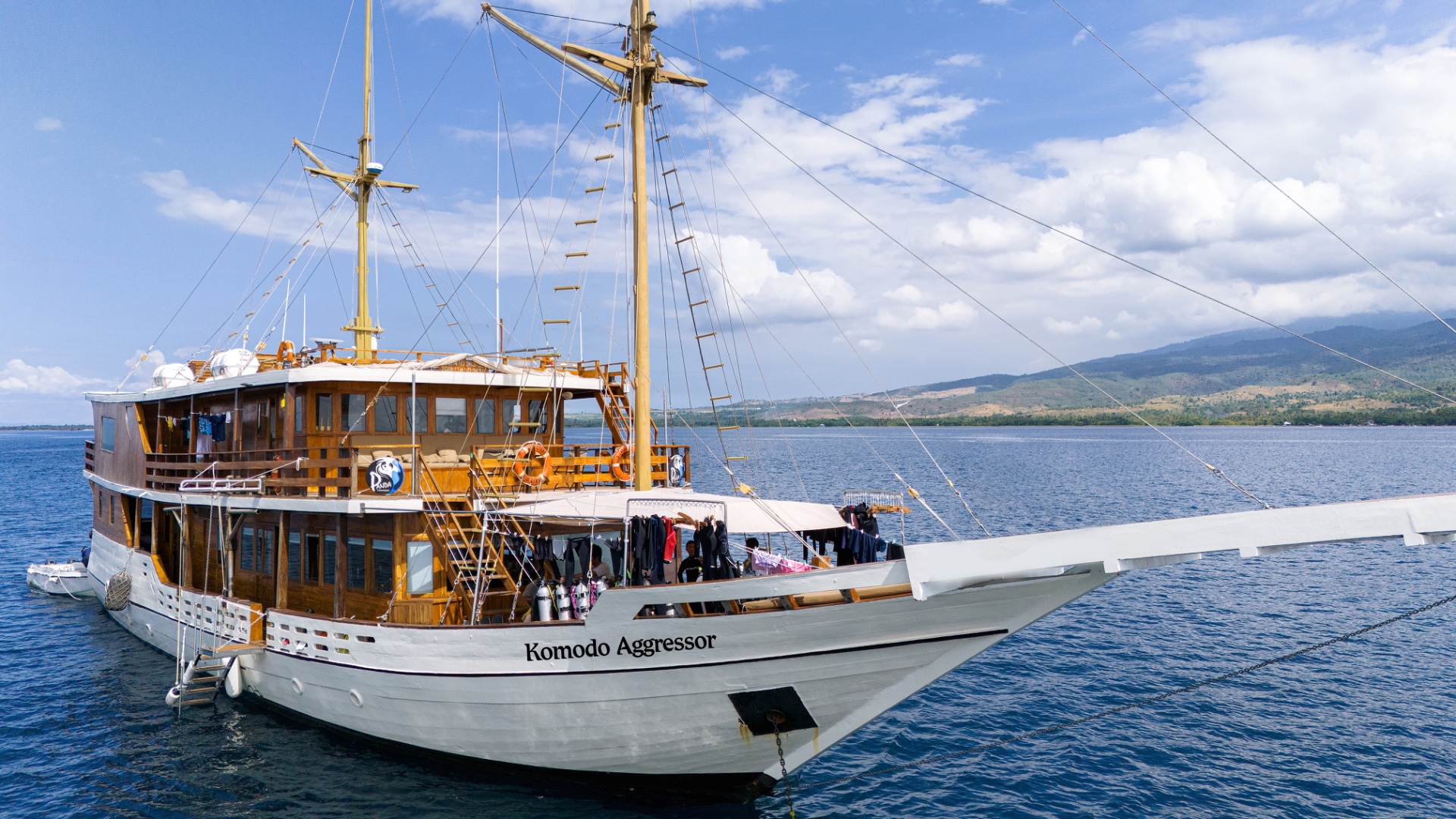
Komodo Aggressor
Komodo, Indonesia
16 guests29 m
$312/day
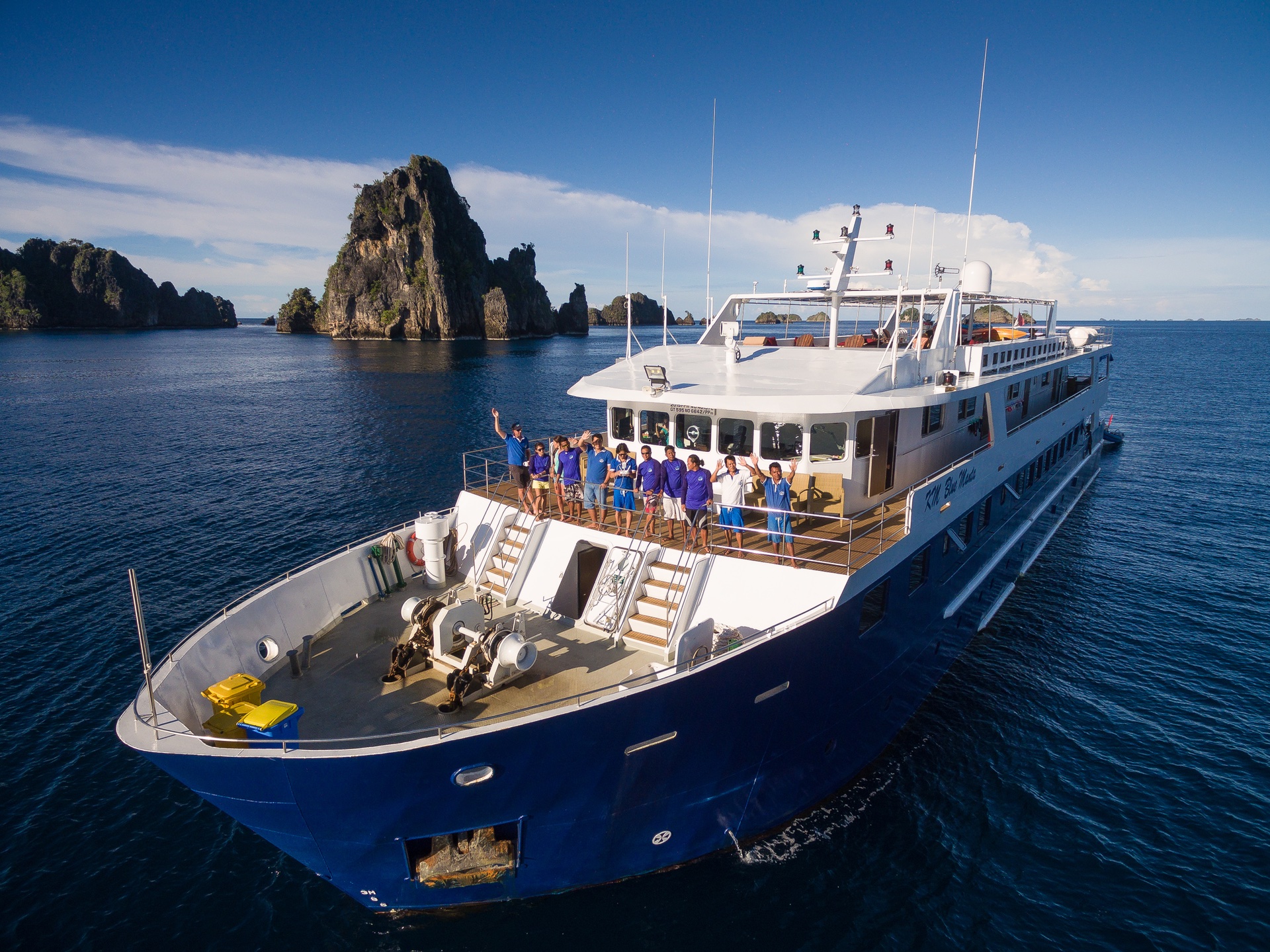
Blue Manta
Indonesia
20 guests45 m
$482/day
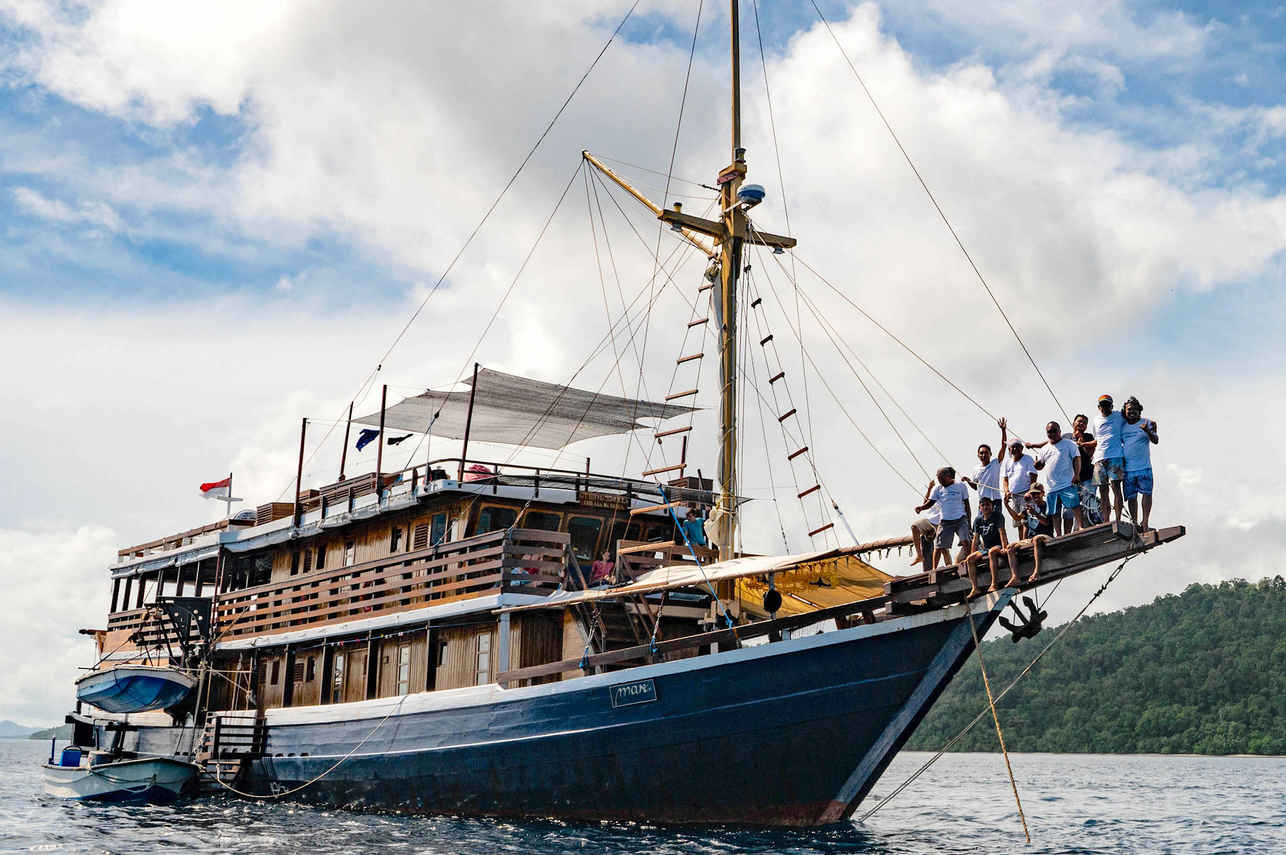
Mari
Indonesia
14 guests32.2 m
$328/day
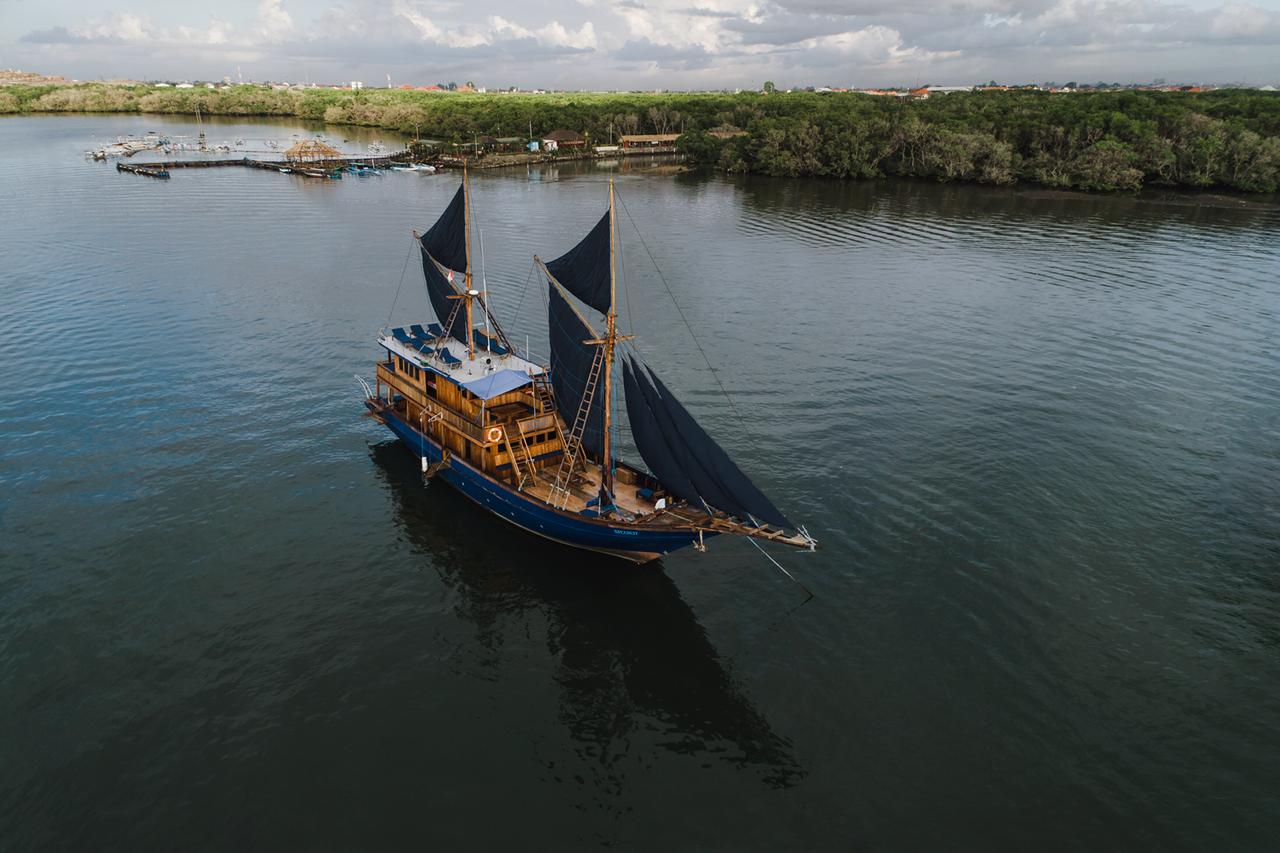
Situju7
Komodo, Indonesia
10 guests32.7 m
$362/day
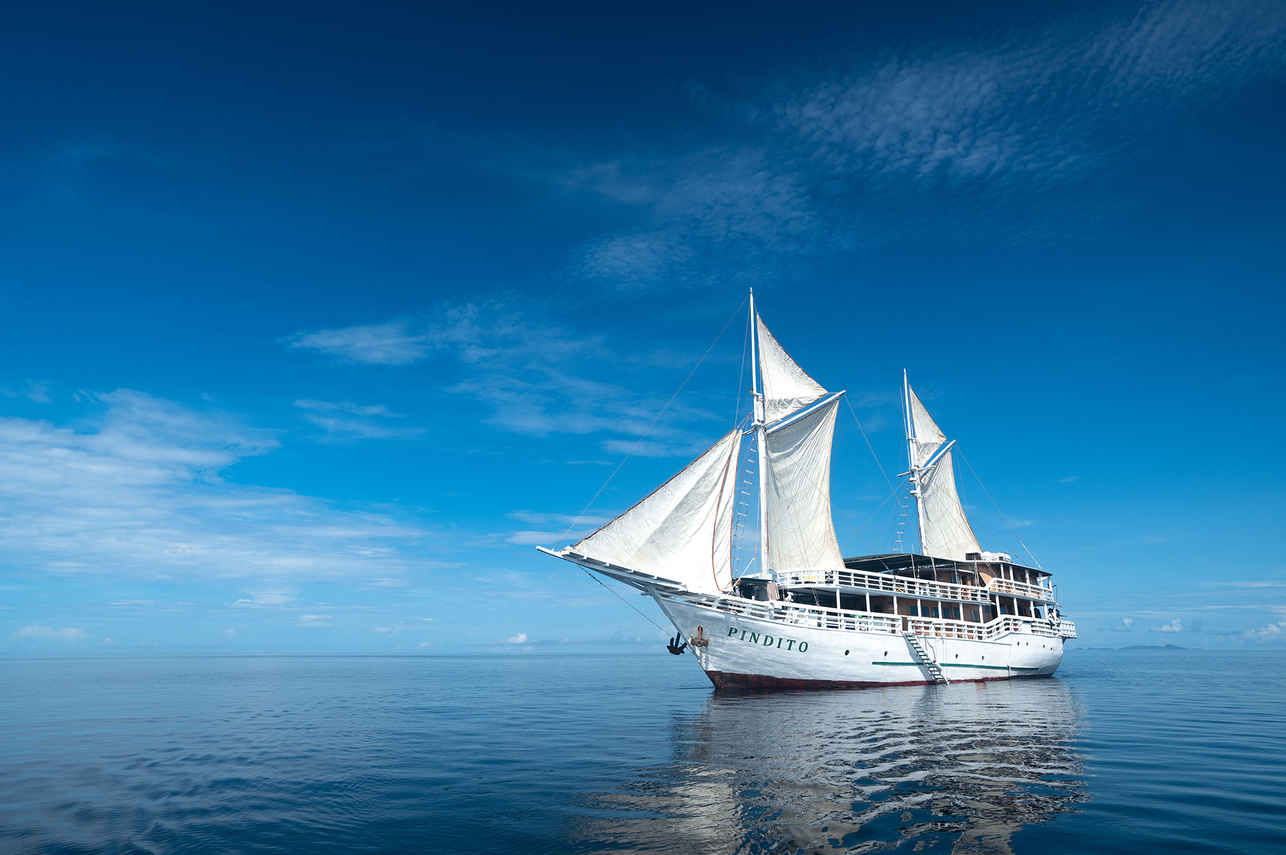
Pindito
Indonesia
16 guests37.79 m
$533/day
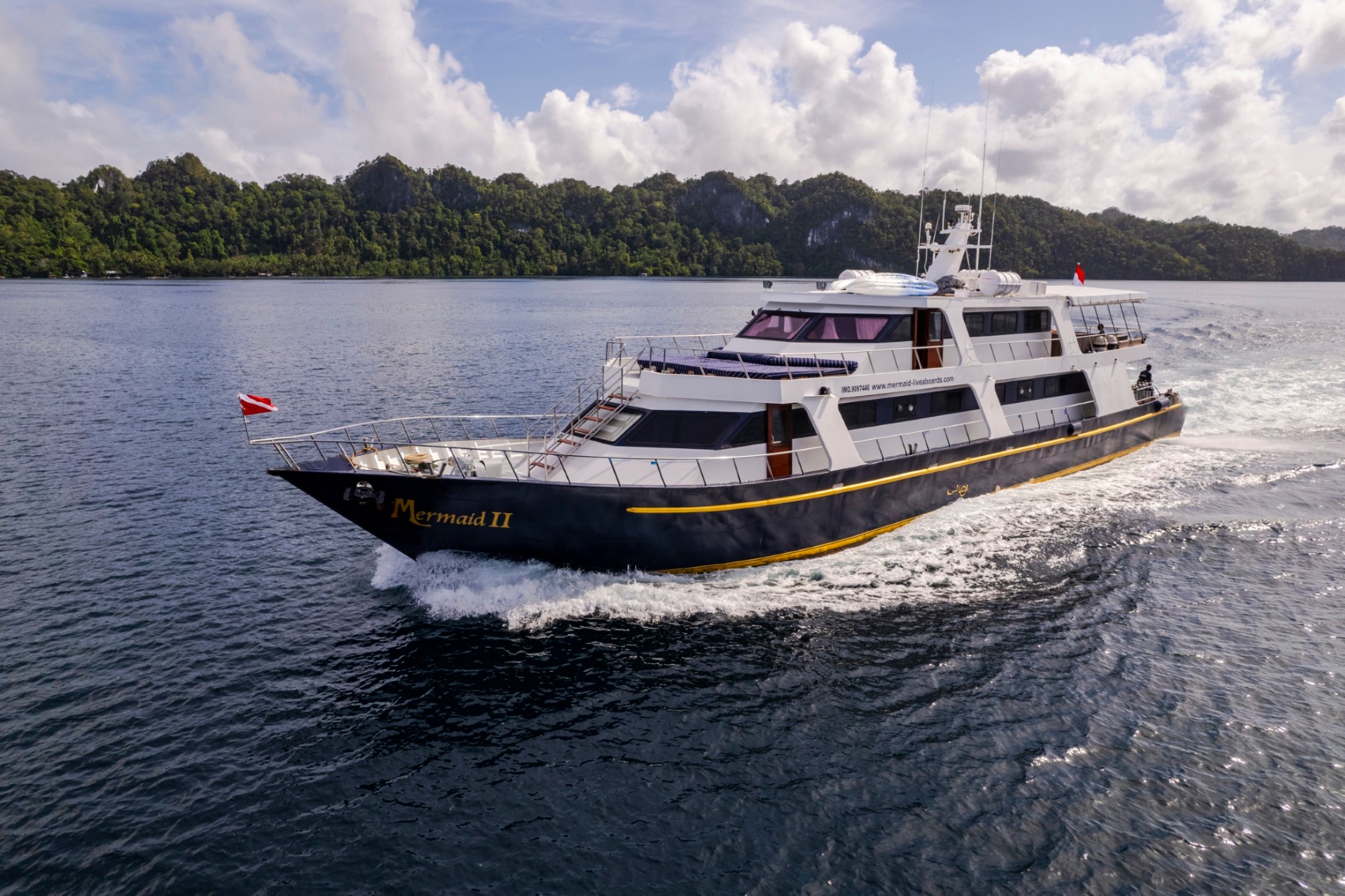
Mermaid II
Komodo, Indonesia
18 guests
$391/day
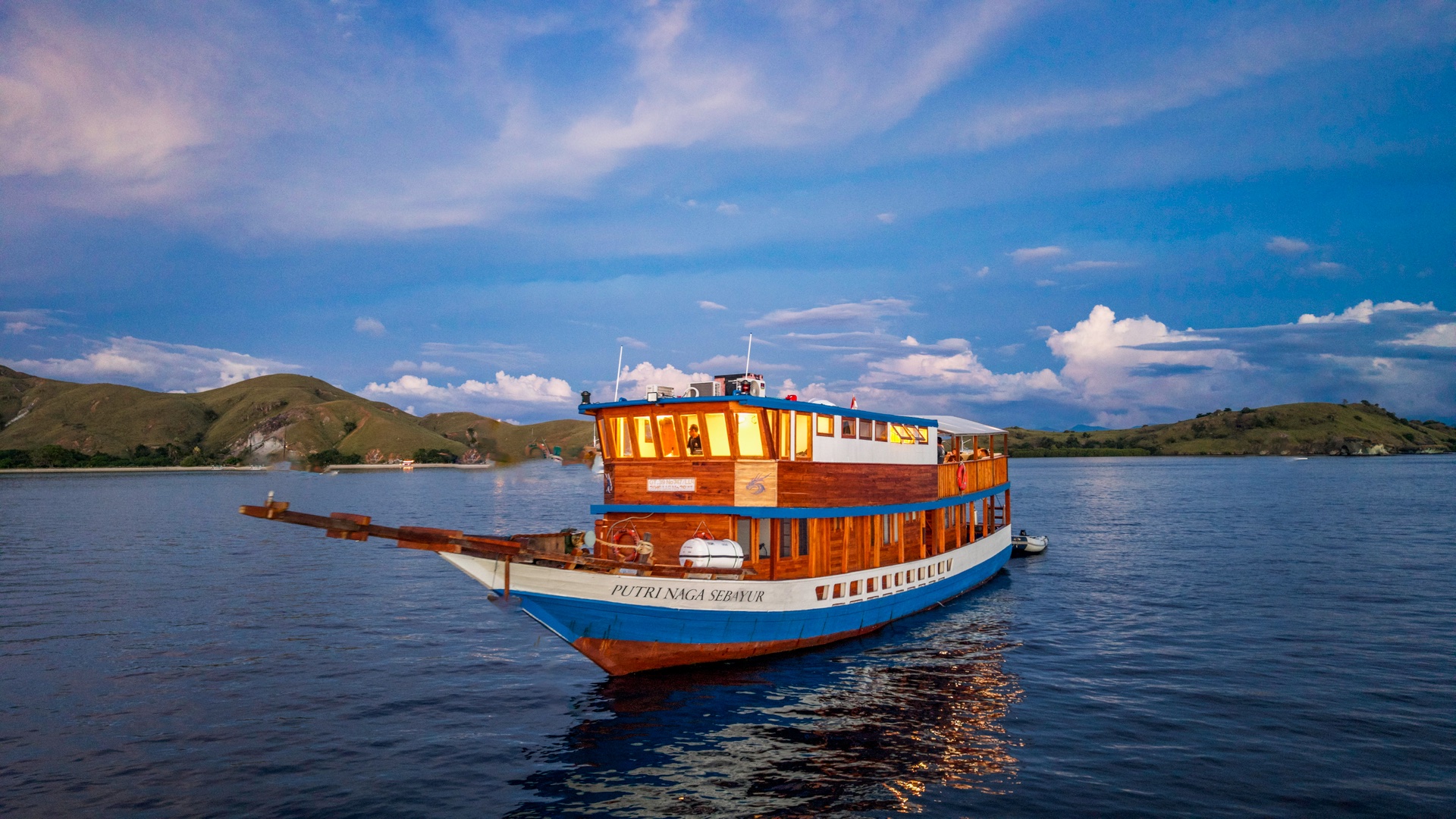
Putri Naga
Komodo, Indonesia
6 guests25 m
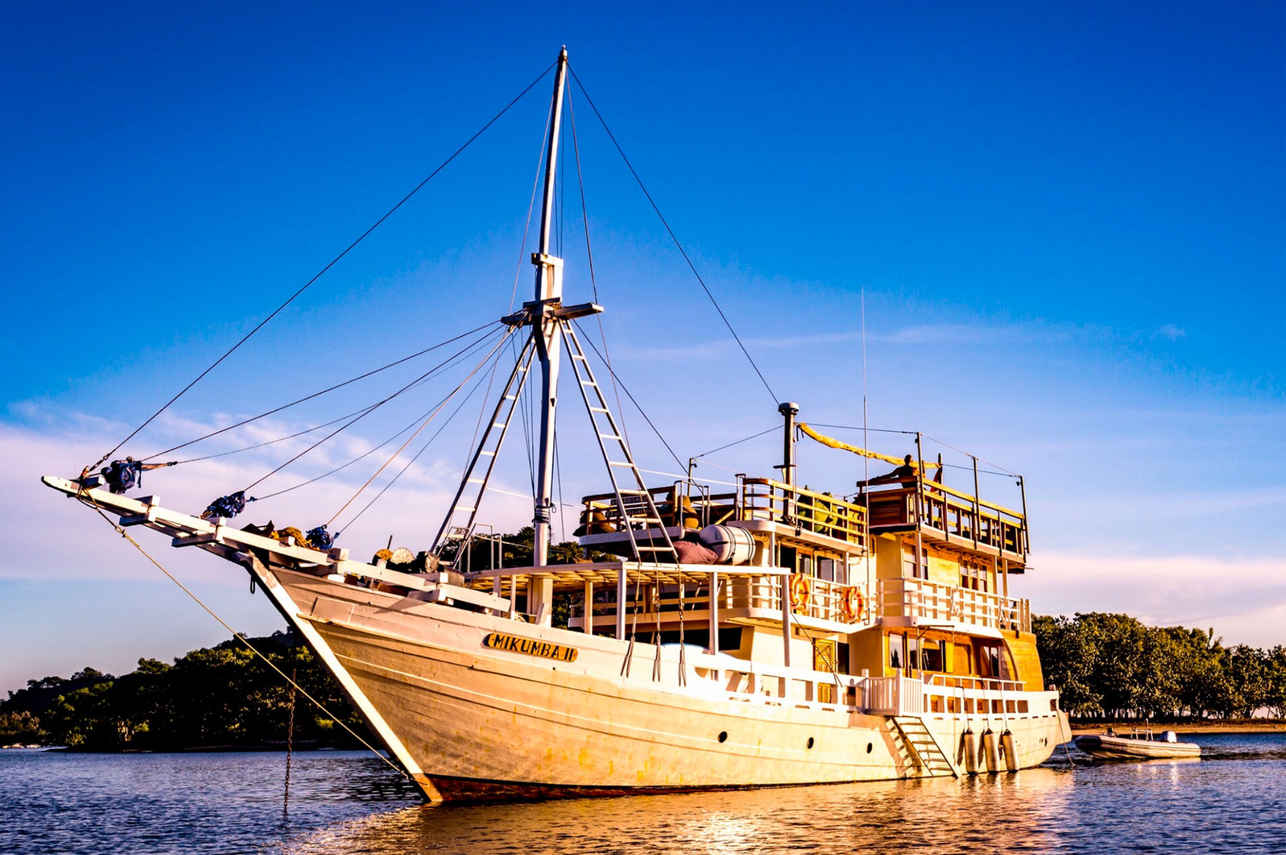
Mikumba Dua
Indonesia
10 guests30 m
$335/day
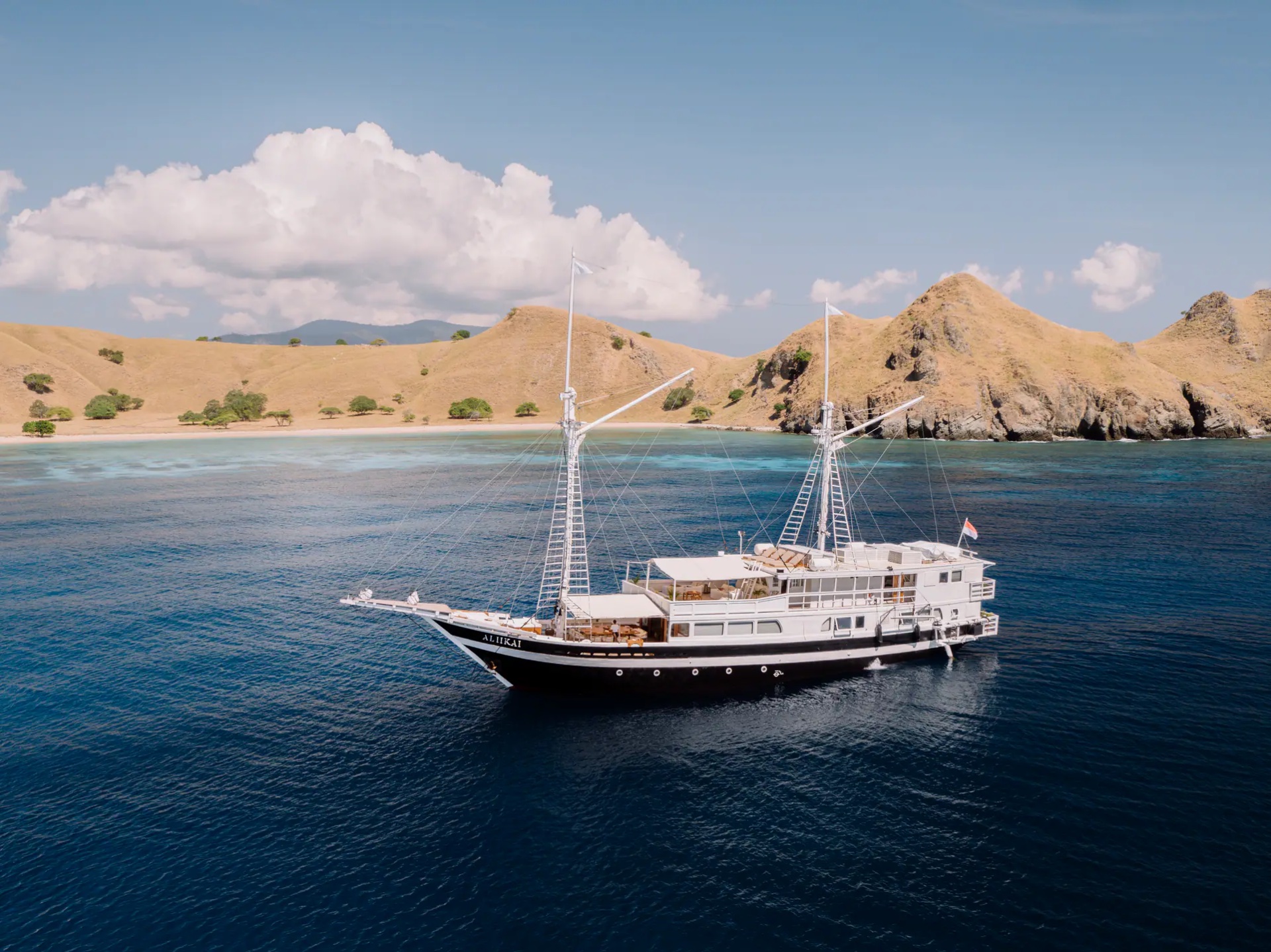
Aliikai Voyage
Indonesia
15 guests40 m
$658/day
Dive sites similar to Wainilu
Same character, same waters — six more sites divers love for the exact same reasons.Compare seasons, access and liveaboard routes — then pick the site that fits your trip best.
© Esri — Maxar, Earthstar, GIS
Banana Split
Komodo, Indonesia
The Komodo National Park, a UNESCO World Heritage site in Indonesia, is renowned for its extraordinary marine biodiversity.
- Suitable for
- Advanced
- Current
- Moderate
- Access
- Liveaboard only
- Depth
- ≤ 30 m
- Theme
- Reef
© Esri — Maxar, Earthstar, GIS
Batu Saloka
Komodo, Indonesia
Batu Saloka offers an exceptional diving experience within Komodo National Park, distinguished by its rugged underwater topography and a vibrant marine ecosystem.
- Suitable for
- Advanced
- Current
- Strong
- Access
- Liveaboard only
- Depth
- —
- Theme
- Reef
© Esri — Maxar, Earthstar, GIS
Gili Lawa Darat
Komodo, Indonesia
Gili Lawa Darat, situated at the northern entrance of Komodo National Park, is renowned for its thrilling drift diving opportunities.
- Suitable for
- Intermediate
- Current
- Strong
- Access
- Liveaboard or dayboat
- Depth
- 5–25 m
- Theme
- Drift / Reef
Gindang is nestled within the Central Komodo National Park, an area renowned for its ecological diversity and year-round accessibility.
- Suitable for
- Intermediate
- Current
- No current
- Access
- Liveaboard only
- Depth
- —
- Theme
- Reef
GPS Point is an advanced dive site located in the Banta Island area, specifically Gili Banta, within Komodo National Park's northern region.
- Suitable for
- Advanced
- Current
- Strong
- Access
- Liveaboard only
- Depth
- 15–35 m
- Theme
- Reef
© Esri — Maxar, Earthstar, GIS
Komodo Corner
Komodo, Indonesia
Komodo Corner, or Police Corner, is a captivating dive site situated on the south side of Siaba Besar Island within Central Komodo National Park.
- Suitable for
- Advanced
- Current
- Strong
- Access
- Liveaboard or dayboat
- Depth
- 5–30 m
- Theme
- Cave & cavern / Drift