About Pink Beach
Pink Beach is a renowned dive site within Komodo National Park, famous for its unique pink-hued sands, a result of microscopic red foraminifera. The underwater topography here features vibrant coral gardens that are home to an abundance of marine life. Divers can expect to encounter an impressive array of species, including various types of fish, turtles, and even smaller, more elusive creatures like pygmy seahorses, which thrive among the rich hard and soft corals. The site offers a diverse experience suitable for different interests, from wide-angle photography of the bustling reef to macro observation. Located in the central part of the park, Pink Beach contributes to Komodo's reputation as a diving paradise, sitting within the Coral Triangle and benefitting from nutrient-rich waters caused by powerful tidal exchanges. These conditions contribute to an exceptional marine biodiversity, supporting over 260 coral species and 1,000 fish varieties. While Komodo generally experiences strong currents, specific conditions at Pink Beach can vary, offering different levels of challenge and opportunities for both drift dives and more stationary exploration. Diving at Pink Beach is a highlight of many Komodo itineraries, often included with liveaboard trips that also feature land excursions to see the famous Komodo dragons. The site is generally accessible, though a good understanding of current management can enhance the experience, given the dynamic nature of Komodo's waters. It allows divers to witness the incredible natural spectacle of this protected UNESCO World Heritage site.
Highlights
Pink sand beachShore diveCoral diversitySnorkeling
Season calendar
Best months to dive here
Jan
Feb
Mar
Apr
May
Jun
Jul
Aug
Sep
Oct
Nov
Dec
Excellent
Good
Dive site facts: Pink Beach
- Depth
- 5–30 m
- Typical dive
- 12–25 m, 50–60 min
- Current
- Mild to moderate
- Visibility
- 7–30 m
- Water temperature
- 26–29 °C
- Entry
- Tender / easy descent
- Level
- All levels, beginners welcome
- Dive type
- Reef, coral garden, macro
- Night dive
- Possible
- Region / port
- Komodo National Park
- Coordinates
- -8.5789, 119.5678
Conditions & Currents
Currents at Pink Beach are generally manageable, making it an accessible site for divers of various experience levels. While Komodo National Park is renowned for strong currents, this specific site in the central zone typically experiences mild to moderate conditions, especially when approached during slack tide. Entry is often via tender, with divers descending onto the sloping reef. Visibility can range from 7 to 30 meters, influenced by tidal movements and plankton presence. Surface conditions are usually calm during the dry season, though occasional surges can occur. Dive operators meticulously plan visits around tides to ensure optimal and safe diving experiences, allowing for relaxed exploration of the vibrant reef without excessive drift.
Marine life & sighting chances

Moray Eel
Year-round · common
Angelfish
Year-round · common
Butterflyfish
Year-round · common
Clownfish
Year-round · common
Stingrays
Year-round · common
Pufferfish
Year-round · common
Lionfish
Year-round · common
Bannerfish
Year-round · common
Parrotfish
Year-round · common
Nudibranch
Year-round · common
Whitetip Reef Shark
Year-round · occasional
Green Turtle
Year-round · occasional
Hawksbill Turtle
Year-round · occasional
Reef Manta Ray
July-August · rareDive profile & how the dive runs
Your dive at Pink Beach typically begins with a tender drop-off directly over the reef, allowing for a gentle descent onto the sloping coral garden. The dive often proceeds westward with the reef on your left, following the contour between 10 to 20 meters. You'll navigate through vibrant hard and soft coral patches, observing numerous reef fish and seeking out macro life among the sponges. The deepest parts of the dive may reach 25-30 meters, where you might spot larger groupers or sharks. As you approach the end of the dive, the route gradually ascends to shallower depths, ideal for extended bottom time and a safety stop along the thriving reef top, typically between 5-7 meters. The dive concludes with a safety stop followed by surfacing for boat pick-up.
Underwater photography
Pink Beach offers excellent opportunities for both wide-angle and macro photography. For wide-angle, the vibrant coral gardens and schooling fusiliers against the sloping reef provide dynamic compositions. A wide-angle lens can capture the expansive beauty and density of fish life. For macro enthusiasts, the site is rich with nudibranchs, frogfish, leaf fish, and various tiny invertebrates hidden among the corals and rubble; a macro lens will be essential to capture these details. Good buoyancy is crucial here to avoid damaging the delicate corals and to get stable shots. Natural light is often sufficient in the shallower areas for wide-angle, but strobes will enhance colors, especially for macro and in deeper sections, bringing out the true brilliance of the corals and cryptic critters.
Combine with nearby dive sites
- Siaba Besar
Siaba Besar, affectionately known as "Turtle City," is a sheltered dive site located in a protected bay within the central region of Komodo…
- Batu Bolong
Batu Bolong, meaning "Hollow Rock" in Bahasa Indonesian, is a renowned dive site in Komodo National Park, situated in the central Lintah…
- Manta Point (North)
Manta Point, also known as Karang Makassar, is a renowned dive site in the northern part of Komodo National Park.
- Sebayur Kecil
Sebayur Kecil is nestled within a protected bay in Central Komodo, presenting a spectacular hard coral garden that sprawls over a bright…
- Tatawa Besar
Tatawa Besar, meaning 'big laugh' in Bahasa Indonesian, is a picturesque dive site located in the central area of Komodo National Park…
Getting there & logistics
Access to Pink Beach is primarily through liveaboard cruises or day trips departing from Labuan Bajo, the main hub on Flores Island. Labuan Bajo (LBJ) airport receives daily flights from Denpasar (Bali) and Jakarta, with increasing international connections from Kuala Lumpur and Singapore. Upon arrival, a short taxi ride takes you to the harbor to board your vessel. Liveaboards typically range from 3 to 10 days, covering various sites across Komodo National Park, including Pink Beach. Day trips are also an option for divers staying in resorts in Labuan Bajo, though they offer less extensive exploration. National Park fees apply for all visitors, usually paid as part of your tour package. Pink Beach is commonly integrated into itineraries that explore both central and northern Komodo sites due to its convenient location.
Safety & environment
Diving in Komodo National Park, including Pink Beach, requires adherence to standard safety protocols. The nearest recompression chamber is located in Denpasar, Bali, necessitating air evacuation in case of a serious dive emergency. Therefore, comprehensive dive insurance covering medical evacuation and recompression treatment is not merely recommended but essential for all divers. Pink Beach is generally a mild site, but divers should still be aware of potential currents that can arise with tidal changes. Always dive with a reputable operator, follow your dive guide's instructions, and perform thorough buddy checks. Respect marine life by maintaining a safe distance and avoiding contact, which also helps protect the fragile ecosystem. Maintaining good buoyancy is paramount to prevent accidental coral damage.
Who it suits — and who it doesn't
Suited for
- Beginner divers looking for gentle reef experiences
- Underwater photographers seeking macro opportunities
- Divers interested in diverse reef ecosystems
- Families with snorkelers and non-divers
- Those who appreciate vibrant coral gardens
Less suited for
- Divers exclusively seeking strong drift dives
- Those uninterested in macro photography
- Divers who prefer solely large pelagic encounters
- Individuals sensitive to boat travel, if on a day trip
FAQ
Pink Beach FAQ
What makes Pink Beach unique for diving?
Pink Beach is unique both above and below the water. Its shoreline is famously pink due to red foraminifera mixing with white sand. Underwater, it offers a gently sloping reef with an exceptional variety of patchy and submerged corals, providing a rich habitat for diverse marine life suitable for all diver levels.
What kind of marine life can I expect to see at Pink Beach?
You can expect to see an abundance of reef fish, including schooling fusiliers, angelfish, butterflyfish, and parrotfish. Macro life is prolific, with frequent sightings of nudibranchs, frogfish, and leaf fish. Moray eels, stingrays, and occasional whitetip reef sharks and turtles also inhabit the area.
Is Pink Beach suitable for beginner divers?
Yes, Pink Beach is considered suitable for all levels of divers, including beginners. The currents are generally mild to moderate, and the sloping reef profile allows for relaxed exploration. Dive operators will plan dives during optimal tidal conditions to ensure a comfortable experience.
Can I combine a dive at Pink Beach with other Komodo attractions?
Absolutely. Pink Beach is centrally located within Komodo National Park and is often combined with visits to other popular dive sites like Siaba Besar or Batu Bolong. Many itineraries also include trekking to see Komodo dragons on Rinca or Komodo Island, making it a comprehensive park experience.
What is the water temperature like at Pink Beach?
Water temperatures at Pink Beach are consistently warm throughout the year, typically ranging between 26–29°C (79–84°F). This comfortable temperature usually allows for diving in a 3mm wetsuit, although some divers may prefer a 5mm for multiple dives or if they tend to get cold easily.
Why dive Pink Beach from a liveaboard?
Pink Beach is one of Komodo, Indonesia's signature dive sites. A liveaboard sleeps you on the water and puts you in the water for three to four guided dives per day, including dawn and night dives that day-boat operators rarely offer. You skip the daily commute back to port and reach quieter, less-crowded sites in the same region on a single trip.
Below are the liveaboards that include Pink Beach on their Komodo, Indonesia itineraries.
Liveaboards diving Pink Beach
These liveaboards may visit Pink Beach on selected itineraries — the exact dive sites depend on departure, weather and conditions.
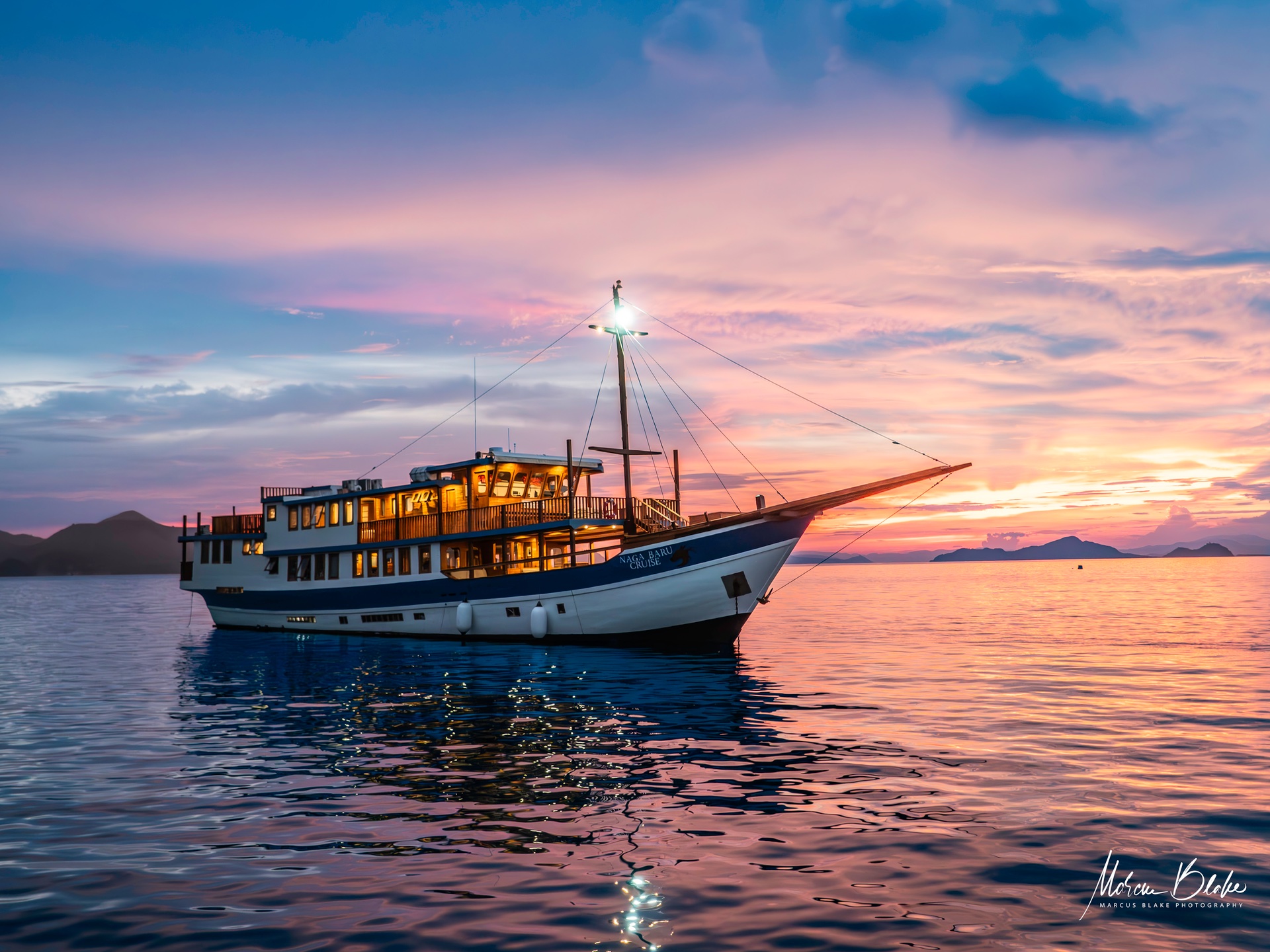
Naga Biru
Indonesia
12 guests40 m
$273/day
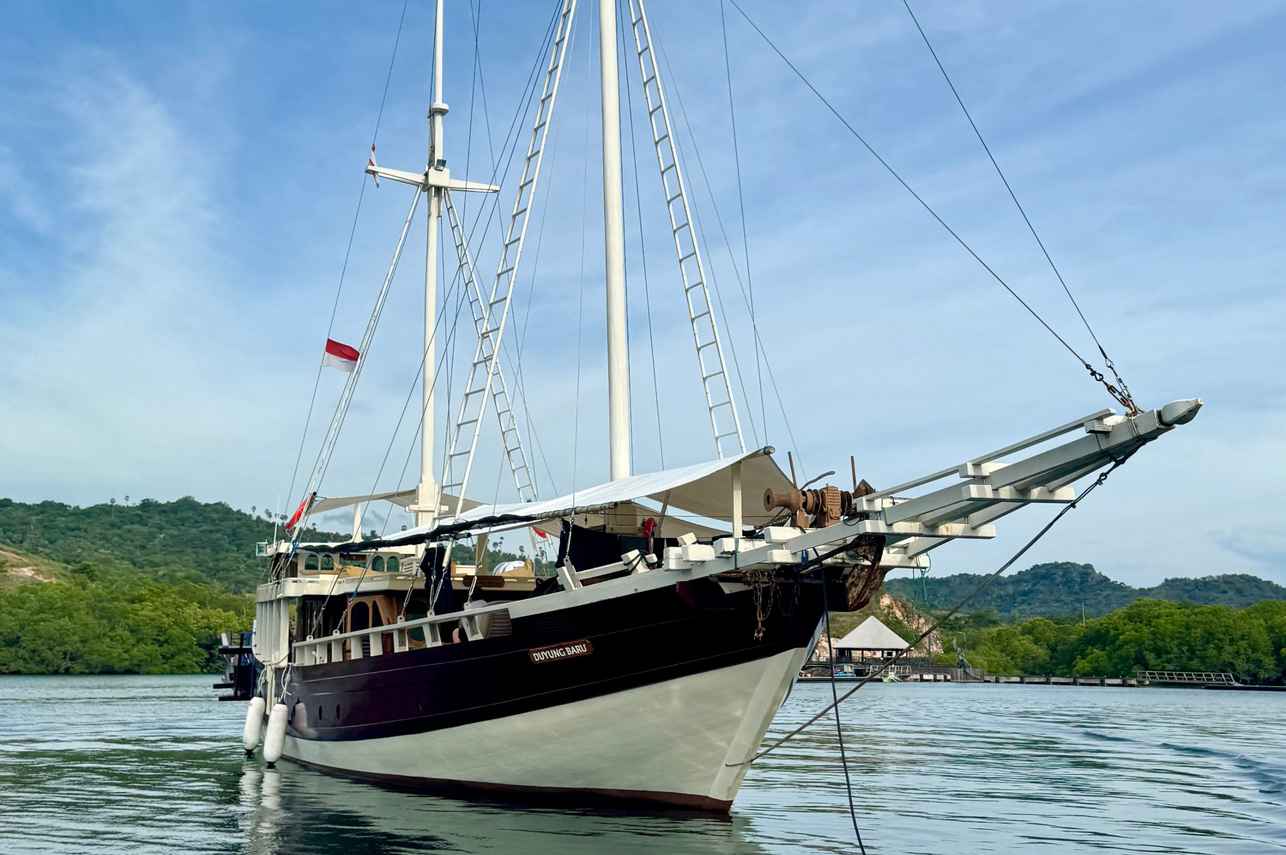
Ecopro Duyung Baru
Indonesia
6 guests27 m
$361/day
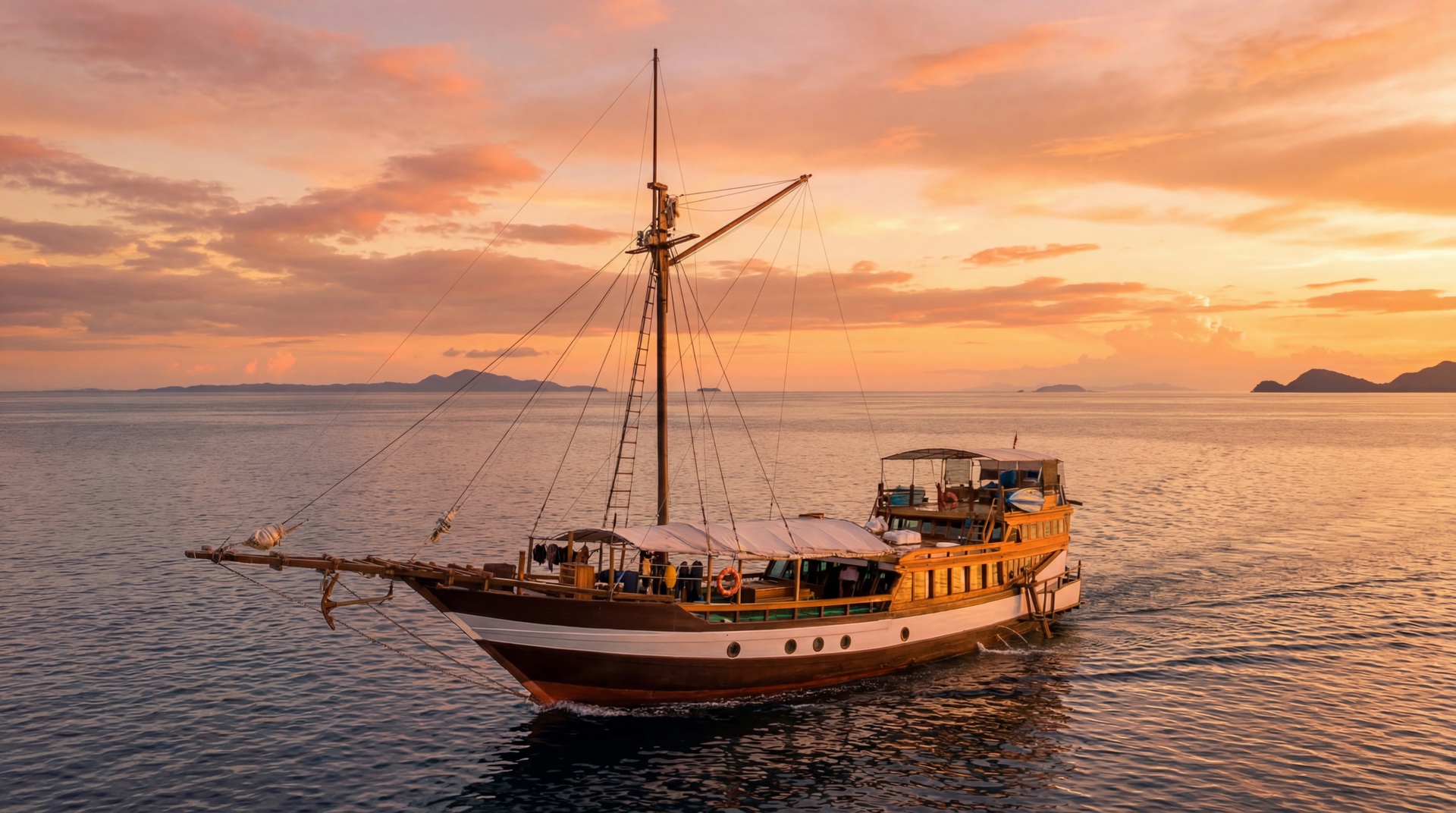
Wellenreng
Indonesia
9 guests25 m
$427/day
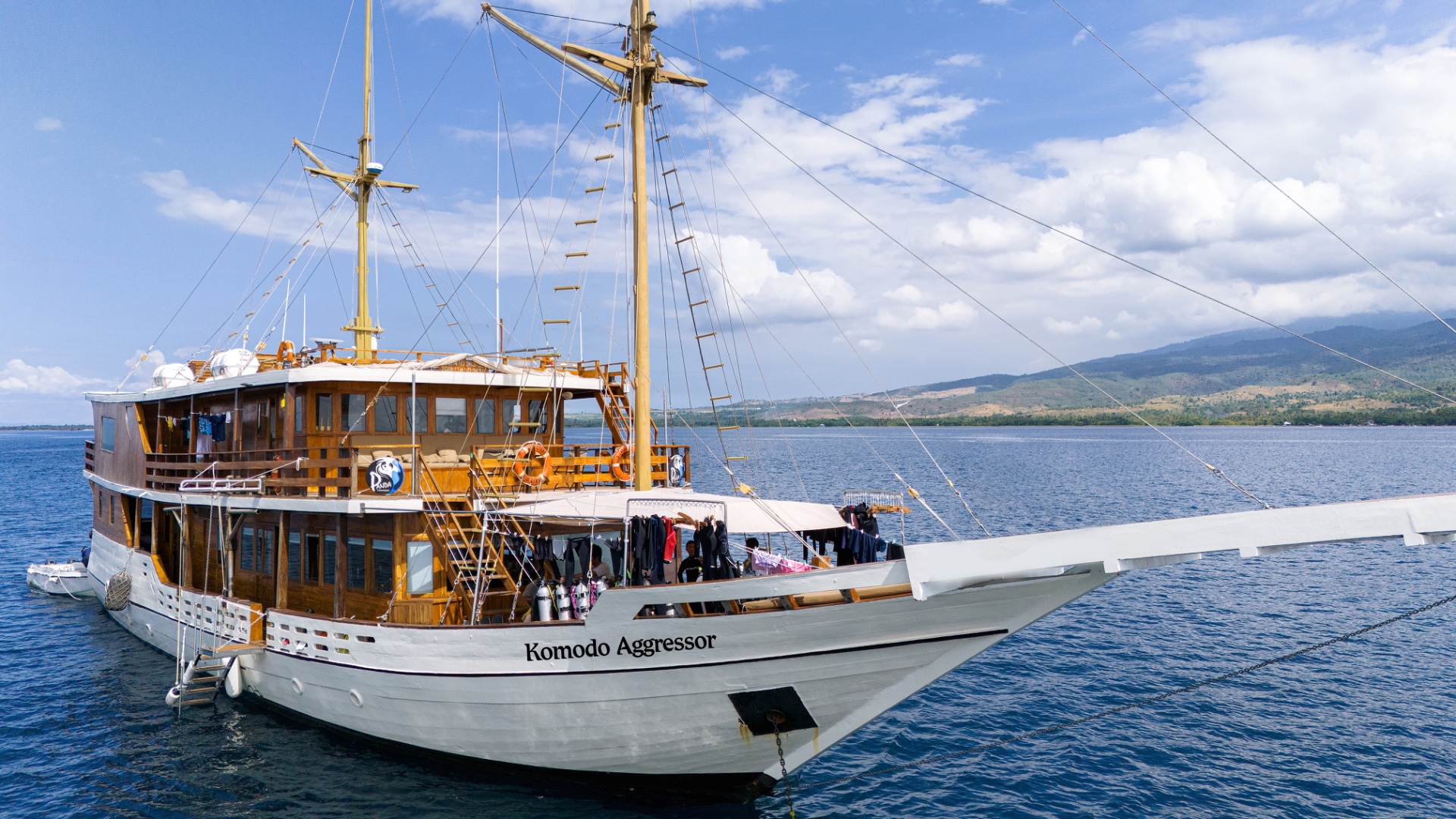
Komodo Aggressor
Komodo, Indonesia
16 guests29 m
$312/day
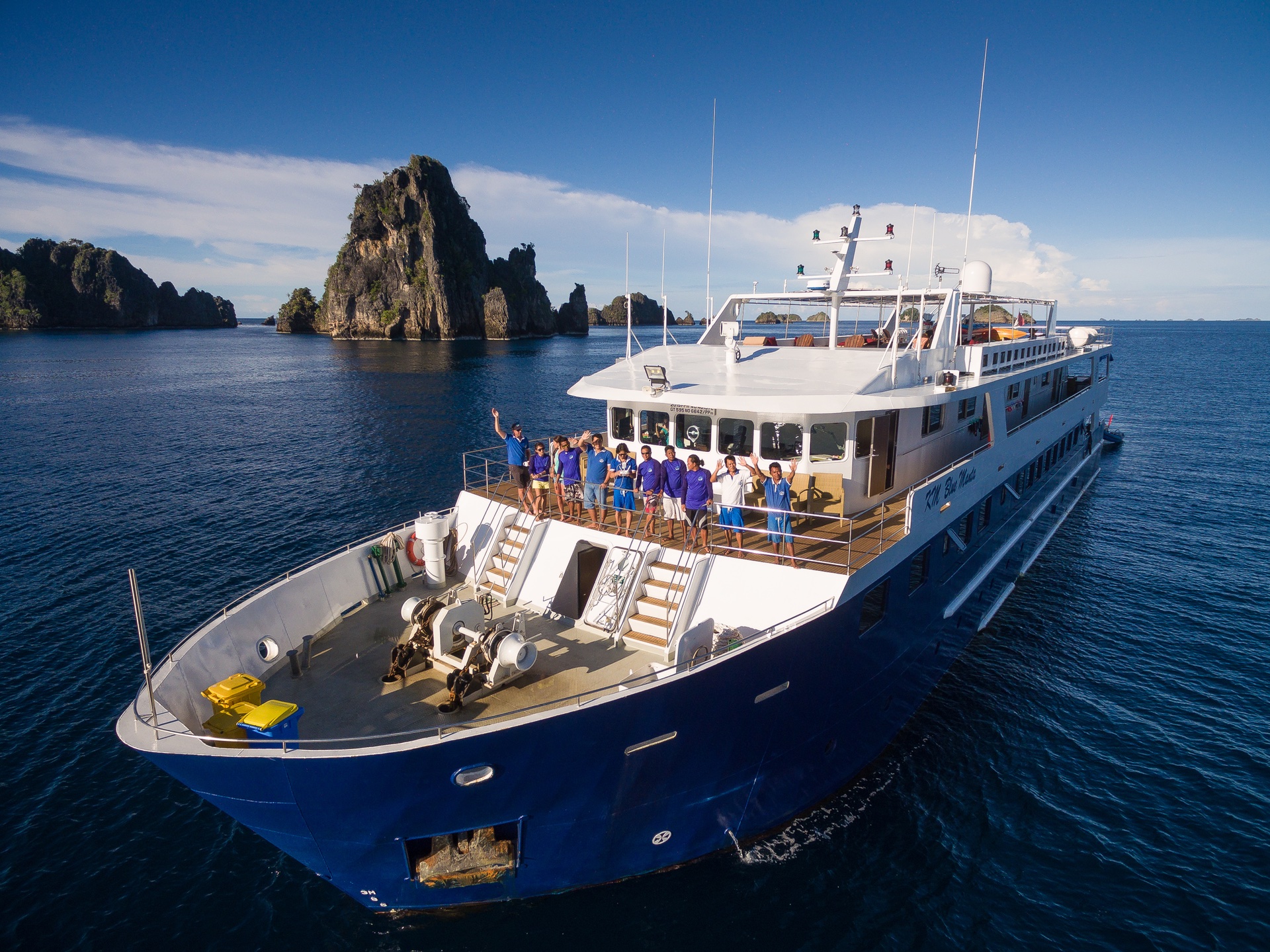
Blue Manta
Indonesia
20 guests45 m
$482/day
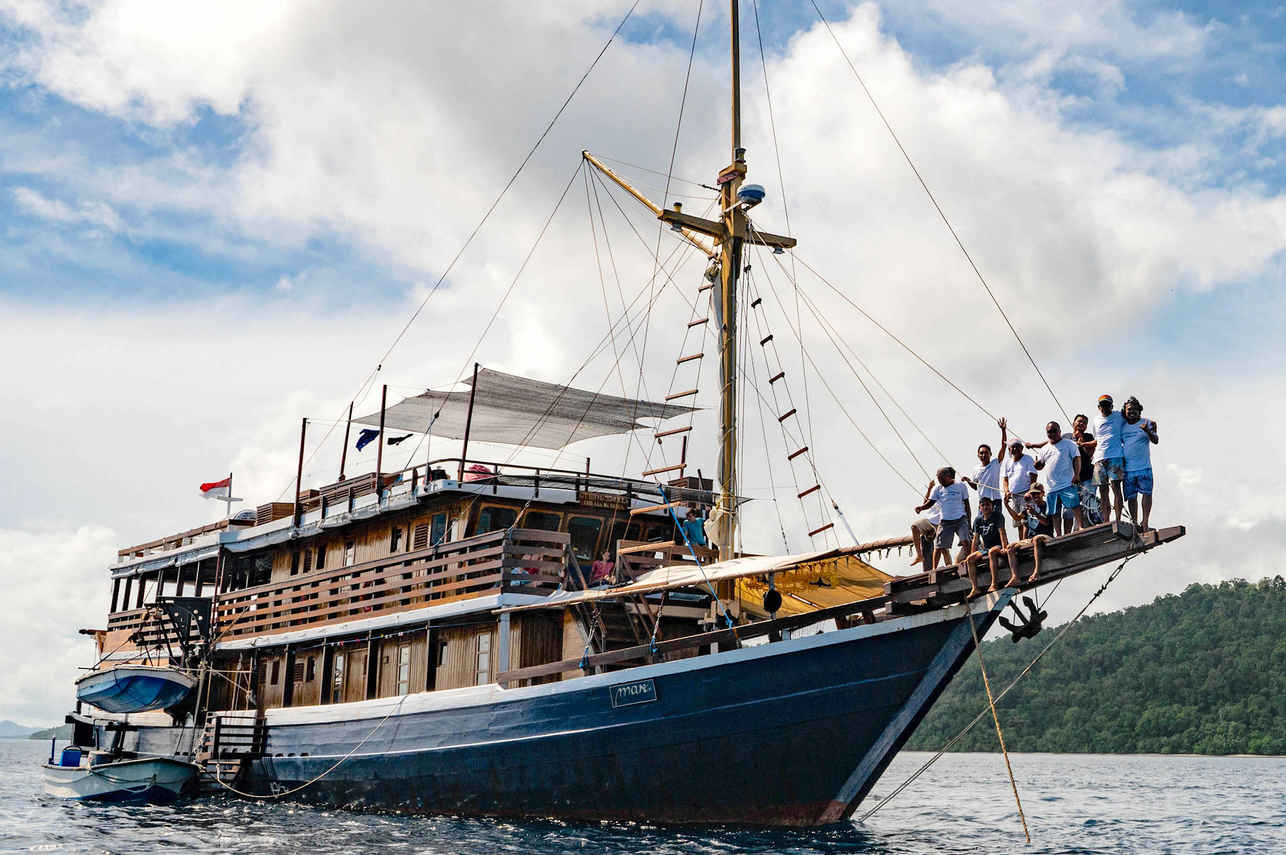
Mari
Indonesia
14 guests32.2 m
$328/day
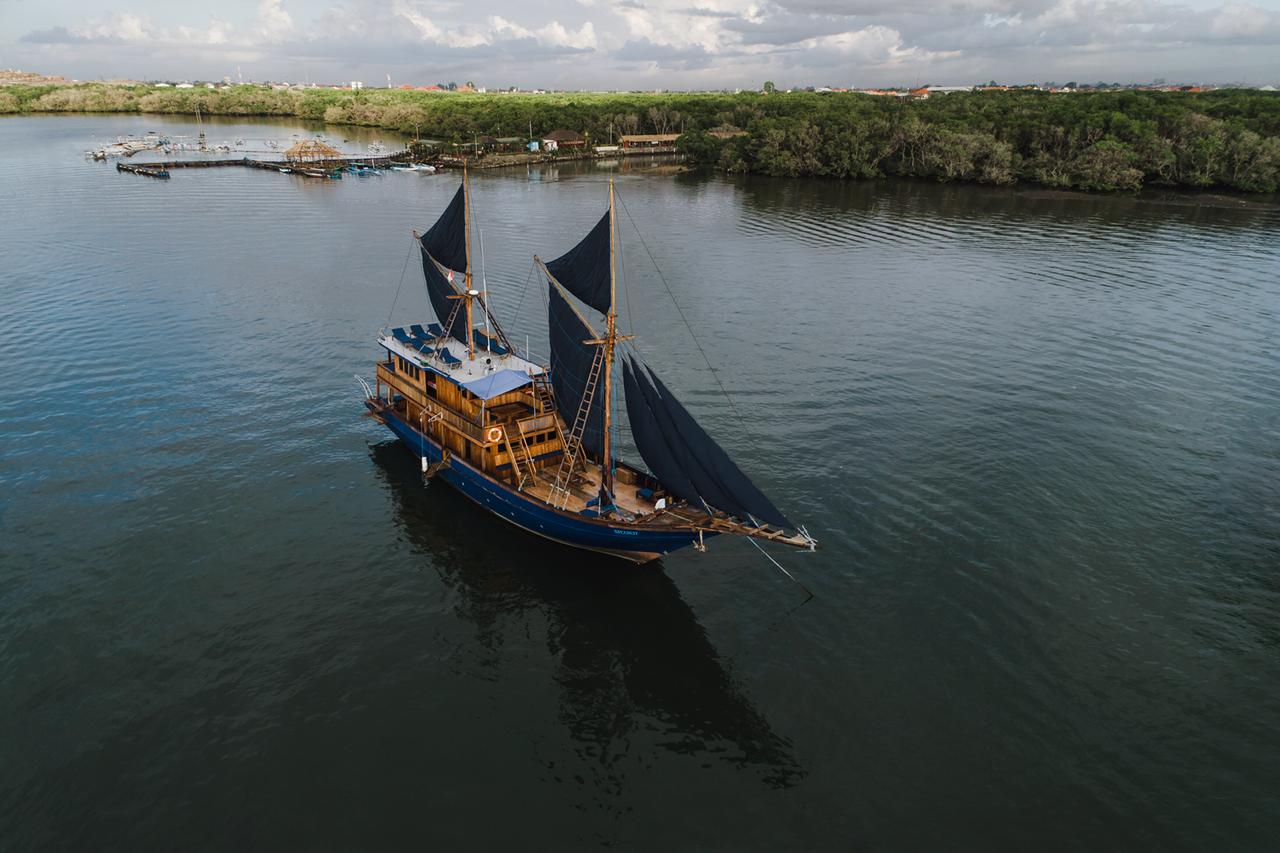
Situju7
Komodo, Indonesia
10 guests32.7 m
$362/day
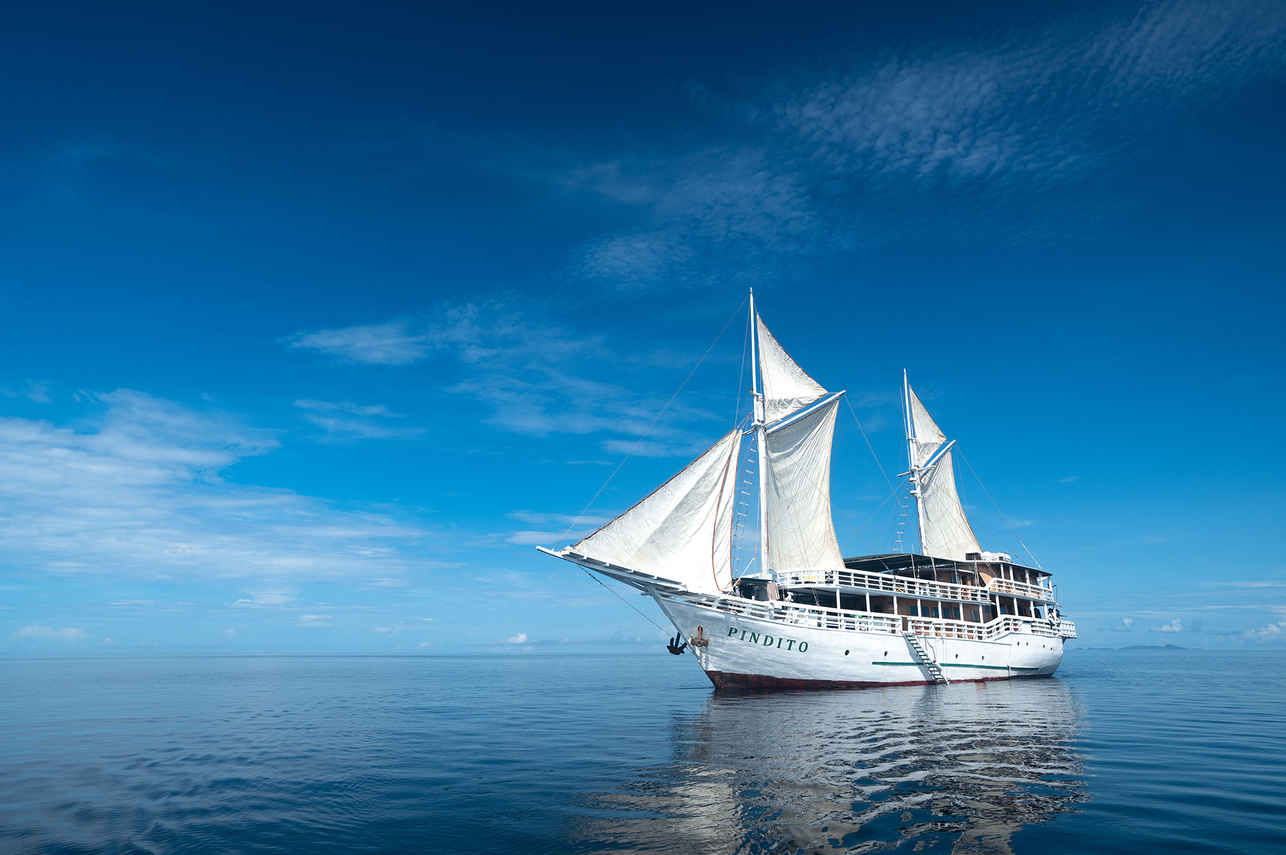
Pindito
Indonesia
16 guests37.79 m
$533/day
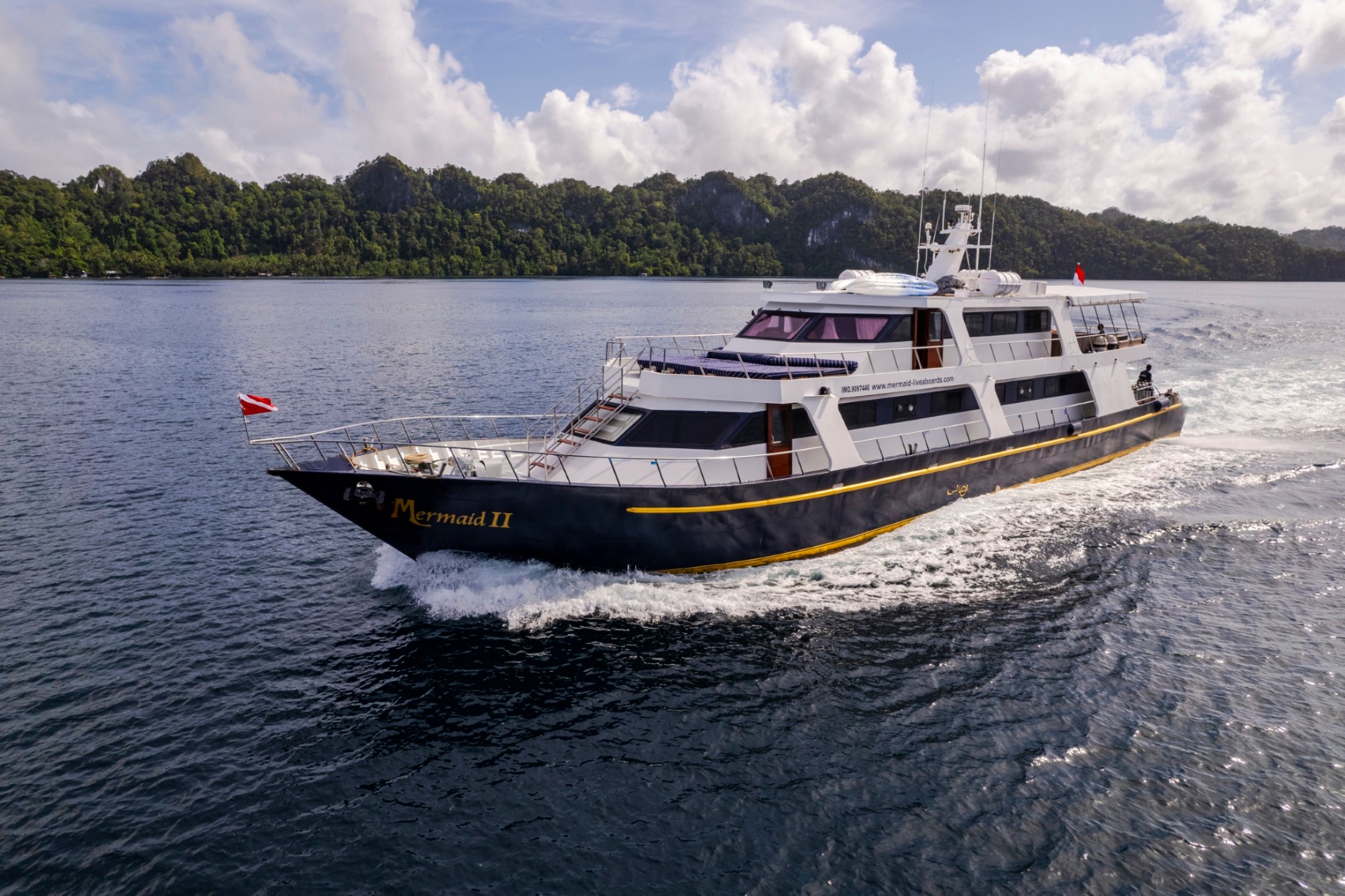
Mermaid II
Komodo, Indonesia
18 guests
$391/day
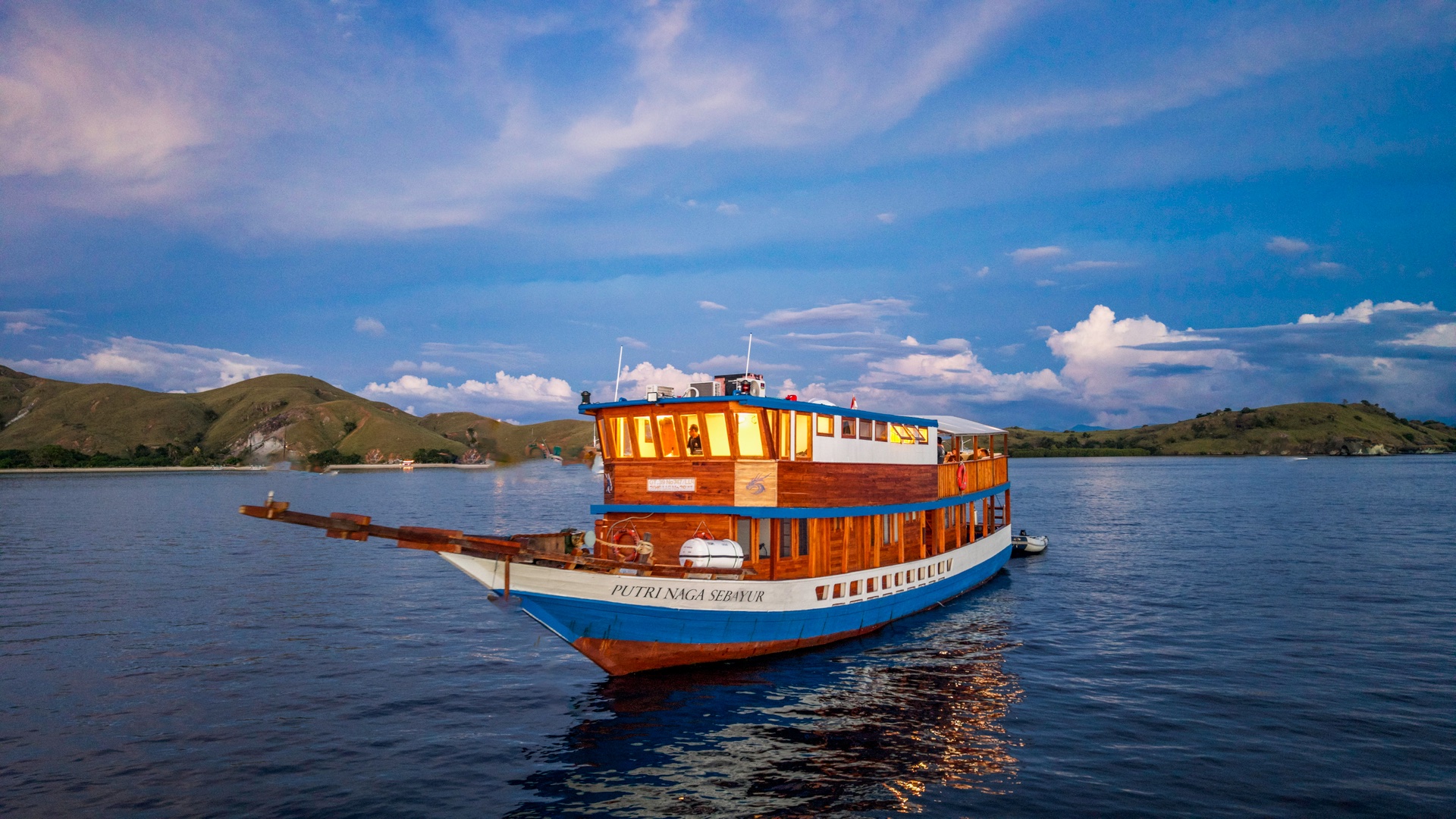
Putri Naga
Komodo, Indonesia
6 guests25 m
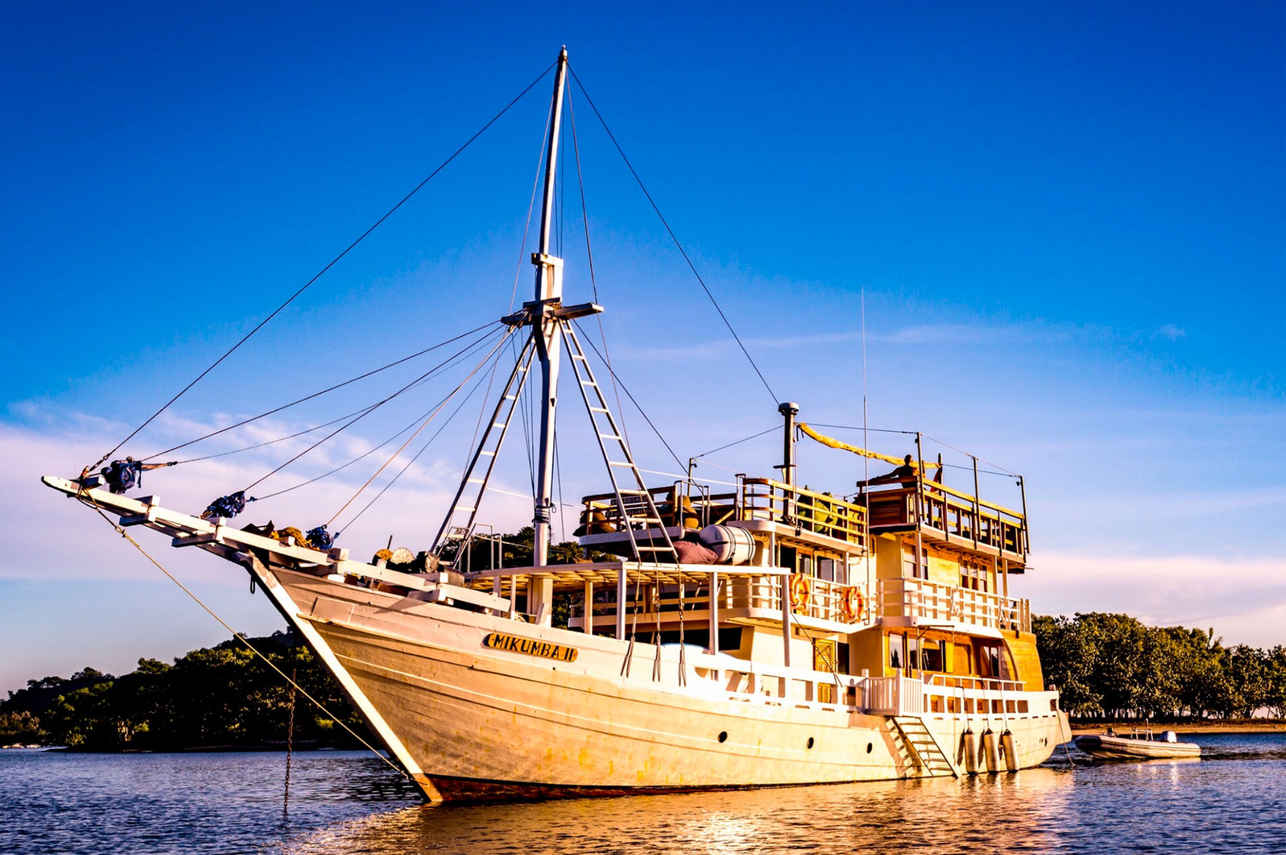
Mikumba Dua
Indonesia
10 guests30 m
$335/day
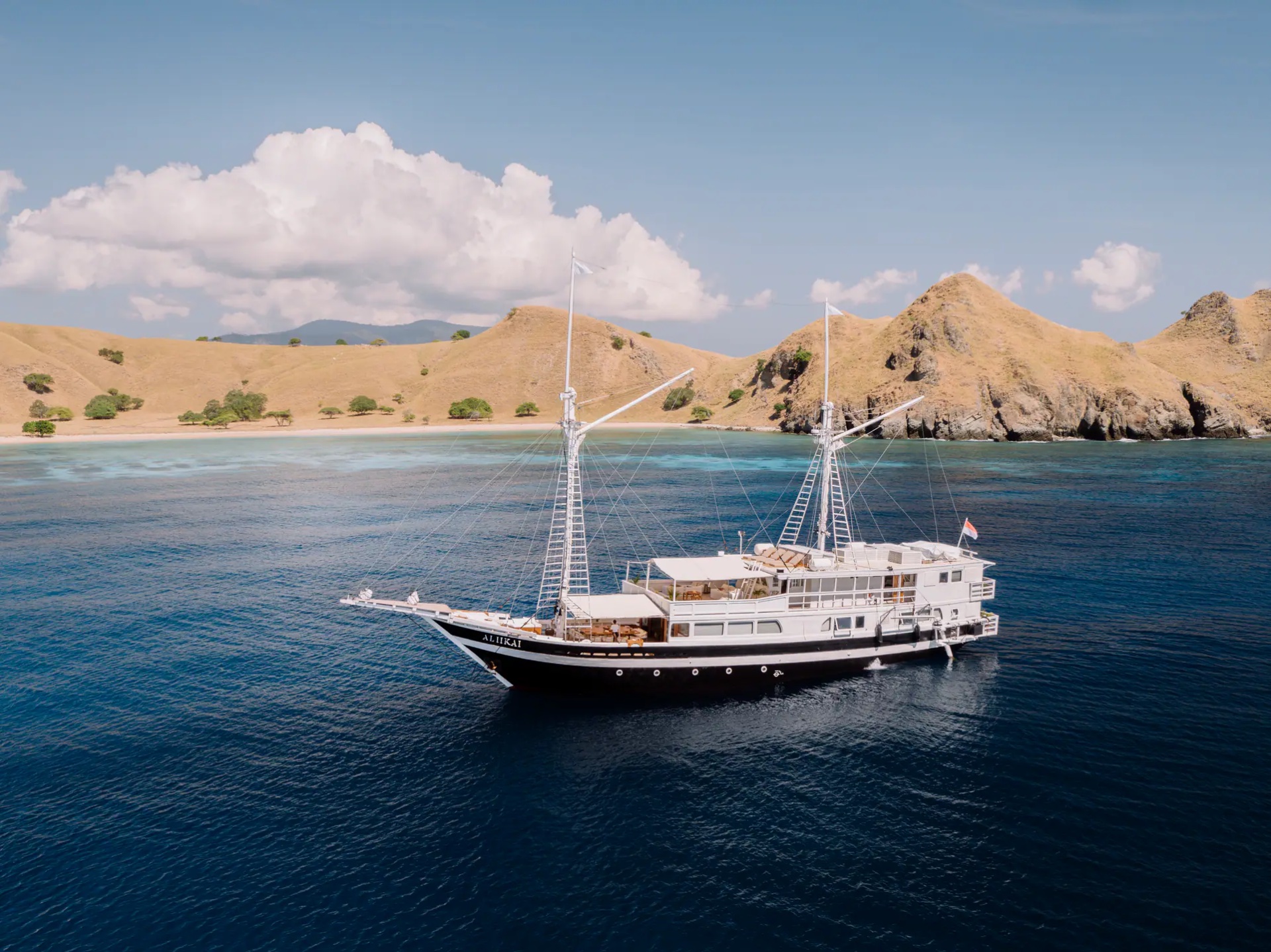
Aliikai Voyage
Indonesia
15 guests40 m
$658/day
Dive sites similar to Pink Beach
Same character, same waters — six more sites divers love for the exact same reasons.Compare seasons, access and liveaboard routes — then pick the site that fits your trip best.
© Esri — Maxar, Earthstar, GIS
Siaba Kecil
Komodo, Indonesia
Siaba Kecil is a distinct dive site located in the central part of Komodo National Park, positioned in a channel where waters flow between the north and south.
- Suitable for
- Intermediate
- Current
- Strong
- Access
- Liveaboard only
- Depth
- 8–25 m
- Theme
- Drift / Reef
© Esri — Maxar, Earthstar, GIS
Castle Rock
Komodo, Indonesia
Castle Rock, an iconic dive site within Komodo National Park, is celebrated as one of Indonesia's premier destinations for exhilarating underwater encounters.
- Suitable for
- Advanced
- Current
- Strong
- Access
- Liveaboard or dayboat
- Depth
- 5–35 m
- Theme
- Drift / Pinnacle
© Esri — Maxar, Earthstar, GIS
Sangeang Volcano
Komodo, Indonesia
Sangeang Volcano, also known as Gunung Api, offers a unique dive experience northwest of Komodo Island, near Bima.
- Suitable for
- Intermediate
- Current
- Strong
- Access
- Liveaboard or dayboat
- Depth
- 9–30 m
- Theme
- Muck diving / Reef
Gindang is nestled within the Central Komodo National Park, an area renowned for its ecological diversity and year-round accessibility.
- Suitable for
- Intermediate
- Current
- No current
- Access
- Liveaboard only
- Depth
- —
- Theme
- Reef
© Esri — Maxar, Earthstar, GIS
Tukoh-serikaya
Komodo, Indonesia
Tukoh-serikaya is a renowned dive site situated in the Komodo National Park, an area recognized globally for its significant biodiversity and challenging marine conditions.
- Suitable for
- Advanced
- Current
- Strong
- Access
- Liveaboard only
- Depth
- —
- Theme
- Reef