About Munda - Shark Point
Munda’s Shark Point, located in the Solomon Islands' Western Province, is a renowned dive site offering thrilling encounters with large marine life. This boat-accessible reef point is characterized by a dramatic outer wall that plunges into deep waters and shallower reef sections with vibrant coral. Its unique topography, where currents converge, acts as a magnet for pelagic species, making it a hotspot for shark sightings and schooling fish. Divers can expect rich hard coral coverage, particularly in the shallower areas, contrasting with whip corals found deeper on the wall. The visibility is often exceptional, reaching up to 40 meters, though it can be affected by heavy rainfall. The site's diverse environment supports a wide array of reef fish alongside the larger predators. While the point itself drops to significant depths, offering challenges for experienced divers, the shallower routes provide opportunities for less experienced individuals to enjoy the abundant marine life. The experience is often defined by strong currents, necessitating good buoyancy control and careful planning. Local operators are key to navigating the conditions and selecting the optimal route for the day's dive.
Highlights
White-tip reef sharksSchooling barracudaStrong currentsDramatic wall diveAbundant reef fishExcellent visibilityPelagic action
Season calendar
Best months to dive here
Jan
Feb
Mar
Apr
May
Jun
Jul
Aug
Sep
Oct
Nov
Dec
Excellent
Good
Dive site facts: Munda - Shark Point
- Depth
- 5–60 m
- Current
- Moderate to strong
- Visibility
- Up to 40 m
- Water temperature
- 27–30°C
- Entry
- Boat
- Level
- Advanced recommended, current experience helpful
- Dive type
- Wall, drift, pelagic
- Region / port
- Munda, Western Province
- Coordinates
- -8.3333, 157.2667
Conditions & Currents
Shark Point is known for its moderate to strong currents, which are a primary draw for the abundant pelagic life. Divers should be prepared for significant water movement, especially at the point where currents converge. It is common to hold onto the reef in certain sections to observe marine life in the current. Visibility at the site is generally excellent, often reaching 40 meters, but heavy rain can temporarily reduce it. Entry is typically by boat, requiring careful planning with the dive operator, who will choose the safest and most rewarding route based on daily conditions and current strength. This dive is best suited for those comfortable with drift diving or navigating strong currents.
Marine life & sighting chances

Whitetip Reef Shark
common
Barracuda
common
Trevally
common
Angelfish
common
Butterflyfish
common
Anemonefish
commonBait fish
common
Triggerfish
occasional
Sleek Unicornfish
occasional
Midnight Snapper
occasional
Longfin Bannerfish
common
Blacktip Reef Shark
occasional
Grey Reef Shark
occasional
Silvertip Shark
occasionalDive profile & how the dive runs
Diving at Shark Point typically begins with a boat entry onto the reef's shelving top, which gradually steepens into a dramatic wall. The route often involves following the wall as it descends, keeping an eye on the blue for pelagic encounters. Depending on the day's currents, divers may hold onto the reef to observe sharks and schooling fish circulating around the point. The dive progresses along the wall, exploring both deeper sections where whip corals thrive and shallower areas featuring large tables of branching coral. The turn point is determined by air consumption and no-decompression limits, with the ascent generally following the reef contour back towards shallower waters. Safety stops are conducted in the protected, shallower reef sections, allowing for observation of reef fish and anemonefish.
Underwater photography
Shark Point offers excellent opportunities for both wide-angle and macro photography, though wide-angle is often preferred to capture the pelagic action. For wide-angle, a fisheye or wide-angle rectilinear lens is ideal for showcasing the dramatic wall, schooling barracuda, and various shark species. Be prepared for strong currents, which can make stable shooting challenging; good buoyancy and the ability to brace yourself against the reef (without contact) are beneficial. For macro, focus on the reef's shallower sections where diverse reef fish and anemonefish reside. Consider using external strobes to bring out the vibrant colors of the corals and smaller inhabitants. Always maintain respectful distances from marine life and avoid disturbing nesting triggerfish, which can be aggressive.
Combine with nearby dive sites
- Top Shelf
A deep coral shelf near Shark Point, offering pristine coral and exceptional marine life.
- Mbigo Mbigo
A canyoned reef with vibrant shallow coral gardens and a deeper wall, accessible from Munda.
- Kuabs
A sloping reef wall off Munda, known for its colorful hard corals and potential for shark, ray, and turtle sightings.
- Munda Bar
A relaxed coral slope and wall, also in the Munda area, frequented by sharks and turtles.
Getting there & logistics
Accessing Munda and its dive sites, including Shark Point, typically starts with international flights to Honiara International Airport (HIR) on Guadalcanal. From Honiara, travelers take local flights or speedboats to reach Munda. Most dive operators in Munda provide comprehensive support, including guided dives and transfers to dive sites via boat. There are no specific park fees mentioned for Shark Point itself, but dive package costs will cover boat trips and guiding services. Diving in Munda is usually part of a broader Solomon Islands itinerary, often combined with other Western Province dive destinations like Ghizo or Marovo Lagoon.
Safety & environment
Diving at Shark Point requires a comprehensive safety briefing from the local operator due to the strong currents, potential depth, and active shark population. Divers should ensure their experience level matches the conditions and always dive within their limits. Good buoyancy control is essential to navigate the wall and currents without impacting the reef. While specific recompression chamber locations for Munda are not detailed, the nearest major medical facilities are in Honiara, necessitating thorough insurance coverage that includes emergency evacuation. Always follow the dive leader's instructions, especially regarding nesting triggerfish, which can be territorial.
Who it suits — and who it doesn't
Suited for
- Advanced divers
- Experienced drift divers
- Shark enthusiasts
- Underwater photographers
- Those comfortable with strong currents
Less suited for
- Beginner divers
- Divers uncomfortable with currents
- Divers with poor buoyancy control
- Those seeking calm, shallow dives
FAQ
Munda - Shark Point FAQ
What kind of marine life can I expect at Shark Point?
Shark Point is renowned for its pelagic encounters, including frequent sightings of white-tip reef sharks, blacktip reef sharks, grey reef sharks, and silvertip sharks. You can also expect to see large schools of barracuda and trevally, along with diverse reef fish like angelfish, butterflyfish, and anemonefish. Eagle rays and stingrays are occasionally spotted.
Are the currents strong at Shark Point?
Yes, Shark Point is known for its moderate to strong currents. These currents are what attract the larger marine life, but they require divers to have good buoyancy control and experience in current diving. Dive operators will brief you on the best approach and may advise holding onto the reef in certain areas to observe the action.
What is the visibility like at Shark Point?
Visibility at Shark Point is typically excellent, often reaching up to 40 meters. However, it can be reduced following heavy rainfall. Early morning dives are generally recommended for the clearest water and best viewing conditions for marine life.
What is the typical depth range for diving at Shark Point?
The dive site offers a range of depths, from shallow reef sections around 5 meters down to 60 meters along its dramatic wall. While the shallower areas are accessible to less experienced divers, the point's deeper sections reward those comfortable with advanced profiles and good depth management.
Is Shark Point suitable for all diver levels?
Shark Point is generally recommended for advanced divers or those with experience in moderate to strong currents due to its potential depths and dynamic conditions. While shallower routes exist for less experienced divers, the full experience of the point's pelagic action is best enjoyed by confident and skilled divers.
How do I get to Shark Point in Munda?
To reach Shark Point, you first fly internationally to Honiara, the capital of the Solomon Islands. From Honiara, you can take a domestic flight or speedboat transfer to Munda. Once in Munda, local dive operators arrange boat trips to Shark Point, which is a short boat ride away.
Why dive Munda - Shark Point from a liveaboard?
Munda - Shark Point is one of Solomon Islands's signature dive sites. A liveaboard sleeps you on the water and puts you in the water for three to four guided dives per day, including dawn and night dives that day-boat operators rarely offer. You skip the daily commute back to port and reach quieter, less-crowded sites in the same region on a single trip.
Below are the liveaboards that include Munda - Shark Point on their Solomon Islands itineraries.
Liveaboards diving Munda - Shark Point
These liveaboards may visit Munda - Shark Point on selected itineraries — the exact dive sites depend on departure, weather and conditions.
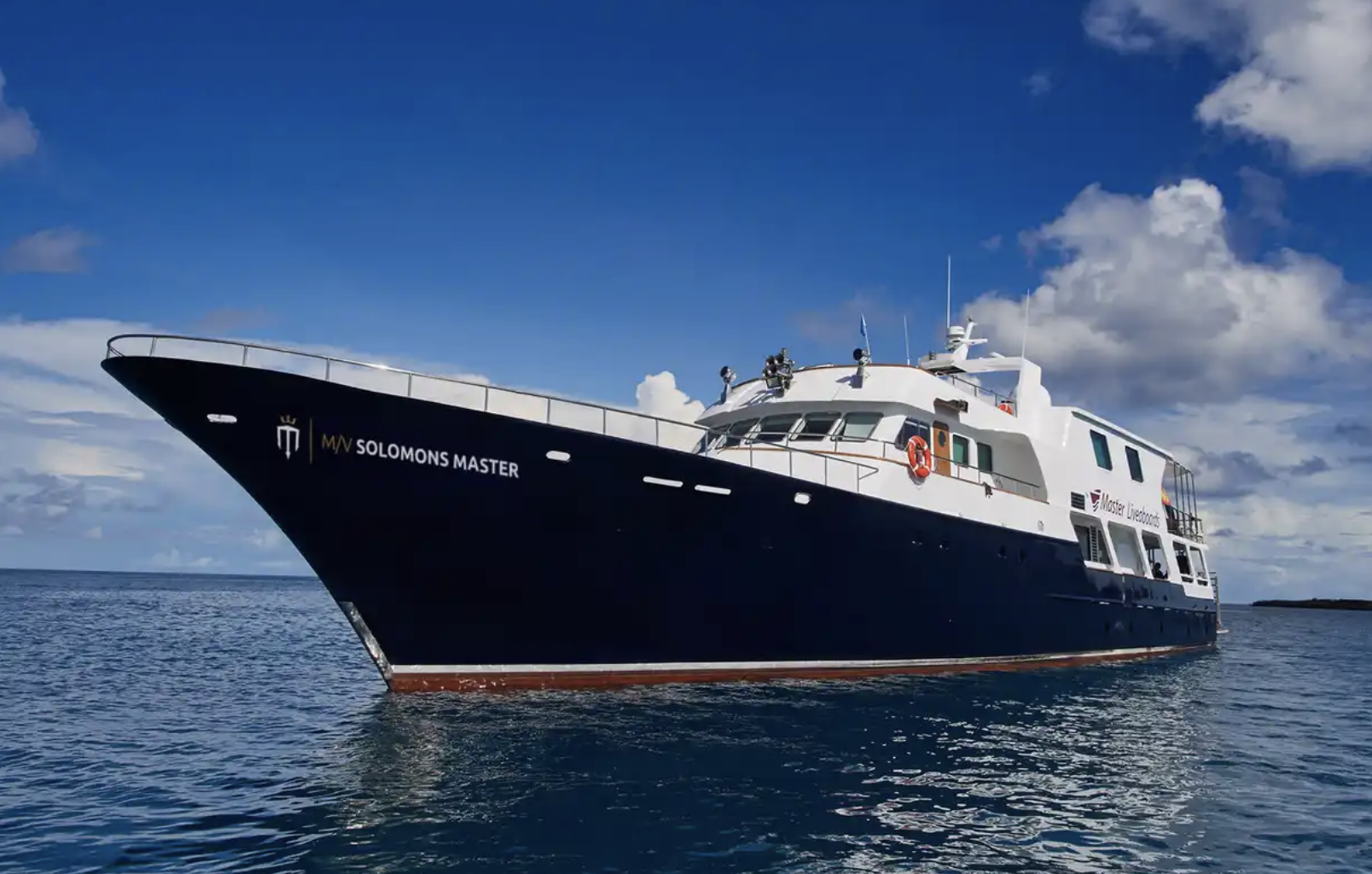
Solomons Master
Solomon Islands
16 guests
$401/day
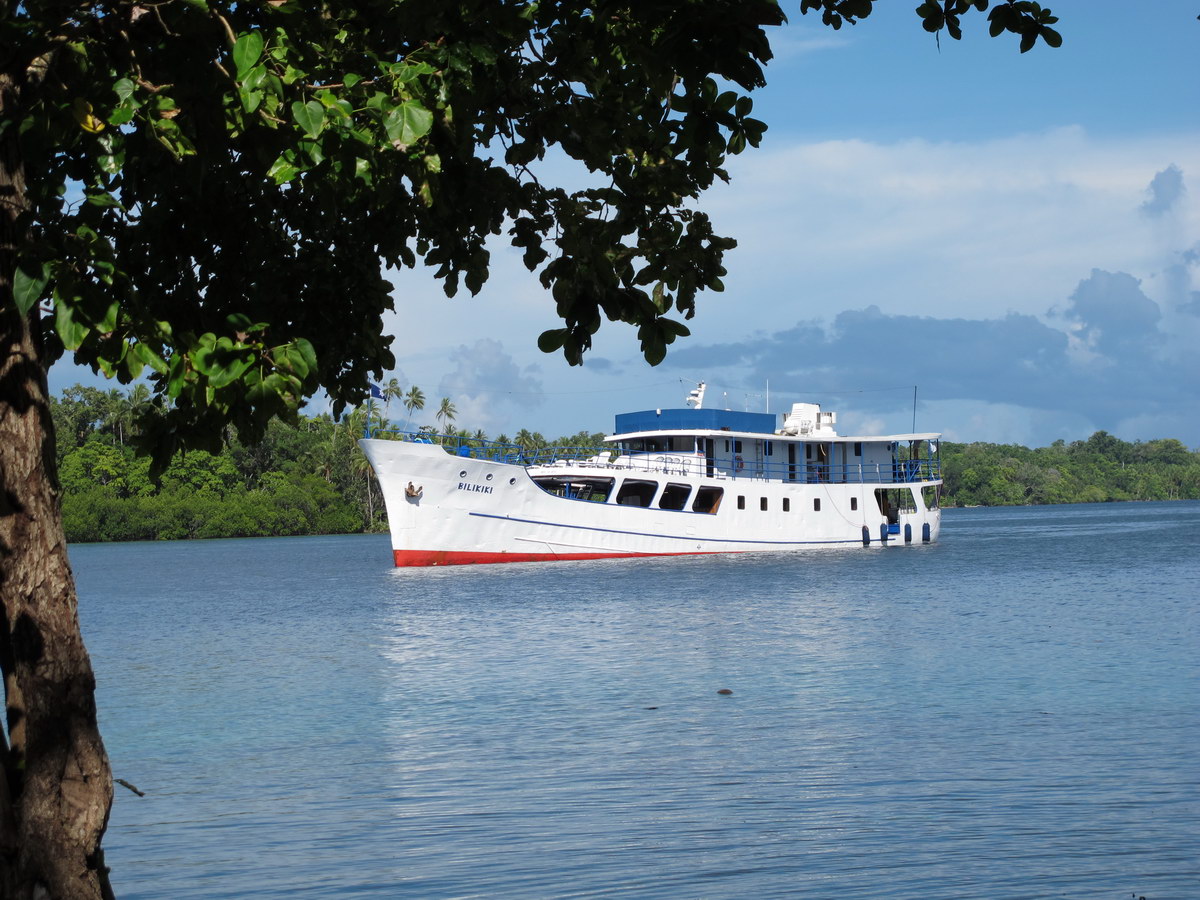
Emperor Bilikiki
Solomon Islands
20 guests38 m
$569/day
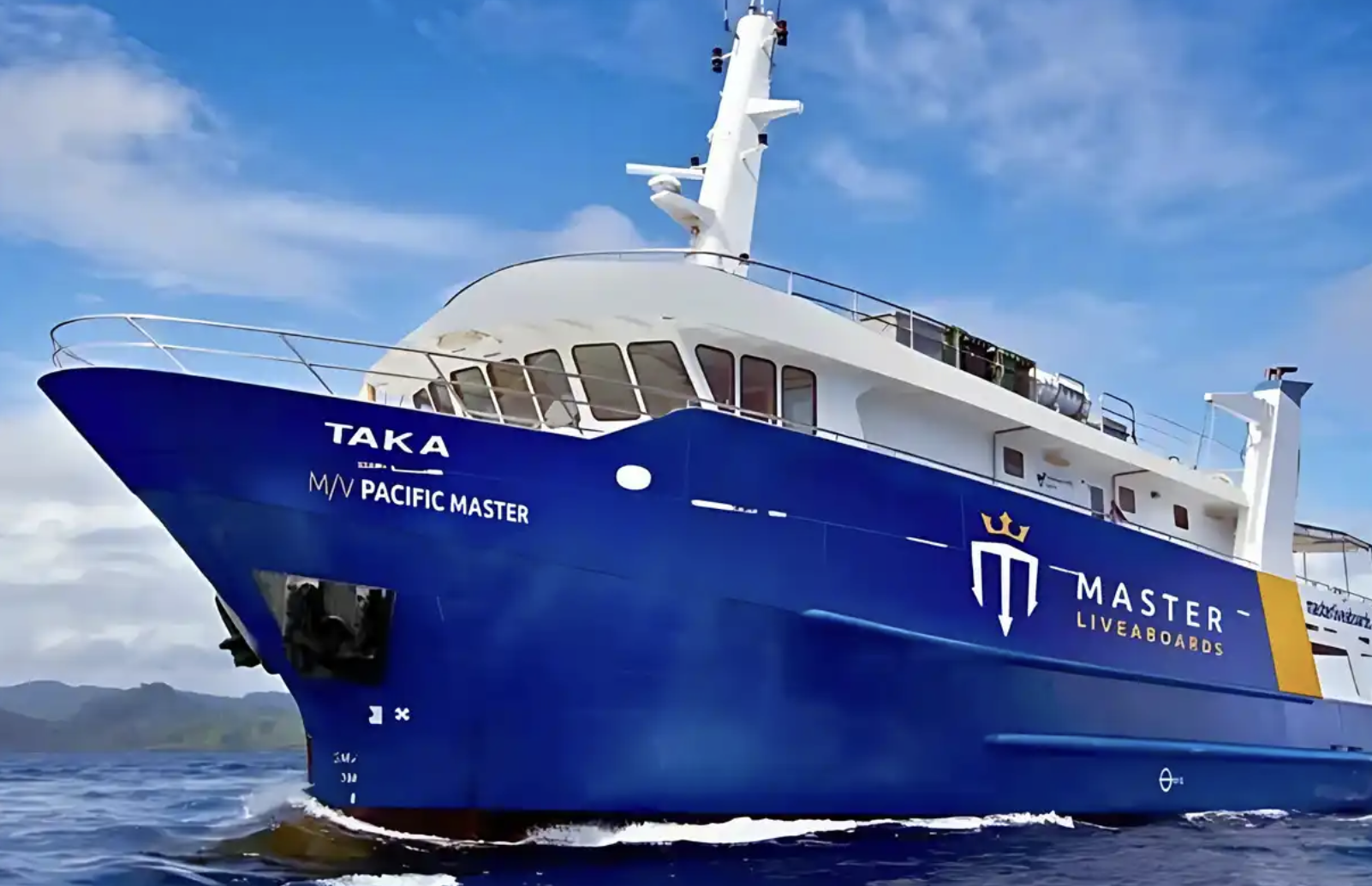
Pacific Master
Solomon Islands
20 guests30 m
$268/day
Dive sites similar to Munda - Shark Point
Same character, same waters — six more sites divers love for the exact same reasons.Compare seasons, access and liveaboard routes — then pick the site that fits your trip best.
© Esri — Maxar, Earthstar, GIS
Big La Laguna
Philippines
Big La Laguna is a beach community situated on the western edge of the Sabang Peninsula, a popular dive region on Mindoro Island, Philippines.
- Suitable for
- Intermediate
- Current
- Moderate
- Access
- Dayboat
- Depth
- 5–35 m
- Theme
- Reef / Wall
© Esri — Maxar, Earthstar, GIS
Rusa Pinnacle
Alor
Rusa Pinnacle is a challenging yet highly rewarding dive site situated in the Alor archipelago, part of Indonesia's East Nusa Tenggara.
- Suitable for
- Advanced
- Current
- Strong
- Access
- Liveaboard only
- Depth
- 6–30 m
- Theme
- Reef
Lipah Bay is situated on Bali's northeast coast within the Amed area, nestled against the dramatic backdrop of Gunung Agung.
- Suitable for
- Beginner
- Current
- Mild
- Access
- Liveaboard or dayboat
- Depth
- 5–30 m
- Theme
- Reef / Drift
© Esri — Maxar, Earthstar, GIS
Tangked Cave
Bali
Tangked Cave, sometimes referred to as Tangked Taked Shark Cave, is an advanced dive site situated in the open ocean off Bali's southeastern coast.
- Suitable for
- Advanced
- Current
- Moderate
- Access
- Liveaboard or dayboat
- Depth
- 15–40 m
- Theme
- Cave & cavern / Reef
© Esri — Maxar, Earthstar, GIS
Schools Out
Alor
Schools Out in Alor offers divers an exceptional encounter with healthy coral reefs and a rich variety of marine species.
- Suitable for
- Intermediate
- Current
- Mild
- Access
- Liveaboard only
- Depth
- 20–30 m
- Theme
- Reef
© Esri — Maxar, Earthstar, GIS
Batununggul
Bali
Batununggul, also known as Suana or Batumulapan by some operators, is a dynamic wall and sloping reef dive site situated on the eastern side of Nusa Penida, Bali.
- Suitable for
- Advanced
- Current
- Strong
- Access
- Liveaboard or dayboat
- Depth
- 10–40 m
- Theme
- Wall