About Tetepare - South Wall
Tetepare - South Wall showcases the untouched beauty of Tetepare, the Southern Hemisphere's largest uninhabited tropical island. This remarkable dive site features a dramatic sheer coral cliff that begins at a shallow 5 meters and extends beyond 50 meters, creating a breathtaking vertical landscape. The wall is adorned with colossal barrel sponges, intricate black coral formations, and soft corals that cascade in brilliant shades of purple and orange, painting a vibrant underwater tapestry. Cruising the wall's edge, divers frequently encounter grey reef sharks and silvertip sharks, while hawksbill turtles find refuge in the numerous ledges and overhangs. The waters surrounding Tetepare are designated as a marine protected area, meticulously managed by the Tetepare Descendants' Association. This dedicated conservation effort ensures minimal fishing pressure, contributing significantly to the site's exceptional biodiversity and pristine condition. Diving here offers an immersive experience into a healthy and thriving ecosystem, far removed from human impact. The abundance of marine life, from pelagic predators to intricate macro subjects, combined with the stunning coral formations, makes every descent an exploration of nature at its finest. Liveaboards are the primary way to access this remote gem, providing unparalleled opportunities for multiple daily dives, including those during dawn and night, maximizing the encounter with its rich aquatic inhabitants.
Highlights
Pristine coral wallGrey reef sharksSilvertip sharksHawksbill turtlesEnormous barrel spongesCascading soft coralsUntouched marine protected area
Season calendar
Best months to dive here
Jan
Feb
Mar
Apr
May
Jun
Jul
Aug
Sep
Oct
Nov
Dec
Excellent
Good
Dive site facts: Tetepare - South Wall
- Depth
- 5–50+ m
- Typical dive
- 12–30 m, 50–60 min
- Current
- Mild to occasional moderate
- Visibility
- 20–30+ m
- Water temperature
- 28–30°C
- Entry
- Tender / liveaboard
- Level
- Intermediate
- Dive type
- Wall, drift, pelagic
- Night dive
- Possible with liveaboard itineraries
- Region / port
- Western Province
- Coordinates
- -8.78, 157.55
Conditions & Currents
Currents at Tetepare - South Wall are generally mild, contributing to an overall easy diving experience. While some specific areas might experience stronger flows, dive operators typically plan itineraries to minimize swimming against the current, often utilizing tenders for efficient drop-offs and pick-ups. Visibility is consistently excellent and does not appear to follow seasonal variations, maintaining clear conditions throughout the year. The sheltered nature of many island-proximate dive sites means that even during windy conditions, the water remains calm, facilitating comfortable entries and exits from dive tenders. Divers should be aware of potential surge near the wall face, especially at shallower depths, and plan their buoyancy accordingly to avoid contact with the delicate coral structures.
Marine life & sighting chances

Grey Reef Shark
common
Silvertip Shark
occasional
Hawksbill Turtle
common
Barrel Sponge
common
Black Coral
common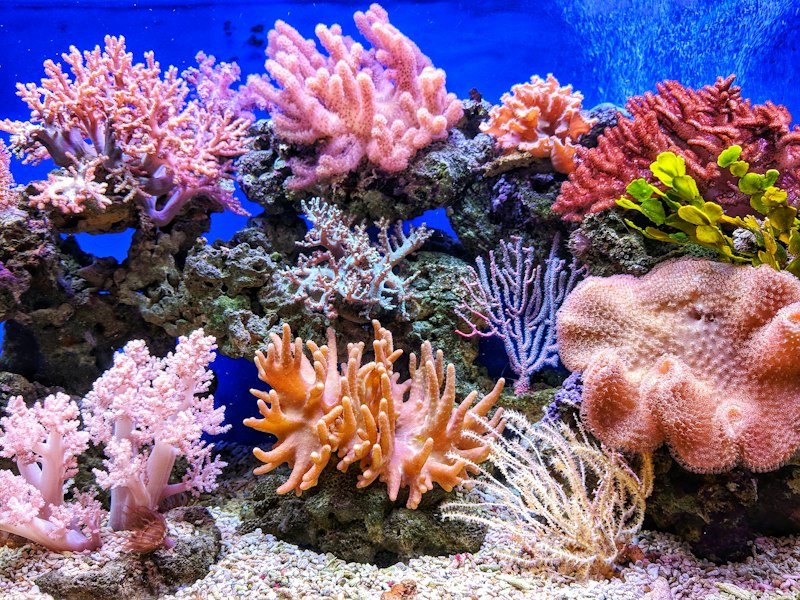
Soft Corals
common
Barracuda
occasional
Snapper
occasional

White-tip Reef Shark
occasionalDive profile & how the dive runs
Diving at Tetepare - South Wall typically begins with a tender drop-off close to the wall, allowing for a negative or controlled descent directly onto the reef face. The primary route involves exploring the sheer coral cliff, which starts around 5 meters and plunges dramatically to depths beyond 50 meters. Divers follow the contours of the wall, observing the vibrant soft and hard coral growth, massive barrel sponges, and black coral trees. Pelagic encounters, including grey reef and silvertip sharks, are common along the wall's edge, particularly where currents are present. Hawksbill turtles are often spotted resting in small overhangs. The dive progresses along the wall, maintaining depths appropriate to diver experience and gas consumption, typically in the 12-30 meter range. The turn point is usually dictated by air consumption or bottom time, at which point divers ascend gradually, often drifting with any mild current. The safety stop is conducted in the shallower sections of the wall, around 5 meters, which are rich with reef fish and smaller marine life, before surfacing for tender pick-up.
Underwater photography
Tetepare - South Wall presents exceptional opportunities for both wide-angle and macro photography due to its diverse topography and marine life. Wide-angle lenses are ideal for capturing the grandeur of the sheer coral wall, its expansive barrel sponges, and the vibrant soft coral gardens, especially when pelagic species like sharks are in view. Consider external strobes to bring out the true colors of the corals at depth. For macro enthusiasts, the intricate black coral formations, smaller invertebrates tucked into crevices, and juvenile reef fish offer compelling subjects. Patience and excellent buoyancy control are crucial to avoid damaging the delicate corals. Given the pristine nature of this marine protected area, maintaining a respectful distance from marine life and avoiding disturbance is paramount for capturing natural behavior and preserving the ecosystem.
Combine with nearby dive sites
- Marovo Lagoon - Coral Gardens
Known for crystal-clear waters and healthy coral reefs.
- Munda - Shark Point
Offers potential encounters with multiple shark species and schooling fish action.
- Kavachi Submarine Volcano
A site featuring a deep wall and plateau, known for pelagic life and the distant sound of an active volcano.
- Gatokae - Kavalapu
A nearby site within the Western Province offering pristine reef diving.
Getting there & logistics
Access to Tetepare - South Wall and other remote Solomon Islands dive sites typically begins with international flights into Honiara International Airport (HIR) on Guadalcanal, with direct connections from Australia and regional hubs like Fiji and Papua New Guinea. From Honiara, onward travel to the Western Province is usually via domestic flights or charter speedboats. Tetepare - South Wall is primarily accessed by liveaboards, such as the Bilikiki, Solomons Master, or Pacific Master, which offer comprehensive itineraries ranging from 7 to 14 days. These liveaboards provide full support, including equipment rental and guided dives, and are essential for reaching these pristine, remote locations. Park fees or marine protected area contributions may be incorporated into liveaboard costs. Trips often combine Tetepare with other Western Province highlights and potentially sites in the Russell or Florida Islands, providing a diverse diving experience.
Safety & environment
Diving in the Solomon Islands, particularly at remote sites like Tetepare - South Wall, requires careful safety considerations. The nearest recompression chamber is located in Honiara, which can be several hours away by boat and domestic flight, making emergency evacuation a complex process. Therefore, comprehensive dive insurance covering emergency medical treatment and evacuation is absolutely mandatory. Divers should adhere strictly to dive plans and depth limits, especially given the remote nature of the location. All divers must be proficient in buoyancy control to avoid damaging the pristine coral wall. Staying hydrated, having adequate sun protection, and being aware of local currents are also crucial. Respect for the marine environment and adherence to marine protected area guidelines are expected from all divers.
Who it suits — and who it doesn't
Suited for
- Experienced open water divers
- Advanced divers seeking pristine walls
- Underwater photographers (wide-angle and macro)
- Divers interested in pelagic encounters
- Conservation-minded divers
- Liveaboard enthusiasts
Less suited for
- Beginner divers
- Divers uncomfortable with potential currents
- Those prone to seasickness on longer transfers
- Divers seeking exclusively wreck dives
- Individuals without comprehensive dive insurance
FAQ
Tetepare - South Wall FAQ
What kind of marine life can I expect to see at Tetepare - South Wall?
Tetepare - South Wall is renowned for its diverse marine ecosystem. You can expect frequent sightings of grey reef sharks and occasional silvertip sharks cruising the wall. Hawksbill turtles are commonly found resting in ledges. The wall itself is covered in enormous barrel sponges, intricate black coral, and vibrant soft corals, providing a habitat for numerous reef fish and invertebrates.
What are the typical diving conditions at Tetepare - South Wall?
Diving conditions at Tetepare - South Wall are generally favorable. Water temperatures consistently range between 28-30°C year-round, and visibility is excellent, often exceeding 30 meters. Currents are typically mild, though they can occasionally be moderate, especially at certain points along the wall. The seas around the islands are usually calm, making for comfortable entries and exits from dive tenders.
Is Tetepare - South Wall suitable for beginner divers?
While the currents are generally mild, the sheer depth of the wall and the remote location make Tetepare - South Wall more suitable for experienced or advanced open water divers. Beginners might find the depth and potential for currents challenging. It is recommended to have solid buoyancy control and some experience with wall diving.
How do I get to Tetepare - South Wall?
Access to Tetepare - South Wall is primarily via liveaboard vessels operating in the Solomon Islands. You would typically fly into Honiara International Airport (HIR) and then transfer to a liveaboard for a multi-day itinerary. These liveaboards visit various sites, including Tetepare, as part of their planned routes through the Western Province.
Why is Tetepare - South Wall considered so pristine?
Tetepare - South Wall is part of a marine protected area managed by the Tetepare Descendants' Association. This local conservation effort ensures minimal fishing pressure and strict protection of the ecosystem. The island's uninhabited status also contributes to its untouched natural state, allowing its marine environment to thrive with exceptional health and biodiversity.
Why dive Tetepare - South Wall from a liveaboard?
Tetepare - South Wall is one of Solomon Islands's signature dive sites. A liveaboard sleeps you on the water and puts you in the water for three to four guided dives per day, including dawn and night dives that day-boat operators rarely offer. You skip the daily commute back to port and reach quieter, less-crowded sites in the same region on a single trip.
Below are the liveaboards that include Tetepare - South Wall on their Solomon Islands itineraries.
Liveaboards diving Tetepare - South Wall
These liveaboards may visit Tetepare - South Wall on selected itineraries — the exact dive sites depend on departure, weather and conditions.
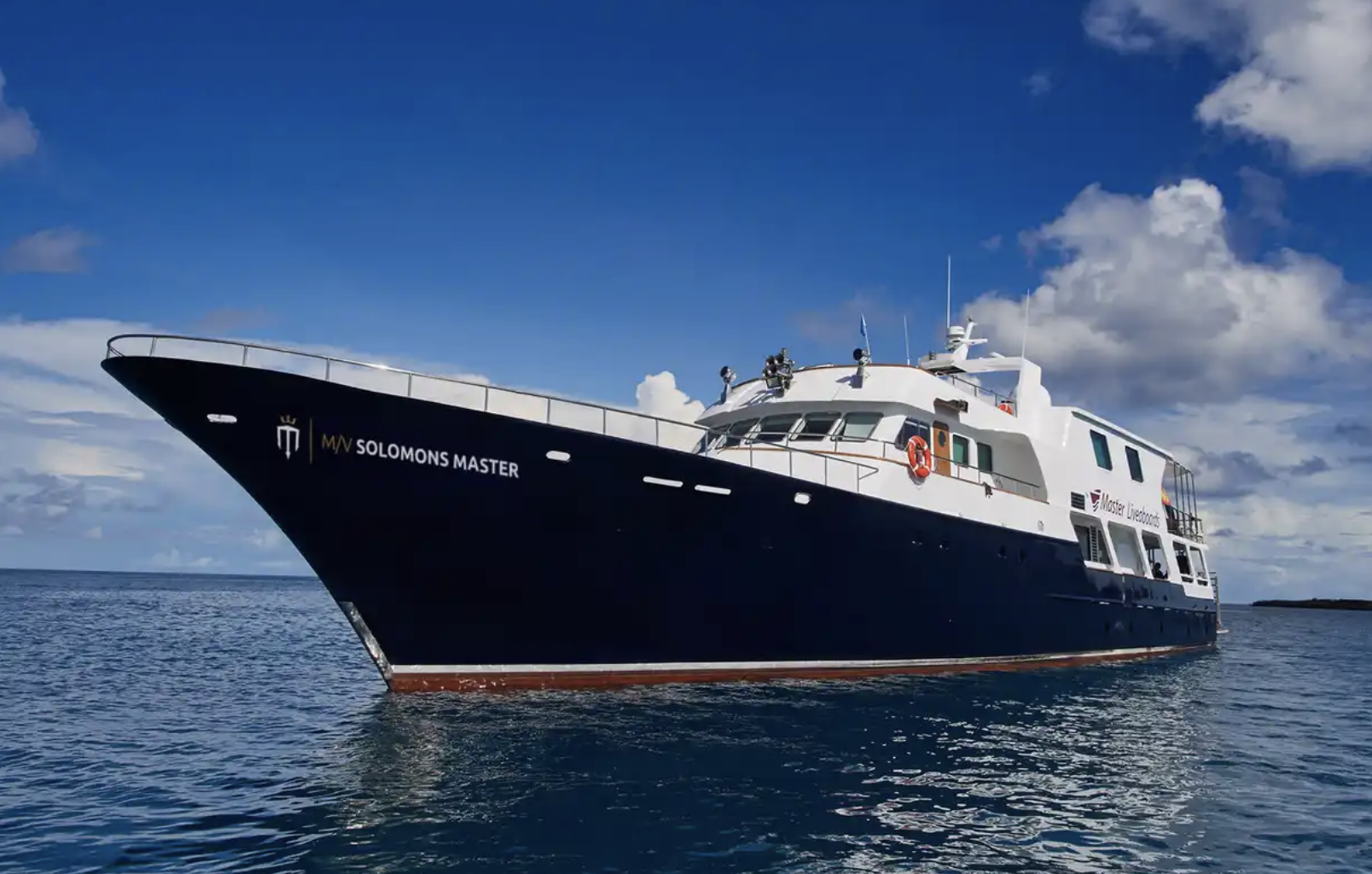
Solomons Master
Solomon Islands
16 guests
$401/day
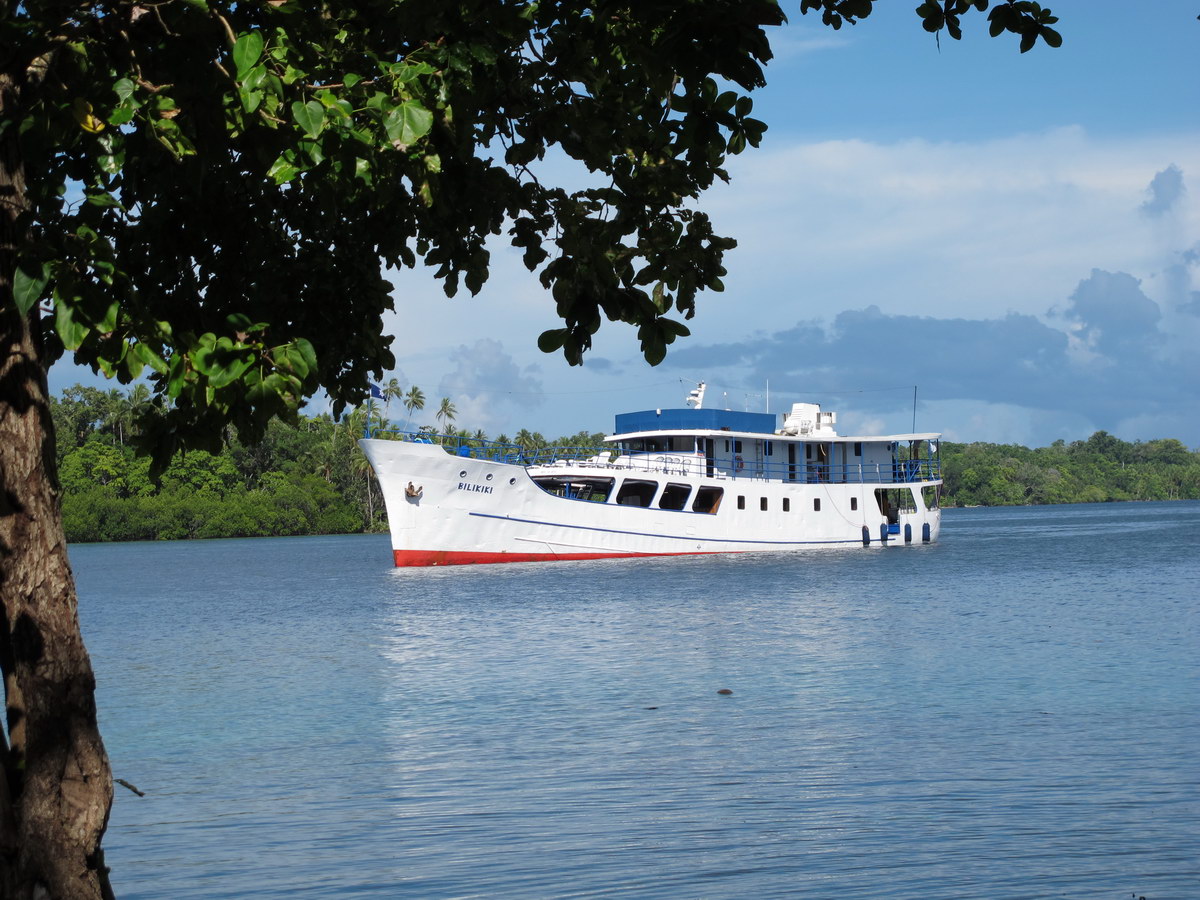
Emperor Bilikiki
Solomon Islands
20 guests38 m
$561/day
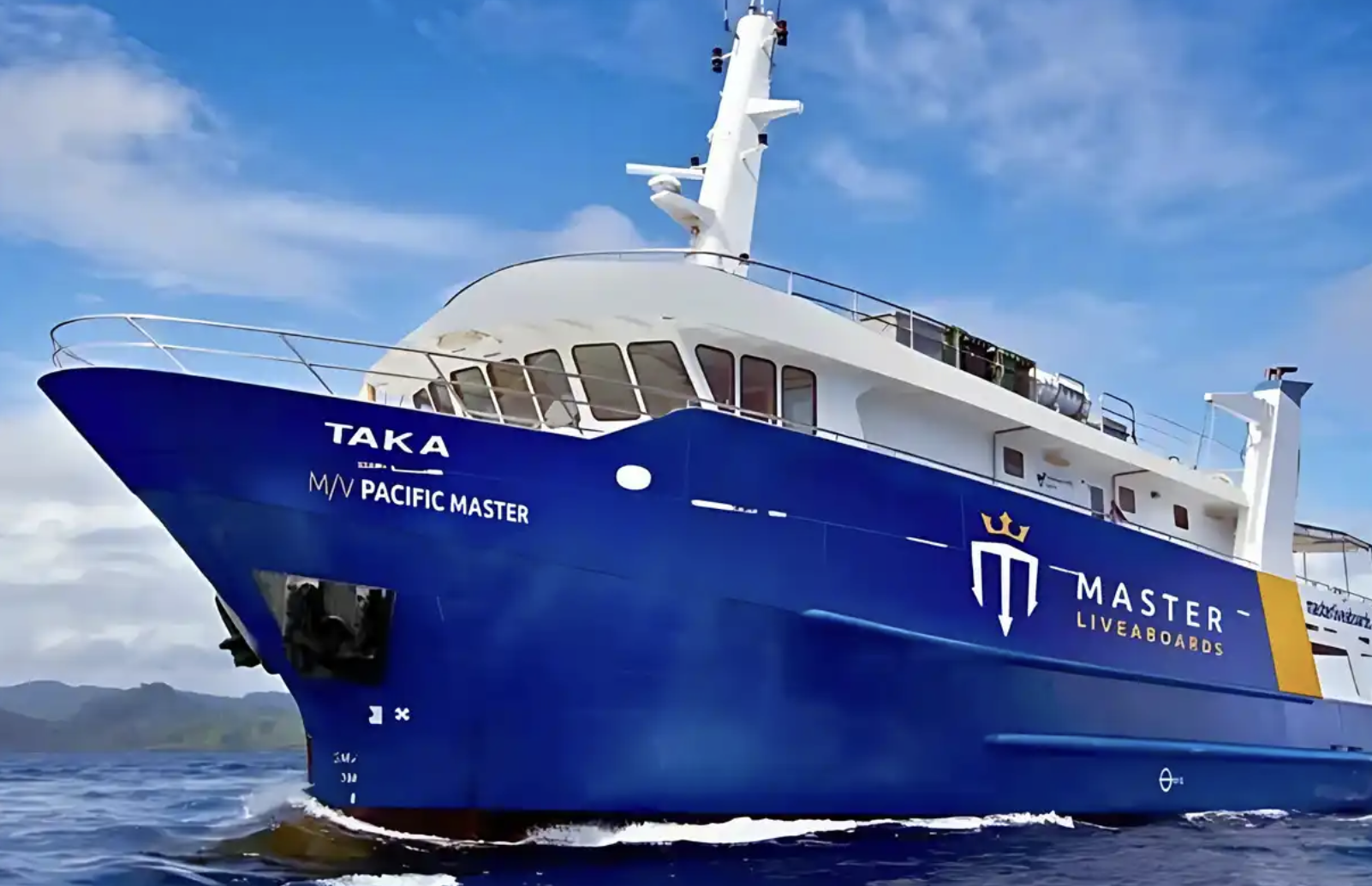
Pacific Master
Solomon Islands
20 guests30 m
$268/day
Dive sites similar to Tetepare - South Wall
Same character, same waters — six more sites divers love for the exact same reasons.Compare seasons, access and liveaboard routes — then pick the site that fits your trip best.
© Esri — Maxar, Earthstar, GIS
Karumolun Point
Solomon Islands
Karumolun Point, nestled in the Russell Islands, stands as a prime example of the Solomon Islands' untouched marine beauty.
- Suitable for
- Advanced
- Current
- Strong
- Access
- Liveaboard only
- Depth
- 8–35 m
- Theme
- Pinnacle / Wall
© Esri — Maxar, Earthstar, GIS
Mary Island
Solomon Islands
Mary Island, often referred to as Mary's Island, is a celebrated dive destination in the Solomon Islands, renowned for its pristine marine environment and abundant large marine life.
- Suitable for
- Intermediate
- Current
- Mild
- Access
- Liveaboard only
- Depth
- 5–35 m
- Theme
- Wall
Kuabs, situated off Munda in the Solomon Islands' Western Province, presents a captivating sloping reef wall dive.
- Suitable for
- Intermediate
- Current
- No current
- Access
- Dayboat
- Depth
- —
- Theme
- Reef / Wall
© Esri — Maxar, Earthstar, GIS
Tulagi - Twin Tunnels
Solomon Islands
The Twin Tunnels dive site is situated on a seamount approximately one kilometer southeast of Tulagi Island in the Solomon Islands.
- Suitable for
- Advanced
- Current
- Moderate
- Access
- Liveaboard only
- Depth
- 8–22 m
- Theme
- Cave & cavern / Seamount
Top Shelf is an exhilarating deep coral shelf dive site located off Munda in the Western Province of the Solomon Islands.
- Suitable for
- Beginner
- Current
- Strong
- Access
- Liveaboard only
- Depth
- 3–12 m
- Theme
- Reef / Wall
© Esri — Maxar, Earthstar, GIS
Gatokae - Kavalapu
Solomon Islands
Gatokae - Kavalapu is a prime dive site situated off Gatokae Island within the Solomon Islands' Western Province.
- Suitable for
- Intermediate
- Current
- Strong
- Access
- Liveaboard only
- Depth
- 5–30 m
- Theme
- Wall