About Mary Island
Mary Island, often referred to as Mary's Island, is a celebrated dive destination in the Solomon Islands, renowned for its pristine marine environment and abundant large marine life. Unlike many sites, an entire day of diving is frequently dedicated to exploring its rich waters, making it a focal point for liveaboard itineraries in the region. Its remote location contributes to its unspoiled nature, free from the pressures of overfishing or extensive diving tourism, ensuring a vibrant and healthy ecosystem. The topography around Mary Island is characterized by flourishing reefs and diverse underwater structures that attract a remarkable concentration of pelagic species. While specific depth ranges for Mary Island itself are not always detailed, Solomon Islands diving generally offers excellent marine life between 6 and 24 meters, allowing for extended bottom times. The island's surrounding waters are a magnet for schooling fish and larger predators. Divers at Mary Island can expect to encounter an array of significant marine creatures, including numerous reef sharks, vast schools of jacks and barracuda, and occasional sightings of tuna. Bumphead parrotfish are commonly observed, and lucky divers might spot a Napoleon wrasse. The diverse fish life is a testament to the healthy coral gardens and nutrient-rich currents that define this site. Typically, diving at Mary Island is conducted from tenders launched from liveaboards. This allows for flexible entry and exit points, with the tender often waiting to pick up divers directly after their ascent. The conditions are generally easy, with good visibility and often mild currents, though specific points like "Barracuda Point" highlight areas where exhilarating currents can create impressive fish aggregations, making for dynamic wide-angle photographic opportunities.
Highlights
Abundant reef sharksMassive schools of jacksTowering barracuda schoolsFrequent bumphead parrotfishOccasional tuna sightingsVibrant wide-angle photography
Season calendar
Best months to dive here
Jan
Feb
Mar
Apr
May
Jun
Jul
Aug
Sep
Oct
Nov
Dec
Excellent
Good
Dive site facts: Mary Island
- Depth
- 6–24 m (best marine life)
- Typical dive
- 12–25 m, 70–90 min
- Current
- Mild to occasionally dynamic
- Visibility
- 15–30 m
- Water temperature
- 28–30°C
- Entry
- Tender / drift entry
- Level
- Open Water Diver, current experience helpful for specific points
- Dive type
- Reef, pelagic, schooling fish
- Night dive
- Possible
- Region / port
- Western Province
- Coordinates
- -8.35, 157.4
Conditions & Currents
Mary Island often features mild currents, contributing to generally easy diving conditions, though specific areas like Barracuda Point can experience more dynamic flows. Dive planning typically accounts for these currents, allowing divers to drift along with schools of fish. Tenders are commonly used for entry and exit, providing convenient pick-ups and drops to minimize effort against any current.
Marine life & sighting chances

Reef Shark
common
Giant Trevally
common
Barracuda
common
Bumphead Parrotfish
common
Tuna
occasional
Napoleon Wrasse
occasional
Lionfish
common
Cuttlefish
occasional
Green Turtle
occasional
Manta Ray
rareDive profile & how the dive runs
Diving at Mary Island typically begins from a tender, which drops you directly onto the reef. Most dives here focus on exploring the vibrant outer reef slopes and pinnacles, often following the natural contours of the reef. Divers generally descend to depths between 12 to 25 meters to observe the schooling fish and larger pelagics that frequent these areas. You will typically drift along with the mild currents, allowing the ecosystem to unfold before you. Barracuda Point, a prominent feature, is excellent for wide-angle views of swirling fish schools. After an extensive exploration of approximately 70-90 minutes, allowing for long dives in the shallower areas, you will gradually ascend. The safety stop is usually conducted in the tranquil shallows of the reef, rich with anemones and reef fish, before the tender collects you at your surfacing point.
Underwater photography
Mary Island is a premier destination for wide-angle photography, capturing the dramatic schools of barracuda and jacks, along with numerous reef sharks. A fisheye lens is highly recommended to encompass the vast schools and the expansive reef topography. For individual pelagics like tuna or Napoleon wrasse, a wide-angle zoom lens can also be effective. While macro opportunities are present in the Solomon Islands generally, Mary Island's primary draw is its large marine life, so prioritize wide-angle setups. Ensure your strobes are powered for broad coverage, and maintain excellent buoyancy to avoid disturbing the schooling fish. Be patient and allow the marine life to approach you for the best shots, particularly within the dynamic currents at Barracuda Point.
Combine with nearby dive sites
- Kavachi Submarine Volcano
A unique site known for its active underwater volcano and specific marine life.
- Munda - Shark Point
A renowned site for shark encounters near Munda.
- Leru Cut
Famous for its dramatic light-filled chasm cutting through an island.
- Mirror Pond
A cavern dive surrounded by jungle in the Russell Islands.
Getting there & logistics
Access to Mary Island typically involves liveaboard trips departing from Honiara, the capital of the Solomon Islands. International flights usually arrive at Honiara International Airport (HIR). Most liveaboard itineraries range from 7 to 10 days, allowing ample time to explore remote sites like Mary Island and surrounding areas. Permit and park fees are generally included in liveaboard packages, as Mary Island is often part of a broader itinerary encompassing the Western Province and other significant dive regions. Liveaboards are the most practical and recommended way to visit this and other remote, pristine dive sites, offering comfortable accommodation and travel between locations, often during meals or overnight.
Safety & environment
The nearest recompression chamber is located in Honiara, emphasizing the importance of proper dive planning and conservative profiles. In case of a medical emergency, evacuation can be complex and time-consuming, primarily relying on liveaboard tenders and local transport to reach medical facilities. Therefore, comprehensive dive insurance that covers emergency medical treatment and evacuation is essential for all divers. Site-specific hazards at Mary Island are minimal beyond typical diving risks, but strong currents can occasionally occur, especially at points like Barracuda Point, requiring divers to be attentive to their dive guide's instructions and maintain good buoyancy control. Always dive within your training limits and stay hydrated in the tropical climate.
Who it suits — and who it doesn't
Suited for
- Experienced Open Water Divers comfortable with boat entries
- Underwater photographers seeking pelagic and schooling fish action
- Divers interested in pristine, remote reef environments
- Those who enjoy drift diving and observing large marine life
- Liveaboard enthusiasts looking for off-the-beaten-path destinations
Less suited for
- Absolute beginner divers with no current experience
- Divers prone to seasickness on liveaboards
- Those exclusively seeking macro subjects without interest in wide-angle scenes
- Travelers expecting resort-based diving with daily transfers
- Individuals with limited patience for potentially long travel days
FAQ
Mary Island FAQ
What kind of marine life can I expect at Mary Island?
Mary Island is renowned for its large marine life encounters. Divers frequently see numerous reef sharks, massive schools of jacks, and impressive barracuda formations. You can also spot bumphead parrotfish and, occasionally, tuna or Napoleon wrasse, making it an exciting site for pelagic enthusiasts.
Is Mary Island suitable for beginners?
Mary Island is generally suitable for Open Water Divers who are comfortable with boat entries and potentially mild currents. While conditions are often easy, some areas like Barracuda Point can have dynamic currents. Divers should have some experience to fully enjoy the site, but it is not exclusively for advanced divers.
What is the best way to dive Mary Island?
The best way to dive Mary Island is via a liveaboard cruise, as it is a remote site. Liveaboards typically depart from Honiara and include Mary Island in their extended itineraries, often dedicating a full day to exploring its various dive spots. This offers the most convenient and comprehensive diving experience.
What camera gear is recommended for Mary Island?
For Mary Island, wide-angle photography gear is highly recommended due to the abundance of schooling fish and pelagic species. A fisheye lens is ideal for capturing the vast schools of jacks and barracuda. While macro subjects exist in the Solomon Islands, Mary Island's main appeal lies in its grand, sweeping underwater vistas.
Are there strong currents at Mary Island?
Currents at Mary Island are generally mild, contributing to relatively easy diving conditions. However, specific areas, such as Barracuda Point, can experience more dynamic currents that create impressive aggregations of schooling fish. Dive guides typically plan dives to leverage these currents for an enjoyable drift.
Why dive Mary Island from a liveaboard?
Mary Island is one of Solomon Islands's signature dive sites. A liveaboard sleeps you on the water and puts you in the water for three to four guided dives per day, including dawn and night dives that day-boat operators rarely offer. You skip the daily commute back to port and reach quieter, less-crowded sites in the same region on a single trip.
Below are the liveaboards that include Mary Island on their Solomon Islands itineraries.
Liveaboards diving Mary Island
These liveaboards may visit Mary Island on selected itineraries — the exact dive sites depend on departure, weather and conditions.
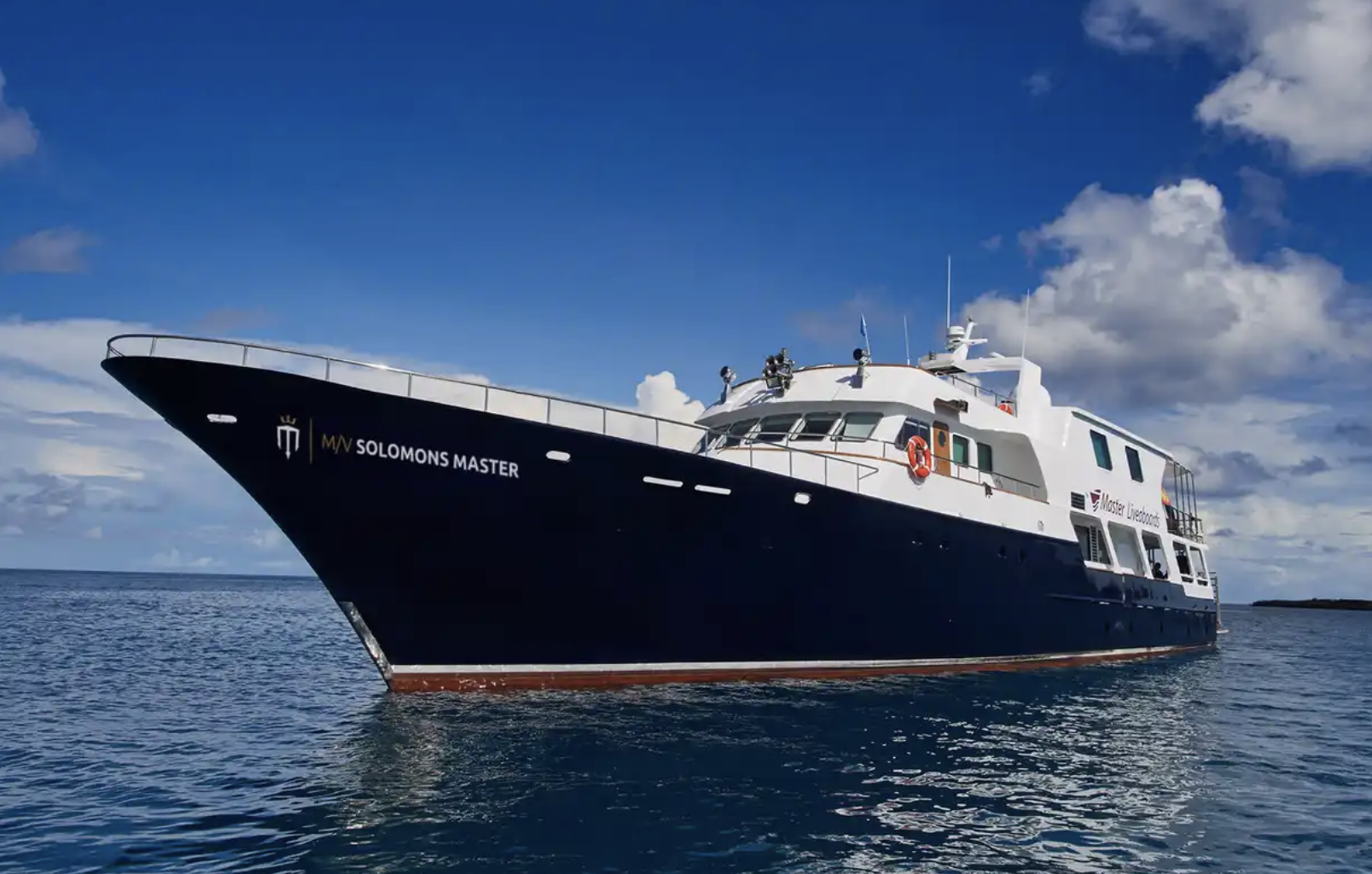
Solomons Master
Solomon Islands
16 guests
$401/day
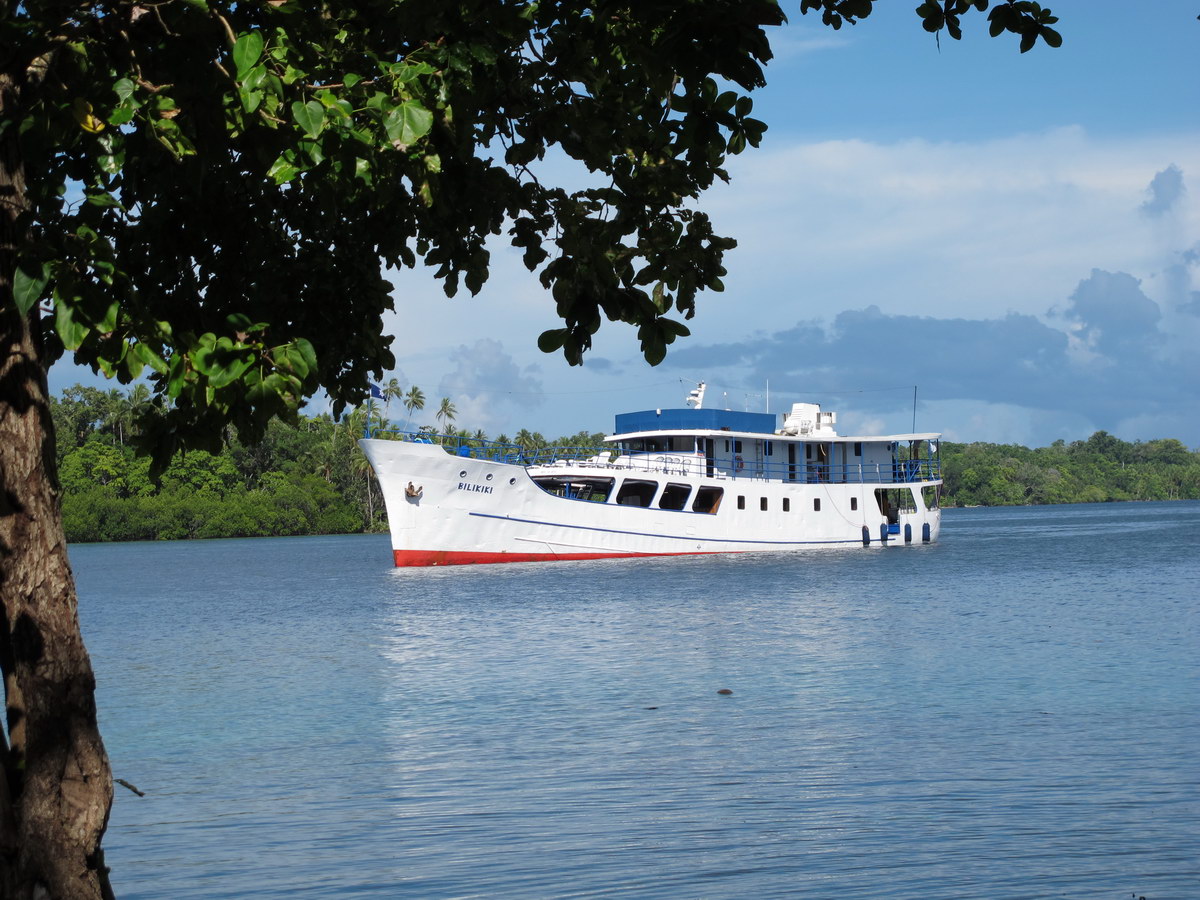
Emperor Bilikiki
Solomon Islands
20 guests38 m
$561/day
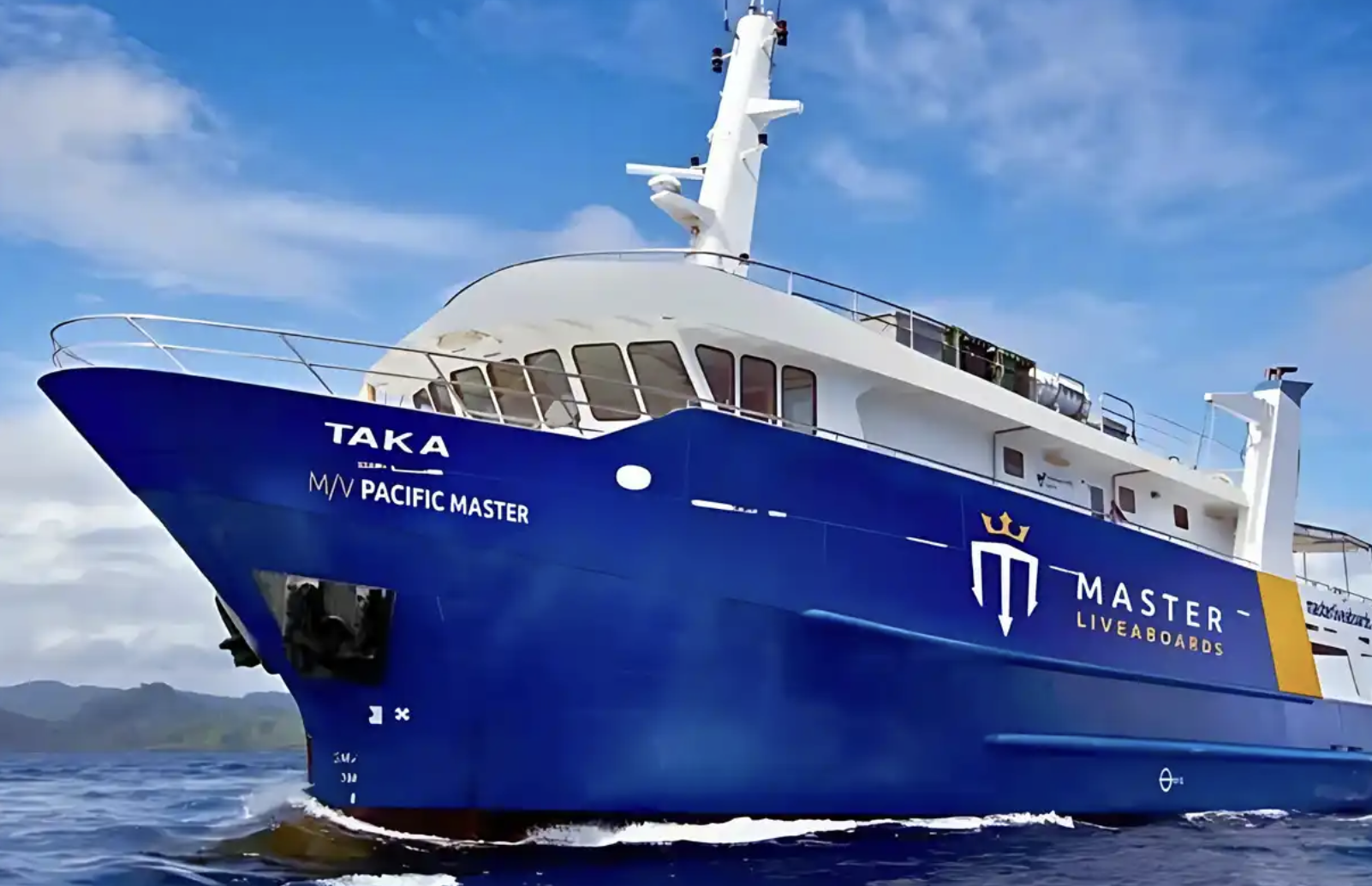
Pacific Master
Solomon Islands
20 guests30 m
$268/day
Dive sites similar to Mary Island
Same character, same waters — six more sites divers love for the exact same reasons.Compare seasons, access and liveaboard routes — then pick the site that fits your trip best.
© Esri — Maxar, Earthstar, GIS
Karumolun Point
Solomon Islands
Karumolun Point, nestled in the Russell Islands, stands as a prime example of the Solomon Islands' untouched marine beauty.
- Suitable for
- Advanced
- Current
- Strong
- Access
- Liveaboard only
- Depth
- 8–35 m
- Theme
- Pinnacle / Wall
Kuabs, situated off Munda in the Solomon Islands' Western Province, presents a captivating sloping reef wall dive.
- Suitable for
- Intermediate
- Current
- No current
- Access
- Dayboat
- Depth
- —
- Theme
- Reef / Wall
© Esri — Maxar, Earthstar, GIS
Tetepare - South Wall
Solomon Islands
Tetepare - South Wall showcases the untouched beauty of Tetepare, the Southern Hemisphere's largest uninhabited tropical island.
- Suitable for
- Advanced
- Current
- Strong
- Access
- Liveaboard only
- Depth
- 5–50 m
- Theme
- Wall
© Esri — Maxar, Earthstar, GIS
Tulagi - Twin Tunnels
Solomon Islands
The Twin Tunnels dive site is situated on a seamount approximately one kilometer southeast of Tulagi Island in the Solomon Islands.
- Suitable for
- Advanced
- Current
- Moderate
- Access
- Liveaboard only
- Depth
- 8–22 m
- Theme
- Cave & cavern / Seamount
Top Shelf is an exhilarating deep coral shelf dive site located off Munda in the Western Province of the Solomon Islands.
- Suitable for
- Beginner
- Current
- Strong
- Access
- Liveaboard only
- Depth
- 3–12 m
- Theme
- Reef / Wall
© Esri — Maxar, Earthstar, GIS
Gatokae - Kavalapu
Solomon Islands
Gatokae - Kavalapu is a prime dive site situated off Gatokae Island within the Solomon Islands' Western Province.
- Suitable for
- Intermediate
- Current
- Strong
- Access
- Liveaboard only
- Depth
- 5–30 m
- Theme
- Wall