About Leru Cut
Leru Cut is a celebrated dive site within the Russell Islands group, renowned for its dramatic geological formation: a narrow canyon slicing deep into Leru Island. This creates an unparalleled dive experience as you navigate through a fissure where bright tropical waters meet darker, light-filtered walls. The site offers a distinctive contrast, transitioning from an open reef environment to a cathedral-like passage, making it a visual spectacle that stands out in underwater photography. The topography transitions from an outer reef slope, often frequented by reef sharks, into the cut itself. Inside, the environment is calm and serene, with a shallow sandy bottom reflecting light upwards, enhancing visibility and creating ethereal lighting effects. The walls are adorned with soft corals and various reef fish, creating a vibrant backdrop to the natural light show. The maximum depth within the cut is relatively shallow, but the outer reef can extend deeper. The marine life at Leru Cut primarily consists of reef fish and soft corals lining the canyon walls. Occasional reef sharks can be seen patrolling the deeper waters outside the cut. The true highlight, however, is the immersive experience of the geological feature itself and the interplay of light. This site is suitable for divers who appreciate unique underwater landscapes and photogenic opportunities. Liveaboard operators often schedule dives here to coincide with optimal sunlight angles, maximizing the visual impact. Good buoyancy control is essential to navigate the confined spaces without disturbing sediment or contacting the rock formations, ensuring a pristine experience for all divers.
Highlights
Dramatic underwater canyonStunning light beamsUnique geological formationCathedral-like passageSoft coral adorned wallsCalm, surreal atmosphere
Season calendar
Best months to dive here
Jan
Feb
Mar
Apr
May
Jun
Jul
Aug
Sep
Oct
Nov
Dec
Excellent
Dive site facts: Leru Cut
- Depth
- Surface to shallow, outer reef deeper
- Typical dive
- Varies by route, focus on light play and canyon exploration
- Current
- Mild to negligible inside, mild on outer reef
- Visibility
- 15–30 m
- Water temperature
- 28–30°C
- Entry
- Tender
- Level
- Open Water Diver, good buoyancy recommended
- Dive type
- Cavern, scenic, light effects
- Night dive
- Not typical
- Region / port
- Russell Islands
- Coordinates
- -8.3333, 157.4167
Conditions & Currents
Diving conditions within Leru Cut are generally very easy, characterized by mild to negligible currents inside the narrow passage. This calm environment is ideal for focusing on the unique geological features and light play. However, the outer reef slope leading to the cut may experience mild currents, which liveaboard operators typically plan around to minimize swimming effort. Visibility is generally excellent, often ranging from 15 to 30 meters, though localized conditions can vary. Divers should maintain excellent buoyancy control to avoid disturbing the sandy bottom or brushing against the canyon walls, preserving the pristine nature of the site. Entries are typically from tenders, allowing for precise placement into the dive area.
Marine life & sighting chances
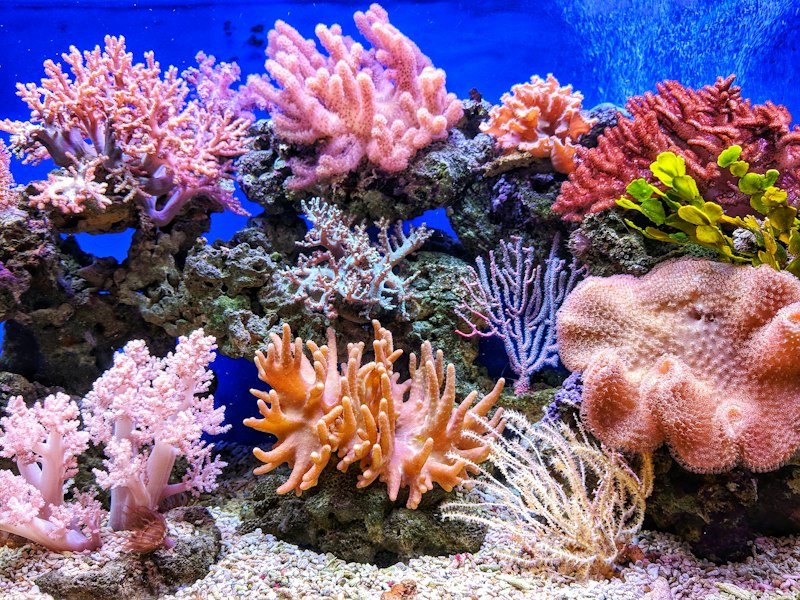
Soft Corals
Year-round · common
Reef Fish
Year-round · common
Reef Sharks
Year-round · occasional
Barracuda
Year-round · occasional
Trevally
Year-round · occasional
Nudibranchs
Year-round · occasional
Fusiliers
Year-round · occasionalDive profile & how the dive runs
Your dive at Leru Cut typically begins along the vibrant outer reef slope. You will then enter the narrow chasm, which gradually deepens as you proceed. The route guides you through a stunning natural passage, where beams of sunlight penetrate the jungle canopy above, illuminating the water column. The dive culminates as you surface within the island itself, surrounded by towering trees and dangling vines, before re-submerging to complete your dive. The safety stop is often conducted within the shallower, well-lit sections of the cut or along the outer reef, allowing for ample time to enjoy the ambient light and remaining marine life.
Underwater photography
Leru Cut offers exceptional wide-angle photography opportunities, especially for capturing the dramatic light beams piercing through the jungle canopy into the water. A fisheye lens is highly recommended to encompass the grand scale of the cut and the interplay of light and shadow. Natural light photography is often sufficient within the illuminated sections, but strobes can enhance the colors of the soft corals lining the walls and bring out details in darker areas. Buoyancy control is paramount to avoid stirring up sediment or contacting the fragile coral and rock formations, ensuring clear shots and preserving the environment. Be mindful of fellow divers in the confined spaces to capture unobstructed views of this unique site.
Combine with nearby dive sites
- Mirror Pond
Another stunning cavern dive with jungle surroundings and light beams.
- Twin Tunnels
Volcanic lava tubes leading to a deep reef wall with abundant marine life.
- Mary Island
Known for large schools of barracuda, jacks, and reef sharks.
- White Beach WWII Dump Site
Historical site with military relics now serving as artificial reefs.
Getting there & logistics
Access to Leru Cut is primarily via liveaboard vessels departing from Honiara, the capital of the Solomon Islands. Direct international flights to Honiara (HIR) are available from Brisbane, Australia, and Nadi, Fiji. Liveaboard trips typically range from 7 to 14 days, with Leru Cut often featuring as a highlight in itineraries exploring the Russell and Florida Islands. There are no specific park fees mentioned for Leru Cut itself, but liveaboard packages usually include all diving, meals, and accommodation. Traveling by liveaboard is the most effective way to reach this remote site and other scattered dive locations across the archipelago.
Safety & environment
Diving in the Solomon Islands requires careful safety planning due to the remote nature of many dive sites. The nearest recompression chamber is located approximately 1,500 miles away in Townsville, Australia. In the event of a dive emergency, an evacuation process involves a helicopter to Honiara, followed by a specially equipped KingAir turboprop to Townsville, a journey that can take five or more hours. Therefore, comprehensive dive accident insurance, such as DAN, is strongly advised. While Leru Cut itself is relatively shallow and calm, good buoyancy control is essential within the confined spaces to prevent accidents or disturbing the delicate environment. Always follow your dive guide's instructions, especially regarding entry and exit procedures from tenders.
Who it suits — and who it doesn't
Suited for
- Underwater photographers seeking unique light effects
- Divers interested in geological formations and caverns
- Liveaboard enthusiasts
- Divers with good buoyancy control
- Those who appreciate calm, scenic dives
Less suited for
- Divers new to overhead environments
- Individuals prone to claustrophobia
- Those seeking solely pelagic action
- Divers uncomfortable with remote travel
FAQ
Leru Cut FAQ
What makes Leru Cut a unique dive site?
Leru Cut is unique due to its geological formation: a narrow canyon slicing into Leru Island. Divers swim through this natural chasm, experiencing dramatic light beams that penetrate the jungle canopy above, creating a cathedral-like underwater environment. This interplay of light and natural rock formations sets it apart from typical reef dives.
What marine life can I expect to see in Leru Cut?
While Leru Cut is primarily known for its stunning topography and light effects, you will encounter soft corals and various reef fish clinging to its walls. Outside the cut, on the outer reef slope, occasional reef sharks, barracuda, and schools of trevally may be spotted. The focus here is more on the unique environment rather than abundant large marine animals.
Is Leru Cut suitable for all diving levels?
Leru Cut is generally accessible to certified Open Water Divers. However, good buoyancy control is highly recommended due to the narrow passages and the need to avoid disturbing the sandy bottom or brushing against the walls. It is not a technically challenging dive, but comfort in confined, overhead environments is beneficial.
What kind of photography gear is best for Leru Cut?
For Leru Cut, a wide-angle lens, especially a fisheye, is ideal to capture the grandeur of the canyon and the stunning light beams. While natural light is often sufficient, strobes can help bring out the colors of the corals and details in darker areas. Practicing excellent buoyancy will ensure you get clear shots without stirring up sediment.
How do I get to Leru Cut?
Leru Cut is best accessed via liveaboard diving trips in the Solomon Islands. These trips typically depart from Honiara, which is reachable by international flights from Australia and Fiji. Liveaboards provide the logistics to visit this and other remote dive sites across the Russell and Florida Islands.
Why dive Leru Cut from a liveaboard?
Leru Cut is one of Solomon Islands's signature dive sites. A liveaboard sleeps you on the water and puts you in the water for three to four guided dives per day, including dawn and night dives that day-boat operators rarely offer. You skip the daily commute back to port and reach quieter, less-crowded sites in the same region on a single trip.
Below are the liveaboards that include Leru Cut on their Solomon Islands itineraries.
Liveaboards diving Leru Cut
These liveaboards may visit Leru Cut on selected itineraries — the exact dive sites depend on departure, weather and conditions.
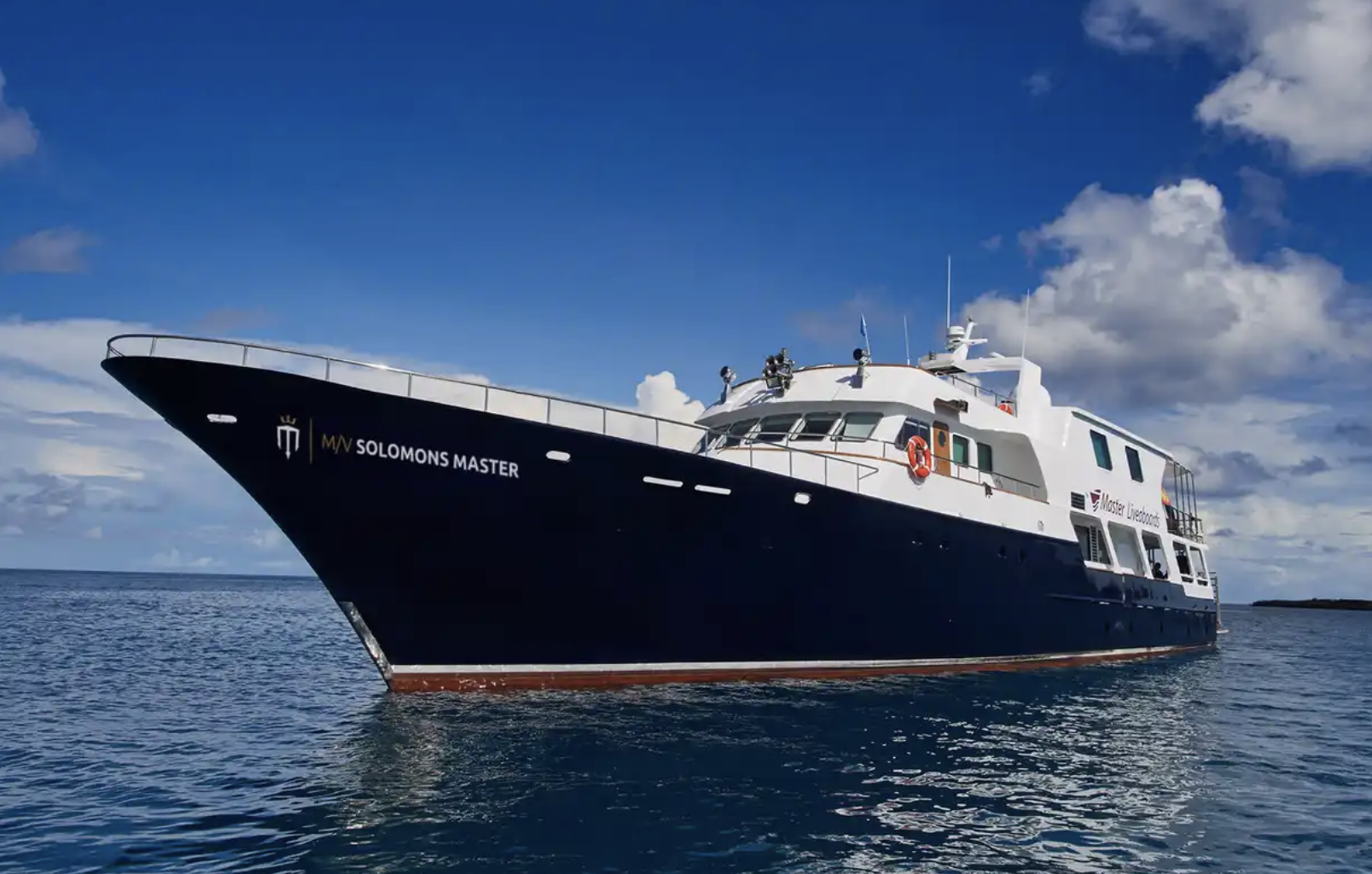
Solomons Master
Solomon Islands
16 guests
$401/day
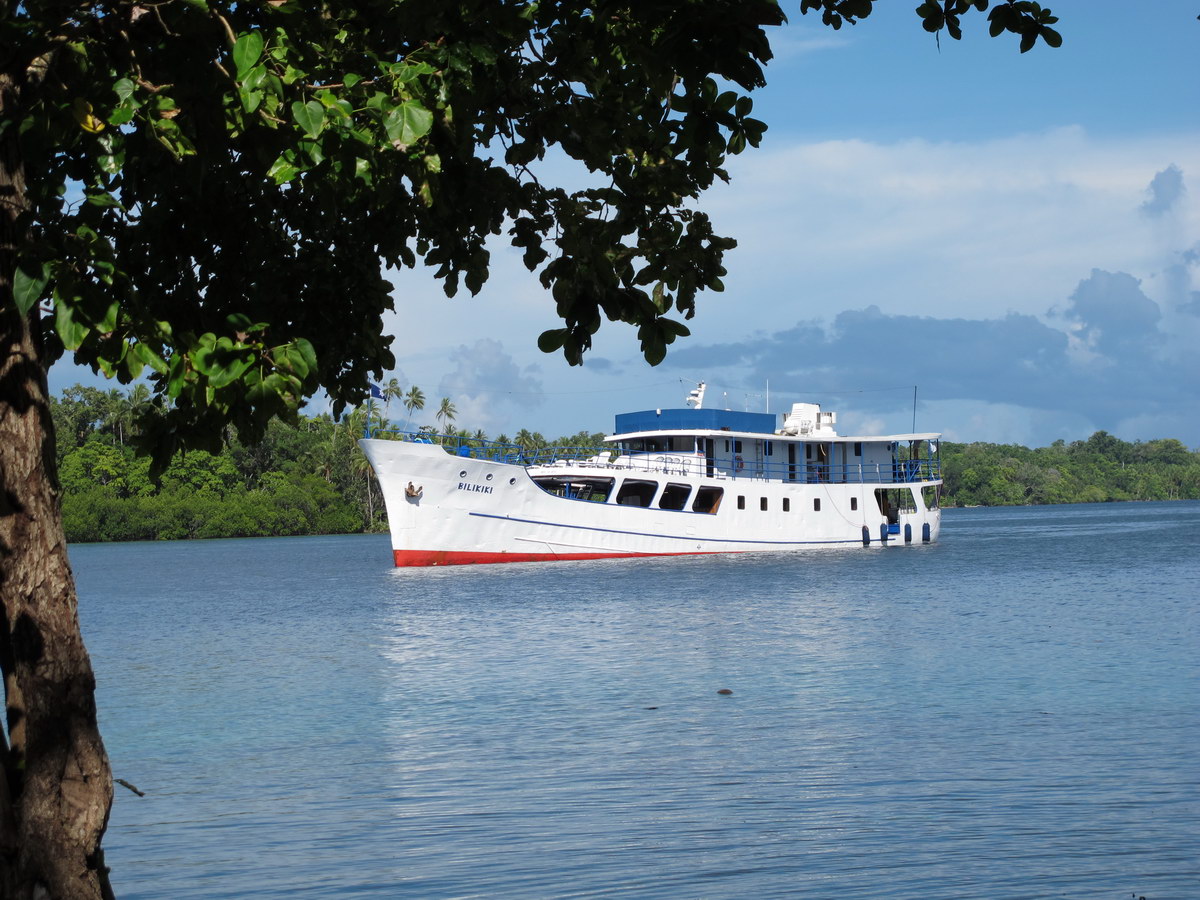
Emperor Bilikiki
Solomon Islands
20 guests38 m
$561/day
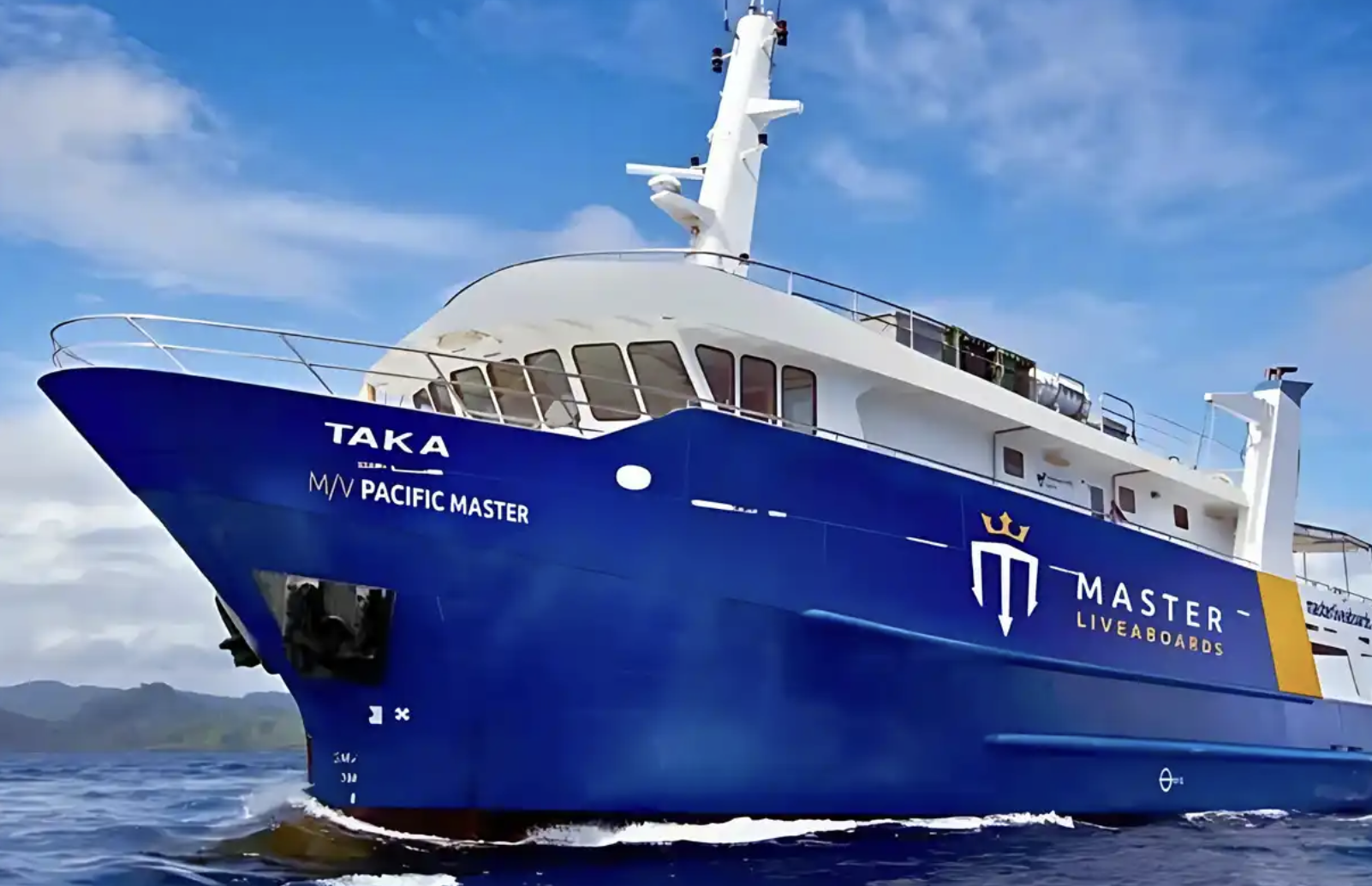
Pacific Master
Solomon Islands
20 guests30 m
$268/day
Dive sites similar to Leru Cut
Same character, same waters — six more sites divers love for the exact same reasons.Compare seasons, access and liveaboard routes — then pick the site that fits your trip best.
© Esri — Maxar, Earthstar, GIS
Karumolun Point
Solomon Islands
Karumolun Point, nestled in the Russell Islands, stands as a prime example of the Solomon Islands' untouched marine beauty.
- Suitable for
- Advanced
- Current
- Strong
- Access
- Liveaboard only
- Depth
- 8–35 m
- Theme
- Pinnacle / Wall
© Esri — Maxar, Earthstar, GIS
Mary Island
Solomon Islands
Mary Island, often referred to as Mary's Island, is a celebrated dive destination in the Solomon Islands, renowned for its pristine marine environment and abundant large marine life.
- Suitable for
- Intermediate
- Current
- Mild
- Access
- Liveaboard only
- Depth
- 5–35 m
- Theme
- Wall
© Esri — Maxar, Earthstar, GIS
Mirror Pond
Solomon Islands
Mirror Pond is a distinctive cavern dive located within the Russell Islands, known for its captivating jungle-fringed entrance and dramatic underwater topography.
- Suitable for
- Intermediate
- Current
- Mild
- Access
- Liveaboard only
- Depth
- 3–10 m
- Theme
- Cave & cavern
Kuabs, situated off Munda in the Solomon Islands' Western Province, presents a captivating sloping reef wall dive.
- Suitable for
- Intermediate
- Current
- No current
- Access
- Dayboat
- Depth
- —
- Theme
- Reef / Wall
© Esri — Maxar, Earthstar, GIS
Tetepare - South Wall
Solomon Islands
Tetepare - South Wall showcases the untouched beauty of Tetepare, the Southern Hemisphere's largest uninhabited tropical island.
- Suitable for
- Advanced
- Current
- Strong
- Access
- Liveaboard only
- Depth
- 5–50 m
- Theme
- Wall
© Esri — Maxar, Earthstar, GIS
Tulagi - Twin Tunnels
Solomon Islands
The Twin Tunnels dive site is situated on a seamount approximately one kilometer southeast of Tulagi Island in the Solomon Islands.
- Suitable for
- Advanced
- Current
- Moderate
- Access
- Liveaboard only
- Depth
- 8–22 m
- Theme
- Cave & cavern / Seamount