About Mirror Pond
Mirror Pond is a distinctive cavern dive located within the Russell Islands, known for its captivating jungle-fringed entrance and dramatic underwater topography. This site offers an immersive experience where light filters through the jungle canopy, illuminating the underwater world within the cavern. It stands out from typical reef or wreck dives, providing a serene and atmospheric environment for exploration. The topography transitions from the surface entry into a cavern system, making it a unique dive type. While depths can vary, the focus here is on the cavern itself and the interplay of light and shadow, rather than extreme depth. The surrounding Russell Islands are also noted for their rich coral growth and diverse reef structures, suggesting a healthy ecosystem extends to this site. While specific marine life details for Mirror Pond are not explicitly detailed, the nutrient-rich waters of the Solomon Islands typically support a diverse ecosystem. Divers can expect a variety of reef fish, invertebrates, and potentially larger pelagic species in the vicinity, as the Russell Islands are known for both macro life and big pelagics. The calm, protected nature of a cavern dive might also attract specific species seeking shelter. Diving Mirror Pond generally involves navigating the cavern and appreciating its unique geological formations and ambient light. The Solomon Islands generally offer warm water temperatures between 27-30°C (82-85°F) year-round, ensuring comfortable conditions. Liveaboard itineraries frequently visit sites in the Russell Islands, making Mirror Pond an accessible and often included highlight on a Solomon Islands diving excursion.
Highlights
Jungle-fringed cavern entranceDramatic underwater cavernUnique light penetrationCalm, atmospheric divingDistinctive topography
Season calendar
Best months to dive here
Jan
Feb
Mar
Apr
May
Jun
Jul
Aug
Sep
Oct
Nov
Dec
Good
Dive site facts: Mirror Pond
- Depth
- 3–10 m
- Current
- Mild to negligible inside cavern
- Visibility
- 40–120 ft (12–36 m) in region
- Water temperature
- 27–30°C (82–85°F)
- Entry
- Boat
- Level
- Open Water Diver
- Dive type
- Cavern, unique topography
- Region / port
- Russell Islands
- Coordinates
- -8.35, 157.4333
Conditions & Currents
Mirror Pond, being a cavern dive, typically features calm or minimal current conditions within its enclosed environment, providing a tranquil diving experience. However, currents can be present in the surrounding Russell Islands, particularly on exposed reefs or passages. Liveaboard operators will assess local conditions, but inside the cavern itself, divers can expect a relatively still water column, ideal for relaxed exploration. Visibility is generally excellent in the Solomon Islands, ranging from 12 to 36 meters (40 to 120 feet), though specific cavern conditions might influence localized visibility due to potential sediment. Water temperatures consistently remain warm, between 27-30°C (82-85°F), throughout the year, removing concerns about thermoclines at typical dive depths for this site.
Marine life & sighting chances

Reef fish variety
commonInvertebrates
common
Sharks
occasional
Barracuda
occasional
Nudibranchs
occasional
Pygmy seahorses
occasional
Turtles
occasionalDive profile & how the dive runs
Your dive at Mirror Pond begins with a surface entry into the serene cavern, often surrounded by jungle. You will descend gently, following the natural contours of the cavern, observing the interplay of light filtering from above. The dive progresses into the more enclosed sections, where ambient light becomes softer. The route is typically guided, allowing for a relaxed exploration of the unique geological formations. The dive will turn around midway, gradually ascending back towards the entry point. The safety stop is conducted at a shallow depth near the cavern entrance, where you can enjoy the final moments of light penetration before exiting.
Underwater photography
Mirror Pond offers a captivating environment for underwater photography, particularly for wide-angle and ambient light shots. A wide-angle lens is essential to capture the dramatic scale of the cavern and the striking light rays penetrating from the jungle above. Consider using strobes sparingly and at low power, or relying entirely on natural light to maintain the ethereal atmosphere; high-powered strobes can easily blow out the highlights. Excellent buoyancy control is paramount to avoid disturbing the silty bottom, which could quickly reduce visibility within the confined space. Look for opportunities to frame divers against the light-filled entrance or highlight the unique rock formations.
Combine with nearby dive sites
Getting there & logistics
Access to Mirror Pond, located in the Russell Islands, typically begins with flights into Honiara International Airport (HIR) on Guadalcanal. From Honiara, divers usually board liveaboards, which then travel to the Russell Islands as part of their itinerary. Popular liveaboards like the Bilikiki and Spirit of the Solomons depart from Honiara. Most liveaboard trips range from 7 to 10 days, combining various sites across the Russell and Florida Islands. There are no specific park fees mentioned for Mirror Pond, as it is generally included as part of a liveaboard package. Local transfers from the airport to the liveaboard departure point are usually arranged by the dive operator.
Safety & environment
Diving in the Solomon Islands, including Mirror Pond, requires a strong emphasis on self-sufficiency and awareness due to the remote nature of the region. The nearest recompression chamber is approximately 1,500 miles away in Townsville, Australia. In a medical emergency requiring recompression, evacuation would involve a helicopter to Honiara, followed by a specialized KingAir turboprop equipped with a small chamber for a five-hour flight to Townsville. This arduous journey underscores the critical importance of dive insurance that covers emergency medical evacuation and treatment. Divers should maintain conservative dive profiles, carry personal safety equipment, and adhere strictly to the dive brief. Cavern diving, while often considered less complex than true cave diving, still requires awareness of overhead environments and good air consumption management.
Who it suits — and who it doesn't
Suited for
- Open Water divers
- Divers seeking unique topographies
- Underwater photographers focusing on ambient light
- Divers comfortable in overhead environments
- Those who appreciate serene and atmospheric dives
Less suited for
- Divers seeking strong current dives
- Beginners without good buoyancy control
- Divers prone to claustrophobia
- Those solely interested in large pelagic encounters
- Divers who prefer deep wreck diving
FAQ
Mirror Pond FAQ
What makes Mirror Pond a unique dive site?
Mirror Pond is unique due to its nature as a dramatic cavern dive surrounded by jungle. The experience is defined by the light filtering through the trees, illuminating the underwater space and creating an ethereal atmosphere. It offers a departure from typical reef or wreck dives with its distinctive topography and serene environment.
What kind of marine life can be seen at Mirror Pond?
While Mirror Pond is primarily known for its unique cavern topography, the surrounding Russell Islands are rich in marine biodiversity. Divers can expect to see various reef fish and invertebrates. Occasional sightings of sharks and barracuda are possible in the general area, and macro life like nudibranchs and pygmy seahorses might be found within the cavern or nearby.
Is Mirror Pond suitable for beginner divers?
Mirror Pond is generally suitable for Open Water certified divers, given its typically calm conditions within the cavern. However, good buoyancy control is crucial to avoid disturbing the silty bottom and to safely navigate the overhead environment. Divers should feel comfortable in enclosed spaces.
What is the best time of year to dive Mirror Pond?
The best time to dive Mirror Pond and the Solomon Islands in general is during the dry season, which runs from April to November. During these months, the seas are calmer, leading to better visibility and more comfortable access to dive sites, enhancing the overall diving experience.
What kind of camera gear is best for Mirror Pond?
For photography at Mirror Pond, a wide-angle lens is highly recommended to capture the expansive cavern and the dramatic light rays. Divers should consider shooting with ambient light or using strobes sparingly to maintain the natural, atmospheric feel. Excellent buoyancy is essential to keep the water clear for photography.
Why dive Mirror Pond from a liveaboard?
Mirror Pond is one of Solomon Islands's signature dive sites. A liveaboard sleeps you on the water and puts you in the water for three to four guided dives per day, including dawn and night dives that day-boat operators rarely offer. You skip the daily commute back to port and reach quieter, less-crowded sites in the same region on a single trip.
Below are the liveaboards that include Mirror Pond on their Solomon Islands itineraries.
Liveaboards diving Mirror Pond
These liveaboards may visit Mirror Pond on selected itineraries — the exact dive sites depend on departure, weather and conditions.
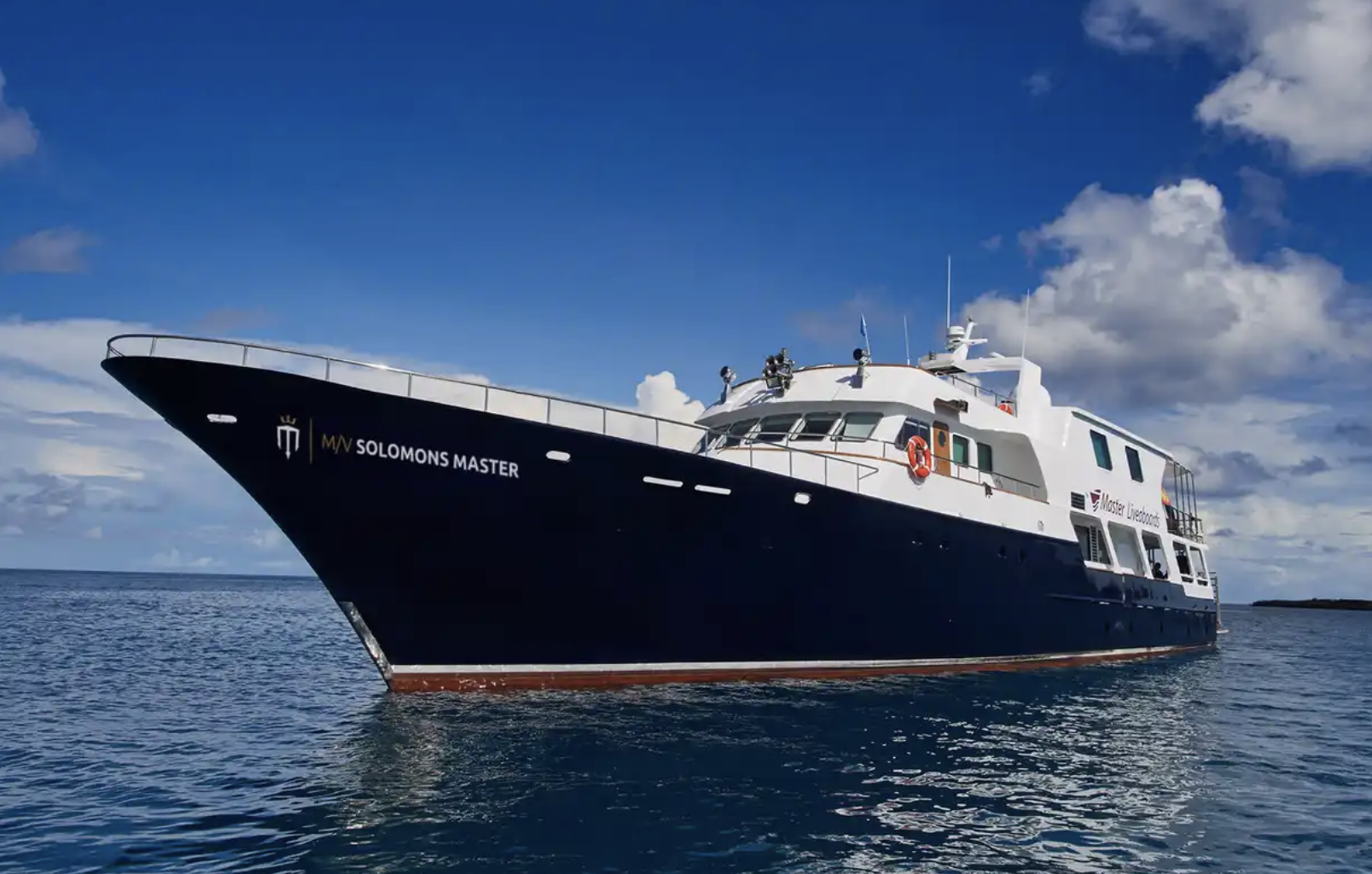
Solomons Master
Solomon Islands
16 guests
$401/day
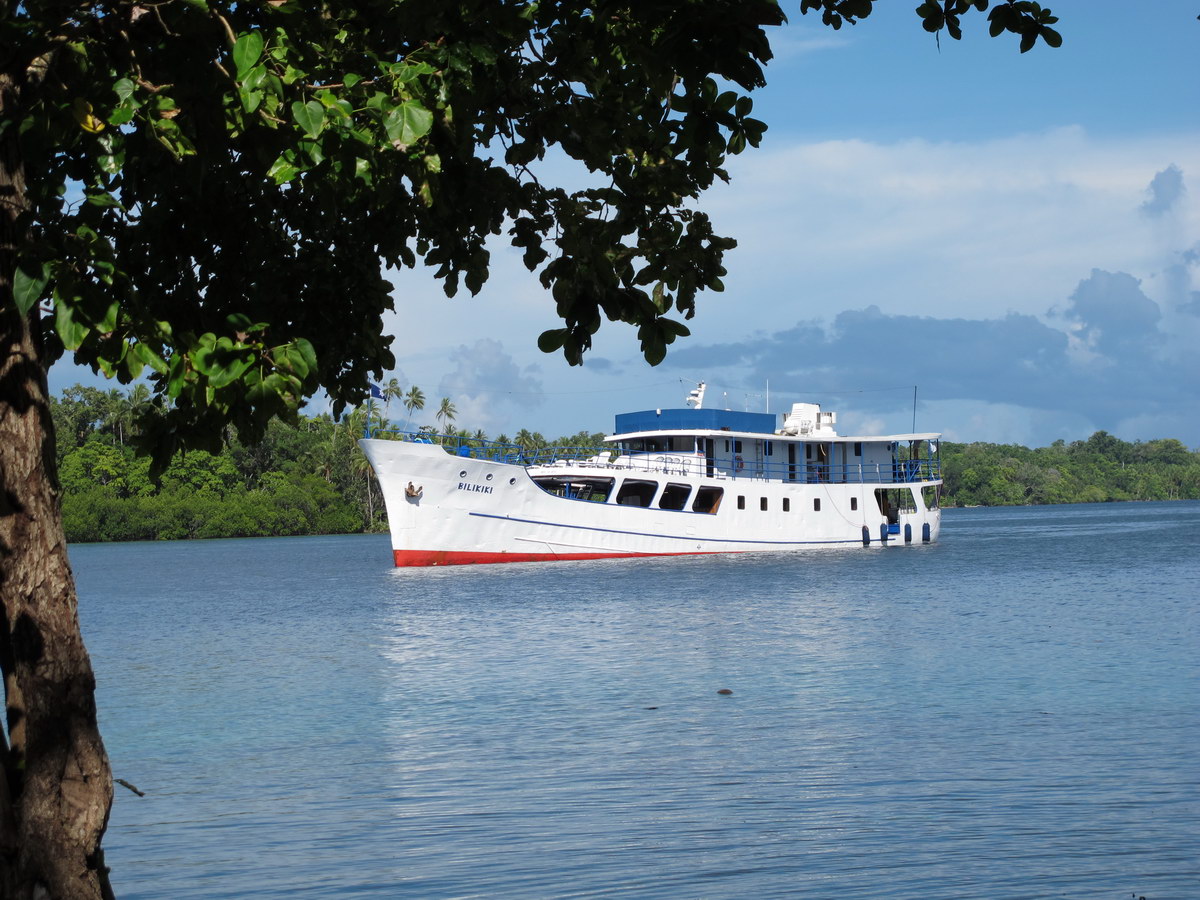
Emperor Bilikiki
Solomon Islands
20 guests38 m
$561/day
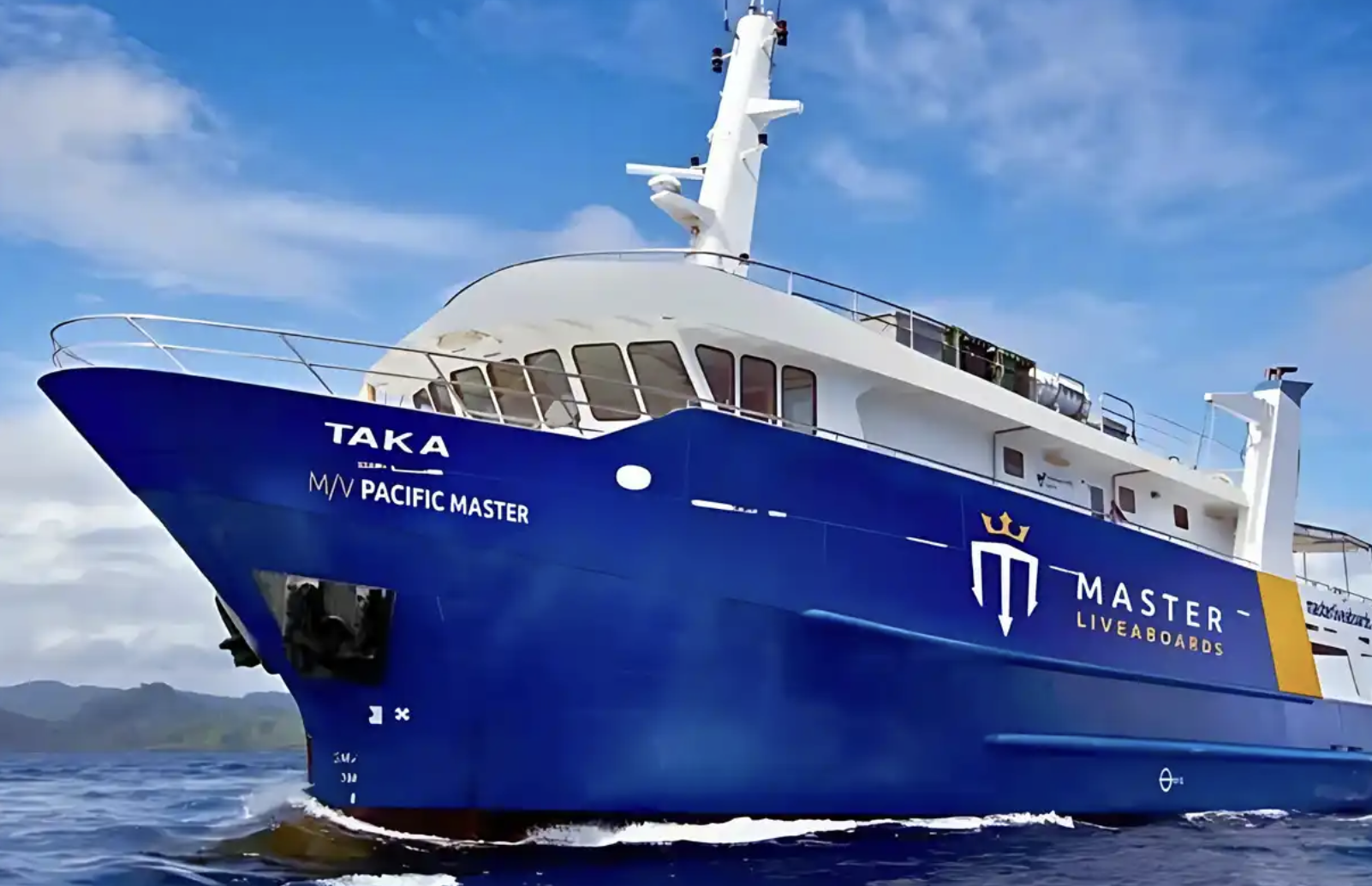
Pacific Master
Solomon Islands
20 guests30 m
$268/day
Dive sites similar to Mirror Pond
Same character, same waters — six more sites divers love for the exact same reasons.Compare seasons, access and liveaboard routes — then pick the site that fits your trip best.
© Esri — Maxar, Earthstar, GIS
Tulagi - Twin Tunnels
Solomon Islands
The Twin Tunnels dive site is situated on a seamount approximately one kilometer southeast of Tulagi Island in the Solomon Islands.
- Suitable for
- Advanced
- Current
- Moderate
- Access
- Liveaboard only
- Depth
- 8–22 m
- Theme
- Cave & cavern / Seamount
Leru Cut is a celebrated dive site within the Russell Islands group, renowned for its dramatic geological formation: a narrow canyon slicing deep into Leru Island.
- Suitable for
- Intermediate
- Current
- Mild
- Access
- Liveaboard only
- Depth
- 3–15 m
- Theme
- Cave & cavern / Wall
© Esri — Maxar, Earthstar, GIS
Rennell Island - Lake Tegano
Solomon Islands
Lake Tegano, located on Rennell Island in the Solomon Islands, stands out as the world's largest raised coral atoll lake and holds prestigious UNESCO World Heritage status.
- Suitable for
- Expert
- Current
- No current
- Access
- Liveaboard only
- Depth
- 5–25 m
- Theme
- Cave & cavern
© Esri — Maxar, Earthstar, GIS
Custom House Reef
Solomon Islands
Custom House Reef in the Solomon Islands is a highly regarded dive site, notable for its exceptional biodiversity and healthy coral ecosystems.
- Suitable for
- Beginner
- Current
- Mild
- Access
- Liveaboard only
- Depth
- 3–15 m
- Theme
- Cave & cavern / Reef
© Esri — Maxar, Earthstar, GIS
Russel Islands - Langa Langa
Solomon Islands
The Russell Islands, nestled in the Solomon Islands archipelago, offer an unparalleled dive experience characterized by diverse underwater landscapes and a rich historical past.
- Suitable for
- Advanced
- Current
- Strong
- Access
- Liveaboard only
- Depth
- 10–35 m
- Theme
- Cave & cavern / Reef
© Esri — Maxar, Earthstar, GIS
Bonegi I & II
Solomon Islands
Bonegi I (Hirokawa Maru) and Bonegi II (Kinugawa Maru) are two Japanese transport ships resting off Guadalcanal's northwestern coast, approximately 12 kilometers west of Honiara.
- Suitable for
- Intermediate
- Current
- Mild
- Access
- Shore / dayboat
- Depth
- 3–55 m
- Theme
- Wreck