About Karumolun Point
Karumolun Point, nestled in the Russell Islands, stands as a prime example of the Solomon Islands' untouched marine beauty. This dive site benefits from a five-year fishing and collecting ban enacted by the local chief, creating a thriving marine protected area where marine life flourishes undisturbed. Divers can explore a spectacular sheer wall and a deep peninsula adorned with an explosion of soft corals and sponges. The topography transitions from a vibrant shallow reef to a dramatic drop-off, providing diverse habitats for a wide array of creatures. The nutrient-rich waters circulating around the point attract both schooling fish and larger pelagics, making each dive an unpredictable and exciting experience. The health of the hard corals here is notable, contributing to a rich ecosystem. Marine life encounters range from common reef inhabitants to impressive schooling barracuda and trevallies, often patrolled by various shark species. The site also offers exceptional opportunities for macro enthusiasts, with cryptic creatures hiding among the corals and on the reef slopes. Eagle rays are occasional visitors, gliding gracefully through the blue. Diving at Karumolun Point is typically conducted from liveaboards, which manage the logistics of reaching this somewhat remote location. The generally mild currents and excellent visibility, combined with the pristine condition of the reef, ensure an immersive and rewarding underwater adventure for divers of varying experience levels.
Highlights
Community-protected marine areaSheer wall and deep peninsulaAbundant soft corals and spongesSchooling barracudas and trevalliesWhite-tip and black-tip sharksExceptional macro life diversityOccasional eagle ray sightings
Season calendar
Best months to dive here
Jan
Feb
Mar
Apr
May
Jun
Jul
Aug
Sep
Oct
Nov
Dec
Excellent
Good
Dive site facts: Karumolun Point
- Depth
- 5–30+ m
- Typical dive
- 12–25 m, 50–60 min
- Current
- Mild to moderate
- Visibility
- 20–30 m
- Water temperature
- 28–30°C / 80–86°F
- Entry
- Liveaboard tender / drift
- Level
- Open Water Diver
- Dive type
- Wall, drift, pelagic, macro
- Night dive
- Possible
- Region / port
- Russell Islands / Central Province
- Coordinates
- -9.12, 160.2
Conditions & Currents
Karumolun Point experiences generally mild currents, which are often utilized for drift diving, allowing divers to effortlessly glide along the impressive wall. Dive plans are typically arranged to minimize swimming against the current, ensuring a comfortable experience for most divers. Visibility is consistently excellent, often exceeding 20 meters, though occasional variations can occur without a predictable seasonal cycle. Due to the site's exposure as a point, surge can sometimes be present, particularly near the surface or during stronger conditions, which liveaboard tenders account for during entry and exit procedures. The prevailing conditions typically allow for relaxed dives, making it accessible even for those with moderate current experience.
Marine life & sighting chances

White-tip reef shark
common
Black-tip reef shark
common
Barracuda
common
Trevallies (Jacks)
common
Eagle ray
occasional
Disco clam (Electric file shell)
occasional
Nudibranchs
common
Cuttlefish
occasional
Crocodile fish
occasional
Ghost pipefish
occasional
Schooling reef fish
common
Anemonefish
common
Snapper
common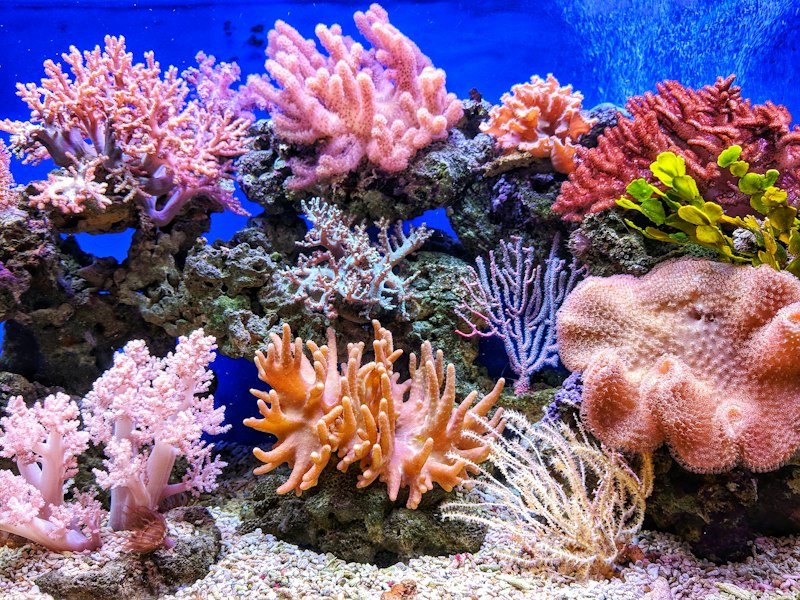
Soft corals
commonDive profile & how the dive runs
Dives at Karumolun Point typically begin with a tender drop close to the point, often initiating a gentle drift along the sheer wall. Descending, you will follow the contours of the reef, exploring depths between 12 and 25 meters where the soft corals and sponges are most vibrant. The route usually continues around the point itself, where stronger currents might be encountered, attracting schooling barracuda and trevallies, and offering sightings of reef sharks. After rounding the point, the dive often transitions to a shallower section of the reef or a sandy slope, providing excellent macro opportunities and extending bottom time. The turn point is determined by air consumption and no-decompression limits, with the safety stop commonly performed over the reef crest in shallower, calmer waters, before surfacing for tender pickup.
Underwater photography
Karumolun Point presents a unique dilemma for underwater photographers, as both wide-angle and macro opportunities abound. For wide-angle shots, consider a fisheye or rectilinear lens to capture the grandeur of the sheer wall, the dense soft coral gardens, and schools of pelagics. Strobes are essential to bring out the vibrant colors of the corals and fish against the blue. For macro photography, a 60mm or 100mm lens will be ideal for capturing the intricate details of nudibranchs, ghost pipefish, and crocodile fish that hide among the corals. Excellent buoyancy control is critical to avoid damaging the pristine corals and to maintain stable shots in varying currents. Given the clear water, natural light can be effective for some wide-angle compositions, but strobes will provide crucial fill and enhance color saturation.
Combine with nearby dive sites
- White Beach
WWII wreck and macro site with submerged trucks and jeeps.
- Leru Cut
A stunning 100m chasm with dramatic light beams and vibrant wall life.
- Mirror Pond
Unique swim-throughs and a wall frequented by pygmy seahorses, plus a shallow coral garden.
- Mbulo Island
Surrounded by diverse dive sites including sloping walls and lava tubes.
- Mary Island
Known for incredible hard corals and massive schools of fish, often with sharks and bumphead parrotfish.
Getting there & logistics
Access to Karumolun Point, located in the remote Russell Islands, is primarily via liveaboard cruises originating from Honiara, the capital of the Solomon Islands. International flights typically arrive at Honiara International Airport (HIR), with connections often made through Brisbane (BNE) or Port Moresby (POM). Liveaboard trips usually range from 7 to 11 nights, offering comprehensive itineraries that explore various dive sites across the Central and sometimes Western Provinces. There are no specific park entry fees for Karumolun Point itself beyond the liveaboard cost, which covers all diving, meals, and accommodations. It's common for itineraries to combine the Russell Islands with the Florida Islands and sections of the Marovo Lagoon, providing a diverse mix of reef, wall, and wreck diving experiences. Guests embark and disembark directly from the Coral Sea Resort in Honiara.
Safety & environment
Diving in the Solomon Islands, including Karumolun Point, is generally safe due to experienced liveaboard operators, but divers should be aware of remote conditions. The nearest recompression chamber is located in Honiara, approximately 3-4 hours away by speedboat from the Russell Islands. In case of a serious diving emergency, evacuation can be complex and time-consuming, potentially involving multiple stages of transport. Therefore, comprehensive dive insurance covering emergency evacuation and medical treatment is not merely recommended, but absolutely essential. Divers should maintain good physical fitness, dive within their training limits, and always follow the instructions of their dive guides. While currents are generally mild, proficiency in drift diving techniques is beneficial. Always carry a surface marker buoy (SMB) for safety and efficient tender pickups.
Who it suits — and who it doesn't
Suited for
- Experienced Open Water Divers comfortable with drift diving
- Underwater photographers seeking diverse subjects (macro & wide-angle)
- Divers interested in pristine, protected coral reefs
- Those who appreciate encounters with pelagic species like sharks and barracuda
- Liveaboard enthusiasts looking for remote, uncrowded dive sites
Less suited for
- Absolute beginner divers with no current experience
- Divers preferring shore-based diving with immediate access to facilities
- Those seeking extensive wreck diving as the primary focus (though some wrecks are nearby)
- Individuals sensitive to boat travel in potentially open waters
- Divers expecting constant, large pelagic action on every dive
FAQ
Karumolun Point FAQ
What kind of marine life can I expect at Karumolun Point?
Karumolun Point boasts a rich array of marine life due to its protected status. You can frequently encounter white-tip and black-tip reef sharks, large schools of barracuda and trevallies patrolling the point. The vibrant soft corals host diverse macro life including nudibranchs, ghost pipefish, and crocodile fish, with occasional sightings of eagle rays.
Is Karumolun Point suitable for beginner divers?
Karumolun Point is generally suitable for experienced Open Water Divers who are comfortable with mild to moderate currents. While conditions are often calm, the point can experience some current. Divers without any current experience might find it challenging, but the clear visibility and experienced liveaboard guides help ensure a safe dive for most.
How do I get to Karumolun Point?
Access to Karumolun Point is predominantly via liveaboard cruises departing from Honiara, the capital of the Solomon Islands. After flying into Honiara International Airport, you will typically board your liveaboard, which then transports you to the remote Russell Islands where Karumolun Point is located, as part of a multi-day itinerary.
What are the typical diving conditions at Karumolun Point?
Diving conditions at Karumolun Point are usually excellent, with water temperatures consistently between 28-30°C (80-86°F) and visibility often exceeding 20 meters. Currents range from mild to moderate, making for enjoyable drift dives. The site offers a variety of depths, from shallow reef crests to deeper wall sections.
Are there any specific conservation efforts at Karumolun Point?
Yes, Karumolun Point benefits from a five-year fishing and collecting ban imposed by the local chief of Karumolun Island. This community-driven marine protected area allows the corals and marine life to thrive, contributing to the exceptional health and biodiversity observed by divers at this site.
Why dive Karumolun Point from a liveaboard?
Karumolun Point is one of 's signature dive sites. A liveaboard sleeps you on the water and puts you in the water for three to four guided dives per day, including dawn and night dives that day-boat operators rarely offer. You skip the daily commute back to port and reach quieter, less-crowded sites in the same region on a single trip.
Below are the liveaboards that include Karumolun Point on their itineraries.
Liveaboards diving Karumolun Point
These liveaboards may visit Karumolun Point on selected itineraries — the exact dive sites depend on departure, weather and conditions.
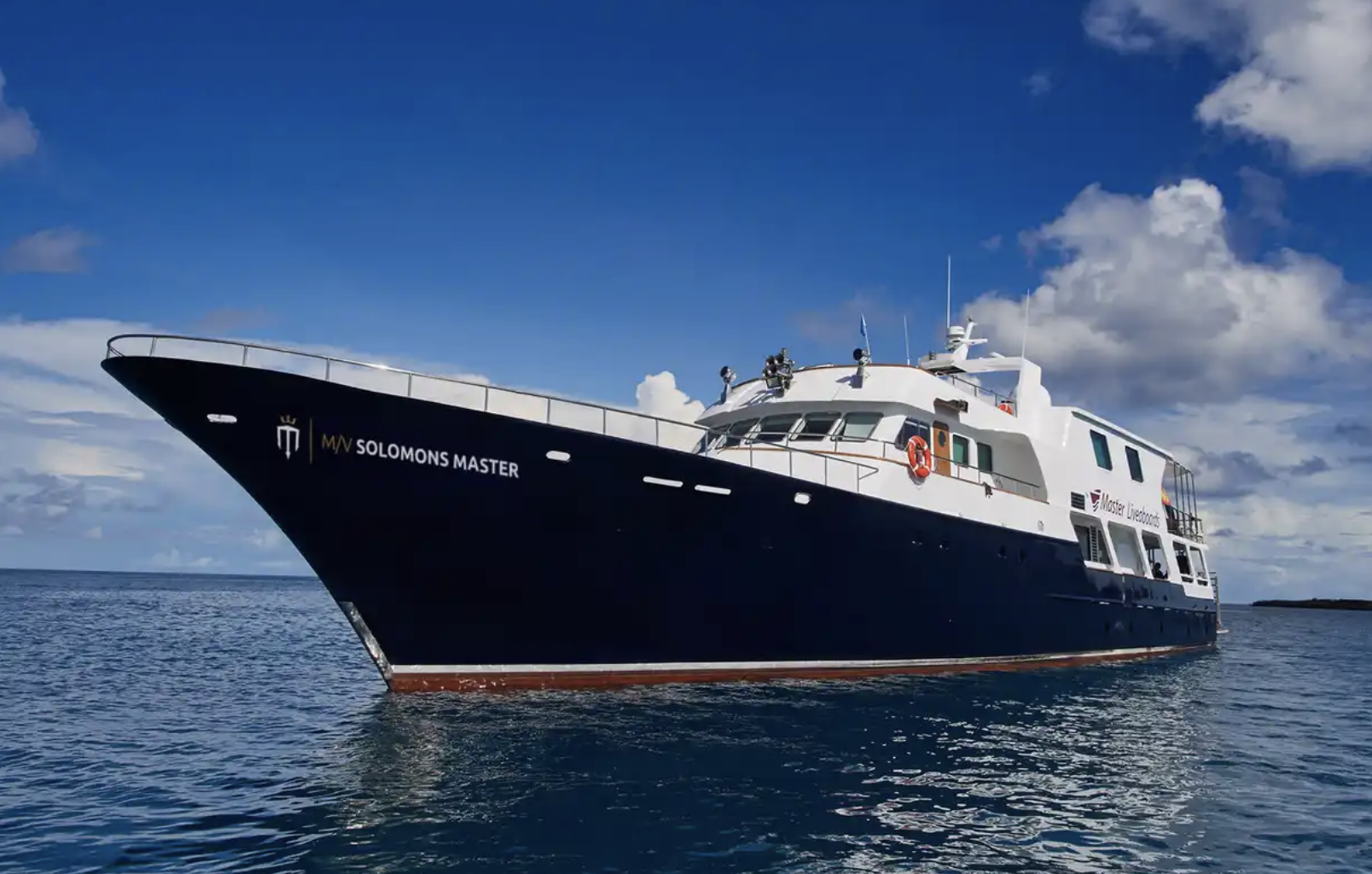
Solomons Master
Solomon Islands
16 guests
$401/day
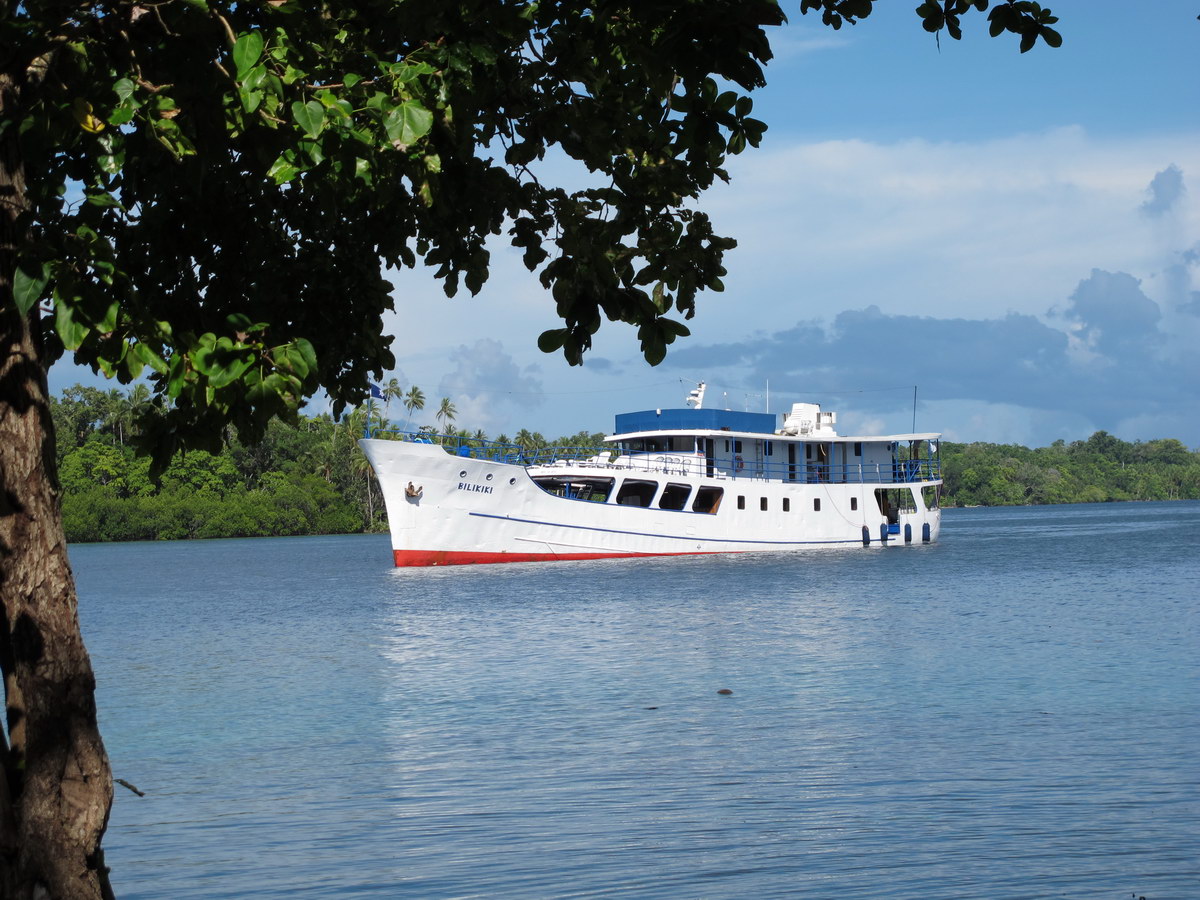
Emperor Bilikiki
Solomon Islands
20 guests38 m
$569/day
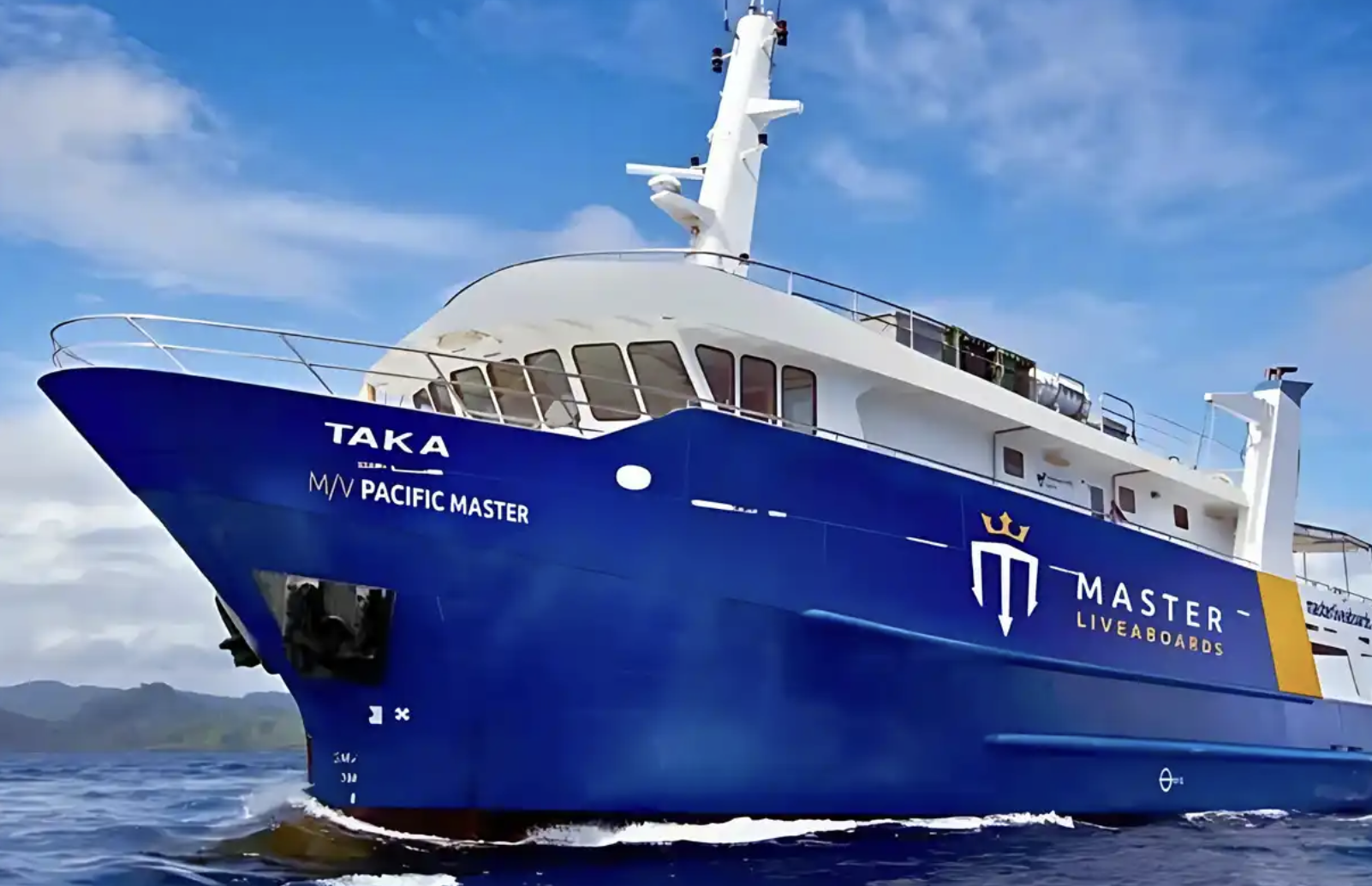
Pacific Master
Solomon Islands
20 guests30 m
$268/day
Dive sites similar to Karumolun Point
Same character, same waters — six more sites divers love for the exact same reasons.Compare seasons, access and liveaboard routes — then pick the site that fits your trip best.
© Esri — Maxar, Earthstar, GIS
Big La Laguna
Philippines
Big La Laguna is a beach community situated on the western edge of the Sabang Peninsula, a popular dive region on Mindoro Island, Philippines.
- Suitable for
- Intermediate
- Current
- Moderate
- Access
- Dayboat
- Depth
- 5–35 m
- Theme
- Reef / Wall
© Esri — Maxar, Earthstar, GIS
Rusa Pinnacle
Alor
Rusa Pinnacle is a challenging yet highly rewarding dive site situated in the Alor archipelago, part of Indonesia's East Nusa Tenggara.
- Suitable for
- Advanced
- Current
- Strong
- Access
- Liveaboard only
- Depth
- 6–30 m
- Theme
- Reef
Lipah Bay is situated on Bali's northeast coast within the Amed area, nestled against the dramatic backdrop of Gunung Agung.
- Suitable for
- Beginner
- Current
- Mild
- Access
- Liveaboard or dayboat
- Depth
- 5–30 m
- Theme
- Reef / Drift
© Esri — Maxar, Earthstar, GIS
Tangked Cave
Bali
Tangked Cave, sometimes referred to as Tangked Taked Shark Cave, is an advanced dive site situated in the open ocean off Bali's southeastern coast.
- Suitable for
- Advanced
- Current
- Moderate
- Access
- Liveaboard or dayboat
- Depth
- 15–40 m
- Theme
- Cave & cavern / Reef
© Esri — Maxar, Earthstar, GIS
Schools Out
Alor
Schools Out in Alor offers divers an exceptional encounter with healthy coral reefs and a rich variety of marine species.
- Suitable for
- Intermediate
- Current
- Mild
- Access
- Liveaboard only
- Depth
- 20–30 m
- Theme
- Reef
© Esri — Maxar, Earthstar, GIS
Batununggul
Bali
Batununggul, also known as Suana or Batumulapan by some operators, is a dynamic wall and sloping reef dive site situated on the eastern side of Nusa Penida, Bali.
- Suitable for
- Advanced
- Current
- Strong
- Access
- Liveaboard or dayboat
- Depth
- 10–40 m
- Theme
- Wall