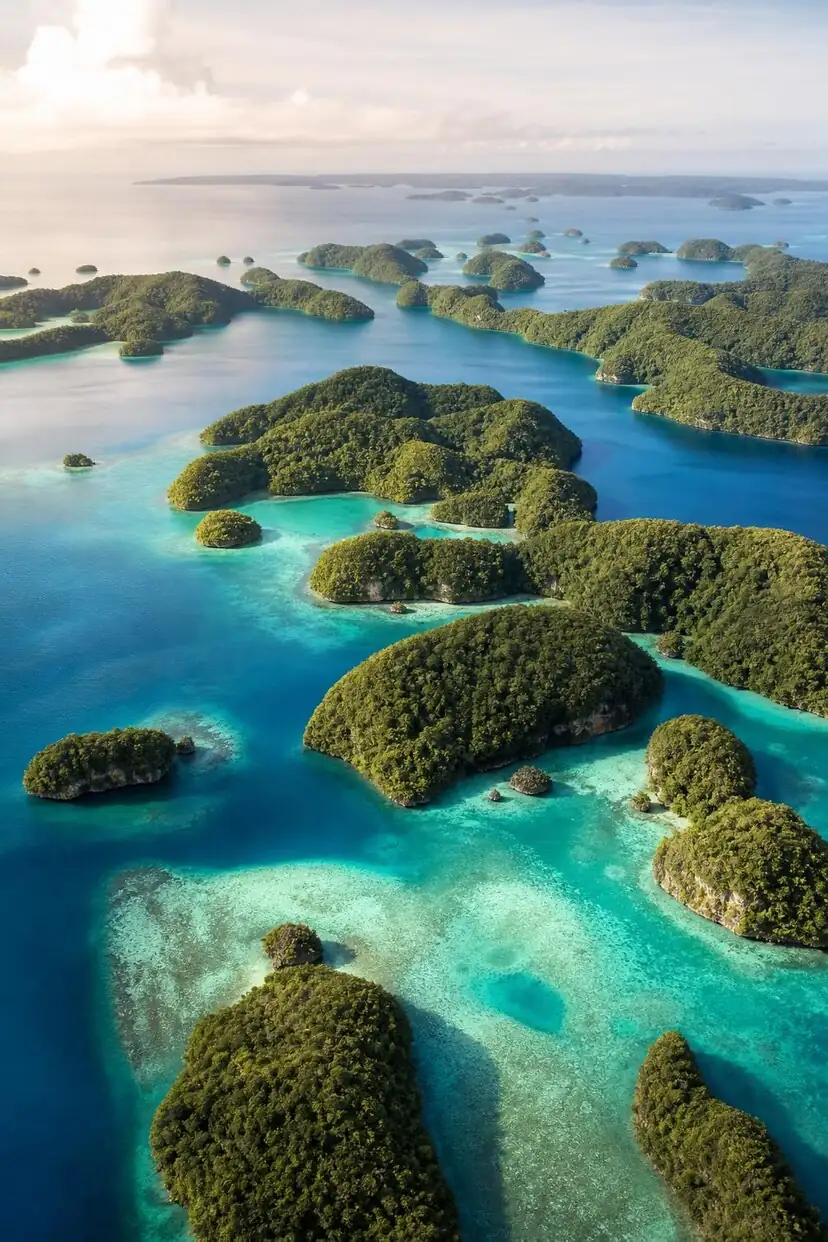
About Atlantis Point
Atlantis Point is a renowned dive site located within the Nosy Be archipelago in Madagascar, celebrated for its dynamic drift diving experience. This area is characterized by its dramatic underwater topography, featuring expansive coral gardens, pinnacles, and walls that plunge into greater depths. The currents here are a defining feature, carrying divers effortlessly along rich ecosystems, making it a prime location for encountering both vibrant reef fish and larger pelagic species. The site's depths typically range from 5 to 40 meters, accommodating various skill levels, though the presence of currents often makes it more appealing to experienced divers. Visibility at Atlantis Point is generally excellent, often extending beyond 30 meters, allowing for spectacular views of the diverse marine life. Water temperatures remain consistently warm, averaging around 28°C for much of the year, creating comfortable diving conditions. Atlantis Point is particularly notable for its rich biodiversity, including numerous species of colorful reef fish, rays, and occasional shark sightings. The currents, while providing an exhilarating dive, also transport nutrients that support a flourishing marine environment, from intricate macro life like nudibranchs and frogfish to schools of larger fish. Diving Atlantis Point typically involves boat entries, with divers descending quickly to catch the prevailing current. The dive profile is designed to maximize the drift experience, allowing divers to cover significant distances along the reef with minimal effort. This makes it an ideal spot for underwater photography, capturing wide-angle shots of the expansive coral landscapes and diverse inhabitants. Dive operators in the Nosy Be region frequently include Atlantis Point in their itineraries, offering guided excursions that prioritize safety and optimal viewing opportunities.
Highlights
Season calendar
Dive site facts: Atlantis Point
- Depth
- 5–40 m
- Current
- Variable, mild to strong
- Visibility
- 10–50 m
- Water temperature
- 25–28°C
- Entry
- Boat / negative entry
- Level
- Advanced recommended, current experience helpful
- Dive type
- Drift, coral reef, pelagic encounters
- Night dive
- Not typical
- Region / port
- Nosy Be, Madagascar
- Coordinates
- -12.94, 48.65
Conditions & Currents
Atlantis Point is known for its variable currents, which can range from mild to strong depending on the specific location and tidal conditions. These currents are a key feature of the site, facilitating exciting drift dives where divers are carried along the reef. Negative entries are often employed to quickly descend below the stronger surface currents, allowing divers to stabilize at depth and maximize their time in the more predictable sub-surface flow. Divers should be prepared for potential downcurrents, and maintaining good buoyancy control is crucial for managing these conditions. Due to the nature of drift diving, clear communication with the dive guide and buddy is essential for entry, navigation, and exit, as the boat will track and pick up divers at their surfacing point. The currents, while exhilarating, necessitate a higher level of experience and preparedness to ensure a sa
Marine life & sighting chances

Nudibranchs
common
Seahorses
occasional
Shrimp
common
Crabs
common
Frogfish
occasional
Parrotfish
common
Anemonefish
common
Scorpionfish
occasional
Eagle Rays
occasional
Manta Rays
April–July, September–November · occasional
Reef Sharks
occasional
Sea Turtles
common
Whale Sharks
September–November · occasional
Humpback Whales
July–September · rareDive profile & how the dive runs
Diving Atlantis Point typically begins with a boat entry, followed by a rapid negative descent to quickly reach the desired depth and catch the prevailing current. Divers will then drift along the reef, observing the vibrant coral formations and marine life that populate the walls and pinnacles. The dive guide will lead the group, utilizing the current to cover significant distances with minimal exertion. Depths can vary, often starting around 10-15 meters and gradually progressing deeper along the reef's contour, sometimes reaching up to 40 meters. The turn point for the dive is determined by air consumption and bottom time, with the ascent initiated as a group. Safety stops are conducted as the current allows, often in shallower, more sheltered areas or as a suspended stop in the blue. The boat will track the divers' bubbles and position itself for a direct pickup upon surfacing.
Underwater photography
Atlantis Point provides diverse opportunities for underwater photography, particularly for wide-angle shots due to the expansive coral reefs and potential for large pelagic encounters. A wide-angle lens is ideal for capturing the grandeur of the drift experience, showcasing the vastness of the reef and schooling fish. For macro enthusiasts, patience and a keen eye are necessary to spot the smaller inhabitants like nudibranchs and frogfish within the currents; a macro lens will be invaluable here. External strobes are recommended to bring out the vibrant colors of the corals and marine life, especially in deeper sections or when shooting against the light. Given the drift conditions, maintaining excellent buoyancy control is paramount to avoid disturbing the delicate ecosystem and to capture steady shots while moving. Photographers should be mindful of their position relative to the current and their buddy, ensuring they don't get separated while focusing on a shot.
Combine with nearby dive sites
- Nosy Tanikely Marine Reserve
A protected marine park with excellent visibility and diverse coral reefs, ideal for all levels.
- Nosy Sakatia Island Reef
Known for calm waters and rich macro life, including seahorses and nudibranchs.
- Nosy Mitsio Pinnacles
Offers pristine coral gardens and opportunities to encounter larger species like whale sharks.
- Nosy Komba Reef
Features healthy coral reefs and a variety of reef fish, suitable for diverse marine encounters.
Getting there & logistics
The primary international gateway to Madagascar is Ivato International Airport (TNR) in Antananarivo. For diving the Nosy Be region, domestic flights connect to Fascene Airport (NOS) in Nosy Be. Most dive trips depart from Nosy Be, offering a mix of land-based resort stays with daily dive excursions or liveaboard options that explore a wider range of sites. Dive packages typically range from 7 to 14 days, often combining Nosy Be diving with other regional highlights. While there are no specific marine park fees for Atlantis Point itself, individual dive operators may include various permits or local fees in their package pricing. It's common for itineraries to bundle Atlantis Point with other nearby sites in the Nosy Be and Mitsio archipelagos.
Safety & environment
Diving at Atlantis Point, particularly with its variable currents, necessitates strict adherence to safety protocols. Divers should possess appropriate certification for drift diving or be accompanied by experienced guides. The nearest recompression chamber is located in Antananarivo, the capital, which underscores the importance of adequate dive insurance covering medical evacuation. Emergency evacuation from Nosy Be can be complex and time-consuming, involving air transport. Divers must maintain excellent buoyancy control, monitor their air supply diligently, and stay in close proximity to their buddy and dive guide. Strong currents can sometimes lead to separation if divers are not vigilant. Prior to diving, ensure all equipment is well-maintained and consider carrying a surface marker buoy (SMB) for easier surface identification by the dive boat.
Who it suits — and who it doesn't
Suited for
- Experienced divers comfortable with currents
- Photographers seeking wide-angle opportunities
- Divers interested in pelagic encounters
- Enthusiasts of vibrant coral reefs
- Those looking for exhilarating drift dives
Less suited for
- Beginner divers without current experience
- Divers with poor buoyancy control
- Individuals prone to seasickness
- Those preferring calm, current-free environments
FAQ
Atlantis Point FAQ
What kind of marine life can I expect at Atlantis Point?
Is Atlantis Point suitable for beginner divers?
What is the visibility like at Atlantis Point?
What are the water temperatures at Atlantis Point?
How do I get to Atlantis Point for diving?
Why dive Atlantis Point from a liveaboard?
Atlantis Point is one of Madagascar's signature dive sites. A liveaboard sleeps you on the water and puts you in the water for three to four guided dives per day, including dawn and night dives that day-boat operators rarely offer. You skip the daily commute back to port and reach quieter, less-crowded sites in the same region on a single trip.
Below are the liveaboards that include Atlantis Point on their Madagascar itineraries.
Dive sites similar to Atlantis Point
Nosy Mitsio Pinnacles
Madagascar
Nosy Mitsio Pinnacles, part of the Mitsio Archipelago in Madagascar, offers a pristine and authentic diving experience far removed from mass tourism.
- Suitable for
- Advanced
- Current
- Strong
- Access
- Liveaboard or dayboat
- Depth
- 12–40 m
- Theme
- Wall
The Wall (Nosy Be)
Madagascar
The Wall in Nosy Be is a renowned dive site characterized by its steep, colorful drop-offs, showcasing the rich biodiversity of Madagascar's underwater world.
- Suitable for
- Advanced
- Current
- Strong
- Access
- Liveaboard or dayboat
- Depth
- 15–30 m
- Theme
- Wall
Russian Bay
Madagascar
Russian Bay is a tranquil dive site nestled off Nosy Be, Madagascar, offering a peaceful underwater escape within a sheltered bay.
- Suitable for
- Beginner
- Current
- Strong
- Access
- Liveaboard or dayboat
- Depth
- 4–16 m
- Theme
- Drift / Reef
Tanikely Canyon
Madagascar
Nosy Tanikely, often called "the island of small land," is an uninhabited islet nestled in the bay of Nosy Be, Madagascar.
- Suitable for
- Intermediate
- Current
- Strong
- Access
- Liveaboard or dayboat
- Depth
- 10–28 m
- Theme
- Reef / Wall
Nosy Sakatia
Madagascar
Nosy Sakatia is a small island located off the northwest coast of Madagascar, forming part of the Nosy Be archipelago.
- Suitable for
- Intermediate
- Current
- Moderate
- Access
- Dayboat
- Depth
- 5–27 m
- Theme
- Reef / Wall
Sakatia Island Reef
Madagascar
Sakatia Island Reef, nestled off Nosy Be, Madagascar, provides a serene underwater retreat within its sheltered bay.
- Suitable for
- Beginner
- Current
- Strong
- Access
- Liveaboard or dayboat
- Depth
- 5–18 m
- Theme
- Drift / Reef