About Gilman Wall
Gilman Wall is one of Yap's premier dive sites, renowned for its spectacular vertical drop-offs and consistent pelagic action. Located on the outer reef, this site plunges dramatically from a shallow reef top into the deep, creating a diverse ecosystem that attracts a wide array of marine life. Divers can expect to explore vibrant hard and soft coral gardens, teeming with reef fish, before venturing into the blue to encounter larger species. The topography is characterized by a sheer wall that begins close to the surface, descending well beyond recreational diving limits. This structure, combined with strong currents, makes it a dynamic environment where divers often find themselves in close proximity to schooling fish and transient pelagics. The shallower sections of the wall are adorned with colorful sponges and anemones, providing shelter for macro life, while the deeper parts are patrolled by sharks and other large predators. Marine life at Gilman Wall is prolific year-round, with regular sightings of sharks, barracudas, and various reef fish. The currents often bring nutrient-rich waters, attracting manta rays, especially during specific tidal conditions, although Yap is famous for manta sightings across many sites. Visibility typically ranges from good to excellent, enhancing the experience of drifting along this impressive underwater landscape. Access to Gilman Wall usually involves a short boat ride from local dive centers, with dive operators often scheduling dives around tidal charts to optimize conditions. Due to the potential for strong currents and its depth, it is best suited for experienced divers comfortable with drift diving techniques. The site offers a truly immersive Micronesian diving adventure, showcasing the raw beauty and biodiversity of the region's reefs.
Highlights
Dramatic vertical drop-offsAbundant pelagic encountersVibrant hard and soft coralsStrong drift currentsShark sightingsSchooling barracuda
Season calendar
Best months to dive here
Jan
Feb
Mar
Apr
May
Jun
Jul
Aug
Sep
Oct
Nov
Dec
Good
Dive site facts: Gilman Wall
- Depth
- 5–40+ m
- Typical dive
- 15–30 m, 45–60 min
- Current
- Strong, drift dependent
- Visibility
- 20–40 m
- Water temperature
- 27–29 °C
- Entry
- Live boat / tender drop
- Level
- Advanced Open Water Diver with current experience
- Dive type
- Wall, drift, pelagic
- Region / port
- Yap, Micronesia
- Coordinates
- 9.52, 138.07
Conditions & Currents
Gilman Wall is known for its strong currents, which can vary significantly with tides and lunar phases. Divers should anticipate drift diving as the primary mode of exploration, often being dropped up-current and picked up down-current. Surge can be present, particularly near the surface and along the wall face, requiring good buoyancy control. Visibility is generally excellent, often exceeding 30 meters, but it can be affected by plankton blooms that currents bring in. These currents, while challenging, are also responsible for attracting the abundant pelagic life found at the site. Divers must be proficient in advanced drift diving techniques and be comfortable in exposed conditions. Dive operators typically plan dives to coincide with optimal tidal conditions to maximize safety and enjoyment, but unprepared divers may find the currents demanding.
Marine life & sighting chances

Manta Ray
Year-round · occasional
White-tip reef shark
Year-round · common
Grey reef shark
Year-round · common
Hawksbill turtle
Year-round · occasional
Barracuda
Year-round · common
Spotted eagle ray
Year-round · occasional
Large schooling jacks
Year-round · common
Tuna
Year-round · occasional
Anthias
Year-round · common
Anemonefish
Year-round · commonDive profile & how the dive runs
Diving Gilman Wall typically begins with a negative entry from the boat directly onto the reef top or along the wall, depending on current conditions. The dive is usually a drift along the impressive vertical wall, allowing divers to observe the diverse marine life and intricate coral formations. You will descend to a maximum depth of around 30 meters, cruising past overhangs and small crevices. The current dictates the pace, carrying you effortlessly along the reef. The turn point is often determined by air consumption or dive time, with ascent planned gradually along the wall's shallower sections. The safety stop is conducted in the blue or near a protected part of the reef, depending on prevailing currents, before surfacing where the dive boat will meet you.
Underwater photography
Gilman Wall is a prime location for wide-angle photography, capturing the dramatic wall topography, schooling fish, and pelagic encounters. A wide-angle lens is essential for showcasing the vastness of the wall and large marine life like sharks and manta rays. For smaller subjects like reef fish and macro life on the coral ledges, a macro lens can be rewarding, but be mindful of strong currents making steady shots challenging. Strobes are highly recommended to bring out the vibrant colors of the corals and fish against the deep blue. Maintain excellent buoyancy control to avoid damaging the delicate corals, especially in stronger currents. Be patient and watch for moments when pelagics approach the wall, using the current to your advantage for positioning.
Combine with nearby dive sites
- Manta Ridge
Renowned for frequent manta ray sightings at cleaning stations.
- Manta Valley
Another excellent site for observing manta rays, especially during specific tidal flows.
- Yap Caverns
Features unique swim-throughs and cave formations with interesting light play.
- Cherry Blossom
A vibrant reef dive with diverse hard and soft corals and abundant reef fish.
- Shark Island
Known for consistent shark encounters, particularly grey and white-tip reef sharks.
Getting there & logistics
To reach Gilman Wall and other dive sites in Yap, international flights typically connect through Guam or Manila to Yap International Airport (YAP). Once on Yap, local dive resorts like Manta Ray Bay Resort provide transfers and operate their own dive centers. Dive packages usually range from 7 to 10 nights, often combining daily boat dives with cultural tours. There are no specific marine park fees for Yap, but diving permits are usually included in resort packages. Given Yap's remote location, combining a trip here with other Micronesian destinations like Palau or Truk Lagoon for a multi-destination dive adventure is common, requiring inter-island flights.
Safety & environment
Yap has limited medical facilities, and the nearest recompression chamber is located in Guam, emphasizing the critical importance of proper dive planning and adherence to dive limits. Divers must have comprehensive travel and dive insurance that covers emergency medical evacuation. Given the potential for strong currents at Gilman Wall, divers should be experienced in drift diving and maintain excellent buoyancy control. Always follow your dive guide's instructions and stay with your group. Dehydration can be a concern in tropical climates; ensure adequate fluid intake before and after dives.
Who it suits — and who it doesn't
Suited for
- Experienced drift divers
- Advanced Open Water certified divers
- Underwater photographers (wide-angle)
- Pelagic enthusiasts
- Divers seeking strong currents
Less suited for
- Beginner divers
- Divers uncomfortable with currents
- Macro-only photographers
- Divers with limited buoyancy control
- Those prone to seasickness
FAQ
Gilman Wall FAQ
What kind of marine life can I expect at Gilman Wall?
Gilman Wall is teeming with pelagic species, including white-tip and grey reef sharks, barracudas, and large schooling jacks. You might also spot manta rays, spotted eagle rays, and various species of tuna. The wall itself hosts a rich array of hard and soft corals, providing habitat for numerous reef fish like anthias and anemonefish.
Are the currents at Gilman Wall very strong?
Yes, Gilman Wall is known for its strong and often unpredictable currents, making it a dynamic drift dive. The current strength can vary with tidal conditions, so it's best suited for experienced divers who are proficient in drift diving techniques. Dive operators carefully plan dives around these currents to ensure the best and safest experience.
What is the visibility like at Gilman Wall?
Visibility at Gilman Wall is generally excellent, often exceeding 20-40 meters (65-130 feet). This clear water allows for breathtaking views of the dramatic wall topography and the abundant marine life. Occasionally, nutrient-rich currents can bring plankton, which might reduce visibility slightly but also attracts more pelagic creatures.
Is Gilman Wall suitable for beginner divers?
No, Gilman Wall is generally not recommended for beginner divers due to its strong currents and the depth of the dive. It is best suited for advanced open water divers with significant experience in drift diving and managing challenging conditions. Good buoyancy control is essential to safely navigate the site.
How do I get to Gilman Wall?
Gilman Wall is accessed by boat from dive operators on Yap. You would first fly internationally to Yap International Airport (YAP), typically connecting via Guam or Manila. Once on Yap, local dive resorts arrange transportation to the dive sites, which are usually a short boat ride away.
Why dive Gilman Wall from a liveaboard?
Gilman Wall is one of Micronesia's signature dive sites. A liveaboard sleeps you on the water and puts you in the water for three to four guided dives per day, including dawn and night dives that day-boat operators rarely offer. You skip the daily commute back to port and reach quieter, less-crowded sites in the same region on a single trip.
Below are the liveaboards that include Gilman Wall on their Micronesia itineraries.
Liveaboards diving Gilman Wall
These liveaboards may visit Gilman Wall on selected itineraries — the exact dive sites depend on departure, weather and conditions.
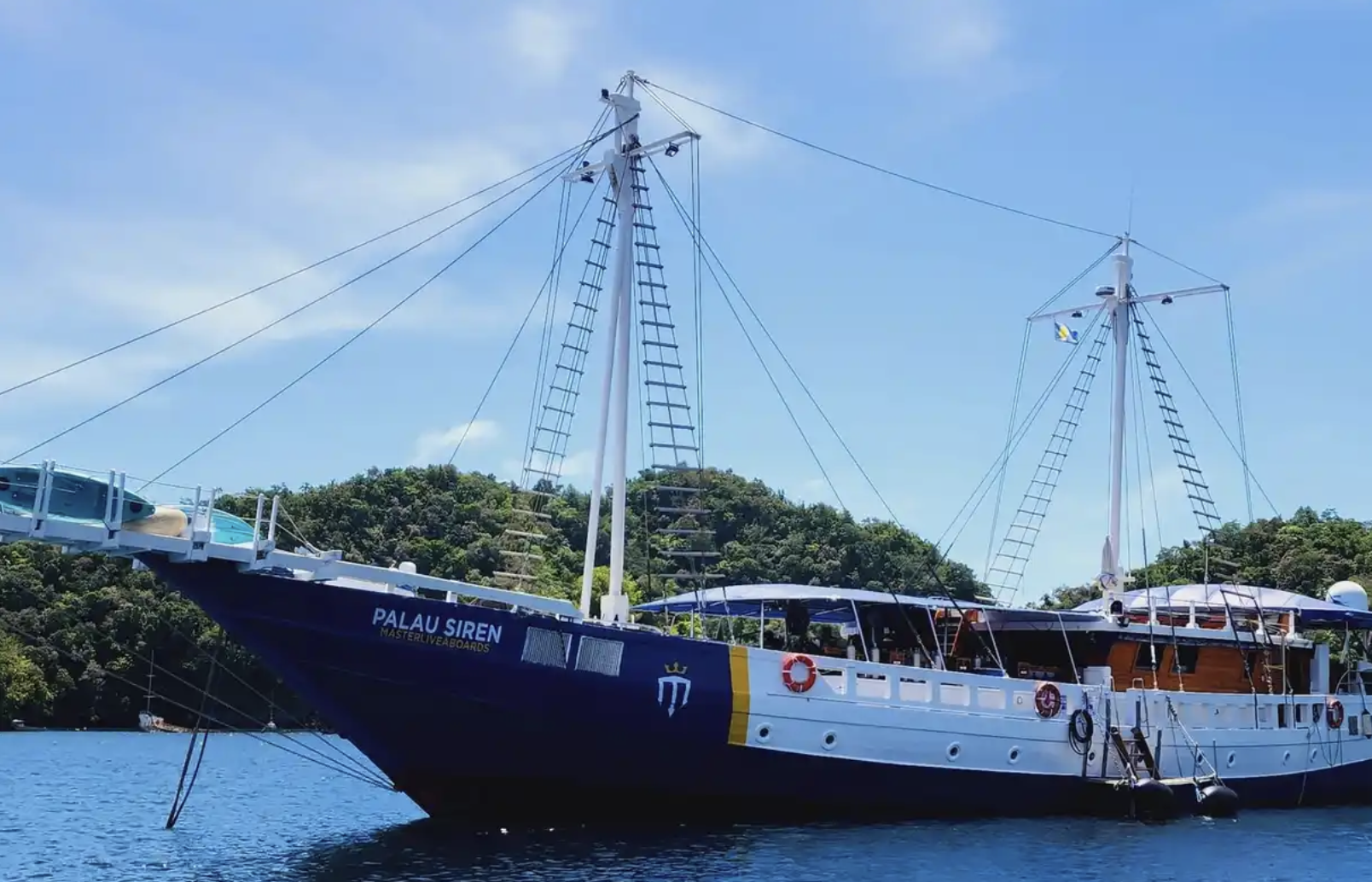
Palau Siren
Micronesia
16 guests
$501/day
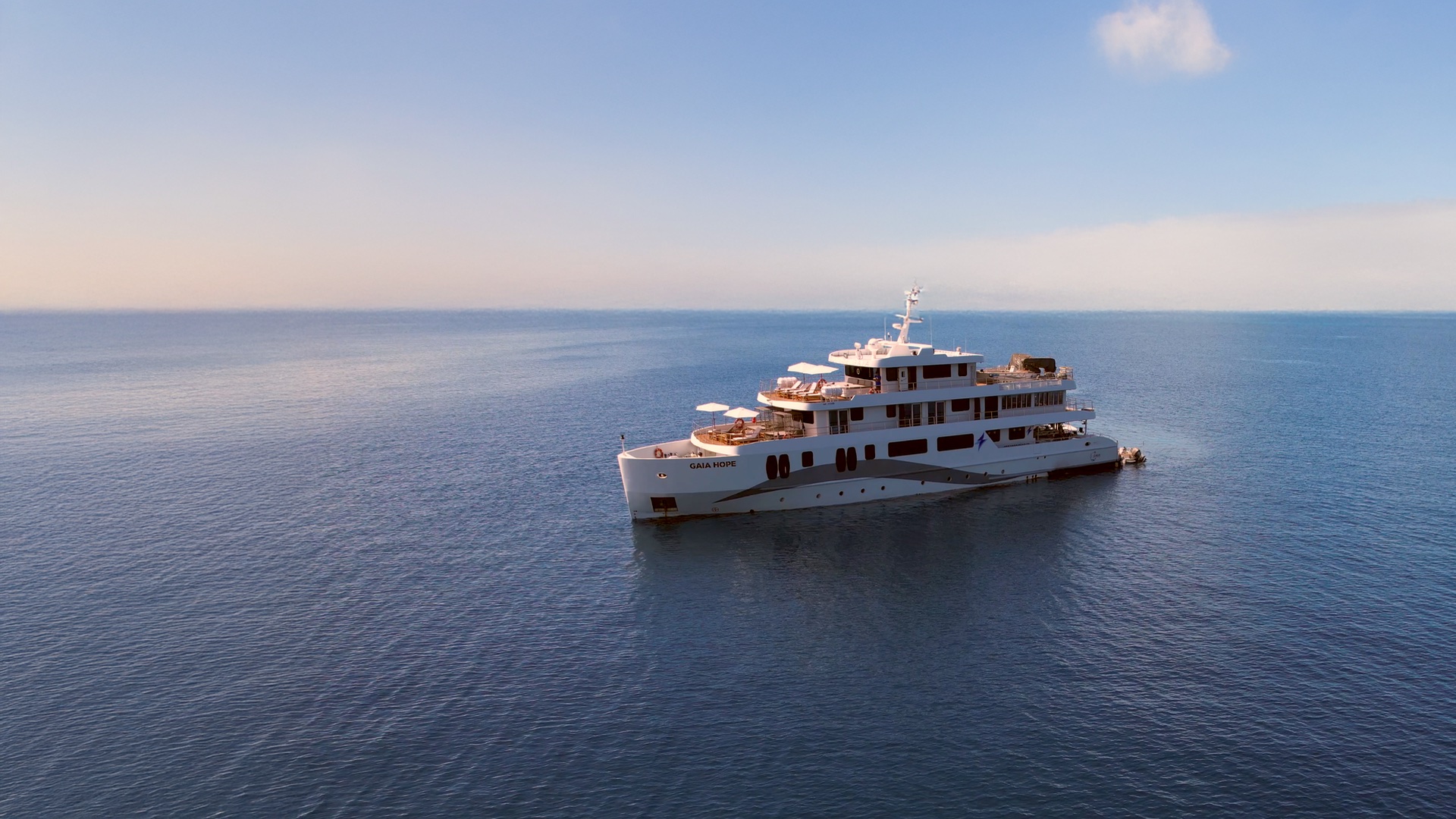
Solitude Gaia
Micronesia
18 guests40 m
$310/day
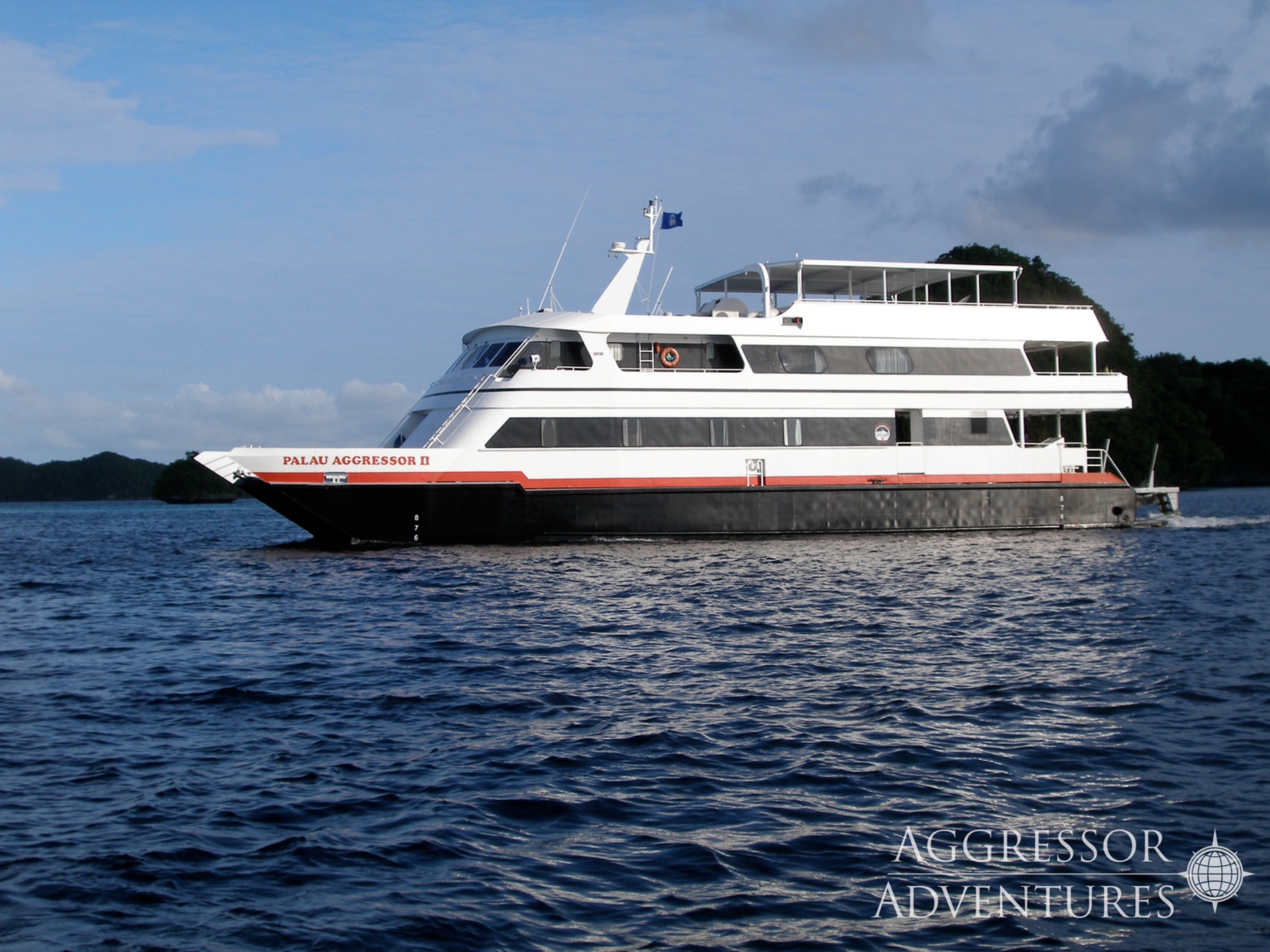
Palau Aggressor II
Micronesia
18 guests32 m
$292/day
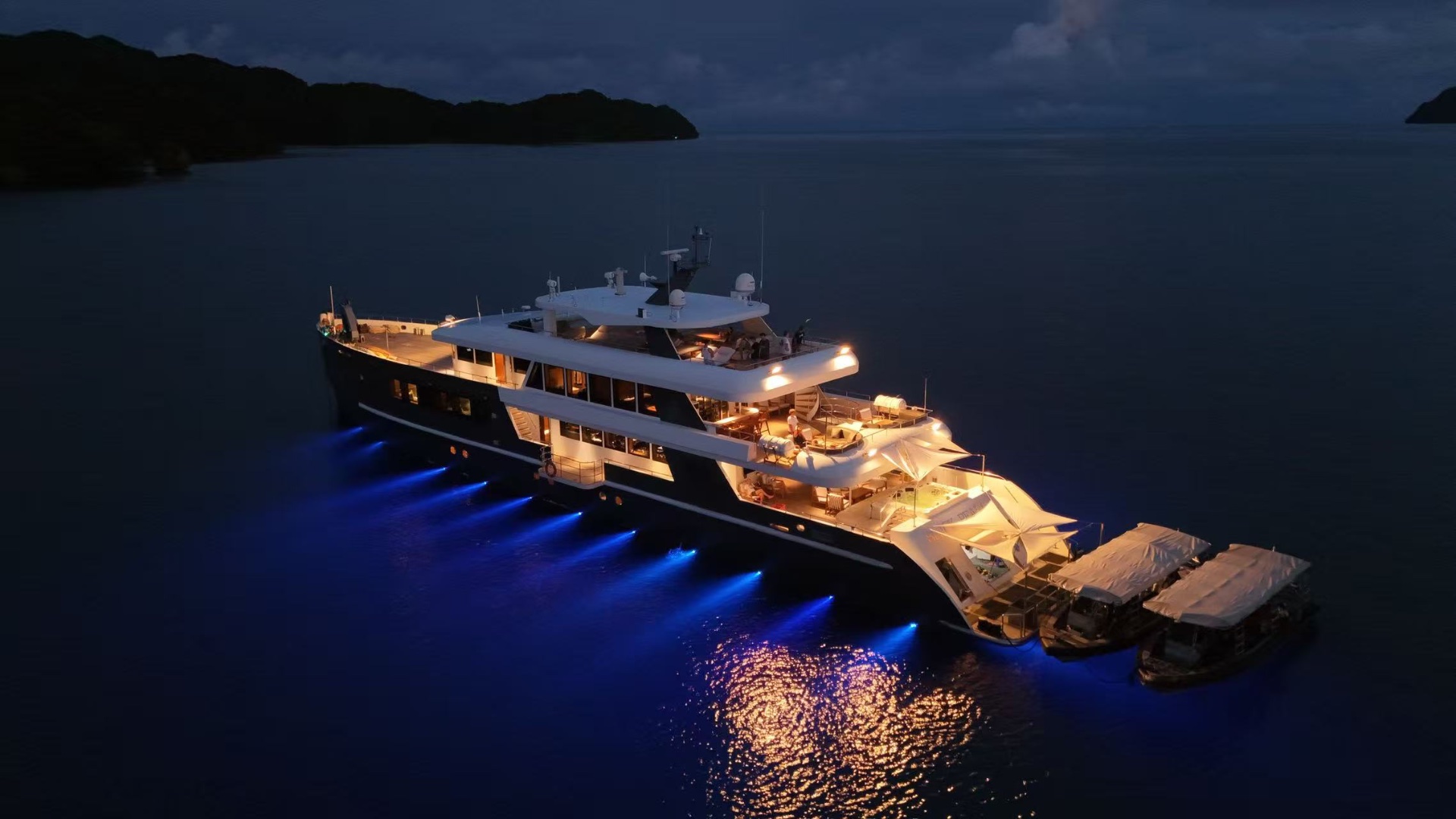
Black Pearl
Micronesia
24 guests
$390/day
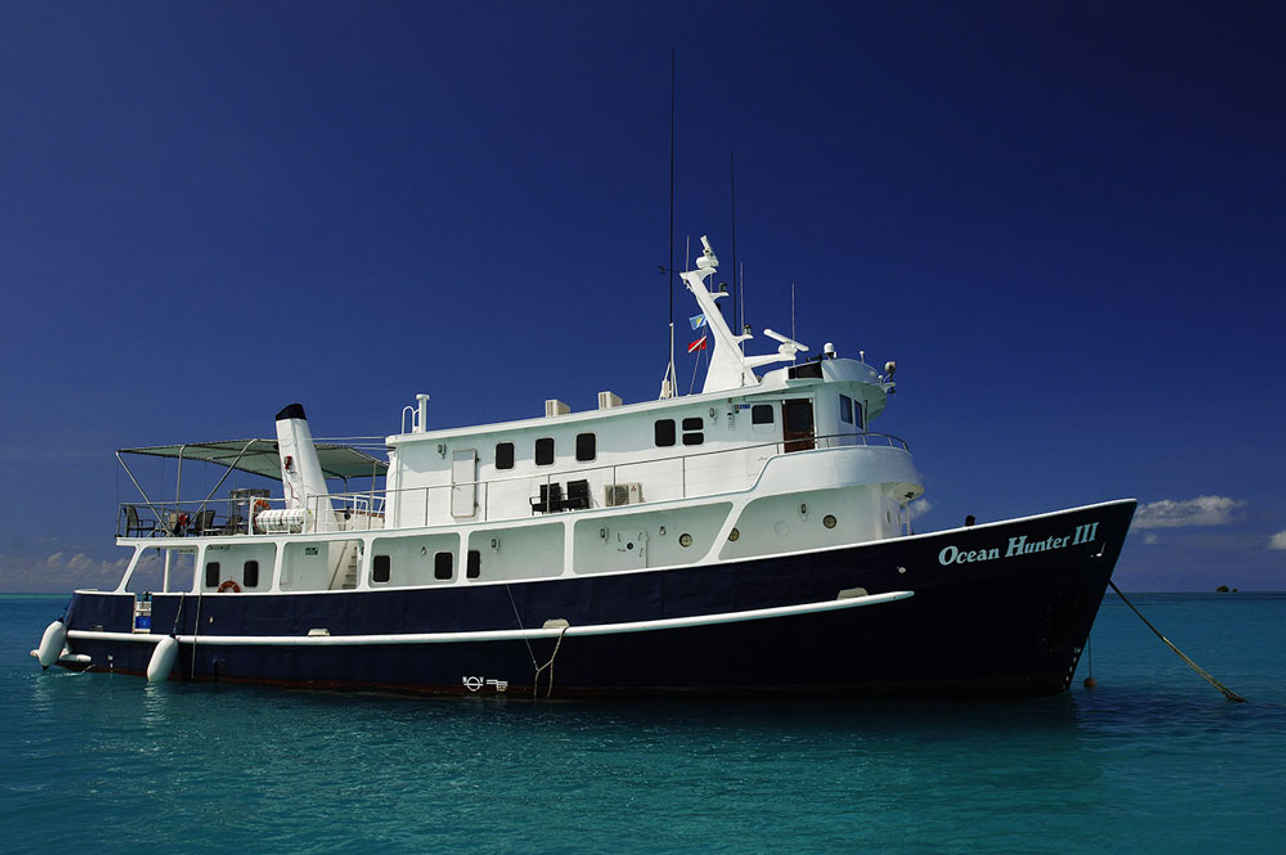
Ocean Hunter 3
Micronesia
16 guests29 m
$350/day
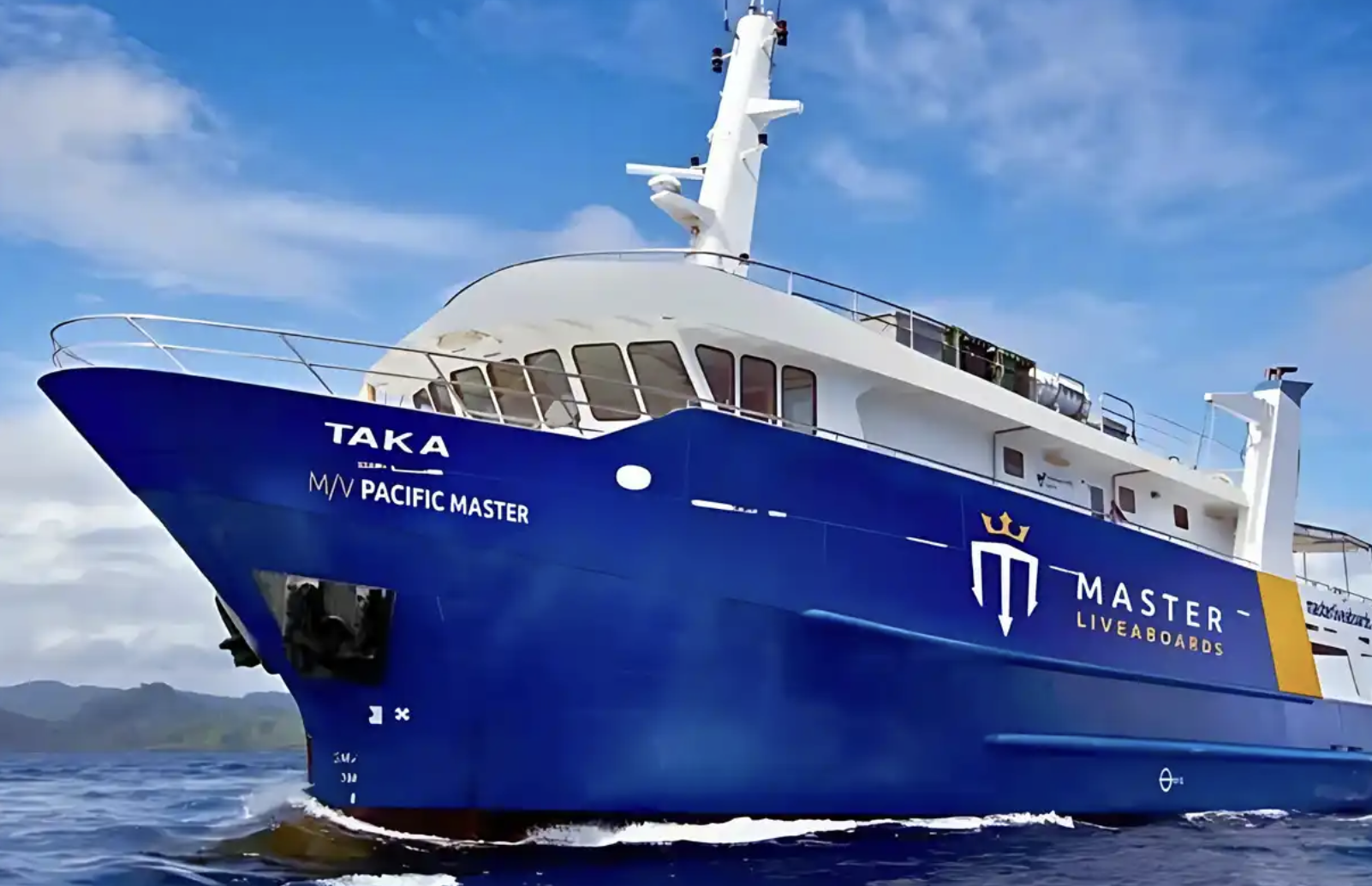
Pacific Master
Solomon Islands
20 guests30 m
$268/day
Dive sites similar to Gilman Wall
Same character, same waters — six more sites divers love for the exact same reasons.Compare seasons, access and liveaboard routes — then pick the site that fits your trip best.
© Esri — Maxar, Earthstar, GIS
Mi'l Channel
Micronesia
Mi'l Channel in Yap, Federated States of Micronesia, stands out as a world-renowned dive site, primarily celebrated for its consistent manta ray sightings.
- Suitable for
- Advanced
- Current
- Strong
- Access
- Dayboat
- Depth
- 15–30 m
- Theme
- Drift / Reef
© Esri — Maxar, Earthstar, GIS
Manta Road
Micronesia
Manta Road, located in Pohnpei, Micronesia, is renowned as a premier destination for manta ray encounters.
- Suitable for
- Intermediate
- Current
- Moderate
- Access
- Dayboat
- Depth
- 16–25 m
- Theme
- Drift / Reef
© Esri — Maxar, Earthstar, GIS
Hiroshi Point
Micronesia
Hiroshi Point is a prominent shore and boat dive site located on the southern end of Kosrae in the Federated States of Micronesia.
- Suitable for
- Beginner
- Current
- Mild
- Access
- Liveaboard or dayboat
- Depth
- 5–13 m
- Theme
- Reef / Wall
© Esri — Maxar, Earthstar, GIS
Gabach Garden Walls
Micronesia
Gabach Garden Walls, located in the eastern lagoon of Pohnpei, Micronesia, is a captivating dive site characterized by its low reef wall.
- Suitable for
- Intermediate
- Current
- Mild
- Access
- Dayboat
- Depth
- 2–30 m
- Theme
- Wall
© Esri — Maxar, Earthstar, GIS
Walung Drop-Off
Micronesia
Walung Drop-Off is a well-known dive site situated off the southwest coast of Kosrae in the Federated States of Micronesia.
- Suitable for
- Intermediate
- Current
- Moderate
- Access
- Dayboat
- Depth
- ≤ 30 m
- Theme
- Wall / Reef
© Esri — Maxar, Earthstar, GIS
Peleliu Express
Micronesia
Peleliu Express is a challenging, world-class drift dive situated off the dramatic southern tip of Peleliu Island in Palau.
- Suitable for
- Advanced
- Current
- Ripping
- Access
- Liveaboard or dayboat
- Depth
- 10–40 m
- Theme
- Drift / Wall