About Manta Valley
Manta Valley is a celebrated dive site located in Yap, Micronesia, famous worldwide for its exceptionally predictable manta ray encounters. Situated within one of Yap's vital tidal channels, this site acts as a crucial cleaning station for reef manta rays, drawing them in daily with the incoming high tide. The topography features significant coral structures and sandy bottoms, where divers can comfortably observe the mantas as they interact with cleaner fish. Water depths at the main cleaning stations typically range around 20 meters, offering ample light and excellent visibility, often extending to 30 meters or more. This clear water, combined with the mantas' calm disposition, creates an ideal environment for observation and photography. The site is part of a larger ecosystem that also supports green turtles, grey reef sharks, and various reef fish. Manta encounters are a year-round phenomenon in Yap, but specific periods see heightened activity. From December to April, the mating season often brings a denser congregation of mantas, sometimes performing elaborate courtship rituals. During these months, seasonal plankton blooms further attract mantas closer to shore, enhancing the diving experience. Diving Manta Valley involves careful positioning on the sandy bottom to avoid disturbing the mantas' natural patterns. Divers remain low and allow the mantas to approach, often resulting in incredibly close interactions. This respectful approach ensures a tranquil and rewarding experience for both divers and marine life, making Manta Valley a truly special destination for witnessing these gentle giants.
Highlights
Predictable manta ray encountersMultiple manta cleaning stationsCalm, inquisitive reef mantasCrystal clear Micronesian watersAbundant cleaner wrasse activityGreen turtle and shark sightings
Season calendar
Best months to dive here
Jan
Feb
Mar
Apr
May
Jun
Jul
Aug
Sep
Oct
Nov
Dec
Excellent
Dive site facts: Manta Valley
- Depth
- 12–25 m
- Typical dive
- 12–20 m, 50–60 min
- Current
- Mild to moderate, tidal dependent
- Visibility
- 20–35 m
- Water temperature
- 28–29°C
- Entry
- Liveaboard / tender
- Level
- Open Water Diver
- Dive type
- Manta cleaning station, pelagic encounters
- Night dive
- Possible (seasonal)
- Region / port
- Yap, Micronesia
- Coordinates
- 9.485, 138.098
Conditions & Currents
Manta Valley experiences currents, particularly on the incoming high tide when manta rays enter the channels to access cleaning stations. These currents are generally manageable and are an integral part of the manta ray activity. Divers typically drift inward with the current towards the cleaning stations, settling on the sandy bottom to observe. While not excessively strong, awareness of current direction and strength is important for optimal positioning and gas planning. Visibility remains excellent even with currents, often exceeding 30 meters, though occasional thermoclines might be encountered. Entry and exit strategies are typically guided by the dive master to ensure safety and minimize disturbance to marine life.
Marine life & sighting chances

Reef Manta Ray
Year-round, peak Dec-Apr · common
Green Sea Turtle
Year-round · common
Grey Reef Shark
Year-round · occasional
Leopard Shark
occasional
Black Snapper
common
Wrasse
Year-round · common
Butterflyfish
Year-round · common
Yellow-margin Moray Eel
occasionalOne-spot Snapper
occasionalOval Butterflyfish
occasionalDive profile & how the dive runs
Your dive at Manta Valley typically begins with a tender drop, often involving a negative entry to quickly descend and position yourself on the sandy bottom near the main cleaning stations. The primary cleaning station, known as Merry-Go-Round, is a large lettuce coral formation rising from about 20 meters. Divers aim to settle along the edges of the sandy knoll, remaining low and still to avoid disturbing the mantas. The route focuses on observing the mantas as they circle the coral and hover for cleaning. Depth generally remains between 12 to 25 meters, allowing for extended bottom times. The turn point is usually dictated by air consumption or manta activity, with the safety stop conducted during a slow ascent, often continuing to observe mantas in the shallower parts of the channel before surfacing.
Underwater photography
Manta Valley is a dream for underwater photographers, particularly for wide-angle shots of the majestic manta rays. With visibility often exceeding 30 meters, you'll want a wide-angle lens to capture the full scope of these graceful creatures. For optimal results, use external strobes to bring out the detail and color, especially when mantas pass directly overhead. Practice excellent buoyancy control to maintain your position on the sandy bottom and avoid stirring up sediment, which could cloud your shots. Patience is key; position yourself calmly and let the curious mantas approach you for those iconic, close-up interactions without disturbing their natural behavior at the cleaning stations.
Combine with nearby dive sites
- Manta Ridge
Another renowned manta ray cleaning station in Yap.
- Yap Caverns
A complex of underwater caves and swim-throughs with diverse marine life.
- Gilman Wall
A stunning reef wall offering abundant coral and pelagic sightings.
- Shark Island
Known for consistent shark encounters, particularly grey reef sharks.
Getting there & logistics
Access to Manta Valley typically begins by flying into Yap International Airport (YAP), often with connections through Guam (GUM). Most divers stay at land-based resorts in Yap that offer daily dive excursions to Manta Valley and other local sites, or opt for liveaboard trips that include Yap in their itinerary. Dive trips to Manta Valley are usually part of a multi-day package focused on Yap's unique marine environment. No specific marine park fees for this site were mentioned, but it's advisable to confirm local regulations with your dive operator. The typical dive is integrated into a two-tank morning or afternoon trip.
Safety & environment
Diving at Manta Valley requires adherence to standard dive safety protocols and respectful interaction with marine life. Divers should maintain neutral buoyancy and avoid touching the coral or mantas. The nearest recompression chamber is located in Yap; however, serious medical emergencies would likely necessitate evacuation to Guam or another regional medical facility, underscoring the importance of comprehensive dive insurance. Always dive with a reputable operator who provides thorough briefings on current conditions and manta ray etiquette. Currents can be present, so divers should be comfortable managing mild to moderate water movement.
Who it suits — and who it doesn't
Suited for
- Manta ray enthusiasts and photographers
- Divers comfortable with gentle currents
- Open Water certified divers
- Those seeking calm, observational dives
- Underwater photographers with wide-angle setups
Less suited for
- Divers seeking challenging drift dives
- Those uninterested in pelagic encounters
- Divers uncomfortable with prolonged static observation
- Beginners without current experience
- Macro photography specialists (primary focus is large subjects)
FAQ
Manta Valley FAQ
When is the best time of year to see mantas at Manta Valley?
While manta rays are present year-round in Yap, the peak season for encounters at Manta Valley is generally from December to April. This period coincides with the dry season, offering the best visibility and often increased manta activity due to mating season and plankton blooms.
Is Manta Valley suitable for beginner divers?
Yes, Manta Valley is suitable for Open Water certified divers. While currents can be present, they are typically manageable, and the dive profile focuses on static observation near cleaning stations at moderate depths. Your dive guide will provide full briefings and assistance.
What is the typical depth at Manta Valley?
The main cleaning stations at Manta Valley are typically found at depths ranging from 12 to 25 meters, with the prominent Merry-Go-Round coral mound rising from about 20 meters. This depth range allows for good light penetration and comfortable observation times.
What kind of marine life can I expect besides mantas?
Beyond the majestic manta rays, Manta Valley and its surrounding channels are home to a variety of other marine life. You can frequently spot green sea turtles, grey reef sharks, and schools of black snapper, along with numerous cleaner wrasse and butterflyfish attending to the mantas.
How do divers interact with manta rays at Manta Valley?
Divers are instructed to remain calm and low on the sandy bottom, avoiding sudden movements to prevent startling the mantas. The mantas in Yap are known for their inquisitive nature and will often approach divers closely if undisturbed, allowing for unique observational opportunities.
Why dive Manta Valley from a liveaboard?
Manta Valley is one of Micronesia's signature dive sites. A liveaboard sleeps you on the water and puts you in the water for three to four guided dives per day, including dawn and night dives that day-boat operators rarely offer. You skip the daily commute back to port and reach quieter, less-crowded sites in the same region on a single trip.
Below are the liveaboards that include Manta Valley on their Micronesia itineraries.
Liveaboards diving Manta Valley
These liveaboards may visit Manta Valley on selected itineraries — the exact dive sites depend on departure, weather and conditions.
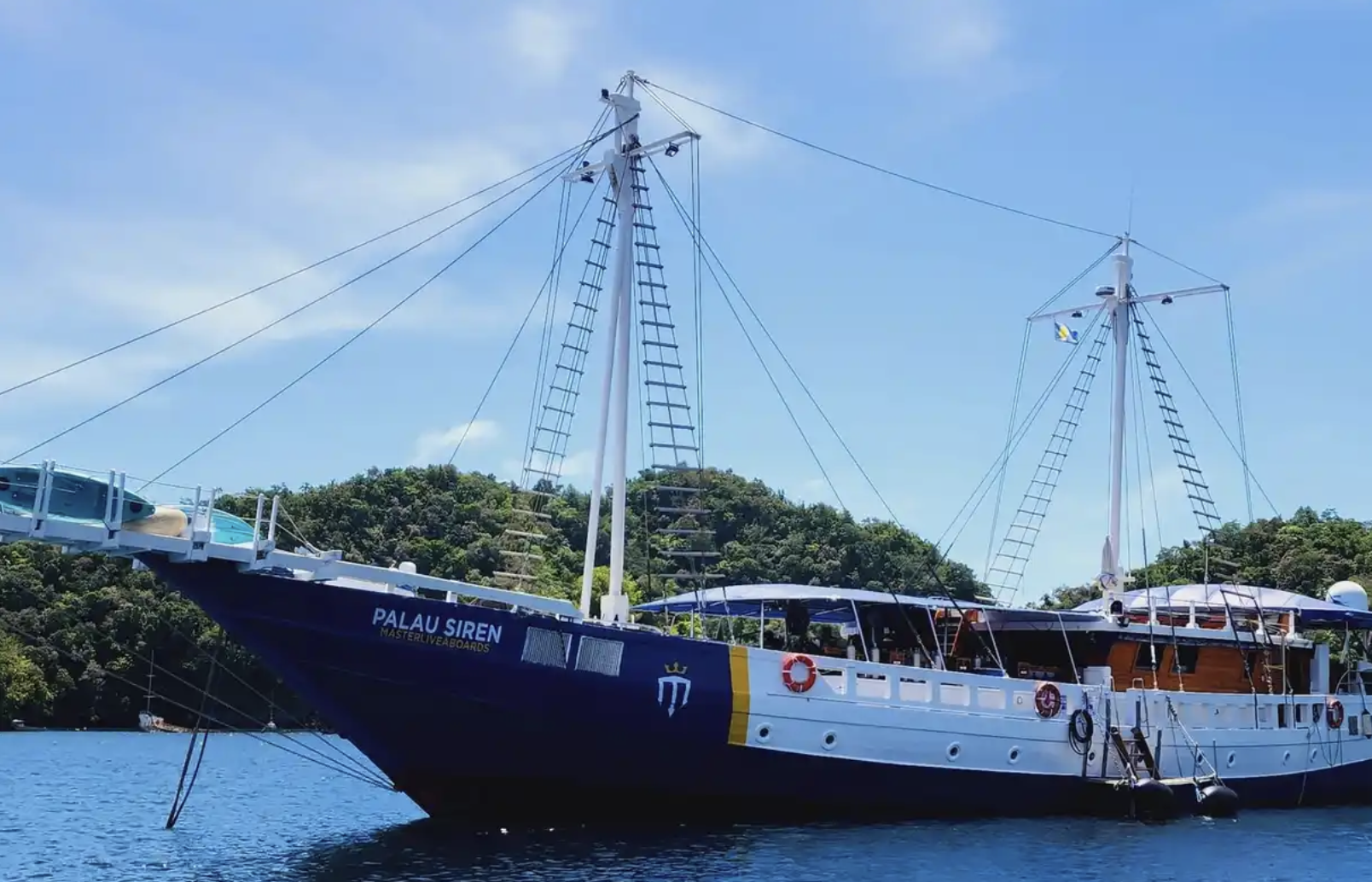
Palau Siren
Micronesia
16 guests
$501/day
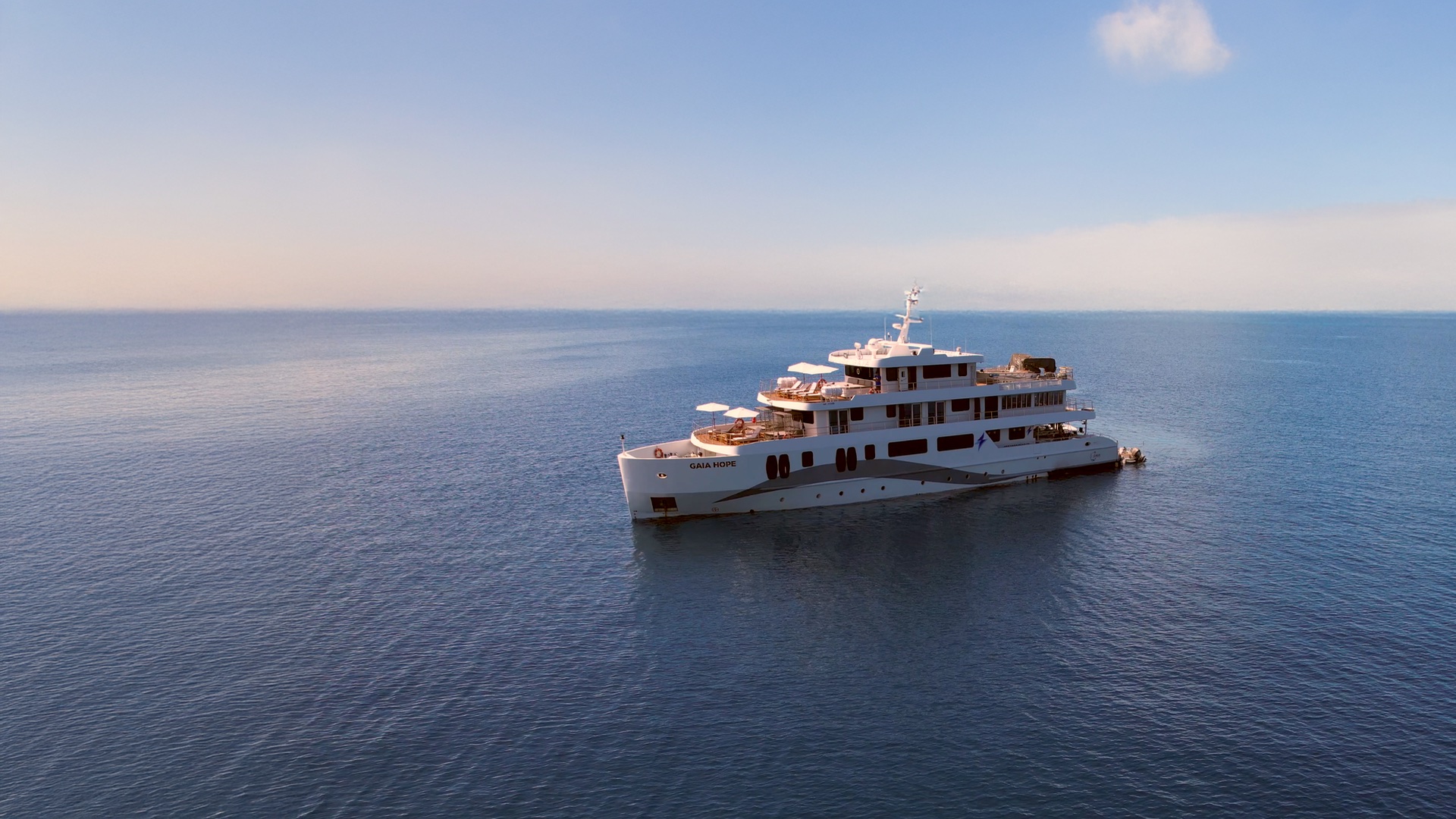
Solitude Gaia
Micronesia
18 guests40 m
$310/day
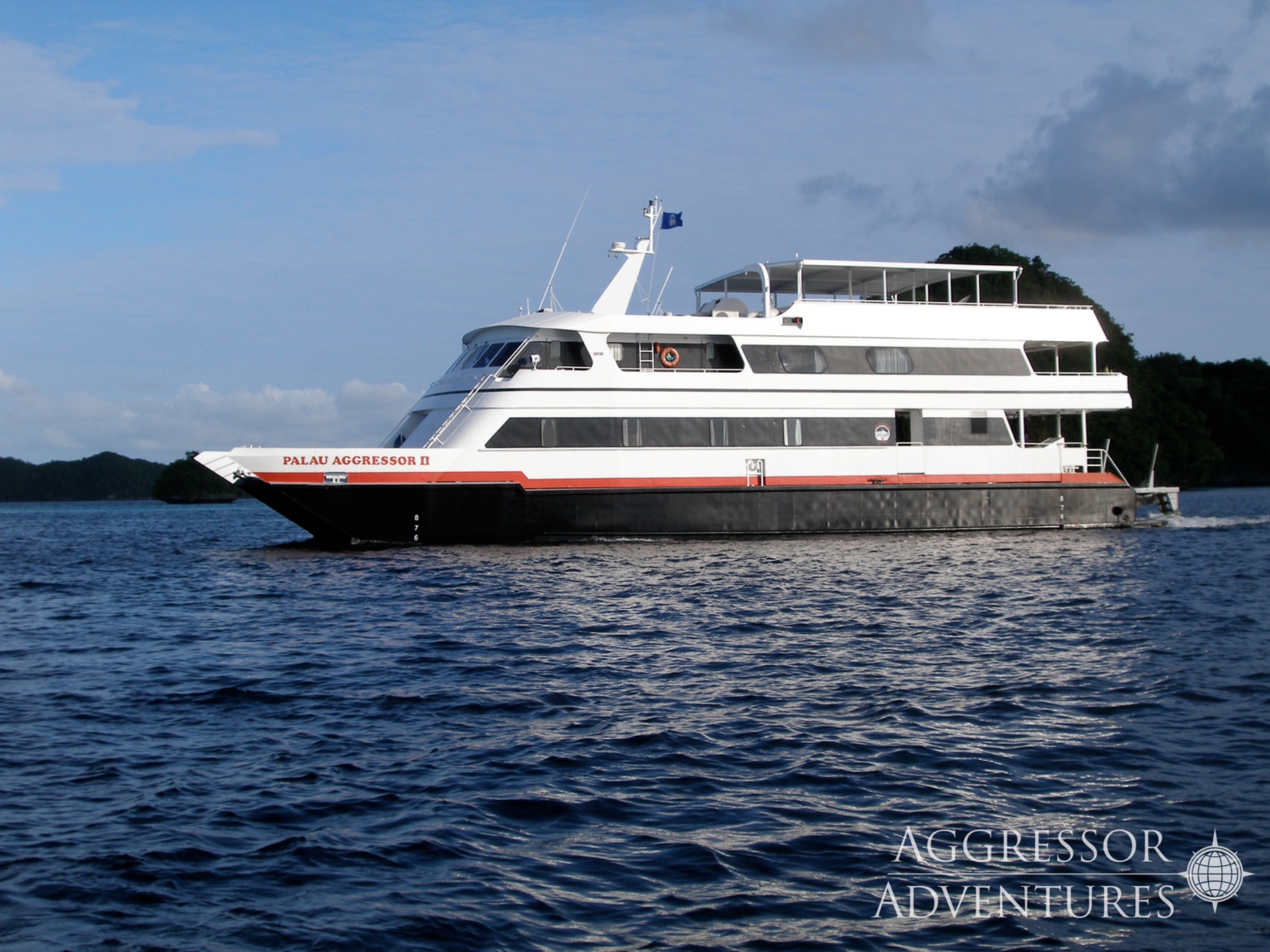
Palau Aggressor II
Micronesia
18 guests32 m
$292/day
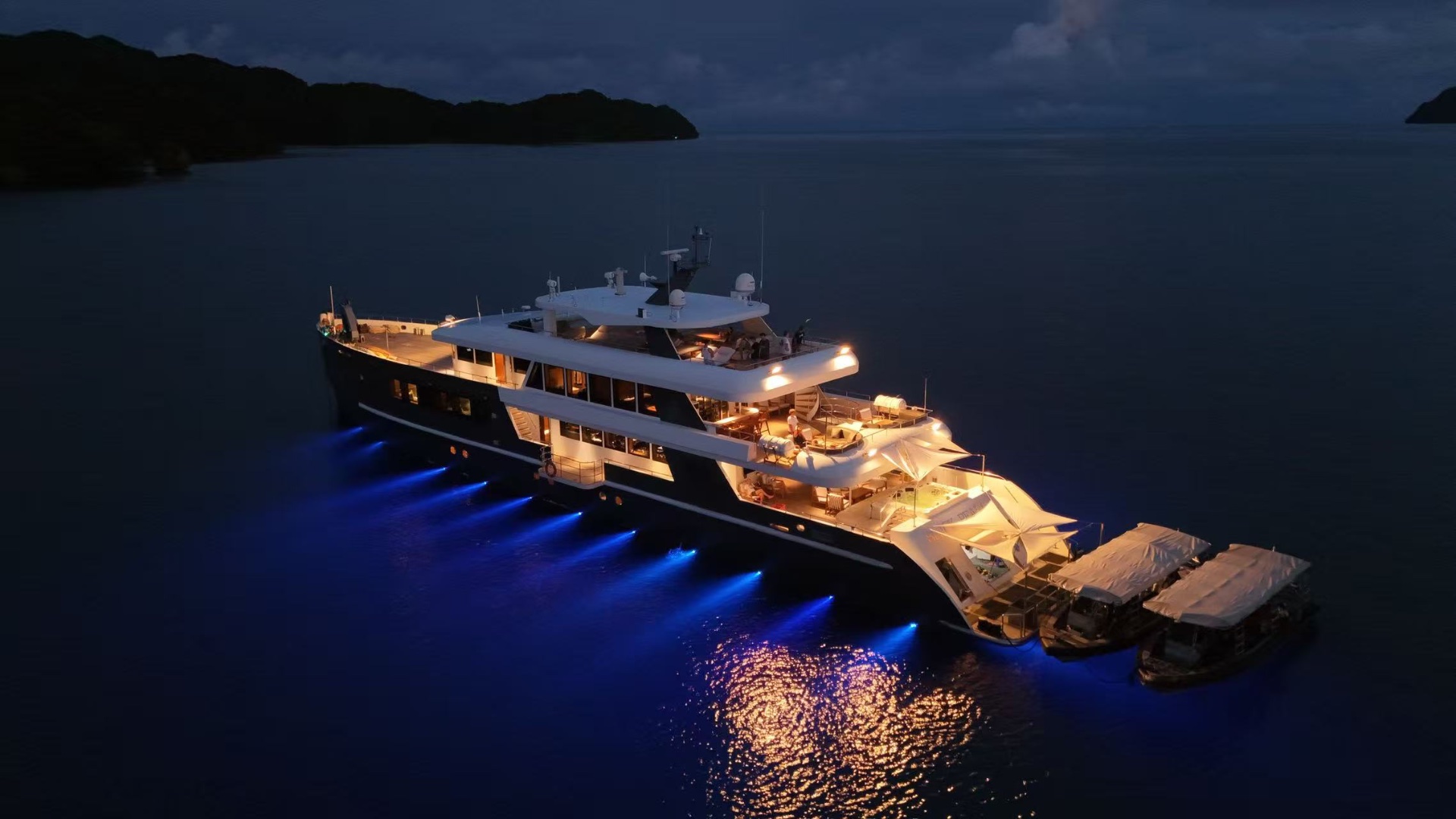
Black Pearl
Micronesia
24 guests
$390/day
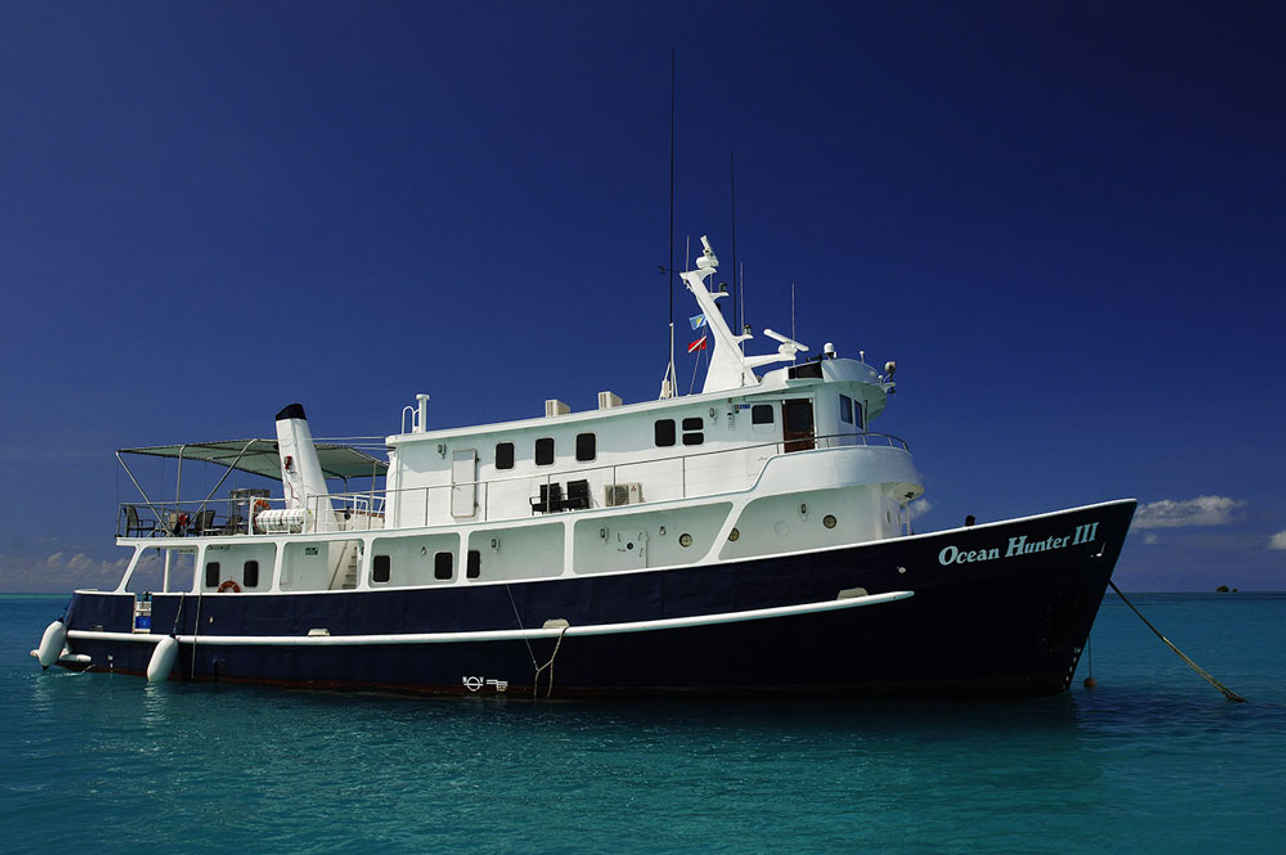
Ocean Hunter 3
Micronesia
16 guests29 m
$350/day
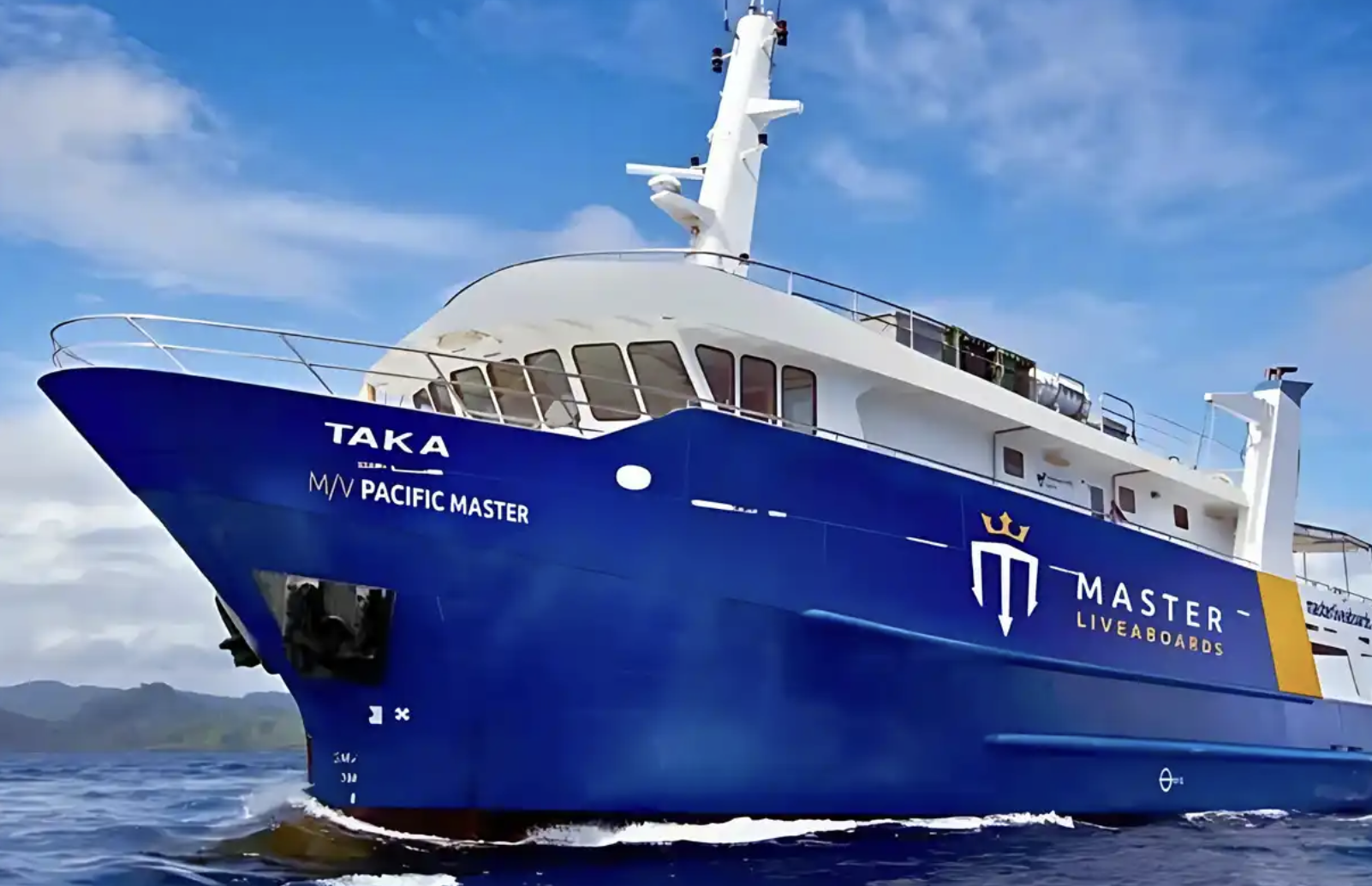
Pacific Master
Solomon Islands
20 guests30 m
$268/day
Dive sites similar to Manta Valley
Same character, same waters — six more sites divers love for the exact same reasons.Compare seasons, access and liveaboard routes — then pick the site that fits your trip best.
© Esri — Maxar, Earthstar, GIS
Mi'l Channel
Micronesia
Mi'l Channel in Yap, Federated States of Micronesia, stands out as a world-renowned dive site, primarily celebrated for its consistent manta ray sightings.
- Suitable for
- Advanced
- Current
- Strong
- Access
- Dayboat
- Depth
- 15–30 m
- Theme
- Drift / Reef
© Esri — Maxar, Earthstar, GIS
Manta Road
Micronesia
Manta Road, located in Pohnpei, Micronesia, is renowned as a premier destination for manta ray encounters.
- Suitable for
- Intermediate
- Current
- Moderate
- Access
- Dayboat
- Depth
- 16–25 m
- Theme
- Drift / Reef
© Esri — Maxar, Earthstar, GIS
Trochus Sanctuary
Micronesia
Trochus Sanctuary is a distinctive dive site located north of the mid-point of Kosrae, southwest of the island's airport.
- Suitable for
- Beginner
- Current
- Mild
- Access
- Dayboat
- Depth
- 5–13 m
- Theme
- Reef
© Esri — Maxar, Earthstar, GIS
Hiroshi Point
Micronesia
Hiroshi Point is a prominent shore and boat dive site located on the southern end of Kosrae in the Federated States of Micronesia.
- Suitable for
- Beginner
- Current
- Mild
- Access
- Liveaboard or dayboat
- Depth
- 5–13 m
- Theme
- Reef / Wall
© Esri — Maxar, Earthstar, GIS
Walung Drop-Off
Micronesia
Walung Drop-Off is a well-known dive site situated off the southwest coast of Kosrae in the Federated States of Micronesia.
- Suitable for
- Intermediate
- Current
- Moderate
- Access
- Dayboat
- Depth
- ≤ 30 m
- Theme
- Wall / Reef
© Esri — Maxar, Earthstar, GIS
Coral Gardens (Yap)
Micronesia
Coral Gardens in Yap is renowned for its expansive, healthy hard coral formations, distinguishing it as a premier reef dive site in the western Pacific.
- Suitable for
- Beginner
- Current
- Mild
- Access
- Dayboat
- Depth
- 6–15 m
- Theme
- Reef