About Yap Caverns
Yap Caverns, situated at the southernmost end of Yap Island, offers an unparalleled diving experience with its rich biodiversity and intriguing topography. This site is distinguished by a network of chasms, caverns, and canyons carved into the coral wall, providing exciting swim-through opportunities for divers. Sunbeams penetrate 'skylights' in the reef, illuminating the cavern interiors and creating a magical ambiance. The site's depth ranges from 3 meters to over 30 meters, featuring large coral outcroppings honeycombed with passages. Beyond the immediate cavern system, two distinct wall dive options extend into deeper waters, revealing vibrant hard and soft coral formations. These vertical walls are rich in soft corals and crevices, serving as habitats for numerous species. Marine life at Yap Caverns is incredibly diverse, supporting both large pelagic species and abundant macro subjects year-round. Divers frequently encounter whitetip and grey reef sharks, often found resting in sandy bowls or patrolling the outer mini-wall. Schools of bumphead parrotfish and various reef fish are common, along with moray eels, eagle rays, and turtles. The site is particularly noted for its macro life, including porcelain crabs, Moyers dragonettes, nudibranchs, leaf fish, scorpionfish, flame angels, and cleaner and ghost shrimp, with occasional sightings of ghost pipefish. Typically experienced as a static or mild drift dive at slack tide, Yap Caverns allows for extensive exploration of its unique features. A typical dive can last up to 90 minutes, providing ample time to navigate the swim-throughs and observe the resident marine creatures. The consistent water temperature and generally calm conditions make it an accessible and rewarding dive for various skill levels.
Highlights
Caverns and canyons explorationAbundant macro subjectsFrequent reef shark sightingsYear-round diverse marine lifeUnique coral formationsSunbeam-filled swim-throughsVariety of reef fish schools
Season calendar
Best months to dive here
Jan
Feb
Mar
Apr
May
Jun
Jul
Aug
Sep
Oct
Nov
Dec
Excellent
Good
Dive site facts: Yap Caverns
- Depth
- 3–30 m
- Typical dive
- 10–30 m, 90 min
- Current
- Mild to none
- Visibility
- 12–30+ m
- Water temperature
- 27–28 °C
- Entry
- Boat
- Level
- Intermediate
- Dive type
- Cavern, wall, macro, drift
- Region / port
- Micronesia
- Coordinates
- 9.478, 138.092
Conditions & Currents
Yap Caverns typically experiences minimal to no current, making it an ideal site for extended exploration. However, it can be dived as a gentle drift at slack tide depending on conditions. The caverns themselves provide excellent shelter from any potential stronger currents that might occur outside. Visibility ranges significantly from 12 to 30+ meters, with outer reefs generally offering clearer conditions compared to inside the channels or specific areas. Water temperatures remain consistently warm, between 27-28°C year-round, alleviating concerns about thermoclines. Divers should plan for a lengthy bottom time, up to 90 minutes, to fully appreciate the complex topography and diverse marine life, necessitating careful air management.
Marine life & sighting chances

Whitetip reef shark
Year-round · common
Grey reef shark
Year-round · common
Bumphead parrotfish
Year-round · common
Moray eel
Year-round · common
Leaf fish
Year-round · common
Scorpionfish
Year-round · common
Nudibranch
Year-round · common
Porcelain crab
Year-round · common
Moyers dragonette
Year-round · common
Flame angel
Year-round · common
Cleaner shrimp
Year-round · common
Ghost pipefish
Year-round · occasional
Ornate ghost pipefish
Year-round · occasional
Lionfish
Year-round · commonDive profile & how the dive runs
Your dive at Yap Caverns typically begins with a boat entry, leading you into the main amphitheater. The dive route explores a series of caverns and canyons, moving through narrow chasms and chimneys large enough for comfortable passage. Depths within the caverns vary, starting around 3 meters and extending to about 20 meters, where whitetip reef sharks often rest in sandy bowls. As you progress, you'll encounter vertical walls rich in soft corals, descending to 30 meters or more along the two primary wall dive options. The turn point is flexible, often dictated by air consumption and bottom time, with the goal of exploring the diverse topography and abundant macro life. The safety stop typically occurs in the shallower sections of the reef, allowing for further observation of smaller marine creatures before ascent.
Underwater photography
Yap Caverns offers exceptional opportunities for both wide-angle and macro photography, so consider bringing both setups or planning multiple dives. For wide-angle shots, capitalize on the stunning sunbeams penetrating the caverns through 'skylights' by positioning yourself to capture these light shafts and the vast coral formations. External strobes are essential to illuminate the vibrant colors of soft corals on the walls and in the deeper sections. For macro subjects, including porcelain crabs, Moyers dragonettes, and various nudibranchs, a macro lens and a snoot can highlight intricate details against the complex reef background. Practice excellent buoyancy control to navigate the tight swim-throughs and avoid disturbing delicate marine life or stirring up sediment, ensuring clear shots.
Combine with nearby dive sites
- Vertigo
Known for significant blacktip and whitetip reef shark action, often with shark feed activities.
- Lionfish Wall
A wall dive adorned with soft corals, anemones, and diverse marine life, including its namesake.
- Gilman Wall
A distinct wall dive offering a variety of marine encounters.
- Manta Ridge
A prime location for manta ray sightings, especially during specific tidal conditions.
- German Channel
Famous for consistent manta ray encounters at cleaning stations, offering excellent visibility during incoming tides.
Getting there & logistics
Access to Yap and its dive sites, including Yap Caverns, primarily involves flying into Yap International Airport (YAP). International flights usually route through Guam or other Micronesian hubs. Once on Yap, dive centers operating from resorts near Colonia provide guided boat dives and equipment. Yap Caverns is located at the southernmost tip of the island and is reached via a short boat ride from shore. Typical dive trips often combine Yap Caverns with other popular sites like Vertigo or Manta Ridge as part of a multi-day itinerary. The experience is intimate and well-managed, catering to nature-focused dive holidays, though specific permits or park fees for diving are generally incorporated into dive package costs.
Safety & environment
For diving in Yap, insurance covering dive accidents and potential medical evacuation is highly recommended due to the remote location. While Yap offers excellent diving, the nearest recompression chamber is approximately 400 km away, typically requiring air evacuation to Guam or another facility. Dive operators emphasize strict adherence to safe diving practices, including responsible air management and depth limits. At Yap Caverns, maintaining good buoyancy is crucial, especially when navigating swim-throughs, to prevent contact with fragile coral formations or stirring up sediment. Divers should remain aware of their surroundings, particularly for larger pelagic species, and always follow the dive guide's instructions to ensure a safe and enjoyable experience.
Who it suits — and who it doesn't
Suited for
- Macro photography enthusiasts
- Cavern diving specialists
- Divers seeking diverse reef ecosystems
- Intermediate to advanced divers
- Wildlife observers interested in sharks and reef fish
Less suited for
- Absolute beginner divers
- Divers uncomfortable with enclosed spaces
- Those uninterested in macro life
- Divers seeking exclusively pelagic encounters
- Divers with poor buoyancy control
FAQ
Yap Caverns FAQ
What kind of marine life can I expect at Yap Caverns?
Yap Caverns boasts a rich diversity of marine life, including both large pelagics and abundant macro subjects. You can frequently spot whitetip and grey reef sharks, schools of bumphead parrotfish, moray eels, and turtles. For macro enthusiasts, there are porcelain crabs, Moyers dragonettes, nudibranchs, leaf fish, scorpionfish, flame angels, and various shrimp species.
Are there swim-throughs at Yap Caverns, and are they suitable for all divers?
Yes, Yap Caverns is famous for its network of caverns, canyons, and swim-throughs. These passages vary in size, with some being large enough for comfortable navigation. While generally accessible, divers should have good buoyancy control and be comfortable in semi-enclosed spaces; it is considered an intermediate-level dive.
What are the typical diving conditions at Yap Caverns?
The diving conditions at Yap Caverns are generally favorable. Currents are usually mild to non-existent, making it suitable for static or gentle drift dives. Visibility ranges from 12 to over 30 meters, and water temperatures remain consistently warm, around 27-28°C, throughout the year.
Is Yap Caverns suitable for underwater photography?
Absolutely. Yap Caverns is excellent for both wide-angle and macro photography. Wide-angle photographers can capture the dramatic sunbeams illuminating the caverns and the extensive coral formations, while macro photographers will find an abundance of small, interesting subjects like nudibranchs and ghost pipefish among the reef's crevices.
What is the best time of year to dive Yap Caverns?
The best time to visit Yap Caverns for optimal diving conditions is from December to April. During these months, Yap experiences its dry season, which typically brings clearer water and calmer surface conditions, enhancing overall visibility and comfort during dives.
How long is a typical dive at Yap Caverns?
Dives at Yap Caverns can extend for a considerable duration due to the mild currents and rich exploration opportunities. A typical dive often lasts around 90 minutes, allowing ample time to navigate the caverns, observe marine life, and explore the wall sections.
Why dive Yap Caverns from a liveaboard?
Yap Caverns is one of Micronesia's signature dive sites. A liveaboard sleeps you on the water and puts you in the water for three to four guided dives per day, including dawn and night dives that day-boat operators rarely offer. You skip the daily commute back to port and reach quieter, less-crowded sites in the same region on a single trip.
Below are the liveaboards that include Yap Caverns on their Micronesia itineraries.
Liveaboards diving Yap Caverns
These liveaboards may visit Yap Caverns on selected itineraries — the exact dive sites depend on departure, weather and conditions.
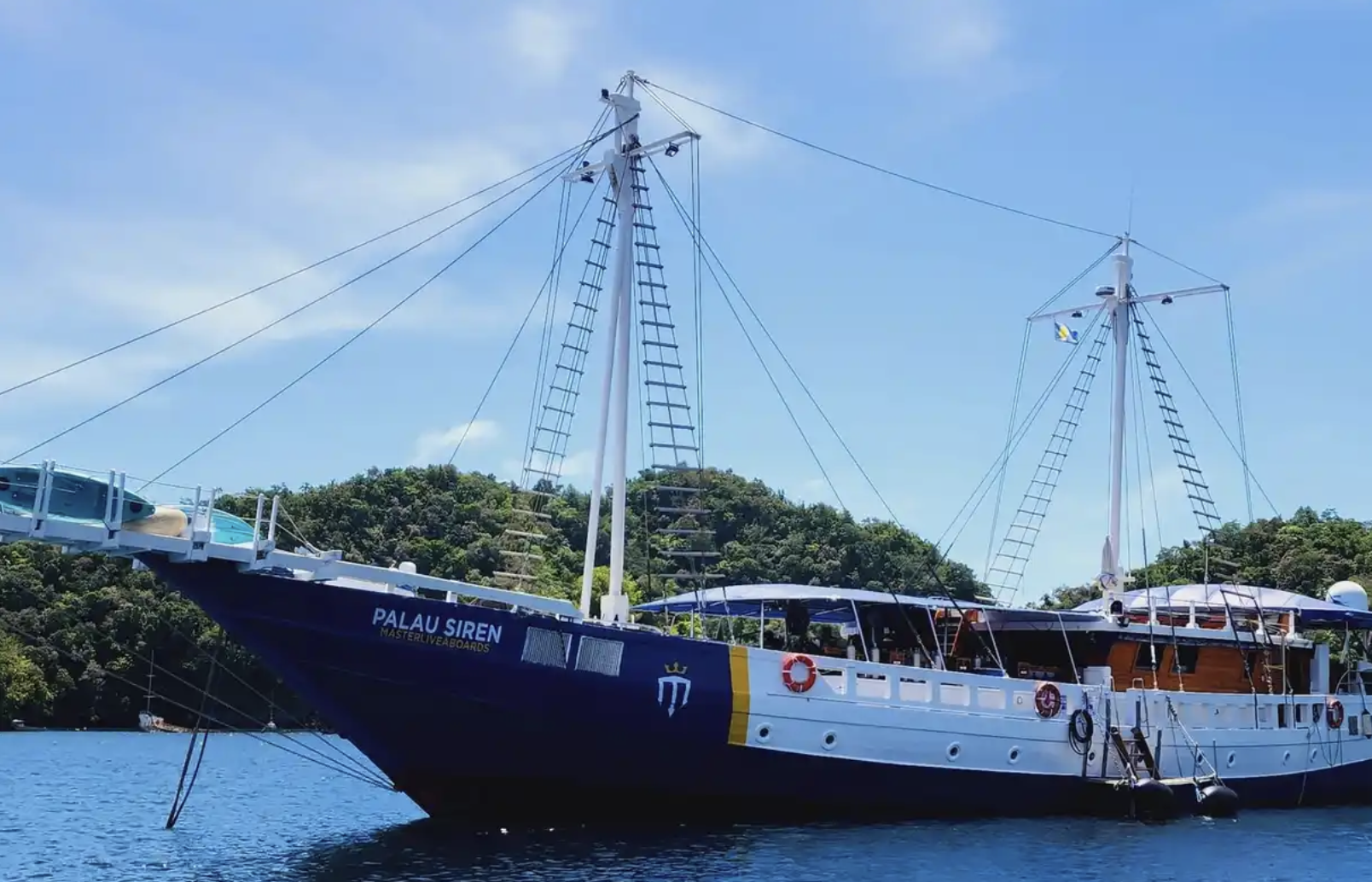
Palau Siren
Micronesia
16 guests
$501/day
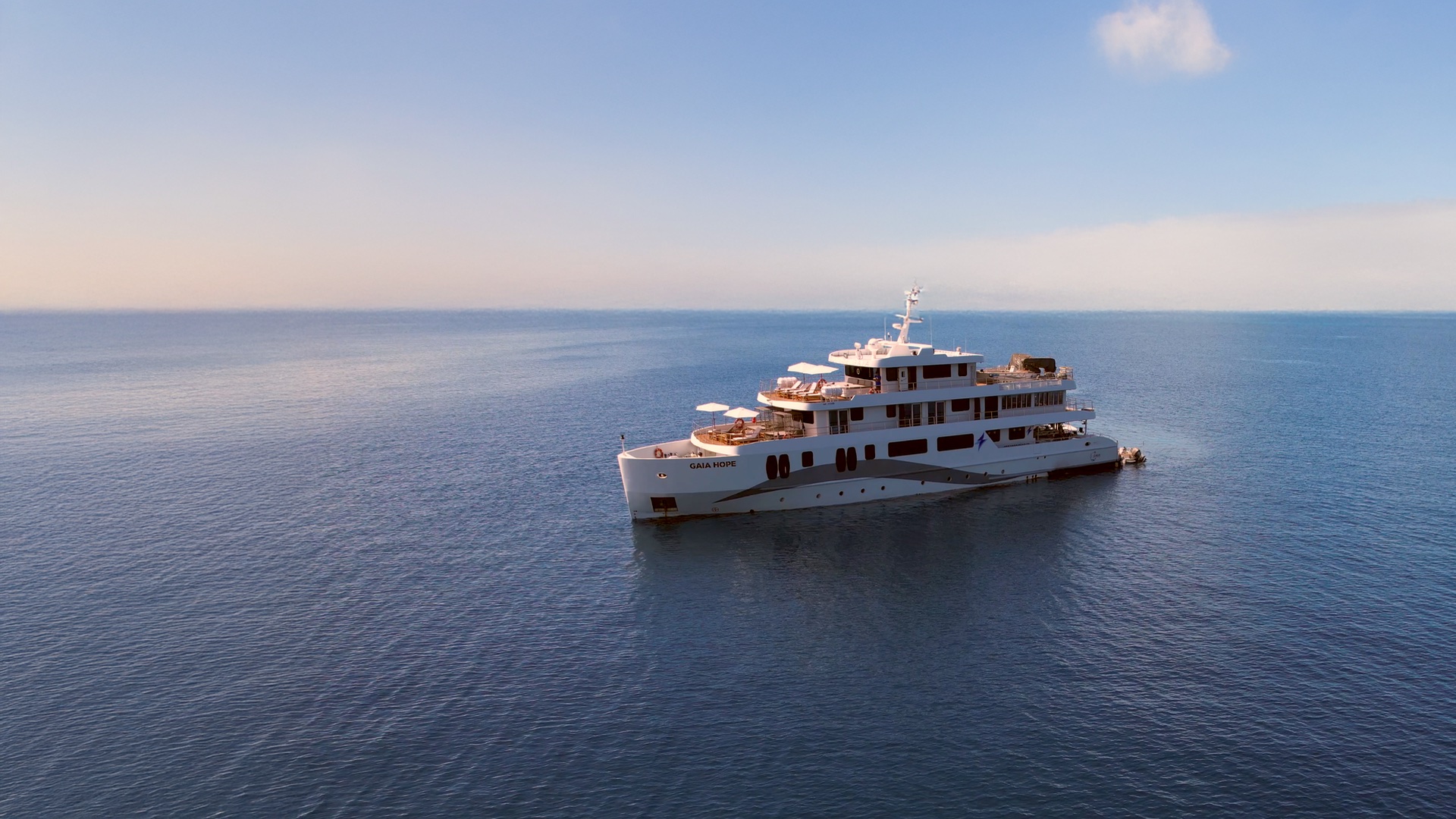
Solitude Gaia
Micronesia
18 guests40 m
$310/day
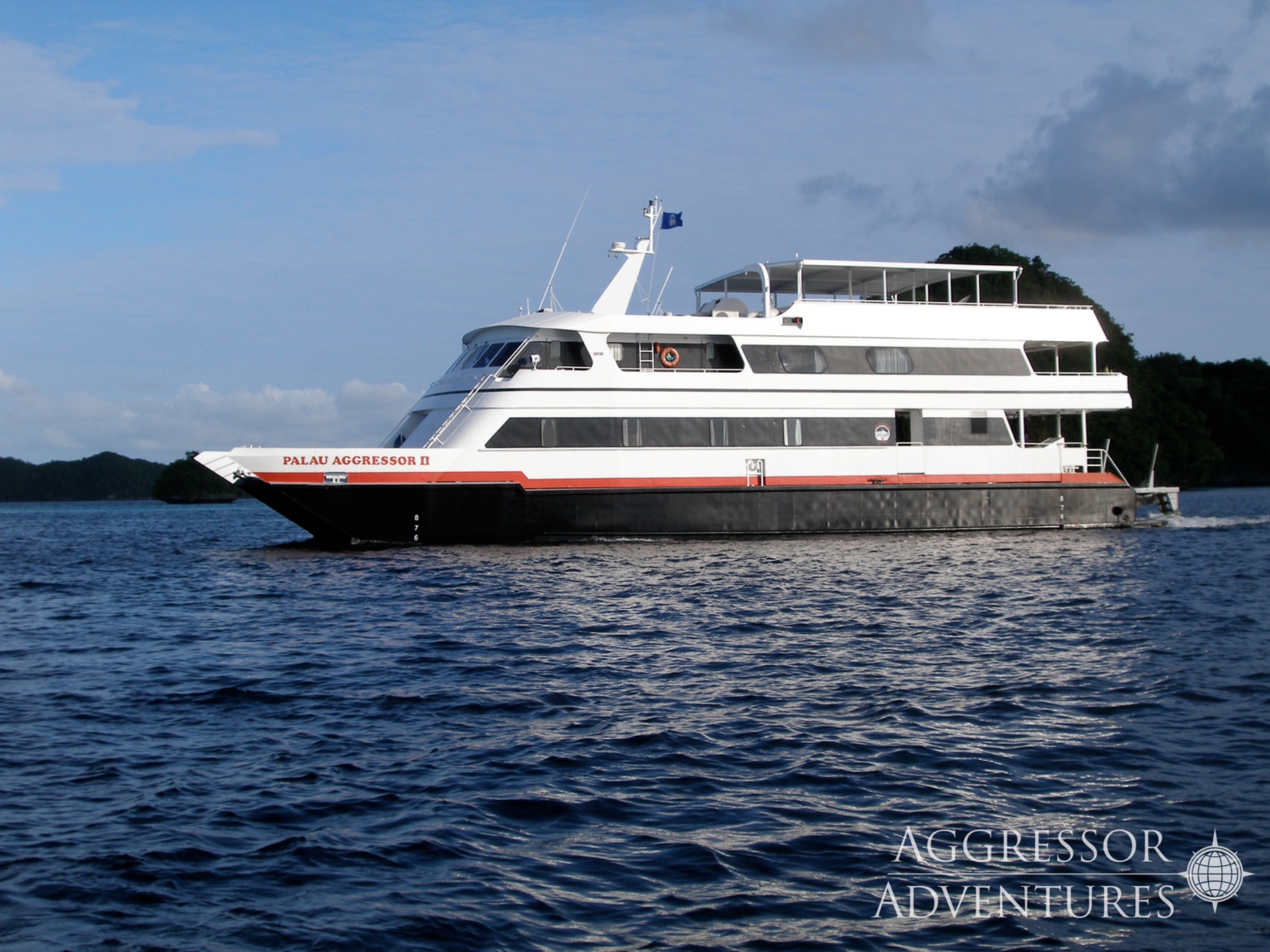
Palau Aggressor II
Micronesia
18 guests32 m
$292/day
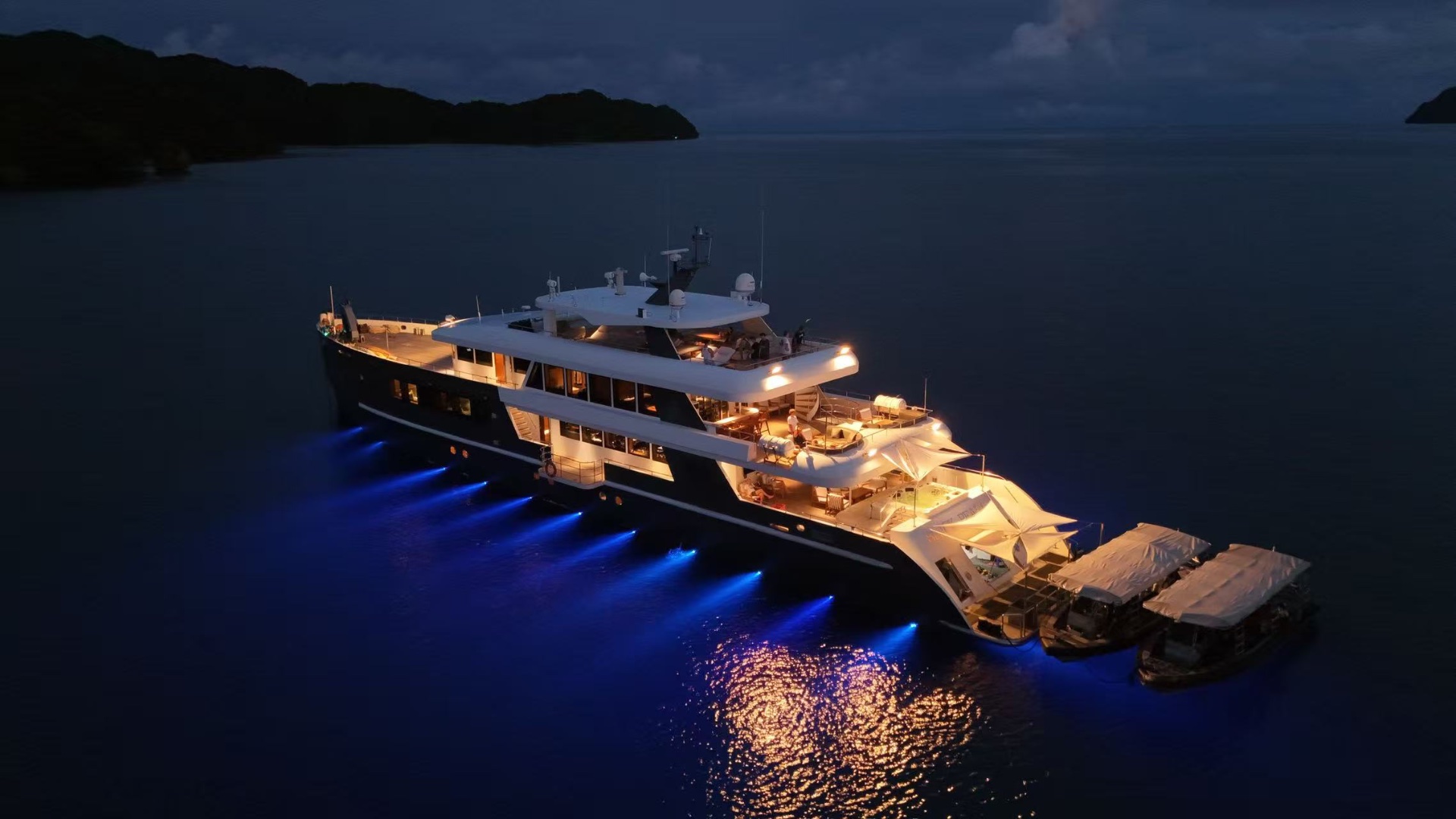
Black Pearl
Micronesia
24 guests
$390/day
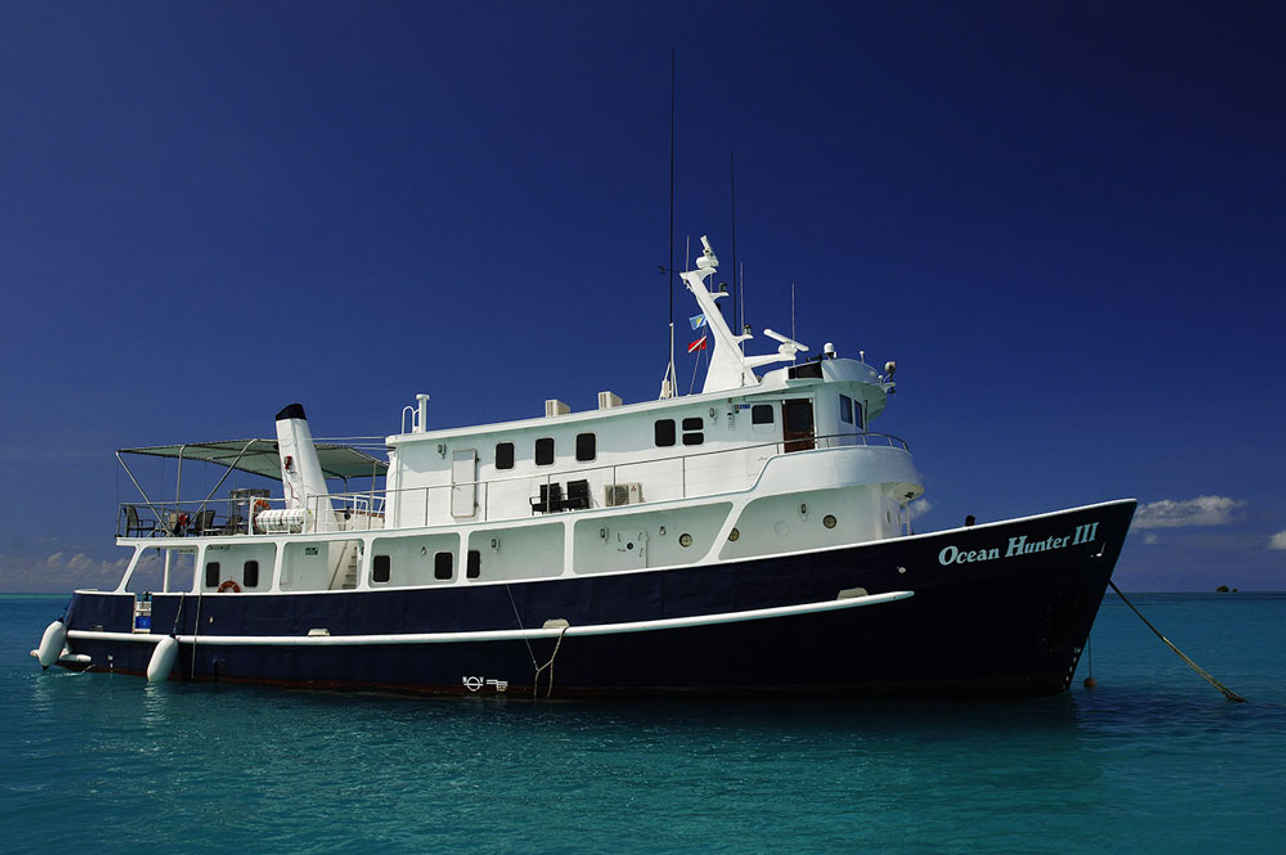
Ocean Hunter 3
Micronesia
16 guests29 m
$350/day
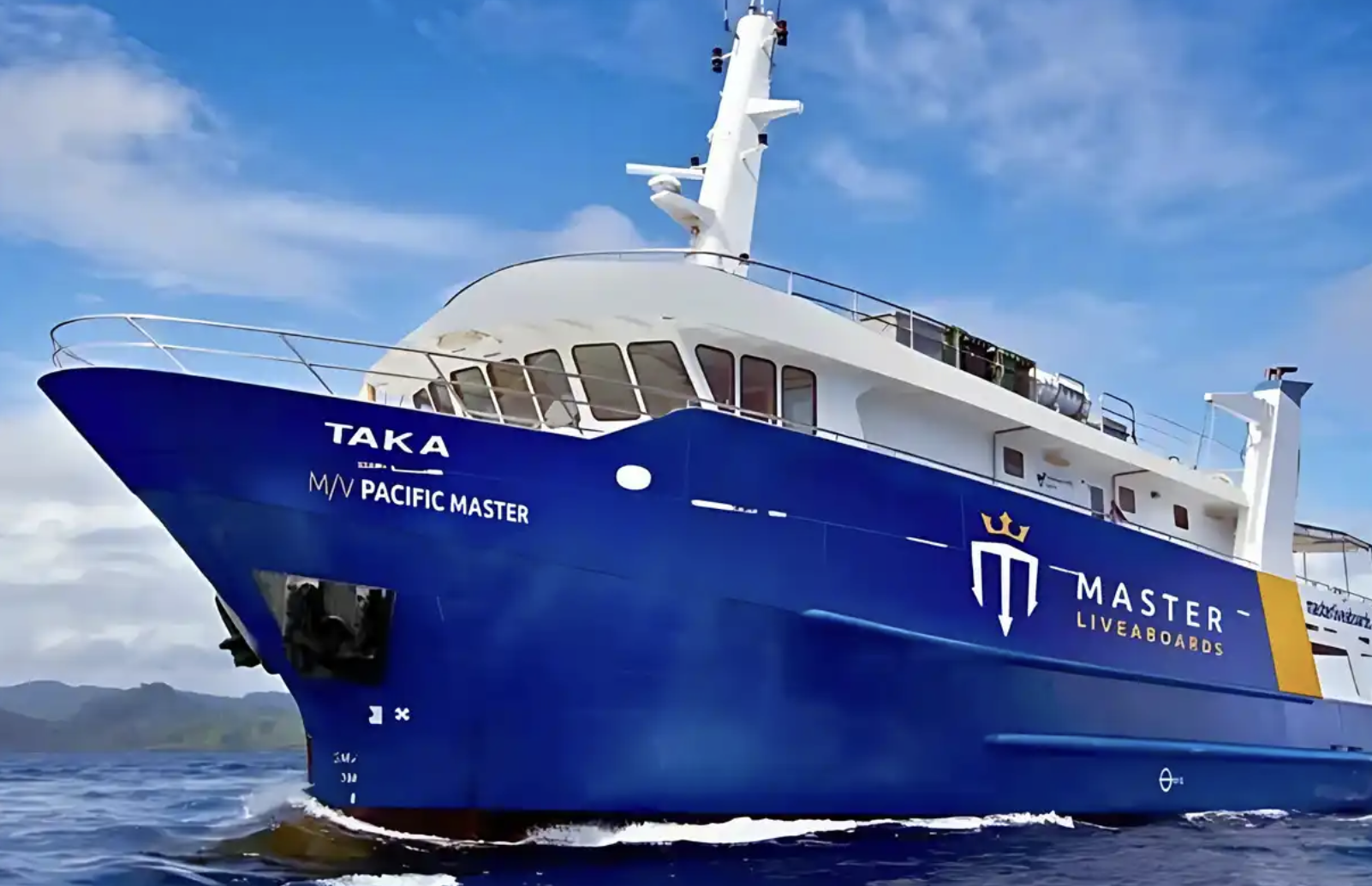
Pacific Master
Solomon Islands
20 guests30 m
$268/day
Dive sites similar to Yap Caverns
Same character, same waters — six more sites divers love for the exact same reasons.Compare seasons, access and liveaboard routes — then pick the site that fits your trip best.
© Esri — Maxar, Earthstar, GIS
Mi'l Channel
Micronesia
Mi'l Channel in Yap, Federated States of Micronesia, stands out as a world-renowned dive site, primarily celebrated for its consistent manta ray sightings.
- Suitable for
- Advanced
- Current
- Strong
- Access
- Dayboat
- Depth
- 15–30 m
- Theme
- Drift / Reef
© Esri — Maxar, Earthstar, GIS
Gilman Wall
Micronesia
Gilman Wall is one of Yap's premier dive sites, renowned for its spectacular vertical drop-offs and consistent pelagic action.
- Suitable for
- Advanced
- Current
- Strong
- Access
- Liveaboard only
- Depth
- 10–30 m
- Theme
- Drift / Wall
© Esri — Maxar, Earthstar, GIS
Manta Road
Micronesia
Manta Road, located in Pohnpei, Micronesia, is renowned as a premier destination for manta ray encounters.
- Suitable for
- Intermediate
- Current
- Moderate
- Access
- Dayboat
- Depth
- 16–25 m
- Theme
- Drift / Reef
© Esri — Maxar, Earthstar, GIS
Hiroshi Point
Micronesia
Hiroshi Point is a prominent shore and boat dive site located on the southern end of Kosrae in the Federated States of Micronesia.
- Suitable for
- Beginner
- Current
- Mild
- Access
- Liveaboard or dayboat
- Depth
- 5–13 m
- Theme
- Reef / Wall
© Esri — Maxar, Earthstar, GIS
Gabach Garden Walls
Micronesia
Gabach Garden Walls, located in the eastern lagoon of Pohnpei, Micronesia, is a captivating dive site characterized by its low reef wall.
- Suitable for
- Intermediate
- Current
- Mild
- Access
- Dayboat
- Depth
- 2–30 m
- Theme
- Wall
© Esri — Maxar, Earthstar, GIS
Walung Drop-Off
Micronesia
Walung Drop-Off is a well-known dive site situated off the southwest coast of Kosrae in the Federated States of Micronesia.
- Suitable for
- Intermediate
- Current
- Moderate
- Access
- Dayboat
- Depth
- ≤ 30 m
- Theme
- Wall / Reef