About German Channel
German Channel, located in Micronesia's Palau archipelago near Ngemelis Island, is a renowned dive site created in the early 1900s by Germans for guano transport. This roughly 1 km long channel through the coral reef now serves as a major access point to southwestern outer reef dive sites. The diving primarily takes place at the channel's southwest mouth, where the seafloor gradually slopes from 5 to 40 meters over a sandy bottom. German Channel is world-famous as a manta ray hotspot, offering exceptional opportunities to observe these magnificent creatures, often with wingspans up to 3 meters, as they visit feeding or cleaning stations. Divers are encouraged to be patient and avoid chasing them, allowing the mantas to approach naturally. Beyond manta rays, the site hosts a rich diversity of marine life. Divers frequently encounter blacktip and grey reef sharks, barracuda, trevally, and snappers. Other notable sightings include large schools of fish, stingrays, turtles, giant triggerfish, Napoleon wrasse, and even leopard sharks resting on the sandy bottom. The cleaning stations are particularly impressive, where mantas pause with open mouths and gills, allowing cleaner wrasse and butterflyfish to perform their duties, providing fantastic photographic opportunities. The overall marine ecosystem here is healthy, supporting both large pelagics and vibrant reef inhabitants. Diving here typically involves moderate skills due to currents, though it is considered suitable for various experience levels. Visibility varies significantly with the tide: incoming tides bring clear ocean water, offering 20-40 meters of visibility, while outgoing tides can reduce it to 10-20 meters due to plankton and algae. Dive boats primarily access this site. For the best experience, divers often position themselves on the ocean floor near cleaning stations to observe the mantas. Palau in general is known for its drift dives and the use of reef hooks at certain sites where strong currents are present, allowing divers to anchor themselves and observe the bustling marine activity.
Highlights
Manta RaysCleaning station
Season calendar
Best months to dive here
Jan
Feb
Mar
Apr
May
Jun
Jul
Aug
Sep
Oct
Nov
Dec
Good
Dive site facts: German Channel
- Depth
- 5–40 m
- Typical dive
- 12–25 m, 50–60 min
- Current
- Varies with tide, can be strong
- Visibility
- 10–40 m, tide-dependent
- Water temperature
- 28–30°C
- Entry
- Liveaboard / day boat
- Level
- All levels, current experience beneficial
- Dive type
- Drift, pelagic, cleaning station
- Region / port
- Palau, Micronesia
- Coordinates
- 7.17, 134.31
Conditions & Currents
Currents at German Channel are highly dynamic and a defining feature of the dive experience, dictating both visibility and marine life activity. During incoming tides, clear water from the ocean flows into the lagoon, bringing excellent visibility (20–40m) and often attracting pelagic species. Conversely, outgoing tides carry plankton and algae from the lagoon, reducing visibility (10–20m) but increasing the chances of observing mantas feeding. The channel itself experiences extremely strong currents and is frequented by boats, making direct diving there unsafe; the dive site is specifically located at the channel's southwest mouth. Divers should be prepared for varying current strengths, which can range from mild to thrilling drift conditions, and be proficient in controlling buoyancy, especially near cleaning stations where patience is rewarded. Reef hooks can be beneficial at certain
Marine life & sighting chances
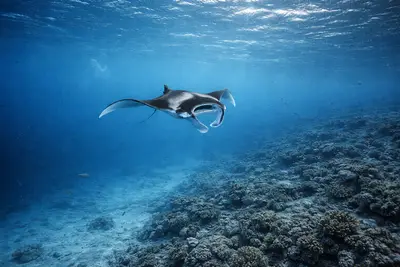
Manta Ray
Year-round, peak Dec-June · commonReef Manta Ray
Year-round · common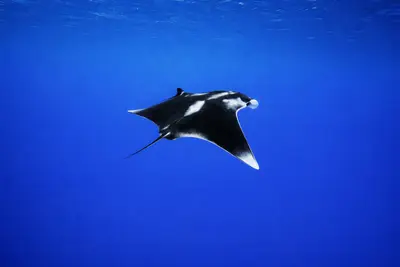
Giant Oceanic Manta Ray
Year-round · common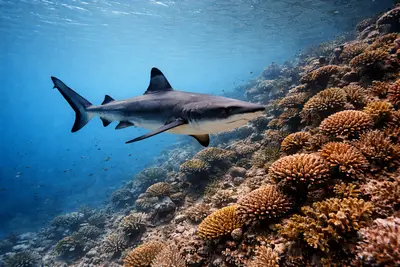
Blacktip Reef Shark
Year-round · occasional
Grey Reef Shark
Year-round · occasional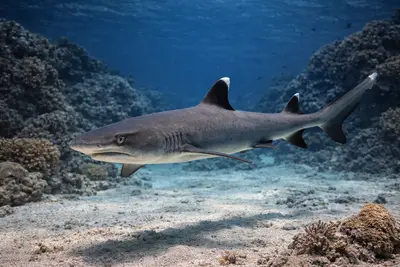
Whitetip Reef Shark
Year-round · occasional
Barracuda
Year-round · occasional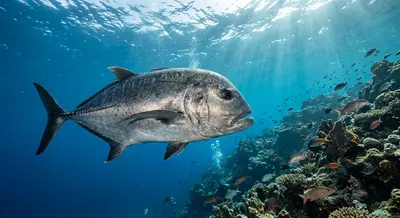
Trevally
Year-round · occasional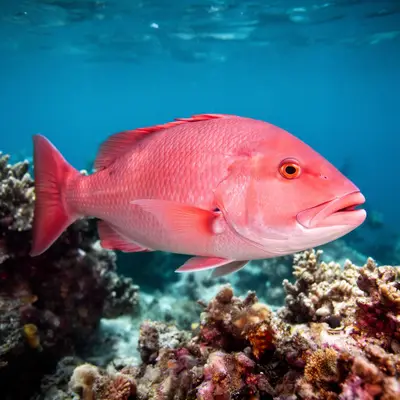
Snappers
Year-round · occasional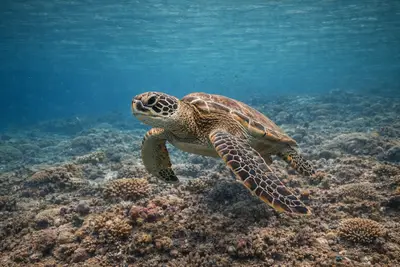
Green Turtle
Year-round · occasional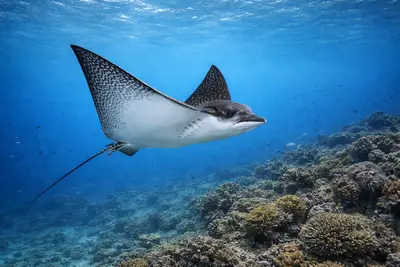
Eagle Ray
Year-round · occasional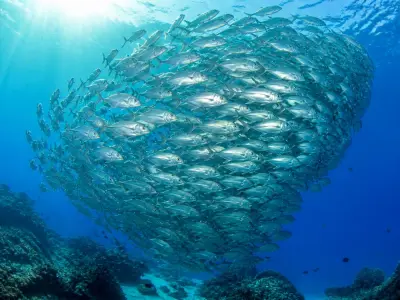
Jackfish
Year-round · occasional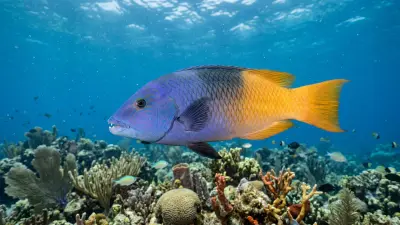
Wrasse
Year-round · common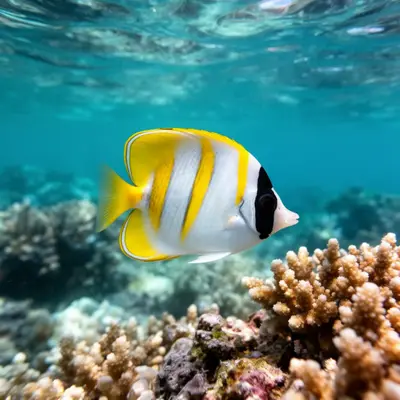
Butterflyfish
Year-round · commonDive profile & how the dive runs
Diving at German Channel typically begins at the southwest mouth, away from the turbulent main channel. Upon descending, divers often head towards a sandy plateau at around 15-20 meters, which hosts several manta ray cleaning stations. This is a primary point of interest, where divers can position themselves to observe mantas gliding in for cleaning. The dive then often progresses along the sloping reef, which descends to 40 meters, featuring extensive hard coral gardens and bommies. The route may follow the current, becoming a gentle drift. Schools of pelagic fish, including barracuda and trevally, are frequently encountered in the blue. Towards the end of the dive, as you gradually ascend, you'll explore shallower coral formations between 5-10 meters. The safety stop is typically performed over these shallower reef areas, allowing for further observation of reef fish before surfacing near the boat.
Underwater photography
German Channel offers exceptional wide-angle photography opportunities, especially for capturing manta rays at their cleaning stations or schools of pelagic fish. A wide-angle lens (e.g., 10-17mm or fisheye) is ideal for these subjects, allowing you to include the reef and other divers for scale. Patience is crucial for manta ray shots; maintain a respectful distance and let the mantas approach. For optimal lighting, use dual strobes to fill in shadows and bring out the vibrant colors of the coral and fish. When visibility is at its best during incoming tides, the clear water provides excellent conditions for capturing sharp, well-lit images. Be mindful of your buoyancy, particularly at cleaning stations, to avoid disturbing the environment or other marine life. Given the potential for strong currents, stabilizing with a reef hook can be beneficial for photographers seeking steady shots.
Combine with nearby dive sites
- Blue Corner
World-class drift dive with strong currents and abundant pelagic species
- Ulong Channel
Known for drift diving, sharks, and stunning coral scenery
- Blue Holes
Underwater cavern system with unique light effects
- Ngemelis Channel
Another hotspot for manta ray sightings and diverse marine life
- Peleliu Wall
Dramatic wall dive with strong currents and large pelagics
Getting there & logistics
To reach German Channel, you first fly into Roman Tmetuchl International Airport (ROR) on Babeldaob, Palau. International flights connect Palau with major hubs in the Philippines, Taiwan, South Korea, Japan, and Guam. From the airport, transport typically heads to Koror, Palau's largest city. Liveaboards departing for German Channel and other dive sites in the region usually embark from Malakal Harbor in Koror. Day trip operations also run from Koror-based dive centers. A typical liveaboard itinerary ranges from 7 to 10 days, encompassing various sites including German Channel, Blue Corner, and Ulong Channel. Divers are required to obtain a Koror State diving permit, with additional permits sometimes needed for specific areas like Peleliu. These permits are often included in liveaboard packages or arranged by dive operators.
Safety & environment
Diving in German Channel requires adherence to established safety protocols due to potentially strong and unpredictable currents. All divers should carry a surface marker buoy (SMB) and know how to deploy it, as well as an audible signaling device. Adequate dive insurance covering emergency medical treatment and evacuation, including recompression chamber costs, is highly recommended. The nearest recompression chamber is located in Koror, Palau. Evacuation to the chamber from German Channel involves boat transfer. Divers should maintain excellent buoyancy control to avoid damaging the delicate coral ecosystems, particularly around cleaning stations. Always follow your dive guide's instructions regarding current conditions, entry, and exit procedures. Respect marine life by maintaining a safe distance from mantas and other creatures, never chasing or touching them.
Who it suits — and who it doesn't
Suited for
- Pelagic enthusiasts
- Underwater photographers
- Divers seeking manta ray encounters
- Advanced Open Water divers comfortable with currents
- Marine biology enthusiasts
Less suited for
- Beginner divers without current experience
- Divers with poor buoyancy control
- Those uninterested in large marine life
- Divers prone to seasickness in choppier conditions
- Those who prefer purely calm, current-free dives
FAQ
German Channel FAQ
What makes German Channel famous for diving?
German Channel is globally renowned as one of the best locations for encountering manta rays. Divers frequently observe these majestic creatures at cleaning stations or feeding on plankton, often at close quarters. The site's dynamic currents also attract a rich variety of pelagic fish and reef sharks, contributing to its fame.
Is German Channel a natural formation?
No, German Channel is not a natural formation. It was created in the early 1900s by German colonialists who mined guano (phosphate) in Micronesia. The channel was dug to provide a passage for transporting the mined material from the lagoon into the open ocean.
What kind of marine life can I expect to see besides manta rays?
Beyond its famous manta rays, German Channel is home to diverse marine life. You can expect to see schools of blacktip reef sharks, grey reef sharks, barracuda, trevally, and snappers. The coral gardens also host numerous tropical reef fish, green turtles, eagle rays, and cleaner wrasse.
How do currents affect diving at German Channel?
Currents at German Channel are highly influential and vary significantly with the tides. Incoming tides bring clear ocean water and excellent visibility, while outgoing tides carry plankton from the lagoon, which can reduce visibility but attract feeding mantas. Divers should be prepared for varying current strengths and potential drift conditions.
Is German Channel suitable for all diver levels?
Yes, German Channel is generally suitable for all levels of divers, as the dive site itself slopes gently from 5m to 40m. However, given the potential for strong currents, particularly experienced divers will find it most enjoyable. Divers with some experience in currents will be better prepared to make the most of the dynamic conditions.
When is the best time of year to dive German Channel?
While diving is possible year-round, the best time to visit German Channel is typically from December to June. During these months, Palau experiences its dry season, characterized by calmer seas, lighter winds, and generally better visibility, which enhances the overall diving experience and manta ray encounters.
Why dive German Channel from a liveaboard?
German Channel is one of Micronesia's signature dive sites. A liveaboard sleeps you on the water and puts you in the water for three to four guided dives per day, including dawn and night dives that day-boat operators rarely offer. You skip the daily commute back to port and reach quieter, less-crowded sites in the same region on a single trip.
Below are the liveaboards that include German Channel on their Micronesia itineraries.
Liveaboards diving German Channel
These liveaboards may visit German Channel on selected itineraries — the exact dive sites depend on departure, weather and conditions.
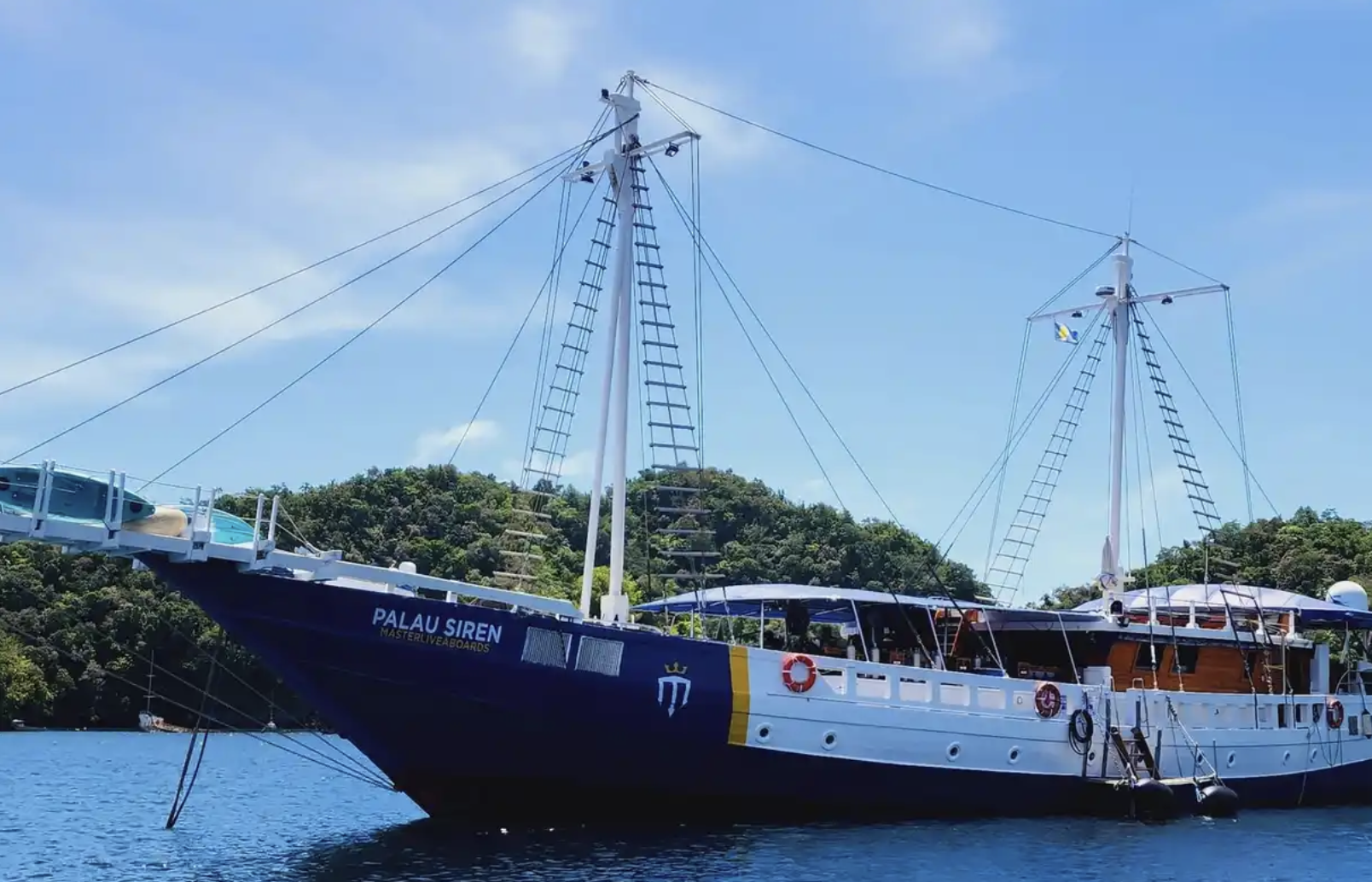
Palau Siren
Micronesia
16 guests
$500/day
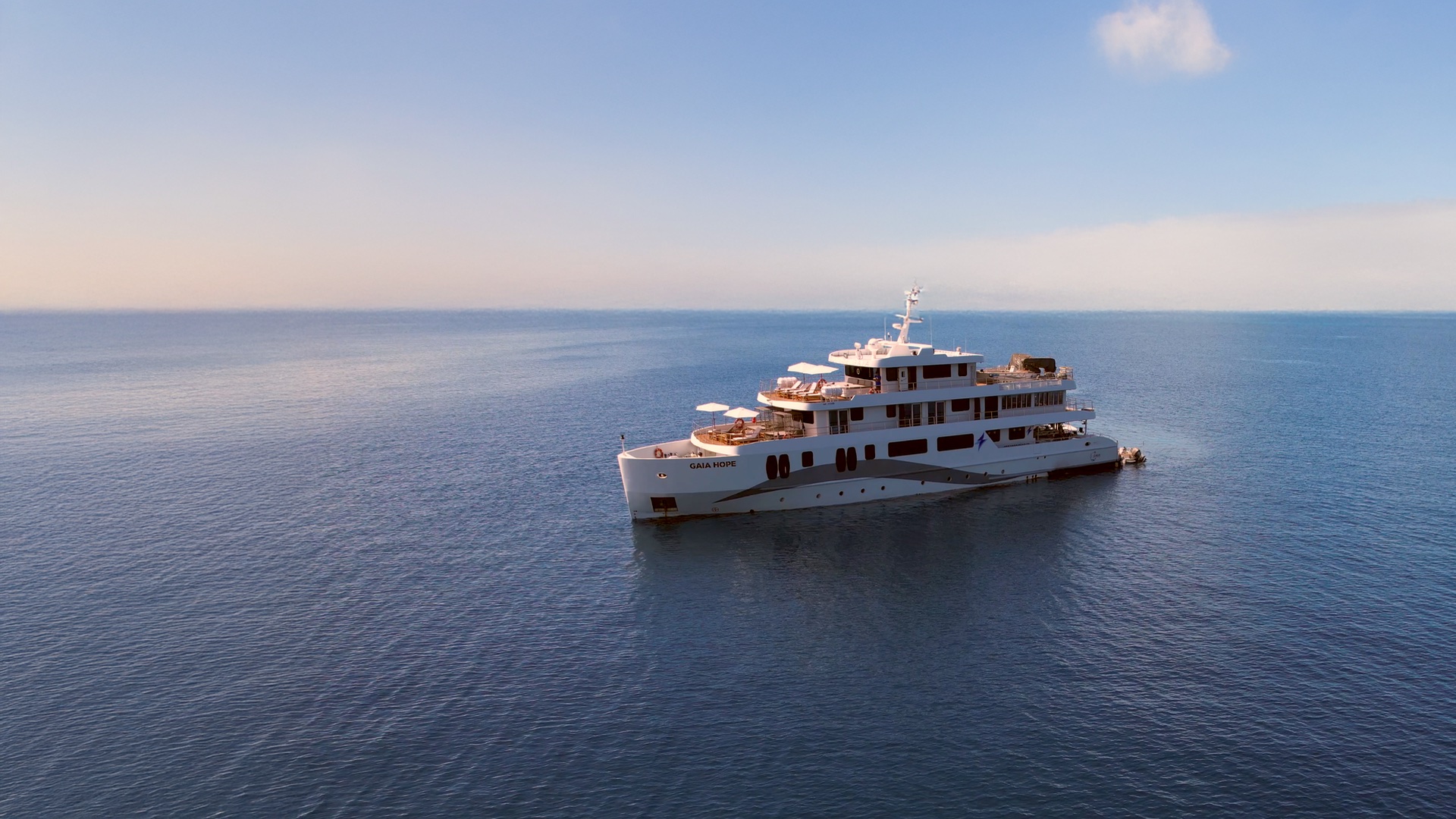
Solitude Gaia
Micronesia
18 guests40 m
$310/day
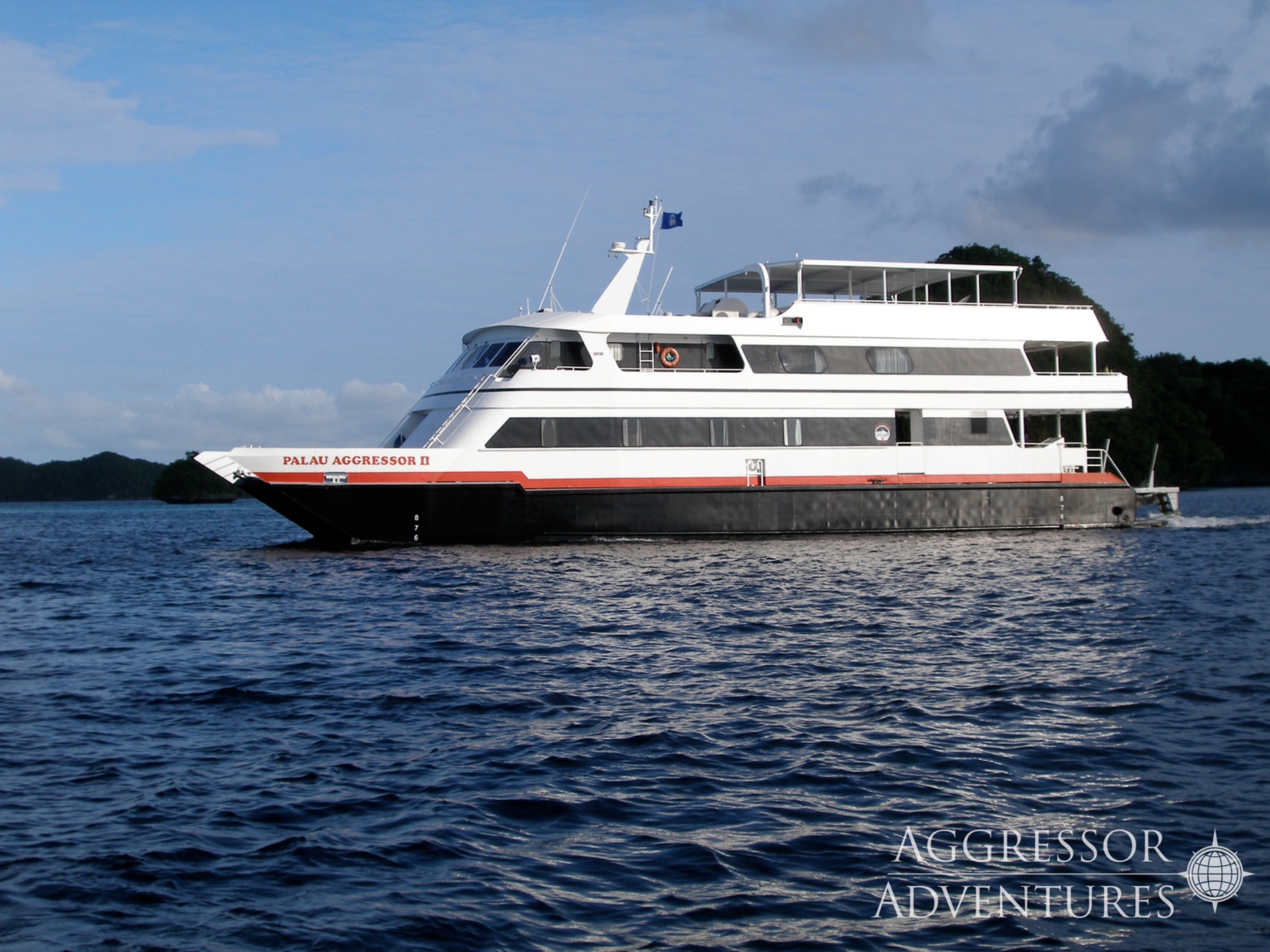
Palau Aggressor II
Micronesia
18 guests32 m
$292/day
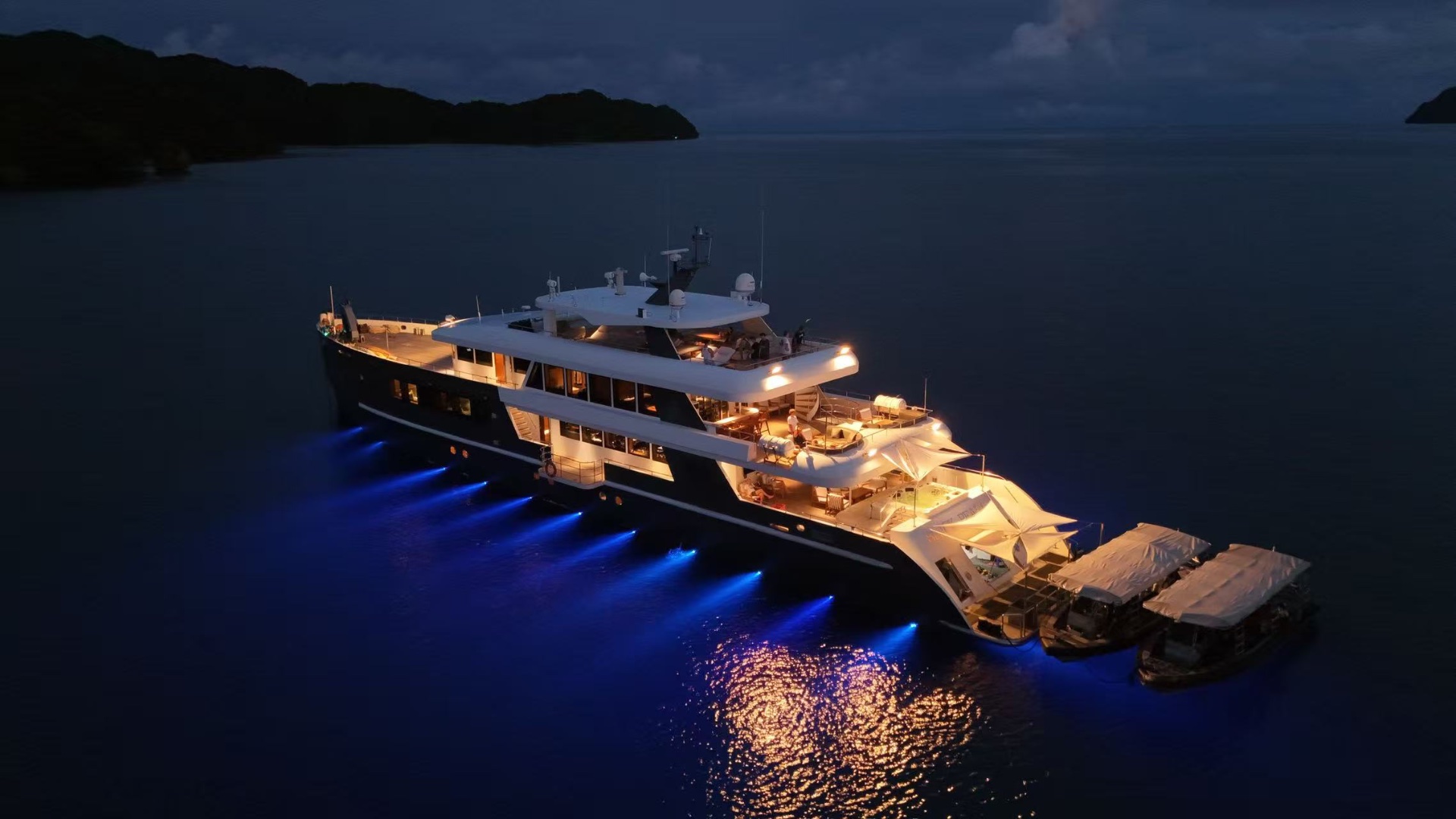
Black Pearl
Micronesia
24 guests
$390/day
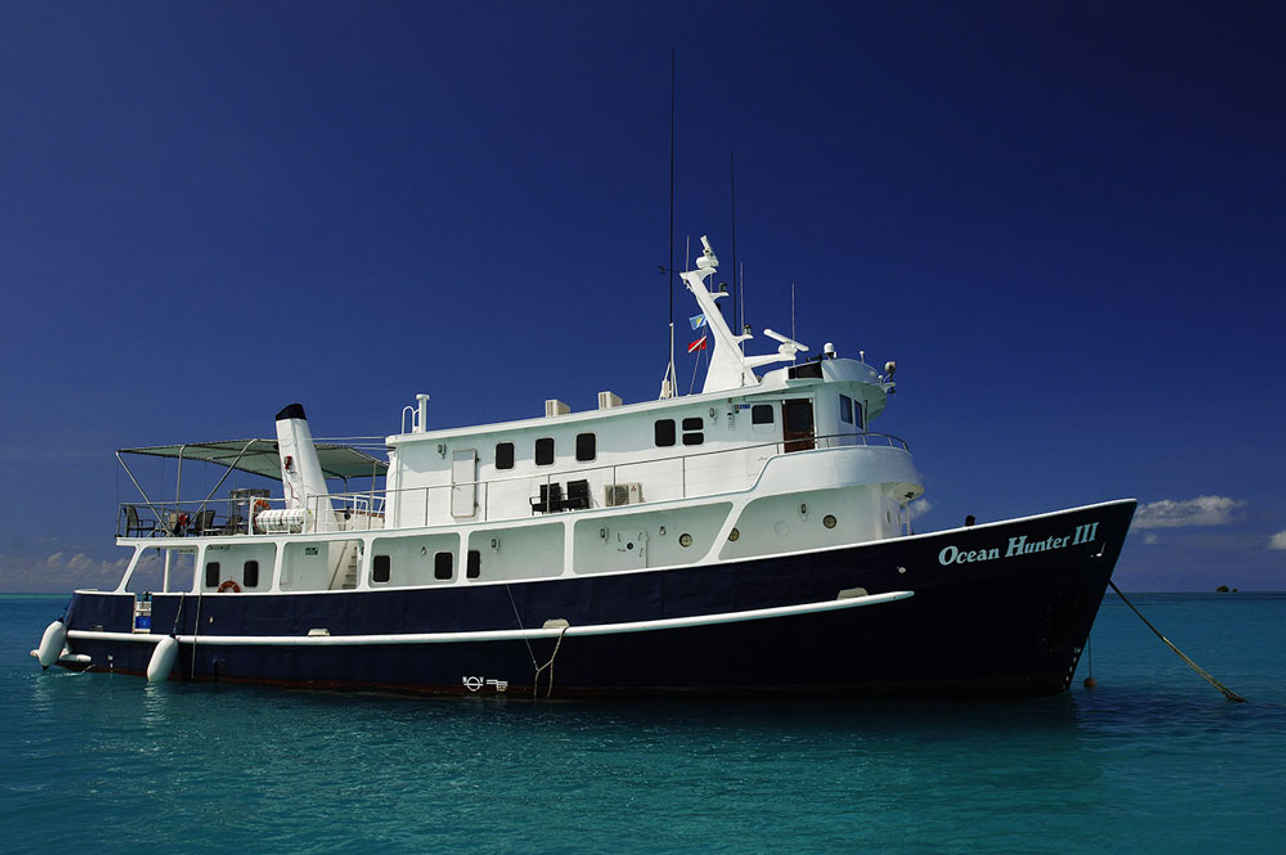
Ocean Hunter 3
Micronesia
16 guests29 m
$350/day
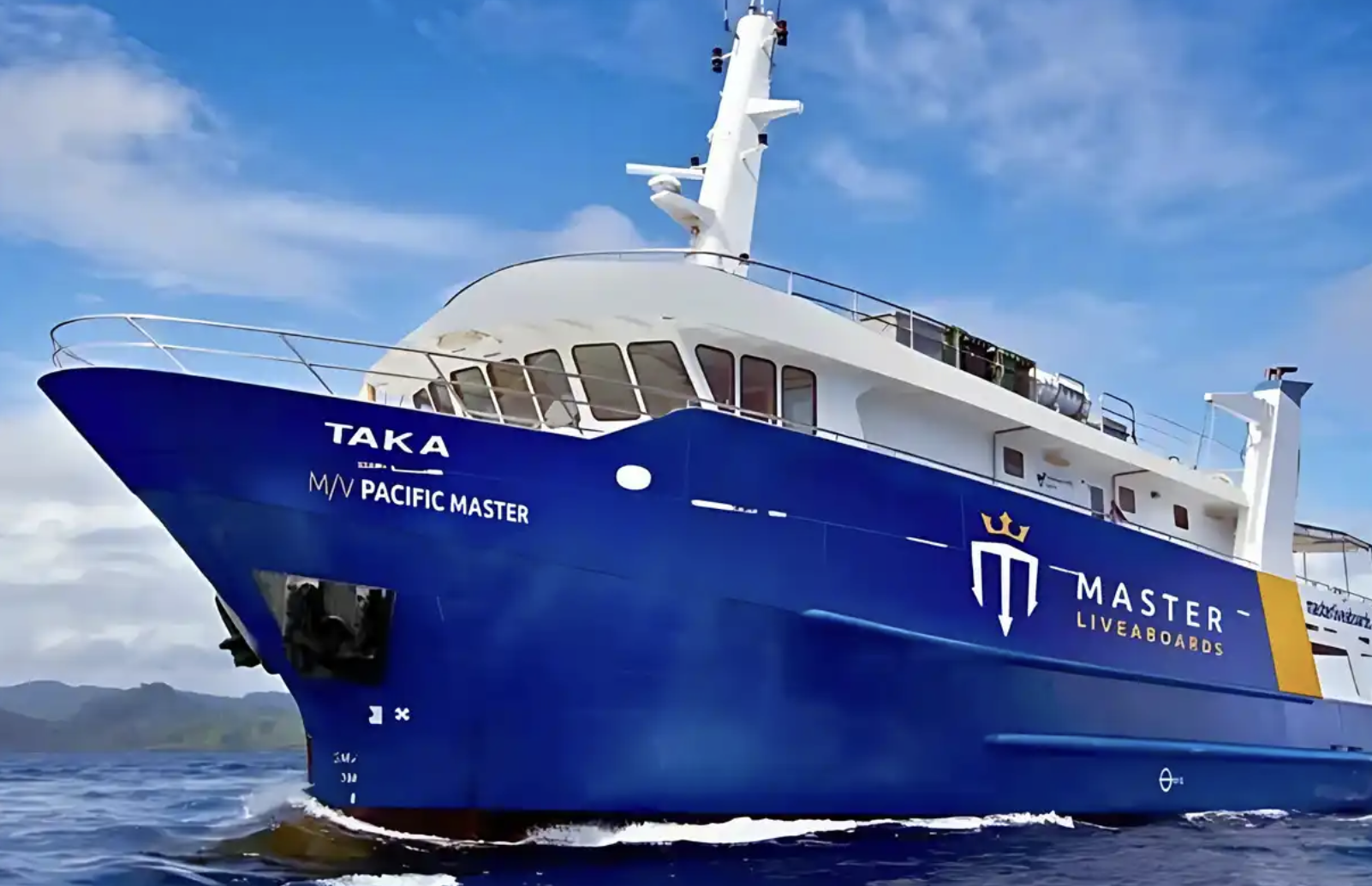
Pacific Master
Solomon Islands
20 guests30 m
$268/day
Dive sites similar to German Channel
Same character, same waters — six more sites divers love for the exact same reasons.Compare seasons, access and liveaboard routes — then pick the site that fits your trip best.
Mi'l Channel
Micronesia
Mi'l Channel in Yap, Federated States of Micronesia, stands out as a world-renowned dive site, primarily celebrated for its consistent manta ray sightings.
- Suitable for
- Advanced
- Current
- Strong
- Access
- Dayboat
- Depth
- 15–30 m
- Theme
- Drift / Reef
Gilman Wall
Micronesia
Gilman Wall is one of Yap's premier dive sites, renowned for its spectacular vertical drop-offs and consistent pelagic action.
- Suitable for
- Advanced
- Current
- Strong
- Access
- Liveaboard only
- Depth
- 10–30 m
- Theme
- Drift / Wall
Manta Road
Micronesia
Manta Road, located in Pohnpei, Micronesia, is renowned as a premier destination for manta ray encounters.
- Suitable for
- Intermediate
- Current
- Moderate
- Access
- Dayboat
- Depth
- 16–25 m
- Theme
- Drift / Reef
Hiroshi Point
Micronesia
Hiroshi Point is a prominent shore and boat dive site located on the southern end of Kosrae in the Federated States of Micronesia.
- Suitable for
- Beginner
- Current
- Mild
- Access
- Liveaboard or dayboat
- Depth
- 5–13 m
- Theme
- Reef / Wall
Walung Drop-Off
Micronesia
Walung Drop-Off is a well-known dive site situated off the southwest coast of Kosrae in the Federated States of Micronesia.
- Suitable for
- Intermediate
- Current
- Moderate
- Access
- Dayboat
- Depth
- ≤ 30 m
- Theme
- Wall / Reef
Peleliu Express
Micronesia
Peleliu Express is a challenging, world-class drift dive situated off the dramatic southern tip of Peleliu Island in Palau.
- Suitable for
- Advanced
- Current
- Ripping
- Access
- Liveaboard or dayboat
- Depth
- 10–40 m
- Theme
- Drift / Wall