About Peleliu Wall
Peleliu Wall and Cut is a highly regarded dive site located on the southern reef of Peleliu Island, approximately 55 kilometers (34 miles) from Koror in Palau. This unique site features an extensive underwater sea wall and a plateau reef, making it Palau's deepest reef structure. Its strategic location, where major ocean currents converge, creates some of the strongest currents in Palau, attracting an extraordinary variety of pelagic species. The topography ranges from the reef top, which can be as shallow as 10 meters, to a plateau at 30 meters. The wall itself plunges into greater depths, adorned with a rich tapestry of corals including bright yellow soft corals, long cable corals, black corals, and numerous sea fans. This vibrant coral backdrop supports a dense population of tropical reef fish, such as butterflyfish, sergeant majors, bumphead parrotfish, and anthias. The powerful currents are a magnet for large pelagics, offering divers the chance to observe predator-prey dynamics. Frequent sightings include various shark species like blacktip reef sharks, tiger sharks, and bull sharks. Lucky encounters may also include whale sharks, blue marlins, or even orcas and sperm whales. The site is best explored via drift diving, where divers are carried along the wall, often using reef hooks to observe the schooling fish and pelagic action. Accessibility is primarily by speedboat from Koror, taking 60-80 minutes, or as part of a liveaboard itinerary. Due to the consistently strong and dynamic currents, Peleliu Wall is best suited for advanced divers with experience in drift diving and current management. Visibility is typically excellent, often ranging from 25 to 50 meters, though it can vary with tidal conditions.
Highlights
Strong currentsPelagic marine lifeDeep reef structureVibrant coral wallsDrift diving experienceShark encountersWWII history
Season calendar
Best months to dive here
Jan
Feb
Mar
Apr
May
Jun
Jul
Aug
Sep
Oct
Nov
Dec
Good
Dive site facts: Peleliu Wall
- Depth
- 10–30 m (reef plateau) / deeper wall
- Current
- Strong to very strong
- Visibility
- 25–50 m
- Water temperature
- 28–30°C
- Entry
- Tender / Negative entry
- Level
- Advanced / Expert
- Dive type
- Wall, drift, pelagic
- Region / port
- Peleliu, Palau
- Coordinates
- 7.7793° N, 147.0446° E
Conditions & Currents
Peleliu Wall is renowned for having the strongest currents in Palau, resulting from the convergence of major ocean currents around the archipelago. These currents can range from a thrilling rush to extremely powerful, necessitating careful monitoring and advanced diving skills. Divers typically experience drift dives, entering the water at one end of the wall, usually on the western side, and allowing the current to carry them along to the southern corner of the reef. Here, divers commonly use reef hooks to secure themselves to dead coral outcrops, enabling sustained observation of the passing pelagic action without expending excessive energy. Tidal cycles significantly influence current strength and direction, with visibility also varying based on these conditions. While surge can be present, the primary consideration is the consistent, strong flow. Entry and exit strategies are typical
Marine life & sighting chances
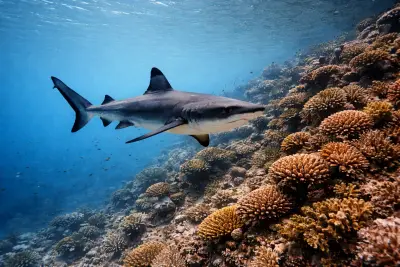
Blacktip reef shark
common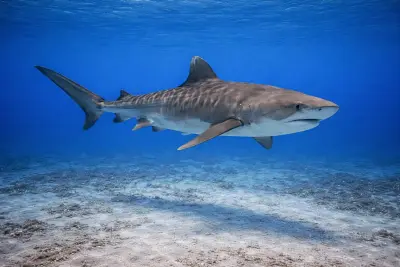
Tiger shark
occasional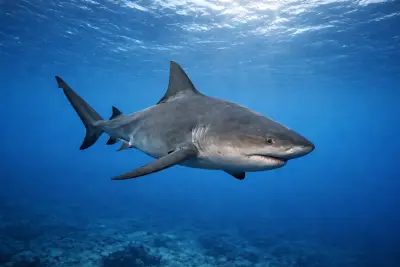
Bull shark
occasional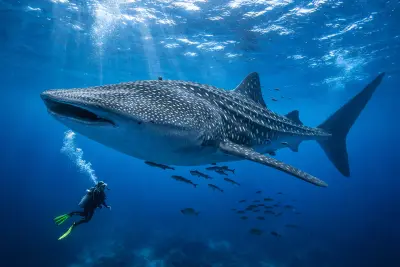
Whale shark
rare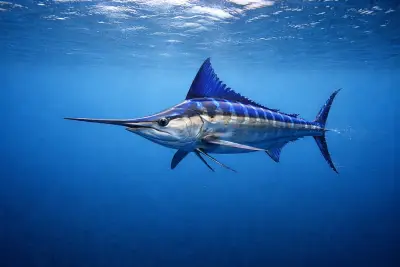
Blue marlin
rare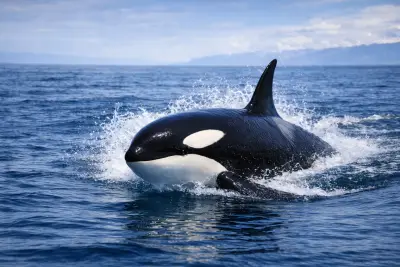
Orca
rare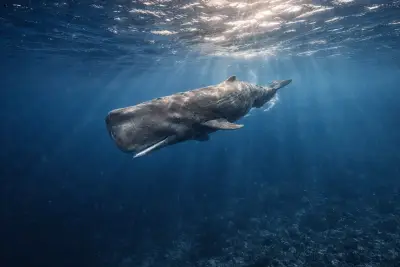
Sperm whale
rare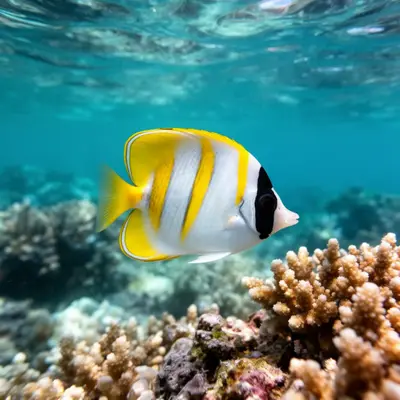
Butterflyfish
common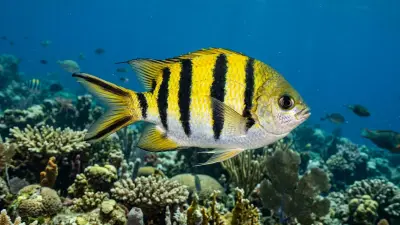
Sergeant major
common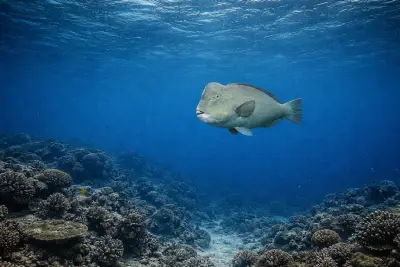
Bumphead parrotfish
common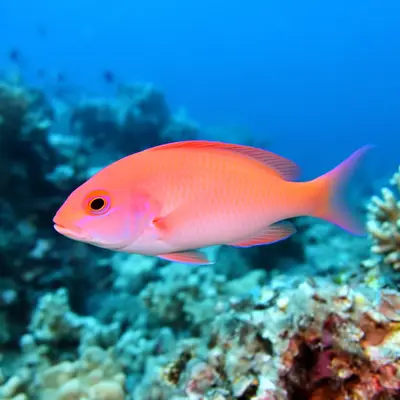
Anthias
common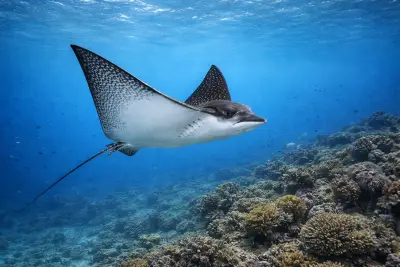
Eagle ray
occasional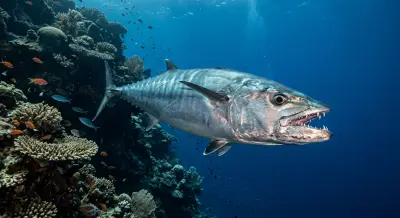
Tuna
occasional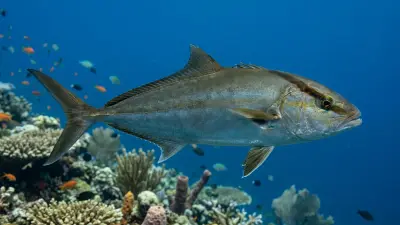
Jack
occasionalDive profile & how the dive runs
Diving at Peleliu Wall typically involves a drift dive due to the powerful currents. Divers are usually dropped off at the western side of the wall, initiating a negative entry to quickly descend and get established on the reef. The dive then proceeds as a controlled drift along the impressive coral wall, maintaining a depth band between 10 meters on the reef top and 30 meters on the plateau. As the current carries you, you'll observe vibrant hard and soft corals, along with schooling reef fish, while constantly scanning the blue for larger pelagics drawn by the nutrient-rich flow. The route generally progresses towards 'The Corner' at the southern end of the reef. Upon reaching this high-current area, divers often deploy reef hooks to attach themselves to stable rock or dead coral, allowing for stationary observation of the intense pelagic action, including sharks and other large marine life, without fighting the current. The safety stop is typically conducted as a drift, or by hooking into a shallower part of the reef at the end of the drift, carefully managing buoyancy and remaining aware of the current for a safe ascent.
Underwater photography
Peleliu Wall offers exceptional opportunities for wide-angle photography, especially to capture the dramatic wall topography and the abundant pelagic action. A fisheye or wide-angle lens (e.g., 8-16mm or 10-24mm) is recommended to encompass the vastness of the wall and large schools of fish. Given the strong currents, excellent buoyancy control and familiarity with reef hooks are paramount to stabilize yourself and compose shots effectively. External strobes are crucial for bringing out the vibrant colors of the corals and reef fish, particularly at greater depths. When photographing large animals like sharks and mantas, be patient and avoid chasing them; instead, find a good position to allow them to swim by naturally. Due to the dynamic conditions, high shutter speeds may be necessary to freeze motion. Focus on capturing the interactions between predators and prey in the open blue, as well as the intricate coral formations on the wall itself. Macro photography is less of a focus on this site given the pelagic nature, but small reef dwellers can be found among the corals.
Combine with nearby dive sites
- Peleliu Express
Peleliu Express is a challenging, world-class drift dive situated off the dramatic southern tip of Peleliu Island in Palau.
- The Corner
The Corner is a prominent outer reef dive site situated in Pohnpei, Micronesia.
- Blue Corner
Blue Corner, located off the southwest reefs of Palau's Ngemelis Island, stands as one of the world's premier dive destinations, frequently…
- Ulong Channel
Ulong Channel, situated approximately 15 miles west of Koror and adjacent to Ulong Island, is a renowned channel dive in Palau celebrated…
- German Channel
German Channel, located in Micronesia's Palau archipelago near Ngemelis Island, is a renowned dive site created in the early 1900s by…
- Chandelier Cave
Chandelier Cave stands apart from Palau’s typical dive sites, offering a distinct and fascinating experience.
Getting there & logistics
Access to Peleliu Wall typically begins by flying into Roman Tmetuchl International Airport (ROR) on Babeldaob Island, Palau. This airport is served by a limited number of international destinations, mainly from the Philippines, Taiwan, South Korea, Japan, and Guam. From the airport, a bridge connects to Koror, the main city and hub for liveaboard departures and day boat operations. Liveaboards dedicated to exploring Palau's southern reefs and the Peleliu area usually depart from Malakal Harbour in Koror. Day trips to Peleliu Wall by speedboat from Koror take approximately 60-80 minutes one way. Typical liveaboard itineraries in Palau range from 7 to 10 days, allowing multiple dives at sites like Peleliu Wall, often combined with other renowned sites such as Blue Corner, Ulong Channel, and German Channel. Some land-based dive operators also run trips to Peleliu, but it is a longer boat ride. There are no specific permits or fees mentioned for diving Peleliu Wall itself beyond general marine park fees for Palau.
Safety & environment
Diving Peleliu Wall requires a high level of experience due to its exceptionally strong and unpredictable currents. Divers must be proficient in drift diving techniques, including negative entries, and be comfortable with potentially turbulent conditions. The use of a reef hook is standard practice for securing oneself in the current. A surface marker buoy (SMB) and audible signaling device are essential safety gear for every diver, especially given the drift nature of the dive. The nearest recompression chamber is located in Koror, Palau. In case of a dive emergency, evacuation to Koror would typically involve a speedboat transfer, followed by ground transport to the chamber. Divers should ensure their dive insurance covers emergency medical care and evacuation in remote locations. It's crucial to always dive with a reputable operator, follow dive guide instructions diligently, and communicate any discomfort or issues immediately. Always monitor your air consumption carefully, as currents can increase gas usage.
Who it suits — and who it doesn't
Suited for
- Experienced drift divers
- Advanced certification holders
- Divers seeking strong pelagic action
- Photographers with wide-angle setups
- WWII history enthusiasts
Less suited for
- Beginner divers
- Divers uncomfortable with strong currents
- Those prone to seasickness
- Divers with poor buoyancy control
- Macro-focused photographers
FAQ
Peleliu Wall FAQ
What makes Peleliu Wall a challenging dive?
Peleliu Wall is known for having the strongest and most dynamic currents in Palau. These powerful flows can be unpredictable, requiring divers to be highly skilled in drift diving, current management, and the proper use of reef hooks. Divers must maintain excellent buoyancy and be prepared for potential turbulence, making it a site best suited for advanced and experienced individuals.
What kind of marine life can I expect to see at Peleliu Wall?
The strong currents at Peleliu Wall attract an abundance of pelagic marine life, making it a hotspot for shark sightings, including blacktip, tiger, and bull sharks. Divers frequently observe large schools of reef fish, such as bumphead parrotfish and anthias, as well as occasional sightings of eagle rays, tuna, and jacks. Rare encounters with whale sharks, blue marlins, or even orcas and sperm whales are also possible.
Do I need a reef hook to dive Peleliu Wall?
Yes, a reef hook is considered essential for diving Peleliu Wall. Due to the site's consistently strong currents, using a reef hook allows divers to secure themselves to stable rock or dead coral at specific points, such as 'The Corner.' This enables hands-free observation of the pelagic action without fighting the current, conserving energy and enhancing the dive experience. Your dive guide will instruct you on its proper and responsible use.
How is the visibility at Peleliu Wall?
Visibility at Peleliu Wall is generally excellent, often ranging from 25 to 50 meters (75 to 100 feet). However, it can be highly dependent on tidal conditions. While the currents bring nutrient-rich water that attracts marine life, they can also influence water clarity, sometimes causing minor fluctuations. Despite this, the site typically offers very clear underwater views.
Can I visit Peleliu Island to learn about its WWII history?
Yes, Peleliu Island is historically significant due to its role in WWII. Many liveaboard itineraries and day trips to the Peleliu dive sites offer opportunities for surface intervals or dedicated excursions to the island. You can explore various land-based remnants and memorials from the intense battles that took place there, learning more about the island's past in addition to its incredible underwater environment.
Why dive Peleliu Wall from a liveaboard?
Peleliu Wall is one of Micronesia's signature dive sites. A liveaboard sleeps you on the water and puts you in the water for three to four guided dives per day, including dawn and night dives that day-boat operators rarely offer. You skip the daily commute back to port and reach quieter, less-crowded sites in the same region on a single trip.
Below are the liveaboards that include Peleliu Wall on their Micronesia itineraries.
Liveaboards diving Peleliu Wall
These liveaboards may visit Peleliu Wall on selected itineraries — the exact dive sites depend on departure, weather and conditions.
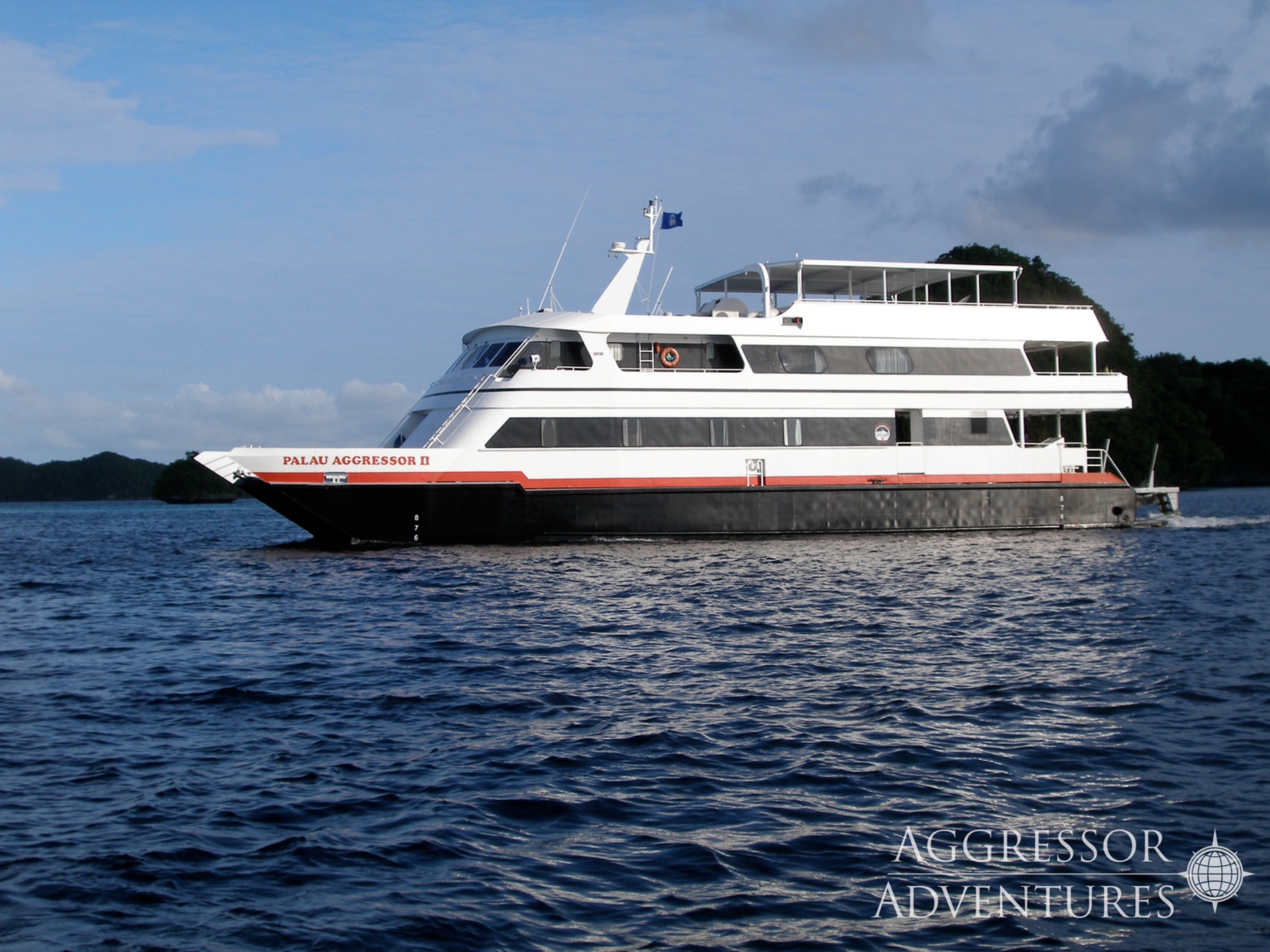
Palau Aggressor II
Micronesia
18 guests32 m
$354/day
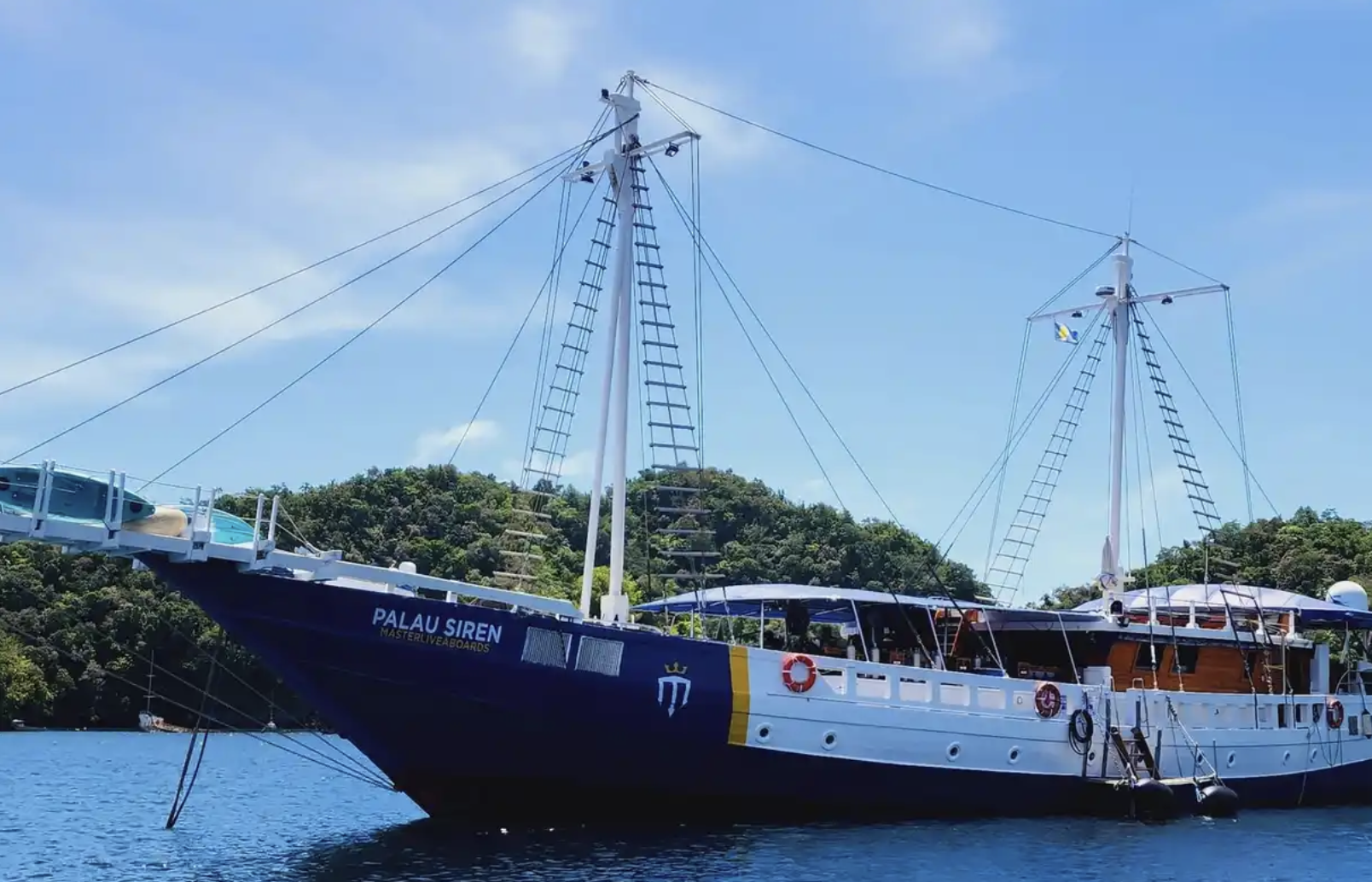
Palau Siren
Micronesia
16 guests
$501/day
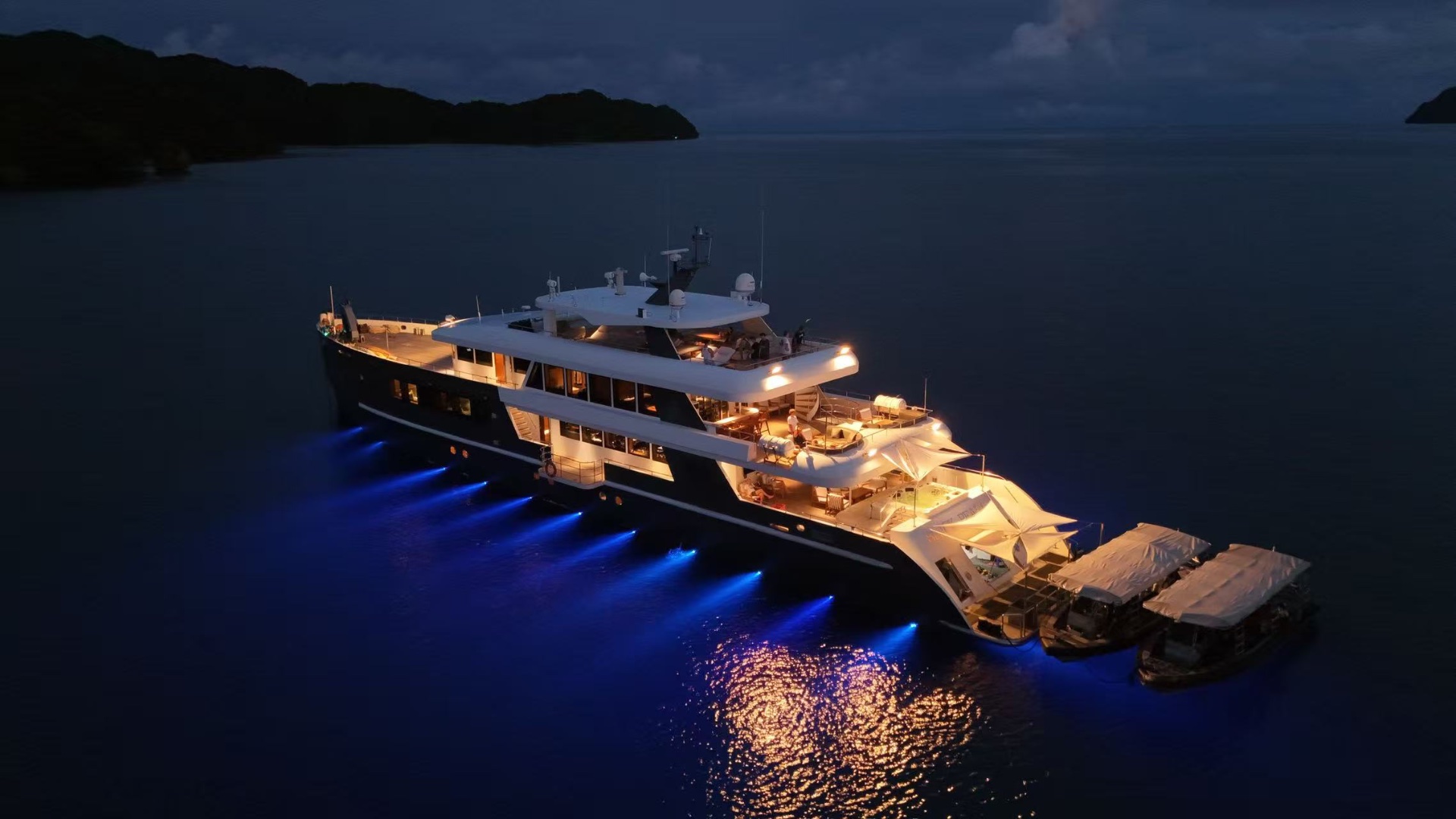
Black Pearl
Micronesia
24 guests
$390/day
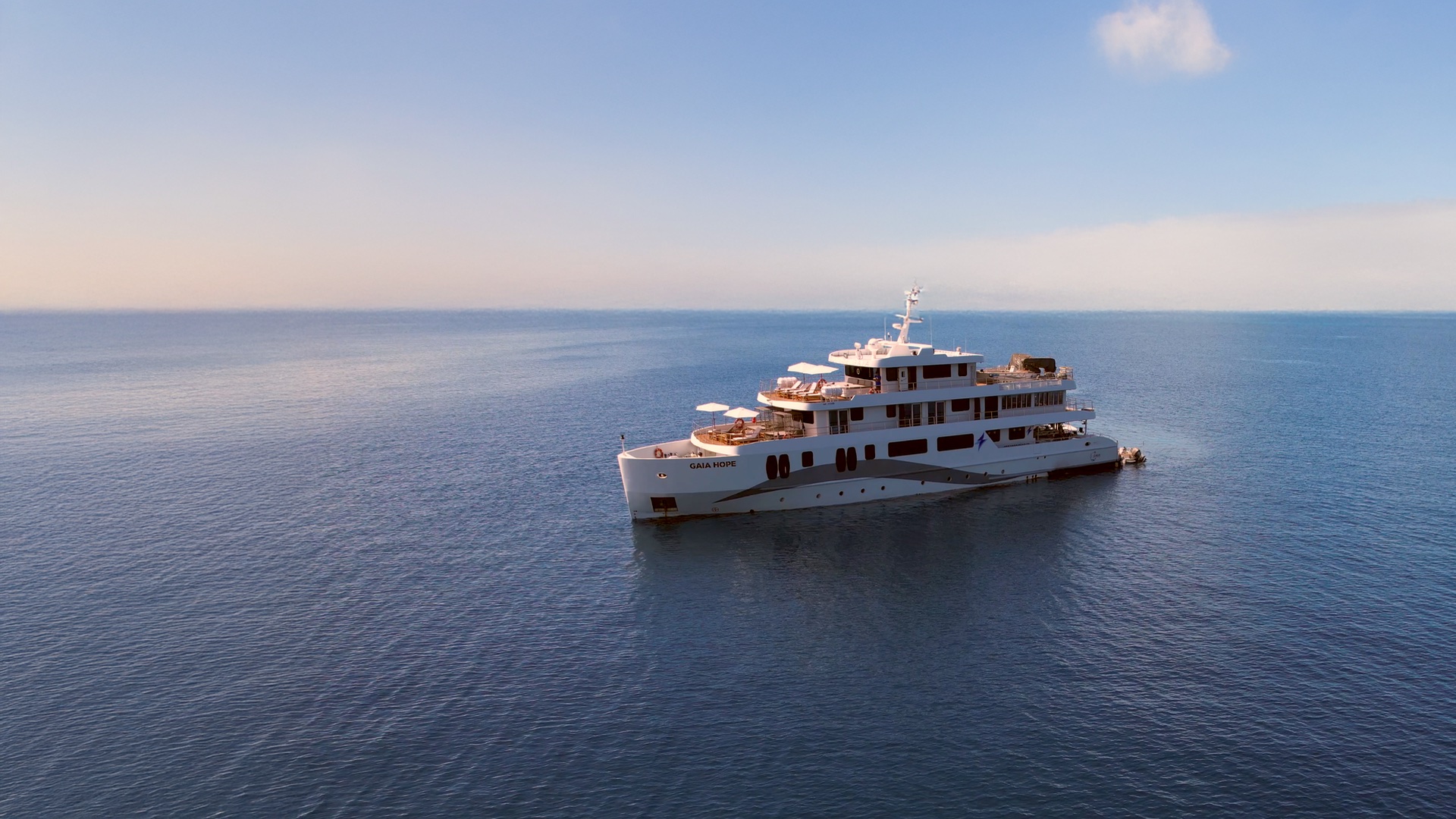
Solitude Gaia
Micronesia
18 guests40 m
$310/day
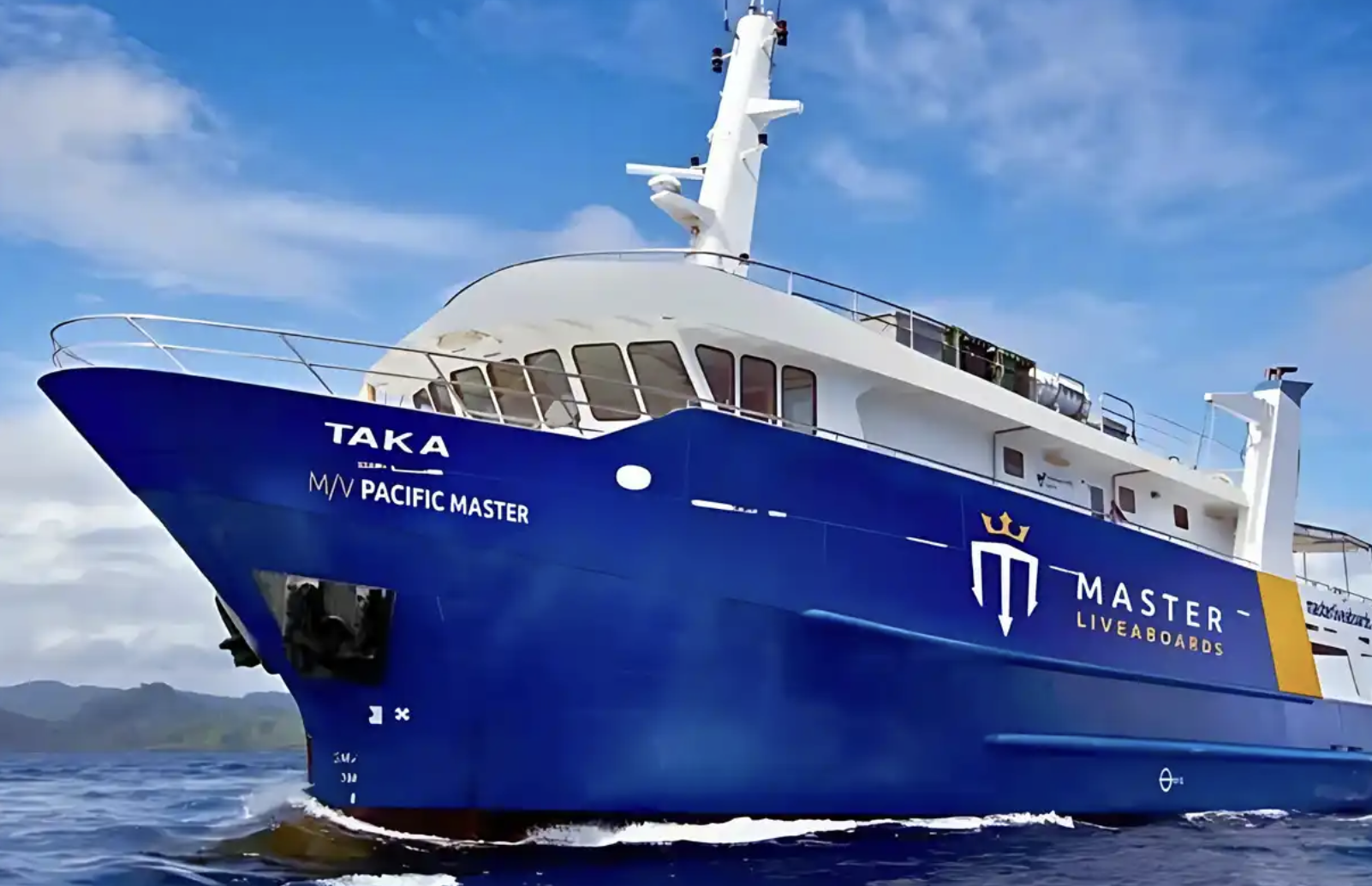
Pacific Master
Solomon Islands
20 guests30 m
$268/day
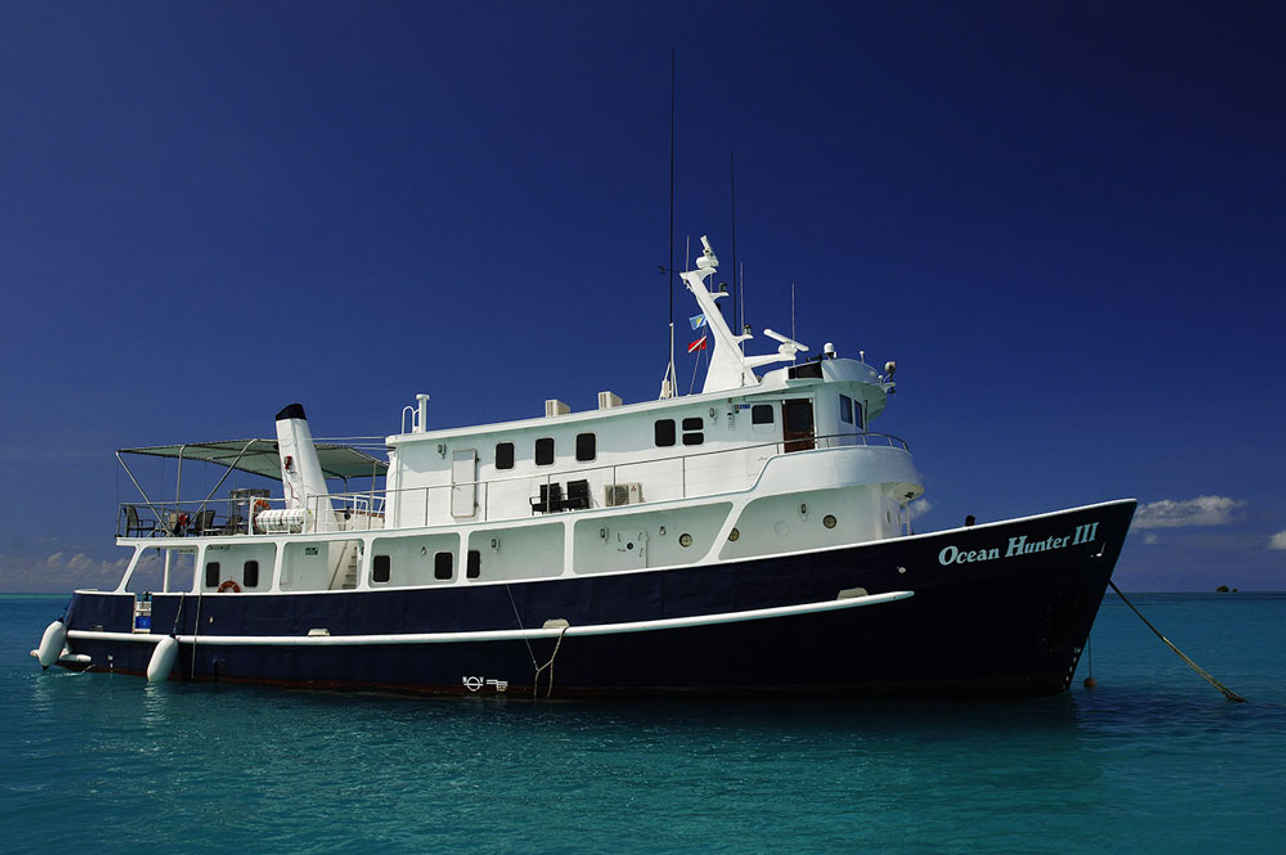
Ocean Hunter 3
Micronesia
16 guests29 m
$350/day
Dive sites similar to Peleliu Wall
Same character, same waters — six more sites divers love for the exact same reasons.Compare seasons, access and liveaboard routes — then pick the site that fits your trip best.
© Esri — Maxar, Earthstar, GIS
Mi'l Channel
Micronesia
Mi'l Channel in Yap, Federated States of Micronesia, stands out as a world-renowned dive site, primarily celebrated for its consistent manta ray sightings.
- Suitable for
- Advanced
- Current
- Strong
- Access
- Dayboat
- Depth
- 15–30 m
- Theme
- Drift / Reef
© Esri — Maxar, Earthstar, GIS
Gilman Wall
Micronesia
Gilman Wall is one of Yap's premier dive sites, renowned for its spectacular vertical drop-offs and consistent pelagic action.
- Suitable for
- Advanced
- Current
- Strong
- Access
- Liveaboard only
- Depth
- 10–30 m
- Theme
- Drift / Wall
© Esri — Maxar, Earthstar, GIS
Manta Road
Micronesia
Manta Road, located in Pohnpei, Micronesia, is renowned as a premier destination for manta ray encounters.
- Suitable for
- Intermediate
- Current
- Moderate
- Access
- Dayboat
- Depth
- 16–25 m
- Theme
- Drift / Reef
© Esri — Maxar, Earthstar, GIS
Hiroshi Point
Micronesia
Hiroshi Point is a prominent shore and boat dive site located on the southern end of Kosrae in the Federated States of Micronesia.
- Suitable for
- Beginner
- Current
- Mild
- Access
- Liveaboard or dayboat
- Depth
- 5–13 m
- Theme
- Reef / Wall
© Esri — Maxar, Earthstar, GIS
Gabach Garden Walls
Micronesia
Gabach Garden Walls, located in the eastern lagoon of Pohnpei, Micronesia, is a captivating dive site characterized by its low reef wall.
- Suitable for
- Intermediate
- Current
- Mild
- Access
- Dayboat
- Depth
- 2–30 m
- Theme
- Wall
© Esri — Maxar, Earthstar, GIS
Walung Drop-Off
Micronesia
Walung Drop-Off is a well-known dive site situated off the southwest coast of Kosrae in the Federated States of Micronesia.
- Suitable for
- Intermediate
- Current
- Moderate
- Access
- Dayboat
- Depth
- ≤ 30 m
- Theme
- Wall / Reef