About Chandelier Cave
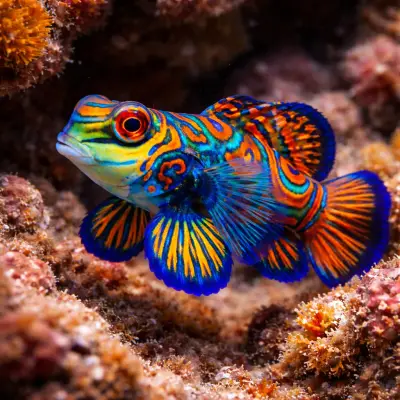
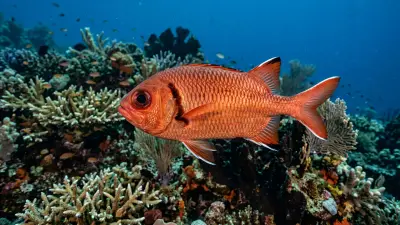
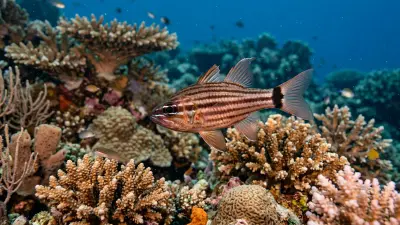
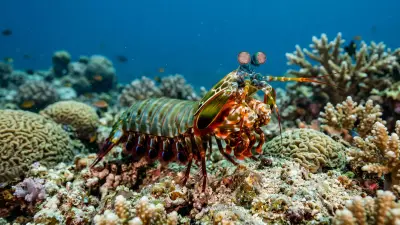
Chandelier Cave stands apart from Palau’s typical dive sites, offering a distinct and fascinating experience. Located close to dive operators' docks, this cave system is easily accessible and not reliant on sunlight for enjoyment, making it a popular choice for a third dive of the day or when surface conditions prevent diving at outer reefs. The cave consists of five connected chambers, primarily underwater, with the final chamber leading to an air-filled space above the surface. Divers can observe ancient stalactites and stalagmites, some adorned with delicate crystal growths resembling sugar frosting, showcasing geological formations rather than abundant coral. While the cave itself is largely coral-free, the entrance area on the shallow, sheltered harbor floor provides opportunities to spot unique marine life like the elusive Mandarin fish, soldierfish, cardinalfish, shrimp, and crab. The visibility within the cave system can reach up to 30 meters, contributing to its appeal. Given its shallow nature and sheltered location, Chandelier Cave is an excellent option for divers looking for a unique geological dive experience, especially in variable weather conditions. It provides a different perspective on Palau's underwater world, emphasizing exploration and geological wonders.
Highlights
Five connected cave chambersAir pocket in last chamberAncient stalactites and stalagmitesMandarin fish near entranceShallow, sheltered diveWWII depth chargesUnique geological formations
Season calendar
Best months to dive here
Jan
Feb
Mar
Apr
May
Jun
Jul
Aug
Sep
Oct
Nov
Dec
Excellent
Good
Dive site facts: Chandelier Cave
- Depth
- 4-15 m
- Typical dive
- 4-15 m
- Current
- None / mild
- Visibility
- Up to 30 m
- Water temperature
- 27-30°C (80-86°F)
- Entry
- Boat / easy swim-through
- Level
- Beginner
- Dive type
- Cave / cavern, macro
- Night dive
- Possible
- Region / port
- Koror, Palau
- Coordinates
- 7.8693° N, 147.1216° E
Conditions & Currents
Chandelier Cave is situated in a sheltered bay, typically experiencing mild to no current, making it an excellent option when strong currents affect other Palau dive sites. Its protected location also means less impact from surface chop and swell. Visibility within the cave system can be excellent, reaching up to 30 meters. Divers enter the first chamber through a 3-meter opening located about 4 meters below the surface. This calm environment allows for leisurely exploration of the chambers and opportunities for macro photography without the challenges of strong water movement.
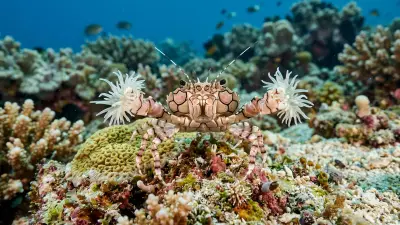
Marine life & sighting chances
Dive profile & how the dive runs
Your dive at Chandelier Cave typically begins with a short boat ride from Koror to the Rock Island where the cave is located. Entry is usually a giant stride into the shallow water near the entrance, a 3-meter diameter opening just 4 meters below the surface. You will then swim through the first four connected chambers, which are entirely underwater, observing the unique geological formations. The maximum depth reached within these chambers is around 15 meters. During the dive, you'll progress deeper into the cave system, always following your guide. The highlight for many is reaching the fifth chamber, which is above water and contains ancient stalactites and stalagmites. Here, divers can surface, remove their gear, and explore the dry chambers. The dive then reverses, exiting the cave and making a safety stop in the clear, calm water near the entrance, allowing for an unhurried decompression.
Underwater photography
Chandelier Cave presents unique photographic opportunities, particularly for wide-angle shots of the cavern interiors and geological formations. For capturing the scale of the chambers and the light shafts (if present), a wide-angle lens is ideal. Given the limited natural light, especially in deeper chambers, bringing at least two powerful light sources per diver is crucial for both illumination and safety. Focus on highlighting the distinct stalactites and stalagmites, often using your dive lights to create interesting shadows and textures. When photographing, maintain excellent buoyancy control to avoid disturbing the fragile sediment on the cave floor. For macro subjects like mandarin fish or shrimp near the entrance, a macro lens with a focus light will be more effective.
Combine with nearby dive sites
- Jake Seaplane
- Ulong Channel
Ulong Channel, situated approximately 15 miles west of Koror and adjacent to Ulong Island, is a renowned channel dive in Palau celebrated…
- Blue Corner
Blue Corner, located off the southwest reefs of Palau's Ngemelis Island, stands as one of the world's premier dive destinations, frequently…
- Peleliu Wall
Peleliu Wall and Cut is a highly regarded dive site located on the southern reef of Peleliu Island, approximately 55 kilometers (34 miles)…
- German Channel
German Channel, located in Micronesia's Palau archipelago near Ngemelis Island, is a renowned dive site created in the early 1900s by…
Getting there & logistics
Palau diving typically involves flying into Koror airport (ROR), with direct flights available from hubs like Taiwan, Seoul, and Manila. From the airport, it's about a 30-minute drive to Koror, where most land-based dive shops and liveaboard departure points are located. Chandelier Cave is conveniently less than a 5-minute boat ride from many SCUBA companies' docks. Divers must obtain a Koror State diving permit, which may require an additional fee, although liveaboards often include this in their package. Liveaboards typically offer 7- to 10-day itineraries, covering a range of sites including caves, wrecks, and reefs. Day trips from Koror are also common, making Chandelier Cave an easy addition to any dive schedule, often as a third dive of the day.
Safety & environment
Diving in Chandelier Cave requires adherence to standard cave diving safety protocols, including the absolute necessity of diving with an experienced guide and carrying a minimum of two independent light sources per diver. While the cave system is relatively open, divers must maintain excellent buoyancy control to prevent disturbing the fragile formations and sediment, which could significantly reduce visibility. The nearest recompression chamber is located in Koror, Palau. Evacuation for severe diving accidents typically involves initial stabilization at a local medical facility, followed by air ambulance to a more advanced medical center, often in Guam or Manila. Comprehensive dive insurance covering medical emergencies and evacuation is therefore strongly recommended. Gloves are illegal to wear while diving in Palau to protect the delicate marine environment.
Who it suits — and who it doesn't
Suited for
- Beginner divers
- Divers seeking geological formations
- Underwater photographers (wide-angle and macro)
- Divers interested in unique, non-reef dives
- Divers looking for sheltered dive sites
Less suited for
- Divers seeking abundant coral reefs
- Divers expecting large pelagic encounters
- Divers uncomfortable in enclosed spaces
- Divers without proper lighting equipment
FAQ
Chandelier Cave FAQ
What makes Chandelier Cave a unique dive site?
Chandelier Cave is distinct from many Palau sites because it's a multi-chambered, mostly submerged cave system rather than a coral reef. It features impressive stalactites and stalagmites, with one chamber offering an air pocket where divers can surface and observe the formations above water. This geological focus provides a different experience compared to Palau's pelagic-rich outer reefs.
Is Chandelier Cave suitable for beginner divers?
Yes, Chandelier Cave is suitable for novice divers due to its shallow depths, maximum of 15 meters, and typically mild to no currents. The entrance is easily accessible, and the chambers are large enough to comfortably navigate. However, it is essential to dive with an experienced guide and carry adequate lighting for safety.
What marine life can be seen in Chandelier Cave?
While the cave itself is known for its geological formations, the shallow, sheltered entrance area is home to various smaller marine species. Divers can commonly spot soldierfish, cardinalfish, shrimp, and crab. With a keen eye, you might even encounter the shy Mandarin fish, making it a good spot for macro photography.
Do I need special equipment to dive Chandelier Cave?
Beyond standard scuba gear, it is highly recommended to bring at least two independent light sources per diver, as the cave relies on artificial illumination. A reef hook is not necessary here due to the lack of strong currents, but a dive computer is always essential. Gloves are illegal to wear in Palau, so do not bring them.
Can Chandelier Cave be dived all year round?
Yes, Chandelier Cave is diveable year-round. Its sheltered location makes it an excellent alternative when weather conditions make diving at outer reef sites challenging. The dry season (November to May) generally offers the calmest surface conditions, but the cave remains accessible and enjoyable even during the wet season.
Why dive Chandelier Cave from a liveaboard?
Chandelier Cave is one of Micronesia's signature dive sites. A liveaboard sleeps you on the water and puts you in the water for three to four guided dives per day, including dawn and night dives that day-boat operators rarely offer. You skip the daily commute back to port and reach quieter, less-crowded sites in the same region on a single trip.
Below are the liveaboards that include Chandelier Cave on their Micronesia itineraries.
Liveaboards diving Chandelier Cave
These liveaboards may visit Chandelier Cave on selected itineraries — the exact dive sites depend on departure, weather and conditions.
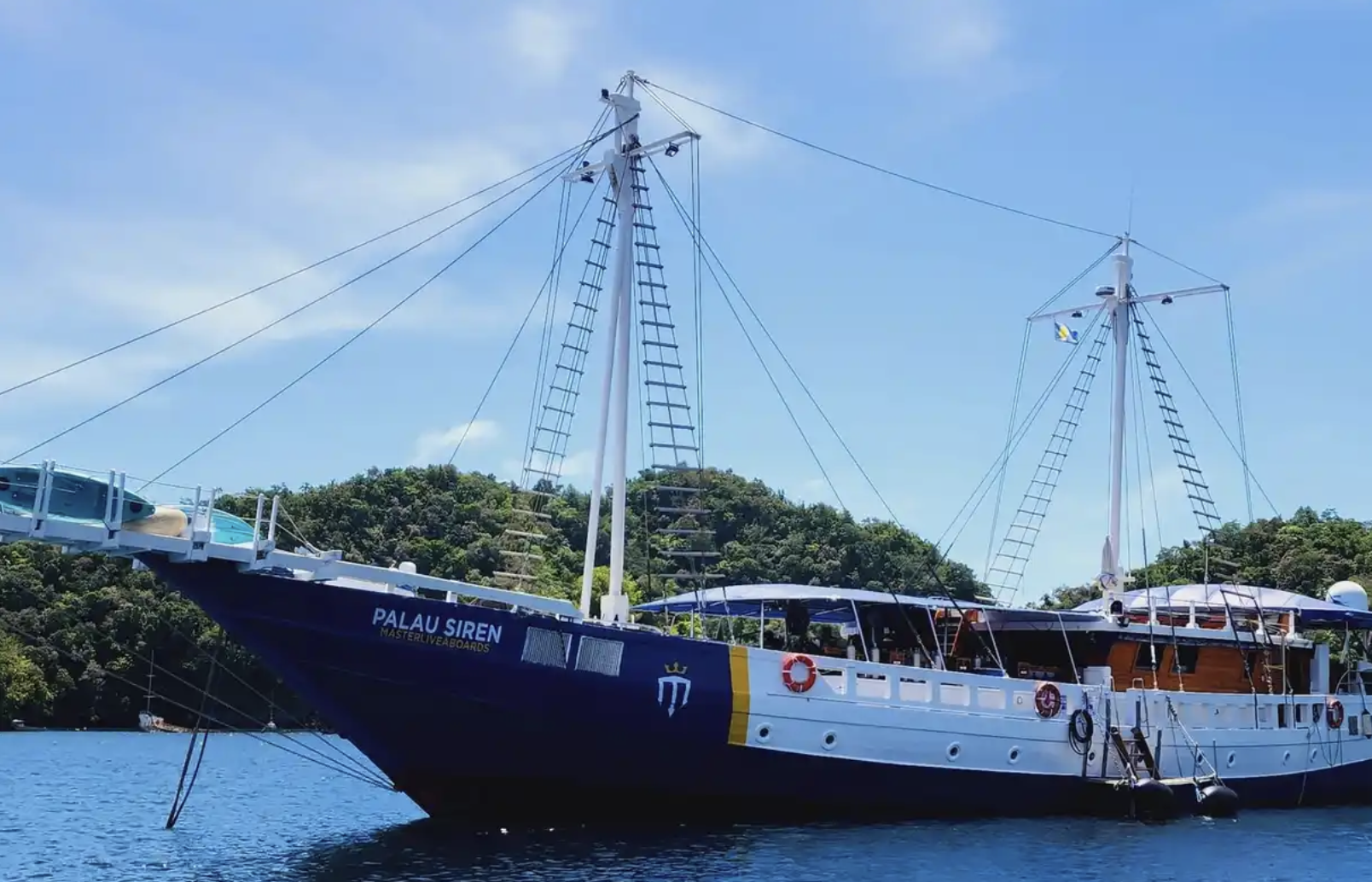
Palau Siren
Micronesia
16 guests
$501/day
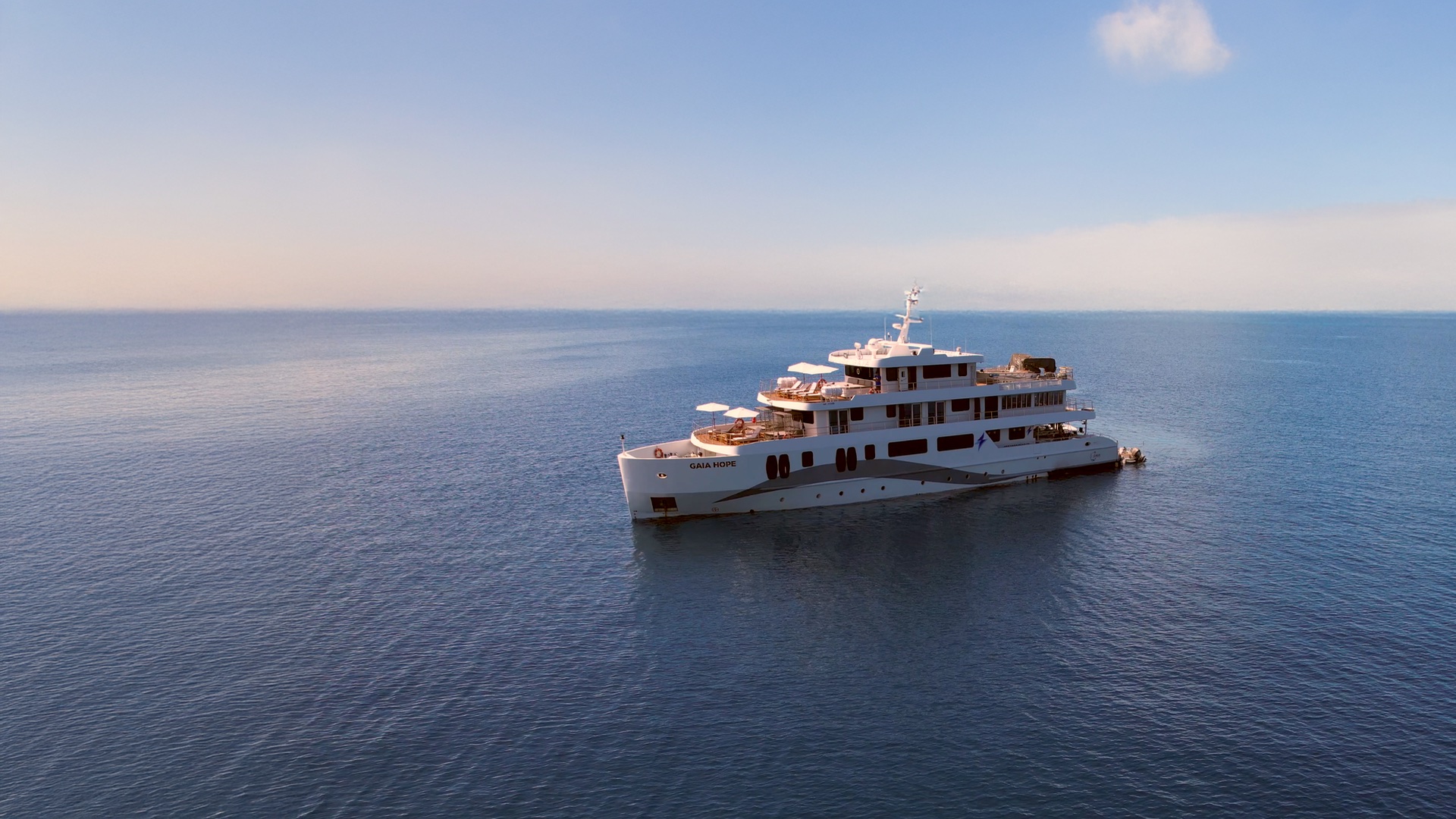
Solitude Gaia
Micronesia
18 guests40 m
$310/day
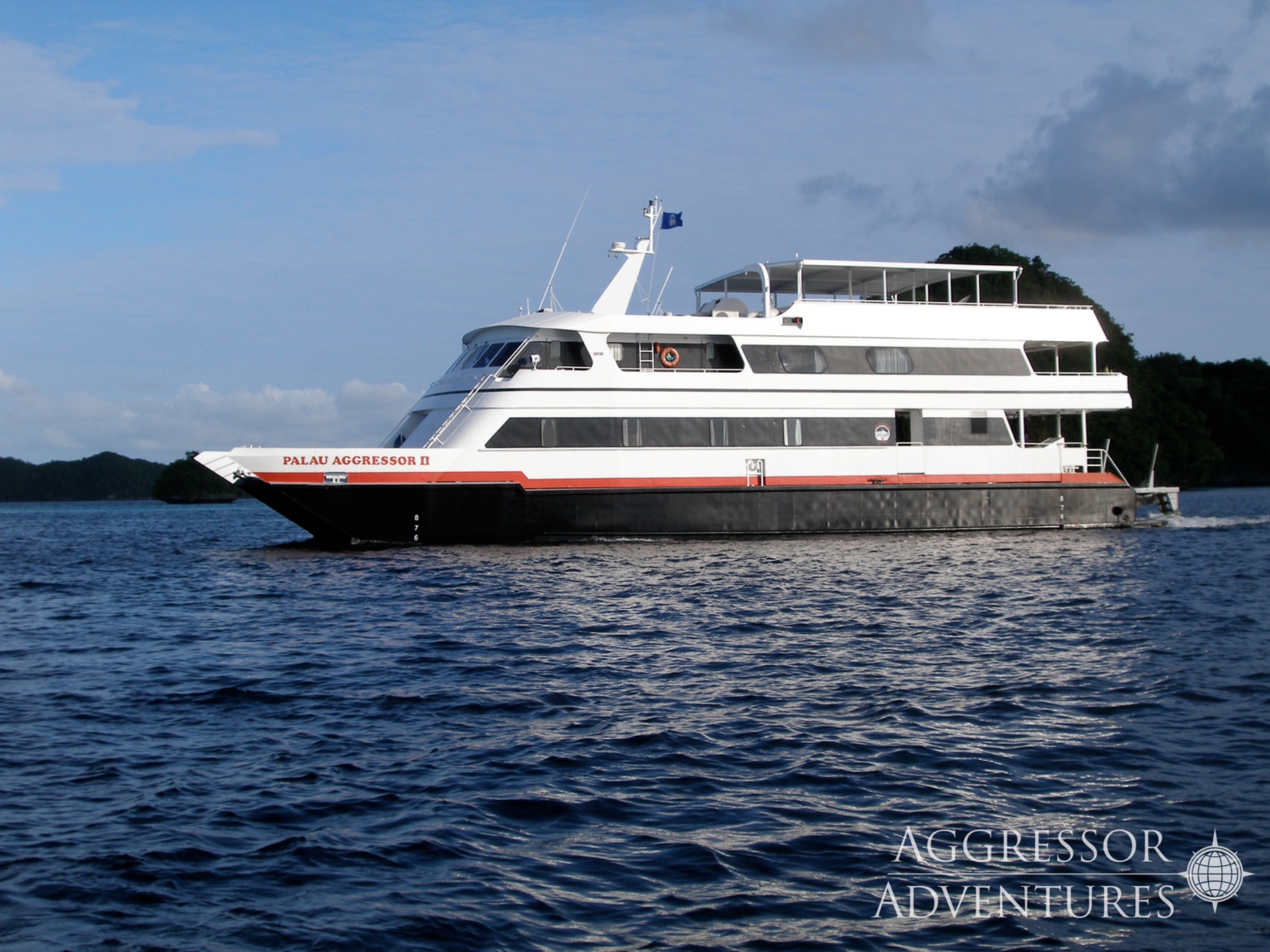
Palau Aggressor II
Micronesia
18 guests32 m
$354/day
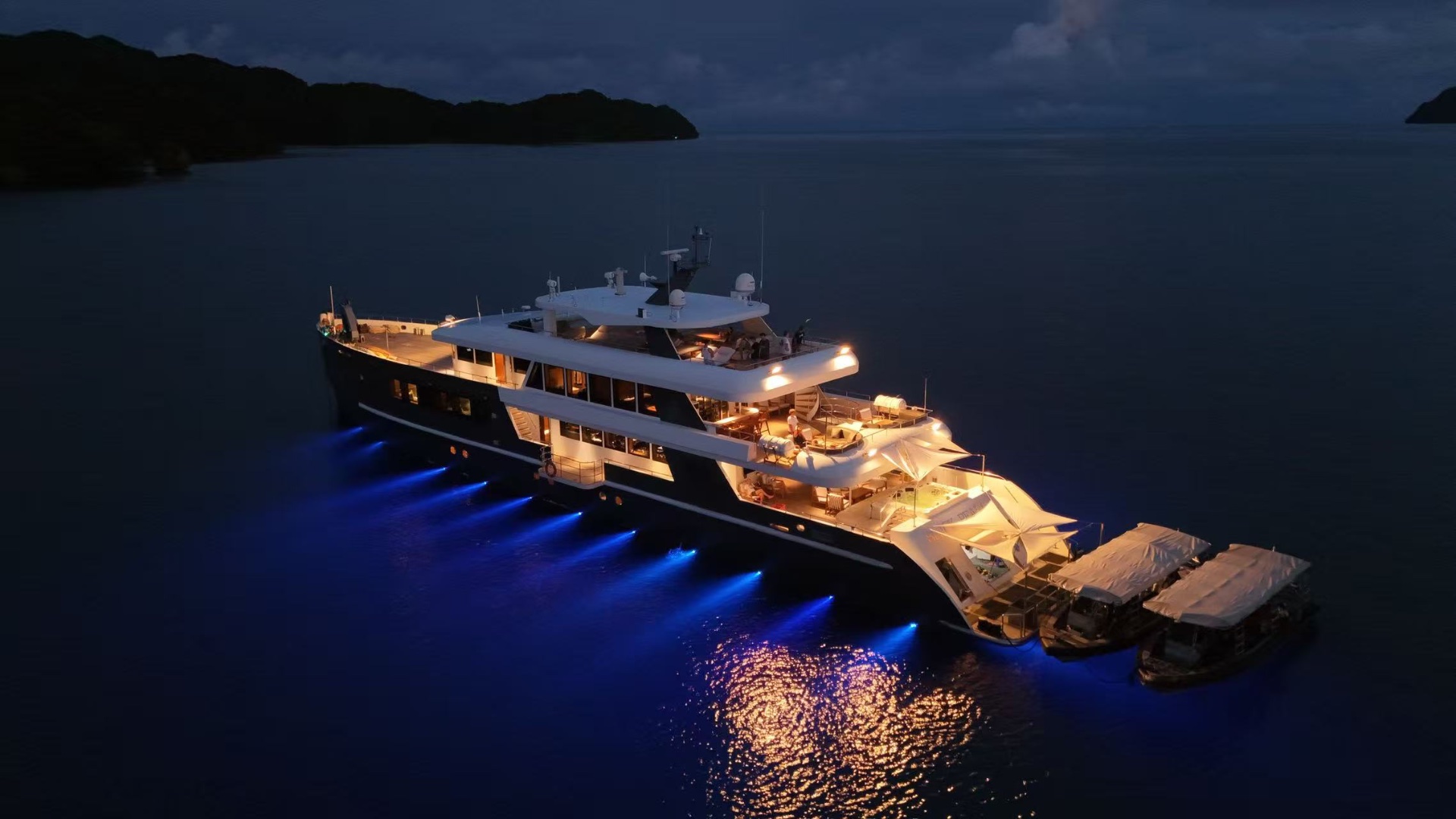
Black Pearl
Micronesia
24 guests
$390/day
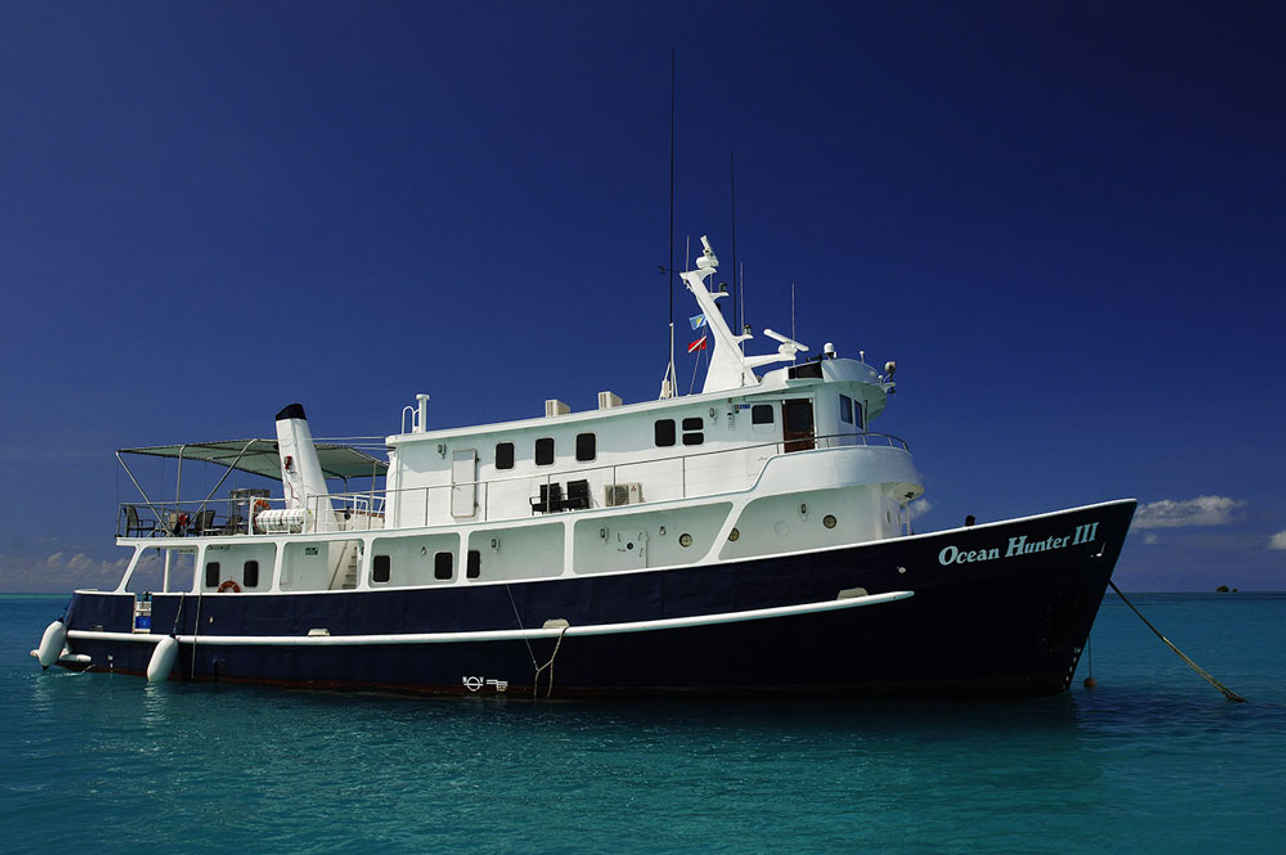
Ocean Hunter 3
Micronesia
16 guests29 m
$350/day
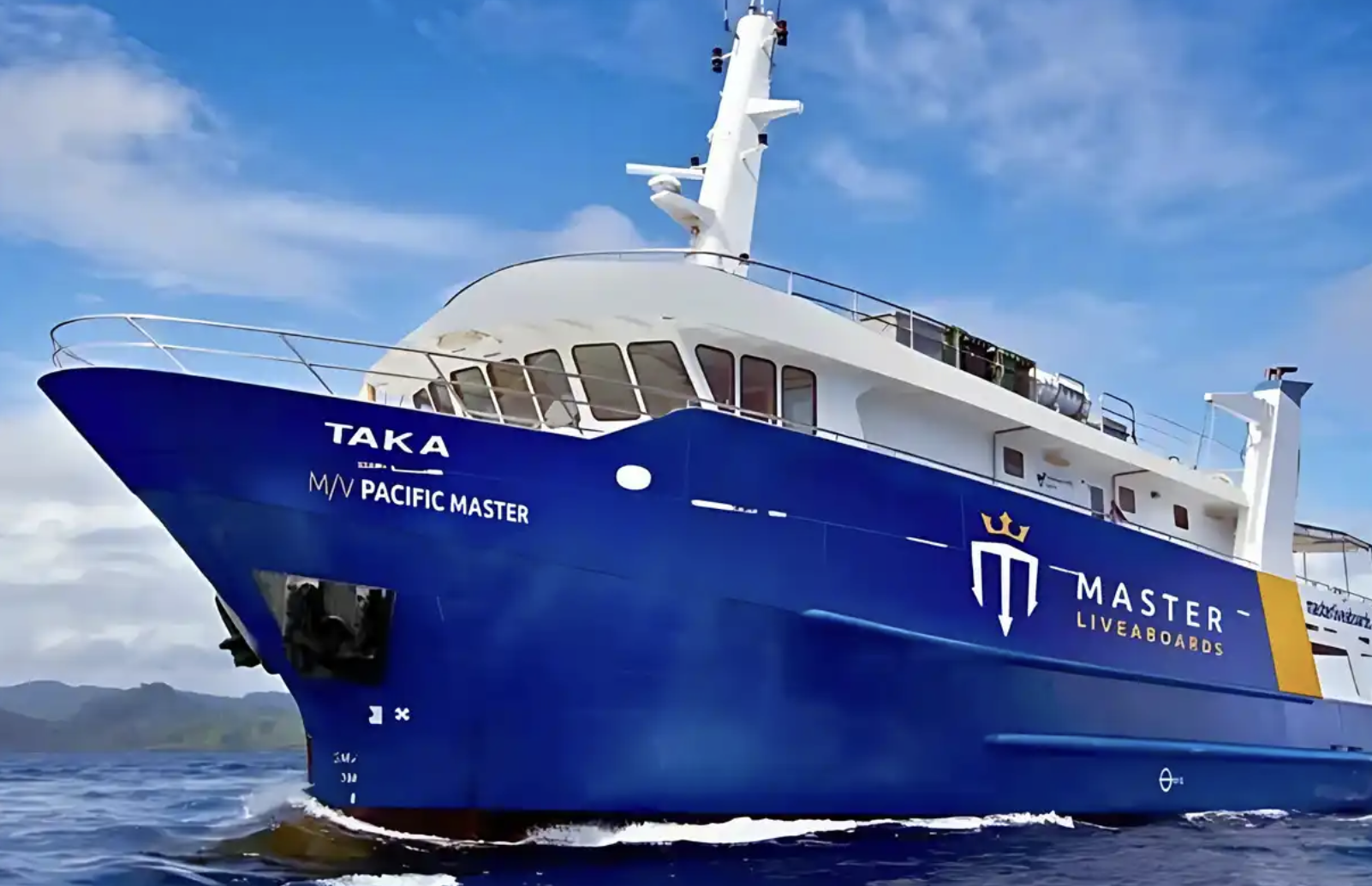
Pacific Master
Solomon Islands
20 guests30 m
$268/day
Dive sites similar to Chandelier Cave
Same character, same waters — six more sites divers love for the exact same reasons.Compare seasons, access and liveaboard routes — then pick the site that fits your trip best.
© Esri — Maxar, Earthstar, GIS
Yap Caverns
Micronesia
Yap Caverns, situated at the southernmost end of Yap Island, offers an unparalleled diving experience with its rich biodiversity and intriguing topography.
- Suitable for
- Intermediate
- Current
- Strong
- Access
- Liveaboard only
- Depth
- 3–30 m
- Theme
- Cave & cavern / Drift
© Esri — Maxar, Earthstar, GIS
Blue Holes
Micronesia
Blue Holes is an iconic dive site in Palau, located near the northwestern end of Ngemelis Island, offering a unique combination of cavern exploration and vibrant reef life.
- Suitable for
- Intermediate
- Current
- Strong
- Access
- Liveaboard only
- Depth
- 5–35 m
- Theme
- Cave & cavern / Drift
© Esri — Maxar, Earthstar, GIS
Mi'l Channel
Micronesia
Mi'l Channel in Yap, Federated States of Micronesia, stands out as a world-renowned dive site, primarily celebrated for its consistent manta ray sightings.
- Suitable for
- Advanced
- Current
- Strong
- Access
- Dayboat
- Depth
- 15–30 m
- Theme
- Drift / Reef
© Esri — Maxar, Earthstar, GIS
Gilman Wall
Micronesia
Gilman Wall is one of Yap's premier dive sites, renowned for its spectacular vertical drop-offs and consistent pelagic action.
- Suitable for
- Advanced
- Current
- Strong
- Access
- Liveaboard only
- Depth
- 10–30 m
- Theme
- Drift / Wall
© Esri — Maxar, Earthstar, GIS
Manta Road
Micronesia
Manta Road, located in Pohnpei, Micronesia, is renowned as a premier destination for manta ray encounters.
- Suitable for
- Intermediate
- Current
- Moderate
- Access
- Dayboat
- Depth
- 16–25 m
- Theme
- Drift / Reef
© Esri — Maxar, Earthstar, GIS
Fujikawa Maru
Micronesia
The Fujikawa Maru, a 133-meter Japanese cargo and passenger vessel, rests upright in Chuuk Lagoon, offering one of the most celebrated wreck dives globally.
- Suitable for
- Beginner
- Current
- Moderate
- Access
- Liveaboard only
- Depth
- 5–37 m
- Theme
- Wreck