About Fujikawa Maru
The Fujikawa Maru, a 133-meter Japanese cargo and passenger vessel, rests upright in Chuuk Lagoon, offering one of the most celebrated wreck dives globally. Sunk during Operation Hailstone in February 1944, this ship was undergoing repairs when it was struck by a torpedo, joining numerous other Japanese vessels and aircraft at the bottom of the lagoon. The wreck's structure spans depths from 5 meters down to 37 meters, with its deck at 18 meters, making it accessible to a wide range of certified divers. The exterior is adorned with vibrant soft corals, large hard coral formations, and diverse sea sponges, creating a rich ecosystem. Inside, divers can discover a unique cargo of two Mitsubishi A6M 'Zero' fighter aircraft and other military supplies, still visible in its holds. Over the decades, the Fujikawa Maru has transformed into a thriving artificial reef, attracting schools of jacks and barracuda, alongside curious grey reef sharks. Macro enthusiasts will delight in spotting nudibranchs, pygmy seahorses, and ornate ghost pipefish among the coral growth. This blend of historical significance and abundant marine life makes it a premier destination for wreck and reef diving. While the wreck is largely intact, some areas show damage, which paradoxically offers additional access points for exploration. Divers are advised to maintain excellent buoyancy control to avoid disturbing the silt, which can significantly reduce visibility within the wreck's interior.
Highlights
Upright WWII cargo wreckJapanese Zero fighter aircraftAbundant soft and hard coralsSchools of jacks and barracudaIntact bow gunEngine room penetrationHistorical artifacts
Season calendar
Best months to dive here
Jan
Feb
Mar
Apr
May
Jun
Jul
Aug
Sep
Oct
Nov
Dec
Good
Dive site facts: Fujikawa Maru
- Depth
- 5–37 m
- Typical dive
- 18–34 m, 50–60 min
- Current
- Mild to moderate
- Visibility
- 15–30 m
- Water temperature
- 28–30°C
- Entry
- Boat / controlled descent
- Level
- Advanced Open Water
- Dive type
- Wreck, reef
- Night dive
- Possible
- Region / port
- Chuuk Lagoon, Micronesia
- Coordinates
- 7.36, 151.845
Conditions & Currents
Currents around the Fujikawa Maru are generally mild, especially within the sheltered confines of Chuuk Lagoon. However, as with any wreck dive, occasional moderate currents can be encountered depending on tidal movements, particularly when closer to the surface or near openings in the wreck. Visibility typically ranges from 15 to 30 meters, though it can be significantly impacted inside the wreck if silt is disturbed. Divers must practice excellent buoyancy control to prevent stirring up the fine silt that has accumulated over decades. Entry is usually a controlled descent from the liveaboard or day boat, with exits made safely after a planned ascent and safety stop. Divers should be mindful of their gas consumption, especially if planning any penetration, to ensure adequate reserves for the dive profile and any potential current.
Marine life & sighting chances

Jacks
common
Barracuda
common
Grey Reef Sharks
occasional
Nudibranchs
common
Pygmy Seahorses
occasional

Hard Corals
common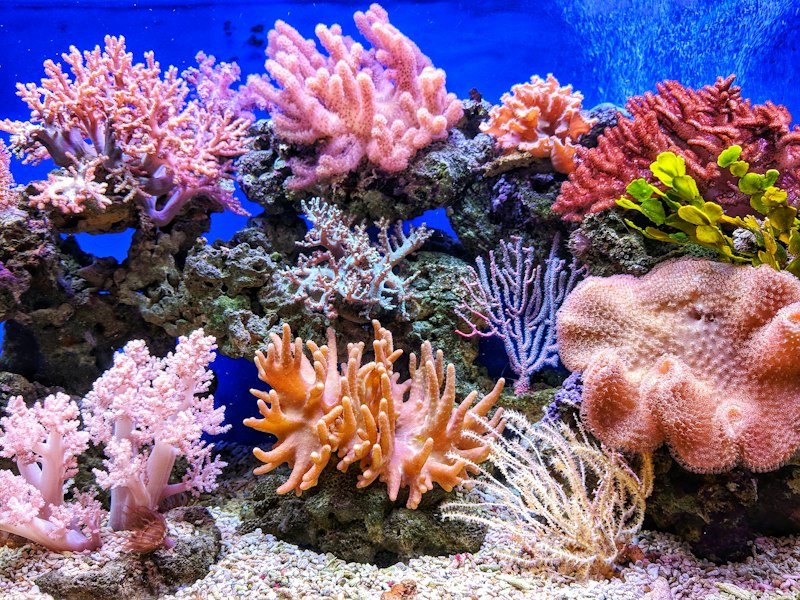
Soft Corals
common
Sea Sponges
common
Giant Clams
occasionalDive profile & how the dive runs
Your dive on the Fujikawa Maru typically begins with a descent along the mooring line to the mast, which rises to about 12 meters below the surface. From there, you can explore the upper decks, which lie at around 18 meters, adorned with colorful corals and marine life. You'll make your way towards the bow to observe the impressive 6-inch gun. Next, explore the open cargo holds, particularly hold number 2, where the iconic Mitsubishi A6M 'Zero' fighter aircraft are visible. For certified wreck divers, penetrations into the engine room and other storage areas reveal fascinating artifacts. The dive progresses along the ship's length, allowing ample time to observe the diverse marine ecosystem that has claimed the wreck. Your turn point is dictated by gas consumption and no-decompression limits, after which you'll gradually ascend, completing your safety stop along the mast or a dedicated ascent line.
Underwater photography
The Fujikawa Maru offers superb photographic opportunities for both wide-angle and macro enthusiasts. For the expansive shots of the wreck, its bow gun, or the Zero aircraft in the holds, a wide-angle lens is essential to capture the scale and atmospheric beauty. Ensure your strobes are positioned to illuminate large sections without blowing out details, especially when shooting into the holds. For macro photography, explore the coral-encrusted surfaces for nudibranchs, pygmy seahorses, and other small critters. A powerful focus light is beneficial for exploring darker interior sections or for capturing intricate details. Good buoyancy control is critical to avoid stirring up silt, which can ruin visibility for both photos and fellow divers. Respect the historical integrity of the wreck; avoid touching artifacts or marine life.
Combine with nearby dive sites
- Yamagiri Maru
The Yamagiri Maru, a substantial Japanese cargo ship, offers an extraordinary dive into history within Truk Lagoon, Micronesia.
- Shinkoku Maru
The Shinkoku Maru is one of the iconic dive sites within Truk Lagoon, renowned as the world's premier wreck diving destination.
- Nippo Maru
The Nippo Maru offers a unique and eerie dive experience within the world-renowned Truk Lagoon, a significant historical site from World…
- San Francisco Maru
The San Francisco Maru, often dubbed the "Million Dollar Wreck," is among the most celebrated dive sites in Micronesia's Chuuk Lagoon, a…
- Rio de Janeiro Maru
The Rio de Janeiro Maru, a former luxury passenger-cargo liner, now rests as a prominent wreck in Truk Lagoon, an essential destination for…
- Gosei Maru
The Gosei Maru is a compelling wreck dive in Truk Lagoon, Micronesia, offering a glimpse into World War II history beneath the waves.
Getting there & logistics
Access to the Fujikawa Maru, located in Chuuk Lagoon, is primarily via Chuuk International Airport (TKK) on Weno. The main international route connects through Guam via United Airlines, often requiring careful planning to avoid lengthy layovers due to limited flight frequencies. Once in Weno, divers can choose between day trips offered by local dive shops or multi-day liveaboard cruises. Liveaboards are particularly popular as they provide comprehensive access to multiple wrecks within the lagoon, optimizing dive time and convenience. Permits for diving within Chuuk Lagoon are typically handled by your chosen dive operator or liveaboard. Given its remote location, booking well in advance, especially for liveaboards, is highly recommended.
Safety & environment
Diving the Fujikawa Maru requires adherence to specific safety protocols due to its depth and wreck environment. All divers should have appropriate certification, with Advanced Open Water and Wreck Diver certifications highly recommended for deeper sections and penetration. Nitrox is also beneficial for extending bottom time. Maintaining excellent buoyancy control is crucial to prevent silt-outs, which can severely reduce visibility and disorient divers within the wreck. Always dive with a reputable guide familiar with the wreck's layout and potential hazards. The nearest recompression chamber is located in Guam, emphasizing the critical importance of observing dive limits and having comprehensive dive insurance that covers emergency medical evacuation. Plan your dives carefully, stay within your training and experience levels, and always dive with a buddy.
Who it suits — and who it doesn't
Suited for
- Advanced wreck divers
- History enthusiasts
- Underwater photographers
- Divers seeking unique marine ecosystems
- Those interested in WWII artifacts
Less suited for
- Entry-level open water divers
- Divers without wreck specialty training
- Those prone to claustrophobia (for penetrations)
- Divers unwilling to practice strict buoyancy control
FAQ
Fujikawa Maru FAQ
What is the history behind the Fujikawa Maru wreck?
The Fujikawa Maru was a Japanese cargo and passenger ship, sunk during Operation Hailstone in February 1944. This American aerial assault on Chuuk Lagoon targeted numerous Japanese vessels. The ship was hit by a torpedo while undergoing repairs, making it one of the many WWII wrecks that now form an underwater museum.
What kind of marine life can be seen on the Fujikawa Maru?
The Fujikawa Maru has transformed into a vibrant artificial reef. Divers commonly encounter large schools of jacks and barracuda, and occasional grey reef sharks. The wreck is heavily encrusted with diverse soft and hard corals, sponges, and is a haven for macro life such as nudibranchs, pygmy seahorses, and ornate ghost pipefish.
Is wreck penetration possible on the Fujikawa Maru?
Yes, wreck penetration is possible for divers with appropriate wreck diving certification. Inside, you can explore the engine room and other storage areas, where many artifacts and personal belongings from the crew remain. However, caution and excellent buoyancy control are essential to avoid disturbing silt and maintaining visibility.
What diving certification level is required for the Fujikawa Maru?
Due to its depth, which ranges from 5 to 37 meters, Advanced Open Water certification is generally recommended. For those wishing to explore inside the wreck, a Wreck Diver specialty certification is mandatory. Nitrox certification is also highly beneficial for extended bottom times.
How is visibility typically on this wreck?
Visibility around the Fujikawa Maru typically ranges from 15 to 30 meters. However, inside the wreck, visibility can drastically decrease if divers stir up the accumulated silt. Maintaining good buoyancy control is paramount to preserve clear conditions for all divers.
Are there any aircraft visible on the Fujikawa Maru?
Yes, one of the unique features of the Fujikawa Maru is the presence of two Mitsubishi A6M 'Zero' fighter aircraft in its cargo holds. These partially assembled planes, along with other military supplies, are still recognizable despite years of marine growth and are a major highlight for divers.
Why dive Fujikawa Maru from a liveaboard?
Fujikawa Maru is one of Micronesia's signature dive sites. A liveaboard sleeps you on the water and puts you in the water for three to four guided dives per day, including dawn and night dives that day-boat operators rarely offer. You skip the daily commute back to port and reach quieter, less-crowded sites in the same region on a single trip.
Below are the liveaboards that include Fujikawa Maru on their Micronesia itineraries.
Liveaboards diving Fujikawa Maru
These liveaboards may visit Fujikawa Maru on selected itineraries — the exact dive sites depend on departure, weather and conditions.
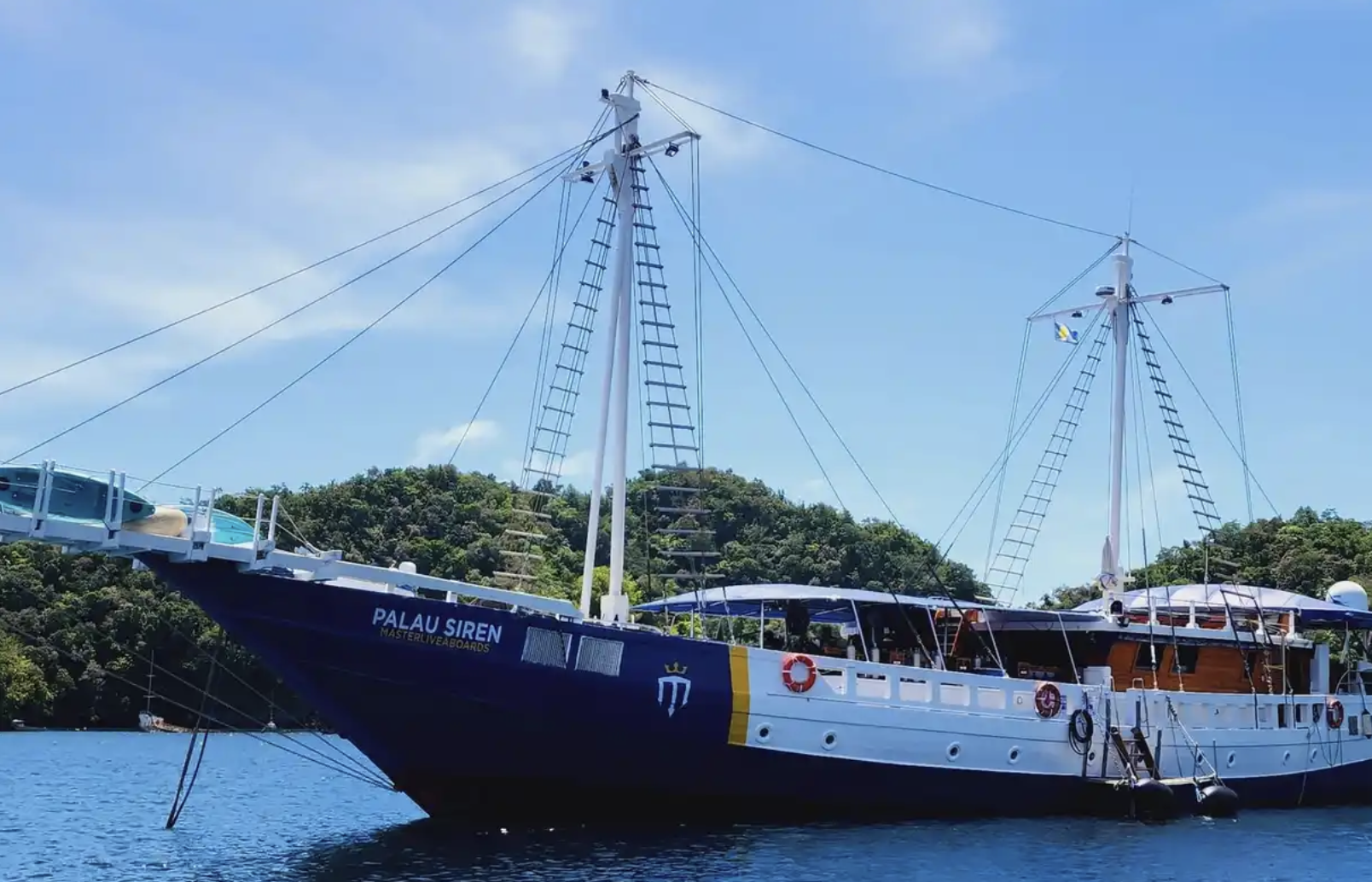
Palau Siren
Micronesia
16 guests
$501/day
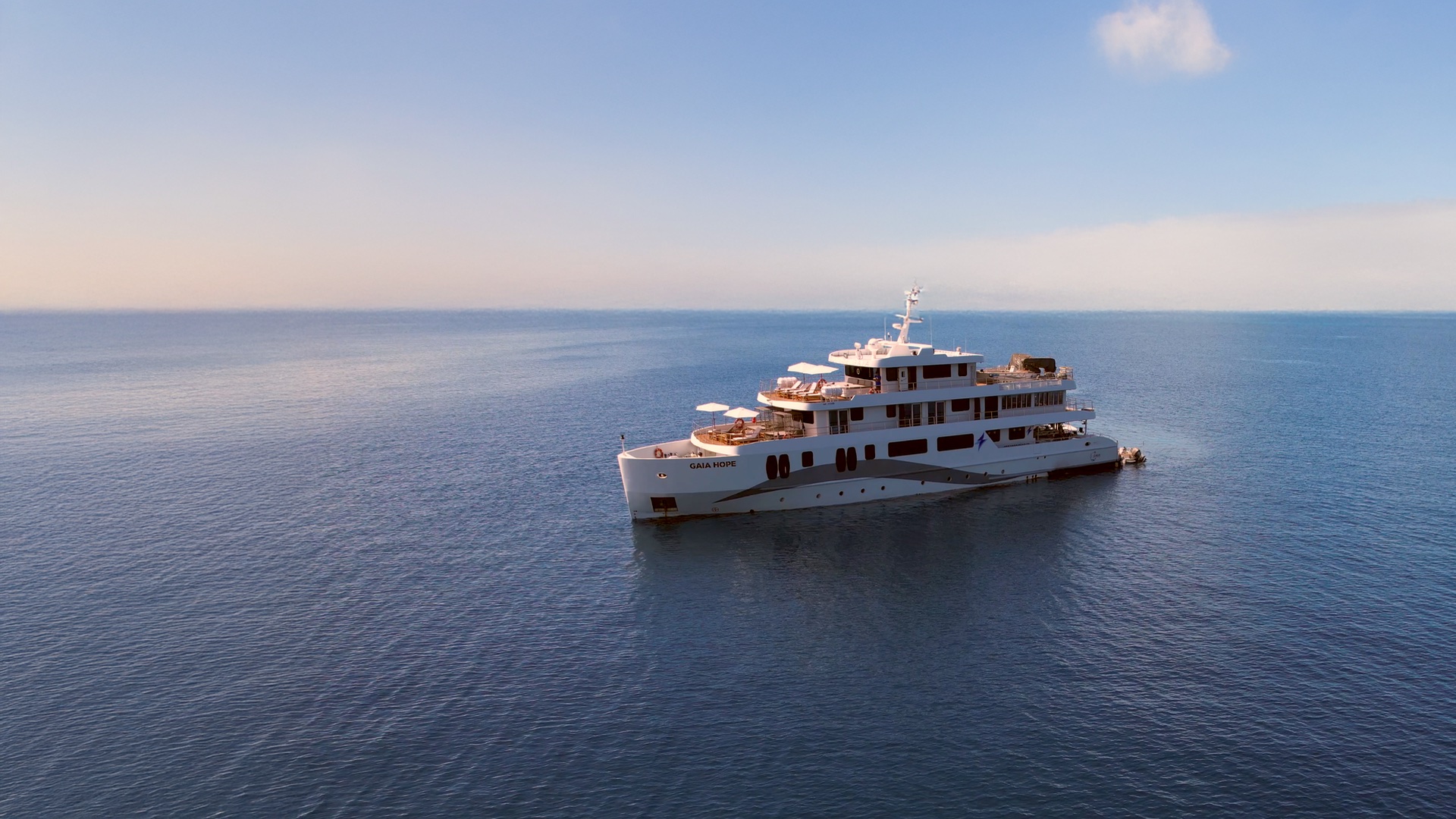
Solitude Gaia
Micronesia
18 guests40 m
$310/day
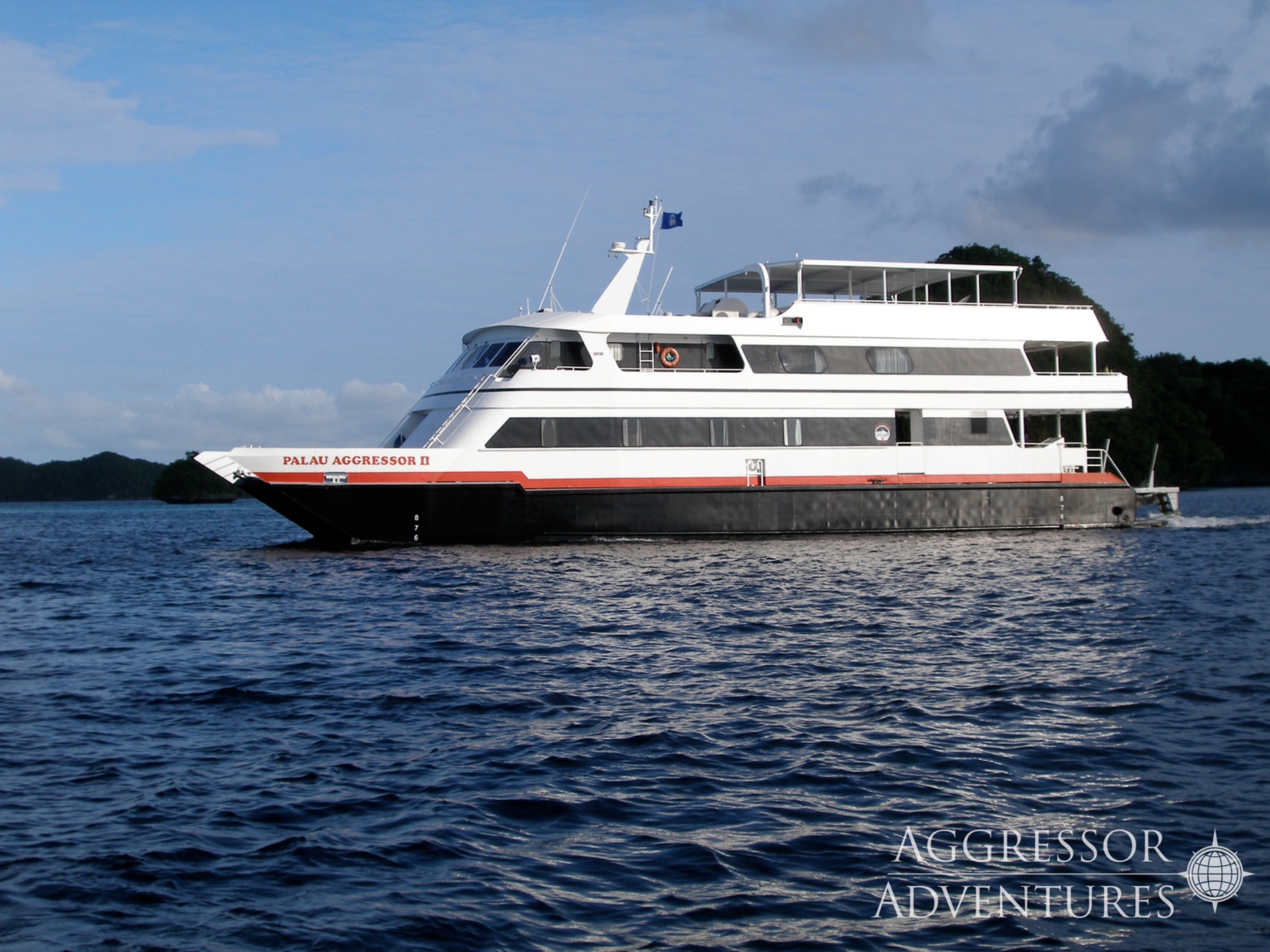
Palau Aggressor II
Micronesia
18 guests32 m
$292/day
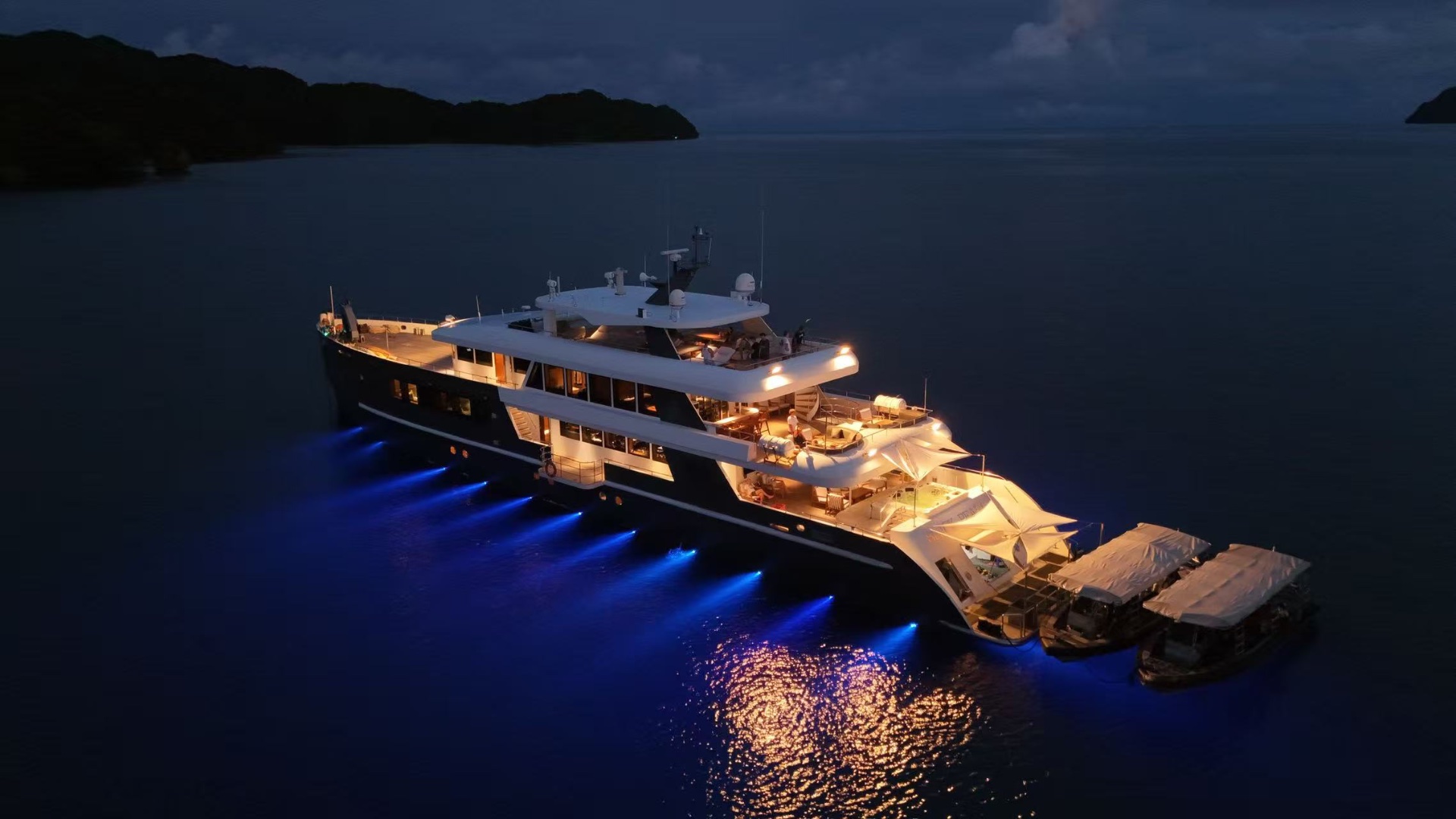
Black Pearl
Micronesia
24 guests
$390/day
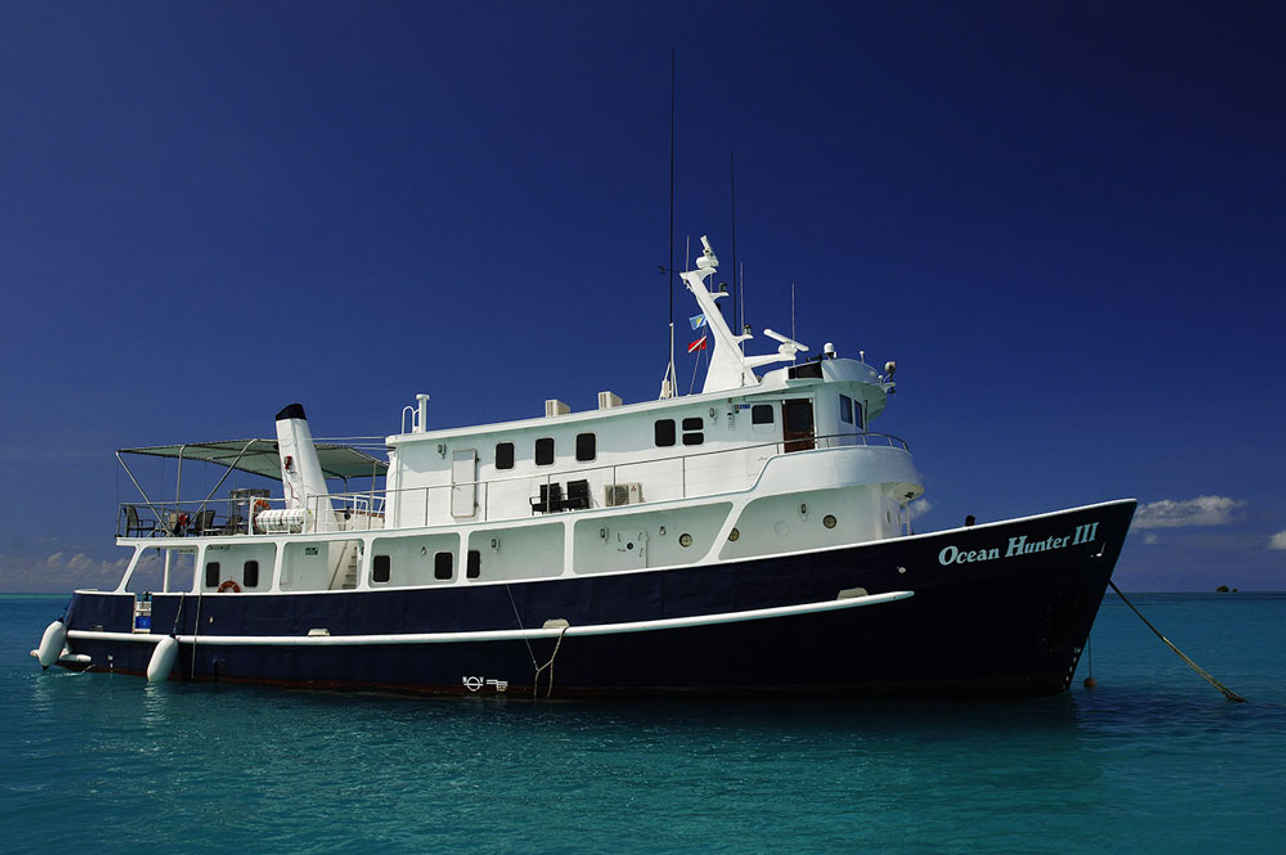
Ocean Hunter 3
Micronesia
16 guests29 m
$350/day
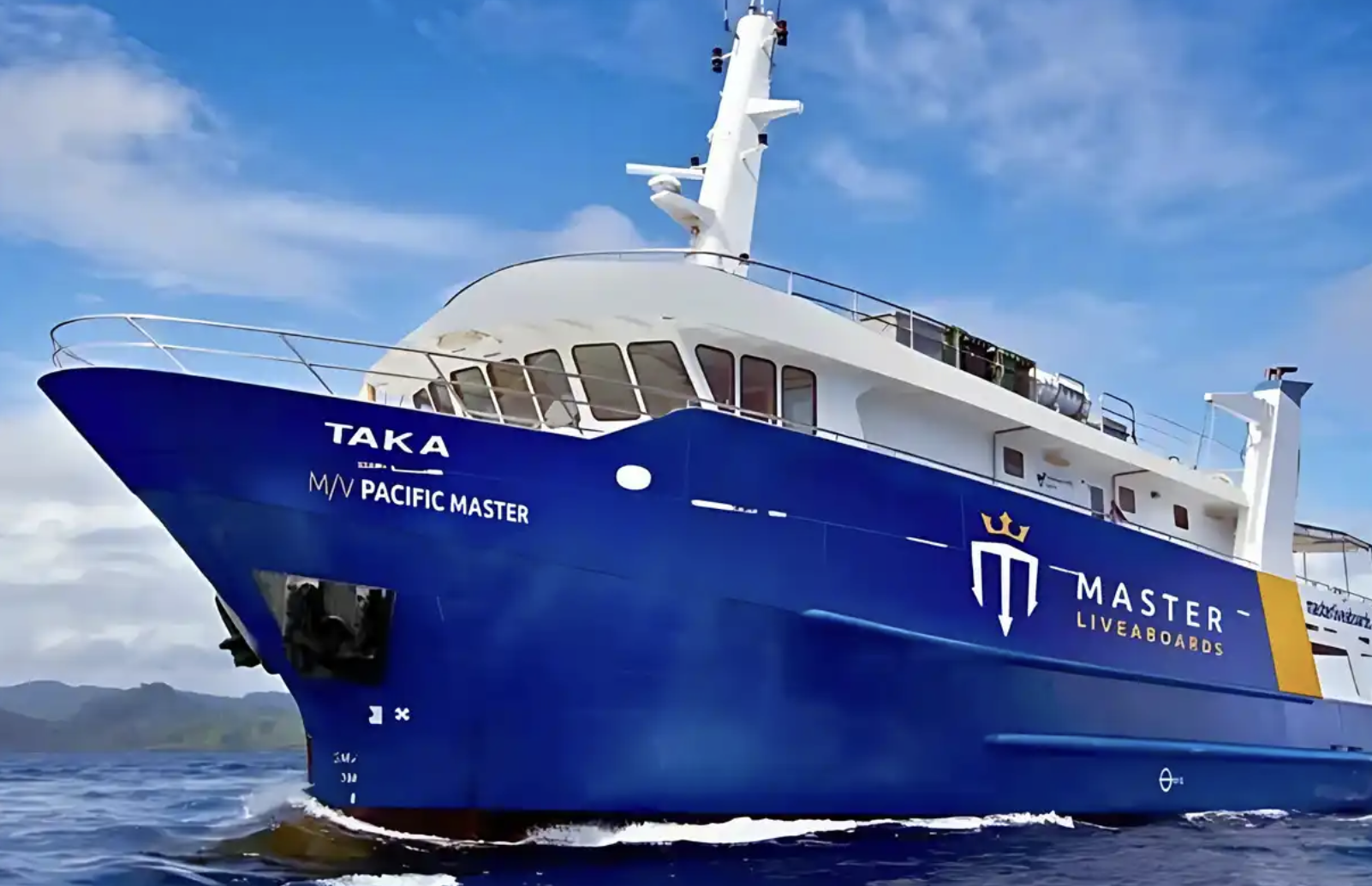
Pacific Master
Solomon Islands
20 guests30 m
$268/day
Dive sites similar to Fujikawa Maru
Same character, same waters — six more sites divers love for the exact same reasons.Compare seasons, access and liveaboard routes — then pick the site that fits your trip best.
© Esri — Maxar, Earthstar, GIS
Yamagiri Maru
Micronesia
The Yamagiri Maru, a substantial Japanese cargo ship, offers an extraordinary dive into history within Truk Lagoon, Micronesia.
- Suitable for
- Intermediate
- Current
- Mild
- Access
- Liveaboard only
- Depth
- 15–30 m
- Theme
- Wreck
© Esri — Maxar, Earthstar, GIS
Rio de Janeiro Maru
Micronesia
The Rio de Janeiro Maru, a former luxury passenger-cargo liner, now rests as a prominent wreck in Truk Lagoon, an essential destination for wreck enthusiasts.
- Suitable for
- Intermediate
- Current
- Strong
- Access
- Liveaboard only
- Depth
- 18–40 m
- Theme
- Wreck
© Esri — Maxar, Earthstar, GIS
Heian Maru
Micronesia
The Heian Maru, a former Japanese passenger-cargo vessel, rests upright in Chuuk Lagoon, making it a pivotal dive site for those exploring the rich history of Operation Hailstone.
- Suitable for
- Intermediate
- Current
- Mild
- Access
- Liveaboard only
- Depth
- 10–34 m
- Theme
- Wreck
© Esri — Maxar, Earthstar, GIS
San Francisco Maru
Micronesia
The San Francisco Maru, often dubbed the "Million Dollar Wreck," is among the most celebrated dive sites in Micronesia's Chuuk Lagoon, a renowned graveyard of World War II vessels.
- Suitable for
- Advanced
- Current
- Mild
- Access
- Liveaboard only
- Depth
- 40–64 m
- Theme
- Wreck
© Esri — Maxar, Earthstar, GIS
Gosei Maru
Micronesia
The Gosei Maru is a compelling wreck dive in Truk Lagoon, Micronesia, offering a glimpse into World War II history beneath the waves.
- Suitable for
- Intermediate
- Current
- Mild
- Access
- Liveaboard only
- Depth
- 15–32 m
- Theme
- Wreck
© Esri — Maxar, Earthstar, GIS
Nippo Maru
Micronesia
The Nippo Maru offers a unique and eerie dive experience within the world-renowned Truk Lagoon, a significant historical site from World War II. This Japanese army cargo ship…
- Suitable for
- Advanced
- Current
- Strong
- Access
- Liveaboard only
- Depth
- 20–45 m
- Theme
- Wreck