About Gosei Maru
The Gosei Maru is a compelling wreck dive in Truk Lagoon, Micronesia, offering a glimpse into World War II history beneath the waves. This coastal freighter, approximately 155 meters (509 ft) long, lies on its port side, providing a unique topography for exploration. Unlike some of the larger, more imposing wrecks in the lagoon, the Gosei Maru presents a more compact and accessible profile, making it a favorite for divers seeking detailed wreck exploration without extreme depths. Originally sunk during Operation Hailstone in February 1944, the Gosei Maru has since transformed into a vibrant artificial reef. Its structure is now richly adorned with soft corals and sponges, attracting a diverse array of reef fish and macro life. Divers can expect to discover fascinating cargo remains within its holds, adding a tangible connection to its past. The dive site is celebrated for its quieter, more serene atmosphere, allowing for focused observation of both the wreck's historical artifacts and its thriving ecosystem. The general conditions in Truk Lagoon, including minimal currents and warm water temperatures, contribute to a relaxed diving experience on the Gosei Maru. Exploration typically involves descending along the wreck's length, investigating the holds and superstructure, and observing the marine life that has made this sunken vessel its home. The Gosei Maru is particularly noted for its photographic opportunities, capturing both the grandeur of the wreck and the intricate details of its biological inhabitants.
Highlights
Coastal freighter on its port sideAbundant soft corals and spongesHistorical cargo remains insideSmaller, accessible wreck profileDiverse reef fish and macro lifeQuieter, intimate dive experience
Season calendar
Best months to dive here
Jan
Feb
Mar
Apr
May
Jun
Jul
Aug
Sep
Oct
Nov
Dec
Good
Dive site facts: Gosei Maru
- Depth
- 3–31 m
- Current
- Mild to none
- Visibility
- 10–25 m
- Water temperature
- 27–30°C
- Entry
- Boat
- Level
- Open Water Diver
- Dive type
- Wreck, historical, macro
- Night dive
- Possible
- Region / port
- Truk Lagoon, Micronesia
- Coordinates
- 7.348, 151.855
Conditions & Currents
Diving conditions around the Gosei Maru in Truk Lagoon are typically very calm, with little to no current experienced on most dives. This makes for a relaxing and accessible dive, suitable for divers who prefer minimal water movement. Visibility in the lagoon generally ranges from 10 to 25 meters, though it can vary. Water temperatures are consistently warm, between 27 to 30°C (81-86°F). While surface conditions can occasionally be choppy due to higher winds between April and November, the protected nature of the lagoon means underwater stability is maintained, ensuring a comfortable experience for exploring the wreck.
Marine life & sighting chances
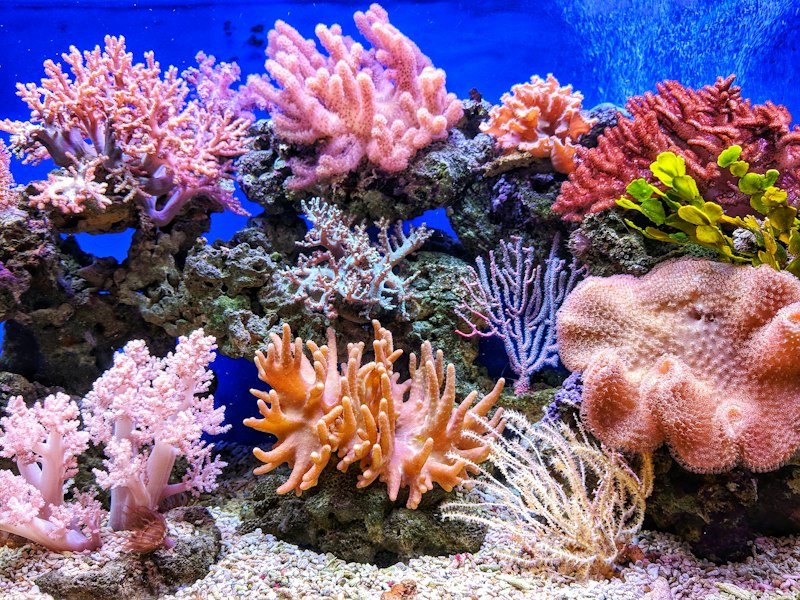
Soft corals
common
Sponges
common
Reef fish
common
Lionfish
occasional
Nudibranchs
occasional
Moray eels
occasional
Small crustaceans
occasional
Anemones
common
Grey reef sharks
occasionalDive profile & how the dive runs
The Gosei Maru offers a flexible dive profile, typically starting with a descent to the wreck, which lies on its port side, with the shallowest parts starting around 3 meters. Divers can explore the deck and superstructure, which are extensively covered in marine growth, often at depths ranging from 10 to 20 meters. The cargo holds, where various historical artifacts may be found, extend deeper, reaching up to the maximum depth of 31 meters. A common route involves tracing the length of the vessel, moving between exterior observation of marine life and careful penetration into accessible holds, ensuring adequate bottom time for exploration. The dive concludes with a gradual ascent, allowing for a safety stop, often performed along the wreck's shallower sections or with a deployed safety sausage.
Underwater photography
The Gosei Maru is an excellent subject for both wide-angle and macro photography. For wide-angle shots, a fisheye or wide-angle rectilinear lens is ideal to capture the freighter's overall structure and the extensive soft coral growth, especially when ambient light penetrates shallower areas. Consider shooting from slightly below the wreck to emphasize its scale against the open water. For macro subjects, such as nudibranchs, small crustaceans, and intricate coral polyps, a macro lens with a focus light will reveal incredible detail within the wreck's crevices and cargo. Pay close attention to buoyancy to avoid disturbing silt inside the holds, which can significantly reduce visibility and photographic opportunities. Using strobes can enhance colors and bring out details in darker sections, but be mindful of backscatter in areas with suspended particles.
Combine with nearby dive sites
- Fujikawa Maru
A large freighter known for its cargo of Zero fighter planes and gas masks.
- Shinkoku Maru
Features beautiful soft corals and an interesting engine room.
- Nippo Maru
A medium-sized freighter with a variety of artifacts.
- Rio de Janeiro Maru
A combined passenger-cargo liner with holds full of shells and beer bottles.
- Heian Maru
One of the largest wrecks in the lagoon, offering extensive exploration.
- Yamagiri Maru
A cargo vessel with unique historical cargo.
Getting there & logistics
Diving the Gosei Maru typically involves liveaboard trips operating from Truk Lagoon (also known as Chuuk), Micronesia. The primary international airport is Chuuk International Airport (TKK). Liveaboards usually offer 7-day or 10-day itineraries, providing access to multiple wrecks within the lagoon. Park fees and permits for diving in Truk Lagoon are often included in liveaboard packages. Itineraries are meticulously planned to allow for multiple dives on different wrecks each day, sometimes with repeat dives on a single site to ensure thorough exploration. Divers should confirm any visa requirements for Micronesia prior to travel.
Safety & environment
Safety for diving the Gosei Maru, like all Truk Lagoon wrecks, requires adherence to standard diving practices and specific wreck diving protocols. The nearest recompression chamber is located in Weno, Truk Lagoon, but evacuation for serious medical emergencies can be complex and time-consuming, potentially involving air ambulance to Guam or further. Divers must carry comprehensive dive insurance that covers emergency medical treatment and evacuation. Site-specific hazards on the Gosei Maru include potential entanglement in fishing lines or loose debris, sharp metal edges, and the risk of disturbing silt, especially during penetration. Always dive within your certification limits, follow your dive guide's instructions, and never remove artifacts or disturb human remains.
Who it suits — and who it doesn't
Suited for
- Open Water certified divers comfortable with depths to 30m
- Wreck enthusiasts and history buffs
- Underwater photographers seeking diverse subjects
- Divers interested in extensive marine life on artificial reefs
- Those who appreciate calmer diving conditions
Less suited for
- Beginner divers without Open Water certification
- Divers unwilling to maintain excellent buoyancy control
- Those uninterested in historical sites or wrecks
- Divers without appropriate dive insurance for remote locations
- Individuals prone to claustrophobia during wreck penetration
FAQ
Gosei Maru FAQ
What kind of marine life can I expect to see on the Gosei Maru?
The Gosei Maru is heavily encrusted with vibrant soft corals and sponges, making it a home for numerous reef fish species. Divers frequently encounter lionfish, various nudibranchs, moray eels, and small crustaceans hiding in the wreck's structure. Anemones are also common, and occasionally, grey reef sharks may be spotted patrolling the perimeter of the wreck.
How deep is the Gosei Maru, and is it suitable for Open Water divers?
The Gosei Maru lies at depths ranging from 3 meters at its shallowest point to 31 meters at its deepest. This depth range means that Open Water certified divers can comfortably explore a significant portion of the wreck, particularly its superstructure and shallower holds. More advanced areas may require additional wreck diving training.
What is the typical visibility and water temperature at the Gosei Maru?
Visibility at the Gosei Maru generally ranges from 10 to 25 meters, offering clear views of the wreck and marine life. The water temperature in Truk Lagoon is consistently warm, typically between 27 to 30°C (81-86°F), making a 3mm wetsuit or shorty sufficient for most divers.
Are there strong currents at the Gosei Maru dive site?
Currents at the Gosei Maru are generally very mild to non-existent, contributing to a relaxed and enjoyable diving experience. This calm environment is characteristic of many dive sites within the protected Truk Lagoon, making it suitable for divers who prefer minimal water movement during their exploration.
Can I penetrate the Gosei Maru wreck?
Some areas of the Gosei Maru are accessible for penetration, particularly its cargo holds where historical artifacts might be found. However, wreck penetration should only be attempted by divers with appropriate training, experience, and equipment. Always follow the guidance of your dive master and prioritize safety during any overhead environment diving.
Why dive Gosei Maru from a liveaboard?
Gosei Maru is one of Micronesia's signature dive sites. A liveaboard sleeps you on the water and puts you in the water for three to four guided dives per day, including dawn and night dives that day-boat operators rarely offer. You skip the daily commute back to port and reach quieter, less-crowded sites in the same region on a single trip.
Below are the liveaboards that include Gosei Maru on their Micronesia itineraries.
Liveaboards diving Gosei Maru
These liveaboards may visit Gosei Maru on selected itineraries — the exact dive sites depend on departure, weather and conditions.
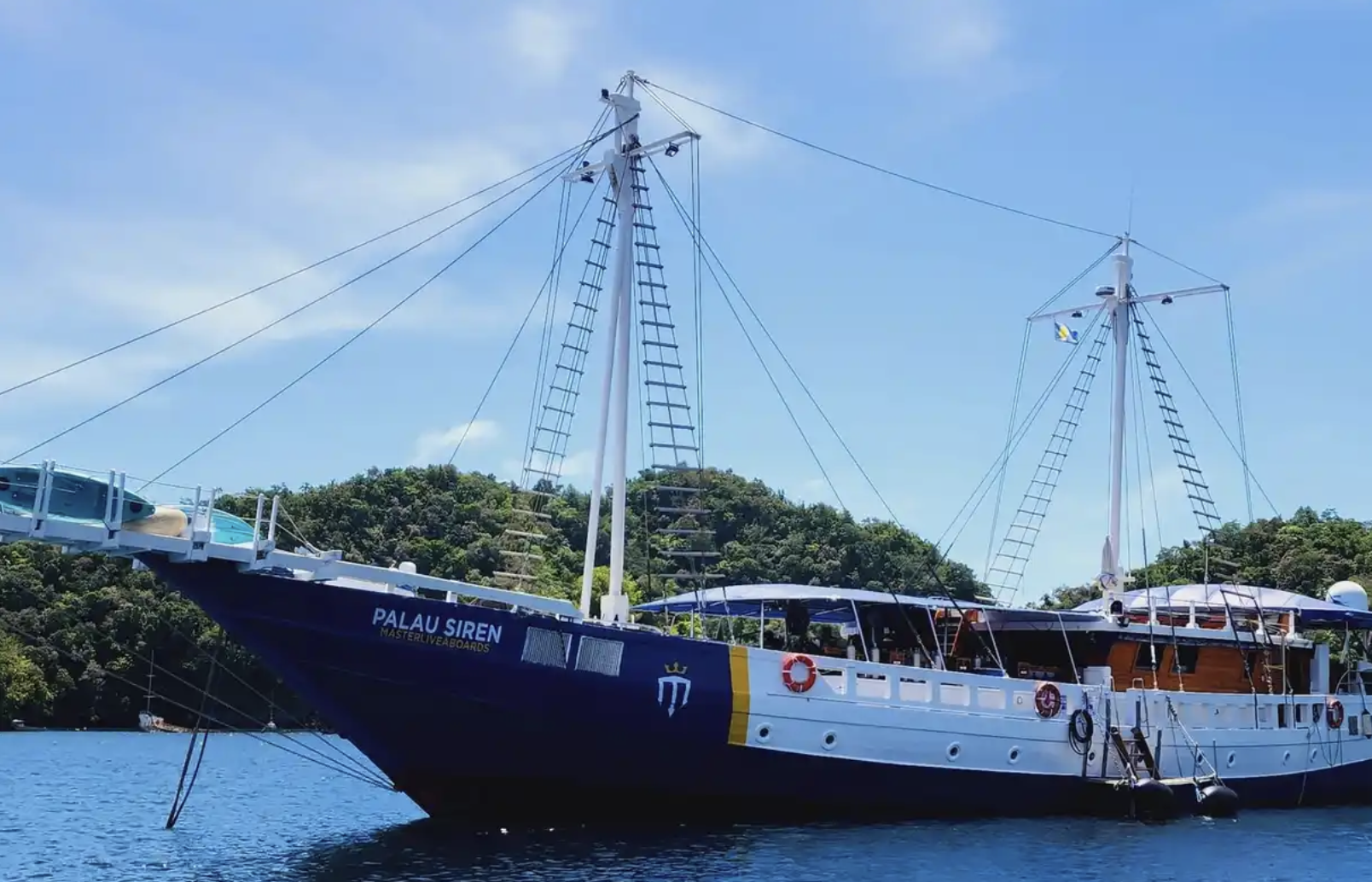
Palau Siren
Micronesia
16 guests
$501/day
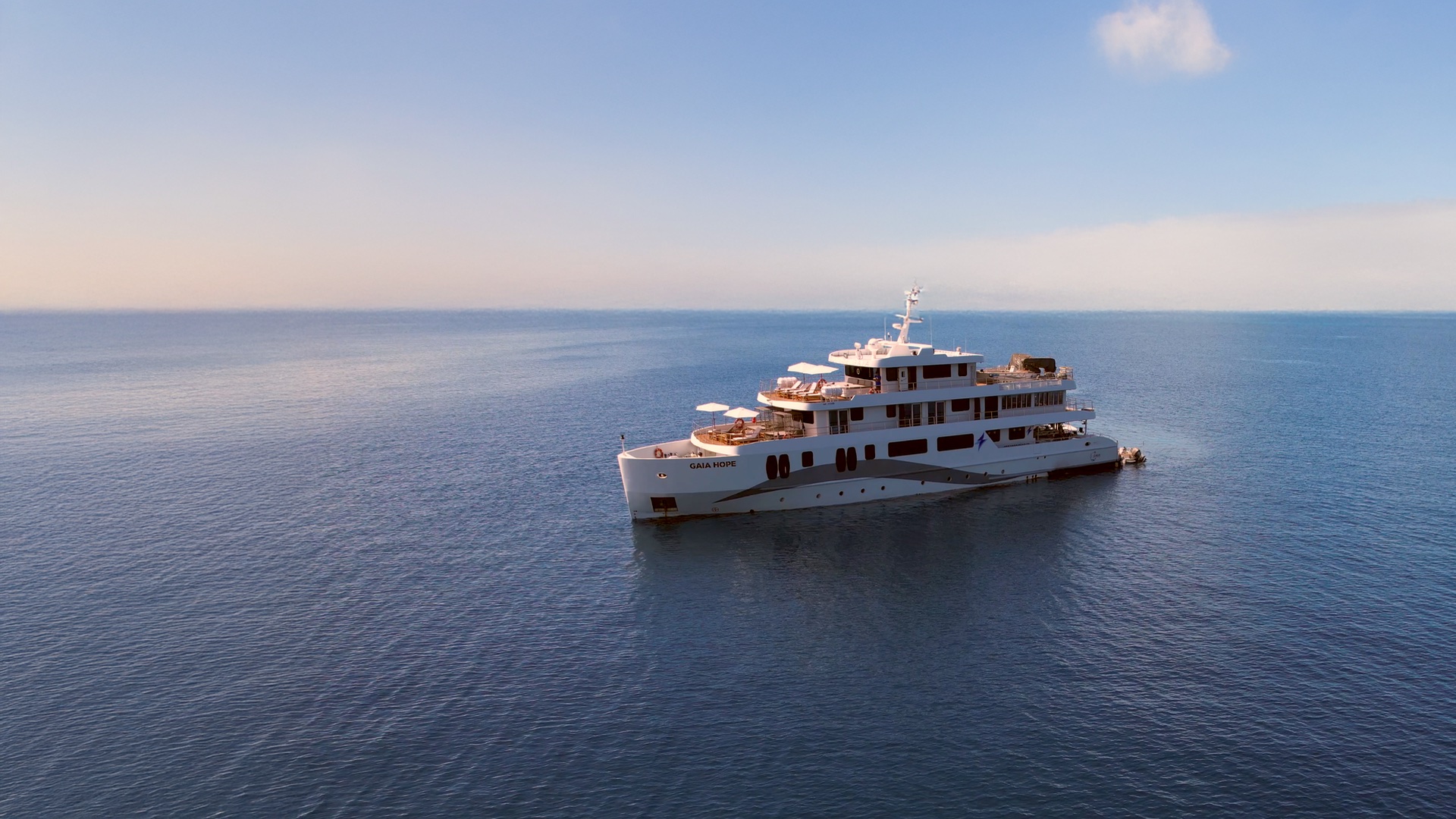
Solitude Gaia
Micronesia
18 guests40 m
$310/day
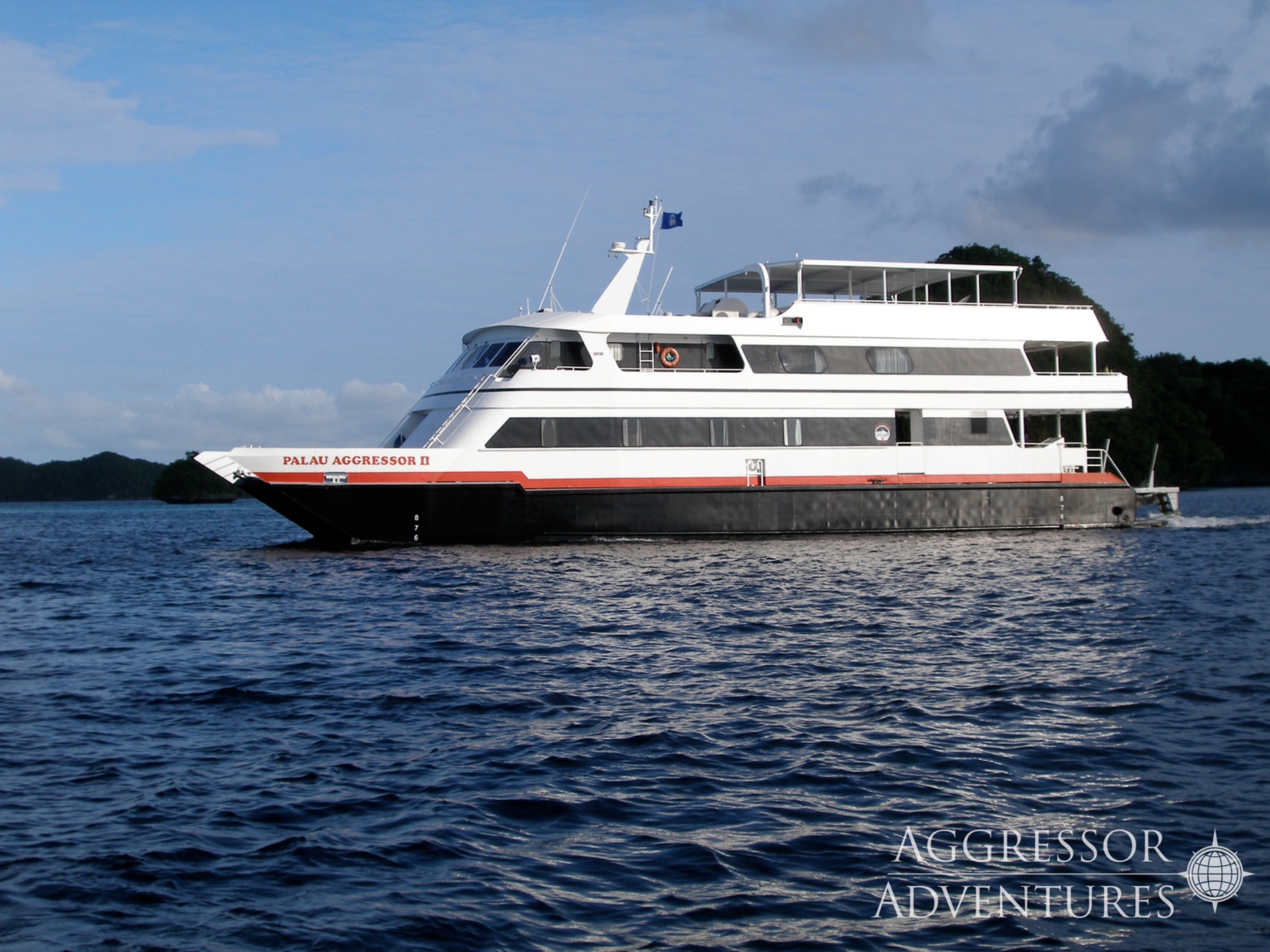
Palau Aggressor II
Micronesia
18 guests32 m
$360/day
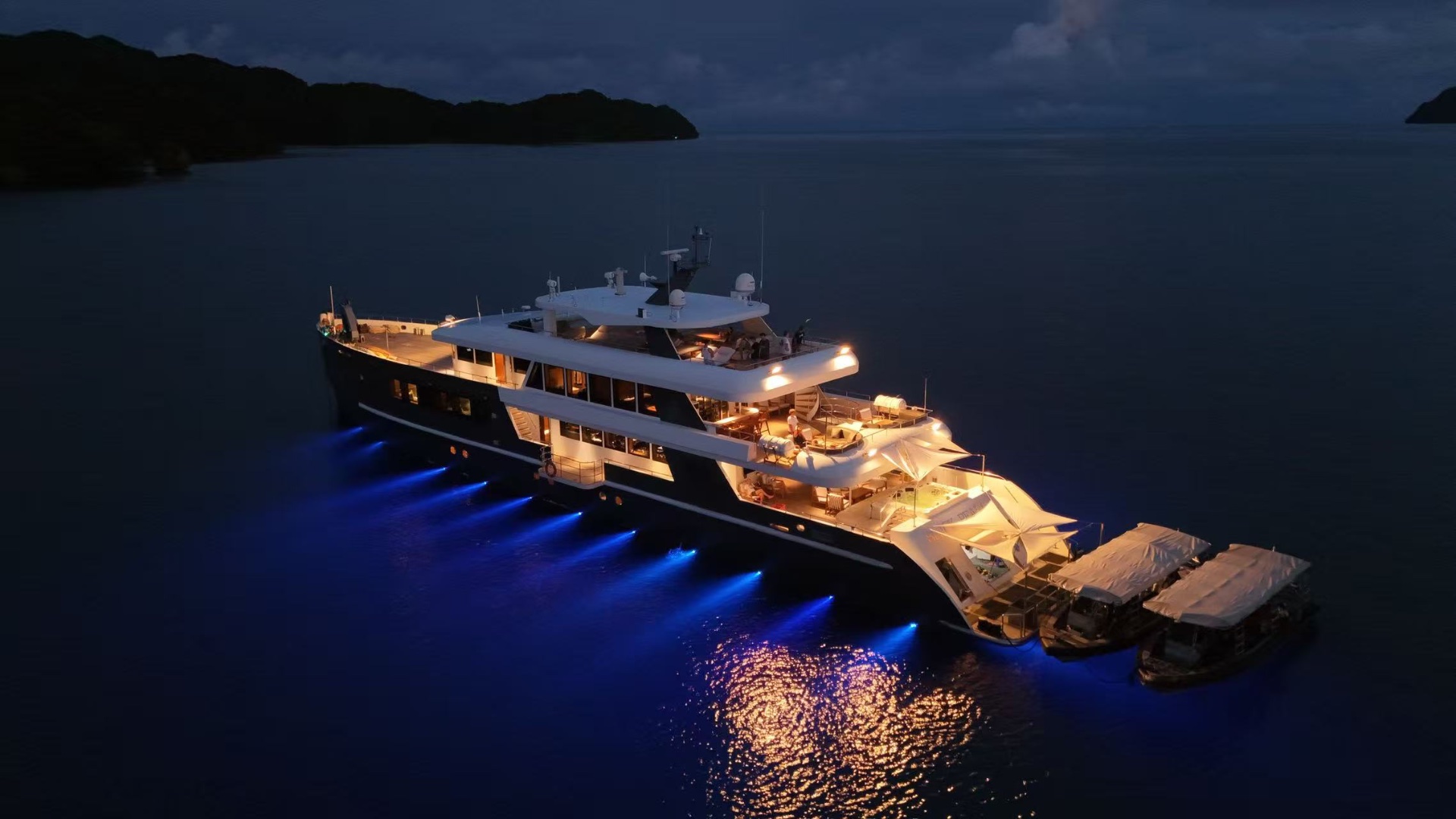
Black Pearl
Micronesia
24 guests
$390/day
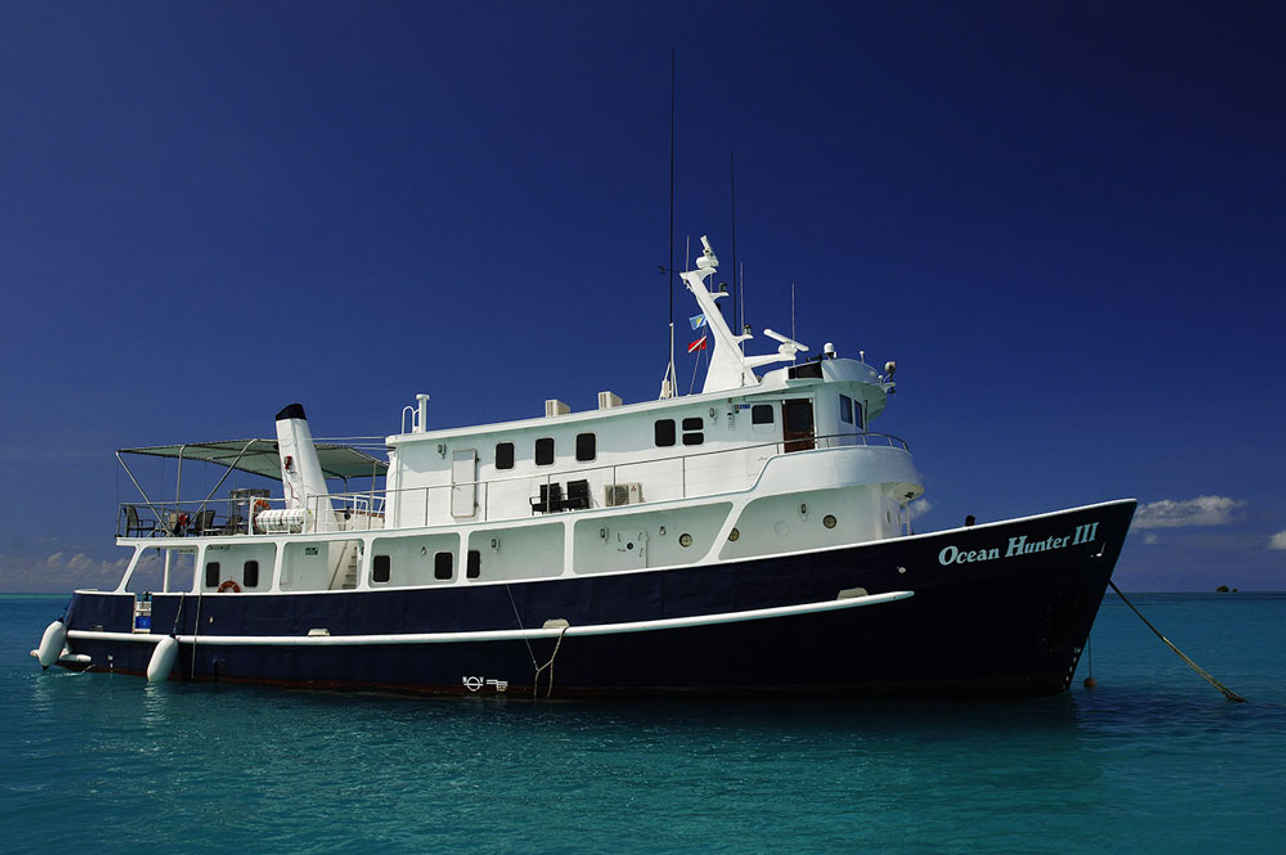
Ocean Hunter 3
Micronesia
16 guests29 m
$350/day
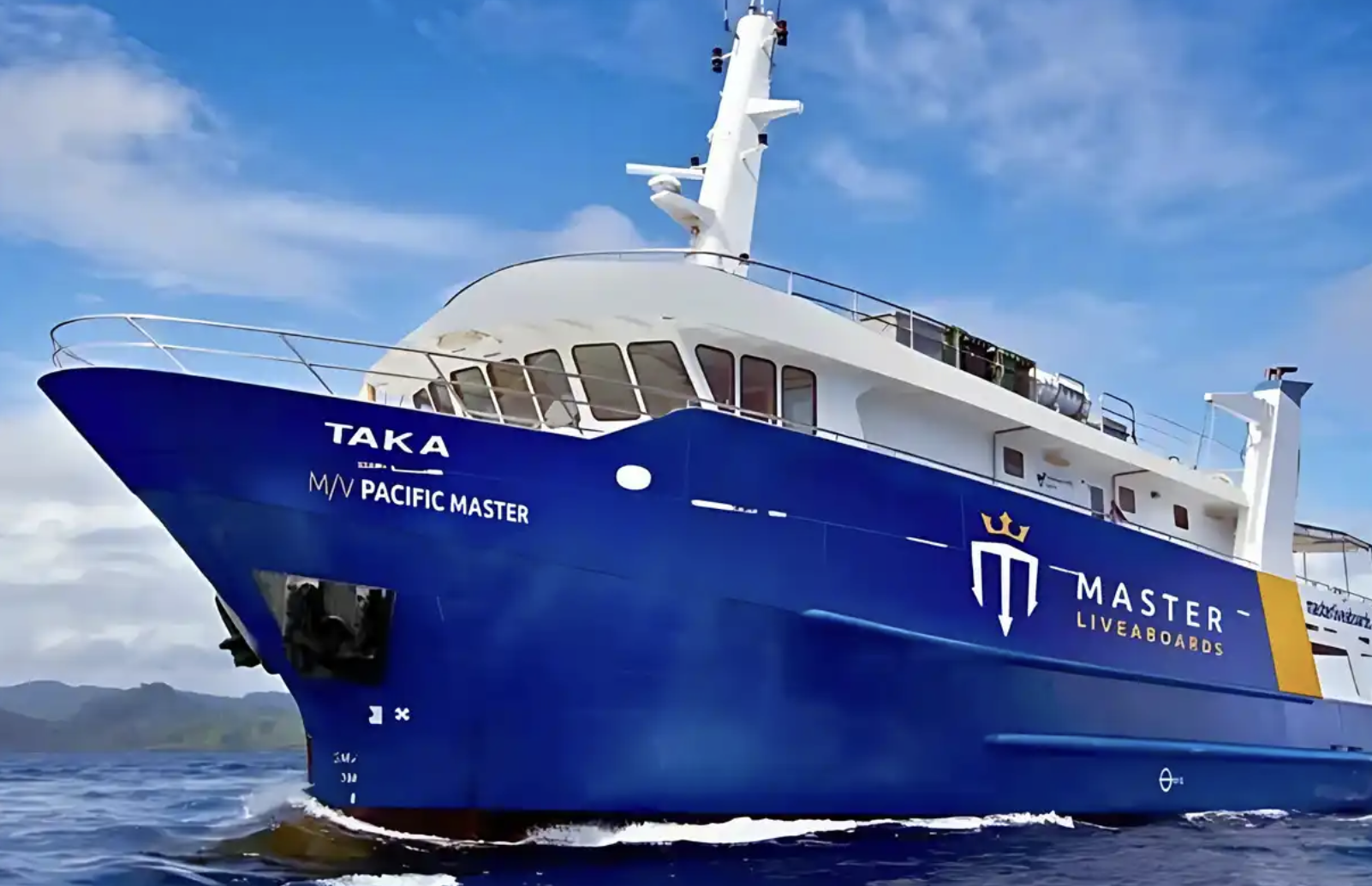
Pacific Master
Solomon Islands
20 guests30 m
$268/day
Dive sites similar to Gosei Maru
Same character, same waters — six more sites divers love for the exact same reasons.Compare seasons, access and liveaboard routes — then pick the site that fits your trip best.
© Esri — Maxar, Earthstar, GIS
Fujikawa Maru
Micronesia
The Fujikawa Maru, a 133-meter Japanese cargo and passenger vessel, rests upright in Chuuk Lagoon, offering one of the most celebrated wreck dives globally.
- Suitable for
- Beginner
- Current
- Moderate
- Access
- Liveaboard only
- Depth
- 5–37 m
- Theme
- Wreck
© Esri — Maxar, Earthstar, GIS
Yamagiri Maru
Micronesia
The Yamagiri Maru, a substantial Japanese cargo ship, offers an extraordinary dive into history within Truk Lagoon, Micronesia.
- Suitable for
- Intermediate
- Current
- Mild
- Access
- Liveaboard only
- Depth
- 15–30 m
- Theme
- Wreck
© Esri — Maxar, Earthstar, GIS
Rio de Janeiro Maru
Micronesia
The Rio de Janeiro Maru, a former luxury passenger-cargo liner, now rests as a prominent wreck in Truk Lagoon, an essential destination for wreck enthusiasts.
- Suitable for
- Intermediate
- Current
- Strong
- Access
- Liveaboard only
- Depth
- 18–40 m
- Theme
- Wreck
© Esri — Maxar, Earthstar, GIS
Heian Maru
Micronesia
The Heian Maru, a former Japanese passenger-cargo vessel, rests upright in Chuuk Lagoon, making it a pivotal dive site for those exploring the rich history of Operation Hailstone.
- Suitable for
- Intermediate
- Current
- Mild
- Access
- Liveaboard only
- Depth
- 10–34 m
- Theme
- Wreck
© Esri — Maxar, Earthstar, GIS
San Francisco Maru
Micronesia
The San Francisco Maru, often dubbed the "Million Dollar Wreck," is among the most celebrated dive sites in Micronesia's Chuuk Lagoon, a renowned graveyard of World War II vessels.
- Suitable for
- Advanced
- Current
- Mild
- Access
- Liveaboard only
- Depth
- 40–64 m
- Theme
- Wreck
© Esri — Maxar, Earthstar, GIS
Nippo Maru
Micronesia
The Nippo Maru offers a unique and eerie dive experience within the world-renowned Truk Lagoon, a significant historical site from World War II. This Japanese army cargo ship…
- Suitable for
- Advanced
- Current
- Strong
- Access
- Liveaboard only
- Depth
- 20–45 m
- Theme
- Wreck