About Shinkoku Maru
The Shinkoku Maru is one of the iconic dive sites within Truk Lagoon, renowned as the world's premier wreck diving destination. This Japanese naval tanker, built in 1940 and sunk during Operation Hailstone in 1944, rests upright on an even keel, making it exceptionally accessible and a favorite among divers. The wreck's superstructure starts as shallow as 12 meters, descending to a maximum depth of 40 meters, allowing for extensive exploration across multiple dives. Over the decades, marine life has profoundly transformed the Shinkoku Maru into a vibrant artificial reef. Its decks, railings, and masts are now blanketed in colorful soft corals, while schools of fish, including batfish and barracuda, swirl around its structure. The transformation highlights the incredible resilience of nature, offering a unique juxtaposition of historical artifacts and thriving ecosystems. Divers can explore various parts of the ship, including the intact bridge, engine room, and cargo holds, which sometimes still reveal glimpses of its past purpose through items like the telegraph or medical supplies. The vessel's size and excellent preservation invite multiple penetration opportunities for appropriately certified divers, revealing the ship’s engineering and the stories it holds. Chuuk Lagoon's generally calm conditions and warm waters enhance the diving experience, providing excellent visibility for appreciating the scale and detail of this magnificent wreck. It's a compelling site for both its historical significance and its stunning marine biodiversity, drawing divers seeking an immersive journey through time and nature.
Highlights
Intact naval tanker wreckSpectacular soft coral growthNaval artifacts and engine roomUpright position, easy explorationSchools of batfish and barracudaMedical and operating roomsReadable telegraphHistorical WWII site
Season calendar
Best months to dive here
Jan
Feb
Mar
Apr
May
Jun
Jul
Aug
Sep
Oct
Nov
Dec
Excellent
Dive site facts: Shinkoku Maru
- Depth
- 12–40 m
- Typical dive
- 20–30 m, 50–60 min
- Current
- Mild
- Visibility
- 25–30 m
- Water temperature
- 27–30 °C
- Entry
- Boat / tender
- Level
- AOWD recommended, wreck experience beneficial
- Dive type
- Wreck, penetration, reef
- Night dive
- Possible
- Region / port
- Chuuk Lagoon, Micronesia
- Coordinates
- 7.355, 151.86
Conditions & Currents
Truk Lagoon generally experiences mild currents, contributing to comfortable diving conditions around the Shinkoku Maru. While the lagoon's sheltered nature provides calm waters, local currents can vary, particularly around wreck structures, requiring divers to remain aware of their position. Visibility is typically excellent, often reaching 30 meters, though it can occasionally be affected by rainfall or sediment disturbance within the wreck. Surface conditions are usually placid, facilitating easy entries and exits from dive boats, which often utilize hydraulic lifts for added convenience. The consistent water temperature means thermal protection is primarily for comfort and duration rather than combating thermoclines, which are typically found deeper than recreational limits, around 30 meters.
Marine life & sighting chances

Batfish
common
Barracuda
common
Dogtooth Tuna
occasional
Coral Grouper
common
Grey Reef Shark
occasional
Hawksbill Turtle
occasional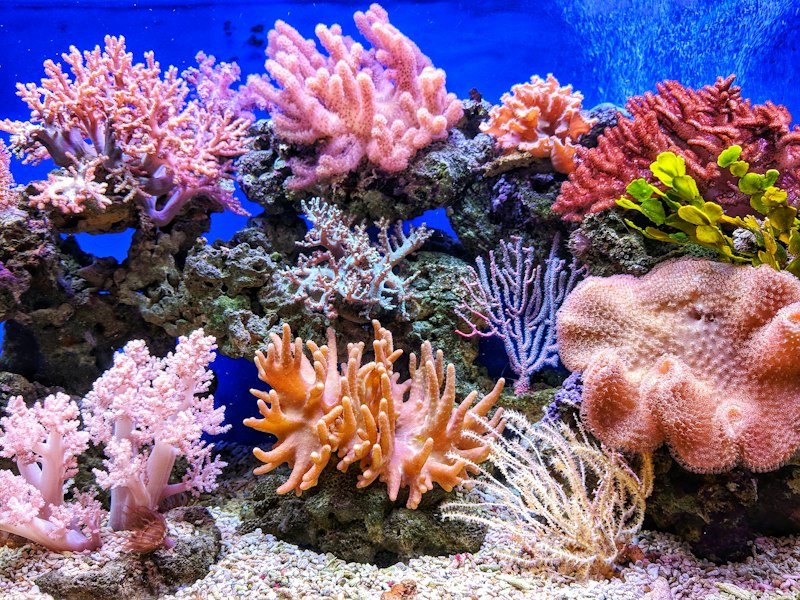
Soft Corals
common
Anemones
common
Jellyfish
common
Triggerfish
commonDive profile & how the dive runs
Diving the Shinkoku Maru typically begins with a descent along the mooring line to the ship's superstructure, which starts around 12 meters. The initial exploration often focuses on the bridge area, where divers can observe the ship's telegraph and navigation equipment. From there, you can navigate towards the bow, noting the dense soft coral growth covering the decks. Penetration into the cargo holds is possible, revealing historical artifacts and often schools of fish sheltering inside. The engine room is another highlight, with various machinery still in place, though careful assessment of structural integrity is always advised. The dive progresses deeper along the ship's length, reaching the maximum depth of 40 meters at the keel, before ascending slowly along the structure back to shallower depths for the safety stop, often conducted along the mast or superstructure, which is rich in marine life.
Underwater photography
The Shinkoku Maru offers abundant photographic opportunities, from wide-angle shots of the entire wreck and its coral-encrusted features to macro details of the marine life that has colonized it. A wide-angle lens is ideal for capturing the grandeur of the ship's large sections, including the bridge, engine room, and expansive coral growth. For internal penetrations, ensure your strobes provide even illumination for larger scenes, while smaller, more focused lights can highlight intricate details in compartments. An external strobe system with TTL capability is highly recommended to manage exposures effectively, especially given varying ambient light levels inside the wreck and on reflective metal surfaces. Buoyancy control is paramount to avoid disturbing sediment or damaging delicate coral formations, particularly within confined spaces. Always maintain a respectful distance from artifacts and marine life, ensuring you do not touch or remove anything from this historical site.
Combine with nearby dive sites
- Nippo Maru
Army cargo ship with tanks, artillery, and gas masks.
- Fujikawa Maru
Aircraft carrier with Zero fighters and spectacular soft coral.
- Yamagiri Maru
Cargo ship with large holds for exploration.
- Heian Maru
The largest ship in Truk Lagoon, with expansive bridge and engine room.
- San Francisco Maru
Deep wreck loaded with war materials, suited for technical dives.
- Gosei Maru
The Gosei Maru is a compelling wreck dive in Truk Lagoon, Micronesia, offering a glimpse into World War II history beneath the waves.
Getting there & logistics
Accessing Truk Lagoon typically involves flying into Chuuk International Airport (TKK) on Weno Island. Most dive trips are conducted via liveaboards, which offer comprehensive itineraries covering multiple wrecks over several days, ranging from 6 to 10 nights. Alternatively, land-based dive resorts also provide daily boat dives to various sites within the lagoon. A marine park fee is usually required, often around $5 per person, to dive within the protected waters. Liveaboards like the M/V Odyssey are well-equipped to handle divers of all levels, including technical divers requiring mixed gases, and provide excellent crew-to-passenger ratios for guided explorations.
Safety & environment
Diving in Truk Lagoon requires adherence to strict safety protocols, particularly due to the nature of wreck diving and potential depths. The nearest recompression chamber is located within Chuuk Lagoon, offering critical support in case of decompression sickness, though evacuation to a more advanced medical facility might be necessary for severe cases. Comprehensive dive insurance, including coverage for medical emergencies and evacuation, is highly recommended. Specific hazards at the Shinkoku Maru include overhead environments during penetrations, entanglement risks from discarded lines, and potential for cuts or abrasions from sharp metal edges. Divers must possess appropriate wreck diving certifications for internal exploration and always follow guide instructions to ensure safe navigation and minimize disturbance to the historical site and its delicate ecosystem.
Who it suits — and who it doesn't
Suited for
- Wreck diving enthusiasts
- Advanced Open Water Divers
- Underwater photographers
- History buffs interested in WWII
- Divers seeking vibrant soft coral reefs
- Technical divers exploring deeper sections
Less suited for
- Beginner Open Water Divers
- Divers uncomfortable with overhead environments
- Those prone to claustrophobia in confined spaces
- Divers without proper wreck penetration training
- Travelers on a very tight budget
- Individuals seeking only macro-focused diving
FAQ
Shinkoku Maru FAQ
What kind of marine life can I expect to see on the Shinkoku Maru?
The Shinkoku Maru is a thriving artificial reef, boasting extensive soft coral growth that attracts a variety of marine life. You can commonly spot schools of batfish, barracuda, and coral groupers. Occasional sightings include grey reef sharks, hawksbill turtles, and dogtooth tuna, making it a vibrant ecosystem.
Is the Shinkoku Maru suitable for beginner divers?
While the Shinkoku Maru is an accessible wreck, an Advanced Open Water Diver certification is generally recommended due to the depth range of 12-40 meters. Beginners might find the size and potential for deeper sections challenging, though guided tours can accommodate those with good buoyancy control in shallower areas.
What is the visibility like around the Shinkoku Maru?
Visibility at the Shinkoku Maru is typically excellent, often ranging from 25 to 30 meters. This clear water provides fantastic views of the entire wreck and its intricate details. Occasionally, heavy rainfall or sediment disturbance within the wreck might temporarily reduce visibility.
Are there any specific artifacts to look for on the Shinkoku Maru?
Yes, the Shinkoku Maru is known for its intact structures and fascinating artifacts. Divers can explore the bridge, where the ship's telegraph is still readable, and discover medicine and operating rooms. The cargo holds also contain various items from its naval supply days, though specific contents can vary.
Can I penetrate the Shinkoku Maru wreck?
Penetration into the Shinkoku Maru is possible for appropriately trained and certified wreck divers. The ship's upright position and relatively intact nature allow for exploration of its engine room and cargo holds. Always dive with a qualified guide and ensure you have the necessary skills and equipment for overhead environments.
What is the water temperature at the Shinkoku Maru?
The water temperature in Truk Lagoon, including around the Shinkoku Maru, remains consistently warm throughout the year. You can expect temperatures to range from 27-30°C (81-86°F), making for very comfortable diving conditions. A 3mm wetsuit or even a diveskin is usually sufficient for thermal protection.
Why dive Shinkoku Maru from a liveaboard?
Shinkoku Maru is one of Micronesia's signature dive sites. A liveaboard sleeps you on the water and puts you in the water for three to four guided dives per day, including dawn and night dives that day-boat operators rarely offer. You skip the daily commute back to port and reach quieter, less-crowded sites in the same region on a single trip.
Below are the liveaboards that include Shinkoku Maru on their Micronesia itineraries.
Liveaboards diving Shinkoku Maru
These liveaboards may visit Shinkoku Maru on selected itineraries — the exact dive sites depend on departure, weather and conditions.
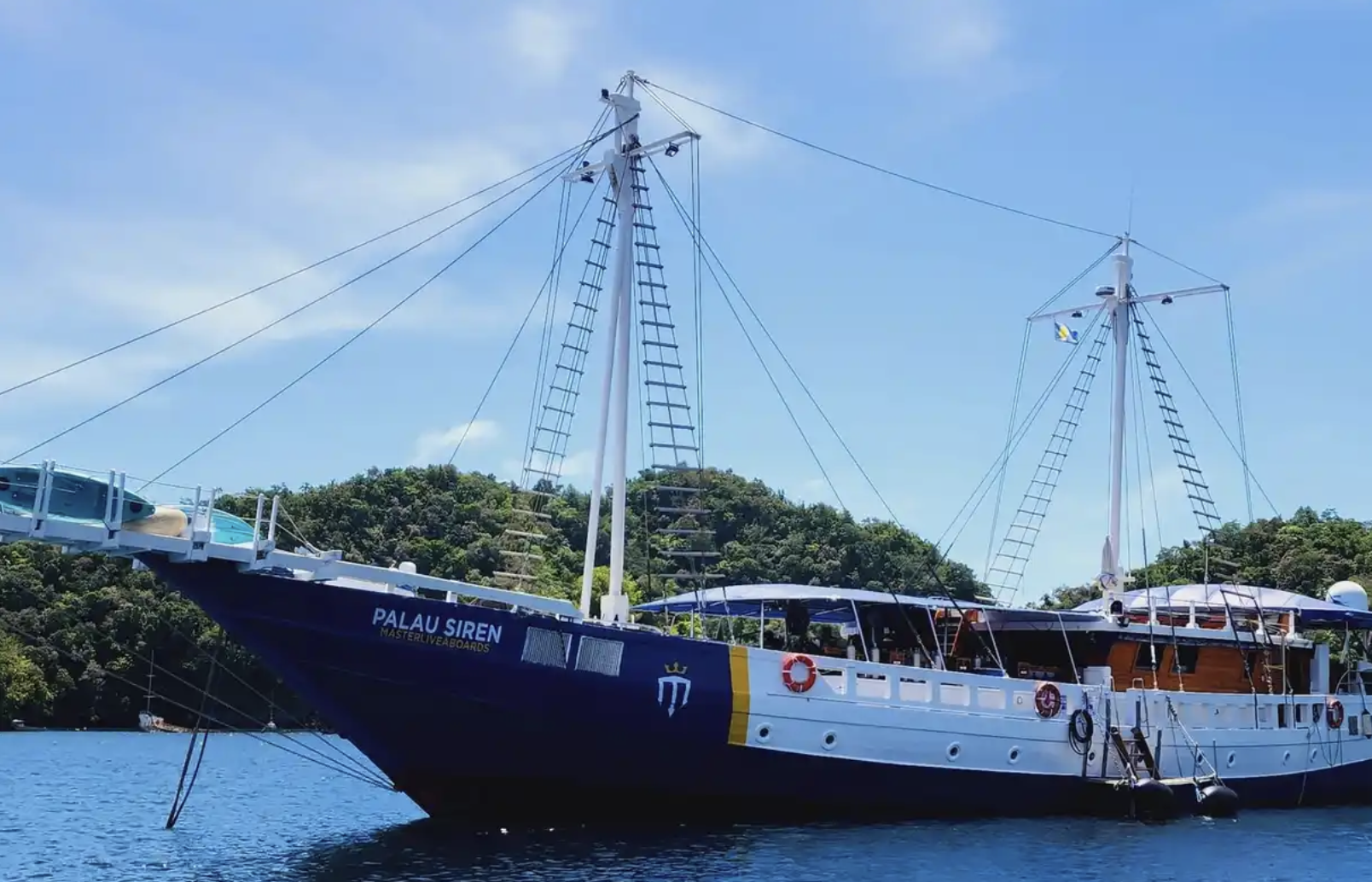
Palau Siren
Micronesia
16 guests
$501/day
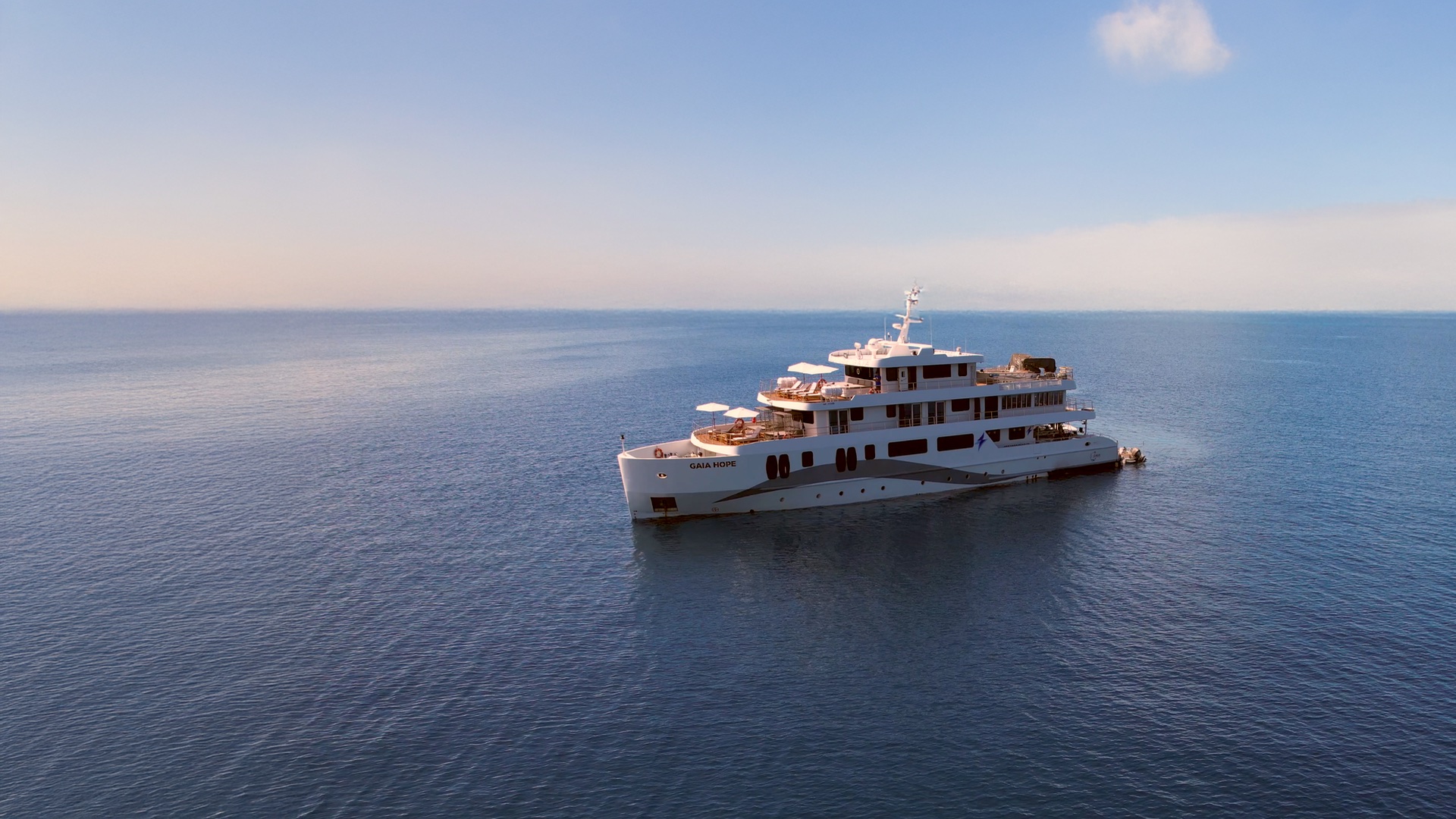
Solitude Gaia
Micronesia
18 guests40 m
$310/day
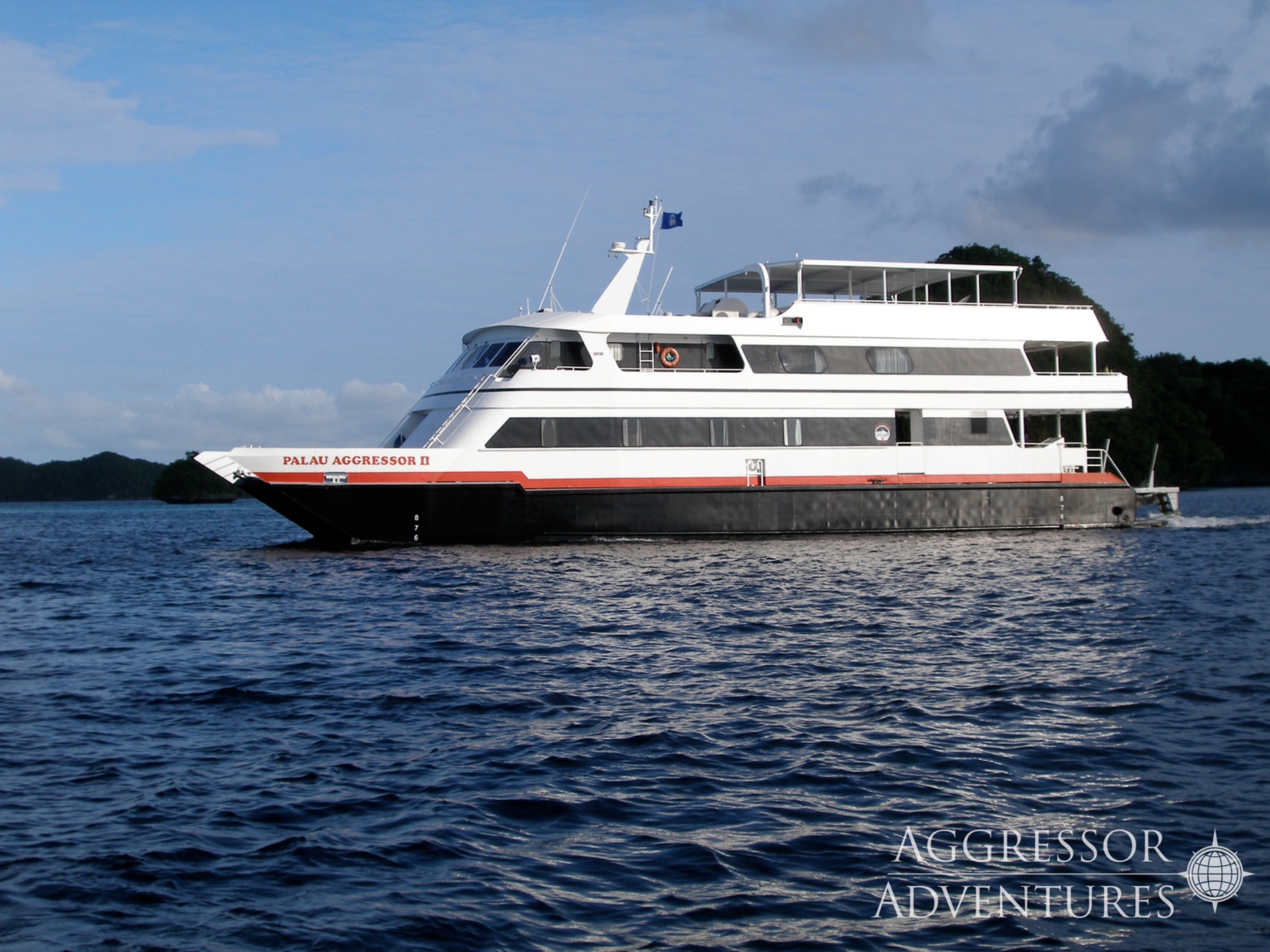
Palau Aggressor II
Micronesia
18 guests32 m
$360/day
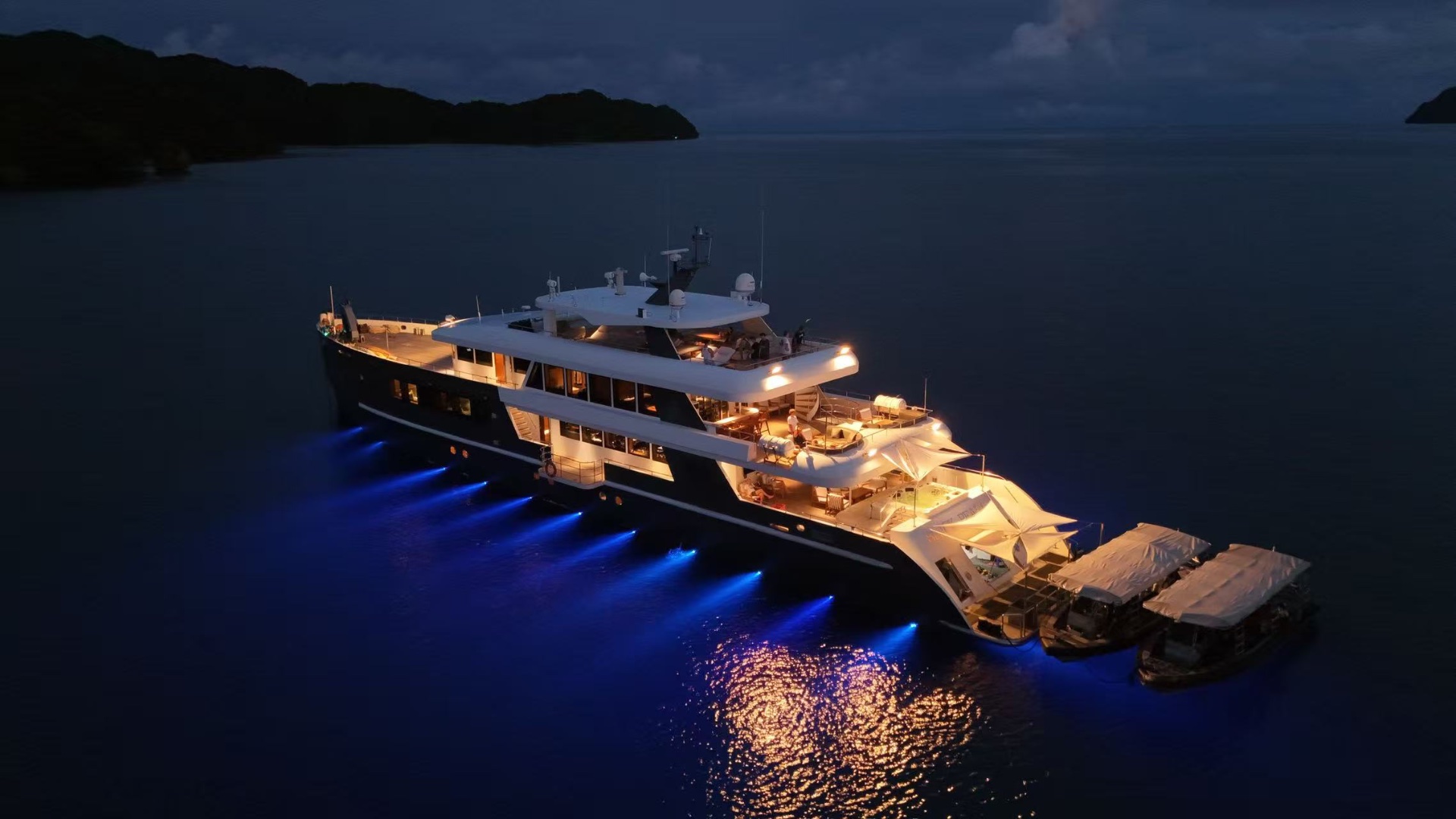
Black Pearl
Micronesia
24 guests
$390/day
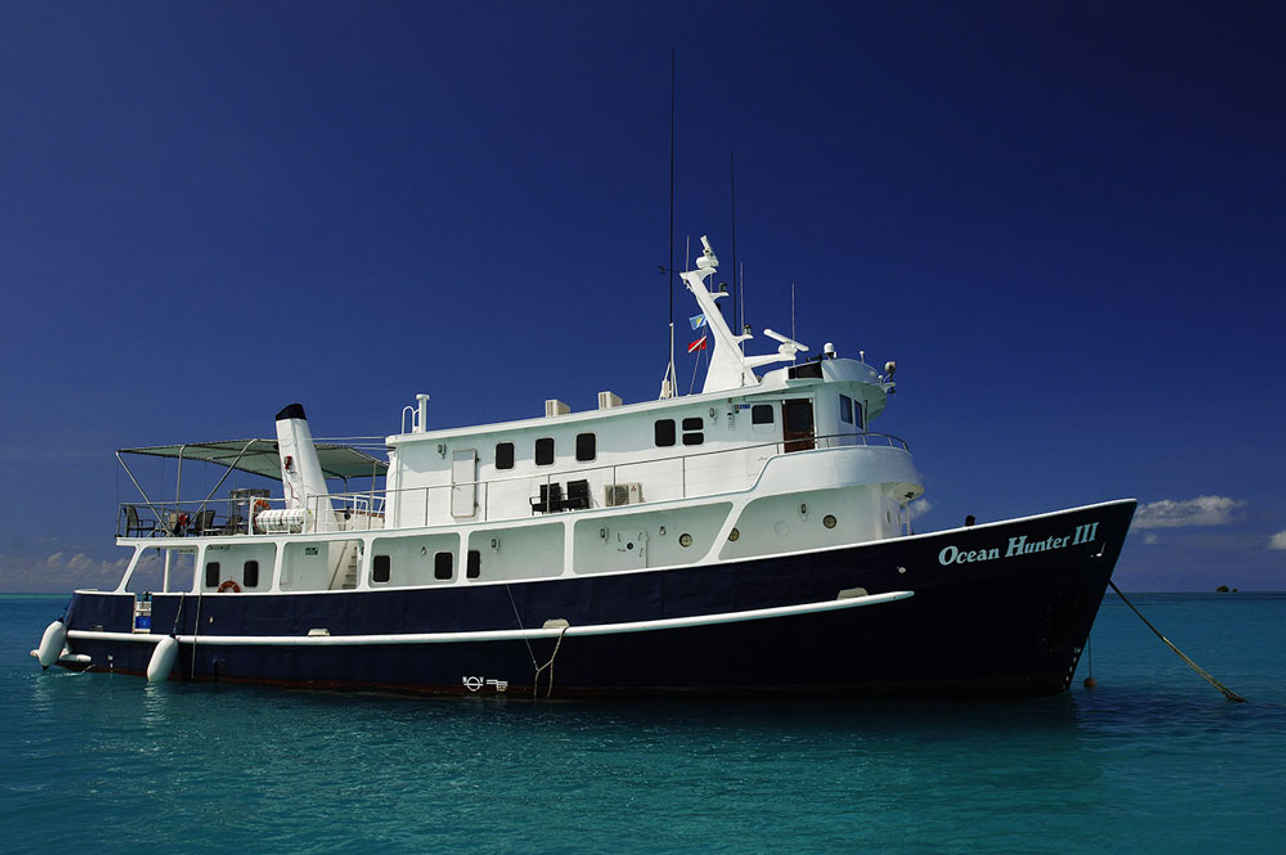
Ocean Hunter 3
Micronesia
16 guests29 m
$350/day
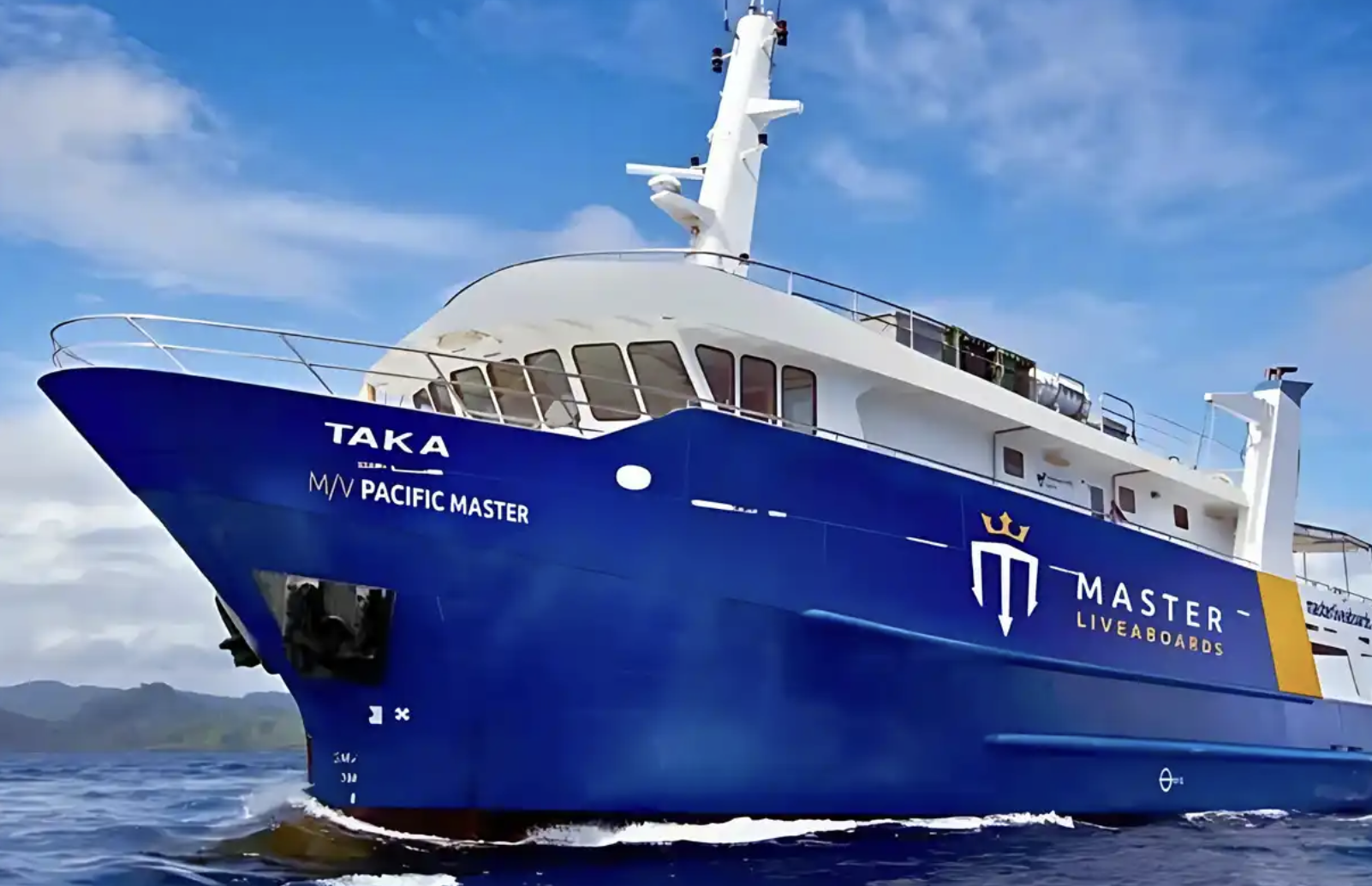
Pacific Master
Solomon Islands
20 guests30 m
$268/day
Dive sites similar to Shinkoku Maru
Same character, same waters — six more sites divers love for the exact same reasons.Compare seasons, access and liveaboard routes — then pick the site that fits your trip best.
© Esri — Maxar, Earthstar, GIS
Challenger Bay
Australia
Challenger Bay, nestled on Ribbon Reef #10, approximately 176 kilometers north of Port Douglas, is a renowned dive site on the remote northern Great Barrier Reef.
- Suitable for
- Advanced
- Current
- Moderate
- Access
- Liveaboard only
- Depth
- 5–30 m
- Theme
- Reef
© Esri — Maxar, Earthstar, GIS
Trochus Sanctuary
Micronesia
Trochus Sanctuary is a distinctive dive site located north of the mid-point of Kosrae, southwest of the island's airport.
- Suitable for
- Beginner
- Current
- Mild
- Access
- Dayboat
- Depth
- 5–13 m
- Theme
- Reef
© Esri — Maxar, Earthstar, GIS
Bare Island East
Australia
Bare Island East is a highly regarded shore dive in Sydney, celebrated for its diverse and colourful sponge gardens.
- Suitable for
- Intermediate
- Current
- Mild
- Access
- Shore / dayboat
- Depth
- 2–11 m
- Theme
- Reef
© Esri — Maxar, Earthstar, GIS
Raine Island
Australia
Raine Island is a pivotal dive site located in the Far Northern Great Barrier Reef, approximately 85 kilometers east-north-east of Cape Grenville and just over 4 nautical miles south of the island itself.
- Suitable for
- Advanced
- Current
- Strong
- Access
- Liveaboard only
- Depth
- 5–40 m
- Theme
- Reef / Wall
© Esri — Maxar, Earthstar, GIS
Neptune Islands
Australia
The Neptune Islands, nestled at the mouth of South Australia's Spencer Gulf, offer an unparalleled opportunity to encounter great white sharks.
- Suitable for
- Advanced
- Current
- Strong
- Access
- Liveaboard or dayboat
- Depth
- 5–15 m
- Theme
- Drift
© Esri — Maxar, Earthstar, GIS
Walung Drop-Off
Micronesia
Walung Drop-Off is a well-known dive site situated off the southwest coast of Kosrae in the Federated States of Micronesia.
- Suitable for
- Intermediate
- Current
- Moderate
- Access
- Dayboat
- Depth
- ≤ 30 m
- Theme
- Wall / Reef