About San Francisco Maru
The San Francisco Maru, often dubbed the "Million Dollar Wreck," is among the most celebrated dive sites in Micronesia's Chuuk Lagoon, a renowned graveyard of World War II vessels. Sunk during Operation Hailstone in February 1944, this former Yamashita Kisen K. K. freighter, converted for military transport, lies upright on the seabed, brimming with a fascinating array of cargo. While the wreck’s shallowest point, its masts, reach 32 meters, its main deck starts around 50 meters, extending to the sand at approximately 62 meters. The vessel is laden with military hardware, including tanks, trucks, mines, bombs, and ammunition, providing an unparalleled underwater museum experience. Its depth positions it as a challenging yet highly rewarding dive. Despite its wartime origins, the San Francisco Maru has been transformed into a thriving artificial reef. Hard and soft corals, sponges, and sea fans now encrust its metal structure, attracting diverse marine life. Barracuda and jacks patrol the upper sections, while smaller reef fish, nudibranchs, and crustaceans inhabit its various nooks and crannies, showcasing the resilience of nature. Due to its significant depth, this dive is primarily suited for advanced recreational divers comfortable with short bottom times and decompression obligations, or for technical divers seeking extensive exploration. Liveaboards provide the most practical access to this and other deep wrecks within the lagoon, ensuring divers can maximize their experience with appropriate planning and support.
Highlights
Three Type 95 Ha-Go tanksMilitary trucks in holdsLandmines and aerial bombsIntact bow gunBridge superstructure detailsDense coral growthWWII historical artifacts
Season calendar
Best months to dive here
Jan
Feb
Mar
Apr
May
Jun
Jul
Aug
Sep
Oct
Nov
Dec
Good
Dive site facts: San Francisco Maru
- Depth
- 32–62 m
- Typical dive
- 50–56 m, 5–10 min bottom time for recreational divers
- Current
- Mild
- Visibility
- 15–40 m
- Water temperature
- 28–30°C
- Entry
- Liveaboard tender / mooring line
- Level
- Advanced Recreational / Technical
- Dive type
- Wreck, Deep
- Region / port
- Chuuk Lagoon, Micronesia
- Coordinates
- 7.358, 151.85
Conditions & Currents
Currents within Chuuk Lagoon are generally mild, especially in the sheltered areas where many wrecks, including the San Francisco Maru, are located. However, divers should still be prepared for light currents, particularly when ascending or descending. Visibility can fluctuate between 15 to 40 meters, with the best conditions typically found during the dry season. The depth of the San Francisco Maru, with its deck at 50 meters and the seabed at 62 meters, necessitates careful dive planning and strict adherence to bottom times and decompression procedures. Divers should monitor their air consumption closely and be comfortable with extended safety stops, as local dive guides prioritize their own deco limits after repeated deep dives.
Marine life & sighting chances

Barracuda
common
Jacks
common
Reef sharks
occasional
Groupers
common
Turtles
occasional
Nudibranchs
common
Crustaceans
common
Hard corals
common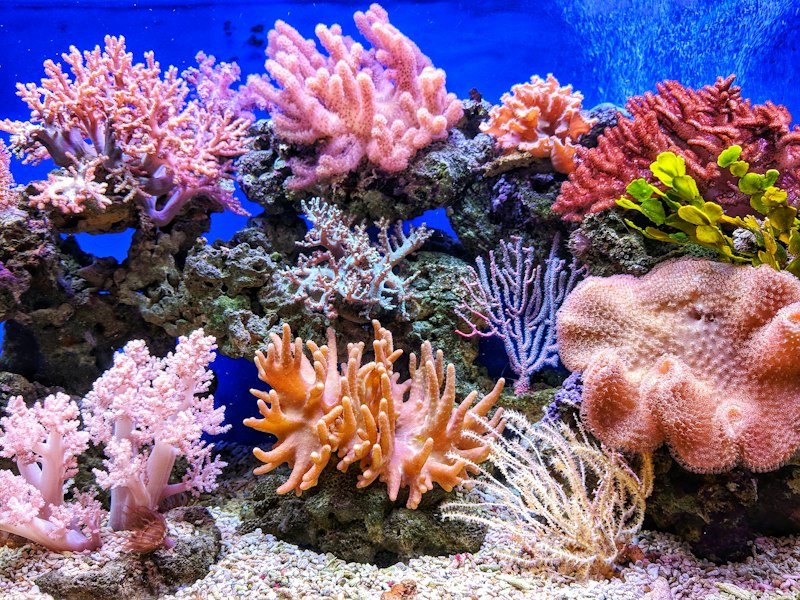
Soft corals
common
Sponges
common
Sea fans
commonDive profile & how the dive runs
Diving the San Francisco Maru typically begins with a descent down a mooring line to the bridge, which sits around 45-50 meters. Recreational divers often aim for the main deck at 50-56 meters to view the three Type 95 Ha-Go tanks. One tank appears to be mounting another on the starboard side, with a third on the port side. After examining the tanks, the dive usually continues to Hold No. 2, which contains intact trucks, some designed to carry water or fuel. Hold No. 1, further forward, houses landmines and aerial bombs. Due to the depth, bottom times are brief, often 5-10 minutes for recreational divers, making a quick tour of these key features essential. The ascent is long and slow, incorporating multiple decompression stops to manage nitrogen loading. Safety stops are conducted in the shallower water, where divers can enjoy the marine growth on the upper structures of the wreck and reef above.
Underwater photography
Photographing the San Francisco Maru demands careful planning due to its depth and the low light conditions. Wide-angle lenses are essential to capture the sheer scale of the wreck, particularly the tanks on the deck and the extensive cargo in the holds. External strobes are highly recommended to bring out the vibrant colors of the corals and marine life that now adorn the ship, as well as to illuminate the deeper, darker sections. Practicing excellent buoyancy control is crucial to avoid stirring up the fine silt inside the holds and maintaining clear shots. Given the short bottom times, prioritize key subjects like the tanks and unique artifacts. Tech divers with longer bottom times can explore the details of the bridge and deeper cargo holds more extensively.
Combine with nearby dive sites
- Fujikawa Maru
Another popular wreck with aircraft and machine guns in holds
- Shinkoku Maru
A tanker wreck known for its engine room and abundant marine life
- Heian Maru
A large submarine tender with torpedoes and periscopes
- Nippo Maru
Features tanks, artillery pieces, and gas masks
- Yamagiri Maru
Known for its large artillery shells in the cargo holds
Getting there & logistics
Access to Chuuk Lagoon is primarily via flights to Weno Island (TKK), typically involving connections through Guam (GUM) and Honolulu (HNL) on United Airlines. From Weno, liveaboards or day boats transfer divers to the various dive sites. Liveaboards are the preferred method for diving the San Francisco Maru and other deep wrecks, offering multiple dives per day and efficient access to remote sites. Trips typically range from 7 to 10 days, providing ample opportunity to explore numerous historical wrecks. While there are no specific park fees mentioned, dive operators will handle any necessary permits. Booking several months in advance is highly recommended due to the popularity and limited availability of liveaboard spaces.
Safety & environment
Diving the San Francisco Maru requires strict adherence to deep diving protocols due to its depth (up to 62 meters). Divers must possess advanced or technical certifications and be comfortable with potential decompression obligations. Always dive with a reputable operator and an experienced guide, particularly on this wreck. The nearest recompression chamber is located at the Chuuk State Hospital in Weno, though evacuation procedures for serious incidents can be complex and time-consuming. Comprehensive dive insurance, covering medical emergencies and evacuation, is absolutely essential. Divers should meticulously plan their gas consumption, bottom times, and decompression stops. It is crucial to respect the wreck by avoiding penetration without proper training and equipment, and refraining from removing any artifacts.
Who it suits — and who it doesn't
Suited for
- Advanced recreational divers with deep diving experience
- Technical divers seeking wreck exploration
- History enthusiasts interested in WWII artifacts
- Photographers with wide-angle setups and strobes
- Divers comfortable with decompression procedures
Less suited for
- Beginner divers
- Open Water certified divers
- Divers uncomfortable with deep dives
- Those without experience managing decompression stops
- Divers with poor buoyancy control
FAQ
San Francisco Maru FAQ
What cargo can be seen on the San Francisco Maru?
The San Francisco Maru is famously known as the "Million Dollar Wreck" because of its valuable military cargo. On its deck, you can find three Japanese Type 95 Ha-Go tanks. Its holds contain numerous military trucks, landmines, and aerial bombs, offering a unique glimpse into World War II history.
How deep is the San Francisco Maru?
The wreck of the San Francisco Maru rests at significant depths. The shallowest parts, including its masts, are at approximately 32 meters (105 feet), while the main deck starts around 50 meters (165 feet). The deepest parts of the wreck lie on the sandy seabed at about 62 meters (205 feet).
Is the San Francisco Maru suitable for recreational divers?
The San Francisco Maru is considered an advanced recreational dive due to its depth. While the upper deck and masts are accessible, the most interesting cargo, such as the tanks and trucks, are in the 50-56 meter range. Divers need experience with deep diving, short bottom times, and potentially extensive decompression stops.
What kind of marine life is found on the wreck?
Despite its history as a war grave, the San Francisco Maru is now a vibrant artificial reef. Its structure is heavily encrusted with hard and soft corals, sponges, and sea fans. You can expect to see schooling barracuda and jacks, as well as various reef fish, nudibranchs, and crustaceans inhabiting the wreck.
How long is a typical dive on the San Francisco Maru?
A typical dive on the San Francisco Maru is characterized by very short bottom times due to its depth. Recreational divers often spend only 5 to 10 minutes at the deepest points (50-56 meters) to mitigate decompression obligations. The majority of the dive time is spent on the ascent, managing safety and decompression stops.
Why dive San Francisco Maru from a liveaboard?
San Francisco Maru is one of Micronesia's signature dive sites. A liveaboard sleeps you on the water and puts you in the water for three to four guided dives per day, including dawn and night dives that day-boat operators rarely offer. You skip the daily commute back to port and reach quieter, less-crowded sites in the same region on a single trip.
Below are the liveaboards that include San Francisco Maru on their Micronesia itineraries.
Liveaboards diving San Francisco Maru
These liveaboards may visit San Francisco Maru on selected itineraries — the exact dive sites depend on departure, weather and conditions.
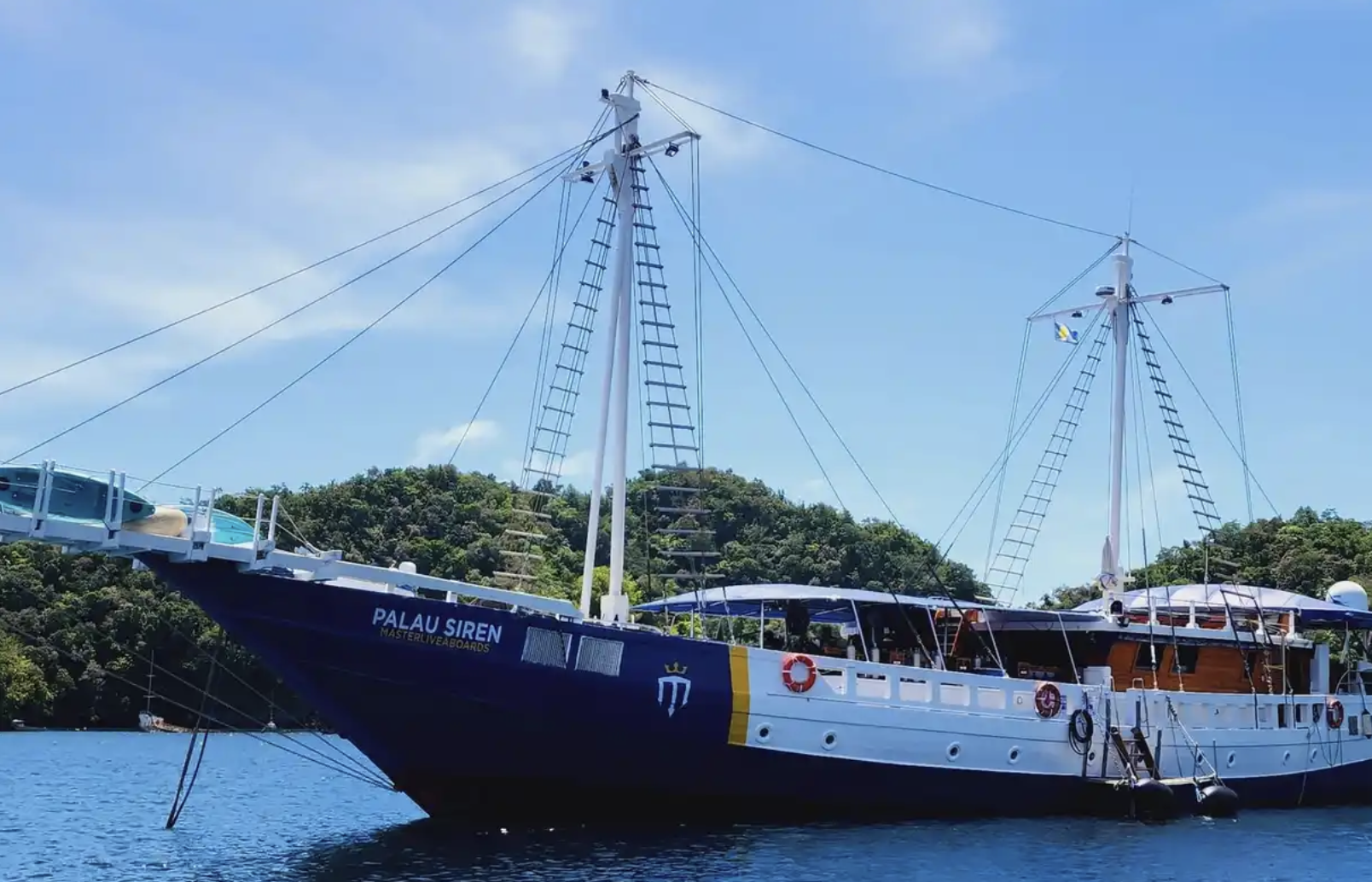
Palau Siren
Micronesia
16 guests
$501/day
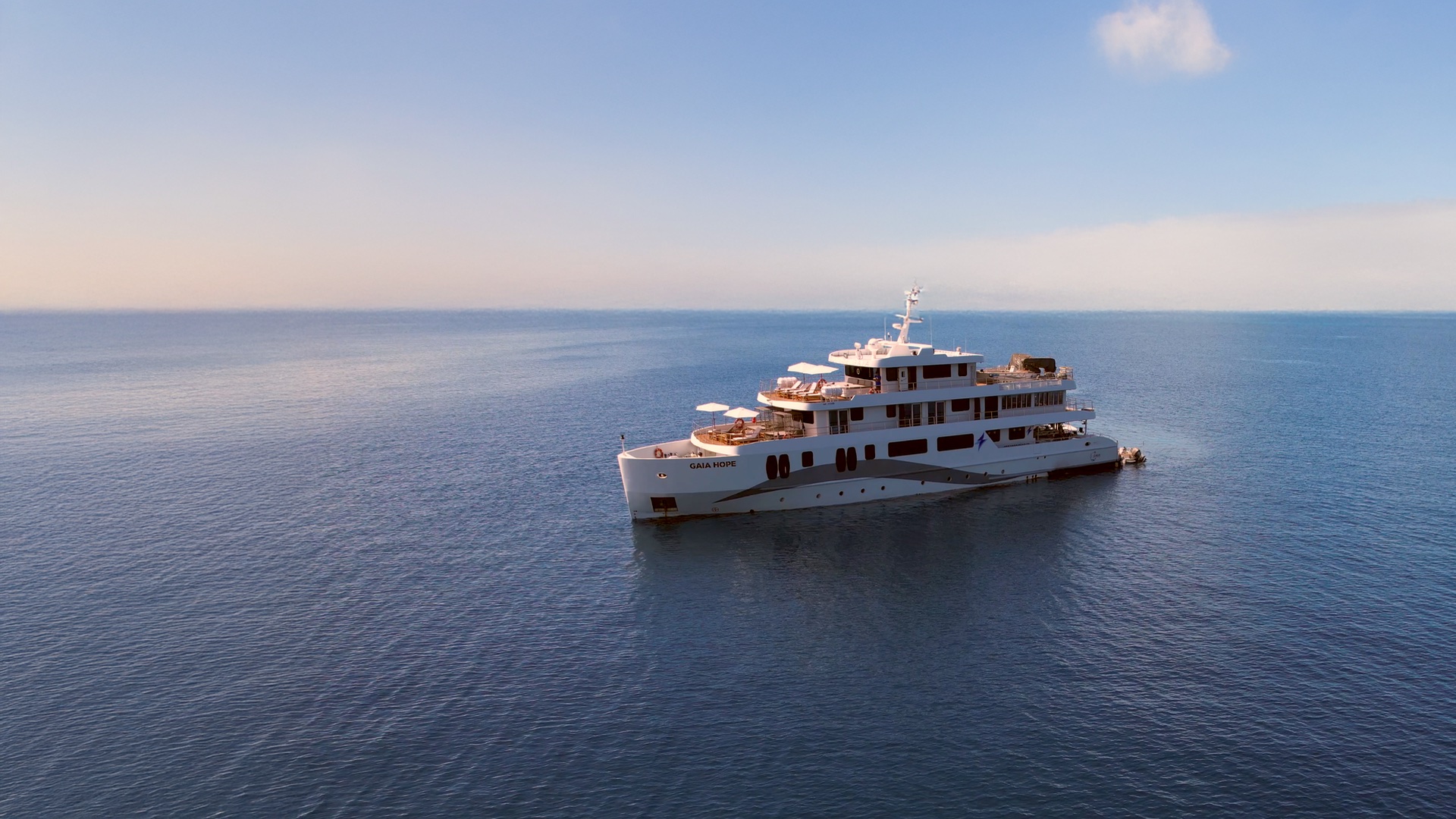
Solitude Gaia
Micronesia
18 guests40 m
$310/day
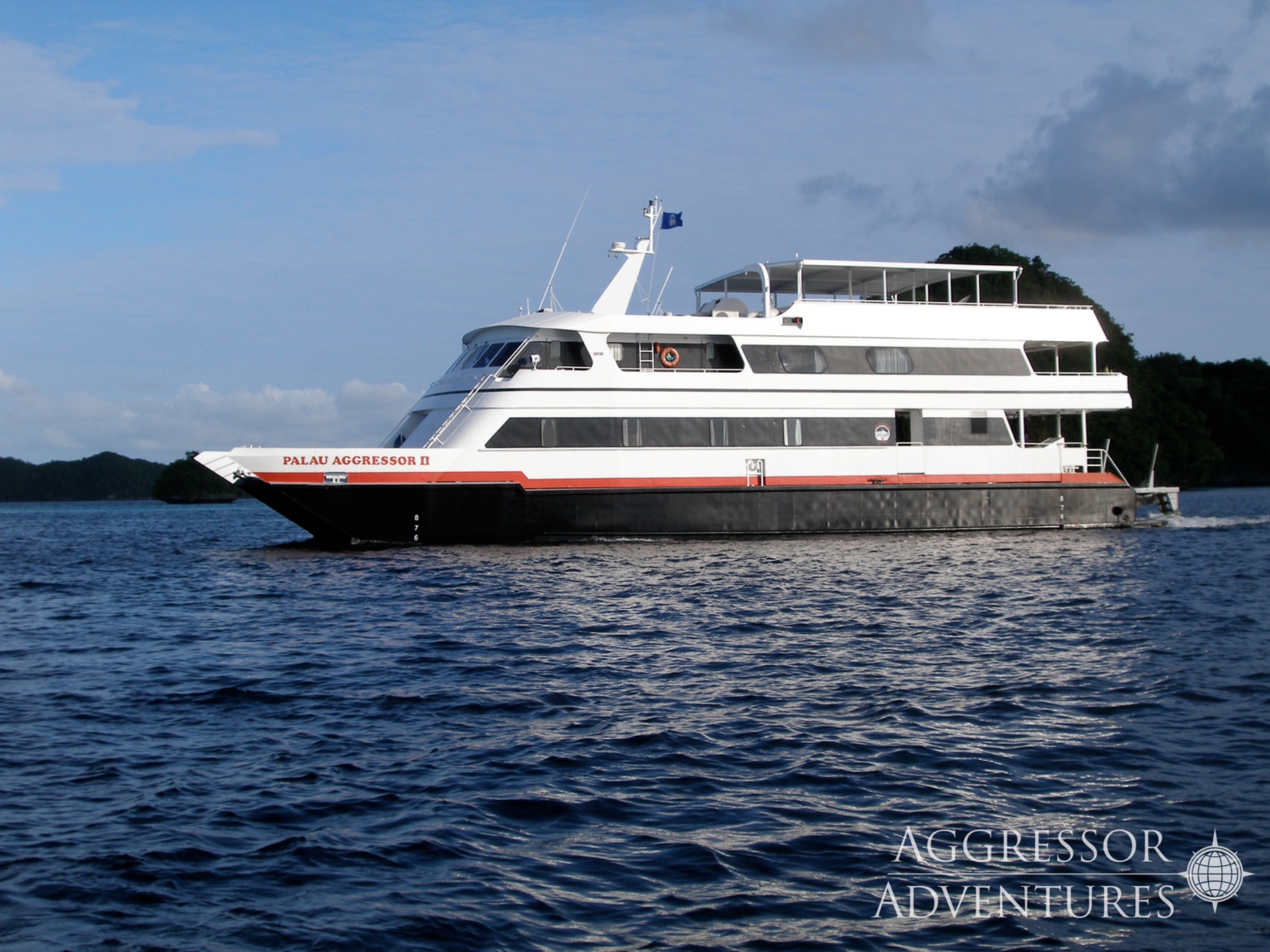
Palau Aggressor II
Micronesia
18 guests32 m
$360/day
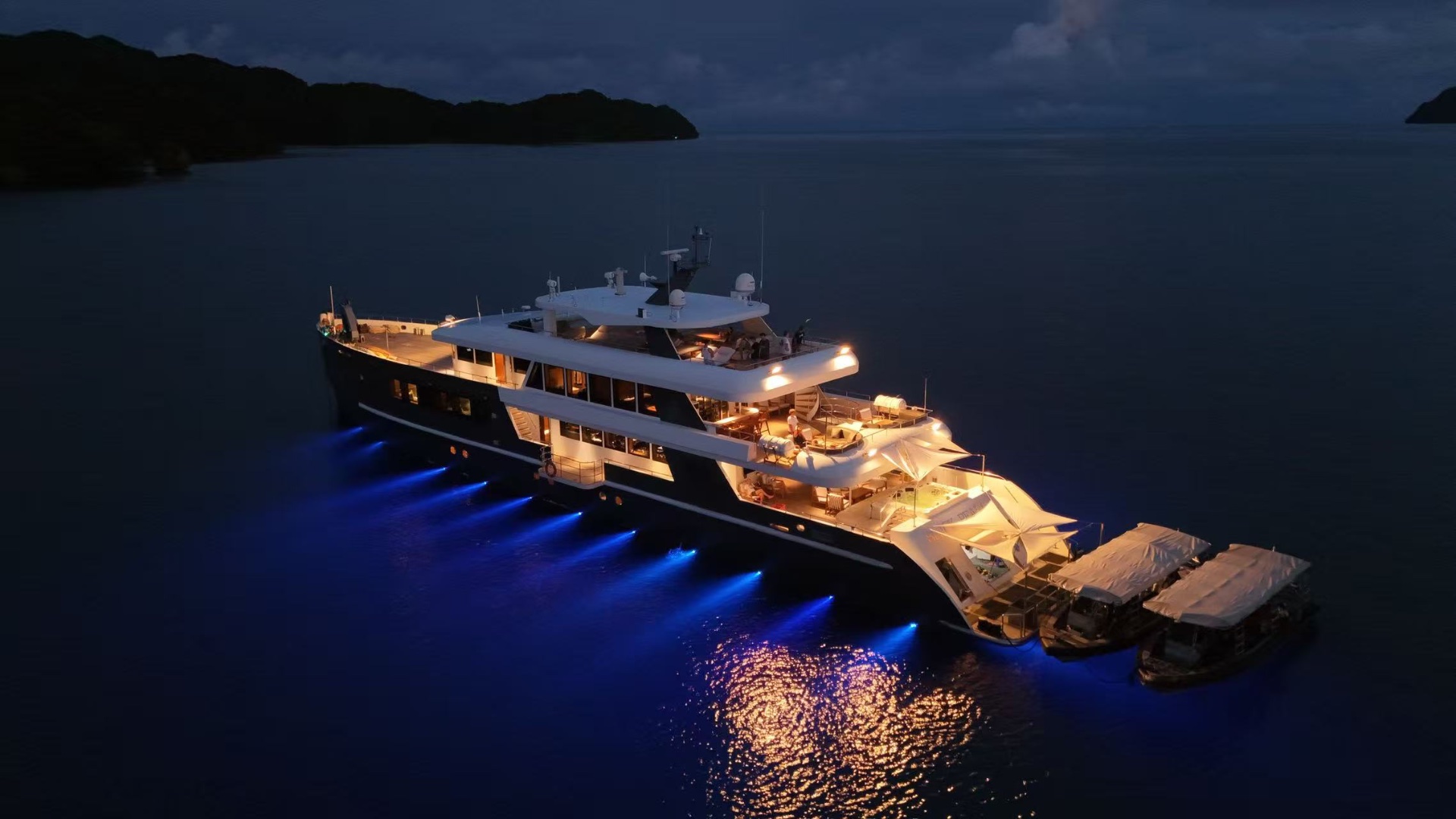
Black Pearl
Micronesia
24 guests
$390/day
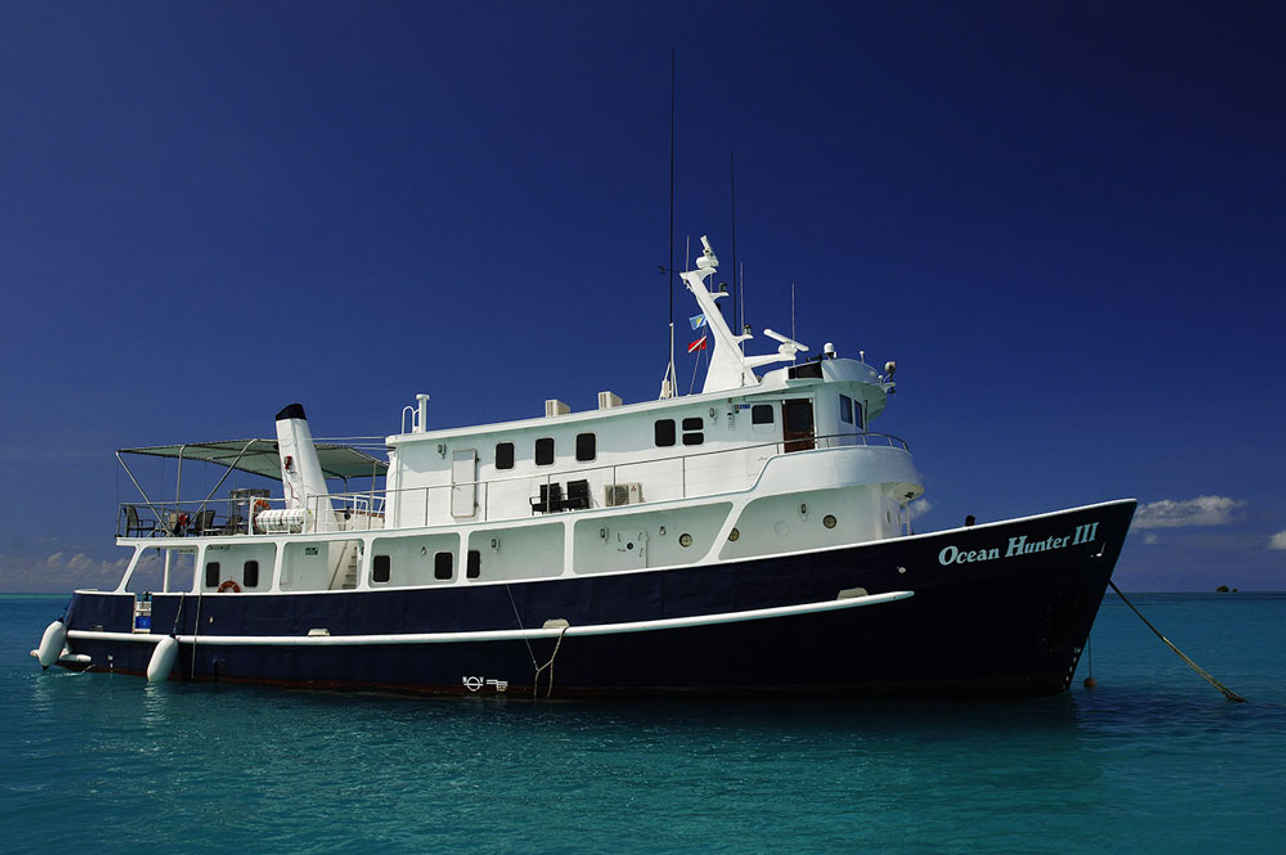
Ocean Hunter 3
Micronesia
16 guests29 m
$350/day
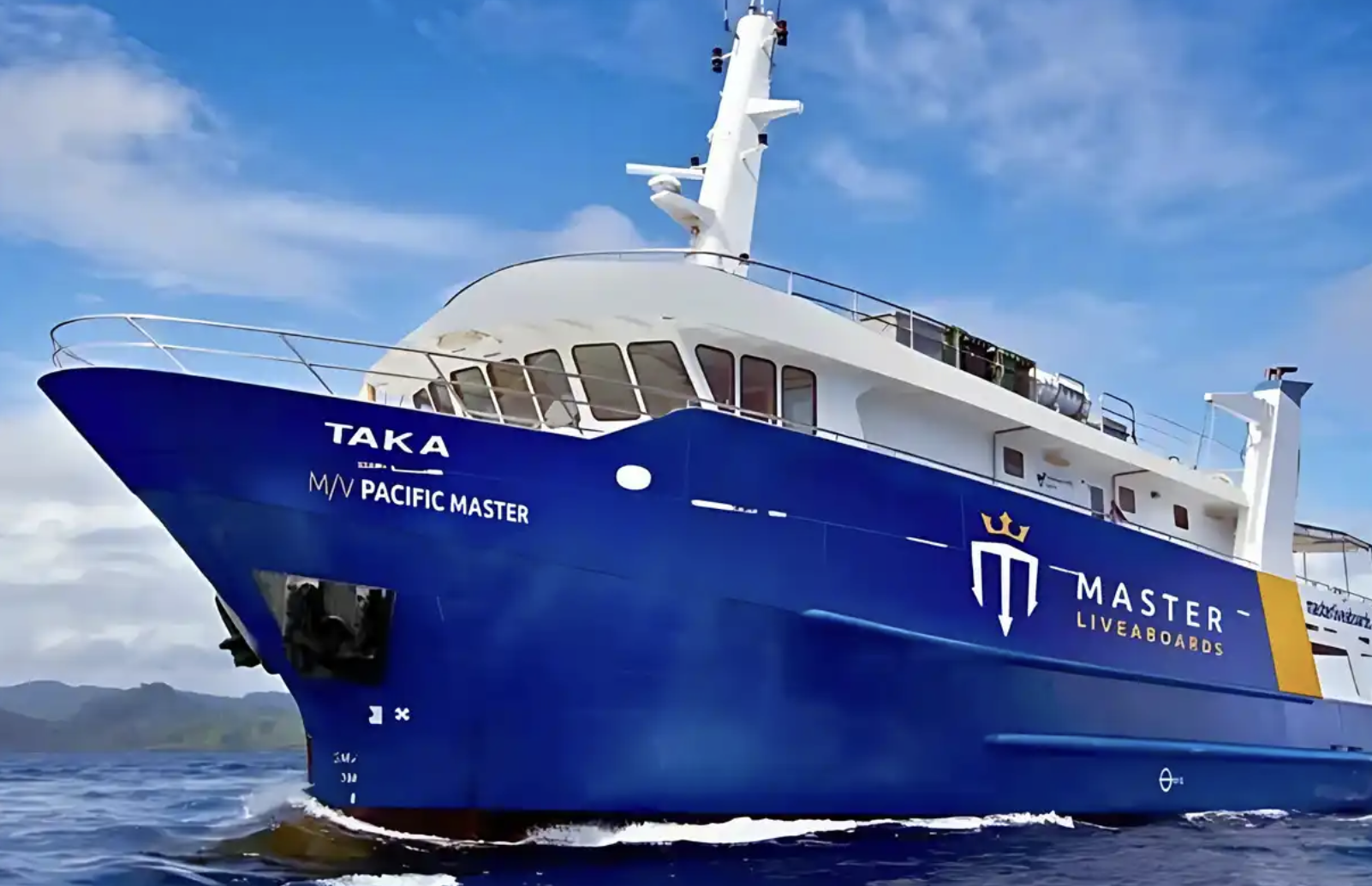
Pacific Master
Solomon Islands
20 guests30 m
$268/day
Dive sites similar to San Francisco Maru
Same character, same waters — six more sites divers love for the exact same reasons.Compare seasons, access and liveaboard routes — then pick the site that fits your trip best.
© Esri — Maxar, Earthstar, GIS
Challenger Bay
Australia
Challenger Bay, nestled on Ribbon Reef #10, approximately 176 kilometers north of Port Douglas, is a renowned dive site on the remote northern Great Barrier Reef.
- Suitable for
- Advanced
- Current
- Moderate
- Access
- Liveaboard only
- Depth
- 5–30 m
- Theme
- Reef
© Esri — Maxar, Earthstar, GIS
Trochus Sanctuary
Micronesia
Trochus Sanctuary is a distinctive dive site located north of the mid-point of Kosrae, southwest of the island's airport.
- Suitable for
- Beginner
- Current
- Mild
- Access
- Dayboat
- Depth
- 5–13 m
- Theme
- Reef
© Esri — Maxar, Earthstar, GIS
Bare Island East
Australia
Bare Island East is a highly regarded shore dive in Sydney, celebrated for its diverse and colourful sponge gardens.
- Suitable for
- Intermediate
- Current
- Mild
- Access
- Shore / dayboat
- Depth
- 2–11 m
- Theme
- Reef
© Esri — Maxar, Earthstar, GIS
Raine Island
Australia
Raine Island is a pivotal dive site located in the Far Northern Great Barrier Reef, approximately 85 kilometers east-north-east of Cape Grenville and just over 4 nautical miles south of the island itself.
- Suitable for
- Advanced
- Current
- Strong
- Access
- Liveaboard only
- Depth
- 5–40 m
- Theme
- Reef / Wall
© Esri — Maxar, Earthstar, GIS
Neptune Islands
Australia
The Neptune Islands, nestled at the mouth of South Australia's Spencer Gulf, offer an unparalleled opportunity to encounter great white sharks.
- Suitable for
- Advanced
- Current
- Strong
- Access
- Liveaboard or dayboat
- Depth
- 5–15 m
- Theme
- Drift
© Esri — Maxar, Earthstar, GIS
Walung Drop-Off
Micronesia
Walung Drop-Off is a well-known dive site situated off the southwest coast of Kosrae in the Federated States of Micronesia.
- Suitable for
- Intermediate
- Current
- Moderate
- Access
- Dayboat
- Depth
- ≤ 30 m
- Theme
- Wall / Reef